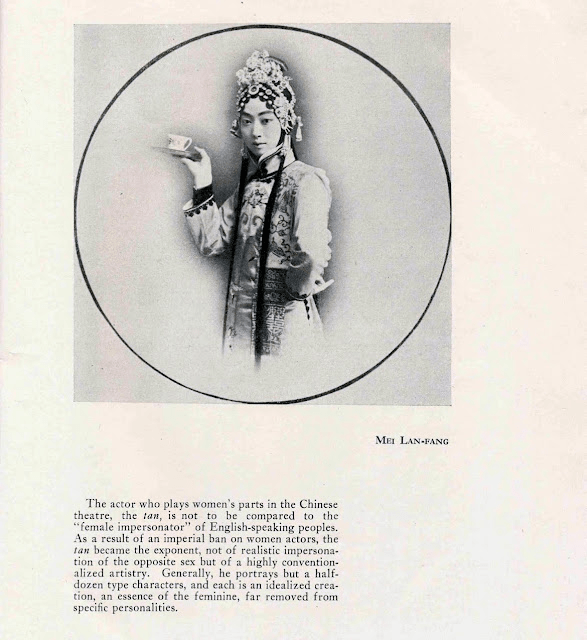
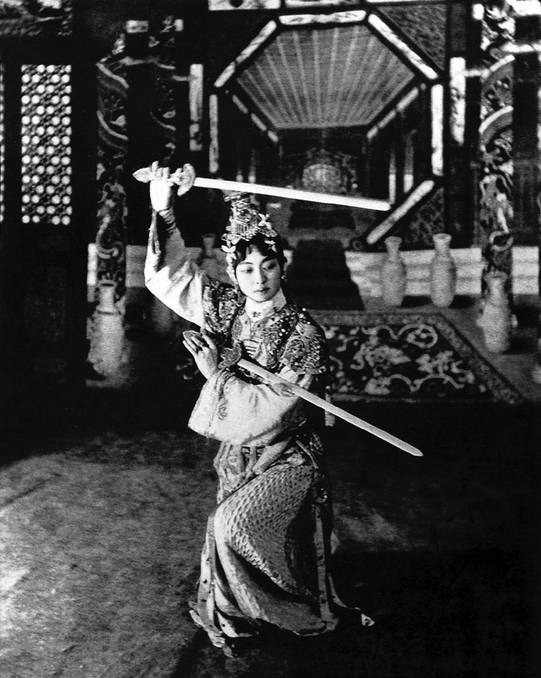
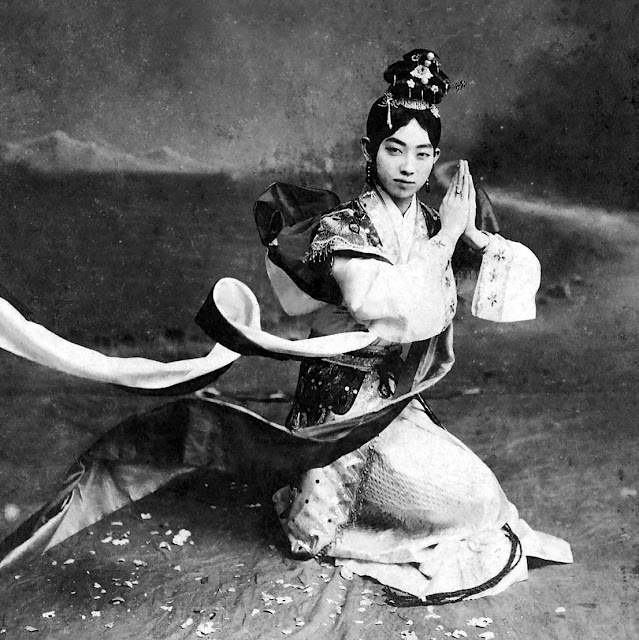
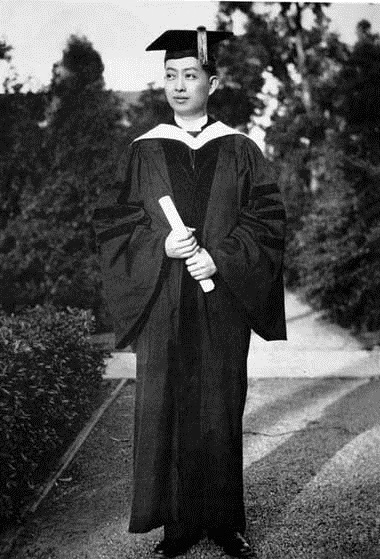
In the history of modern Chinese opera, Mei Lanfang stands as an unexcelled monument. Renowned worldwide, his mastery of Peking Opera was a rare blend of supreme refinement and effortless grace, captivating audiences on both domestic and international stages.
As a master synthesist of Peking Opera, Grandmaster Mei founded the unique “Mei School” (Mei Pai) of performance. He boldly yet carefully revolutionized vocal techniques, spoken dialogue, dance movements, costuming, and makeup, elevating the Dan (female role) artistry to unprecedented heights. Traveling abroad to perform in Japan, the United States, and the Soviet Union, he showcased the enchanting elegance of traditional Chinese theater, taking the world by storm.
Yet, what truly commands the eternal admiration of generations is not merely his status as a titan of Chinese opera, but his personal character—a paragon of nobility, virtue, and moral guidance. His life was the ultimate testament to the phrase: “His art mirrored his soul; brilliant in craft, supreme in virtue.”
Among the many chapters of his life, one heartwarming story illustrates the profound depth of his character.
The Slander and the Silence
During the height of his fame, a reporter from a sensationalist tabloid sought to build a name for himself by publishing provocative and baseless attacks against Mei Lanfang. Aiming to generate public outrage and boost newspaper sales, the reporter repeatedly targeted the master.
Faced with malicious provocation, Master Mei remained completely silent and undisturbed.
Frustrated by the lack of reaction, the reporter grew increasingly aggressive, resorting to harsh insults and public humiliation. Surrounding friends, family, and disciples were furious, unable to stand by while the grandmaster’s honor was attacked. They prepared to confront the reporter, but Mei calmly restrained them, saying gently:
“Leave it be. Pay him no mind.”
Without fuel to feed the flames, the media spectacle eventually died down, vanishing into thin air.
Time passed, and fortune turned. The reporter fell into severe poverty and hardship. Desperate, rejected by everyone, and with nowhere left to turn, a thought suddenly crossed his mind:
Could he ask Mei Lanfang for help?
Filled with shame, guilt, and apprehension, he mustered every ounce of courage he had left and arrived at Mei’s doorstep. Upon learning of his visitor, Mei came out to greet him personally. Overwhelmed by remorse, the reporter immediately began reciting a deeply prepared apology, repenting for his past wrongdoings.
Mei gently interrupted him, his voice calm and soft:
“Say no more. What brings you here today?”
The reporter confessed his current plight—his poverty, his isolation, and his inability to secure assistance anywhere else.
Without a trace of bitterness, resentment, or judgment, Mei reached into his pocket and handed him 200 yuan—a generous sum at the time.
Shaken to his core by such extraordinary magnanimity, the reporter fell to his knees in tears. Mei simply helped him up gently and said quietly:
“Go on now.”

In a world driven by fame, self-interest, and grievances, choosing compassion over retaliation and offering a helping hand to someone who once sought your downfall requires a rare kind of nobility. Mei Lanfang practiced charity, generosity, tolerance, and strict self-discipline throughout his life.
- On stage, he was an extraordinary genius who redefined an art form.
- Off stage, he was a humble gentleman and a true master of life.
This profound grace—transcending personal pride and past grudges—is perhaps the true, timeless spirit behind the lasting brilliance of the Mei School of Peking Opera.
Photos from: https://www.panhistory.org/2019/01/blog-post_3.html


