Boost Your Kidney Health with Traditional Chinese Medicine

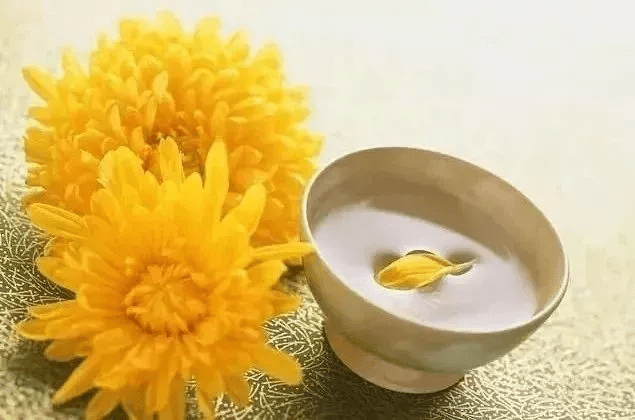
In Traditional Chinese Medicine (TCM), the “kidney” is not just associated with the organ itself, but is considered the center of multiple bodily functions, overseeing everything from physical strength and vitality to bone growth. (Photo from sohu.com)

The kidneys are seen as the foundation of life, and when kidney energy, or kidney qi, is abundant, the body remains strong and full of life. However, when kidney qi is depleted, it leads to weakness, fatigue, premature aging, and is often linked to chronic illnesses.

The Importance of Kidney Qi in TCM
In TCM, maintaining a balanced flow of energy is essential for overall health. The kidney meridian plays a crucial role in regulating the balance of yin and yang within the body. Kidney yin and kidney yang are considered the fundamental energies that support the entire body’s internal organs. When kidney qi is nourished, the body remains strong, and all other organs function properly. Therefore, keeping the kidney energy well-maintained is vital for longevity and overall well-being.

While diet and herbal supplements are commonly used in TCM to support kidney health, a simple and effective method is through regular meridian stimulation. By massaging and promoting energy flow along the kidney meridian, we can help maintain smooth circulation of energy (qi) and blood throughout the body, promoting vitality and longevity.

Winter: The Season for Kidney Care
In TCM, winter is the season most closely associated with kidney health. It’s a time to focus on replenishing and strengthening the kidneys, as the colder months are believed to affect the body’s energy levels. To help support kidney health during this time, TCM practitioners recommend incorporating certain practices into your daily routine.

Dr. Hu Haiya’s Kidney-Rubbing Technique
One of the most accessible and effective ways to nourish kidney qi is through a simple technique known as the kidney-rubbing exercise, shared by the esteemed TCM doctor Hu Haiya. Dr. Hu, who lived to the age of 95 with remarkable health, became a symbol of vitality and longevity. When asked about the secret to his longevity, many expected him to mention some rare, mystical remedy. Instead, he smiled and explained, “There is no magical remedy; the true remedy lies within your own body.”

Dr. Hu then shared the kidney-rubbing technique he practiced regularly. The primary benefit of this exercise is to stimulate and invigorate the kidney qi, which is the foundation of energy and vitality in TCM. When the kidneys are nourished with abundant qi, the body becomes more energetic, the muscles and bones grow stronger, and life expectancy increases.

How to Perform the Kidney-Rubbing Technique

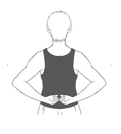
  1. Position your hands: Make loose fists with both hands, leaving the centers of your fists slightly hollow (as shown in the figure).
  2. Place your hands on your lower back: Position your fists over the kidney area, near the waist (Shenshu points). There’s no need to precisely find acupuncture points; just placing the fists on the lower back is sufficient.
  3. Gentle motion: Keep the fists still and use your knees to gently bounce up and down. This will cause your body to move, which creates friction between the fists and the kidney area.
  4. Repetition: Perform this exercise for 500 repetitions or until you feel a slight warmth in your lower back.
Photo 1
Photo 2

Tips for Effective Practice

  • If you’re new to this technique and find it difficult to do all 500 repetitions in one go, don’t worry. Start gradually by breaking it into 2-3 sets and work on building leg strength.
  • Eventually, aim for 500 repetitions in one continuous set. You’ll notice the body begins to feel warm, signaling improved circulation and energized kidney qi.

The Path to Longevity Starts with Kidney Health
By incorporating practices like kidney-rubbing into your routine, you can nurture your kidney health and enhance your overall vitality. In TCM, vitality and longevity are directly linked to the state of our kidney qi. Strengthening this vital energy is key to achieving a healthy, balanced life.

Start today—because true health comes from within.

Link:https://peacelilysite.com/2024/11/15/boost-your-kidney-health-with-traditional-chinese-medicine/

#Kidney #Health #TraditionalChineseMedicine #ChineseCulture #Medicine #HealthandWellness

People who stay joyful in their 70s and beyond usually adopt these 9 daily habits

Photo by RDNE Stock project on Pexels.com

by Lachlan Brown | July 18, 2024, from GlobalEnglishEditing

There’s a significant contrast between simply aging and aging joyfully.

This difference often boils down to habits. While some folks let the years weigh them down, others seem to dance through their 70s and beyond with a smile on their face.

Those who age joyfully are not just lucky. They adopt certain daily habits that keep them buoyant and full of life.

I’ve noticed that there are some key habits that these joyful individuals share. And, if you’re anything like me, you’ll want to know what these habits are.

Ahead are nine daily habits typically adopted by those who stay joyful in their 70s and beyond.

1) They embrace change

When it comes to aging joyfully, adaptability is key.

Those in their 70s and beyond who continue to thrive are often those who have mastered the art of embracing change.

Whether it’s technology, changing family dynamics or shifts in their physical capabilities, they don’t resist. Instead, they adapt and learn.

It’s a simple concept, but not always easy to follow. Change can be daunting. It can be uncomfortable. But it’s also inevitable.

The trick to embracing change lies in shifting your perspective. Instead of viewing change as a threat, view it as an opportunity for growth and new experiences.

The secret? Stay open-minded, stay curious and never stop learning.

This simple daily habit of embracing change can make a world of difference in your outlook on life as you age. It keeps you stimulated, engaged and, most importantly, joyful.

Photo by Andrea Piacquadio on Pexels.com

2) They practice gratitude

One thing I’ve noticed about those who stay joyful in their later years is their capacity for gratitude.

Let me share a personal example. My grandmother, in her 80s, has a daily habit of expressing gratitude. Every morning, she sits by her window with a cup of tea and lists out loud the things she’s thankful for.

Sometimes it’s big things like family and health, sometimes it’s small things like a beautiful sunrise or the sound of birds chirping. The size of the blessing doesn’t matter; what matters is the act of acknowledging it.

I’ve seen how this simple practice has shaped her perspective on life. She focuses on the positive, and this focus radiates joy.

Practicing daily gratitude, I’ve learned from her, is an accessible habit anyone can adopt to age more joyfully.

3) They stay socially active

Contrary to the popular perception of aging as a lonely process, many who remain joyful in their later years do so by maintaining a vibrant social life.

Research in the field of gerontology suggests that social interactions play a crucial role in our mental health and overall well-being as we age.

Staying socially active doesn’t necessarily mean attending grand parties or being constantly on the move. It can be as simple as regular phone calls with a friend, participating in community events, or volunteering for a cause close to your heart.

The key is to stay connected with the world around you. This not only keeps you mentally stimulated but also provides a sense of belonging and purpose, all of which contribute to a joyful mindset.

4) They keep moving

Photo by Marcus Aurelius on Pexels.com

Physical activity is another common habit among those who age joyfully.

They understand the value of keeping their bodies moving. It might be a daily walk around the neighborhood, a yoga class, or even gardening in the backyard. The type of activity doesn’t matter as much as the consistency of being active.

Staying physically active has multiple benefits. It keeps you fit, improves your mood by releasing endorphins (the ‘feel-good’ hormones), and can even enhance cognitive function.

So if you want to join the ranks of those aging joyfully, don’t underestimate the power of movement. Make it a point to stay active and your body, as well as your mind, will thank you for it.

5) They nurture their hobbies

Folks who age with joy tend to have a passion or hobby that they keep alive.

Be it painting, dancing, knitting, or even bird watching, they understand the importance of doing something that brings them genuine happiness. This isn’t about productivity or achievement; it’s about enjoyment.

Having a hobby provides a sense of purpose, keeps the mind engaged, and offers a great way to unwind and relax. It’s a personal space that brings contentment and fulfilment.

So, if there’s something you’ve always wanted to try or an old passion you’ve left behind, now might be the perfect time to pick it up again. It could become your key to aging joyfully.

6) They prioritize relationships

The golden years can be truly golden when filled with meaningful relationships. Those who age joyfully often prioritize their relationships, understanding the deep happiness and comfort that comes from loving and being loved. They make time for their family and friends, cherishing the shared laughs, stories, and even the quiet moments of companionship.

They know that life is filled with ups and downs, and having someone by your side through it all makes the journey more beautiful. These relationships provide emotional security, a sense of belonging, and help to keep loneliness at bay.

Remember, it’s not about having a large number of acquaintances but nurturing a few relationships that are close to your heart. As you age, these bonds can become your greatest source of joy.

7) They practice mindfulness

I’ve seen the power of mindfulness in action. My father, now in his late 70s, has a habit of spending a few minutes every day in quiet reflection.

This isn’t about religious beliefs or meditation practices; it’s about taking a moment to be present, to acknowledge and accept the way things are, without trying to change anything.

On particularly challenging days, he says these moments of mindfulness help him handle stress better, bring clarity to his thoughts, and cultivate a calm demeanor.

By being in the present moment, we can appreciate the beauty of life as it unfolds, even with its imperfections. This sense of acceptance and peace can be a powerful tool for staying joyful as we age.

8) They maintain a balanced diet

Food plays a critical role in our overall well-being, and this is especially true as we age. Those who age joyfully are often mindful of what they eat. They understand that a balanced diet is not just about maintaining physical health, but also about ensuring mental well-being.

They opt for nutritious foods that boost energy levels, enhance mood, and support cognitive function. This doesn’t mean they never indulge in their favorite treats; instead, they aim for a balance that serves both their health and their taste buds.

Eating right can help you feel your best and keep you energized, both of which contribute to a joyful outlook on life.

9) They keep a positive mindset

Above all, those who age joyfully understand the power of a positive mindset.They choose to focus on the good in their lives and in the world around them. They believe in the potential for happiness each new day brings, no matter what challenges it might also carry.

A positive mindset isn’t about ignoring life’s difficulties. It’s about choosing to see beyond them, to find hope and joy even in the hardest of times.

This habit, more than any other, shapes their experience of life as they age. It’s what keeps them resilient, hopeful, and most importantly, joyful.

At the heart of aging joyfully lies a fundamental choice we all have the power to make.

The choice to embrace change, to express gratitude, to stay socially and physically active. The choice to nurture hobbies, prioritize relationships, practice mindfulness, maintain a balanced diet and, above all, keep a positive mindset.

It’s these choices, these daily habits that shape our experience of life as we age. They are the threads that weave together the fabric of a joyful existence in our later years.

Link:https://peacelilysite.com/2024/07/23/people-who-stay-joyful-in-their-70s-and-beyond-usually-adopt-these-9-daily-habits/

Source: https://geediting.com/author/lachlanhackspirit-com/

Healthy childhood diet can ‘keep mind sharp into 70s’ and ward off dementia

From The Guardian

Study is first to track people at different time points in life and finds close link between nutrition and cognitive ability

A healthy diet in childhood can help protect mental sharpness into old age. Photograph: Katarzyna Bialasiewicz/Alamy


A healthy diet earlier in life could help keep you mentally sharp into your 70s, and even ward off dementia, according to research that followed thousands of Britons for seven decades.

While most studies on diet and cognitive ability have focused on people already in or reaching old age, the new review was the first to track people throughout their life – from the age of four to 70 – and suggests the links may start much earlier than previously recognised.

The research adds to a growing body of evidence that a healthy diet could reduce the risk of Alzheimer’s disease and slow age-related cognitive decline. The findings were presented at the annual meeting of the American Society for Nutrition.

“These initial findings generally support current public health guidance that it is important to establish healthy dietary patterns early in life in order to support and maintain health throughout life,” said Kelly Cara, of Tufts University in Massachusetts.

Our findings also provide new evidence suggesting that improvements to dietary patterns up to midlife may influence cognitive performance and help mitigate, or lessen, cognitive decline in later years.”

Cognitive performance can still improve well into middle age, but typically begins to decline after age 65, the researchers said. More serious conditions such as dementia can also develop alongside age-related decline.

For the new research, scientists studied 3,059 adults from the UK who were enrolled as children in a study called the National Survey of Health and Development. Members of the cohort, called the 1946 British Birth Cohort, have provided data on dietary intakes, cognitive outcomes and other factors via questionnaires and tests over more than 75 years.

Researchers analysed participants’ diet at five time points in relation to their cognitive ability at seven time points. Dietary quality was closely linked with trends in cognitive ability, they found.

For example, only 8% of people with low-quality diets sustained high cognitive ability and only 7% of those with high-quality diets sustained low cognitive ability over time compared with their peers.

Cognitive ability can have a significant impact on quality of life and independence as people age, the researchers said. For example, by the age of 70, participants in the highest cognitive group showed a much higher retention of working memory, processing speed and general cognitive performance compared with those in the lowest cognitive group.

In addition, nearly a quarter of participants in the lowest cognitive group showed signs of dementia at that time point, while none of those in the highest cognitive group showed signs of dementia.

While most people saw steady improvements in their diet throughout adulthood, the researchers noted that slight differences in diet quality in childhood seemed to set the tone for later life dietary patterns, for better or worse.

“This suggests that early life dietary intakes may influence our dietary decisions later in life, and the cumulative effects of diet over time are linked with the progression of our global cognitive abilities,” Cara said.

Photo by furkanfdemir on Pexels.com

Study participants who sustained the highest cognitive abilities over time relative to their peers tended to eat more recommended foods such as vegetables, fruits, legumes and whole grains, and less sodium, added sugars and refined grains.

“Dietary patterns that are high in whole or less processed plant-food groups including leafy green vegetables, beans, whole fruits and whole grains may be most protective,” said Cara.

“Adjusting one’s dietary intake at any age to incorporate more of these foods and to align more closely with current dietary recommendations is likely to improve our health in many ways, including our cognitive health.”

Link:https://peacelilysite.com/2024/07/05/healthy-childhood-diet-can-keep-mind-sharp-into-70s-and-ward-off-dementia/

Source: https://www.theguardian.com/society/article/2024/jul/01/healthy-diet-in-childhood-keeps-mind-sharp-into-70s-and-wards-off-dementia

The Longest Study on Human Happiness

The Secret to Having a Long and Happy Life

For over 75 years, Harvard’s Grant and Glueck study has tracked the physical and emotional well-being of two populations: 456 poor men growing up in Boston from 1939 to 2014 (the Grant Study), and 268 male graduates from Harvard’s classes of 1939-1944 (the Glueck study).

Due to the length of the research period, this has required multiple generations of researchers. Since before WWII, they’ve diligently analyzed blood samples, conducted brain scans (once they became available), and pored over self-reported surveys, as well as actual interactions with these men, to compile the findings.

The conclusion? According to Robert Waldinger, director of the Harvard Study of Adult Development, one thing surpasses all the rest in terms of importance:

“The clearest message that we get from this 75-year study is this: Good relationships keep us happier and healthier. Period.”

Not how much is in your 401(k). Not how many conferences you spoke at–or keynoted. Not how many blog posts you wrote or how many followers you had or how many tech companies you worked for or how much power you wielded there or how much you vested at each.

No, the biggest predictor of your happiness and fulfillment overall in life is, basically, love.

Specifically, the study demonstrates that having someone to rely on helps your nervous system relax, helps your brain stay healthier for longer, and reduces both emotional as well as physical pain.

The data is also very clear that those who feel lonely are more likely to see their physical health decline earlier and die younger.

“It’s not just the number of friends you have, and it’s not whether or not you’re in a committed relationship,” says Waldinger. “It’s the quality of your close relationships that matters.”

What that means is this: It doesn’t matter whether you have a huge group of friends and go out every weekend or if you’re in a “perfect” romantic relationship (as if those exist). It’s the quality of the relationships–how much vulnerability and depth exists within them; how safe you feel sharing with one another; the extent to which you can relax and be seen for who you truly are, and truly see another.

According to George Vaillant, the Harvard psychiatrist who directed the study from 1972 to 2004, there are two foundational elements to this: “One is love. The other is finding a way of coping with life that does not push love away.”

When the study began, nobody cared about empathy or attachment. But the key to healthy aging is relationships, relationships, relationships. ” — George Vaillant

Photo by Pixabay on Pexels.com

Thus, if you’ve found love (in the form of a relationship, let’s say) but you undergo a trauma like losing a job, losing a parent, or losing a child, and you don’t deal with that trauma, you could end up “coping” in a way that pushes love away.

This is a very good reminder to prioritize not only connection but your own capacity to process emotions and stress. If you’re struggling, get a good therapist. Join a support group. Invest in a workshop. Get a grief counselor. Take personal growth seriously so you are available for connection.

Because the data is clear that, in the end, you could have all the money you’ve ever wanted, a successful career, and be in good physical health, but without loving relationships, you won’t be happy.

The next time you’re scrolling through Facebook instead of being present at the table with your significant other, or you’re considering staying late at the office instead of getting together with your close friend, or you catch yourself working on a Saturday instead of going to the farmer’s market with your sister, consider making a different choice.

“Relationships are messy and they’re complicated,” acknowledges Waldinger. But he’s adamant in his research-backed assessment:

“The good life is built with good relationships.”

The Secret to Having a Long and Happy Life

Link:https://peacelilysite.com/2023/08/18/the-longest-study-on-human-happiness/

#Harvard#HumanResearch#AdultDevelopment #Happy #healthy #Longlife #Relationship #Love #LongestStudy

Source: https://www.inc.com/melanie-curtin/want-a-life-of-fulfillment-a-75-year-harvard-study-says-to-prioritize-this-one-t.html

Patience Helps Us Slow Down When Things Speed Up

Patience Helps Us Slow Down When Things Speed Up

By Sophie Caldecott

I recently realized that I live most of my waking hours in a state of perpetual striving. There’s a nagging voice at the back of my mind constantly adding new items to my to-do list. My phone is littered with notes made at odd times of the day and night, reminding me to email this person, pitch that idea, edit my website, write this blog post, make a healthier meal plan, and complete a complicated DIY craft project with my kids. 

The lists spill out over the pages of my notebooks and diary, onto sticky notes and scraps of paper in my purse. The to-do list is an ever-evolving beast that is never satisfied, and leaves me feeling impatient, frustrated, and restless. Can you relate?

Overstimulation sets us up for failure

We crave peace — to be fully present in the here and now; to soak it all up; to be grateful for all that we have. But our minds constantly skip ahead to the next task. We barely notice when we reach or surpass one goal because we’re so focused on what we haven’t achieved yet.  

We live in an unnaturally fast-paced culture, with a 24/7 digital connection to the rest of the world. With all the noise that surrounds us, we feel pressure to cram as much into our schedules and brains as possible. 

One of the many consequences of this overstimulation can be that we end up holding ourselves to impossible standards and get impatient with our limitations and seemingly “slow” progress. There are so many things we could do, and we’re more aware of all our options and potential than ever. It can be hard to remember how impossible it would be to actually do it all.

Patience can unlock productivity and open the door to growth

Research shows multitasking damages our productivity and can negatively impact the way our brains process information. We know that rest is essential for our well-being and creativity. The benefits of disconnecting from our tech and making an intentional choice to slow down our lives are more and more widely discussed. 

I’ve found in my own life, however, that understanding the benefits and actually internalizing those beliefs are two different things. One of the trickiest aspects of choosing to unplug and slow down is to tune out that frantic, impatient voice telling us that we’re not achieving enough fast enough. So what’s the solution?

Patience is the antidote to this sense of restless striving — especially learning to have patience with ourselves. Here are a few ideas to help you cultivate this in your own life. 

Tips for cultivating patience

1. Understand that your energy will ebb and flow

Despite what our post-Industrial Revolution capitalist society would like us to think, we’re not machines, and our bodies have more in common with the natural world and the seasons than our constantly switched-on devices. Research shows that our brains rarely work well for long uninterrupted stretches of time, and, as Inc. put it, “An 8-hour workday only makes sense if you’re screwing in widgets on an assembly line.”

You’re probably already aware of your favorite time of day, and have a sense of whether you work better in the morning, afternoon, or evening. This applies to the seasons, as well — your productivity and whether or not you’re feeling at your best, in general, can be hugely influenced by other factors like your hormonal cycle, your health, and whatever is going on in your life at that particular time.

Remembering you’re not a machine and that your mood, abilities, and needs will be constantly shifting and changing can help you become more patient with yourself. 

2. Grow in self-awareness

In their online course, A Seasonal Year, Maddy Lawson and Eleanor Cheetham suggest mapping out the year to find where your energy is naturally highest and where it’s lowest. Think about what kind of work fills you up, and what kind of work leaves you feeling more drained. Consider which seasons find you scribbling down new ideas like there’s no tomorrow, and which ones make you feel like hunkering down and staying firmly in your comfort zone.

Once you’ve learned to recognize your own patterns, you’ll be better placed to think creatively about how you can work with your tendencies, rather than against them. We don’t always have a choice about how much work we have on our plates or how we spend our days, but we usually have at least a little more choice than we think we do. And growing in self-awareness is the first step toward becoming more patient with yourself.

On my own journey towards self-awareness, for example, I’ve learned that my energy tends to be the lowest in the winter. So now I can prepare myself to be less ambitious and more patient with myself during that particular season.

3. Stay curious about your roadblocks

Nir Eyal, the author of Indistractable, encourages us to watch out for the moments when we start to procrastinate and question why we’re putting something off. He points out that there’s always a deeper emotion underneath the instinct to procrastinate — whether that’s fear of failing, not knowing how to do something, weariness and feeling too burnt out to engage with it, or just plain boredom. 

When you cultivate a habit of observing the things that trip you up — that hold you back from making the progress you’d like to make without judgment — you can have more empathy for yourself instead of beating yourself up or calling yourself lazy. Keep in mind, though, that this isn’t about making excuses or trying to get out of doing the necessary work. When you can say, “That’s interesting, I’m trying to put off doing this thing because I’m really tired right now,” it’s easier to be patient with yourself. This allows you to find potential solutions — like rearranging your schedule in order to tackle a task later on with renewed focus and energy — rather than just getting frustrated with yourself.

4. Notice, celebrate, and cultivate gratitude for the good

I’m guilty of not taking the time to reflect on — or celebrate — the good things in my life. I recently achieved a dream I’d been harboring for years, and after about five minutes of feeling excited and happy about it, I went back to worrying about the next thing. This experience helped me realize that patience is a habit — a mindset that we have to cultivate — and that it’s intimately linked with gratitude.

It can feel kind of corny or egotistical to stop and pat yourself on the back when something goes well or you handle something in a way that you’re proud of, but as I get older I’m realizing how important it is to celebrate the small victories. Regularly refocusing on the bigger picture can help you see how far you’ve come, have a deeper sense of gratitude for where you’re at, and make peace with the time it takes to get anywhere good.  

Patience is a virtue

Ultimately, having patience with ourselves helps us to develop deeper patience for others, and it all starts with understanding ourselves better. These tips will help you to self-assess, put patience into practice, and reap the benefits of increased self-awareness and productivity throughout your life. It might seem counterintuitive, but when things speed up, we should slow down — and watch the wonderful results that patience provides. 

Patience Helps Us Slow Down When Things Speed Up

Link:https://peacelilysite.com/2022/12/28/patience-helps-us-slow-down-when-things-speed-up/

#Patience#Cultivate#Self-assess#Self-awareness

Source: https://grottonetwork.com/navigate-life/health-and-wellness/how-to-be-patient-with-yourself-tips/

8 Ways To Self-Sooth Without Using a Mind Altering Substance

8 Ways To Self-Sooth Without Using a Mind Altering Substance

Don’t let everyday stresses and problems get you down to the point where you think the only relief is heavily drinking or some other drug-related solution. Not only will your so-called relief be temporary, it can also be harmful to your health, contribute to possible addiction, and leave you more incapable of dealing with stresses on your own the next time they occur. 

HERE ARE 8 WAYS TO SELF-SOOTH WITHOUT USING A MIND ALTERING SUBSTANCE

READ
Develop a reading habit and you will find that you look forward to your time with your latest book. While you are reading, let this be your time for yourself. Set aside whatever amount of time you can and devote it wholeheartedly to reading.

MEDITATION
Meditation has been practiced for countless centuries to relieve stress, anxiety, depression, to treat a variety of illnesses, to help during treatment for addictive behaviors, reduce high blood pressure, and alleviate pain and to relax. Practice meditating every day at a regular time, for a regular duration. Ultimately, your perspective will start to evolve and you will grow more able to choose your moods and reactions instead of them choosing you.

YOGA
No need to be a master practitioner or a contortionist to reap the benefits from yoga. Yoga can be described as a collection of spiritual techniques and practices that seek to integrate mind, body and spirit in the quest to achieve enlightenment or oneness with the universe.

Photo by Prasanth Inturi on Pexels.com

TAKE A HOT BATH
AH, the satisfaction of soaking in a hot bubble bath, one of the best natural ways to relax and unwind. Give it a try! Light a candle, dim the lights and bring your awareness to the breath. Deep inhales through the noise, exhales out the mouth. Try this for sets of 5. You’ll absolutely feel less anxiety and much more able to cope with the challenges of day to day life.

VOLUNTEER
There’s no question there are many deserving charities and organizations that can use help. Volunteer to help serve meals at homeless shelters, or give of your time to visit with senior citizens at assisted living centers. When you look outside yourself and your own problems and give of yourself, it’s a selfless form of generosity that rewards you with a sense of inner peace.

WALK IN NATURE
Walking in nature helps you to decompress, as it magically increases the bodies natural feel-good chemicals. Breathing in the fresh air, noticing the beauty, and listening to the sounds around you will no doubt elevate your mood, leaving you with a feeling of completion and relaxation. 

BECOME MORE SPIRITUAL
Spirituality is something that is actively pursued, cultivated, and nourished. You don’t need to be religious to reap the rewards of a heightened spirituality. You can develop your spirituality by looking inward and trying to improve your outlook on life. Becoming more spiritual will give you a new appreciation for life and how precious it is. You will be able to give more of yourself to others, and gain richness beyond measure in return.

MAKE A GRATITUDE LIST
Get into the habit of writing down 5 things you are grateful for every morning. Goodness has a way of spreading its way around. When you are positive in your outlook, and act in a manner that inspires others to do likewise, you are helping to lift others out of themselves and into a better appreciation of life.

Life is all about living. Let’s make this life the best we can for as long as we have. You won’t need drugs to help you relax. Living life to the fullest will be your gift — to you and to those you love. Namaste.

Photo by Nilina on Pexels.com

8 Ways To Self-Sooth Without Using a Mind Altering Substance

Link: https://peacelilysite.com/2022/11/09/8-ways-to-self-sooth-without-using-a-mind-altering-substance/

#SelfSooth#Yoga#SPIRITUAL#VOLUNTEER#InnerPeace#WellnessHealth#Meditation

Source: https://www.beinghappybuddha.com

6 warning signs of a heart attack in women

6 warning signs of a heart attack in women

Heart attacks are often stereotyped as something that happens to older men, not women. But heart disease is the leading cause of death for women in the United States.Yet only about half (56%) of women know this.1

Plus, the way women experience a heart attack can feel different from men. While both men and women may have chest pain during a heart attack, women tend to have symptoms in addition to chest pain.

Researchers found that when women have a heart attack, they’re more likely to experience 3 or more related symptoms compared to men.2 These symptoms may include jaw pain, neck pain, back pain, and shortness of breath, and can make it hard for women to tell if they’re having a heart attack.

Women are also more likely than men to think their heart attack symptoms are caused by anxiety and stress.2 Oftentimes, this misunderstanding — combined with a wider range of symptoms — can cause women to wait longer to get treated.

“Several studies have shown that women wait longer to get treatment for a heart attack than men,” says Mingsum Lee, MD, a clinical cardiologist at Kaiser Permanente’s Los Angeles Medical Center.

So, it’s important to learn these symptoms of a heart attack and know when to seek care.

Heart attack warning signs for women

1. Chest pain

The most common heart attack symptom for women (and men) is chest pain. “About 90% of women and men have chest pain when they’re having a heart attack,” says Dr. Lee.

This chest pain and discomfort usually happens after stress — the stress can either be physical, like exercise, or emotional stress. The pain is usually strong, comes on gradually, and increases in intensity over several minutes.

“Typically, the pain feels very deep and it’s hard to localize or pinpoint,” says Dr. Lee. “People generally use terms like ‘pressure,’ ‘squeezing,’ ‘heaviness,’ or ‘tightness’ to describe the sensation in their chest.”

2. Arm, back, neck, or jaw pain

“Sometimes chest pain can radiate or travel through your arm, neck, jaw, or your back,” says Dr. Lee. The pain may gradually get more intense over several minutes.

Since most people expect pain to be in their chest during a heart attack, these symptoms can be very confusing. This is especially true because it may be difficult to pinpoint where the pain started.

3. Stomach pain

Nausea and stomach pain may also be heart attack warning signs for women. “Sometimes people come in late for care because they think they’re having heartburn or acid reflux,” says Dr. Lee. Heartburn or reflux comes from inflammation in the esophagus, which is right next to the heart. This can make it hard to tell if it’s discomfort from eating certain foods or a heart attack. “Generally speaking, heartburn can be triggered by certain spicy food, citrus, and alcohol,” she explains. And acid reflux feels worse when you lie down.

4. Shortness of breath

You might be having a heart attack if you suddenly have shortness of breath for no apparent reason. It may feel like you have to stop and catch your breath while doing an ordinary task. “For example, if you can normally do grocery shopping with no problem, but suddenly you can’t catch your breath while you’re walking down the grocery aisle and you have to stop to rest, that’s a warning sign,” says Dr. Lee.

5. Sweating

Sudden sweating plus chest pain is another related heart attack symptom for women. You may feel like you’re having a cold sweat or feel clammy while also feeling some chest pain.

6. Fatigue

Similarly, chest pain with sudden fatigue and exhaustion may be a sign that you’re having a heart attack. You may feel overly tired for no reason — and the fatigue comes out of nowhere. Your regular activities suddenly become too difficult because you’re extremely tired.

Don’t hesitate to call 911

You might not have all of these heart attack warning signs. But if you’re having any of these symptoms, call 911 immediately. Don’t wait.

In her work, Dr. Lee has seen both younger and older women put off going to the doctor — even when they’re feeling heart attack symptoms. “Young women are often focused on being the caretaker for their children or elderly parents, and they don’t come into the hospital because there’s no one else to take care of their children or parents,” she says.

On the flip side, Dr. Lee has seen older women who are widowed and live alone not want to bother their children or friends. “These women may be having chest pain, but they don’t want to bother people. So they sit at home and hope the symptoms go away,” she says. Sometimes, they don’t drive and are too embarrassed to ask for help.

“I think a lot of times women are used to being the caregivers, so when they themselves need help they aren’t used to asking for it,” Dr. Lee says. This could be another reason why women wait so long to get care for heart attacks.

But it’s important to listen to your body and prioritize your health.

Bottom line: If you’re not sure if you’re having a heart attack, come into the hospital to get checked out. “The earlier you come in for medical care,” Dr. Lee says, “the earlier we can start therapy and the less damage there will be to the heart.”

Risk factors for heart attack in women

In addition to knowing key heart attack symptoms, it’s also important to know if you have risk factors for heart disease. “Many women aren’t aware that they’re at risk for heart attack,” explains Dr. Lee. “So when they start having symptoms, they don’t even consider that it’s a warning sign.”

Common risk factors for women include:

  • Certain medical conditions. Women are at higher risk for heart disease if they have diabetes, high blood pressure, or an inflammatory disease like rheumatoid arthritis or lupus.
  • Pregnancy complications. Women who had pregnancy complications like gestational diabetes, gestational hypertension, or preeclampsia are at higher risk for heart attack later in life.
  • Smoking. Research shows that smoking can increase the risk of heart attack for young people by sevenfold.3 And female smokers are 25% more likely to have heart disease than male smokers.3
  • Lifestyle choices. Poor diet, overuse of alcohol, and physical inactivity all increase a woman’s risk for heart attack.
  • Menopause. Lower levels of estrogen after menopause can increase the risk of heart attack for women.

Understanding your risk factors and knowing common heart attack symptoms are  important first steps in taking care of your heart.

Link: https://wisdomtea.org/2022/03/10/6-warning-signs-of-a-heart-attack-in-women/

Share this: