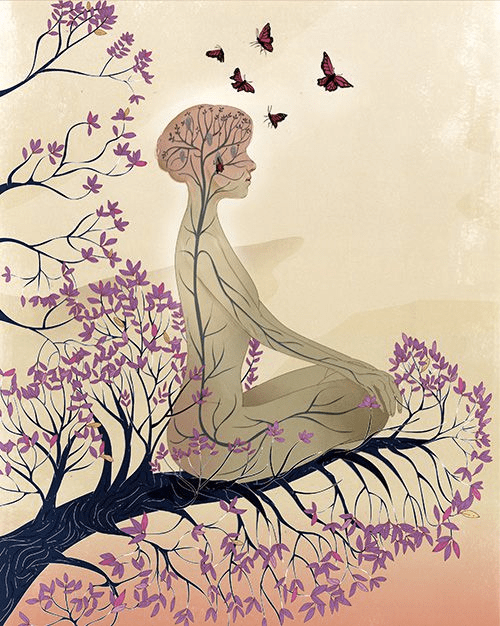
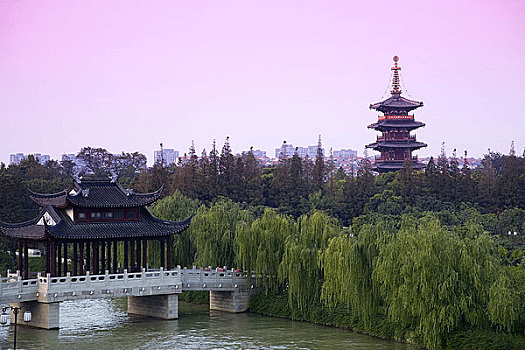
Carl Jung, a pioneer of western psychology, is renowned for his extensive studies of different cultures, religions, and mythologies. He was able to integrate the knowledge from these diverse fields into his theories, making him a unique figure in the field of psychology. One area that had a particularly profound impact on Jung’s thinking was Buddhism, and in particular, Zen Buddhism.
Jung conducted a deep study of Zen Buddhism, and even wrote a foreword for a book by D.T. Suzuki (“An Introduction to Zen Buddhism”), a pioneering Buddhist teacher who introduced Zen Buddhism to the west. In his foreword, Jung used his western perspective and psychological insights to explain the concepts of Zen Buddhism, offering a fresh and new perspective on this ancient tradition.
Could any of us boast that he believes in the possibility of a boundlessly paradoxical transformation experience to the extent moreover of sacrificing many years of his life to the wearisome pursuit of such a goal? And finally , who would dare to take upon himself the responsibility for such an unorthodox transformation experience – except a man who was little to be trusted, one who, maybe for pathological reasons has too much to say for himself? Just such a person would have no cause to complain of any lack of following among us. But let a ‘Master’ set us a hard task, which requires more than mere parrot-talk, and the European begins to have doubts, for the steep path of self-development is to him as mournful and gloomy a the path to hell.
(Psychology and the East by C. G. Jung – Forward to D.T. Suzuki’s Introduction to Zen Buddhism, pub. Ark 1978)
One of the key concepts in Zen Buddhism that fascinated Jung was the idea of enlightenment. In Zen, enlightenment is seen as a state of perfect awareness and understanding, where one transcends the limitations of the ego and experiences a deep connection with the universe. Jung was intrigued by the way that Zen Buddhists achieved this state through meditation and other spiritual practices, and saw parallels between their experiences and his own ideas about the unconscious mind.
Jung’s understanding of Zen enlightenment was different from the way that western religions typically view spiritual enlightenment. In western religions, enlightenment is often seen as a state of moral perfection or divine union, and is usually achieved through faith and devotion to a higher power. In contrast, Zen enlightenment is seen as a direct experience of the true nature of reality, and is achieved through introspection and self-realization.
Jung believed that the concepts of Zen Buddhism could offer valuable insights into the human psyche, and he incorporated many of these ideas into his own theories of psychology. He saw the practice of meditation and mindfulness as a way to access the unconscious mind and achieve greater self-awareness, and he believed that the teachings of Zen Buddhism could help people to find inner peace and balance in their lives.
However, many Buddhist masters, experts, and scholars have their own unique understanding of Zen, which often comes from their own experiences. The contemporary Buddha, H.H. Dorje Chang Buddha III has expounded a dharma titled “The Great Dharma of Zen Practice.” In this teaching, the Buddha used perfect wisdom to profoundly explain what Zen is, how the ancient patriarchs practiced Zen and realized the way, and the specific methods of Zen meditation. If you want to understand Zen and practice Zen meditation, this is a must-read classic. Readers will surely gain great benefits and guidance from it.
After learning about Eastern painting, American painter Graves said: “I realized that art and nature are landscapes of the soul, from which we can perceive the essence of human existence.” When you are fortunate enough to encounter these masterpieces, you will gain insight into the essence of Eastern art.
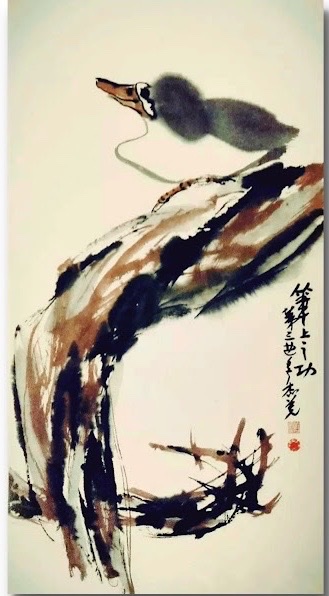
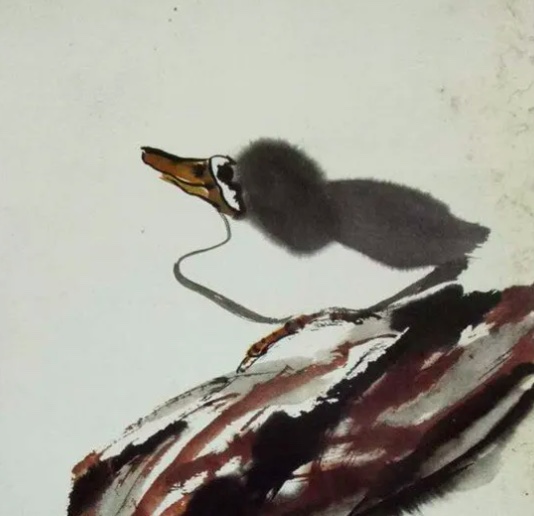
“Bi Shang Zhi Gong (Skillful Brushwork)” is a masterpiece of Chinese flower and bird painting that appears fresh and clear at first glance, profound in meaning after viewing, and unforgettable after further contemplation. The composition is extremely simple: in the center of the painting is a uniquely shaped bird with a flat, long beak and a spotlessly white belly. It sits comfortably and alone on the curved, thick trunk. Its eyes are ethereal and deep, as if completely focused; its posture demonstrates that wherever it is, is the focal point.
Upon careful observation, you will find that everything in the painting is in a state of colorful transformation. The bird’s head and back are painted with two blocks of ink that are close in shade, creating a melting effect, with the ink color seemingly still wet and spreading around.
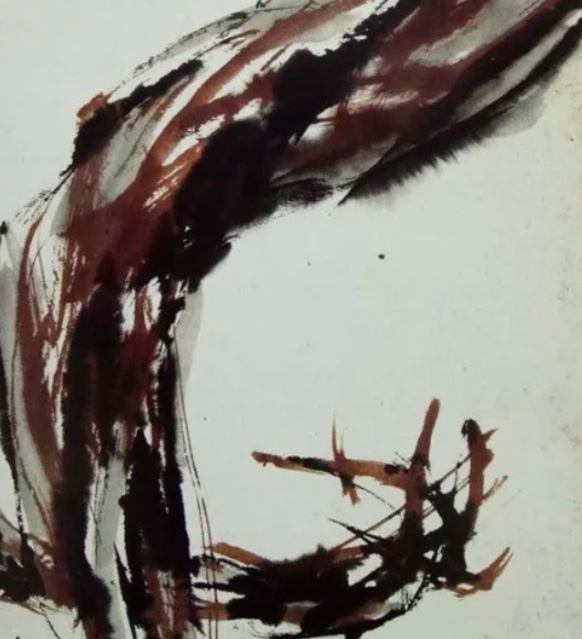
The trunk’s ink lines are clear and distinct, resembling a tree yet not quite a tree, as if constantly changing in the impermanence. At the bottom left of the tree, a branch twists and turns out, creating an S-shaped composition in the painting that is still in motion. The painting also uses color sparingly, with only a warm and friendly purple-brown color applied to the bird’s beak and the trunk.
This painting has a fascinating story behind it. It was created in 1982 during the filming of a movie in Sanhe, Sichuan. The painting captures an on-the-spot portrayal of a real-life scene. The artist used ink sparingly, treating it as if it were as precious as gold, while still showcasing his exceptional skills. At the time, the News Film Studio of China was producing a documentary exclusively about the artist, Master Yi Yungao (H.H. Dorje Chang Buddha III).
The cameramen and other observers witnessed a wild duck landing on a withered tree trunk. Master Yi Yungao quickly picked up his brush and swiftly completed the entire painting. By the time the wild duck took flight again, the painting had already been finished. Furthermore, the artistic mastery embodied in this artwork is extraordinary. It not only preserves the elegance, purity, and high-quality of traditional paintings but also introduces a new style—expressing the artistic conception of returning to original purity and simplicity. The artist, with an unfettered hand and mind, applies his most mature skills without the slightest attachment and with minimal, natural brushstrokes.
This masterpiece Chinese painting by H.H. Dorje Chang Buddha III is rich in literary atmosphere and varied in layers. It does not merely depict the external world, but rather it serves as a true manifestation of the inner spirit, transcending the natural material form to open up the world through the illumination of life’s spiritual light, reflecting the spiritual world. Appreciating the painting can reveal the pure world behind it, where everything, including the self, is forgotten, remaining untainted.
Albert Einstein and Charlie Chaplin were two of the most iconic figures of the 20th century, known for entirely different reasons. A memorable exchange from early in their friendship perfectly and humorously illustrates these differences.
Einstein once expressed his admiration for Chaplin’s art, saying, “What I most admire about your art is its universality. You don’t say a word, yet the whole world understands you!”
Chaplin’s response, delivered with impeccable comedic timing, was, “True. But your glory is even greater! The whole world admires you, even though they don’t understand a word of what you say.”
I find myself in agreement with Chaplin. While I may not grasp the intricacies of Einstein’s scientific achievements, I admire him as a profound thinker who grappled with life’s deepest questions. His reflections on the universe and our place within it have been particularly inspiring to me since my youth.
Einstein’s curiosity and search for meaning are traits that many of us can relate to. He once expressed a desire to ask God about the origins of the universe, believing that such knowledge would lead to a deeper understanding of life’s purpose. He said, “I used to think that if I could ask God one question, it would be about how the universe began, because then all the rest would be just equations. But as I got older, I became less concerned with how the universe began. Instead, I would want to know why he started the universe. If I knew that, then I would know the purpose of my own life.”
Furthermore, Einstein pondered the nature of the universe and our perception of it, stating, “The most important decision we make is whether we believe we live in a friendly or hostile universe.” This quote underscores the power of our beliefs and attitudes in shaping our experiences and interactions with the world around us. A friendly universe is one where we see opportunities for growth and connection, while a hostile universe may lead to fear and isolation.
The Einstein quote that resonates with me the most is, “A human being is a part of the whole, called by us ‘Universe,’ a part limited in time and space. He experiences himself, his thoughts and feelings as something separated from the rest, a kind of optical delusion of his consciousness. This delusion is a kind of prison for us, restricting us to our personal desires and to affection for a few persons nearest to us. Our task must be to free ourselves from this prison by widening our circle of compassion to embrace all living creatures and the whole of nature in its beauty. Nobody is able to achieve this completely, but the striving for such achievement is in itself a part of the liberation and a foundation for inner security.” In this quote, Einstein alludes to the Buddhist concept of interconnectedness and the illusion of separateness. However, Einstein likely only grasped the theoretical concept and did not experience the oneness with the universe. The Buddha, on the other hand, has seen the truth, experienced the oneness, and achieved inner realization.
Over two thousand five hundred years ago, Shakyamuni crossed the Nairanjana River and sat under a Bodhi tree, where he was immersed in deep inner contemplation. At that time, he was tormented by worldly desires, hunger, craving for sleep, and fear and doubt. But he triumphed over these internal demons and continued his inner quest.
Then, like a limitless, penetrating beam of light, Shakyamuni experienced a moment of clarity in which he gained profound insight that life is eternal and one with the vast cosmos. He became a Buddha—a person awakened to the supreme truth of the Law of life.
The Buddha, Siddhartha Gautama, achieved enlightenment under the Bodhi tree, and the first words he spoke were: “How amazing, how amazing, all sentient beings possess the wisdom and virtue of the Tathagata. However, due to delusions and attachments, they cannot realize it. “
In the eyes of the Buddha, all sentient beings inherently possess the wisdom, the characteristics, and the blessings of the Tathagata within their minds that are troubled by afflictions, defilements, and the cycle of birth and death. Through this teaching, we know that Buddha-nature is inherently present in all sentient beings.
Einstein’s words resonate with the teachings of Buddha, who attained enlightenment and taught that all beings are interconnected. Buddha’s teachings emphasize compassion and understanding for all living beings, recognizing that we are all part of the same universe. Unlike Einstein, who believed that complete compassion was unattainable, Buddha demonstrated that it is possible to embrace all living beings and the universe in its entirety with love and kindness.
However, Buddhism is much deeper and vaster than just these concepts. All Buddhas possess three bodies and four wisdoms. The Mahāyāna theory of the three bodies—the dharma-body, the reward-body, and the response-body—is most common. The dharma body (法身) is considered to be the eternal, indestructible true principle, the Buddha’s original body. The response body (應身) is considered to be the Buddha’s manifest body, but in Mahāyāna Buddhism, it is regarded as the personification body, which manifests from the true principle according to the temperaments and abilities of sentient beings in order to save them.
The reward body (報身) is manifested as a combination of the other two and is therefore not simply the eternal true principle, nor simply an impermanent personality. Rather, it is an ideal body possessed by those who have awakened to the true principle based on meritorious practice. It is the living form of the eternal principle, possessing individuality. This is a general explanation, and there have been many interpretations of the Buddha-body theory in the history of Buddhism, among which there are significant differences. The three bodies are not separate entities but three integral aspects of a single Buddha.
The four wisdoms of Buddha are: Great Mirror Wisdom, which is still and void—motionless; Universal Wisdom, which is capable of facing mind-defilements without attaching to them through love or aversion; Wonderful Observing Wisdom, which has the ability to discriminate and discern the wide field of sensory impressions, while at the same time never experiencing unbridled and reactionary patterns of thought; and Perfecting Wisdom, which can direct all the sense faculties into observing phenomena without being constrained by dualism.
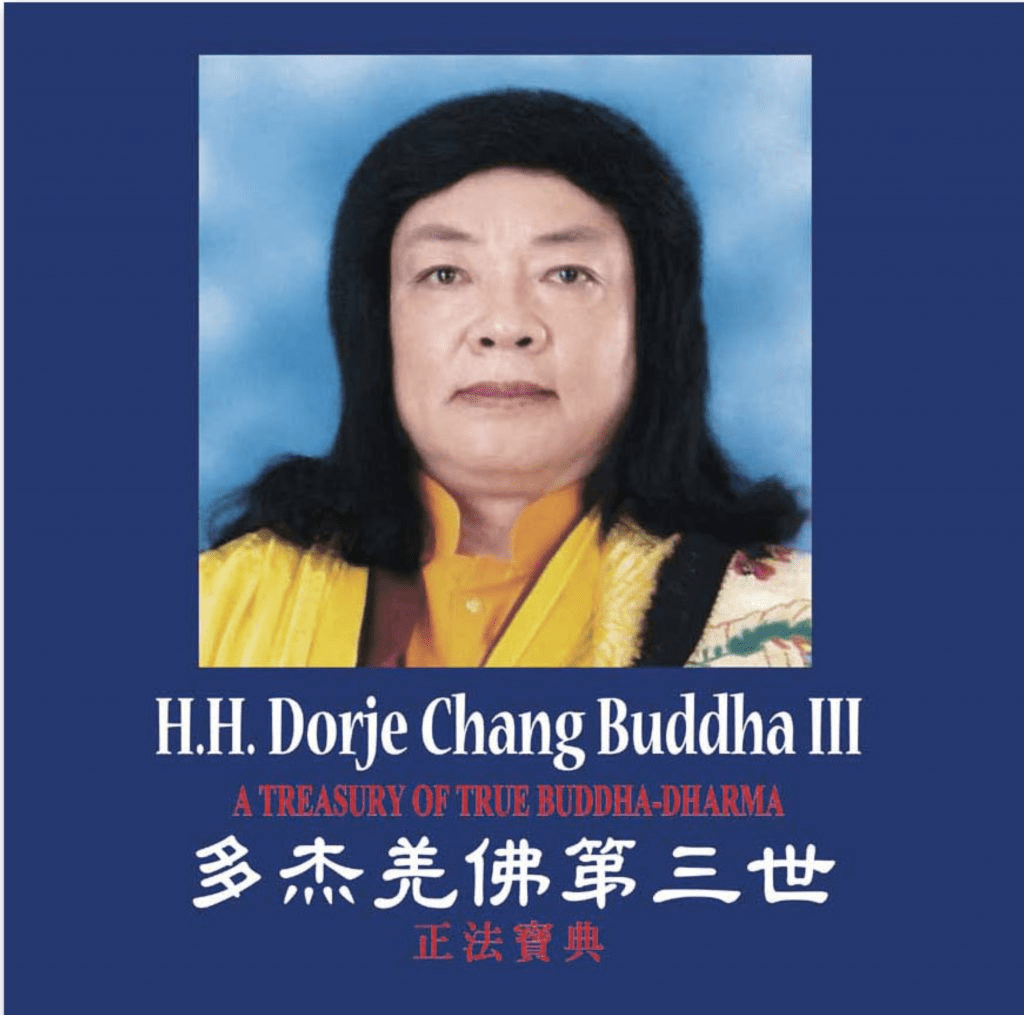
Buddha possesses vast knowledge, superb skills, magnificent supernormal power, and comprehensive wisdom of the universe. The treasure book, “H.H. Dorje Chang Buddha III,” stands as a testament to this statement. However, this book contains only a drop of water from the vast ocean of Buddha’s teachings and wisdom.
The video below showcases the boundless compassion and highlights the extraordinary accomplishments of H.H.Dorje Chang Buddha III. It was published by China Educational Channels TV and features interviews with Buddhist disciples from around the globe.
Discovering the Root of Buddhism, Propagating True Buddha Dharma(H.H. Dorje Chang Buddha III)
A Zen practitioner was meditating by the river when he heard struggling sounds. Upon opening his eyes, he saw a scorpion struggling in the water.
He reached out to lift it up, only to be stung by the scorpion’s raised stinger. He placed the scorpion on the bank and continued meditating.
After a while, he heard struggling sounds again. Opening his eyes, he saw the scorpion had fallen back into the water.
He rescued it again, and of course, was stung once more. He continued meditating.
After a while, he had the same unfortunate encounter.
A nearby fisherman said, “You’re so foolish, don’t you know that scorpions sting people?”
The Zen practitioner replied, “I know, I’ve been stung three times.”
The fisherman asked, “Then why do you still save it?”
The Zen practitioner said, “Stinging is its nature, compassion is mine. My nature will not change because of its nature.”
At that moment, he heard struggling sounds again. Looking down, it was the same scorpion.
He looked at his swollen hand, then at the struggling scorpion in the water, and without hesitation, reached out to it again.
This story beautifully illustrates the Buddhist principle of compassion and loving-kindness towards all living beings, regardless of their actions. It embodies the teachings of the Buddha, who emphasized the importance of cultivating a heart full of compassion.
The practice of compassion is central to the Buddhist path. In Mahayana Buddhism, the Bodhisattva ideal embodies the ultimate expression of compassion. A Bodhisattva is one who, motivated by great compassion, has generated bodhicitta, the spontaneous wish to attain Buddhahood for the benefit of all sentient beings.
Moreover, the story reminds us of the great sacrifices made by Siddhartha Gautama, who later became known as Shakyamuni Buddha. He renounced his life of luxury and privilege to seek the ultimate truth of life and the universe. His journey was fueled by the desire to find a way to liberate all beings from the cycle of birth and death, known as samsara.
However, after two and a half millennia, the profound teachings of Shakyamuni Buddha have been gradually forgotten. To revive and propagate the Dharma once more, the primordial Tathagata Buddha, Dorje Chang Buddha, incarnated as H.H. Dorje Chang Buddha III in our world.
H.H. Dorje Chang Buddha III has not only brought the highest form of Buddha Dharma to this world but also set a remarkable example for all disciples through his boundless compassion and humility.
In the past decade, H.H. Dorje Chang Buddha III has endured significant suffering due to long-term persecution for his religious activities. A member country of Interpol once requested that the organization issue a warrant for his arrest. This request was later voluntarily withdrawn by the member country after several years. Following a thorough investigation, in October of 2008, the 72nd session of the Commission for the Control of Interpol’s Files withdrew the arrest warrant and dismissed the entire case against H.H. Dorje Chang Buddha III. Interpol also issued a document stating unequivocally that the arrest warrant against H.H. Dorje Chang Buddha III has been canceled and all member countries have been informed of the cancellation.
Although H.H. Dorje Chang Buddha III received official notification of the withdrawal of the arrest warrant and the removal of the entire case, he has never publicly displayed such documents to prove his innocence. Despite enduring slander, H.H. Dorje Chang Buddha III chose not to disclose this irrefutable evidence. When the World Peace Prize Awarding Council inquired about this, he responded by explaining that his duty is to bear all of the karmic offenses committed by living beings and to bestow upon them all of the good karma and merit that he has cultivated. He expressed concern that if he were to prove his innocence using those documents, those who slandered him would be perceived as guilty. He questioned, “Who, then, will bear their karmic offenses?”
There have been many instances that highlight his holiness’s profound compassion. For example, some of his disciples once left and defamed him, but he still welcomed them back with open arms and treated them no differently than before.
H.H. Dorje Chang Buddha III often reminds his disciples that he harbors no enemies and that all sentient beings are his dearest relatives. He encourages everyone to reflect on their own actions and to strive to lead a life filled with kindness, patience, and understanding.
His Holiness Dorje Chang Buddha III embodies the essence of selflessness and serves as a moral beacon for all to follow. He has also demonstrated how peace can be achieved through determination, humility, and the perseverance to champion its cause even in the face of adversity.
The recent Asian Games held in Hangzhou, China, brought the world’s attention to a spectacular opening ceremony that dazzled the senses. It was a momentous occasion that reminded me of Hangzhou’s unique charm—a city that effortlessly blends history, culture, and breathtaking natural beauty. In this blog post, I am trying to introduce some Hangzhou’s rich history, cultural significance, and the enchanting West Lake that graces this remarkable destination.
Hangzhou’s historical significance dates back over a thousand years. As the capital of the Southern Song Dynasty (1127-1279), it was the political, economic, and cultural center of ancient China. The city’s past is vividly reflected in its well-preserved landmarks, such as the Grand Canal, which was once the world’s busiest and longest artificial waterway. The canal played a pivotal role in facilitating trade and cultural exchange between northern and southern China.
Hangzhou’s cultural heritage is as rich as its history. The city is celebrated for its pivotal role in nurturing Chinese art, literature, and philosophy. It is home to numerous temples, museums, and historical sites. One of the most iconic landmarks is the Six Harmonies Pagoda, which offers breathtaking views of the Qiantang River. Additionally, Hangzhou is renowned for its tea culture, with the world-famous Longjing (Dragon Well) tea originating from the lush plantations that surround the West Lake.
The West Lake, or Xi Hu in Chinese, is Hangzhou’s crown jewel, a UNESCO World Heritage Site that captivates visitors with its picturesque beauty. Surrounded by lush hills, willow-lined pathways, and charming pagodas, the lake’s serenity has been an inspiration to poets, artists, and philosophers for centuries. Its natural allure changes with the seasons, making it a destination worth visiting year-round.
Highlights of the West Lake
Leifeng Pagoda, perched atop Sunset Hill, is a historical gem that offers sweeping vistas of the West Lake. As the sun gracefully descends below the horizon, this iconic pagoda bathes the lake in its enchanting glow, creating a magical setting perfect for a romantic evening. But beyond its scenic beauty, Leifeng Pagoda is intertwined with a captivating and somewhat tragic love story that has captured the hearts of generations.
In the Chinese folk tale “The Legend of the White Snake,” the story unfolds with the white snake, who falls deeply in love with a young man named Xu Xian. In a remarkable transformation, the white snake assumes the guise of a young lady and marries Xu Xian. However, their love is not without obstacles. The wise monk Fahai recognizes the bride’s true identity as a white snake and cunningly deceives Xu Xian, leading him to Jinshan. In a valiant attempt to rescue Xu Xian, the White Lady rushes to Jinshan, only to be suppressed under the Leifeng Pagoda by Fahai.
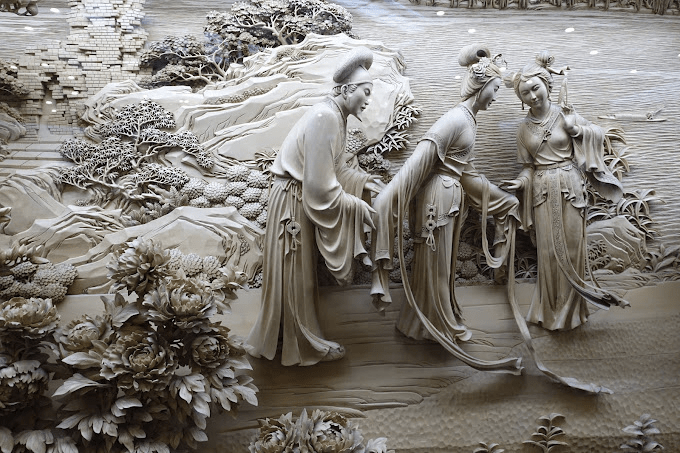
The hidden interior of Leifeng Pagoda is adorned with intricate carvings crafted in the style of Dongyang woodcarvings. These carvings vividly depict the captivating love story of Bai Niangzi (the White Snake) and Xu Xian as told in the legend of “The Legend of the White Snake.” The carvings employ five distinct techniques, including round carving, semi-round carving, high relief, deep relief, and shallow relief. These techniques are skillfully combined into a form known as “overlay carving,” which serves to enhance the storytelling and character portrayal within the legend.
Leifeng Pagoda, with its breathtaking views and rich cultural significance, stands as a testament to the enduring power of love and storytelling. It invites visitors to delve into the enchanting world of Chinese folklore while appreciating the timeless beauty of the West Lake at sunset.
Three Pools Mirroring the Moon: This picturesque scene features three small pagodas surrounded by water, beautifully illuminated during the Mid-Autumn Festival. It’s a breathtaking sight that draws thousands of visitors each year.
West Lake Cruise: Exploring the lake by boat provides a unique perspective of its beauty. As you glide across the serene waters, you’ll pass by charming islets, arched bridges, and elegant lakeside gardens.
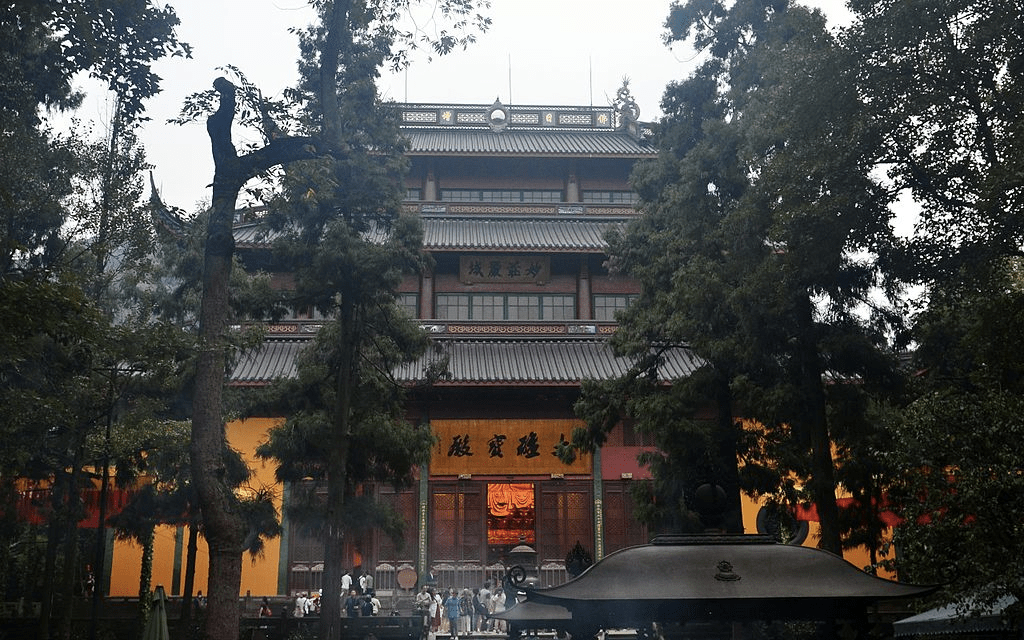
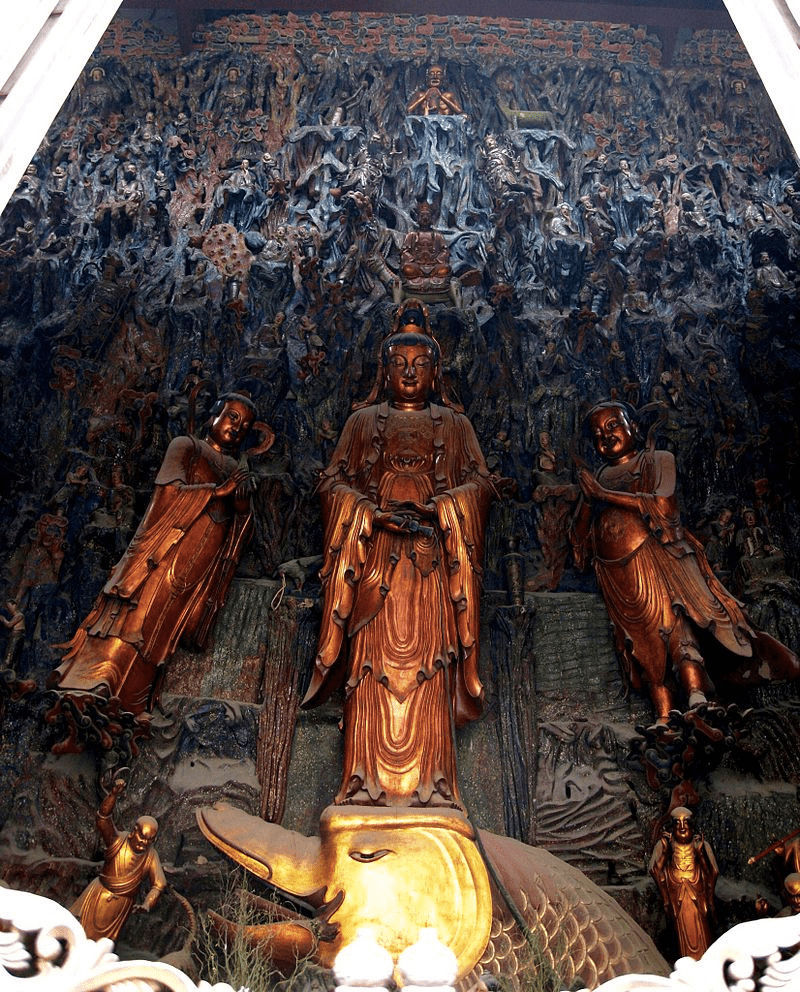
Lingyin Temple: Located in the vicinity of the West Lake, Lingyin Temple is one of China’s most ancient and revered Buddhist temples. Its serene atmosphere and intricate carvings make it a cultural treasure.
According to historical tradition, the origins of Lingyin Monastery trace back to the year 328 AD, during the Eastern Jin dynasty (266–420). The monastery was established by an Indian monk known as Huili in Chinese. Right from its inception, Lingyin gained widespread recognition as a prominent Buddhist institution in the Jiangnan region.
During its zenith under the Wuyue Kingdom (907–978), Lingyin Temple stood as a grand edifice. It comprised nine multi-story buildings, 18 pavilions, 72 halls, and more than 1300 dormitory rooms, providing a sanctuary for over 3000 monks. The legacy of this era is also etched into the rich Buddhist carvings that adorn the Feilai Feng grottos and the surrounding mountains.
In the later years of the Southern Song dynasty (1127–1279), Lingyin Monastery retained its eminence, securing its position as one of the ten most significant temples of the Chan sect in the Jiangnan region. Regrettably, this prominence did not shield the monastery from the ravages of time and external threats. Over the centuries, Lingyin Temple has undergone reconstruction no less than sixteen times. While some of the existing structures date back to earlier Chinese dynasties, much of what stands today are modern restorations from the late Qing period (1644–1911).
The temple is also associated with a famous and eccentric monk, Jigong. The legends of this mad monk find their roots in the life of a historical figure named Li Xiuyuan (1148-1209). Born into a family of officials with a long-standing Buddhist tradition in Tiantai County, Zhejiang Province, Li Xiuyuan’s life took a different course when his parents passed away at the age of 18. He made his way to Lingyin Temple, the largest Buddhist temple in Hangzhou, where he became a monk.
Hall of Master Jigong
Under the guidance of Hui Yuan, a senior abbot at Lingyin Temple, Li received the Buddhist name Daoji. However, he was not inclined toward the temple’s customary routines of sutra chanting and meditation. In defiance of strict Buddhist rules, he indulged in eating meat and drinking alcohol, even publicly. His appearance often featured a dirty, tattered cassock, and he could be spotted wandering the streets in a half-drunken state.
Despite his peculiar behavior, Li endeared himself to the local community. He displayed great compassion for the poor and disadvantaged, possessed remarkable skills in medicine, and was known for his ability to treat complex ailments, often saving lives. He was also noted for his wit and what some considered magical abilities. As a result, he became known as Ji Gong the Living Buddha, a folk hero whose legacy has endured in China for over 800 years.
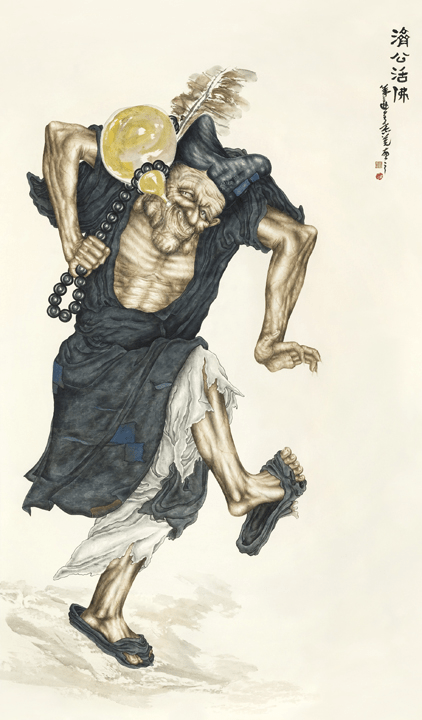
Ji Gong’s distinctive image, with a crumpled hat, ragged robe, and a worn-out palm leaf fan, remains familiar to the public. In fact, an ink painting of Jigong HuoFo, created by the artist H.H. Dorje Chang Buddha III, is displayed in the International Art Museum of America. This artwork skillfully captures the monk’s details, including his skin, meridians, and veins, utilizing fine brushwork and realism to vividly portray the life of this beggar-like figure who held a special place in the hearts of many.
Another remarkable natural treasure worth mentioning is Longjing Tea. West Lake Longjing tea is among China’s most prestigious teas, renowned for its attributes of “vibrant green color, rich fragrance, mellow taste, and exquisite appearance.” It is often referred to as the “Four Uniques.” Cultivated in five primary production regions—ShiFeng, Longjing, Yunxi, Hupao, and Meijiawu—West Lake Longjing tea is celebrated for its superior quality. Among these regions, ShiFeng stands out as the finest, and “Mingqian tea” is its most coveted variety, frequently chosen as a high-quality gift for special occasions. Shifeng Longjing tea is predominantly produced in the renowned tea villages of Hangzhou Longjing Village and Wengjiashan Village, signifying the “Number One Tea Village in the World.”
Moreover, it’s worth noting that H.H. Dorje Chang Buddha III has masterfully crafted a tea called “Bi Yu Chun,” which has achieved the highest-grade ranking in China. His Holiness has elevated the traditional techniques of tea production to a level of perfection, resulting in the creation of this exceptional green tea.
Bi Yu Chun possesses a unique flavor and unparalleled quality. Its tea leaves are compact and delicate, retaining their natural fuzz, boasting the color and luster of green jade. This tea exudes a pure aroma reminiscent of chicken broth or roasted chestnuts. It offers a pleasantly refreshing taste that lingers, maintaining its rich flavor for an extended duration. The tea is beautifully translucent, displaying a radiant green akin to that of green jade, akin to a mountain spring. Long after you savor it, the delightful flavor of Bi Yu Chun lingers in your thoughts.
In June of 1989, a competition was held to select the finest Chinese teas. Bi Yu Chun was among the contenders, alongside esteemed Chinese teas like Shi Feng Long Jing, Dong Ting Bi Luo Chun, and Jun Shan Yin Zhen. Evaluated by a committee of tea experts based on the conventional standards for tea evaluation, Bi Yu Chun scored an outstanding 101 points, surpassing all other grades to earn the title of the top Chinese tea. Experts hailed Bi Yu Chun for rectifying the three common shortcomings of Chinese green tea: insufficient greenness, a bitter and astringent taste, and an inability to withstand steeping well. Bi Yu Chun has thus exceeded the highest global standards for tea production and is acclaimed as the premier Chinese tea.
H.H. Dorje Chang Buddha III‘s talents extend beyond being an exceptional painter; he is also a superb tea artisan. The wisdom and knowledge of His Holiness are truly profound and transcend human imagination.
Hangzhou, with its rich history, cultural significance, and the enchanting West Lake, offers a unique blend of experiences that captivate the soul. Whether you’re exploring the city’s historic sites, sipping on a cup of Longjing tea, or strolling along the shores of the West Lake, Hangzhou is a destination that promises an unforgettable journey through China’s past and present. It’s a place where tradition and modernity coexist harmoniously, leaving an indelible mark on all who have the privilege to visit.
The belief in Bodhisattva Ksitigarbha is deeply rooted in Asian folk religions, offering a profound message of compassion and salvation. Ksitigarbha, also known as “Earth Treasury” or “Earth Store,” is revered for his extraordinary vows and his unwavering commitment to alleviating suffering, particularly in hellish realms. In China, alongside Manjusri, Samantabhadra, and Avalokiteshvara, Bodhisattva Ksitigarbha is honored as one of the “Four Great Bodhisattvas.”
The “Sutra of the Bodhisattva Ksitigarbha’s Fundamental Vows” is a sacred scripture, attributed to Shakyamuni Buddha himself, that highlights the remarkable vow power of Bodhisattva Ksitigarbha. In this sutra, Ksitigarbha’s magnificent vow is eloquently praised: “Until the hells are empty, I will not attain Buddhahood, and I will only achieve enlightenment after saving all beings.” The text also provides insights into Ksitigarbha’s exemplary actions and deeds along his spiritual path.
A Tale of Filial Piety and Redemption: In one of his past lives, Bodhisattva Ksitigarbha incarnated as a woman named Guangmu. She exemplified unparalleled filial devotion, but her mother’s disbelief in karma led to her descent into hell after death. Learning of her mother’s plight, Guangmu selflessly sacrificed her most cherished possessions to accumulate merits on her mother’s behalf. Before the Buddha, she made a solemn vow: to secure her mother’s permanent liberation from the three evil paths and, only then, seek her own enlightenment. Through Guangmu’s selfless acts and immense vow, her mother swiftly attained liberation and ultimately achieved Buddhahood.
People place their faith in Bodhisattva Ksitigarbha due to his profound aspiration: “To save all sentient beings and attain enlightenment; I will not achieve Buddhahood until hell is empty.” This resolute vow has made him a beacon of hope for those seeking liberation in the afterlife.
The holy birthday of Bodhisattva Ksitigarbha falls on the last day of July in the Chinese lunar calendar, which corresponds to September 14th this year. Buddhists worldwide come together to honor and memorialize Bodhisattva Ksitigarbha during special assemblies held in Buddhist temples. These gatherings serve not only to pray for the well-being of all living beings but also to beseech blessings for departed relatives and friends, hoping they will ascend to higher realms through the benevolent influence of Bodhisattva Ksitigarbha. This year, a special assembly was held at Hua Zang Si temple in San Francisco on September 10th.
Every year, my participation in the Ksitigarbha Dharma assembly evokes a mix of emotions. On one hand, I feel a deep sense of joy as I pray for the protection and blessings of the Buddhas and Bodhisattvas for all beings. On the other hand, a profound sadness envelops me as I witness my loved ones departing from this world one by one. The list of those to be transferred to a better realm, through prayers and rituals, continues to grow. This year, the passing of my uncle, the youngest brother of my father, added to the somber realization of life’s brevity and the swift nature of impermanence.
As I age, I keenly experience various illnesses, physical decline, and a slowing of my movements. These experiences have deepened my understanding of why H.H. Dorje Chang Buddha III continually reminds us to cultivate the awareness of impermanence. In “What is Cultivation?” and in many pre-recorded Dharma discourses, His Holiness emphasizes that being mindful of impermanence is the cornerstone of our spiritual development. Without this awareness, one cannot establish the sincere commitment required to practice Buddhist Dharma earnestly and break free from the cycle of life and death.
Life has presented me with numerous unpredictable natural disasters and personal sufferings. Unless I persistently dedicate myself to spiritual practice, the looming specter of death may catch me unprepared, leading to a fate that is both pitiable and terrifying.
I earnestly pray that all Buddhas and Bodhisattvas, with a special invocation to Bodhisattva Ksitigarbha, bless all living beings with the wisdom to grasp the impermanence of life. May we all diligently cultivate ourselves, seeking liberation in this lifetime and guiding the departed souls to higher realms, where they can encounter the profound teachings of Buddhism and ultimately break free from the cycle of birth and death.
Han Suyin was born in Xinyang, Henan Province, China, on September 12, 1916, to a Chinese father and a Belgian mother. She was raised in a multicultural and multilingual environment, which greatly influenced her future writings and perspectives.
Ms. Han Suyin gained international recognition as a prolific writer, primarily known for her semi-autobiographical novels. Her most famous work, “A Many-Splendored Thing,” published in 1952, became a bestseller and was adapted into a successful Hollywood film titled “Love Is a Many-Splendored Thing” in 1955. She authored numerous novels, essays, and articles that delved into themes of love, cultural identity, and East-West relations.
Ms. Han Suyin, an extraordinary figure in her own right, shared a remarkable connection with world leaders and spiritual luminaries from across the globe. Her life was intertwined with a little-known story of profound affinity with a great sage.
In February 1982, Ms. Han Suyin and her husband, Mr. Lu Wenxing, made a long-awaited journey to Sichuan, their ancestral homeland, to celebrate the Chinese New Year with their family. This marked her first return to Sichuan for the New Year since the establishment of the People’s Republic of China. As a professional writer, she was an unwavering observer of the human and cultural aspects of her homeland. She once articulated, “My life will forever traverse two opposing directions, leaving love to embrace love; leaving China to return to China.” This succinctly summarized her life’s journey. Her deep love for this ancient land fueled an unceasing quest for individuals with profound philosophical ideals, firmly convinced that within the mystical realm of China’s ancient civilization, cultural giants awaited discovery to awe the Western world.
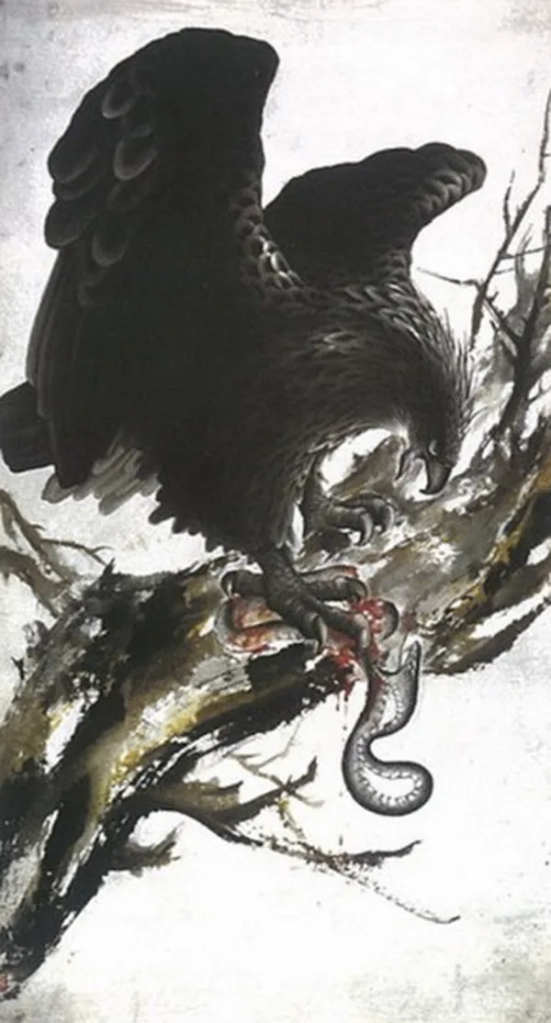
Fate and reason have their own ways. Soon, Ms. Han Suyin discerned her calling with remarkable acumen. While visiting an exhibition of Chinese paintings at Sichuan’s Wenshu Monastery, she was captivated by a yet-to-be-displayed masterpiece of a soaring eagle. The painting exuded vastness, antiquity, ethereality, and enduring profundity. Having toured renowned art museums worldwide and seen countless world-famous paintings, she found herself profoundly moved by this artwork, eagerly wishing to acquire it as a lifelong treasure. Regrettably, the exhibition had not yet officially opened, dashing her immediate hopes.
With the assistance of the local cultural department, Ms. Han Suyin eventually tracked down the artist behind the masterpiece. To her astonishment, the creator was an elegant young man, and an instant kinship developed between Ms. Han and this young prodigy. Their conversations touched upon a spectrum of subjects, from various styles within the Chinese art scene to global artistic movements and the evolution of humanistic ideals.
Upon parting ways, Ms. Han Suyin not only acquired the eagle painting for her collection but also handpicked two additional Chinese paintings, intending them as cherished gifts for her close friends. Thus, an international writer and an ancient sage forged a profound and enduring connection.
In 1993, eleven years later, Ms. Han Suyin reflected on this treasured memory, describing it as follows: “…I was the first fortunate individual to witness His artwork and immediately recognize His talent. His painting technique, marked by ever-shifting nuances and a compelling balance of strength and delicacy in each brushstroke, left an indelible impression on me. His vast knowledge and wide-ranging interests extended beyond art into the realm of traditional Chinese herbal medicine. His passion for medicine stemmed from his father’s status as a renowned traditional Chinese medicine practitioner. Moreover, he ventured into enhancing a particular palace-grade tea and brought it to market. In recent years, he has dedicated himself to creating a significant work, striving to establish a new life philosophy rooted in the authentic principles of Buddhism and the universe. Consequently, he produced internationally acclaimed paintings. His series of paintings featuring Buddhist monks garnered high praise in Japan and Singapore. His achievements were also acknowledged in North America, where he assumed a professorship at the Sino-American Cultural and Arts Research Institute and served as the president of the Chinese Painting Research Association at the Chinese Social Welfare and Education Center in Beijing. I genuinely believe he is an exceptional artist, and I am firmly convinced that his unwavering pursuit of knowledge will lead to even greater accomplishments…”
So, who is this extraordinary sage whom Ms. Han Suyin esteemed, and whom the world came to admire? None other than H.H. Dorje Chang Buddha III.
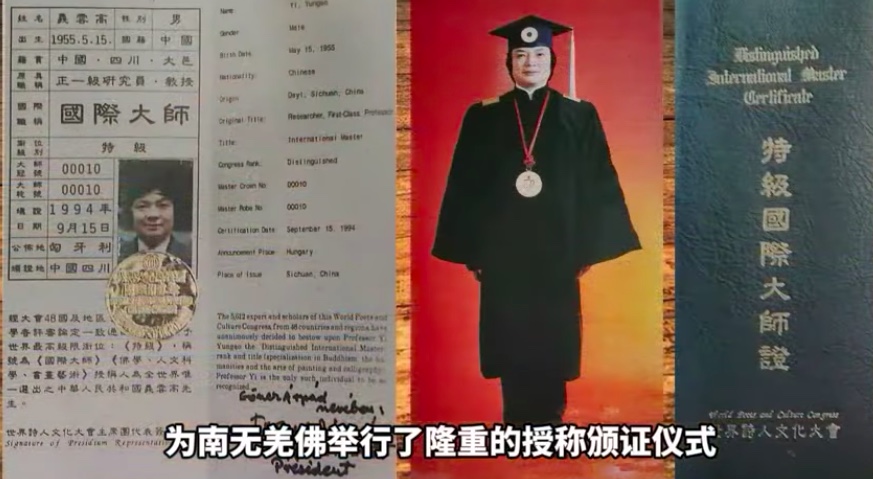
It must be acknowledged that Ms. Han Suyin’s discerning judgment was remarkably precise, as she firmly believed. H.H. Dorje Chang Buddha III‘s achievements were indeed unparalleled. In 1994, at the World Poets Conference, 5,612 experts and scholars from 48 countries and regions acclaimed Mr. Yi Yungao (H.H. Dorje Chang Buddha III ) as the world’s sole supreme international master, acknowledging his extraordinary contributions in Buddhism, the humanities, medicine, painting, and his lofty moral character. On September 28 of the same year, special envoys from the conference traveled to Sichuan to present him with the certificate of supreme international master, bearing the signature of the President of the International Olympic Committee, Samaranch.
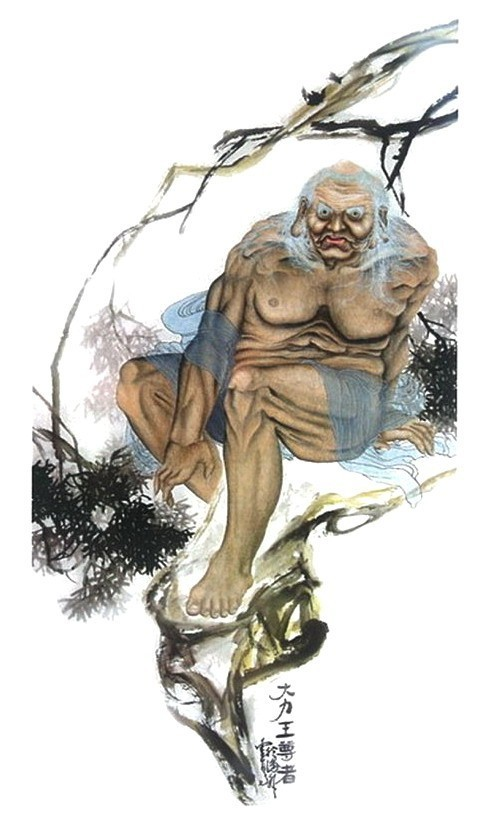
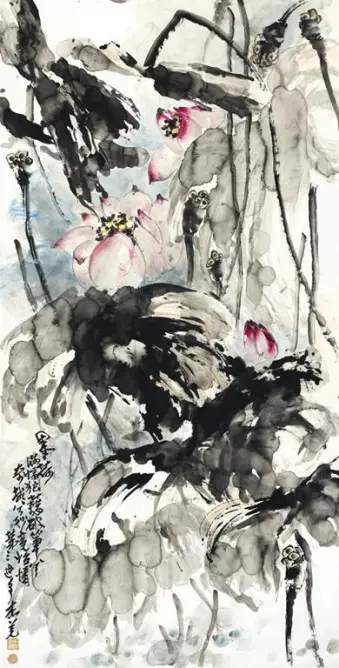
In the year 2000, H.H. Dorje Chang Buddha III‘s artworks “Thunderous” and “Great Strength Vajra” achieved prices exceeding 2.12 million dollars and 2.2 million dollars, respectively, in the international market. Then, in March 2015, his artwork “Ink Lotus” set a record price at the New York Spring Auction, reaching an astonishing 1.65 million dollars per square foot.
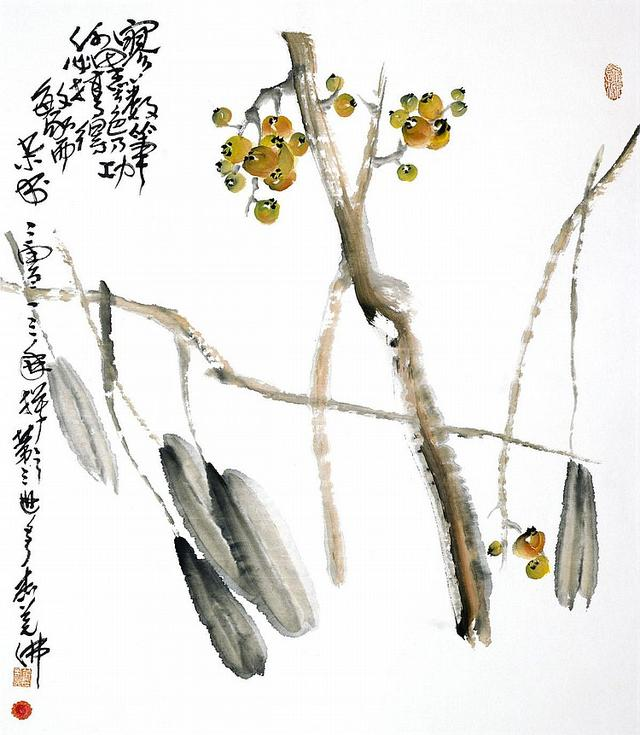
Another piece, “Loquat,” measuring six square feet, was successfully auctioned at an astounding price of 10.2 million dollars at the New York Zhenguan International Auction Company’s autumn auction, establishing an unprecedented record for Chinese paintings in the auction market. When calculated on a per square foot basis, it reached an astonishing 1.7 million dollars per square foot. The painting, “Loquat,” drew praise from experts at the auction company during the autumn preview, exceeding the criteria of a “masterpiece” set by ancient Chinese art critics. They described it as follows: “In the style of H.H. Dorje Chang Buddha III , this painting exhibits an ever-changing technique, with strength and depth in every brushstroke, and an endless charm.”
World news media reports have hailed H.H. Dorje Chang Buddha III as an “unprecedented master in the history of Chinese painting” and as the “pioneer who propelled Chinese painting art onto the global stage.” At this juncture, we, the younger generation, express our deep admiration and respect for Ms. Han Suyin’s extraordinary discernment.
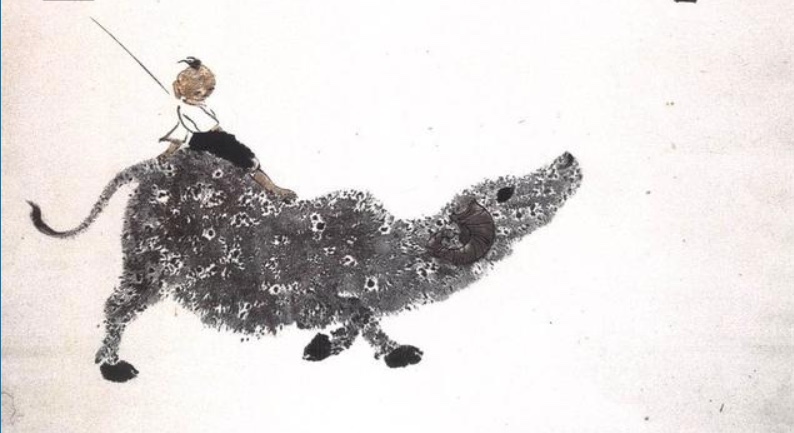
At year February 2007, this Year of the Ox (by H.H. Dorje Chang Buddha III) painting was exhibited at an auction in the Hua Zang Si Temple in San Francisco. Even though I saw it online, when I saw this work in person that year, I was suddenly transported into a world of pure and poetic spirituality.
The ox strolled leisurely, Looking up to admire the scenery. On the ox’s back, a young herder, Humming a tune, Enjoying a unique sense of freedom. Though there was no verbal communication, There was mutual companionship, Dependence on each other.
Later, I saw this painting again at The International Art Museum of America in San Francisco. It was as if I were re-experiencing the long-lost joy of childhood innocence, and I couldn’t help but stop and admire this exquisite masterpiece.
The entire composition of the painting is concise: an ox, a flute, a young herder on the ox’s back, a few simple strokes representing tree branches, and a hint of green. The old ox was covered in glistening sweat, and no matter where or when, it remained calm, with steady steps and a high head, as if filled with determination and strength for the journey of life. The young herder reclined comfortably on the ox’s back, at ease and trusting that the old ox would take him where he wanted to go. Urban dwellers fortunate enough to witness such a rare and beautiful scene would find their tense hearts instantly relaxed.
In terms of technique, this Chinese painting exhibits remarkable simplicity, featuring an expansive and open composition coupled with unique and striking artistic techniques. The skillful use of white space within the artwork, thanks to clever design choices, not only avoids diminishing or dulling the image but also creates boundless room for the viewer’s imagination to roam. Additionally, the artist employed a scattered perspective technique to lend the painting a three-dimensional quality, skillfully using emptiness to convey form. The seamless integration of form and emptiness results in an exceptionally elegant layout.
This painting serves as a testament to the artist’s ability to convey the inherent charm of nature and capture the essence of a pure and childlike spirit, offering solace and enjoyment to its viewers. What is particularly astonishing is the meticulous application of ink at a minute level, portraying the oxen’s hairs in an array of intricate variations.
Although the painting does not depict the colors of early spring, mountains, valleys, or springs, they seem to be faintly visible on the canvas. It’s said that by calculating white as black and using emptiness as a form of depiction, the simplicity of the image leaves room for endless beauty and boundless imagination. This painting beautifully exemplifies the traditional Chinese cultural principle that ‘The Dao resides in simplicity.’ It evokes thoughts of the legendary tale of Laozi departing China on a green ox through the Hangu Gate in pursuit of Sakyamuni Buddha.
Having been in the hustle and bustle of the city for a long time, one longs for the tranquility of the countryside. But once in the quiet countryside, one can’t bear the loneliness and solitude. The restless heart can’t resist the temptation of the bustling world and constantly seeks outward under the pull of desire. When lost and falling into despair, one realizes that this is not the life one truly desires.
In reality, the ideal paradise is not far away; it resides in the inner tranquility and practicality of the present moment. Just like the young herder and the old ox in the painting, tranquility and boundless joy are always found in the present moment.
Choosing forgiveness makes it easier to forget pain
A scientific study published on May 21, 2014, in the journal ‘Psychological Science’ found that people who choose to forgive are more likely to forget the details of past hurts. This is because the act of forgiveness triggers a mechanism that helps in forgetting painful memories.
Researchers from the University of St. Andrews in the United Kingdom had 30 participants read content describing various scenarios, including severe harm to others and theft. They then asked each participant to rate the extent of harm caused by each behavior and to consider how likely they would be to forgive the perpetrator if they were the victim.
Two weeks later, the same group of participants read the same content, but this time it was color-coded, with some portions in red and others in green. Researchers instructed participants to recall the content in green while avoiding thinking about the red portions.
Dr. Saima Noreen, the lead author of the paper, explained that participants who initially chose to “forgive” had difficulty recalling the details when they later tried to remember the events. In contrast, those who initially chose “not to forgive,” even when instructed not to recall the details during the experiment, still had vivid memories.
The research findings suggest that when people make the decision to “forgive,” the brain activates a forgetting mechanism that helps them forget painful memories that were once detrimental to them. While achieving true forgiveness may still be challenging at times, simply choosing forgiveness can make it easier to forget those memories.
Dr. Noreen stated, “The relationship between forgiveness and forgetting is bidirectional and becomes more complex over time. Over the long term, we have known that forgiving others has positive effects on personal health.”
The Lifelong Disasters of Unforgiveness
In recent years, researchers have conducted numerous experiments to explore the relationship between ‘forgiveness’ and health. They have discovered that forgiveness, as a psychological activity, can improve cardiovascular function, reduce chronic pain, alleviate stress, and enhance the quality of life. It is indeed a potent remedy for maintaining good health.
On the other hand, individuals who harbor unresolved conflicts and refuse to forgive often experience constant psychological tension. The inner turmoil, when left unresolved, can lead to heightened brain and nervous system activity. This can result in nervous tension, blood vessel constriction, elevated blood pressure, gastrointestinal spasms, and inhibited digestive secretions, thereby increasing the risk of heart disease, mental health issues, and other ailments.
Practical life experiences have also demonstrated that individuals who react impulsively and are unable to forgive others tend to escalate minor issues into major conflicts, intensifying contradictions, and causing long-term consequences for themselves.”
In the book Midnight Conversations in Medicine (醫山夜話)compiled from real-life cases, the chapter titled “Financial Ruin Caused by Unforgiveness” narrates the life catastrophe resulting from “unforgiveness.”
In the story, the patient’s name is Rui, who sought treatment at a Traditional Chinese Medicine clinic for Parkinson’s Disease. In Chinese medicine, Parkinson’s Disease is referred to as “tremor paralysis.” Rui had been suffering from this condition for nearly three years, experiencing tremors in both of her hands. She often struggled to eat because of her severe tremors, with her food falling to the ground before reaching her mouth. After a period of treatment with traditional Chinese medicine, her condition showed little improvement, with symptoms frequently recurring. Perplexed, the Chinese medicine practitioner inquired about her life, leading Rui to recount the events that had unfolded:
“My husband and I run a container shipping company for ships. We own a villa on an island, sharing a private road with our neighbors. On the island, it’s just our two families. Due to the poor condition of the road, we proposed that both families contribute money to repair it. However, our neighbors opposed the idea, so we had to foot the bill for repairs ourselves. Unfortunately, the workers we hired were careless and dumped the road repair stones in the middle of the road, causing inconvenience to our neighbors’ traffic. They suspected that we did this out of spite and sealed off a gate that belonged to their property but was more convenient and closer to our home. This meant that we had to take a much longer route to get home.
“My husband, in his anger, turned off the main water valve. We had installed the water system first, and to save money, they connected their water supply from ours. Turning off the valve cut off their water source. This infuriated them, and they retaliated by pouring cement and piling stones on our driveway, completely blocking our way home. And so, over a mere 2,000 yuan road repair cost, we became bitter enemies. What’s even more unbearable is that both sides hired lawyers, and this legal dispute has been going on for nearly three years, costing us a whopping 2 million yuan in legal fees. During these three years, we couldn’t go home, and they couldn’t live there either. Now our conflict has escalated to a life-and-death struggle. The house cannot be sold due to the unresolved lawsuit, it’s uninhabitable, and it needs repairs…”
As Rui continued her narrative, she became increasingly emotional, her hands trembling, her face turning red, and her emotions nearly reaching the breaking point. The Chinese medicine practitioner realized the underlying cause of her recurring illness was rooted in her inability to forgive.
Psychologists have found that when people can view conflicts from the other person’s perspective, there are significant physiological changes. Both heart rate and blood pressure decrease, there is less frowning, and skin conductance (a measure of sympathetic nervous system activity) also decreases – all of which are good indicators of the sympathetic nervous system functioning.
Religions also emphasize the practice of forgiveness. In Christianity, it is taught that forgiveness towards others is essential for God to forgive one’s own sins. Buddhism, on the other hand, encourages a comprehensive approach to forgiveness. In the core process of self-cultivation, true Buddhist practitioners are guided to embrace the Four Limitless States of Mind, which encompass virtues such as Equanimity, Loving Kindness, Compassion, and Sympathetic Joy.
A profound illustration of forgiveness is exemplified by the contemporary Buddha, H.H. Dorje Chang Buddha III,. One of His Holiness’ disciples, Hongxi Fazang, engaged in numerous defamatory actions against H.H. Dorje Chang Buddha III, through social media and within Buddhist temples. Later, he came to realize the gravity of his actions and was overwhelmed with remorse. Desiring to return to the guidance of the Buddha Master, he sought reconciliation.
Remarkably, the profoundly compassionate Buddha welcomed him back as a disciple with the same love and teachings as before. When other disciples found it hard to believe Hongxi Fazang’s return, His Holiness simply said, “If I don’t forgive him, who can?” The following video showcases Hongxi Fazang’s heartfelt repentance and deep gratitude towards H.H. Dorje Chang Buddha III, at the Holy Miracle Temple.
Hanshan Temple (寒山寺), which translates to Cold Mountain Temple, is situated in the Gusu District of Suzhou city. Originally named “Miaoli Puming Temple,” it dates back to the Liang Dynasty of the Southern Dynasties, specifically from A.D 502-519. Covering an area of approximately 13,000 square meters, the temple boasts a construction area exceeding 3,400 square meters.
During the Tang Dynasty’s Zhenguan period (A.D. 627-649), two prominent monks of the time, Hanshan and Xiqian, founded Hanshan Temple. Over its more than 1,300-year history, the temple has suffered five fires (some versions claim seven), with its most recent reconstruction occurring during the Guangxu period (A.D. 1875-1908) of the Qing Dynasty. Historically, Suzhou’s Hanshan Temple held a prestigious position among China’s top ten famous temples. Its fame extends beyond borders due to a poem composed by Zhang Ji, a Tang Dynasty poet, which is taught in Chinese primary schools. This poem is also included in the curriculum of Japanese schools, further elevating Hanshan Temple’s renown in Japan, attracting numerous Japanese visitors who come to pay their respects to the Buddha. The temple features numerous historic buildings and tablet inscriptions authored by calligraphers, making it a popular destination for those seeking peace and spiritual solace.
Hanshan Temple holds a distinguished place in China’s Buddhist history, chiefly because of the famous poem by Tang Dynasty poet Zhang Ji. This poem is part of the curriculum in primary schools in both China and Japan.
The Night Lodging at Maple Bridge By Zhang Ji
月落乌啼霜满天 The moon sinks in the frosty sky and ravens caw far and near
江枫渔火对愁眠 Riverside maples and fishing lamps gloomily make me drowsy
姑苏城外寒山寺 From the Han-Shan temple siting at outside of the Gu-Su town
夜半钟声到客船 Come midnight bell rings as a passenger boat is arriving
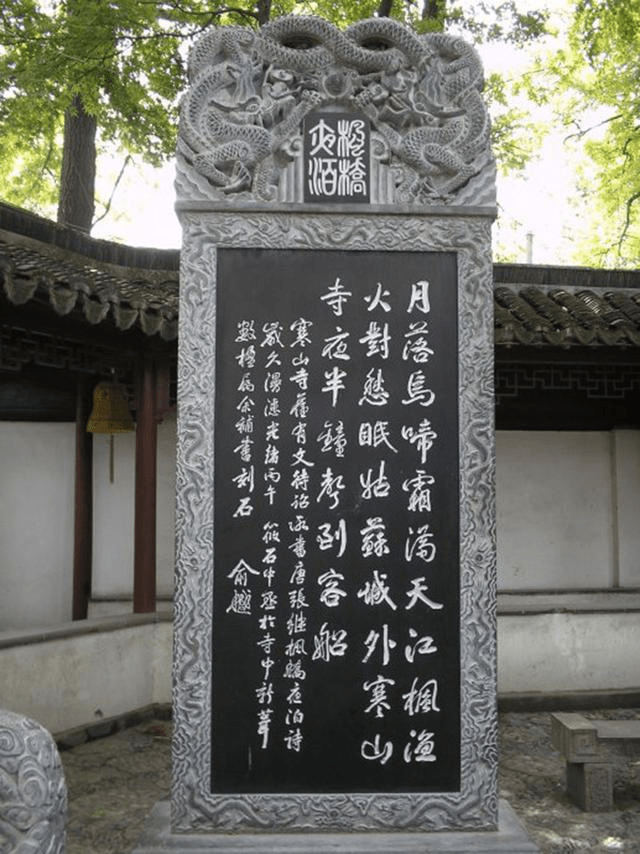
Apart from the legends of Hanshan and Shide, Hanshan Temple boasts a collection of treasures that have been cherished throughout its extensive history. Among these treasures, one of the most renowned is the poetic stele of ‘Night Mooring at Maple Bridge,’ crafted by the esteemed scholar and calligrapher Yu Yue during the late Qing Dynasty. It stands as an invaluable asset to Hanshan Temple.
It must be acknowledged that this piece of calligraphy represents the apex of ‘Night Mooring at Maple Bridge’ renditions throughout history. The lines of regular script flow seamlessly, displaying an inherent elegance and freshness, achieved with seemingly effortless brushwork. Engraved upon the stele, it emanates a subtle, age-old charm and an evocative poetic atmosphere. Each time I gaze upon this stele, it evokes a different emotional response within me. As I have delved into the art of calligraphy myself, I have even attempted to replicate ‘Night Mooring at Maple Bridge.’ While I deeply appreciate Yu Yue’s extraordinary skill and find it visually pleasing, there has always been a sensation of something missing, an ineffable aspect I couldn’t articulate. My pursuit has persisted, a continuous quest to discover calligraphic masterpieces that could genuinely satiate my aesthetic sensibilities, and this aspiration remains deeply rooted within me.
The other day, I had a sudden encounter with ‘Night Mooring at Maple Bridge,’ personally penned by H.H. Dorje Chang Buddha III, and it was as if I had stumbled upon a divine masterpiece! This artwork utilizes cursive script, showcasing the grandeur reminiscent of dragons and serpents, seasoned with masterful brushwork, conveying both a majestic ruggedness and a subtle elegance. What elevates its worth even further is its dynamic and ceaseless artistic allure, reaching monumental proportions. It can be aptly described as the highest sacred creation, far beyond the grasp of ordinary individuals. This represents the embodiment of the Five Vidyas, as expressed by the Buddhas and Bodhisattvas in the realm of Prajna, offering an extraordinary experience to those who behold it and serving as the ultimate exemplar for calligraphy enthusiasts like myself to aspire to emulate.
In this lifetime, I am profoundly fortunate to have encountered the authentic and unwavering Dharma of the Tathagata. The achievements of H.H. Dorje Chang Buddha III stand unparalleled on a global scale. When it comes to providing tangible evidence of wisdom and realization attained through proficiency in both exoteric and esoteric Buddhism, as well as mastery of the Five Vidyas, there is simply no one within the realm of Buddhism who can be mentioned in the same breath as His Holiness.
The Buddha’s criterion for measuring one’s level of accomplishment in the Buddha-dharma is rooted in the extent of proficiency in both exoteric and esoteric Buddhism, as well as the mastery of the Five Vidyas. However, throughout the history of Buddhism up to the present day, only H.H. Dorje Chang Buddha III Holiest Tathagata has truly and comprehensively demonstrated complete proficiency in exoteric and esoteric Buddhism, along with perfect mastery of the Five Vidyas. His Holiness unmistakably presents, for all to witness, a myriad of achievements that exemplify his complete proficiency in exoteric and esoteric Buddhism and his impeccable mastery of the Five Vidyas, as stipulated by the Buddha.
His Holiness, an ancient Buddha, holds the distinction of being the first being of holy virtue in history to genuinely manifest such lofty and all-encompassing realization. The undeniable proof of this is found in the numerous accomplishments single-handedly achieved by H.H. Dorje Chang Buddha III, as detailed within the thirty main categories listed in this book, “H.H. Dorje Chang Buddha III — A Treasury of True Buddha-Dharma.”
I earnestly pray that all sentient beings may embark upon the ‘vessel’ of liberation and achieve enlightenment.