I was a factory worker in the past. In 1993, a co-worker had to go home to help plant his family’s wheat crop. His leave request was not approved by the shift leader. So, I went to cover him.
When looking at his work in the past, I thought I should be able to do it. In reality, it was not that simple. I was not skillful in operating the machine. The machine pulled my right hand in. When I dragged the arm out, I had no flesh in my hand and arm, only a long, bare bone left.
The doctor at the hospital took a look and told me that I must have amputation. The upper arm bone was fractured; however, he could reconnect it back.
When I slowly woke up from the surgery, I saw that my entire right arm…, my right arm was like, so short , only 5, 6 cm long.
Actually, the doctor had told me very clearly before the surgery that the amputation would only be limited to my hand. This is just not fair at all. I was furious. How could he be a doctor? What medical ethics did he have?
I cried my heart out at that time. I got very upset. I did not even want to go out of my room. I got a room from the company. I didn’t go out at all and felt that it would be embarrassed to go out and see people. Why do I get such bad luck?
I was depressed all day long and also could not get along with my wife. I would smash bowls or chopsticks whenever things didn’t go my way. That happened a lot. When I popped open a bottle of white wine, I would have a big, long gulp. In one morning, I could almost finish a bottle with only a few drops left. I buried myself in the alcohol at home. Once I am drunk, I lose my temper. I almost had a mental breakdown and lost confidence in my life.
It started out from doing a favor, to help out my co-worker. How did it make me to become a handicapped person? How could such a thing happen to me? Even the hospital mistreated me in that way. The whole society did not treat me fairly. I also didn’t see justice from the Heavenly God…….
One day, my daughter told me: “Father, I will take you to a Buddhist center. Go learn Buddhism. Buddhism will be good for you, and for our family. Chant “Namo H.H. Dorje Chang Buddha III!”
“What did you tell me to chant?” I said, “I have only heard about Amitabha Buddha. Why didn’t I know about H.H. Dorje Chang Buddha III?”
Starting from that day, I would head to the Buddhist center and then listened to the Dharma discourses every day. I listened to the discourse on the Law of Cause and Effect. I listened to many pre-recorded dharma discourses, such as The Dharma to Cut Off the Twenty Worldly Emotions, etc. I listened to The Dharma to Cut Off the Twenty Worldly Emotionsa few more times. I also listened more times to the discourse on the Law of Cause and Effect. Eventually I understood that everything is a result of the Law of Cause and Effect.
I gradually realized that the loss of my right arm was not without a cause. Whether in my past lifetimes or in this lifetime, I have harmed so many living beings. This bit of suffering is what I deserve. When I took the lives of other living beings in the past, I caused them sufferings.
Through the learning, I slowly understood the truth about the Law of Cause and Effect. The hatred in my mind also gradually vanished.
I then made a resolve.
Since I have learned and understood the truth of the Law of Cause and Effect, I will now repent to all the living beings I have killed or harmed. I will repent to them. With the utmost respect, in front of the Buddhas and Bodhisattvas, I will repent with my most pious heart.
I will do 100,000 prostrations for repentance. In less than four months, I completed 100,000 prostrations. H.H. Dorje Chang Buddha III told us, only cultivation can transform the Law of Cause and Effect.
The retribution I am receiving right now is caused by what I have done in many lifetimes and eons ago. From now on, I will follow and learn from H.H.Dorje Chang Buddha III and cultivate myself.
As long as I plant good causes. I will definitely get good fruition in the future. I am determined to follow and learn from the Buddha and cultivate myself until I attain accomplishment.
The Explanation of the Buddha’s Title – “H.H. Dorje Chang Buddha III
On April 3, 2008, a solemn and dignified first-publishing ceremony of a fact-recording book entitled H.H. Dorje Chang Buddha III, which published jointly by the World Buddhism Publishing LLC and the World Dharma Voice, Inc., was held at the Library of the Congress of the United States. The book was also formally accepted into the collection of the Library of the Congress of the United States. Only since that time, did people in the world know that Master Wan Ko Yee, who had been broadly respected by the great masses and who had also been known as Great Dharma King Yangwo Yeshe Norbu, had been recognized by the world’s leaders, regent dharma kings, and great rinpoches of Buddhism through official documents as the third incarnation of Dorje Chang Buddha, who is the primordial Sambhogakaya Buddha of the universe. The Buddha’s name is H.H. Dorje Chang Buddha III. Since then, people began to address His Holiness the Buddha by “Namo[1] Dorje Chang Buddha III.” This is similar to the situation that Sakyamuni Buddha’s name was Prince Siddhartha Gotama before attaining Buddhahood. However, after Sakyamuni Buddha had attained Buddhahood, His title changed to “Namo Sakyamuni Buddha.” That is why we now address His Holiness the Buddha as “H.H. Dorje Chang Buddha III.” In particular, on December 12, 2012, the Senate Resolution No. 614 of the United States Congress officially used “His Holiness” in the name addressing Dorje Chang Buddha III (That is to say, “H.H. Dorje Chang Buddha III.”) Since then, the title and status of H.H. Dorje Chang Buddha III has been definitive by nature. And, as a matter of fact, “Dorje Chang Buddha III” is a name used legally in governmental and official legislative documents. Therefore, the previously used respected name and titles such as “Wan Ko Yee,” Great Master, and Great Dharma King no longer exist. However, the news below was published before the Buddha’s title of H.H. Dorje Chang Buddha III was publicly announced. At that time, people did not know about the true status of His Holiness the Buddha. Therefore, to respect the true history, we still kept the names used before the title of H.H. Dorje Chang Buddha III was legitimately determined in republishing this news. However, all must clearly know that the only legitimate name of His Holiness the Buddha is H.H. Dorje Chang Buddha III and all other names used before the legitimate determination no longer exist.
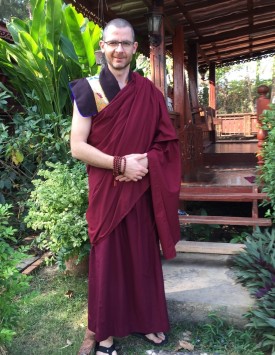
Gongjue Tuji Rinpoche, who founded and leads the Xuanfa Dharmazentrum (Dharma Center) in Cologne, Germany. He is truly a sincere, humble, and dedicated buddhist disciple and totally devoted to our Buddha Master H.H. Dorje Chang Buddha III and his yidam.
In mid-February, after H.H. Dorje Chang Buddha III entered parinirvana, Gongjue Tuji Rinpoche had been visited by the Buddha. H.H. Dorje Chang Buddha III, reassured that Gongjue would be able to receive the inner-tantric initiation, His Holiness had promised that Gongjue’s yidam would make the arrangements. During Gongjue’s practice, his yidam Green Tara appeared and confirmed all this as Gonjue explains in this short video.
CLICK for an article of Gongjue Tuji Rinpoche received a powerful lesson from attending the June 2018 Dharma Assembly celebrating the birthday of H.H. Dorje Chang Buddha III.
CLICK for an article from Gongjue Tuji Rinpoche on his relationship with Green Tara and how She had helped his wife through a dangerous bout of cancer at year 2013. You will see that this is not the first or only time his yidam appeared and spoke to him.
On April 16, 2013, Karolin (Shown here with her daughter Julie), the young wife of Gongjue Tuji Rinpoche of the Xuanfa Dharmazentrum (Dharma Center) in Cologne, Germany was diagnosed with a rare and very dangerous form of thyroid cancer that can very rapidly metastasize throughout the body and is often fatal.
The decision to operate was made very quickly and on April 18, she had both her thyroid and other cancerous and non-cancerous lymph nodes in her throat removed. One of the most famous doctors in this area in all of Germany performed the surgery.
Before the surgery Gongjue Tuji gave Karolin one red vajra pill that he had as well as a Black Jewel Medicine Pill (Kazhuo Ande Pill) he had received from his master, Zhaxi Zhuoma Rinpoche.
Gongjue Tuji called to tell Zhaxi Zhuoma Rinpochethat the surgery went well, but he really wanted to report something else that happened. He is a very devout practitioner of Green Tara. His wife has not been very interested in Buddhism, but has encouraged Gongjue in his practice. Gongjue was waiting while his wife received a CT scan to see if they were too late and the cancer had spread to any other parts of her body. He was practicing his Green Tara Dharma and visualizing Green Tara as he often does and dedicating any merit from his practice to Karolin. Suddenly Green Tara started moving around the mandala that he visualized. He saw Her dance and heard Her laugh heartily, and She told him not to worry, that his wife “would get a second chance.” That is exactly what he had been praying for and the CT scan came out clean. He was very emotional and happy about this. Zhaxi Zhuoma Rinpoche and he both wept with joy as he explained what happened. He was uncertain if he could tell his wife about this and not violate his precepts. His master told him he should tell her and not tell her and let his joy be witness to what he saw. He should tell her about how wonderful the true Buddha-dharma is, but not tell her anything about the practice itself except in general terms.
A few nights later, again while practicing the Green Tara dharma, Gongjue Tuji was told in a very excited way: “Quick! Go and look outside. Go and look outside.” While he was moving the laundry drying rack in their living room in order to get to the door of the balcony, he was thinking to himself “Gongjue, you are becoming ridiculous,” but when he stepped outside on the balcony, he looked at the moon and there was a huge Buddha-light! Again he called his master to tell her that he was so joyous and happy that it was impossible to express his feelings in words, but he knew that Green Tara was giving her blessing. Two years earlier, Gongjue Tuji had taken a picture like the one shown in the slide show on the homepage of this website of the green being in the Buddha Light while he was visiting his master at the Xuanfa Institute in Sanger, California.
But this is not the end of the story. Zhaxi Zhuoma Rinpoche reported this matter to her Buddha Master, H.H. Dorje Chang Buddha III and He laughed and said this was very good and that He already knew about the matter. When she told Gongjue Tuji of this she received the following with an update of a second surgery Karolin had to have as they did not get everything the first time.
The second surgery went well, too. Even the nuclear medicine specialist who transferred Karolin to the hospital assisted the professor during the second surgery, which is very unusual. But he wanted to be sure that the surgeons remove everything this time. They only removed 15 more lymph nodes and not 30 as I mentioned in an e-mail before. Three of these 15 have been malign, the biggest measuring about one inch. Unfortunately the diagnose was even worse after the second histological result.
Days later, Karolin had a doctor’s appointment with her nuclear medicine specialist to discuss the results. The doctor was not very happy with the new diagnose. Karolin asked him about the tumor marker but he had not received the blood results yet from the hospital so he called the hospital to inquire about it. A normal value for this specific marker should not be higher than 5 for a healthy person. Karolin’s value before the first operation was about 1,500 and after the first operation it was still about 500. When the doctor was talking to the hospital he couldn’t believe what they said and asked a second time. The tumor marker value is now below 2!!! At first he was speechless and didn’t know what to say. Both, Karolin and the doctor, where almost moved to tears. He said that’s sensational! He would have never expected such a result after that diagnose.
When Gongjue Tuji Rinpoche got the news from his wife he said: “I can not express how happy and how grateful I am towards all the Buddhas and the Boddhisattvas, especially to the Green Tara. This would have never resulted that way without all the blessings and the support of the Buddhas and the Bodhisattvas. I am also very grateful to everybody who supported us in their thoughts and sent their blessings. ” This is just another example of the amazing power and results of practicing the true Buddha-dharma.
Gongjue Tuji Rinpoche, who founded and leads the Xuanfa Dharmazentrum (Dharma Center) in Cologne, Germany received a powerful lesson from attending the June 2018 Dharma Assembly celebrating the birthday of H.H. Dorje Chang Buddha III. Below is his account of what happened.
When I heard that a very special dharma assembly was going to take place and everyone was encouraged to attend, I was very excited. Actually, I had already planned my trip for this year and booked the appropriate airline tickets. I originally wanted to visit the Holy Vajrasana Temple for a few days later in the year and read the preliminary translations of the Supreme and Unsurpassable Mahamudra of Liberation and Imparting the Absolute Truth through the Heart Sutra. My personal situation usually only allows me to travel to the USA once a year. Which made it a bit difficult for me in this case as it is always a cost issue.
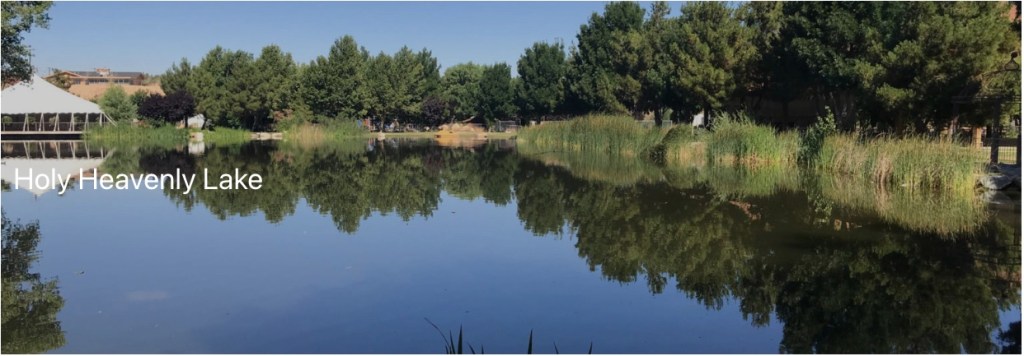
Also, the date fell pretty close in the time we were supposed to move into our new home. All in all, it seemed as if it would not be possible for me to participate in this dharma assembly. But since it was said that everyone should do everything possible to attend, I knew that it had to be something special that I shouldn’t miss. Perhaps we would all be given a very special Dharma? I didn’t want to miss it under any circumstances. I was very sad at the time when the Holy Monk Yin Hai passed away and I was not able to attend one of the dharma assemblies to pay my last respects. This is a brief account of what I experienced when I travelled to the dharma assembly for celebrating the birthday of H.H. Dorje Chang Buddha III at Heavenly Lake, California.
Gongjue Tuji Rinpoche
So this time I had to do everything I could to make sure I didn’t miss this important event. Since 2009 I have been travelling regularly to the USA to learn and receive the true Buddha Dharma. So far everything has always worked out happily and I have never experienced anything negative on these trips. So this time it surely should work, too, although the signs were not good.
So I decided to discuss it with my wife. She is not a Buddhist, but she supports me a lot in being able to practice Buddhism. She wasn’t thrilled when I told her about it. The move was almost upon us and there was still so much to do. Also, we had a lot of expenses at that time with the purchase of the house, so our parents had to support us financially. In the end she agreed to let me go. But she only did it because she didn’t want to be blamed for me missing this important event.
So I booked another flight to California at short notice and was very happy that I was allowed to leave. Unfortunately, it turned out that the flight I had booked before for my trip to the Holy Vajrasana Temple could not be cancelled and I was left with the cost. I still got an affordable accommodation, but due to my limited budget, it was not in an all too nice neighborhood. Arriving there, the first doubts arose whether the decision to fly and leave my wife and daughter behind in the chaos of our move was right.
The next day was the day. The dharma assembly was about to begin. His Holliness, the Buddha came and rose up to the dharma rostrum. Now I should be compensated for everything. Deep down I hoped to get a great Dharma, something which was priceless. And so it was! It was just something completely different than I had expected. His Holliness, the Buddha began to give us a Dharma discourse about self-cultivation. At that moment I began to understand how stupid I really was. It became clear to me that even when searching for the Dharma, you can’t go beyond the principles of self-cultivation, which are to not let others suffer by putting your own interests first. I began to understand how terrible my wife was feeling at that moment when I left her alone at home with all the work and spent a lot of money that we could have used differently right now. I felt very bad and wanted to go home quickly.
When the Buddha finally announced that each participant should receive a special vajra pill, I was at least a little calmer. In the new house I will finally have my own Buddha room with a large altar and I will place this pill there as a “trophy”. So I thought.
From then on I focused on my journey home. All I had to do was check in and get to my plane in time and then everything would be fine again. At the motel I tried to check in online for my flight. But unfortunately the flight was already overbooked and I was not assigned a seat. If I didn’t get this plane anymore and was forced to take the next one, I wouldn’t make it to our move in time. I knew that my wife would not forgive me for this and would get divorced from me. And as if that wasn’t enough, I had also lost my robe. This has never happened to me before and it was not a good sign.
I was devastated and in a state of despair I beseeched my Yidam to help me in this situation. During the practice of my Yidam Dharma I was told not to worry as I would return home in time for the move. But due to my misconduct I have to bear the karmic consequences immediately. In addition, my Yidam explained to me that it is not about how great and big my altar is in my new Buddha room. The highest offering I should make to all Buddhas and Bodhisattvas is correct cultivation. That’s the most important thing! I wouldn’t need to collect “trophies.”
I was deeply grateful and burst into tears. I found out afterwards, that I could book a Priority Seat by a further surcharge. In total, this was the most expensive flight I ever had. This was just karmic consequence. So I actually got home in time and from that point on focused even more on correct cultivation.
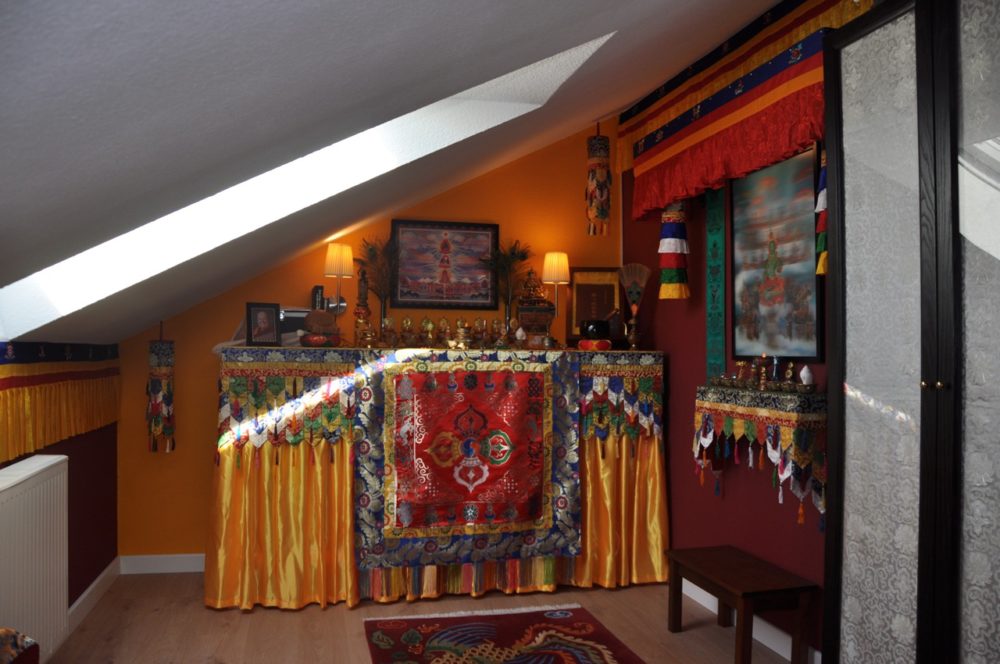
I had to promise my wife that I wouldn’t renovate and build the Buddha Room until I had finished everything else in the house. Meanwhile, the new Buddha Room is standing, and every time I enter it, I think back about the event and reflect on whether I have cultivated correctly so as not to enter the room without a real offering.
Mount Putuo is one of the four sacred mountains in Chinese Buddhism, lies in the East China Sea and incorporates the beauty of both mountain and sea, and honored as the Buddhist Land on the Sea. Its area is approximately 12.5 square kilometres (4.8 sq mi) and there are numerous famous temples. Mount Putuo has been a pilgrimage site for over a thousand years. After the Tang dynasty, Mount Putuo became a center of Avalokitasvara (Guanyin) worship.
In 863, a Japanese monk called Hui E aimed to carry a statue of Avalokitasvara from Mount Wutai to his country by ship. However, when the ship was passing through the sea nearby Mount Putuo, it was prevented by the stormy waves and hundreds of iron lotus flowers suddenly appeared on the sea, blocking the way. Monk Hui E believed that Avalokitasvara didn’t want to leave China. So he knelt down on the bow of the boat and silently prayed to the Bodhisattva Avalokitasvara for instructions. After a while, the iron lotus on the sea disappeared, and the boat drifted to the shore of Mount Putuo, where he built a temple in the purple bamboo forest to enshrine the statue of theBodhisattva. From that time, Mount Putuo got the spirit and became the bodhimanḍa of Bodhisattva Guanyin.
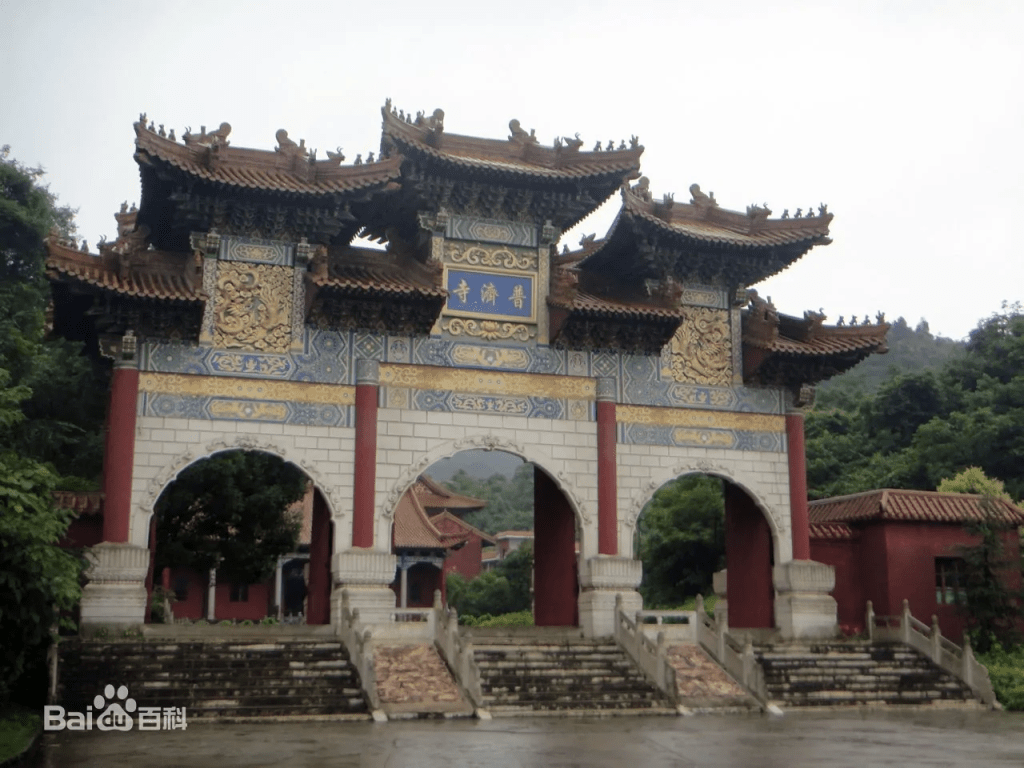
Traditionally there were three main temples: The Puji Temple (founded 10th cent.), the Fayu Temple (founded 1580 CE), and the Huiji Temple (founded 1793 CE). Today, there are more than 30 major temples located at Mount Putuo. In addition to these monasteries, there is the Institute of Buddhism, one of the largest Buddhist academic institutes in China.
Puji Temple
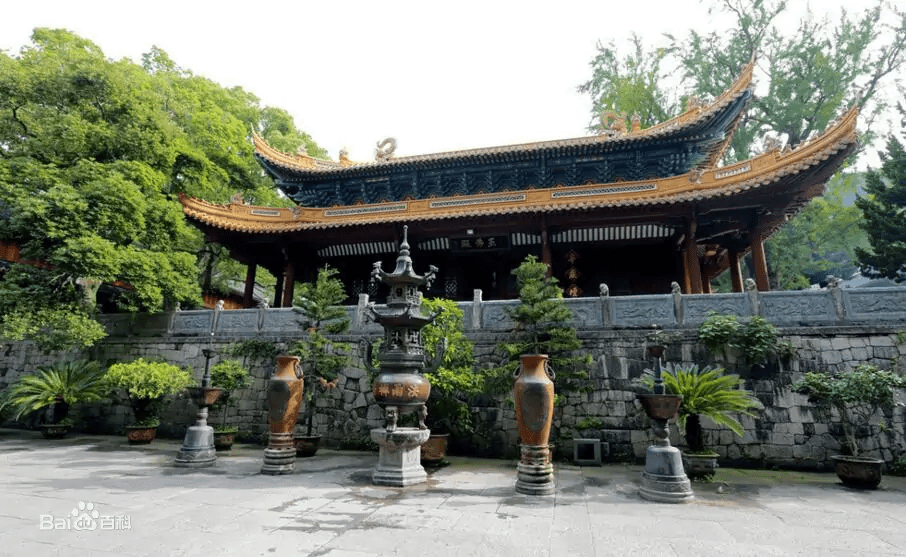
Puji Temple is the main temple of Mount Putuo and all important Buddhist activities are held here. Covering an area of 37,019 square meters, it contains Grand Yuantong Palace, Hall of Heavenly Kings, Depository of Buddhist Sutras and 357 other buildings. Grand Yuantong Palace is the main hall which houses an 8-meter-high statue of Guanyin surrounded by 32 Bodhisattva with different costumes in a variety of poses on east and west walls. Haiyin Pond in Puji Temple was a free life pond full of spring water primitively and now a lotus pond. At the night of summer, the gorgeous lotus and bright moonlight compose an attractive scenery.
Puji Temple
Haiyin Pond in Puji Temple
Fayu Temple
Fayu Temple was built along the uphill with grand building groups and extraordinary manners. It got such a name in that you could see amazing relives of nine dragons are fighting for pearl on the screen wall before the gate of Halls of Heavenly Kings. Among the 294 halls of Fayu Temple, Nine Dragons Guanyin Palace(also called Grand Yuantong Palace), said to be a Buddhist Temple transported from the imperial palace of Ming Dynasty, acts as the most magnificent one. The highlighted part of this palace must be the Nine Dragons Caisson Ceiling. With unique shapes and vivid images, it enjoys high artist value and is listed in Three Treasures of Mount Putuo.
FaYu Temple
Delicate Carvings in Nine Dragons Screen Wall
Huiji Temple (惠济禅寺)
Huiji Temple is perched in Foding Mountain, the highest peak of Mount Putuo. The architecture of the whole temple is unique. It is located on the mountain and is arranged horizontally. The hall is spacious and magnificent. Hidden in a luxury forest, Huiji Temple features in peaceful environment. Standing at the peak of Mount Putuo, you can have a distant view of the mountains, sea, reefs, beaches and buildings. In the whole temple, statues, carvings and pictures of Guanyin can be found everywhere.
Grand Huiji Temple
Status of Guanyin Bodhisattva
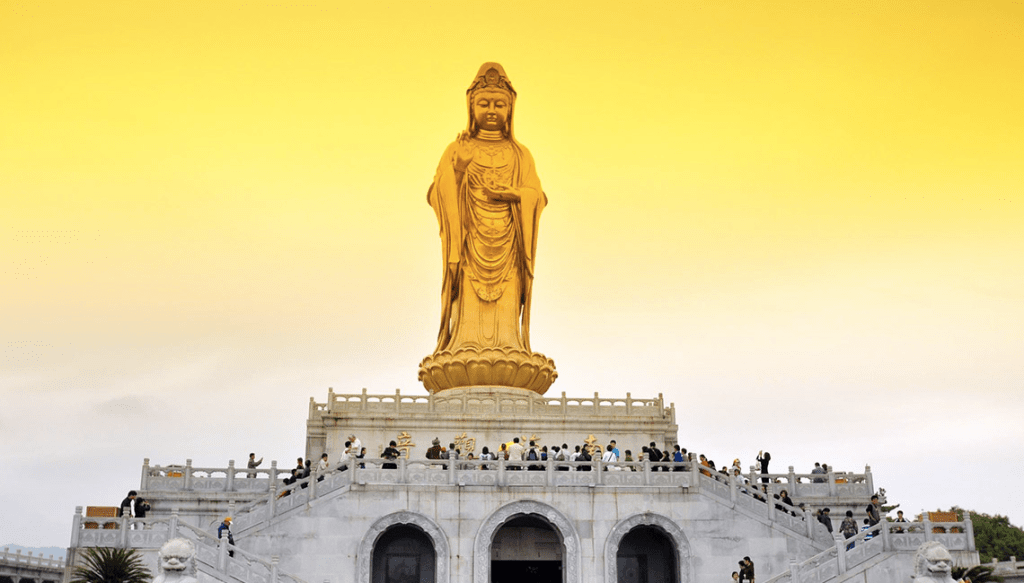
Statue of Standing Nanhai Guanyin
Standing in the south Shuangfeng Peak, Statue of Standing Nanhai Guanyin is the largest outdoor statue of Guanyin made from copper in Asia. With an 18-meter-high statue, 2-meter-high lotus and 13-meter-high foundation, the whole structure has two stories in its foundation. The first story displays elegant carvings, while the second story houses 500 statues of Guanyin in different poses. On the consecrating day at year 1997, a strange nature phenomenon happened. Before the consecrating ceremony, the sky was full of dark cloud and it seemed that it would rain soon. However, as the ceremony began, it became sunny as if two hands pushed aside the clouds. A beam of sunlight just casts on the Guanyin statue.
Statue of Nanhai Guanyin
Avalokitasvara, Guan Shi Yin in Chinese, means the Perceiver of World’s Sounds. The Lotus Sutra says: “Perceiver of the World’s Sounds, heavenly voice, the voice of the sea’s tide—magnificent, rich and harmonious surpassing all worldly sounds.” The bodhisattva always help all beings in danger and distress and is willing to bear the pain of all beings. There are many stories and folk tales about the bodhisattva’s infinite mercy and compassion.
If we hold the bodhisattva in our hearts and call on her sincerely, she will always respond. I had a personal experience. You can read my story here: Guan Shi Yin Bodhisattva saved my life。
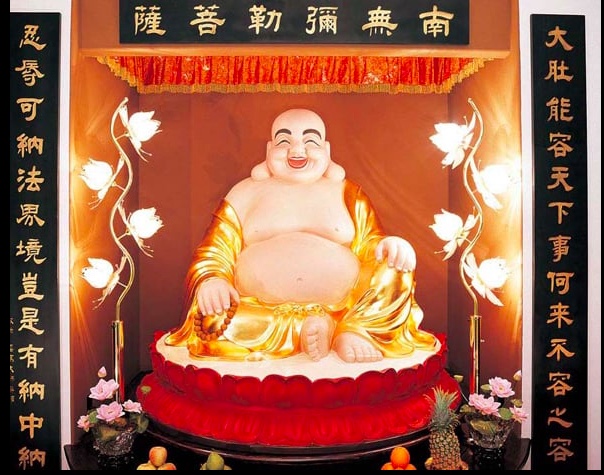
Maitreya is a transcendent bodhisattva,he will be the next Buddha in the Saha world. Maitreya means “loving kindness.” In Mahayana Buddhism, Maitreya is the embodiment of all-encompassing love. Maitreya, in Buddhist tradition, presently resides in Tushita heaven.
Maitreya Bodhisattva Statue in Hua Zang Si Temple San Francisco
Master Asanga was born with uniquely deep talent and wisdom from his past lifetimes. When studying sutras and commentaries, he was able to understand the meaning with a quick reading. Later, he practiced meditative concentration and became free of desires. He repeatedly thought about the “meaning of emptiness” but was unable to deeply understand and explain it. He was quite unhappy for that. An Arhat named Pindola-Bharadvaja heard about his difficulty and came to him to teach “the Small-Vehicle (Hinayana) School’s view of emptiness.” Then, he practiced contemplation according to the teaching and achieved a deep understanding. However, Master Asanga was still not satisfied after learning the Small-Vehicle School’s view of emptiness because he still did not have perfect answers for many doubts and questions he had.
At that time, the teaching of Mahayana Buddhism (the Large Vehicle) was available from Maitreya Bodhisattva. However, to receive Maitreya Bodhisattva’s teaching in person, one must successfully enter into the state of concentration. Due to his urge to quest for the dharma, Master Asanga longed for the opportunity to meet Maitreya Bodhisattva in person to be taught with the dharma. Therefore, he chose a mountain cave in a sparsely populated area and began practicing cessation and contemplation diligently.
As time was flowing away continuously, six years elapsed. Master Asanga still was unable to see Maitreya Bodhisattva while practicing concentration in the cave. A thought came up in his mind, “If it is impossible to see Maitreya Bodhisattva, I should just give up!” Thus, he decided to take a break from cultivating and practicing in the cave. He put on his regular clothing and walked out of the cave. On his way of coming down from the mountain, he saw a white-haired elder lady, who held an iron stick and was laboriously grinding it on a flab of stone. The scene caught Master Asanga’s attention.
“Elder lady. May I ask what you are doing?” Master Asanga asked.
“Oh, I am grinding this iron stick into a thin needle.”
“You are grinding it into a thin needle?” Master Asanga was very much astonished and also greatly moved. He thought, “This elder lady was willing to grind it day after day with a seemingly silly movement. In contrast, as a cultivator, I could not adhere to practicing true Buddha-dharma to pursue wisdom.” The arising of this extremely precious thought caused Master Asanga to introspect himself and generate humility in mind. Then, he returned to the cave to devote himself into the difficult and hard cultivation and practice once again.
During the next three years, Master Asanga still did not make any achievement. Another thought rose in his mind, “Why should I waste time? It is simply impossible to see Maitreya Bodhisattva!” So he again broke his practice in retreat and went down the mountain. This time, he met a person, who was using a feather to scrub an enormously big rock. Master Asanga asked that person what he was doing. That person said, “This big rock blocks sunlight. I am grinding it to make it smaller, so that sunlight can shine into my room.” Upon hearing that, Asanga was alerted and began to introspect himself, “This person can be so unyielding in doing such a ridiculous thing. Comparing to him, I am so ashamed. I receded from my determination just because of a small setback!” With regret he again returned to his retreat chamber in the mountain.
Thus, another three years passed. Master Asanga was still unable to see Maitreya Bodhisattva appearing. At last, he receded from his determination once more. With discouragement, he left the retreat chamber again. On the way of coming down from the mountain, he saw a dying old dog, whose body had already begun to rot. The wounds were totally covered by maggots that were diffusing an awful stench. Compassion rose in Master Asanga toward this dog. He cut off a piece of flesh from his own body to feed the dog and also intended to remove the many maggots from the dog’s wounds. At that time, Master Asanga thought, “These maggots have very tender and fragile bodies. If I use my coarse fingers to move them, they will definitely be harmed.” Therefore, he decided to use his tongue to carefully lick up the maggots to move them to an inhabitable place for them. However, those maggots really looked very terrible. Master Asanga had to kneel on the ground and close his eyes. He then lowered his body to lick the maggots with his tongue.
As he was lowering his body, Master Asanga actually felt that his tongue was touching the ground. He opened his eyes and saw that the dog was no longer there. The solemn and majestic Maitreya Bodhisattva was standing in front of him. After the moment of excitement, Master Asanga asked Maitreya Bodhisattva, “I wholeheartedly prayed and beseeched you, revered Bodhisattva, to manifest before me for the last twelve years. Why didn’t you?”
Maitreya Bodhisattva replied, “Starting from the first day when you entered the retreat and began to pray, I was with you and next to you at every moment. However, due to the obstruction by your karmic forces, you were never able to see me. Through your diligent cultivation and practice during these twelve years, most of the karmic hindrance has been purified. Additionally, you generated great compassion in the occasion that just passed. Now all your karmic hindrance has been removed. That is why you can see me now! If you do not believe what I said, you can carry me on your shoulder and walk around at the market to see if people can see me.”
Thus, Master Asanga carried Maitreya Bodhisattva on his shoulder and walked to the market. While walking, he yelled to people, “What do you see that is on my shoulder?” People all thought that he had mental problems. They laughed and said, “There is nothing!” Only one old lady said that he was carrying a dog with scabies. Thus, Master Asanga was totally convinced and free of any doubt. Uncommon respect and faith rose in him toward Maitreya Bodhisattva.
After meeting Maitreya Bodhisattva, Master Asanga politely sought teaching from the Bodhisattva. Maitreya Bodhisattva asked, “What do you want to learn?” Master Asanga said, “My wish is to propagate the Mahayana Dharma.” Maitreya Bodhisattva was delighted to hear that and brought him to the pure land within the Tusita Heaven. Maitreya Bodhisattva expounded to him the precious views of Mahayana Buddhism and the “Five Shastras (Commentaries) by Maitreya.” The teachings enlightened Master Asanga like pushing away clouds to see the Sun. Many doubts that he had had before were completely removed. Since then, he followed Maitreya Bodhisattva’s teaching to dedicate himself to study “the View of Emptiness of Mahayana Buddhism.” Maitreya Bodhisattva gave him a series of discourses and also explained the essence of the Mahayana sutras to him in detail. Master Asanga was enlightened from listening to the teachings and basically gained the understanding and proficiency in the sutras and shastras of Mahayana Buddhism. Later, Master Asanga also practiced the Dharma of Sunlight Samadhi. Through learning and practicing diligently, he eventually attained holy accomplishment. From then on, he was able to understand what he could not before and could forever remember all Buddhist scriptures he read. Later, he built a big lecture hall and dedicated himself to expound all Mahayana sutras to the great masses.
Master Asanga lived in the world for 150 years and made great contributions to the undertaking of widely propagating the teachings and dharmas of Mahayana Buddhism. He benefited countless living beings.
Henghsing Gyatso Rinpoche is a disciple of H.H. Dorje Chang Buddha III Wan Ko Yeshe Norbu. His last incarnation was in Tibet, he was one of the four most outstanding disciples of Atisha of the Kadampa Sect. In this lifetime, he was born in Taiwan. He learned the highest dharma essence of Shakyamuni Buddha—the practice of vajra meditation from H.H. Dorje Chang Buddha III. He went into retreat during which he meditated for 27 days, 22 days of which he did not touch any water or food. All of the food and liquid sent in to him was returned untouched.
On April 10, 2005, Henghsing Gyatso Rinpoche came out of retreat. His face was placid. He had become thin, but his spirit was glowing. The first thing he did after he left the meditation cushion was prostrate before an image of his Vajra Master, H.H. Dorje Chang Buddha III Wan Ko Yeshe Norbu, in order to express his appreciation. He had finally learned the highest Buddha-dharma. He had finally attained true skills relating to the magnificent meditation Buddha-dharma that leads to enlightening one’s mind and seeing one’s original nature. He was happy for all living beings in that there truly exists such a wonderful and precious meditation dharma method that leads to enlightening one’s mind and seeing one’s original nature!
At the height of summer 2004, Henghsing Gyatso Rinpoche, out of great compassion, decided to endure hardship for the sake of other living beings. He vowed to prostrate around the island of Taiwan, which is a more than 1,100 kilometer journey (i.e. more than 684 miles). More than half a year later, he had completed half the journey. Along the way, his great compassion and piety moved Kuan Yin Bodhisattva to appear in the sky, empower him, and expound the dharma to him. This event caused a sensation throughout the island of Taiwan and beyond. Many people within Buddhism expressed their great admiration over such an event.
The great compassion and sincerity of the rinpoche moved the Buddhas and Bodhisattvas to empower him. At February 2005, when he had prostrated as far as Kaohsiung, he suddenly received a notice from the Buddhas and Bodhisattvas telling him to open immediately the secret, small bag made of brocade that H.H. Dorje Chang Buddha III Wan Ko Yeshe Norbu gave him and told him to wear on his chest. Inside the brocade bag was a piece of paper telling him the mantra he would intone during his meditation retreat. That brocade bag is no ordinary thing.
In the summer of year 2004, Henghsing Gyatso Rinpoche vowed to prostrate around the island of Taiwan so as to suffer on behalf of other living beings. This vow moved H.H. Dorje Chang Buddha III Wan Ko Yeshe Norbu to transmit dharma to him and confer an initiation upon him. He and two other famous Dharma Masters were initiated together. They received the highest esoteric dharma. It is the essential dharma that leads to enlightening one’s mind and seeing one’s original nature. Shakyamuni Buddha practiced that dharma under the bodhi tree when he became enlightened. This dharma is called the Vajra Samadhi Buddha Great Enlightenment Meditation. Later, Guru Padmasambhava taught this dharma in Tibet. In the Supreme Secret-Tantric Division of Tibetan esoteric Buddhism, this dharma is called “Great Perfection Whispered (i.e. transmitted from mouth to ear) Profound Essence Vajra Meditation.” It is also called “Three Disciples Meditation.”
Besides the rinpoche, two other eminent monastics were transmitted the dharma that day. During the time His Holiness performed the initiation and transmitted dharma, suddenly, all three of them saw that the altar area, the building they were in, and everything else completely disappeared. They could only perceive the voice of His Holiness, which was loud and clear. Various kinds of startling special phenomena appeared. It was extremely wonderful. After transmitting the dharma, His Holiness blessed that small brocade bag and gave it to Rinpoche Henghsing Gyatso.
However, H.H. Dorje Chang Buddha III told him that he must wait until the Buddhas and Bodhisattvas instruct him to open it.
Henghsing Gyatso Rinpoche continued his prostrations around the island of Taiwan. When he reached Kaohsiung, he received notice from the Buddhas and Bodhisattvas to open the brocade bag. The paper in the bag told him that he should enter into retreat to practice the dharma since the karmic conditions had matured.
Henghsing Gyatso Rinpoche prostrated around the island of Taiwan
The First Retreat Was Not Carried Out in Accordance With the Dharma; Demons Entered the Retreat Room and Almost Killed the Lama
On February 27, 2005, Henghsing Gyatso Rinpoche returned to his retreat room in Jiayi. There he began his first retreat. He entered into meditation and stopped eating for four days. However, the people whose responsibility was to guard the retreat room during the retreat did not follow the dharma rules. They did not seal the windows and doors with a certain type of paper according to the dharma rules. They saw real demons make their way into the room to interfere with the rinpoche’s dharma practice. The situation was very dangerous. At this critical time, the people who were guarding the retreat room received a phone call from the Dharma Matters Department of His Holiness. The person who called said, “A problem has arisen in the retreat room. Demons have entered the room. Quickly call your master out of meditation by hitting the metal bowl (the metal bowl is a Buddhist instrument). Following the instructions they were given, the guards used the metal bowl to call out the rinpoche, who, in his meditation, was in the midst of battling with those demons.
On March 15, 2005 at noon in Jiayi, Henghsing Gyatso Rinpoche entered into retreat for a second time. This time, learning their lesson from the first retreat, the guards arranged the retreat room according to the dharma rules. The dharma stipulates that ten people must guard the outside of a retreat room in which someone practices this vajra meditation. The disciples of Henghsing Gyatso Rinpoche selected ten people to be guards. Their names are Shi Zong Guan, Shi Fa Yun, Wang Jin-Rong, Chi Hai-Ao, Ao Jing-Zhong, Xue Xiu-Fen, Cai Chun-Tao, He Yan-Yan, Cai Yu-Nu, and Lu Ke-Yun. With the addition of the cook, Liu Ming-Hui, there were all together eleven people. The ten guards cleared the retreat room, even removing the Buddhist altar. Downstairs from the retreat room is the area where the guards stayed. The entire retreat room was cleared of everything except dharma instruments and one rush cushion used for meditation.
During the Second Retreat, the Ten Guards Did Not Leave Their Posts
All of the doors and windows of the retreat room must be nailed shut with iron nails. Furthermore, the Buddha-dharma stipulates that each guard must sign a yellow paper that has dharma power and use it to seal the seams of those doors and windows. This is to prevent demons from intruding into the retreat room and causing havoc. It also prevents anyone from opening those doors and windows. There were fifteen places to be sealed in the retreat room. Ten yellow pieces of paper, each containing the signature of one guard, was pasted over each of those fifteen places. Thus, all together 150 yellow pieces of paper were pasted over the various seams.
Even the only door of the retreat room through which meals were sent was also sealed with one yellow paper containing the signatures of all ten guards. When they sent meals into the retreat room, the ten guards chanted a mantra and practiced dharma together. They had to together tear off the yellow paper sealing the door in order to open the door. After they delivered a meal, they together locked the door and sealed the door with paper again.
Those ten guards kept watch outside the door of the retreat room and did not leave their posts at any time. Even if some of them needed to use the restroom, there were at least seven of them guarding the door all day and night. It can be said that not even a bird, mosquito, or fly could enter. Only through these measures did they prevent the dangerous situation that occurred during the first retreat when the demons entered the retreat room and engaged in battle with the rinpoche.
At the beginning, the rinpoche ate on a normal basis. After three days, on March 18th, the amount of food he consumed dropped dramatically. On March 19th, the rinpoche rang a bell and beat a drum morning, noon, and evening. He drank only one cup of rice tea that whole day. Starting from March 20th, Henghsing Gyatso Rinpoche did not consume any more food or water. The food and water sent in were not touched. No sound could be heard coming from inside the retreat room. On March 23rd, the Dharma Matters Department of H.H. Wan Ko Yeshe Norbu, which is located in the United States, made a phone call to Taiwan to show their concern about how the rinpoche ’s practice was going. On March 25th, the rinpoche had stopped eating for five days. There was no sound at all coming from inside the retreat room. Even the sound of the toilet flushing, which happened three day earlier, could not be heard anymore. Hence, some of the guards started to worry, fearing that something had happened.
Then, that evening at 7:00, from the retreat room came the sounds of the striking of a metal bowl, the ringing of a bell, and the beating of a drum. The guards became excited. They immediately felt relieved. Then, the retreat room returned to total silence.
A few days later, the food that was delivered into the retreat room every day was taken out without having been touched. Upon seeing this situation, those guards became very worried over the rinpoche ’s situation in the retreat room.
On April 1st at 11:50 a.m., the sounds of the ringing of a bell and the beating of a drum again emanated from the room. The rhythm was clear and vigorous. Those disciples who were guarding the room became ecstatic. Although the rinpoche had stopped eating for twelve days, he was still able to ring a bell and beat a drum. The meditation practice of this great rinpoche is indeed extraordinary!
On April 8th at noon, the rinpoche had entered meditation and fasted for twenty days. The clear and vigorous sounds of a bell ringing and a drum being struck again arose from inside the retreat room. The disciples outside were very moved. They continually praised the magnificence of the Buddha-dharma. Their master was truly amazing. He had attained the goal of his retreat and was able to abide in vajra mediation for twenty days.
On April 9th, the rinpoche had entered into meditation and practiced the dharma for twenty-one days. He was not consuming any food or water. At 9:00 that day, a loud beating of a drum suddenly was heard. The disciples then knew that their master had attained the goal of his retreat and was about to come out of retreat. Before he went into retreat, Henghsing Gyatso Rinpoche announced to his disciples that when they hear the loud beating of a drum it means that he has attained the goal of his retreat and realized dharma skills. His disciples understood that their master had entered into a holy state. Thus, they notified the news media. They did not sleep day or night, keeping strict watch over the retreat room so that no mistakes would be made at that critical moment.
During His Meditation, He Heard the Teachings of the Buddha; He Realized That the Dharma of His Master Was Most Revered
On April 10th at 11:00, while chanting the name of Amitabha Buddha, the ten guards together with other disciples from all over the island of Taiwan respectfully invited Henghsing Gyatso Rinpoche to come out of his retreat. When the yellow paper that sealed the entrance to the retreat room was torn off and the door opened, members of the news media, carrying cameras and tripods, followed the disciples into the room. Those reporters and the guards saw Henghsing Gyatso Rinpoche sitting cross-legged on a rush cushion. His eyes were almost completely closed. His face was placid. Clearly, he was still in a state of concentration.
After everyone crowded into the almost twenty-four square foot room, the guards beat the metal bowl three times next to his ear. Henghsing Gyatso Rinpoche then slowly opened his eyes. He saw that the room was filled with people and there were cameras all around. He appeared slightly surprised. He immediately put his palms together and said, “First of all, I am very grateful to my most magnificent and most honored Buddha Master, H.H. Vajradhara Great Dharma King Wan Ko Yeshe Norbu.” He then stood up and prostrated before a small gawu (kau) box hanging over his rush cushion that had in it an image of H.H. Dorje Chang Buddha III Wan Ko Yeshe Norbu. The rinpoche ’s body was limber, and he had obviously lost weight. Still, he was in high spirits and radiated vitality.
In a sonorous voice, he spoke to his disciples. His first sentence was, “I finally obtained the highest Buddha-dharma.” We asked him to explain this. He said that during this period of meditation he saw a great many supernatural phenomena. He did not elaborate upon this other than to describe the most wonderful experience of all.
He said, “I finally saw the most magnificent world-honored one, Shakyamuni Buddha. I beseeched the Buddha to kindly bestow upon me the highest Buddha-dharma initiation. The Buddha stretched out his arm, touched the top of my head, and said, “If you had not learned the highest Buddha-dharma, how could you have seen me?” Beseeching the Buddha’s instruction again, I asked, “In this world, where can one still find the highest Buddha-dharma?” The Buddha gave me the following teaching: “During the past few thousand years, many great Masters and great Bodhisattvas have appeared in human history. Which one of them attained perfect mastery over the Five Sciences (Vidyas)and was able to create Yun Sculpture, a great wisdom form of art that has no equal in the human world? Which great Master was able to create Yun Sculpture frames, which are the most beautiful in the human world? Those who are smart will immediately know upon thinking about it who possesses truly most magnificent Buddha-dharma!” The rinpoche then said to everyone, “I will not say anything more.”
Henghsing Gyatso Rinpoche shortly after he came out of vajra meditation retreat
He Did Not Consume Any Food or Water for Twenty-Two Days; He Lost About Six Pounds
In today’s world, whether one practices exoteric dharma, esoteric dharma, or the dharma of the various sects within Hinayana Buddhism, the dharma one learns is basically superficial, empty, and without substance. Such dharma lacks very much real usefulness, not to mention the ability to lead the practitioner to enlightening his mind, seeing his original nature, and entering vajra samadhi (deep concentration). The meditational attainment of the Buddha whereby he was able to “use meditation as food” has long since vanished from this world. This has caused many people to think that the Buddha-dharma is just empty formalities or legends.
The most eminent monk of the Chan (Zen) School in modern times, elder monk Xu Yun, practiced vajra meditation in Yunnan Province. He meditated for twenty-one days without eating or drinking. He thereby earned the great admiration of a local warlord by the name of Tang Ji-Yao, who built for the elder monk a temple on Mount Jizu. It would be an amazing attainment for one who has true meditation skills to meditate for ten days without eating or drinking. Throughout all these years, we have hardly heard of anyone else besides elder monk Xu Yun who was able to abstain from food and liquid for twenty-one days. Through Henghsing Gyatso Rinpoche, we have finally seen again vajra meditation skills based on the authentic and magnificent Buddha-dharma. This proves that the genuine Buddha-dharma relating to meditation has again appeared in this world!
After he came out of retreat, Henghsing Gyatso Rinpoche stated that he would fulfill his vow and complete his journey around the island of Taiwan. During that journey, he prostrates after every step in order to endure hardship on behalf of other living beings.
The healing vidya is one of the five vidyas of Buddhism. Holy beings should possesses the ability to heal the diseases of humans, so they can save people from physical pain and allow them to live happy and healthy lives. Buddha and Bodhisattva always try their best to decrease the obstacles on people’s Dharma practicing path. Hence the healing vidya is very important in this regard.
H.H. Dorje Chang Buddha III showed his extraordinary healing power when he was very young. Back in the 1970’s, he was a well known doctor in his hometown. Everyday many people came to his place for help. At times, he saw three hundred patients in one day. He collected herb medicine by himself, and all his care and medicine were free to all the patients. There are many testimonies that attest to his prowess in medicine, some of which are officially published in his biography Master Yi Yun Gao. Besides regular Chinese medicine, H.H. Dorje Chang Buddha III also held the most incredible healing Dharma: the Vajra Needle.
In applying this vajra needle that eliminates illness, Kuan Yin Bodhisattva is used as the yidam (object of veneration), and the Horse Head Vajra Deity (a transformation body of Kuan Yin Bodhisattva) manifests awesome power. That is why the Han-Chinese people call it “Galloping Horse Wonderful Needle.” It is a healing technique specially used to cure people’s illnesses. Currently, H.H. Dorje Chang Buddha III Wan Ko Yeshe Norbu Holiest Tathagata is the only one who possesses this dharma.
The powerful effects of this needle are miraculous. Various effects are produced according to the particular mudra and mantra H.H. Dorje Chang Buddha III applies. This needle is able to open all of the body’s joints and acupuncture points. People who receive this treatment experience power moving through their body. No matter how strong a patient’s power of resistance may be, as soon as H.H. Dorje Chang Buddha III increases the power of the mudra, the patient will immediately feel as if his internal organs were on fire and will fall to the ground screaming in pain. It is clear that people do not have the power to offer resistance to the effects of this needle.
This needle can easily cure yin deficiency and yang excess relating to the liver, gall, kidneys, spleen, and lungs; qi (vital energy)-blood disharmony; harm done to the internal organs; and other strange illnesses resulting from the six meridians or imbalance among the four great elements. After Zigong Zhuang personally experienced the Galloping Horse Wonderful Needle treatment, he wrote the following words in the book Master Yi Yungao (Master Yi Yungao is H.H. Dorje Chang Buddha III):
“Galloping Horse Wonderful Needle is a unique healing technique of Buddhism requiring special powers, and it is used to cure people of their illnesses. It is said that common people cannot master this technique. In order to apply this technique, one must have reached a very high state of training in the Vajra Fist Dharma of esoteric Buddhism. One must also have entered the phase that transcends the generation and completion phases. Through special skills, one produces a power that adjusts the “external four great elements.” (earth, water, fire, and wind) One then uses one’s concentration powers to bring about needle treatment reactions that course through the body like a galloping horse. Additionally, one must use thought to guide the “internal four great elements” of the patient’s body so that his body undergoes acute changes in an instant. Using the energy channels and acupuncture points, the obstructions of illness are expelled one after another. Why does that treatment produce such amazing effects? It has to do with the ultimate truths of the universe.”
Zigong Zhuang, the author of Biography ofMaster Yi Yun Gao, in the book he described his personal experience when H.H. Dorje Chang Buddha III Wan Ko Yeshe Norbu Holiest Tathagata treated him with the Galloping Horse Wonderful Needle: “I saw the Master1 take out a thin, long silver needle. He sat facing me about two meters away. He then tossed the needle, which entered the acupuncture point on my left leg called yang ling quan. At that time, there was no unusual feeling in my body. I just felt the needle shaking continuously. As the Master’s mudras changed, so did my reactions. He shouted “swell!” and my entire body generated a swelling feeling. He shouted “tingle!” and my entire body instantly produced tingling sensations. He shouted “cold!” and the inside of my body at once felt as if I had entered an ice cellar.
“The Master then uttered something unintelligible, and I heard a loud boom in my head. It seemed as if my body had quickly swelled. The inside of my body felt like a sudden violent storm accompanied by thunder, lightening, and surging rivers and seas. It was an astonishing and shocking experience. Then, it seemed as if wind and fire were fast approaching before my eyes. The wind was helping the strength of the fire, and the fire was adding to the power of the wind. In an instant, I was being tormented by internal and external forces. I perspired profusely and was almost destroyed. Right when I was flustered and confused, I heard “leave!” Everything then vanished and became peaceful. I forgot about both my body and mind. There was just an expanse of tranquility and emptiness.
“After a short while, strangely enough, it seemed as if that needle was “galloping” on its own. It would shake and sensations would course up my leg and enter acupuncture points in the proper sequence of those points. At that time, my entire body felt open and unblocked. My qi-blood circulation was as free flowing as a spring stream or floating clouds. I can’t say whether it was normal consciousness or hallucination, but I felt that my whole body and mind were immersed in happiness and pleasure. “I finally experienced the miraculous effects of the Galloping Horse Wonderful Needle. Although I am well known for always sleeping very soundly, that night I could not fall asleep. While in a state of drowsiness the next morning, I suddenly became clear-headed. I wiped my eyes and realized my illness had disappeared. The blue sky and green earth spread before my window. Full of energy, I threw myself into the new day.”
A disciple by the name of Kion Yat beseeched H.H. Dorje Chang Buddha III to treat him with needles. When H.H. Dorje Chang Buddha III lightly applied one needle, disciple Yat did not at first feel anything. But when His Holiness began to recite a mantra and apply a mudra, disciple Yat became cold. Even ice formed on his eyebrows. His illness was immediately cured. This vajra needle is truly the king of all needles that only a Buddha possesses. Great Bodhisattva Tangtong Gyalpo Rinpoche XVI said that he personally saw the limitless power of the Galloping Horse Wonderful Needle and the incredibly high realization of H.H. Dorje Chang Buddha III.
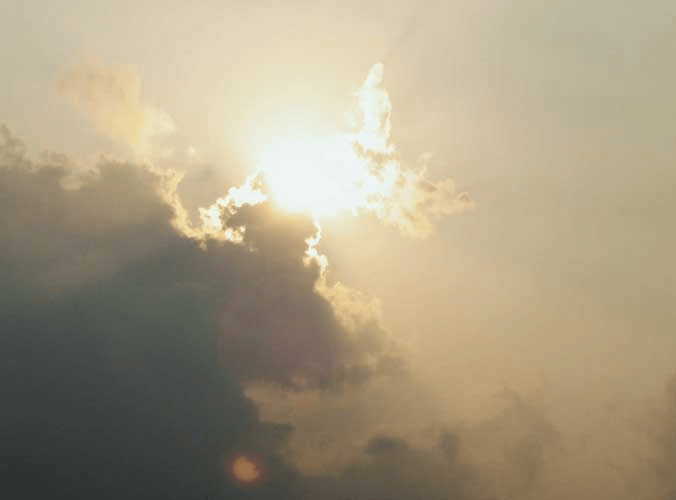
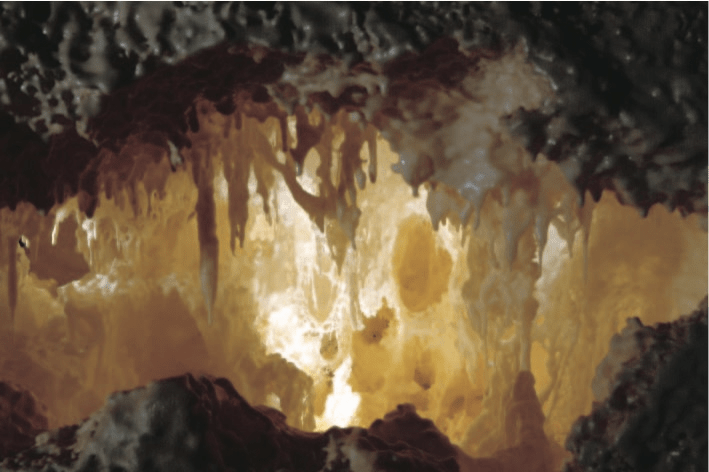
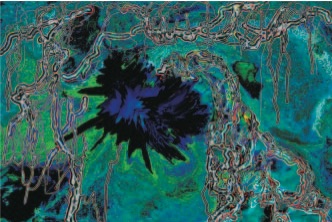
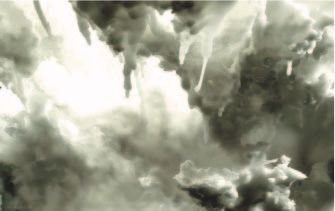
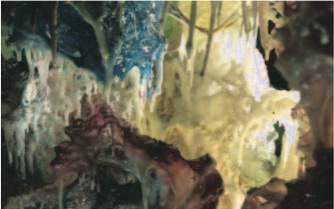
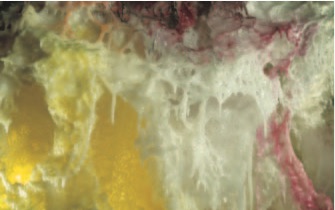
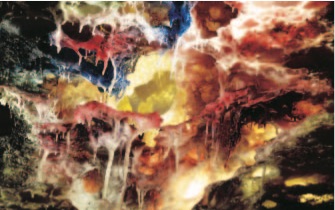
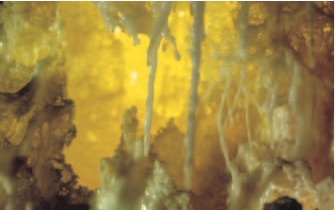
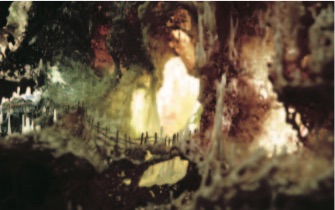
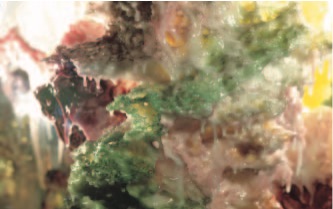
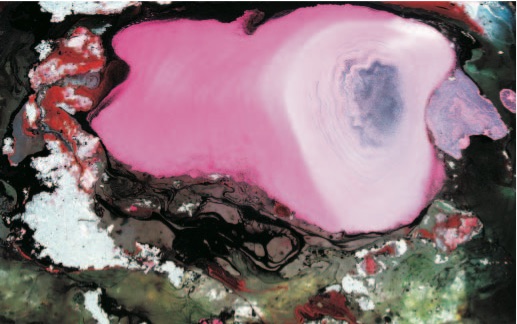
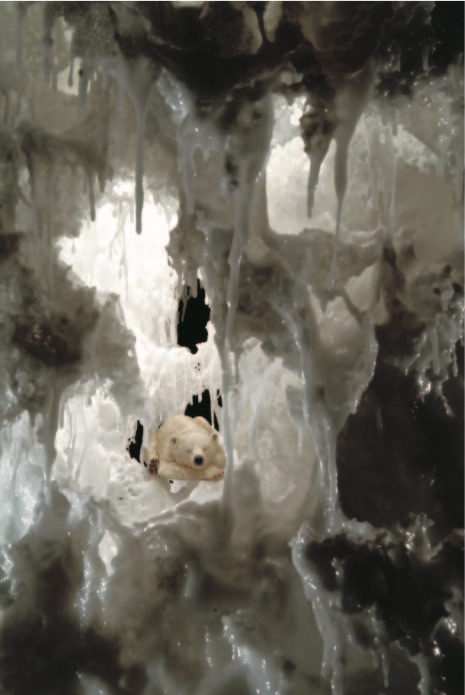
H.H. Dorje Chang Buddha III‘s outstanding achievements in artistry, are not just paintings and Yun sculptures, he also uses science and technology to design a new form of three-dimensional art. These three-dimensional images are made from machines and instruments, scientific data, light sources, temperature modulations, speed, and three-dimensional technology. When viewing the three-dimensional artistic images of H.H. Dorje Chang Buddha III, one can look very deeply into the flat surface and see things that appear very far away. There are also times when the images appear to be protruding out of the confines of the frame, like real three-dimensional hand-molded sculptures.
A second example of technological art is glass paintings by H.H. Dorje Chang Buddha III. These transparent images look like something found in a heavenly palace. They are even more spellbinding under the skillful use of lighting.
A third example of technological art is photographs by H.H. Dorje Chang Buddha III, which include scenery, people, animals, etc. These beautiful, artistic pictures taken with a camera make use of lighting, natural colors, and the skillful arrangement of objects.
H.H. Dorje Chang Buddha III Wan Ko Yeshe Norbu Holiest Tathagata combined His works in the above-described three different fields into the single category of technological art.
Glass Painting
Glass Painting
Glass Painting
Glass Painting
Glass Painting
Glass Painting
Glass Painting
Glass Painting
Glass Painting
Glass Painting
The three-dimensional image “Ice Cave of the Polar Bear”












 Peace LiLy