In our culture, success is often seen as the ultimate destination—the long-awaited moment when effort finally blossoms into happiness. We are taught to dream, to strive, and to believe that once we reach our goals, fulfillment will naturally follow. Yet, both modern science and lived experience are beginning to tell a more nuanced story.
In recent years, research in neuroscience and psychology has revealed a quiet paradox: achieving our most cherished goals does not always bring lasting happiness. The brain’s reward system, driven by dopamine, is designed primarily for anticipation rather than arrival. It fuels the excitement of pursuit—the late nights, the hopeful striving, the vision of what could be. But once the goal is reached, that surge of motivation fades, and the emotional intensity often drops.
At the same time, psychologists describe a phenomenon known as hedonic adaptation—our tendency to quickly return to a baseline level of happiness even after major positive events. The dream job becomes routine. The long-awaited achievement becomes part of everyday life. What once felt extraordinary quietly becomes ordinary.
For some, this transition is subtle. For others, it can feel like an unexpected emptiness—a sense of “What now?” after the finish line has been crossed.
But this discovery is not discouraging. In fact, it is deeply illuminating.
It reminds us that the human mind is intricate, and happiness is more than just accomplishment. Success, by itself, is not designed to sustain joy—it is only one part of a much larger inner landscape.
True fulfillment begins when we understand this hidden pattern and learn to work with it, rather than against it.
A meaningful life is not built solely on reaching goals, but on what those goals serve. When ambition is guided by purpose—when our efforts contribute to something beyond personal gain—success no longer feels like an ending. Instead, it becomes a doorway.
This is why acts of kindness, compassion, and contribution carry such enduring power. Unlike fleeting achievements, they create a sense of connection and meaning that the mind does not easily adapt away from. They anchor us in something deeper than momentary reward.
Imagine a different way of living:
A life where ambition and inner well-being are not in conflict, but in harmony. A life where achieving a dream does not leave a void, but opens a new horizon of purpose. A life where each success is not a final destination, but a step toward greater understanding, compassion, and joy.
By understanding the brain’s hidden responses, we gain the ability to design such a life. We begin to see that fulfillment is not something waiting at the end of achievement—it is something woven into the journey itself.
In this light, success becomes more than personal victory. It becomes an opportunity to deepen meaning, to expand the heart, and to align our outer accomplishments with our inner growth.
Perhaps lasting happiness has never been about reaching the summit.
Perhaps it is about learning how to walk the path—with awareness, purpose, and a quiet, enduring sense of joy.
In a world that often feels fragmented and fast-paced, many of us are searching for a compass—a way to live that feels both grounded and deeply ethical. Thich Nhat Hanh, the beloved Zen Master and founder of the Plum Village tradition, offered exactly that through the Five Mindfulness Trainings.
These aren’t rigid “commandments” or a list of “don’ts.” Instead, they are a modern, proactive framework for cultivating peace, protecting life, and nurturing happiness within ourselves and the world.
At their core, the trainings are a reinterpretation of traditional Buddhist precepts, designed for our modern, interconnected lives.
Reverence for Life This training is an invitation to cultivate compassion. It’s about more than just avoiding harm; it’s about actively protecting life and practicing nonviolence toward ourselves, our neighbors, and the natural world.
True Happiness We often chase wealth or fame, thinking they are the keys to joy. This training reminds us that true happiness is found in generosity and the ability to be content in the present moment. It encourages us to live simply and avoid exploiting others.
True Love In our relationships, integrity is everything. This training emphasizes responsibility and ensures that our most intimate connections are grounded in deep love, commitment, and respect for the harmony of families.
Loving Speech and Deep Listening Communication is a powerful tool for healing. By practicing deep listening without judgment and using speech that inspires hope and reconciliation, we can move mountains of misunderstanding and alleviate the suffering of those around us.
Nourishment and Healing What we “consume” isn’t just food. It’s the media we watch, the conversations we have, and the substances we use. This training focuses on mindful consumption to protect our mental and physical well-being from toxins and despair.
The beauty of the Five Mindfulness Trainings lies in how they address the complexities of the 21st century.
Interbeing: They are rooted in the understanding that we are not separate entities. What happens to the Earth happens to us. When we heal ourselves, we heal the world.
Universal Ethics: While born from Buddhist wisdom, these trainings are non-sectarian. They are accessible to anyone, regardless of their religious or spiritual background.
Transformation over Rules: This is an ongoing practice. The goal isn’t “perfection” but a continuous, mindful process of shifting our focus from self-interest to collective well-being.
Sangha (Community) Support: We don’t have to do this alone. These trainings are often practiced within a Sangha, a community of friends who support each other in staying mindful and compassionate.
The Five Mindfulness Trainings are a gift—a map that leads us back to our best selves. By embracing these guidelines, we contribute to a collective awakening, one mindful breath and one compassionate action at a time.
“The Five Mindfulness Trainings are the most concrete way to practice mindfulness. They show us how to live our lives in a way that brings peace and happiness to ourselves and to others.” — Thich Nhat Hanh
We spend so much of our lives chasing happiness. We look for it in career promotions, new gadgets, or the perfect vacation. Yet the joy we seek often feels fleeting. What if the real secret sauce to a happy life isn’t something you buy or achieve—but something you give?
In her widely shared TEDx talk, “How to Be Happy Every Day: It Will Change the World,” Jacqueline Way offers a beautifully simple, yet world-altering insight: doing one small good deed each day can transform your brain, your life, and ultimately, the world.
The Science Behind the “Helper’s High”
Jacqueline’s message isn’t just uplifting—it’s grounded in science. When we perform acts of kindness, our bodies respond in powerful ways.
Giving triggers the release of a natural blend of “happiness chemicals”:
Dopamine, which creates feelings of reward and joy
Oxytocin, often called the “love hormone,” which reduces stress and supports heart health
Serotonin, which stabilizes mood and promotes a sense of calm and well-being
In other words, when you give, you’re not just helping someone else—you are literally rewiring your brain for happiness.
At the heart of Jacqueline Way’s message is a practice so simple it’s easy to overlook:
Do one little good thing every day.
It doesn’t need to be dramatic or time-consuming. A good deed might look like:
Offering a sincere smile or kind word
Helping a neighbor with a small task
Picking up litter along your path
Donating items you no longer use
Listening fully to someone who needs to be heard
What matters most is intention. When kindness becomes a daily habit rather than an occasional gesture, happiness stops being accidental—it becomes natural.
A single act of kindness never ends with the giver. It travels outward. One person’s generosity inspires another. Slowly and quietly, hearts soften, trust grows, and perspectives shift.
Jacqueline Way reminds us that changing the world doesn’t require grand gestures or heroic efforts. It begins with ordinary people choosing compassion in everyday moments. When kindness becomes a way of life, happiness expands—not only within us, but all around us.
How to Start Your Own Happiness Practice
If you’re longing for more joy and connection, you don’t have to wait for the “right” moment. You can begin today. Here are three simple ways to practice the daily give:
1. Look for the Micro-Give Kindness doesn’t require money or planning. Hold the door open, write a thoughtful message, or leave a positive review for a local business.
2. Make It a Family Habit Inspired by Jacqueline and her son, turn giving into a shared ritual. Ask at dinner, “What was your give today?” It nurtures empathy and helps everyone focus on the good.
3. Notice the Shift Pause and observe how you feel after giving. That warmth in your chest? That quiet lift in your mood? That’s happiness growing in real time.
Jacqueline Way reminds us that we are not powerless in the face of the world’s challenges. Each of us carries the ability to make life kinder, lighter, and more meaningful—one day at a time.
When you choose to give, you stop chasing happiness and start creating it.
And when enough of us do that, every day, the world truly begins to change.
Lately, I’ve noticed how many people — friends, colleagues, even myself at times — feel drained and uninspired. We wake up tired, scroll through our phones for quick hits of excitement, yet still feel empty inside. It’s as if our inner engine has lost its spark. But according to a 2025 review published in Trends in Neurosciences, there’s a scientific reason behind this: our brain’s dopamine release system may be getting stuck.
That could explain why so many of us today feel unmotivated or emotionally flat, even when life seems to be “going fine.”
Dopamine: Not Just the “Happy Chemical”
We often call dopamine the molecule of happiness, but that’s only part of the story. In reality, dopamine isn’t what makes you happy — it’s what gets you moving toward happiness.
Dopamine creates a sense of anticipation — that spark of “I want to try,” the energy that propels us to start something new. Whether you’re preparing for an exam, signing up for a new class, cleaning your room, or going for a run — it’s not satisfaction that moves you, but dopamine giving you direction and desire.
Think of dopamine as your internal GPS, guiding you toward what feels meaningful, hopeful, and worth pursuing.
Dopamine doesn’t just “fire” from one neuron to another like a light switch. Recent discoveries show that the brain also uses something called “volume transmission” — a gradual release process, more like a sprinkler or diffuser that spreads dopamine through nearby areas, affecting your overall state of mind.
This helps explain a familiar modern phenomenon: why short videos or instant rewards feel thrilling for a second — yet leave us empty moments later. Meanwhile, the slow joys — exercising regularly, nurturing a hobby, cooking, gardening, or spending time with loved ones — bring calm, sustainable satisfaction.
Fast stimulation burns us out. Slow joy builds us up.
When the System Breaks Down, The Brain “Runs Out of FuelSeveral key proteins, such as VMAT2, SV2C, and α-synuclein, regulate how dopamine is stored and released. They work like the warehouse managers of your brain, deciding when and how much dopamine to release, and whether there’s enough supply to restock.
When this system falters, it doesn’t just cause movement issues like Parkinson’s disease — it also leads to emotional flatness, loss of motivation, chronic fatigue, and social withdrawal.
This isn’t weakness or laziness. It’s your brain signaling that it’s running low on essential fuel.
Three Ways to Help Your Brain’s Motivation System Restart
1. Practice “Slow Joy” — Reconnect with Steady Dopamine Flow Reduce dependence on instant stimuli like scrolling through social media or bingeing short videos. These quick hits train your brain to expect constant flashes of excitement.
Instead, rediscover activities that bring gentle, lasting satisfaction: cooking, reading, painting, walking, gardening. These are the true dopamine recharge stations of life.
2. Move Regularly — Activate Your Natural Dopamine Circuit Moderate exercise — brisk walking, jogging, squats — done three times a week for 10–30 minutes can powerfully stimulate healthy dopamine pathways. You don’t have to push to exhaustion; what matters is rhythm and consistency. Your brain thrives on the expectation of movement, not punishment.
3. Nourish the System — Sleep, Nutrition, and Antioxidants Sleep is when your brain restores neurotransmitters and regenerates vesicles for dopamine storage. A lack of rest is like leaving your mental warehouse in chaos.
Eating antioxidant-rich foods such as berries, dark leafy greens, olive oil, and omega-3s helps reduce oxidative stress and support brain health. Simple, consistent habits are the quiet repair crew your dopamine system needs.
Real vitality isn’t a burst of fireworks — it’s a steady inner light that guides us through our days. Dopamine’s true gift isn’t the thrill of reward, but the strength to keep going.
When we gently adjust our daily rhythm, we can regain focus and energy without needing excessive caffeine or quick fixes. We can once again feel that grounded sense of, I’m back on my path. From “Chasing Highs” to “Finding Rhythm.”
The Truth About Drugs and False Freedom
Recently, we’ve seen more tragic news about drug-related crimes. This makes it even more urgent to talk about dopamine honestly.
Drugs artificially force the brain’s “stimulation gate” wide open — creating a short-lived high while devastating the system meant to sustain real joy. People chasing that artificial rush often lose direction, harming themselves and others.
Drugs don’t create happiness — they destroy the very system that makes it possible. That’s not freedom; it’s captivity disguised as pleasure.
When you feel tired, unmotivated, or emotionally numb, remember this: You’re not lazy. You’re not broken. Your brain simply needs care, rhythm, and nourishment.
We don’t need to be blinding LED lights burning out too soon. We can be warm, steady lamps — quietly lighting our own path and bringing comfort to those around us.
Reference: Redefining dopaminergic synapses beyond the classical paradigm, Trends in Neurosciences, 2025
What is love? What is marriage? What is happiness?
These are questions that have echoed through time. The Greek philosopher Plato once asked his teacher Socrates these very questions. The answers he received were not in the form of lectures or definitions, but through simple, thought-provoking experiences that revealed profound truths about life.
What Is Love?
When Plato asked, “What exactly is love?” Socrates didn’t reply with words. Instead, he told Plato to walk through a wheat field and pick the biggest, fullest ear of wheat he could find. There was only one rule: he could pick only once, and he couldn’t turn back.
Plato returned empty-handed.
“I saw some very large and golden ears of wheat,” he explained, “but I kept thinking that there might be an even better one ahead, so I didn’t pick any. As I walked further, none of the wheat looked as good as what I had already passed. In the end, I walked out with nothing.”
Socrates smiled and said, “That is love. We often think something better lies ahead, so we pass by the one who may have been most right for us. And when we finally realize it, it’s too late to turn back.”
What Is Marriage?
Next, Plato asked, “Then what is marriage?”
Socrates responded, “Walk through the forest and cut down the biggest, strongest tree to use as a Christmas tree. Remember—you may only choose once, and you cannot turn back.”
This time, Plato returned with a tree that wasn’t the tallest or thickest, but still sturdy and pleasing.
When Socrates asked why he had picked it, Plato said, “I remembered the lesson from the wheat field. When I saw this tree and thought it was good enough, I cut it down. I was afraid that if I kept looking, I’d again end up with nothing. It may not be the best, but it’s mine—and I’m content with it.”
Socrates nodded and said, “That is marriage. It may not be perfect, but it’s real, reliable, and something you can walk through life with.”
What Is Happiness?
Finally, Plato asked, “What is happiness?”
Socrates told him to walk through a meadow and pick the most beautiful flower he could find, again under the same rule: choose only once, and no turning back.
After some time, Plato returned with a lovely flower in his hand.
Socrates asked, “Is this the most beautiful flower you saw?”
Plato answered with certainty: “When I saw this flower, I felt it was the most beautiful, so I picked it. Even though I saw other beautiful flowers later, I didn’t regret my choice. I stayed firm in my decision. This one, to me, is the most beautiful.”
Socrates smiled and said, “That is happiness. When you choose to see something as your happiness and cherish it, happiness is already yours.”
Through these three simple parables, Plato came to understand love, marriage, and happiness—not as things to chase endlessly, but as choices to recognize, embrace, and be content with.
Love is like the perfect ear of wheat you keep hoping to find ahead, only to realize—often too late—that what you passed by may have been the best match for you.
Marriage is like the tree that may not be flawless, but stands strong with you through the everyday winds and storms of life.
Happiness isn’t about always having the best. It’s about choosing something, valuing it, and finding contentment in it.
In a world driven by comparison, desire, and constant pursuit of “more,” true happiness arises when we stop looking outward and begin appreciating what we already have. When we make peace with our choices and nurture them with gratitude, we come to see: we already possess love, marriage, and happiness in their truest forms.
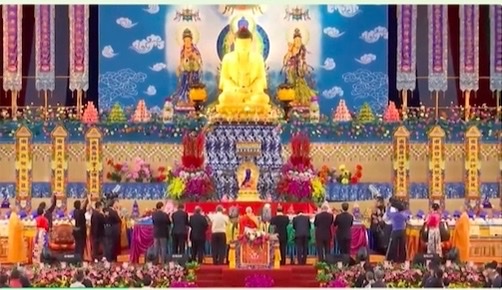
On the 29th day of the ninth lunar month, Buddhist disciples worldwide honor the birthday of Bhaisajyaguru Buddha, known as the Medicine Buddha or the Great Medicine King. He is also referred to as the Buddha of Twelve Great Vows, embodying deep compassion and healing. Presiding over the Pure Land of Lapis Lazuli Light in the East, the Medicine Buddha has inspired countless practitioners with his transformative teachings and boundless compassion.
Buddhist communities celebrate this sacred day with ceremonies, reciting the Medicine Buddha Sutra, learning from his teachings, and making offerings. The Medicine Buddha Sutra recounts Shakyamuni Buddha’s dialogue with Manjusri Bodhisattva, where he reveals the profound virtues of the Medicine Buddha’s Pure Land and the twelve vows he made as a bodhisattva. These vows reflect his deep empathy for beings suffering from illness, poverty, and ignorance, and his wish to liberate them from these afflictions. This sutra is not only a sacred text but also a guide for overcoming life’s challenges, helping us gain inner peace, health, and happiness.
The sutra explains the Medicine Buddha’s teachings with a unique emphasis on relieving suffering in this life. By focusing on the here and now, the Buddha’s teachings encourage us to look at our lives with clarity, understand our challenges, and gain relief from worldly troubles. This practical orientation gives the Medicine Buddha Sutra a distinctive place in Buddhist practice, emphasizing the importance of compassionate action and wisdom in daily life.
The Twelve Great Vows of the Medicine Buddha
First: I vow to assist those impoverished and tormented by constant struggles. Those who come across my name, sincerely honor it, and practice Dharma to build their merit will see their wishes come true.
Second: I vow that my body shall shine as beams of brilliant light across this infinite, boundless world, freeing all beings from ignorance and worry through my teachings. May all beings attain a perfect state of character, integrity, and enlightenment, like the Buddha.
Third: I vow that my body shall be like flawless crystal, radiating splendid light to all corners, enlightening beings with wisdom. Through the blessings of compassion, may all beings gain spiritual power and physical strength to achieve their aspirations on a virtuous path.
Fourth: I vow to grant all beings the inexhaustible resources they need, freeing them from pain and guilt caused by material desires. While essentials such as clothing, food, shelter, and transport are needed, they should be wisely used. May they generously share these resources within the community to foster harmony.
Fifth: I vow to lead those who have strayed back to the path of righteousness, guiding them toward enlightenment on the Buddha way.
Sixth: I vow to enable all beings to uphold precepts of purity and morality. If they falter, they shall be guided to repent. Those who sincerely regret their wrongdoings and vow to change, with faith in the Buddha, shall be forgiven and regain purity.
Seventh: I vow that all beings who are physically disabled or ill will be blessed with both physical and mental health. Those who faithfully honor the Buddha will receive these blessings.
Eighth: I vow to alleviate the suffering of the poor and sick. May the ill be cured, the helpless supported, and the impoverished uplifted.
Ninth: I vow to relieve the suffering of women seeking transformation. By hearing my name, paying homage, and praying, may their wishes be fulfilled, leading them ultimately to Buddhahood.
Tenth: I vow to release all beings from harmful thoughts. I will guide them to righteousness and honor, so they may walk the Buddha way on a path of light.
Eleventh: I vow to save those who have sincerely repented, including prisoners and victims of natural disasters. Those who are sincere will receive my blessings and be freed from suffering.
Twelfth: I vow to relieve those facing starvation or committing crimes for survival. If they hear my name and hold it dear, I will lead them to the benefits of Dharma and favor them with the sustenance they need, helping them to lead peaceful, contented lives.
The Medicine Buddha’s great vows remind us of the healing power of compassion and inspire us to live with kindness and selflessness. Whether through reciting his name, chanting his mantras, or making offerings, we are encouraged to practice not only for our own relief but also for the welfare of all beings. By embodying the virtues outlined in the Medicine Buddha Sutra, we aim to carry forward the Buddha’s compassionate mission, helping ourselves and others find happiness, harmony, and well-being.
May we all find solace and empowerment through the compassionate vows of the Medicine Buddha and live our lives with health, joy, and a sense of unity with all beings.
The “Ten Paths to Happiness” sutra, where an eight-year-old girl named Sumati asks Buddha ten profound questions. These questions explore essential aspects of human life and happiness, and Buddha provides insightful answers. This sutra is significant as it presents complex philosophical ideas in an accessible manner through the dialogue between Buddha and a child.
Thus have I heard. At one time, the Buddha was in the city of Rājagṛha, on the mountain of Gṛdhrakūṭa, along with a great assembly of bhikṣus, twelve hundred and fifty people in all. The bodhisattva-mahāsattvas there numbered ten thousand in all.
At that time in the city of Rājagṛha, there was a laywoman named Sumati, who was in her eighth year. Her appearance and features were upright, colorful, and beautiful, appearing so nice that those who saw her were happy. Already, she had approached and made offerings before innumerable buddhas of the past, planting good roots. When that maiden went to the place of the Tathāgata, she bowed her head at the feet of the Buddha, and then circled around him three full times to the right. Kneeling with palms joined, she spoke a gāthā:
Anuttarā Samyaksaṃbodhi Is a lamp for the entire world! Of the practices of a bodhisattva, I wish you would hear my questions!
The Buddha said to Sumati, “You may now ask questions as you like, and the answers will cut through your net of doubts.” At that time, Sumati went before the Buddha and spoke a gāthā to inquire:
How can one attain upright features And a body of wealth and nobility? Moreover, what causes and conditions Make kinship difficult to destroy?
How may one perceive oneself Receiving birth by transformation, Arising from a thousand-petaled lotus flower, And giving reverence to the bhagavāns face-to-face?
How is one able to attain realization Of supreme and sovereign superknowledge, And go off to innumerable lands To pay homage to the buddhas?
How can one attain blamelessness, So that others will have belief, Purely removing obstacles to the Dharma And forever departing from the deeds of Māra?
How is one able, at the end of life, To attain perception of the buddhas, Hear the speech of the pure Dharma, And not be subject to suffering?
Great compassionate supremely honored one, I merely wish you would speak of these for me!
At that time, the Buddha spoke to the maiden Sumati, saying, “Excellent, excellent! It is good that you are able to ask about such profound matters. Now listen carefully, listen carefully and well mindfully, and I will tell you.” Sumati then spoke, saying, “Just so, Bhagavān. We are joyfully wishing to hear it.”
The Buddha told Sumati, “A bodhisattva who accomplishes four dharmas receives an upright body. What are these four? [1] The first is not giving rise to a mind of hatred for bad friends. [2] The second is to abide in great kindness. [3] The third is to have profound delight in the correct Dharma. [4] The fourth is to create images of the Buddha.”
“Moreover, Sumati, a bodhisattva who accomplishes four dharmas will attain a body that is rich and noble. What are these four? [1] The first is that you should give timely gifts. [2] The second is to do so without a mind of disdain for others. [3] The third is to do so with happiness. [4] The fourth is to do so without expecting any reward.”
“Moreover, Sumati, a bodhisattva who accomplishes four dharmas will attain birth by transformation before the buddhas, seated upon a lotus flower. What are these four? [1] The first is to give flowers, fruit, and fine powdered incense as offerings to the Tathāgata and to the stūpas. [2] The second is not to tell lies or harm others. [3] The third is to make images of the Tathāgata placed within a lotus flower. [4] The fourth is to give rise to profound and pure faith in the bodhi of the buddhas.”
“Moreover, Sumati, a bodhisattva who accomplishes four dharmas may travel from one buddha-land to another buddha-land. What are these four? [1] The first is to not perceive others’ cultivation of goodness as obstruction or annoyance. [2] The second is to never hinder others when they are expounding the Dharma. [3] The third is to burn lamps and make offerings to the stūpas of the Tathāgata. [4] The fourth is to constantly strive to cultivate the dhyānas.”
“Moreover, Sumati, a bodhisattva accomplishes four dharmas for the station of blamelessness in the world. What are these four? [1] The first is to draw near to virtuous friends without a mind of flattery. [2] The second is to not have a mind of jealousy regarding others’ excellence in the Dharma. [3] The third is to always be happy when others receive honors and recognition. [4] The fourth is to not vainly criticize the practices of a bodhisattva.”
“Moreover, Sumati, a bodhisattva accomplishes four dharmas for his speech to be believed by others. What are these four? [1] The first is develop speech and cultivation always in unison. [2] The second is to not do evil things to virtuous friends. [3] The third is to not find faults in the Dharma one has heard. [4] The fourth is to not give rise to a mind of evil for one who speaks the Dharma.”
“Moreover, Sumati, a bodhisattva accomplishes four dharmas for being able to leave obstacles to the Dharma and quickly attain purity. What are these four? [1] The first is to accept the Threefold Discipline with profound conviction. [2] The second is that one does not give rise to slander for extremely profound sūtras. [3] The third is to perceive the newly-developed intention of a bodhisattva as the arising of the mind of omniscience. [4] The fourth is regarding sentient beings with great kindness and equanimity.”
“Moreover, Sumati, a bodhisattva accomplishes four dharmas for being apart from māras. What are these four? [1] The first is to fully know the equality of the nature of dharmas. [2] The second is to give rise to determination. [3] The third is to constantly strive to be mindful of the Buddha. [4] The fourth is to transfer over all good roots.”
“Moreover, Sumati, a bodhisattva accomplishes four dharmas so that at the end of life, the buddhas manifest before him. What are these four? [1] The first is to fulfill the wishes of others by giving what they are seeking. [2] The second is giving rise to profound faith and understanding of good dharmas. [3] The third is to give adornments to the bodhisattvas. [4] The fourth is to diligently make offerings to the Triple Gem.”
At that time, the maiden Sumati heard what the Buddha had spoken, and said, “Bhagavān, as the Buddha has spoken of the practices of a bodhisattva, so will I practice them! Bhagavān, among these forty practices, if there is one that is lacking or uncultivated, then this will be conflicting with the Buddha’s teachings and deceiving the Tathāgata.”
At that time, Venerable Mahāmaudgalyāyana spoke to Sumati, saying, “The practice of a bodhisattva is extremely difficult to carry out. You are now developing this extraordinary great aspiration. How will you attain accomplish mastery over this vow?”
Sumati replied, “Venerable, if my great aspiration is true and not void, able to bring these practices to complete fulfillment, then may the three thousand great thousand-worlds shake in six directions, and the heavens rain wondrous flowers, and may the drum of heaven sound of its own accord!” When this had been spoken, flowers fell from the sky like rain, and the drum of heaven sounded of its own accord, and the three thousand great thousand-worlds shook in six directions.
At this time, Sumati again addressed Maudgalyāyana, “From my true words, in a future era I will attain buddhahood, just as Śākyamuni, the Tathāgata. In my land there will be no deeds of Māra, and not even the words for evil destinies, or for women. If what I say is not fabrication, then may the bodies of those in the great assembly all take on a hue of gold!” After speaking this, the assembly took on a hue of gold. At that time, Venerable Mahāmaudgalyāyana then arose from his seat, bared his right shoulder, and bowed with his head at the Buddha’s feet. He spoke saying, “Bhagavān, from these things I have developed the mind of a bodhisattva and even that of the assembly of bodhisattva-mahāsattvas!”
At that time, Dharma Prince Mañjuśrī spoke to Sumati, saying, “In what dharma do you abide to make this sincere aspiration?” Sumati replied, saying, “Mañjuśrī, it is not proper to ask this. Why? This is because in the Dharma Realm there is nothing which abides.” He also asked, “Then what is Bodhi?” She answered, “The non-differentiation of dharmas is what is called Bodhi.” He also asked, “Then what is it that is called a bodhisattva?” She answered, “A bodhisattva is one who is aware that all dharmas are equal to the manifestation of empty space.” He also asked, “What is it that is called the practice of Bodhi?” She answered, “The practice of Bodhi is like a mirage, or like the echo of a valley.” He also asked, “With what underlying meaning do you say such things?” She answered, “In this I do not perceive even the slightest thing which may be underlying or manifest.”
He also asked, “If it is as you say, then all ordinary people would have Bodhi.” She answered, “You speak of Bodhi as being different from an ordinary person? You should not have this view. Why? These are all of the same characteristic of the Dharma Realm, to be neither grasped nor abandoned, with nothing to accomplish or destroy.” He again asked, “How many beings are able to fully understand your meaning?”
She answered, “Their number is like the number of illusory minds and mental functions. The illusion of sentient beings is already able to understand my meaning.” Mañjuśrī said, “Illusions are without basis, so how can there be such minds and mental dharmas?” She answered, “The Dharma Realm is also such, neither existing nor non-existing, and for the Tathāgata is it also such as this.”
At that time, Mañjuśrī addressed the Buddha, saying, “Bhagavān, this Sumati is extraordinary, even able to accomplish such dharma-patience!” The Buddha said, “Thusly, thusly! What she has spoken is sincere and true. In such a way, this maiden has long since developed the mind of Bodhi, throughout the past thirty eons, even developing the destiny of my supreme Bodhi, causing such abiding in the patience of the non-arising of dharmas.”
In a world often torn apart by conflict and grievances, the importance of forgiveness cannot be overstated. The ability to release resentment and embrace reconciliation is a formidable tool for personal healing and societal harmony. In this blog post, we will explore the REACH Method—a powerful approach to forgiveness created by renowned clinical psychologist Everett Worthington. By delving into each step of the REACH Method—Recall, Empathize, Altruistic gift, Commit, and Hold onto forgiveness—we can learn how forgiveness, under the guidance of Worthington’s methodology, has the potential to bring about positive change, even in the most challenging circumstances.
Recall the Hurt:
The first step in the REACH Method is to Recall the Hurt. It involves acknowledging the pain caused by the wrongdoing. This step allows individuals to confront their emotions head-on and understand the impact of the offense. It’s crucial to remember that forgiving does not mean forgetting; rather, it is a conscious decision to release the grip of resentment.
Empathize with the Offender:
Empathy is a cornerstone of forgiveness. By putting ourselves in the shoes of the person who caused the hurt, we can gain insight into their motivations and struggles. Understanding that everyone is capable of making mistakes and causing harm helps humanize the offender, making forgiveness a more attainable goal. South Africa’s reconciliation process is a testament to the power of empathy in healing deep-seated wounds.
Altruistic Gift of Forgiveness:
The Altruistic Gift of Forgiveness involves recognizing our shared humanity. We all make mistakes and have hurt others at some point. Through the stages of guilt and gratitude, we come to understand the liberating power of forgiveness. This realization inspires us to give the gift of forgiveness to others, fostering a cycle of healing and compassion.
Commit Publicly to Forgive:
Public commitment adds a layer of accountability to the forgiveness process. By expressing forgiveness openly, whether through spoken words, a written letter, or a symbolic gesture, we solidify our commitment to letting go of resentment. This step not only aids personal healing but can also inspire others to embark on their journey of forgiveness.
Hold onto Forgiveness:
Holding onto forgiveness is a continuous process that requires resilience. Painful memories may resurface, but it’s crucial to distinguish them from harboring unforgiveness. The REACH Method acknowledges the challenges of maintaining forgiveness, offering guidance on navigating triggers and doubts. Understanding that forgiveness is a journey, not a destination, empowers individuals to persevere.
Benefits of Forgiveness:
Everett Worthington, with decades of experience studying forgiveness, highlights numerous benefits for the person who forgives. According to Worthington, the primary way forgiveness affects mental health is by lowering rumination—the constant replaying of negative events in our minds. This reduction in rumination leads to improved mental well-being and emotional health. Additionally, forgiveness has been linked to decreased stress, anxiety, and depression, contributing to an overall positive impact on one’s life.
As we navigate a world rife with conflicts, it’s essential to recognize the transformative power of forgiveness. The REACH Method, developed by clinical psychologist Everett Worthington, provides a structured approach to forgiving, offering a pathway to healing and reconciliation. Worthington’s decades of experience studying forgiveness underscore the profound impact it can have on individual and societal well-being.
Beyond personal benefits, forgiveness has the potential to reshape societies and bridge divides. Instead of responding to conflicts with weapons and troops, let us consider the humanity support that the REACH Method embodies—a powerful tool to address the root causes of strife and build a foundation for lasting peace.
By embracing forgiveness, we not only free ourselves from the burden of resentment but also pave the way for a more compassionate and harmonious world. As Everett Worthington aptly puts it, “There are a lot of benefits to the person who forgives.” Lowering rumination and improving mental health are just a few of the many rewards awaiting those who choose the path of forgiveness.
In a world hungry for healing and reconciliation, let us embrace the REACH Method and its transformative potential. Together, we can unlock the power of forgiveness and sow the seeds of peace for generations to come.
Many people struggle with the challenge of controlling their emotions. When faced with situations that contradict our feelings, desires, or goals, frustration and anger can easily overwhelm us, causing us to lose our temper and shift blame onto others. Unfortunately, such reactions often exacerbate the problem, leading to harm for ourselves and those around us. However, there are valuable lessons we can learn from a story that might inspire us to gain control over our anger and maintain peace and calm within our hearts.
The following story serves as a powerful reminder of the importance of non-reaction:
Once upon a time, there was a young man who was very interested in Zen Buddhism. He had read many books and articles about it, and he was eager to learn more. One day, he decided to visit a Zen master to ask him about the art of non-reaction.
The Zen master was a very old man with long white hair and a beard. He was sitting in the Lotus position on a cushion in his meditation room. The young man bowed respectfully and asked the Zen master to teach him about non-reaction.
The Zen master smiled and said, “Non-reaction is the ability to let go of your thoughts and emotions. It is the ability to see things as they are without judgment or attachment. When you can non-react, you are free from suffering.”
The young man was confused and asked, “How can I let go of my thoughts and emotions? They are a part of me.”
The Zen master replied, “Your thoughts and emotions are not a part of you. They are simply passing through you. You are the witness, not the actor. When you can see your thoughts and emotions for what they are, you will be free from them.”
The young man thought about this for a moment. He had never thought of his thoughts and emotions as being separate from him before, but the Zen master’s words made sense. “I will try to practice non-reaction,” he said.
The Zen master smiled and said, “Good, but remember, it is not something that can be forced. It comes with practice.”
The young man left the Zen master’s house and went on his way. He tried to practice non-reaction throughout the day, but it was difficult. Every time he thought about something that made him angry or upset, he would react. But the young man didn’t give up; he kept practicing, and slowly but surely, he began to get better at it.
He started to notice that when he didn’t react to his thoughts and emotions, they would eventually pass away on their own. One day, while walking down the street, he saw a man arguing with a woman. The man was yelling at the woman, and she was crying. The young man felt angry and upset, but he remembered what the Zen master had said. He took a deep breath and let go of his anger. He saw the man and the woman for what they were: two people caught up in their own suffering of karma. The young man walked away feeling peaceful and at ease. He had finally learned the art of non-reaction.
The young man continued to practice non-reaction throughout his life. He found that it was a powerful tool that helped him live a more peaceful and fulfilling life. He was able to let go of his anger, fear, and sadness, and he was able to see the world with a clear and open mind. The art of non-reaction is a powerful tool that can help us live happier and more fulfilling lives. It is not easy to master, but it is worth the effort.
Once upon a time in a remote village, nestled between the mountains, there lived a wise old monk named Master Sean. He was renowned for his ability to guide people in finding their inner voice, a skill that had been passed down through generations of monks in his lineage.
One day, a young man named Kaito arrived at the monastery seeking guidance from Master Sean. He had heard tales of the wise monk and hoped to learn the secret of listening to his inner voice. Master Sean welcomed Kaito with a warm smile and led him to a quiet room overlooking the monastery’s lush gardens.
Before we begin,” said the wise monk, “I want you to spend some time in silence, observing the garden and the creatures that inhabited it.” Kaito sat by the window watching the birds flip from branch to branch, the squirrel scamper across the grass, and the butterflies dance in the breeze. As he observed the harmony of nature, he felt a sense of peace wash over him.
After some time, Master Sean returned and asked Kaito what he had learned from his observations. Kaito replied, “I saw how each creature has its own rhythm and purpose and how they all coexist in harmony.” Master Sean nodded, pleased with Kaito’s insight.
“Now let me tell you a story,” he said, settling into a comfortable chair. “Once there was a young monk who lived in a monastery high in the mountains. He was diligent in his studies and meditation, but he struggled to hear his inner voice. One day, his master took him to a nearby cave where they found a small clear pool of water.”
The master instructed the young monk to gaze into the pool and describe what he saw. The young monk peered into the water and saw his own reflection, along with the reflections of the cave walls and the flickering light of their torches. The master then asked the young monk to close his eyes and listen to the sounds around him.
The young monk heard the gentle dripping of water, the distant echo of their voices, and the soft rustling of the wind outside the cave. Finally, the master told the young monk to open his eyes and look into the pool once more. This time, the young monk saw something different beneath the surface of the water. He could see a world of shimmering fish darting among the rocks and plants.
The master explained that the pool was a metaphor for the young monk’s mind. The surface reflections represented his thoughts and emotions, while the hidden world beneath symbolized his inner voice. To hear that voice, the young monk needed to learn to look beyond the surface distractions and listen deeply to the quiet whispers within.
Kaito listened intently to Master Sean’s story, feeling a spark of understanding ignite within him. He asked, “How can I learn to look beyond the surface and hear my inner voice?” Master Sean smiled and replied, “You must practice mindfulness and cultivate stillness in your mind. Just as the pool’s surface becomes calm and undisturbed, so too will your mind reveal its hidden depths when you learn to quiet your thoughts and emotions.”
Over the following weeks, Kaito practiced meditation and mindfulness under Master Sean’s guidance. He learned to observe his thoughts without judgment, allowing them to pass like clouds in the sky. Gradually, he began to hear the whispers of his inner voice, guiding him with wisdom and clarity.
As the story of Kaito and Master Sean comes to a close, let us reflect on the nature of happiness. Happiness, like the inner voice, is often found in the depths of our being, beyond the surface distractions of our thoughts and emotions. It is not a fleeting sensation or a temporary state, but rather a profound sense of contentment and inner peace that arises from living in harmony with our true selves.
To cultivate happiness, we must learn to listen to our inner voice, allowing it to guide us on our journey through life. By embracing mindfulness and stillness, we can quiet the noise of our minds and tune into the wisdom that resides within us. In doing so, we discover that happiness is not something to be pursued or acquired, but rather a natural state of being that emerges when we align ourselves with our deepest values and aspirations.
In the words of the ancient philosopher Lao Tzu, “Happiness is the absence of the striving for happiness.” May we all find the courage to let go of our endless pursuit of external validation and material success, and instead turn inward, seeking the happiness that lies within our own hearts and minds.





















 Peace LiLy