Healing in the Mountains: How Hiking and Forest Bathing Restore the Soul

I have always loved being close to nature, and one of my greatest joys is walking through the forest. Living in Santa Cruz, I am surrounded by beautiful woods and mountain trails. Each time I wander beneath the trees and along winding paths, I arrive at the end feeling lighter, calmer, and deeply refreshed—as if my body and mind have been fully recharged.

I once came across an interesting idea:
Mountains are places where we gain energy, which is why after hiking, we often feel alert and invigorated. Water, on the other hand, carries energy away. This may explain why spending long hours by the ocean or a lake can leave us feeling tired. Yet water also washes away emotional heaviness. When we feel sad, restless, or overwhelmed, a walk by the sea often brings a sense of release and ease.

Energy is constantly flowing through nature. We are simply quiet participants, allowing the natural world to gently adjust our inner frequency.

Discovering “Forest Bathing”

Recently, I was delighted to learn that the Japanese have a word that perfectly describes this healing experience: forest bathing.

In Japanese, it is called shinrin-yoku:

  • Shinrin means forest
  • Yoku means bathing

Together, shinrin-yoku means “bathing in the forest,” or allowing our entire being to absorb the atmosphere of the woods. As early as 1982, Japan officially incorporated forest bathing into its national public health program as a form of preventive and therapeutic care.

Suddenly, I realized that every breath I took in the forest had always been quietly nourishing me.

Japanese researchers have conducted extensive studies on forest bathing and found remarkable benefits for overall well-being. Research shows that forest bathing can:

  • Reduce stress
  • Strengthen the immune system
  • Lower blood pressure
  • Support recovery after illness or injury
  • Improve mood and concentration

For me personally, its most immediate effect is simple yet profound—it quickly lowers stress and brings my heart back to a place of calm.

Forest bathing is very different from running or brisk walking. It is not about exercise or distance; it is about presence. The key is to slow down and fully engage all your senses:

  • Touch the bark of trees—rough or smooth
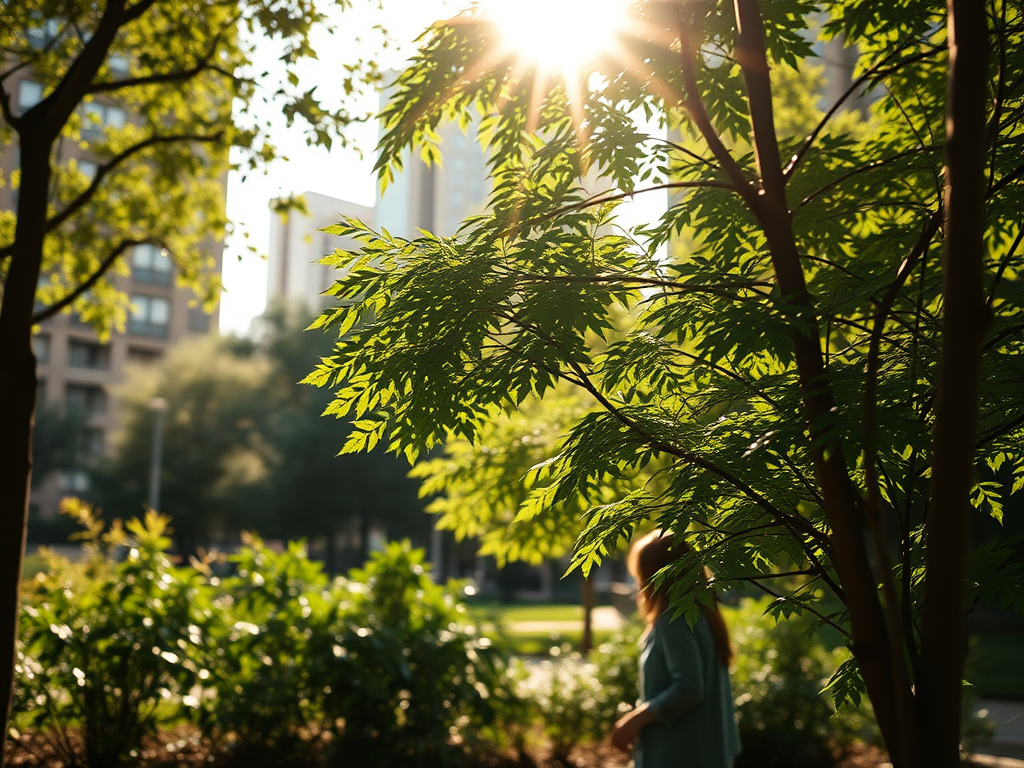
  • Watch sunlight dance through layers of leaves
  • Breathe in the scent of earth and greenery
  • Listen to the wind moving through branches
  • Find a place to sit and feel your connection with the ground

In the past, most of my hikes were intense, goal-driven, almost like completing a task. Since practicing forest bathing, I now schedule at least one slow, mindful walk each week. By slowing down, I have discovered beauty I once overlooked—and I can’t help but smile at how much I missed before.

There is a subtle yet powerful presence in the forest. It does not announce itself, yet it gently soothes the heart.

Perhaps it is the oxygen released by the trees.
Perhaps it is the steady, unhurried rhythm of the forest.
Or perhaps it is simply that, among the trees, we can finally hear our own breath again.

When we walk in the forest, there is nothing we need to accomplish. Nothing to force. Nature naturally helps our hearts soften, open, and grow brighter.

If you feel tired, anxious, or lost in the busyness of everyday life, I invite you to find a nearby mountain trail and give yourself the gift of forest bathing.

Let nature, in its quiet way, remind you:
You are doing your best—and you deserve to be healed. 🌲

Link:https://peacelilysite.com/2025/12/12/healing-in-the-mountains-how-hiking-and-forest-bathing-restore-the-soul/

Are you really listening to your body?

By Anita Barnes

Listening to your body can be something as simple as going to bed when you are tired, stop eating before you are overstuffed, or releasing a yoga posture when you’ve gone beyond your edge.  It can also involve more serious things, like preventing your stress levels from exploding into chest pain by saying no, averting an acute pain situation or chronic disease by knowing when to slow down, and respond to pain or discomfort in your body.  

For me, the essence of yoga is about listening to your body, mind and emotions and honouring where they are at, because this changes from day to day, hour to hour, minute to minute.  This listening may involve noticing how your body feels in a particular pose-are your muscles tight, are you feeling a sense of release?  How is your breath-do you notice times when you are holding it or breathing faster than you should?  How are your emotions-what’s coming up for you; sadness, anger, impatience, or boredom?  

I learn so much about myself while on my yoga mat.  Through stillness, movement and breath, I have increased awareness of where I’m holding muscle tension and how my nervous system is doing.  This mindfulness helps me move through negative emotions, practice self-compassion and often find sweetness underneath the negativity.  

Our body and emotions are always communicating, and sometimes it’s very subtle, and unfortunately, we often ignore it.  This has happened to me twice in the last year, and honestly, I should have known better.  In the spring, during the first lockdown – (what # are we at now?) I continued with my weight workout because my gym was closed.  I used light weights and after a few weeks felt they were too light and increased the amount.  I started to notice an occasional throbbing pain in my left triceps.  I ignored this and continued to ignore it, not making the connection that the heavier weights were taxing my muscles.  One night I was awoken by the most excruciating pain, exactly where I felt the original throbbing pain, and it was radiating up to my neck and down to my wrist.   Luckily, I was able to see my physiotherapist and chiropractor for treatment, and they felt the pain was connected to an aggravated radial nerve.  My doctor prescribed me an anti-inflammatory, and I felt better after the first treatment; however, it took several months until I fully recovered. 

You think this would have been a massive wake up call for me to pay attention to subtle changes in my body-the whispers.  Nope.  Since the recent lockdown, state of emergency, whatever we’re at these days, I committed to going for a long walk or hike every single day because my spirit needed this connection to nature.  After a few longer hikes of 2-3 hours through a local conservation area, I noticed a pain in my right glute.  It wasn’t severe pain and didn’t last long, so it was easy to brush off.  However, it did happen at least 4-5 times, and I completely ignored it, and just over a week ago, I paid for this BIG TIME!!!!   

After an active day on January 15th, I noticed a pain in my right hip flexor, went to bed, but didn’t stay long because the pain became too intense.  By Saturday afternoon the pain had increased with a vengeance, and I didn’t sleep on Saturday night and woke my husband up at 3 am on Sunday informing him that he had to take me to emergency because I was in that much pain.  At the ER they ruled out a few things and thought that diagnosis was piriformis syndrome-irritation of the piriformis muscle.  They suggested rest, anti-inflammatories, extra-strength Tylenol and physiotherapy to get back on track.  The pain wasn’t being managed, and on Tuesday morning, I had to go to the ER once again because the pain became so severe that I couldn’t walk.  This time they focused on pain management and gave me morphine via IV and a script.  The pain subsided, and I was able to walk and go home.  

By this time, I hadn’t slept for 4 nights and saw my physiotherapist for the first time.  He performed a full assessment and didn’t think I had piriformis syndrome and felt that my joint and muscles were functioning well.  He thought that I might have overdone it with my hikes and aggravated some muscles and nerves.  

I continued with the pain management meds and physiotherapy, and last Saturday afternoon, I noticed that the pain had left entirely.  I haven’t had any pain since and still have no idea what caused it, but have some ideas.  I believe that my enthusiastic hikes irritated the muscles and nerves in my right hip, and I had plenty of warning that something was up.  

I’m so grateful to be pain-free and have the most profound compassion and empathy for anyone dealing with chronic pain.   I honestly don’t know how anyone deals with it. 

I don’t want to go through something like this again, and I’ve learned my lesson about the importance of listening to my body, not just on my yoga mat, but always.  

Our body, breath and emotions are always communicating to us and sending us messages.  They usually start as little whispers, and if you don’t pay attention, your body will yell at you loud and clear and force you to listen. 

Off the yoga mat, it’s essential to take time throughout your day to slow down, be still and tune in.  How does your body feel?  Do an emotional check-in.  Honour your body, and give it the attention and nurturing that it deserves.  Trust your body,  its’ wisdom and healing abilities.  

Be well.

Anita

Source: https://countyyogaloft.ca/blog/mijpjcfyqxydger4435o02oej6q2zl

Link:https://peacelilysite.com/2025/12/05/are-you-really-listening-to-your-body/

How to Eat Healthy as a Vegetarian

How to Eat Healthy as a Vegetarian: A Complete Guide to Balanced Plant-Based Nutrition

Choosing a vegetarian lifestyle can be deeply meaningful — whether for health, compassion, the environment, or spiritual reasons. But simply cutting out meat does not automatically make a diet healthy. To feel energized, strong, and nourished, vegetarians need to understand how to balance nutrients, diversify foods, and support the body with wholesome meals.

This guide explains exactly how to eat healthy as a vegetarian, whether you are new to this lifestyle or wanting to improve your current eating habits.

1. Focus on Whole, Minimally Processed Foods

A healthy vegetarian diet begins with whole foods that deliver essential nutrients without excess sugar or artificial additives.

Include plenty of:

Tofu, tempeh, or other soy products

Fresh fruits

Vegetables of all colors

Whole grains (brown rice, quinoa, oats, barley)

Beans, lentils, and legumes

Nuts and seeds

Focus on Whole, Minimally Processed Foods

Whole foods provide fiber, vitamins, minerals, and plant compounds that support long-term health.

2. Prioritize Plant-Based Protein

Protein is essential for muscles, energy, hormones, and immune function. Vegetarians can easily meet their needs by mixing different protein sources throughout the day.

Healthy vegetarian proteins include:

Eggs*
(*for ovo-lacto vegetarians)

Lentils

Chickpeas

Black beans and kidney beans

Tofu and tempeh

Edamame

Greek yogurt*

Prioritize Plant-Based Protein

Combining proteins with whole grains, such as beans with brown rice, creates a complete amino acid profile.

3. Ensure Adequate Iron Intake

Vegetarians need to be mindful of iron because plant-based iron (non-heme iron) is absorbed less efficiently.

Adequate Iron Intake

Great vegetarian iron sources:

Iron-fortified cereals

Spinach, kale, and dark leafy greens

Lentils and chickpeas

Pumpkin seeds

Blackstrap molasses

Tip: Eat iron-rich foods with vitamin C (citrus, tomatoes, berries) to boost absorption naturally.

4. Don’t Forget Vitamin B12

Vitamin B12 is critical for nerve health and energy, but it is mainly found in animal products. Most vegetarians should include:

Vitamin B12

B12-fortified plant milks

Nutritional yeast with added B12

B12 supplements (if needed)

Even small deficiencies can cause fatigue, so this nutrient is important.

5. Get Enough Calcium and Vitamin D

Healthy bones require a steady supply of both.

Calcium and Vitamin D

Vegetarian sources of calcium:

Bok choy

Fortified plant milks

Tofu made with calcium sulfate

Almonds

Broccoli

Sources of vitamin D

Sources of vitamin D:

Sunshine exposure

Fortified plant milks

Supplements if recommended

6. Include Healthy Fats

Healthy fats support brain function, hormones, and skin health.

Add these into your meals:

Avocado

Nuts (walnuts, almonds, cashews)

Seeds (chia, flax, hemp)

Olive oil

These also help your body absorb fat-soluble vitamins like A, D, E, and K.

7. Build Balanced Meals

To eat healthy as a vegetarian, structure your plate for optimal nutrition:

½ vegetables (raw or cooked)

¼ plant protein (lentils, tofu, beans)

¼ whole grains (quinoa, brown rice, whole wheat pasta)

Add a portion of healthy fats on the side

This offers the perfect balance of fiber, protein, and energy.

8. Limit Highly Processed Vegetarian Foods

Limit Highly Processed Vegetarian Foods

Just because a food is “vegetarian” does not mean it’s healthy.

Limit:

  • Fake meats with long ingredient lists
  • Fried foods
  • Sugary cereals
  • Instant noodles
  • Vegetarian junk food

Choose naturally nutritious options most of the time.

9. Stay Hydrated

Vegetarians often consume more fiber, so hydration becomes even more important for digestion and energy.

Stay Hydrated

Aim for: 6–8 cups of water a day

Herbal tea or fruit-infused water as alternatives

10. Listen to Your Body

Every person’s digestive system and nutrient needs are different. Pay attention to how specific foods make you feel.

Ask yourself:

  • Does this meal give me energy?
  • Am I eating enough protein?
  • Do I feel satisfied after eating?

Mindful eating helps you adjust your diet to your body’s needs.

Eating Healthy as a Vegetarian Is Simple and Rewarding

Eating healthy as a vegetarian becomes effortless when you focus on whole foods, balanced meals, and key nutrients like protein, iron, B12, and healthy fats. With a mindful approach, a vegetarian lifestyle can provide excellent energy, vitality, and long-term wellness, while reflecting compassion and sustainability.

#VegetarianDiet #HealthyEating #PlantBased #VegetarianTips #NutritionGuide #HealthyLifestyle #MindfulEating #BalancedDiet #VegetarianMeals #Wellness

When Your Brain’s Motivation System Gets Stuck — Rediscovering Energy Through “Slow Joy”

Lately, I’ve noticed how many people — friends, colleagues, even myself at times — feel drained and uninspired.
We wake up tired, scroll through our phones for quick hits of excitement, yet still feel empty inside.
It’s as if our inner engine has lost its spark.
But according to a 2025 review published in Trends in Neurosciences, there’s a scientific reason behind this: our brain’s dopamine release system may be getting stuck.

That could explain why so many of us today feel unmotivated or emotionally flat, even when life seems to be “going fine.”

Dopamine: Not Just the “Happy Chemical”

We often call dopamine the molecule of happiness, but that’s only part of the story.
In reality, dopamine isn’t what makes you happy — it’s what gets you moving toward happiness.

Dopamine creates a sense of anticipation — that spark of “I want to try,” the energy that propels us to start something new.
Whether you’re preparing for an exam, signing up for a new class, cleaning your room, or going for a run — it’s not satisfaction that moves you, but dopamine giving you direction and desire.

Think of dopamine as your internal GPS, guiding you toward what feels meaningful, hopeful, and worth pursuing.

Dopamine doesn’t just “fire” from one neuron to another like a light switch.
Recent discoveries show that the brain also uses something called “volume transmission” — a gradual release process, more like a sprinkler or diffuser that spreads dopamine through nearby areas, affecting your overall state of mind.

This helps explain a familiar modern phenomenon:
why short videos or instant rewards feel thrilling for a second — yet leave us empty moments later.
Meanwhile, the slow joys — exercising regularly, nurturing a hobby, cooking, gardening, or spending time with loved ones — bring calm, sustainable satisfaction.

Fast stimulation burns us out. Slow joy builds us up.

When the System Breaks Down, The Brain “Runs Out of FuelSeveral key proteins, such as VMAT2, SV2C, and α-synuclein, regulate how dopamine is stored and released.
They work like the warehouse managers of your brain, deciding when and how much dopamine to release, and whether there’s enough supply to restock.

When this system falters, it doesn’t just cause movement issues like Parkinson’s disease — it also leads to emotional flatness, loss of motivation, chronic fatigue, and social withdrawal.

This isn’t weakness or laziness. It’s your brain signaling that it’s running low on essential fuel.

Three Ways to Help Your Brain’s Motivation System Restart

1. Practice “Slow Joy” — Reconnect with Steady Dopamine Flow
Reduce dependence on instant stimuli like scrolling through social media or bingeing short videos.
These quick hits train your brain to expect constant flashes of excitement.

Instead, rediscover activities that bring gentle, lasting satisfaction: cooking, reading, painting, walking, gardening.
These are the true dopamine recharge stations of life.

2. Move Regularly — Activate Your Natural Dopamine Circuit
Moderate exercise — brisk walking, jogging, squats — done three times a week for 10–30 minutes can powerfully stimulate healthy dopamine pathways.
You don’t have to push to exhaustion; what matters is rhythm and consistency.
Your brain thrives on the expectation of movement, not punishment.

3. Nourish the System — Sleep, Nutrition, and Antioxidants
Sleep is when your brain restores neurotransmitters and regenerates vesicles for dopamine storage.
A lack of rest is like leaving your mental warehouse in chaos.

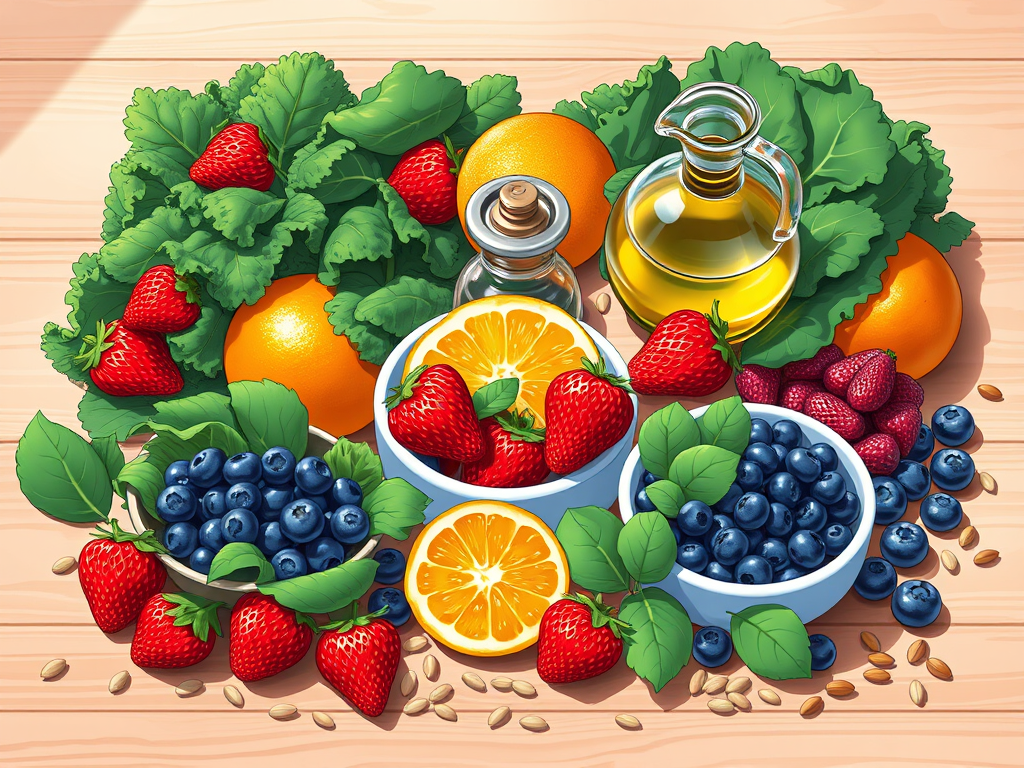
Eating antioxidant-rich foods such as berries, dark leafy greens, olive oil, and omega-3s helps reduce oxidative stress and support brain health.
Simple, consistent habits are the quiet repair crew your dopamine system needs.

Real vitality isn’t a burst of fireworks — it’s a steady inner light that guides us through our days.
Dopamine’s true gift isn’t the thrill of reward, but the strength to keep going.

When we gently adjust our daily rhythm, we can regain focus and energy without needing excessive caffeine or quick fixes.
We can once again feel that grounded sense of, I’m back on my path. From “Chasing Highs” to “Finding Rhythm.”

The Truth About Drugs and False Freedom

Recently, we’ve seen more tragic news about drug-related crimes.
This makes it even more urgent to talk about dopamine honestly.

Drugs artificially force the brain’s “stimulation gate” wide open — creating a short-lived high while devastating the system meant to sustain real joy.
People chasing that artificial rush often lose direction, harming themselves and others.

Drugs don’t create happiness — they destroy the very system that makes it possible.
That’s not freedom; it’s captivity disguised as pleasure.

When you feel tired, unmotivated, or emotionally numb, remember this:
You’re not lazy. You’re not broken.
Your brain simply needs care, rhythm, and nourishment.

We don’t need to be blinding LED lights burning out too soon.
We can be warm, steady lamps — quietly lighting our own path and bringing comfort to those around us.

Reference:
Redefining dopaminergic synapses beyond the classical paradigm, Trends in Neurosciences, 2025

Link:https://peacelilysite.com/2025/11/11/when-your-brains-motivation-system-gets-stuck-rediscovering-energy-through-slow-joy/

The Humble Cabbage: An Overlooked Treasure of Health and Simplicity

Shutterstock

Cabbage is one of the most common vegetables in our daily lives. Because it is so ordinary, many people tend to overlook its remarkable health benefits. While people often say “rarity makes things precious,” the truth is that some of the simplest, most affordable foods are also the most nourishing — and cabbage is one of them.

Once considered “the food of the poor,” cabbage has long been underestimated. In the 15th century, a Parisian writer even remarked that the poor ate cabbages and turnips instead of bread. Perhaps that old prejudice lingers today — many still see cabbage as plain and unrefined. Yet, with rising grocery costs and a renewed interest in wholesome eating, it’s time to rediscover this modest, versatile vegetable and bring it back to our tables.

A Traditional View: Cabbage in Chinese Medicine

According to Traditional Chinese Medicine (TCM), cabbage has a neutral nature and a sweet flavor. It nourishes the stomach and intestines, promoting healthy digestion and balanced energy.

Let’s explore some of its wonderful health benefits:

1. Anti-Aging Properties

Cabbage is rich in antioxidants that combat cellular oxidation and delay the aging process. For those seeking to maintain youthful vitality, a simple bowl of cabbage may hold more power than any expensive serum.

2. Boosts Immunity

Packed with vitamin C, cabbage strengthens the immune system, helping the body fend off colds and infections while enhancing overall energy and resilience.

3. Supports Healthy Blood Pressure

Cabbage contains high levels of potassium, which helps regulate blood pressure by balancing sodium levels and supporting cardiovascular health.

4. Prevents Osteoporosis

Abundant in vitamin K, cabbage aids in blood clotting and calcium absorption, strengthening bones and teeth while preventing osteoporosis.

5. Promotes Digestive Health

Cabbage contains vitamin U, known as the “anti-ulcer factor.” It helps regulate stomach acid, heal ulcers, and soothe the digestive tract. Japanese studies have found that cabbage’s glucosinolates can inhibit Helicobacter pylori, the bacteria linked to gastritis and ulcers.

6. Cancer Prevention

The sulfur-containing compound isothiocyanate gives cabbage its distinctive aroma — and its powerful anti-cancer properties. This compound helps neutralize toxins, protect cells, and reduce cancer risk.

7. Rich in Folic Acid

Folic acid in cabbage is essential for pregnant women, helping prevent fetal malformations and supporting healthy red blood cell production.

8. Anti-Bacterial and Anti-Inflammatory Effects

Cabbage contains natural phytoncides — plant-based antibacterial compounds — that reduce inflammation, fight infections, and even soothe sore throats or small wounds.

Culinary Versatility

Cabbage’s mild flavor and satisfying crunch make it a versatile kitchen staple:

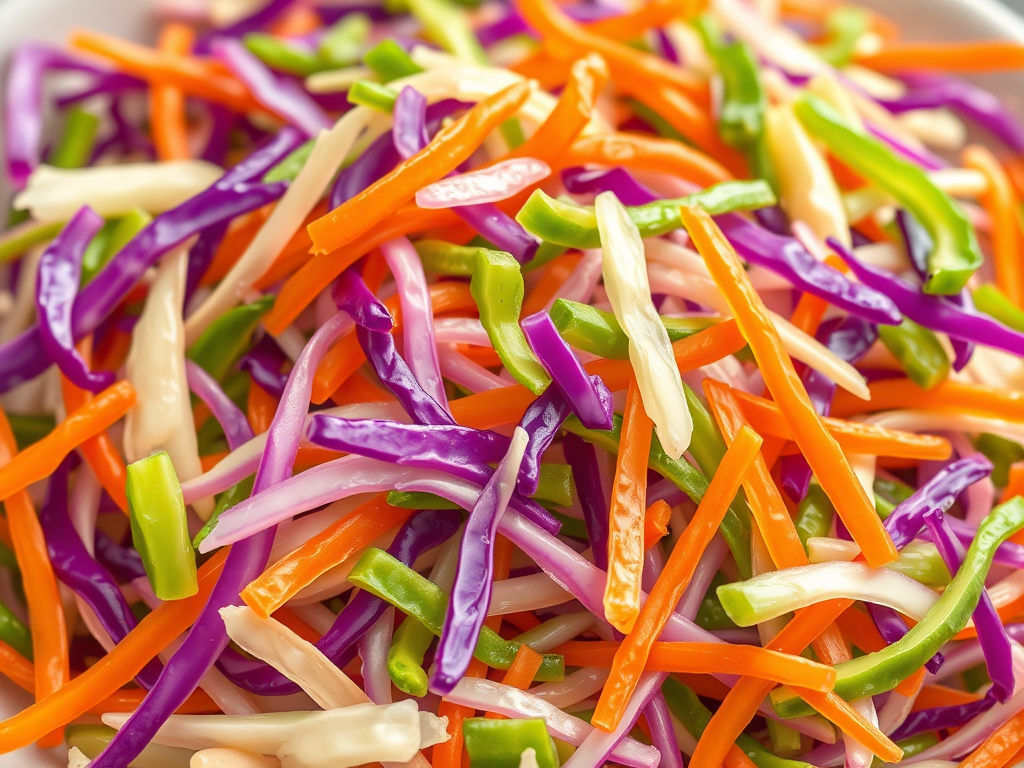
  • Salads and Slaws: Shred cabbage with carrots, apples, or nuts for a refreshing, colorful slaw.
  • Stir-Fry: Sauté with garlic and soy sauce for a simple yet delicious side.
  • Soups and Stews: Add chopped cabbage for extra nutrition and heartiness.
  • Fermented Foods: The star ingredient in sauerkraut and kimchi — both rich in probiotics and flavor.
  • Stuffed Dishes: Use cabbage leaves to wrap rice, lentils, or meats for comforting stuffed rolls.

Lightly Pickled Cabbage: A Liver Cleanser and Detox Aid

Cabbage contains indoles, anti-cancer nutrients that also protect the liver and enhance detoxification. When cabbage is lightly pickled, its benefits multiply.

In Traditional Chinese Medicine, sour flavors are believed to nourish the liver. Lightly pickled cabbage helps detoxify the body, strengthen immunity, beautify the skin, and support cardiovascular and digestive health.

Fermented cabbage is also a powerful probiotic food. Lactobacillus plantarum, a beneficial bacteria from fermented cabbage like kimchi, supports the gut microbiome — the foundation of our immune system and overall well-being.

Easy Recipe: Lightly Pickled Cabbage

Ingredients

  • 500 g cabbage
  • 2 teaspoons salt
  • 1 teaspoon sugar

Instructions

  1. Wash and drain the cabbage, then slice it finely.
  2. Divide into two portions. Place half in a bowl, sprinkle with 1 teaspoon of salt, and gently knead until softened.
  3. Add the remaining half, the rest of the salt, and sugar. Continue kneading until juicy.
  4. Pack into a clean glass jar with its liquid.
  5. Seal and leave in a cool place for half a day to lightly ferment, then refrigerate. Serve chilled.
Shutterstock

Cabbage may not have the glamour of kale or the trendiness of arugula, but it carries quiet strength and wisdom — a reminder that simplicity often hides great value. In a world obsessed with novelty and luxury, perhaps we can learn from this humble vegetable: to nourish deeply, give generously, and thrive quietly.

Link:https://peacelilysite.com/2025/11/06/the-humble-cabbage-an-overlooked-treasure-of-health-and-simplicity/

When the Flu Is Gone but Fatigue Remains: How to Help Your Immune System Truly Recover

“Healing doesn’t end when the symptoms disappear — it ends when the body finally feels safe to rest.”

As the weather cools and flu season approaches, I came across some fascinating medical insights online that I felt were worth sharing with everyone reading my blog. Many of us have experienced this: the cold or flu seems gone, yet fatigue, throat irritation, or strange discomforts linger. Why does this happen, and how can we truly recover?


🧠 The Immune System Has a Memory—And Sometimes a Grudge

Doctors often hear this kind of complaint:

“My cold is gone, but I’m still exhausted. My throat feels weird, I get dizzy, and my stomach’s off…”

This isn’t because the virus remains—it’s because your immune system hasn’t fully stood down.

According to a 2025 review published in Cell Research, our immune system possesses something called trained immunity. That means it “remembers” past infections, stress, or inflammation. This helps it react faster next time—but sometimes, it overreacts.

It’s like your body has fought a war, and though the battle is over, the soldiers are still gripping their weapons, ready to defend at the slightest sound.

That’s why after you’ve “recovered,” you may still feel fatigued, have a scratchy throat, dry skin, or stomach issues. Your immune system is still in battle mode.


🦴 Memory Hidden in the Bone Marrow

This “memory” lives deep in your bone marrow stem cells, which remember intense inflammation and produce more reactive immune cells afterward.

In moderation, this keeps you alert to future threats. But under constant stress—lack of sleep, oily food, pollution, or anxiety—your immune system becomes overly vigilant.

Over time, this can cause chronic low-grade inflammation, leading to lingering tiredness, allergies, digestive issues, and even chronic diseases like diabetes or heart problems.


⚠️ When the Immune System Is Too Vigilant

The immune system is meant to react swiftly and then reset. But when it forgets how to relax, it starts misidentifying harmless things as threats.

You might notice:

  • Sore throats that flare up with stress
  • Headaches or bloating after emotional tension
  • Skin or gut reactions after eating sweets or processed food

These are signs of an overtrained immune system—one that’s too loyal for its own good.


🌼 How to Help Your Immune System “Let Go”

The best medicine isn’t a pill—it’s how you live every day. Here are four gentle ways to guide your immune system back to balance:

1. Eat for Calm, Not Chaos

Skip high-fat, high-sugar, and processed foods that fuel inflammation.
Instead, try a Mediterranean-style diet—fresh vegetables, fruits, olive oil, nuts, fish, and whole grains.
These nourish your immune cells and teach them to stay calm.

2. Sleep: The Reset Button

Sleep resets immune memory. Without enough rest, bone marrow cells stay in high-alert mode.
A regular sleep schedule is like a classroom where your body learns order and recovery.

3. Manage Stress Gently

Emotions like anxiety, anger, and loneliness all affect immunity.
Take time for deep breathing, sunlight, music, or quiet moments. Even doing nothing helps your body hear the message: “It’s safe now.”

4. Move, Don’t Push

Moderate aerobic exercise trains your immune system to respond wisely.
Studies show that people who move regularly—three to five times a week—have stronger, steadier immunity and less fatigue.


🌸 True Health Is Intelligent Immunity

Many believe “strong immunity” means “never getting sick.”
But true health means having an intelligent immune system—one that knows when to fight and when to rest.

So if you’ve recently recovered from a cold but still feel drained, don’t worry. Your body isn’t weak—it’s simply learning how to relax after the storm.

Be patient and kind to yourself.
Eat well, sleep deeply, breathe freely, and move with ease.
That heavy, lingering fatigue will soon melt away.

Because your body remembers not just pain—it also remembers peace.

Your body’s memory is a diary of your life.
When you fill your days with calm, warmth, and balance, your immune system learns to trust again.
And in that trust, you don’t just recover from illness—you truly return to health.

Link:https://peacelilysite.com/2025/10/24/when-the-flu-is-gone-but-fatigue-remains-how-to-help-your-immune-system-truly-recover/

Louise Hay: From Pain to Healing, From Healing to Helping the World

There are some people whose presence feels like sunlight—warm, gentle, and full of hope. Louise Hay was one of them. An internationally renowned spiritual teacher, best-selling author, and pioneer of the self-help movement, she inspired millions of people around the world to believe in their own healing power. Her landmark book You Can Heal Your Life has sold over 50 million copies in 35 countries, translated into 29 languages, and for many, it sits by the bedside as a trusted guide through life’s storms.

To the world, Louise Hay seemed perfect—healthy, elegant, wise, always radiating grace. Her teachings lifted countless people out of despair, helped them restore their health, and gave them courage to live again. Media across the globe lovingly called her “the closest person to a saint.”

But what made Louise extraordinary was not that her life was flawless—it was that she transformed the deepest wounds into the greatest gifts. Behind her radiant presence was a childhood filled with suffering, abuse, and neglect. It was from that very pain that she forged the wisdom that changed the lives of millions.

1. Falling Amid Misfortune

When Louise was just 18 months old, her parents divorced, abruptly ending her once-happy family life.

At that time, women had little social standing. After the divorce, her mother could only work as a maid to survive, while Louise was sent to live in foster care.

At age five, her mother remarried in the hope of giving Louise a complete home. But this marked the beginning of her nightmare.

Louise was raped by a neighbor, abused and assaulted by her stepfather, and subjected to violence and sexual exploitation. These experiences left her with deep wounds and a lack of self-worth. In her teenage years, as long as a man showed her the slightest kindness, she would give herself to him. By the age of sixteen, she had already given birth to a daughter.

Her childhood was filled with tragedy, and her youth with self-destruction. Those early wounds shaped her into someone who did not know how to love herself.

Yet later in life, Louise chose not to remain trapped in resentment or regret. She said, “No little boy is born a predator, and no little girl is born a victim. These are learned behaviors shaped by childhood experiences.”

2. Awakening and Transformation

In her forties, Louise was diagnosed with cancer. That moment became her wake-up call. She realized how little she had cared for her own body, and she resolved to change.

Instead of following the conventional treatment suggested by her doctors, she turned to what she called “holistic healing.” Within six months, her cancer had disappeared.

Holistic healing, as Louise practiced it, meant changing destructive thought patterns and adopting healthier eating habits. She stopped mourning her unhappy past and stopped blaming her parents. Instead, she came to understand their own painful childhoods.

During her recovery, she ate mostly sprouts and simple natural foods, avoiding processed products entirely. She also trained her mind daily—using positive affirmations, choosing not to let negative emotions dominate her, and seeing every situation through a more uplifting perspective.

Her life changed completely. She documented her experiences and insights in books, which went on to inspire millions and transform countless lives.

3. You Can Choose Your Own Destiny

There are many in this world who have been hurt or are still suffering. Their stories move us deeply.

But as an old Chinese saying goes, “Those who seem pitiable often have traits that make them vulnerable.” In truth, much of life’s suffering continues because, consciously or unconsciously, we allow it. And the root often lies in our formative years.

Take, for example, teenage pregnancies. While news headlines may highlight shocking cases, the majority stem not from coercion but from lack of self-respect or proper knowledge. Similarly, many women trapped in abusive relationships remain because they lack self-worth and the courage to leave.

We cannot rewrite our childhoods, but we can shape our adult lives. As Louise Hay wrote in You Can Heal Your Life: Mindfulness Edition:

“Every negative message you received as a child can be transformed into a positive affirmation.”

If you had an unhappy past, stop feeding yourself negative words. Begin telling yourself: I am worthy of love. I am needed. I have many strengths. I can live the life I choose.

And if doubt still lingers, look at Louise Hay’s journey. Few have endured the kind of suffering she did—yet she lived a life admired and envied by many. If she could, why not you?

In the infinity of life where I am, all is perfect, whole, and complete.

Life Is Really Very Simple. What We Give Out, We Get Back.  What we think about ourselves becomes the truth for us. I believe that everyone, myself included, is responsible for everything in our lives, the best and the worst. Every thought we think is creating our future. Each one of us creates our experiences by our thoughts and our feelings. The thoughts we think and the words we speak create our experiences.”

Her books may be called “chicken soup for the soul,” but isn’t that exactly what we need sometimes? A warm voice reminding us that we are enough, that healing is possible, and that life can be beautiful again.

You Can Heal Your Life walks us through every stage of existence—childhood pain, love’s struggles, career challenges, health worries, aging, and even the fear of death. Louise’s message is simple but powerful: change your beliefs, and you will change your life.

This “chicken soup” has comforted millions, given them strength, and helped them step into new beginnings.


💖 A Gentle Reminder

If you feel lost, unworthy, or stuck in a cycle of pain—Louise’s story is a light in the darkness. Her life teaches us that healing begins not from the outside, but from within.

No obstacle is too great. No past is too broken. Deep within each of us lies an infinite potential waiting to bloom. When we dare to change our thoughts and love ourselves, life unfolds in colors we never imagined.

Believe it: just like Louise Hay, you too can heal your life—and create a future filled with peace, love, and joy.

Here is the link for the E-book.

Link:https://peacelilysite.com/2025/09/03/louise-hay-from-pain-to-healing-from-healing-to-helping-the-world/

The Season of Prevention: Natural Ways to Protect Your Home as Pests Move Indoors

By Daniel Fusch Contributor

As summer gives way to cooler days and longer nights, a subtle but critical seasonal shift begins inside homes. While many homeowners are busy with back-to-school routines, seasonal cleaning, and the return of structured schedules, rodents and other pests are also preparing to move indoors. As outdoor temperatures drop, these creatures instinctively seek warmth, shelter, and reliable food sources, making people’s homes a prime target. 

Mice and rats are triggered by the shortening daylight and cooling nights, prompting them to search for secure nesting spots. Attics, basements, garages, and wall voids provide ideal zones. By the time the first frost hits, an unnoticed breach in a home can easily turn into a full-blown infestation. “Preventative action in late summer or early fall isn’t only smarter, it’s less stressful and costly than trying to control a problem after it has taken hold,” says Scott deMoulin, CEO of EarthKind, a company dedicated to safe, non-toxic pest prevention. 

This time of the year offers a valuable opportunity for what many refer to as a “home reset.” Much like the fresh start mentality that accompanies the school year, this seasonal rhythm can include natural pest prevention as a key part of household wellness and preparation. However, what does natural prevention actually look like in practice?

EarthKind

EarthKind believes it begins with exclusion. Investing time to seal off entry points around the home is critical. Common access areas include the garage, foundation cracks, utility line entries, attic vents, and dryer exhausts. These often-overlooked gaps act as open doors for rodents, especially when cooler weather sets in. Sealing with durable materials such as steel wool, caulk, mesh screening, or rodent-proofing foam can dramatically reduce the likelihood of unwanted visitors. 

Second, food accessibility must be addressed. Rodents don’t need much to survive. They only need a few crumbs and a place to hide. Hence, kitchens and pantries must be kept meticulously clean. Items like grains, cereal, and pet food should be stored in airtight containers made from glass or thick plastic. In addition, dishes shouldn’t be left overnight. “A clean kitchen is a rodent-free kitchen,” deMoulin emphasizes. 

Unknown to many, moisture is also an attractant. Pests thrive in damp environments, which offer both hydration and shelter. Leaky pipes under sinks, humid basements, and clogged gutters are all red flags. “Think of leaks as an open invitation to pests,” says deMoulin. “Fixing leaks promptly and using dehumidifiers or ventilation in moisture-prone areas can greatly reduce pest survival rates.” 

Finally, outdoor maintenance shouldn’t be neglected. Overgrown shrubbery, piled leaves, and clutter near the home provide perfect hiding spots for pests to stage their invasion. Regularly trimming vegetation, clearing debris, and keeping firewood away from exterior walls creates a hostile perimeter for pests.  

What happens when you do the right things, and pests still find their way in? This is where EarthKind’s product line bridges the gap between prevention and peace of mind. The company’s Fresh Cab Rodent Repellent is a botanical-based pouch designed to repel mice using a blend of plant fibers and essential oils like balsam fir. It’s crafted for those who want results without harsh chemicals or messy cleanup and may last much longer.

EarthKind

EarthKind’s pest control products can integrate seamlessly into natural routines. They can be placed under sinks, in attics, garages, storage closets, and in other areas prone to pest activity. “There’s no killing, no cleanup, and no fear of pets or children accidentally encountering harmful substances,” deMoulin states.  

This philosophy reflects EarthKind’s goal to make every home pest-free without compromise. Founded by Kari Warberg Block, who witnessed firsthand the dangers of conventional pesticides on her North Dakota farm, EarthKind emerged from a desire to harmonize human safety with ecological responsibility.  

Consumers today are increasingly seeking alternatives to toxic pest control, and EarthKind answers that call through its products and a shift in mindset. Scott deMoulin remarks, “Home protection is about cultivating a safe, healthy living space with intention, and it starts with proactive prevention.” 

Link:

Source: https://www.usatoday.com/story/special/contributor-content/2025/07/29/the-season-of-prevention-natural-ways-to-protect-your-home-as-pests-move-indoors/85425732007/

Vibrations of the Soul: How Dr. David Hawkins’ Energy Scale Reveals the Secret to Health and Happiness

What if your thoughts and emotions were not just fleeting states of mind, but actual energy frequencies that shape your physical health and the world around you?

Dr. David R. Hawkins, a renowned American psychiatrist and spiritual teacher, spent decades studying human consciousness and developed a revolutionary model known as the Map of Consciousness. His work, presented in the best-selling books Power vs. Force and Letting Go, offers profound insight into how our energy levels—shaped by our emotions, beliefs, and spiritual awareness—directly impact our health and happiness.


🧠 The Energy Scale That Maps Our Inner World

Hawkins created a logarithmic scale of consciousness, ranging from 1 to 1000, where each level reflects a specific emotional and spiritual frequency. These levels are not abstract—they can be measured through kinesiology (muscle testing) and are believed to influence not only individual wellbeing but also global consciousness.

Here’s a simplified breakdown:

LevelEmotion/StateEffect on Health
20–100Shame, Guilt, Apathy, FearWeakens body and immune system
200Courage (Turning Point)Threshold into empowering, healing energy
300–400Willingness, AcceptanceEnhances emotional resilience and balance
500Love, CompassionPromotes deep healing and joy
600–700+Peace, EnlightenmentSpiritual transcendence and lasting vitality

Hawkins emphasized that 200 is the critical dividing line. Below this threshold, people are ruled by fear, anger, or despair—states that are energetically draining and often linked to physical illness. Above 200, individuals begin to reclaim their personal power, align with truth, and tap into energies that support healing, vitality, and inner peace.


Dr. David R. Hawkins, stated that many people fall ill because they lack love and are filled only with pain and despair. When a person’s vibrational frequency is below 200, they are more prone to illness.

Dr. Hawkins, who interacted with many patients daily, said that he could tell why a person was sick just by looking at them—because he couldn’t find even a trace of love in them. Instead, their entire being was enveloped in pain and despair, living in a state dominated by negative thoughts.

According to Hawkins, many people fall ill not because of viruses or external factors alone, but because their emotional vibration is too low. When we live in fear, hold grudges, dwell in guilt, or resist life, our frequency drops—and the body, being energy-sensitive, responds with imbalance and dis-ease.

Chronic stress, suppressed anger, and emotional numbness are not just psychological burdens—they create an environment where illness can thrive.

If a person’s vibrational frequency is above 200, they are less likely to become ill. In contrast, emotions like anger, constantly blaming others, and harboring resentment consume a great deal of energy.


💖 Love, Faith, and Healing: The Power of High Frequency

Dr. David R. Hawkins observed that when Nobel Peace Prize laureate Mother Teresa appeared at the award ceremony, the atmosphere in the entire venue became remarkably elevated. The vibrational frequency of the space rose significantly, and her powerful presence allowed everyone there to tangibly feel her energy. In her presence, no one harbored negative thoughts.

According to Dr. Hawkins, when a person with a high vibrational frequency enters a space, they uplift everything around them—people, emotions, and even the environment itself. In contrast, someone who is filled with negative thoughts not only harms their own well-being but also disrupts the energetic field of their surroundings.

From a medical standpoint, Dr. Hawkins found the power of thought to be truly extraordinary. Through millions of tests and global surveys conducted across different races and cultures, he discovered that the impact of human consciousness was consistent and universal.


🌿 How to Raise Your Energy Level and Stay Healthy

You don’t need to be a spiritual master to benefit from Hawkins’ insights. Simple, daily practices can help you maintain a high vibrational state and support your health:

  1. Practice Gratitude
    Start and end each day reflecting on what you are thankful for. Gratitude is a natural vibration lifter.
  2. Choose Forgiveness Over Resentment
    Let go of past hurts. Forgiveness is not for others—it’s a gift you give yourself to release energetic baggage.
  3. Meditate or Pray Daily
    Quieting the mind and focusing on divine compassion, love, or light raises your frequency significantly.
  4. Speak with Kindness and Honesty
    Truthfulness and compassion are energetically aligned with the higher levels of consciousness.
  5. Surround Yourself with Uplifting Influences
    Avoid negative media, toxic relationships, or environments that lower your energy. Choose art, nature, music, and people who inspire joy.
  6. Invoke Higher Consciousness
    Repeating sacred names—such as “Amitabha Buddha,” “Guanyin,” or “Jesus Christ”—with pure faith has been shown to uplift energy and bring healing calm.


✨ The Ultimate Wellness Is a Shift in Consciousness

Dr. David Hawkins teaches us that wellness begins from within. By raising our consciousness, choosing love over fear, and aligning with truth and compassion, we can live not only healthier lives—but more joyful, meaningful ones.

Your mind is more powerful than you think. And your heart—when opened fully—has the power to heal not just your body, but the world around you.


“What you are looking for is what is looking.” — David R. Hawkins

Link:https://peacelilysite.com/2025/07/08/vibrations-of-the-soul-how-dr-david-hawkins-energy-scale-reveals-the-secret-to-health-and-happiness/

Unlocking Wellness: The Power of the Gallbladder Meridian in Traditional Chinese Medicine

In Traditional Chinese Medicine (TCM), the gallbladder plays a crucial role in maintaining overall health. While often overlooked, its function affects various aspects of well-being, from digestion to hair health and even fat distribution. By understanding the gallbladder meridian and learning simple techniques to stimulate it, you can enhance your body’s natural healing processes and promote long-term vitality.

The gallbladder meridian runs along both sides of the body, starting from the outer corner of the eye at the pupil’s ridge point and ending at the outer side of the tip of the fourth toe at the foot’s yin point. There are a total of 44 acupuncture points from head to toe.

Gallbladder Meridian(大纪元制图)

Signs of Poor Gallbladder Function

One of the most noticeable signs of poor gallbladder function is premature graying of hair. According to TCM wisdom, “Hair is the extension of blood,” meaning that when the body lacks sufficient nutrients and energy, hair health deteriorates. Without proper nourishment, hair may turn gray earlier than expected.

Another common indicator is excessively oily hair. This occurs when bile secretion is insufficient, preventing the body from effectively breaking down fats. Combined with excessive liver heat, this imbalance can result in an oily scalp and other digestive disturbances.

Poor gallbladder function can also manifest in fat accumulation, particularly along the outer thighs. When the gallbladder meridian becomes blocked, toxins and waste accumulate in this area, making weight loss more difficult. For those who exercise regularly, these “waste” deposits may shift downward, leading to thickened calves, also known as “radish legs”—a common concern for both men and physically active women.

One of the simplest and most effective ways to support gallbladder health is through tapping the gallbladder meridian. This practice helps stimulate bile secretion, improve nutrient absorption, and remove blockages along the meridian. Many people who consistently tap their gallbladder meridian for one to two months notice their pants fitting more loosely, making it a great natural approach to slimming the thighs and supporting digestion.

How to Tap the Gallbladder Meridian

The best part: You don’t need any special equipment—just your hands. Since the gallbladder meridian runs along both sides of the body, you can simply use your fists to tap along its path. Here’s a step-by-step guide:

  1. Find a Comfortable Position – The best position is to stand up and rest your leg on a bench so that your thigh is parallel to the ground, or sit down on a chair while keeping your body relaxed.
  2. Start from the Hip – Using your fist, gently but firmly tap along the outer thigh, working your way down to the knee.
  3. Maintain a Steady Rhythm – Aim for about two taps per second with moderate pressure.
  4. Repeat for 3-5 Minutes – Perform around 200 ot 300 taps per side, adjusting the intensity based on your body’s comfort level.
  5. Be Consistent – For best results, practice daily and gradually increase the duration as needed.

Since the outer thigh is the only section where the gallbladder meridian runs alone, it is the most accessible and effective area for tapping. With consistent practice, you may notice improved digestion, increased energy, and a reduction in fat accumulation.

Consistency is key. In TCM, true healing doesn’t come from quick fixes but from nurturing the body over time. While medications and dietary changes can help, activating the body’s natural self-healing abilities is the most sustainable path to wellness. By regularly tapping the gallbladder meridian, you not only improve gallbladder function but also support overall circulation, detoxification, and vitality.

Take Charge of Your Health

Tapping the gallbladder meridian is a simple yet powerful wellness practice suitable for people of all ages. Whether you seek to improve digestion, promote liver health, or achieve a leaner physique, this ancient technique can help you reconnect with your body’s natural rhythm.

Remember: your health is in your hands. Start today and experience the transformative benefits of tapping the gallbladder meridian!

Link:https://peacelilysite.com/2025/03/21/unlocking-wellness-the-power-of-the-gallbladder-meridian-in-traditional-chinese-medicine/