Xinjiang’s Golden Tapestry: Exploring the Stunning Autumn Landscapes of China’s Northwest

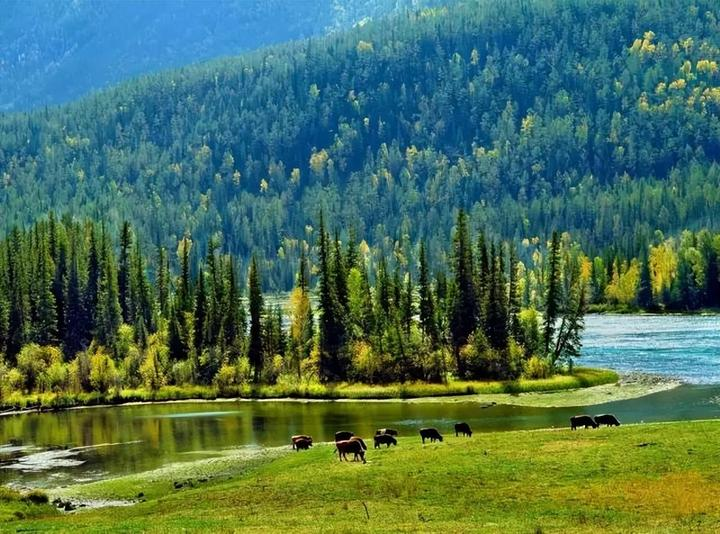
As autumn quietly arrives on the vast land of Xinjiang, a stunning visual feast also begins. Autumn in Xinjiang is like a vivid, colorful painting, with every scene exuding its own unique charm.

If Tibet offers people a spiritual shock, then Xinjiang provides a visual impact.

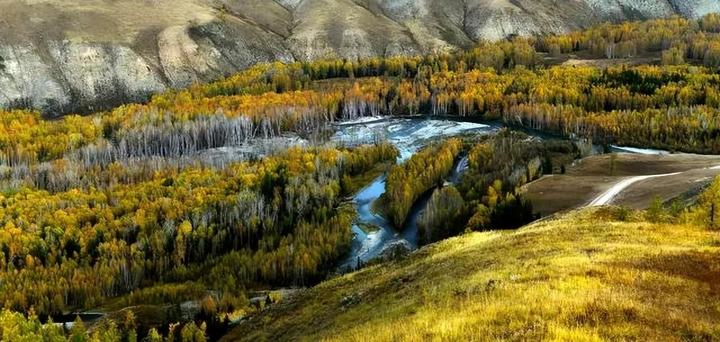
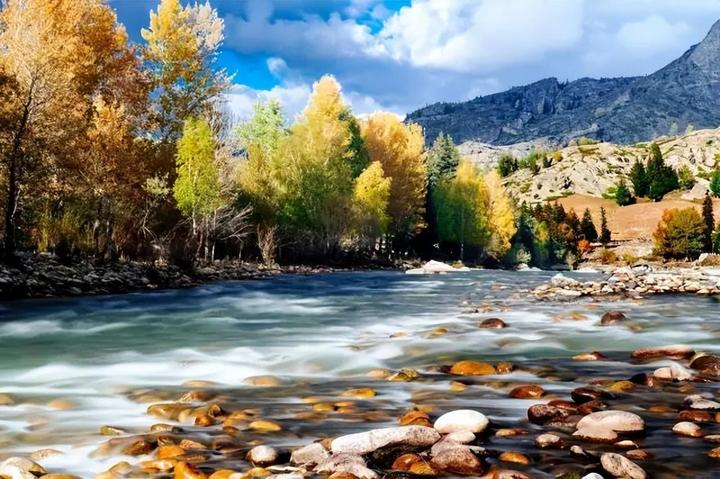
This is the place in China where autumn’s colors are the richest, with vibrant hues blooming amidst alternating poplar forests, lakes, rivers, and deserts.

If you missed the lush greenery of summer, you definitely cannot miss the splendid autumn of Xinjiang. Below is a suggested itinerary for Northern Xinjiang.

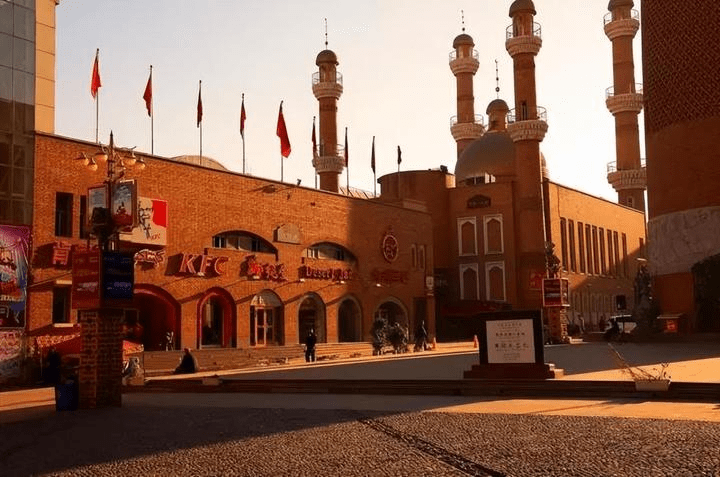
Day 1: Arrive in Urumqi, which can be reached via Urumqi International Airport. Upon arrival, explore the city with key places such as the Erdaoqiao International Bazaar, Hongshan Park, and the Xinjiang Uygur Autonomous Region Museum.

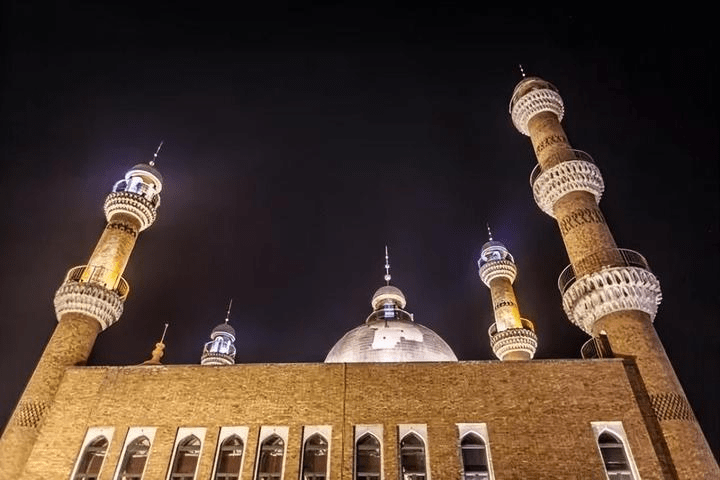
The International Bazaar is the largest bazaar in the world, combining Islamic culture, architecture, ethnic commerce, entertainment, and dining. It is known as the “Window to Xinjiang,” “Window to Central Asia,” and “Window to the World.” It symbolizes the prosperity of commerce and tourism in Xinjiang and serves as a scenic landmark in Urumqi, a city rich in ethnic diversity.

The architecture reflects a strong Islamic style, and while fulfilling modern functionality, it also recreates the historical glory of the ancient Silk Road. The bazaar showcases the deep ethnic characteristics and regional culture of Western China.

You can take Urumqi’s city rapid bus or BRT line 3 and get off at Erdaoqiao Station.Try Big Plate Chicken, baked buns, lamb kebabs, and hand-pulled rice to ignite your taste buds.

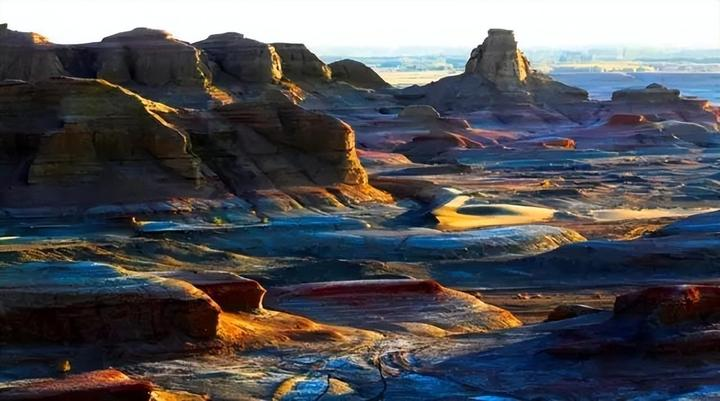
Day 2: Urumqi to Urho Ghost City, exploring the wind-eroded landscapes. Ghost City is also known as Urho Wind City.

It is a unique wind-eroded landform with bizarre shapes. The local Mongolian people call this place “Sulumuhaque,” and the Uygur people refer to it as “Shaytankarshi,” which means Ghost City. The Ghost City stands like a mighty castle in the vast Gobi desert.

This castle-like formation resembles pavilions, towers, corridors, streets, and even a demon’s treasure hall. On the western side of the city gate, there is a rock formation called the “Stone Monkey Gazing at the Sea,” and within the city, you’ll find the towering “Mount Fuji,” the temple-strewn “Angkor Wat,” the magnificent “Potala Palace,” and shapes that resemble a cobra, a roc, and other creatures. These scenes are incredibly varied and dazzling, forming a dreamlike maze.

From a distance, you’ll marvel at its grandeur and magnificence, praising nature’s incredible craftsmanship. Bathed in the glow of the setting sun, the Ghost City becomes a kaleidoscope of colors, resembling a medieval castle with uneven heights and intricate layers, creating a unique spectacle in the Gobi desert.

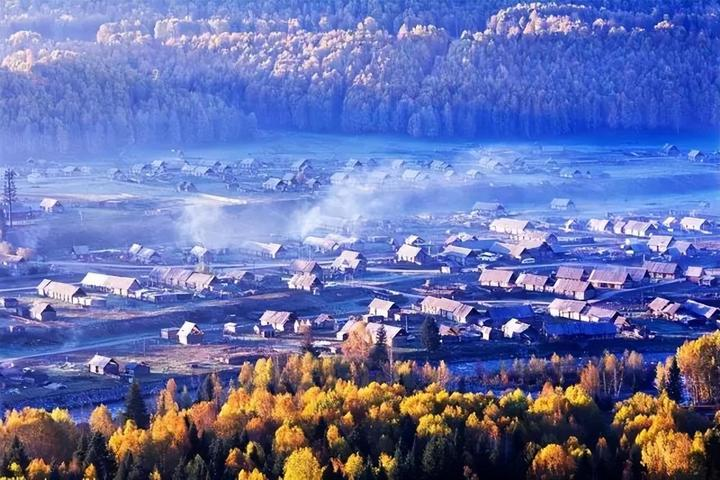
Day 3: Hemu Village, the most beautiful secluded village – Experience the traditional life of the Tuva people.

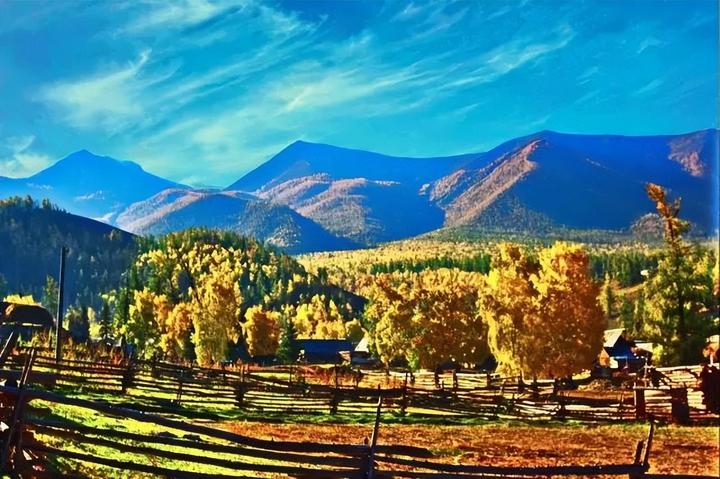
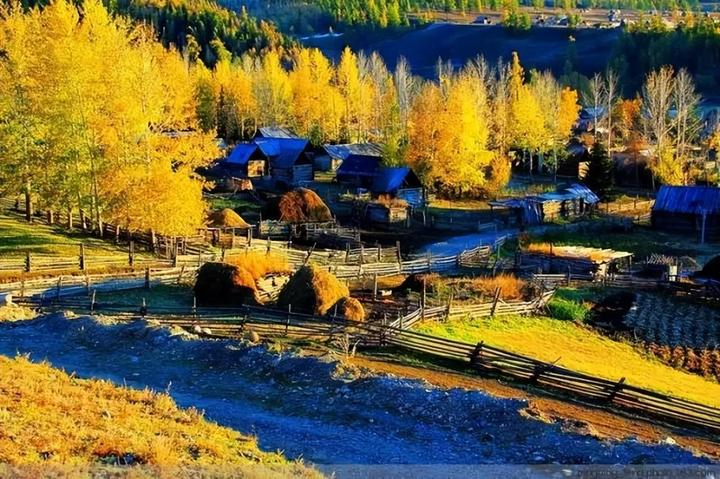
In autumn, the golden leaves of Hemu Village contrast beautifully with the rustic wooden houses. Walking along the village’s paths, the rustling of fallen leaves underfoot seems to whisper stories of the passing years. This is a great place to experience the life of the Tuva people. You can taste local delicacies, enjoy traditional singing and dancing, and immerse yourself in the charm of their unique culture.

Nestled in a vast open area surrounded by mountains, Hemu Village lies quietly, with the Tuva people’s pointed wooden houses and livestock pens scattered casually throughout the village.

A faint mist forms a winding white ribbon above the forest, drifting between the village and the mountains. The most captivating aspect of Hemu Village is its stunning autumn scenery, where mountains covered in red foliage are breathtaking. Smoke rises slowly through the autumn colors, forming a dreamy mist that makes the village look like a fairyland.

Day 4: Kanas – Immersing in the breathtaking scenery of lakes and mountains.

Kanas is one of the world’s rare “earthly paradises.” Its unparalleled beauty is something that even the best photography skills cannot fully capture.

Kanas combines the grandeur of northern landscapes with the delicate charm of southern waters. Additionally, there are other breathtaking spectacles such as the “Sea of Clouds with Buddha’s Light,” the “Color-Changing Lake,” the “Floating Wood Dyke,” and the “Lake Monster,” making it a true wonderland of the Western regions.

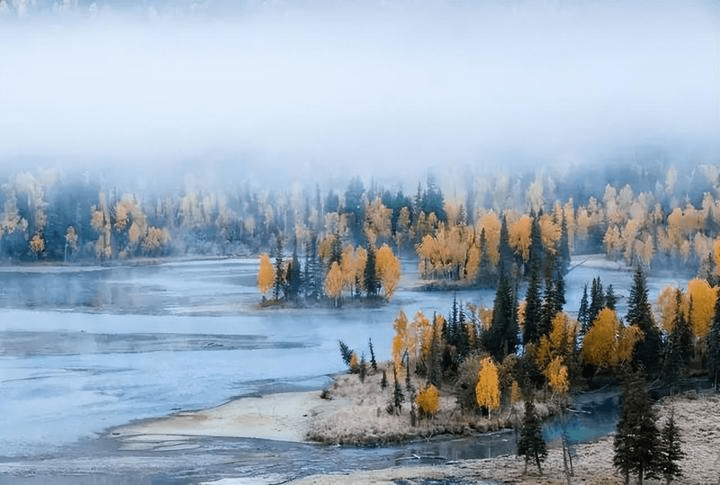
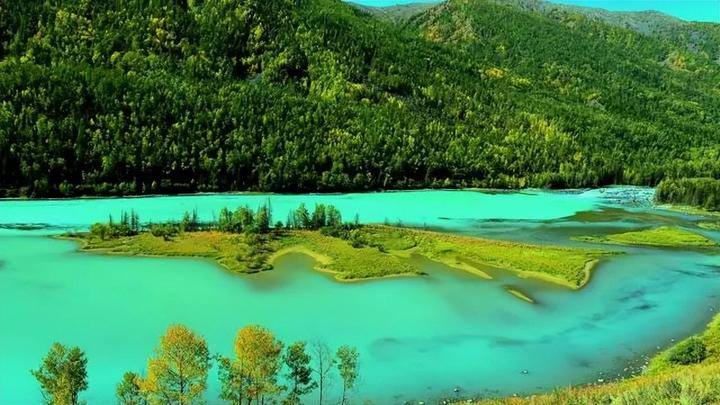
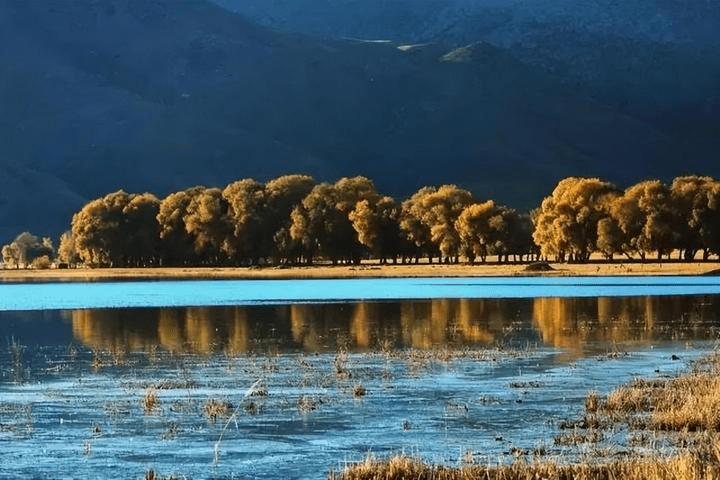
Kanas Lake: This lake, known as the “Earthly Fairyland,” reveals a unique charm in autumn. The lake’s water remains as emerald green as a gemstone, while the surrounding forests are transformed by autumn frost into a dazzling array of colors—fiery reds, golden yellows, and sunset oranges. These hues, set against the backdrop of a bright blue sky, form a breathtaking painting, as if nature itself had painted it with the finest brushstrokes.

Kanas Lake is an alpine lake nestled deep in the Altai Mountains’ dense forests. In 2009, it was named the “Most Beautiful Lake in China” by Chinese National Geography magazine.

Best time to visit: From June to early October.

Transportation: The Kanas Scenic Area has its own airport, and you can fly directly from Urumqi to Kanas. The flight takes about 50 minutes.

Day 5: From Baihaba to the Rainbow Beach, admire the colorful rocks and rivers.

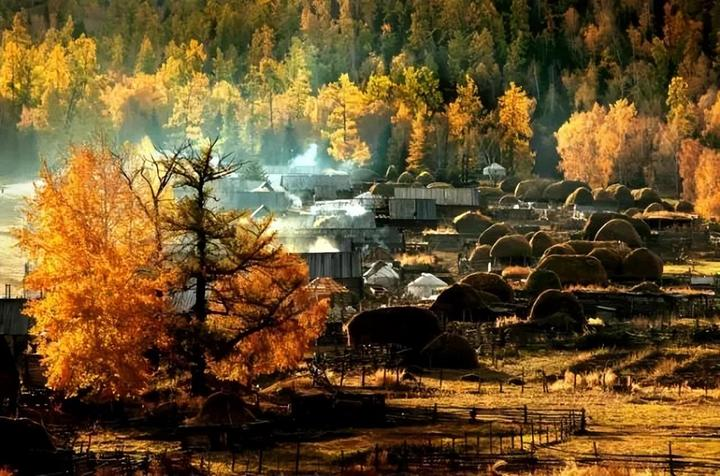
Baihaba Village, known as “the first village in the northwest,” faces the towering mountains of Kazakhstan in the distance. The dense golden pine forests of the Altai Mountains stretch all the way to Baihaba, where the villagers’ wooden houses and livestock pens are scattered harmoniously among the pine and birch forests, creating a peaceful and serene atmosphere. All of the village’s buildings are made of raw wood, with rustic log cabins as its signature feature, giving it the feel of a European-style village.

Baihaba Village: This place, known as “one of the eight most beautiful towns in China,” is especially breathtaking in autumn. The entire village is surrounded by golden birch forests, making it look like a golden fairy-tale world. The old wooden houses are scattered harmoniously among the trees, with smoke gently rising from the chimneys, creating a strong sense of rustic life.

At sunset and in the misty mornings, the smoke drifts lazily, while cows and sheep graze on the hills, painting a picture of harmony between humans and nature. If Kanas is a secluded, ancient paradise, then Baihaba is a fairy-tale world nestled in an untouched natural environment.

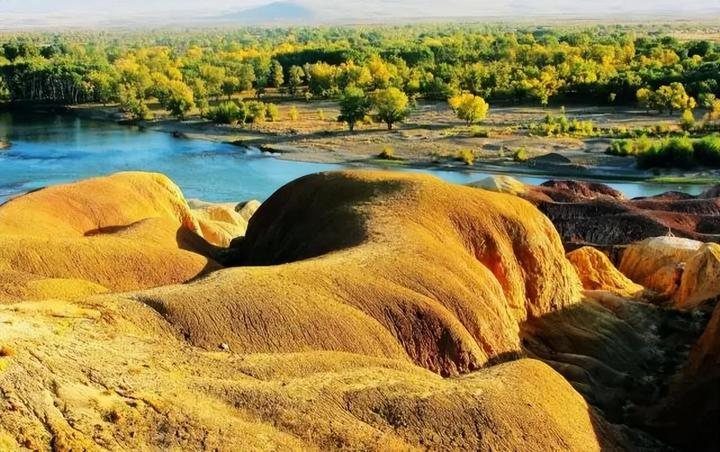
In the morning, immerse yourself in the rustic atmosphere on the grasslands of Baihaba. In the afternoon, head to the spectacular Rainbow Beach to admire Xinjiang’s most beautiful Yardang landforms. The hills here have unique geological features and display a variety of colors. At sunset, under the sunlight, the rocks primarily glow red, with shades of green, purple, yellow, white, black, and transitional hues, creating a vibrant and mesmerizing palette, which is why it’s called “Rainbow Beach.”

Whenever the wind blows, strange sounds of varying lengths and pitches echo from the gullies and beneath the rocks, adding a mysterious and otherworldly feel to the place.

Day 6: Keketohai – Enjoy the tranquility of lakes and forests.

Keketohai Town is located 48 kilometers northeast of Fuyun County in the Altai Mountains, in northern Xinjiang Uygur Autonomous Region. In Kazakh, “Keketohai” means “green forest,” and in Mongolian, it means “blue river bend.”

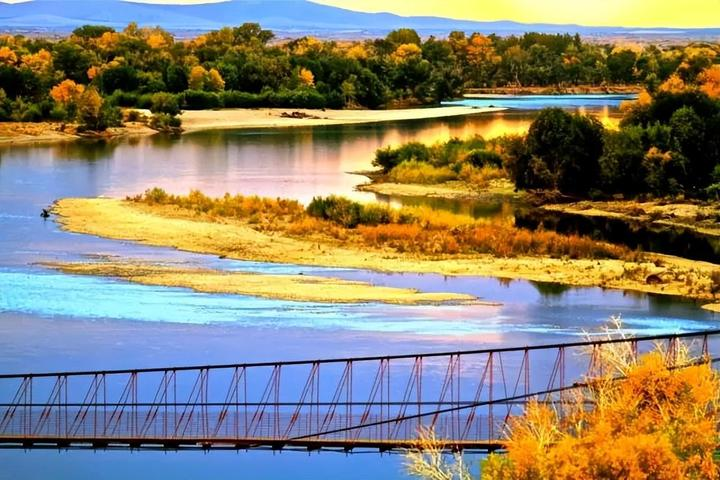
In autumn, the golden birch forests of Keketohai beautifully complement the clear river waters. The river flows gently, reflecting the stunning scenery on both banks, like a giant mirror. Strolling along the river, feeling the breeze and listening to the birds sing, fills one with a sense of peace and serenity.

From here, you will have seen most of the beautiful autumn scenery in northern Xinjiang, and you can return to Urumqi to end your trip. If you have more time, you can visit Heavenly Lake (Tianchi) to admire the snowy mountains and emerald waters.

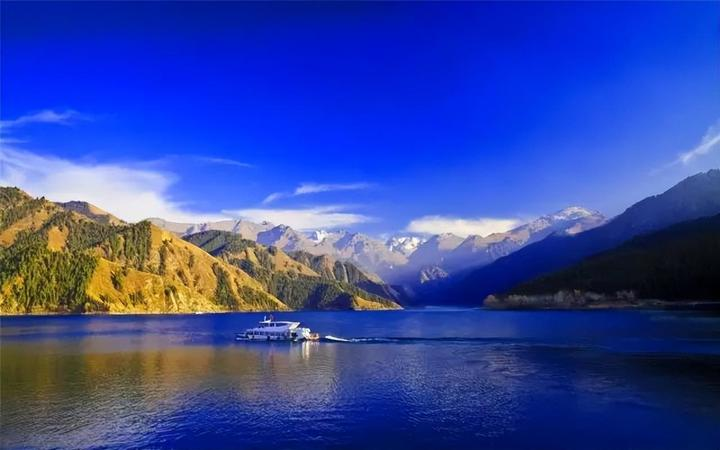
Heavenly Lake: A fairyland amidst the surrounding mountains.

Over the course of history, in the vast wilderness of China’s western regions, a place of extraordinary beauty emerged—Heavenly Lake in the Tianshan Mountains.

Historically known as “Jade Pool,” legend has it that King Mu of the Zhou dynasty traveled west and held a feast with the Queen Mother of the West here. In the Qing dynasty, during the reign of Emperor Qianlong, it was named “Tianchi,” meaning “Heavenly Mirror” or “Divine Lake.”

Heavenly Lake is an extraordinary and mesmerizing sacred site.

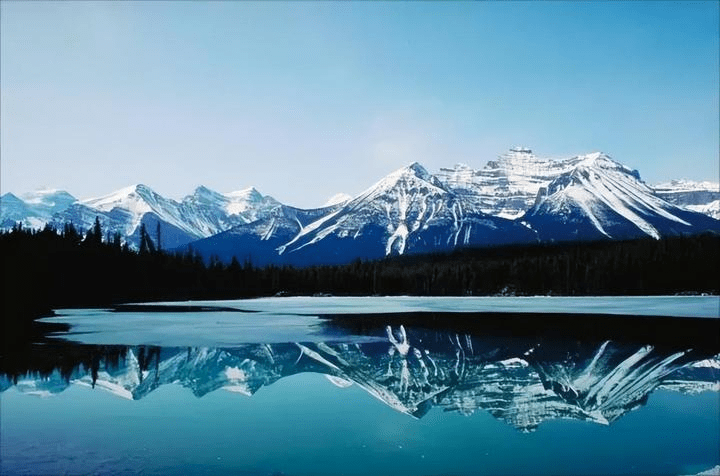
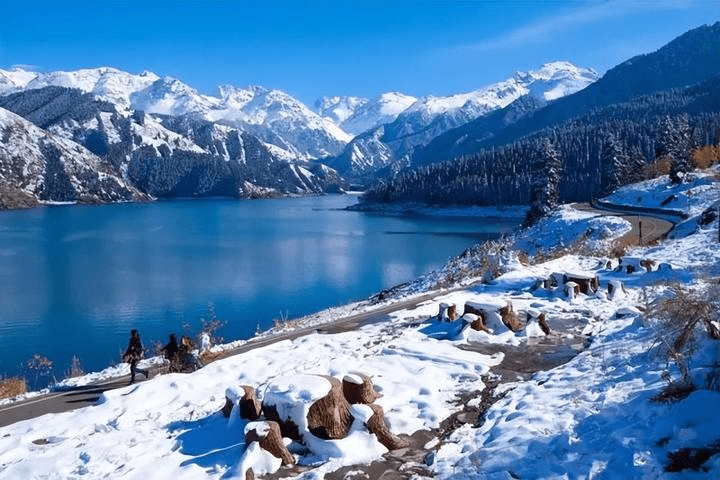
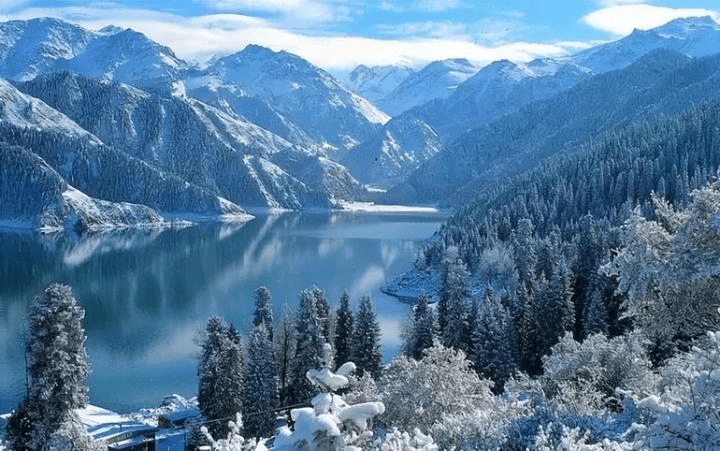
Its fame not only comes from the beautiful and mysterious legends associated with it throughout history, but also from its unique natural and cultural landscapes, renowned both domestically and internationally! The Bogda Peak of the Tianshan Mountains rises to 5,445 meters above sea level, its snow-covered glaciers extending throughout the year. The snowy mountains and the blue lake complement each other, creating breathtaking scenery. The surface of the lake is crescent-shaped, and the water is crystal clear, as pure as jade.

The snow-capped peaks reflect in the lake, surrounded by towering spruce trees, with the emerald waters as smooth as a mirror, forming a picturesque landscape. Encircled by mountains, the area is lush with green grass and vibrant wildflowers, earning it the title “Pearl of the Tianshan Mountains.” Tall, verdant spruce and pine trees cover the mountains and ridges, creating a dense forest canopy.

Link:https://peacelilysite.com/2024/10/18/xinjiangs-golden-tapestry-exploring-the-stunning-autumn-landscapes-of-chinas-northwest/

Source : photos from https://www.52hrtt.com/br/n/w/info/F1665986705929
Exploring the Timeless Charm of Pingyao Ancient City

Pingyao Ancient City – The Best-preserved Ancient City in China

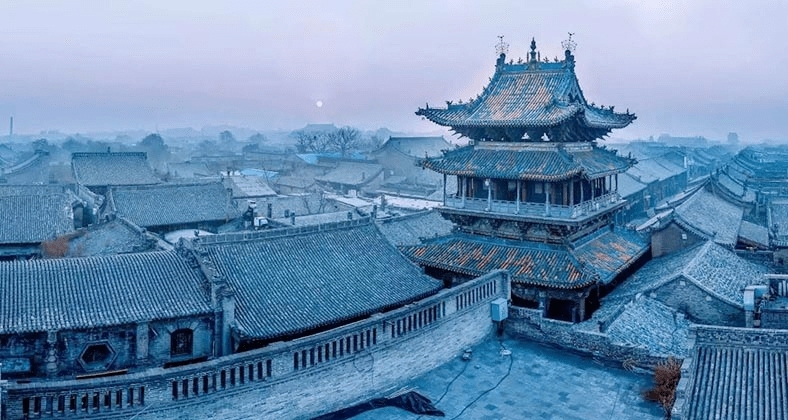
Pingyao Ancient City, with over 2,700 years of history, remains one of China’s best-preserved ancient cities. Its authentic layout features long, ancient city walls, elegant residences, courtyards, and a maze of streets and alleys that evoke the bustling county life of the Ming and Qing Dynasties. Designated a UNESCO World Cultural Heritage Site in 1997 alongside Shuanglin and Zhenguo Temples, Pingyao is one of the Four Most-Preserved Ancient Cities in China, making it a must-visit for those keen on history and culture.

A Journey Through Time

Pingyao was founded during the Western Zhou Dynasty in the 8th century BC, and it grew significantly during the Ming and Qing Dynasties. Unlike many ancient cities, it has survived wars and modernization, making it even older and more intact than famous counterparts like Lijiang Old Town, Huizhou Ancient City, and Langzhong Ancient City.

As the seat of county government since the Qin Dynasty (221 BC), Pingyao’s prominence only increased when its city walls were rebuilt and expanded in 1370. With over 400 ancient residential houses, government offices, shops, banks, and temples still standing, the city offers visitors a glimpse into traditional Chinese life, commerce, and religion.

Pingyao’s Unique Architecture

The architecture of Pingyao is one of its greatest treasures. Beyond its famous city walls and financial institutions, the city’s homes and structures reveal traditional design principles of the Ming and Qing Dynasties. Constructed using ancient techniques and materials, Pingyao’s buildings retain exquisite details in layout, decorations, and craftsmanship. When viewed from above, the city’s layout resembles a turtle, with the Southern Gate as its head, the Northern Gate as its tail, and the east and west gates representing its limbs.

Must-See Highlights in Pingyao

Ancient City Wall
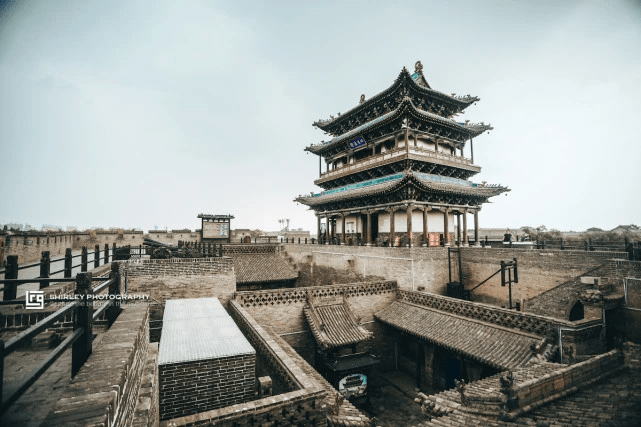
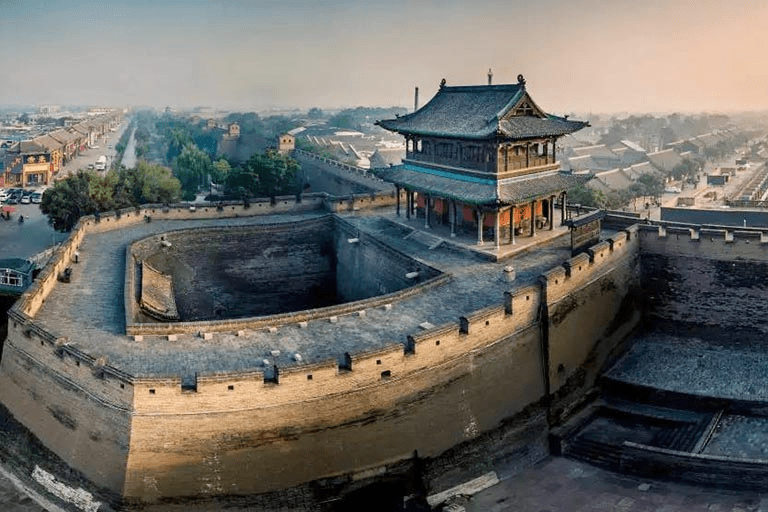
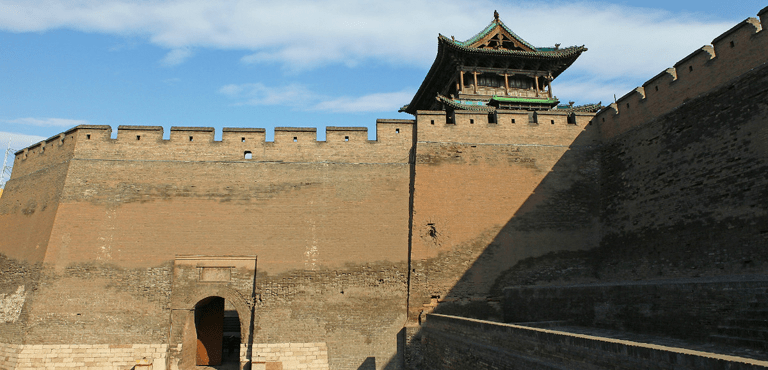
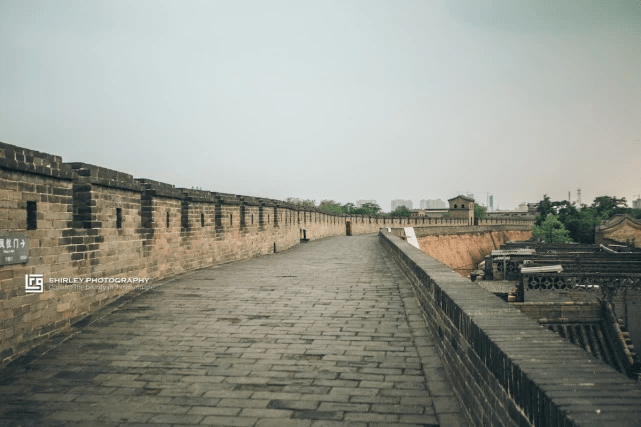
Built in 1370, Pingyao’s city walls stretch over 6,163 meters and are considered among the best-preserved in China. The walls stand 12 meters high, and at the top, you can explore 72 watchtowers, said to symbolize the 72 disciples of Confucius. Walking along the walls offers breathtaking views of the city below, the surrounding countryside, and the ancient military equipment once used to defend this historic town.

Rishengchang Former Bank
As China’s first modern bank, established in 1823, Rishengchang revolutionized financial operations in the Qing Dynasty. The museum here offers a fascinating look at China’s banking history, with exhibits on ancient financial tools, account books, and original working scenes.

North China First Escort Agency
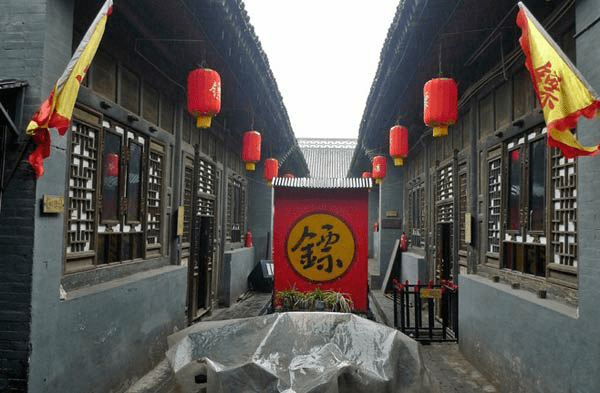
Known for its armed escorts protecting valuables, this agency thrived during the Qing Dynasty. Today, it’s a museum that tells the history of these brave escorts, showcasing the tools and techniques they used to safeguard goods during China’s bustling commercial era.

Pingyao Ancient Government Office
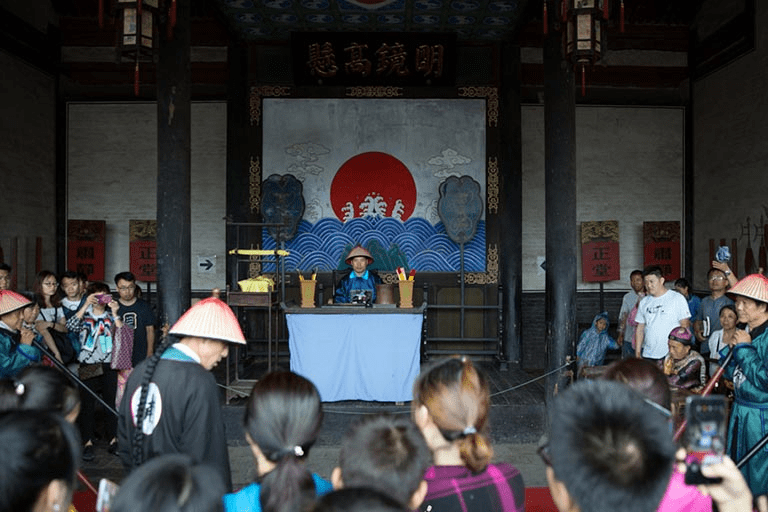
Dating back over 600 years, this grand office complex served as the seat of government in feudal China. Visitors can tour its judicial halls, ancient jails, and living quarters, and even watch performances of ancient court proceedings.

Temple of the City God
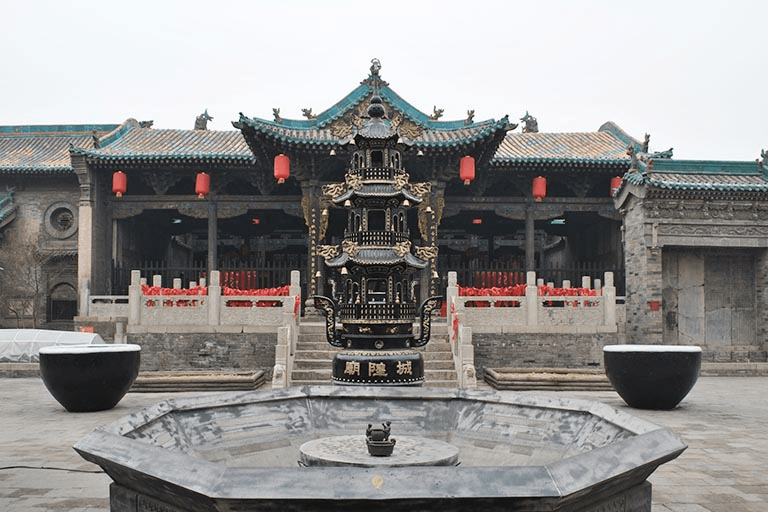
One of the most well-preserved City God temples in China, this Ming Dynasty complex is located in the eastern part of the city. With stunning wooden architecture, colored glazes, and vibrant frescoes, it’s a peaceful spot to take in the spiritual atmosphere while admiring the craftsmanship of centuries past.

Exploring Beyond the City

Pingyao Ancient City is part of a UNESCO-listed trio that includes the nearby Shuanglin and Zhenguo Temples, each rich with history and cultural significance.

  • Zhenguo Temple
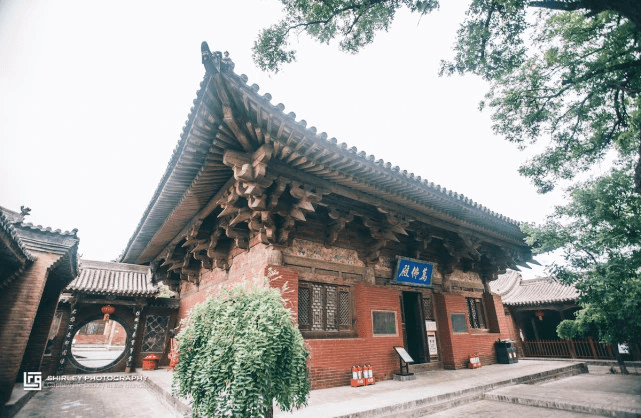
    Although less known, Zhenguo Temple is a hidden gem, offering an impressive array of ancient painted sculptures from the Five Dynasties period. The Ten Thousand Buddha Hall houses statues with a powerful presence, showcasing techniques that date back to the Tang Dynasty.

  • Shuanglin Temple
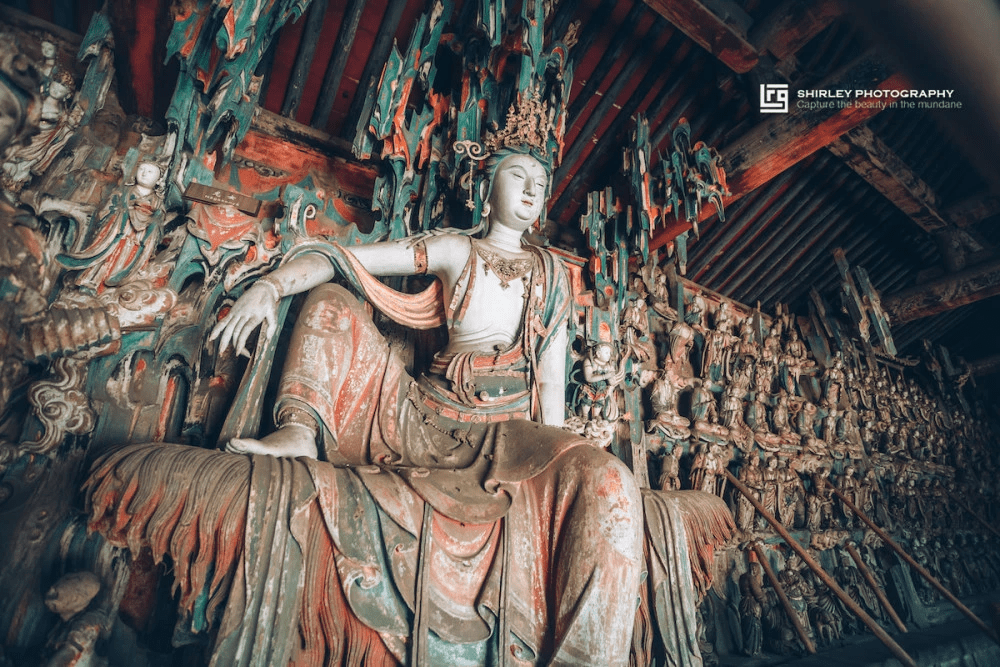
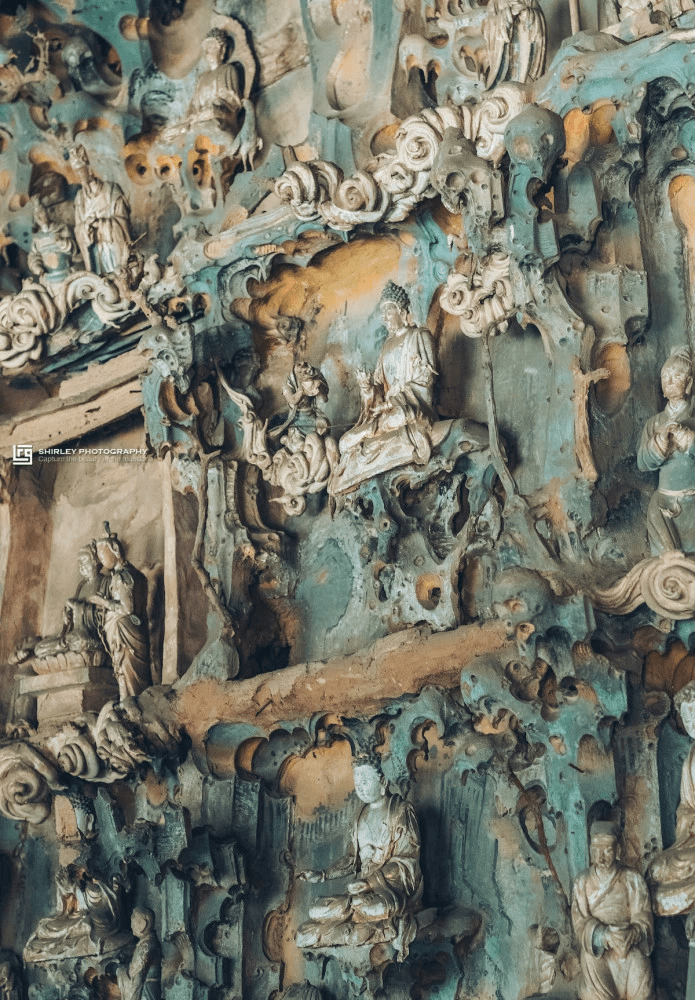
    Located just 6 kilometers from Pingyao, Shuanglin Temple is a masterpiece of Chinese painted sculpture, with over 2,000 Ming Dynasty statues that appear lifelike, capturing human emotions and worldly charm.

The Thousand-hand Avalokitesvara

A Culinary Adventure in Pingyao

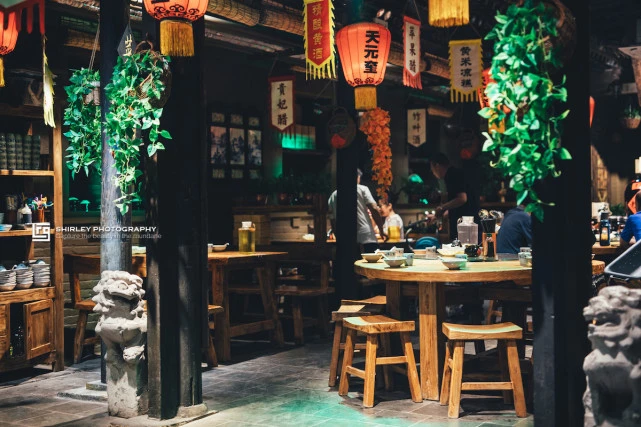
Pingyao boasts 108 types of local snacks and dishes, with noodles being the star. The city’s famous Pingyao Beef is a must-try, thinly sliced and bursting with flavor. Another local favorite is Pingyao Wantuo, a buckwheat dish with a chewy texture that’s perfect for summer, known for its cooling and detoxifying properties.

The environment is also a quaint restaurant

Tips for a Budget-Friendly Trip

Many tourist traps in Pingyao are located near the city’s outer entrances. Avoid being lured in by promotions outside and head straight into the ancient city for an authentic experience. Once inside, you can explore freely, with many areas open to the public.

  • Ancient City Pass: The ¥125 pass includes access to 22 attractions, such as the city walls, government offices, and temples. If you’re just looking to wander the streets and grab a bite, entry to the ancient city itself is free. The pass is valid for three days and can be purchased via the official “Pingyao Ancient City Scenic Area” mini-program. Discounts are available for students, military personnel, and seniors.

Where to Stay: Accommodations in Pingyao

Staying inside the ancient city is the best way to fully immerse yourself in Pingyao’s charm. Not only is it convenient for sightseeing, but it also allows you to enjoy the beautiful night views and avoid the peak tourist times. Homestays within the city are affordable, ranging from ¥100-200+ per night, with some offering traditional heated beds that add a touch of historical authenticity to your stay.

However, be sure to check the reviews and photos before booking, as the quality of accommodations can vary. Some rooms may be small or lack private bathrooms, so it’s essential to do a little research beforehand.

Pingyao Ancient City is vast, so if your time is limited, focus on exploring the main attractions around South Street and East Street. For those staying longer, take the time to wander the quieter alleys to experience local life and discover hidden gems beyond the tourist hotspots.


Pingyao Ancient City offers a unique window into China’s rich history and cultural heritage. With its well-preserved architecture, vibrant temples, and fascinating museums, it’s a destination that promises to transport you back in time, offering unforgettable experiences at every turn.

Link:https://peacelilysite.com/2024/09/20/exploring-the-timeless-charm-of-pingyao-ancient-city/

Source: https://www.chinadiscovery.com/shanxi/pingyao/pingyao-ancient-city.html, https://new.qq.com/rain/a/20210825A00UZJ00

Witnessing the Majestic Qiantang River Tidal Bore: A Natural Wonder of the World

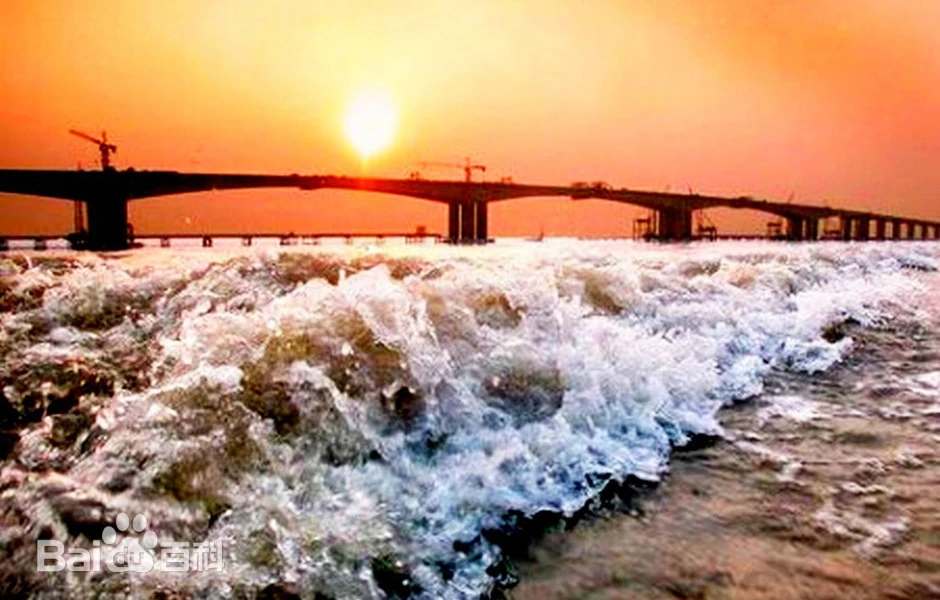
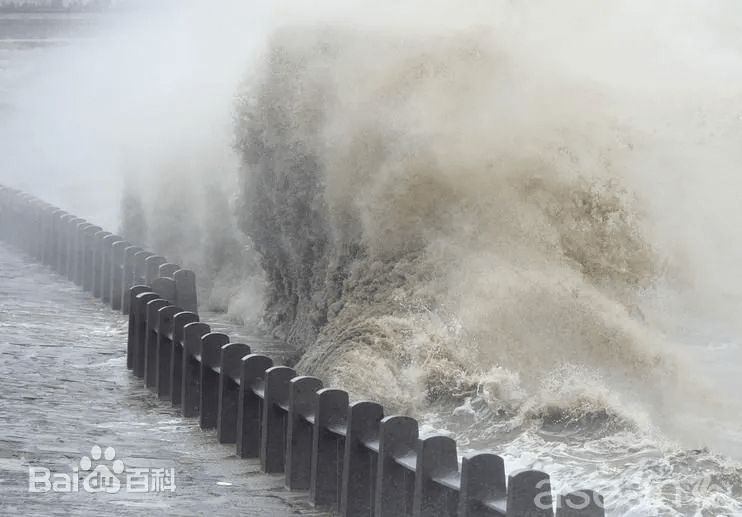
The Qiantang River, located in Zhejiang Province, China, flows majestically into the East China Sea. At its estuary lies one of nature’s most awe-inspiring phenomena—the Qiantang Tide, a tidal bore renowned across the globe. Every year, thousands of tourists flock to witness this breathtaking display of power and beauty. The tidal bore reaches its peak on the 18th day of the eighth lunar month, though it can be seen on several other days, providing around 120 days annually for tide-watching enthusiasts.

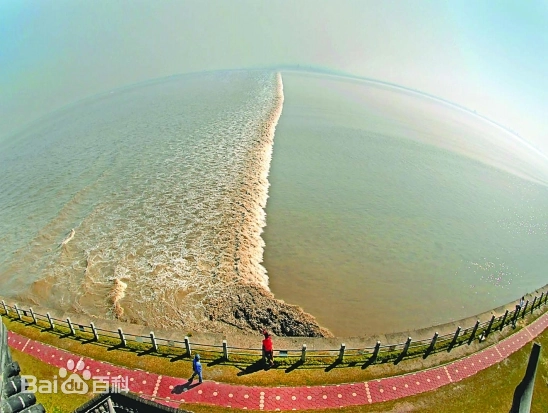
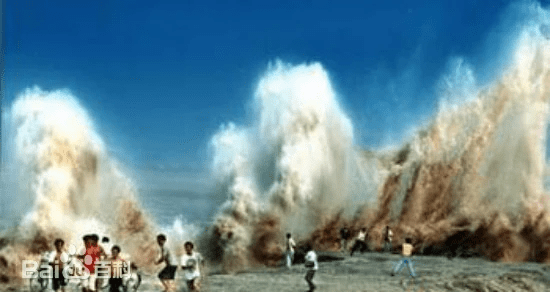
This year, the 18th day of the eighth lunar month, which falls on September 20th, 2024, will once again bring the grand spectacle of the great tide. As the tidal bore approaches, a small white dot appears on the horizon, swiftly transforming into a silver line, accompanied by a deep rumbling, reminiscent of distant thunder. In moments, the wave surges forward, growing into a towering crest over 9 meters high. The waves roll in, one after the other, layering like a long white ribbon, as though mountains and seas are being swept away. A famous poem captures the scene beautifully: “Gazing at Qiantang, waves stretch far, in an instant, wild surges fill the view. What seems like calm river waters holds energy that can shake the heavens.”

As the tide rushes forward, its roar grows louder, the crashing waves sending sprays of water into the air, resembling pearls and jade. The mighty surge mirrors the power of a thousand galloping horses. Tide-watching is a tradition that dates back over 2,000 years, originating in the Han and Wei dynasties and flourishing during the Tang and Song dynasties. It has become an essential cultural experience for locals and visitors alike.

The Science Behind the Qiantang Tide

The Qiantang River tidal bore is a marvel of natural forces. It results from the combined effects of celestial gravitational pulls and the centrifugal force of the Earth’s rotation, interacting with the unique trumpet-shaped terrain of Hangzhou Bay. Scientists have discovered that the formation of the tidal bore also depends on the relationship between the speed of the river’s flow and that of the tidal wave. When their speeds align or are close, the forces balance, giving rise to the dramatic tidal bore. However, if the speeds are significantly different, even a trumpet-shaped mouth cannot produce the same effect.

Best Spots to Experience the Qiantang Tide

For those seeking the ultimate tide-watching experience, there are three prime locations to catch the most spectacular views of the Qiantang River tidal bore:

1) Southeast Seawall of Yanguan Town, Haining County
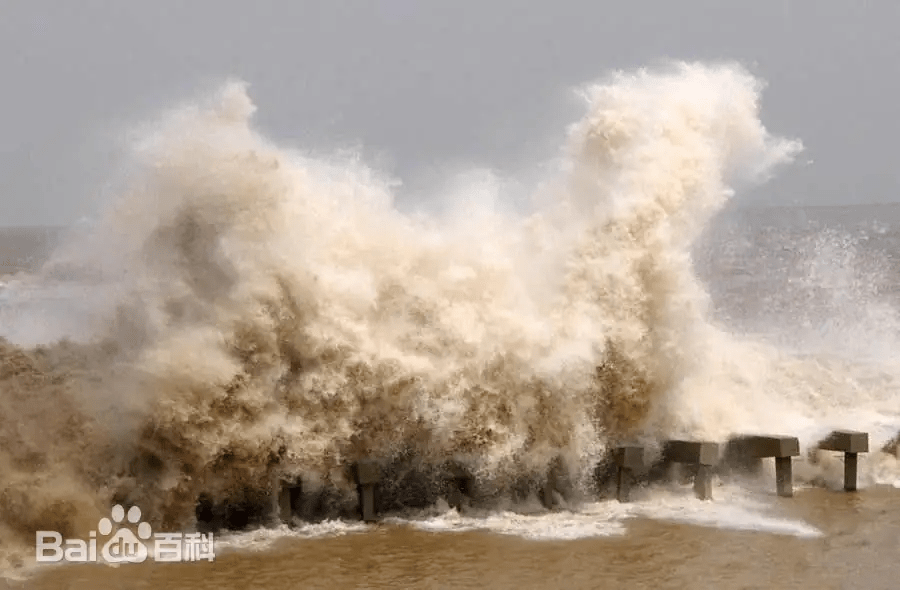
This is considered the top spot for viewing the tide. Here, the tidal force is at its strongest, forming a straight line that has earned it the name “One-Line Tide of Haining’s Pagoda.” As the tide approaches, a white ribbon spans the river, accompanied by a thunderous rumble from the horizon. The tide races forward like a line of pristine white swans in flight, their wings outstretched in unison. In an instant, a 3-4 meter high wall of water rises before you, spraying droplets like pearls and jade, as the waves surge with the force of ten thousand horses. When the tide crashes into the seawall, it surges up to an astounding height of 9 meters, bringing to life the vivid imagery of the poem: “The sky-high turbid waves fill the air, overturning rivers and seas, shaking mountains!”

2) Babao, 8 kilometers east of Yanguan Town
At Babao, you can witness the unique phenomenon of the tide heads colliding. After the tide flows into the river mouth, the differing terrain of the north and south banks causes the tide to split into two. The faster-moving southern tide, known as the “Southern Tide,” and the slower northern tide, called the “Eastern Tide,” meet in a dramatic head-on collision. The Southern Tide crashes into the southern bank, rebounds, and then surges northward, colliding with the Eastern Tide in a thunderous explosion of water. The river erupts into towering snowy peaks, an unforgettable sight that leaves viewers in awe.

3) Laoyancang, 12 kilometers west of Yanguan Town
Laoyancang offers the opportunity to observe the incredible “Returning Tide.” Here, a 9-meter-high, 650-meter-long “T-shaped embankment” extends into the river, resembling a giant arm holding back the tide. Although the tide’s force diminishes slightly by the time it reaches this point, it still crashes into the embankment with the power of thousands of roaring lions. The tide then turns and rushes back toward the seawall, heading directly toward the onlookers standing on top, providing a thrilling close encounter with nature’s raw power.

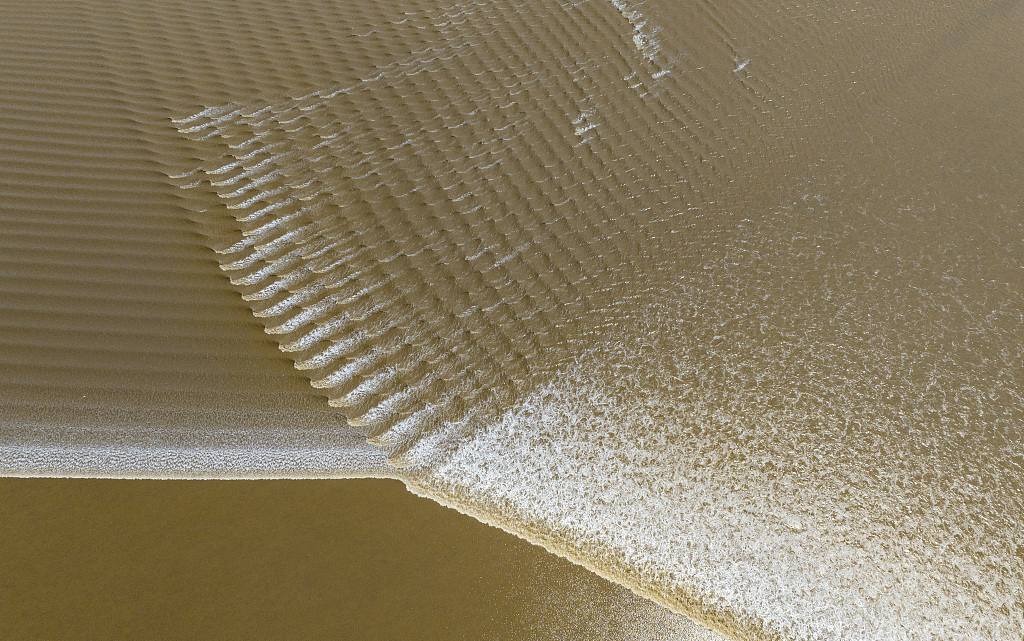
There are also other types of tidal bores, such as cross tides and fish-scale tides.

Cross Tides
Fish-Scale Tides Photo From:
https://news.cctv.com/2023/09/25/ARTIvgR1OpAsU26yqTybCCmN230925.shtml?spm=C96370.PPDB2vhvSivD.ERPyWJCsPwT9.29

A Timeless Tradition and Spectacle

The Qiantang River tidal bore is not only a scientific wonder but a cultural treasure. With its blend of natural beauty, immense power, and centuries-old tradition, it remains one of the world’s most mesmerizing spectacles. Whether you’re drawn by the science behind the tides or the sheer grandeur of the waves themselves, watching the Qiantang Tide is an experience you’ll never forget.

Link:https://peacelilysite.com/2024/09/18/witnessing-the-majestic-qiantang-river-tidal-bore-a-natural-wonder-of-the-world/

#Travel #AmazingChina#Qiantang River Tidal Bore

Enshi Grand Canyon

An Enchanting Blend of Natural Beauty, Festivals, Art, and Cuisine

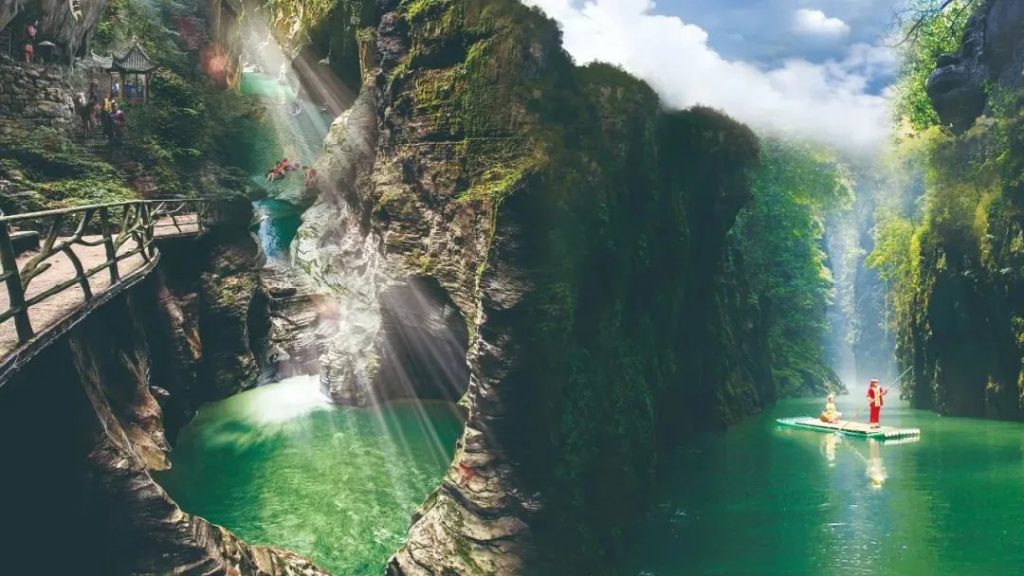
Nestled between Hunan Province, Chongqing Municipality, and Hubei Province, the Grand Canyon Scenic Spot in Enshi, China, is the most picturesque stretch of the Qingjiang River Basin and is often hailed as one of the world’s most beautiful canyons. With its dramatic 10,000-meter cliff gallery, plunging waterfalls, soaring peaks, and a ravine stretching for miles, the canyon rivals even the grandeur of the Colorado Grand Canyon in the USA. Two key areas within the canyon, Qixing Village and Yunlong Ground Fissure, cover an expanse of 35.2 square kilometers and are open to the public. These areas are renowned for their diverse limestone karst formations, such as tiankeng (sinkholes), ground fissures, cliffs, fengcong (peak clusters), limestone pillars, caves, and underground rivers, making it a natural museum of geological wonders and a world-class tourist destination.

The Qixing Village Scenic Spot, considered the highlight of the Qingjiang Grand Fissure, includes the Small Pass, Medium Pass, and Large Pass. Along its 8.5-kilometer-long boardwalk, visitors can marvel at several famous landmarks, including the Peaks of Small Mountain Pass, Longmen Stone Forest, Yixiantian (a thin strip of sky), Precipice Corridor, Cloud Torch, Greeting Pine, Yizhuxiang (a stick of incense), Twin Towers, Yubi Peak, Yunv Peak, and Yuping Peak.

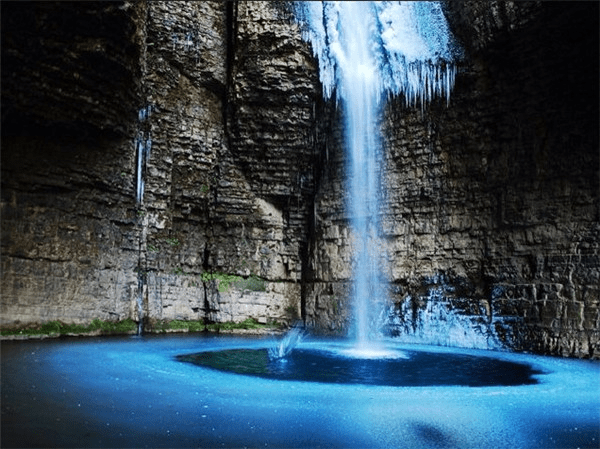
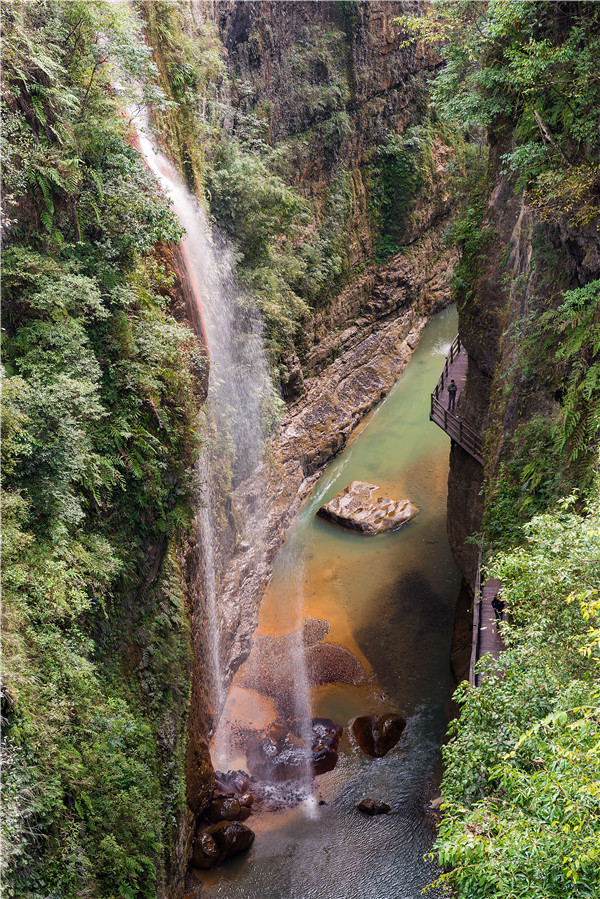
The U-shaped Yunlong Fissure, stretching 3,600 meters long and averaging 75 meters deep, is a stunning and unique karst formation. Within the fissure, waterfalls cascade dramatically down vertical drops, while outside, the fissure is surrounded by towering peaks and diverse landscapes. Notable waterfalls include Colorful Yellow Dragon Waterfall, Rainbow Waterfall, Yulong Waterfall, Ice Waterfall, and Mufu Waterfall.

Though the mysterious and steep Enshi Grand Canyon was not discovered until 2004 by a joint Sino-French expedition, it quickly captured global attention. In April 2012, U.S. explorer Dean Potter set a world record by walking a 41-meter-long slackline without assistance at Yizhuxiang, further showcasing the awe-inspiring wonders of the Enshi Grand Canyon.

White clouds rise from the Qingjiang River, twisting and turning like a dragon soaring into the sky. The sight of these clouds drifting for miles, smooth and majestic, is truly a feast for the eyes.

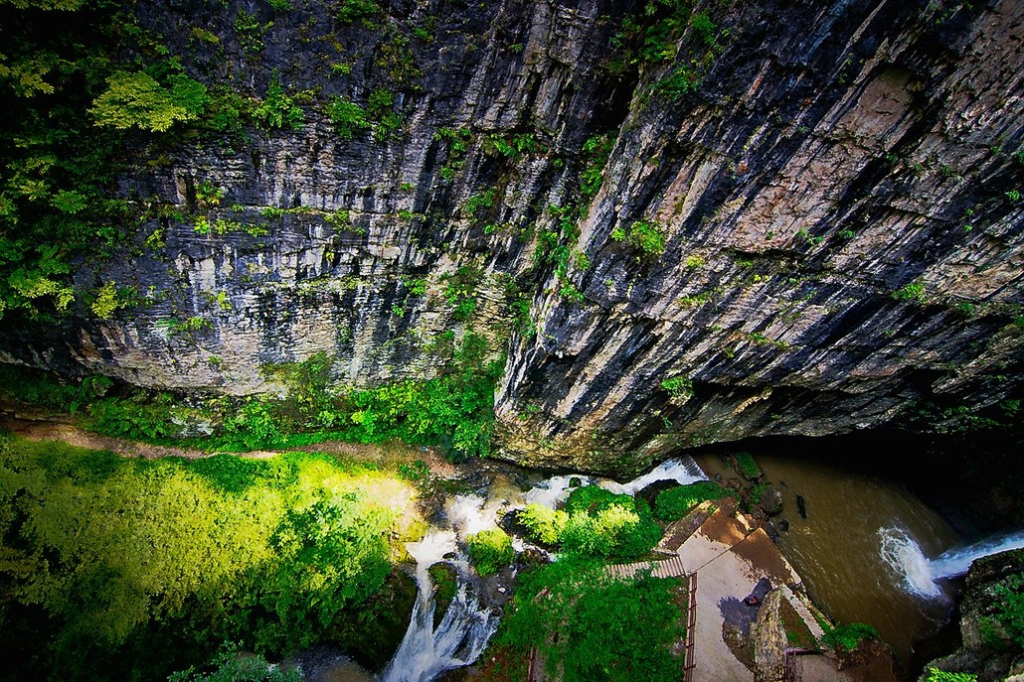
The canyon is also home to a striking combination of precipices and peak clusters, a geological feature unique to this region. Peaks seem to rise out of cliffs or soar above them, creating a landscape that is unmatched anywhere else in the world.

Over 200 caves of various sizes dot the canyon and are connected by natural bridges. The interplay of water and sky creates a fantastical atmosphere, as if you have stepped into another world.

The Yunlong River Fissure is lined with rock formations and ancient greenery, with numerous waterfalls and streams cascading down either side. The sheer beauty of this natural wonder is both breathtaking and unforgettable.

Tiankengs, or sinkholes, accompany the canyon’s underground river, which spans 50 kilometers, making it the longest underground river in the world. Along the river, 108 cenotes (natural sinkholes) create a truly spectacular sight.

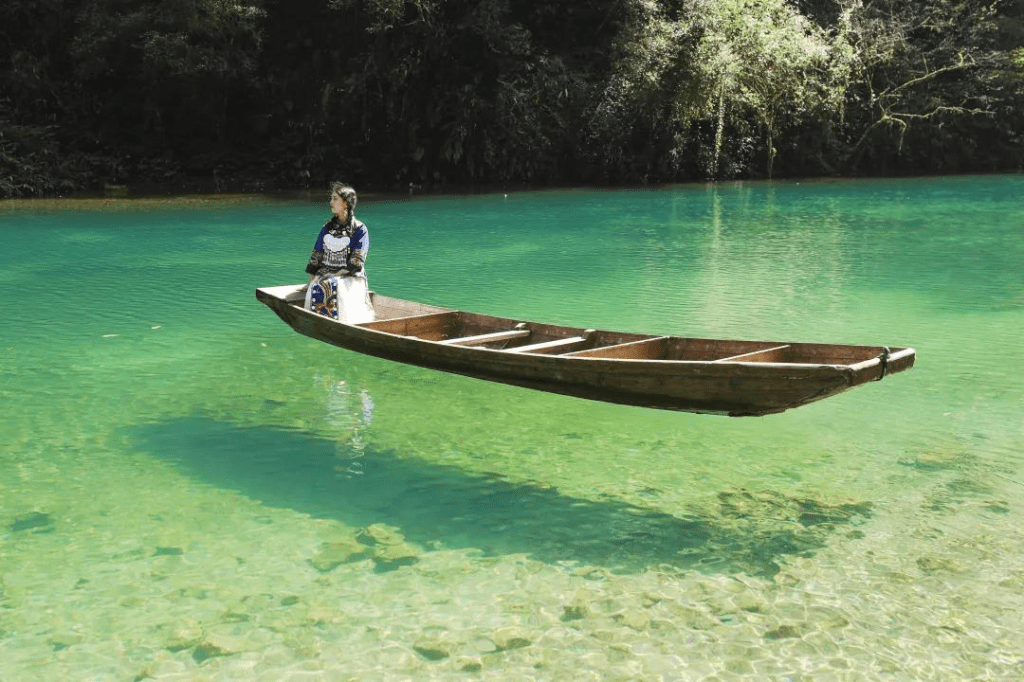
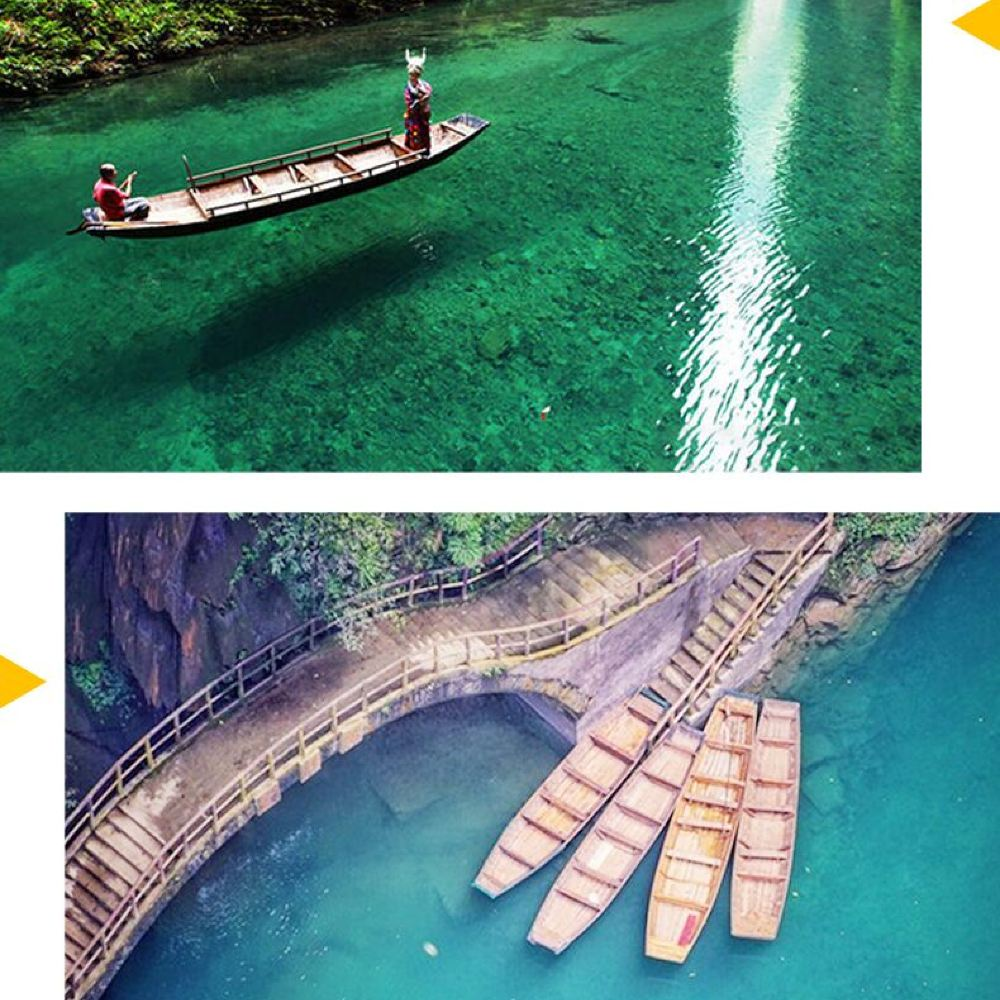
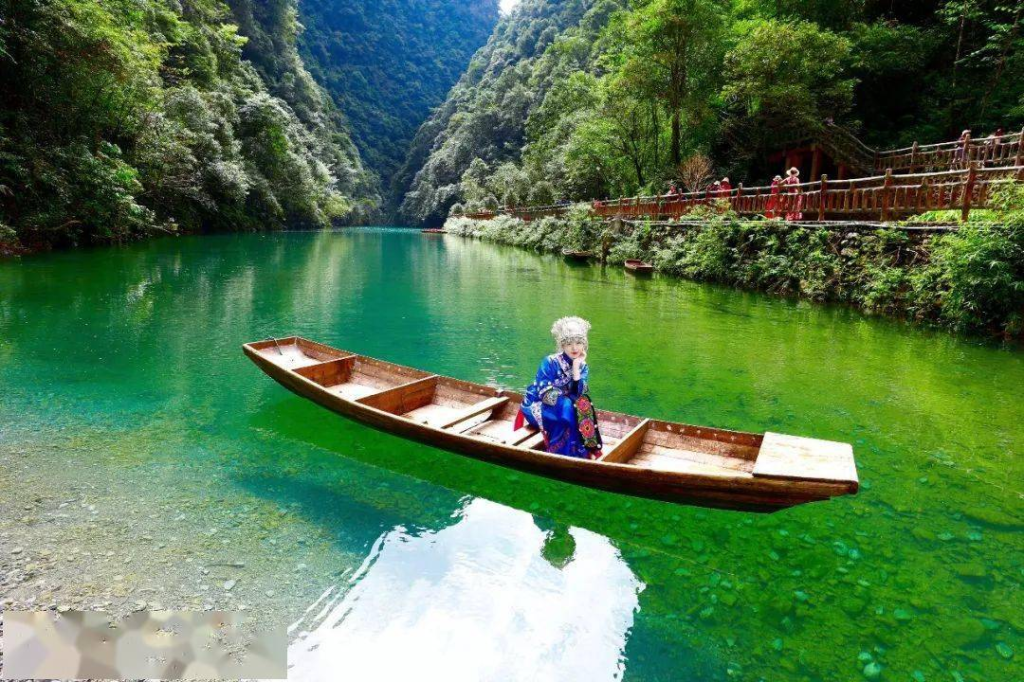
The waters of Pingshan Canyon are crystal clear, so clear they look drinkable. The boat seems to float in mid-air. As you ride in a small wooden boat and experience the sensation of floating, you see towering cliffs above and crystal-clear streams surrounding you below. Passing through narrow passages like “Yixiantian” (A Thread of Sky) and Moon Bridge, the only sounds are the gentle rush of water and the singing of birds. Gazing up at the sky from beneath these cliffs, there’s a deep sense of tranquility, as though you’re cut off from the world. The beauty of Pingshan Canyon is best captured by the lines: “Drunk, I know not whether the sky is in the water, but my boat is filled with clear dreams, pressing against the Milky Way.” To truly appreciate the splendor of Pingshan Canyon, you must come and experience it for yourself.

The Enshi Grand Canyon and its surrounding area are home to the vibrant Tujia Girls’ Festival, one of China’s most distinctive regional celebrations. This festival, unique to the Tujia people of Enshi, is more than just a marketplace gathering; it is a time-honored tradition where young women seek love on their own terms, often through the spirited exchange of songs in an antiphonal style. Dubbed the “Eastern Valentine’s Day,” it is a festival that symbolizes freedom and the pursuit of love.

Another fascinating cultural treasure rooted in Tujia heritage is Western Rancap, known as the “Flower of Tujia.” This beautiful craft reflects the ingenuity and artistic skill of the Tujia people, with its striking use of contrasting colors and intricate patterns that blend realism with abstraction. Historically, Tujia girls would weave these colorful bedrolls—often referred to as “Tujia Colorful Bedrolls”—on a loom as part of their wedding preparations, a tradition steeped in love and artistry.

Enshi is not just a region rich in cultural festivals but also a town alive with the arts, particularly in song and dance. The Tujia and Miao minorities express their joyful spirit through various performances, including the dragon boat song, hand-swinging folk dance, nuo opera, lantern drama, and the lively Tujia daliuz. The Dragon Boat Song, originating in Enshi Prefecture, is a love song that reflects the character and customs of the Tujia people. Recognized by UNESCO as one of the world’s 25 most remarkable folk songs, it embodies the heart and soul of Tujia culture. Renowned Miao singer Song Zuying has performed this song at prestigious venues like the Golden Hall of Vienna and Lincoln Center for the Performing Arts, sparking global interest in the music of Enshi.

The Enshi Grand Canyon Theatre brings this vibrant culture to life through large-scale real-life performances set against the stunning backdrop of mountains and rivers. The stage, illuminated by the natural light of the sun or moon, captures the simple and romantic spirit of Tujia love, creating an unforgettable experience for the audience.

The distinctive geography of the Enshi Grand Canyon has also shaped its cuisine, which blends the spicy flavors of Sichuan with the salty heat of Hunan. Enshi’s local specialties, heavily influenced by the Tujia and Miao minorities, offer a tantalizing array of flavors that attract visitors from near and far. Dishes such as “Gege,” steamed with a mixture of fried Chinese pepper and other main ingredients, mini hot-pot “Hezha,” roasted preserved meats, stir-fried Guang pepper with a sour and spicy kick, and Tujia sesame cakes are must-tries for any traveler seeking to taste the region’s unique culinary heritage.

Enshi Grand Canyon stretches 108 km (67 miles) and covers over 300 sq. km (74,000 acres). Though it’s only 1.7 miles wide, its narrow length offers stunning views. In comparison, the American Grand Canyon is vastly larger at 1,218,560 acres, enough to fit sixteen Enshi Grand Canyons.

The main difference lies in the landscape: Enshi is lush and green, unlike the arid terrain of the American Grand Canyon. Despite its smaller size, Enshi packs in all the beauty and features of its American counterpart, making it an excellent spot for a day trip or longer visit.

Link:https://peacelilysite.com/2024/08/16/enshi-grand-canyon/

Source: https://www.artisan.com.tw/blog/blog_article.aspx?article=587, https://www.esdaxiagu.com/en/scenicspot.html, http://www.hubei.gov.cn/jmct/jcms/lyjq/hbwajq/202208/t20220826_4282051.shtml

Discover the Beauty of Qinghai This Summer

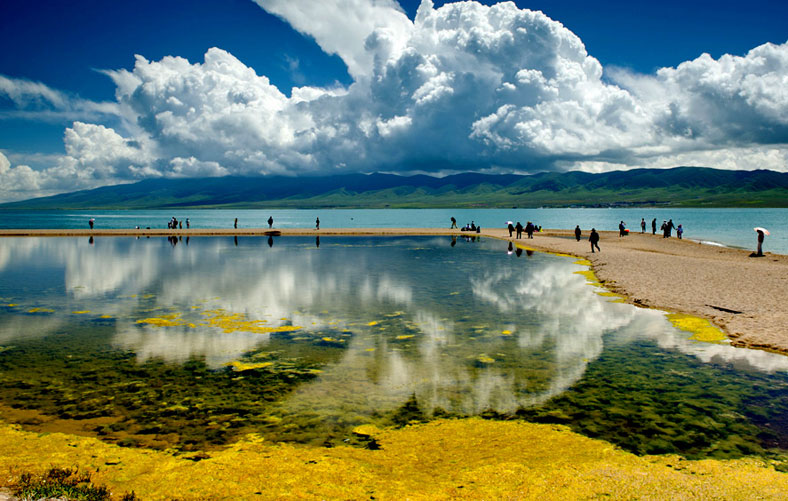
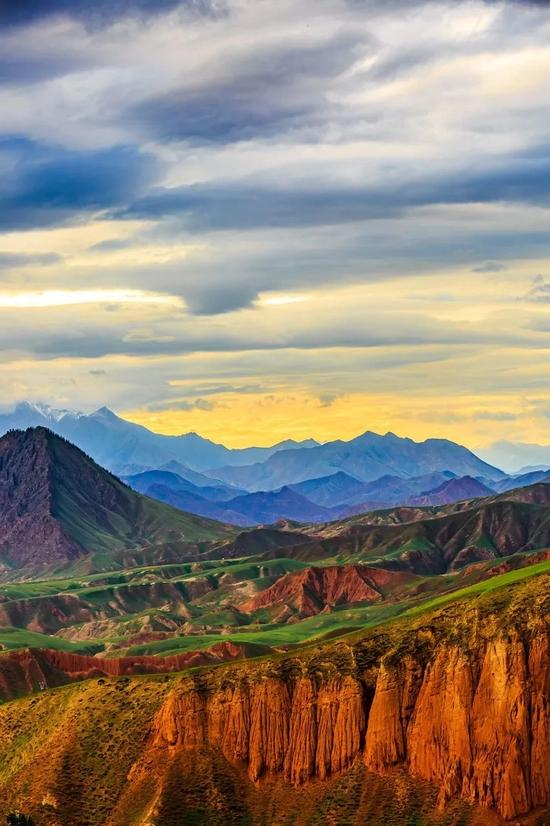
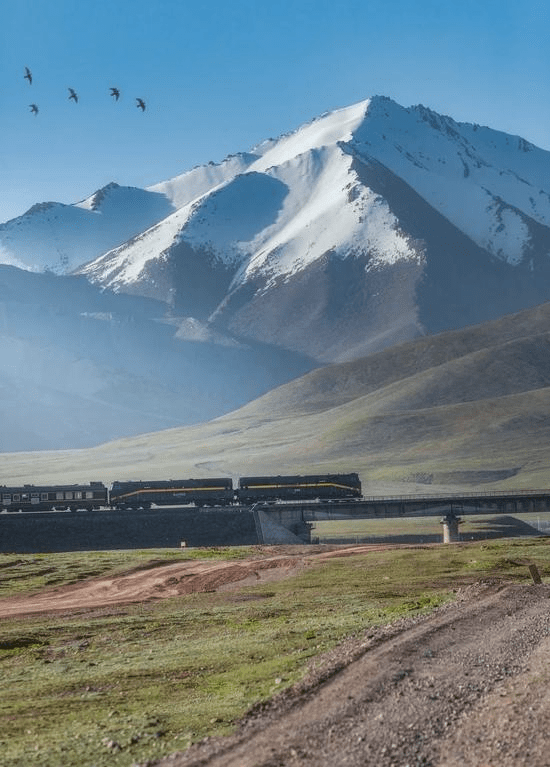
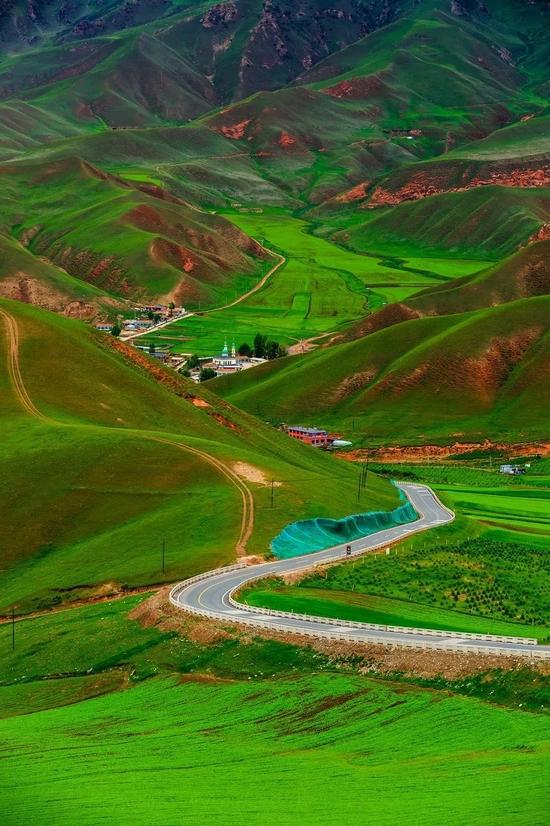
Entering summer, the northwest is like a fairyland, and as the gateway to this paradise, Qinghai is so breathtaking that one forgets the passage of time. Snow-capped mountains, lakes, grasslands, deserts, Yadan landforms, temples, prayer flags…

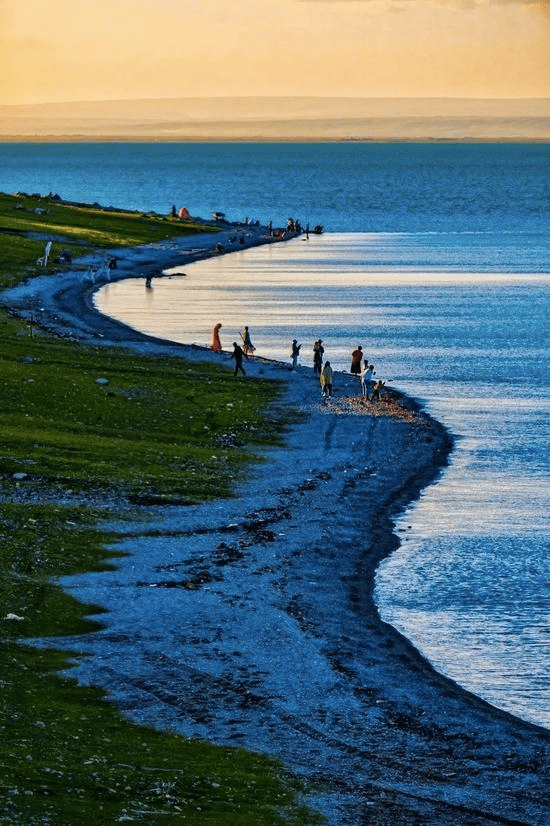
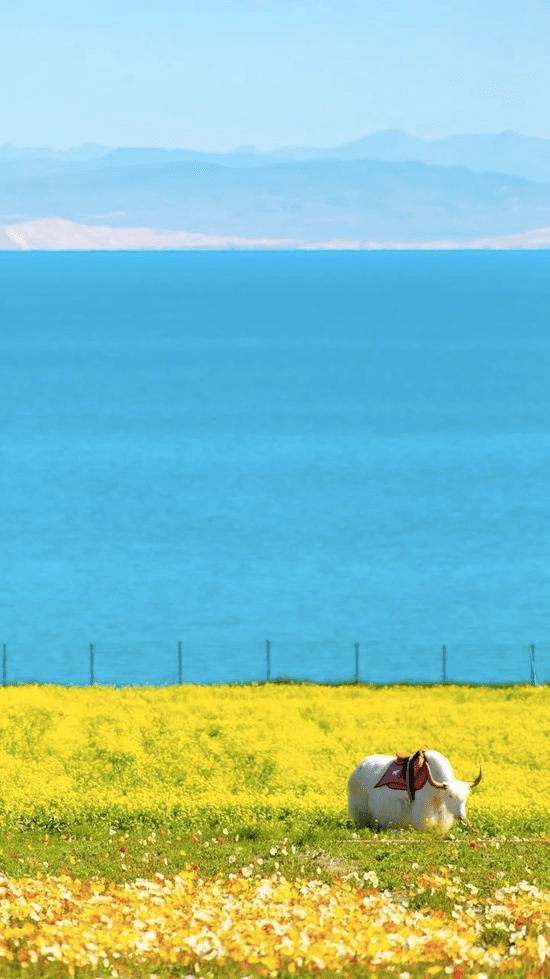
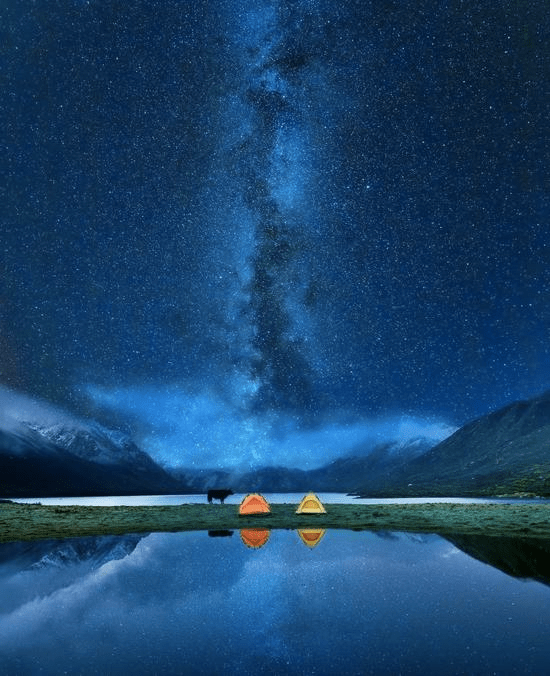
Countless unique landscapes make Qinghai a place worth exploring in depth. Here, you can easily encounter breathtaking scenery: lakes, flower fields, deserts, and starry skies, along with six vibrant colors: blue skies, green lakes, white mountains, golden deserts, green grasslands, and yellow rapeseed flowers. Walking on this vast land, the vitality and colors continually surprise you. Qinghai is a place you’ll fall in love with and never want to leave. In July, Qinghai Lake is romantic and poetic, with vast fields of rapeseed flowers along the lakeshore, blue water blending with the sky, and smoke rising from small wooden houses by the shore, resembling a pastoral landscape painting.

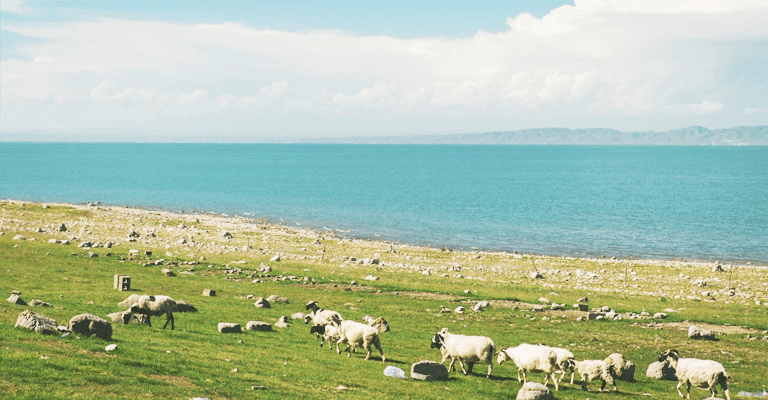
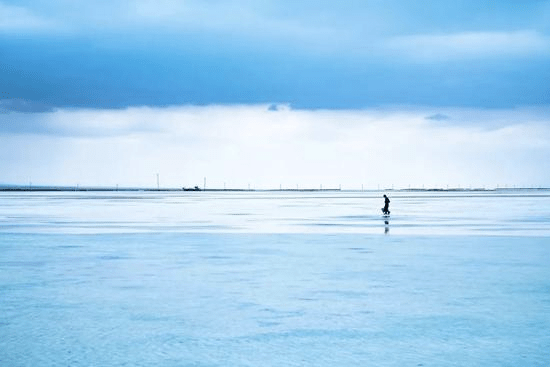
Qinghai Lake or Ch’inghai Lake, also known as Lake Koko Nor, is the largest lake in China (the size of Rhode Island or three Greater Londons). Located in the northeast of the Tibetan Plateau, this huge alkaline salt lake is usually No. 1 on “Most Beautiful Lakes in China” lists.

Spectacular Sunrise of Qinghai Lake

Erlangjian Scenic Area

Fairy Bay Area – The Sea of Flowers

Fairy Bay Area is a wet land located in the northern coast of Qinghai Lake. There are two legends about how Fairy Bay Area got its name. In one old legend, the queen of the west area fell in love with the King of Central Plains. The queen always served a feast for the king in Qinghai Lake with pretty fairies singing and dancing for them. Another ancient poem showed that the Queen of the west had been waiting for the king of Central Plains in Qinghai Lake for thousands of years but he never kept his appointment. The sad queen left for Heaven, but she ordered the fairies to guard Qinghai Lake. Later, these fairies masqueraded as swans living in Fairy Bay Happily. Might be attracted by these beautiful swans, a dozen of other birds also prefer Fairy Bay as a habitat.

Apart from various birds, different kind of flowers blooms here from every June to October. Just like a carpet waved by fairies, Fairy Bay presents on white, yellow, orange, pink, red etc., really deserving its name of Flowers’ Ocean. Because of the magic legends and amazing landscape, local people regard it as sacred ground and several solemn rituals are held here. So, you can feel a strong cultural fragrance.

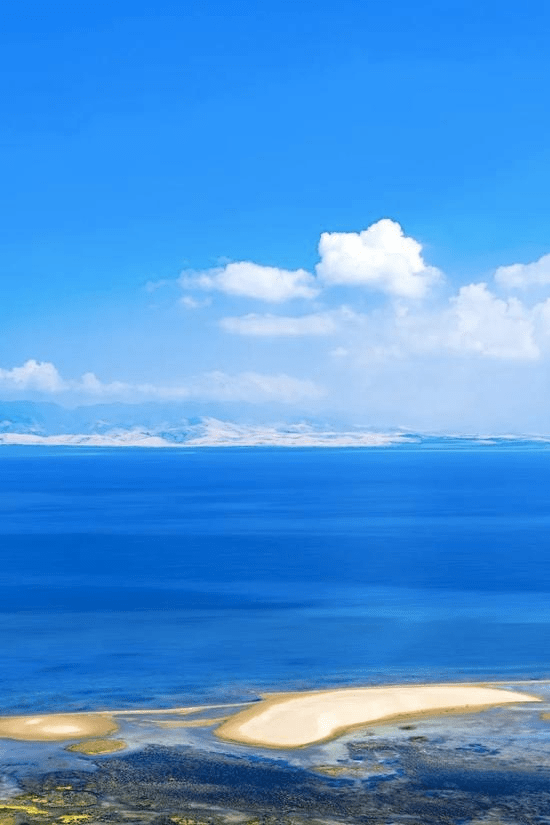
Sand island in the lake

Great Scenery in the Biking Trip

There’s a Tibetan folk custom that Buddhists should walk around the lake in the Year of Goat, circle the mountains in the Year of Horse, and circle the forest in the Year of Monkey. Some believe it’s a decree left by Buddha. Qinghai Lake is a sacred lake for Buddhist pilgrimages. Especially in Horse years of the 12-year cycle, many Buddhists will take a kora around the Qinghai Lake which is believed to be helpful to lead a safe and happy life. By traveling to Qinghai Lake you can get close to the devoted Tibetans and appreciate Tibetan culture. When the weather is warm in the summer months, there are ethnic festivals of the Tibetans and Muslims. Nowadays, there are still lots of minority tribes and herdsman families living beside the Lake. You can feel the strong nomadic ethnic culture there.

Buddhist Pilgrims Worshiping Qinghai Lake

Besides Qinghai Lake, there are many lakes in Qinghai, such as Chaka Salt lake, ChaErHan Salt lake, etc.

Qinghai has many mountains, 3,600 mountain peaks, clustered together, resemble giant petals in full bloom, tracing graceful arcs across the sky. Up close, they resemble ancient castles, pyramids, animal shapes, and cylindrical pillars. Being there feels like entering a maze, making it difficult to distinguish directions.

In July and August, large fields of rapeseed flowers bloom beneath Zhuo’er Mountain. Standing at the top of the mountain, the view is incredibly expansive and unobstructed. As far as the eye can see, the earth is covered with a golden-yellow carpet.

This summer, embark on a pilgrimage to Qinghai.

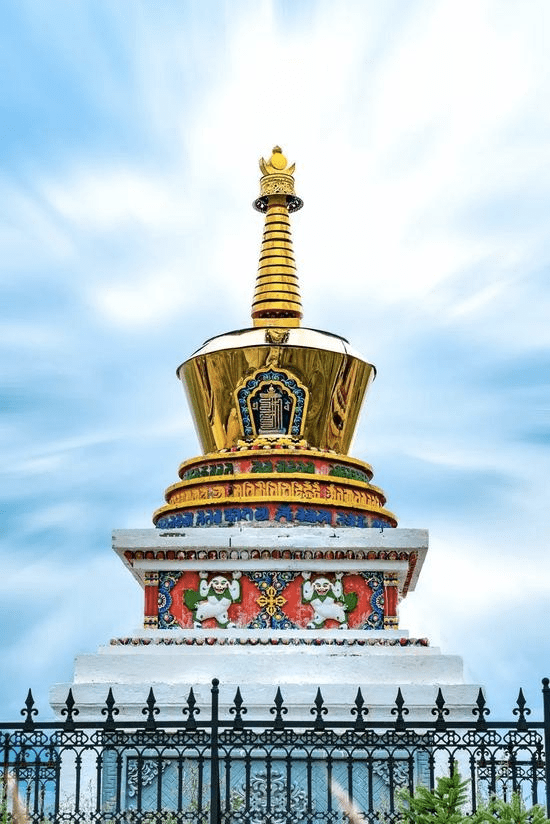
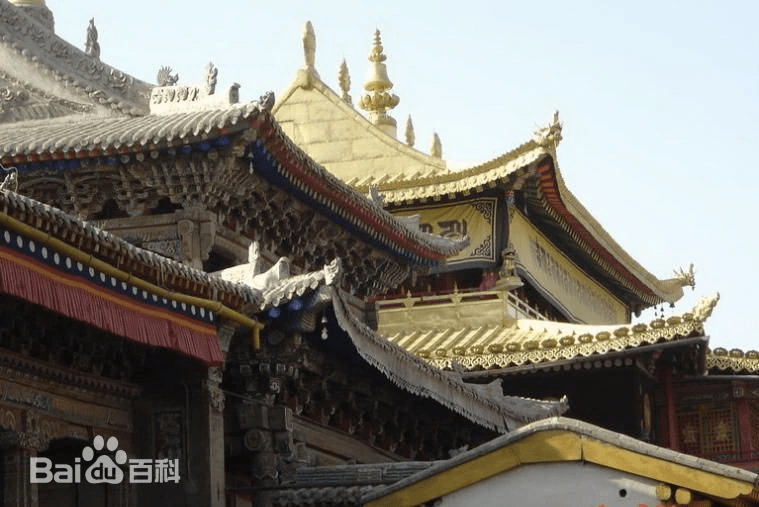
On this vibrant land, there exists a power, ancient and resolute, with the solemn sound of bells echoing in all directions, suppressing all disturbances. The 400-year-old Kumbum(or Ta’er Monastery ) is one of the most important temples of the Gelug sect of Tibetan Buddhism. Entering the incense-filled Ta’er Monastery, one begins to feel detached from the mundane world. Devout followers, serene temples, and vivid Buddha statues all convey the weight of faith. The monastery’s buildings are grand, blending Han palace and Tibetan flat-top styles. With over 4,500 rooms, it forms a unique architectural complex that integrates Han and Tibetan craftsmanship.

The most captivating event is the annual “Shai Da Fo” or “Shai Da Thangka,” also known as the “Buddha Exhibition Festival.” This involves displaying a large Buddha image outdoors to prevent mold and insect damage, and more importantly, as a special way for monks and followers to pay homage to the Buddha. The image is actually a special type of large Thangka, a rare treasure among scroll paintings. The best time to unfold the Buddha image is at dawn when the first rays of sunlight hit the earth, hence the name “Shai Fo,” which means “Sun Buddha.”

Held twice a year during the lunar fourth and sixth months, the festival commemorates the birth, enlightenment, and nirvana of Shakyamuni, the emergence of Maitreya, and the birth and nirvana of Tsongkhapa. By displaying the Buddha image, followers can gaze upon it, receive its blessings, and protect it from damage. Ta’er Monastery has four large embroidered Buddha images: “Lion’s Roar,” “Shakyamuni,” “Tsongkhapa,” and “Vajrasattva,” with only one displayed each time on the monastery’s hillside. The ceremony is grand, attracting many spectators and creating a spectacular scene.

Link:https://peacelilysite.com/2024/07/15/discover-the-beauty-of-qinghai-this-summer/

Source: https://www.chinahighlights.com/xining/attraction/qinghai-lake.htm, https://www.chinadiscovery.com/qinghai/xining/qinghai-lake.html, photos from https://fashion.sina.cn/l/ds/2022-07-06/detail-imizmscv0155077.d.html

Mount HuangShan

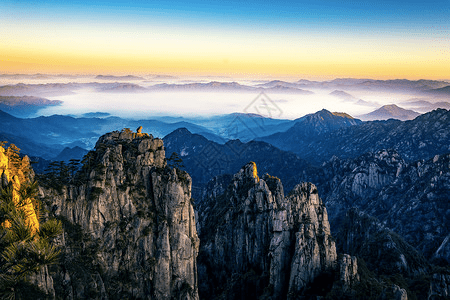
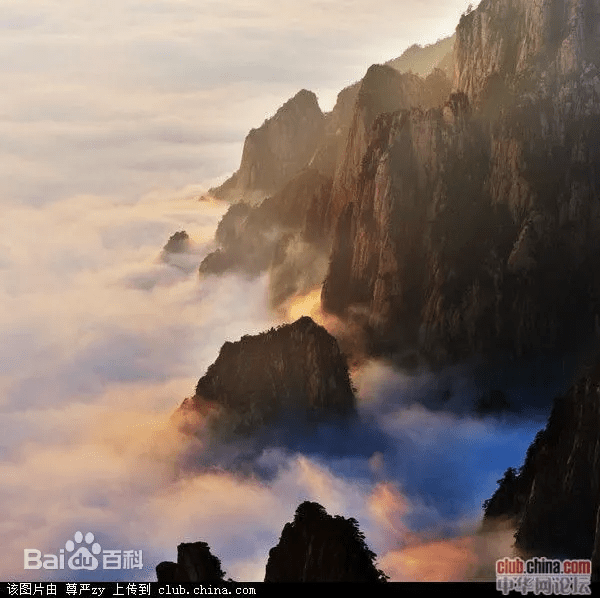
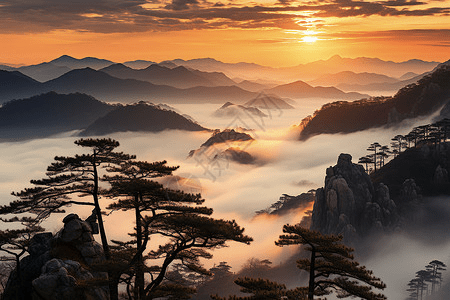
Mount Huangshan, often described as the “loveliest mountain of China,” has played a significant role in the history of Chinese art and literature since the Tang Dynasty around the 8th century. A legend from 747 AD recounts the discovery of the long-sought elixir of immortality on the mountain, which gave Mount Huangshan its name and cemented its place in Chinese history. This legend attracted hermits, poets, and landscape artists, drawn by the dramatic mountainous landscape featuring numerous granite peaks, many over 1,000 meters high, emerging through a perpetual sea of clouds. During the Ming Dynasty in the 16th century, the mountain’s unique rock formations and ancient gnarled trees inspired the influential Shanshui (“Mountain and Water”) school of landscape painting, which profoundly shaped the world’s perception of the oriental landscape.

Located in the humid subtropical monsoon climate zone of Anhui Province, Mount Huangshan covers an area of 16,060 hectares with a buffer zone of 49,000 hectares. It is noted for its botanical richness and the conservation of several locally or nationally endemic plant species, some threatened with extinction.

The cultural significance of Mount Huangshan’s scenic landscape was first recognized during the Tang Dynasty and has been revered ever since. Renamed Huangshan (Yellow Mountain) by imperial order in 747 AD, it became a popular destination for visitors who celebrated its inspiring scenery through painting and poetry, creating a rich body of art and literature of global importance. By the Yuan Dynasty (1271-1368), 64 temples had been constructed on the mountain. In 1606, the monk Pumen established the Fahai Meditation Temple. By the Ming Dynasty, Mount Huangshan had become a favorite theme of Chinese landscape painters, firmly establishing the Shanshui school of landscape painting. The interaction of man and nature in this scenic setting has inspired generations of Chinese artists and writers.

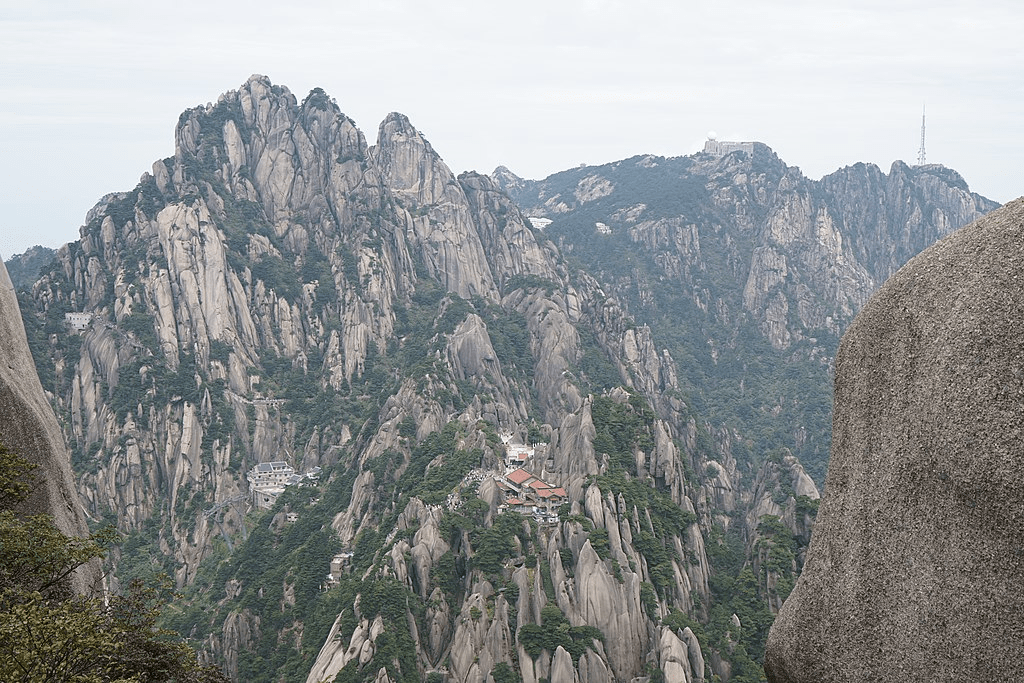
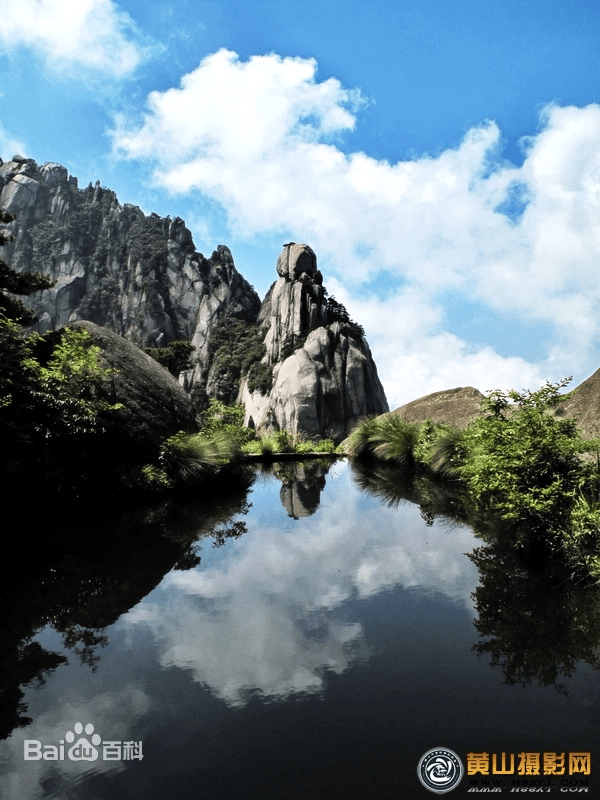
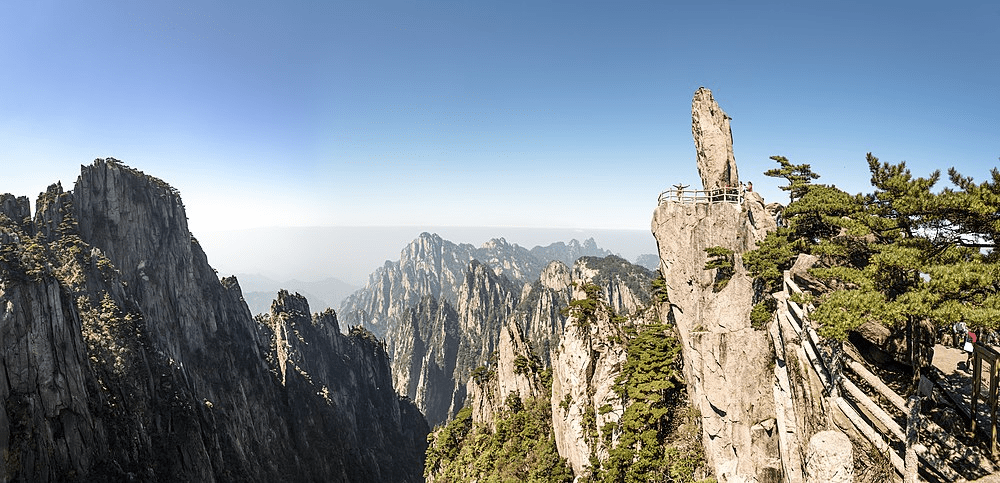
Mount Huangshan is renowned for its magnificent natural scenery, including massive granite boulders and ancient pine trees, often enhanced by cloud and mist effects. The dramatic landscape features natural stone pillars, grotesquely-shaped rocks, waterfalls, caves, lakes, and hot springs, formed by its complex geological history. The mountain range has many peaks, some over 1,000 meters high, with the three tallest and best-known being Lotus Peak (1,864 meters), Bright Peak (1,860 meters), and Celestial Peak (1,829 meters). The World Heritage Site covers a core area of 154 square kilometers and a buffer zone of 142 square kilometers. The mountains were formed in the Mesozoic era, approximately 100 million years ago, when an ancient sea disappeared due to uplift. Later, during the Quaternary Period, glaciers shaped the landscape.

Lotus Peak. By De-Shao Liu (Terry850324) – Own work, CC BY-SA 4.0, https://commons.wikimedia.org/w/index.php?curid=90823373
Celestial Peak By 江上清风1961, CC BY 3.0, https://commons.wikimedia.org/w/index.php?curid=53168150

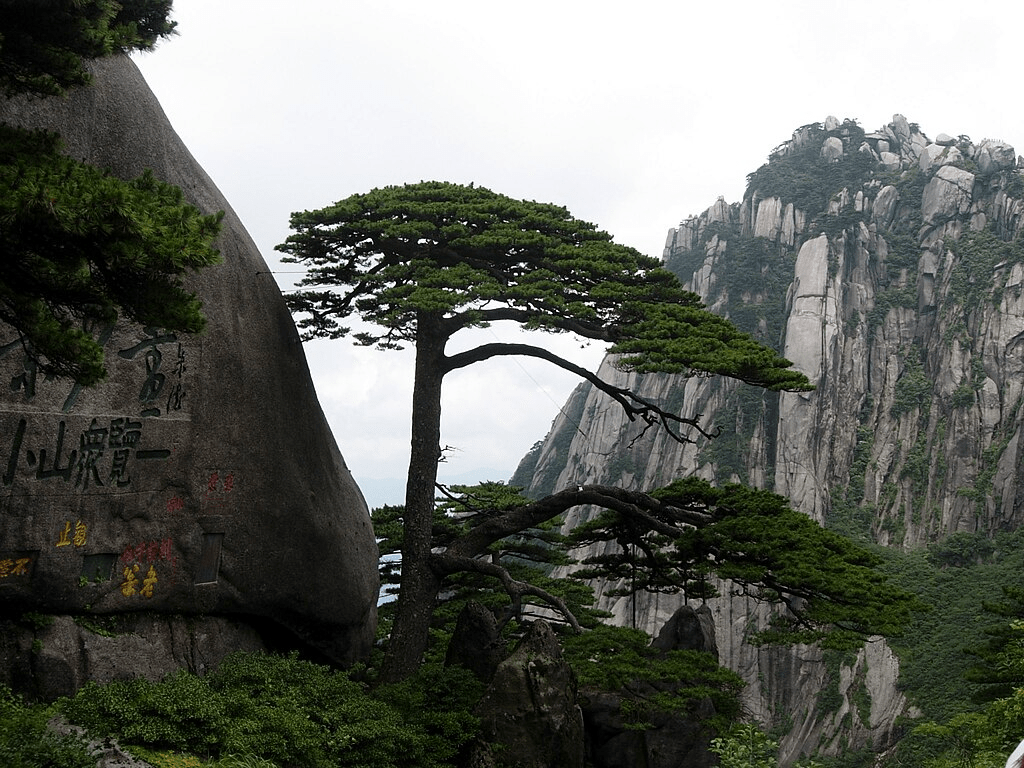
Vegetation varies with elevation, with mesic forests below 1,100 meters, deciduous forests up to the tree line at 1,800 meters, and alpine grasslands above that. The area boasts diverse flora, with one-third of China’s bryophyte families and more than half of its fern families represented. The Huangshan pine (Pinus hwangshanensis), named after the mountain, is a symbol of vigor as it thrives by growing straight out of the rocks. Many pine trees in the area are over a hundred years old and have unique names, such as the Welcoming-Guests Pine, thought to be over 1,500 years old. The pines vary greatly in shape and size, with the most crooked trees considered the most attractive. Huangshan’s moist climate also supports the growth of tea leaves, and the mountain is renowned as one of China’s premier green tea-growing areas. Mao feng cha (“Fur Peak Tea”), a famous local variety, takes its name from the downy tips of tea leaves found in the region.

Tea Trees in the Cloud

Ying Ke Pine, literally welcome Pine By memes – Own work, CC BY-SA 3.0, https://commons.wikimedia.org/w/index.php?curid=950688

Mount Huangshan often offers views of the clouds from above, known as the Sea of Clouds (yúnhǎi) or “Huangshan Sea,” due to their resemblance to an ocean. Many vistas are named after these cloud formations, such as “North Sea” or “South Sea.” A writer once remarked that to enjoy the magnificence of a mountain, you usually look upwards, but to enjoy Mount Huangshan, you must look downward. The area is also known for notable light effects, such as the renowned sunrises and the phenomenon called Buddha’s Light (fóguāng), which appears only a few times per month.

Mount Huangshan is famous for its stone steps carved into the mountain, with over 60,000 steps throughout the area. The origin date of these steps is unknown, but they are believed to be more than 1,500 years old. Over the years, many scenic spots and physical features have been named, often with narratives behind them. For example, one legend tells of a skeptic who, upon visiting the mountains, was immediately convinced of their beauty. One of the peaks he visited was named Shixin (始信), meaning “start to believe.”

Carved steps to Tiandu Peak By Jakemete at English Wikipedia – Transferred from en.wikipedia to Commons by Wouterhagens using CommonsHelper., Public Domain, https://commons.wikimedia.org/w/index.php?curid=5810245

Shixin Peak By 江上清风1961, CC BY 3.0, https://commons.wikimedia.org/w/index.php?curid=53169922

Bijia Peak (Pen holder Peak), by 颐园新居 – Own work, CC BY-SA 4.0, https://commons.wikimedia.org/w/index.php?curid=36838268

FeiLai Peak by Carlos Adampol Galindo from DF, México – Ella me preguntó: ¿te gusta?; le contesté: De aquí soy., CC BY-SA 2.0, https://commons.wikimedia.org/w/index.php?curid=45070874

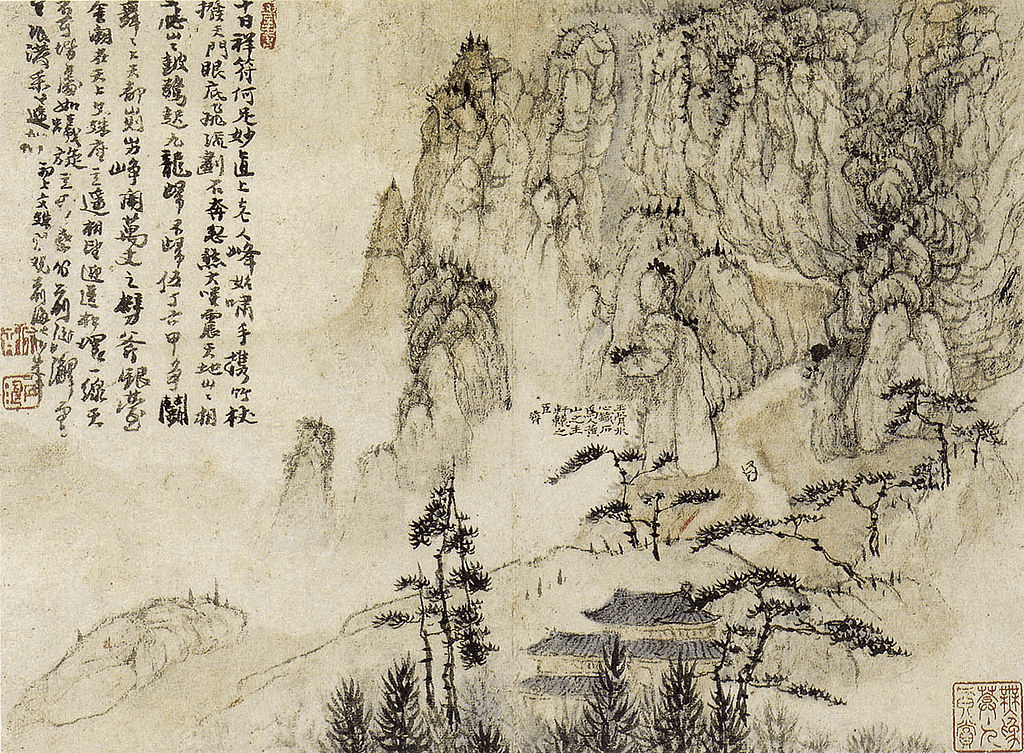
Much of Huangshan’s reputation stems from its significance in Chinese arts and literature. It has inspired poets such as Li Bai, and has been a frequent subject of poetry, Chinese ink painting, and, more recently, photography. From the Tang Dynasty to the end of the Qing Dynasty, over 20,000 poems were written about Huangshan, and a school of painting was named after it. The mountains have also appeared in modern works; director James Cameron cited Huangshan as one of his influences in designing the fictional world of his 2009 film Avatar, and the Chinese animated series Stitch & Ai, a spin-off of Disney’s Lilo & Stitch franchise, is set in the Huangshan mountains.

Ink painting depicting Huangshan by Shitao, 1670 Public Domain, https://commons.wikimedia.org/w/index.php?curid=838862

In 1982, Mount Huangshan was declared a “site of scenic beauty and historic interest” by the State Council of China. It was designated a UNESCO World Heritage Site in 1990 for its scenery and as a habitat for rare and threatened species. Later, it was certified as a National Geopark and subsequently as a regional geopark (Asia Pacific Geopark Network), before being admitted as a UNESCO Global Geopark in 2004.

Mount Huangshan is a habitat for several locally or nationally endemic plant species, many of which are globally threatened. Its flora includes one-third of China’s bryophytes and over half of its pteridophytes. Endemic species to Huangshan include 13 species of pteridophytes and 6 species of higher plants, with many other species endemic to the region or China. This rich flora is complemented by a diverse vertebrate fauna of over 300 species, including 48 mammals, 170 birds, 38 reptiles, 20 amphibians, and 24 fish. Thirteen species are under state protection, including the Clouded Leopard (Neofelis nebulosa, VU) and the Oriental Stork (Ciconia boyciana, EN).

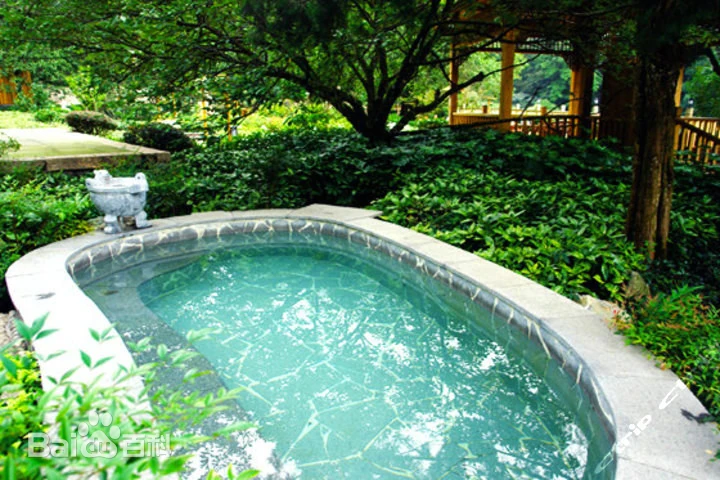
Additionally, Mount Huangshan has multiple hot springs, mainly located at the foot of Purple Cloud Peak. The water, maintaining a temperature of 42°C (107.6°F) year-round, is rich in carbonates and is said to help prevent skin, joint, and nerve illnesses.

The area has also been a site for scientific research due to its diverse flora and wildlife. In the early 20th century, both Chinese and foreign scientists studied the geology and vegetation of Huangshan. Research continues, such as a late 20th-century field study of Tibetan macaques, a local monkey species.

View from Stone Monkey Gazing at the Sea of Cloud By Nicolascornet – Own work, CC BY-SA 4.0, https://commons.wikimedia.org/w/index.php?curid=87551304

Artificial steps on the cliffs of Huangshan By Joe – IMGP1088.JPG, CC BY 3.0, https://commons.wikimedia.org/w/index.php?curid=16824799

Link:https://peacelilysite.com/2024/05/30/mount-huangshan/

Source: https://whc.unesco.org/en/list/547/https://en.wikipedia.org/wiki/Huangshanhttps://baike.baidu.com/item/%E9%BB%84%E5%B1%B1%E9%A3%8E%E6%99%AF%E5%8C%BA/1350521

Yuanmou Earth Forest

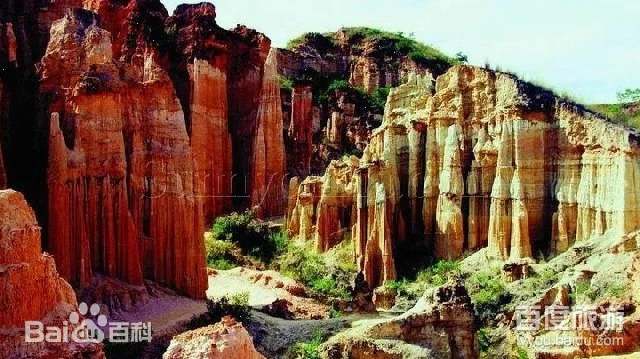
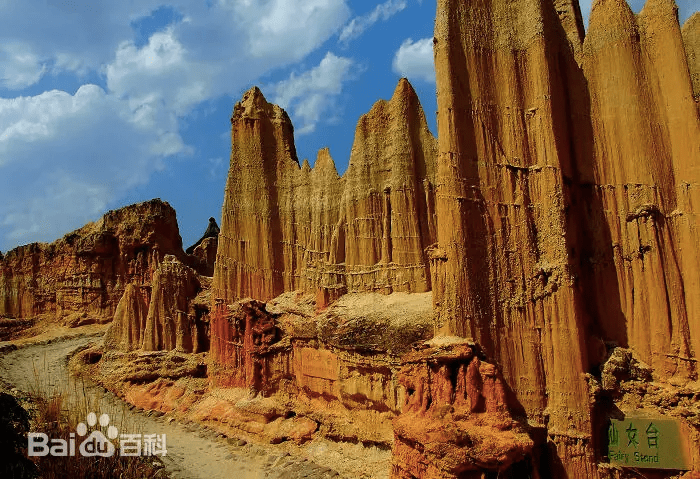
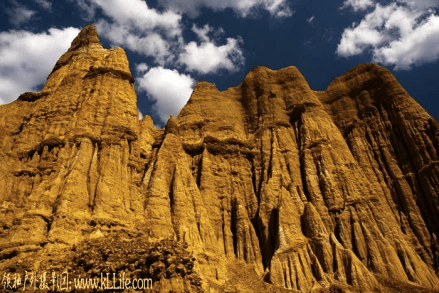
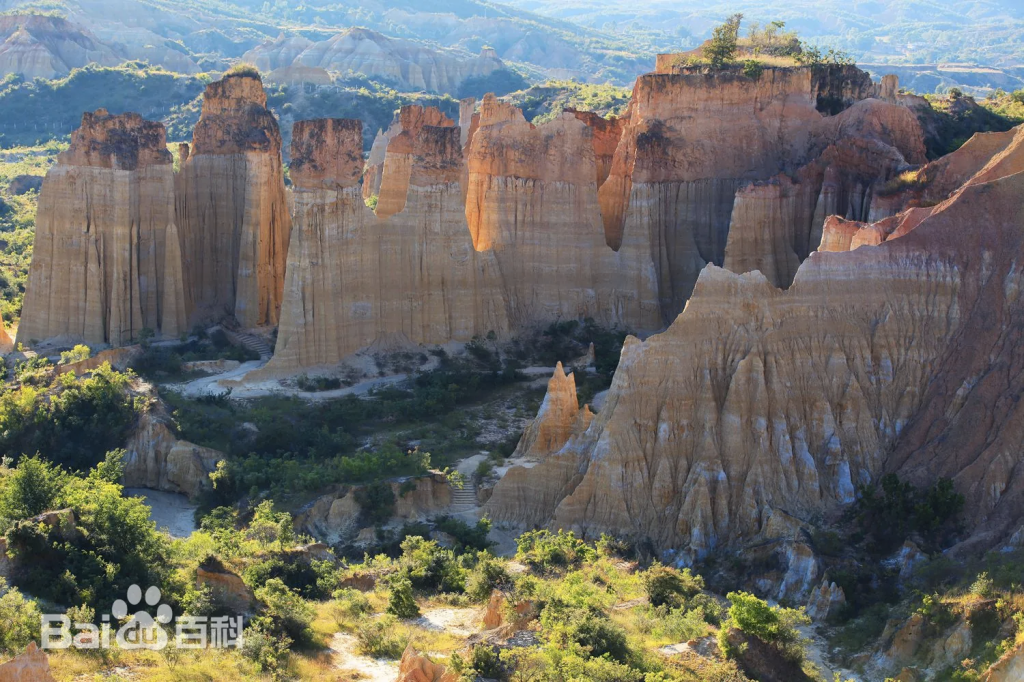
Yuanmou Earth Forest is a breathtaking area of clay formations that have developed over the past 1.5 million years. Located 210 km northwest of Kunming, this scenic wonderland features rocks composed of sand mixed with clay, giving them a distinctive yellow color and loose texture. These rocks have undergone extensive weathering, making their surface resemble earth, and they glisten like gold under the sunlight. Some are as large as castles, while others resemble pylons, all in various magnificent shapes. The earth forest covers a wide area in the Yuanmou Basin, with different regions exhibiting unique features based on the extent of weathering and erosion. Three notable scenic sites within the area are Tiger Leaping Sands, Ban Guo, and Xin Hua, each with its own distinct characteristics.

Tiger Leaping Sands is considered the most spectacular site within the Yuanmou Earth Forests. From a distance, the rocks resemble an ancient deserted castle. Tall, straight rock pillars appear as remnants of a shrine, and the rock walls resemble the enclosure of an ancient palace. What makes it truly unique is the three-color ‘roof’ on top of the ‘castle’ – red, brown, and black. This coloration is due to rain permeating the rock, causing ferrous and calcium substances to coagulate into an impermeable layer. As other parts eroded away, this layer naturally protruded and formed an ‘umbrella’ that preserved the rocks below.

Exploring this hidden world, you’ll be captivated by the abrupt clay formations that glisten like yellow crystals emerging from the ground. These formations vary in shapes, heights, and volumes, each resembling a piece of indescribable artwork.

Collectively, they create an intricate maze filled with mystery and sublime beauty. Some liken Yuanmou Earth Forest to a weathered golden monastery, a desolate Gothic church, or a giant shrine ravaged by fierce elements.

When illuminated by sunlight, these clay columns emit sparkling rays, a rare phenomenon likened to China’s clay version of the Parthenon. At twilight, their silhouettes resemble gothic structures, transforming the fairyland into a haunting terrain. It takes great courage to explore and walk among them.

To fully appreciate the beauty of Yuanmou Earth Forest, viewing from above is recommended. A bird’s-eye view reveals the meandering Longchuan River, a tributary of the Jinsha River (a major tributary of the Yangtze River), flowing like a silver ribbon alongside the attention-grabbing golden patchworks on its west bank, where you’ll find Earth Forests of Banguo, Tiger Leaping Shoal, Wanbao, Xiaoleizai, and Xinhua covering an area spanning over 5 square kilometers.

Photo taken on Nov. 17, 2021 shows the scenery of earth forest in Yuanmou County, southwest China’s Yunnan Province. The earth forest, which was formed by geological movement and soil erosion, is basically in color of yellow and the color varies in different parts. (Xinhua/Wang Guansen)

Yuanmou Earth Forest’s clay formations can be categorized into four styles based on shapes and formation processes: Earth Bud Style, Castle Style, Bamboo Shoot Style, and Mushroom Style. Earth Bud Style formations, though small, serve as precursors to other types, while Castle Style formations are larger, typically measuring 2 to 5 meters in height.

Earth Bud Style

Due to varying degrees of cementation and semi-cementation, sedimentary rocks have different water content in clay minerals and varying expansion coefficients after water absorption. Surface rock layers are subject to long-term weathering, resulting in a series of cracks. Surface runoff and rainwater initially erode along these cracks and soft rock layers, forming soil buds with heights and diameters less than 1 meter and relative heights less than 1 meter. This type serves as the embryonic form for developing other types of earth forests.

Castle Style

The continuous flow of water erodes and cuts into the base of soil buds, along vertical fissures, horizontal fissures, and other forms of cracks in the strata, as well as erosion and abrasion along the surfaces of soft and hard rock layers. This process forms shapes such as arches, platforms, and vertical shafts, creating an environment reminiscent of ancient castles.

These types of soil columns generally have a connected base, with a thick and rounded or serrated top, occupying a relatively large area and standing 2-5 meters in relative height. However, the flat tops and arches below these columns often collapse under the effects of flowing water and gravity, causing the columns to separate and evolve into other types of soil columns.

Bamboo Shoot Style

This type of earth forest is primarily composed of sand and clay, with loose consolidation and no hard covering layer at the top. As a result, it undergoes erosion and cutting by rainwater and surface runoff, forming conical soil columns. These earth pillars have sharp tops, resembling large bamboo shoots after rain or the pointed tip of a pagoda, with heights generally ranging from 5 to 10 meters.

Iron Cap Style

As a typical category of earth forest, it is the most widely distributed. Due to the leaching effect of surface water on iron, silica, and calcium in the strata, these elements gradually dissolve, penetrate, and filter to the interface of the impermeable layer, where they precipitate and accumulate, cementing the upper strata to form iron oxide caps or silica/calcium iron caps. Under the erosion and scouring action of water flow, these caps gradually expose themselves at the tops of columns, acting as natural “umbrellas” that protect the soil columns from direct erosion and scouring by flowing water and intense sunlight.

The “iron cap” above and the soil column below merge into one, forming a variety of unique landscapes within the earth forest. Some resemble old fishermen fishing, some resemble soldiers going to battle, some resemble standing cranes, and some resemble galloping wild horses, creating yet another extraordinary sight within the earth forest.

Link:https://peacelilysite.com/2024/04/24/yuanmou-earth-forest/

Source: http://www.news.cn/english/2021-11/18/c_1310317427.htm, https://www.westchinatour.com/kunming/attraction/yuanmou-clay-forest.htmlhttps://baike.baidu.com/item/%E5%85%83%E8%B0%8B%E5%9C%9F%E6%9E%97/3379396

Discover the Marvels of Zhangye National Geopark: A Journey Through Time and Terrain

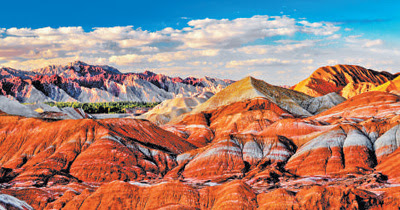
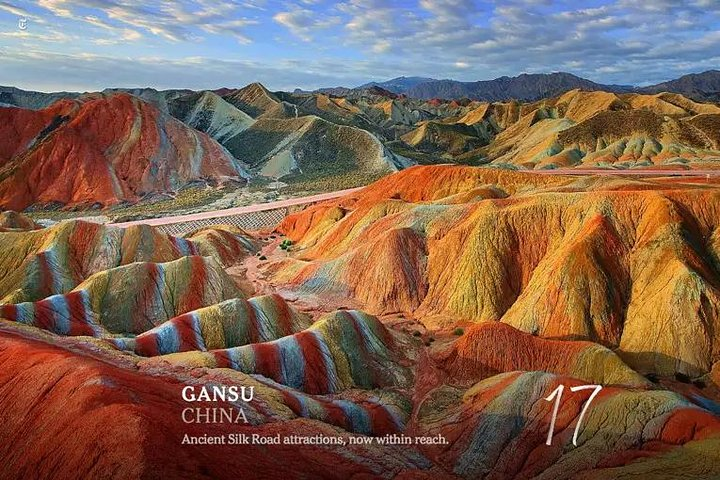
Nestled in the northwestern region of China lies a geological wonderland that seems to defy the boundaries of imagination – the Zhangye National Geopark. This awe-inspiring landscape, characterized by its vibrant hues of red, orange, and yellow, is a testament to millions of years of geological evolution. Here, layers of minerals and sandstone have been sculpted by the forces of nature, resulting in a breathtaking vista that resembles giant layer cakes stretching as far as the eye can see.

The formation of these majestic mountains is a testament to the intricate dance of geological processes that have unfolded over millennia. Millions of years ago, sedimentary layers were deposited on this land, slowly compressing and solidifying over time. As tectonic movements and erosion took their course, the once-flat layers were uplifted and exposed to the elements. Through the gradual process of oxidation and weathering, the vibrant colors we see today were revealed, creating a surreal landscape that captivates the imagination.

One of the most iconic features of the Zhangye National Geopark is the Danxia landform, characterized by its steep cliffs, towering pillars, and intricate rock formations. Among the myriad of scenic points within the park, several stand out as must-visit destinations for any traveler:

Rainbow Mountains: Undoubtedly the crown jewel of Zhangye National Geopark, the Rainbow Mountains mesmerize visitors with their surreal beauty. As sunlight dances upon the mineral-rich rock layers, the landscape transforms into a vivid tapestry of hues, creating a visual spectacle unlike any other. Hike along the designated trails to immerse yourself in this kaleidoscopic wonderland, where every turn unveils a new vista worthy of admiration.

Colourful Hills: Step into a world of vibrant hues at the Colourful Hills, where layers of sedimentary rock create a stunning mosaic of colors. From deep crimson to golden ochre, the hills are a testament to the rich geological history of the region.

Danxia Landform Scenic Area: Explore the intricate network of canyons, valleys, and rock formations that define the Danxia landform. Wander along winding paths that lead you through narrow gorges and past towering cliffs, each corner revealing a new and captivating vista.

Binggou Danxia Scenic Area: Venture into the heart of the geopark to discover the secluded beauty of Binggou Danxia. Here, you’ll find a landscape characterized by rugged peaks, deep ravines, and tranquil streams, offering a serene escape from the bustling crowds. (Photo by Bekah 06/2021)

Zhangye Danxia Geological Park: Immerse yourself in the geological wonders of Zhangye Danxia Geological Park, where you can witness the raw power of nature at work. Marvel at the sheer scale of the rock formations, carved over millions of years by the forces of wind and water.

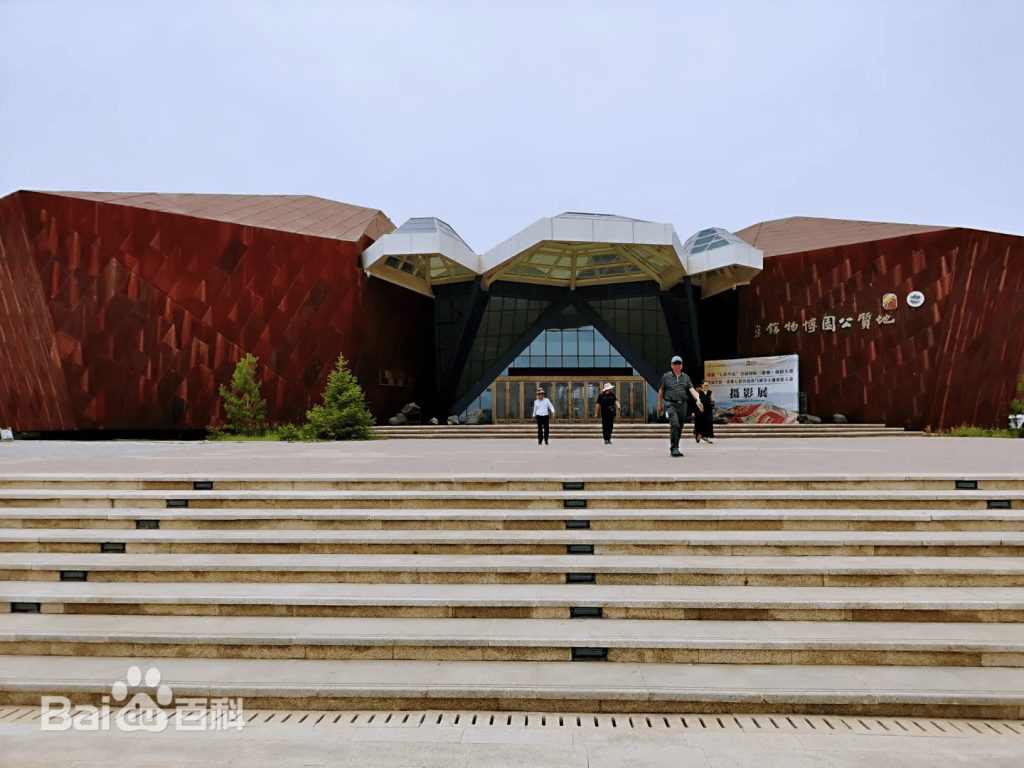
Danxia Landform Geological Museum:Delve deeper into the geological wonders of Zhangye at the Museum. Here, visitors can gain insight into the formation process of Danxia landforms through informative exhibits, interactive displays, and geological artifacts. From geological evolution to environmental conservation efforts, the museum offers a comprehensive glimpse into the natural heritage of the region.

Zhangye Danxia Peak Forest: For a panoramic view of Zhangye’s surreal landscape, venture to the Forest. Perched atop a vantage point, visitors are treated to sweeping vistas of undulating mountains, crisscrossed by winding streams and verdant valleys. As the sun sets, casting a warm glow over the rugged terrain, the scene becomes a photographer’s paradise, capturing the fleeting beauty of nature’s masterpiece.

As we marvel at the splendor of Zhangye National Geopark, it’s essential to recognize the importance of conservation efforts in preserving this natural treasure for future generations. Through sustainable tourism practices, habitat restoration initiatives, and community engagement, stakeholders strive to safeguard the integrity of the park’s fragile ecosystems while promoting awareness of its ecological significance.

Zhangye National Geopark stands as a testament to the awe-inspiring power of geological processes and the boundless creativity of nature. From the vibrant hues of the Rainbow Mountains to the rugged grandeur of the Peak Forest, every corner of this geological wonderland tells a story millions of years in the making. As we venture through its surreal landscapes, let us cherish and protect this timeless masterpiece, ensuring that its beauty endures for generations to come.

Link:https://peacelilysite.com/2024/04/01/discover-the-marvels-of-zhangye-national-geopark-a-journey-through-time-and-terrain/

The most Beautiful Spring in YiLi XinJiang

Every year in March and April, the most beautiful season arrives in Yili, Xinjiang!

This is a legacy from the fifteenth and sixteenth Centuries,

The largest primitive apricot forest,

Concentrated on the north bank of the GongJiShi river,

Covering an area of ​​over 30,000 mu.

The beauty of Yili’s apricot blossom gully is not the deliberate beauty of artificial planting and processing, but the natural beauty of “natural and unadorned”. On the rolling hillsides covered with layers of grass, there are apricot blossom forests in purple, red, and pink, magnificent and dreamlike, which makes people feel excited at first sight. Mentioning Yili, the vast image of the grassland with the words “the sky is vast, the wilderness is vast, and the wind blows the grass low to see the cattle and sheep” comes to mind. Little do people know, here also has the beautiful scenery of “apricot blossoms fill the gully, and the spring scenery intoxicates people”. The apricot blossoms covering the mountains and plains make people indulge in the sea of flowers, lingering and forgetting to return. Most of the visitors who come here all year round are photographers, painters, poets, and so on, who come for fame.

Yili has picturesque grassland, sacred snow-capped mountains, and a splendid sea of ​​flowers… Any one of them is enough to conquer you!

Apricot Blossom Valley, naturally formed,

Becomes a paradise every spring.

The air is filled with the fragrance of apricot blossoms,

The valley is adorned in the robe of spring.

On both sides of the Yili River Valley in the foothills of the Tianshan Mountains, various ancient wild fruit trees are distributed. As April arrives and the weather warms up, wild apricots are the first to sense the temperature change, eagerly adorning their branches with blossoms, heralding the beginning of the entire apricot blossom season in the Yili Valley. In the northern part of Tuge Township in Xinyuan County, the scene of apricot blossoms in full bloom is the most spectacular in the Yili River Valley. The apricot blossoms surge like a torrential tide, climbing up the hillsides and deep into the valleys. The fresh green of the grasslands, coupled with the delicate pink of the apricot blossoms, adorned with the pastoral huts and leisurely cattle and sheep, depicts spring in an exaggerated yet perfect manner.

Entering April marks the most beautiful and romantic season in the Yili River Valley. The first to bloom are the pink apricot blossoms. In Xinyuan County, April is full of spring vitality, with willows budding and hillsides covered in green carpets. Most striking are the rolling hillsides on the north bank of the Gongjisi River, where wild apricot blossoms compete to bloom. The flowering wild apricot trees are snow-white or pink, exuding a bright and fresh fragrance that can be smelled several kilometers away.

Thanks to the influence of the humid climate of the Yili Basin and the nourishment from the abundant glacial meltwater from the Tianshan Mountains, the tens of thousands of mu of primitive apricot trees in the Apricot Blossom Valley have grown wild for hundreds of years, flourishing endlessly.

In April, the Yili region experiences frequent spring rains, gentle like silk. Under the rendering of the rain, the Apricot Blossom Valley appears even more like a hidden paradise, fresh and mysterious. Standing on a hillside and looking out, in the undulating valleys, wild apricot trees dot the landscape between the valleys and hillsides. The lush green of the valleys clashes with the purple-red of the apricot blossoms, creating a visually striking scene! The undulating lines of the valleys amidst the vast expanse of sky and earth present a majestic spectacle, with beautiful light and shadows refracted by the sunlight, creating a rare visual feast.

In spring, the Narat Grassland is a subalpine meadow plant area, renowned as a famous pasture since ancient times. The picturesque grassland scenery combines with the local Kazakh folk customs, with valleys, peaks, deep gorges, and forests complementing each other in harmony!

Link:https://peacelilysite.com/2024/03/22/the-most-beautiful-spring-in-yili-xinjiang/

Source: https://m.thepaper.cn/newsDetail_forward_21850081http://grassland.china.com.cn/2018-03/26/content_40265248.htm, https://www.jiemian.com/article/1213329.html

Yellow Crane Tower: A Timeless Tale of Magic, Kindness, and Cultural Splendor in Wuhan

Bell courtyard in Yellow Crane Tower Park

Yellow Crane Tower

Perched majestically atop Snake Mountain, Yellow Crane Tower stands as a beacon of cultural significance in Wuhan, Hubei Province, rivaling the fame of Yueyang Tower in Hunan Province and Tengwang Pavilion in Jiangxi Province. With origins tracing back to the Three Kingdoms period in 223 A.D., this architectural marvel is more than just a sightseeing spot; it’s a testament to China’s rich history and enduring legacy.

Rising 51.4 meters into the sky, Yellow Crane Tower’s five floors house a treasure trove of murals, couplets, and cultural relics, each floor a testament to centuries of artistry and inspiration. The tower is not an isolated structure; it is surrounded by auxiliary buildings, including pagodas, memorial arches, and pavilions, which add to its grandeur and mystique.

Throughout history, Yellow Crane Tower has attracted luminaries from all walks of life, drawn by its ethereal beauty and historical resonance. Poets and writers, including the esteemed Cui Hao, have penned timeless works inspired by the tower’s allure. Cui Hao’s masterpiece, “Yellow Crane Tower,” resonates across generations, immortalizing the tower’s mystique in poetic verse.

Legend intertwines with reality in the tale of Yellow Crane Tower’s origins, where an act of kindness transforms a humble innkeeper’s life forever. The story unfolds in the ancient city of Wuhan, where a benevolent innkeeper named Old Xin encountered a shabbily dressed customer. Unperturbed by the visitor’s destitution, Mr. Xin welcomed him daily, offering him a glass of wine without expecting payment.

For six months, the mysterious customer continued to frequent the inn, accumulating a debt that Old Xin graciously overlooked. One day, the indebted visitor revealed his true identity as a magical being. He presented a drawing of a yellow crane, which came to life as he played a flute and sang. The enchanted crane danced along with the music, captivating the onlookers and turning the inn into a spectacle.

This magical partnership continued for ten years, bringing wealth and prosperity to Mr. Xin. When the mysterious customer returned one day, Old Xin, overwhelmed with gratitude, offered to support him in any way possible. However, the magical visitor had no material desires. Instead, he played a few tunes on his flute, and white clouds descended from the sky, carrying the drawing of the crane. With a graceful ascent, the customer mounted the crane and soared into the sky, leaving behind a tale imbued with traditional Chinese wisdom—kindness is a virtue that will always be repaid.

To express his gratitude and immortalize this magical encounter, Mr. Xin erected a tower on the spot and named it the “Yellow Crane Tower.”

Despite enduring centuries of upheaval and destruction, Yellow Crane Tower stands resolute, a symbol of resilience and cultural continuity. From its inception during the Three Kingdoms to its reconstruction in modern times, the tower has weathered the storms of history, emerging stronger with each passing era.

The tower’s architectural splendor is matched only by its cultural significance. Each floor tells a story, from legends of ancient cranes to the poetry of Tang Dynasty luminaries. Visitors are treated to panoramic views of the Yangtze River and Wuhan cityscape, offering a glimpse into China’s past and present.

It stands 51.4 meters (about 168 feet) high and has five floors

Around the main tower there are many other buildings, including the Sheng Xiang Pagoda and the temple gate. Each storey is decorated with traditional upturned eaves, but each one has a different style. The ground floor is a tall, wide hall. The midmost caisson ceiling stands over 10 meters high. On the front wall is a huge ceramic mural painting of a white cloud and a yellow crane. A pair of 7-meter-long inscribed tablets hang on the posts on both sides. The front wall of the second floor holds a marble inscription of Tang Dynasty poet Yan Baojin’s ‘Note on the Yellow Crane Tower’. On each side of it are mural paintings. One is ‘The Town that Sun Quan Built’. It describes the history of the Yellow Crane Tower and Wuchang town. The other is ‘Zhou Yu Made a Feast’, which tells the story of the Three Kingdoms celebrity’s visit to the tower.

With yellow upturned eaves, each floor seems to have been designed to resemble a yellow crane spreading its wings to fly.

As visitors explore Yellow Crane Tower, they encounter a journey through time and culture. Each floor is a testament to China’s literary and artistic heritage, inviting travelers to immerse themselves in centuries of tradition and innovation.

Outside the tower, bronze cranes stand sentinel, silent witnesses to the ebb and flow of history. Memorial gateways and pavilions beckon travelers to explore further, inviting them to partake in the tower’s timeless legacy.

Yellow Crane Tower is more than just a scenic spot; it’s a living testament to China’s cultural resilience and artistic ingenuity. As visitors stand atop its lofty heights, they are reminded of the enduring power of human creativity and the timeless allure of the written word.

In the heart of Wuhan, Yellow Crane Tower stands as a testament to the enduring spirit of China’s cultural heritage. Its towering presence serves as a beacon of inspiration for generations to come, inviting travelers from near and far to embark on a journey through time, tradition, and a touch of enchantment.

Charming night scene of the Yellow Crane Tower


Link:https://peacelilysite.com/2024/03/08/yellow-crane-tower-a-timeless-tale-of-magic-kindness-and-cultural-splendor-in-wuhan/

#TravelChina #YellowCraneTower

Source: https://www.chinadaily.com.cn/m/hubei/travel/2012-01/06/content_14103874.htm https://en.wikipedia.org/wiki/Yellow_Crane_Tower