Vimalakirti’s Profound Teachings on Suffering and Liberation

The Profound Wisdom of the Holy Buddha Vimalakirti

The Vimalakirti Sutra stands as one of the most profound texts in Mahayana Buddhism, offering deep insight into wisdom, compassion, and the nature of illness. One of its most significant sections, the “Chapter on Illness,” presents a powerful dialogue between Manjushri and Vimalakirti, a lay Bodhisattva of extraordinary realization.

Vimalakirti, despite his unparalleled wisdom, feigns illness to teach a vital lesson. When Manjushri visits him and asks, “Aren’t you successful in your practice? If so, how can you be ill?” Vimalakirti responds, “I am ill because all sentient beings are ill.” This response redefines illness—not as a personal affliction but as an expression of universal suffering. His illness is a manifestation of his boundless compassion, mirroring the pain of all beings so that he may guide them toward liberation.

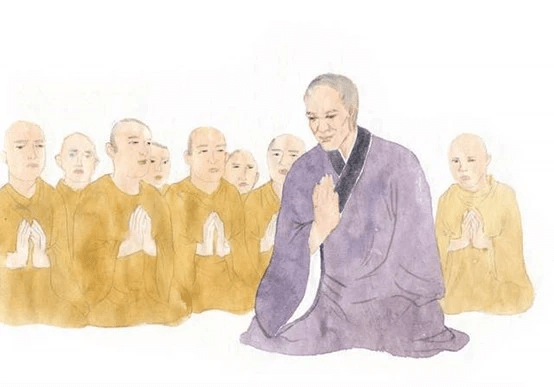
Manjushri Bodhisattva and other disciples visiting H.H. Vimalakirti

The dialogue between Vimalakirti and Manjushri unfolds into a deeper contemplation on suffering. When asked when his illness will be cured, Vimalakirti replies, “When the last sentient being is free from illness, then my illness will be cured.” This statement embodies the heart of Mahayana Buddhism—the vow to attain enlightenment not for oneself alone but for all beings. His words resonate with the self-sacrificial love found in other spiritual traditions, such as Jesus Christ’s willingness to bear humanity’s suffering.

Vimalakirti further explains, “From ignorance comes love, and thus my illness arises.” He reveals that suffering stems from attachment—attachment to family, possessions, ambitions, and even spiritual practice. Such attachments cloud the mind, giving rise to suffering. True liberation, he teaches, comes from transcending these attachments through wisdom and compassion.

The holy and venerable Vimalakirti is unique in Buddhist history, as he was an ancient Buddha who chose to manifest as a layperson rather than an ordained monk. During the time of Shakyamuni Buddha, he played a crucial role in teaching monastics and Bodhisattvas who struggled to develop Mahayana bodhicitta. His unparalleled wisdom and skillful means helped bridge the gap between monastic and lay practitioners, proving that profound realization is not limited to those in monastic robes.

In reality, Vimalakirti was the incarnation of the supreme Buddha Dorje Chang (Vajradhara), the primordial Buddha and master of all Buddhas. Yet, instead of taking a leadership role that might have caused sectarian divisions, he humbly chose to serve as a Bodhisattva assisting Shakyamuni Buddha. His teachings, recorded in the Vimalakirti-nirdesa Sutra, are regarded as sutras in their own right, carrying the weight of authentic Buddha-dharma.

The depth of Vimalakirti’s wisdom was so vast that even the most accomplished Bodhisattvas hesitated to engage him in dialogue. When Shakyamuni Buddha asked Maitreya Bodhisattva to inquire about Vimalakirti’s health, Maitreya declined, admitting that Vimalakirti had once humbled him with his superior insight. Ultimately, only Manjushri, the ancient Buddha and master of the seven Buddhas, dared to engage Vimalakirti in discourse.
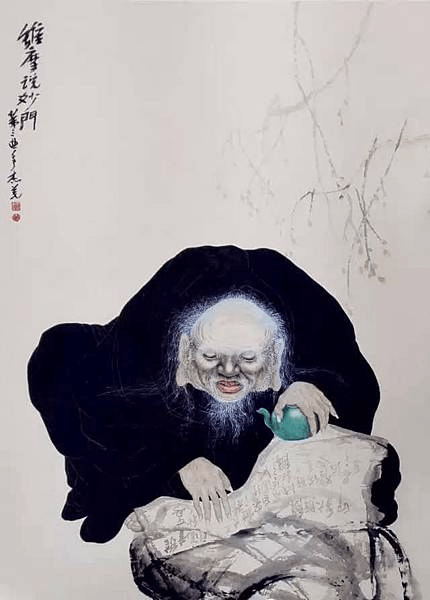
Chinese Ink painting Holy Master Vimalakirti by H.H. Dorje Chang Buddha III

Vimalakirti’s teachings were not limited to words alone—he also demonstrated his supreme realization through extraordinary miracles. In one instance, he used his boundless supernatural powers to bring the entire Buddha-land of Abhirati, including the Immovable Buddha (Aksobhya), into the human realm. Even the Immovable Buddha himself declared, “I did not do this; it was through the supernatural powers of Vimalakirti.” Such feats reveal that Vimalakirti’s realization surpassed that of all Bodhisattvas and was equal to that of Shakyamuni Buddha himself.

Shakyamuni Buddha himself affirmed the extraordinary status of Vimalakirti, stating, “One who makes offerings to that holy being should know that this is making offerings to the Buddhas. One who transcribes this sutra or keeps it in a room should know that the Tathagata exists in that room.” These words confirm that Vimalakirti was, in essence, a Buddha.

His teachings continue to inspire practitioners today, offering a profound perspective on suffering, wisdom, and compassion. His willingness to manifest illness as a teaching tool, his unparalleled debates with great Bodhisattvas, and his supernatural demonstrations all serve as timeless lessons in the path to enlightenment.

Link:https://peacelilysite.com/2025/03/28/vimalakirtis-profound-teachings-on-suffering-and-liberation/

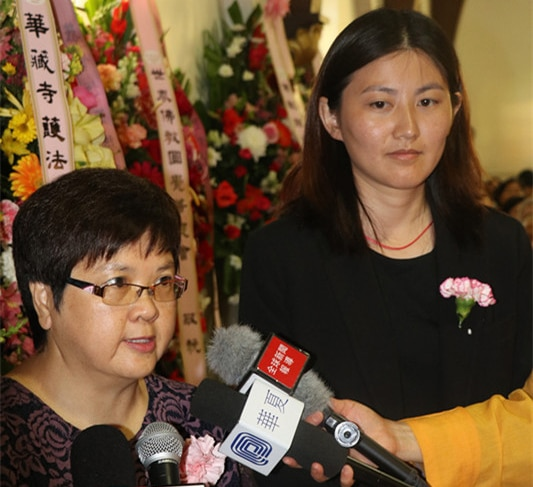
Buddhist disciple Zhao Yusheng received a transmission of Buddha Dharma that is True and Real

I personally witnessed the special and wonderful passing of layman Zhao Yusheng

told by Ms Mao Meimei, September 2, 2017

Ms. Moh and Zhao Yusheng’s daughter

Amitabha! Dharma masters, rinpoches, and kind virtuous ones, my name is Mei Mei Moh. I will now talk about the magnificent process occurred when Layperson Zhao Yusheng passed away perfectly. To avoid missing something when I talk, I wrote my speech down earlier.

Zhao Yusheng was a disciple of Chen Baosheng and had learned the evil teaching from Chen Baosheng before. Every day, he chanted “supreme vajra master” and that one’s accomplishment all depends on the master and relies on the joy and pleasure of the master. Zhao Yusheng said that he helped Chen Baosheng hide the truth and create false information while working at the tile company. That caused the company to lose more than 800,000 yuan just last year. He said, “I also helped him make false propaganda to deceive people. My situation became worse and worse as I was learning from Chen Baosheng. I am bounded by sin and bad karmas. My body now has cancer and is in great pain and suffering.” Zhao Yusheng realized that he had been harmed by Chen Baosheng’s demonic dharma. He was able to meet H.H.  Dorje Chang Buddha III after his cancer had reached the terminal stage. When Zhao Yusheng saw His Holiness, the Buddha, he piously repented before the Buddha Master. The Buddha Master said that repenting or not is not important and it is important that one should cultivate oneself well and truly correct the evil and pursue goodness to benefit society and living beings. Zhao Yusheng repented wholeheartedly. He no longer wanted to be a rinpoche and completely stopped learning the evil teaching. He did not fear death and only wished to be reborn in the Buddha-land. He made the greatest vow. H.H.  Dorje Chang Buddha III saw his sincerity and the maturing of his karmic condition and transmitted the dharma to him. Amitabha Buddha was invited to manifest in person to touch his head and transmit the dharma to him. Brother Zhao Yusheng was also able to see the main gate of the Western Paradise of Ultimate Bliss at that time. Amitabha Buddha told the Brother that Namo Kuan Shi Yin Bodhisattva would come to receive him to go to a place in the 5th lotus stage in the Pure Land. After receiving the dharma transmission from Amitabha Buddha and returning to San Francisco, the Brother practiced the dharma all the time every day and did not want to talk much. Sister Zhao Chen, who is the Brother’s daughter and I waited day by day. We did not know which day Namo Kuan Shi Yin Bodhisattva would come to receive the Brother. I have a company at Washington DC to run, but I also wanted to see the Brother attaining accomplishment. That created a contradiction in my mind. Well, a day spent was like a year to me! Eventually I had to call to beseech instructions from the Buddha Master. The Buddha Master said, “He will not be reborn there for the time being. For Zhao Yusheng’s physical condition, the decisions from the doctors and nurses should always be followed.”

On the day before Brother Zhao’s perfect passing away, he and I sat on a bench outside. He told me, “Chen Baosheng is a demonic devil, demonic evildoer, person of sin, criminal of fraud, and swindler. Kuan Shi Yin Bodhisattva wanted me to expose his sinful acts and said that He will come tomorrow to receive me. I was told to manifest the dharma to let people know when I am received to leave. However, I am worried that I may be drowsy and forget to expose him when Kuan Shi Yin Bodhisattva comes to receive me tomorrow.” I told the Brother, “Don’t worry. You don’t worry. Namo Kuan Shi Yin Bodhisattva will definitely come to receive you, and you will not be drowsy.”

At about 2:30pm in the afternoon on August 24 in American time, I was taking a nap at the time. After going outside to the restroom by himself, Brother Zhao came in to wake me up. He told us that he was about to leave and we should sincerely learn the dharma from the Buddha Master so we will meet again in the Western Paradise of Ultimate Bliss. He was going to take a bath. At that time, we felt quite sad. Is this person who is alive now truly going to leave? We help him take out the clothing prepared for him earlier. After putting on his clothing, we smelled a kind of special fragrant scent from Brother Zhao’s body. Then, the Brother said, “I will now use my freedom from birth and death to prove that the Buddha-dharma of H.H.  Dorje Chang Buddha III is the holiest. Chen Baosheng is a demonic devil and demonic evildoer! He is an evil master, big swindler, and a person of sin!” He also said, “The true dharma of the Tathagata is at where our great Buddha Master, H.H.  Dorje Chang Buddha III, is. Okay, okay, I will stop now. Namo Kuan Shi Yin Bodhisattva has come to receive me!” After finishing speaking, Brother Zhao emitted light from his entire body.

I saw the extremely tall and great Kuan Shi Yin Bodhisattva, radiating strong and intense white light everywhere from His body. Surrounded by five-colored light, Namo Kuan Shi Yin Bodhisattva was extremely solemn and majestic, standing above the top of Brother Zhao’s head. At that time, I saw that Brother Zhao’s spiritual consciousness rushed out from the top of his head toward Kuan Shi Yin Bodhisattva and left in the sky! While watching, I suddenly was unable to see Kuan Shi Yin Bodhisattva and Brother Zhao. I hurriedly ran into the courtyard. At this time, my phone rang. I raised my head and saw that Brother Zhao left in the sky while stepping on white clouds and following Kuan Shi Yin Bodhisattva. I also saw that fragrant nectar was coming down from the trees in the yard! Dharma masters from Hua Zang Si came right at that time. When they arrived, they also saw that nectar was descending from the trees. The dharma masters also recorded the scene by video. This nectar was strange. It disappeared before touching the ground. I was not the only one seeing the event. An elder lady who is 92 years old and from Malaysia also saw that Kuan Shi Yin Bodhisattva received Brother Zhao Yusheng and brought him away! This holy manifestation is difficult to hear even in millions of kalpas.

I am grateful to H.H.  Dorje Chang Buddha III.

I am grateful to Namo Amitabha Buddha.

I am grateful to Namo Kuan Shi Yin Bodhisattva.

Thank you all.

Link:https://peacelilysite.com/2025/03/14/buddhist-disciple-zhao-yusheng-received-a-transmission-of-buddha-dharma-that-is-true-and-real/

A Sacred Experience Beyond Imagination

Determination by Holy Selection on the Regression or Progression on the Bodhi Path

The status of a Tai Zun is far superior to that of a Dharma King. A Tai Zun attains their position through genuine realization and holy verification, whereas the title of Dharma King is merely an empty name granted by ordinary people. Although a Tai Zun holds a higher status, I had never personally witnessed one perform a Dharma ritual—until yesterday, May 14th, when the conditions finally ripened.

This great Maha Sattva, a Five-Vajra Tai Zun, whom we also respectfully refer to as Sheng Zun (Holy Venerable), conducted a Dharma assembly at the World Buddhism Headquarters alongside us monastics. He publicly performed the profound “Determination by Holy Selection on the Regression or Progression on the Bodhi Path” for a devoted disciple engaged in Buddhist practices. This experience opened my eyes to the sacred realm—leaving me in utter astonishment, complete prostration, and deep repentance.

It turns out that the “Determination by Holy Selection on the Regression or Progression on the Bodhi Path” is truly the supreme Dharma among Dharmas. Namo Dorje Chang Buddha III said: “This is the Invincible Vajra Dharma to Enable Buddhist Practitioners to Achieve Accomplishment.” If an individual with such advanced cultivation conducts this Dharma successfully before the congregation, then this individual must be a Bodhisattva or a Buddha, a Tremendous Holy Guru. I had longed to attend such a Dharma assembly, and now, after countless lifetimes, I finally had the rare fortune to witness it. Knowing the preciousness of this opportunity, I cherished every second. Eager to observe the holy manifestation, I positioned myself about four feet away, keeping my eyes wide open to capture every detail.

All of us present fixed our gaze upon the disciple receiving the empowerment as she carefully counted and placed ten Bodhi pills into a porcelain cup. Sheng Zun, standing at a distance, never approached the cup throughout the ritual. Suddenly, as the Dharma was being performed, the cup began to emit a radiant glow, and a rare, enchanting fragrance filled the air. Then, with the striking of a bell—a sound unlike any ordinary chime, as if rolling through the waves of wind—the entire grand hall became immersed in an atmosphere of auspiciousness, deeply touching our souls.

At that moment, all I could see was the cup before me; the hall and the offerings seemed to vanish. I felt as if I were seated on soft, floating air, my body gently spinning, yet my gaze remained fixed on the cup. Then, in an eerie stillness, beyond all worldly distractions, an extraordinary event unfolded—the ten Bodhi pills inside the cup suddenly increased to thirteen. It was truly miraculous! Upon recounting, there was no doubt—the number had indeed grown.

The disciple’s sincerity had brought forth such an extraordinary blessing. From that moment on, the Bodhi pills she possessed would continue to multiply, allowing her to take one each day or month, ensuring longevity, perfect health, and boundless wisdom and merit, ultimately leading to enlightenment.

What is most admirable about Sheng Zun is that despite possessing such an extraordinary level of realization, he remains entirely free from ego and desire for fame. He told us:

“Once the Bodhi pills have been empowered, they are empowered. This is the blessing of the Buddhas and Bodhisattvas—it is not my doing. Do not mention me. If anyone brings up my Dharma name, you will not be allowed to attend any future Dharma assemblies I conduct. We are all disciples of the Buddha; what matters is cultivating ourselves in accordance with the Dharma, not using titles to show off.”

He then turned to the disciple and said:

“I will take one Bodhi pill and offer it to my revered teacher, Namo Dorje Chang Buddha III, as a blessing for tomorrow’s holy Buddha’s birthday—may auspiciousness and joy be eternal.”

Sheng Zun’s humility and detachment from worldly fame stand in stark contrast to the hollow titles of false Dharma Kings. His transcendent virtue is an unparalleled model for all practitioners and a wake-up call for my own self-reflection.

With profound repentance, I now make a solemn vow before the Buddhas of the ten directions—to cultivate the Dharma with utmost sincerity, to awaken myself and help others awaken.

A Repentant Buddhist Disciple,

Bhikshu Liao Zheng
May 15, 2021

Link:https://peacelilysite.com/2025/02/07/a-sacred-experience-beyond-imagination/

The Power of Karma: The Story of Princess Shanguang’s Virtuous Deeds

During the time of Shakyamuni Buddha, King Prasenajit and his queen were devoted disciples of the Buddha. They had a beloved daughter named Shanguang, who was compassionate, kind-hearted, graceful, intelligent, gentle, and exceptionally wise. Despite her royal status, Shanguang remained humble and approachable, never flaunting her nobility, which earned her the love and admiration of the entire kingdom. The king and queen cherished their beautiful daughter, treating her like a precious gem.

One day, while walking in the royal garden with her father, King Prasenajit said, “Shanguang, the blessings you enjoy today are because of me, your father, the king.”

Shanguang gently replied, “That is not true, Father. My blessings come from my own virtuous deeds and karmic causes, not because of your royal status.”

This exchange occurred three times, with Shanguang steadfast in her belief. Her conviction angered the king, who felt she was ungrateful. Determined to test her, he thought, “I will see if she can enjoy the blessings of a princess on her own!”

The king ordered his servants to find a beggar from the streets and betrothed Shanguang to him. Without complaint, Shanguang removed her fine silk robes and precious jewelry, dressed in coarse clothing, and left with the beggar.

The beggar, who had long lost both parents and wandered alone, was astonished that a princess would marry him. When they returned to his old home, the house was dilapidated, with collapsed walls and overgrown weeds, except for one small patch where no grass grew.

Shanguang instructed her husband to dig at the bare spot. To their amazement, they unearthed a vast treasure of gold and silver. Astonishingly, wherever Shanguang bought land, gold was discovered beneath it. Using these treasures, she built a palace as grand and magnificent as the royal palace itself.

After some time, the king’s anger subsided, and he began to miss his daughter. Curious to see how she was living, he visited her new home. To his astonishment, he saw a palace even more splendid than his own, with countless servants attending to her needs. He was left speechless.

Shanguang explained to her father, “The blessings I enjoy in this life are the result of my past virtuous deeds.”

Perplexed, the king sought answers from the Buddha, asking, “What virtuous deeds did Shanguang perform in her past that she was born into royalty, married a poor beggar, yet still enjoys such wealth and prosperity?”

The Buddha revealed, “Ninety-one eons ago, during the time of Vipashyin Buddha, a king built a stupa to enshrine the Buddha’s relics after His nirvana. The king’s queen made an offering of a magnificent pearl crown, placing it atop the stupa. The radiant jewels on the crown illuminated all directions. That queen was Shanguang in a past life.

Later, during the time of Kashyapa Buddha, Shanguang again performed virtuous deeds by preparing heavenly offerings and the finest food for the Buddha. However, her husband at the time tried to discourage her. Shanguang replied, ‘Please do not stop me. Allow me the opportunity to make offerings to Kashyapa Buddha so I may experience peace and happiness in both body and mind.’ Her sincerity moved her husband, and they made the offerings together.

The beggar she married in this life was that same husband from her past. Because he once tried to prevent Shanguang’s offerings, he faces poverty in this life. However, since he later supported her, he now shares in her accumulated blessings, enjoying prosperity through her merits.

This story illustrates the infallible law of cause and effect. Good and bad karmic actions bring precise results. The blessings one rightfully earns cannot be taken away by others, and blessings not belonging to you cannot be forced into your life. Even the most elaborate schemes can fail, as a single disaster can reduce one to poverty again. Therefore, cultivating virtue and performing good deeds is truly the most rewarding ‘investment’ one can make.

Link:https://peacelilysite.com/2025/01/16/the-power-of-karma-the-story-of-princess-shanguangs-virtuous-deeds/

BRIEF INTRODUCTION TO H.H. DHARMA KING TRULSHIK

H.H. Dharma King Kyabje Trulshik Chokyi Lodro is one of the most accomplished masters of the Nyingma sect in the present age. He is also one of the few remaining great masters of Tibetan Buddhism who has real and extensive knowledge, real training, and true cultivation. He is a lineage holder of many important dharma lineages. He is a great dharma king who does not distinguish among the various sects of Buddhism. H.H. Dharma King Trulshik and the most magnificent modern dharma kings of Buddhism, such as the H.H. Dudjom Dharma King and H.H. Dharma King Dilgo Khyentse, have been masters and disciples of one another. H.H. Dharma King Trulshik also taught the dharma of many lineages to the 16th Karmapa. He is a personal master of H.H. the Dalai Lama as well as a master of the most recent reincarnation of the H.H. Dudjom Dharma King, H.H. Dharma King Dilgo Khyentse, and H.E. Dharma King Tulku Ugyen.

Many Rinpoches had different views concerning which great Bodhisattva H.H. Dharma King Trulshik was the incarnation of. Thus, the International Buddhism Sangha Association held an unprecedented Drawing Lots From a Golden Vase Ceremony to affirm the true reincarnated identity of H.H. Dharma King Trulshik and others. There were ten possible identities recognized by various rinpoches. One lot was drawn from among 120 lots to affirm the true reincarnated identity of H.H. Dharma King Trulshik. That drawing affirmed that H.H. Dharma King Trulshik is the nirmanakaya of Maitreya Bodhisattva, which is the reincarnated identity that H.H. Dorje Chang Buddha III recognized before that lot was drawn.

In history, H.H. Dharma King Trulshik incarnated as Thonmi Sambhota, who created the Tibetan written language. Later, he incarnated as the great translation master Bairotsana, who was one of the twenty-five major disciples of Guru Padmasambhava. H.H. Dharma King Trulshik will be the next Buddha of this Good Eon (Bhadra-kalpa) of one thousand Buddhas. At that time, all of his disciples who heard him expound the Buddha-dharma will attain accomplishment in the dharma.

The dharma king was born on September 10, 1924, the year of the wooden rat, which was the exact birthday of Guru Padmasambhava. He was born in Wengre Cave, which is a holy place of cultivation in southern Tibet. Many auspicious phenomena appeared at the time of his birth. The father of the dharma king, Dianjin Queda, was a practitioner of yoga. His mother, Jiangyang Wangmu, was a descendent of Zhangba Jialei, who was the first Drukpa Dharma King and founder of the magnificent Drukpa lineage.

The dharma king was extraordinary ever since childhood, especially with respect to his deep self-cultivation. When he was four years old, his master, Zhachu Rinpoche (who was a disciple H.H. Dharma King Trulshik personally taught in his previous life as Trulshik Dongak Lingpa), invited him to the Zhalongpu Monastery in the Latuo Xueka District. At that time and place, memories of his prior life spontaneously welled up in the mind of the dharma king. He recounted in detail past events of that prior lifetime. Zhachu Rinpoche had personally witnessed those past events of his former master. Zhachu Rinpoche wept as he orally corroborated each of those events without exception. Zhachu Rinpoche was truly astonished by this and firmly believed that this boy must be the incarnation of Trulshik Dongak Lingpa. After the rinpoche practiced the Selection of Karmic Affinity Dharma, he affirmed that the boy was undoubtedly the incarnation of Trulshik Dongak Lingpa.

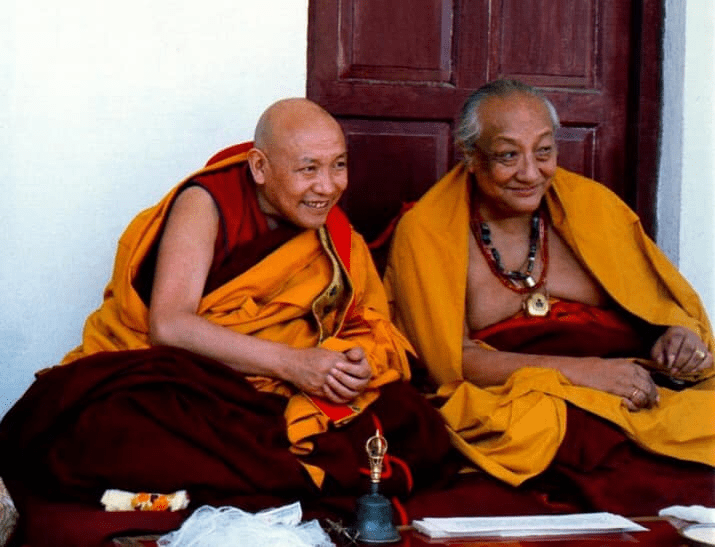
Dharma King Dilgo Khyentse Rinpoche (right) and his main Dharma heir, the Fifth Dharma King Trulshik Rinpoche (left)
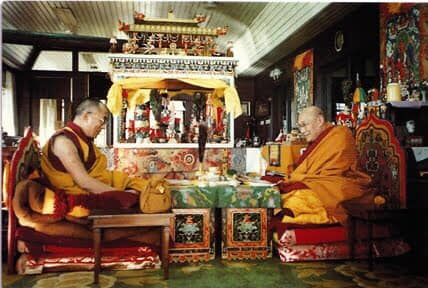
The Gelug sect’s Dalai Lama invited the Nyingma sect’s Dharma King Trulshik to transmit the supreme Dharma

At the Mindrolling Monastery, the dharma king engaged in extensive learning. He received all of the monk precepts from his precept masters Cuikenqiong Rinpoche and Mindrolling Kenqian Khyentse Norbu according to the “Formal Pronouncement on Precepts” lineage passed down from Laqian Qianba Lasa. Present-day dharma kings unanimously agree that H.H. Dharma King Trulshik is one of the most important lineage-holders of this lineage. H.H. Dharma King Trulshik holds three types of precepts that are on different levels: the Pratimoksa precepts, the Bodhisattva precepts, and the precepts for tantric masters. The dharma king is one who truly wears a golden precept robe. Not only does he abide by the precepts for monks, he also completely abides by all of the Hinayana, Mahayana, and Vajrayana precepts. That is why he deserves to be called a “holder of the Vajra Three Secrets Vows.” H.H. Dharma King Trulshik is the main transmitter of the monastic vows within the Nyingma lineage.

The dharma king has received teachings on the sutras and tantras, as well as other teachings. He has visited famous masters in many places to learn Buddha-dharma, including over thirty famous masters who belong to ancient and modern sects of esoteric Buddhism. The dharma king has studied all of the dharma teachings of these important lineages and has put them into practice. He still learns assiduously even after he completed a strict three-year retreat. Accepting the request of Zhachu Rinpoche, the dharma king became the khenpo of the Zhalong Dongga Qielin Monastery, where he is responsible for upholding, protecting, and spreading the dharma.

Throughout his whole life, the dharma king has wholeheartedly cultivated himself in retreat. Every day he abstains from speaking until 10:00 in the morning. Each year the dharma king goes into retreat in his own temple for as much as nine months. All of the great Tibetan rinpoches acknowledge that as a master of masters, the dharma king has the greatest abilities and power to clearly point out the way leading to realization of one’s original nature. That is why extremely virtuous masters send their capable disciples to the dharma king in order to seek teachings and empowerment.

H.H. Dharma King Trulshik has vast and profound learning. His practice is solid and flawless. He is unassuming and amiable. No one in today’s world can match his profound experience, training, and realization. Many practitioners of the various sects regard him as a venerable Dharma King Master with limitless wisdom and vast supernatural powers. H.H. Dharma King Trulshik has recognized the identities of the person who is the incarnation of H.H. Dharma King Dilgo Khyentse, the person who is the incarnation of H.E. Dharma King Tulku Ugyen, and persons who are incarnations of other important rinpoches. He has also transmitted dharma to and performed initiations for such people. The dharma king is a magnificent practitioner of the Great Perfection Dharma and a magnificent accomplished one in our current age. He is a model master of this century with disciples spread all over the world.

After H.H. Dharma King Trulshik saw who His Holiness Dorje Chang Buddha III Wan Ko Yeshe Norbu is through the limitless omniscience displayed in A Treasury of True BuddhaDharma, he stated that His Holiness Wan Ko Yeshe Norbu has reached the highest state of Buddhahood in the few-thousand-year history of Buddhism, having truly attained complete. Dharma King Trulshik wrote a respectful congratulation letter.

RESPECTFUL CONGRATULATIONS
His Holiness Buddha Vajradhara (Dorje Chang Buddha) Yangwo Wan Ko Yeshe Norbu:
I recently learned that the book about you, A Treasury of True BuddhaDharma, was published a long time ago. The content of that book includes
the traditional Tibetan five major vidyas and five minor vidyas. In terms of modern branches of learning, the book involves more than thirty different branches of learning. Thus, I entered samadhi and visualized the Three Jewels the Buddha, the dharma, and the sangha. I pervasively spread bodhicitta and
wished that all living beings would realize the supreme, absolute truth and
Buddhahood. May the propagation of A Treasury of True Buddha-Dharma be
the karmic condition whereby living beings in the three spheres leave the sufferings of reincarnation and obtain the fruit of wonderful happiness. It will become the cause whereby each sentient being who has descended into the abyss of the six realms of reincarnation leaves suffering and attains happiness.
I hereby specially convey my respectful congratulations!


Buddhist monk Ngawang Chokyi Lodro,
having the undeserved name of Khenpo
Zhalong Trulshik Shatrul
Written on the auspicious day of June 28, 2007

Link:https://peacelilysite.com/2025/01/16/brief-introduction-toh-h-dharma-king-trulshik/

Source: H.H. Dorje Chang Buddha III A TREASURY OF TRUE BUDDHA – DHARMA

Mindful Speech: How Verbal Karma Shapes Our Lives and Spiritual Growth

Understanding Verbal Karma through Chinese Traditional Culture and Buddhism

Language is one of the most powerful tools in human communication. It has the capacity to warm hearts, yet it can also deeply wound others. The ancient Chinese saying, “Illness enters through the mouth; misfortune comes out of the mouth,” serves as a profound reminder of the critical importance of our words. Another popular saying states, “A kind word can warm one for three winters, but a harsh word wounds deeply and is hard to forget.” Those who speak thoughtfully build strong relationships, while careless words often lead to unintended enmity or trouble. Indeed, many of life’s great misfortunes arise from verbal mistakes.

The Chinese ancients emphasized the principle of “cautious speech and careful actions,” which is not only a foundational aspect of personal conduct but also key to cultivating one’s character. In modern times, misunderstandings and conflicts often stem from believing rumors and passing on unverified information. This carelessness turns small issues into major problems, causing unnecessary harm. The impact of careless words can extend beyond personal relationships, disrupting families, friendships, and even society, sometimes escalating into widespread societal issues.

Buddhism’s Teachings on Verbal Karma: The Four Types of Harmful Speech

Buddhism profoundly explains the karmic consequences of speech. Among the “three karmas” — body, speech, and mind — verbal karma is especially critical. The Buddha taught that the consequences of verbal karma can be even more destructive than a raging fire because hurtful speech inflicts suffering on others. Buddhism identifies four types of harmful verbal karma:

  • Harsh Speech: Using cruel or aggressive words that directly harm someone’s spirit.
  • Slander: Spreading rumors or sowing discord, leading to broken relationships and disputes.
  • False Speech: Speaking untruthfully or deceiving others.
  • Frivolous Speech: Words that may seem pleasant but mislead or confuse others, distracting them from right mindfulness.

These forms of verbal karma not only harm relationships but also sow seeds of negative karma, inevitably leading to future suffering.

Chinese Buddhist texts record a story from the Song Dynasty: One day, Zen Master Guang XiaoAn observed two monks engaged in a discussion about the Dharma, during which they were surrounded and protected by heavenly beings. However, as soon as their conversation shifted to worldly topics, the deities departed, and evil spirits appeared, mocking the monks with vulgar language. This story serves as a reminder that even monks, when they deviate from righteous speech, will attract negative consequences.

In today’s world, the effects of verbal karma are even more pervasive. Carelessly spreading rumors, posting unverified information online, or making inflammatory remarks can cause lasting damage. Every harsh word is like a sharp blade, hurting not only others but also oneself.

Here is another powerful example that highlights the benefits of controlling one’s speech. At Mount Jiuhua, a sacred Buddhist site renowned for venerating Ksitigarbha Bodhisattva, there once lived a venerable nun. She was widely respected for her virtuous life and profound wisdom, embodying the transformative power of positive speech.

Even at the remarkable age of 136, she remained in good health, continuously reciting the mantra “Amitabha Buddha.” This practice not only reflected her spiritual merit but also her mastery of speech, and self-discipline.

The venerable nun understood the profound impact of verbal karma and strictly adhered to the principle of “cautious speech.” She refrained from gossip and focused her speech on chanting the Buddha’s name. In conversations about spiritual matters, she offered concise and clear guidance, leading people toward the right path. When topics were unrelated to spiritual practice, she chose silence. This self-discipline brought her immense merit, making her a role model for others. She often said, “For women, whether lay or ordained, if one can guard against verbal karma, one is halfway to becoming a Buddha.” Her words highlighted the critical role verbal karma plays in the spiritual path.

The venerable nun’s teachings emphasized the severe consequences of verbal karma. She made it clear that verbal karma is one of the greatest obstacles in spiritual practice and explained its multiple harmful effects:

  • Verbal Karma Obstructs Spiritual Progress: Every instance of harsh speech, slander, or frivolous talk not only harms others but also pollutes one’s mind, hindering spiritual purification.
  • Verbal Karma Leads to Lower Rebirths: Harsh speech is like a wildfire, burning away one’s merit and leading to severe karmic consequences.
  • Verbal Karma Disrupts Harmony: In families, communities, or society, harmful speech creates discord, making it difficult to maintain a peaceful environment for practice.
  • Verbal Karma Weakens Faith: Harsh and false words can cause others to lose faith in their spiritual path, even destroying their potential for future practice.

Her virtuous life and disciplined speech accumulated immeasurable merit. It is said that many patients with difficult illnesses were cured after receiving her blessings, a testament to the power of pure verbal karma.

Guarding Verbal Karma in Modern Life

In today’s world, controlling speech is more essential than ever. Here are some practical steps to guard against verbal karma:

  • Speak Cautiously: Think before you speak. Avoid spreading unverified information and refrain from gossiping or discussing others carelessly.
  • Control Emotions: When emotions are high, it’s easy to say things that cause harm. Cultivate a calm and peaceful mind to avoid saying hurtful things in the heat of the moment.
  • Cultivate Positive Speech: Use kind and uplifting words to resolve conflicts, build trust, and foster harmony in your relationships.

By understanding Buddhism’s teachings on verbal karma, we can become aware of the power of language and use it to bring peace and happiness to ourselves and others. Guarding speech is not only a sign of respect for others but also an essential aspect of personal spiritual practice.

Through mindful and compassionate speech, we can spread kindness, promote harmony, and enhance both the quality of our lives and the happiness of those around us. Let us strive together to use the wisdom of language to create more peace and happiness in our lives and in the lives of others.

Link:https://peacelilysite.com/2024/10/24/mindful-speech-how-verbal-karma-shapes-our-lives-and-spiritual-growth/

100. A Mother’s Wise Advice [Non-violence]


100. A Mother’s Wise Advice [Non-violence]

Once upon a time, the son of Brahmadatta was ruling righteously in Benares, in northern India. It came to pass that the King of Kosala made war, killed the King of Benares, and made the queen become his own wife.

Meanwhile, the queen’s son escaped by sneaking away through the sewers. In the countryside he eventually raised a large army and surrounded the city. He sent a message to the king, the murderer of his father and the husband of his mother. He told him to surrender the kingdom or fight a battle.

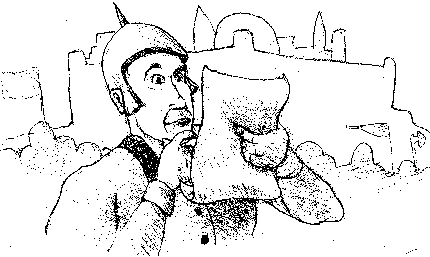
The prince’s mother, the Queen of Benares, heard of this threat from her son. She was a gentle and kind woman who wanted to prevent violence and suffering and killing. So she sent a message to her son — “There is no need for the risks of battle. It would be wiser to close every entrance to the city. Eventually the lack of food, water and firewood will wear down the citizens. Then they will give the city to you without any fighting.”

The prince decided to follow his mother’s wise advice. His army blockaded the city for seven days and nights. Then the citizens captured their unlawful king, cut off his head, and delivered it to the prince. He entered the city triumphantly and became the new King of Benares.

The moral is: Kind advice is wise advice.

100. A Mother’s Wise Advice [Non-violence]

Link: https://hhdorjechangbuddhaiiiinfo.com/2024/10/22/100-a-mothers-wise-advice-non-violence/

#Buddhisttalesforyoungandold #Buddhiststories #storiesforkids #moralstories #Buddha #Jatakastories #PansiyaPanasJataka

98. A Man Named Wise [Cheating]

Once upon a time, the Enlightenment Being was born in a merchant’s family in Benares, in northern India. He was given the name Wise. When he grew up, he began doing business with a man whose name just happened to be Verywise.

It came to pass that Wise and Verywise took a caravan of 500 bullock carts into the countryside. After selling all their goods they returned to Benares with their handsome profits.

When it came time to split their gains between them, Verywise said, “I should get twice as much profit as you.” “How come?” asked Wise. “Because you are Wise and I am Verywise. It is obvious that Wise should get only half as much as Verywise.”

Then Wise asked, “Didn’t we both invest equal amounts in this caravan trip? Why do you deserve twice as much profit as I?” Verywise replied, “Because of my quality of being Verywise.” In this way their quarrel went on with no end in sight.

Then Verywise thought, “I have a plan to win this argument.” So he went to his father and asked him to hide inside a huge hollow tree. He said, “When my partner and I come by and ask how to share our profits, then you should say, ‘Verywise deserves a double share.”‘

Verywise returned to Wise and said, ‘My friend, neither of us wants this quarrel. Let’s go to the old sacred tree and ask the tree spirit to settle it.”

When they went to the tree Verywise said solemnly, “My lord tree spirit, we have a problem. Kindly solve it for us.” Then his father, hidden inside the hollow tree, disguised his voice and asked, “What is your question?” The man’s cheating son said, “My lord tree spirit, this man is Wise and I am Verywise. We have done business together. Tell us how to share the profits.” Again disguising his voice, his father responded, “Wise deserves a single share and Verywise deserves a double share.”

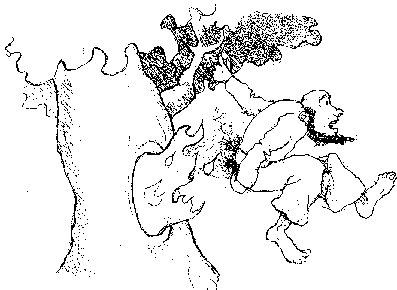
Hearing this solution, Wise decided to find out if it really was a tree spirit speaking from inside the tree. So he threw some hay into it and set it on fire. Immediately Verywise’s father grabbed onto a branch, jumped out of the flames and fell on the ground. He said in his own voice, “Although his name is Verywise, my son is just a clever cheater. I’m lucky that the one named Wise really is so, and I’ve escaped only half toasted!”

Then Wise and Verywise shared their profits equally. Eventually they both died and were reborn as they deserved.

The moral is: A cheater may be clever but not wise.

98. A Man Named Wise [Cheating]

Link: https://hhdorjechangbuddhaiiiinfo.com/2024/10/08/98-a-man-named-wise-cheating/

#Buddhisttalesforyoungandold #Buddhiststories #storiesforkids #moralstories #Buddha #Jatakastories #PansiyaPanasJataka

The Seven Treasures of True Wealth

In this world, which sentient being does not desire great wealth? Which of us does not seek blessings and fortune? But what truly defines wealth? Most people measure it by the amount of money they have, the assets they own—be it real estate, cars, or stocks. These tangible things may seem like wealth, but they are easy to lose.

Money and jewels cannot provide lasting security—they can be stolen by thieves.
Reputation and status cannot guarantee stability—enemies can destroy them.
Family and friends are not unshakable—they can change as people’s hearts do.
Illness, aging, and death remind us that the body itself is fragile and impermanent.
Fate and fortune cannot be relied upon—karma follows us, shaping our circumstances.

So, what is the true wealth that we can hold onto in this fleeting lifetime?

Over 2,500 years ago, Shakyamuni Buddha illuminated the path to real wealth—wealth that transcends the material and leads to lasting peace and wisdom. He shared the Seven Treasures of Life, invaluable treasures that guide us to inner fulfillment and enlightenment. These treasures cannot be stored in vaults or spent like gold and jewels. They are the true treasures that nurture the soul.

The Seven Treasures:

  1. The Treasure of Faith
    This is the deep trust a disciple places in the Buddha’s awakening. It is unwavering confidence in the truth of the Buddha’s enlightenment and teachings. Faith is the compass that keeps a person on the path of liberation, a guiding light through life’s trials.
  2. The Treasure of Integrity
    Integrity means living in alignment with one’s highest principles. It manifests as abstaining from harmful actions—whether through speech, thought, or deed. A person with integrity refrains from violence, stealing, falsehood, and indulgence in intoxicants. Integrity is the treasure of a life well-lived with honesty, respect, and compassion for all beings.
  3. The Treasure of Self-Respect
    This treasure is found in the heart of those who uphold their dignity and honor. Self-respect means feeling shame at the thought of misconduct and avoiding actions that degrade one’s character. A person who treasures self-respect lives with a deep sense of morality and avoids causing suffering.
  4. The Treasure of Responsibility
    This treasure reflects an understanding of the consequences of one’s actions. It is a profound sense of accountability for one’s choices, knowing that every action—whether good or bad—impacts oneself and others. Responsibility is driven by a genuine concern for well-being, not out of fear, but from love and care.
  5. The Treasure of Learning
    Learning is the treasure of an eager and inquisitive mind. It is the pursuit of wisdom through listening, reflecting, and studying the teachings. A disciple who treasures learning delves into the Dharma, growing in understanding, and cultivating insight that transforms their perception of life.
  6. The Treasure of Generosity
    This treasure resides in an open and giving heart. It is the joy of sharing wealth, time, and kindness without clinging to material things. A generous person delights in helping others and is always ready to support those in need. Generosity brings happiness both to the giver and the receiver, and it enriches the soul beyond measure.
  7. The Treasure of Wisdom
    Wisdom is the crown jewel of all treasures. It is the deep understanding of life’s impermanence and the realization that clinging to fleeting things leads only to suffering. With wisdom, one sees the world as it truly is, cultivating peace, detachment, and the ability to make decisions that lead to lasting happiness.

True Wealth Beyond Material Possessions

Shakyamuni Buddha shared these seven treasures with his disciples, emphasizing that true wealth is not measured by material abundance but by these inner riches. Whether man or woman, young or old, those who possess these treasures are truly wealthy. Their lives are meaningful, filled with purpose, and unshaken by the ups and downs of worldly fortunes.

So, what can we learn from these timeless teachings?

Cultivate faith and integrity,
Grow in generosity and wisdom,
Walk the path with responsibility and learning,
Always remembering the teachings of the Buddhas,
for they are the guideposts to inner peace, fulfillment, and the truest wealth.

Link:https://peacelilysite.com/2024/09/26/the-seven-treasures-of-true-wealth/

Source: https://wisdomtea.org/2024/09/13/treasure/

The Old Boat and the Journey Within: Lessons from the Buddha on Cultivation and Liberation

During the Buddha’s lifetime, there was a time when he was teaching on the far side of a river. Eager to hear his wisdom, many monks wished to cross the river, but there was only one boat available. The boatman warned them, “My boat is very old, and with so many of you on board, it could be dangerous!” Yet, in their eagerness to reach the Buddha, the monks ignored the boatman’s caution and all climbed aboard. Reluctantly, the boatman set sail.

As they reached the middle of the river, the monks noticed water seeping into the bottom of the boat, and panic began to spread. The boatman calmly said, “I told you this boat is old, but you didn’t listen. Now, if you can’t stay calm, the boat will sink even faster.”

Upon hearing this, the monks stilled themselves and did not dare move. Thankfully, the boatman’s experience guided them safely to the other shore.

When the monks arrived and recounted the incident to the Buddha, he offered this teaching: “When you were in the boat, you feared for your safety. But in daily life, you fail to realize that danger is ever-present. Many people worry about the uncertainty of the future, yet neglect the most important thing — being mindful of the present moment. Focus on this life, this moment. Pay attention to your thoughts and purify your mind of the five poisons: greed, anger, ignorance, pride, and doubt.”

The Buddha continued, “Our bodies are like that old, leaky boat. We must reduce its burden, and the heaviest load is the weight of greed, anger, ignorance, pride, and doubt. Just like in the boat, if we don’t repair our minds and lighten our burdens, we risk sinking. Only by addressing these burdens can we safely reach the other shore.”

“Do not be preoccupied with the thought of being reborn in the Western Pure Land in your next life. Instead, focus on your present condition. Are you free from afflictions in this very moment? Do you act with an open heart? Can you humble yourself in the eyes of others? These are the true questions we must face in life.”

The contemporary Buddha H.H. Dorje Chang Buddha III  has also imparted timeless wisdom on cultivation. His Holiness teaches that true cultivation stems from the depths of your heart, from your bodhicitta — the awakened mind of compassion. Be genuinely friendly and loving to your spouse, your brothers, and your sisters. Foster harmony with your friends, act cooperatively with others, and extend care and help to all sentient beings. Apply the Four Limitless States of Mind — loving-kindness, compassion, joy, and equanimity — and cultivate bodhicitta in every action. Constantly reflect on yourself: How do you treat others with your words? With your thoughts? With your actions?

The conduct of Buddhas and great Bodhisattvas is marked by complete disregard for personal gain. When interests conflict, they give way to others, willingly taking fewer benefits or even none. You must remind yourself, “When others harm or slander me, I will not be disturbed. Even to those who harm me, I will wish them well, sincerely hoping for their happiness. Furthermore, I will take practical steps to help them, even offering financial aid — without letting them know that I am doing so.”

By living in accordance with these teachings, we become holy ones at the causal stage. Without a doubt, such cultivation leads to the perfection of wisdom and virtue. Achieving liberation and accomplishment becomes as simple as turning over one’s hand!

Link:https://peacelilysite.com/2024/09/19/the-old-boat-and-the-journey-within-lessons-from-the-buddha-on-cultivation-and-liberation/

#HHDorjeChangBuddhaIII #DorjeChangBuddhaIII #DorjeChangBuddha #ShakymuniBuddha

#WhatisCultivation #Compassion #Kindness #Liberation