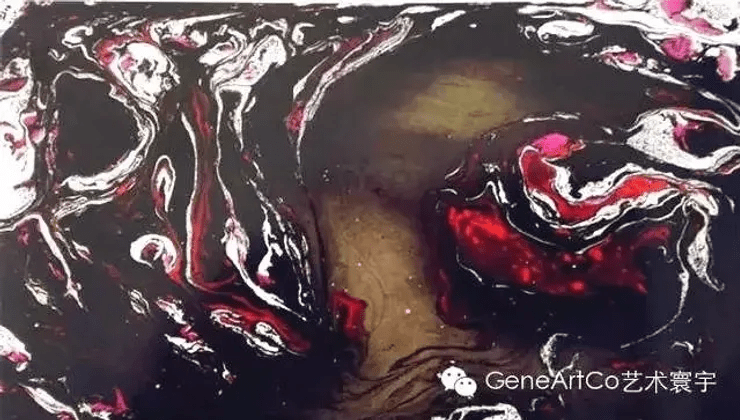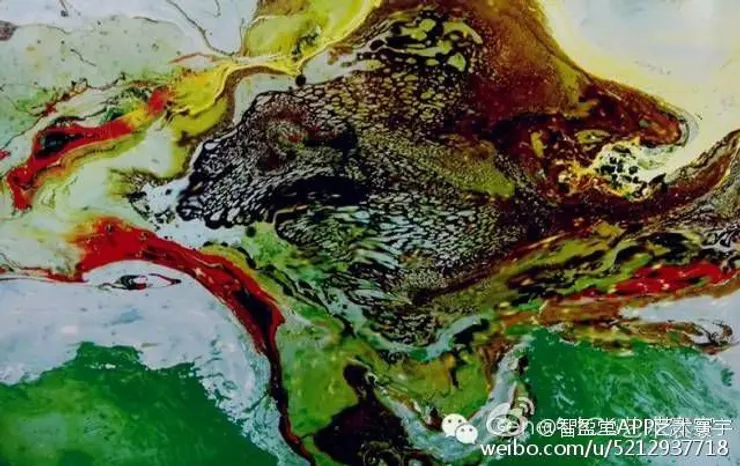
Hair Sariras of H.H. Dorje Chang Buddha III

In Buddhist scriptures, relics are broadly classified into two types. The first type, known as Dharma-body relics, refers to the teachings and scriptures spoken by the Buddha, representing his spiritual essence and wisdom. The second type, physical relics, comprises the solid remains left after the Buddha’s cremation. These physical relics are traditionally described as being of three kinds: white bone relics, red flesh relics, and black hair relics. They are noted for their luminous, pristine appearance, unbreakable nature, and incomparable beauty, far surpassing worldly jewels.

It is also believed that Bodhisattvas and Arhats may leave behind similar relics. According to Buddhist teachings, relics naturally crystallize in those who have achieved enlightenment and sincerely practiced devotion to the Buddha. They are considered extraordinary and unattainable by ordinary individuals.

H.H. Dorje Chang Buddha III is recognized as the true reincarnation of the Primordial Buddha. His Holiness has demonstrated extraordinary miracles, including the manifestation of hair sariras. Below are authentic accounts from Buddhist disciples detailing their experiences and discoveries of the hair sariras of H.H. Dorje Chang Buddha III.

Hair Sariras (1)

H.H. Dorje Chang Buddha III Wan Ko Yeshe Norbu Holiest Tathagata usually cuts His own hair. However, there have been several occasions when I respectfully accompanied His Holiness to a barber shop. Each time, out of reverence, I carefully swept away the floor and removed other people’s hair before the haircut began. After the Buddha Master’s haircut was finished, I would gather His hair from the floor, wrap it carefully in paper, and place it on my Buddhist altar upon returning home. Gradually, I began collecting and keeping some of the hair.

I still remember what happened on June 1, 2003. On that day, I took out several unopened paper packs and organized them, intending to wash the hair. Because the individual hairs were very fine, I had paid special attention and placed them on a screen. While soaking them in water, I saw three small round red beads among the hair. The entire cleaning process was handled by me, and I did not touch anything else during that time. I felt this to be very strange and wondered where those red beads came from. I intended to press them with my finger to see if they were hard or soft and even took a magnifying glass to carefully exam them. Suddenly, a thought occurred to me. Could they be sariras? I realized if I did this, it would be too disrespectful.
Hurriedly, I placed the three small beads in a small white box and took them to H.H. Dorje Chang Buddha III to inquire of their origin. I asked, “May I know what these things are?” The Buddha Master said, “Where did you get these? These are sariras!” Afterwards, the Buddha Master practiced dharma and chanted mantras to prove the authenticity of those sariras. I reported to the Buddha Master that they were wrapped in paper and appeared from the cut hair of His Holiness.

Later, the Buddha Master gave us a special discourse in which His Holiness stated, “This has happened because of conditions and the level of fortune of all sentient beings. It does not matter where they come from. Perhaps they originated from the empowerment of the Buddhas and Bodhisattvas. It actually does not matter what the disciples think concerning how or where they come from. If they can appear out of nothing, then they can disappear out of nothing. The important thing is the cultivation of each one of us and the need to live in accordance with the teachings and abide by the principles of Buddhism.”
That night, I carefully placed those three red sariras in a small tightly covered Tibetan box and cushioned them with white cotton. The next day, a fellow disciple requested to view them. I thought about placing the sariras in a crystal bottle that I had just bought. When I opened the small box and looked inside–how could it be that there were only two sariras left? I did not touch any other things anymore! I shredded and tore the cotton, but could only find two sariras. It was really upsetting! This proves and corresponds to what H.H. Dorje Chang Buddha III previously expounded: “If they can
appear out of nothing, then they can disappear out of nothing.”

This extraordinary occurrence reminded me of a fellow disciple’s personal testimony of witnessing sariras falling from the Buddha Master. This time, I experienced it firsthand, and it was truly a wonderful and auspicious sign.
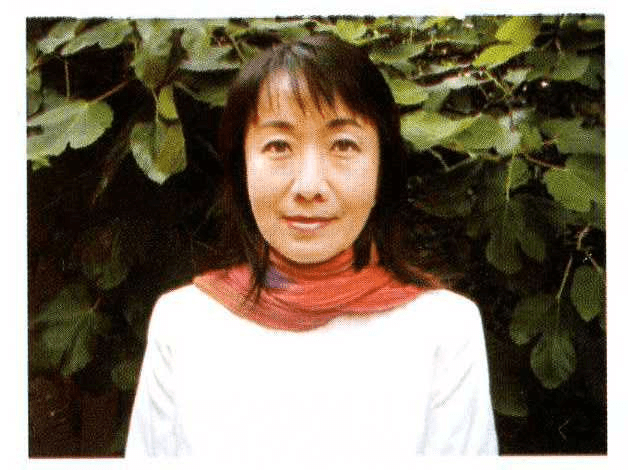
Everything I have recounted above is true and authentic. If there are any falsehoods, may I suffer all evil retribution. If they are genuine facts, may living beings receive the dharma teachings of H.H. Dorje Chang Buddha III Wan Ko Yeshe Norbu Holiest Tathagata, be liberated from the cycle of life and death, and attain wisdom and good fortune.

Buddhist disciple,
Hsuan Hui

(This is a complete translation of the Chinese text that follows, originally written and signed by Hsuan Hui.)

Hair Sariras (2)

I established a Buddhist altar in my home in Thailand on January 16, 2005. On that day, a fellow disciple brought me a small glass bottle containing several individual strands of the hair sariras of my Buddha Master, Dorje Chang Buddha III Wan Ko Yeshe Norbu Holiest Tathagata. Each strand was approximately one centimeter long. Out of reverence, I placed a blue semi-precious stone inside the bottle and set it on my altar.

A few months later, I decided to replace the glass bottle with a Venetian crystal one. When I opened the glass bottle, I noticed something astonishing: the originally short hairs had grown longer. Although surprised, I did not dwell on it initially. However, the hairs continued to grow, and recently the change has become undeniable. Some strands have grown to five or six times their original length, now measuring five or six centimeters. Remarkably, some of the hairs, pinned down on both ends by the stone, have grown in their middle sections, forming loops. How truly extraordinary!

From a scientific perspective, hair cells die once cut, making it inexplicable how short, severed hairs could continue to grow. Let this miraculous phenomenon strengthen our faith and conviction. It is a genuine manifestation of the power of the Buddha-dharma!

Buddhist disciple,
Shu-Hui Chen

(This is a complete translation of the Chinese text that follows, originally written and signed by Shu-Hui Chen.)

Link:https://peacelilysite.com/2024/12/06/hair-sariras-of-h-h-dorje-chang-buddha-iii/

Source: https://www.tpcdct.org/sites/default/files/media/194.pdf

The Supernatural Beauty of the Yun Sculptural Art by H.H. Dorje Chang Buddha III: Yellowstone National Park

Amid the vibrant colors of mountains, rocks, canyons, and rivers lies a land shaped by tectonic shifts, creating countless graceful ridges and valleys. The limestone formations add a kaleidoscope of colors to the earth’s surface. In the valleys, there is a crystal-clear emerald hot spring, sparkling and serene. Shrouded in a faint mist, the scene resembles a silent dreamland, nurturing boundless hope and vitality in its tranquil beauty.

Perhaps responding to the aspirations of all beings, the world witnessed the emergence of a cultural giant embodying both philosophy and art. This visionary introduced a groundbreaking art form that symbolizes the truth of the universe: the sculptural art of H.H. Dorje Chang Buddha III. These magnificent and mysterious creations, enveloped in auspicious mist, exude an expansive breath that resonates with the cosmos.

This Yun Sculpture is an extraordinary creation by H.H. Dorje Chang Buddha III, a testament to the seamless fusion of artistic mastery and spiritual depth. Made from fiberglass-reinforced plastic—an unforgiving medium that hardens within moments—the work demands incredible precision. Yet, within this fleeting time frame, H.H. Dorje Chang Buddha III creates mountains, springs, peaks, and stones with unparalleled detail, capturing the essence of nature itself.

Every element appears as if naturally formed, devoid of any artificial touch. The brilliance lies not only in the execution but in the profound wisdom and authentic Buddha Dharma infused within the process. It feels as though time stretches infinitely during its creation, allowing for the sculpted forms and vivid colors to come alive with divine elegance.

This sublime work transcends human limitations, leaving viewers in awe of the spiritual and artistic depth it embodies. It stands as a testament to the boundless possibilities of enlightenment and creativity.

Yun Sculpture, a groundbreaking form of art stands unmatched in the annals of history. Since its inception, the world has borne witness to an artistic phenomenon that defies replication. 

Unlike the sulfur-heavy hot springs of this earthly realm, this spring reflects the compassionate and gentle heart of a great artistic mind. It is as delicate as floral mist, as fleeting as morning dew, capturing the universe in its palm while transcending time and space.

This sacred spring of warmth and clarity carries a message of hope, embedding itself into the memory of life. It invites the steaming warmth and tears of repentance to wash away primal desires and inner shadows, extinguishing the fire of ignorance in the heart. In this way, springtime appears radiant, summer breezes refresh the soul, the autumn moon shines with unparalleled clarity, and winter snow unites heaven and earth in a crystal-pure sanctity.

Link:https://peacelilysite.com/2024/11/29/the-supernatural-beauty-of-the-yun-sculptural-art-by-h-h-dorje-chang-buddha-iii-yellowstone-national-park/

Source: https://www.toutiao.com/i6628378035835896324/

Blue Ice World: A Masterpiece of Chinese Ink Painting by H.H. Dorje Chang Buddha III

The allure of Chinese ink painting lies in its ability to convey profound emotions and philosophies through simplicity and elegance. Blue Ice World, a remarkable creation by H.H. Dorje Chang Buddha III, exemplifies this artistic mastery. At first glance, its understated composition might suggest simplicity, but a closer examination—and especially any attempt to replicate it—reveals the unparalleled depth and complexity woven into every brushstroke.

In this ink-and-wash painting, the mountains, trees, and sky are unified through a harmonious tonal palette, creating an otherworldly, almost surreal charm. The work effortlessly blends the captivating theme with its palette, presenting a seamless interplay of form and color. Each stroke flows with such grace and precision that it feels like a natural extension of the artist’s spirit.

H.H. Dorje Chang Buddha III’s profound insight is evident in every aspect of the composition. With a keen, refined perception, He not only captured the soul of the scene but also brought it to life in a way that resonates deeply with viewers. Through dense brushstrokes and meticulous gradients, the painting achieves a striking sense of contrast. This dynamic quality imbues the piece with vitality, yet there is not the slightest trace of artifice.

The balance between realism and abstraction in Blue Ice World is a marvel in itself. The deliberate interplay between the tangible and the intangible creates a surprising and mesmerizing beauty, inviting viewers to explore both the external landscape and their inner world. Its sacred and dreamlike undertones leave a lasting impression, captivating all who have the privilege of experiencing it.

Blue Ice World is more than just a painting—it is a testament to the profound artistic vision and spiritual depth of H.H. Dorje Chang Buddha III. Through this masterpiece, He elevates Chinese ink painting to a realm where technique meets transcendence, leaving an indelible mark on the art world.

This painting is at the permanent exhibition housed at The International Art Museum of America, located in downtown San Francisco.

Link:https://peacelilysite.com/2024/11/22/blue-ice-world-a-masterpiece-of-chinese-ink-painting-by-h-h-dorje-chang-buddha-iii/

The Meaning and Merits of “Life Release”

Embracing Compassion: The Day of Releasing Lives and the Teachings of H.H. Dorje Chang Buddha III

The practice of life release originates from Mahayana Buddhist scriptures and has been widely practiced in mainland China, Tibet, and also spread to Japan, Korea, Vietnam, and neighboring regions. The act of life release is rooted in the compassionate principle of equality among all beings and the karmic understanding of the cycle of birth and death. As the saying goes, “If you take half a pound from others, you will have to repay eight ounces.” Abstaining from killing while also practicing life release brings even greater merit, and there are countless historical accounts of miraculous responses and blessings resulting from such acts.

In Volume 4 of the Miscellaneous Treasures Sutra, there is a story about a novice monk and his teacher. The teacher foresaw that the novice monk would pass away within seven days and advised him to return to his family home, asking him to come back after seven days, without explaining why.

On his way home, the novice monk came across a broken pond, where water was flooding an anthill.

The ants were frantically trying to escape, but their speed was no match for the rushing water. Seeing that countless ants were about to drown, the novice monk used his robe to carry soil and blocked the breach in the pond, saving all the ants.

After seven days, the novice monk returned to his teacher. The teacher, upon seeing him alive, was astonished and asked what had happened during those days. Mistakenly thinking he was being accused of wrongdoing, the novice monk fearfully replied that he had done nothing. The teacher, being an Arhat, used his divine vision and discovered that the novice monk had performed a small yet significant act of kindness by saving the ants from drowning.

This single compassionate act altered the novice monk’s karmic fate, extending his lifespan and allowing him to live a long life until his natural passing.

The Profound Teachings Behind Life Release

The practice of releasing lives is deeply rooted in Buddhist scriptures:

  • The Chapter on the Practices and Vows of Samantabhadra states:
    “Living beings cherish their lives above all, and Buddhas cherish living beings above all. To save the lives of living beings is to fulfill the heartfelt wishes of the Buddhas.”
  • The Brahma Net Sutra on the Bodhisattva Precepts states: “If a disciple of the Buddha practices life release out of compassion, they should regard all men as their fathers and all women as their mothers, for in every life, they are born through them. Therefore, all beings in the six realms are like one’s own parents. To kill and eat them is akin to killing one’s parents or oneself. When witnessing the slaughter of animals, one should strive to protect and relieve them from their suffering. Furthermore, one should teach and explain the Bodhisattva Precepts, guiding and saving all sentient beings.”
  • The Sutra on Distinguishing the Origin of Good and Evil reveals:
    “The Buddha said: In this world, if one possesses a compassionate heart and refrains from killing, they will gain five blessings: longevity, physical well-being, freedom from harm, rebirth in the heavens, and a long life when returning to the human world. Those who live to a hundred years today owe it to their abstention from killing in past lives.”

These teachings emphasize that compassion is both a passive and active virtue. While refraining from killing is essential, taking proactive steps to save lives embodies the true spirit of Buddhist teachings.

October 29 marks the Day of Releasing Lives, a profound observance dedicated to the protection and liberation of living beings. This day calls for the nurturing of compassion, the accumulation of virtue, and the cultivation of good karma. Initiated in 2009 by H.H. Dorje Chang Buddha III, this practice symbolizes an enduring commitment to compassion and liberation. Following a major Buddhist event, H.H. Dorje Chang Buddha III designated this day as a global occasion for the compassionate release of captive lives, inspiring a tradition now embraced worldwide.

The 2024 Life Release Event: A Global Act of Compassion

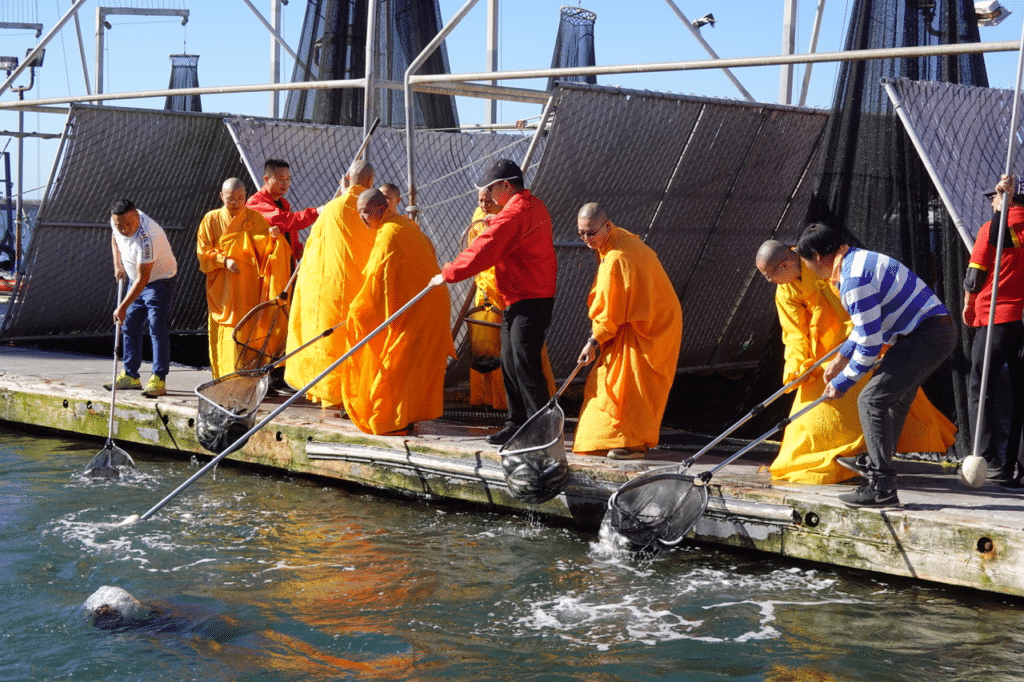
This year, the H.H. Dorje Chang Buddha III Culture and Art Museum, in collaboration with the World Buddhism Association Headquarters, hosted a commemorative Dharma Assembly in Marina Del Rey, California. The event brought together esteemed holy gurus, eminent monks, and devout Buddhists from around the world.

Photo Courtesy: Joyce Lee | Vice President of World Buddhism Association Headquarters, Jiaozun Zhengda, presided over the Dharma Assembly on the Buddha-Stipulated Day of Releasing Lives.

The gathering featured the release of thousands of fish back into the ocean, accompanied by the recitation of the Heart Sutra. Jiaozun Zhengda, Vice President of the World Buddhism Association Headquarters, led the prayers and delivered an inspiring address on the significance of the occasion. She emphasized the need for ongoing acts of compassion and the responsibility to protect living beings wherever and whenever they face suffering.

Jiaozun Zhengda explained that the practice of releasing lives arises naturally from the precept of refraining from killing. While refraining from harm is virtuous, actively saving lives elevates compassion to its highest form. This principle is at the heart of the teachings of Namo H.H. Dorje Chang Buddha III and Namo Shakyamuni Buddha.

Photo Courtesy: Joyce Lee | Hundreds of Buddhists from all over the world attended the Dharma Assembly of Releasing Lives.

Photo Courtesy: Joyce Lee | Participants released captive fish into the ocean

Participants shared profound reflections on the event. Watching the fish swim freely into the ocean became a moving symbol of resilience, freedom, and the boundless compassion of Buddhas and Bodhisattvas. For many, this practice reaffirmed their vows to live with kindness, respect all life, and emulate the selflessness of the Buddhas.

The Day of Releasing Lives is more than a symbolic gesture. It is a reminder that compassion knows no boundaries of time or space. Through the release of captive lives, Buddhists actively demonstrate their commitment to fostering a world of harmony and peace.

A Global Call for Compassion

As we observe the Day of Releasing Lives, let us remember that every act of compassion matters. By choosing to release lives, we contribute to a legacy of kindness that transforms our world. May this day inspire all of us to nurture compassion, protect life, and cultivate peace for the benefit of all beings.

For more information about the H.H. Dorje Chang Buddha III Culture and Art Museum and their compassionate initiatives, please visit https://www.wbahq.org/.

Link: https://peacelilysite.com/2024/11/07/the-meaning-and-merits-of-life-release/

Source: https://www.wbahq.org/reports-by-news-media/rm20241105/

#DorjeChangBuddhaIII #HHDorjeChangBuddhaIII  #Buddha Dipankara#FishRelease #Buddhism #HolyGurus#Rinpoches#Bodhisattva Avalokiteshvara#HolyMiraclesTemple#DvineTransformations #DharmaAssembly#ShakyamuniBuddha #H.H.DorjeChangBuddhaIIICultureandArtMuseum

Mastery in Art: H.H. Dorje Chang Buddha III’s Exquisite Panda Painting

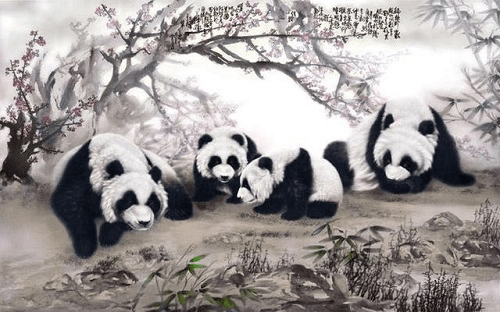
H.H. Dorje Chang Buddha III’s remarkable panda painting exemplifies a profound fusion of traditional Chinese painting and Western three-dimensional techniques, showcasing a unique mastery that elevates this artwork to an unparalleled realm. The Buddha meticulously captures the softness of the panda’s fur, detailing each hair with astonishing lifelikeness. The surrounding trees and scenery are equally vibrant, rendered with ink-splash techniques that lend a lively and enchanting quality, breathing life into the background. Every stroke in this artwork radiates a realism and elegance that words can scarcely convey.

In the foreground, delicate bamboo stalks contrast sharply with the misted backdrop, creating a powerful sense of spatial depth. This mist, drifting through the plum tree branches, draws the viewer’s gaze further into the forest, inviting them to immerse themselves in the crisp, refreshing atmosphere. With his seamless integration of artistic elements, H.H. Dorje Chang Buddha III achieves a captivating blend of classic beauty and dimensionality. The pandas, seemingly more beautiful and pristine than in life, appear freshly bathed in pure, clear waters—a vision of elegance and purity.

The painting’s harmony lies in the Buddha’s masterful approach of combining strength with gentleness, creating a scene of pandas at play, full of soft allure and charm. This balance exemplifies an artistic prowess beyond the reach of most artists. It is the interplay of surrounding elements, from mist to forest, that makes this panda masterpiece truly one of a kind.

Executed in the Kuangxi style—a hallmark of H.H. Dorje Chang Buddha III—this painting unites bold expressiveness with precision. This style combines vigorous, large-scale strokes that radiate energy with the delicate, fine brushwork of realism, resulting in an artwork that captures both elegance and raw intensity. The Buddha’s fusion of rough and refined strokes manifests as a work of art that is both dynamic and graceful, presenting a timeless visual experience that resonates deeply.

Link:https://peacelilysite.com/2024/10/25/mastery-in-art-h-h-dorje-chang-buddha-iiis-exquisite-panda-painting/

#MasterWanKoYee #DorjeChangBuddhaIII #HHDorjeChangBuddhaIII #IAMA #Art #Artitst #InternationalArtMuseumofAmerica #Panda #ChineseInkPaintings

The Extraordinary Life of H.E. Xiazhu Qiuyang Rinpoche: A Master of Boundless Compassion and Wisdom

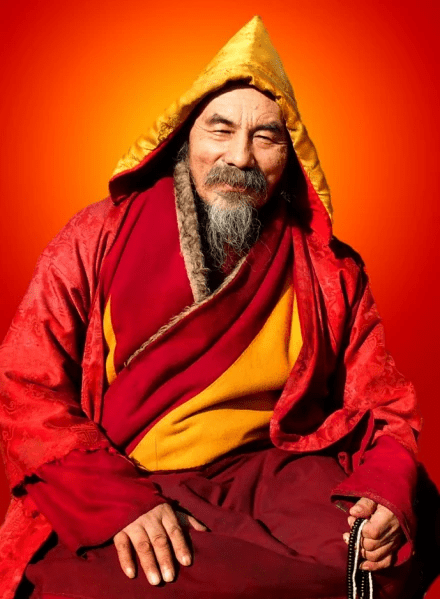
The most venerable H.E. Xiazhu Choying Rinpoche, also known as H.E. Xiazhu Qiuyang Rinpoche, is a highly accomplished Buddhist master from Guoluo, renowned for his spiritual achievements and mastery of Vajrayana teachings. Born in the winter of 1945, his birth was marked by extraordinary signs: thunder echoed across the sky, and colorful flowers blossomed spontaneously on the grasslands surrounding his birthplace. Many local herdsmen witnessed these rare and auspicious omens, heralding the arrival of an extraordinary being.

Renowned mantra master Regong, a revered monk, recognized the young child as the reincarnation of the venerable Chagailong Cichengdaji Rinpoche and the great master Naropa. From an early age, Rinpoche dedicated himself to the welfare of all sentient beings, living a life of simplicity and spiritual practice in the mountains. Throughout his life, H.E. Xiazhu Choying Rinpoche devoted himself to intense ascetic practice, receiving direct teachings from the supreme Vajrayogini and attaining profound realization. It is said that he could soar through the sky, using his monk robes as wings, a testament to his deep mastery of esoteric yoga.

At the age of fourteen, Rinpoche was ordained as a monk under the guidance of Xiari Huzuo Qintu Dannima. Over the years, he studied under more than 100 highly accomplished masters from all major Tibetan Buddhist schools, including:

  • H.H. the Tenth Panchen Lama and H.H. the Sixth Dharma King Gongtang Yongzeng from the Gelug sect.
  • H.H. Dodrupchen Rinpoche and Khenpo Mengse from the Nyingma sect.
  • Kanda Chiwa Gadan from the Sakya sect.
  • Lama Wangcai Kazhige from the Kagyu sect.
  • Jiana Bannan from the Jonang sect.

From these masters, H.E. Xiazhu Choying Rinpoche absorbed the essence of both exoteric and esoteric teachings. His spiritual journey led him to receive numerous secret mind-dharma teachings and unique empowerments, passed down without reservation, like water flowing freely from a vessel.

Rinpoche spent much of his life wandering through remote mountains and plains, sleeping in caves, eating cold rice and vegetables gathered from alms, and wearing discarded clothing. He lived humbly, indifferent to worldly praise or criticism, appearing at times like a wandering madman. For 25 years, he did not speak a single word, dedicating himself entirely to the practice of the Dharma, undisturbed by the distractions of the world. His rigorous practice took him to numerous sacred sites across Tibet, Qinghai, and India, where he engaged in solitary retreat, including seven years of intense meditation at a holy site in India.

Through these practices, Rinpoche achieved profound realization in the Dakini Dharma, the Great Perfection (Dzogchen) teachings, Kalachakra Vajra Dharma, and Green Tara Dharma. His deep connection with Vajrayogini from a young age allowed him to access highly secret dakini teachings. Buddhist masters of great virtue have recognized H.E. Xiazhu Choying Rinpoche as the true reincarnation of the great master Naropa, revered as the “venerable leader of 100,000 dakinis.”

In a historic event, the International Buddhism Sangha Association conducted an unprecedented Drawing Lots From a Golden Vase Ceremony, drawing one lot from 120 sealed lots. This ceremony affirmed that H.E. Xiazhu Choying Rinpoche is indeed the reincarnation of Patriarch Naropa, a recognition that had been previously confirmed by H.H. Dorje Chang Buddha III.

H.E. Xiazhu Choying Rinpoche has been praised by numerous revered masters, including H.H. the Tenth Panchen Lama, H.H. Dharma King Yongzeng, and H.H. Dharma King Jigme Phuntsok. Xiaridong Rinpoche, a master of the Yamantaka Dharma, described him as “a truly great master of the Dakini Dharma,” while H.H. Dharma King Jigme Phuntsok hailed him as “an extremely rare master who has perfected the Four Initiations Dharma.”

Despite his vast accomplishments, H.E. Xiazhu Choying Rinpoche remains humble and approachable, freely exercising his supernatural powers without attachment. Known for miraculous feats such as flying, multiplying his body, walking underwater, understanding multiple languages, foreseeing disasters and blessings, and reading people’s minds, Rinpoche is revered as “the unhindered rinpoche.” Clothing and personal items that Rinpoche has worn or used are said to be imbued with miraculous blessings. Many Tibetans have reported turning disasters into blessings, surviving dangerous situations, or recovering from serious illnesses after wearing or ingesting a small piece of his monk’s robe.

H.E. Xiazhu Choying Rinpoche’s legendary life and accomplishments have been widely recorded, including in books such as Holy Cultivation and Its Marvelous Fruits and Biographies of Ten Major Disciples of Dharma Kings. In Tibet, particularly in the Amdo region, almost everyone knows of his miraculous deeds. His life stands as a beacon of inspiration and a model of Dharma practice in this world of five defilements.

This image has an empty alt attribute; its file name is image-8.png

Upon reading A Treasury of True Buddha-Dharma, H.E. Xiazhu Choying Rinpoche immediately recognized H.H. Wan Ko Yeshe Norbu as the primordial Dorje Chang Buddha, the highest Buddha in Buddhism. His realization corroborated the recognition of other great holy dharma kings. H.E. Xiazhu Choying Rinpoche offered his heartfelt congratulations in a respectful letter, further acknowledging the sacred truth.

To the Most Revered and Holiest Wish-Fulfilling Jewel Dharma King:

I have learned that A Treasury of True Buddha-Dharma, is a sacred text about His Holiness, the supreme and most honored H.H. Dorje Chang Buddha III, is soon to be distributed worldwide. This book contains the highest, authentic Dharma that brings immense benefit to all sentient beings.

Master Dodrupchen, who is universally recognized as the second Guru Padmasambhava and the highest holy being within Tibetan esoteric Buddhism, expressed his astonishment in his formal congratulations. He praised the accomplishments of the Holiest Wan Ko Wish-Fulfilling Jewel Dharma King as truly extraordinary—unimaginable and miraculous, transcending the ordinary. These achievements express both the describable and indescribable absolute truth of the Buddha-Dharma.

We shall proclaim and praise the accomplishments of His Holiness throughout the Dharma realm. We express our deepest gratitude to His Holiness, the ancient Buddha, for His boundless and great compassion in coming to this world once again to benefit all sentient beings!

Xiazhu Qiuyang Rinpoche
May 1, 2007

▲那諾巴祖師轉世的夏珠秋楊敬賀第三世多杰羌佛成就之原函(楊宜翻攝自《多杰羌佛第三世》正法寶典)
▲Original congratulatory letter from Xiazhu Choying in Tibetan

#DorjeChangBuddhaIII #HHDorjeChangBuddhaIII  #MasterWanKoYee #Buddha#HuaZangSi#InternationalBuddhismSanghaAssociation#IBSA#WorldBuddhismPublishingLLC#WorldDharmaVoice #XiazhuQiuyangRinpoche #Tibetan #EsotericBuddhism

Link:https://peacelilysite.com/2024/10/16/the-extraordinary-life-of-h-e-xiazhu-qiuyang-rinpoche-a-master-of-boundless-compassion-and-wisdom/

Source: https://www.tpcdct.org/article/1327#detail

“Dragon Carp Frolicking in the Lotus Pond”: A Masterpiece Beyond Time

Art has the power to transcend boundaries, evoke emotions, and stir the soul. One such masterpiece is “Dragon Carp Frolicking in the Lotus Pond”, created by H.H. Dorje Chang Buddha III. This extraordinary painting, executed with ink and color on paper, seamlessly blends freehand brushwork with meticulous detail. It has been rightfully hailed as a world-class “treasure of unparalleled excellence” and a “divine masterpiece.” Experts agree that this work surpasses conventional artistic techniques, reaching a level of spiritual depth that few can replicate.

At first glance, the painting’s lotus leaves and carp, rendered with freehand techniques, captivate the viewer with their delicate yet vibrant forms. The wide, majestic leaves appear to breathe, their veins subtly flowing and shifting in unpredictable ways. Bold strokes define the water grasses, infusing the scene with a palpable sense of movement. This is a world that feels “drawn from life, yet elevated above it.”

The lotus pods are painted with a playful, almost fantastical touch, while the decaying lotus stems evoke a vivid realism. The carp glide effortlessly through varying depths of water, with natural ripples enhancing the impression of life in motion.

What makes “Dragon Carp Frolicking in the Lotus Pond” so compelling is the swirling energy that permeates the entire composition. Fish, water, lotus leaves, flowers, ripples, mist, and lotus roots all come together as one. Every element is in harmony, creating a profound sense of vitality. The interplay between stillness and motion is masterfully orchestrated, with tension and fluidity imbuing the painting with a life of its own. The spiritual resonance of the ink and brushstrokes is so powerful that it touches the soul, offering a rare glimpse into the artist’s mastery.

H.H. Dorje Chang Buddha III’s ability to manipulate ink and water produces endless visual effects, creating an atmosphere where life itself seems to flow through the brush. The dragon carp, swimming through the water with ease, symbolize the very essence of vitality.

Compared to past masters, who captured the beauty of carp but failed to unite the fish with the water, H.H. Dorje Chang Buddha III elevates his work to a higher realm. His brushwork achieves perfect harmony between the fish and water, with the two becoming one in a symbiotic relationship that enhances both their liveliness and texture.

Traditional Chinese ink painting often uses blank spaces to represent water’s stillness, while lines suggest movement. “Dragon Carp Frolicking in the Lotus Pond” takes this concept even further, incorporating the refraction of light through the water’s surface and depths.

The dynamic light waves, combined with the seamless interaction of the carp and the ever-changing water, create a breathtaking depiction of the concept “fish finding their element.”

The true brilliance of this work lies in its extraordinary attention to detail and the artist’s mastery of brush techniques. From the texture of the carp’s scales to the intricate interplay between fish and water, every detail contributes to the painting’s vibrant spirit. This level of craftsmanship goes beyond what other media, such as oil painting, can achieve, making “Dragon Carp Frolicking in the Lotus Pond” a unique artistic treasure. Its spiritual resonance and profound beauty leave a lasting impression.

This painting is not just a visual masterpiece; it is a profound experience that speaks to the heart, a testament to the transformative power of art.

In 2016, there was already an offer of 60 million USD to purchase this painting. However, H.H. Dorje Chang Buddha III declined the sale, considering that once it was owned by a private collector, the public would have little opportunity to appreciate it. Currently, “Dragon Carp Frolicking in the Lotus Pond” is permanently displayed in the Master Artist Fish Hall at the  H.H. Dorje Chang Buddha III Cultural And Art Museum in Covina, California.

Link:https://peacelilysite.com/2024/10/10/dragon-carp-frolicking-in-the-lotus-pond-a-masterpiece-beyond-time/

#DorjeChangBuddhaIII # HHDorjeChangBuddhaIII#DorjeChangBuddha#Art# Artist #H.H.DorjeChangBuddhaIIICulturalAndArtMuseum#YunSculpture #Craftsmanship
#Dragon #Carp #Lotus

Withered Leaves Scattering Red: A Masterpiece of the Thickly Layered Color School

H.H. Dorje Chang Buddha III‘s oil Painting “Cang Ye Pao Hong”

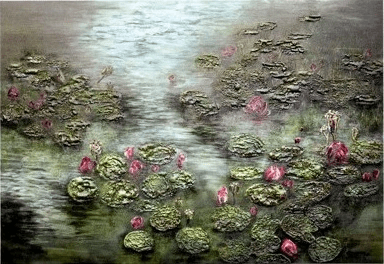
“Cang Ye Pao Hong” (Withered Leaves Scattering Red) is an extraordinary oil painting that belongs to the Thickly Layered Color School, a unique style originated by H.H. Dorje Chang Buddha III. This painting style is renowned for its bold, dynamic strokes and the use of layered, textured color blocks that create a deeply three-dimensional effect. The abstract, surreal use of color brings an unpredictable yet harmonious elegance, transforming the chaotic into a coherent and mesmerizing vision.

The meticulous process behind “Cang Ye Pao Hong” is just as awe-inspiring as the final result. According to the art museum where this work is displayed, the painting took six years to complete, with over 50 layers of paint carefully stacked on top of one another. Each layer was allowed to dry completely before the next was applied, ensuring a rich and vibrant interplay of colors. The outcome is a work of art that exudes an indescribable divine aura, blending both natural beauty and mystical energy.

You can find this masterpiece at the International Art Museum of America, located in downtown San Francisco. Upon first glance, “Cang Ye Pao Hong” commands attention, drawing viewers into deep contemplation. The withered lotus leaves, depicted in a strikingly realistic and three-dimensional manner, symbolize wisdom gained through life’s journey, while the vivid red lotuses appear to leap from the canvas, capturing the essence of “scattering red” with exceptional grace. The rippling water above, shimmering with light, symbolizes infinite hope, further enhancing the painting’s sense of serenity and renewal.

When observed up close, the painting reveals intricate details within the broader strokes, where subtle nuances emerge, demonstrating the remarkable precision and effortless flow that characterize the work. It evokes an ethereal sense of peace, with a balance of strength and gentleness, transcending the worldly and exuding both quiet elegance and boundless depth. It is truly a marvel of artistic mastery, offering a sense of tranquility and spiritual upliftment that words can hardly describe.

H.H. Dorje Chang Buddha III’s artistic genius extends far beyond this single painting. He has mastered all existing schools of painting, including Realism, Abstract, Impressionism, and more, while also founding sixteen entirely new schools of painting. These schools include the Chaoshi School, the Chouxiang Yunwei School, the Fangfa School, the Kuangxi School, and the Thickly Piled Patches of Color School, among others. What sets H.H. Dorje Chang Buddha III apart from any other artist in history is that He not only founded these distinct schools but developed each to a state of perfection, creating what is known as “The H.H. Dorje Chang Buddha III School of Multiple Styles.”

While many renowned artists dedicate their entire lives to mastering one artistic style or theme, H.H. Dorje Chang Buddha III’s unparalleled ability to create and perfect sixteen different painting schools is an accomplishment unmatched in art history. “Cang Ye Pao Hong” is a shining example of His profound artistic vision, showcasing a level of creativity and mastery that continues to inspire and astonish art lovers around the world. Through this work, we are invited to witness not just the beauty of nature but the boundless possibilities of artistic expression.

Link:https://peacelilysite.com/2024/10/04/withered-leaves-scattering-red-a-masterpiece-of-the-thickly-layered-color-school/

#MasterWanKoYee #DorjeChangBuddhaIII #HHDorjeChangBuddhaIII #IAMA #Art #Artitst #InternationalArtMuseumofAmerica

The Old Boat and the Journey Within: Lessons from the Buddha on Cultivation and Liberation

During the Buddha’s lifetime, there was a time when he was teaching on the far side of a river. Eager to hear his wisdom, many monks wished to cross the river, but there was only one boat available. The boatman warned them, “My boat is very old, and with so many of you on board, it could be dangerous!” Yet, in their eagerness to reach the Buddha, the monks ignored the boatman’s caution and all climbed aboard. Reluctantly, the boatman set sail.

As they reached the middle of the river, the monks noticed water seeping into the bottom of the boat, and panic began to spread. The boatman calmly said, “I told you this boat is old, but you didn’t listen. Now, if you can’t stay calm, the boat will sink even faster.”

Upon hearing this, the monks stilled themselves and did not dare move. Thankfully, the boatman’s experience guided them safely to the other shore.

When the monks arrived and recounted the incident to the Buddha, he offered this teaching: “When you were in the boat, you feared for your safety. But in daily life, you fail to realize that danger is ever-present. Many people worry about the uncertainty of the future, yet neglect the most important thing — being mindful of the present moment. Focus on this life, this moment. Pay attention to your thoughts and purify your mind of the five poisons: greed, anger, ignorance, pride, and doubt.”

The Buddha continued, “Our bodies are like that old, leaky boat. We must reduce its burden, and the heaviest load is the weight of greed, anger, ignorance, pride, and doubt. Just like in the boat, if we don’t repair our minds and lighten our burdens, we risk sinking. Only by addressing these burdens can we safely reach the other shore.”

“Do not be preoccupied with the thought of being reborn in the Western Pure Land in your next life. Instead, focus on your present condition. Are you free from afflictions in this very moment? Do you act with an open heart? Can you humble yourself in the eyes of others? These are the true questions we must face in life.”

The contemporary Buddha H.H. Dorje Chang Buddha III  has also imparted timeless wisdom on cultivation. His Holiness teaches that true cultivation stems from the depths of your heart, from your bodhicitta — the awakened mind of compassion. Be genuinely friendly and loving to your spouse, your brothers, and your sisters. Foster harmony with your friends, act cooperatively with others, and extend care and help to all sentient beings. Apply the Four Limitless States of Mind — loving-kindness, compassion, joy, and equanimity — and cultivate bodhicitta in every action. Constantly reflect on yourself: How do you treat others with your words? With your thoughts? With your actions?

The conduct of Buddhas and great Bodhisattvas is marked by complete disregard for personal gain. When interests conflict, they give way to others, willingly taking fewer benefits or even none. You must remind yourself, “When others harm or slander me, I will not be disturbed. Even to those who harm me, I will wish them well, sincerely hoping for their happiness. Furthermore, I will take practical steps to help them, even offering financial aid — without letting them know that I am doing so.”

By living in accordance with these teachings, we become holy ones at the causal stage. Without a doubt, such cultivation leads to the perfection of wisdom and virtue. Achieving liberation and accomplishment becomes as simple as turning over one’s hand!

Link:https://peacelilysite.com/2024/09/19/the-old-boat-and-the-journey-within-lessons-from-the-buddha-on-cultivation-and-liberation/

#HHDorjeChangBuddhaIII #DorjeChangBuddhaIII #DorjeChangBuddha #ShakymuniBuddha

#WhatisCultivation #Compassion #Kindness #Liberation

Western Paintings From H.H. Dorje Chang Buddha III

H.H. Dorje Chang Buddha III employs his ‘supernatural abstract colors’ to introduce us once more to a new world of art that is beautiful, mysterious, and soul-inspiring.

Hearing this, some may be puzzled: Western oil paintings are abstract paintings are found everywhere, yet which one among them ever fits the description “soul-inspiring”? But this truly is not just some fancy talk. As soon as you set your eyes onH.H. Dorje Chang Buddha III’s “supernatural abstract colors,” you will find the bright and dazzling red, yellow, blue, white and black colors leaping and dancing, vigorous like billows sluicing over thousands of miles, yet stored up into wonders at the fine tip of a brush. Gentle yet resolute, they freely transcend worldliness. Various colors are mixed ingeniously and beautifully, distilling beauty from their mutual nourishment. One could say they present a state of superb craftsmanship excelling nature, and of form becoming flexible and elusive. Words cannot describe such harmonious, refined, and soothing artistic enjoyment.

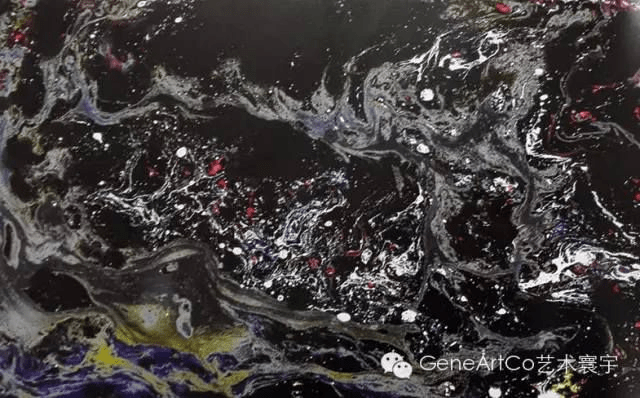
Vigorous Colors and Spirit Trees
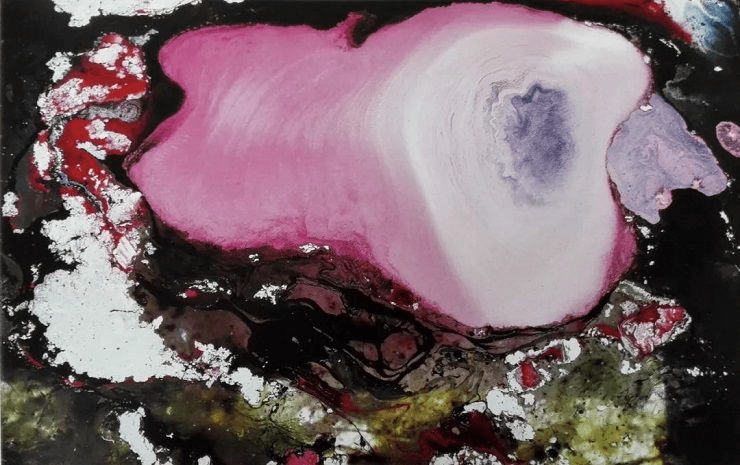
Beautiful Nugget of Few Colors

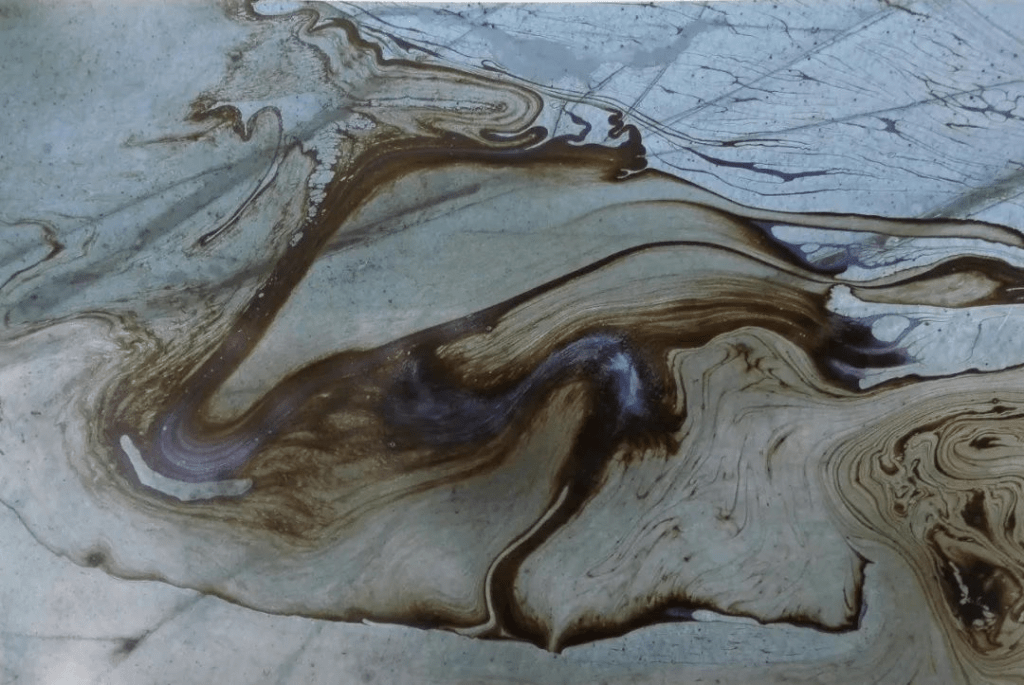
Everlasting Wondrous Appeal

“Supernatural abstract color” is a perfect world composed of colors. It does not have any concrete worldly form but uses only colors to form shapes and express feelings. Color is its shape and theme, and it blends into touching charm. These colors, under the Buddha’s hand, suddenly converge into unparalleled, marvelous and bright magic, expressing the vivid spirit of a flowery scene or the vigor of the roaring sea. Yet, they can be ever so exact when their meaning is revealed through the tip of a brush. Their fine details are often revealed among rough strokes, and their charm is naturally displayed.

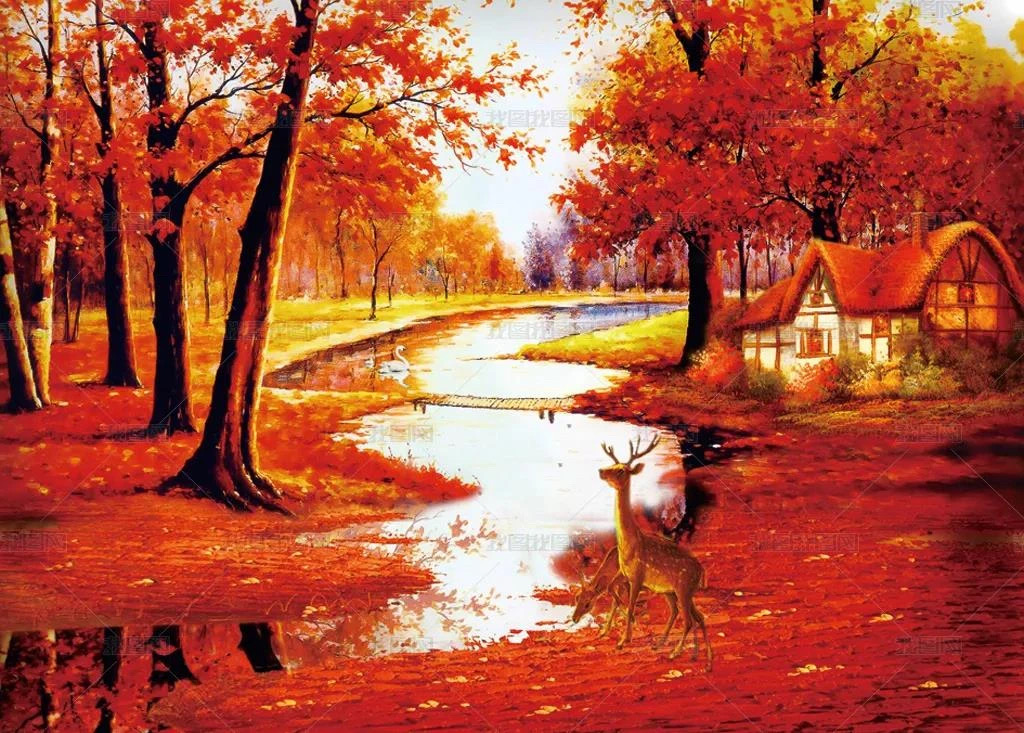
Autumn Fragrance Floating Like Colored Gauze

Link:https://peacelilysite.com/2024/09/13/western-paintings-from-h-h-dorje-chang-buddha-iii/

#DorjeChangBuddhaIII #HHDorjeChangBuddhaIII#DorjeChangBuddha#IAMA#InternationalArtMuseumofAmerica #WesternPainting #Supernaturalabstractcolor#OilandAcrylicPaintings