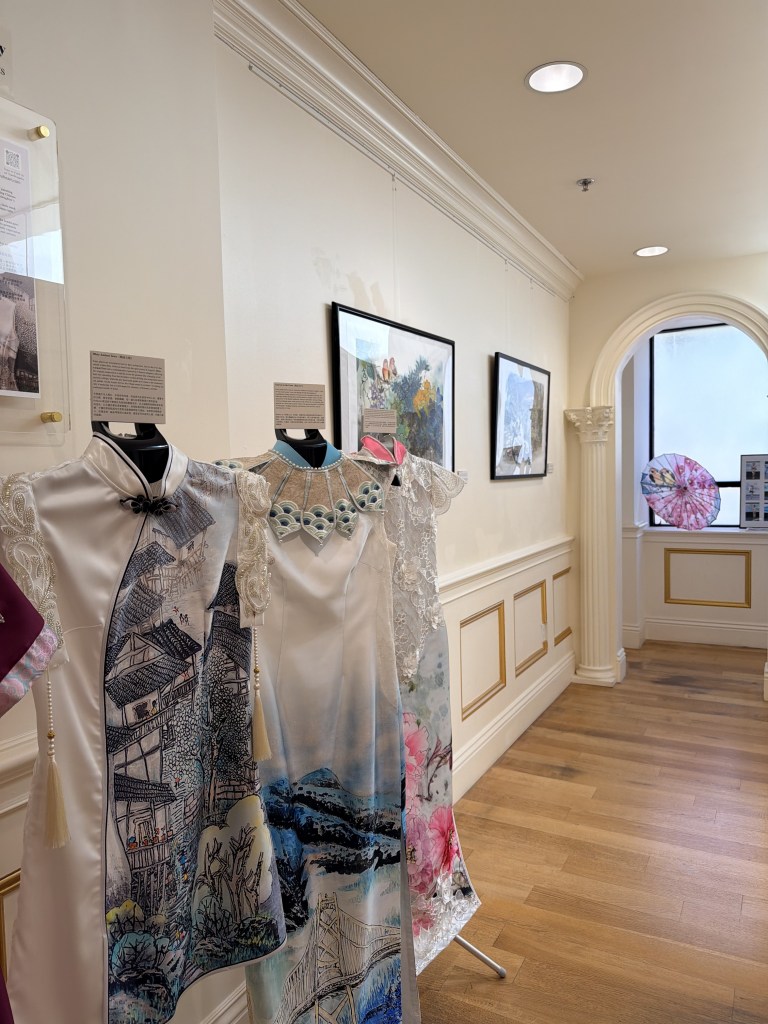
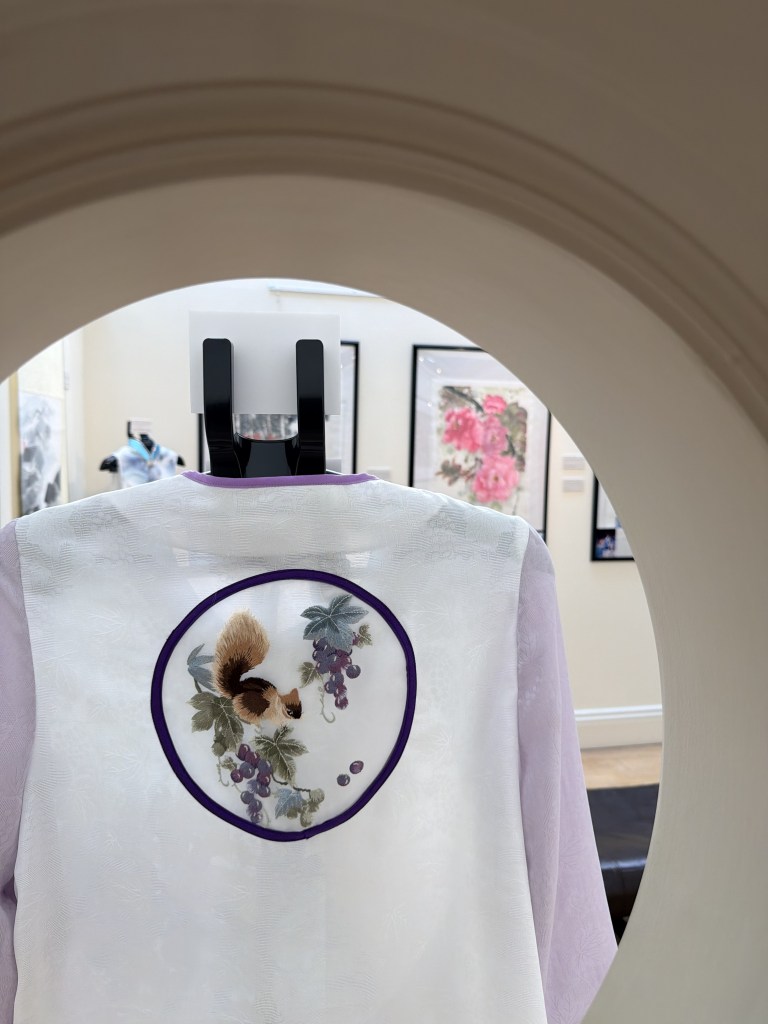
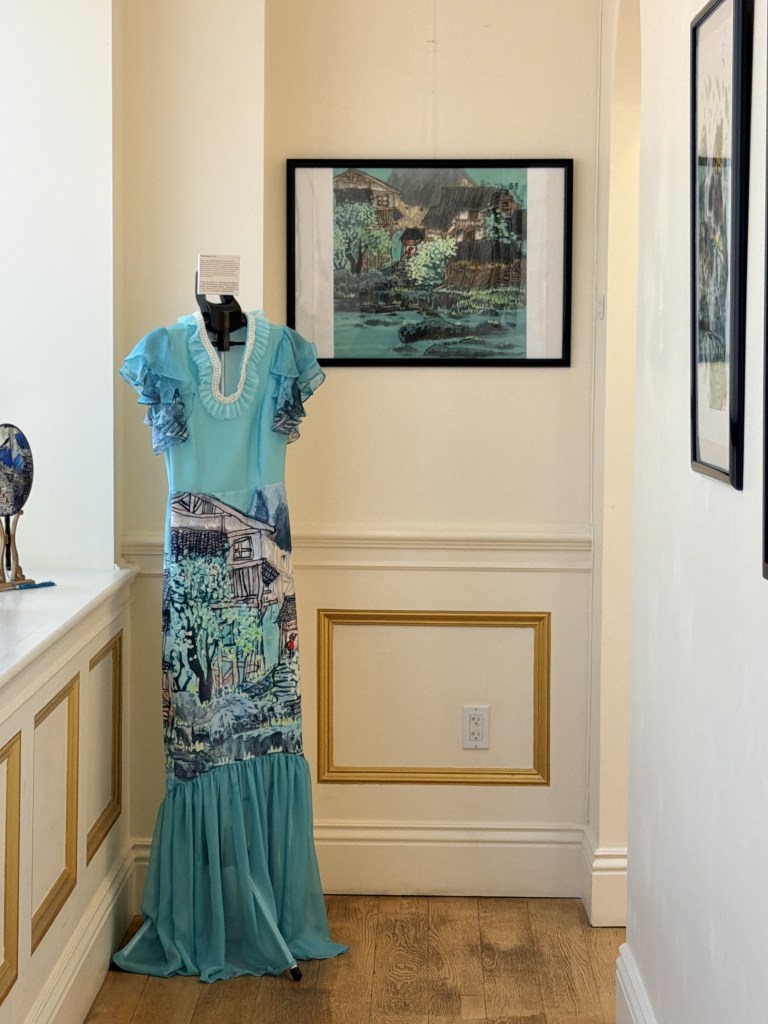
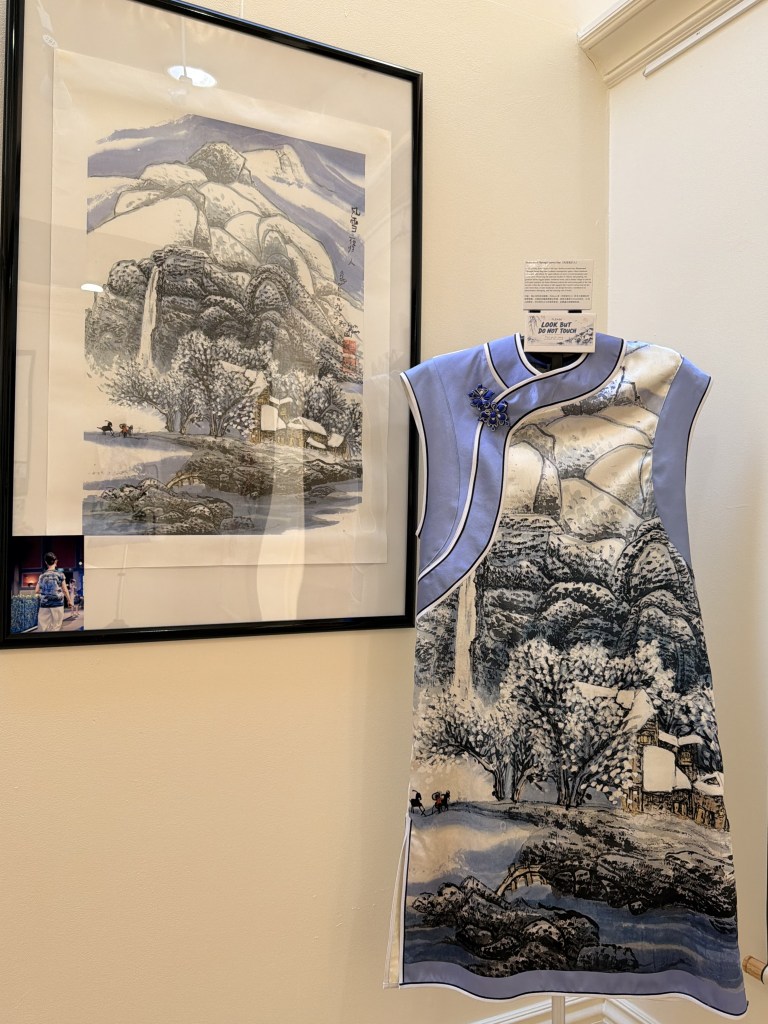
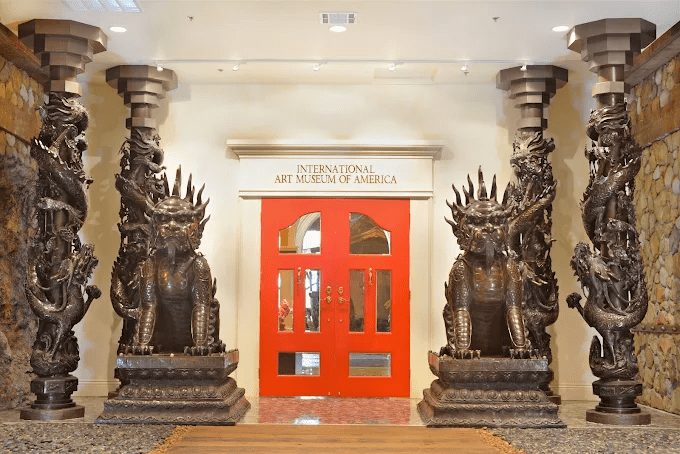
If you are looking for an inspiring cultural experience in San Francisco this summer, make sure to visit the International Art Museum of America. Their newest exhibition, Eastern Charm Awakens: Where Art Meets Silk, offers a breathtaking look at creativity, tradition, and the powerful bond between mother and daughter.
Exhibition Dates: July 18 – August 2, 2026
Location: International Art Museum of America, San Francisco
A Unique Mother-Daughter Collaboration
At the heart of Eastern Charm Awakens is a rare and extraordinary creative dialogue between Yuan Yuan (Rebecca) Xu and her daughter, Angela Tse.
Despite being only 10 years old, Angela is an exceptional talent whose detailed Chinese brush paintings capture depth, beauty, and traditional technique far beyond her years. Inspired by her daughter’s artwork, Xu Yuan Yuan—a multitalented, interdisciplinary fashion designer—has translated Angela’s painted brushstrokes directly into intricate, wearable fashion.
Walking through the gallery, visitors are treated to a dynamic side-by-side experience:
Traditional Chinese Aesthetics: Angela’s fine brushwork grounds the exhibit in rich cultural heritage.
Contemporary Fashion: Yuan Yuan’s garments take elements, motifs, and colors from those paintings, turning two-dimensional art into fluid movement, luxurious textures, and living forms.
This seamless blend transforms static artwork into a tactile, lived experience—showing how ancient artistic traditions can continually inspire modern design.
Whether you are a lover of fine arts, fashion design, or simply looking to experience a touching story of intergenerational talent, Eastern Charm Awakens is not to be missed.
Be sure to stop by before August 2, 2026, to immerse yourself in this magical synthesis of silk, ink, and vision!
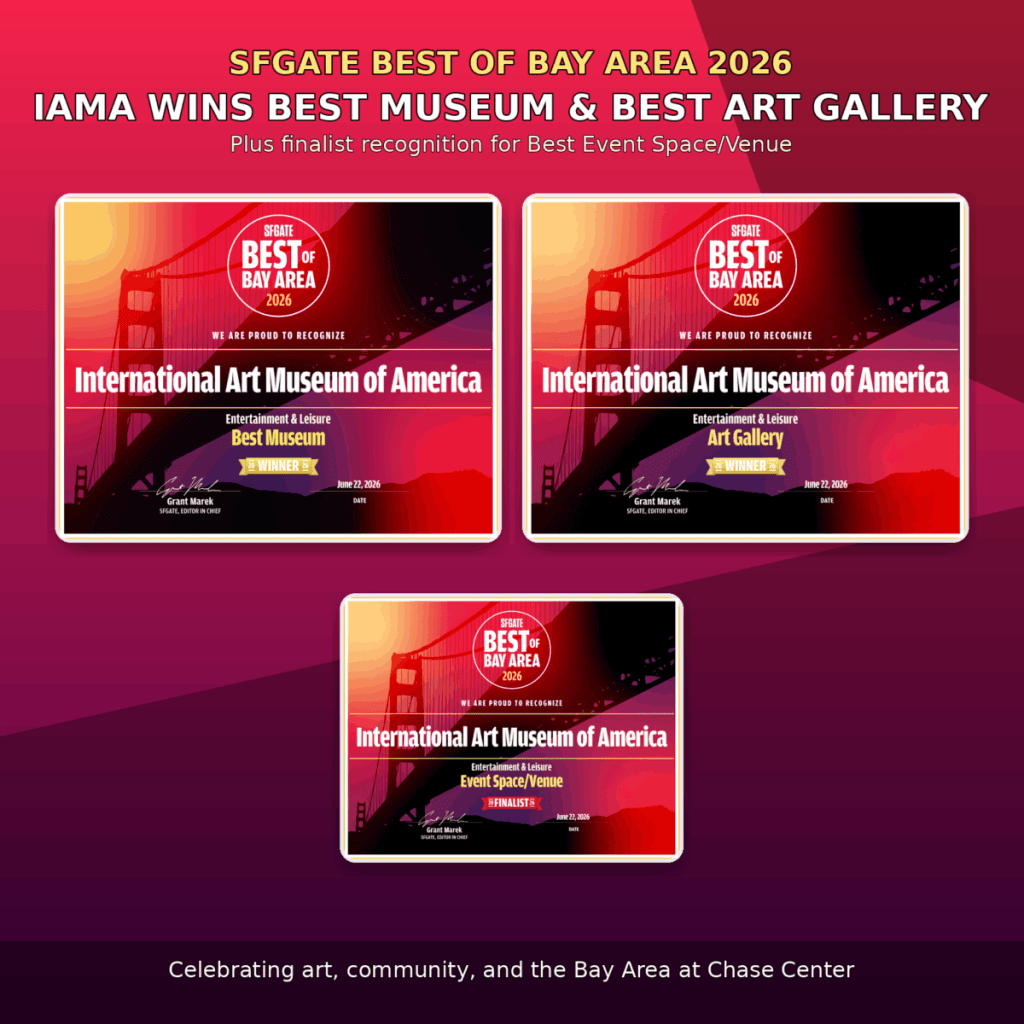
The International Art Museum of America has been named Best Museum and Best Art Gallery in SFGATE’s Best of Bay Area 2026, as well as a finalist for Best Event Space/Venue. The museum itself is well worth a visit anytime.
In our daily lives, we often fall into a harmful habit: when trouble arises, we instinctively blame others and rarely acknowledge our own karma.
Since time immemorial, we have been conditioned to look outward—to criticize and judge those around us—while seldom pausing to examine our own minds. Every surge of emotion and every lingering affliction is driven by the swelling of our own “ego.” When Buddhism speaks of “releasing the ego,” it does not mean losing yourself; rather, it encourages us to let go of our blind attachment to self-centeredness.
Consider this: setting aside the faults of others, are we truly completely blameless?
No instrument can produce music with a single part. It takes two hands clapping to make a sound; cymbals must strike together to resonate. The same principle applies to life’s conflicts—it is exceedingly rare for one person to be entirely faultless while the other is completely to blame.
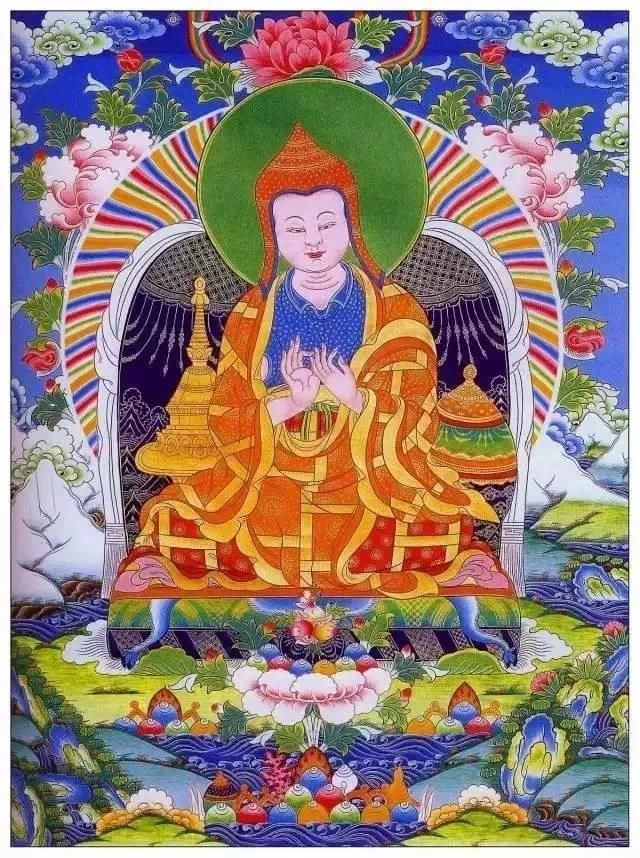
Padampa Sangye, a master in the Chöd transmission lineage, once taught:
“Believing that our enemies are harming us is merely our delusion. If we can convert anger into compassion, it brings us the greatest benefit.”
Lama Atisha also imparted this wisdom:
“Do not feel hatred toward those who cause you harm. If you respond to harm with resentment, you lose the very object needed to practice patience.”
When faced with provocation or mistreatment, if we can extinguish anger and practice patience (Kshanti), we not only purify our past misdeeds but also accumulate immense merit and spiritual strength.
When Lama Atisha traveled to Tibet, the period of Buddhist persecution had passed, and the Dharma was flourishing once again. As one of India’s most revered masters, Lama Atisha was treated with supreme respect throughout Tibet. Everyone obeyed him, and no one dared to make him angry.
Yet Lama Atisha reflected: “If everyone caters to me, where will I find the opportunity to practice patience?”
Determined to cultivate patience, Lama Atisha specifically chose a servant with an exceptionally fiery temper to stay by his side. Unlike others, this servant was far from submissive—he frequently disobeyed Lama Atisha and lost his temper with him.
Seeing this, many disciples felt offended and believed that a great master should not endure such rudeness. They urged Lama Atisha to dismiss the servant. But Lama Atisha replied with deep compassion:
“This servant is of profound kindness to me! Precisely because he provokes me, he gives me the opportunity to practice patience. Otherwise, no one in Tibet would dare anger me, and I would forever lose the chance to cultivate endurance.”
If even a great master treasured adversity so deeply, shouldn’t we also view every hardship as a catalyst for our own spiritual awakening? After all, every favorable or unfavorable circumstance in life is simply the unfolding of cause and effect.
To cultivate a mind free of anger, we must deeply appreciate the infinite merit of patience:
When opposed, remain unperturbed
When hated, remain free of resentment
When provoked, remain calm
When insulted, remain tranquil
To face turmoil with equanimity—keeping the mind undisturbed and self-contained—is the true hallmark of a spiritual practitioner.
As the Buddha declared: “Non-action is supreme, and patience is the highest path.”
Among all teachings, the practice of patience stands supreme. It is the direct path to enlightenment and a priceless treasure within our own true nature.
Literature has a unique way of drawing readers into an imaginary world, making them feel, think, and experience the lives of characters like they’re their own. Fiction transports readers across time, space, and even into the depth of the human spirit. Whether it’s thrilling adventures of Sci-Fi worlds, or a transformative emotional journey, these 5 brilliant fiction writers have it all.
Elizabeth Harris
Elizabeth Harris, also known as Beth, is a woman who lived life with passion and wrote with boldness. Her writing life began with a journal and an inquiring heart. During raging emotional turmoil in the 1990s, Beth turned to writing to make sense of loss, pain, and a desire to belong. Beyond words, something was born: the beginning of deep personal change.
Beth also refers to herself sometimes as a HeArtist, an artist who works from the heart, for the heart. This persona runs deep in all she does. She is a devoted mother to her son, who struggles with severe disabilities and autism. Her experience as a caregiver has infused her art with elegance, richness, and deep compassion. Though her life may not have been easy at times, she has progressed with strength and hope with every step.
Beth, a certified Reiki master, also works with people going through emotional challenges and self-improvement. Her sessions are empathetic and assist other people in overcoming inner struggles and finding their value, peace, and purpose.
Through the art of journal writing, Beth developed an incredible skill of inner knowing and strength. Her writing provides readers with a sanctuary to step back, reflect inward, and heal on an individual basis. During the early 2000s, Beth started to venture into the theme of emotional disconnection; how so many individuals find themselves feeling disconnected from the deeper significance of the tapestry of everyday life. With compassionate wisdom, she encourages readers to reconnect with themselves and the world.
Beth’s words go beyond the world of words themselves. They are personal thoughts spun with descriptive images that move the soul. Every page holds the spirit of compassion, discovery, and generosity, meant to be felt as much as they are read. They bring solace for the grieving, hope for the lost, and support for anyone willing to rediscover their “True Cellf.”
Beth’s simple purpose is to help others manifest in lasting peace and a greater sense of connection to the deeper purpose in life. Beth believes that, even during the most difficult times, resilience and connection are possible.
Letters to Heaven
What happens to love when someone who is cherished is gone?
Letters to Heaven begins in the raw aftermath of loss, where grief is mixed with yearning and unanswered questions linger. After the death of her beloved grandfather, Beth Harris took solace in letter-writing, initially to him, and later as a form of self-reflection. Pouring her heart onto the page in a deeply personal journey through mourning, hoping, and recovery.
This moving collection of poetry and prose captures not just one woman’s search for peace but the collective desire to be connected to something much greater than herself, especially in moments of grief. In unflinching candor and profound reflection, Beth wrestles with concepts of eternal love and healing the self.
For anyone who has loved and lost, be it a person or a pet, Letters to Heaven offers a tender invitation: to seek healing, embrace hope, and to learn to find peace once more.
Dojo Johnjohn
A journey of love, surrender, and awakening through the eyes of a mother.
In the moving follow-up to Letters to Heaven, Beth Harris takes readers into a deeper realm of transformation. One born not from grief alone, but from the raw, unpredictable terrain of motherhood. Dojo Johnjohn is not just a journal; it is a spiritual dojo. A sacred space where life’s hardest lessons meet the unshakable power of love.
After years of longing for a child, and finally releasing that dream, Beth found herself unexpectedly expecting. It began as a joyful journaling practice for her unborn son. A keepsake of milestones, memories, and motherly wisdom. By six months of age, her son began showing signs of severe physical challenges, but no diagnosis came along. She lovingly named his condition nonconformitosis, a whimsical way to describe his unique, undefinable way of being in the world.
Her son didn’t fit the mold even within the special needs community. He could not walk, talk, or communicate in conventional ways. But what the world might have viewed as limitation, Beth viewed it as a powerful invitation. An invitation to surrender control, release expectations, and love unconditionally.
Through these journal entries, Beth records her son’s progress as much as that of herself. With every challenge came a mirror to reflect greater emotional barriers, where fear and resistance eventually gave way to acceptance.
With unflinching honesty, wit, and poetic insight, Dojo Johnjohn reveals what it means to mother a child who doesn’t conform to worldly norms, and the occurrence of a love that overcomes all circumstances. This book is a powerful reflection on unconditional love and the incredible strength that comes from surrender and love.
Peter A. Smit
Peter A. Smit is an author who dives deep into emotional and psychological influence from life altering events, which weaves the story that blends pivotal action with intense personal transitions. His novel doesn’t only entertain, it challenges readers to seek flexibility, introspect and the raw sentiments that come with navigating transitions.
Through his stories, Smit brings life to the intensity of human experience, creating characters that meet extraordinary circumstances and challenging alternatives. His books resonate with the readers who are ready for deep, transformative experiences and who seek guidance and inspiration through the imaginative world of fiction.
Life Will Never Be the Same Again
This suspenseful thriller book explores evocative themes, looking at the intersection where public health emergencies converge with individual courage.
Public health professional Dr. Nathan Hartwell and biologist Kristen James travel to Southeast Asia to conduct research on an unusual outbreak concerning illicit wildlife crimes. What starts out as research turns frightfully perilous when Kristen is kidnapped by a brutal underworld syndicate determined to keep the truth under wraps.
With Kristen gone and the crisis getting out of control, Nathan must call on his old friend Matt Jamison for help, a retired intelligence officer. Matt realizes this mission is different and personal. They investigate a hidden world of corruption and human trafficking with international implications.
This isn’t another action-packed suspense story, it’s a tale of courage, tough choices, and the gray areas between duty and belief. With suspense and self-realizations, this book will have readers lose track of time and space.
The Mystery at Los Panos
An ancient treasure. A dangerous jungle. And a family secret that could change everything.
When Susan sets out on a quiet winter morning with nothing more than a leash and a dog named Wolfie, she doesn’t expect to stumble upon a murder. She stumbles upon a mystery that stretches far beyond anything she could imagine, pulling her back into a world she thought she’d left behind.
Working with the brilliant but erratic Bart Eckland, Susan was a young biologist stationed far in the Panamanian rainforest years ago at Los Panos. Though their time together was fleeting, her daughter Teresa, who is going to unintentionally enter the same dangerous environment her mother once escaped, will live with the effects.
Teresa teams with quiet field researcher Scott Morrissey, whose relationship with Bart runs deeper than Bart knows, when Bart vanishes in the Amazon under mysterious conditions. Their path leads them into the heart of Brazil’s rainforest, where stories of Inca gold, illegal mining, and threatened species trafficking create a disturbing image of the hidden world of the jungle.
As they investigate, they discover a global conspiracy spanning continents from the verdant Amazon to the Middle East deserts, Israel’s ancient tunnels, and Caracas’ dangerous streets. A generation-old secret and those willing to kill to maintain it are at the center.
If you enjoy fast-paced adventures with complex storylines, and high-stakes missions, this book will captivate you till the very last page.
Amy Faulks
Amy Faulks is a master of complex world-building, whose artistry is to blend mystery-thriller with deep human emotions. Her stories take readers to a world beyond the stars, where political conspiracy, untamed megafauna and mysterious technology stir a storm of stress and tension. With a great mind for birthing compelling characters in immersive settings, she makes the stories feel both epic and personal.
Her latest work, Colony Three, revolves around the theme of a dystopian era based on survival. Characters in this story find themselves stranded on Arcadia, a foreign land full of mortal secrets, unwanted threats and raw chaos in a collapsing colony.
Colony Three
A journey into the unknown turns into a desperate struggle for survival in Colony Three, an exhilarating science-fiction novel about humanity’s fight to rebuild a colony when everything has collapsed.
When a colony ship, Atropos, crashes upon arrival, the survivors find themselves lost on the planet Arcadia, a beautiful world with Megafauna and danger lurking in the dark. When dust settles, it becomes clear that the planet is not the only threat – something or someone amongst them is sabotaging their efforts.
The story is led by survivors; Leslie, a healer with mysterious abilities, Kayne, a scientist and a soldier at heart, and Kirill, a bold pilot. As zero-gravity disasters, political conspiracy and an epidemic threaten to destroy the colony, they must meet the dangers of Arcadia and discover the truth before it’s too late.
With attention to details, brilliantly created thrilling narrative, and the balance between science fiction and human spirit, Colony Three is an incredible excursion to uncover secrets of the new world.
This novel is perfect for the readers who crave intense excitement through science-fiction, this immersive world will keep the readers hooked to the very last page.
Christine Sadler
Christine Sadler, also known as, C.A. Sadlowski, talks about history with an introspective look at the lives of nursing students in the 1960s. With painstaking care to detail and respect for the professional and personal growth of nurses, she transports readers to an era of change in the nursing profession, the breaking of long-standing conventions, and the maturation of young women who embraced difficult careers that have defined the current healthcare structure.
Her writing style combines careful historical detail with moving personal recollection, allowing readers to vicariously experience the grueling training, camaraderie, and hardships of St. Gertrude’s Hospital School of Nursing’s nursing students, more commonly referred to as St. Trudy’s students. Sadlowski, in her book, not only pays tribute to the bravery of these pioneering nurses but gives readers a glimpse into a formative and important era in the history of medicine.
St. Trudy’s School of Nursing: Cleveland 1963-66
Against the gritty 1960s Cleveland setting, St. Trudy’s School of Nursing revolves around the lives of a group of young women, newly graduated from Catholic high school, as they enter the tough and brutal world of nursing. Through challenging academic study, clinical rotations, and through the stern expectations of their teachers, these students learn that becoming a nurse requires far more than a knowledge of medicine; it requires discipline, personal sacrifice, and commitment.
This book provides a reflective journey through life in residence, characterized by the development of friendship in quiet periods between intense work shifts, and the intersection of the pursuit of academic achievement with the harsh reality of long nights of study, strict housemothers, and the unshakable smell of hospital antiseptic.
Apart from exploring the individual challenges and achievement of the students, the book also talks about the rich history of nursing in Cleveland. It mentions significant institutions such as the Cleveland Training School for Nurses, founded in 1884, which significantly contributed to the development of modern nursing education. Additionally, readers will learn about the national nursing movement, such as the contributions of people like Isabel Hampton Robb, and the establishment of Lakeside Hospital in 1898, which embraced a three-year curriculum, eight-hour workday, and systematic medical lectures – a revolutionary method of nurse training during those days.
At its core, St. Trudy’s School of Nursing is not simply a historical fiction novel; it is a tribute to the dedication, perseverance, and empathy displayed by nurses past and present. With the use of engaging narrative techniques, accurately researched historical background, and a touch of humor and warmth, Sadlowski offers a story that will resonate with anyone who has ever aspired to realize a dream, overcome adversity, or heeded the call to give care to others.
Terrance Glasscock
Terrance Glasscock is a visionary. He’s not just a writer but a historian, poet, and mystery enthusiast with an exquisite fondness for history. From the foggy castles of ancient England to the rain drenched alleys of contemporary Paris, his craft makes readers lose the sense of time and space. His multi-layered narrative consisting of romance, mystery, poetry, and mystery, sheds light onto his enriched background of ancient history.
The Soulfast Trilogy
The latest work of Terrance Glasscock is an entertaining mix of romance, thrill and historical mystery. Simon is professor of European mythology, whose love for Paris is as deep as his passion for unveiling the past. With his good looks and simple attraction, he perfectly fits into the city’s rhythm, but as he stumbles upon a mysterious object hidden behind an antique store, his life takes an unexpected turn.
The opening scene of the book describes exquisite details which take readers as if they were to witness it first-hand – Paris in rain, Seine shimmering under soft drizzle, and Simon absorbing the beauty of the city. He meets with an antique dealer, Jean-Marc, and determines the fate of an exciting journey. What begins as an exchange of banter quickly gravitates when he shows an ancient pagan relic.
With an immersive writing style, Glasscock crafts in a world where past and present collide, where the past is never really buried. The Soulfast trilogy is more than just a novel – this is an experience, drawing readers into a story that leaves an everlasting impact.
IAMA Wins Best Museum and Best Art Gallery in SFGATE’s Best of Bay Area 2026
The International Art Museum of America is proud to announce that we have been named Best Museum and Best Art Gallery in SFGATE’s Best of Bay Area 2026. IAMA was also recognized as a finalist for Best Event Space/Venue, making this an especially meaningful year for our museum, our team, and our community.
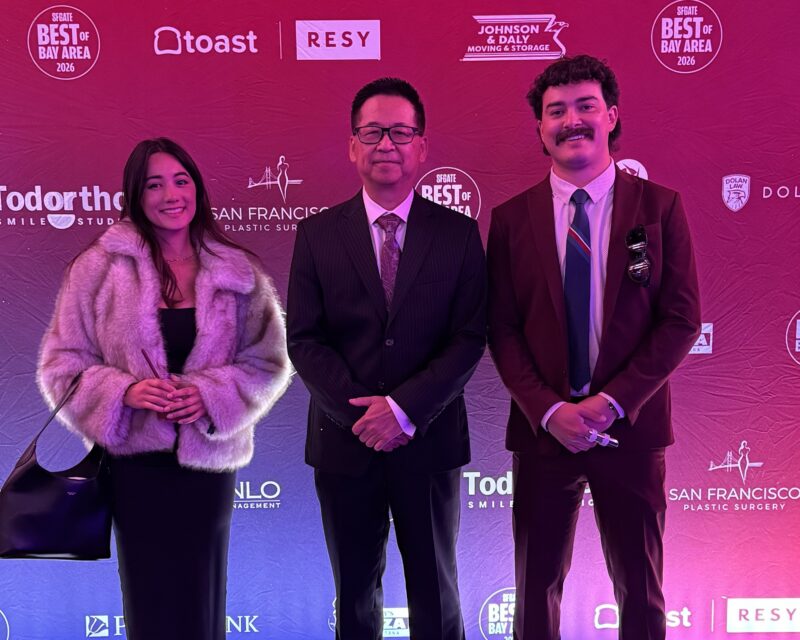
Hannah Taschek, KC Hsieh and Emilio Jimenez celebrating at the SFGATE Best of Bay Area 2026 event at Chase Center, where the International Art Museum of America was recognized as Best Museum, Best Art Gallery, and a finalist for Best Event Space/Venue.
This recognition would not have been possible without the support of our fans, followers, visitors, members, partners, and friends. To everyone who took the time to vote for IAMA, share our work, visit the museum, attend our events, and continue supporting our mission: thank you. Your support helped make this achievement possible, and we are truly grateful.
To celebrate this special recognition, our team attended the SFGATE Best of Bay Area 2026 event at Chase Center, where we joined other Bay Area businesses, organizations, and community leaders for an unforgettable evening. The event was filled with great conversations, new connections, delicious food and drinks, and a lively atmosphere that truly captured the spirit of the Bay Area.
One of the highlights of the night was having the chance to step onto the actual Chase Center court, where NBA legends have played. We even had the opportunity to shoot some hoops, making the celebration even more memorable for our team.
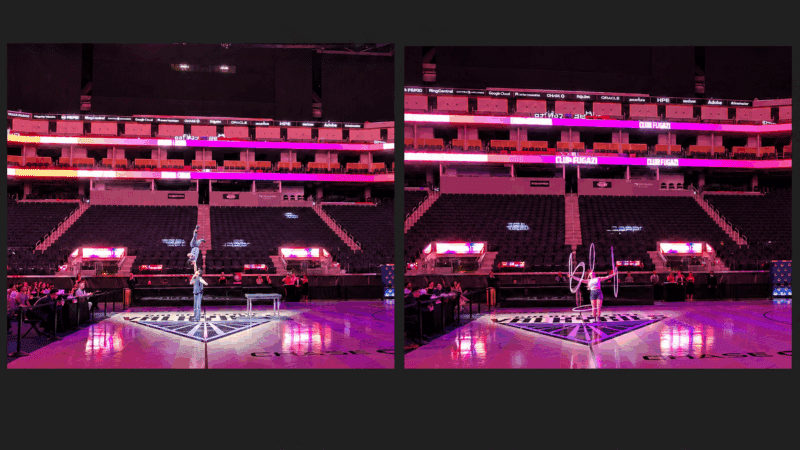
Throughout the evening, we enjoyed a special performance by Club Fugazi, met the Golden State Valkyries mascot, and connected with many inspiring people from across the Bay Area. It was a wonderful reminder of how vibrant, creative, and diverse our local community is.
Club Fugazi performers brought the energy to the Chase Center court during the SFGATE Best of Bay Area 2026 celebration.
Winning Best Museum and Best Art Gallery is an honor that motivates us to continue growing, improving, and creating meaningful cultural experiences for our visitors. Being named a finalist for Best Event Space/Venue also highlights IAMA’s role as a welcoming venue for corporate events, community gatherings, cultural events, private celebrations, and special programs.
This recognition belongs to everyone who has been part of IAMA’s journey. Thank you for voting, following, visiting, sharing, participating, and believing in what we do.
We look forward to welcoming you to the museum soon and continuing to celebrate art, culture, and community together.
To every parent reading this whose heart is heavy—whether you are walking the path of raising a child with autism, navigating deep emotional distress, or feeling utterly helpless as you watch your child suffer—I want you to know: you are not alone, and there is always hope.
There was a time in my life when I believed my world was collapsing, and no human effort could fix it. My journey from sheer desperation to inner peace showed me the gentle, transformative power of compassion, self-reflection, and faith. I hope my story brings light into your heart today.
When my son entered his eighth-grade year, our home became a battleground. He was rebellious, deeply resistant to school, and consumed by anxiety. One day, after a fierce argument, I locked myself in the bathroom and cried uncontrollably. As a single mother who had sacrificed everything to raise him alone, working double duty as both mother and father, my heart felt completely broken. I wished so deeply that he would come to comfort me.
Instead, he burst through the door and shouted through his own pain, “Mom, how can you cry? I’m suffering ten thousand times more than you, and I haven’t even cried!”
I froze. My tears stopped, but my chest locked up in unbearable pain. From that moment on, my son withdrew from the world. He locked himself in his room, pulling the curtains tightly shut to block out even the daylight. He refused to go to school, refusing medication, counseling, or the advice of loved ones.
As a mother, I tried everything. I took him to doctors, changed his school, sought spiritual readings, and called on every relative he respected. Nothing worked. Despair swallowed me whole: Is my child beyond saving?
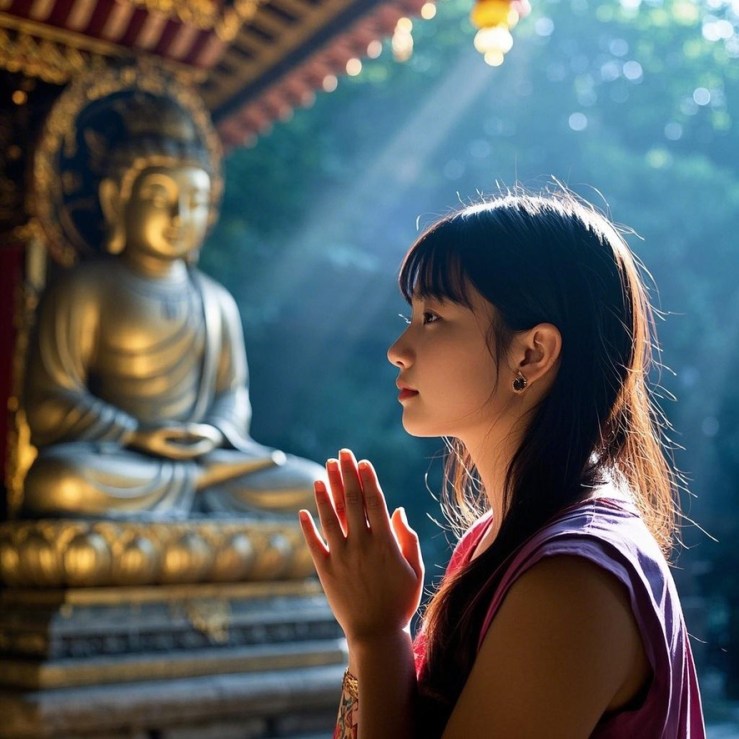
At my lowest point, a compassionate friend gently introduced me to Buddhist teachings. She encouraged me to pray for blessings, sincerely repent for my own shortcomings, and dedicate the merit of positive, wholesome deeds to my child.
At first, I held onto this like a lifeline. But my own mind was still full of attachment and anxiety. I was terrified of what colleagues would think, afraid for his future, and haunted by fear whenever I read news about youth mental health. My anxious energy radiated throughout our house. The tighter I tried to grasp and control my son’s life, the more suffocated he felt.
My friend gave me a piece of gentle wisdom that changed everything:
“Focus on your own practice first. Change your own heart, let go of attachment, and your child will naturally begin to change.”
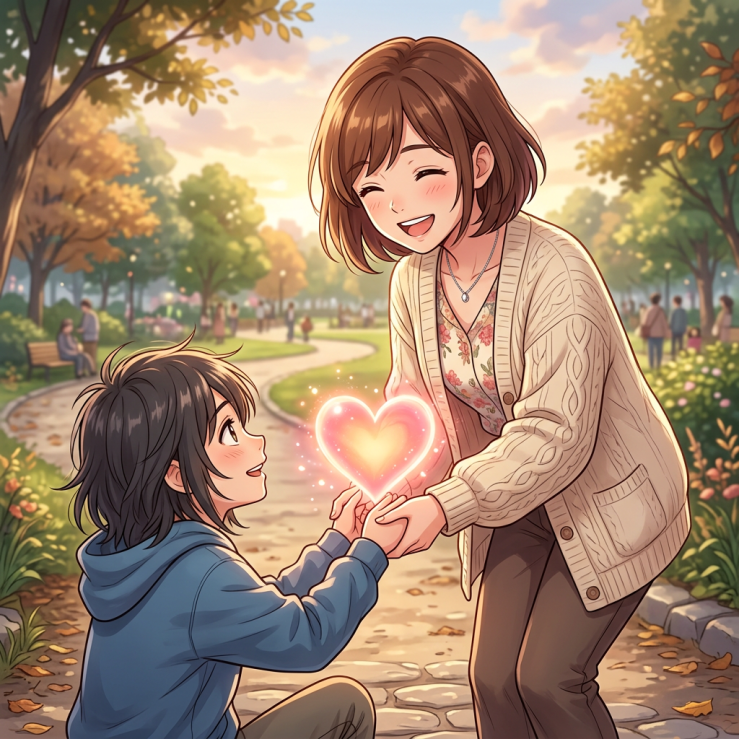
I finally realized that my love had turned into a heavy chain of control and anxiety. True motherly love is not about clinging tightly; it is about learning to hold space with patience, grace, and compassion.
I decided to stop fixating on whether my son went to school each day. Instead, I turned inward. I surrendered my fears, practiced genuine repentance, performed acts of kindness (like freeing captive animals), and dedicated that peaceful energy to him. I replaced my anxiety with warmth and acceptance.
When my heart shifted, the atmosphere in our home softened.
Before his middle school graduation exams, when anxiety threatened to pull him down again, I invited him to join me at a temple blessing. Miraculously, he agreed. Coming home from that peaceful environment, it was as if a heavy weight had lifted from his spirit. He returned to school with a smile, passed his exams, was accepted into high school, and was even honored as an outstanding student during orientation.
Throughout his high school years, I kept up my practice of love, patience, and dedication. Step by step, my son walked out of the shadows of depression. He started working out, his personality became bright and warm, and he eventually graduated and proudly moved on to college.
A Note of Encouragement to Every Parent
Looking back at the years of tears, sleepless nights, and quiet breakdowns, I now see the deeper truth:
The greatest gift we can offer our children is our own peace. We cannot force a child’s mind to heal by pressure or fear. But when we cultivate a heart of unconditional love, patience, and virtue, we become a gentle light that illuminates their path.
Compassion dissolves fear. Buddhist teachings taught me that true strength comes from letting go of ego, practicing deep empathy, and trusting the natural unfolding of life.
To every parent caring for a child with special needs, neurodivergence, or deep mental distress: please do not give up hope. When earthly solutions feel exhausted, remember that a heart filled with sincere compassion and spiritual trust holds unimaginable power.
May you find peace within your own heart, and may that peace bring healing, light, and warmth into your home. You and your child are never truly walk alone.
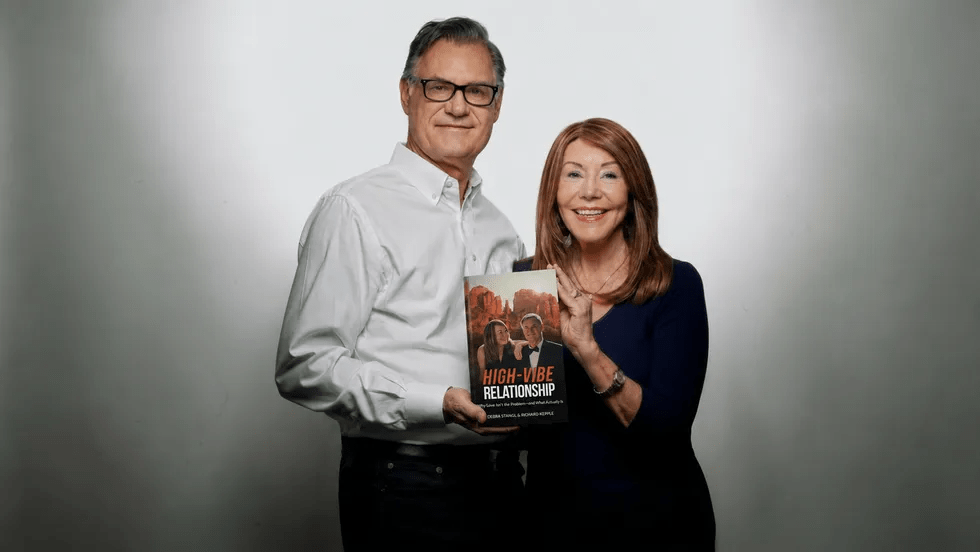
Debra Stangl and Richard Kepple understand that relationships are not failing because love is gone. For many, unresolved emotional wounds, nervous system patterns, and unmet emotional needs often lead people to unconsciously repeat unhealthy relationship patterns, which ultimately lead them down complex paths that silently sabotage the connection underneath the surface.
Debra spent 20 years as a divorce attorney before realizing that most people didn’t want a divorce, but instead, wanted the fighting and emotional pain to stop. As someone who witnessed people go through two or even three divorces over a period of several years, she realized that these people were marrying the same person over and over again—they just had a different name.
After a life-changing awakening in Sedona in 1999, Debra left her law career behind, and after immersing herself in her own healing and transformation, she founded Sedona Soul Adventures in 2002.
Richard transitioned from his previous work in Silicon Valley startups and technology, and a stroke reshaped his understanding of healing, relationships, and purpose.
Upon marrying in 2017, Debra and Richard combined their unique backgrounds in emotional healing, neuroscience, spirituality, and nervous system awareness to create their High-Vibe System™, which aims to reshape how couples understand what’s happening beneath their recurring conflicts.
As part of the High-Vibe System, Debra and Richard developed the Nurturing Needs framework to help couples understand not just how each person experiences love uniquely, but also what creates emotional safety and connection, along with what causes emotional shutdown and disconnection.
“People don’t just learn relationship theory; they experience transformation through real partnership,” the pair shares.
With work that is informed through their professional backgrounds, but also by the healing transformation within their own marriage, Debra and Richard aim to help people understand that conscious relationships require a commitment to ongoing healing, emotional honesty, vulnerability, and growth, which shapes the way people live not just their lives alone, but also with their partner.
Sedona Soul Adventures has been providing transformational retreats for individuals and couples for over two decades. With their team of over 50 Master Practitioners, they have helped thousands of individuals and couples heal from their emotional pain, reconnect deeply with themselves and their partners, and transform their lives and relationships.
Debra and Richard’s new book, High-Vibe Relationship, blends neuroscience, energy healing, and awareness to help couples and individuals get to the root of their problems, understand what fuels past traumas, and solve them in the present for a sustainable future.
“We believe people are not broken, and most relationships are not failing because love is gone,” the team shares. “More often, people are carrying unresolved emotional pain, nervous system patterns, protective behaviors, and unmet emotional needs – what we call ‘gunk’ – that quietly sabotages connection beneath the surface.”
A small act of kindness in my daughter’s classroom became the start of an extraordinary, life-changing journey.
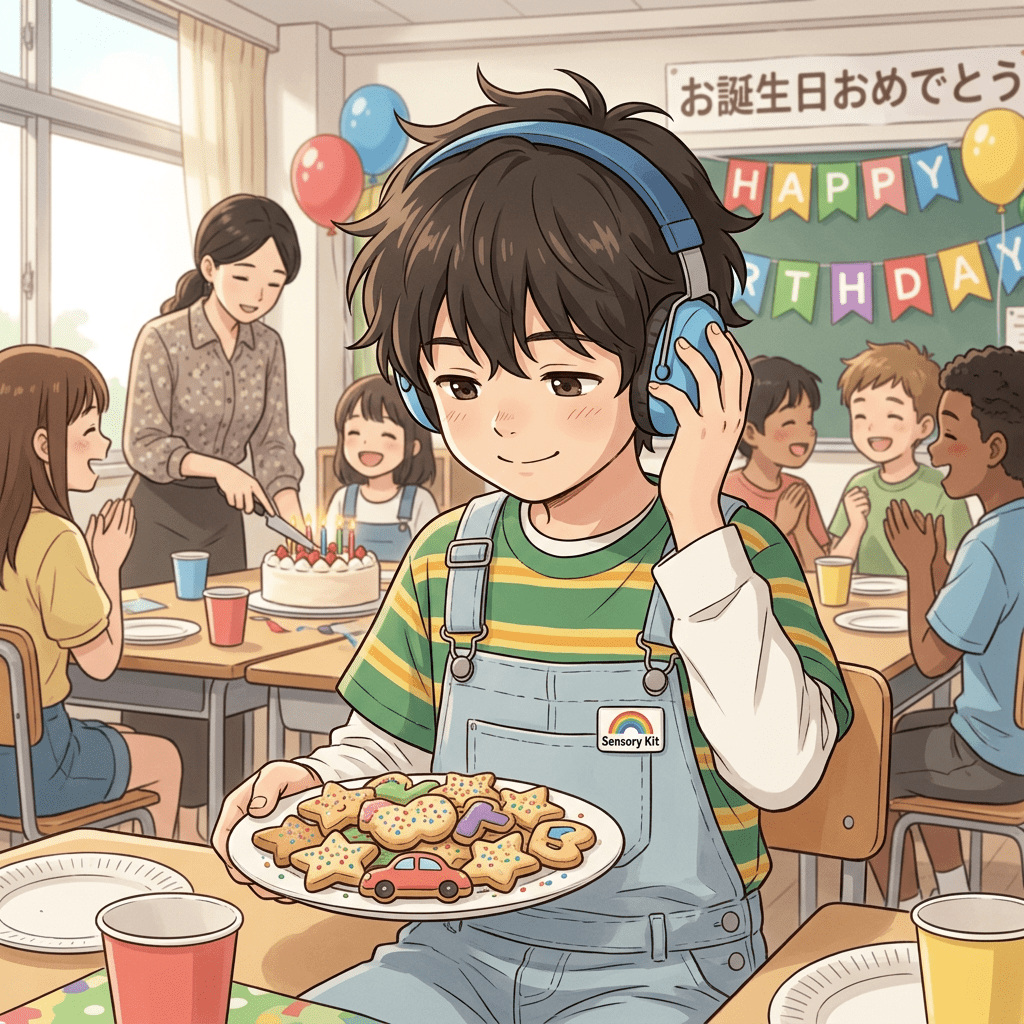
It all began on the day my daughter brought home birthday cookies shared by her classmate, Little Bi, who has autism. As a mother, looking at the food colorings listed on the ingredient label sparked a gentle concern in me, knowing how sensitive a special child’s nervous system can be to artificial additives. I passed along a friendly note through their teacher. I never imagined that this simple act of care would build a deep bridge between our two families.
When I first met Little Bi’s mother, I could feel the deep exhaustion and anxiety she was carrying. Five-year-old Little Bi lived inside his own quiet world and had never spoken a word. To help him, his parents had sought every medical opinion and explored every avenue available. Seeing a mother willing to try absolutely anything to reach her child touched my heart profoundly.
As a practicing Buddhist following the authentic teachings of H.H. Dorje Chang Buddha III, I have personally experienced the transformative power and blessings of the Dharma. Coupled with my professional background in medical nutrition, I believed that Little Bi’s path forward required caring for both his physical body and his spiritual well-being.
With deep empathy, I shared a three-part approach with his mother:
Building Faith and Receiving BlessingsI encouraged her to chant the Six-Syllable Mantra (Om Mani Padme Hum), recite the Sutra Spoken by the Buddha on the Healing of Diseases, and introduce blessed Holy Water from Dharma assemblies, allowing the child to grow enveloped in the compassionate vows of the Buddhas and Bodhisattvas.
Nutritional and Physical SupportFrom a nutritional science perspective, I suggested supplementing his diet with calcium, magnesium, and probiotics to help stabilize his gut health and nervous system.
Early Intervention and Creative OutletsCombining music therapy with psychological guidance to help unleash his hidden talents and foster communication.
During this period, I also dedicated the merits from my own recitation of the Water Repentance Sutra to Little Bi, praying that his obstacles would be cleared.
Through persistent effort, maternal devotion, and the compassionate blessings of the Buddhas and Bodhisattvas—including the Vajra Pole blessings during the New Year assembly—the seed we planted bloomed into something truly miraculous.
Recently, Little Bi’s mother reached out to me, her voice trembling with emotion: “Little Bi spoke!”
Not only did he clearly call out to his grandmother, but on Mother’s Day, he looked at his mom and uttered the words she had longed to hear for years: “I love you, Mom.”
In that single moment, years of heartache, tears, and exhaustion melted into pure gratitude. Even his early intervention therapists were amazed by his remarkable progress, highlighting his wonderful talent for music and reassuring his mother that his silence is now a thing of the past.
Little Bi’s amazing transformation reminded me of a profound truth: when we reach out with genuine compassion, we can illuminate even the darkest corners of another person’s world.
Practicing Buddhism is far more than reciting scriptures—it is about putting wisdom and compassion into practice in our daily lives. May this story bring warmth, comfort, and renewed hope to every parent navigating challenges with their children.
Artworks of His Holiness Dorje Chang Buddha III and Professor Yuhua Shouzhi Wang enable the next generation to comprehend the essence of art from different cultures
SAN FRANCISCO – On November 2,2019 the Provost of the New York Academy of Art, Peter Drake, led 15 Master’s students to the International Art Museum of America (IAMA) in San Francisco and conducted a class on site. When the group was copying original works of world class artists such as those of His Holiness Dorje Chang Buddha III and Professor Yuhua Shouzhi Wang, they praised the art profusely.
Matthew Kuan, the President of the International Art Museum of America in San Francisco, welcomed the visiting group. Loretta Huang, Director of Museum Operations, and staff introduced artworks in each gallery to the visitors. The President of World Journal San Francisco Ken Lo came to meet members of the group including Peter Drake. Lo also acclaimed the Museum’s collection and exhibition program.
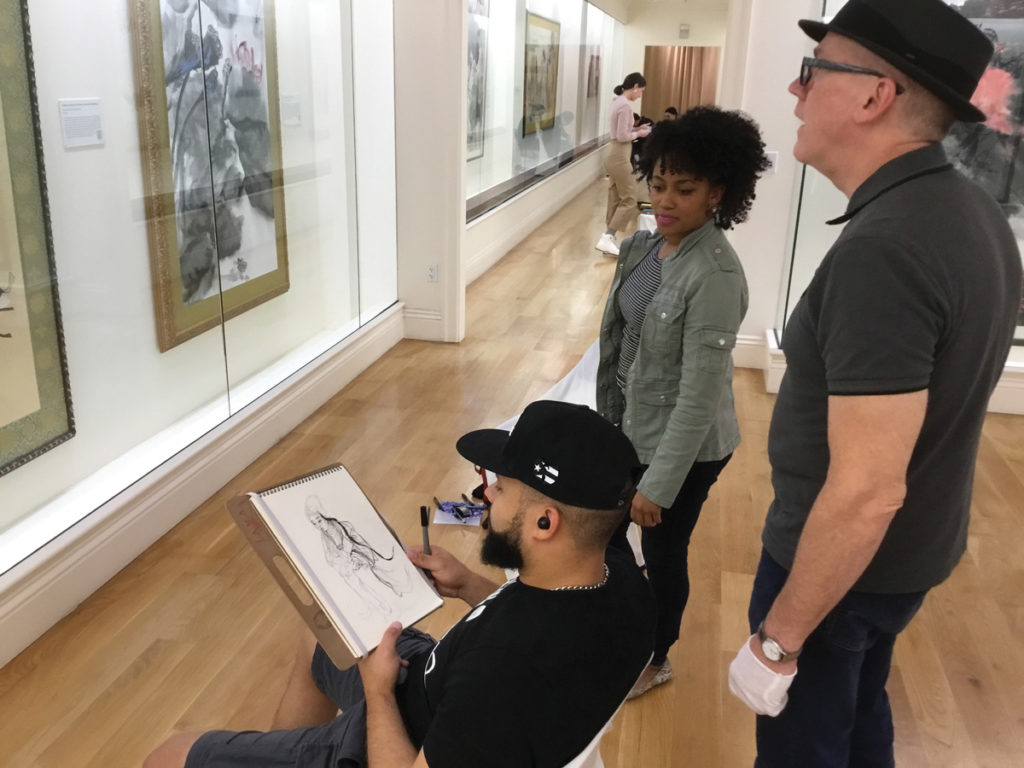
Provost of the New York Art Academy Peter Drake gave instructions to Master’s students about how to copy the artworks
Drake had visited the International Art Museum of America before and was amazed by the artworks exhibited there. In this trip, he personally led 15 students to study the artworks by copying them. He said that this was the first time these students had ever been to the IAMA in San Francisco.
Amy Hughes is a Master’s student from the U.K. and has been living and studying in New York for five years. She specializes in the study of oil painting. She said that this visit had enabled her to truly comprehend the essence of art from different cultures. She is especially impressed by the expansiveness and profundity of Han Chinese culture.
Dongqin Fang is a 2019 Master’s degree graduate and a teaching assistant at the New York Academy of Art specializing in oil painting and sculpture. He expressed being truly shocked by the large number of original paintings by top Chinese artists at the International Art Museum of America in San Francisco, and that he has gained a lot from being there. He said this is also the first time he ever looked at Yun sculptures created by H.H. Dorje Chang Buddha III at a close distance. To him, those sculptures exude a mystique that feels like “heavenly bliss.”
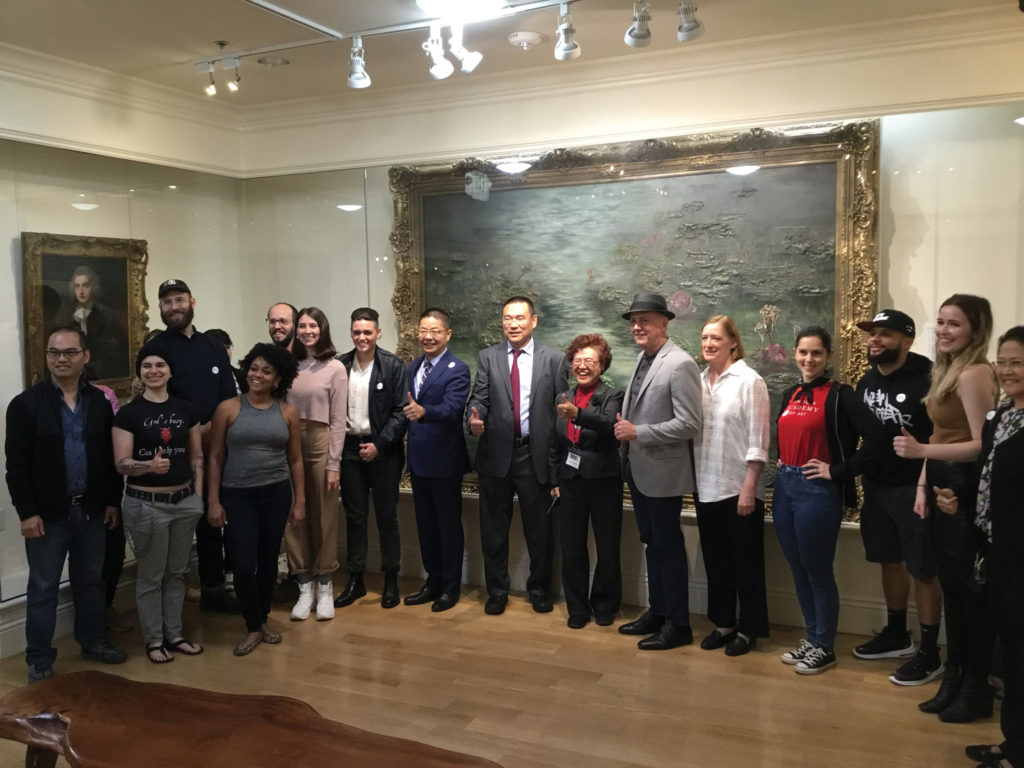
The Provost of the New York Art Academy PeterDrake lead Master’s students to copy the art exhibits; the group is deeply impressed by the exquisite artworks in the International Art Museum of America.They took a group photo in front of the painting Misty Appeal of a Dilapidated Pond.
Out of approximately 250 artworks exhibited in the International Art Museum of America, more than 100 of them are on loan from H.H. Dorje Chang Buddha III whose works have repeatedly achieved the highest prices at art auctions, beyond those ever reached by any living artists.
The art pieces that caught everyone’s attention are the rare world treasures of Yun sculptures exhibited in the Treasure Room, including A Pillar Holding Up Heaven, and another work esteemed to be “miraculously divine artistry of Buddha” within which mist was carved to become an actual part of the artwork. Yun sculpture is uniquely originated by H.H. Dorje Chang Buddha III. It embodies a multi-dimensional sense of space; its beauty transcends natural scenery, and its colors are more exquisite than those of natural rock formations. Inside the stone cave of the Yun sculpture, one can see richly magnificent colors as if they were intrinsically part of the art, with no trace of rendering. From the carving knife comes the melting cave with enigmatic and miraculous scenery. Auspicious clouds and natural mist float inside the melting cave of the artwork and do not dissipate, exuding the sense of an otherworldly paradise.
H.H. Dorje Chang Buddha III originated 16 unique and unprecedented painting styles. Exquisite works of art created by His Holiness the Buddha capture the quintessence of art and culture. They encompass Chinese ink painting, Western oil painting, sculpture, calligraphy, stone and bronze inscription, poetry, verse, song, ode, colorfully painted tile and other media. In His Holiness’s paintings, subject matters include landscape, flower, bird, animal, fish, insect, and human figures. The range of profound techniques include traditional Chinese painting methods such as meticulous style, freestyle, and ink wash; as well as Western painting styles such as figurative, abstract, impressionist, and line drawing.
Recently, when paintings of Professor Yuhua Shouzhi Wang were exhibited at the Louvre Museum in Paris, they stunned the European art world. Professor Wang’s art has attained the highest state of artistry and accomplishment. Experts in the field of art all held her paintings in high esteem. One of Professor Yuhua Shouzhi Wang’s small paintings Pomegranates in a Basket realized a top auction price of US$1.27 million in the Spring auction at the Gianguan Auction House in New York on March 13 of this year. It clearly shows that the art of Professor Yuhua Shouzhi Wang is recognized by art collectors and people of foresight alike.
Loretta Huang, Director of Museum Operations at the International Art Museum of America in San Francisco said that levels of artistic creation in painting can be categorized in four classes. First is the Class of Proficiency where one’s sketching skill achieves resemblance of form. Second is the Class of Wonderment in which the paintings are wondrously beautiful. Third is the Class of Divinity where both form and spirit are fully enlivened. Fourth is the Class of Ease where the artist possesses extraordinary skill and is able to paint anything at will to accomplish a magnificent masterpiece. The art of the Honorary Lifetime President of the Museum, Professor Yuhua Shouzhi Wang, is of the Class of Ease, a Class that few Chinese artists have ever achieved. The artistry of Professor Yuhua Shouzhi Wang is esteemed to be of the same standing as Western painters such as Cezanne and Gauguin.
Loretta Huang said that in addition to exhibiting the art of H.H. Dorje Chang Buddha III and Professor Yuhua Shouzhi Wang, the International Art Museum of America also showcases works by renowned artists including Wu Changshuo, Qi Baishi, Huang Binhong, Pan Tianshou, Fu Baoshi, Xu Beihong, Li Keran, Zhang Daqian, Yun Shouping, and others; as well as authentic calligraphic art by the Emperor Yongzheng. What differentiates IAMA from many other museums is the eminence of the artworks it exhibits.
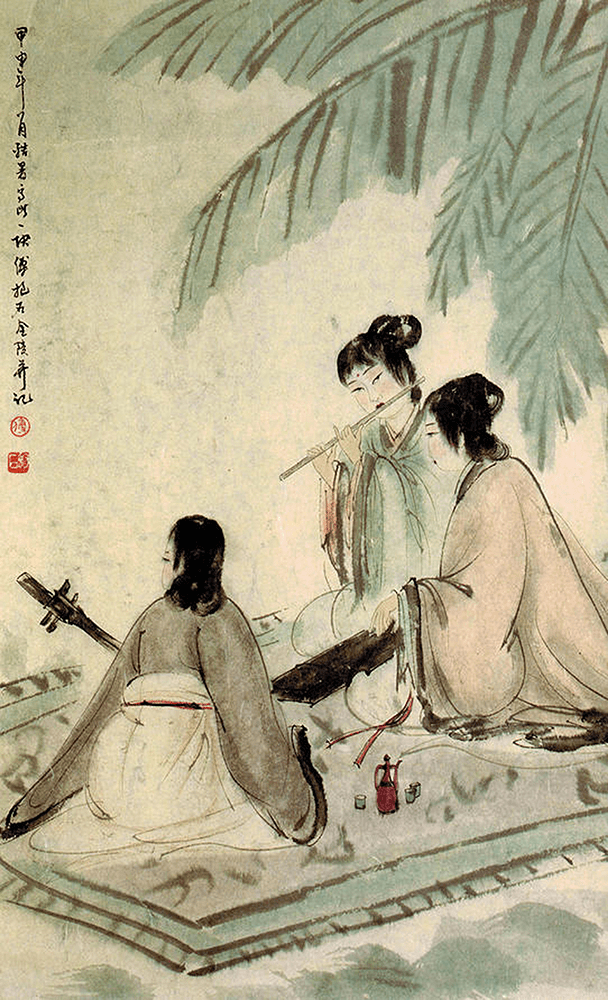
Three musicians by Fu Baoshi
The International Art Museum of America in San Francisco holds three criteria for artworks to be admitted for exhibition: First, the works of the artist must be collected by at least two world famous art museums. Second, the auction price of the artist’s works must exceed US$200,000 per square foot. Third, the artist must have substantial influence or status in the world, such as being director of a museum or provost of an art academy.
Rare Opportunity to Copy Original Artwork, Everyone Puts their Heart and Soul to Study
The Provost of the New York Academy of Art, Peter Drake, led 15 graduate students in a 3-hour Master Class at the International Art Museum of America in San Francisco to study the artworks by copying them on site.
The collection of the International Art Museum of America includes many original artworks. Students and members of the faculty from the New York Academy of Art especially cherished the opportunity to study on site. After everyone toured the Museum, each selected a different ink painting and sketched it in great detail to explore the wondrousness embedded in the brushwork.
The Han Chinese culture goes back to an ancient origin and will continues to flourish for a long time. Chinese painting and calligraphy make up a major part of such culture. There is a big difference between appreciating and copying art. Appreciating is skimming the surface; only through copying can one engage in an in-depth study of the works.
Qindong Fang, a student of Chinese ethnicity, said it awed him that some of his fellow American students could actually copy Chinese calligraphy, and Museum staff members of different ethnicities could even read what they copied. Through copying, he said, his fellow students could gain better knowledge of the culture of Chinese painting and calligraphy, and explore in-depth the 16 unique painting styles originated by H.H. Dorje Chang Buddha III; and this has been a wonderful learning experience.
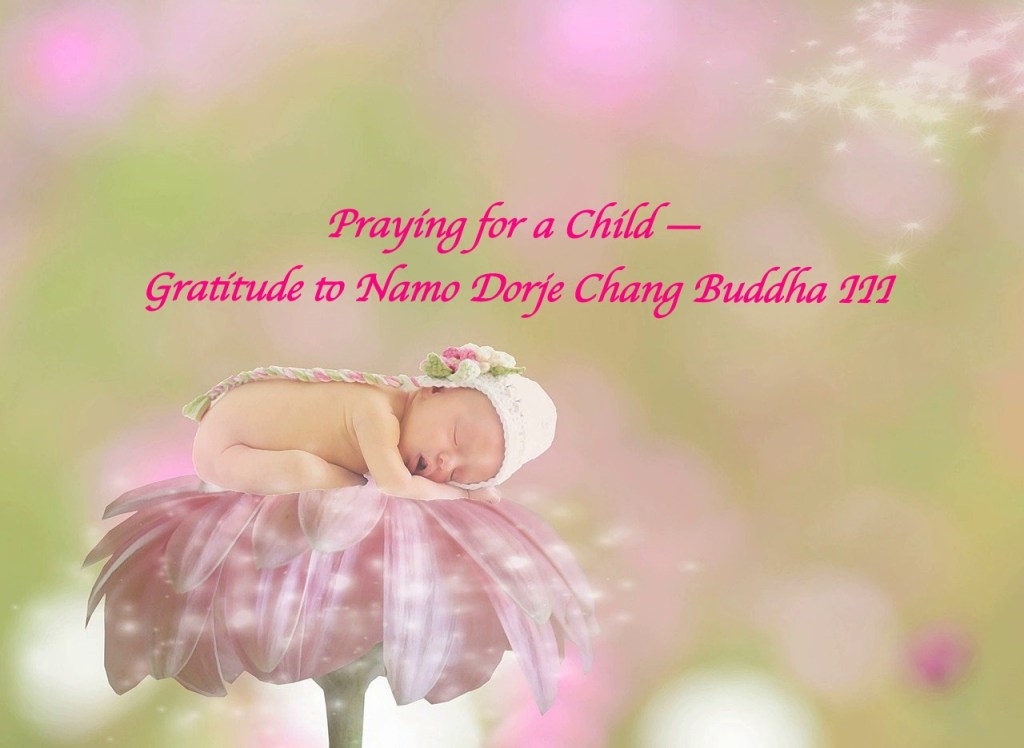
I would like to share with every mother who is hoping to conceive that there is an incredibly effective way to pray for a child—the Buddha Dharma.
My precious little one was born safely in December 2016, filling my heart with immense gratitude and happiness. I have always been in poor health. Before becoming pregnant with my daughter, I had experienced the heartbreaking loss of a child. At that time, I believed I might never be able to have children again.
Fortunately, I had already begun studying the Buddha Dharma about a year before that happened. During that period, I diligently listened to the Dharma discourses of Namo Dorje Chang Buddha III and sincerely recited the Universal Gateway of Guanyin Bodhisattva. I dedicated the merits to the child with whom I no longer had the karmic affinity, while also praying that all Buddhas and Bodhisattvas would bless me with a healthy child.
Then something truly miraculous happened. Just two months later, I became pregnant again.
During my pregnancy, I became even more diligent in listening to the Dharma and reciting the Universal Gateway of Guanyin Bodhisattva. Before each session, I would lovingly say to my baby:
“My dear little one, Mommy is about to listen to the Dharma and recite the Universal Gateway of Guanyin Bodhisattva. I invite you to join me so that we can learn together. May you grow up healthy, wise, and well-behaved. May all Buddhas and Bodhisattvas bless us.”
Truly, my child has grown up to be exceptionally intelligent.
While she was still in my womb, I would often communicate with her, saying:
“My little one, when it’s time for you to be born, please don’t let Mommy panic. Give Mommy enough time to prepare mentally. Also, please be born weighing between 2,900 and 3,200 grams—a healthy weight that will make delivery easier for Mommy.”
I have always been someone who is very afraid of pain. Although I eagerly looked forward to my baby’s arrival, I was also extremely anxious about childbirth. After every Dharma-listening session, I would dedicate the merits and pray that all Buddhas and Bodhisattvas would bless me, because I knew the pain of childbirth was beyond what most people could imagine. I also worried that labor might begin unexpectedly before I was prepared.
Even though I had made every preparation, I still felt somewhat nervous.
On my due date, I went directly to the hospital to be induced. That day, I arrived at the hospital calmly and without panic to give birth—an experience I will never forget.
The labor ward was filled with the anguished cries of other mothers in labor. Hearing their suffering brought tears to my eyes. My husband, who was by my side, could hardly eat a bite and quietly fought back tears himself. Their cries were so heart-rending that even those nearby could deeply feel the tremendous pain these mothers were enduring.
During the induction process, I felt only mild discomfort. After receiving the epidural anesthesia, I experienced almost no pain at all. Eventually, the nurse said to me:
“You’re fully dilated and ready to deliver! It’s time to go into the delivery room. Don’t you feel anything?”
I replied,
“Honestly, I don’t feel much at all—just a little pressure.”
At that moment, however, I became afraid that because I couldn’t really feel the contractions, I wouldn’t know how to push. I worried that I might not be able to deliver naturally and would end up needing a cesarean section. The fear I felt was difficult to describe.
Even so, I was probably the quietest mother in the entire labor ward.
Then, in the midst of my fear, I suddenly seemed to hear a voice saying:
“The more fearful you are, the more important it is to remain calm.”
I closed my eyes, visualized the compassionate holy image of the Buddha Master, and continuously recited:
As I was wheeled into the delivery room, another miracle occurred.
Less than ten minutes after entering the delivery room, my baby was born.
Throughout the entire delivery, I felt virtually no pain at all. It was nothing like the agonizing, hellish pain that many people describe.
Even one of the nurses assisting me remarked,
“How did she do that? Just a moment ago she didn’t even know how to push…”
(To this day, I still find it astonishing myself.)
Even more amazingly, my baby’s birth weight was exactly 3,000 grams—precisely what I had hoped for. She was born healthy and safe.
I am profoundly grateful for the compassionate blessings of the Buddha Master and all Buddhas and Bodhisattvas. The entire childbirth process went remarkably smoothly, and my daughter has grown up to be an easygoing and well-behaved child.
I deeply understand that everything I experienced was made possible through the compassionate blessings of the Buddha Master and all Buddhas and Bodhisattvas. The empowering strength of the Buddha Dharma was something I experienced personally—it was real, tangible, and unmistakable.
With the deepest gratitude to Namo Dorje Chang Buddha III and to all Buddhas and Bodhisattvas throughout the ten directions.
Have you ever caught yourself saying, “I wish I had done that when I was younger”?
It’s an easy trap to fall into. We tend to view adventure as a game for the young—something reserved for twenty-something backpackers or high-energy fitness influencers. We tell ourselves that as we age, our world is supposed to shrink. We swap out rugged trails for comfortable chairs and bold dreams for predictable routines.
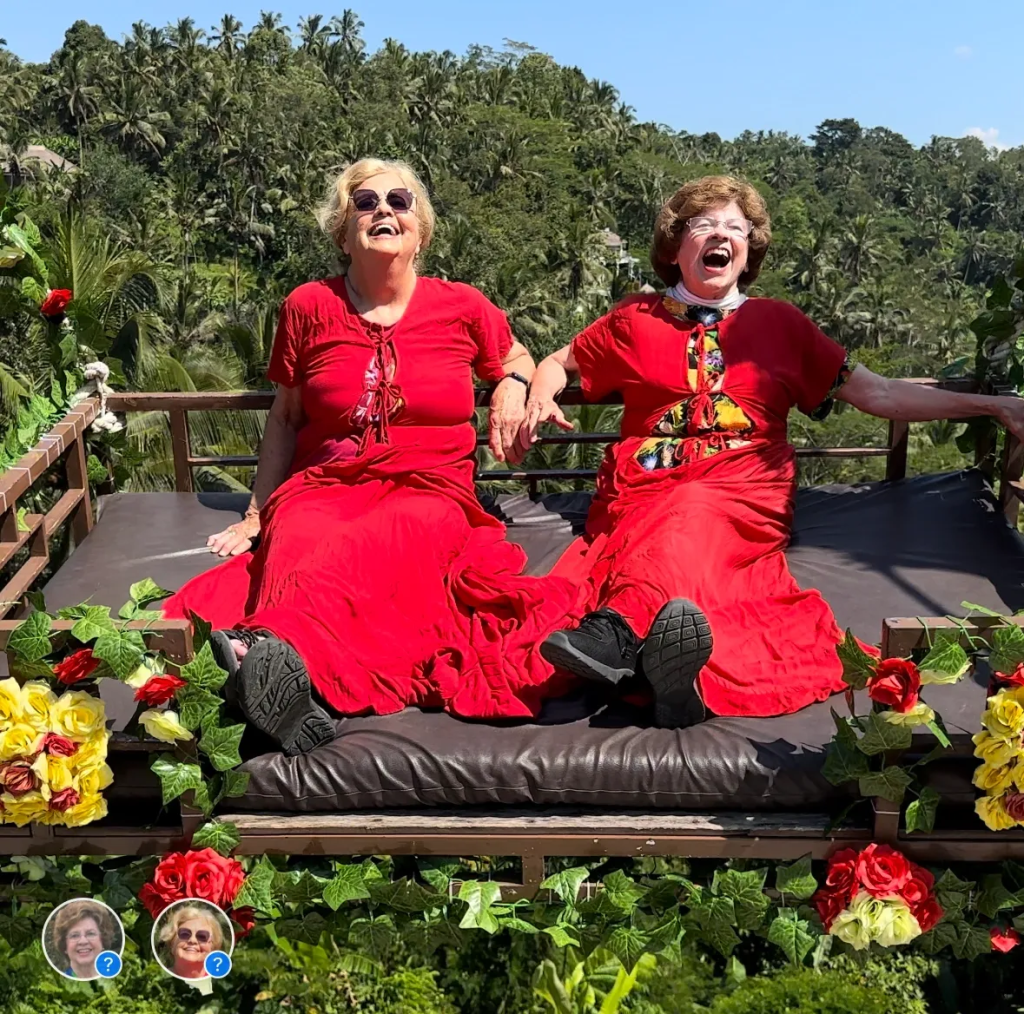
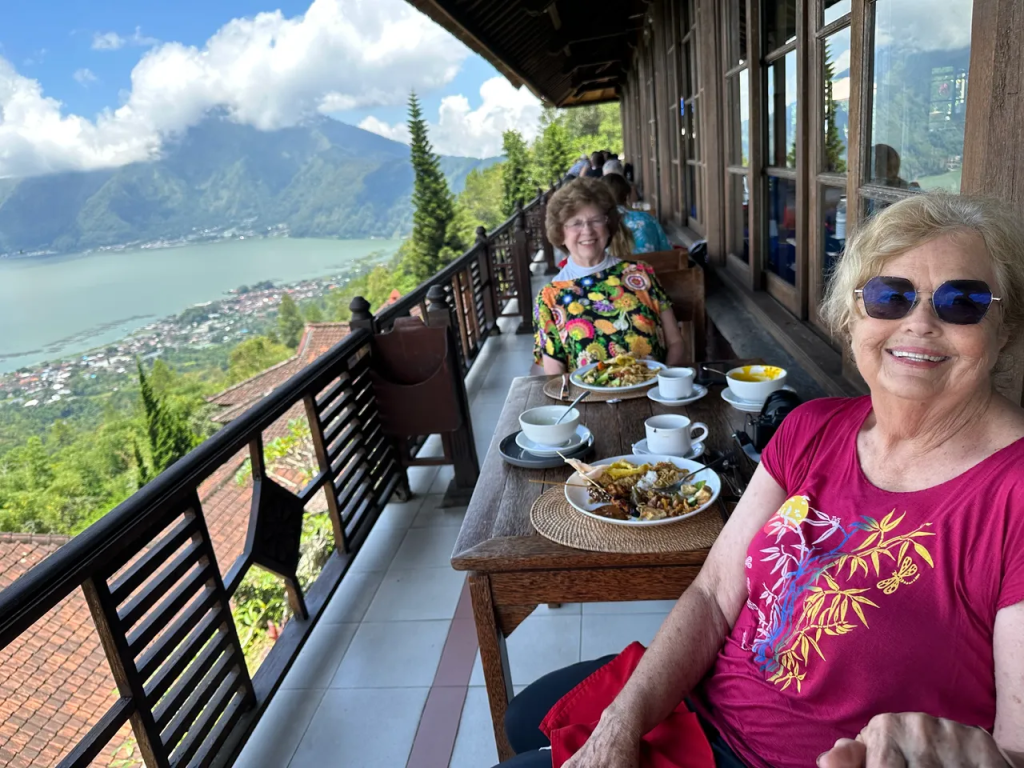
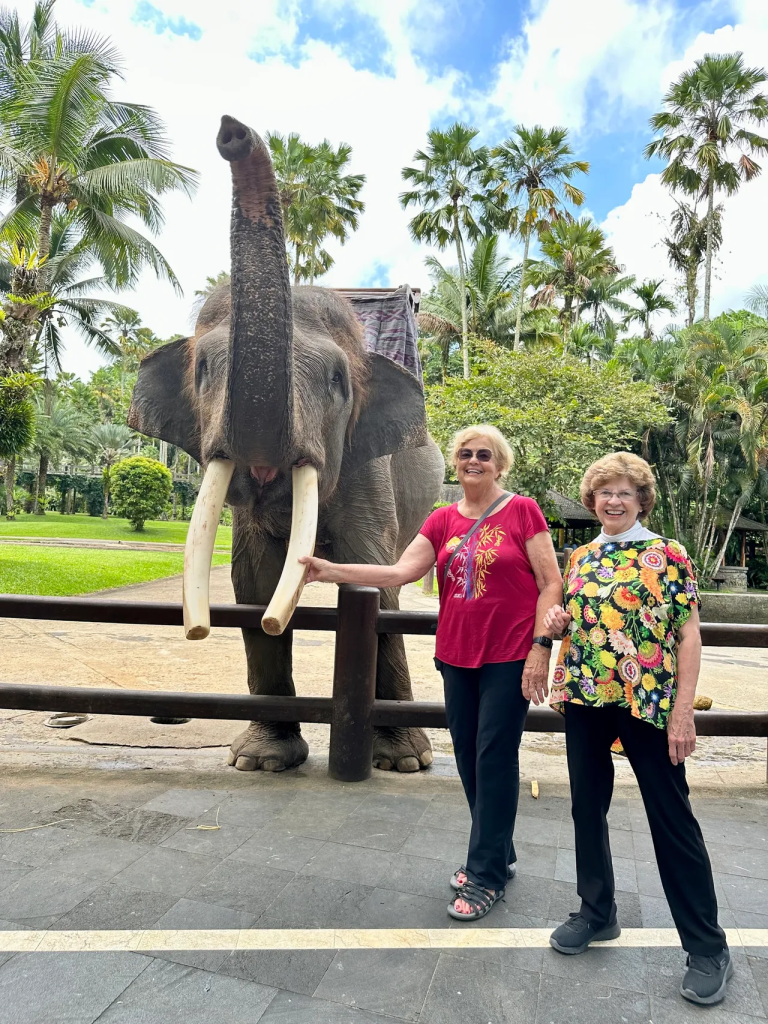
But a spectacular new book, “Around the World in 80 Days at 82” by Ellie Hamby, Sandy Hazelip, and Elisa Petrini, completely shatters that illusion.
If you need a reminder that your best chapters haven’t been written yet, this is your wake-up call.
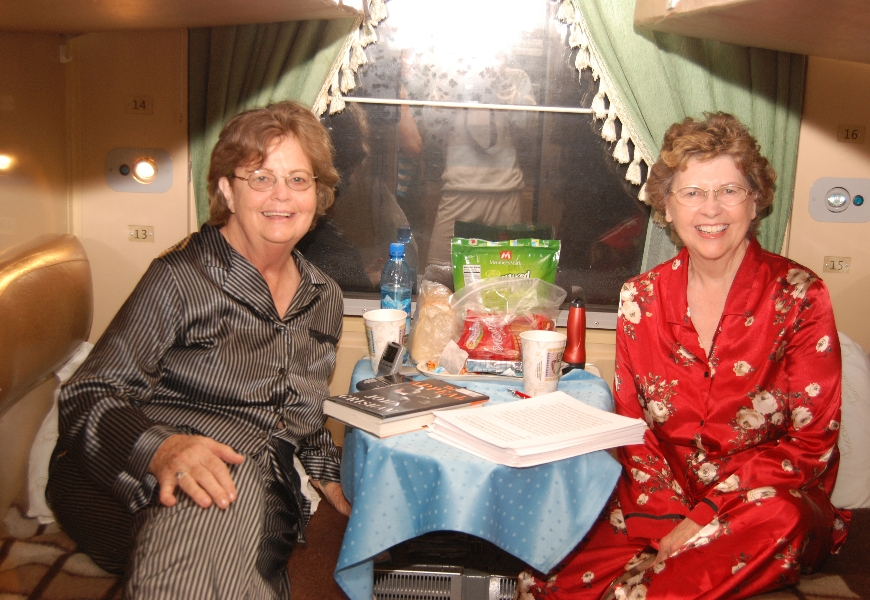
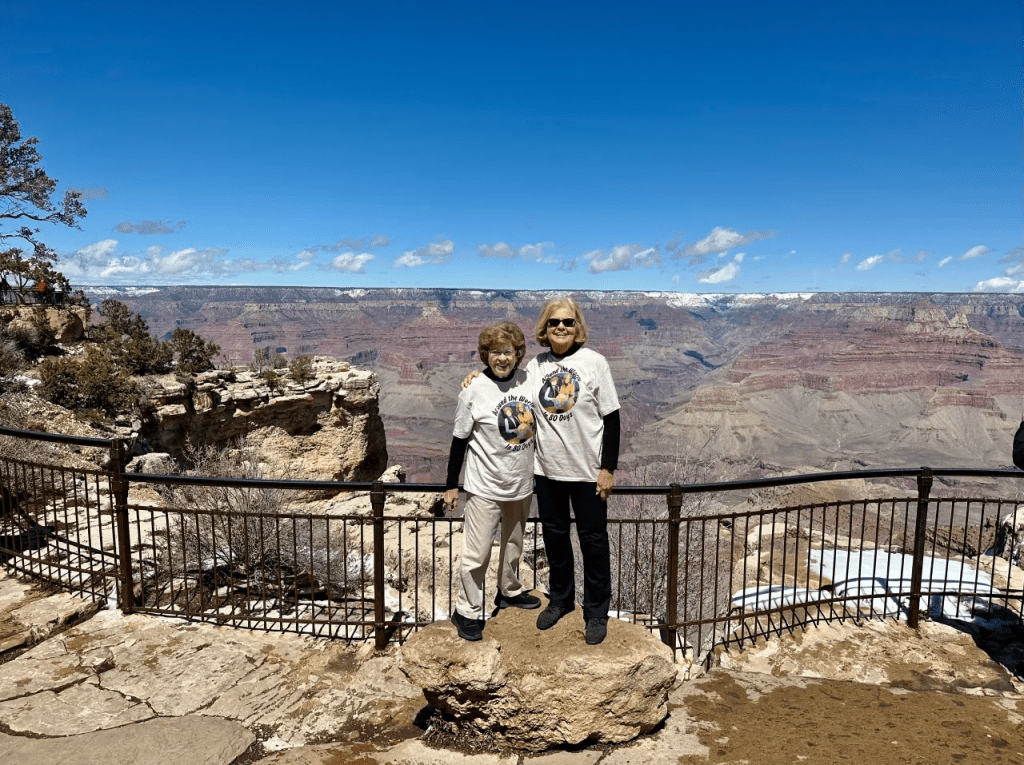
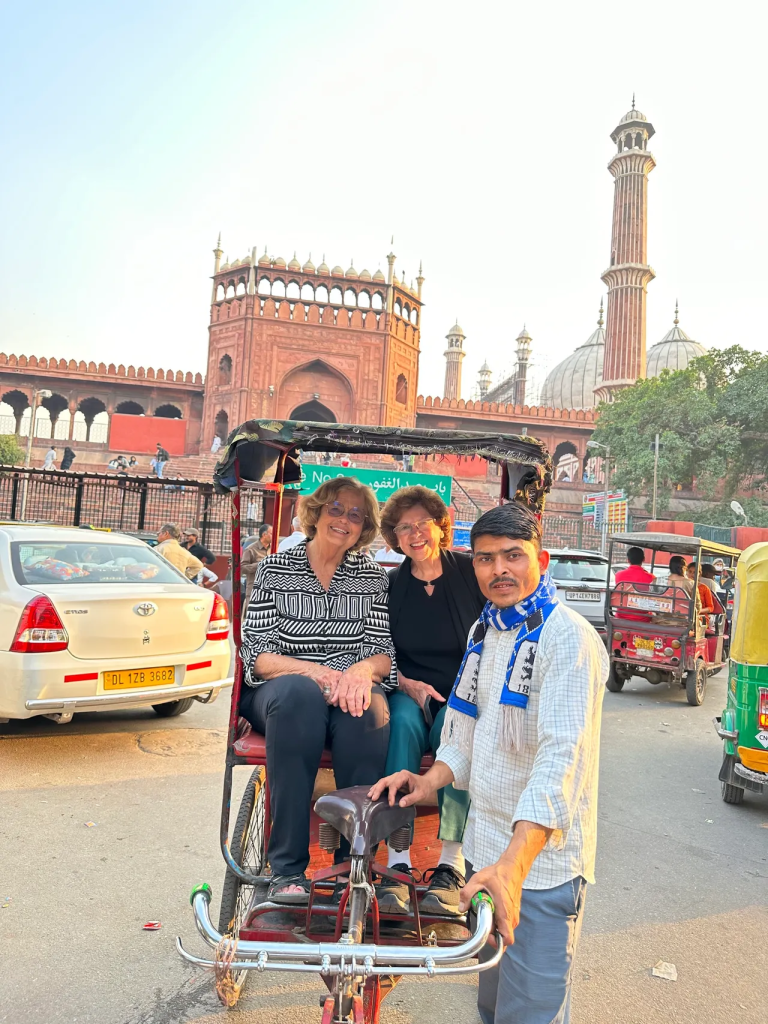
When Ellie Hamby (a documentary photographer) and Sandy Hazelip (a physician) neared their 81st birthdays, they didn’t look for a quiet way to celebrate. Inspired by Jules Verne’s classic tale, they decided to circle the entire globe in 80 days. A minor delay pushed their plans back a year, meaning that at 82 years old, they strapped on a single backpack each and set off into the unknown.
They didn’t book luxury cruise ships or insulated first-class tours. Instead, they traveled on a strict budget, booked modest hotels, took local transportation, and said an enthusiastic “yes” to whatever the world threw at them.
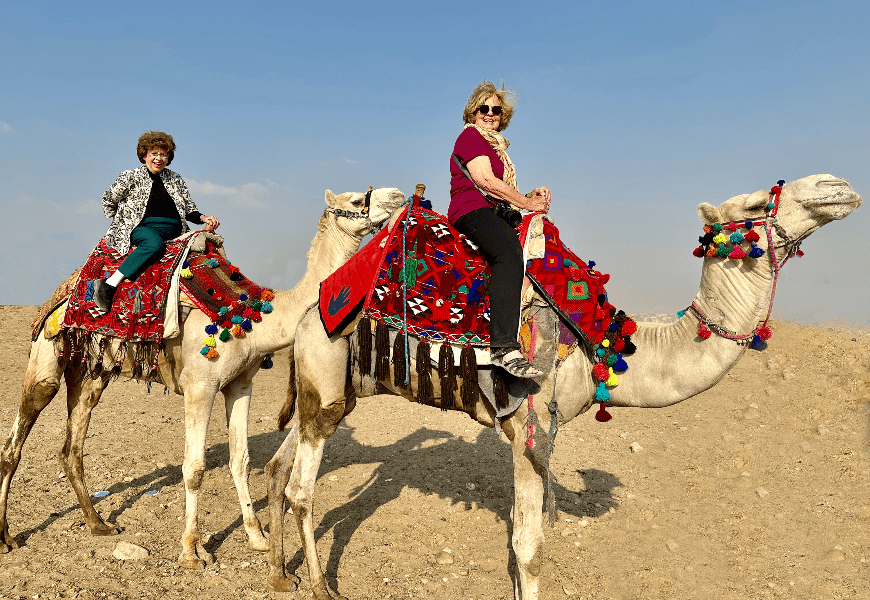
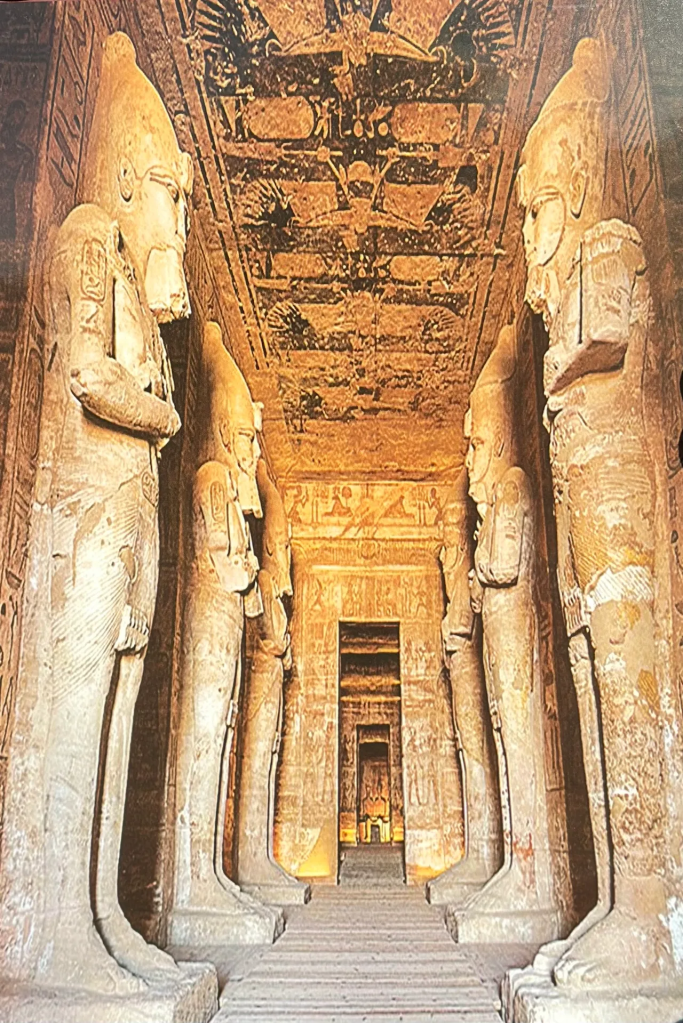
Over the course of nearly three months, they stood among penguins in the freezing winds of Antarctica, rode camels past the Egyptian pyramids, chased the Northern Lights in a reindeer sleigh in Lapland, and navigated the high-speed rush of Tokyo.
1. Nature Doesn’t Care How Old You Are
Whether you are standing before the vast, icy expanse of the Drake Passage or looking up at a desert sky, nature has a beautiful way of making us feel small—and incredibly alive. Ellie and Sandy proved that the awe of a pristine landscape or the thrill of an outdoor challenge belongs to everyone. The earth doesn’t ask for your birth certificate before it takes your breath away.
2. The Power of “Yes” Over “What If”
As we grow older, we tend to let caution dictate our choices. We focus on the “what ifs”—What if I get tired? What if it rains? What if it’s uncomfortable? Ellie and Sandy replaced those doubts with a simple commitment to open-mindedness. By stepping out of their comfort zones, they unlocked a level of vitality that many people half their age struggle to find.
3. Connection is the Greatest Souvenir
While the landscapes they saw were beautiful, the heart of their adventure was human connection. By choosing budget travel and local paths, they interacted deeply with different cultures, made friends worldwide, and relied on the enduring strength of their own lifelong friendship.
You don’t have to book a ticket to Antarctica tomorrow to live adventurously. Infusing your life with wonder starts exactly where you are:
Change Your Scenery: Find a local trail, a state park, or a nature reserve you’ve never visited. Feel the dirt under your shoes and breathe in the fresh air.
Ditch the Comfort Zone: Try a new outdoor activity. Go kayaking, try birdwatching, or sleep under the stars in a tent for a weekend.
Shift Your Mindset: Stop waiting for the “perfect time” or the “perfect age.” The ideal moment to enjoy the majesty of the natural world is right now.
Ellie and Sandy’s journey is a beautiful, vibrant proof that aging isn’t a process of shutting down—it’s an opportunity to keep opening up.
So, what are you waiting for? Step outside, look at the horizon, and remember: Adventure isn’t a matter of age. It’s a state of mind.