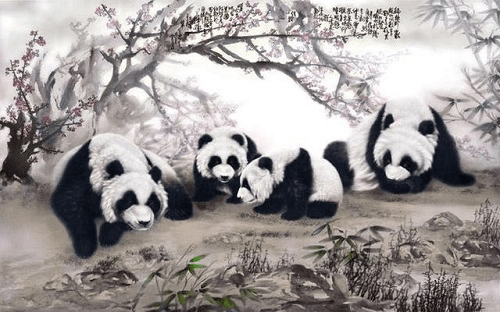
H.H. Dorje Chang Buddha III’s remarkable panda painting exemplifies a profound fusion of traditional Chinese painting and Western three-dimensional techniques, showcasing a unique mastery that elevates this artwork to an unparalleled realm. The Buddha meticulously captures the softness of the panda’s fur, detailing each hair with astonishing lifelikeness. The surrounding trees and scenery are equally vibrant, rendered with ink-splash techniques that lend a lively and enchanting quality, breathing life into the background. Every stroke in this artwork radiates a realism and elegance that words can scarcely convey.
In the foreground, delicate bamboo stalks contrast sharply with the misted backdrop, creating a powerful sense of spatial depth. This mist, drifting through the plum tree branches, draws the viewer’s gaze further into the forest, inviting them to immerse themselves in the crisp, refreshing atmosphere. With his seamless integration of artistic elements, H.H. Dorje Chang Buddha III achieves a captivating blend of classic beauty and dimensionality. The pandas, seemingly more beautiful and pristine than in life, appear freshly bathed in pure, clear waters—a vision of elegance and purity.
The painting’s harmony lies in the Buddha’s masterful approach of combining strength with gentleness, creating a scene of pandas at play, full of soft allure and charm. This balance exemplifies an artistic prowess beyond the reach of most artists. It is the interplay of surrounding elements, from mist to forest, that makes this panda masterpiece truly one of a kind.
Executed in the Kuangxi style—a hallmark of H.H. Dorje Chang Buddha III—this painting unites bold expressiveness with precision. This style combines vigorous, large-scale strokes that radiate energy with the delicate, fine brushwork of realism, resulting in an artwork that captures both elegance and raw intensity. The Buddha’s fusion of rough and refined strokes manifests as a work of art that is both dynamic and graceful, presenting a timeless visual experience that resonates deeply.
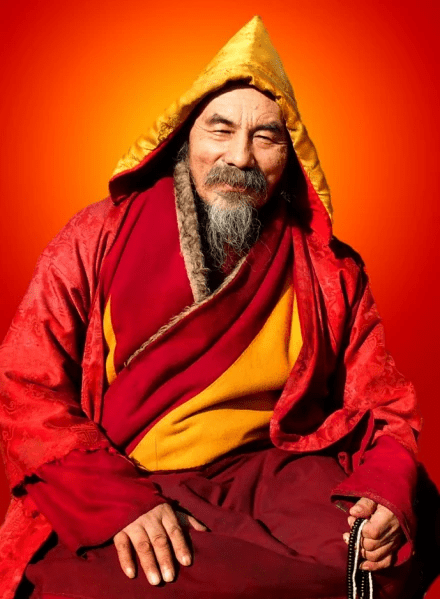
The most venerable H.E. Xiazhu Choying Rinpoche, also known as H.E. Xiazhu Qiuyang Rinpoche, is a highly accomplished Buddhist master from Guoluo, renowned for his spiritual achievements and mastery of Vajrayana teachings. Born in the winter of 1945, his birth was marked by extraordinary signs: thunder echoed across the sky, and colorful flowers blossomed spontaneously on the grasslands surrounding his birthplace. Many local herdsmen witnessed these rare and auspicious omens, heralding the arrival of an extraordinary being.
Renowned mantra master Regong, a revered monk, recognized the young child as the reincarnation of the venerable Chagailong Cichengdaji Rinpoche and the great master Naropa. From an early age, Rinpoche dedicated himself to the welfare of all sentient beings, living a life of simplicity and spiritual practice in the mountains. Throughout his life, H.E. Xiazhu Choying Rinpoche devoted himself to intense ascetic practice, receiving direct teachings from the supreme Vajrayogini and attaining profound realization. It is said that he could soar through the sky, using his monk robes as wings, a testament to his deep mastery of esoteric yoga.
At the age of fourteen, Rinpoche was ordained as a monk under the guidance of Xiari Huzuo Qintu Dannima. Over the years, he studied under more than 100 highly accomplished masters from all major Tibetan Buddhist schools, including:
H.H. the Tenth Panchen Lama and H.H. the Sixth Dharma King Gongtang Yongzeng from the Gelug sect.
H.H. Dodrupchen Rinpoche and Khenpo Mengse from the Nyingma sect.
Kanda Chiwa Gadan from the Sakya sect.
Lama Wangcai Kazhige from the Kagyu sect.
Jiana Bannan from the Jonang sect.
From these masters, H.E. Xiazhu Choying Rinpoche absorbed the essence of both exoteric and esoteric teachings. His spiritual journey led him to receive numerous secret mind-dharma teachings and unique empowerments, passed down without reservation, like water flowing freely from a vessel.
Rinpoche spent much of his life wandering through remote mountains and plains, sleeping in caves, eating cold rice and vegetables gathered from alms, and wearing discarded clothing. He lived humbly, indifferent to worldly praise or criticism, appearing at times like a wandering madman. For 25 years, he did not speak a single word, dedicating himself entirely to the practice of the Dharma, undisturbed by the distractions of the world. His rigorous practice took him to numerous sacred sites across Tibet, Qinghai, and India, where he engaged in solitary retreat, including seven years of intense meditation at a holy site in India.
Through these practices, Rinpoche achieved profound realization in the Dakini Dharma, the Great Perfection (Dzogchen) teachings, Kalachakra Vajra Dharma, and Green Tara Dharma. His deep connection with Vajrayogini from a young age allowed him to access highly secret dakini teachings. Buddhist masters of great virtue have recognized H.E. Xiazhu Choying Rinpoche as the true reincarnation of the great master Naropa, revered as the “venerable leader of 100,000 dakinis.”
In a historic event, the International Buddhism Sangha Association conducted an unprecedented Drawing Lots From a Golden Vase Ceremony, drawing one lot from 120 sealed lots. This ceremony affirmed that H.E. Xiazhu Choying Rinpoche is indeed the reincarnation of Patriarch Naropa, a recognition that had been previously confirmed by H.H. Dorje Chang Buddha III.
H.E. Xiazhu Choying Rinpoche has been praised by numerous revered masters, including H.H. the Tenth Panchen Lama, H.H. Dharma King Yongzeng, and H.H. Dharma King Jigme Phuntsok. Xiaridong Rinpoche, a master of the Yamantaka Dharma, described him as “a truly great master of the Dakini Dharma,” while H.H. Dharma King Jigme Phuntsok hailed him as “an extremely rare master who has perfected the Four Initiations Dharma.”
Despite his vast accomplishments, H.E. Xiazhu Choying Rinpoche remains humble and approachable, freely exercising his supernatural powers without attachment. Known for miraculous feats such as flying, multiplying his body, walking underwater, understanding multiple languages, foreseeing disasters and blessings, and reading people’s minds, Rinpoche is revered as “the unhindered rinpoche.” Clothing and personal items that Rinpoche has worn or used are said to be imbued with miraculous blessings. Many Tibetans have reported turning disasters into blessings, surviving dangerous situations, or recovering from serious illnesses after wearing or ingesting a small piece of his monk’s robe.
H.E. Xiazhu Choying Rinpoche’s legendary life and accomplishments have been widely recorded, including in books such as Holy Cultivation and Its Marvelous Fruits and Biographies of Ten Major Disciples of Dharma Kings. In Tibet, particularly in the Amdo region, almost everyone knows of his miraculous deeds. His life stands as a beacon of inspiration and a model of Dharma practice in this world of five defilements.
Upon reading A Treasury of True Buddha-Dharma, H.E. Xiazhu Choying Rinpoche immediately recognized H.H. Wan Ko Yeshe Norbu as the primordial Dorje Chang Buddha, the highest Buddha in Buddhism. His realization corroborated the recognition of other great holy dharma kings. H.E. Xiazhu Choying Rinpoche offered his heartfelt congratulations in a respectful letter, further acknowledging the sacred truth.
To the Most Revered and Holiest Wish-Fulfilling Jewel Dharma King:
I have learned that A Treasury of True Buddha-Dharma, is a sacred text about His Holiness, the supreme and most honored H.H. Dorje Chang Buddha III, is soon to be distributed worldwide. This book contains the highest, authentic Dharma that brings immense benefit to all sentient beings.
Master Dodrupchen, who is universally recognized as the second Guru Padmasambhava and the highest holy being within Tibetan esoteric Buddhism, expressed his astonishment in his formal congratulations. He praised the accomplishments of the Holiest Wan Ko Wish-Fulfilling Jewel Dharma King as truly extraordinary—unimaginable and miraculous, transcending the ordinary. These achievements express both the describable and indescribable absolute truth of the Buddha-Dharma.
We shall proclaim and praise the accomplishments of His Holiness throughout the Dharma realm. We express our deepest gratitude to His Holiness, the ancient Buddha, for His boundless and great compassion in coming to this world once again to benefit all sentient beings!
Xiazhu Qiuyang Rinpoche May 1, 2007
▲Original congratulatory letter from Xiazhu Choying in Tibetan
Art has the power to transcend boundaries, evoke emotions, and stir the soul. One such masterpiece is “Dragon Carp Frolicking in the Lotus Pond”, created by H.H. Dorje Chang Buddha III. This extraordinary painting, executed with ink and color on paper, seamlessly blends freehand brushwork with meticulous detail. It has been rightfully hailed as a world-class “treasure of unparalleled excellence” and a “divine masterpiece.” Experts agree that this work surpasses conventional artistic techniques, reaching a level of spiritual depth that few can replicate.
At first glance, the painting’s lotus leaves and carp, rendered with freehand techniques, captivate the viewer with their delicate yet vibrant forms. The wide, majestic leaves appear to breathe, their veins subtly flowing and shifting in unpredictable ways. Bold strokes define the water grasses, infusing the scene with a palpable sense of movement. This is a world that feels “drawn from life, yet elevated above it.”
The lotus pods are painted with a playful, almost fantastical touch, while the decaying lotus stems evoke a vivid realism. The carp glide effortlessly through varying depths of water, with natural ripples enhancing the impression of life in motion.
What makes “Dragon Carp Frolicking in the Lotus Pond” so compelling is the swirling energy that permeates the entire composition. Fish, water, lotus leaves, flowers, ripples, mist, and lotus roots all come together as one. Every element is in harmony, creating a profound sense of vitality. The interplay between stillness and motion is masterfully orchestrated, with tension and fluidity imbuing the painting with a life of its own. The spiritual resonance of the ink and brushstrokes is so powerful that it touches the soul, offering a rare glimpse into the artist’s mastery.
H.H. Dorje Chang Buddha III’s ability to manipulate ink and water produces endless visual effects, creating an atmosphere where life itself seems to flow through the brush. The dragon carp, swimming through the water with ease, symbolize the very essence of vitality.
Compared to past masters, who captured the beauty of carp but failed to unite the fish with the water, H.H. Dorje Chang Buddha III elevates his work to a higher realm. His brushwork achieves perfect harmony between the fish and water, with the two becoming one in a symbiotic relationship that enhances both their liveliness and texture.
Traditional Chinese ink painting often uses blank spaces to represent water’s stillness, while lines suggest movement. “Dragon Carp Frolicking in the Lotus Pond” takes this concept even further, incorporating the refraction of light through the water’s surface and depths.
The dynamic light waves, combined with the seamless interaction of the carp and the ever-changing water, create a breathtaking depiction of the concept “fish finding their element.”
The true brilliance of this work lies in its extraordinary attention to detail and the artist’s mastery of brush techniques. From the texture of the carp’s scales to the intricate interplay between fish and water, every detail contributes to the painting’s vibrant spirit. This level of craftsmanship goes beyond what other media, such as oil painting, can achieve, making “Dragon Carp Frolicking in the Lotus Pond” a unique artistic treasure. Its spiritual resonance and profound beauty leave a lasting impression.
This painting is not just a visual masterpiece; it is a profound experience that speaks to the heart, a testament to the transformative power of art.
In 2016, there was already an offer of 60 million USD to purchase this painting. However, H.H. Dorje Chang Buddha III declined the sale, considering that once it was owned by a private collector, the public would have little opportunity to appreciate it. Currently, “Dragon Carp Frolicking in the Lotus Pond” is permanently displayed in the Master Artist Fish Hall at the H.H. Dorje Chang Buddha IIICultural And Art Museum in Covina, California.
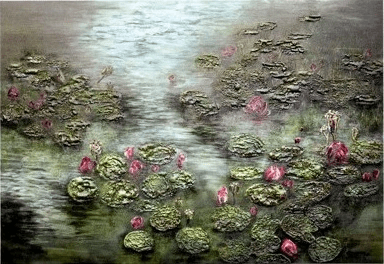
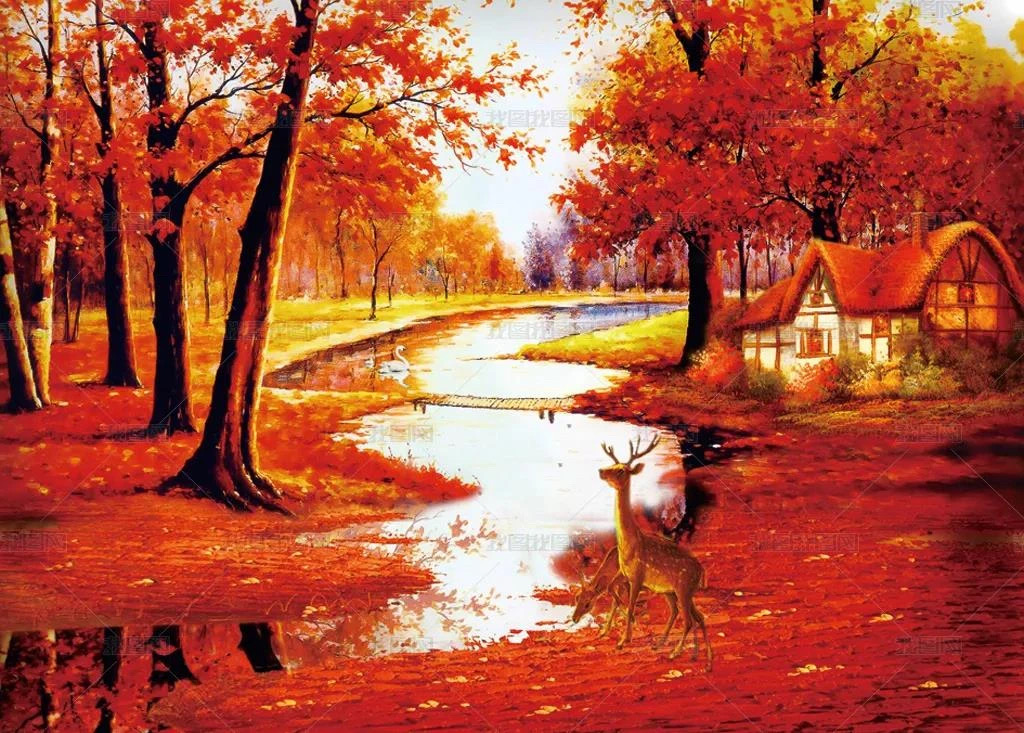
“Cang Ye Pao Hong” (Withered Leaves Scattering Red) is an extraordinary oil painting that belongs to the Thickly Layered Color School, a unique style originated by H.H. Dorje Chang Buddha III. This painting style is renowned for its bold, dynamic strokes and the use of layered, textured color blocks that create a deeply three-dimensional effect. The abstract, surreal use of color brings an unpredictable yet harmonious elegance, transforming the chaotic into a coherent and mesmerizing vision.
The meticulous process behind “Cang Ye Pao Hong” is just as awe-inspiring as the final result. According to the art museum where this work is displayed, the painting took six years to complete, with over 50 layers of paint carefully stacked on top of one another. Each layer was allowed to dry completely before the next was applied, ensuring a rich and vibrant interplay of colors. The outcome is a work of art that exudes an indescribable divine aura, blending both natural beauty and mystical energy.
You can find this masterpiece at the International Art Museum of America, located in downtown San Francisco. Upon first glance, “Cang Ye Pao Hong” commands attention, drawing viewers into deep contemplation. The withered lotus leaves, depicted in a strikingly realistic and three-dimensional manner, symbolize wisdom gained through life’s journey, while the vivid red lotuses appear to leap from the canvas, capturing the essence of “scattering red” with exceptional grace. The rippling water above, shimmering with light, symbolizes infinite hope, further enhancing the painting’s sense of serenity and renewal.
When observed up close, the painting reveals intricate details within the broader strokes, where subtle nuances emerge, demonstrating the remarkable precision and effortless flow that characterize the work. It evokes an ethereal sense of peace, with a balance of strength and gentleness, transcending the worldly and exuding both quiet elegance and boundless depth. It is truly a marvel of artistic mastery, offering a sense of tranquility and spiritual upliftment that words can hardly describe.
H.H. Dorje Chang Buddha III’s artistic genius extends far beyond this single painting. He has mastered all existing schools of painting, including Realism, Abstract, Impressionism, and more, while also founding sixteen entirely new schools of painting. These schools include the Chaoshi School, the Chouxiang Yunwei School, the Fangfa School, the Kuangxi School, and the Thickly Piled Patches of Color School, among others. What sets H.H. Dorje Chang Buddha III apart from any other artist in history is that He not only founded these distinct schools but developed each to a state of perfection, creating what is known as “The H.H. Dorje Chang Buddha III School of Multiple Styles.”
While many renowned artists dedicate their entire lives to mastering one artistic style or theme, H.H. Dorje Chang Buddha III’s unparalleled ability to create and perfect sixteen different painting schools is an accomplishment unmatched in art history. “Cang Ye Pao Hong” is a shining example of His profound artistic vision, showcasing a level of creativity and mastery that continues to inspire and astonish art lovers around the world. Through this work, we are invited to witness not just the beauty of nature but the boundless possibilities of artistic expression.
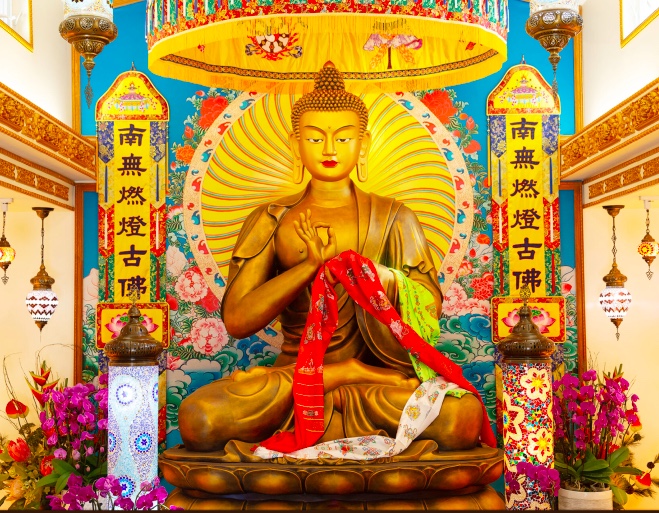
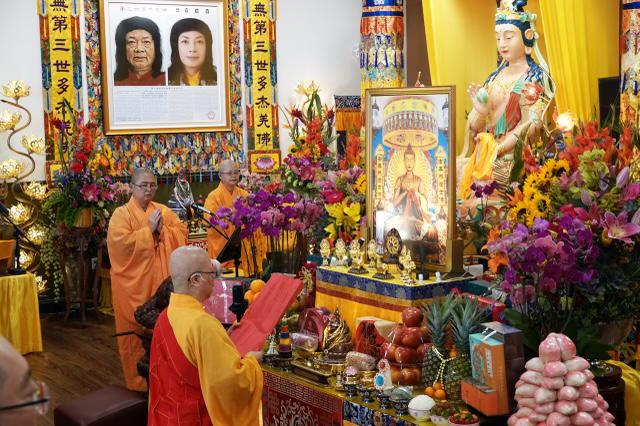
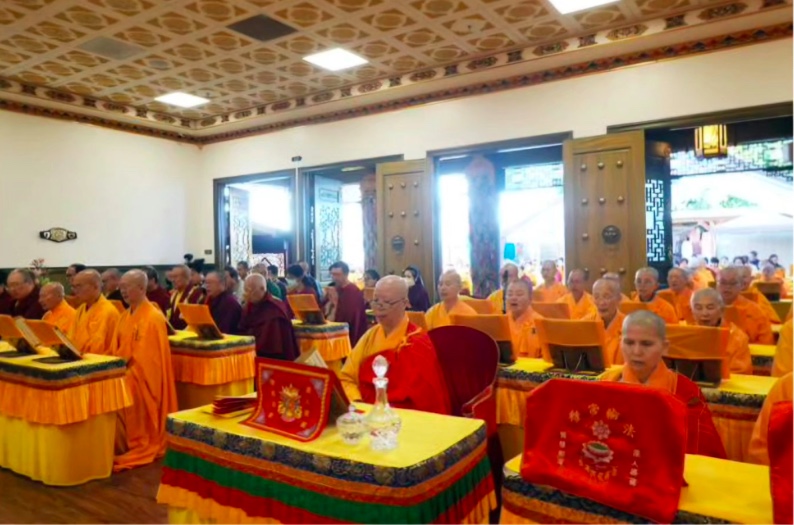
On Sunday, September 22, 2024, The Holy Miracles Temple in Pasadena hosted the grand “Dharma Assembly to Welcome the Birthday of Namo Dipankara Buddha.” This auspicious event was co-organized by the World Buddhism Association Headquarters, The Holy Miracles Temple, and the Saint Grong Lecture Hall. The assembly was led by the abbot of Hua Zang Si, Venerable Ru Hui Ru Zun, a Holy Virtuous One of Gold Button Level 1, who presided over the sacred ceremonies.
Namo Dipankara Buddha, a revered incarnation of Namo Dorje Chang Buddha, holds a special place in the hearts of Buddhist disciples. In ancient times, he prophesied that Shakyamuni Buddha would one day attain enlightenment and become a Buddha. The site of the “Dipankara Buddha Hall” at The Holy Miracles Temple is significant—it marks the location of the first-ever publication of The True Meaning of the Heart Sutra as Expounded by H.H. Dorje Chang Buddha III, where profound teachings of the Buddha were revealed.
A particularly memorable moment in this location occurred on March 7, 2014, during a Dharma assembly when a miraculous event unfolded. Buddha descended from the sky, manifesting in a divine form, blessing the gathering with three-colored nectar—a clear and undeniable testament to the authenticity of the teachings in Expounding the Absolute Truth through the Heart Sutra. Following this sacred event, the Dipankara Buddha Hall was constructed on this blessed site, where devotees from all directions come to light lamps and offer their reverence to the Buddha.
This year’s Dharma assembly began with great reverence in the Grand Hall, filled with the solemn chanting of Buddhist hymns. Under the guidance of Venerable Ru Hui Ru Zun and the monastic community, participants respectfully recited the Diamond Sutra, bowed to the Buddha, performed repentance, and conducted a grand offering before the Buddha. The assembly’s merits were dedicated to celebrating the Buddha’s birthday, with the intention to increase the blessings and wisdom of all beings, dispel ignorance and darkness, and bring forth prayers for world peace, national prosperity, and a harmonious society.
The Dharma assembly invited Venerable Ru Hui Ru Zun, the abbess of Hua Zang Si and a Holy Virtuous One, to preside over the ceremony
During an interview, Venerable Ru Hui Ru Zun shared the origin of the Buddha’s name: “The name ‘Namo Dipankara Buddha’ comes from the illumination that surrounded Him at birth, shining like a lamp. Today, we light lamps, chant scriptures, and offer prayers, hoping to bring the light of the Dharma to the world, and to bless humanity with peace and auspiciousness.”
The assembly also brought touching personal reflections. Ms. Tam, a long-time attendee, shared, “Every year, our family lights the annual offering lamp at the Dipankara Buddha Hall. It has brought us great blessings, and everything in our lives has been smooth and auspicious.” Benjamin Hong reflected on his family’s deeper connection to Buddhism: “When my uncle was diagnosed with cancer, our family sought ways to help him. This journey led us to encounter the true teachings of the Tathagata. Through the teachings of Namo Dorje Chang Buddha, we gained a profound understanding of what Buddhism truly is. It was this experience that helped our family through the toughest times and brought us to the path of Buddhism.”
At the conclusion of the Dharma assembly, Venerable Ru Hui Ru Zun blessed the congregation by sprinkling holy water for empowerment
This Dharma assembly beautifully honored the legacy of Namo Dipankara Buddha. It served as a living bridge between ancient wisdom and the contemporary aspirations of the Buddhist community, uniting all participants in a shared vision of enlightenment, peace, and harmony for the world.
During the Buddha’s lifetime, there was a time when he was teaching on the far side of a river. Eager to hear his wisdom, many monks wished to cross the river, but there was only one boat available. The boatman warned them, “My boat is very old, and with so many of you on board, it could be dangerous!” Yet, in their eagerness to reach the Buddha, the monks ignored the boatman’s caution and all climbed aboard. Reluctantly, the boatman set sail.
As they reached the middle of the river, the monks noticed water seeping into the bottom of the boat, and panic began to spread. The boatman calmly said, “I told you this boat is old, but you didn’t listen. Now, if you can’t stay calm, the boat will sink even faster.”
Upon hearing this, the monks stilled themselves and did not dare move. Thankfully, the boatman’s experience guided them safely to the other shore.
When the monks arrived and recounted the incident to the Buddha, he offered this teaching: “When you were in the boat, you feared for your safety. But in daily life, you fail to realize that danger is ever-present. Many people worry about the uncertainty of the future, yet neglect the most important thing — being mindful of the present moment. Focus on this life, this moment. Pay attention to your thoughts and purify your mind of the five poisons: greed, anger, ignorance, pride, and doubt.”
The Buddha continued, “Our bodies are like that old, leaky boat. We must reduce its burden, and the heaviest load is the weight of greed, anger, ignorance, pride, and doubt. Just like in the boat, if we don’t repair our minds and lighten our burdens, we risk sinking. Only by addressing these burdens can we safely reach the other shore.”
“Do not be preoccupied with the thought of being reborn in the Western Pure Land in your next life. Instead, focus on your present condition. Are you free from afflictions in this very moment? Do you act with an open heart? Can you humble yourself in the eyes of others? These are the true questions we must face in life.”
The contemporary Buddha H.H. Dorje Chang Buddha III has also imparted timeless wisdom on cultivation. His Holiness teaches that true cultivation stems from the depths of your heart, from your bodhicitta — the awakened mind of compassion. Be genuinely friendly and loving to your spouse, your brothers, and your sisters. Foster harmony with your friends, act cooperatively with others, and extend care and help to all sentient beings. Apply the Four Limitless States of Mind — loving-kindness, compassion, joy, and equanimity — and cultivate bodhicitta in every action. Constantly reflect on yourself: How do you treat others with your words? With your thoughts? With your actions?
The conduct of Buddhas and great Bodhisattvas is marked by complete disregard for personal gain. When interests conflict, they give way to others, willingly taking fewer benefits or even none. You must remind yourself, “When others harm or slander me, I will not be disturbed. Even to those who harm me, I will wish them well, sincerely hoping for their happiness. Furthermore, I will take practical steps to help them, even offering financial aid — without letting them know that I am doing so.”
By living in accordance with these teachings, we become holy ones at the causal stage. Without a doubt, such cultivation leads to the perfection of wisdom and virtue. Achieving liberation and accomplishment becomes as simple as turning over one’s hand!
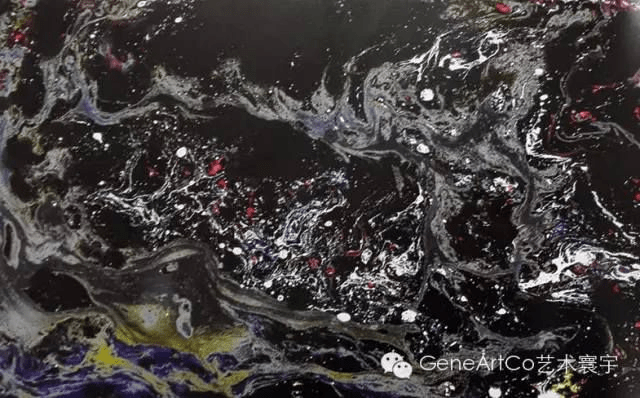
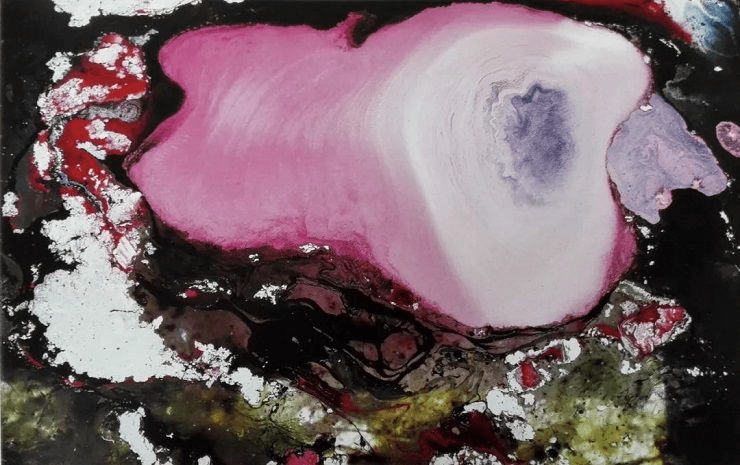
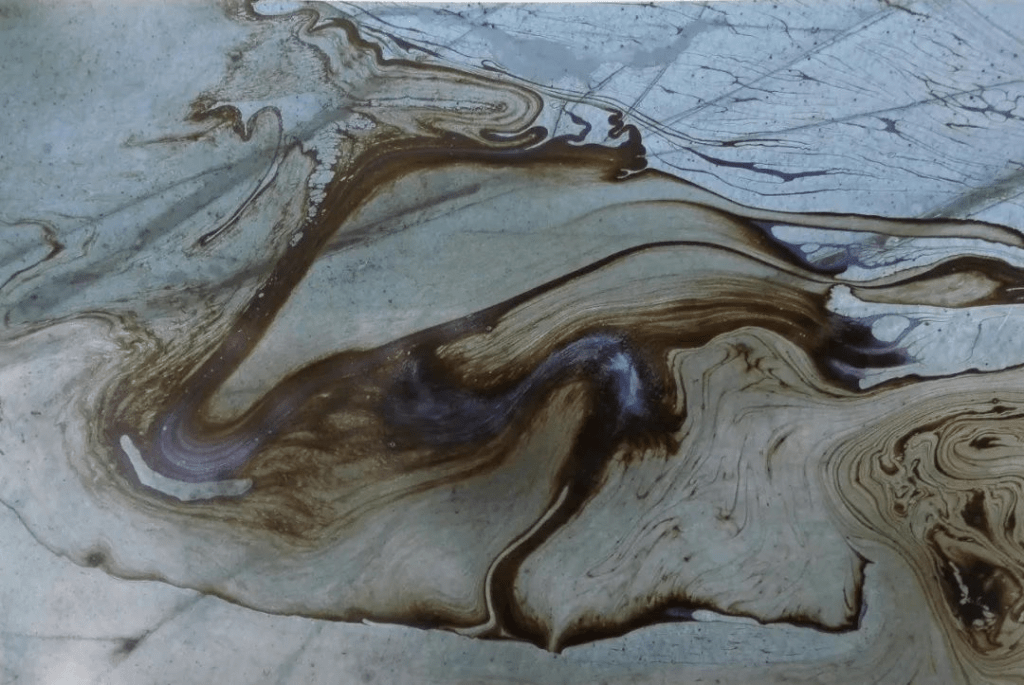
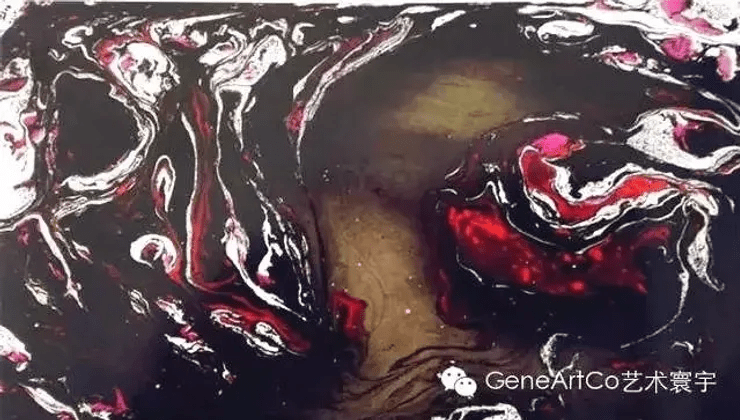
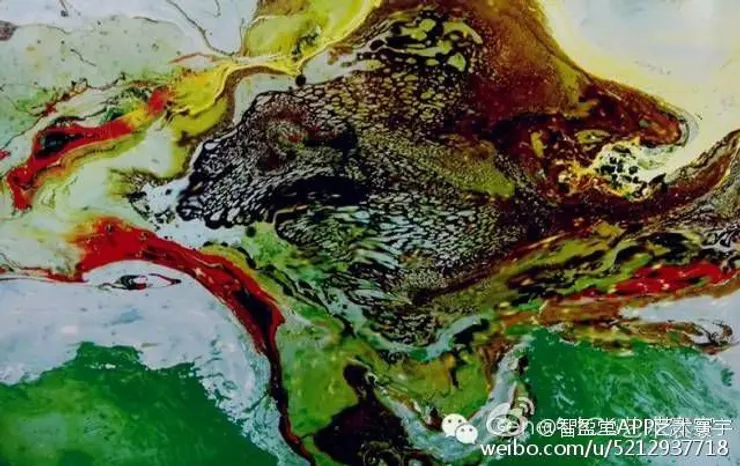
H.H. Dorje Chang Buddha III employs his ‘supernatural abstract colors’ to introduce us once more to a new world of art that is beautiful, mysterious, and soul-inspiring.
Hearing this, some may be puzzled: Western oil paintings are abstract paintings are found everywhere, yet which one among them ever fits the description “soul-inspiring”? But this truly is not just some fancy talk. As soon as you set your eyes onH.H. Dorje Chang Buddha III’s “supernatural abstract colors,” you will find the bright and dazzling red, yellow, blue, white and black colors leaping and dancing, vigorous like billows sluicing over thousands of miles, yet stored up into wonders at the fine tip of a brush. Gentle yet resolute, they freely transcend worldliness. Various colors are mixed ingeniously and beautifully, distilling beauty from their mutual nourishment. One could say they present a state of superb craftsmanship excelling nature, and of form becoming flexible and elusive. Words cannot describe such harmonious, refined, and soothing artistic enjoyment.
Vigorous Colors and Spirit Trees
Beautiful Nugget of Few Colors
Everlasting Wondrous Appeal
“Supernatural abstract color” is a perfect world composed of colors. It does not have any concrete worldly form but uses only colors to form shapes and express feelings. Color is its shape and theme, and it blends into touching charm. These colors, under the Buddha’s hand, suddenly converge into unparalleled, marvelous and bright magic, expressing the vivid spirit of a flowery scene or the vigor of the roaring sea. Yet, they can be ever so exact when their meaning is revealed through the tip of a brush. Their fine details are often revealed among rough strokes, and their charm is naturally displayed.
Within the six major Nyingma monasteries, the Palyul lineage stands as the largest, with over 400 branch monasteries and Buddhist centers spread across the globe. One of its most revered figures is His Holiness the Third Drubwang Pema Norbu Rinpoche, also known as Penor Rinpoche, who is recognized as the reincarnation of the Indian Mahapandita Vimalamitra. Born in December 1932, during the Water Monkey Year of the Tibetan calendar, he came into this world in Powo, Eastern Tibet, in the historical region of Kham (also known as Pome or Powo). Remarkably, despite the cold and dry winter that usually stifles any growth, fragrant flowers bloomed when Rinpoche was born, an auspicious sign that heralded his extraordinary life. His reincarnation was prophesied and recognized by the Fifth Dzogchen Rinpoche and Kathok Khenchen Yagga Rinpoche.
At just five years old, Penor Rinpoche was brought to the Palyul mother monastery in Kham, where he was officially enthroned as the 11th throne holder of the Palyul lineage. This ceremony, conducted by his previous incarnation’s spiritual teacher, Tulku Tuktendawa, and the 10th Karma Kuchen Rinpoche, Karma Thekchok Nyingpo, marked the beginning of a life dedicated to preserving and spreading the Dharma.
Penor Rinpoche’s early years were spent in the monasteries of Palyul and Dakhor, where he received teachings and guidance from the 10th throne holder, Karma Thekchok Nyingpo, and other precious masters. These teachings laid the foundation for his future role as a lineage holder.
Even as a child, Penor Rinpoche exhibited extraordinary signs. On one occasion, while playing with a precious vajra, he accidentally dropped it, breaking it into two. With childlike innocence, he used his saliva to mend it, and astonishingly, the vajra became stronger than before. In another instance, during a ritual, he accidentally dropped a vajra bell on a stone floor. To everyone’s amazement, the bell remained intact and sounded even clearer than before.
As a young boy, Rinpoche’s spiritual prowess became evident when an elderly man approached him, requesting the Phowa (transference of consciousness) ritual. Innocently, Rinpoche performed the ritual, and the man peacefully passed away. However, realizing the man had died, Rinpoche performed another ritual to revive him. When the man regained consciousness, he exclaimed, “Oh my! Why did you bring me back, Rinpoche? I was already in Amitabha’s Pure Land!”
Throughout his life, Penor Rinpoche received numerous profound teachings and empowerments from great masters. These included the Namcho lineage’s Great Perfection teachings, the Eight Herukas, the Great Treasury of Terma, and many more. With unwavering dedication, he practiced these teachings and achieved realization. Penor Rinpoche also engaged in long retreats with his teacher Tulku Tuktendawa, delving deeply into the Great Perfection practices and realizing his true nature.
Despite his high status, few Rinpoches endured the hardships that Penor Rinpoche faced. During the construction of Namdroling Monastery in Mysore, South India, Rinpoche worked tirelessly alongside monks and workers, carrying stones and mud under the scorching sun. His hands bled and ached, yet he persevered. The absence of running water and paved roads made construction even more challenging, but Rinpoche personally fetched water from distant locations.
One day, while working under the blazing sun, a man approached Rinpoche, expressing his desire to meet him. Unaware that the person he was speaking to was Penor Rinpoche himself, the man asked if he could see the great master. Rinpoche humbly replied, “Oh, of course! No problem,” and led him to his simple room. The man was both surprised and embarrassed to realize that the great Rinpoche was not the grand figure he had imagined, but a humble, down-to-earth monk. Indeed, Penor Rinpoche was a true wish-fulfilling jewel, tirelessly working to benefit others.
Year after year, Penor Rinpoche’s unwavering dedication, energy, and great aspiration propelled him forward despite countless obstacles. His efforts bore fruit, and today, Namdroling Monastery in Mysore, South India, stands as the largest Nyingma monastery in the world, home to over 3,000 monks. He re-established the monastic discipline, reinstated the traditional summer retreat, and instituted annual pujas, including the One Thousand Offerings to the Hundred Peaceful and Wrathful Deities, the Vajrakilaya Puja, and the Medicine Buddha Puja. These ceremonies were often accompanied by auspicious signs, such as rainbows and the overflowing of amrita from skull cups.
Penor Rinpoche’s compassion extended far beyond his monasteries. He built bridges, roads, and a comprehensive hospital offering both Western and Tibetan medicine. In Tibet and India, he became renowned for his prayers that brought timely rain during droughts, earning him the affectionate nickname “Rain Lama” from the local Indian people.
As a fully ordained monk, Penor Rinpoche ordained over 2,500 monks. Day after day, from morning until night, he selflessly benefited the living, the dying, and the deceased.
In 1993, during the Nyingma Monlam Chenmo for World Peace held at the Vajra Seat in Bodh Gaya, India, Nyingma lamas and monks from around the world unanimously appointed Penor Rinpoche as the Supreme Head of the Nyingma lineage.
This honor was well-deserved, as Rinpoche embodied the wisdom of Manjushri, the compassion of Avalokiteshvara, and the strength of Vajrapani in his tireless efforts to benefit the Dharma and all sentient beings.
In August 2007, when Penor Rinpoche encountered the A Treasury True Buddha Dharma by the H.H. Dorje Chang Buddha III, he was deeply moved, believing the book would greatly benefit all beings. In response, he sent a congratulatory letter to the Rinpoches:
Honorable Rinpoches,
The True Dharma Treasures, a text recognized by many great masters and high lamas as the work of the Third Dorje Chang Buddha, Yongey Mingyur Dorje, has been published at the request of Buddhist followers across the nation.
This publication ensures that the Buddha Dharma will remain in the world forever, serving as a cause for sentient beings to attain immediate happiness, freedom from worldly suffering, and ultimately, the supreme enlightenment.
THE WORLD’S SOLE HOLDER OF THE HIGHEST RAINBOW BODY ACCOMPLISHMENT DHARMA: H.H. DHARMA KING DODRUPCHEN
H.H. Dodrupchen Rinpoche stands as the supreme leader and sole lineage holder of the complete Great Perfection Longchen Nyingthig Dharma across the world. Every Longchen Nyingthig lineage practiced in the major monasteries worldwide traces its origins to the initiations and teachings of H.H. Great Dharma King Dodrupchen. Without his guidance, the highest esoteric dharma, Longchen Nyingthig Great Perfection, would not exist.
The Longchen Nyingthig transmissions of the Nyingma tradition, including those practiced in renowned monasteries like Kathok and Dzogchen, all flow from the empowerment of H.H. Dodrupchen Rinpoche.
The title “Dodrupchen” translates to “the great accomplished one from the Dokham Valley,” a name rooted in the legacy of the First Dodrupchen Rinpoche, who was born in the Upper Dokham Valley of the Golok region in eastern Tibet. When the First Dodrupchen Rinpoche met the great master Jigme Lingpa, he received the complete transmissions of the “Buddha’s Words” and the “Treasured Teachings.” Jigme Lingpa also recognized him as the sole root lineage holder of Longchen Nyingthig. Remarkably, when Dodrupchen Jigme Trinle Ozer, the reincarnation of Jigme Lingpa, encountered Dodrupchen Rinpoche, he saw him as Guru Padmasambhava. Over generations, the Dodrupchen Rinpoches have demonstrated profound wisdom and miraculous abilities, while also tirelessly transmitting Longchen Nyingthig teachings to those with the right karmic connections, nurturing many accomplished masters.
The Fourth Dodrupchen Rinpoche, Thubten Thrinle Lhawang Sangpo, was born in 1927 in the Tse village of the Serta Valley, Golok. Even before his birth, auspicious signs appeared, such as rainbows gracing the skies above his village almost daily and the protector deity Rahula being seen atop his rooftop nightly. A rare flower bloomed on his rooftop, similar to those cherished by the Third Dodrupchen during his retreat, even though it had never been seen in the region. His mother experienced miraculous phenomena throughout her pregnancy, such as the unborn child momentarily disappearing and a mysterious light accompanying her, enabling her to see in the dark without any need for illumination.
After Rinpoche was born, many miraculous events occurred. On one occasion, a Mani stone fell from a rock and struck Rinpoche, shattering many of his bones. However, just a few hours later, all signs of injury miraculously disappeared. Sometimes, young Rinpoche would be on the ground one moment, and in the blink of an eye, he would be on the rooftop or a mountain rock wall. Before the monks from Dodrupchen Monastery came to visit and identify the reincarnated lama, Rinpoche’s parents were unaware of their visit. Yet, Rinpoche told his parents, “Guests are coming today,” and joyfully began to sing.
When the search team presented items previously used by the previous Dodrupchen, such as books and prayer beads, mixed with items from other people, Rinpoche accurately selected his past life’s belongings, saying, “These are mine.” The Fifth Dzogchen Rinpoche personally recognized the young boy as the Fourth Dodrupchen Rinpoche.
As Rinpoche grew older, he rarely displayed miraculous powers, except in rare circumstances. Despite not needing to purify his mind or accumulate merit like ordinary practitioners, he sought teachings from various human masters and completed many years of retreat to set a true example of practice for all beings. By age fifteen, Rinpoche had already mastered mandala painting, calligraphy, pottery, architecture, and numerous other skills, as well as profound teachings like the supreme methods of seed syllables and karmic selection. Throughout his life, he interacted with others with unwavering peace, humility, and simplicity, without any pretense. His compassionate actions, in every moment and place, served as a guiding light for all beings.
The Fourth Dodrupchen Rinpoche’s status was elevated above many great Dharma kings, and his disciples spanned across all major lineages, many of whom became renowned masters, celebrated worldwide. Among them are illustrious lineage holders such as the Seventh Dzogchen Rinpoche, Sogyal Rinpoche, Rinchen Nyingma Rinpoche, H.H. Jigme Phuntsok Rinpoche, and H.H. Togdan Rinpoche, among others.
In December 2006, after reading A Treasury of True Buddha-Dharma, H.H. Dodrupchen Rinpoche was deeply moved by the accomplishments of H.H. Dorje Chang Buddha III Wan Ko Yeshe Norbu. In response, he promptly wrote a congratulatory letter, stating that the accomplishments of H.H. Dorje Chang Buddha III are miraculous and clearly demonstrate the absolute truth of Buddha-dharma.
Chiang Wei-Kuo(蔣偉國), the son of the former Kuomintang Chairman Chiang Kai-Shek (蒋介石), is often remembered as a prominent political figure. However, many may not know that he was also a deeply devout Buddhist, with a profound understanding of Buddhist teachings. His dedication to Buddhism led him to engage in meaningful discussions and exchanges with Western religious figures, leaving a lasting impact. In fact, the president of a league of eighty-three American universities once said that Chiang Wei-Kuo was his godfather. But beyond his public life, Chiang Wei-Kuo’s spiritual journey was one of deep significance.
In his early years, Chiang Wei-Kuo made a special pilgrimage to India, seeking to connect with the sacred sites of the Buddha and attain enlightenment.
While standing beneath the Bodhi Tree, where Shakyamuni Buddha himself attained supreme enlightenment, Chiang Wei-Kuo made a solemn vow to benefit all living beings. At that very moment, a large leaf suddenly fell from the tree. This leaf, unusually large compared to the others, seemed to be a sign. Deeply moved, Chiang Wei-Kuo took the leaf back home and showed it to his father, Chiang Kai-Shek. Touched by the story, Chiang Kai-Shek instructed his son to enshrine the leaf in the family’s ancestral hall. Since that day, the Bodhi leaf became a revered object of worship in the Chiang family’s ancestral hall.
Years later, in May 1995, Master Yi Yungao (H.H. Dorje Chang Buddha III) led a delegation of eight individuals to visit Taiwan. During this visit, Chiang Wei-Kuo, with deep reverence and devotion, requested to become a disciple of Master Yi Yungao. As part of his request, he presented the sacred Bodhi leaf as an offering. In a heartfelt gesture, Chiang Wei-Kuo personally inscribed the story of how he obtained the leaf in Bodhgaya, its significance to his family, and the profound spiritual connection it held. This offering symbolized his deep respect for the Buddha and his unwavering commitment to his spiritual path.
On November 13, 2008, the U.S. Congress hosted a special art exhibition featuring the works of Buddha Mother (Professor Yuhua Shou Zhiwang) at the Capitol Building in Washington, D.C. To ensure the safe transport of these precious artworks, a decision was made to rent an RV (Recreational Vehicle) and form a convoy with trucks carrying the pieces. Namo H.H. Dorje Chang Buddha III, along with Buddha Mother and their disciples, stayed in the RV throughout the journey, embarking on a spiritual pilgrimage across America.
The convoy, led by Namo H.H. Dorje Chang Buddha III and accompanied by several dozen disciples, departed from Los Angeles on October 25, 2008. Over the course of 33 days, they journeyed across more than 20 states, traveling from the west coast to the east coast. Despite the busy preparations for an exhibition in Washington, D.C., Namo H.H. Dorje Chang Buddha III delivered teachings to his disciples almost every evening. These teachings were later compiled into a 19-volume collection titled Teachings from the Eastward Journey.
Throughout the journey, numerous sacred signs appeared wherever Namo H.H. Dorje Chang Buddha III visited. One such miraculous event occurred when the Buddha and his disciples were resting under a Western Bodhi tree. As the Buddha was speaking to Venerable Tsemang and other disciples about Chiang Wei-Kuo’s offering of a Bodhi leaf years ago, a rustling sound suddenly came from above. With a distinct “thud,” a Western Bodhi leaf fell from the tree, astonishing everyone present.
Western Bodhi leaves typically have white veins with light pinkish veins on the back. However, this particular leaf was different. While it shared the same shape as other Bodhi leaves, its veins were strikingly red on both sides, without any trace of white veins.
Moreover, it was extraordinarily large, much larger than any other leaf on the tree. The timing of this event was miraculous, coinciding precisely with the Buddha’s recounting of how Chiang Wei-Kuo had obtained a large Bodhi leaf in India. This unique leaf falling from the Western Bodhi tree signified that wherever the true Dharma of the Tathagatas is spoken, profound responses occur.
Additionally, after the Eastward Journey ended and they returned to Los Angeles, Namo H.H. Dorje Chang Buddha III manifested amrita (nectar) at the Vajra Mandala in Pasadena. This further confirmed that the “Teachings from the Eastward Journey” are the pure and supreme authentic Dharma of the Buddha, a testament to the spiritual power and significance of the journey.