Xiaoxitian, originally known as Qianfo’an (The Hermitage of a Thousand Buddhas), was founded in the second year of the Chongzhen reign of the Ming Dynasty (1629). It stands atop Phoenix Mountain, about one kilometer west of Xixian County in Linfen, Shanxi Province.
Built entirely in harmony with the mountain, the temple unfolds in layers, as if it had grown naturally from the slope itself. Stone steps lead visitors upward, passing through courtyards divided by arched cave-like gateways. The upper, middle, and front courtyards are connected yet distinct, creating a spatial rhythm that is winding, intimate, and quietly profound. As one walks through the complex, footsteps instinctively slow, and time itself seems to soften.
The architecture of Xiaoxitian is restrained rather than ostentatious, yet its mastery reveals itself everywhere. Painted beams are elegant and dignified, and many of the halls are ingeniously built as two-story structures, creating a rich sense of vertical space within the limited mountain terrain. The bell and drum towers stand in stillness, inviting the imagination to wander back to an age when morning bells and evening drums echoed through the valley.
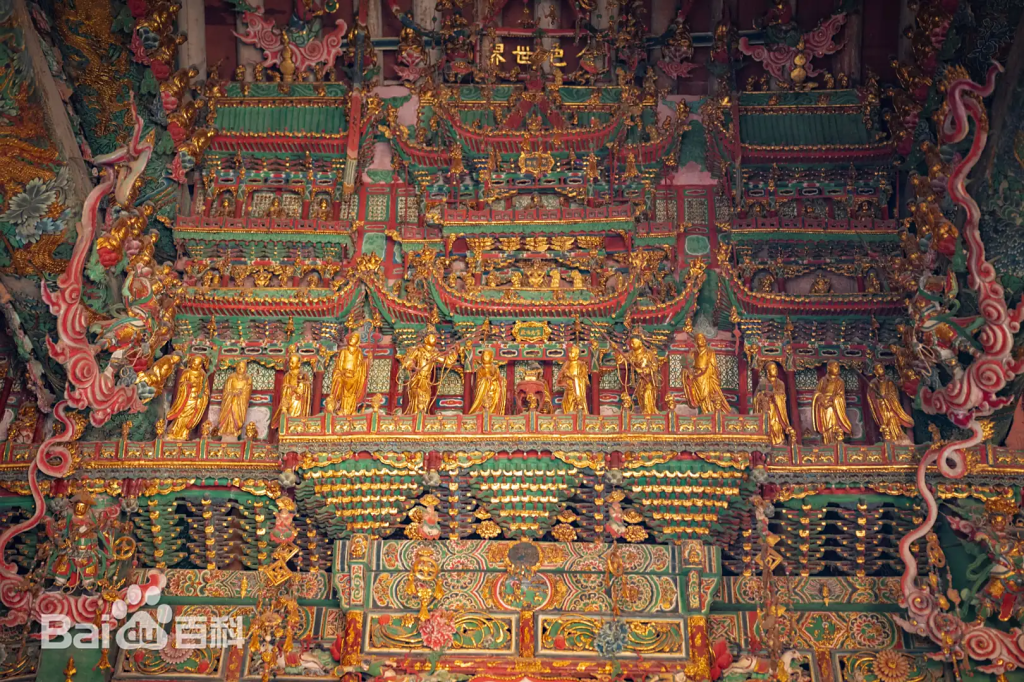
Stepping into the Mahavira Hall is a moment of sudden awe. Nearly the entire interior is filled with suspended polychrome sculptures—more than 1,900 figures, layered from floor to ceiling. From towering Buddhas over three meters high to figures no larger than a thumb, the sculptures are densely arranged yet never chaotic, solemn yet vibrantly alive. In that instant, one understands why Xiaoxitian is revered as the “Museum of Chinese Hanging Sculpture Art.”
Unlike many Buddhist temples that draw attention primarily to their principal Buddhas, the Mahavira Hall at Xiaoxitian is celebrated for the immersive world it creates as a whole. At its core stand the Medicine Buddha, Amitabha, Shakyamuni, Vairocana, and Maitreya, but surrounding them unfolds an entire celestial realm: the Ten Great Disciples, six young novices, the Ten Wisdom Kings, the Six Desire Heavens, and countless heavenly musicians dancing through the air.
Most unforgettable are the celestial musicians suspended within the tiered “sky pavilions” above the altars. Their figures are light and graceful, sleeves flowing as if caught in an eternal breeze, frozen in a moment of unending heavenly music. Some play the pipa, others hold flutes, while some seem to dance midair. One pipa-playing figure, leaning slightly forward with fingers poised on the strings, radiates such focus and elegance that one can almost hear the melody drifting across centuries.
Looking up toward the roof, the tri-colored glazed chiwen ornaments—yellow, green, and blue—gleam softly in the light. Their refined brilliance reflects the unmistakable aesthetic of the Ming Dynasty. Here, architecture, sculpture, and color merge seamlessly, and one forgets that this is a mountain temple at all. It feels instead like stepping into a floating Buddha realm, suspended between earth and sky.
That these sculptures have survived nearly four hundred years in such vivid detail inspires deep reverence. They represent not only the pinnacle of craftsmanship, but also a profound devotion—to faith, to beauty, and to a harmonious vision of the cosmos.
Perhaps what truly moves the heart at Xiaoxitian is not only the astonishing number of its hanging sculptures or the rare Ming Yongle Northern Buddhist Canon once preserved here, but something more enduring: a spiritual presence that has remained vibrant across centuries. It quietly reminds us that beyond the noise of the modern world, there still exists a place of serenity and dignity—carefully upheld by time itself.
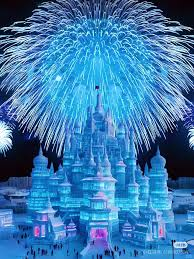
As winter blankets the northern regions of China, the city of Harbin transforms into a breathtaking wonderland, captivating visitors with its stunning ice and snow sculptures. Known as the “Ice City,” Harbin hosts the annual Harbin International Ice and Snow Festival, one of the largest and most spectacular winter festivals in the world.
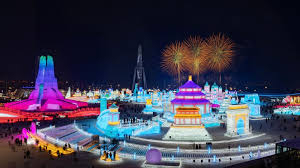
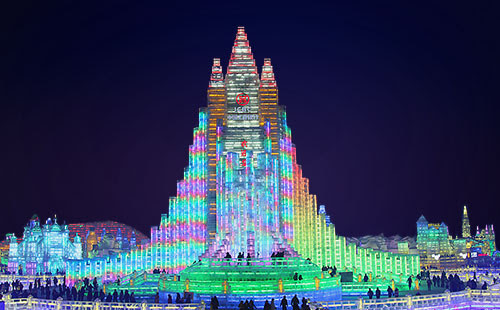
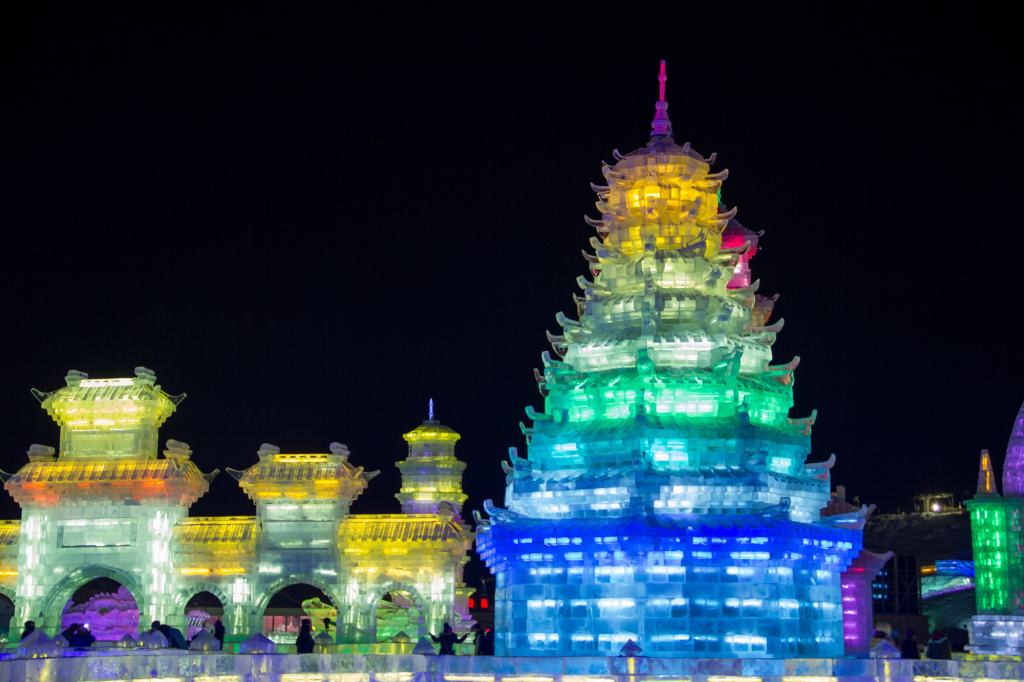
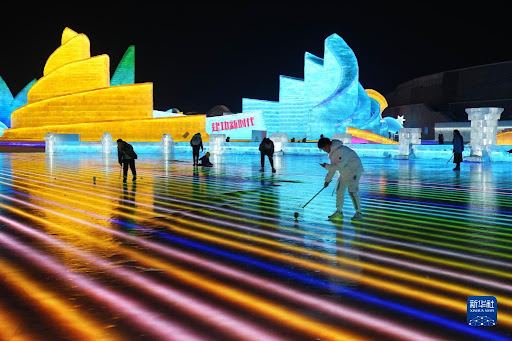
Every year, from early January to late February, Harbin comes alive with vibrant ice and snow displays that showcase the incredible artistry and creativity of sculptors from around the globe. The festival features massive ice castles, intricate sculptures, and dazzling light displays that create a fairy-tale atmosphere. The main venue, the Harbin Ice and Snow World, spans over 600,000 square meters and is filled with stunning structures made entirely of ice blocks harvested from the nearby Songhua River.
Marvel at the Sculptures
Walking through the festival is like stepping into a dream. You’ll find life-sized replicas of famous landmarks, such as the Eiffel Tower and St. Basil’s Cathedral, all crafted from glistening ice. The attention to detail is astounding, with artists using colored lights to enhance the beauty of their creations. Each year, the sculptures reflect a different theme, ensuring that no two festivals are alike.
Engage in Winter Activities
Beyond the awe-inspiring sculptures, Harbin offers a plethora of winter activities to keep visitors entertained. Ice skating, snow tubing, and even ice swimming are just a few of the thrilling experiences you can enjoy. For those seeking a more leisurely pace, horse-drawn sleigh rides through the snow-covered landscape provide a charming way to soak in the winter scenery.
Cultural Experiences
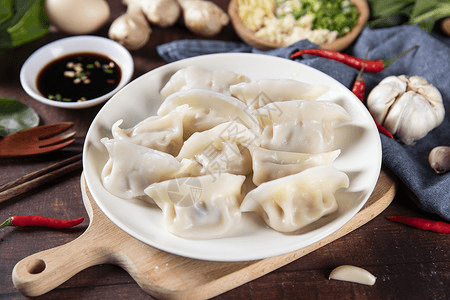
Harbin is not just about ice and snow; it’s also a city rich in history and culture. The influence of Russian architecture is evident throughout the city, particularly in the stunning St. Sophia Cathedral. Take the time to explore the local cuisine as well, with hearty dishes like dumplings and hot pot that are perfect for warming up after a day in the cold.
If you’re considering a trip to Harbin, be sure to dress warmly! Temperatures can drop well below freezing, so layers, thermal clothing, and insulated boots are essential. The best time to visit is during the festival, but the beauty of Harbin’s winter landscape can be enjoyed throughout the snowy season.
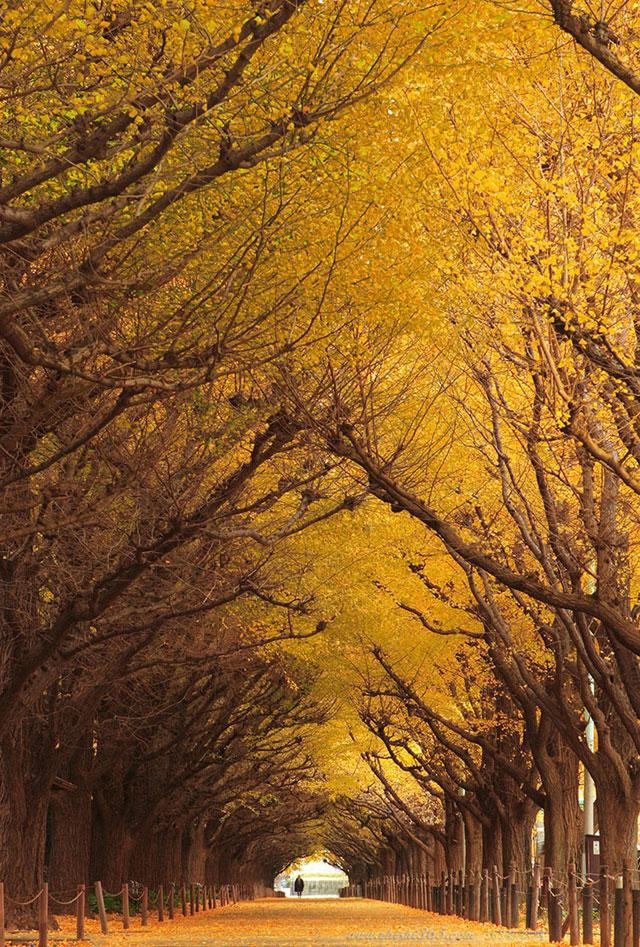
Autumn is often called “Golden Autumn,” a name inspired by the vibrant yellow hues of trees and plants that adorn the season. Among them, the ginkgo tree stands out, its radiant golden leaves creating a spectacle often described as “magnificent” and “resplendent.” This season marks the peak of the ginkgo tree’s beauty, transforming landscapes into breathtaking golden vistas.
A Living Fossil of Resilience
The ginkgo tree, also known as Ginkgo biloba or the “maidenhair tree,” is a living fossil, dating back over 150 million years. It is the sole survivor of an ancient plant lineage, standing tall as a testament to nature’s endurance. With its unique fan-shaped, two-lobed leaves that turn brilliant yellow in fall, the ginkgo has earned its place as a symbol of both beauty and longevity.
This ancient tree boasts remarkable regenerative powers. Mature ginkgo trees often give rise to thriving saplings, symbolizing vitality and the continuation of life. In Chinese culture, this resilience is likened to familial prosperity, embodying aspirations for blessings and generational success.
Medicinal Value and Modern Research
Beyond its aesthetic appeal, the ginkgo has significant medicinal properties. Traditional Chinese Medicine (TCM) uses its leaves and seeds for various remedies. Today, modern science highlights ginkgo leaf extract for its rich antioxidant content and potential benefits for brain function, circulation, and overall well-being.
A Sacred Symbol in Buddhism
In Chinese tradition, the ginkgo tree holds deep cultural and spiritual meaning. It symbolizes purity, endurance, and good fortune. Within Buddhism, the ginkgo is revered as the “Buddha tree,” representing enlightenment and spiritual resilience. Its longevity and abundant fruit make it a substitute for the sacred Bodhi tree in many temples.
During autumn, the ginkgo’s golden canopy creates a serene atmosphere in temple grounds, harmonizing with the red walls and golden roofs. This visual splendor evokes reverence and awe, inspiring mindfulness and devotion among practitioners.
ws.cc/zh-my/travel/3jqb9gy.html
Ginkgo Tree at Xi’an’s Guanyin Zen Temple: A 1,400-Year-Old Beauty
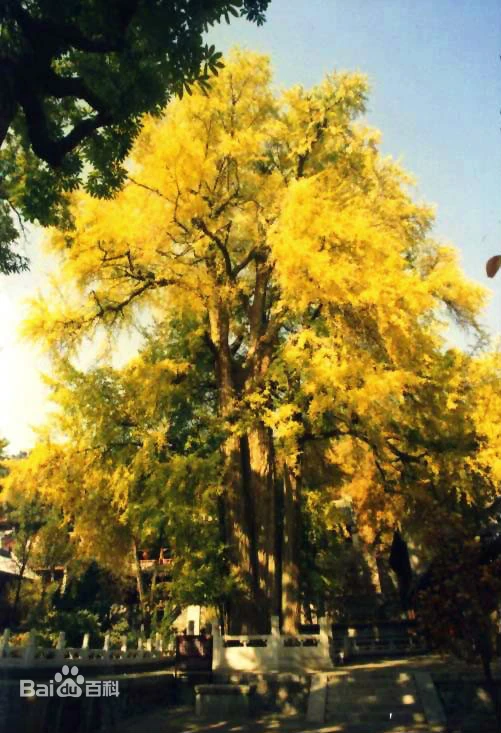
The Thousand-Year-Old Ginkgo Tree at Tanzhe Temple, titled the “Emperor Tree” by Emperor Qianlong of the Qing Dynasty, is an extraordinary natural treasure. Standing over 24 meters tall with a trunk diameter exceeding 4 meters, it takes six or seven people joining hands to encircle its massive base. The tree’s canopy spans an area of more than 600 square meters, providing ample shade. Estimated to be over 1,300 years old, this tree is a testament to resilience and history.
Ginkgo Tree at Tanzhe Temple
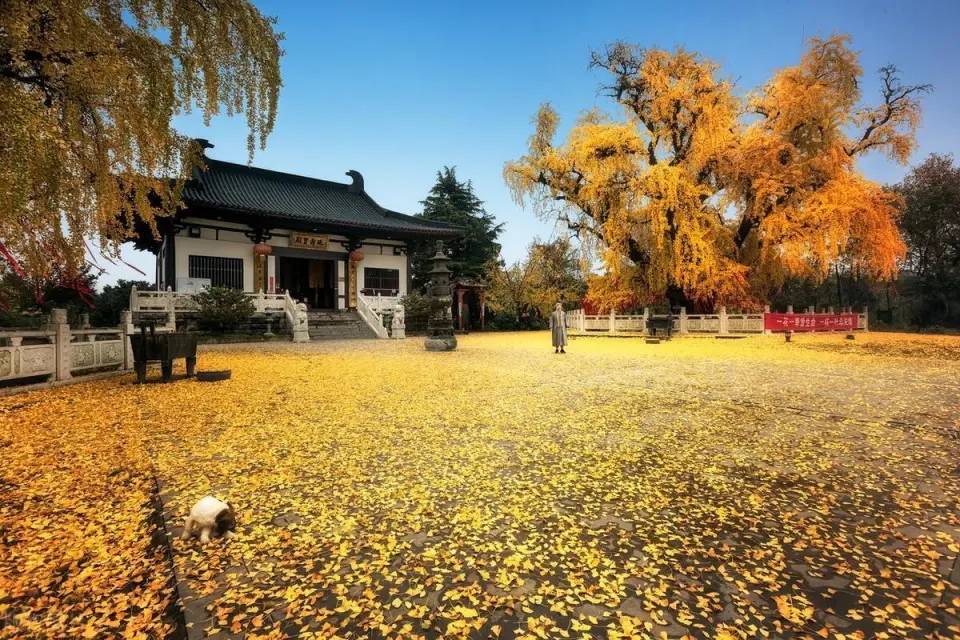
Dinghui Temple, a favorite spot for Suzhou residents to photograph ginkgo trees, is home to two towering, century-old ginkgo trees standing prominently in front of the main hall. In autumn, their golden leaves cascade to the ground, creating a dazzling and picturesque scene. (photos from https://news.qq.com/rain/a/20231105A07FBH00)
Suzhou City: DingHui Temple
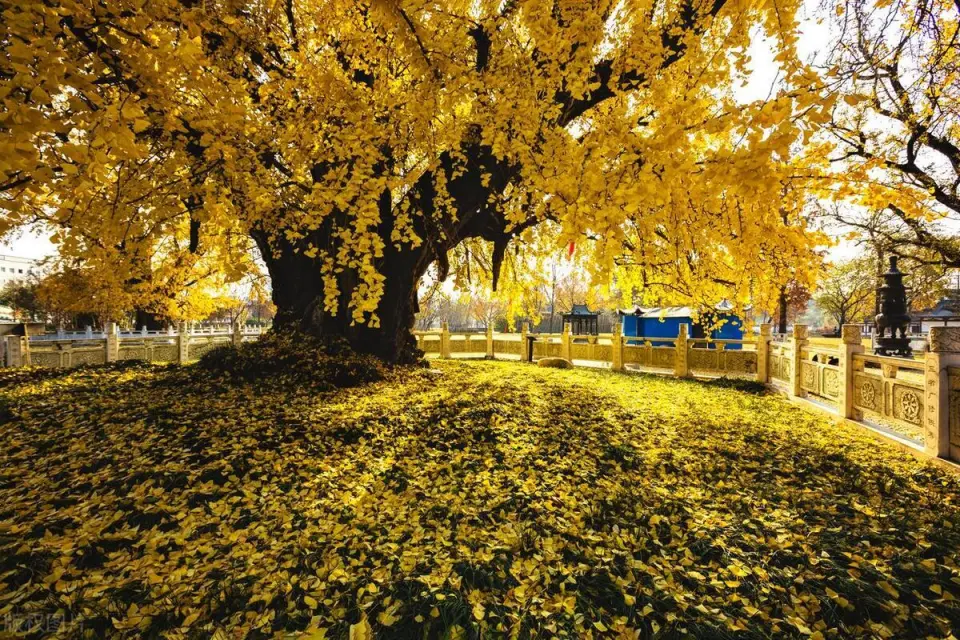
At the ancient Huiji Temple, Nanjing City, three venerable ginkgo trees, each over 1,500 years old, grace the temple grounds. As autumn arrives, their golden leaves blanket the treetops, creating a breathtaking contrast against the temple’s white walls and dark-tiled roofs. The scene resembles a magnificent ink-wash painting, captivating visitors with its timeless beauty. (photos from https://news.qq.com/rain/a/20231105A07FBH00)
Artistic and Symbolic Significance
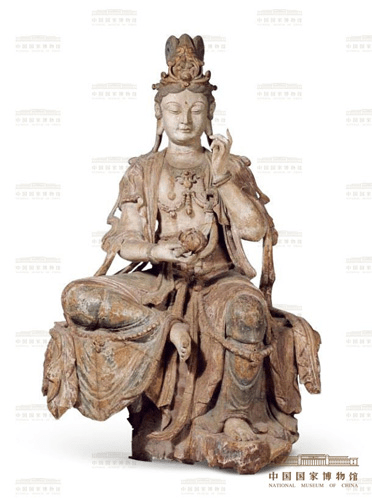
The ginkgo tree’s durable and fine-grained wood is prized for carving Buddha statues, earning it the moniker “Buddha’s fingernail.” Its leaves, resembling flames, symbolize light and warmth. In Buddhist tradition, the golden hue of ginkgo leaves reflects the nobility and purity of the Buddha’s body, which represents eternal light and wisdom.
The Buddha’s golden body, seen as untainted and impervious to worldly suffering, mirrors the ginkgo’s enduring nature. Similarly, the Buddha’s radiance is believed to dispel darkness, illuminate ignorance, and guide all beings toward compassion and enlightenment.
A Tree of Light and Legacy
The ginkgo tree, with its awe-inspiring beauty and profound cultural significance, is more than just a tree—it is a symbol of life, hope, and spiritual awakening. Its golden leaves remind us of the light within, inspiring resilience and reverence for nature’s timeless wisdom.
As we marvel at the ginkgo tree’s breathtaking beauty and the profound symbolism it holds, let it also serve as a gentle reminder of our responsibility to protect the natural world. These ancient trees, along with the countless wonders of nature, depend on our collective efforts to preserve their existence. By cherishing and safeguarding our planet, we ensure that future generations can continue to experience and draw inspiration from the harmonious balance and enduring wisdom of nature.
April 5th, or April 4th in leap years, marks the Qingming Festival in China. This festival is a nostalgic occasion, harmonizing solemn remembrance with a celebration of nature through outings and reveling in the spring scenery. It stands as a festival steeped in cultural heritage, seamlessly combining the solemnity of honoring ancestors with the delight of outdoor activities.
Originating from ancient rituals of tomb-sweeping by emperors and officials, Qingming Festival dates back over 2,500 years to the Zhou Dynasty. Initially named after a solar term, it evolved into a day for commemorating ancestors, closely linked to the Cold Food Festival.
The Cold Food Festival typically falls 105 days after the winter solstice. Legend has it that its origin dates back to the Spring and Autumn Period when Prince Chong’er of the state of Jin was on the run, exhausted and starving. Finding himself in a desolate area with no one around, his loyal servant Jie Zitui cut a piece of flesh from his own leg and cooked it into a soup to feed Chong’er. After Chong’er ascended to the throne as Duke Wen of Jin, Jie Zitui chose to live in seclusion with his mother rather than seek rewards. Duke Wen repeatedly tried to persuade him to return, even resorting to burning down the mountains surrounding his hideout, hoping to force him out. Tragically, Jie Zitui and his mother perished in the fire, unmoved by Duke Wen’s efforts. Overwhelmed with grief, Duke Wen declared this day as the Cold Food Festival in honor of Jie Zitui’s sacrifice.
Qingming Festival, a day for ancestral worship, embodies moral beliefs, poetic sentiments, and genuine emotions. It is an expression of filial piety and remembrance towards ancestors, a cultural tradition emphasizing reverence and familial bonds. It serves as a poignant reminder of our roots and a moment to express gratitude.
The act of ancestral worship symbolizes not belief in spirits, but faith in the enduring love of our loved ones. Therefore, their memories remain etched in our hearts, and our gestures of respect hold profound significance.
Death merely transitions life’s state; it does not sever our connection with loved ones. Through this annual ritual, we learn to remember and let go, finding solace in expressions of love. Qingming Festival encompasses grief, remembrance, responsibility, and gratitude, serving as a cornerstone of familial and national heritage.
Qingming ancestral rites reflect traditional Chinese values of filial piety and ancestor reverence, rooted in Confucian ethics. This moral compass guides contemporary attitudes of respect, gratitude, and harmony with nature, embodying the essence of Confucian teachings.
Moreover, Qingming customs extend beyond tomb-sweeping to include outdoor activities such as spring outings. As nature rejuvenates during this season, families venture into the countryside to enjoy the blossoming scenery, fostering a sense of harmony with the natural world.
During Qingming, planting trees has become a common tradition, stemming from the practice of wearing willow sprigs. Legend has it that the tree from which Jie Zitui made his sacrifice revived, leading to the tradition of planting willow trees during Qingming.
Another customary delight during Qingming Festival is Qingtuan, or green rice balls, a delicacy with a sweet and fragrant taste. Made from glutinous rice flour mixed with mugwort juice, stuffed with fillings like red bean paste or sesame, these green dumplings symbolize renewal and abundance.
In essence, Qingming Festival embodies the essence of Chinese civilization, honoring our ancestors, nurturing familial bonds, and fostering harmony with nature. It serves as a testament to our cultural heritage and a reminder of the values that bind us as a people.
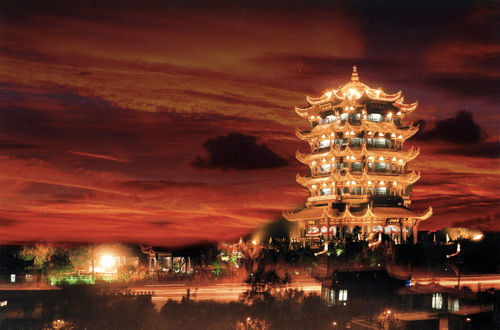
Perched majestically atop Snake Mountain, Yellow Crane Tower stands as a beacon of cultural significance in Wuhan, Hubei Province, rivaling the fame of Yueyang Tower in Hunan Province and Tengwang Pavilion in Jiangxi Province. With origins tracing back to the Three Kingdoms period in 223 A.D., this architectural marvel is more than just a sightseeing spot; it’s a testament to China’s rich history and enduring legacy.
Rising 51.4 meters into the sky, Yellow Crane Tower’s five floors house a treasure trove of murals, couplets, and cultural relics, each floor a testament to centuries of artistry and inspiration. The tower is not an isolated structure; it is surrounded by auxiliary buildings, including pagodas, memorial arches, and pavilions, which add to its grandeur and mystique.
Throughout history, Yellow Crane Tower has attracted luminaries from all walks of life, drawn by its ethereal beauty and historical resonance. Poets and writers, including the esteemed Cui Hao, have penned timeless works inspired by the tower’s allure. Cui Hao’s masterpiece, “Yellow Crane Tower,” resonates across generations, immortalizing the tower’s mystique in poetic verse.
Legend intertwines with reality in the tale of Yellow Crane Tower’s origins, where an act of kindness transforms a humble innkeeper’s life forever. The story unfolds in the ancient city of Wuhan, where a benevolent innkeeper named Old Xin encountered a shabbily dressed customer. Unperturbed by the visitor’s destitution, Mr. Xin welcomed him daily, offering him a glass of wine without expecting payment.
For six months, the mysterious customer continued to frequent the inn, accumulating a debt that Old Xin graciously overlooked. One day, the indebted visitor revealed his true identity as a magical being. He presented a drawing of a yellow crane, which came to life as he played a flute and sang. The enchanted crane danced along with the music, captivating the onlookers and turning the inn into a spectacle.
This magical partnership continued for ten years, bringing wealth and prosperity to Mr. Xin. When the mysterious customer returned one day, Old Xin, overwhelmed with gratitude, offered to support him in any way possible. However, the magical visitor had no material desires. Instead, he played a few tunes on his flute, and white clouds descended from the sky, carrying the drawing of the crane. With a graceful ascent, the customer mounted the crane and soared into the sky, leaving behind a tale imbued with traditional Chinese wisdom—kindness is a virtue that will always be repaid.
To express his gratitude and immortalize this magical encounter, Mr. Xin erected a tower on the spot and named it the “Yellow Crane Tower.”
Despite enduring centuries of upheaval and destruction, Yellow Crane Tower stands resolute, a symbol of resilience and cultural continuity. From its inception during the Three Kingdoms to its reconstruction in modern times, the tower has weathered the storms of history, emerging stronger with each passing era.
The tower’s architectural splendor is matched only by its cultural significance. Each floor tells a story, from legends of ancient cranes to the poetry of Tang Dynasty luminaries. Visitors are treated to panoramic views of the Yangtze River and Wuhan cityscape, offering a glimpse into China’s past and present.
It stands 51.4 meters (about 168 feet) high and has five floors
Around the main tower there are many other buildings, including the Sheng Xiang Pagoda and the temple gate. Each storey is decorated with traditional upturned eaves, but each one has a different style. The ground floor is a tall, wide hall. The midmost caisson ceiling stands over 10 meters high. On the front wall is a huge ceramic mural painting of a white cloud and a yellow crane. A pair of 7-meter-long inscribed tablets hang on the posts on both sides. The front wall of the second floor holds a marble inscription of Tang Dynasty poet Yan Baojin’s ‘Note on the Yellow Crane Tower’. On each side of it are mural paintings. One is ‘The Town that Sun Quan Built’. It describes the history of the Yellow Crane Tower and Wuchang town. The other is ‘Zhou Yu Made a Feast’, which tells the story of the Three Kingdoms celebrity’s visit to the tower.
With yellow upturned eaves, each floor seems to have been designed to resemble a yellow crane spreading its wings to fly.
As visitors explore Yellow Crane Tower, they encounter a journey through time and culture. Each floor is a testament to China’s literary and artistic heritage, inviting travelers to immerse themselves in centuries of tradition and innovation.
Outside the tower, bronze cranes stand sentinel, silent witnesses to the ebb and flow of history. Memorial gateways and pavilions beckon travelers to explore further, inviting them to partake in the tower’s timeless legacy.
Yellow Crane Tower is more than just a scenic spot; it’s a living testament to China’s cultural resilience and artistic ingenuity. As visitors stand atop its lofty heights, they are reminded of the enduring power of human creativity and the timeless allure of the written word.
In the heart of Wuhan, Yellow Crane Tower stands as a testament to the enduring spirit of China’s cultural heritage. Its towering presence serves as a beacon of inspiration for generations to come, inviting travelers from near and far to embark on a journey through time, tradition, and a touch of enchantment.
As we step into the Chinese New Year of 2024 (February 10th), ushering in the Year of the Dragon, we embark on a journey through the intricate tapestry of Chinese culture and folklore. Beyond the tangible creatures represented in the Chinese Zodiac, the dragon stands as a mystical symbol shrouded in enigma. Join us as we delve into the tales, traditions, and jubilations surrounding the Year of the Dragon, uncovering the profound significance of the Chinese Lunar New Year and its ancient lunar calendar.
The Chinese New Year, also known as the Spring Festival, is intricately linked with the Chinese Lunar Calendar, a timekeeping system rooted in the moon’s phases. Unlike the Gregorian calendar, the Chinese Lunar Calendar dates back over four millennia, its inception during the Xia Dynasty and refinement during the Shang Dynasty. It serves not only as a means to measure time but also reflects the Chinese people’s harmonious rapport with nature. Aligned with the agricultural cycle, the lunar calendar aids in agricultural endeavors, guiding farmers in sowing and reaping.
IVAN/GETTY IMAGES
More than a mere chronometer, the Chinese Lunar Calendar embodies a cultural legacy brimming with significance. Grounded in the principles of yin and yang, the five elements, and the Chinese zodiac, it offers a holistic understanding of existence. This venerable calendar not only demarcates the passage of time but also orchestrates cultural ceremonies, festivals, and customary observances.
In ancient China, the dragon reigned as a symbol synonymous with imperial authority. Emperors, considering themselves the “Sons of Heaven,” identified with the dragon, an emblem of celestial power. This perception permeated society, fostering a collective belief in the Chinese people’s lineage from dragons. Rooted in mythology, folklore, and cultural symbolism, dragons hold a special place in Chinese ethos, embodying myriad virtues and auspicious qualities.
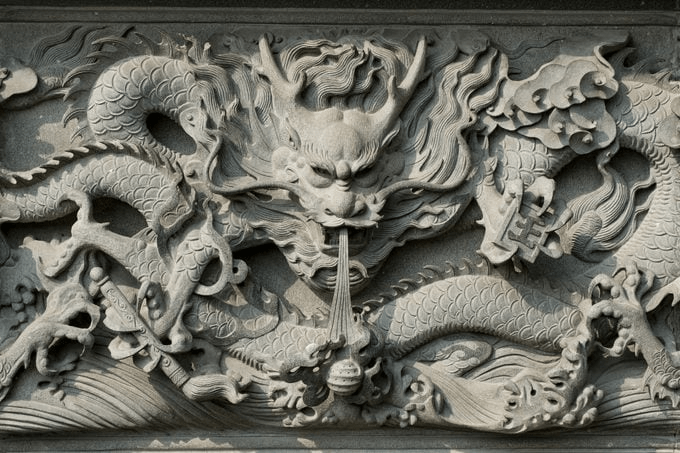
Legends abound in Chinese mythology, recounting the exploits of the Four Dragon Kings, guardians of the seas in the cardinal directions. Revered for their prowess and rain-summoning abilities, these divine beings epitomize the grace and might associated with dragons. Similarly, the tale of Nezha and the Dragon Prince underscores the dragon’s dual role as a symbol of strength and wisdom, transcending conventional boundaries.
This mural depicting the Four Dragon Kings is preserved in Baiyun Temple, Beijing.
Ancient myths narrate the existence of the Nine Sons of the Dragon, each endowed with unique abilities shaping the natural world. From thunderous roars to water manipulation, these dragon progeny epitomize the elemental forces governing existence. The dragon’s omnipresence in imperial symbolism further underscores its significance, depicting the dragon as the epitome of majesty and sovereignty.
As the Chinese New Year approaches, customs and celebrations honoring the dragon come alive:
Dragon Dances: The iconic dragon dance involves a team of performers manipulating a long, undulating dragon puppet through the streets. This dynamic display is believed to bring good luck and drive away evil spirits.
KEVIN FRAYER/GETTY IMAGES
Dragon Boat Festival: While not directly related to the Chinese New Year, the Dragon Boat Festival is another celebration featuring dragon imagery. Races are held with elaborately decorated boats to commemorate the tragic death of the poet Qu Yuan.
Dragon Lanterns: During the Lantern Festival, which marks the end of the Chinese New Year celebrations, dragon-shaped lanterns light up the night sky, creating a mesmerizing spectacle.
H.H. Dorje Chang Buddha III, a vocal artist, many years ago, has even composed a unique masterpiece, the energetic and festive song “Chinese Dragon,” showcasing the dragon’s cultural significance.
The dragon, shrouded in myths and revered in Chinese culture, takes center stage as we welcome the Year of the Dragon. These captivating stories and customs not only enrich our understanding of Chinese folklore but also highlight the dragon’s enduring role as a symbol of power, wisdom, and good fortune. As the dragon dances through the streets and the Lunar New Year festivities unfold, let us embrace the magic of this mythical creature and wish for a year filled with prosperity and auspicious beginnings. May the dragon bring its legendary blessings to all in the Year of the Dragon!
Nestled in the depths of Yanmen Mountain in Shanxi, the ancient Yanmenguan Pass stands as a solitary testament to history, dating back some 2,000 years. This once invincible guardian of the frontier, which served as a formidable defense along the boundary, now seems like a wise old man, eager to share tales of its storied past.
Located 12 miles (19 kilometers) north of Daixian County, in Shanxi Province, Yanmenguan Pass is one of the three notable passes of the Inner Great Wall, alongside Ningwu Pass and Pianguan Pass.
The region’s history can be traced back to the Spring and Autumn Period (770 BC – 476 BC), when King Wuling of Zhao State first established Yanmen County here. During the reign of Emperor Qin Shi Huang (259 – 210 BC), orders were given to construct Yanmen Pass as a fortification against the northern tribes, sparking centuries of fierce battles for control.
In the Northern Song Dynasty (960 – 1127), the famous Yang family warriors, including female members, were stationed at the pass to defend against invasions from the Qidan troops of the northern prairies. Statues of some of these legendary figures can be seen lining the entrance path of the scenic area.
The structure of the pass includes a pass city, a barbican, and an enclosing wall. Nestled between two rolling hills, the pass city stands at a height of 30 feet (nine meters) and spans a perimeter of 1,100 miles (1,006 meters). Extending from the east and west wings of the pass city, the enclosing wall measures over three miles (five kilometers) in length and is punctuated with beacon towers. The barbican was constructed outside the northern gate of the pass city.
A Uniquely Designed Military Stronghold
The northern gate of the pass, Di Li Gate, boasts a barbican that forms a double defense line. Unlike most barbicans, the entrance door is situated on the east wall instead of the front, exposing potential invaders from two sides. Another distinctive feature is that Tian Xi’an Gate, which opens to the central plain, is not directly aligned with Di Li Gate. It is located at the northeast corner of the pass, while the area directly opposite Di Li Gate is a false lead, leading to a secluded mountain area with no walkable path, only dense trees, knee-high grass, and wild beasts.
Behind Di Li Gate lies a large reservoir with military potential. In case of a breach, defenders could break the dam to flood the invading forces. Additionally, a pagoda stands on the northern slope of the enclosing wall, occupying the highest point of the area at an altitude of 5,968 feet (1,819 meters). This strategic location served as an ideal command post, offering a commanding view of the entire area.
Yanmenguan was renowned for its strategic significance and legendary wars, having witnessed over 1,000 skirmishes and 140 significant battles throughout history. Since the era of the Zhao State during the Warring States period, every dynasty has recognized the importance of Yanmenguan’s defensive position. It has always been a border gateway marked by fierce conflict and integration between farming and nomadic peoples.
However, amidst the echoes of past battles, a story of peace and kindness emerges through the figure of Wang Zhaojun, one of the “Four Great Beauties” of ancient China. Two thousand years ago, she passed through Yanmenguan as an envoy of peace between China and the Xiongnu.
In 33 B.C., after over a century of conflict with the Xiongnu in the north, the Han Dynasty had grown stronger under Emperor Yuan, while the southern Xiongnu had weakened. The people longed for stability, and to establish friendly relations with the Han Dynasty, Chanyu Huhanye, the Monarch of the Xiongnu, visited Chang’an to meet Emperor Yuan.
Wang Zhaojun, born in 51 BC near the beautiful Xiangxi River at the foot of Jingchu Mountain, traveled to the bustling capital Chang’an in 38 BC after being chosen as a maid for the Imperial Palace. Customarily, the Emperor selected maids based on their portraits, and Wang, likened to a phoenix, was so pure that she didn’t need to bribe the artist Mao Yanshou, unlike the other maids. Mao, however, deliberately created an unflattering portrait of her, relegating her to the role of an ordinary maid with chores in the palace’s corners. Despite the cold treatment and challenging tasks, this adversity served to strengthen her mentally and physically, perhaps as a divine preparation for her destiny.
As a court lady in waiting, Wang Zhaojun was chosen for the marriage. When the matron of the harem presented her unflattering portrait to the Emperor, he merely glanced at it and approved. But upon seeing her in person, her beauty and grace astonished the Emperor, the monarch, and the ministers. Huhanye was overjoyed and vowed to maintain peace along the frontier.
Wang Zhaojun followed the Emperor’s orders, becoming a symbol of peace through her marriage to the Xiongnu. She was honored with the title “Ninghu Yanzhi,” meaning queen who could bring peace to the Xiongnu. Subsequently, she devoted her life to maintaining stability along the Han-Xiongnu border and promoting Han culture.
Two thousand years ago, the Huns led a nomadic life in the harsh northern deserts, lagging behind the more advanced Han Dynasty. As Wang Zhaojun traveled to Xiongnu, she observed the stark contrast between the desolation of the north and the prosperity of Chang’an.
After crossing Yanmenguan, her hometown of Jingchu and the Han palace in Chang’an seemed far away, leading to feelings of homesickness. Playing a sorrowful melody on her pipa (Chinese lute), she captured the attention of a flock of geese flying overhead. So captivated were they by the beautiful music and the sight of the graceful woman on horseback that they forgot to flap their wings and fell to the ground. This incident gave rise to the saying that Wang Zhaojun’s beauty was so captivating that it made geese fall to the ground. Wang Zhaojun’s role in fostering harmony through her marriage and contributing to a peaceful border region exemplifies the traditional Chinese cultural value of “harmony.”
After arriving in Xiongnu, Zhaojun faced a challenging living environment and vastly different customs. Nevertheless, she steadfastly adhered to her mission, set aside her homesickness, and courageously, persistently, and compassionately integrated into the Hun’s lifestyle. She transformed from an ordinary Han palace maid to a virtuous and kind Queen of the Xiongnu, assisting the monarch across two generations.
She urged the monarch to cease hostilities and introduced Han’s advanced cultural etiquette system to the Hun people. Moreover, she taught them to cultivate millet and hemp, rear domestic animals, weave cloth, and dig wells. Consequently, the beacons and wars along the frontier ceased, and a scene of “wind blowing through the grass and cattle and sheep grazing” emerged, allowing the people to live peaceful and prosperous lives.
Wang Zhaojun’s role in fostering harmony through her marriage and contributing to a peaceful border region exemplifies the traditional Chinese cultural value of “harmony.” The ethereal Wang Zhaojun lived up to the expectations of the Han Dynasty, resolved the conflict between the Han Dynasty and the Xiongnu, and propagated Han culture. Her accomplishments have become beacons of inspiration for future generations.
Instrumental in establishing peace and prosperity along the Han-Xiongnu border for half a century, she earned the love and respect of the people of her time and those of future generations. In her honor, the Huns constructed ‘The Tomb of Wang Zhaojun’ near the bank of the Big Black River. In the northern desert, she was revered as a Goddess sent by Heaven to assist the Xiongnu. It was said that there would be plentiful water and lush grass wherever she passed.
(Image: Yaliga Ba via Dreamstime)
Today, as I reflect on this beautiful and strong woman, I can’t help but feel deeply moved. In the present world, we have extremely advanced technology, but it seems that people’s moral standards and the level of civilization have not been correspondingly enhanced. I earnestly hope that modern people can resolve national, racial, and regional contradictions and conflicts through peaceful means, and avoid resorting to war, violence, and terror, as these can only bring disaster and trauma to humanity and the planet.
In the National Geographic channel’s “The Power of Miracles” episode of “The Story of God with Morgan Freeman,” Freeman delves into the concept of miracles and the role they play in different cultures and religions around the world. Throughout the episode, Freeman explores the various stories and accounts of miracles that have been passed down through traditional cultures and religions. These stories often involve healing, protection, and other seemingly miraculous events.
One of the main focuses of the episode is the stories of miracle in Christianity. Freeman visits the site of a Catholic pilgrimage in Lourdes, France, where thousands of people travel each year to pray for healing. Freeman also visits the site of a Marian apparition in Medjugorje, Bosnia, where six children reported seeing the Virgin Mary in 1981. Freeman also meets with people who believe they were healed as a result of the apparition, which is still ongoing. Freeman also explores other religion’s records of miracles like the Jewish Kabbalah, and the Islamic Hadith.
While some people may be skeptical of these stories, Freeman makes it clear that they hold great significance for the people who believe in them. For many, these stories of miracles provide hope, inspiration, and a sense of connection to something greater than themselves. Freeman ultimately concludes that miracles are about the power of belief, and that the belief in something larger than ourselves can have a profound impact on our lives.
Watching this episode is a miracle for me. I explored so many beautiful places, cultures and religions. It’s a must watch for people with an interest in the intersection of faith and science, and in the power of belief to shape our lives.

























 Peace LiLy