The Miraculous Phenomena Witnessed Around the Buddha

In the course of benefiting sentient beings in this world, H.H. Dorje Chang Buddha III Wan Ko Yeshe Norbu Holiest Tathagata has inadvertently revealed His state of virtue and realization. This has profoundly enriched our understanding of the realization, boundless compassion, enlightenment, and sublime conduct of a Buddha. Sacred phenomena manifest wherever H.H. Dorje Chang Buddha III goes. These phenomena occur during His Holiness’s initiation ceremonies for esteemed monastics, rinpoches, dharma kings, and even renowned Bodhisattvas. They also arise when His Holiness delivers discourses on the dharma to His disciples or when He bestows blessings upon sentient beings to enhance their fortune and wisdom.

In this post, I would like to share some examples.

Dragon-Fish Stand Straight Up on the Surface of the Water and Pay Respect to
H.H. Dorje Chang Buddha III by Bowing to His Holiness

On November 6th, 1999, at Puttamonton, Thailand, a group of around thirty people accompanied H.H. Dorje Chang Buddha III. After prostrating before the holy image of Sakyamuni Buddha, they gathered under a bodhi tree beside a serene lake, where H.H. Dorje Chang Buddha III sat. One of the Rinpoches respectfully beseeched H.H. Dorje Chang Buddha III to give a discourse on how an Arhat can realize the state of a Bodhisattva, how a Bodhisattva can attain the supreme and complete enlightenment of a Buddha, and why a Buddha must rely on saving sentient beings to attain Buddhahood.

At that moment, various birds flew over from all directions and perched themselves on the tree, while different types of wild fish in the lake swam over to them. Two wild dogs even approached and joined the group in front of H.H. Dorje Chang Buddha III’s seat, creating an extraordinary scene.

As H.H. Dorje Chang Buddha III began expounding the highest wondrous dharma, waves suddenly surged from the calm waters of the lake, accompanied by a loud sound. A black dragon transformed into a large black and gold fish, emerging vertically from the water’s surface and bowing its head toward H.H. Dorje Chang Buddha III after each movement.

This remarkable display lasted about twenty seconds, with other fish, both white and black, also emerging to pay their respects to H.H. Dorje Chang Buddha III.

Witnessing this unprecedented spectacle, the disciples were filled with wonder, understanding that these fish were dragon-spirits transformed to receive the dharma and pay homage. H.H. Dorje Chang Buddha III, however, remained humble, stating, “This is a response evoked by the Buddha-dharma. One should practice the Buddha-dharma with a heart of humility. Amazing feats are like dreams and illusions, like clouds and smoke that pass in an instant. One must not be attached to them. They are not worth mentioning.”

Indeed, when great saints expound the wondrous dharma, both humans and non-humans pay their respects, a testament to the merit and realization of a Buddha.

A Wild Squirrel Offered Avocadoes to H.H. Dorje Chang Buddha III

In the afternoon of April 24th, 2000, disciples Long Zhi and Juehai walked along the swimming pool in the outer area of the mandala with H.H. Dorje Chang Buddha III Wan Ko Yeshe Norbu Holiest Tathagata. H.H. Dorje Chang Buddha III pointed to an avocado tree and said, “I want everyone to try the fruits.” So H.H. Dorje Chang Buddha III instructed Long Zhi to get a fruit catcher. Long Zhi searched but couldn’t find one. H.H. Dorje Chang Buddha III then said, “We have to pick some avocados.”

Moments later, a brown squirrel descended from an old pine tree. H.H. Dorje Chang Buddha III instructed everyone, “Don’t chase the squirrel away. It came to help.” The squirrel skillfully climbed the avocado tree, searching for ripe fruit. Jumping from branch to branch and sometimes hanging upside down, it located the avocados hidden amidst the dense foliage. Within minutes, the squirrel retrieved six avocados. H.H. Dorje Chang Buddha III deemed it sufficient.

Addressing the squirrel, Long Zhi said, “Hey, squirrel, you have worked diligently. Your offering has accumulated ample merit. It is enough.” The squirrel paused on a branch, holding its paws together, acknowledging H.H. Dorje Chang Buddha III. These six avocados were offerings to H.H. Dorje Chang Buddha III from the squirrel.

As H.H. Dorje Chang Buddha III prepared to leave, the squirrel performed one prostration before the Buddha Master and then departed slowly. Since then, the nuns residing at the holy mandala have observed squirrels climbing the avocado tree but no longer witness avocados being offered as offerings.

The Buddhas Praise H.H. Dorje Chang Buddha III’s Discourse;
Buddha Light Blessing Illuminates the Lecture Hall
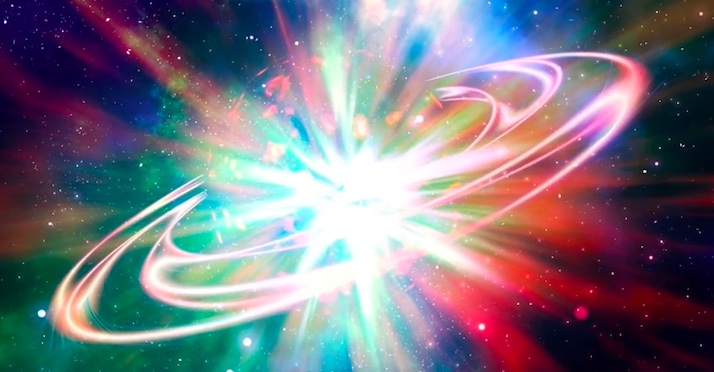
In April 2006, the Buddha Master was in the lecture hall delivering a discourse on “What Is Cultivation” in response to a question from Zhaxi Zhuoma Rinpoche. As the Buddha Master began, a beam of sparkling iridescent light suddenly appeared, circling the indoor lecture hall with the force of lightning. The sight was dazzling and auspicious! Throughout the discourse, this radiant Buddha light appeared and illuminated the hall as many as five times.

Approximately twenty Rinpoches and masters were present, witnessing the phenomenon. However, not all disciples perceived the same colors and number of Buddha lights due to their varying levels of cultivation and karmic conditions. Some witnessed Buddha lights appearing six times, while others saw them twice. The colors varied as well, with some seeing red, others white, and still others witnessing iridescent Buddha lights sparkling in the hall. The Buddha Master’s discourse on the Buddha-dharma, along with the praise and blessings of the Buddhas and Bodhisattvas, filled all present with joy.

These Buddha lights were special manifestations with underlying causes. They appeared when the Buddha Master discussed the karmic conditions behind the publication of the book “A Treasury of True Buddha-Dharma.” Dazzling Buddha lights flashed in the mandala, as the Buddhas and Bodhisattvas used them to celebrate the birth of this book, which would provide countless beings in the earthly realm with a path to practice the true dharma. As proclaimed by many great dharma kings and rinpoches, the karmic conditions for beings to experience good fortune have matured!

For further details on each incident, please refer to the book “H.H. Dorje Chang Buddha III: A Treasury of True Buddha-Dharma.”

Link:https://peacelilysite.com/2024/05/03/the-miraculous-phenomena-witnessed-around-the-buddha/

#DorjeChangBuddhaIII #HHDorjeChangBuddhaIII#DorjeChangBuddha#Mandala #Buddhism #Karma #causeandeffect #Dragon #Squirrel
Enlightened Discourse: Exploring Love, Compassion, and Impermanence

One time, Shakyamuni Buddha and King Prasenajit engaged in a profound and comprehensive discussion about love and compassion.

“Master Gautama,” King Prasenajit began, “some people say you taught them not to love. They argue that the more you advocate for love, the more pain and sorrow there is. Though I can discern a grain of truth in this, I’ve always harbored a bit of unease about that perspective. Life without love feels devoid of meaning. Please enlighten me on this matter.”

The Buddha regarded the King with kindness and responded, “Your Majesty, that’s an insightful question, one from which many can benefit. Love, indeed, manifests in various forms, each requiring careful examination. While love is indispensable in life, it must not be rooted in lust, obsession, or prejudice. There is another form of love urgently needed in life. This entails love and compassion, or great kindness and great compassion. What people commonly perceive as love is often confined to mutual affection among family members and citizens. However, such love, tethered to notions of ‘me’ and ‘mine,’ fosters attachment and separation.”

“People primarily yearn to love those within their immediate circle—parents, spouses, children, grandchildren, relatives, and fellow citizens,” he elaborated. “However, love imbued with partiality breeds bias, leading to indifference or discrimination toward those outside one’s circle. Attachment and separation, therefore, perpetuate suffering for oneself and others.”

“The love that humanity truly craves is one rooted in love and compassion,” the Buddha emphasized. “Great kindness and compassion extend universally to all beings, transcending distinctions of ‘mine’ and ‘not mine.’ Devoid of attachment, they bring about happiness and alleviate suffering.”

“In great kindness and compassion, there lies no trace of differentiation,” he concluded. “They serve as the path to liberation from distress.”

The King bowed his head in thought. “I have a family and a country to take care of,” he said. “If I don’t love my family and my country, how can I take care of them? Please clarify this for me.”

The Buddha reassured him, saying, “Of course, you should love your family and your people, but your love can extend beyond them. Your present limited love can be transformed into an all-embracing love, and the young people of this country will become your sons and daughters. This is the true meaning of compassion.”

The King asked again, “This is something that can actually be done, especially where you live. It’s much easier. What about young people in other countries?”

The Buddha replied, “Though they are not in your country, that doesn’t stop you from thinking about the youth of other countries, just as you treat your own children. You love your people; that’s no reason why you can’t love other people.”

The King said, “But when they’re not under my jurisdiction, how can I show my love for them?”

The Buddha looked at the King and spoke, “The prosperity and security of a nation should not be gained at the expense of the weakness and turmoil of other countries. Your Majesty, lasting peace relies on the cooperation of all nations moving towards the common good. Kaushambi Salo will remain safe if you strive for it. You do not wish for your young men to perish on the battlefield; therefore, you must aid in stabilizing other nations. For genuine peace, foreign and economic policies must be guided by compassion. While you prioritize the well-being of your own people, you must also extend love and care to neighboring kingdoms such as Magadha, Gashi, Vitiha, Shakya, and Khalil.”

The King exclaimed with enthusiasm, “Wonderful! This is profound! Your words deeply resonate with me. Surely, you possess true enlightenment! I promise to ponder your teachings diligently and understand their wisdom thoroughly. However, I have a simple question for you. General love, as you mentioned, often involves separation, desire, and attachment, leading to sorrow and misery. But how can one love without desire or attachment? How can I, for example, love my children without succumbing to worry and pain?”

“In the path of enlightenment, love cannot exist without understanding,” the Buddha continued. “Love is born out of understanding. You cannot truly love someone unless you know them. Couples who are unfamiliar with each other will struggle to foster love. Similarly, parents and children who lack understanding of each other will find it challenging to cultivate love. If you desire the happiness of the one you love, you must make an effort to comprehend their concerns and aspirations. True love stems from this understanding. Conversely, if you merely seek to impose your own desires onto them, disregarding their needs, it is not genuine love but rather a desire for control and self-gratification. When everyone experiences peace, happiness, and joy, you will also come to understand these states. This is the essence of love on the path of awareness.”

The King, profoundly touched, conveyed his gratitude, stating, “I am truly grateful for the profound wisdom you have shared with me. However, I still find myself grappling with a lingering question. You assert that love rooted in attachment leads to pain and turmoil, while compassionate love brings peace and happiness. Although I perceive compassionate love as altruistic and selfless, I still harbor concerns that it may entail suffering.”

“Compassion is indeed the fruit of understanding,” the Buddha replied. “To tread the path of awareness is to bear witness to the reality of life—a reality characterized by impermanence. In everything, there exists no eternal or individual self. One day, all of this will be behind us.”

“When one comprehends the impermanence of existence, their perspective becomes tranquil and harmonious,” he continued. “The presence of impermanence does not disturb their mind and body; hence, the poignant feeling induced by compassion is unparalleled in its bitterness. Yet, the anguish of compassion serves to fortify one’s resolve.”

Moved deeply by the teachings, the King of Persia realized that no spiritual teacher or Brahmin priest had ever succeeded in opening his heart to such profound understanding. He considered the presence of the Buddha as a divine blessing bestowed upon the country. Filled with reverence, he expressed his wish to become a disciple of the Buddha.

Link:https://peacelilysite.com/2024/05/02/enlightened-discourse-exploring-love-compassion-and-impermanence/

Source: Old Path White Clouds A life story of the Buddha by Thich Nhat Hanh

Ananda and the Untouchable

A Buddhist Story of Loving Kindness

By Martin Goodson

One day Ananda, the Buddha’s assistant, approached a well to have a drink.  A woman, a member of the untouchable caste, was drawing water and Ananda asked her for some.  The woman was surprised that she had been asked to give anything to a monk as the caste laws stated that anything given by one who is considered unclean would also be unclean.  However, Ananda persisted and eventually she gave in and gave him a drink.

The woman was so moved by this experience which had never happened before that she felt a strong affection for Ananda and made up her mind to serve him.  Thus, she went to the Buddha and asked if she might be Ananda’s assistant. 

  The Buddha asked her why she wanted to do this.  She told him.  The Buddha replied that what she had fallen in love with was not Ananda but his kindness.  Also, that this kindness was present in her own heart and that if she were to cultivate it within  she would be able to serve both kings and queens.

This is a lovely story about the power of goodwill or ‘metta’ to affect the heart. The Buddha taught that the most important element of any act is the motivation behind it.  All of us are capable of ‘doing the right thing’ but this is not really enough; the motivation behind the action determines the outcome.  A common Buddhist practice is the practice of acquiring merit in order to ensure a good future re-birth.  This is akin to the old Christian view of doing good so as to go to heaven after death.  However, if I am doing good solely for the outcome to myself then the act is already flawed.  What is more it shows itself to others in time.  We all know the stereotype of the do-gooder who is so caught up in bringing about some future good that he ignores whether or not the other person requires help in this way.  The problem with trying to do good for others when in fact I am looking for something for myself is that I fail to see what it is that others really do need right now. Both self-concern and regard for others are two very different way of seeing the same situation.  

When the heart has for a moment forgotten ‘I’ and ‘my concerns’, and this does happen more often than realised, then it opens up and reflects the situation.  What is more, not only does it see clearly,  but, because it is a human heart, it responds with the warmth of humanity.  This happens, not because it wants anything, but because it is its nature to do so.  Humans have the capacity to put themselves in the other’s shoes and thus respond without intending something just for myself.  This is also reflected in Jesus Christ’s admonition to ‘Love thy neighbour as thyself’.  In other words, by forgetting myself I forget the separation from others too.  Thus, a true ‘fellow feeling’ is born and this is the root of metta and of compassion .

Link:https://peacelilysite.com/2024/04/26/ananda-and-the-untouchable/

Source: https://www.thezengateway.com/practice/ananda-and-the-untouchable

Master Milarepa Manifested the True Meaning of Emptiness in Heart Sutra

Milarepa was the most famous disciple of the Kagyu lineage patriarch, Great Master Marpa, in Tibetan Buddhism. Renowned for his ascetic practices, Milarepa was celebrated as a prominent yogi, master of tantra, ascetic monk, and poet.

Milarepa was born in 1052 in Gongtang, Tibet, with the secular name Milarepa Tönpa. His family was very wealthy. However, at the age of seven, his father passed away due to illness, and the family’s estate was seized by his uncle and aunt, plunging them into poverty. Milarepa, his mother, and his three-year-old sister were treated as slaves by his relatives, going from being wealthy to destitute beggars, subjected to the cold stares of former friends and relatives.

This turn of events filled his mother with resentment. When Milarepa grew older, she sent him to learn sorcery for revenge. After mastering his skills, at his uncle’s wedding feast, Milarepa used sorcery to cause the house to collapse, killing 35 people, including his enemies. Later, he also summoned hailstorms that destroyed the crops of his uncle and the entire village. However, instead of finding satisfaction in revenge, Milarepa felt deep remorse for his actions, experiencing sleepless nights filled with regret. Eventually, he vowed to seek liberation through studying Buddhist teachings.

Later on, guided by others, Milarepa sought out Marpa as his teacher. To test Milarepa’s resolve to repent and to help him cleanse his negative karma, Marpa intentionally subjected him to various forms of arduous labor as a form of “torture.”

Marpa Lotsawa repeatedly instructed Milarepa to build houses on different mountains, and all the building materials—stones and wood—had to be carried by Milarepa himself. Then, intentionally, when the houses were nearly completed, Marpa would order them to be demolished, and all the materials had to be carried back to their original places. Due to the prolonged carrying of stones, Milarepa’s back was rubbed raw, covered with scars that would heal and then be rubbed raw again.

The arduous labor caused Milarepa immense suffering, but due to his intense desire for teachings, he continued to obey his teacher’s orders with gritted teeth. During this time, whenever Milarepa sought teachings, he would often be scolded by his master, which left him feeling hopeless. Yet, it was in this seemingly painful torment that Milarepa’s karmic obstacles were gradually purified.

About six years later, Milarepa finally received teachings from his master and, following his instructions, began to meditate in a mountain cave. Having learned the technique of “Tummo Concentration” from his master, Milarepa could withstand the cold wearing only a single piece of cloth in winter. Hence, people called him “Milarepa,” meaning “the one from the Mila family who wears a cloth garment.” After nine years of austere meditation in a mountain cave, Milarepa finally attained enlightenment. He became a highly acclaimed practitioner of actual realization in the snowy plateau of Tibet.

At that time, there was a venerable master who had been lecturing on scriptures and teachings in a temple for many years. Upon hearing the revered name of Milarepa, this master was unimpressed and insisted on inviting Milarepa to come for a debate.

Milarepa said, “Let’s not debate yet. Do you understand what emptiness is?” The master immediately began eloquently explaining various theories of emptiness. At that moment, Milarepa pointed to a pillar in the temple and sighed, “All that you are saying is theoretical. Tell me, is this pillar empty or substantial?” The master replied, “The pillar is substantial; how could it be empty?” Milarepa responded, “You say it’s substantial, but I say it’s empty.” With that, he used his hand to gesture through the pillar as if the pillar didn’t exist at all. The master was astonished.

Milarepa then pointed to the empty space and asked the master, “Is this empty space substantial or empty?” The master quickly answered, “It’s empty.” However, Milarepa countered, “I say it’s substantial,” and proceeded to walk into the empty space to demonstrate. He confidently walked step by step as if on solid ground, moving around in the empty space effortlessly.

The master was at a loss for words, feeling deeply ashamed of his arrogance and ignorance.

This encounter helps us understand that theoretical discussions or worldly-wise understandings of emptiness are entirely different from the realized emptiness of the enlightened beings. There is a fundamental distinction. Whether one can demonstrate the realm of “form is emptiness, emptiness is form” signifies the difference between the sacred and the mundane. Milarepa, revered as a great saint who realized emptiness, established the profound wisdom of “form is emptiness, emptiness is form” based on actual realization of the unity of appearance and emptiness.

The Venerable Milarepa has long departed this world, and we are unable to personally receive his teachings. However, we are incredibly fortunate to have witnessed the emanation of the primordial Buddha – Dorje Chang Buddha III, who descended to this saha world, bringing forth the correct and unbiased true Dharma for all sentient beings.

H.H. Dorje Chang Buddha III expounded the Dharma with profound clarity and precision. “The Supreme and Unsurpassable Mahamudra of Liberation” and “The Absolute Truth Through the Heart Sutra” represent the first appearance of such excellent treasures of Buddhist scriptures, the supreme essence classics, in thousands of years of Buddhist history.

“The Absolute Truth Through the Heart Sutra” elucidates the teachings based on the phrases and principles of the Heart Sutra, as expounded by H.H. Dorje Chang Buddha III. It clarifies the relationship between mind, Buddha, and sentient beings, explaining the definitions of the impermanent and non-impermanent nature of life, the universe, and sentient beings, as well as the truth of form, dwelling, decay, and emptiness. What is a Buddha? What is the connection between sentient beings and Buddhas? What does liberation from birth and death entail?

The Buddha Dharma spoken by H.H. Dorje Chang Buddha III is presented in the most direct, accessible language, elucidating the profound truths of the Buddha Dharma for everyone to understand. During the inaugural empowerment ceremony for “The Absolute Truth Through the Heart Sutra,” Buddhas manifested in the empty sky and bestowed three-colored nectar, confirming that this teaching is the true Dharma spoken by the Tathagata. Those who sincerely practice “The Supreme and Unsurpassable Mahamudra of Liberation” and thoroughly understand “The Absolute Truth Through the Heart Sutra” can truly embark on the swift path to liberation and accomplishment.

Link:https://peacelilysite.com/2024/04/19/master-milarepa-manifested-the-true-meaning-of-emptiness-in-heart-sutra/

Source: https://www.jinbodhi.org/cn/67702

Relatives of Western Disciple of H.H. Dorje Chang Buddha III Wan Ko Yeshe Norbu Go to Western Paradise of Ultimate Bliss

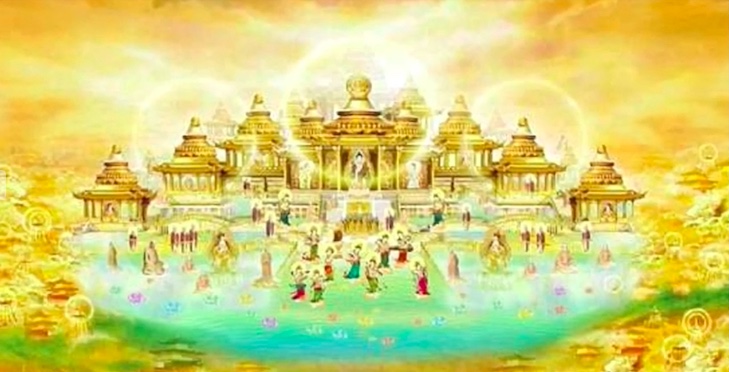
When Zhaxi Zhuoma’s close relative died, she asked H.H. Dorje Chang Buddha III, “What should I do?” As a result of her sincere request, H.H. Dorje Chang Buddha III performed a very wonderful and amazing ceremony that enabled her to see her relative, actually go to the Western Paradise of Ultimate Bliss (Sukhavati). This is a very high ritual of the Supreme Yoga Vajra Division, which cannot be discussed in detail with those who have not received initiation. However, she was able to report that she actually witnessed with her own eyes the miraculous scene where this person was transported to the sixth level of this Buddha-land that is beyond the worldly realms of suffering and sorrow. There are nine levels all together in the Western Paradise of Ultimate Bliss. This is the highest tier of the middle level, known as the Zhong Pin Shang Sheng in Chinese.
The picture of this person quivered in her hands as the ceremony began. It seemed that he could hardly wait. Or was this in response to the extraordinary dharma powers of the H.H. Dorje Chang Buddha III? It was a glorious and marvelous sight! There are no words that can express the joy she experienced when this event took place. His Holiness explained that this was because she was able to obtain a “glimpse” of the bliss that occurs in the Western Paradise. There is no other Dharma King or master who can do this! It was incredible!

Earlier H.H.Dorje Chang Buddha III  allowed Zhaxi Zhuoma to see the sufferings of Hell. Now she was able to experience the bliss of the Western Paradise. The Petitioning the Western Paradise of Ultimate Bliss Dharma is a very high and special dharma that is rarely practiced in this world. Many people want to go to the Western Paradise, but can’t. They would like to receive this dharma or have it performed for their loved ones, but can’t. Zhaxi Zhuoma said, “I have been with H.H.Dorje Chang Buddha III  for six years and seen him perform very many forms of inner tantric initiations and received some, but this is the first time that I have seen him perform this particular dharma. It was only through the maturing of certain causes and conditions that this ritual was successfully performed.“

“My dear relative, who was ninety when he died, had been a good Christian man, but knew nothing of Buddhism. His only contact with Buddhism had been through knowing me, although he had also met my younger vajra sister, Ven. Akou Lamo Rinpoche, in 2003 when we briefly visited him while on tour of the U.S.. Ven. Akou Lamo Rinpoche is a great rinpoche from Tibet and also a close disciple of H.H.Dorje Chang Buddha III . I am sure we were the only Buddhists he had ever even heard of, let alone met. “ This person had lived a good life and was very kind and generous, being willing to go to great lengths to help those who needed help. His immediate family, who are all also good Christians, were quite certain that he would go to the Christian heaven, but who would have thought that he would have had the good fortune to escape the realm of reincarnation altogether?

He had, after all, also been an avid hunter and fisherman and had killed many living beings in his life. With such negative karma, how could he be reborn in heaven? Needless to say, it would be even more impossible for him to go to the Western Paradise. But H.H. Dorje Chang Buddha III’s Buddha-dharma is so magnificent! I could actually witness my relative going to this superb Buddha-land and enjoying the incomparable happiness one finds there. His Holiness told me, ‘You are a rinpoche. That is why you can see this.’

“I was horrified when the minister giving the eulogy at my relative’s funeral praised him for teaching his grandchildren how to fish. I wanted to cry out “How can you praise someone for teaching children how to kill?” but I held my tongue and remained silent. In this rural community and this culture, hunting and fishing are very important, both for food and for pleasure. They do not understand the principles of either reincarnation or karma. It is only through the incredible merit, dharma skills, and great compassion of the H.H.Dorje Chang Buddha III  that this could happen.

“Just eleven days after my relative left this world, his wife also left. She was also ninety. H.H. Dorje Chang Buddha III was also able to raise her consciousness so that she could join her husband in the Western Paradise. I saw the Buddhas and Bodhisattvas come to the sacred mandala to receive her and witnessed their acceptance of her into the Western Paradise. This was a different ceremony held at a different mandala. At first it looked as though she might not be able to make it. H.H. Dorje Chang Buddha III went back and practiced the dharma a second time. This time he was able to send her to this paradise of eternal joy and happiness.

She, too, had been a good Christian, but knew nothing about Buddhism. She also did not have the good fortune to meet Ven. Akou Lamo Rinpoche. However, she was still able to go to the Western Paradise. It was so amazing. This was because of the incredible compassion and Buddha-dharma powers of H.H. Dorje Chang Buddha III Wan Ko Yeshe Norbu Holiest Tathagata. The Buddha-dharma is magnificent!”

In 2004 H.H.Dorje Chang Buddha III  performed another ceremony to raise the consciousness of Zhaxi Zhuoma’s non-Buddhist parents, Carl and Elsie Welker, to a higher realm as well. At that time she saw the Dharma Protecting Deities come to perform this rite. She was very, very grateful to her vajra master for his kindness and compassion in blessing her dear relatives. These miraculous Buddha-dharma events, performed for those who had not practiced or known anything about Buddhism, were all due to the amazing merit and compassion of H.H. Dorje Chang Buddha III Wan Ko Yeshe Norbu. He was willing and able to share his boundless merit with these non-Buddhist to enable them to enjoy the blessings of Amitabha Buddha’s Western Paradise. This was a great teaching on compassion and true equanimity.

REINCARNATION:

H.H. Dorje Chang Buddha III reminded us that we must realize that reincarnation is not something that just exists for Buddhists or easterners. It existed before the coming of the Buddha or before Jesus and continues to exist even after they have left this realm. It is a fact based on the principles of cause and effect. It does not exist because people believe in it or talk about it—it just exists. Nor does reincarnation cease to exist just because people do not accept it or believe in it. Only the Buddha was able to see how the cycle of reincarnation worked and to realize the method for escaping the suffering that is inherent in continual rebirth in the six realms of existence. Only a Buddha is capable of understanding the workings of karma.

Some concept of “heaven” or a “happy hunting ground” or “paradise” is held by most religions. Buddhism recognizes these realms as well, but does not hold the various heavens or abodes of the gods (devas or angels) and other celestial beings to be the goal of spiritual practice. They could be viewed as a “rest stop” or a nice vacation site, as one can surely go to these wonderful places if one lives a good life, avoids evil, and accumulates sufficient “merit.” However, even in heaven, when one’s merit is used up (and it is very hard to accumulate more merit while in those realms—the pleasures are just too great), one must still be reborn and repay one’s karmic debts.

There is even no guarantee that living a good life is enough to enable you to have a good next life, for your karma from past lives may catch up with you on your next round. Only by becoming a holy or enlightened being (or saint), can one escape the cycle of reincarnation and the suffering of existence. The early Christians also believed in reincarnation, as do many Christians today, but it is not accepted as Christian dogma. There are two dharmas whereby one can go to the Western Paradise. One dharma involves repeatedly reciting Amitabha Buddha’s name. The other is Petitioning the Western Paradise of Ultimate Bliss Dharma, which is a very high and special dharma that very few people who have lived in this world could perform. Shakyamuni Buddha and the Ugyen Second Buddha, Great Dharma King Padmasambhava, could do it, as could great holy dharma kings after them. H.H. Dorje Chang Buddha III Wan Ko Yeshe Norbu, however, is more accomplished than any of these dharma kings.

No wonder H.E. Tangtong Gyalpo Great Bodhisattva, who was once the leader of the four main sects of esoteric Buddhism, wrote a congratulatory letter highly praising H.H. Dorje Chang Buddha III Wan Ko Yeshe Norbu’s proficiency in both esoteric and exoteric Buddhism and his wonderful mastery of the five vidyas. That letter also praised His Holiness as being the first person in history to accomplish this. Zhaxi Zhuoma said that “to my knowledge, His Holiness is the only living vajra master who can perform such a ceremony involving great dharma and have the Buddhas and Bodhisattvas come to the sacred altar to help the deceased reach this high level of achievement. We are very fortunate to have such a holy one with us here in America.”

Link:https://peacelilysite.com/2024/04/12/relatives-of-western-disciple-of-h-h-dorje-chang-buddha-iii-wan-ko-yeshe-norbu-go-to-western-paradise-of-ultimate-bliss/

#DorjeChangBuddhaIII #HHDorjeChangBuddhaIII#DorjeChangBuddha#WesternParadise #Buddhism

The Miraculous Event Experienced Around the Buddha

Rinpoche’s Life Saved by His Holiness Dorje Chang Buddha III

By Zhaxi Zhuoma, January 20, 2006

At early year 2006, I found that my strength was leaving my body. I had tried various alternative medical treatments, but it seemed that I was loosing energy every day. When a friend gave me a thermometer, I started taking my temperature and found that my body temperature was constantly at around 95 degrees—way below normal. I just felt that my life force was leaving me and that one by one all my body functions were beginning to shut down. I had watched my elderly father die several years earlier and knew that was what happened in the death process, so I became convinced that I was about to die.

I am fortunate to be able to see the H.H.  Dorje Chang Buddha III fairly often, but he is so busy, I did not want to bother him with my problems. I figured that if this was my time to go, I would go. If not I would stay. I am 65 years old and ready. His Holiness had told me that as soon as he was finished with a particular project, he would take care of my problems. Since I have seen His Holiness help many of his disciples and how they have miraculously become well or heal after receiving the Buddha Master’s blessing, I was not too concerned. I had also seen the Buddha Master help people who were not even Buddhists go to the Western Paradise. Whether I lived or died, it would be ok. Either way I had faith in my vajra master and knew he would take care of me.

One afternoon, I could not bear to stay with the Buddha Master any longer. I simply had to go home and rest. As I was paying my respects to leave, His Holiness looked at me and stopped what He was doing and asked what was wrong. I told him how I was very, very tired and wanted to get some rest.

The Buddha Master said, “No, wait. I will help you.” His Holiness was very busy right then and in the middle of doing some very important matters, but the Buddha Master stopped and went into the next room and when He came back, His Holiness said that He would practice a particular dharma for me. What I did not know until later, because it was not translated at the time (I do not understand Chinese), was that His Holiness told the other disciples who were there, that I was in a very dangerous state. In hindsight, I should have suspected as much, since the Buddha Master was so very busy and it was His Holiness who volunteered to help me. I did not even ask. His Holiness told those present that my chakras had almost completely shut down and, if He could not reactivate them by transferring his energy to me, I might as well go home and prepare to die. They should contact my relatives to prepare for my funeral. I know the disciples had suddenly gathered around us and looked very serious, but that often happened when the Buddha Master transmitted any dharma, so I was not alarmed. The first few times the Buddha Master tried to open my chakras, nothing happened. His Holiness practiced the dharma and recited many mantras. I felt nothing. He then told the other disciples (and they told me afterwards) that He could try one more time and if that did not work I was a goner. Some of the disciples thought at first that the Buddha Master was joking, but by now they realized how serious the matter was. All this time the Buddha Master was very jolly and since I knew no better, I was not frightened. Then His Holiness did another dharma and, while reciting a secret mantra, he was able to transfer his energy to me. It was like being hit by a lightening bolt. POW! I can’t say it was painful, but it was certainly overwhelming!

His Holiness showed us how He could turn this transfer of energy on and off. I would feel the energy, then I would not. The Buddha Master had complete control over this process. It was amazing. The Buddha Master was very happy. I knew from his reaction that His Holiness had healed me. His Holiness said my chakras were now functioning and open and “That was what I have been waiting for. This is the last step you needed to receive the Dharma. Now I can teach you.” Over the past few years the Buddha Master had given me many initiations and empowerments to remove my negative karma and prepare me for receiving the esoteric dharma.

Of course I was ecstatic. I went home and slept for a very long time. I woke up feeling that my entire body had been run over by a semi. Every cell in my body ached, but I could tell my energy or life force was back. This very understandable “cell fatigue” only lasted a few days. When I remembered to take my temperature again it was back to normal. I have had extraordinary energy ever since. I normally only sleep a few hours a night and feel great! My Buddha Master is truly magnificent. The healing powers of His Holiness are amazing. The Buddha Master has attained perfection in all of the Five Vidyas and the Buddha-dharma! I am very, very grateful for the kindness and compassion of my Buddha Master. Amitabha!

Rinpoche’s Life Saved by His Holiness Dorje Chang Buddha III

Link:https://peacelilysite.com/2024/04/04/the-miraculous-event-experienced-around-the-buddha/

#DorjeChangBuddhaIII#HHDorjeChangBuddhaIII#ZhaxiZhuomaRinpoche#BuddhaDharma

In Commemoration of the Holy Birthday of Avalokitesvara Bodhisattva, Dharma Assembly Unites Buddhists in Pasadena

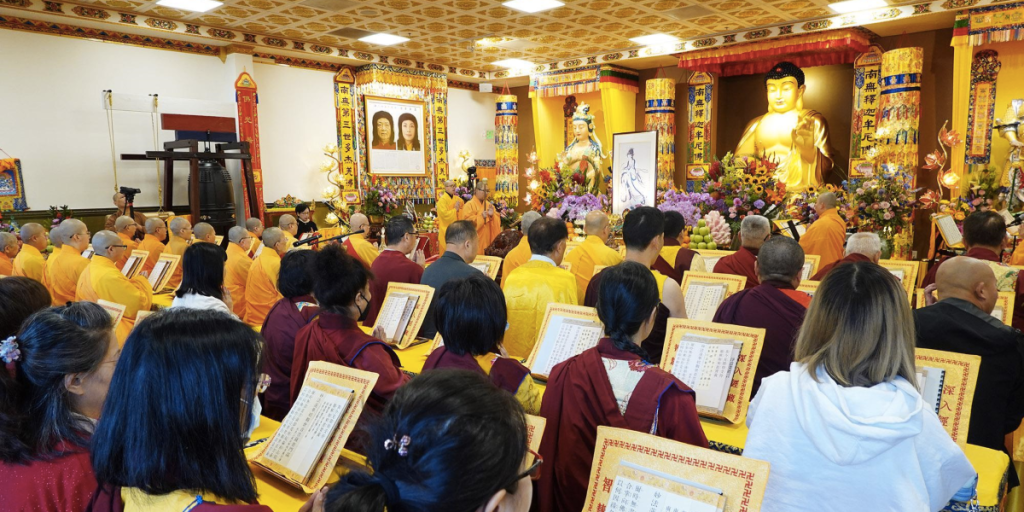
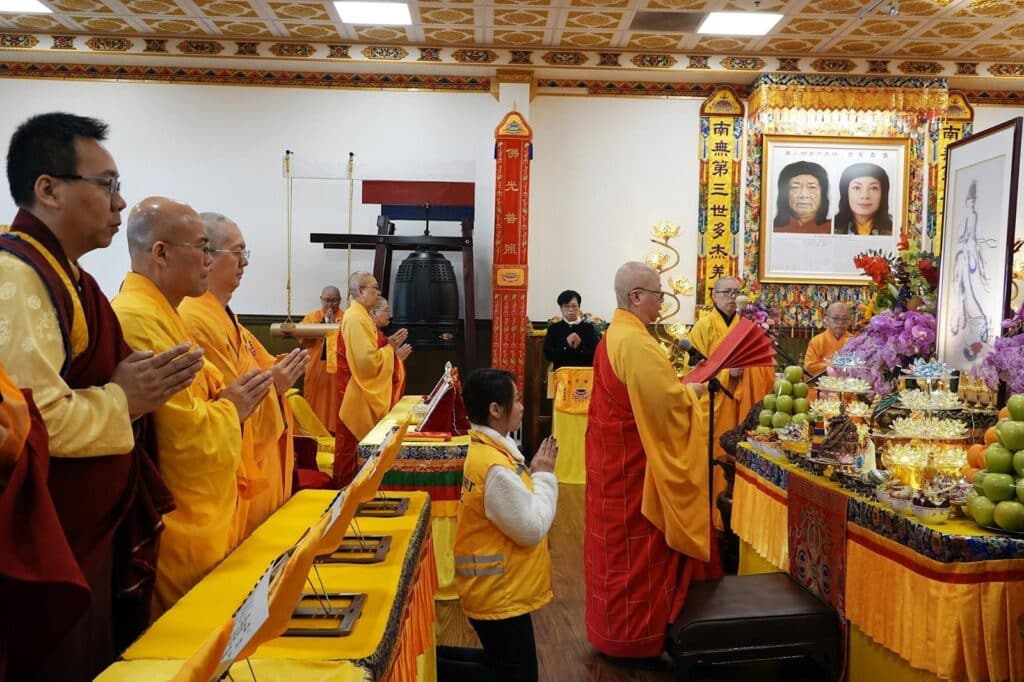
To honor the Holy Birthday of Avalokitesvara Bodhisattva, Buddhists and local residents converged at the Holy Miracles Temple in Pasadena, California, for the Avalokitesvara Bodhisattva Dharma Assembly. Held on March 17, 2024, within the Sakyamuni Buddha Hall, this event was a collaborative effort between the World Buddhism Association Headquarters, Holy Miracles Temple, and Sanger Mission.

Presided over by the Abbess of the Hua Zang Si Temple, Ruzun Ruohui, and jointly guided by Dharma Master JueHui and Dharma Master MiaoKong, the assembly brought together a congregation of holy gurus, eminent monks, dedicated monastics, and others. Their shared purpose was to pay homage to Avalokitesvara Bodhisattva, whose boundless compassion and loving kindness have been a beacon of hope for countless beings throughout the ages. 

In Commemoration of the Holy Birthday of Avalokitesvara Bodhisattva, Dharma Assembly Unites Buddhists in Pasadena

The Avalokitesvara Bodhisattva Dharma Assembly was held in the Sakyamuni Buddha Hall of Holy Miracles Temple.
Photo Courtesy: Joyce Lee

Avalokitesvara Bodhisattva, also known as Guan Shi Yin Bodhisattva in Chinese, is revered for profound compassion and unwavering commitment to alleviating the suffering of all sentient beings. According to Buddhist scriptures, Avalokitesvara Bodhisattva attained Buddhahood eons ago and is known as Zheng Fa Ming Ru Lai, the Correct Dharma Realization Tathagata. Through sacred vows and bodhicitta, the Correct Dharam Realization Tathagata manifests as a Bodhisattva to extend aid to those in need and save sentient beings from suffering. Avalokitesvara Bodhisattva expounded one of the most influential Buddha Sutras – “The Prajna Paramita Heart Sutra,” which encapsulates the profound wisdom of the Buddha, illustrating the meaning of prajna.

While honoring Avalokitesvara Bodhisattva’s great compassion, sovereign wisdom, profound power, and benevolence, the assembly also reflected on the significance of bodhicitta, as elucidated by H.H. Dorje Chang Buddha III in the Sutra – “What is Cultivation.” He imparted, “The broad meaning of bodhicitta encompasses all of the Mahayana Dharma related to saving living beings out of great compassion and the causes leading to attaining the stages of enlightenment of a Bodhisattva.” This essence of conduct rooted in compassion deeply resonated with the attendees, reinforcing their dedication to selflessness and enlightenment. 

The assembly witnessed the recitation of passages from “The Lotus Sutra’s Universal Gate Chapter on Avalokitesvara Bodhisattva,” a revered text extolling the virtues and profound wisdom of Avalokitesvara Bodhisattva. Participants engaged in practices such as meal offerings to the Buddhas, seeking blessings for happiness, auspiciousness, and the enhancement of fortune and wisdom. The gathering also collectively expressed their aspirations for the endurance of world peace, the cessation of calamities, while invoking prosperity, good health, and longevity for all.

As incense wafted through the temple and chants echoed in the halls, attendees were reminded of the profound teachings of compassion and empathy advocated by Avalokitesvara Bodhisattva. The ceremony served as a reminder of the transformative power of faith, uniting individuals from all walks of life in celebration of the Dharma.

Link:https://peacelilysite.com/2024/04/03/in-commemoration-of-the-holy-birthday-of-avalokitesvara-bodhisattva-dharma-assembly-unites-buddhists-in-pasadena/

Source: https://usreporter.com/in-commemoration-of-the-holy-birthday-of-avalokitesvara-bodhisattva-dharma-assembly-unites-buddhists-in-pasadena/?fbclid=IwAR1_ZsMbU5EVdHTB4vs3-N5rxvYPDAyp1yau1Q2yzlR7muGBUg8T34Df5ks_aem_AaJlydz4lJZkOOrnb9SbNs3AvRoEj8k7_mqFFoKYsQDZwiLLe6Rq426dYKN-i1Tm0LtTahh5Y8RLfTYXwOU31LBW

Brief Introduction to Great Bodhisattva H.E. Tangtong Gyalpo Bodhisattva

A Great Disciple of H.H. Dorje Chang Buddha III

H.E. Tangtong Gyalpo is a greatly accomplished person within Tibetan esoteric Buddhism who attained the rainbow body. He is a great Bodhisattva known and respected by one and all in Tibet.

He is also an extremely holy person who has made huge contributions to the Tibetan people. It was this great Bodhisattva who was the father of medicine, ferryboats, bridges, and operas in Tibet. He has brought to the living beings of Tibet limitless blessings. To this day, Tibetan temples and families continue to worship H.E. Tangtong Gyalpo Bodhisattva.


The first Tangtong Gyalpo left the household life to become a monk when he was very young. He studied the sutras and treatises and became good at debating the sutras. Although he possessed the Five Vidyas, he remained modest, simple, and down-to-earth. In order to provide a model of self-cultivation, H.E. Tangtong Gyalpo followed and learned under many people of great virtue.

He also engaged in solitary, quiet cultivation for a long period of time at the Eri Temple. Later, he received teachings directly from Dakini Niguma and became a person greatly accomplished in the dharma. People praised H.E. Tangtong Gyalpo with the following words: “In the vast realm of emptiness, there is a yogi who intensively studies emptiness and who is like the King of Fearlessness. His name is Tangtong Gyalpo.” He has also been respectfully called Zhibai Wangxiu Tangtong Gyalpo, which means the accomplished, free and unhindered Tangtong Gyalpo!

During a certain year in history, there was a serious drought and famine in Tibet. H.E. Tangtong Gyalpo conducted a Dharma Assembly in front of the Sakyamuni Buddha statue in the Jo-khan Temple in Lhasa. At that Dharma Assembly, he wrote “A Prayer to Eliminate Famine.” Many people then saw Kuan Yin Bodhisattva in the sky disseminating various grains. The famine ended not long after that.


There was another time when war and chaos occurred in the Muya district of Kham in Tibet, causing people to leave their homes and wander about. H.E. Tangtong Gyalpo made a vow and wrote “A Prayer to End War and Chaos.” People in that area very soon after that ended their mutual hatred and instead treated one another in a peaceful, friendly, and loving manner. There was another year when a pestilence broke out in a large area covering a religious site of the Sakya sect, causing countless deaths. The chanting of mantras and the offering of sacrifices could not end the pestilence. Thus, H.E. Tangtong Gyalpo again practiced dharma and wrote “A Prayer to End the Disaster of Illness.” As a
result, the pestilence disappeared forthwith. In previous times in Tibet, it was very difficult for people to cross rivers. The river waters mercilessly took away people’s lives as they attempted to cross the rivers. Thus, H.E. Tangtong Gyalpo made improvements to ferryboats and began building bridges. In that lifetime, he built fifty iron-chain bridges, sixty wooden bridges, and many temples. One of those temples was the Tangge Lakong (the Tangtong Gyalpo Temple), which was the first temple in the Derge region. With respect to medicine, H.E.Tangtong Gyalpo established the Medicine King Temple at Jiabori in Lhasa, invented a white pill that cured all kinds of internal medical diseases, and invented a red pill that cured epidemic diseases. Thus, he became the founder of Tibetan medicine. That white pill and red pill are used in Tibetan medicine even to this very day to relieve the sufferings of living beings.

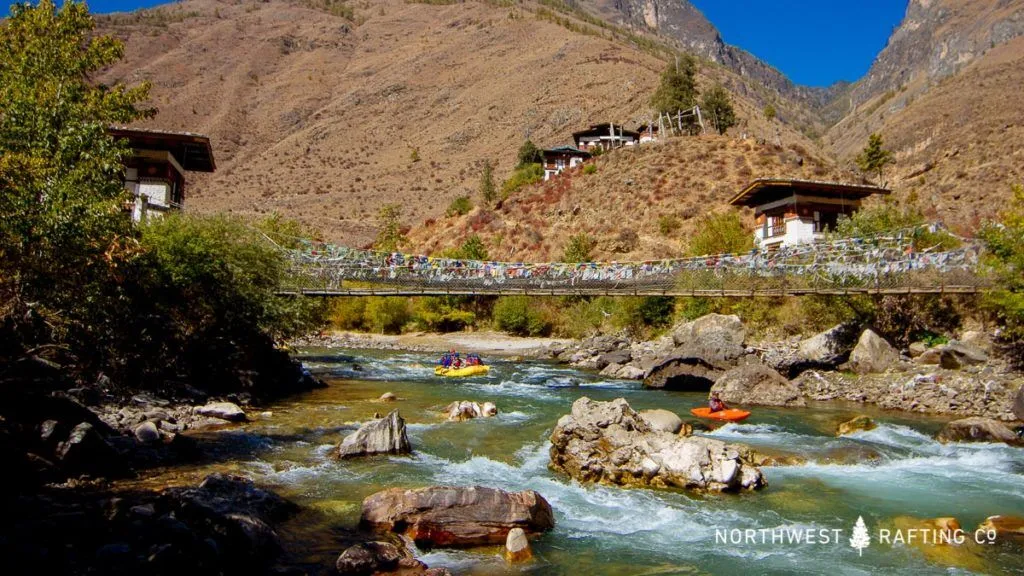
This 600 year old bridge crosses the Paro Chhu (Paro River) and was traditionally restored in 2005 after being washed away during a 1969 flood. The bridge was originally built by the legendary Thangtong Gyalpo
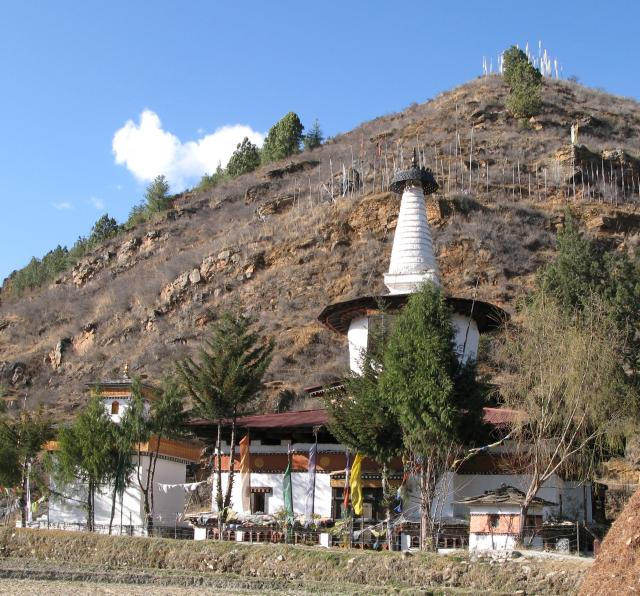
Dungtse Lhakhang, a temple in form of a chörten near Paro in Bhutan was built by Thangtong Gyalpo. The roof construction is made of iron.


H.E. Tangtong Gyalpo Bodhisattva also wrote many Tibetan operas and established the Ache Lhamo opera troupe, the members of which acted out Tibetan historical stories through song and dance and pioneered Tibetan operas. The Achi Lhamo opera, with the starting troupe of seven sisters who worked on the saint’s bridges, is still performed and enjoyed hugely to these days during the new year celebration and on festive occasions. 

Achi Lhamo Opera Composed by Thang Tong Gyalpo Still Prevalent in Bhutan

H.E. Tangtong Gyalpo was the supreme leader of four esoteric sects within India, Bhutan, Sikkim, Mongolia, and Eastern Tibet. He possessed teachings from many dharma lineages, the most remarkable of which were the lineage to extend one’s life and the lineage to bring in wealth and change one’s fortune.
Everyone in Tibet, no matter what sect he or she belonged to, believed in and practiced such lineages and scriptures. Countless disciples of H.E. Tangtong Gyalpo became accomplished in the dharma under his teachings and attained great supernatural powers, wisdom and great compassion. More than one hundred disciples of his attained the rainbow body or the transformation rainbow body. All Tibetan people know that H.E. Tangtong Gyalpo is truly a great patriarch of Tibetan esoteric Buddhism and a great Bodhisattva. Later, each time H.E. Tangtong Gyalpo incarnated into this world. He was a great patriarch who spread the dharma, liberated living beings, and pervasively benefited people.

Thang Tong Gyalpo Present Reincarnation


H.E. the sixteenth Tangtong Gyalpo Bodhisattva (Thangtrul Rinpoche) took birth in Bhutan. His physical appearance resembles that of Guru Padmasambhava. Even when he sleeps, his eyes remain open. He saw H.H. Wan Ko Yeshe Norbu (Dorje Chang Buddha III) during a Dharma Assembly that took place in 2005 at Hua Zang Si in San Francisco, U.S.A. In a supernatural state of samadhi, he instantly saw that H.H. Dorje Chang Buddha, the highest ancient Buddha in the dharma realm, had already come to this world again. He at once formally acknowledged H.H. Dorje Chang Buddha III Wan Ko Yeshe Norbu as his master. H.H. Dorje Chang Buddha III asked him, “Did you follow and learn dharma under Guru Padmasambhava? Why have you come here?”H.E. Tangtong Gyalpo answered
that he had received teachings directly from Guru Padmasambhava and from H.H. Sakya Trizin who is the nirmanakaya of Manjushri Bodhisattva. He also said that he had come to request the highest dharma in order to save living beings. H.H. Dorje Chang Buddha III immediately snapped His fingers, and a dharma bowl manifested awesome power. H.H. Dorje Chang Buddha III then accepted H.E. Tangtong Gyalpo as one of his disciples who is on the level of a great venerable one and performed an initiation for him. H.E. Tangtong Gyalpo took that dharma bowl back to his home country.


He later learned that the book A Treasury of True Buddha-Dharma about the H.H. Dorje Chang Buddha III Wan Ko Yeshe Norbu Holiest Tathagata was about to be published. He thereupon organized many rinpoches to practice the Kuan Yin Dharma one billion times as an offering to His Holiness Dorje Chang Buddha III. He also sent his written congratulations stating that His Holiness is the master of Buddhas, the magnificence of His Holiness is supreme and that in this world no other holy being in history can compare with His Holiness.

H.H. Dorje Chang Buddha III accepted H.E. Tangtong Gyalpo as his disciple at Hua Zang Si temple San Francisco

#DorjeChangBuddhaIII#HHDorjeChangBuddhaIII#HuaZangSi #Buddha #Buddhism #buddhist #Temple#GuanYinBodhisattva#BuddhismTemple#SanFrancisco#TangtongGyalpo #Buthan #Tibet


Link:https://peacelilysite.com/2024/03/22/brief-introduction-to-great-bodhisattva-h-e-tangtong-gyalpo-bodhisattva/

Source: https://www.rigpawiki.org/index.php?title=Thangtong_Gyalpo, https://www.nwrafting.com/international/thangtong-gyalpo-tachog-lhakhang, https://www.bhutaninbound.com/blog/2022/06/11/thang-tong-gyalpo-iron-man-of-bhutan/

Zhulin Temple (Chuk Lam Sim Yuen) at Hong Kong

Standing on Fuyung Mountain Road in Tsuen Wan, Hong Kong, Zhulin Temple (also known as Chuk Lam Sim Yuen) proudly upholds the lineage of the Linji School of Zen Buddhism. Rooted in tradition, the temple seamlessly integrates teachings from the Tiantai and Pure Land traditions, thereby spreading the Buddha’s wisdom far and wide. Nestled within the heart of the Fragrant Harbour, it fosters a unique spiritual atmosphere known as the “Bamboo Grove Family Style,” where the Dharma is generously shared, benefiting both locals and visitors alike, serving as a haven for Buddhist study and practice.

Encompassing an expansive area exceeding 400,000 square feet, Zhulin Temple commands a serene and majestic presence, making it one of the largest and most beautiful temples in Hong Kong. Its origins trace back to 1928 when the founding master, prompted by three visionary dreams from Bodhisattva Ksitigarbha, embarked on the mission to erect a temple on Fuyung Mountain. Inspired by unwavering Bodhi resolve, six devoted followers generously donated funds to procure the land and construct the temple. Drawing inspiration from the architectural marvels of ancient Chinese mountain temples, the Pagoda Hall was completed on October 23, 1932, housing the largest statue of Ksitigarbha Bodhisattva on a lotus throne in Hong Kong. Thus, Zhulin Temple was formally inaugurated, marking the beginning of its sacred journey to illuminate sentient beings.

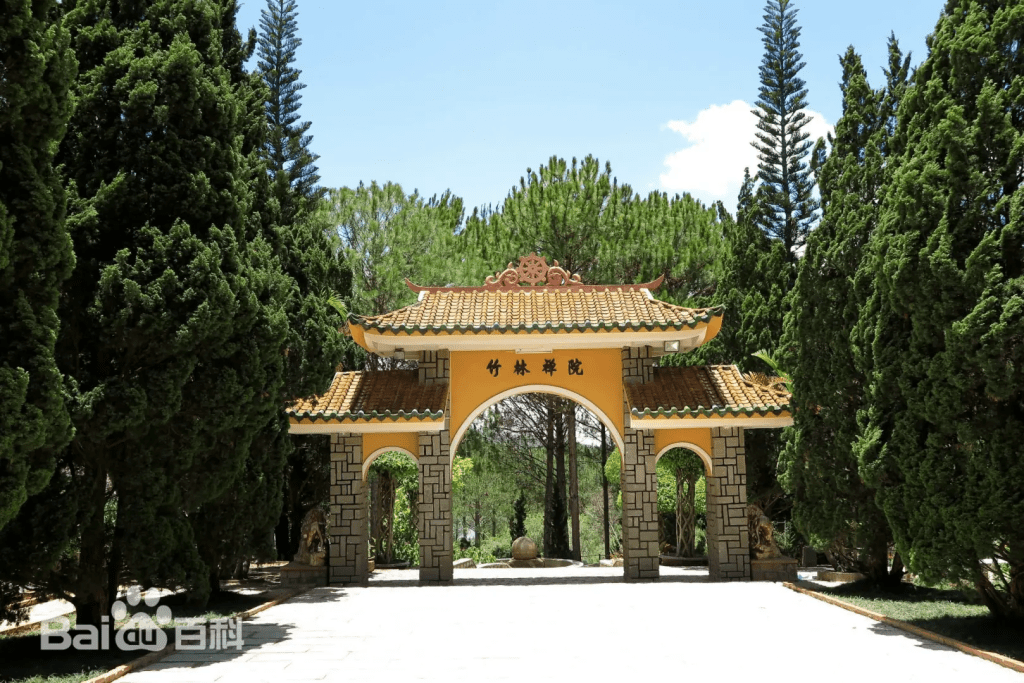
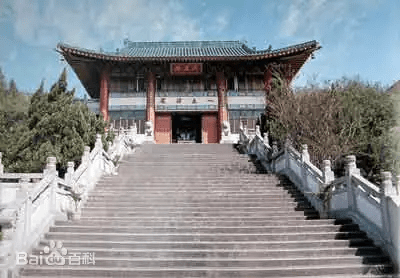
The architectural layout of Zhulin Temple embraces a harmonious three-section courtyard design. Upon crossing the mountain gate, visitors are greeted by the monastery’s serene courtyard garden, offering a space for worshippers to procure incense, candles, flowers, and fruits for offerings. Ascending the steps leads to the grand Hall of Heavenly Kings, where the jovial Maitreya Buddha stands at the central entrance, extending a warm welcome to all. Within the hall, the Four Heavenly Kings stand guard, with the central altar adorned by Bodhisattva Virūpākṣa, safeguarding the monastery under the benevolent gaze of Maitreya Buddha.

steps leads to the Grand Hall of Heavenly Kings,

Maitreya Bodhisattva

Further beyond lies a spacious courtyard flanked by a bell tower and drum tower. Ascending the stairs unveils the majestic Grand Hall, where the Triple Gem (Amitābha Buddha, Śākyamuni Buddha, and Bhaiṣajyaguru Buddha) resides on the central altar, accompanied by eighteen Arhats on either side. Adorning the rear of the Triple Gem altar is a depiction of the transformative scene from the Avalokiteśvara Sūtra, illustrating the manifestation of Avalokiteśvara Bodhisattva.

Bell Tower and Drum Tower

The Grand Hall

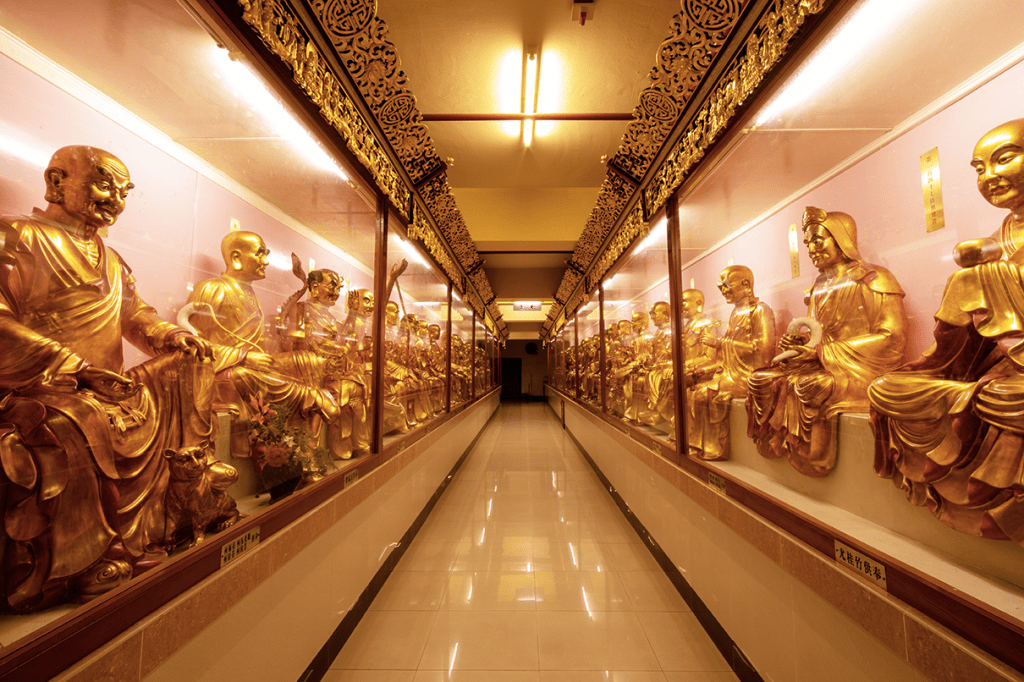
Adjacent to the main hall, worshippers find solace in a pavilion, while the Guan Yin Hall and Jade Buddha Hall flank its sides. Upstairs, the Pagoda Hall, now known as the Ksitigarbha Hall, stands adjacent to the Ancestral Hall and the Kitchen. Surrounding the monastery are additional halls including the Five Hundred Arhats Hall, the Dharma Hall, the Chan Hall, and the Scripture Repository, nestled along the outskirts and mountain slopes.

Guan Yin Hall

Ksitigarbha Hall
Five Hundred Arhats Hall

Four faced Buddha Statue 由Hkgalbert – 自己的作品,公有领域,https://commons.wikimedia.org/w/index.php?curid=9932768

Throughout its century-long history, Zhulin Temple has been overseen by five abbots. Notably, the fourth Abbot Master YiZhao emerged as an eminent monk of his time. Venerable Dharma Master Yizhao (1927-2013), born in Guangdong, China, embarked on his spiritual journey by joining Zhulin Zen Monastery in Hong Kong in 1940, formally becoming a monastic in 1941.

Under the guidance of Master Xuyun, he received the transmission of Viyana at Nanhua Temple in 1944, subsequently inheriting the Linji (Rinzai) Dharma lineage and becoming its 44th holder. Establishing the Guyan Pure Monastery in 1952, he later returned to Zhulin Temple to assist in its renovation, eventually assuming the role of abbot. He peacefully passed away in 2013, leaving behind a legacy of enlightenment and compassion.

Master YiZhao (left) and Master XuYun (right) were together at KaiYuan Temple in ChaoZhou, GuangDong , in 1946

Venerable Dharma Master Yizhao, the successor to H.E. Dharma Master Xuyun, exemplifies profound virtue within contemporary Zen Buddhism. Having attained the supreme state of Bodhi, he relinquished all ties to further reincarnation long ago. Inspired by the compassionate vow of Ksitigarbha Bodhisattva, he pledged “As long as there is any living being in the earthly realm, I vow not to become a Buddha.” Renowned as the nirmanakaya of Ksitigarbha Bodhisattva, he received the Amrit Empowerment Initiation from H.H.  Dorje Chang Buddha III, lauded as an exceptional monk who ardently upholds precepts.

In June 2000, Venerable Dharma Master Yizhao seized the opportunity to participate in the Buddhas Bestowing Nectar Dharma Assembly presided over by H.H.  Dorje Chang Buddha III. (The very left in the photo is Master Yizhao)

Following the conclusion of the assembly, Venerable Dharma Master Yizhao graciously shared his personal insights and expressed his profound admiration and gratitude towards H.H.  Dorje Chang Buddha III. For more details, please refer to the interview titled “Interview with Elder Monk Yi Zhao After the Buddhas Bestowing Nectar Dharma Assembly.

Zhulin Temple stands as a testament to beauty and sanctity, inviting visitors to immerse themselves in Buddhist culture, prayers, and blessings, offering a profound spiritual experience.

Link:https://peacelilysite.com/2024/03/14/zhulin-temple-chuk-lam-sim-yuen-at-hong-kong/

#Buddhist #BuddhaDharma #ZhulinTemple #HongKong #ZenBuddhism #YiZhaoMaster #Nectar #MasterXuYun #DorjeChangBuddhaIII  #HHDorjeChangBuddhaIII #ChukLamSimYuen #Abbot #LinjiSchool

Source: https://chuklam.org/, https://baike.baidu.com/item/%E7%AB%B9%E6%9E%97%E7%A6%85%E9%99%A2/19659656

H.H. Dorje Chang Buddha III received Certificate of Recognition from Dharma King Omniscience Jamyang Lungdok Gyaltsen Achuk Lama

THE PRE-EMINENT GREATLY VIRTUOUS ONE IN PRESENT-DAY TIBET: H.H. DHARMA KING ACHUK

Dharma King Omniscience Jamyang Lungdok Gyaltsen Achuk Lama is a great Dharma Master in the Nyingma sect of Tibetan Buddhism. He is the incarnation of Venerable Longsal Nyingpo, one of the twenty-five great disciples of Guru Padmasambhava. Dharma King Omniscience is one of the greatest and most accomplished leaders of contemporary Buddhism.

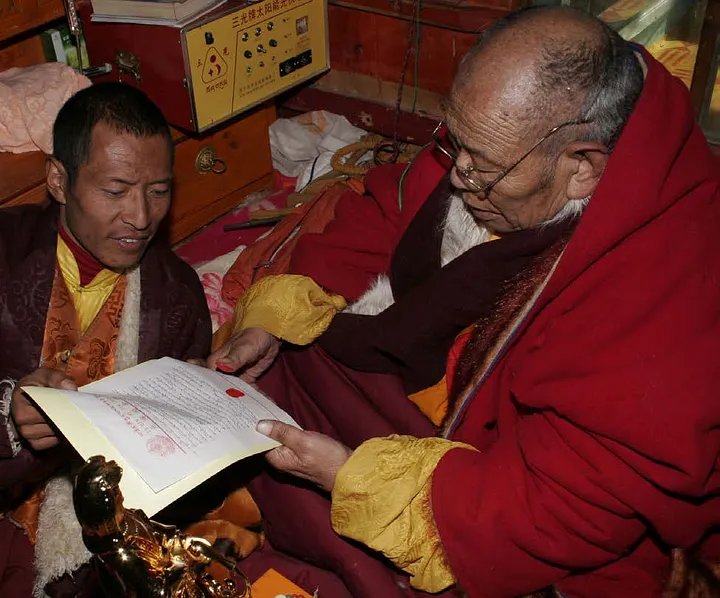
In the summer of 2006, Dharma King Omniscience encountered “A Treasury of True BuddhaDharma” and was profoundly impressed. Recognizing the unparalleled accomplishments and wisdom revealed in the book, he pondered the identity of the extraordinary individual behind such realization. Utilizing his supernatural powers, he peered into the dharmadhatu and unveiled the remarkable truth. It became evident that the acknowledgment made by Urgyen Xirao, Guru Padmasambhava’s dharma prince, was entirely accurate.

Urgyen Xirao had asserted in the recognition that His Holiness Yangwo Wan Ko Yeshe Norbu Great Dharma King is a sublime being of immense holiness. Dharma King Omniscience, fully concurring, proceeded to compose his own certificate of recognition, affixing his precious red seal upon it. The certificate declared His Holiness Yangwo Wan Ko Yeshe Norbu as the paramount leader of Buddhism.

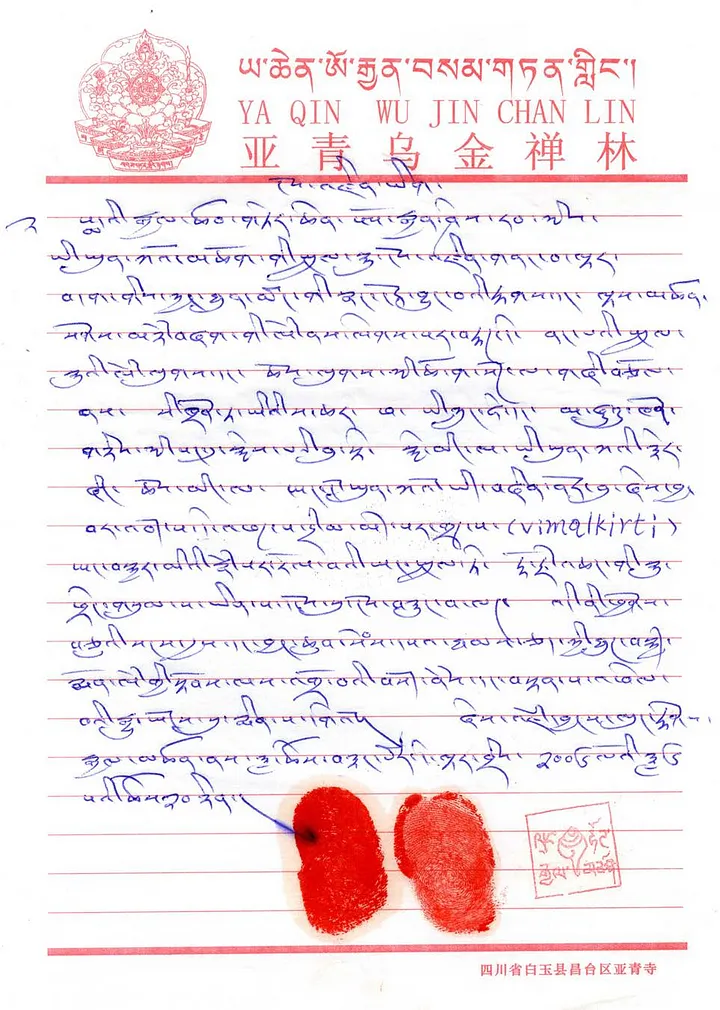
Certificate of Recognition (in Tibetan)

Here is the English translation:

Based upon the recognition of Urgyen Xirao, the dharma prince of Guru Padmasambhava, and following the system and religious rituals of Tibetan Buddhism for determining the reincarnation of Rinpoches, I entered samadhi to observe the truth. I now solemnly recognize that H.H. Master Wan Ko Yee, who is the son of father Zhonghai Yee and mother Kunfang Xu from Dayi County in Sichuan Province, is the incarnation of Vimalakirti (that is, Vimalakirti has again come to this world), is Dorje Chang Buddha III and has the dharma name of H.H. Yangwo Wan Ko Yeshe Norbu. This is the maturing of the karmic conditions of living beings relating to good fortune and wisdom. We are grateful for this blessing bestowed by the Buddhas.
I hereby recognize.

Dharma King Jamyang Lungdok Gyaltsen
June 20, 2006

BRIEF INTRODUCTION TO JAMYANG LUNGDOK GYALTSEN RINPOCHE

Dharma King Omniscience Jamyang Lungdok Gyaltsen Achuk Lama is a great Dharma Master in the Nyingma sect of Tibetan Buddhism. He is the incarnation of Venerable Longsal Nyingpo, one of the twenty-five great disciples of Guru Padmasambhava. Because people had different views on the reincarnated identity of Dharma King Omniscience, on a holy day in 2007 at Hua Zang Si in San Francisco, the International Buddhism Sangha Association beseeched H.H. Dorje Chang Buddha III Holiest Tathagata to recognize the true identity of Dharma King Jamyang Lungdok Gyaltsen. In the end, that association did receive such recognition from H.H. Dorje Chang Buddha III. H.H. Dharma King Jamyang Lungdok Gyaltsen was recognized by H.H. Dorje Chang Buddha III as the true incarnation of Venerable Longsal Nyingpo. The International Buddhism Sangha Association then held the holy form of Drawing Lots From a Golden Vase Dharma Assembly. One lot was drawn from among 120 sealed lots. After a curtain was removed and after that lot was unsealed and opened in front of all those present, it was discovered that H.H. Dharma King Jamyang Lungdok Gyaltsen is indeed the true incarnation of Venerable Longsal Nyingpo. Not only was the true identity of Jamyang Lungdok Gyaltsen personally recognized by the Holiest Tathagata, the Drawing Lots From a Golden Vase Ceremony confirmed that he is a great holy being who is the true reincarnation of Venerable Longsal Nyingpo. Yerba Rinpoche, who has demonstrated his supernatural powers over many lifetimes, personally discovered evidence throughout the six realms that Dharma King Omniscience never for a moment ceased striving to bring living beings to salvation and enlightenment.

The person in the middle is Dharma King Omniscience Jamyang Lungdok Gyaltsen. To his left is Dharma King Jigme Phuntok and to his right is Asong Rinpoche.

Dharma King Omniscience was born in 1927 amidst rare and auspicious signs. The dharma protecting deities transformed into various physical forms to protect him when he was a child, which is something only experienced by beings of great holiness. He understood without impediment all scriptures and sutras. At 12, he entered the order of monks. Beginning at 18, he followed his vajra master Arik Vajradhara, a great accomplished one, into 43 years of solitary meditation. He received from Sela Yangzhi a complete transmission of the teachings he learned in his prior life. Sela Yangzhi was a true incarnation of Padmasambhava. Dharma King Omniscience manifested the ultimate essence of all the dharma and turned into a rainbow body of Great Perfection. He has entered the dharmadhatu’s non-attachment state and Four Wisdoms state. He has attained the state of the four divisions of initiations. He has accomplished the cutting off of all defilements related to the six sense organs. His once ordinary body has become a rainbow-light body. The dharma king’s body is able at any time to manifest rainbows, crystal pagodas, Buddha images, Tibetan seed characters, hand-held pennants, etc. The wrinkles of the skin of his entire body have formed the image of a mandala filled with pictures of all the Buddhas and Bodhisattvas. Sariras naturally pour forth from his body.

Link:https://peacelilysite.com/2024/03/01/h-h-dorje-chang-buddha-iii-received-certificate-of-recognition-from-dharma-king-omniscience-jamyang-lungdok-gyaltsen-achuk-lama/

Source: https://medium.com/@cultivator108/h-h-dorje-chang-buddha-iii-received-recognition-from-h-h-dharma-king-omniscience-achuk-lama-7f4bf75674f2