Among China’s many vibrant ethnic cultures, few festivals shine as brilliantly as the Miao New Year — the most important and joyous celebration of the Miao people. It marks the end of a year’s hard work and the beginning of a season filled with gratitude, reunion, and hope.
Since ancient times, the Miao people have followed their own lunar calendar, considering the tenth month of the traditional Chinese lunar year as the beginning of a new year. In Leishan County of Guizhou Province, the Miao New Year usually falls on the Mao Day during the first half of the tenth lunar month, which is roughly equivalent to Chinese New Year’s Eve. The festivities typically last from three to nine days, turning the Miao villages into a sea of song, dance, and laughter.
The Miao New Year carries deep layers of meaning. It is not only a celebration of the harvest but also a time to honor their ancestors and deities, and to commemorate Chi You, the legendary ancestor of the Miao people who perished in tribal wars over five thousand years ago. Through ceremonies and offerings to nature — sacred trees, bamboo groves, rocks, and wells — the Miao express their respect and gratitude toward the forces that sustain life.
In the valleys of the Qingshui River and Duliu River in Guizhou, the Miao New Year is the highlight of the year. The Miao calendar differs from the Han Chinese lunar calendar, and the beginning of the Miao year is determined through communal discussions so that different villages celebrate at different times. This ensures that every year, one village becomes the center of a grand regional celebration, while neighboring communities come to join in.
After the autumn harvest and the completion of farm work, the Miao New Year marks both an ending and a joyful beginning. During the festival, villagers visit relatives and friends, slaughter pigs, make sticky rice cakes, worship their ancestors, share reunion feasts, and exchange cups of homemade rice wine.
Traditional activities include bullfighting, bird fighting, and singing contests, each bringing a unique charm to the celebration. One village’s festivities flow seamlessly into another’s, creating a continuous wave of joy that sometimes lasts until the early spring “Drum-Turning Festival” in February.
The Grand Parade and Thrilling Bullfights
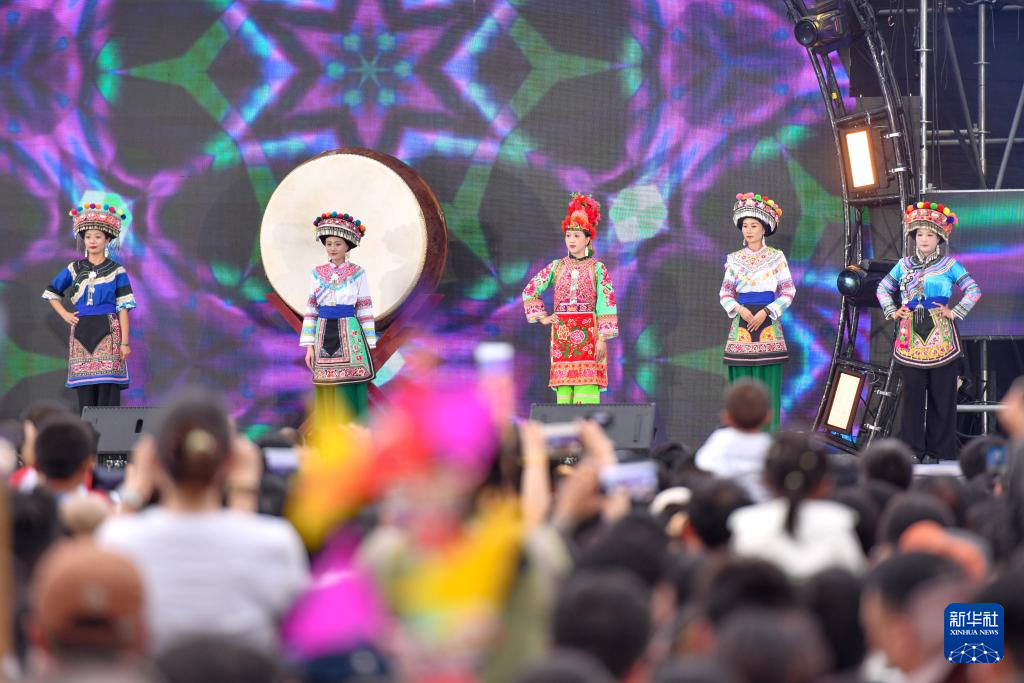
The opening day of the Miao New Year is marked by a spectacular parade. People from the eight main Miao branches put on their most elaborate traditional attire — shimmering silver headdresses, embroidered costumes, and ornaments that glisten in the sun. Through music and dance, they showcase their unique local traditions and the living heritage of Miao culture, offering visitors from across China and beyond an unforgettable feast of color and rhythm.
Among the most popular events is the bullfighting competition, a traditional custom symbolizing courage and vitality. Two strong water buffaloes face off, locking horns in a contest of strength and spirit. Thousands gather around the arena to cheer, and the air is electric with excitement. With generous prizes for the winners, the event attracts participants and spectators from far and wide, adding a thrilling edge to the festive atmosphere.
The Long Table Banquet: Sharing Joy, Building Connection
If there’s one experience that perfectly embodies the hospitality of the Miao people, it’s the Long Table Banquet. This grand feast, dating back to ancient times, is more than just a meal — it’s a powerful symbol of unity, friendship, and celebration.
In Danzhai County’s Wanda Town, whenever guests arrive from afar, locals line the streets with long tables stretching as far as the eye can see. Each table is filled with Miao specialties such as smoked pork, sour fish soup, and sticky rice. Hundreds of people sit together, strangers becoming friends over shared food, laughter, and conversation.
The air fills with the tangy aroma of sour soup and the joyful clinking of cups. Everyone, regardless of origin or language, becomes part of one big family — a living expression of the Miao New Year’s spirit: warmth, generosity, and togetherness.
The Miao New Year is far more than a festive occasion — it is a heartfelt tribute to life, nature, and ancestry. Through its rituals, music, and communal joy, it reflects the Miao people’s enduring gratitude for the land, their reverence for their roots, and their love of harmony.
As the lush hills echo with the sound of lusheng flutes and the silver ornaments sparkle under the sun, one realizes that the Miao New Year is not only the celebration of a people — it is a celebration of humanity itself, reminding us all of the beauty of connection, gratitude, and joy.
Hidden in the quiet county of Yixian in northern China, Fengguo Temple has stood for over a thousand years as a living testament to ancient Chinese wisdom and spiritual devotion. Its magnificent Mahavira Hall, the largest single-story wooden structure of its time, houses seven colossal clay Buddhas that have miraculously survived the centuries. This temple is not only an architectural marvel but also a sacred symbol of harmony, resilience, and faith that continues to inspire all who visit.
A Thousand Years of Faith and Architecture
Beyond the Shanhai Pass, in the northern part of Jinzhou City, Liaoning Province, stands the quiet county of Yixian, home to one of China’s most magnificent ancient temples — Fengguo Temple. This remarkable site, founded over a millennium ago, is not only a masterpiece of Liao Dynasty Buddhist architecture but also a living testament to the extraordinary ingenuity of ancient Chinese builders and the enduring power of faith.
In 2020, Fengguo Temple celebrated its thousandth anniversary. Through a thousand years of wind, snow, wars, and earthquakes, its grand Mahavira Hall still stands tall — a miracle in both architecture and spirituality.
The Majestic Great Hall
The heart of Fengguo Temple is its Mahavira Hall (Great Buddha Hall), one of the Eight Great Structures of the Liao Dynasty. Built in 1020 CE, it measures 49.5 meters wide, 26.6 meters deep, and 19.9 meters high, covering an area of 1,317 square meters. Standing on a 3.2-meter-high platform, the hall is the largest single-story wooden structure of ancient China — magnificent, solemn, and breathtaking.
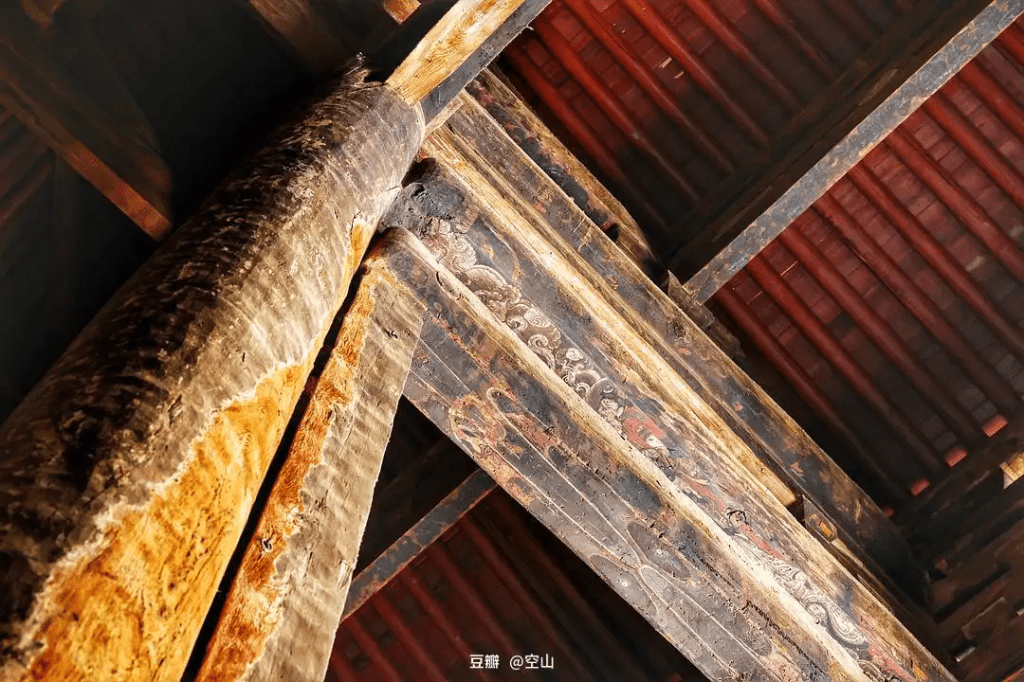
Ingeniously designed, the hall uses a “reduced-column” method to maximize interior space while maintaining perfect stability. Ancient builders applied advanced techniques known as “side-foot” and “rising beam”, ensuring the building’s balance and graceful proportions. The massive bracket sets under the eaves are bold yet refined, exuding strength and elegance.
Thanks to its precise structural mechanics, the Great Hall has remained perfectly upright for a thousand years, without any sign of warping or tilting — an unparalleled achievement in the history of wooden architecture.
The Seven Buddhas: Eternal Clay Sculptures
Inside the Great Hall, seven colossal clay Buddha statues, each about nine meters tall, sit side by side upon a brick platform. From east to west, they are: Kashyapa Buddha, Krakucchanda Buddha, Sikhin Buddha, Vipashyin Buddha, Visvabhu Buddha, Kanakamuni Buddha, and Shakyamuni Buddha.
These are the “Seven Buddhas of the Past” mentioned in Buddhist scriptures, symbolizing the eternal cycle of enlightenment in our world. Each Buddha exudes solemn dignity, with serene expressions and graceful postures, reflecting the Liao Dynasty’s continuation of Tang-style Buddhist artistry. Two bodhisattvas stand beside each Buddha, adding vitality and compassion to this sacred tableau.
This magnificent ensemble is the oldest and largest group of colored clay Buddha statues in the world. Despite being made of fragile clay, they have miraculously survived for over a thousand years, their colors still soft and luminous. This endurance is nothing short of a miracle — a union of artistic mastery and the blessings of faith.
The Legend of the Buddha Catching a Shell
During the Liaoshen Campaign in the late 1940s, Yixian became a battlefield. Amid the chaos, a shell pierced through the roof of the Great Hall and fell directly into the right hand of the Shakyamuni Buddha statue. Miraculously, the shell did not explode.
Locals still tell this story as “The Buddha Caught the Shell with His Hand.” Whether fact or legend, it adds an aura of mystery and divine protection to the temple’s long history — as if the Buddhas themselves were silently safeguarding their sacred home.
The Flying Devas of Liao
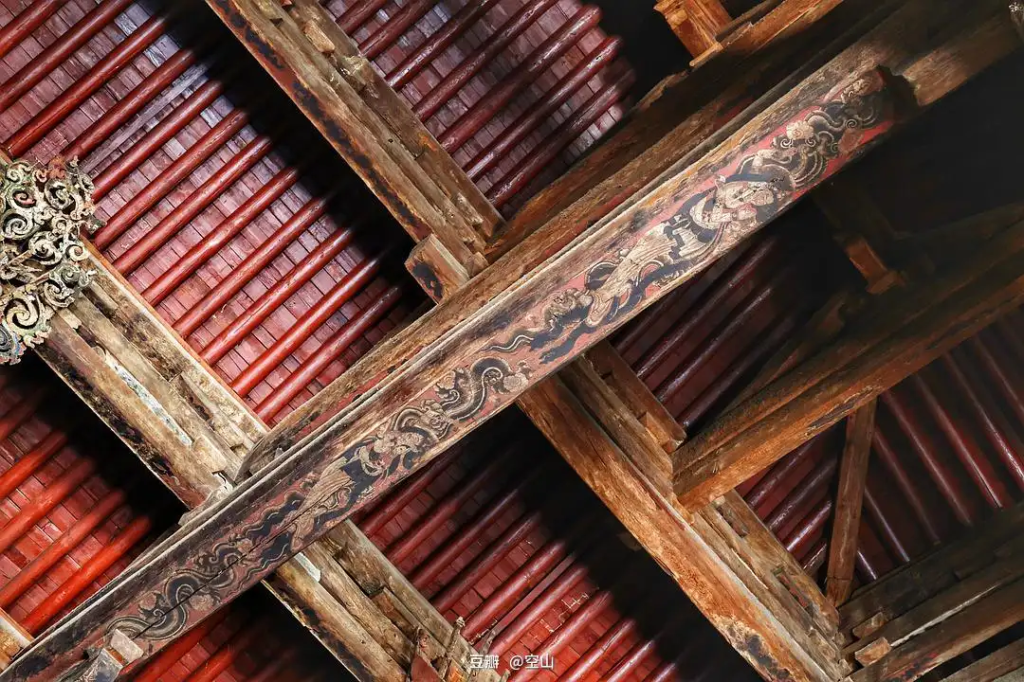
The beams and rafters inside the Great Hall are adorned with over 4,000 square meters of original Liao Dynasty murals. Among them, the heavenly maidens — the Flying Devas — are the most enchanting. With radiant faces and flowing ribbons, they drift gracefully through clouds, offering flowers and fruits to the Seven Buddhas below.
Their movement contrasts beautifully with the Buddhas’ stillness, creating a breathtaking scene of divine harmony and devotion. The surrounding walls also preserve Yuan and Ming dynasty murals depicting ten Buddhas, eight Bodhisattvas, and the Eleven-Faced Avalokiteshvara, adding even more layers of spiritual and artistic richness to this timeless sanctuary.
A Thousand Years of Wonder
Standing before this majestic hall — a wooden structure that has endured a millennium — and gazing upon the clay Buddhas whose serene faces have survived a thousand winters, one cannot help but wonder:
How can a wooden palace withstand ten centuries of storms and wars? How can clay sculptures remain whole and radiant after a thousand years?
Is it the wisdom of the ancients? The strength of art? Or the blessing of the Dharma itself?
Perhaps the answer lies within every beam, every brushstroke, and every tranquil smile of the Buddhas.
May the Buddhas and Bodhisattvas bless all beings with peace, compassion, and happiness. Namo Amitabha.
In the heart of Central Java’s fertile Kedu Valley, embraced by volcanic peaks and emerald landscapes, rises a monument unlike any other—Borobudur, the world’s largest Buddhist temple and a UNESCO World Heritage Site. Built more than 1,200 years ago, this colossal stone mountain is not just an architectural wonder, but a spiritual journey carved in stone.
A Monument Born of Devotion
Borobudur was constructed in the 8th and 9th centuries under the Sailendra Dynasty. Without a drop of mortar, two million volcanic stone blocks were precisely interlocked like a massive puzzle, forming a structure that has endured centuries of nature’s tests. From above, its shape is breathtaking—a giant mandala, the sacred geometric symbol of the Buddhist cosmos.
The temple rises in three tiers, each representing one of the realms of Buddhist cosmology:
Kamadhatu – The Realm of Desire: The base, adorned with reliefs that portray the karmic law and the cycle of birth and death.
Rupadhatu – The Realm of Form: Five square terraces lined with intricate reliefs and 504 serene Buddha statues.
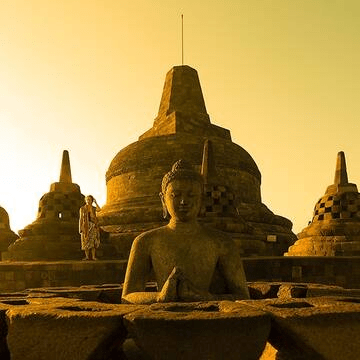
Arupadhatu – The Realm of Formlessness: Three circular platforms crowned with 72 bell-shaped stupas, each sheltering a meditating Buddha. At the summit stands the great central stupa, symbolizing ultimate enlightenment.
A Living Story in Stone
Walking through Borobudur is like entering a vast storybook. The temple’s bas-reliefs, stretching across 2,500 square meters, are the most complete ensemble of Buddhist reliefs in the world. They illustrate tales from the life of Shakyamuni Buddha, Jataka stories, and profound teachings, guiding pilgrims step by step upward—from worldly desires to spiritual liberation.
Buried, Forgotten, and Found Again
Despite its grandeur, Borobudur fell silent between the 10th and 14th centuries, likely due to political shifts and the spread of Islam in Java. Nature reclaimed it—volcanic ash and thick jungle hid the monument from the world’s eyes. For centuries, it slumbered, until 1814, when Sir Thomas Stamford Raffles, the British governor of Java, was informed of a “buried hill.” Excavations revealed not a hill, but a hidden treasure of human devotion.
From Restoration to Reverence
In the 20th century, Borobudur was painstakingly restored with UNESCO’s support, safeguarding its stones against further decay. In 1991, it was declared a World Heritage Site, recognized as both a cultural and spiritual masterpiece.
Today, Borobudur is not just a monument of the past—it is alive with faith. Each year, thousands of Buddhists from across Indonesia and beyond gather here for Vesak Day, celebrating the birth, enlightenment, and passing of the Buddha under the full moon. Lanterns rise into the night sky, echoing the timeless aspiration for wisdom and compassion.
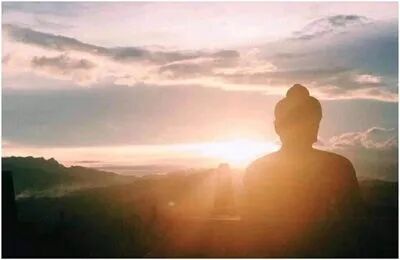
Borobudur is more than stone, stupas, and statues. It is a meditation frozen in time, a pilgrimage for both the feet and the heart. For travelers, standing atop Borobudur at sunrise—watching the mist lift from the valley as the first rays of light kiss the central stupa—is an experience beyond words.
This temple is not just Indonesia’s pride; it is humanity’s shared treasure, reminding us of the enduring power of faith, art, and the human spirit.
Travel Guide: Planning Your Visit
If Borobudur is on your travel list, here are some helpful tips:
📍 Location
Situated in Magelang, Central Java, about 25 miles (40 km) northwest of Yogyakarta.
Easily accessible by car, bus, or organized tour from Yogyakarta (1–1.5 hours).
🕰 Best Time to Visit
Sunrise tours are especially popular. Watching the first light illuminate the misty valley and stupas is unforgettable.
The dry season (April–October) offers clearer skies and comfortable weather.
🎟 Tickets
General admission is separate for local and international visitors.
Sunrise access often requires booking through official operators.
Combination tickets are available if you also wish to visit Prambanan Temple, another UNESCO site nearby.
👟 What to Bring
Comfortable walking shoes (you’ll be climbing many steps).
A hat, sunscreen, and water—the tropical sun can be intense.
A respectful outfit: shoulders and knees covered, as Borobudur is a sacred site.
🛕 Nearby Attractions
Prambanan Temple – A magnificent Hindu temple complex about an hour away.
Mendut Temple – A smaller Buddhist temple with a giant Buddha statue, often part of the Vesak procession.
Yogyakarta City – Known for its royal palace, batik art, and vibrant street food scene.
You would never imagine that an ordinary stray dog from China could become a spiritual icon for people all over the world. Its story was written into a book, translated into 20 languages, and sold globally. Hollywood even bought the film rights, and one day it will be made into a movie. Countless celebrities and business leaders have posed for photos with it, and even the Queen of England once held it in her arms.
So what made this little dog so extraordinary? Everything began with what seemed like a random “accident.”
It was the summer of 2016 in Xinjiang, during a grueling ultra-marathon held once every three years. The main character of the story, British athlete Dion Leonard, was among the participants. Under the scorching sun—temperatures soaring above 40°C—runners had to trek 300 kilometers across desert and Gobi terrain. It was a challenge that tested both physical strength and willpower.
To conserve energy, Dion carried only a little bread and water. After walking all day, he finally stopped to rest for the night. That’s when a starving stray dog approached him, wagging its tail with all its might. Moved by the little dog’s cuteness, Dion shared some of his precious food.
He didn’t know it then, but that small act of kindness tied their destinies together. From the next day onward, the dog refused to leave his side. That’s when Dion realized it had no owner. Since the race was long and lonely, he welcomed this unexpected companion.
Day after day, the dog kept up with Dion. Whenever exhaustion hit him, just looking at the panting, tail-wagging little dog filled him with strength again. “If this tiny creature has the endurance to keep going, then so must I,” Dion thought. He named the dog Gobi, after the desert where they met. They shared food by day and huddled together by night. Through hardship, man and dog forged a bond of deep friendship.
Can you imagine—a stray dog becoming a global hero, its story turned into a bestselling book and a movie? That’s exactly what happened.
But during the race, Gobi could only run 150 kilometers before collapsing from exhaustion in the scorching desert. The organizers rescued and treated the little dog, who then waited faithfully at the finish line each day for Dion to return. Without Gobi, Dion felt alone again—but now he had something to fight for. His longing to see his companion pushed him to finish the final 150 kilometers in just three days, earning him a silver medal—the best result of his career. But instead of basking in the honor, his first joy was reuniting with Gobi.
The race organizers were so moved by their bond that they even awarded Gobi her own silver medal. Dion, who had once lost a beloved dog years earlier, felt this meeting was destiny. He resolved to adopt Gobi and bring her home to the UK.
From a stray with no future, Gobi suddenly became a beloved star dog, cherished by a marathon champion. Dion spared a lot of effort and about several thousand dollars to secure the adoption, leaving Gobi in a friend’s care in Xinjiang while he flew back to the UK to handle the paperwork. But just when everything was ready and Dion was eagerly awaiting Gobi’s arrival, disaster struck—Gobi went missing.
Panicked, Dion flew back to China and printed thousands of flyers to search for his companion. By then, their story had already gone viral. Media outlets reported it widely, and Gobi became a symbol of hope, inspiring people everywhere. When word spread that the famous little dog was lost, locals poured into the streets to help search, forming teams day and night, while countless netizens spread the news online.
Dion chased down every lead, refusing to give up. Finally, following a clue that others thought worthless, he found Gobi—injured and weary, but alive. The little dog had clearly suffered, but this time, Dion promised, she would never be alone again.
This reunion made Gobi even more famous. After full medical care and recovery, Dion finally brought her home to Scotland.
To honor their extraordinary bond, Dion turned from athlete to author, writing Finding Gobi. The book became an international sensation, translated into 20 languages and sold worldwide. Hollywood bought the rights to make it into a film. Together, Dion and Gobi traveled the globe, giving talks, meeting celebrities, and even winning the “Most Inspiring Animal Award.” Gobi’s journey reached its peak when the Queen of England herself held her in her arms.
What began with a stray dog’s trust and loyalty turned into a man’s promise and responsibility—together creating a heartwarming story that touched the whole world. Gobi found a loving home, Dion discovered renewed strength and joy, and both became better versions of themselves.
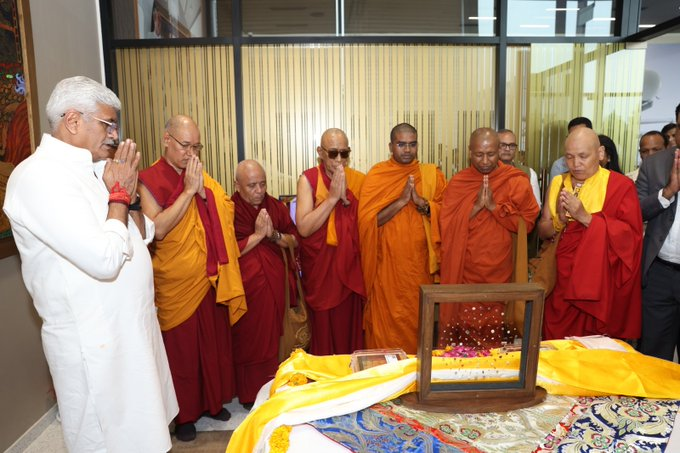
A joyous day for our cultural heritage! It would make every Indian proud that the sacred Piprahwa relics of Bhagwan Buddha have come home after 127 long years. These sacred relics highlight India’s close association with Bhagwan Buddha and his noble teachings. It also illustrates our commitment to preserving and protecting different aspects of our glorious culture. #VikasBhiVirasatBhi Source: https://x.com/narendramodi/status/1950483627323670760
The following article was published by the BBC News, Soutik Biswas, July 31, 2025:
Auction house Sotheby’s has returned a set of sacred jewels believed to be linked to the Buddha’s remains in India, after facing mounting pressure from the Indian government and global Buddhist leaders.
The Piprahwa Gems – described by archaeologists as one of the most astonishing finds of the modern era – were due to be auctioned in Hong Kong in May. But the sale was called off following diplomatic intervention and threats of legal action from Delhi.
The Mumbai-based conglomerate Godrej Industries Group has acquired the jewels, Sotheby’s said.
Sotheby’s said it was “delighted” to facilitate the return, following two months of negotiations involving the owner, the new buyer and the Indian government. The relics will now go on permanent public display in India, the auction house said.
William Claxton Peppé, an English estate manager, excavated the stupa and found the jewels. courtesy of the Peppé family.
Indian Prime Minister Narendra Modi announced the return on Wednesday, calling it a “proud and joyous moment” and a victory for the country’s cultural heritage. The relics, he said on X, were coming home after 127 years.
Godrej Industries Group, the buyer of the jewels, serves over 1.1 billion consumers worldwide across sectors including consumer goods, real estate, agriculture, finance, and chemicals, according to its website. Many of its products are household names in India.
“We are deeply honoured to contribute to this historic moment. The Piprahwa gems are not just artifacts – they are timeless symbols of peace, compassion, and the shared heritage of humanity,” Pirojsha Godrej, Executive Vice Chairperson of Godrej Industries Group, was quoted as saying in a government press statement.
Unearthed in 1898 by English estate manager William Claxton Peppé from a stupa in Piprahwa in northern India, near the Buddha’s birthplace, the cache included nearly 1,800 pearls, rubies, sapphires and gold sheets – buried alongside bone fragments identified by an inscribed urn as belonging to the Buddha himself.
The jewels were unearthed from this stupa in Piprahwa, northern India in 1898, Icon Films.
Peppé eventually handed most of the gems, relics and reliquaries to the colonial Indian government: the bone relics went to the Buddhist King of Siam (Rama V). Five relic urns, a stone chest and most other relics were sent to the Indian Museum in Kolkata – then the Imperial Museum of Calcutta.
Four containers made of steatite (a type of stone) and one made of rock crystal were found inside a sandstone box at the Piprahwa stupa, courtesy of Peppe family.
For over a century, the rest of the dazzling jewels remained largely hidden in a British private collection.
A set of 300 gems held by the Peppé family was publicly displayed at Sotheby’s Hong Kong in February and May. Over the past six years, the gems have appeared in major exhibitions, including The Met in 2023. The family has also launched a website to share their research.
Historians consider the relics the shared heritage of the Buddha’s Sakya clan and Buddhists worldwide. The bone fragments have since been distributed to countries like Thailand, Sri Lanka, and Myanmar, where they remain objects of veneration.
The jewels are considered among the most extraordinary archaeological finds of all time, courtesy of Sotheby’s.
The planned sale of the Buddha relics by Sotheby’s in Hong Kong had sparked widespread ethical concerns, with scholars and Buddhist leaders questioning whether sacred objects – especially those linked to human remains – should be treated as commodities.
Critics challenged the seller’s authority to auction the relics, while defenders said a transparent sale was the fairest way to transfer custody. For many Buddhists, the jewels are inseparable from the sacred remains and meant to be venerated, not sold.
“Are the relics of the Buddha a commodity that can be treated like a work of art to be sold on the market?” Naman Ahuja, a Delhi-based art historian, had told the BBC in May. “And since they aren’t, how is the seller ethically authorised to auction them?
“Since the seller is termed the ‘custodian’, I would like to ask – custodian on whose behalf? Does custodianship permit them now to sell these relics?”
Chris Peppé, great-grandson of William, had told the BBC in May that the family looked into donating the relics, but all options presented problems and an auction seemed the “fairest and most transparent way to transfer these relics to Buddhists”.
He said that in all the monasteries he had visited “no Buddhists regard these as corporeal relics”.
“A few Buddhist academics at Western universities have recently offered a convoluted, fact-defying logic whereby they may be regarded as such. It’s an academic construct that is not shared by Buddhists in general who are familiar with the details of the find,” he said.
On 7 May, Sotheby’s postponed the auction of the jewels following media reports and concerns raised by the Indian government, citing the need for further discussions. A week later, it confirmed ongoing talks with India to find a mutually agreeable resolution.
This week, confirming the return of the jewels, Sotheby’s said it was “grateful to the Peppé family for having safeguarded the gems and for having worked with us – and with the Government of India – in good faith to achieve this historic outcome”.
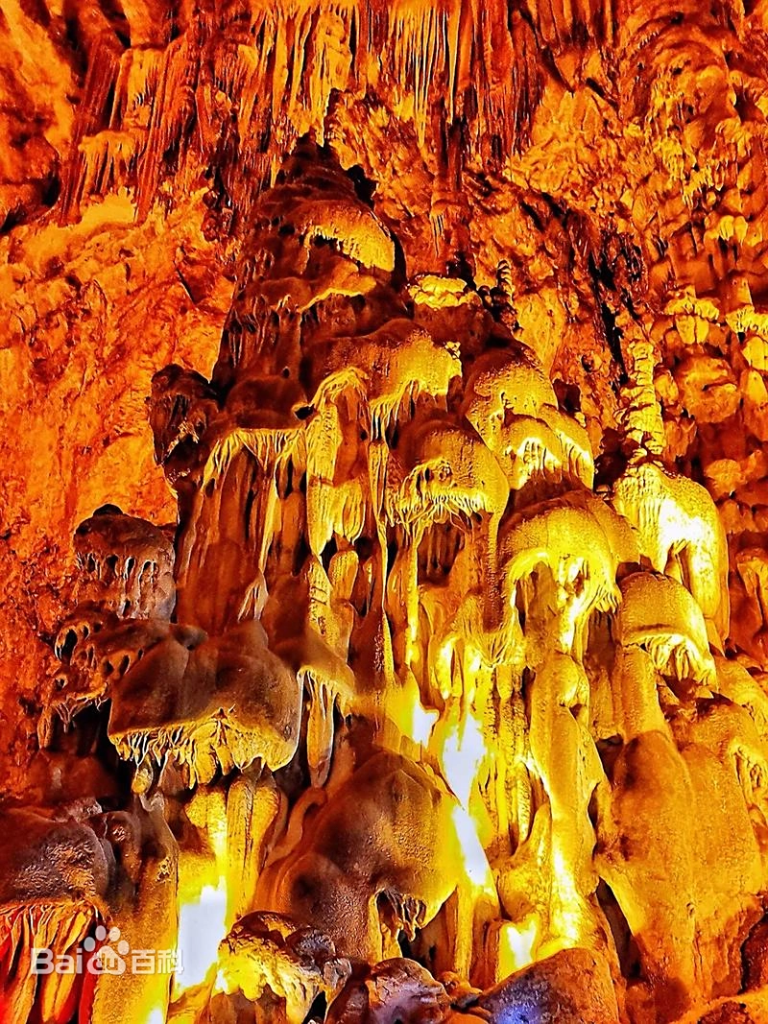
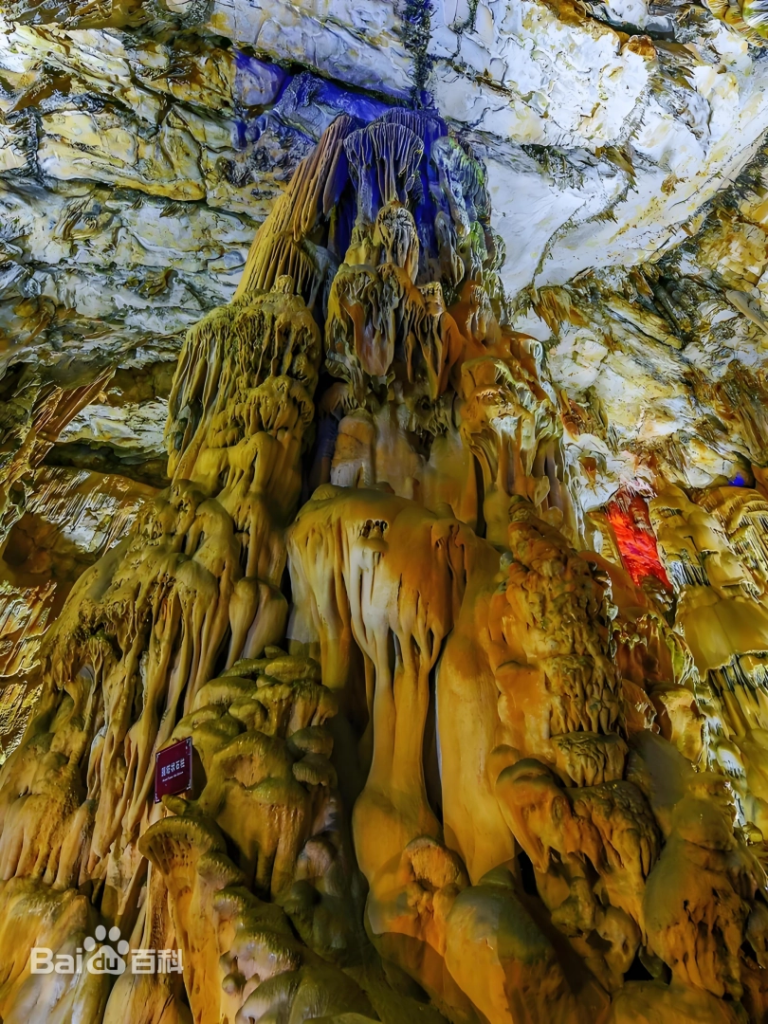
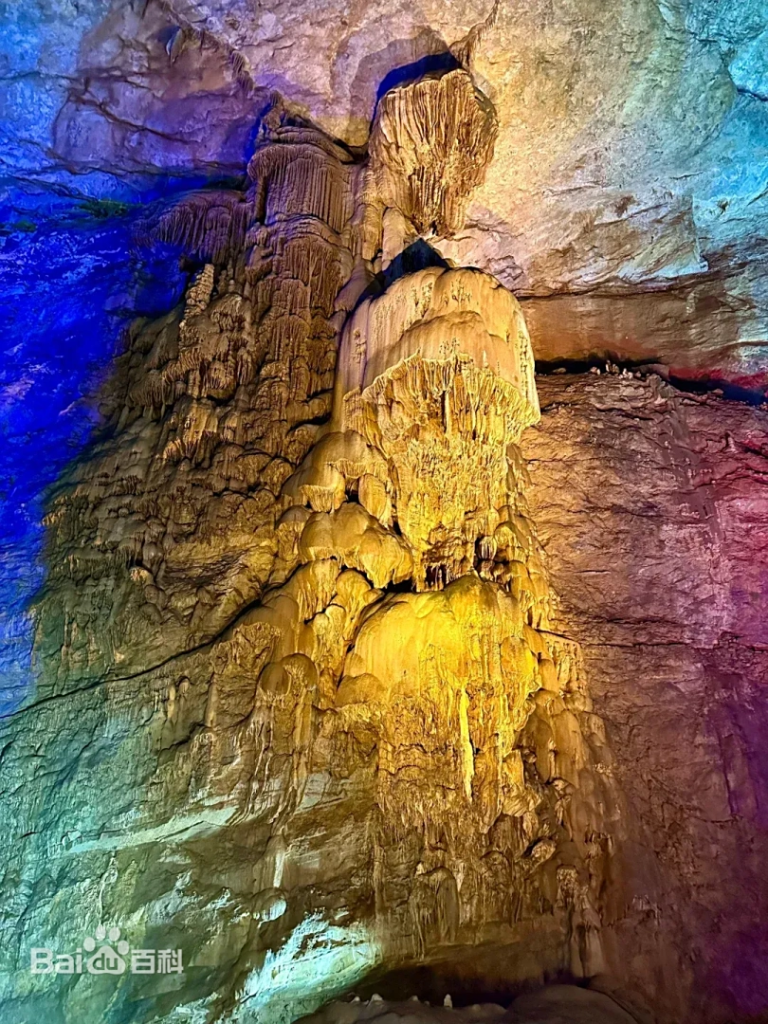
Zhijin Cave, located in Zhijin County, Bijie City, Guizhou Province, is a high-altitude dry cave of great diversity, complexity, and scale. Inside, the karst formations are unique, vast, majestic, and breathtakingly exquisite, making it a dream destination for countless visitors.
Zhijin Cave, renowned as the “King of Karst Caves,” stands out among other famous karst caves such as Zhangjiajie’s Yellow Dragon Cave (about 100,000 sqm), Chongqing’s Furong Cave (about 37,000 sqm), and Guilin’s Reed Flute Cave (about 14,900 sqm) due to its unparalleled size and grandeur. Spanning over 700,000 square meters, Zhijin Cave is the largest of its kind, featuring 12 grand halls and 47 chambers, each adorned with unique and breathtaking formations. The cave’s largest chamber reaches an impressive width of 175 meters, while six of its halls exceed 10,000 square meters in area, highlighting its monumental scale.
The cave is adorned with a wide variety of karst formations, including stalactites, stalagmites, stone pillars, flowstones, and stone curtains. These formations come in unique shapes, resembling pagodas, plants, animals, and even mythical creatures, showcasing nature’s artistic craftsmanship.
Among its countless highlights, several are especially unforgettable:
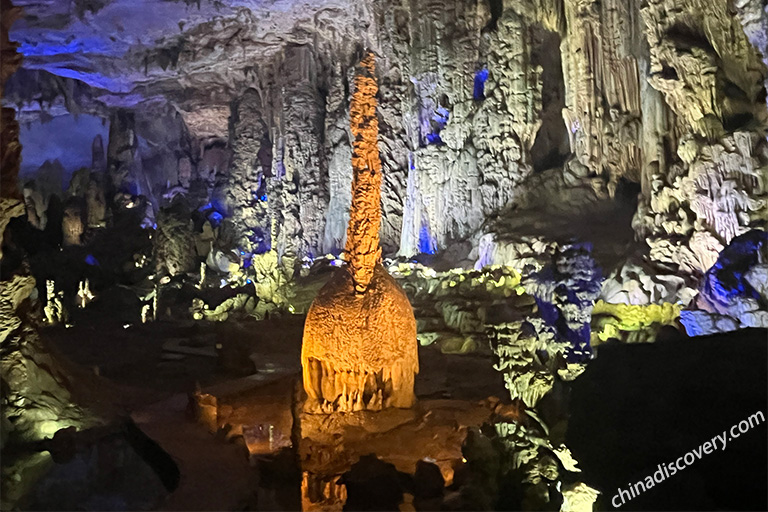
The Overlord’s Helmet (“Ba Wang Kui”) – A 17-meter-tall stalagmite shaped like a warrior’s helmet, known as the crown jewel of Zhijin Cave. Lit by orange light and reflected in the pool below, it appears both majestic and lifelike, as if the legendary warlord Xiang Yu himself had left his helmet behind.
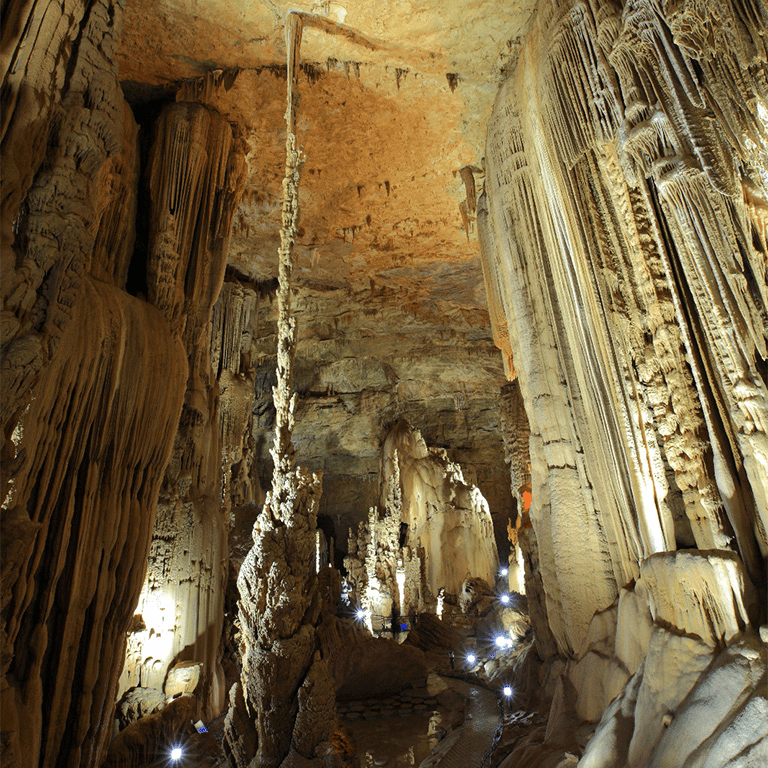
The Pillar of Heaven (“Qian Ceng Bao Ta”) – At the junction of the North and South Gates stands a towering stone column that seems to prop up the sky. Called the “Mainstay of the River,” it symbolizes strength, resilience, and the ability to stand tall in times of trial.
Mother-in-law and Daughter-in-law (“Po Xi Qing Shen”) – Two pine-shaped stalagmites, one stooped like an old woman and the other upright like her filial daughter-in-law massaging her back. The scene is tender, lifelike, and moving, embodying the Chinese virtue of filial piety.
The Lingxiao Palace – A stunning stone waterfall, one of the largest yet discovered, cascading magnificently from the ceiling. Around it stand stone banners, draperies, and a majestic hall of “stalagmite soldiers,” as if a grand palace had opened its doors for a celestial council.
Snow Pressing on the Green Pine (“Xue Ya Qing Song”) – A 20-meter-tall stalagmite shaped like a pine tree blanketed in snow, one of the cave’s signature sights. Its upright strength recalls Marshal Chen Yi’s famous poem: “Though snow weighs heavily on the pine, the pine stands tall and straight.” It symbolizes resilience, dignity, and unyielding spirit.
The spectacular karst landscapes of Zhijin Cave embody grandeur, vastness, and beauty beyond imagination. A tour through its endless halls, lasting over two hours, is an ever-unfolding journey of wonder—each chamber a new astonishment, each formation a marvel of nature.
It’s no surprise that Zhijin Cave is honored as the “King of Caves.” As the saying goes: “After Huangshan, no other mountains; beyond Zhijin Cave, no other caves.” The reputation is well deserved.
Practical Tips to Visit Zhijin Cave
Zhijin Cave is located in Guanzhai Miao Ethnic Village, Zhijin County, Bijie City, Guizhou Province. The cave is approximately 120 kilometers (75 miles) from Guiyang, the capital of Guizhou Province.
Bijie City has a total of 9 railway stations and 1 airport. 2 stations are located in Zhijin County, only serving normal trains. The closest high-speed rail station to Zhijin Cave is Qianxi Railway Station, about 45 km away.
Footwear: The cave has stairs and a small section of uneven paths, and the ground can be wet and slippery. Anti-slip footwear is recommended for safety and comfort.
Clothing: The cave maintains a constant temperature of 16°C (61°F). However, the humidity and cool air can make it feel chilly, so it’s best to carry a light jacket.
Food and Drinks: There are no dining options or shops within the cave, so it’s a good idea to bring your own snacks and drinks to stay energized during your visit. If you forget to bring snacks, there is a convenience store at the cave exit where you can purchase refreshments.
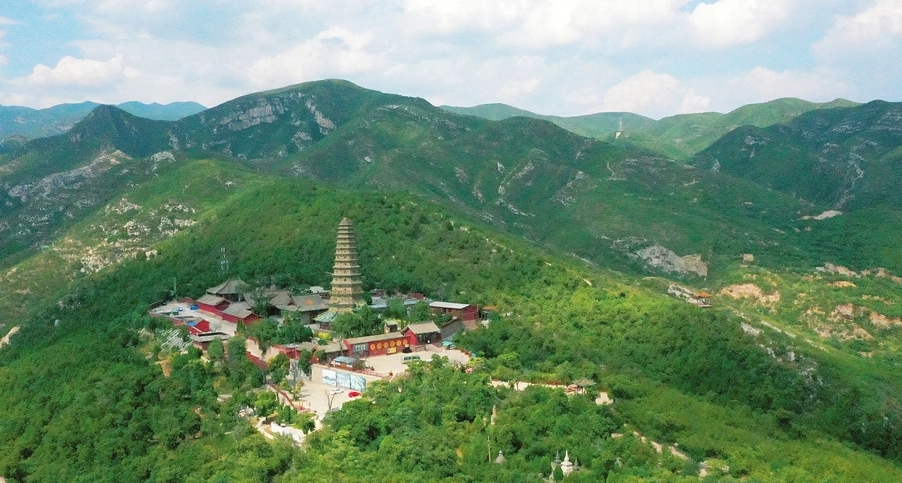
Shanxi is often called the cradle of Chinese civilization, a province with one of the richest collections of cultural and historical relics. Guangsheng Temple is part of that story. First built during the Eastern Han Dynasty (25–220 CE), it is one of the earliest Buddhist temples in China. Over the centuries, it has endured wars, fires, and devastating earthquakes, yet it still stands, its beauty renewed through reconstructions in the Yuan (1271–1368) and Ming (1368–1644) dynasties.
The temple complex is composed of three main parts:
The Upper Monastery — home to its most famous landmark, the glazed pagoda.
The Lower Monastery — housing grand halls and statues.
The Water God Temple — known for its remarkable Yuan Dynasty murals.
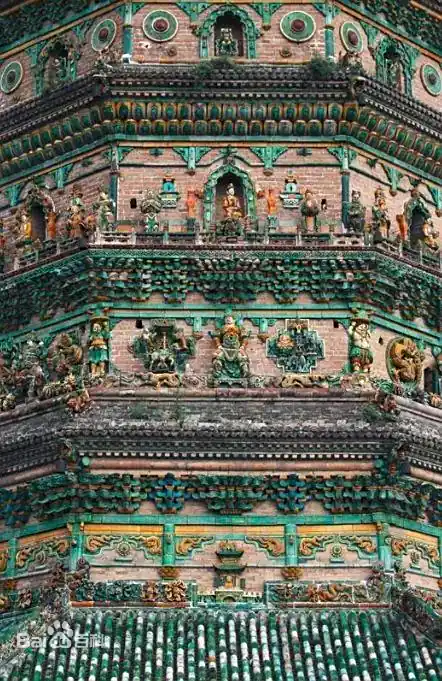
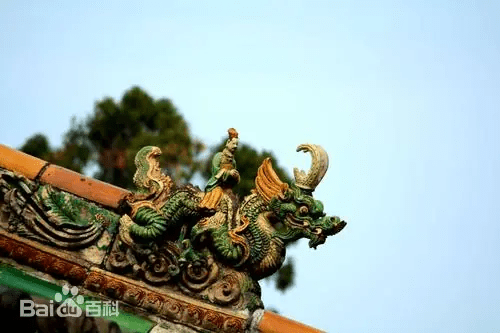
Rising in the upper monastery is the Flying Rainbow Pagoda (Feihongta), an octagonal, 13-story glazed brick tower reaching 47.31 meters high. Built in 1527 during the Ming Dynasty, it’s an explosion of color in the sunlight. The walls and roofs are covered in multi-colored glazed tiles — deep emerald, golden yellow, sapphire blue, and rich purples — that glisten like jewels, casting rainbow-like reflections on sunny days.
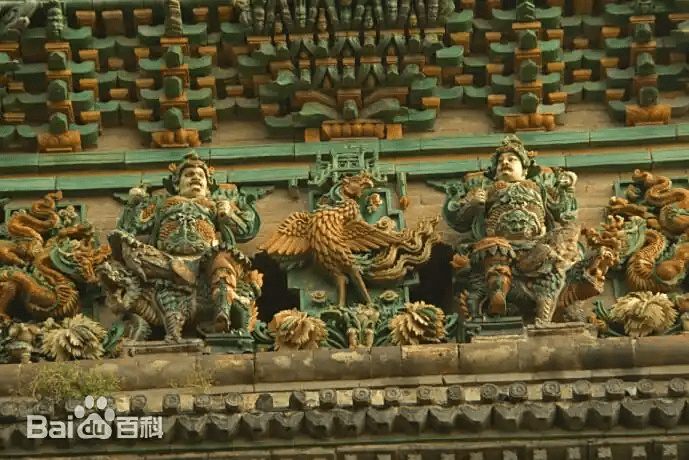
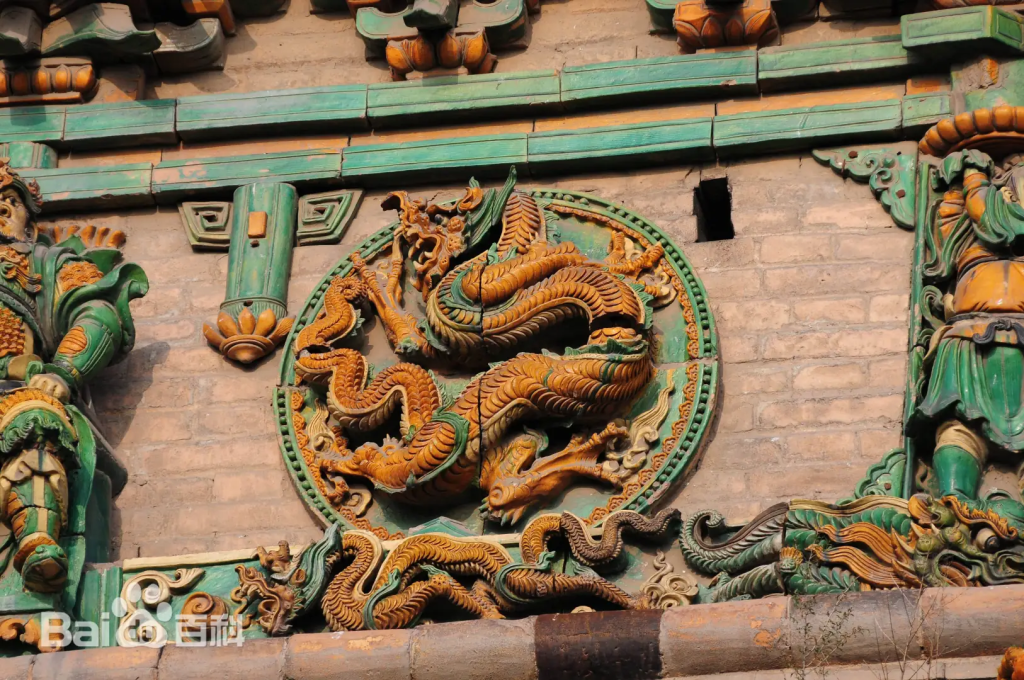
Every tier of the pagoda is adorned with intricate glazed reliefs — Buddhas in serene meditation, fierce guardian kings, bodhisattvas in flowing robes, mythical beasts, and dragons coiled in eternal motion. Inside, the foundation hall houses a five-meter-tall bronze statue of Sakyamuni Buddha, radiating quiet majesty.
This pagoda is not only beautiful — it’s a survivor. It withstood the catastrophic 1556 Shaanxi earthquake and the 1695 Pingyang earthquake, both exceeding magnitude 8.0. Its resilience is as awe-inspiring as its artistry. In 2018, it was recognized by the London-based World Record Certification as the tallest multicolored glazed pagoda in the world.
Murals of the Yuan Dynasty — Life Painted in Color
The temple’s murals are a vivid window into the Yuan Dynasty. In the Water God Temple, nearly 200 square meters of wall space is alive with color: scenes of divine processions, farmers at work, musicians playing, and children at play. One remarkable panel shows “Cuíwán” (捶丸) — a sport similar to golf — offering a glimpse into pastimes of the Yuan era.
The mural on the gable wall of the Great Hall of Sakyamuni Buddha in the lower monastery is equally stunning, painted with an expressive style that blends religious devotion with snapshots of daily life. Researchers prize these works for their artistry and for the wealth of cultural detail they reveal — clothing, architecture, social customs — all preserved in pigment for more than 700 years.
The Zhaocheng Buddhist Canon — A Literary Treasure
In 1930, during restoration work, the temple revealed another extraordinary surprise—a cache of ancient relics now preserved in the Shanxi Museum. These included Buddhist scriptures, statues, and ritual objects, some dating back hundreds of years earlier. Printed during the Yuan Dynasty, this monumental project took 24 years and the collaboration of countless monks and artisans to engrave the wooden printing blocks. The texts preserve Buddhist thought, philosophy, and art from centuries ago, making them one of China’s most precious Buddhist literary relics.
The discovery deepened Guangsheng Temple’s reputation as one of the great guardians of China’s Buddhist heritage.
Today, whether you approach as a pilgrim, an art lover, or simply a traveler drawn by curiosity, the moment you first see the rainbow-like shimmer of the Glazed Pagoda through the mountain mist is unforgettable. It is not merely a structure—it is a bridge between centuries, a beacon of faith, and a reminder that beauty, once created with devotion, can endure against time itself.
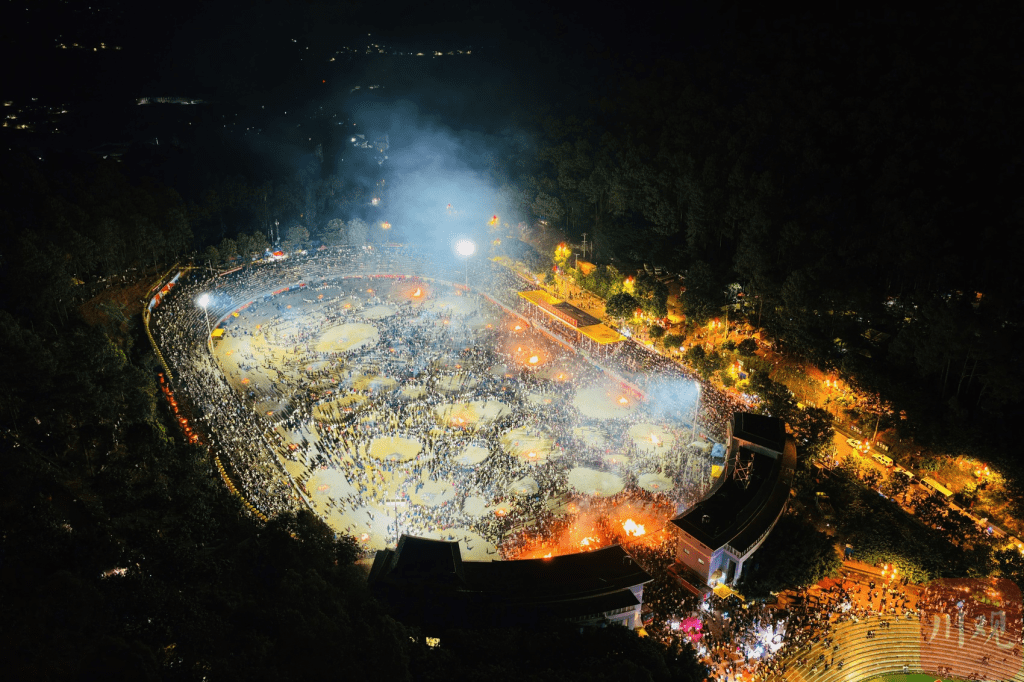
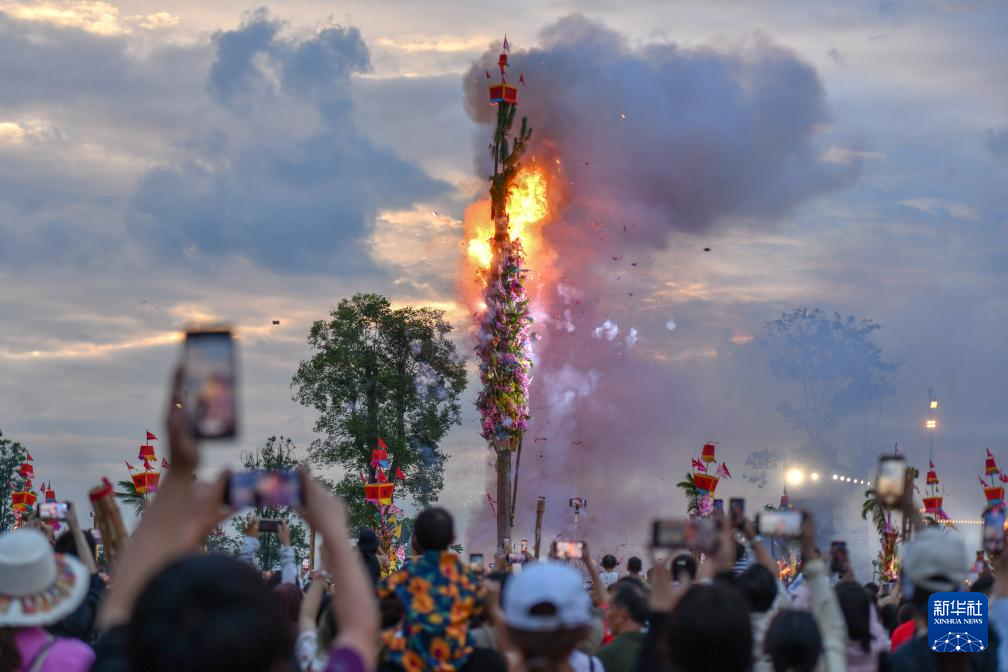
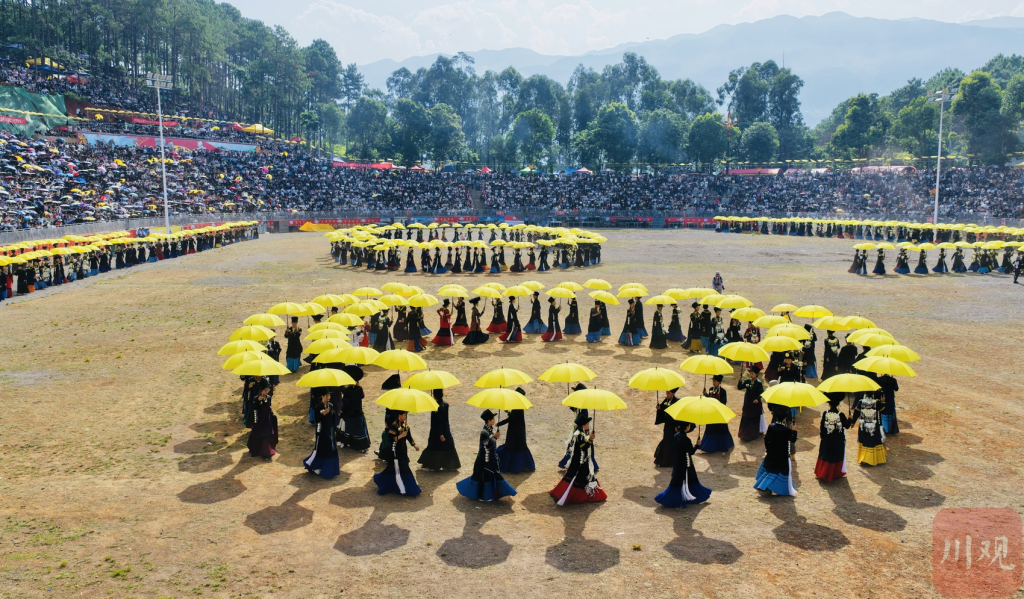
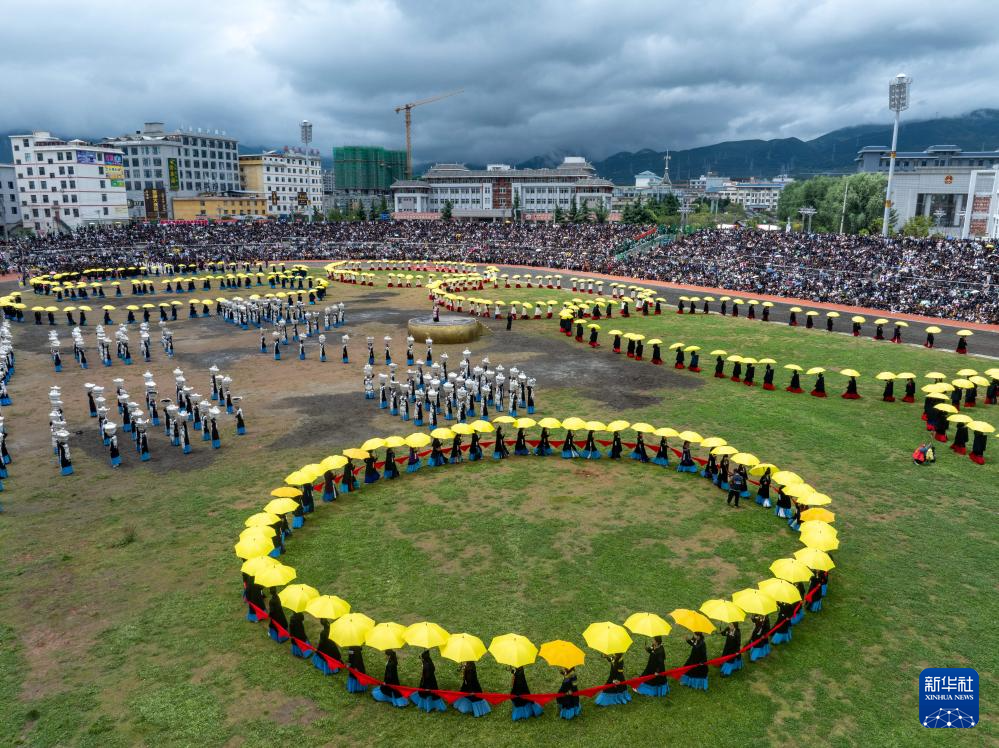
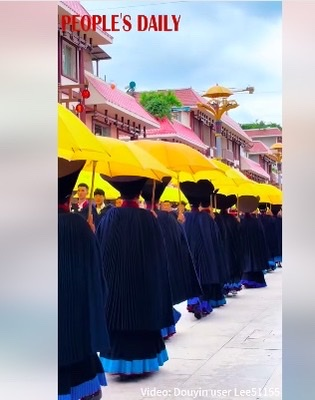
The air is warm and scented with pine smoke. In the distance, a line of golden lights winds its way down the mountainside, swaying and flickering like a living dragon. Drums beat in a steady rhythm, mingling with laughter and song. Children dash through the night clutching small torches, their faces glowing in the firelight. Elderly women hum old tunes, while young men and women steal glances beneath the shelter of bright yellow oil-paper umbrellas. This is not just a night—it is a living river of fire. You’ve just stepped into the Yi Torch Festival.
Every summer, when the moon of the sixth lunar month reaches its 24th day, the mountains and valleys of Yunnan, Guizhou, and Sichuan come alive with a sea of flickering light. This is the Yi Torch Festival, the grandest celebration of the Yi people and one of the most dazzling ethnic festivals in China.
The Yi, along with the Bai, Naxi, Jinuo, Lahu, and other ethnic groups, have celebrated this fiery tradition for centuries. For the Yi, fire is not just a source of warmth—it is a symbol of light, strength, and hope. The Torch Festival is their way of honoring fire, driving away evil, and praying for peace and abundant harvests.
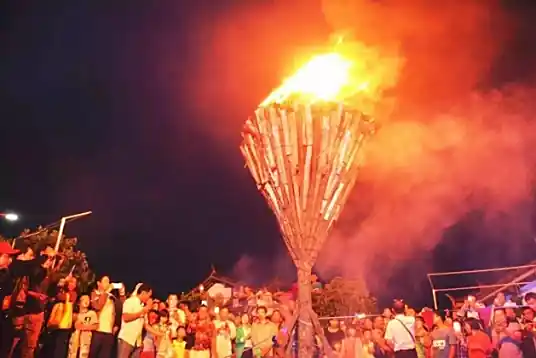
On this special day, towering torches rise high in the center of each village, while every household lights their own smaller torches. As night falls, villagers carry these flames into the fields, circling the crops to symbolically chase away pests and misfortune, leaving behind protection and blessings.
The Torch Festival lasts three magical days and nights, each with its own unique charm.
Day One – Fire Worship Morning preparations are lively, feasts are prepared, and wine and meat are offered to ancestors. At dusk, villagers gather at a site chosen by the elders. There, a sacred fire is lit using the ancient method of striking stones, and the flame is blessed by a bimo (Yi priest) chanting sacred verses. Then, torches made from mugwort are passed to each household. Children and elders alike carry them to the edges of fields, reenacting the old legend of Ashimo, the heroine who once used fire to drive away destructive insects.
Day Two – Playing with Fire If Day One is solemn, Day Two is pure joy. Under the glow of the sacred flame, villagers gather for horse races, wrestling matches, bullfights, and singing contests. Young men compete like the legendary hero Atilaba, known for his courage and strength. Young women, dressed in vibrant handmade dresses and carrying delicate butter umbrellas, dance the graceful “Duoluohe” and Dati dances, just as Ashimo once did. The highlight? A traditional beauty contest where elders select the most handsome man and the most beautiful woman of the year—chosen not only for looks, but also for kindness, bravery, and skill. As the night deepens, couples stroll by the streams and through the mountains, plucking moon lutes and jaw harps, their music and whispers floating into the starry sky.
Day Three – Sending Off the Fire The final night is the festival’s grand finale. Villagers rush through the darkness carrying blazing torches, eventually gathering them into massive bonfires. Around these roaring flames, they sing, dance, and laugh until the stars fade and dawn arrives.
Beyond the rituals and dances, the Torch Festival is also a season of romance. Young men and women meet, flirt, and sometimes begin lifelong partnerships. According to tradition, a man may “steal” a token—such as a scarf or ornament—from the woman he loves as a sign of affection. For the rest of the night, they sing and dance together, expressing their feelings until sunrise.
In the end, the Torch Festival is more than just a cultural event—it is a living expression of the Yi people’s spirit: their love of life, reverence for nature, devotion to tradition, and unquenchable hope for the future. And as the last embers fade in the early morning light, the warmth of the flames lingers—both in the fields and in the hearts of the people.
If you’ve ever dreamed of seeing thousands of torches glowing like fire dragons weaving through the dark mountains, this is the place to be. The Yi Torch Festival is not only a feast for the eyes but also a journey into the beating heart of a culture that celebrates life in the glow of fire.
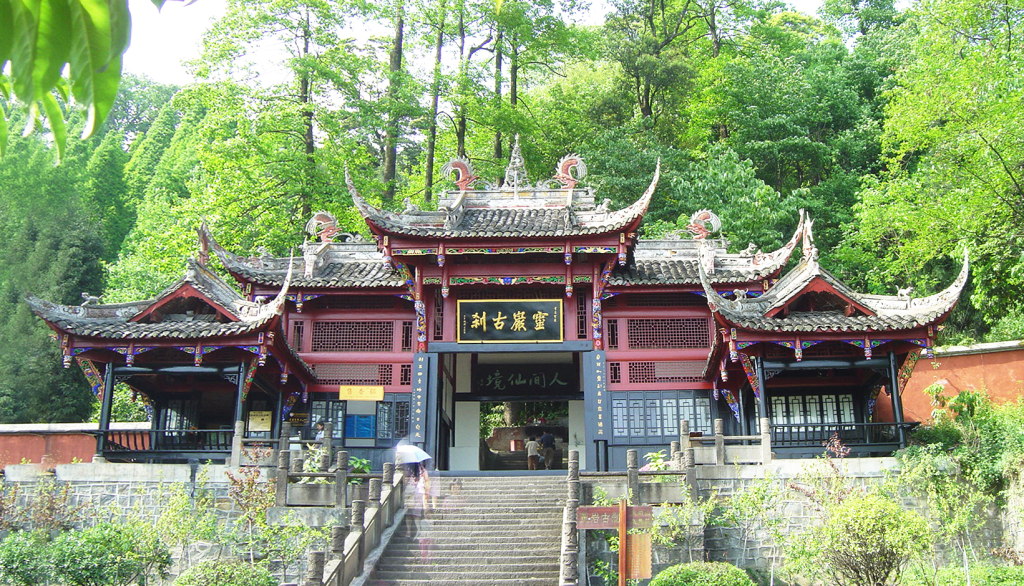
Located in the northwest of Mount Tai, Lingyan Temple was founded during the Eastern Jin Dynasty and boasts a history of over 1,600 years. It is regarded as one of the most important sacred sites of Chinese Buddhist culture. Since the Tang Dynasty, Lingyan Temple has enjoyed great renown, and together with Qixia Temple in Nanjing, Guoqing Temple on Mount Tiantai in Zhejiang, and Yuquan Temple in Dangyang, Hubei, it has been hailed as one of the “Four Great Temples of China.” The eminent monk Tang Xuanzang once resided here to translate Buddhist scriptures. From Emperor Gaozong of Tang onward, many emperors stopped to worship at this temple on their way to perform imperial rites at Mount Tai, a testament to its revered historical status.
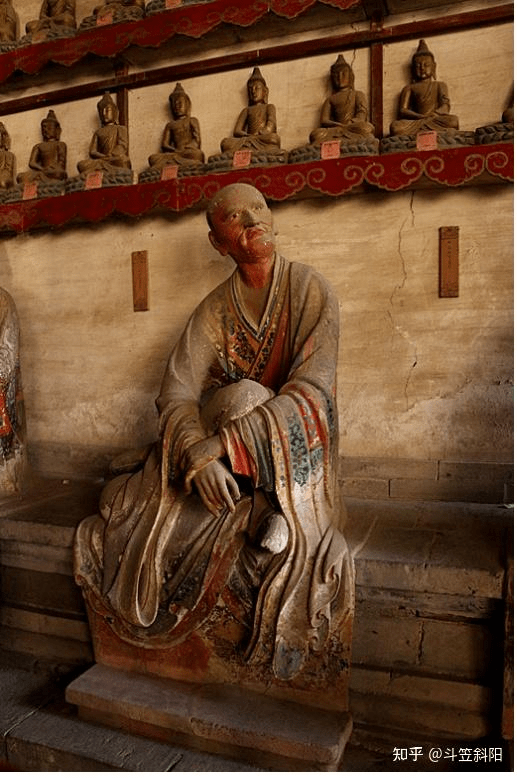
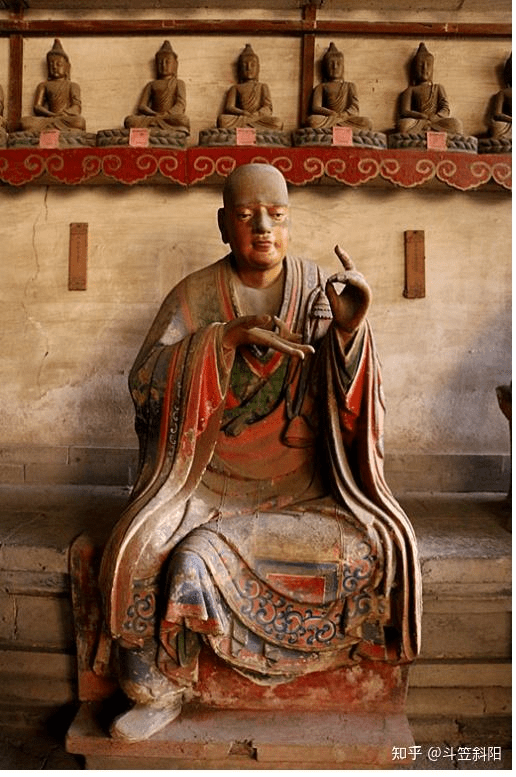
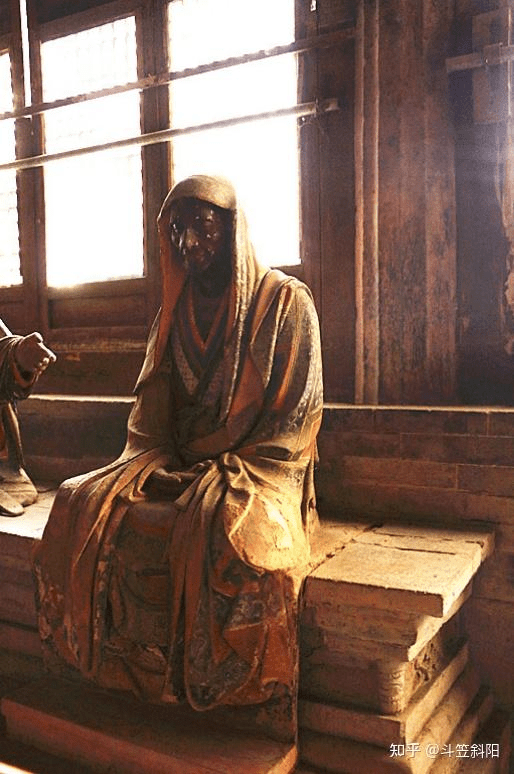
Although I personally prefer the majestic beauty of untouched natural landscapes, I was deeply moved by the profound cultural and religious artistry of Lingyan Temple. Within the temple grounds, ancient trees such as Chinese wingnut, cypress, and banyan rise skyward, creating a tranquil and sacred atmosphere. As an integral part of the World Natural and Cultural Heritage site of Mount Tai, Lingyan Temple is especially renowned for its colored clay sculptures of Arhats, which hold a prominent place in the history of Chinese sculpture.
Stepping into the solemn Thousand Buddha Hall, one is struck by the breathtaking sight of the Arhat statues—40 lifelike clay figures arranged in a semicircle along the inner walls. Among them, 29 represent disciples of Shakyamuni and Indian masters such as Bodhidharma and Kumarajiva. The remaining 11 depict eminent Chinese monks, including Huiyuan, Huike, Huichong, and various abbots of Lingyan Temple. According to inscriptions and scholarly research, the original set consisted of 32 statues, first created in the third year of the Zhiping reign of Emperor Yingzong of the Song Dynasty (1066). Additional painting and sculpting were done in the first year of the Zhiyuan reign (1328) during the Yuan Dynasty. The Thousand Buddha Hall was renovated in the 15th year of the Wanli reign (1587) in the Ming Dynasty, at which time the number of Arhats was increased to 40. The final touch-up was completed in the 13th year of the Tongzhi reign (1874) of the Qing Dynasty.
Each statue stands about 1.6 meters tall and is seated on a waist-high brick pedestal roughly 80 centimeters in height, with the top of each statue rising 105 to 110 centimeters above the seat. The overall sculptural style is remarkably realistic, emphasizing the individuality and inner spirit of each figure: square faces, prominent noses, distinct facial features, and dynamic, textured robe patterns. The ancient artisans broke away from conventional, stylized Buddhist iconography and instead grounded their work in real life, endowing each Arhat with unique expressions and postures—some sit in meditation, others clasp their hands or hold staffs; some appear ragged and emaciated, while others exude noble dignity and elegance. Each figure is infused with spirit and personality, appearing almost alive, as if they might speak or move at any moment.
What’s even more astonishing is the meticulous attention to detail in both facial expressions and bodily movement, as well as the relationship between the robes and the human form. The flowing lines of the garments, the way the folds respond to motion, and the tactile quality of the fabric all reflect a masterful understanding of form and rhythm. One medical expert even remarked that, “Through the Arhats’ robes, one can perceive the ancients’ precise grasp of human anatomy.”
The Arhat sculptures at Lingyan Temple are not only masterpieces of religious art but also represent the pinnacle of ancient Chinese realistic sculpture. The renowned scholar Liang Qichao once visited the site and inscribed a stone tablet calling them “The finest sculptures in the land.” Famed art master Liu Haisu also praised them, writing: “The Arhats of Lingyan—first under heaven—vivid and lifelike, with flesh and spirit.”
Lingyan Temple is more than a place of worship—it is a living chronicle of Buddhist heritage carved from clay and shaped by the hands of genius. Whether you are a devout practitioner, a history enthusiast, or an art lover, a visit to Lingyan Temple will surely leave you moved by its rich cultural legacy and breathtaking artistic beauty.
Award recipients from the youngest age group (five- to six-years-old) at the 2025 International Youth Art Contest, pictured with Mr. KC Hsieh, IAMA President.Photo by Johnny Trieu
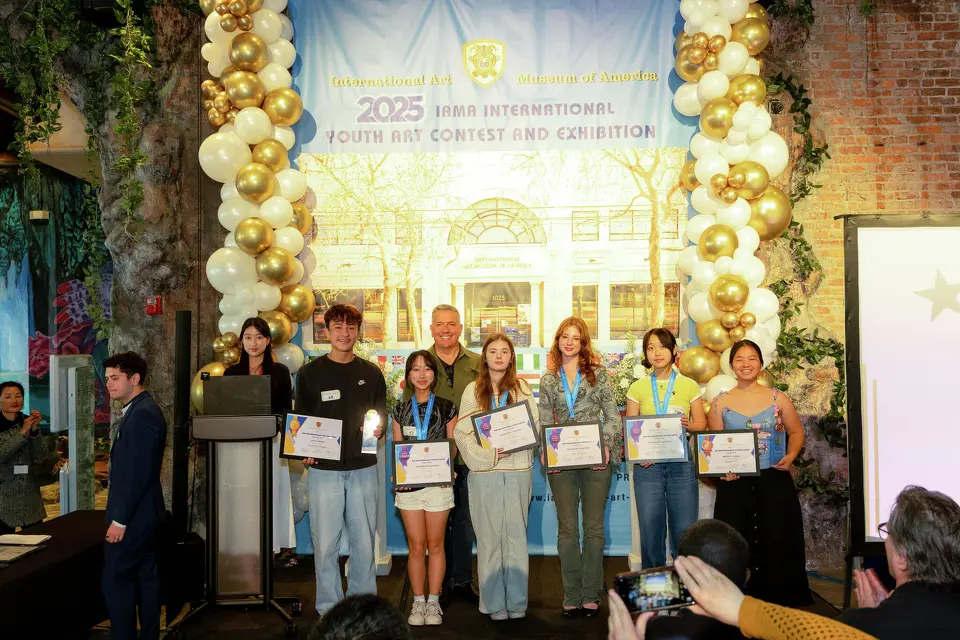
(Ad) On July 13th, 2025, San Francisco’s International Art Museum of America (IAMA) hosted the awards ceremony for the Second Annual International Youth Art Contest and Exhibition. The museum hosted nearly 400 attendees who were eager to see this year’s exhibition of youth artworks from around the world. Distinguished guests included Mr. Guy Djoken, Executive Director of UNESCO Center for Peace of Washington D.C.; San Francisco District Six Supervisor Matt Dorsey; and Professor Adam Caldwell, Chair of the Jury Committee and faculty member at the Academy of Art University, San Francisco. The ceremony spotlighted the creative achievements of young artists and underscored the museum’s role in fostering cultural exchange and youth artistic expression. Now, in its second year, the International Youth Art Contest and Exhibition continues to expand its reach and impact, advancing IAMA’s mission to champion emerging talent and foster intercultural connection through the arts.
This year, 1,600 youth participants submitted over 3,800 artworks to the Youth Art Contest. Artists from sixty-five countries across five continents competed within four age groups. After a rigorous selection process evaluating creativity, technical skill, and overall presentation, 477 young artists from seventeen countries were selected to exhibit a total of 616 outstanding works in IAMA’s Grand Exhibition Hall. The artistic caliber and thematic richness of the selected pieces left the jury in awe.
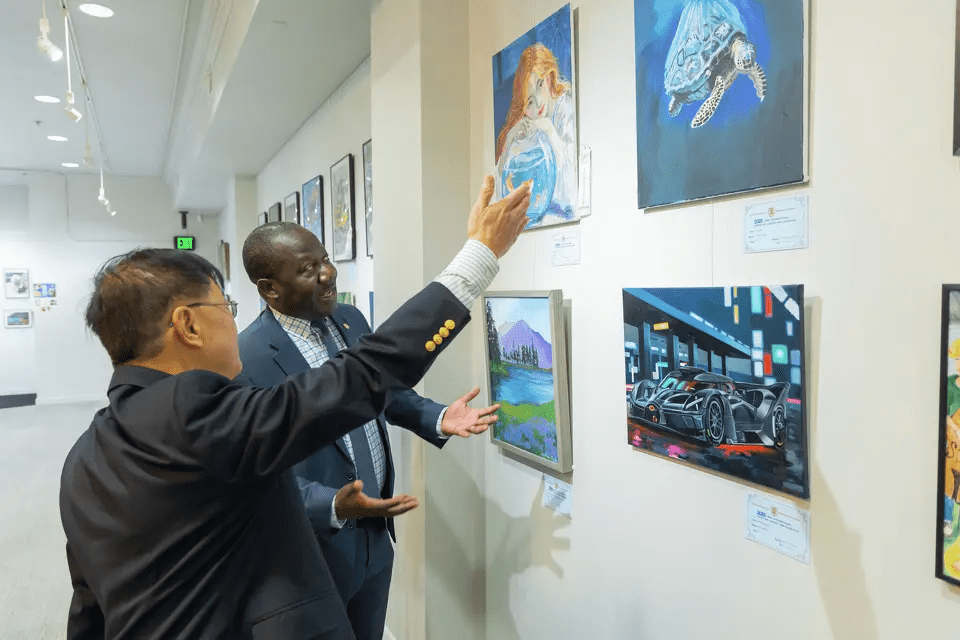
Attendees of the 2025 International Youth Art Contest viewing the installation in the Grand Exhibition Hall located at 1025 Market Street in San Francisco.Photo by Johnny Trieu
During his address at the awards ceremony, Mr. Guy Djoken offered high commendation for IAMA and its dedicated team, applauding their ongoing commitment to promoting international artistic exchange and cultivating a space where the public can find joy and renewed hope through art. Reflecting on the global turbulence and widespread uncertainty facing today’s global community, Mr. Djoken declared, “At a time when many live in fear—especially of war—just for us to be here at the museum, smiling and happy, and most importantly hopeful about the future—this is the best thing about this competition.” Mr. Djoken’s heartfelt message set a hopeful tone for the awards ceremony and attendees alike.
Executive Director of the UNESCO Center for Peace, Guy Djoken, was deeply impressed by the exceptional quality of the young artists’ work, finding both joy and hope for the future in their creativity.Photo by Johnny TrieuAward recipients in the eleven – fourteen age group at the 2025 IAMA International Youth Art Contest, joined by Mr. Guy Djoken, Executive Director of the UNESCO Center for Peace in Washington, D.C., who presented the honors during the ceremony.Photo by Johnny Trieu
Matt Dorsey, San Francisco’s District Six Supervisor, also addressed the audience, expressing his appreciation for the International Art Museum of America as a true hidden gem of San Francisco’s art landscape, and pledged his continued support for the museum’s mission and contributions to the community. Supervisor Dorsey offered words of encouragement to all participating youth artists, urging them to pursue their creative passions with perseverance—regardless of the outcome—and to never stop pursuing their artistic dreams.
Award recipients in the fifteen–eighteen age group of the contest were presented with their honors by San Francisco District Six Supervisor Matt Dorsey during the awards ceremony.Photo by Johnny Trieu
Professor Caldwell praised the range of themes and talent amongst all submissions and ages, which made selecting the winners of each age group challenging for the judges. Professor Caldwell noted the importance of international art exchange, stating “It’s a great way to bridge gaps between countries. The artistic community has always crossed political, social, and ethnic borders. Art and music are among the most universal forms of expression. They allow us to feel what others felt… Art brings people together across divides.” Professor Caldwell’s wise words perfectly captured the mission and outcome of the International Youth Art Contest.
Award recipients from the seven – eleven age group honored by Prof. Adam Caldwell—Chair of the Jury Committee, and faculty member at the Academy of Art University, San Francisco.Photo by Johnny Trieu
In this year’s contest, a newly introduced category for the youngest age group—participants ages five to six—garnered enthusiastic engagement from a remarkable number of budding artists. Through their sincere brushwork and vibrant imagination, these children demonstrated an extraordinary innate talent that captivated both audiences and judges alike.
Dr. Amy Hughes, Jury Committee Member and Director of Student Services at the New York Academy of Art, recognized the courageous creativity of the youth artists reflecting, “I was struck by the fearless creativity on display — the young artists did not shy away from complex themes, experimenting with materials, and expressing deeply personal narratives. Each piece felt authentic and fresh, demonstrating both technical skill, and emotional depth. The entries explored themes ranging from family, community, and environmental justice to dreams, culture, and identity—powerfully reflecting the younger generation’s keen insights and profound emotional connection to the world around them.
Charlotte Wu, third place award recipient in the five- to six-year-old age group, looks up at her winning painting, The Garden Where She Waits.Photo by Johnny Trieu
Lucas Shao, the first place winner of the five- to six-year-old age group, depicted himself joyfully swinging through the air in his painting, Wonderland. When asked about his hopes for his art, Lucas enthusiastically declared “I hope my art makes people happy, warm, big smiles just like me!”
Five-year-old Lucas Shao, winner of first place in the five- to six-year-old age group, stood proudly beside his painting Wonderland, depicting his happiness while swinging on the playground.Photo by Tong Shao
Third place winner of the five- to six-year-old age group, Kedarnath Kalidindi depicted a goldfish in a small fishtank in his painting, Freedom in Captivity, inspired by “finding inner freedom during incarceration.” The addition of this age group was an exciting component of this year’s event, and underscored the value of shining a spotlight on youth artwork, and garnering the wisdom of today’s youth.
Five-year-old Kedarnath Kalidindi, third-place winner in the five- to six-year-old age group, introduced his painting, Freedom in Captivity, to the audience.Photo by Johnny Trieu
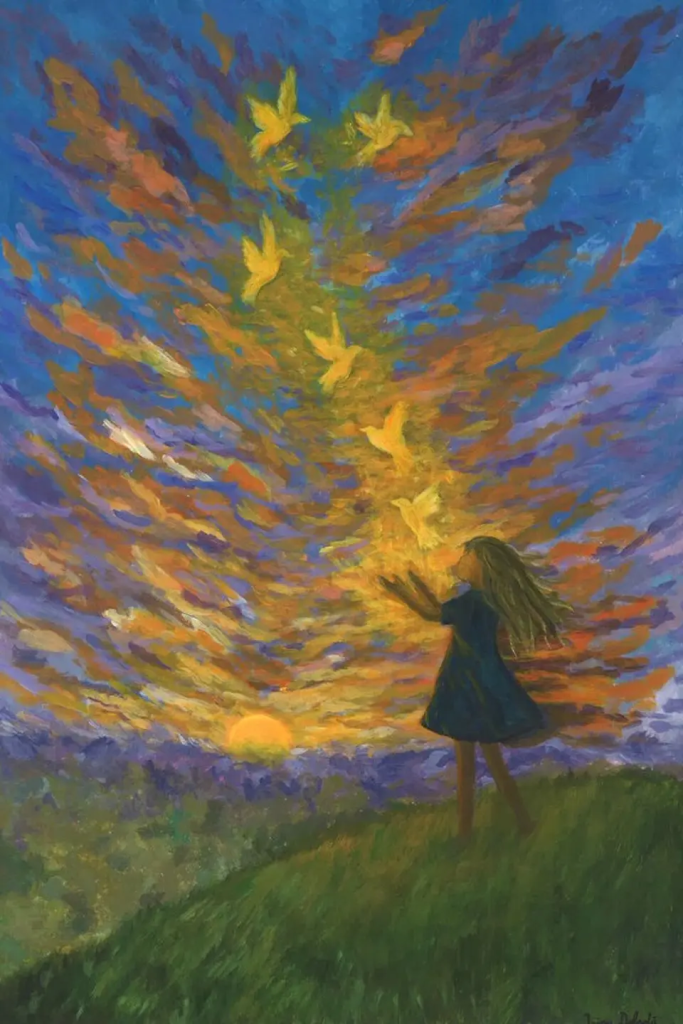
Ten-year-old Irina Elena Dobrota from Romania was honored with third place in the seven- to ten-year-old age group for her painting, Flight of Dreams, which was selected for the final exhibition at IAMA. Celebrated for its gentle spirit and imaginative vision, the piece radiates themes of kindness, freedom, and hope. Irina’s achievement brought pride and joy to her local community, and she hopes her work will inspire others to believe that every heartfelt wish can take flight—if we have the courage to let it soar.
Third place winner of the seven- to ten-year-old age group, Irina Elena Dobrota’s painting, Flight of Dreams.Photo by IAMA
Ashley Hein, second place winner of the fifteen-to-eighteen-year-old age group, impressed the jury with her painting, Animal Instinct, distinguished by its mature composition and outstanding execution. Professor Caldwell commented that he had shown several of the entries to his university art students, who were deeply moved and inspired by the technical skill and creativity on display.
Ashley Hein’s artwork, Animal Instinct, won second place in the fifteen- to eighteen-year-old age group.Photo by IAMA
Seventeen-year-old Kate Fieldhouse from South Africa received an honorable mention for her painting Between Worlds, which depicts a striking worldscape through an intense and creative exploration of breaking the canvas.
Seventeen-year-old Kate Fieldhouse from South Africa received an Honorable Mention for her painting Between Worlds.Photo by Johnny Trieu
Sixteen-year-old Polina Larina received an Honorable Mention Award for her painting Moscow Buns Evening. During her interview, Polina shared how she views her art as an opportunity to introduce people to Russian culture, and how the Youth Art Contest inspired her to continue to pursue her art dreams, “It was my first time participating in the IAMA competition. Participation in this competition helped me to feel recognized as an artist, and inspired to keep making art and put more effort into it.” Polina’s painting, inspired by a memorable walk with her grandparents, serves as a reminder to escape into nostalgia and childhood memories in trying times.
Sixteen-year-old Polina Larina (second from right, standing beside her mother) who received an Honorable Mention for her painting Moscow Buns Evening, in the Grand Exhibition Hall, joined by her parents and twin sister.Photo by Johnny Trieu
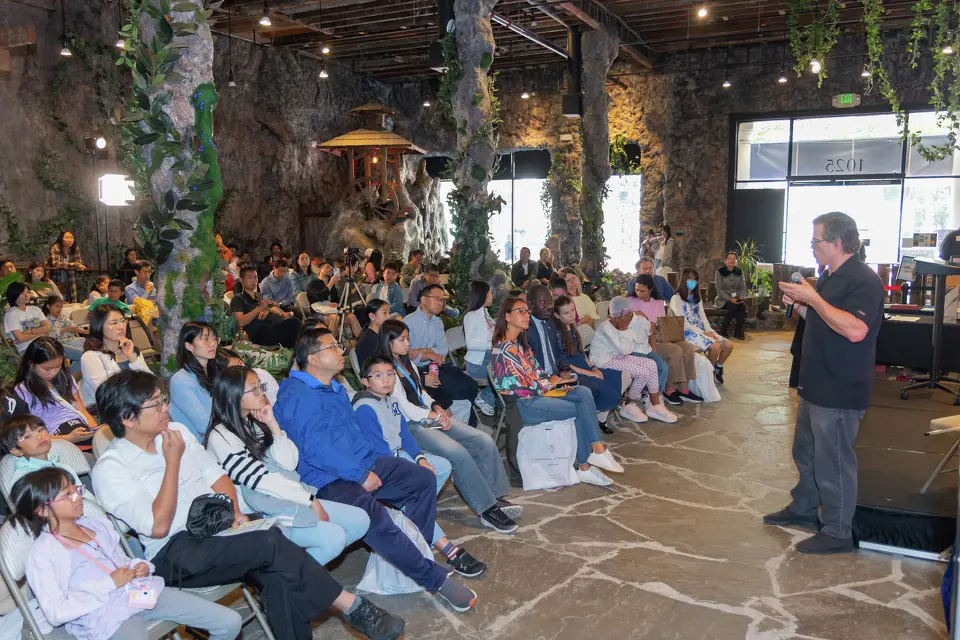
Following the ceremony, Professor Caldwell gave a masterclass for all participants, offering thoughtful insights on artistic growth, and encouraging continued exploration and confidence in their creative journeys. His masterclass focused on four elements: visual storytelling and composition, techniques and materials, the role of art in communication and expression, and advice for young artists. This is the second year Professor Caldwell has judged the artwork for the contest and delivered a masterclass for attendees of the contest.
Professor Caldwell delivered a knowledgeable and enlightening masterclass to attendees and participants. Photo by Johnny Trieu
About IAMA
Located in the heart of San Francisco, IAMA was voted the “Best Art Gallery” and was a finalist as the “Best Museum” in SFGate’s Best of Bay Area 2024. IAMA is dedicated to making world-class art accessible to all through exhibitions, education, and international contests. With a mission to foster peace and happiness through art—especially by nurturing the next generation—IAMA brings together works from around the globe, bridging East and West, classical and contemporary.
































 Peace LiLy