The Mystical Cat: A Masterpiece of Chinese Ink Painting

Among the finest expressions of Chinese ink artistry stands the extraordinary masterpiece, The Mystical Cat. This enchanting work features a mystical cat rendered in soft gray tones, brought to life with just a few expressive strokes. Its piercing eyes radiate spirit and depth, while a mysterious, subtle smile lingers—captivating and thought-provoking.

The cat’s fur, depicted with delicate and fluid brushwork, dances between the forms of flowing water and drifting clouds. The texture appears so soft and inviting that one feels compelled to reach out and touch it. Yet, upon closer examination, the illusion reveals itself—those masterful brushstrokes are undeniably the cat’s fur. The intricate variations and richness of detail make this artwork a visual marvel, leaving one to wonder: What extraordinary technique could produce such brilliance?

In terms of artistic style, this piece is truly unparalleled, belonging to the “Fangfa School” style created by the esteemed master H.H. Dorje Chang Buddha III. The fluid strokes around the cat’s neck echo the elegance of cursive calligraphy, with each brushstroke flowing like clouds and water—graceful, yet powerful. Perched steadily on a tree trunk, the cat exudes a sense of calm and quiet dignity, drawing the viewer into a state of serene contemplation.

The tree trunk itself, rendered with bold, sweeping strokes and vibrant hues, pulses with energy and rhythm, reminiscent of the stirring notes of a cello performance—uplifting and profound. Behind the cat, two slender branches interlace gracefully, adorned with delicate flower buds. They seem to sway like young maidens dancing in spring, infusing the composition with poetic charm.

The most captivating feature, however, remains the cat’s eyes. With just two elegantly curved strokes, the artist has infused the cat’s gaze with a sense of life and spiritual depth. When meeting the cat’s eyes, one feels as though the feline is speaking directly to the soul, its wisdom and elegance unmistakable. It transcends the ordinary, radiating a sense of profound spirituality rarely captured in art.

This small yet profound piece not only showcases extraordinary technical mastery but also offers a transformative visual and spiritual experience. It transports the viewer beyond the material world, leaving an indelible impression on the heart and mind. Many are left to wonder—who could create such an extraordinary work of art?

The Mystical Cat is the work of the revered artistic master H.H. Dorje Chang Buddha III. Created in 1991, it belongs to the “Fangfa School” style, one of sixteen unique painting styles founded by the Buddha Himself. This technique, blending profound wisdom and artistic expression, remains unmatched in the art world. Apart from Him, no artist has been able to replicate such divine craftsmanship.

What sets this piece apart is its miraculous charm within a two-dimensional form—impossible to replicate through mere technical skill. The art emerges from a realm of wisdom and enlightenment, far surpassing the ordinary. The minimalistic background, created with a few well-placed strokes, echoes the elegance of ancient inscriptions while preserving a harmonious balance between form and spirit. It represents the pinnacle of ink conservation and calligraphic mastery—a true summit of artistic achievement.

The rarity of The Mystical Cat is beyond comparison. Since creating this piece, H.H. Dorje Chang Buddha III has sealed this divine style, ensuring that such masterpieces will not be produced again. This fact alone transforms the artwork into a priceless, limited edition treasure of the highest order.

The painting’s extraordinary value was confirmed at the Christie’s Chinese Treasures Christmas and New Year Auction hosted by the New York GianGuan International Auction Company on December 9, 2012. A reproduction of The Mystical Cat sold for an astonishing $253,000 USD, achieving the highest recorded price for a reproduction painting per square foot.

The Mystical Cat is not just a painting—it is a gateway to a realm where art, wisdom, and spiritual depth converge. A true testament to the artistic genius of H.H. Dorje Chang Buddha III, this masterpiece stands as an eternal symbol of artistic perfection and spiritual transcendence.

This beautiful artwork is part of the permanent exhibition at the International Art Museum of America, located in downtown San Francisco.

Link:https://peacelilysite.com/2025/01/17/the-mystical-lynx-a-masterpiece-of-chinese-ink-painting/

BRIEF INTRODUCTION TO THE SUPREME LEADEROF JONANG SECT H.H. DHARMA KING JIGME DORJE

Within Tibetan Buddhism, the Jonang sect has been known around the world for the true practice of its followers. There currently are two dharma kings who are in charge of the dharma teachings of the Jonang sect. One of them is the head of the Zangwa Monastery, H.H. Dharma King Jigme Dorje. The other is H.H. Dharma King Ngagwang Pedma Namgyal Palzangpo of the Longshijia Monastery. There is also a young future sect leader, Jianyang Lezhu Rinpoche, who is vice-head of the Zangwa Monastery.

When Shakyamuni Buddha lived in the world, H.H. Dharma King Jigme Dorje Rinpoche was already a great Bodhisattva in that lifetime. H.H. Dharma King Jigme Dorje was born in 1944 accompanied by various amazing auspicious signs that cannot be fully described. As a child, he never did anything to upset his parents, such as crying or acting in a common, childish way. He was very much different from other children. The masters of a monastery, as well as the monastics and laypersons in that monastery who handled monastery matters, all praised the child as being the incarnation of a wonderful Bodhisattva who had come back to this world voluntarily. Later, he went to the headquarters of the Jonang sect, the Zangwa Monastery in Rangtang, where he worshipped the Buddhas. His uncle, the Sai Rinpoche by the name of Awang Genga Phuntsok who lived at the Zangwa Monastery, saw that this child was the incarnation of a holy being. In accordance with the dharma, Awang Genga Phuntsok Rinpoche recognized that the child was the true reincarnation of a rinpoche who had been the head of the Zangwa Monastery. In accordance with the dharma rules, Lama Danba Daji from Xiayan, Lama Aguoba from Hongtu, and others practiced the dharma, entered holy supernatural states, and confirmed the accuracy of Awang Genga Phuntsok Rinpoche’s conclusion. They then made their formal pronouncements concerning the identity of H.H. Jigme Dorje. Moreover, the International Buddhism Sangha Association held an unprecedented Drawing Lots From a Golden Vase Ceremony to affirm the true reincarnated identity of H.H. Dharma King Jigme Dorje and others. There were ten possible identities recognized by various rinpoches. One lot was drawn from among 120 lots to affirm the true reincarnated identity of H.H. Dharma King Jigme Dorje. That drawing affirmed that H.H. Dharma King Jigme Dorje is the incarnation of Shambhala King Suchandra, which is the reincarnated identity that H.H. Dorje Chang Buddha III recognized before that lot was drawn.

After the formal enthronement ceremony for H.H. Jigme Dorje Rinpoche was performed at Saige Monastery in Aba County and the celebration of the enthronement ceremony was performed at Zhuoge Monastery, the rinpoche returned to Zangwa Monastery. The intelligence of the rinpoche is extraordinary. He was able to thoroughly learn and recite the scriptures, treatises, and rituals without having to exert himself. He later served as a disciple under his root master, Awang Gongqiu Daji, who was the Vajra Master of the Zangwa Dazang Monastery and the 44th Kalachakra Dharma King of the Jonang sect. Under H.H. Awang Gongqiu Daji, the rinpoche learned and practiced the five preliminary practices of the Jonang sect and the generation and completion stages of the Kalachakra Vajra the Six Yogas. He reached perfect merit in every dharma he practiced.

When the rinpoche was eight years old, he succeeded to the throne of the head of the Zangwa Monastery. However, at this time, his uncle, the Sai Rinpoche, and H.H. Dharma King Awang Gongqiu Daji predicted to H.H. Jigme Dorje Rinpoche that changes in the world situation would occur that would be disadvantageous to Buddhism. They told the rinpoche to go back to Aba County and that in the future, when the world situation stabilizes, he should return to the Zangwa Monastery and teach the dharma. Afterward, the Sai Rinpoche passed away and later H.H. Dharma King Awang Gongqiu Daji passed away as well. H.H. Jigme Dorje Rinpoche then went to Aba County, where he requested and received the complete precepts from Lama Tujihua of Sai. He later served as a disciple under another root master, Lama Kesang, who is the nirmanakaya of the Eleven-Faced Kuan Yin Bodhisattva. Under Lama Kesang, the rinpoche learned all of the initiation and lineage teachings. During this time period, he both herded goats and cultivated himself in caves, tree holes, and other places while traveling from mountain to mountain. He realized the state of viewing all phenomena as equal and the state where the mind is not affected by the situation one encounters. Thus, he became a free and unhindered person of great accomplishment in the dharma. He then lived in a cave, where he continued his practice of the dharma.

After the restraints on religion were slightly eased, the supreme leader of the Jonang sect, H.H. Dharma King Yundan Sangbu of the Zangwa Monastery in Rangtang, twice dispatched people to the cave at the Zilang Monastery in Aba County (that was the cave in which Maji Lazun practiced the Xiduan Dharma) where the rinpoche was staying. H.H. Dharma King Yundan Sangbu did so based upon the formal pronouncements of certain great masters of the past. When those dispatched arrived, they invited H.H. Jigme Dorje Rinpoche to go to the Zangwa Monastery and lead the teaching of the Buddha-dharma. There was a third visit when H.H. Dharma King Yundan Sangbu himself went to that cave at the Zilang Monastery, bringing with him a kharda (white silk scarf). When the two venerable ones met, they praised each other. H.H. Dharma King Yundan Sangbu repeatedly urged H.H. Jigme Dorje Rinpoche to follow the formal pronouncements of those great masters of the past by going to the Zangwa Dazang Monastery, by leading the teaching of the Buddha-dharma of the Jonang sect at that monastery, and by being the monastery’s retreat lineage Vajra Master. H.H. Jigme Dorje Rinpoche then gave his response to the formal pronouncements of those three masters of the past (H.H. Dharma King Gongqiu Daji, the Sai Rinpoche, and Lama Kesang) that he must go to the Zangwa Monastery in Rangtang. He respectfully said to H.H. Dharma King Yundan Sangbu, “Your merit and cultivation are like those of my father. You are my master. I will carry out your instructions well!”

After H.H. Jigme Dorje Rinpoche returned to the Zangwa Monastery at Rangtang, he helped H.H. Dharma King Yundan Sangbu restore the monastery and build Buddhist statues. The rinpoche performed initiations and dharma transmissions at regular intervals and guided those on retreat. He perpetuated the dharma teachings of the Jonang sect in this human world and propagated such teachings around the world.

In accordance with the rules handed down by the historical masters, H.H. Dharma King Yundan Sangbu personally handed over to H.H. Jigme Dorje Rinpoche in 1998 certain precious objects passed down through the generations by past masters, such as a vajra bell, a vajra, and the writing called “Guiding Text You Will Know Its Meaning When You See It.” He also formally conferred upon H.H. Jigme Dorje Rinpoche the positions of 47th dharma throne holder of the Jonang Kalachakra lineage and 11th Vajra Master of the Zangwa Dazang Monastery. After H.H. Dharma King Yundan Sangbu passed away, H.H. Dharma King Jigme Dorje became the supreme leader of the Jonang sect.

After H.H. Dharma King Jigme Dorje saw who His Holiness Dorje Chang Buddha III Wan Ko Yeshe Norbu is through the limitless omniscience displayed in A Treasury of True BuddhaDharma, he stated that His Holiness Wan Ko Yeshe Norbu has reached the highest state of Buddhahood in the few-thousand-year history of Buddhism, having truly attained complete.

CONGRATULATIONS
United International World Buddhism Association Headquarters:
On behalf of the Jonang sect, I hereby respectfully congratulate H.H. Dorje Chang Buddha III Wan Ko Yeshe Norbu for directly propagating in this world the teachings of Buddhism. Such teachings have benefited countless living beings in their practice of the dharma and have caused countless living beings to obtain deep blessings and wisdom. The book A Treasury of True Buddha-Dharma especially shows this Buddha’s complete proficiency in exoteric and esoteric Buddhism and perfect mastery of the Five Vidyas. Such superlative accomplishments are truly unprecedented in the past few thousand years, outshining the accomplishments of all others, both ancient and modern. His Holiness is a shining paragon among Buddhas. May this inexhaustibly mighty light and power of compassion continue so that His Holiness forever teaches the dharma and forever remains in the world. I place my palms together and respectfully praise His Holiness.

I respectfully prostrate to H.H. Dorje Chang Buddha III, Wan Ko Yeshe Norbu!
Supreme Dharma King of the Jonang Sect
Jigme Dorje
May 8, 2007

Link:https://peacelilysite.com/2025/01/10/brief-introduction-to-the-supreme-leaderof-jonang-sect-h-h-dharma-king-jigme-dorje/

Source: A Treasury of True Buddha Dharma


The Enchanting Red Panda: A Masterpiece by H.H. Dorje Chang Buddha III

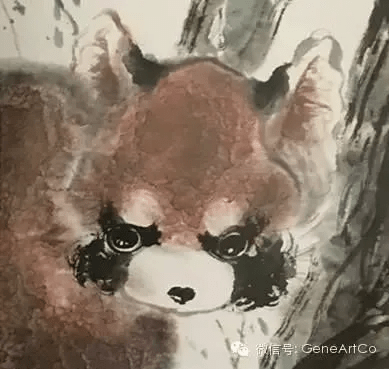
In this exquisite artwork, the slightly reddish small animal depicted is an extraordinarily rare and precious creature known as the red panda, also referred to as the small panda. H.H. Dorje Chang Buddha III, with His masterful artistic techniques, brings this delicate creature to life in a way that captivates the viewer’s heart.

The red panda, native to the eastern Himalayas and southwestern China, is known for its striking reddish-brown fur, bushy ringed tail, and expressive face. H.H. Dorje Chang Buddha III skillfully captures these natural features, emphasizing the panda’s endearing innocence and elegance. The slightly upturned tail, adorned with subtle yet distinct spots, adds a dynamic sense of movement and charm. This tail gracefully echoes the surrounding elements of nature, blending harmoniously with the drooping round leaves of the willow branches. The careful balance between the animal and its environment enhances the visual poetry of the piece.

A particularly remarkable aspect of this painting is the technique used to depict the panda’s face. H.H. Dorje Chang Buddha III employs a calligraphic brushstroke style, reminiscent of traditional Chinese ink painting, to portray the panda’s features with simplicity yet profound expressiveness. The crystal-clear, soulful eyes seem to glisten with life, while the velvety black fur is rendered with such fluidity and precision that it conveys both softness and texture.

Through masterful control of brush pressure, ink flow, and color layering, H.H. Dorje Chang Buddha III achieves a perfect balance of realism and artistic interpretation. Each stroke reveals deep insight into both the subject’s physical form and its spiritual essence, a hallmark of true artistic mastery.

The meticulous attention to detail and the profound artistic wisdom evident in this painting reflect H.H. Dorje Chang Buddha III’s extensive experience and unparalleled skill. This artwork is not merely a visual delight but a spiritual expression, reminding viewers of the beauty and fragility of life and the interconnectedness between all living beings and nature. It stands as a testament to the profound depth of both artistic technique and compassionate vision embodied in the works of H.H. Dorje Chang Buddha III.

This beautiful artwork is part of the permanent exhibition at the International Art Museum of America, located in downtown San Francisco.

Link:https://peacelilysite.com/2025/01/10/the-enchanting-red-panda-a-masterpiece-by-h-h-dorje-chang-buddha-iii/

Embracing Life’s Impermanence: A Call to Seek Liberation Through Buddhism

Life is fleeting, a truth echoed by philosophers across history. Human existence is undeniably intertwined with suffering. To counterbalance this suffering, people often seek meaning through achievements or temporary relief in material pleasures. When conflicts arise, modern psychology offers positive thinking strategies to ease distress, yet it seldom explores the deeper essence of life, offering only superficial comfort rather than lasting resolution.

A lifetime passes in the blink of an eye. Pause for a moment and reflect: If you were to gather all the joyful moments of your life, how many days would they truly account for? And how many days were instead consumed by pain, worry, resentment, frustration, or helplessness? For most, the latter dominates.

Everything in this world is impermanent. Our loved ones, our wealth, the children we raise, and even our own bodies—none can remain with us forever. Eventually, all things return to dust. Life is like a passing guest, reminding us that the most vital truth is to seize the present moment while we can.

The ancient Greek philosopher Epictetus taught: “For things beyond our control, we should remain optimistic and confident. For things within our control, we should stay cautious and restrained.” Anxiety and fear cannot alter tomorrow’s outcomes, but they can ruin today. True wisdom lies in accepting what we cannot change and acting mindfully where we can.

Life’s path is unpredictable. No one knows what the next moment holds. Beyond treasuring the present, we can only strive to be our best selves. Do not wait until happiness slips away to feel regret. Treasure each effort and every connection, for what is lost may never return.

Nature’s cycles remind us of renewal—flowers bloom after withering, grass sprouts anew with the seasons. Yet human life is different. We are not like flowers or grass; our lives come but once. Once this life ends, it will not return. This truth makes it even more crucial to cherish each moment and live with purpose.

A beautiful Russian poem reminds us of life’s brevity:

“A day is short, so brief that before you can embrace the morning, dusk has already arrived. A year is short, so fleeting that before you can savor the vibrant reds and greens of spring, autumn frost is already setting in. A lifetime is short, so brief that before you can fully enjoy your youthful days, old age has already arrived.”

Among the most precious blessings in life is not what we have lost or seek to gain but the ability to treasure the present. As taught in Buddhism:

“The human body is rare and difficult to obtain, yet we have attained it. The Dharma is difficult to encounter, yet we have heard it. If we do not seek liberation in this lifetime, in which lifetime shall we seek it?”

In this rare and precious life, we have not only obtained a human body but also the extraordinary opportunity to encounter the true Buddha — H.H. Dorje Chang Buddha III and hear the sacred teachings. The Buddha’s Dharma voice purifies the heart, and when we apply these teachings in our daily conduct, it is like donning armor that shields us from suffering and empowers us with boundless blessings and wisdom.

For those beginning their spiritual journey, the safest and most effective path to rapid growth is to purify and fortify the mind with the authentic teachings of H.H. Dorje Chang Buddha III. His words offer a beacon of guidance, cleansing karmic obstacles and illuminating the path to liberation.

When this precious human life ends, if we remain trapped in the endless cycle of reincarnation, where will we seek the path to liberation? The opportunity is now. As Buddhist disciples, we must cherish this rare blessing, dedicating our lives to listening to the Dharma, studying the sacred teachings, and aligning our actions with the truths taught by the Buddha.

To cherish the H.H. Dorje Chang Buddha III‘s Dharma voice is, ultimately, to cherish our own lives. Let us not delay but strive for liberation in this very lifetime.

Link:https://peacelilysite.com/2025/01/09/embracing-lifes-impermanence-a-call-to-seek-liberation-through-buddhism/

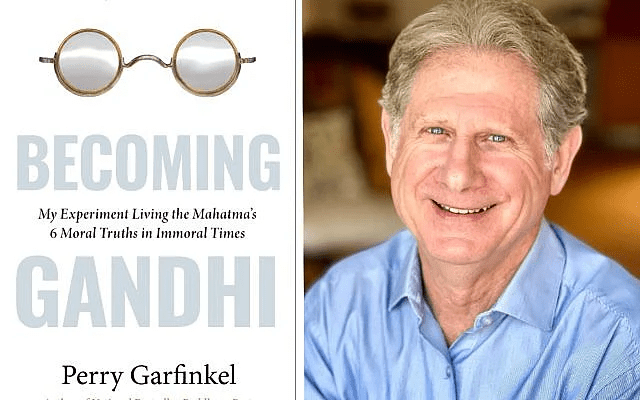
Perry Garfinkel: A Jewish Writer’s Search for Gandhi’s Truth

By Gregory Lyakhov

Perry Garfinkel embarks on a spiritual journey, blending Jewish roots with Gandhi’s transformative principles in ‘Becoming Gandhi.’

Perry Garfinkel, a longtime contributor to the New York Times and author of four books, has spent a lifetime seeking the deeper meaning of truth. In his latest book, Becoming Gandhi, he embarks on a spiritual journey to embody Gandhi’s principles. His unconventional path to this project bridges the values of his Jewish upbringing, his career in journalism, and his exploration of Gandhi’s teachings.

“What’s a nice Jewish boy doing writing about a Hindu icon?” Garfinkel joked during an interview. Beneath the humor, however, lies a profound question about faith, identity, and the search for common ground.

Born on Staten Island, a borough of NYC, but having lived briefly in Queens, Garfinkel has roots that trace back to a Jewish family from Queens, New York. He grew up in West Orange, New Jersey, and attended High Holy Day services with his grandfather, Moe Garfinkel, at the Queens Jewish Center in Queens Village. Religion was a pillar of his childhood, but something always felt missing.

“I never felt the heart of Judaism,” he said. “I wanted to taste it, but it felt out of reach.”

This sense of spiritual longing led Garfinkel beyond his roots. In his twenties, he traveled to India, where he encountered Hinduism and Buddhism. Garfinkel’s experiences sparked a fascination with spiritual practices that would shape his life.

“I’m a spiritual expeditionary,” he said. “I’ve always been searching for the truth—something that connects us all.”

His journey took a significant turn when his literary agent suggested he write about Gandhi. At the time, Garfinkel was coming off the success of Buddha or Bust, a national bestselling book documenting his exploration of Buddhism. The suggestion to focus on Gandhi intrigued him.

“I’ve been visiting India since 2003,” he explained. “Gandhi is everywhere—his quotes are on walls, his statues are in the streets. But I wanted to go deeper than the surface.”

The result was Becoming Gandhi, a book in which Garfinkel challenged himself to live by six of Gandhi’s core principles: truth, nonviolence, vegetarianism, simplicity, faith, and celibacy. Each principle posed unique challenges and taught him invaluable lessons.

“Truth was the hardest,” he admitted. “You look in the mirror and ask, ‘What is my truth?’ It’s like chasing mercury—you try to hold it, and it moves.”

Nonviolence tested him in different ways. In a world filled with conflict, war, and violence in entertainment, staying true to Gandhi’s vision of peace was no small task. “We’re bombarded by violence in so many forms,” he said. “How do we filter that out and choose something better?”

As he immersed himself in Gandhi’s teachings, Garfinkel found his thoughts returning to his Jewish identity. Gandhi himself had a deep interest in other religions, including Judaism. “He read the Old Testament, the New Testament, and the Quran,” Garfinkel said. “That openness inspired me to revisit my faith with fresh eyes.”

Perry Garfinkel interviews Ela Gandhi, granddaughter of Mahatma Gandhi and former member of Parliament in South Africa, in Durban.

Garfinkel had begun to re-identify his Jewish roots, working for about six years as media manager for the Jewish Community Federation of San Francisco. But through Gandhi, Garfinkel found a way to reinterpret Judaism’s role in his life. “Judaism gave me a foundation,” he explained. “But Gandhi provided new ways to think about it. He showed me that being rooted in your tradition doesn’t mean closing yourself to other perspectives. Instead, it can enrich your understanding.”

Perry Garfinkel interviews Ela Gandhi, granddaughter of Mahatma Gandhi and former member of Parliament in South Africa, in Durban.

Not all of Gandhi’s principles were easy for Garfinkel to adopt. Vegetarianism, for example, was particularly challenging for someone raised in a “meat and potatoes” family.

“I grew up on steak, corned beef, and other deli meats,” he said. “Giving that up wasn’t easy.” Eventually, he found a middle ground. “I call it tapering—gradually cutting back rather than going cold turkey. It’s about finding balance and making it sustainable.”

Beyond the personal challenges, Gandhi’s approach to global issues also led to deep reflection for Garfinkel. Gandhi’s decision to write letters to Adolf Hitler, addressing him as “Dear Friend,” struck many as naive or even offensive. Garfinkel, however, saw another perspective.

“Gandhi wasn’t trying to excuse Hitler’s actions,” he explained. “He attempted to model moral behavior, even when it seemed futile. His letters weren’t really for Hitler but for the rest of us. They were a reminder of what it means to stand for peace, even when the world is falling apart.”

For Garfinkel, the Holocaust added another layer to this complex discussion. His grandmother fled Poland before the worst atrocities, but many relatives were not so fortunate. “The Holocaust is personal for me,” he said. “It’s part of my identity as a Jew and a writer. Balancing that history with Gandhi’s message of forgiveness and nonviolence has been one of the hardest parts of this journey.”

Through his writing, Garfinkel bridges his Jewish heritage with his spiritual explorations, demonstrating that the two are not in opposition but in harmony. “Being Jewish and open to other traditions aren’t contradictory,” he said. “They’re complementary. They deepen your understanding of who you are.”

Today, Garfinkel continues to write and reflect, encouraging others to embark on their journeys of self-discovery. Gandhi’s message is simple but profound: “Be the change you want to see in the world.”

For Garfinkel, change begins with understanding—of oneself, one’s traditions, and the connections that bind us all. His work encourages others to reflect on their identity and potential by adopting some of Gandhi’s principles.

About the Author: Gregory Lyakhov is a sixteen-year-old high school student from New York with a passion for politics and law. He has been fascinated by government from an early age and aspires to be involved one day. Outside of politics, you’ll often find him running, swimming, or enjoying Pickleball and snowboarding. Join him on his journey of exploration!

Link:https://peacelilysite.com/2025/01/09/perry-garfinkel-a-jewish-writers-search-for-gandhis-truth/

Source: https://blogs.timesofisrael.com/perry-garfinkel-a-jewish-writers-search-for-gandhis-truth/?utm_source=flipboard&utm_content=topic/spirituality

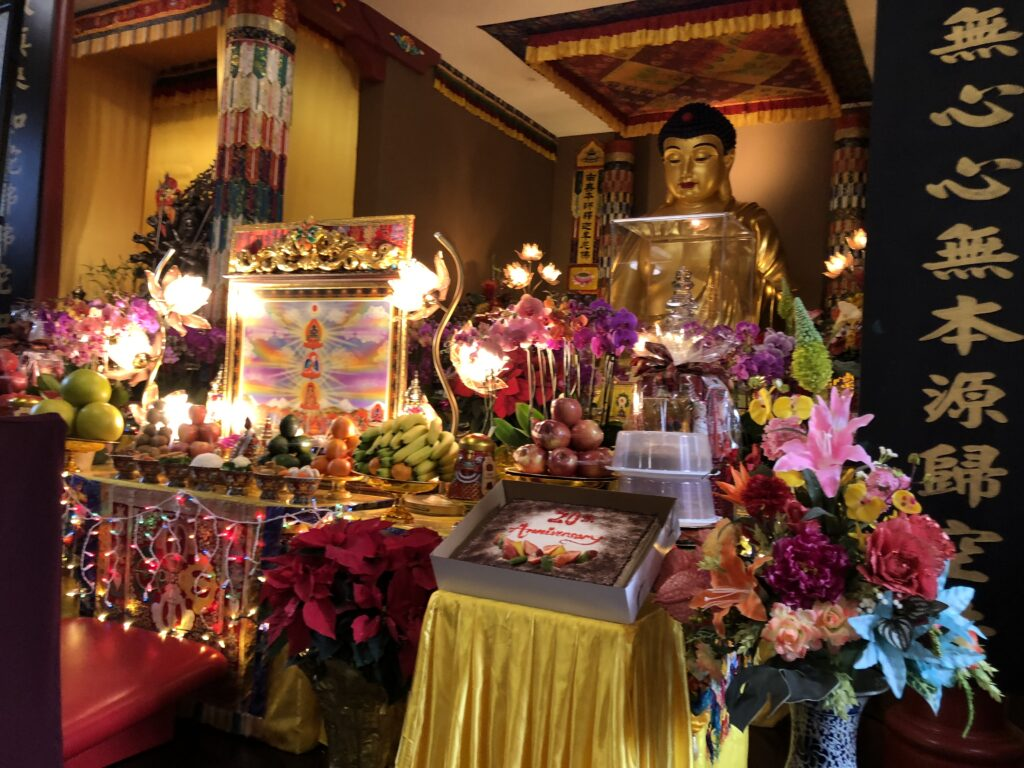
San Francisco Hua Zang Si Temple Celebrates 20th Anniversary with Charity Event: “Love Without Limits” Donation Drive


San Francisco Hua Zang Si Temple Celebrates 20th Anniversary with Charity Event: “Love Without Limits” Donation Drive Photo Courtesy: Joyce Lee (The Hua Zang Si Temple held a Dharma Assembly to celebrate the Holy Birthday of Amitabha Buddha)

The San Francisco Hua Zang Si Temple, inaugurated on December 26, 2004, upholds and promotes the genuine teachings of H.H. Dorje Chang Buddha III, the incarnation of the primordial Buddha, and the World-Honored Shakyamuni Buddha, extending boundless compassion and kindness to all beings. 

Guided by the teachings of H.H. Dorje Chang Buddha III, Hua Zang Si Temple has actively participated in various charitable activities for many years, including organizing New Year entertainment events in nursing homes, assisting with hospital relocations, providing food relief to disaster-affected areas, and holding garage sales, with all proceeds donated to vulnerable groups. The temple expressed their hope that this spirit of helping others will continue to flourish: “In acts of kindness, seeds of virtue grow, a family that sows goodness finds happiness in full flow.”

San Francisco Hua Zang Si Temple Celebrates 20th Anniversary with Charity Event: "Love Without Limits” Donation Drive
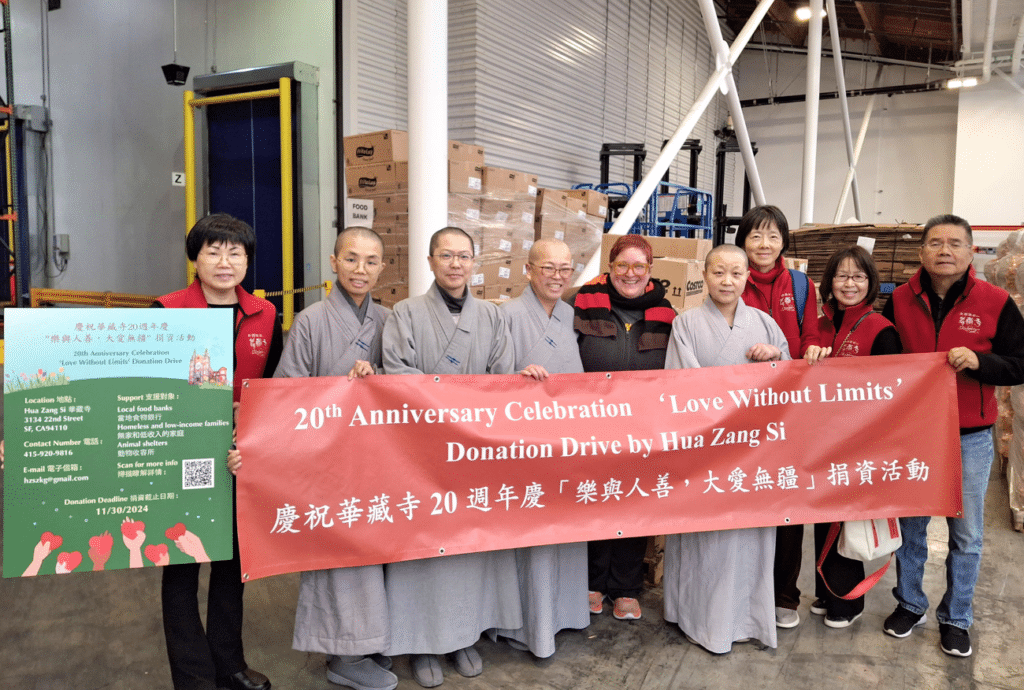
Photo Courtesy: Natty Kao (Nuns from Hua Zang Si Temple and volunteers from the Dharma-Protecting Fellowship of Hua Zang Si donated items to San Francisco Marin Food Bank.)

To commemorate its 20th anniversary, Hua Zang Si launched a month-long charity drive titled “Love Without Limits” in November, supporting animal rescue centers, homeless and low-income families, and local food banks. On the morning of December 15, a Dharma Assembly was held to celebrate the Holy Birthday of Amitabha Buddha, praying for world peace and the well-being of all people. The afternoon featured a 20th-anniversary performance and raffle, attended by nearly 300 people.

By December, Hua Zang Si had collected a total of 812 items, categorized into three main types: 241 animal supplies, including dog collars, walking harnesses, pet carriers, and disposable puppy pads; 211 baby and cookware items, including baby bottle drying racks, baby bodysuits, air fryers, and cookware sets; and a total of 2,265 pounds of food, including rice, pasta, and other food items. On December 11, nuns from Hua Zang Si Temple and volunteers from the Dharma-Protecting Fellowship of Hua Zang Si delivered these items to Muttville Senior Dog Rescue, the Homeless Prenatal Program (HPP), and the San Francisco Marin Food Bank.

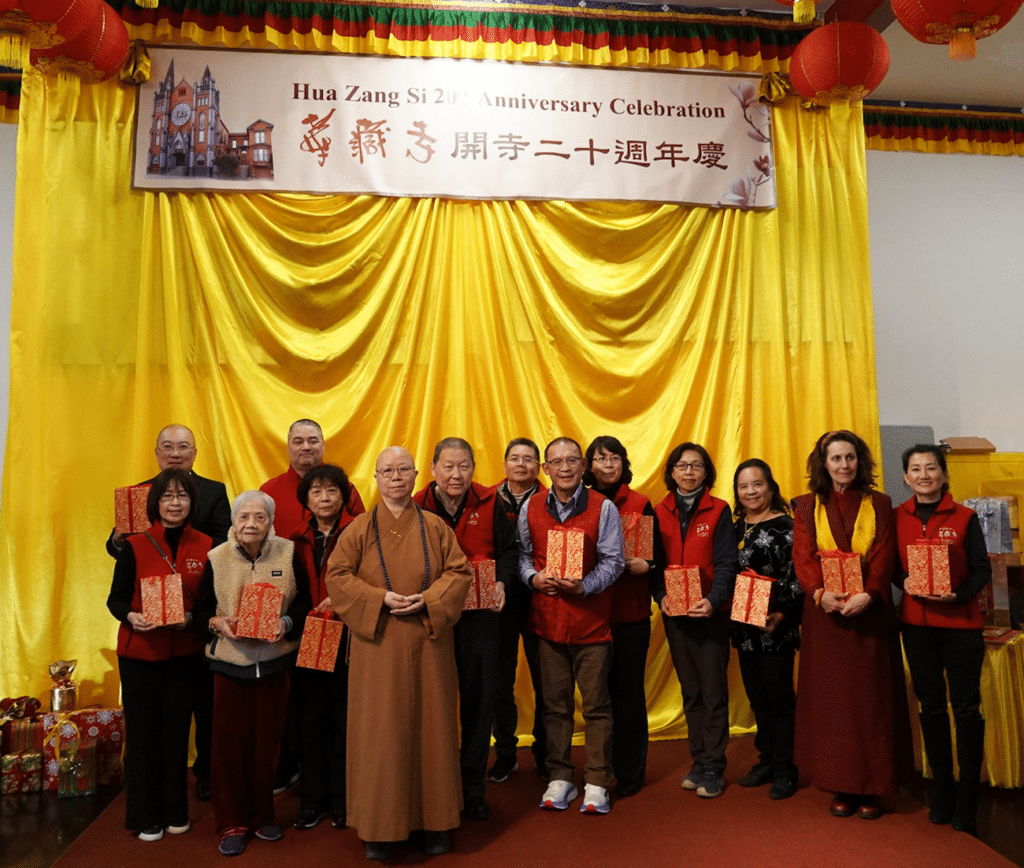
San Francisco Hua Zang Si Temple Celebrates 20th Anniversary with Charity Event: "Love Without Limits” Donation Drive
Photo Courtesy: Joyce Lee 
(The abbess of Hua Zang Si Temple awarded 20 years’ service awards to volunteers.)
Photo Courtesy: Joyce Lee (The abbess of Hua Zang Si Temple awarded 20 years’ service awards to volunteers.)

As the first cage-free rescue organization in the U.S. and California’s first nonprofit dedicated to rescuing senior dogs, Muttville has rescued nearly 13,000 senior dogs over the past 17 years, providing support for about 100 senior dogs each month. The generous donations from Hua Zang Si were gratefully received, greatly aiding in the care and rehoming efforts for these senior dogs.

The San Francisco Marin Food Bank, a nonprofit organization dedicated to addressing hunger in San Francisco and Marin counties, distributed over 60 million pounds of food this year, thanks in part to Hua Zang Si’s year-end support. In these regions, one in five people faces food insecurity, and the temple’s contributions have significantly bolstered the food bank’s efforts. The donated food from the temple will be utilized in various community programs, including after-school programs, Boy and Girl Scouts, ensuring that nutritious meals reach those in need.

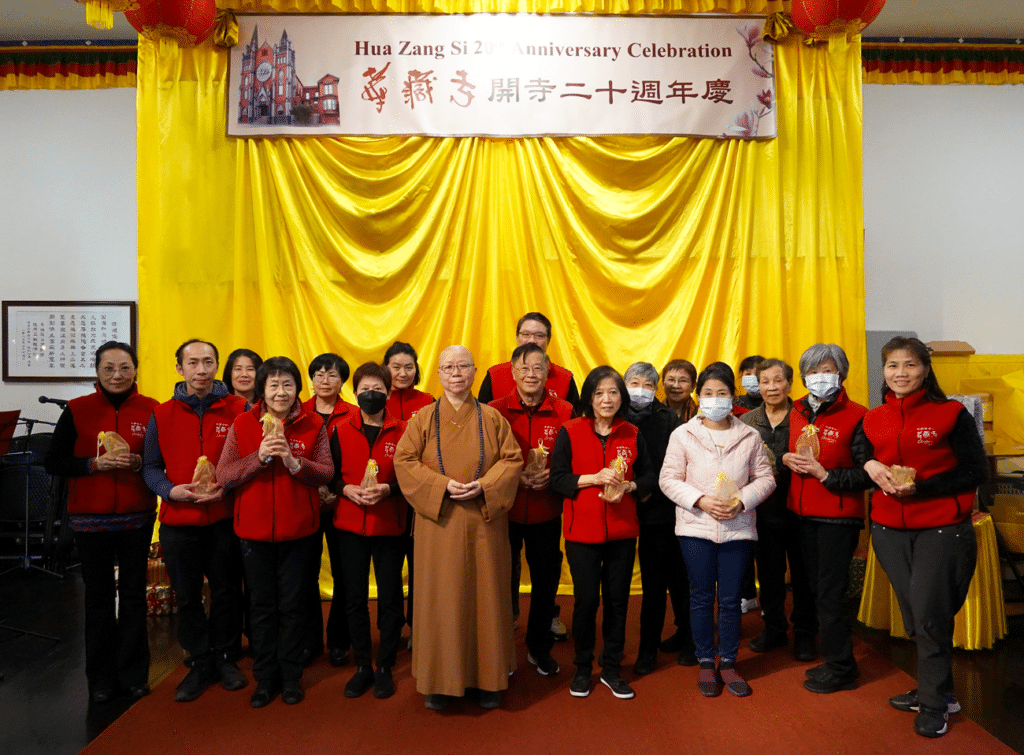
San Francisco Hua Zang Si Temple Celebrates 20th Anniversary with Charity Event: "Love Without Limits” Donation Drive
Photo Courtesy: Joyce Lee
(The abbess of Hua Zang Si Temple awarded 10 years’ service awards to volunteers.)

The Homeless Prenatal Program (HPP), a renowned family support center in the U.S, serves over 4,000 vulnerable families each year, particularly aiding mothers seeking assistance during pregnancy and parenting. The temple’s donations have significantly enhanced HPP’s ability to support mothers and children facing life challenges.

On the afternoon of December 15, the 20th-anniversary celebration was held in the main shrine of Hua Zang Si, featuring live performances of several classic philosophical songs with lyrics written by H.H. Dorje Chang Buddha III, cello performances of various songs, a mesmerizing Tibetan dance, and an exciting raffle with numerous prizes. The event provided a visual and auditory feast for nearly 300 attendees. The celebration concluded with a heartfelt group sing-along of “Buddha Holding My Hand,” bringing the 20th-anniversary festivities to a perfect close.

Looking ahead, Hua Zang Si will continue to serve as a beacon of love and care within the community. They hope more people will join in these acts of kindness, creating a warm, loving, and harmonious society together.


The above article is from the World Reporter, December 23, 2024.

Link:https://peacelilysite.com/2025/01/08/san-francisco-hua-zang-si-temple-celebrates-20th-anniversary-with-charity-event-love-without-limits-donation-drive/

The Story Behind Dharma Discourse: The Dharma of Concentration and Visualization Essential for Enlightenment

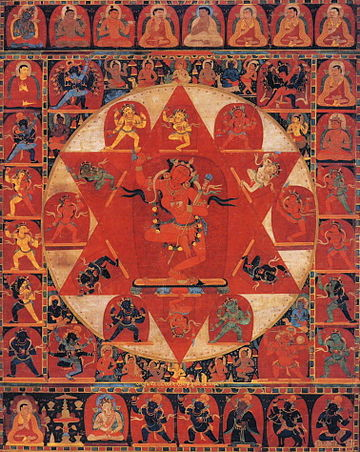
Vajravārāhī

By Yang Zong Da Wa Rinpoche

Pamu has been seriously ill for three months. She is often in a state of unconsciousness, with sores all over her body. Since she can only intake a small amount of liquid food, her body is as dry and thin as rattan. Her once youthful and solemn face has already become like that of a 100-year-old lady, with spots and deep wrinkles. She often says:

“Time does not wait for anyone. Everything is changing. Everything is in a state of impermanence. You should use this as a lesson. After you have read the books I have written, you should put into practice the principles contained in those books. Otherwise, you will not be able to end the cycle of birth and death.”

We used all kinds of medicine and thought of all kinds of methods, yet we could not cure her illness. Thus, on March 29 of this year, Sang Ba Kun Jue Rinpoche and I returned to Lalong-gegan. On the fifth day after our return, we made our way to Lhasa. We went to the Zu Pu Temple to worship, make offerings, and pray for Pamu’s swift recovery. Due to time constraints, we stayed there for only three days and then rushed back to our meditation cells.

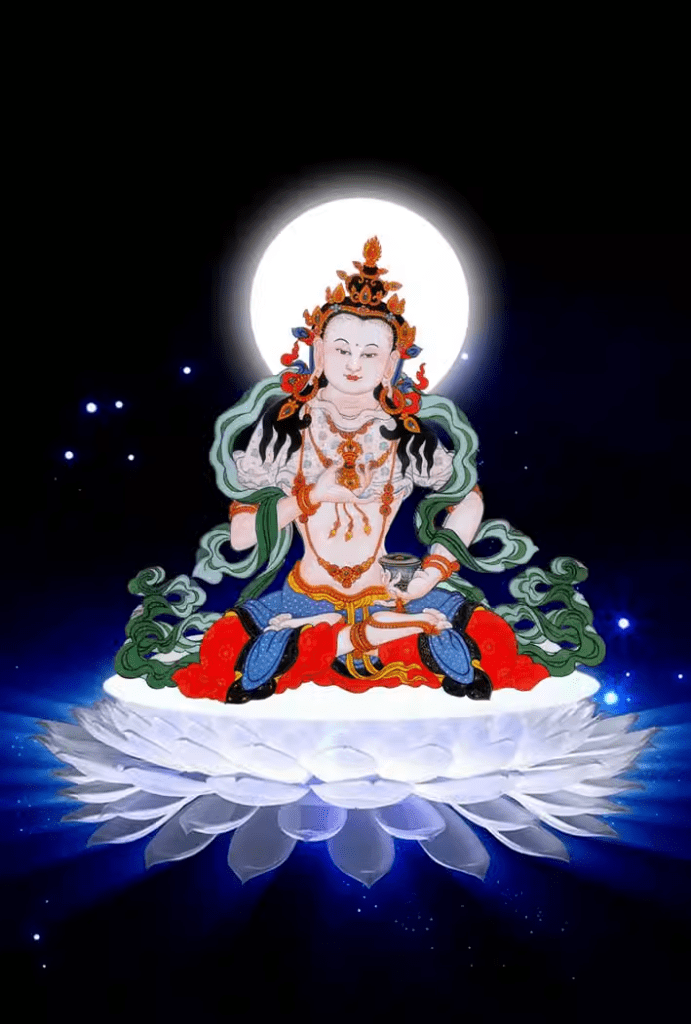
Vajrasattva

Sang Ba Kun Jue and I together practiced the Wu Xiu Yoga Samadhi. We decided to go to the Tusita Heaven to ask Maitreya Bodhisattva to save Pamu. In my state of concentration, I arrived at the inner palace of the Tusita Heaven and paid my respects to Maitreya Bodhisattva. After prostrating myself, I suddenly saw Vajrasattva and Pamu each sitting on a lotus throne, discussing the Dharma with Maitreya Bodhisattva.

At this time, Maitreya Bodhisattva said to me:

“Yang Zong Da Wa, go back and tell those good men and women that Amang Nopu Pamu is the magnificent Buddha Mother of wisdom.”

I joined my palms in front of my heart and asked, “If people ask me how she is magnificent, how should I answer them?”

Maitreya Bodhisattva replied:

“When looking at the history of Buddhism in the human realm, which Buddha Mother in the earthly world has been able to master the Tripitaka and write so many commentaries by the age of 20? Her Dharma water can cause a beard that has stopped growing to grow again rapidly. This is the true Vajravarahi. Have you seen any Buddha Mother who simply saves living beings without accepting any offerings? Her magnificence fills infinite space and cannot be completely expressed to living beings with words. You should quickly go back. Your Pamu will at once return to the earthly world to preach ‘The Dharma of Concentration and Visualization Essential for Enlightenment.’ If you do not quickly leave, you will miss this class.”

I again joined my palms in respect and said to Maitreya Bodhisattva:

“Greatly Honored Maitreya Mahasattva, Pamu is now ill. Why is she here with you? I will go back together with Pamu.”

Maitreya Bodhisattva smiled but did not speak. Vajrasattva then said:

“Do not say anything more. Such deep Dharma is so seldom heard in the world. Quickly go back to the human realm.”

I hurriedly prostrated before Pamu, Vajrasattva, and Maitreya Bodhisattva and bid farewell to them. Through my state of samadhi, I returned to the human realm.

After I emerged from my concentration, three months and six days had already passed. Without even thinking about washing myself, I hurriedly went to pay my respects to Pamu. When I saw her, she still looked so old. She was in the sacred state of having only a faint breath of life left.

Pamu said: “You entered that state of concentration for a few months. I was waiting for you to return. I will soon give discourses on the essential Dharma for practicing concentration and visualization.”

Representing all living beings, I hurriedly prostrated myself before Pamu, joined my palms in respect, and asked:

“Most kind Pamu, when did you return?”

Pamu replied:

“Return from where? With such a serious illness, I did not go anywhere.”

I said, “I clearly saw you in the inner palace of the Tusita Heaven.”

Pamu rejoined:

“This is what you viewed in your state. Do not speak nonsense. Things of the world are all impermanent. One must make the best use of one’s time to benefit living beings.”

As soon as we obtained Pamu’s kind approval, we took a few photographs of her virtuous face. After the film was developed, one photograph showed a young, solemn appearance, while another showed an aged appearance. These two photographs were taken within a few seconds of each other but were totally different. This is truly unbelievable.

We immediately took the photographs to Pamu and asked her to explain the causative factors surrounding this. When we entered the door, everyone was startled. Pamu could hardly speak. Her face was shriveled and had no color. The Great Rinpoches all began to cry.

The next day, when everyone was terribly sad and hopeless, Pamu got up from her seat. My heavens! After only one night, she who was sitting before us was not an old lady about to die but our young and solemn Pamu! All who witnessed this were stupefied. The sound of crying mixed with laughter filled the room.

Pamu then said:

“Do you think I can mysteriously change myself? In fact, you are mistaken! You were not able to see clearly since there was medicine on my face and I was under the lamplight. I only have a heart of humility. How could I have such great skills? You must realize that everything is impermanent and always changing.”

The next day, Pamu formally ascended her throne to give a discourse. The subject was the Dharma of concentration and visualization. With utmost sincerity, I am telling everyone that this is the transcription of the discourses of Amang Nopu Pamu Rinpoche, the greatest and most outstanding Holy Mother in the history of Buddhism. She has never accepted any offerings, silently contributing to the benefit of living beings throughout the three spheres of existence.

This lesson of Dharma practice was given after Pamu returned from the inner palace of the Tusita Heaven. No other Buddha Mother or Dakini can compare with her loftiness and magnificence. We should prostrate ourselves before and feel grateful to the Great Jewel Amang Nopu Rinpoche Holy Mother, appreciating the empowerment of the Buddhas and Bodhisattvas abiding in the ten directions.

Link:https://peacelilysite.com/2025/01/04/the-story-behind-dharma-discourse-the-dharma-of-concentration-and-visualization-essential-for-enlightenment/

Source: Dharma that every Buddhist must follow by Amang Nopu Pamu, translated by Bodi Wentu Rinpoche. This post is an excerpt from the original article, taken from the preface of The Dharma That Every Disciple Must Follow, pages 55 to 58, by the great Rinpoche Yang Zong Da Wa.

The Butterfly and the Struggle: A Lesson in Growth

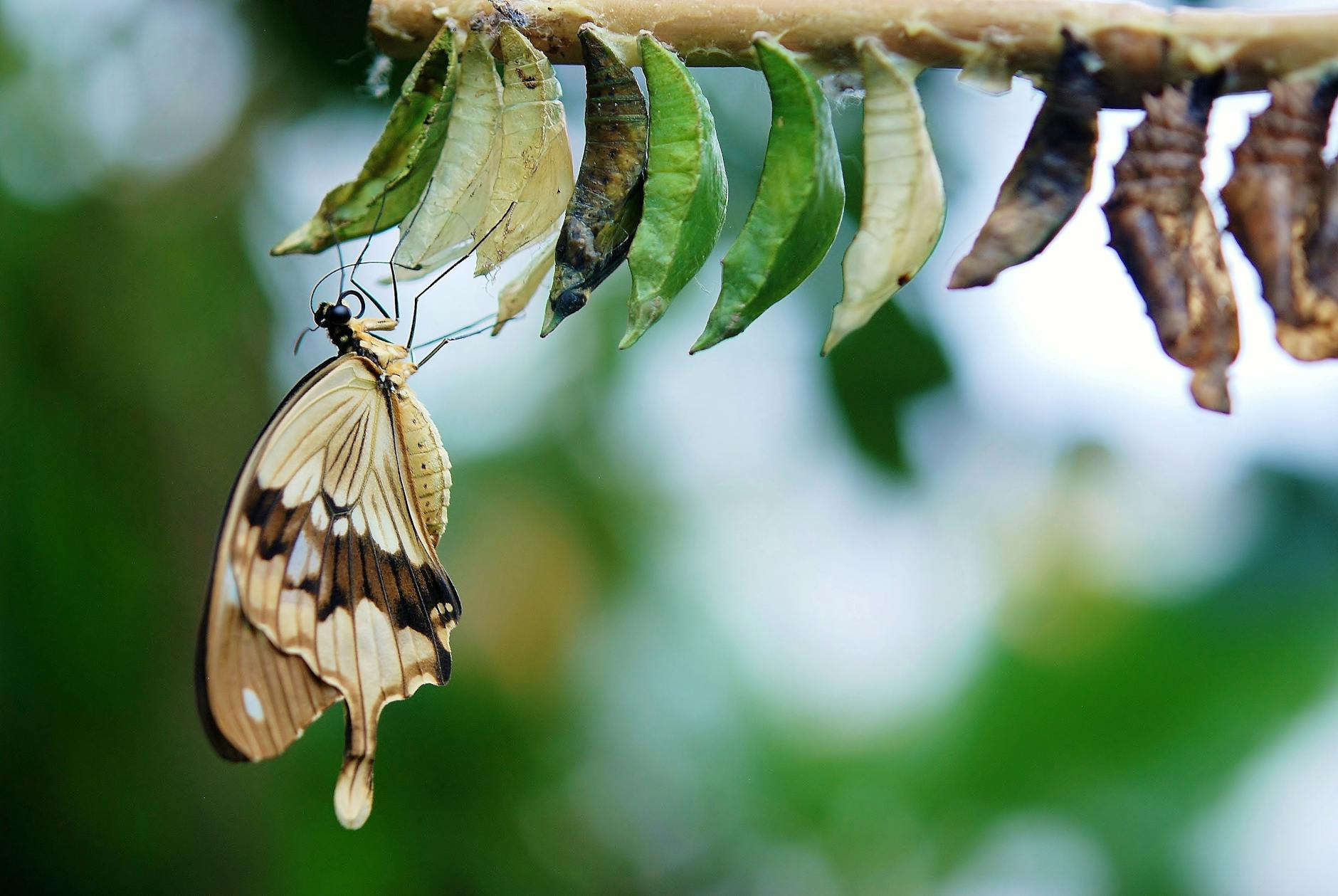
Photo by Pixabay on Pexels.com

One day, someone stumbled upon a butterfly chrysalis. Fascinated by nature’s beauty, he decided to observe it closely. A few days later, he noticed a small hole had appeared in the chrysalis. Intrigued, he paused to watch what would unfold.

Over the course of several hours, he witnessed the butterfly inside struggling with its tiny body, trying to squeeze through the small opening. Despite its best efforts, there seemed to be no progress. The butterfly appeared exhausted, unable to break free.

Nature, however, has a marvelous design. The butterfly’s “struggle” to emerge from the chrysalis is not a mere obstacle—it is a vital process. This challenge prepares the butterfly, equipping it with the strength and resilience it needs to soar into the skies.

Struggles in life are not meant to break us but to build us. If life allowed us to move through everything effortlessly, we might never grow stronger or discover our true potential. Challenges shape our character, nurture our perseverance, and enable us to achieve heights we never imagined.

So when we face hardships or setbacks, we should view them as opportunities for growth. These trials may be Heaven’s way of strengthening us, of preparing us to spread our wings and fly.

A Well-Intentioned Mistake

The man, moved by the butterfly’s apparent struggle, decided to help. He took a pair of scissors and carefully cut open the chrysalis, making it easier for the butterfly to emerge. As expected, the butterfly slipped out effortlessly.

However, something was amiss. The butterfly’s body was swollen and bloated, and its wings were small and weak. The man continued to watch, believing the wings would expand and the body would shrink in time. But this never happened.

For the rest of its life, the butterfly dragged its heavy body and fragile wings, unable to take flight. It remained grounded, never experiencing the freedom of soaring through the air.

What the kind-hearted man did not understand was that the butterfly needed to struggle. The act of squeezing through the small opening in the chrysalis forces fluid from the butterfly’s body into its wings, giving them the strength and nourishment required for flight. Without this critical process, the butterfly could not develop the ability to fly.

Embracing Life’s Challenges

This story serves as a powerful metaphor for our own lives. Just as the butterfly’s struggle is essential for its transformation, our struggles are necessary for our growth. Avoiding hardship may provide temporary relief, but it robs us of the opportunity to become stronger and more resilient.

In raising children, this lesson is particularly important. As parents or guardians, we must resist the urge to shield them from every difficulty. It is natural to want to protect them, but overprotection can hinder their growth. By allowing them to face challenges and learn from their struggles, we give them the tools they need to navigate life’s complexities.

So, the next time you encounter a challenge, remember the butterfly. Embrace the struggle, knowing that it is shaping you into someone stronger, wiser, and ready to take flight.

Link:https://peacelilysite.com/2024/12/27/the-butterfly-and-the-struggle-a-lesson-in-growth/

Artful Resilience: The Timeless Elegance of Dr. Yuhua Shouzhi Wang’s Bamboo Paintings

Bamboo of Noble Integrity By Professor Yuhua Shouzhi Wang

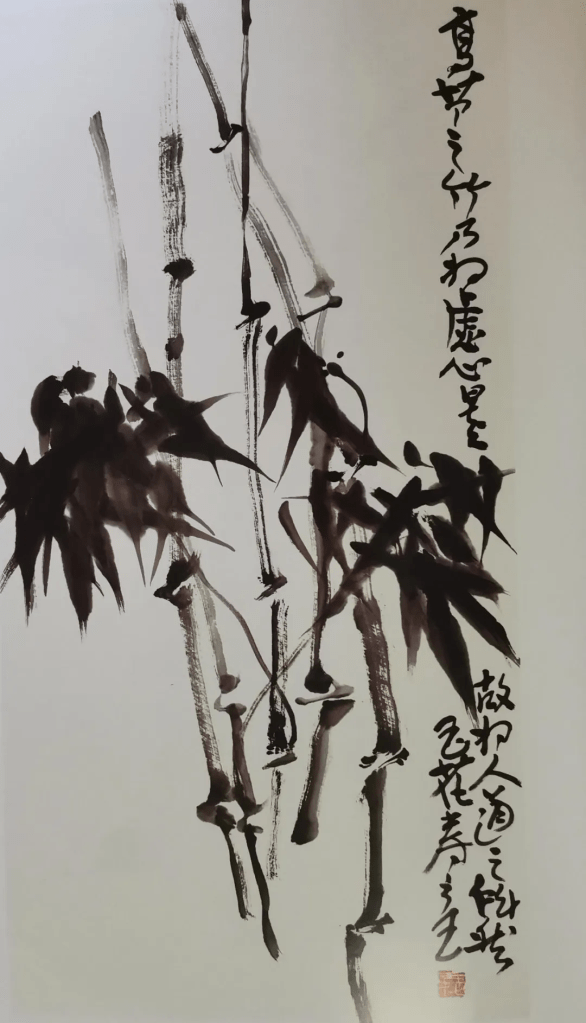
Bamboo, as a plant with profound cultural significance, carries rich and diverse symbolism. It represents resilience, noble character, vitality, humility, modesty, harmony, and unity. With its graceful posture and vibrant green appearance, bamboo evokes a sense of freshness and refinement. Though its exterior is simple and unadorned, it embodies a noble inner quality. This unique temperament has made bamboo a symbol of integrity and uprightness. In ancient times, it often served as a metaphor in the writings of scholars and poets for individuals of high moral character and self-discipline.

For the Chinese, admiration for bamboo has endured throughout history. Countless poets and literati have celebrated its virtues, grouping it alongside plum blossoms, orchids, and chrysanthemums as one of the “Four Gentlemen,” embodying the character and aesthetic spirit of the Chinese people. Bamboo’s simplicity belies its profound cultural significance. In traditional Chinese culture, it is a symbol of auspiciousness and virtue, carrying layers of meaning that resonate deeply with the human spirit.

Professor Wang’s Chinese paintings of bamboo are a testament to her extraordinary ability to bring this cultural icon to life. Each stroke captures the essence of bamboo’s resilience and unyielding spirit while emphasizing its humility and integrity. Her works not only celebrate the elegant charm of bamboo but also evoke its vibrant vitality and enduring strength.

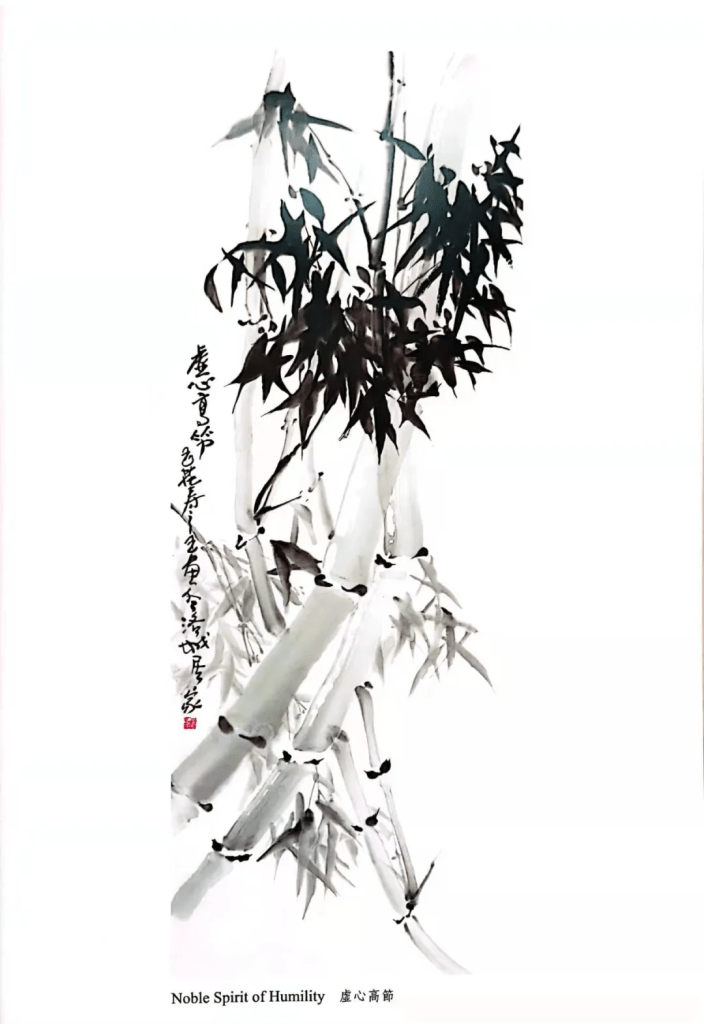
Professor Wang’s Artwork “Noble Spirit of Humility”

The artwork Noble Spirit of Humility depicts a cluster of bamboo deep within a dense forest. Two tall and robust bamboo stalks stand prominently in the foreground, their lush branches and leaves rendered in bold ink. Behind them, a few smaller bamboo stalks, delicately painted in lighter ink, appear to lean on the larger ones, as if embraced by Mother Earth. Together, they form a unified group, advancing and retreating in harmony.

Look closely, and you’ll see their branches intertwine amidst the clouds, and their roots tightly clasp together underground. Neither torrential rain nor fierce winds can break them down. The bamboo’s unyielding resilience is vividly and profoundly brought to life.

Dr. Yuhua Shouzhi Wang was recognized and chronicled in the United States Congressional Record as “a great artist and sculptor,” and “treasure of the world.” In 2013, President George Christophides of the World Federation of UNESCO Clubs, Centers, and Associations (WFUCA) conferred the title “2013WFUCA” to one of her artworks.

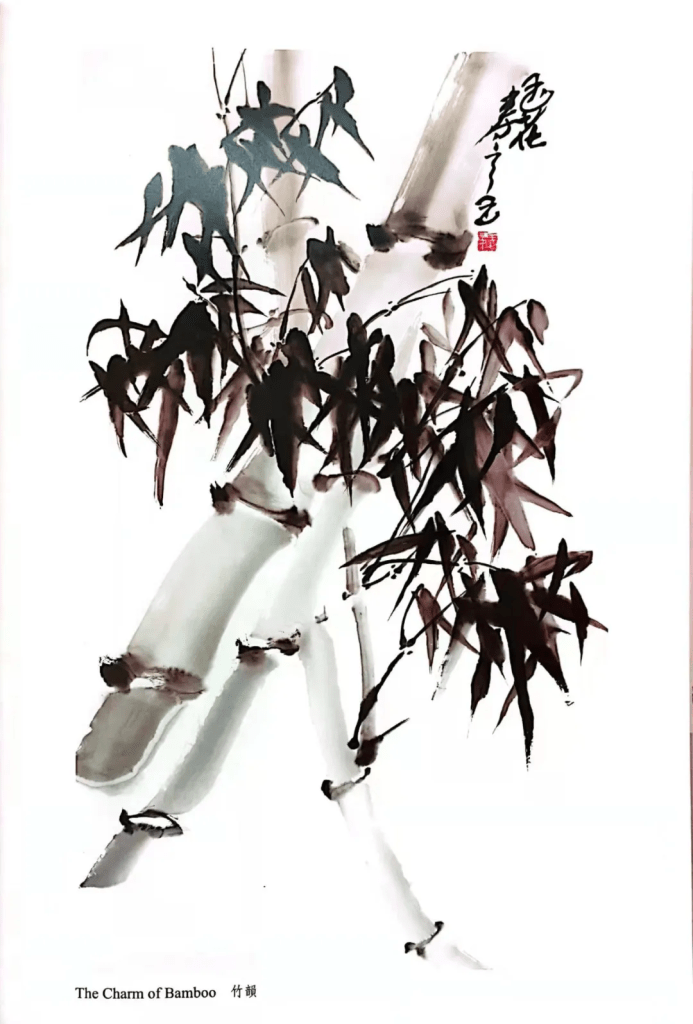
The artwork “The Charm of Bamboo” conveys the fresh and elegant essence of bamboo, exuding a gentle and harmonious beauty. It seems to remind us that in life and work, we should not only take responsibility but also foster an atmosphere of harmony and mutual respect. The use of varying ink tones, alternating between light and dark, strikes a balance of simplicity and ingenuity, greatly enhancing the dynamic energy of the piece.

Dr. Yuhua Shouzhi Wang’s bamboo paintings are truly exceptional. Through her art, she vividly conveys bamboo’s noble qualities, leaving viewers with a deep appreciation for this remarkable plant and its timeless symbolism. Her work serves as a bridge between nature and art, reminding us of the profound lessons we can draw from the natural world.

Link:https://peacelilysite.com/2024/12/27/artful-resilience-the-timeless-elegance-of-dr-yuhua-shouzhi-wangs-bamboo-paintings/

A Tribute to the Artistic Brilliance

Professor Yu Hua Shouzhi Wang stands as a towering figure in the world of art, celebrated as the only artist in Asia to receive the prestigious title of International First-Class Artist. Her unparalleled achievements span an extraordinary range of artistic styles and subjects. Whether she’s creating landscapes, portraying flora and fauna, rendering animals and insects, or crafting intricate sculptures, Professor Wang’s creations are nothing short of masterpieces. Effortlessly bridging traditional Chinese painting with Western art, hyperrealism with surreal abstraction, she has achieved a level of artistic excellence that places her at the very pinnacle of her field.

One of Professor Wang’s most captivating works, Sparrows Singing on a Willow Tree, exemplifies her genius and profound connection with nature. The painting captures the graceful elegance of weeping willows, their slender branches gently drooping in an intricate, harmonious interplay. The composition exudes simplicity and refinement, with minimalistic lines that evoke the profound idea that “silence speaks louder than words.”

Despite its restrained use of color, this piece immerses the viewer in a vibrant world of subtlety and depth. The willow leaves are rendered in soft shades of pale yellow, light green, and muted ink tones, each leaf imbued with a carefree vitality. So vivid and dynamic are these details that one can almost sense the crisp freshness of the air. The leaves alone expand the painting’s spatial and emotional dimensions, drawing the viewer into an almost otherworldly tranquility. As one takes in the whole composition, it becomes evident that this work is rich in artistic flavor and showcases transcendent mastery of brushwork and ink technique.

On the right side of the painting, a lively gathering of sparrows perches on the willow branches. Each sparrow’s unique posture and expression are brought to life with remarkable precision, transforming them into endearing characters within the scene. They appear as if they are animated notes of a melody, harmonizing with the natural setting, or perhaps a group of playful children savoring their carefree moments after school. This idyllic scene evokes a serene joy and simplicity that resonates deeply with viewers.

Adding to the painting’s charm is a long inscription on the left side, written in elegant calligraphy: “Sketching in the garden at home.” This thoughtful addition not only complements the willow tree but also enhances the overall vitality of the piece. It provides insight into the painting’s creation—the place, and artist’s signature—and demonstrates Professor Wang’s extraordinary calligraphic skill. The inscription enriches the work’s narrative and aesthetic harmony, making it a testament to her multifaceted artistry.

Through this painting, it is clear that Professor Wang’s love for life and her compassionate nature are woven into every brushstroke. One can almost envision her peaceful afternoons spent in her garden, observing the interplay between the willow tree and the sparrows. The joyful spirit of the birds, carefree and unrestrained, reflects the tender care and connection Professor Wang shares with the natural world. A particularly charming detail is a small sparrow spreading its wings and gazing downward, as if greeting the artist or playfully seeking attention. The scene radiates a sense of love, harmony, and mutual understanding between the artist and her surroundings.

Sparrows Singing on a Willow Tree stands as a testament to Professor Wang’s exceptional artistry. The work is elegant and transcendent, with lifelike birds and an ethereal atmosphere that captivate the heart. From mood to color, composition to emotional resonance, the painting embodies her unique artistic style and extraordinary mastery. It is a work that not only delights the eyes but also uplifts the spirit, leaving an indelible impression on all who behold it.

Link:https://peacelilysite.com/2024/12/19/a-tribute-to-the-artistic-brilliance/