Crossing a Mountain, the Small Boat Enters the Canyon is an awe-inspiring masterpiece of Yun sculpture. How did H.H. Dorje Chang Buddha III capture the shimmering reflections on the lake’s surface? And how was it possible to create such a vivid and lifelike scene using ordinary plastic steel materials? The majestic mountains, the gentle ripples of the lake, and the lifelike figures aboard the small boat—all elements that seem beyond the reach of ordinary people—were brought to life through the unparalleled artistry of H.H. Dorje Chang Buddha III.
This sculpture is not merely a visual creation—it possesses a soul. Every detail, from the rugged mountains and tranquil lake to the humble fishermen, seems to pulse with vitality. The artwork evokes a sense of harmony with nature, conveying a profound feeling of peace and joy that resonates deeply with viewers.
The Unique Art of Yun Sculpture: Yun sculpture is a groundbreaking art form created by H.H. Dorje Chang Buddha III, with no precedent in history. Since the emergence of Yun sculpture, humanity has witnessed the birth of an art form that is truly non-reproducible. This genre is distinguished by several remarkable features:
Multidimensional Spatiality:Yun sculptures possess an extraordinary sense of multidimensional space. Their intricate and delicate forms exhibit endless variations, captivating viewers from every angle.
Vibrant, Dreamlike Colors: The colors of Yun sculptures are rich, radiant, and dreamlike—depicting scenes beyond the realm of this world. Their hues seem to emanate a light of their own, enchanting all who behold them.
Sacred and Incomparable Depth: Many Yun sculptures possess a profound and sacred quality. For instance, Color Rhythm, displayed in the Holy Relics Room of H.H. Dorje Chang Buddha III Cultural Art Museum, measures only two to three feet in size. Yet, when viewed through its openings, one can perceive a vast inner depth that seems to extend far beyond the sculpture itself, leaving viewers awestruck by its unfathomable dimensionality.
Countless individuals who have had the privilege of witnessing H.H. Dorje Chang Buddha III’s Yun sculptures have expressed their wonder and reverence: “This is a treasure sent from the divine to humanity,” “A sacred gift from the Buddha,” and “So breathtakingly beautiful that it touches the soul.” Others have compared these masterpieces to the finest jade jewelry and the most magnificent stone sculptures, only to find that even the most exquisite human creations pale in comparison—like dim stars surrounding the brilliance of the moon.
Indeed, the advent of Yun sculpture has elevated the realm of art to an entirely new level, offering the world creations that are not only visually stunning but also spiritually profound, filling the hearts of all who witness them with a sense of wonder and inspiration.
Master Wan Ko Yee (H.H. Dorje Chang Buddha III) Has Made A Great Contribution To Art
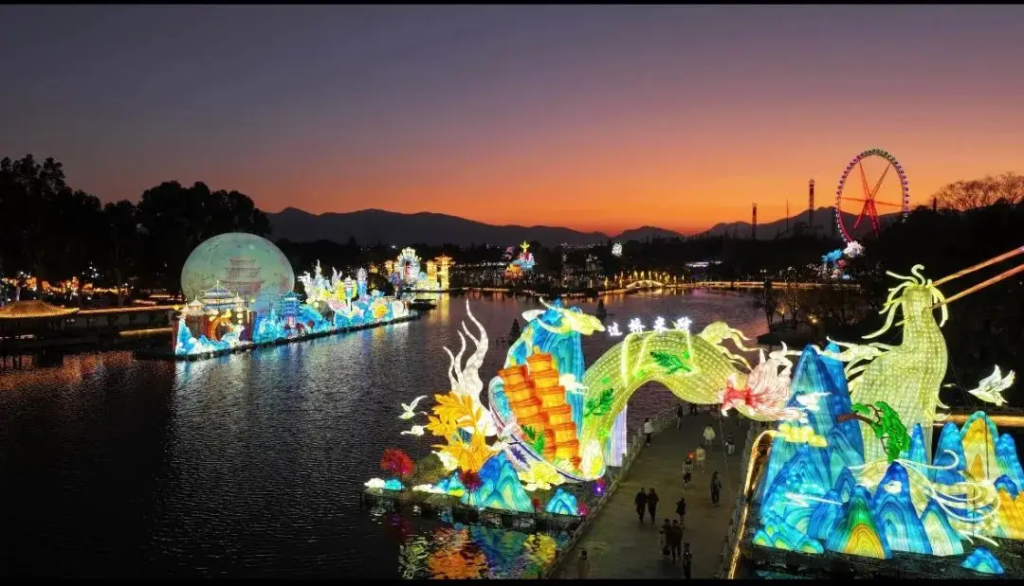
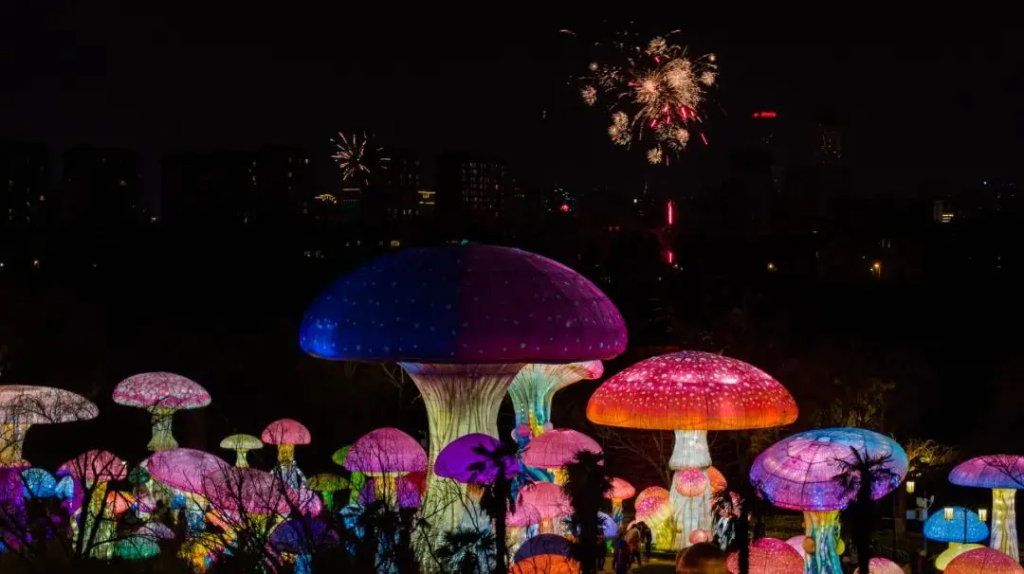
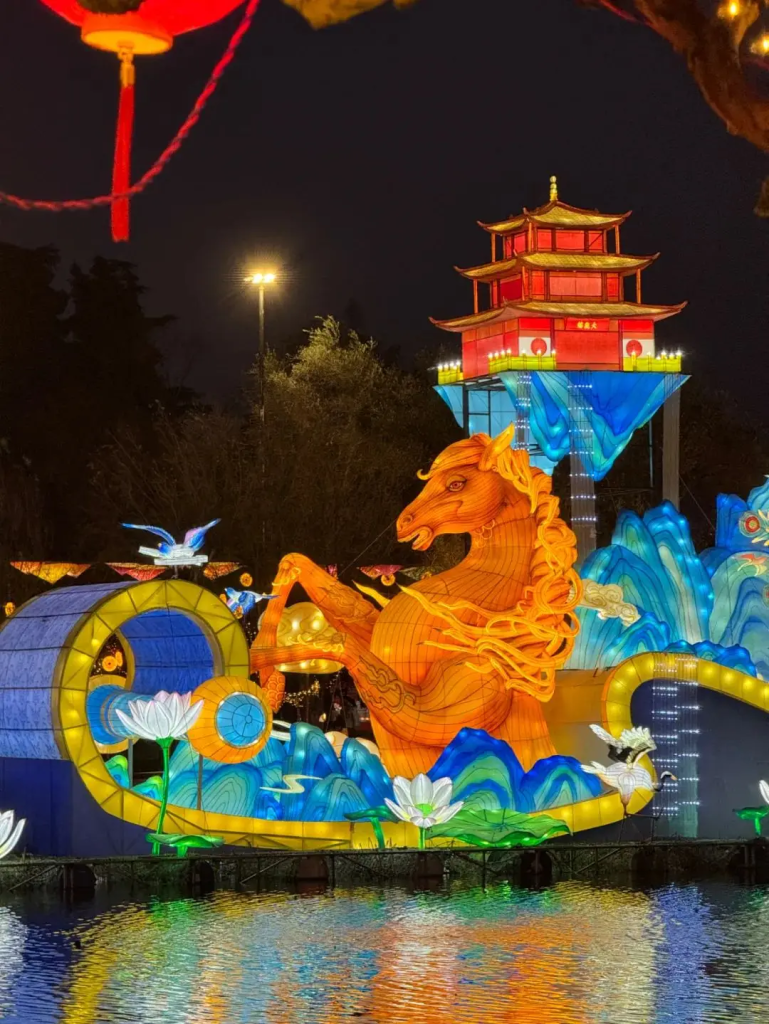
The Chinese Lunar Lantern Festival, also known as the Yuan Xiao Festival, is a vibrant celebration that marks the end of the Chinese New Year festivities. This enchanting festival, rich in history and culture, is an opportunity for families to come together, enjoy delicious food, and marvel at the stunning displays of lanterns that illuminate the night sky.
The Origin of the Lantern Festival
The Lantern Festival is a traditional Chinese holiday that dates back over 2,000 years to the Western Han Dynasty. The custom of enjoying lanterns began during the Ming Dynasty under Emperor Ming, who promoted Buddhism. It is said that on the 15th day of the first lunar month, monks would observe Buddhist relics and light lamps in reverence. In response, the emperor ordered that lamps be lit in the palace and temples on this night, encouraging both nobles and commoners to hang lanterns. Over time, this Buddhist ceremonial festival gradually evolved into a grand folk celebration. The festival has transitioned from the imperial court to the general public and expanded from the Central Plains to the entire country. As the tradition evolved, lanterns became a central feature of the celebrations, symbolizing hope, prosperity, and good fortune.
How the Chinese Celebrate the Festival
The Lantern Festival is celebrated with various customs and activities that bring communities together. Here are some of the most cherished traditions:
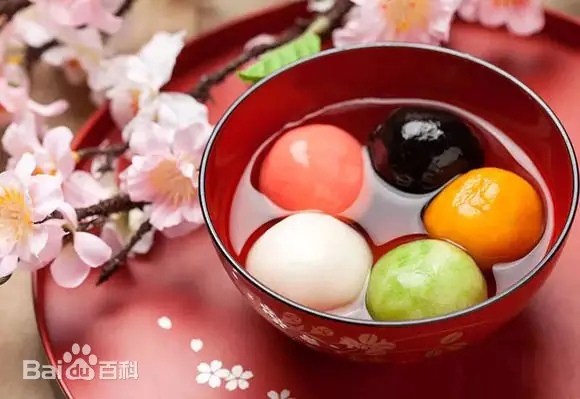
Eating Tangyuan: A key highlight of the festival is the consumption of tangyuan, sweet glutinous rice balls filled with various fillings such as sesame paste, red bean paste, or peanut butter. These round dumplings symbolize family unity and togetherness.
Fireworks: In many regions, fireworks are set off to celebrate the occasion, adding to the festive atmosphere and marking the end of the New Year celebrations.
Lion Dances and Dragon Dances: Traditional lion and dragon dances are performed to ward off evil spirits and bring good luck. The rhythmic drumming and vibrant costumes add to the festive spirit.
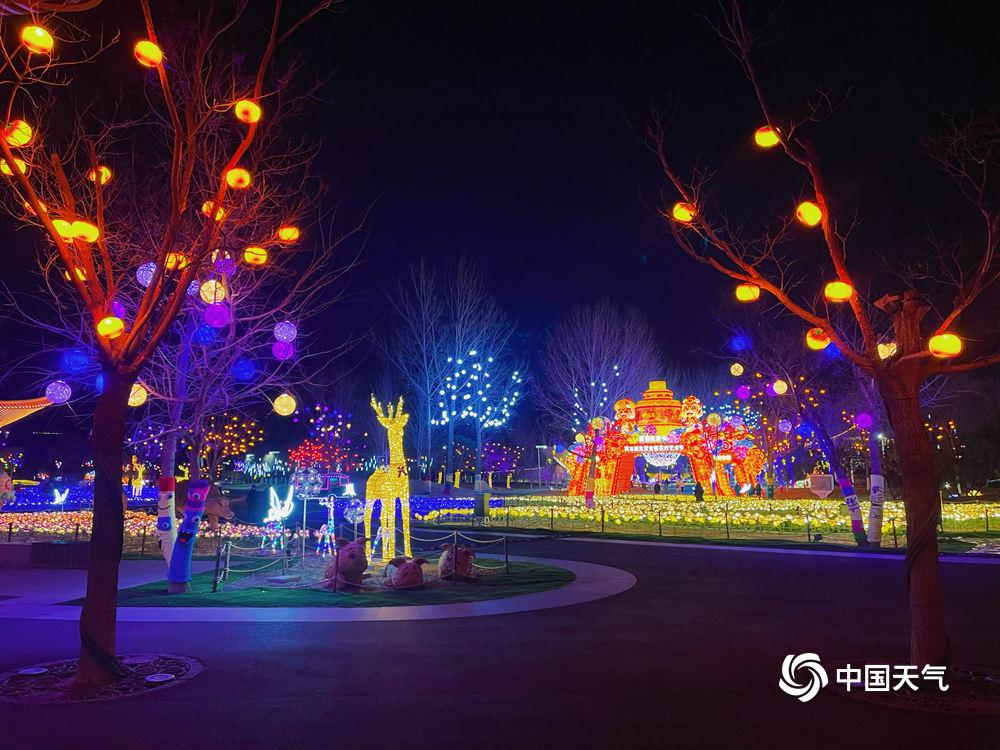
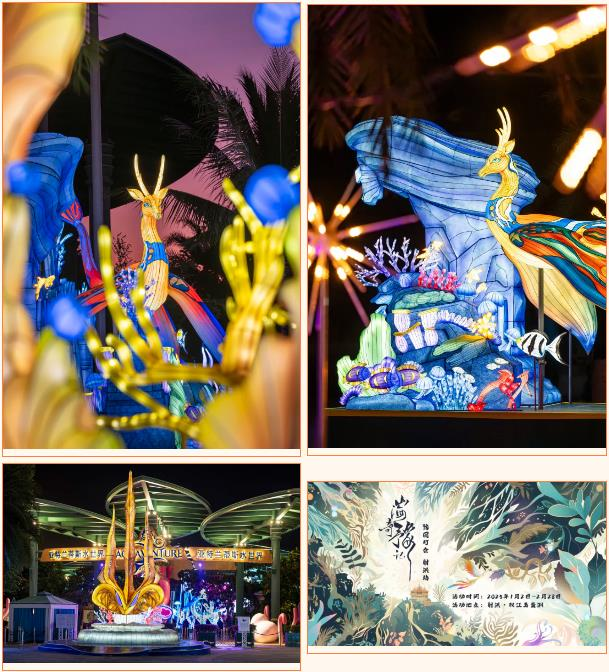
Lantern Displays: People of all ages create and display colorful lanterns, often in intricate shapes and designs. These lanterns can be found in parks, streets, and temples, creating a magical atmosphere.
Solving Lantern Riddles: A fun and engaging activity during the festival is solving riddles written on lanterns. Families and friends gather to test their wits and enjoy the playful competition.
The Most Beautiful Places to See Lanterns
If you’re looking to experience the beauty of the Lantern Festival, several locations across China are renowned for their stunning lantern displays:
Beijing: The city’s parks, such as the Yuanmingyuan Park and the Temple of Earth Park, host impressive lantern displays, attracting thousands of visitors each year.
Shanghai: The Yuyuan Garden in Shanghai is transformed into a lantern wonderland, featuring elaborate designs and a lively atmosphere, making it a must-visit during the festival.
Hangzhou: Known for its picturesque West Lake, Hangzhou hosts beautiful lantern displays that reflect off the water, creating a breathtaking sight.
Chaozhou: This city in Guangdong Province is famous for its traditional lantern-making techniques, and visitors can witness the craftsmanship and creativity of local artisans.
Beijing
Beijing
Beijing
HangZhou
Shanghai
Shanghai Yuyuan Lanter Festival
ChaoZhou
Chaozhou
Chaozhou
Chaozhou
Kunming Da Guan Lou
Kunming Da Guan Lou
The Chinese Lunar Lantern Festival is a captivating celebration that brings together tradition, culture, and community. As families gather to enjoy delicious food, admire beautiful lanterns, and participate in lively activities, the festival serves as a reminder of the importance of unity and hope. Whether you’re in China or celebrating from afar, the Lantern Festival is a time to reflect on the past year and look forward to the future, illuminated by the light of countless lanterns.
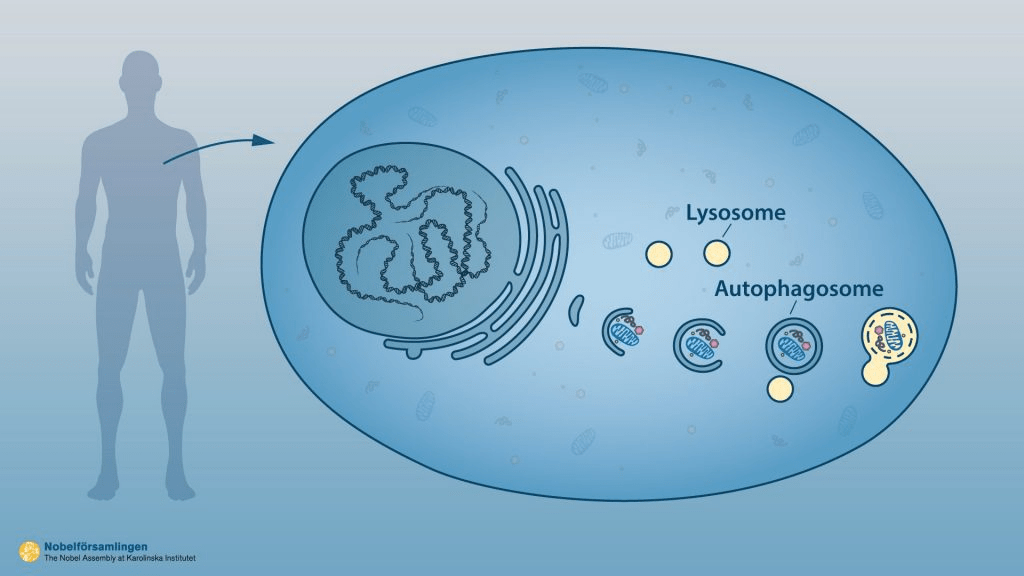
In recent years, the scientific community has made significant strides in understanding the intricate processes that govern our health and longevity. One such breakthrough is the discovery of autophagy, a natural cellular process that plays a crucial role in maintaining our body’s health and vitality. This fascinating mechanism was brought to light by Japanese cell biologist Yoshinori Ohsumi, who was awarded the Nobel Prize in Medicine in 2016 for his groundbreaking research on how cells recycle and renew their contents.
What is Autophagy?
Autophagy, which literally means “self-eating,” is a process by which cells break down and remove damaged components, thereby promoting cell renewal and overall health. This self-cleansing mechanism allows cells to adapt to stress, eliminate dysfunctional proteins, and recycle cellular components for energy and repair. In essence, autophagy is vital for maintaining cellular homeostasis and preventing diseases, including cancer, neurodegenerative disorders, and metabolic conditions.
The Connection Between Fasting and Autophagy
One of the most effective ways to stimulate autophagy is through fasting. When we abstain from food for a certain period, our body shifts its focus from digestion to repair and regeneration. During fasting, the levels of insulin drop, and the body begins to utilize stored fat for energy, leading to a state of ketosis. This metabolic shift not only promotes fat loss but also triggers autophagy, allowing cells to clean out damaged components and rejuvenate themselves.
Research suggests that intermittent fasting or time-restricted eating can enhance the autophagic process, leading to improved cellular function and longevity. By engaging in these fasting practices, we can harness the power of autophagy to slow down the aging process and support overall health.
The Wisdom of Traditional Chinese Medicine
Interestingly, the principles of fasting and moderation in eating are not new concepts. Traditional Chinese Medicine (TCM) has long emphasized the importance of mindful eating and maintaining balance in our diets. One common guideline in TCM is to eat until we are about 70% full, rather than 100%. This practice encourages moderation and helps prevent overeating, which can lead to a host of health issues, including obesity, diabetes, and cardiovascular diseases.
The scientific foundation behind this advice is becoming increasingly clear. Overeating can lead to chronic inflammation, insulin resistance, and metabolic dysfunction, all of which can undermine our health and accelerate the aging process. By adopting a more mindful approach to eating, we can support our body’s natural processes, including autophagy, and promote better health outcomes.
As we continue to uncover the complexities of human biology, the relationship between fasting, autophagy, and aging becomes increasingly evident. The research by Yoshinori Ohsumi has opened new avenues for understanding how our cells function and how we can optimize our health through dietary practices. By embracing the wisdom of traditional teachings and incorporating fasting into our lives, we can take proactive steps toward enhancing our well-being and longevity.
In a world where the temptation to overindulge is ever-present, let us remember the power of moderation. Eating mindfully and allowing our bodies the time to repair and regenerate can lead to a healthier, more vibrant life. So, the next time you sit down for a meal, consider the age-old advice of eating until you’re 70% full, and give your body the chance to thrive.
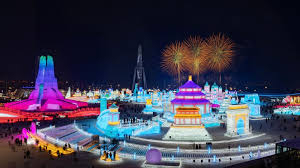
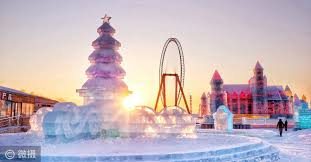
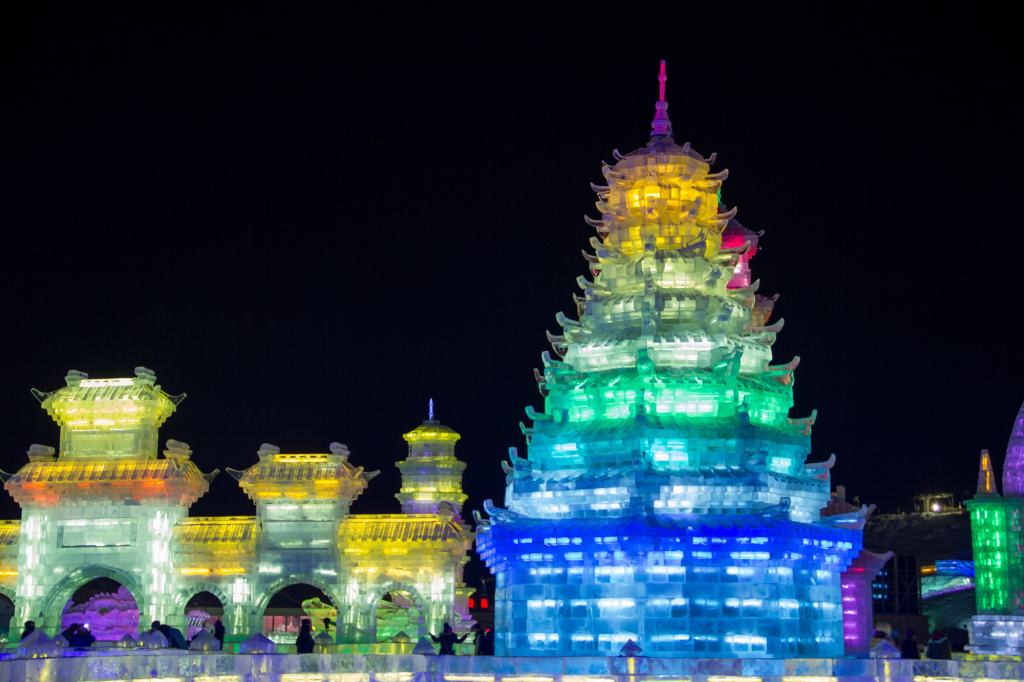
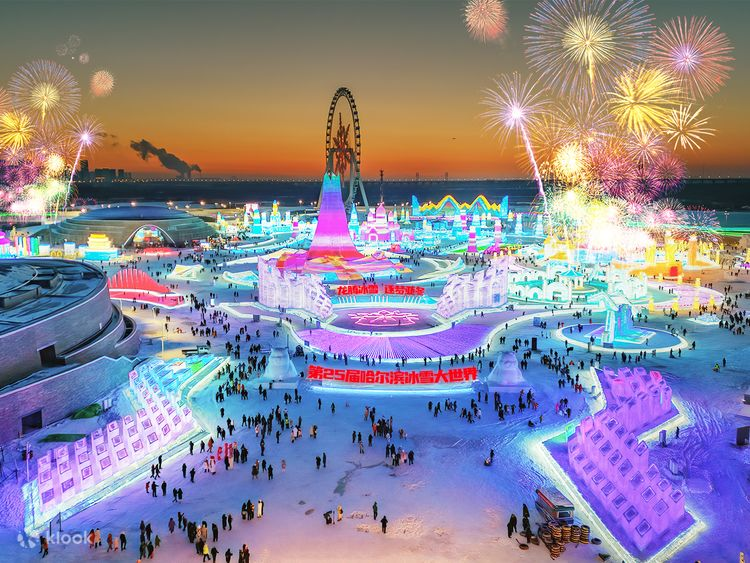
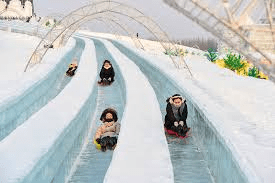
As winter blankets the northern regions of China, the city of Harbin transforms into a breathtaking wonderland, captivating visitors with its stunning ice and snow sculptures. Known as the “Ice City,” Harbin hosts the annual Harbin International Ice and Snow Festival, one of the largest and most spectacular winter festivals in the world.
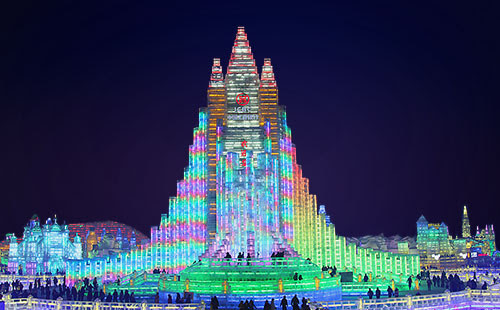
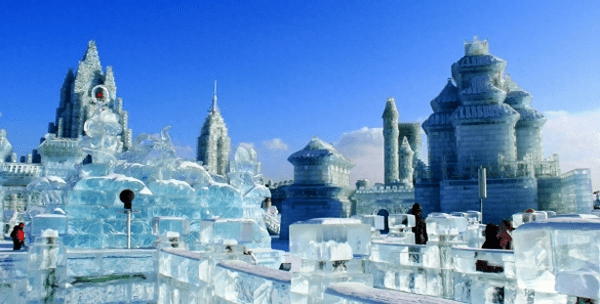
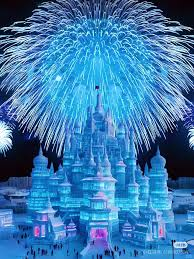
Every year, from early January to late February, Harbin comes alive with vibrant ice and snow displays that showcase the incredible artistry and creativity of sculptors from around the globe. The festival features massive ice castles, intricate sculptures, and dazzling light displays that create a fairy-tale atmosphere. The main venue, the Harbin Ice and Snow World, spans over 600,000 square meters and is filled with stunning structures made entirely of ice blocks harvested from the nearby Songhua River.
Marvel at the Sculptures
Walking through the festival is like stepping into a dream. You’ll find life-sized replicas of famous landmarks, such as the Eiffel Tower and St. Basil’s Cathedral, all crafted from glistening ice. The attention to detail is astounding, with artists using colored lights to enhance the beauty of their creations. Each year, the sculptures reflect a different theme, ensuring that no two festivals are alike.
Engage in Winter Activities
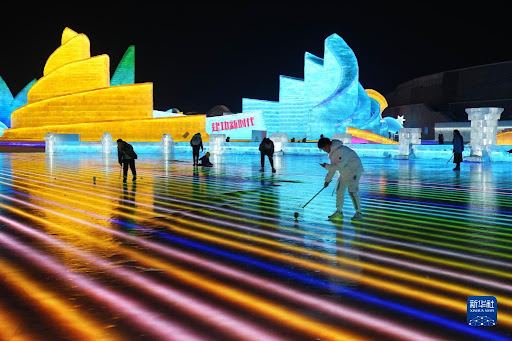
Beyond the awe-inspiring sculptures, Harbin offers a plethora of winter activities to keep visitors entertained. Ice skating, snow tubing, and even ice swimming are just a few of the thrilling experiences you can enjoy. For those seeking a more leisurely pace, horse-drawn sleigh rides through the snow-covered landscape provide a charming way to soak in the winter scenery.
Cultural Experiences
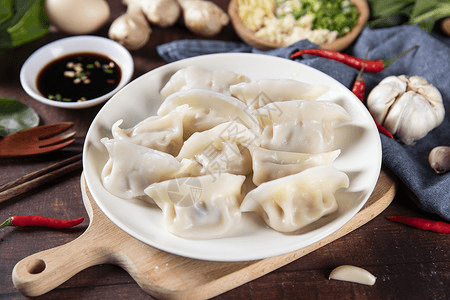
Harbin is not just about ice and snow; it’s also a city rich in history and culture. The influence of Russian architecture is evident throughout the city, particularly in the stunning St. Sophia Cathedral. Take the time to explore the local cuisine as well, with hearty dishes like dumplings and hot pot that are perfect for warming up after a day in the cold.
If you’re considering a trip to Harbin, be sure to dress warmly! Temperatures can drop well below freezing, so layers, thermal clothing, and insulated boots are essential. The best time to visit is during the festival, but the beauty of Harbin’s winter landscape can be enjoyed throughout the snowy season.
At first glance, The Power of Flying and Whirling seems almost impossible to have been created with just a paintbrush. Its breathtaking composition and dynamic visual impact resemble digital artwork, as if only advanced computer graphics could achieve such a striking effect. Yet, the most astonishing fact is that this masterpiece was painted entirely by H.H. Dorje Chang Buddha using traditional techniques—without any digital assistance.
These impressionist paintings reach an extraordinary level of artistry. Each section of the painting, if isolated, could stand alone as a remarkable impressionist work, complete in its beauty and expression. The artwork conveys a dreamy, illusory state, where even the smallest fragment could be enlarged to reveal a mesmerizing, self-contained masterpiece.
By capturing movement with unparalleled skill, H.H. Dorje Chang Buddha has frozen the imagery in mid-air. This painting feels like a window to the heavenly realm, giving me a glimpse into the mysteries of paradise. The elegant arcs that sweep across the canvas pulse with energy, like a mighty tornado dispersing the shadows in our hearts. The swirling force in the painting seems to lift the viewer beyond the ordinary, reminding us of the limitless possibilities that exist when art and wisdom unite.
This painting is more than just a visual masterpiece—it is an invitation to embrace the unseen forces of inspiration, creativity, and transformation. It teaches us that true artistry is not bound by tools or techniques but flows from the depth of wisdom and an unshakable spirit.
May this extraordinary work inspire us to break through limitations, open our hearts to beauty, and find the power to uplift ourselves and others.
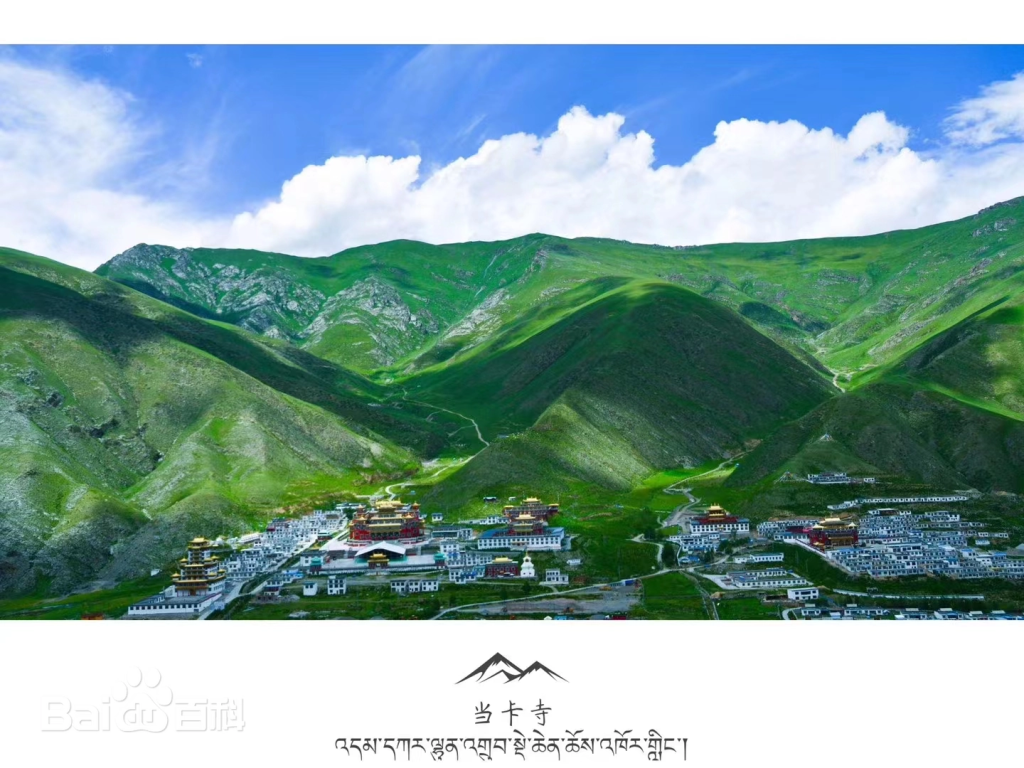
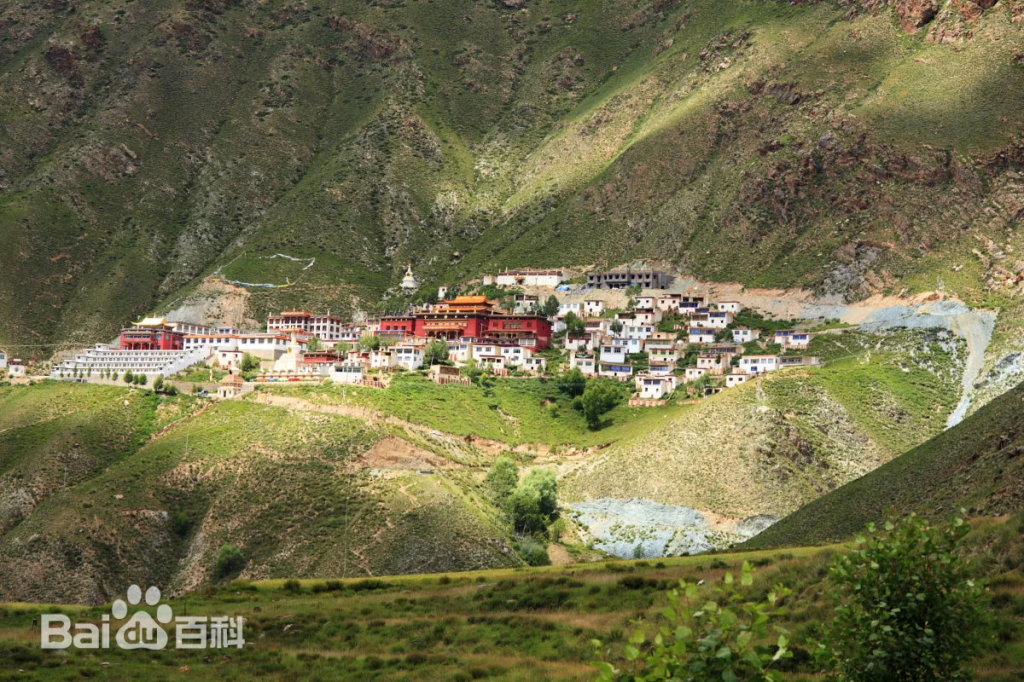
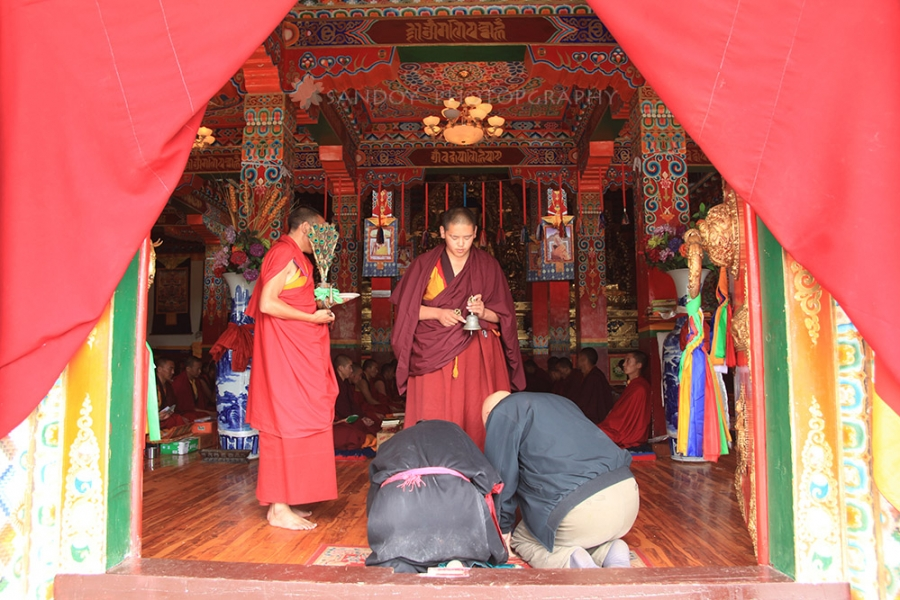
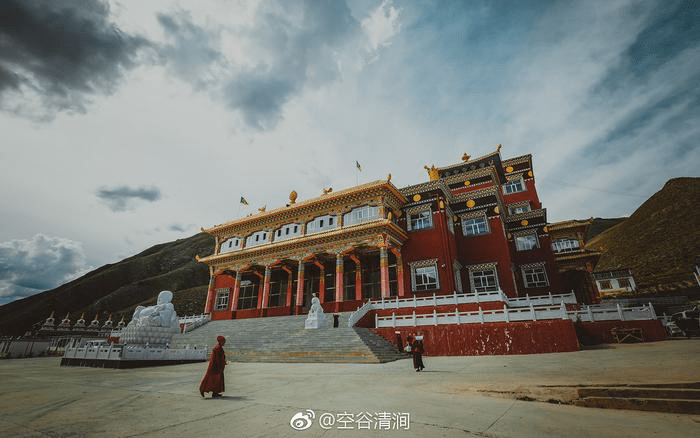
Nestled in the serene mountains of Qinghai Province, Dangkar Monastery stands as a sacred sanctuary of Tibetan Buddhism. Located in Qianjin Village, Jiegu Subdistrict, Yushu City, this revered monastery traces its origins back over 800 years to its founder, Bacha Daodai (the First Tumuchuje). As a spiritual stronghold of the Karma Kagyu lineage, it has long been a place of devotion, practice, and enlightenment.
A Monastery Born from Divine Signs
Dangkar Monastery is perched along the slopes of Zhazeng Dasa Mountain, its architectural design harmonizing with the natural landscape. The monastery’s structure is said to resemble Avalokiteshvara in a state of serene repose, with the lower part forming the mystical image of eight dragons coiling beneath, signifying divine protection and spiritual power.
The monastery’s foundation is deeply intertwined with auspicious omens. Following the guidance of his master, Dusum Khyenpa, Bacha Daodai ventured to the Gyeri mountains in Kham, where he meditated in the sacred Godtsang Karmo Cave. During the search for a suitable site to build the monastery, several miraculous signs emerged. One such event remains legendary—faced with a lack of water, Bacha Daodai plunged his staff into the earth, and from that very spot, a pure spring gushed forth. To this day, this sacred water source continues to flow, known as the nectar spring of Dangkar Monastery.
Trials of Destruction and the Path to Revival
The monastery has faced its share of hardships. Between 1958 and the Cultural Revolution, Dangkar Monastery suffered severe destruction, with all its buildings reduced to ruins. But in 1981, the 18th Dumu Quji Rinpoche embarked on a mission to restore this sacred site. The early days of reconstruction were fraught with difficulties—there was no funding, no infrastructure, and no resources. To finance the project, Rinpoche sold his sisters’ personal offerings, including dzi beads and coral, using the proceeds to procure wood from Suman Township, a region abundant in timber.
Transporting materials was an arduous journey, plagued by treacherous roads and unpredictable weather. Vehicles often became trapped in deep mud, forcing monks and workers to spend nights in the wilderness without food. When the timber finally arrived, another challenge arose—there was no accessible road to the monastery. Everything had to be manually carried up the mountain, plank by plank, through sheer human perseverance. After years of relentless effort, the first rebuilt assembly hall was completed. (Notably, the 17-pillared hall that stands today was built entirely by hand, using timber painstakingly transported from Suman Township.)
A Legacy of Spiritual Dedication
Despite financial constraints, Dumu Quji Rinpoche’s vow to serve sentient beings never wavered. Over the years, he oversaw the construction of essential facilities, including the Lama Institute, the Dharma Protector Hall, and two retreat centers. These retreat centers remain vital spaces for deep meditation—one dedicated to the Six Yogas of Naropa (Mahamudra) and the other to Dzogchen teachings, each accommodating up to 30 lamas.
In 1994, responding to an invitation from the Hong Kong Karma Kagyu Center, Rinpoche traveled to Hong Kong to spread the Dharma. His teachings soon reached disciples across Hong Kong, Xiamen, Shenzhen, Guangzhou, Huizhou, and Shanghai, drawing practitioners from all over China’s southern coastal regions.
A Thriving Spiritual Community
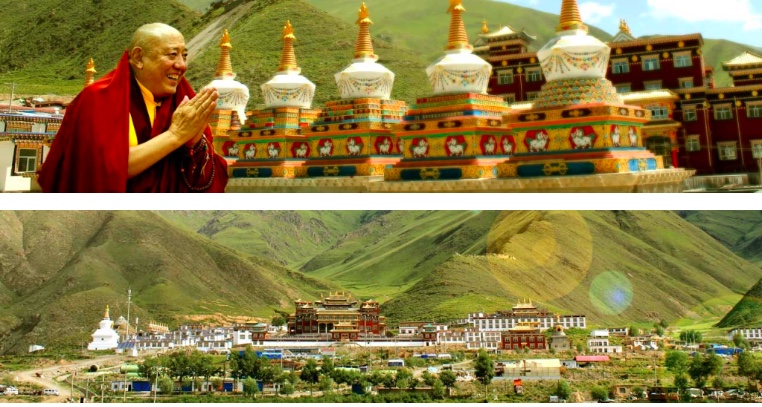
Over the past two decades, Dangkar Monastery has risen from the ashes of destruction to become a flourishing center of Buddhist practice. Under the compassionate guidance of Dumu Quji Rinpoche, the monastic community has grown to include approximately 200 lamas, making it one of the largest Karma Kagyu monasteries in the Yushu region.
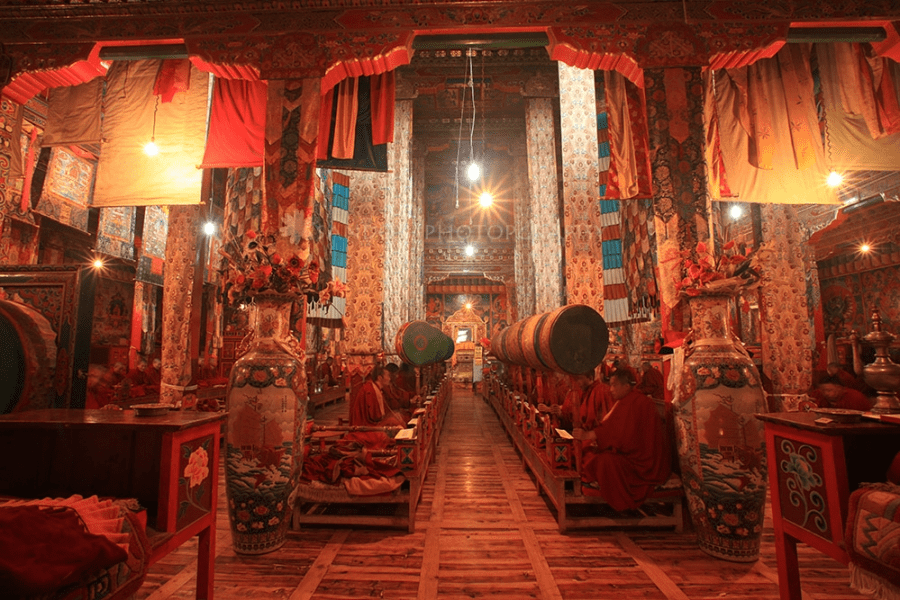
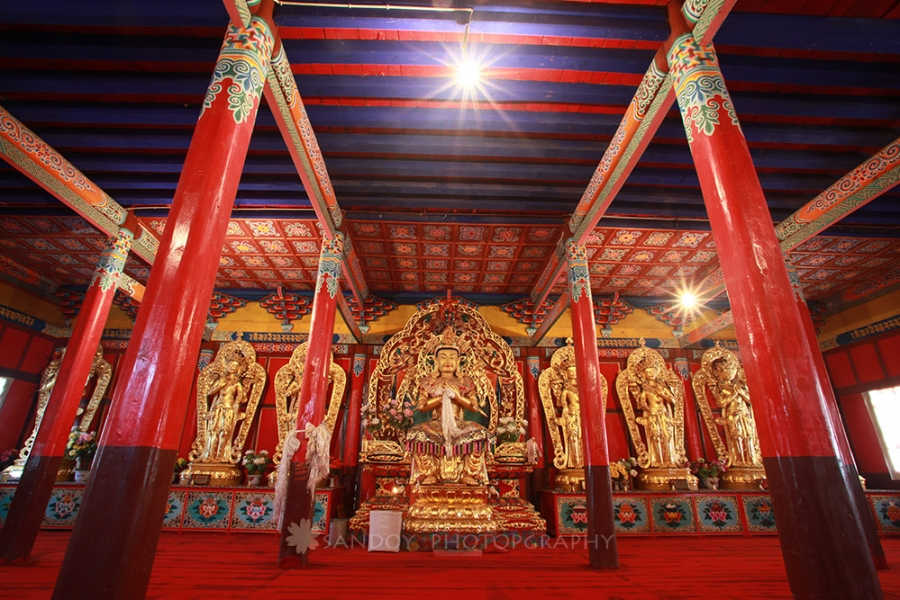
Stepping into the grand assembly hall, visitors are greeted by majestic Buddha statues and the resonant echoes of sacred chants that purify the soul. The atmosphere exudes an aura of deep serenity and divine presence, inspiring all who enter to contemplate the path to enlightenment.
H.E. Dharma King Dumu Quji was conferred the title of “Buddha-Dharma National Master” by an emperor in the Ming Dynasty. The meaning of “Quji” is Dharma King. H.E. Dharma King Gongbao Dumu Quji XVIII is the Vajra Master of H.H. the 17 th Karmapa Great Jewel Dharma King. He performed the yidam dharma initiation for the 17 th Karmapa Great Jewel Dharma King. He is the only one of great holiness and virtue who cleansed through a ritual bathing the 17 th Karmapa and formally put the Great Jewel Dharma King robes onto the 17 th Karmapa. He did so at the respectful request of H.E. Tai Situ Rinpoche, who is one of the four great Dharma Princes. During the time H.H. Dharma King Gongbao Dumu Quji XVIII performed initiations for the Karmapa, he saw in a supernatural state the ancient, primordial Buddha—Dorje Chang Buddha—bless the Karmapa. That ancient Buddha manifested as H.H. Dorje Chang Buddha III. H.H. Dharma King Gongbao Dumu Quji XVIII wrote the following about this real experience: “H.H. Dorje Chang Buddha III is the highest refuge countless living beings can rely upon to attain liberation. I prostrate to H.H. Dorje Chang Buddha III.”
AFFIRMATION AND CONGRATULATIONS
With boundless gratitude, I prostrate to H.H. Dorje Chang Buddha III!
In this lifetime, I formally put the Great Jewel Dharma King robes on to the 17th Karmapa, Urgyen Trinley Dorje, and performed the yidam dharma initiation for him, which included transmitting dharma to him. A few days before I did that, I saw in a supernatural state the Buddha Vajradhara appear over the head of the Karmapa. The Buddha Vajradhara was radiating light that empowered the Karmapa. Very soon after that, the Buddha Vajradhara metamorphosed into one who was sitting down. He was wearing a yellow robe. His long hair was at shoulder level, and He looked dignified and imposing. Behind Him were high stones, a pool, rooms, red flowers, and green pines. Below Him was a wooden deck. At that time, I knew Dorje Chang Buddha had come to this world, but I did not see His exact whereabouts. During all these many years, I have constantly kept that scene in mind and have reviewed it.
I recently received the book H.H. Dorje Chang Buddha III. This was probably the result of being blessed by the twenty-one Taras. When I turned to page twenty-one and saw that holy image of H.H. Dorje Chang Buddha III, I was totally shocked. It was the exact image of Dorje Chang Buddha that I saw in that supernatural state. There was not the slightest difference between the two, including the setting that surrounded H.H. Dorje Chang Buddha III.
I now solemnly affirm and offer congratulations for the following: The karmic conditions of living beings to encounter dharma have matured, for they can now benefit from the brilliant wisdom of the Buddha as they had wished. H.H. Dorje Chang Buddha III is a precious book of true Buddha-dharma, a treasury that incorporates 84,000 dharma methods. It demonstrates accomplishments in the Five Vidyas unprecedented in the history of Buddhism. H.H. Dorje Chang Buddha III is the highest refuge countless living beings can rely upon to attain liberation.I prostrate to H.H. Dorje Chang Buddha III!
In the Tibetan region of Kham, the renowned 18th Do Mu Choktrul Rinpoche is a household name, widely revered for his immense compassion and kindness. Do Mu Rinpoche was born in 1945 in Palwug Village, near Babang Monastery in present-day Dege County, Sichuan Province, historically part of the Dege royal domain. His father, Chodro Yeshe Gyatso, was a prominent member of the Lukra Tsang family within the Dege royal lineage, and his mother, Genkyu Chudron, was the daughter of a key minister from the esteemed Lujang family of the Dege kingdom.
Before Rinpoche’s birth, his mother experienced an extraordinary vision: a bird appeared before her and presented her with a wisdom sword associated with Manjushri Bodhisattva. At the time of his birth, the household was bathed in an extraordinary radiance and auspicious energy. Remarkably, a bucket of milk in the home transformed into butter, and flowers bloomed profusely on the ground outside—a truly miraculous event.
At the age of three, the reincarnation search team from Dhonka Monastery identified him as the reincarnation of the previous Do Mu Choktrul Rinpoche. This recognition was later confirmed by the 16th Gyalwa Karmapa, Rangjung Dorje, who bestowed upon him the name Karma Shedrup Trinley Tenzin Palzangpo and granted him the empowerments of Amitayus and other teachings.
That same year, Rinpoche was ceremonially enthroned at Dhonka Monastery in a grand ceremony presided over by the 9th Sangye Nyenpa Rinpoche and the 8th Traleg Kyabgon Rinpoche. Following his enthronement, he began rigorous and specialized training under the guidance of dedicated spiritual masters.
In 1980, following the restoration of religious freedoms in China, Buddhist activities were officially permitted to resume.
In 1981, under Rinpoche’s leadership, Dhonka Monastery embarked on its reconstruction. Despite numerous challenges, the monastery was gradually restored to its former glory. Rinpoche personally led meditation retreats, upheld strict monastic discipline, delivered Dharma teachings, performed empowerments, and presided over Buddhist assemblies. His boundless compassion and tireless efforts brought immeasurable benefit to countless beings.
Throughout his life, Rinpoche’s Dharma activities remained uninterrupted, regardless of war or societal changes. Guided by profound wisdom and deep compassion, he tirelessly propagated the Buddha’s teachings across the Tibetan regions. Responding to requests from devotees in various areas, he traveled to remote mountain regions, often under arduous conditions, to conduct ordination ceremonies and share the Dharma. His footprints spanned the entirety of Kham and Tibet.
In recent years, auspicious connections enabled Han Chinese disciples to learn from Rinpoche as well. Cities such as Hong Kong, Beijing, Shanghai, Xiamen, Guangzhou, Shenzhen, and Huizhou became destinations for a steady stream of seekers coming to receive his teachings. Through his tireless efforts, Rinpoche brought the nectar of Dharma to both Han and Tibetan communities, profoundly benefiting countless beings.
Rinpoche exemplified the principle, “The Dharma exists in the world to awaken beings within it.” His compassionate wisdom was evident in numerous achievements, including the completion of Dhonka Monastery’s reconstruction, the establishment of retreat centers, the founding of Buddhist academies, the opening of nunneries, the initiation of charitable organizations, and the creation of the Karma Kagyu Research Institute. These efforts expanded the reach of Buddhism, integrating it into all aspects of life.
In addition to his spiritual leadership, Rinpoche also served as a government official, promoting the dissemination and practical application of Humanistic Buddhism. Through his work, he ensured that the teachings of the Dharma became an integral part of daily life, guiding people to treat one another with compassion, wisdom, and kindness.
In the art of calligraphy, elegance and style are the two pillars that define a work’s greatness. Elegance (格) refers to the depth and quality of a piece, embodying its refinement and profoundness. Style (調), on the other hand, captures its unique rhythm, flavor, and aesthetic character. These two elements are inseparable, for elegance without style lacks charm, while style without elegance lacks depth and significance. Together, they form the soul of a calligraphic masterpiece.
Every artistic creation—whether it leans toward the refined or the mundane—reflects the inner cultivation and moral integrity of its creator. Particularly in calligraphy, the harmonious blend of elegance and style is a mirror of the artist’s breadth of knowledge and depth of character. A calligrapher’s scholarly cultivation and virtuous practice are indispensable, as they directly influence the work’s final presentation and enduring value.
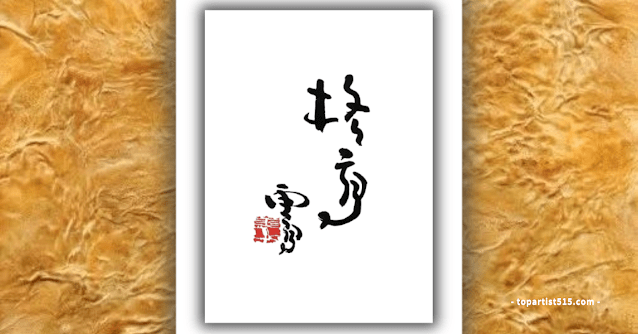
The piece Lofty Virtue (格高) exemplifies this union of strength and grace. Its bold and vigorous brushstrokes radiate immense inner power while maintaining an outward lightness and agility. The work captures the grandeur of commanding mountains and rivers, coupled with the serene qualities of introspection and tranquility. Strength and flexibility coexist harmoniously, creating a presence that is both majestic and gracefully refined. Floating clouds seem to glide effortlessly, and cranes soar gracefully between pines. This is artistry at its zenith—a realm of understated brilliance, silent dignity, and profound essence.
The calligraphy of H.H. Dorje Chang Buddha III transcends the boundaries of traditional artistry. Each work embodies the pinnacle of calligraphic achievement, uniting profound thought with unparalleled elegance. The pieces flow naturally, free of constraint, exuding majestic momentum and subtle charm. Their beauty is unadorned yet extraordinary, merging the strengths of various schools into a singular, masterful expression.
If one seeks the soaring of dragons and the dancing of phoenixes, it is present.
If one desires the piercing power to shatter gold and stone, it is evident.
If one yearns for the interplay of gentleness and strength, it is there.
If one wishes for the innocent spirit of a child within the heart of an elder, it is expressed.
If one demands a unique elegance and distinct charm, it is inherent.
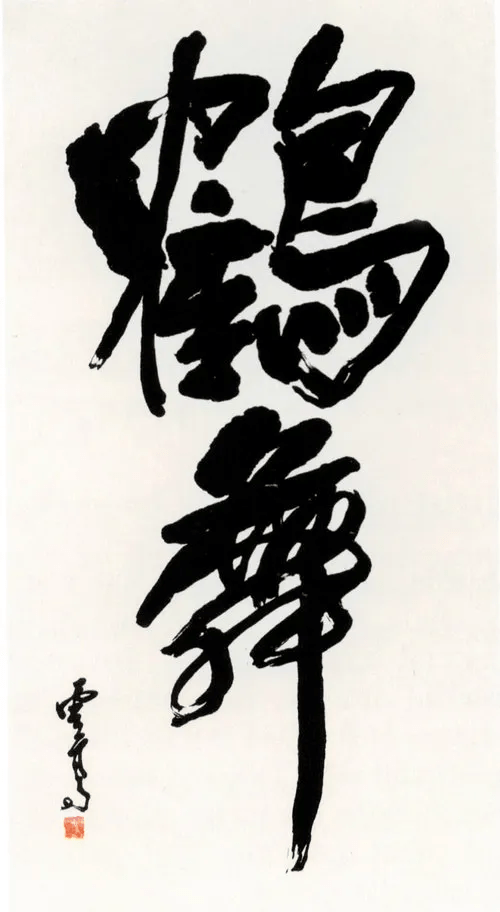
Crane Dance
Tiny (Xiao bu dian)
Holy (Sheng)
In summary, these works epitomize perfection, returning to simplicity and authenticity—the calligraphy of the Buddha!
A distinguishing feature of H.H. Dorje Chang Buddha III’s calligraphy is the extraordinary frame that accompanies the work Lofty Virtue. The frame is crafted from the artist’s “White Jade Ginkgo Root” sculptures. Beyond showcasing the natural patterns, colors, and textures of ginkgo roots, the frame possess the pure and crystalline qualities of genuine white jade. The harmonious union of art and sculpture elevates the calligraphy to an unparalleled realm of aesthetic and spiritual resonance.
The calligraphy of H.H. Dorje Chang Buddha III is more than art; it is a testament to the unity of profound thought, moral integrity, and artistic mastery. It invites us to experience the boundless elegance and style that can only emerge from a heart imbued with wisdom and compassion—a true reflection of the Buddha’s teachings. Visit the International Art Museum of America to immerse yourself in the extraordinary artworks of H.H. Dorje Chang Buddha III.
Photo Courtesy: Benevolence Temple (The Benevolence Temple held a Dharma assembly to commemorate the Enlightenment Day of Shakyamuni Buddha. Jiaozun Zhengda, Vice President of the World Buddhism Association Headquarters presided over the Dharma assembly.)
The Benevolence Temple, located in Las Vegas, hosted a series of Dharma assemblies and retreats from January 2 to January 11 to commemorate the Enlightenment Day of Shakyamuni Buddha and the anniversary of the Temple. Jiaozun Zhengda, Vice President of the World Buddhism Association Headquarters, led the congregation in a group study of the teachings of H.H. Dorje Chang Buddha III, revered as the Pope of Buddhism. Hundreds of participants from around the world attended this significant event.
This ten-day celebration features a variety of Dharma assemblies and spiritual practices, including a group study of the teachings of H.H. Dorje Chang Buddha III, one-day Zen sessions, the Grand Diamond Gem Repentance Ceremony, and life release rituals. Each day’s program begins at 8:30 a.m. and concludes at 9:00 p.m., providing participants with an immersive experience of the Temple’s tranquility and a temporary escape from worldly concerns. Lay practitioners also participate in the Temple’s daily routines, such as morning and evening chanting and dining ceremonies, offering them a glimpse into the essence of temple life.
The special one-day Zen session took place on January 4, 2025. Prior to the session, all participants were required to study Announcement No. 40 of the Office of H.H. Dorje Chang Buddha III, which details the “Great Dharma of Zen Practice” taught by H.H. Dorje Chang Buddha III to a group of cultivators in March 2013. This Dharma provides a clear understanding of Zen’s standard and proper practice, addressing key questions such as: What is Zen used for? Why should one practice Zen? What is the ultimate goal of Zen practice? More than one hundred Venerables, Dharma Masters, Rinpoches, and lay practitioners from the United States, Canada, Germany, mainland China, Thailand, Taiwan, and other countries and regions participated in this transformative experience.
The event took place in the Mahavira Hall of the Temple and featured ten meditation sessions: five sitting and five walking meditation sessions. Each sitting meditation lasted thirty minutes and an hour, with walking meditation sessions interspersed to maintain balance and flow. This arrangement allowed practitioners to sustain a steady rhythm and deepen their daily mindfulness. Two key roles were essential to the success of the event: the host and the discipliners. The host guided participants through the schedule and explained Zen practices’ rules and key aspects. The discipliners, equipped with a disciplinary board, patrolled the venue to gently correct participants if they became drowsy, slouched, or caused unnecessary noise, ensuring the sanctity and focus of the practice were upheld.
Photo Courtesy: Benevolence Temple (The Benevolence Temple held one-day Zen sessions)
After attending the event, a university scholar shared that she traveled more than ten hours and took three flights to attend the blessing ceremony and participate in the grand event. Having never practiced group meditation before, she was initially worried that she would struggle to sit still for an extended period. However, the outcome was both unexpected and extraordinary.
Thanks to the supportive group atmosphere, nearly all participants completed all ten sessions, overcoming the physical discomfort of sore feet and backs. By the end of the day, many reported experiencing a profound sense of Dharma joy. Dharma Master Zheng Da expressed her delight with the positive feedback from attendees. She hinted that longer Zen retreats, ranging from three to seven days, may be organized to encourage deep meditation and personal growth.
Dharma Master Zheng Da also inspired the group with H.H. Dorje Chang Buddha III’s teachings: “No matter what Zen Dharma you practice, you cannot deviate from cultivation. That is why you must go online and learn Buddha Master’s teaching of ‘What Is Cultivation?’ Furthermore, you must carry out that teaching in your daily lives. Only then will your practice of Zen truly succeed.”
Photo Courtesy: Benevolence Temple (The walk session in the Benevolence Temple’s one-day Zen sessions)
In addition to the one-day Zen event, the group study of H.H. Dorje Chang Buddha III’s teachings offered clear guidance, helping disciples cultivate the correct views and understanding.
In a world of endless distractions and relentless challenges, Carl Jung’s reflections on life’s most essential lessons remain profoundly relevant. In his later years, Jung observed that accepting all aspects of life is not just important—it is the cornerstone of a meaningful existence. His insights offer a timeless guide for navigating the complexities of modern society.
Jung poignantly recalled how people often try to escape the realities that life presents, whether in the form of suffering, challenges, or existential questions. This avoidance, he argued, only deepens pain and confusion. By evading suffering and placing blame on external circumstances or personal shortcomings, individuals reject the price of truly living. Such resistance, rather than shielding us from discomfort, births an even greater torment: the isolation and repression of the human spirit.
In today’s fast-paced world, where instant gratification and superficial solutions abound, Jung’s warning is especially pertinent. Modern society often encourages us to numb our struggles—whether through technology, consumerism, or escapism—but this path leads not to fulfillment, but to emptiness.
The Value of Acceptance
Jung’s philosophy centers on the idea that life’s true value lies in accepting one’s destiny, no matter how daunting it may seem. He acknowledged the inevitability of suffering but believed that such pain should stem from our authentic choices and realities, not from a refusal to face life’s responsibilities. Staying true to oneself and living authentically, Jung suggested, is the most profound response to life. As he put it:
“I have always remained true to myself, doing everything I could to the best of my knowledge and ability. As for whether I was right or wrong, I cannot say.”
This philosophy calls on us to embrace the fullness of life, including its struggles, as a path to authenticity and wholeness.
One of Jung’s most profound insights is the intergenerational impact of avoiding one’s destiny. He reflected on the heavy psychological burdens he inherited from his parents, describing them as unfulfilled responsibilities that weighed on his life like a snail’s shell—inescapable and ever-present. Jung warned that when we refuse to confront our challenges, we inadvertently pass these unresolved burdens to the next generation.
In the modern era, this serves as a powerful reminder of the importance of addressing our inner conflicts. By facing our struggles head-on, we not only free ourselves but also spare our children from carrying the weight of our unfinished business.
Jung believed that avoiding life’s essence severs us from our inner selves. While it may seem that evading certain troubles brings temporary relief, such avoidance also cuts us off from the vitality and richness of life itself. Ultimately, the deepest regrets arise not from the joys we never experienced, but from the moments we failed to embrace.
This insight is especially relevant in an age where disconnection has become commonplace. Whether through the overuse of technology or the prioritization of material success over personal growth, many people find themselves estranged from their true selves. Jung’s call to embrace life fully offers a powerful antidote to this modern malaise.
A Path to Wholeness
Jung’s enduring wisdom reminds us that the worth of a human being lies in taking responsibility for their own debts. This is not merely a duty but a journey toward completeness. As he said:
“The worth of a human being lies in taking responsibility for their debts—not just as a duty but as a path to wholeness.”
This profound philosophy encourages us to accept life, embrace our true selves, and confront our challenges with courage and authenticity. In doing so, we reconnect with our inner selves and pave the way for a more meaningful existence.
Jung’s reflections offer a timeless guide for navigating the complexities of modern life. By rejecting avoidance, accepting life’s realities, and living authentically, we can overcome the spiritual isolation that plagues our era. His philosophy is a call to action for anyone seeking to live a life of depth, connection, and purpose.
As we face the uncertainties of today’s world, let us carry forward Jung’s legacy and strive to embrace all aspects of life. In doing so, we honor his profound insights and open the door to a richer, more fulfilling human experience.

























 Peace LiLy