In Traditional Chinese Medicine (TCM), the “kidney” is not just associated with the organ itself, but is considered the center of multiple bodily functions, overseeing everything from physical strength and vitality to bone growth. (Photo from sohu.com)
The kidneys are seen as the foundation of life, and when kidney energy, or kidney qi, is abundant, the body remains strong and full of life. However, when kidney qi is depleted, it leads to weakness, fatigue, premature aging, and is often linked to chronic illnesses.
The Importance of Kidney Qi in TCM In TCM, maintaining a balanced flow of energy is essential for overall health. The kidney meridian plays a crucial role in regulating the balance of yin and yang within the body. Kidney yin and kidney yang are considered the fundamental energies that support the entire body’s internal organs. When kidney qi is nourished, the body remains strong, and all other organs function properly. Therefore, keeping the kidney energy well-maintained is vital for longevity and overall well-being.
While diet and herbal supplements are commonly used in TCM to support kidney health, a simple and effective method is through regular meridian stimulation. By massaging and promoting energy flow along the kidney meridian, we can help maintain smooth circulation of energy (qi) and blood throughout the body, promoting vitality and longevity.
Winter: The Season for Kidney Care In TCM, winter is the season most closely associated with kidney health. It’s a time to focus on replenishing and strengthening the kidneys, as the colder months are believed to affect the body’s energy levels. To help support kidney health during this time, TCM practitioners recommend incorporating certain practices into your daily routine.
Dr. Hu Haiya’s Kidney-Rubbing Technique One of the most accessible and effective ways to nourish kidney qi is through a simple technique known as the kidney-rubbing exercise, shared by the esteemed TCM doctor Hu Haiya. Dr. Hu, who lived to the age of 95 with remarkable health, became a symbol of vitality and longevity. When asked about the secret to his longevity, many expected him to mention some rare, mystical remedy. Instead, he smiled and explained, “There is no magical remedy; the true remedy lies within your own body.”
Dr. Hu then shared the kidney-rubbing technique he practiced regularly. The primary benefit of this exercise is to stimulate and invigorate the kidney qi, which is the foundation of energy and vitality in TCM. When the kidneys are nourished with abundant qi, the body becomes more energetic, the muscles and bones grow stronger, and life expectancy increases.
How to Perform the Kidney-Rubbing Technique
Position your hands: Make loose fists with both hands, leaving the centers of your fists slightly hollow (as shown in the figure).
Place your hands on your lower back: Position your fists over the kidney area, near the waist (Shenshu points). There’s no need to precisely find acupuncture points; just placing the fists on the lower back is sufficient.
Gentle motion: Keep the fists still and use your knees to gently bounce up and down. This will cause your body to move, which creates friction between the fists and the kidney area.
Repetition: Perform this exercise for 500 repetitions or until you feel a slight warmth in your lower back.
Photo 1
Photo 2
Tips for Effective Practice
If you’re new to this technique and find it difficult to do all 500 repetitions in one go, don’t worry. Start gradually by breaking it into 2-3 sets and work on building leg strength.
Eventually, aim for 500 repetitions in one continuous set. You’ll notice the body begins to feel warm, signaling improved circulation and energized kidney qi.
The Path to Longevity Starts with Kidney Health By incorporating practices like kidney-rubbing into your routine, you can nurture your kidney health and enhance your overall vitality. In TCM, vitality and longevity are directly linked to the state of our kidney qi. Strengthening this vital energy is key to achieving a healthy, balanced life.
Start today—because true health comes from within.
I recently came across a thought-provoking video that offered a profound insight into the root cause of social disorder. A newspaper invited submissions on the topic: “What is the root cause of social disorder?” One answer stood out for its simplicity yet profound depth: “It’s me.”
This response highlights a universal truth: the state of the world mirrors the state of each individual. If “I” embody qualities like sincerity, kindness, and a willingness to help, I can foster harmony in my family and community. Conversely, if “I” succumb to selfishness, greed, and deceit, disorder and instability are inevitable.
The peace and stability of society, our nation, and even the world rest on each of us. By reducing criticism of others and turning our attention inward—reflecting on our thoughts, words, and actions—we can become catalysts for harmony.
True greatness is not about outperforming others but about improving ourselves. By focusing on personal growth, we enrich our lives and contribute to a better world.
Mother Teresa’s Timeless Wisdom
Mother Teresa’s poem “Do It Anyway” offers profound guidance for navigating life’s challenges with integrity, kindness, and resilience. It reminds us to act according to our values, regardless of external circumstances:
People are unreasonable,illogical and self-centered
Love them anyway.
If you are kind,people may accuse you of selfish,ulterior motives;
Be kind anyway.
If you are successful,you will win some false friends and some true enemies;
Succeed anyway.
The good you do today will be forgotten tomorrow;
Do good anyway.
If you are honest and frank,people may cheat you;
Be honest and frank anyway.
People favor under dogs but follow only topdogs.
Fight for a few underdogs anyway.
What you spend years building may be destroyed overnight;
Build anyway.
If you find serenity and happiness,they may be jealous;
Be happy anyway.
People really need help but may attack you if you do help them.
Help people anyway.
Give the world the best you have,And it may never be enough;
Give the world the best you have anyway.
Her words teach us that life’s meaning lies in staying true to our values, not in others’ perceptions or responses. Ultimately, our actions reflect a dialogue with our conscience, not a transaction with others.
Personal growth begins with the courage to look inward. When frustration or dissatisfaction arises, take a moment for self-reflection. Ask yourself, “How can I improve?” This practice shifts focus from external blame to internal progress. Growth unfolds through small, manageable goals—whether it’s mastering a new skill, refining emotional resilience, or nurturing patience.
Kindness is another cornerstone of personal development. Choose compassion, even when faced with misunderstanding or adversity, because every person carries unseen struggles. Alongside kindness, maintain integrity and uphold what’s right, regardless of external validation. As Mother Teresa wisely said, “Give the world the best you have, and it may never be enough; give your best anyway.”
By weaving self-reflection, purposeful improvement, and compassionate action into daily life, we not only enhance ourselves but also contribute to a more harmonious world.
World peace begins with individual actions. Change doesn’t require grand gestures; it starts with small, deliberate acts of kindness—a warm smile, a kind word, or a helping hand.
When we each commit to self-growth, compassion, and mindfulness, we create ripples of positive change in our communities and beyond. Together, these ripples can form a wave of harmony that transforms the world.
Let us strive to become better versions of ourselves, nurturing peace and love in our hearts. By doing so, we can build a brighter, more peaceful future—one person at a time.
Virginia Satir (1916–1988) was a trailblazer in the field of family therapy, earning worldwide recognition as a distinguished psychotherapist and one of America’s most influential family therapists. Dubbed “everybody’s family therapist” by Human Behavior magazine, Satir devoted her life to uncovering the complexities of human relationships and exploring the essence of what it means to be human. Her groundbreaking principles for fostering effective family communication continue to be revered and applied by professionals across the globe.
Satir’s legacy extends beyond therapy rooms. Her poetic insights capture the depth of her understanding of human nature and emotions. One of her most touching poems, “When I Am Strong Enough Inside,” serves as a mirror reflecting our inner strength and vulnerability. These verses remind us that the negative voices within us can often overshadow our resilience. However, by engaging with empowering words like hers, we can nurture psychological flexibility and cultivate a more compassionate perspective toward ourselves and others. Here is an excerpt from her poem that encapsulates her profound messag.
When I Am Strong Enough Inside
When I’m strong enough inside, You blame me, I feel your pain; You flatter me, I see you need approval; You’re crazy, I understand your vulnerability and fear; You interrupt, I know how much you want to be seen.
When I’m strong enough inside, I no longer defend, All the forces, Free flow between us. Grievance, depression, guilt, sadness, anger, pain, When they flow freely. I feel warm in sorrow, Find strength in anger, See hope in pain.
Screenshot
When I’m strong enough inside, I will not attack. I know, When I stop hurting myself, Then no one can hurt me. I lay down my arms, Open heart, When my heart softens, In love and compassion, Meet you bright and warm.
Originally, let the heart strong, All I need is, Seeing myself, Accept what I can’t do, Appreciate what I’ve done. And believe, Through this journey, Can live out their own, bloom their own.
In these lines, Satir masterfully conveys her belief in the transformative power of understanding the reasons behind others’ actions. Instead of reacting with judgment, she calls on us to see the humanity in others, even when their behavior is challenging.
Her poem continues with a heartfelt reminder that by releasing our own emotions—be it anger, sadness, or guilt—we can uncover strength, warmth, and hope. She encourages us to let go of self-defensiveness, to embrace compassion, and to see ourselves and others with clarity and acceptance.
When I encountered this poem, I was struck by Satir’s tender view of humanity. It eloquently sheds light on behaviors we often judge harshly—blaming, seeking approval, over-rationalizing, or interrupting. Yet, rather than condemning these actions, she invites us to see the vulnerability and pain behind them. This perspective challenged me to think: if my heart were stronger, if I could move beyond my own wounds, perhaps I too could approach the world with such gentle understanding.
Satir’s poem inspires a transformative journey of self-awareness and growth. To build inner strength, she suggests we:
See ourselves as we truly are, without judgment.
Accept our imperfections with kindness.
Appreciate our progress and achievements.
Trust in our ability to live authentically and bloom fully.
Her words serve as both a reminder and an invitation—to embrace our humanity, nurture our resilience, and extend the same understanding to others.
Even today, Virginia Satir’s work continues to inspire people to heal, connect, and thrive. Through her profound poetry and her legacy as a master therapist, she reminds us that inner strength and compassion are at the heart of meaningful relationships and a fulfilling life.
During a visit to Holy Vajrasana Temple, I encountered the beautiful and meaningful practice of Oryoki. Often translated as “just the right amount,” Oryoki is a ritualized way of serving and eating food that combines efficiency, mindfulness, and gratitude. Its roots trace back to the Buddha’s time, embodying the Middle Way of taking neither too much nor too little—an ethos that resonates deeply with the principles of simplicity and compassion.
What Is Oryoki?
Oryoki originated during the Tang Dynasty in China and later influenced practices such as the Japanese tea ceremony. It is widely practiced in Zen monasteries as a way to unify daily life with spiritual practice. The ritual involves a meticulous series of hand gestures, silence, and mindfulness during the meal.
Monks sit in meditation posture, waiting to offer their empty bowls to servers, who portion food to the requested amount. Every movement is intentional, every crumb is appreciated, and every element is designed to minimize waste. Even the water used to wash the bowls is partially consumed and the remainder returned to the earth, often to nourish the garden.
Simple and Balanced Eating
The meals at Holy Vajrasana Temple reflect the Oryoki tradition, featuring fresh fruits, vegetables, whole grains, and tofu. With minimal spices or stimulants, these meals are designed to nourish the body while keeping the mind clear and alert. Every effort is made to include the five flavors—sweet, salty, sour, bitter, and umami—and the five colors—red, green, white, yellow or orange, and black, blue, or purple.
Chefs follow the principle of eating simply, allowing the natural flavors of ingredients to shine. Eating in silence encourages mindfulness, helping participants savor each bite and truly appreciate the food’s journey from soil to plate.
Lessons in Gratitude and Reducing Waste
One of the most profound lessons from Oryoki is its emphasis on gratitude and sustainability. The practice reminds us to take only what we need and waste nothing. Participants are encouraged to finish their meals completely, leaving no remnants.
This principle can extend to our daily lives, especially during the holiday season when overindulgence and waste are common. By being mindful of portion sizes, recycling food scraps, and making thoughtful purchasing decisions—like avoiding vegetables wrapped in plastic—we can honor the spirit of gratitude and reduce our environmental footprint.
A Holiday Reminder: Gratitude Over Excess
As the holiday season approaches, let us take inspiration from these temple traditions. Instead of overindulging, savor each meal with mindfulness and gratitude. Remember those around the world who face hunger daily, and let this awareness guide us to be more conscious and compassionate in our eating habits.
Wishing you a joyful, mindful, and healthy holiday season! Let us cherish the food on our plates, honor the hands that prepared it, and commit to a less wasteful, more compassionate way of living.
Recently, I visited the Holy Vajrasana Temple in Fresno, CA, and was deeply impressed by their delicious vegetarian meals. The flavors were unforgettable, and I’m thrilled to share some of these favorite healthy, vegetarian recipes with you to bring extra joy and flavor to your Thanksgiving holiday!
The temple offers retreat sessions, providing a nurturing experience for both body and spirit. With a garden on-site, the monastery uses the freshest organic vegetables for meal preparation, resulting in incredibly tasty dishes. For anyone interested in learning more about their retreats, you can find details here.
Stay tuned for some of the delightful recipes inspired by this visit, perfect for a healthy, delicious holiday spread!
Grilled Slaw With Mint
Cabbage is one of the most useful vegetables. I love it in slaw, in stews, in mashed potatoes, etc., and here we have a recipe that grills it. I think you could serve this hot for the cold days we are now having, although the recipe cools the cabbage to serve as salad. Enjoy!
Ingredients for 4 Servings
1 1/2 Tbsp cider or rice vinegar, plus more to taste
1 1/2 Tbsp maple syrup, plus more to taste
1 1/2 Tbsp avocado or grape seed oil
1 1/2 tsp Dijon-style mustard
1/2 tsp caraway seeds
Kosher salt and freshly ground black pepper to taste
1/2 head savoy or other green cabbage quartered, lengthwise through core
2 Tbsp thinly sliced fresh mint
Directions
Light a charcoal or wood-burning grill and let the coals burn down to glowing embers. May also be grilled in an iron skillet or indoor grill.
Meanwhile, make the dressing: In a large bowl, whisk the vinegar and maple syrup. Whisk in the oil, followed by the mustard and caraway seeds. Season to taste with salt and pepper.
Lay the cabbage quarter(s) directly on the grill and roast until all sides are charred, turning with tongs, about 2 minutes per side. Transfer to a sheet pan and let cool.
Discard the tough core of the cabbage then thinly slice the cabbage crosswise. Add the sliced cabbage to the dressing and toss to coat. Season with more salt, maple syrup, and vinegar to taste. Refrigerate until serving and serve within a couple hours of mixing. Just before serving, stir in the mint.
Broccoli Slaw
This is a very easy, colorful and delicious salad or slaw that uses shredded raw broccoli stalks instead of cabbage and usually carrots and red cabbage or radicchio for color. You can find packaged broccoli slaw at most markets now or make your own.
3 cups broccoli slaw (shredded broccoli stalks, carrots, red cabbage)
finely chopped green onions (optional)
¼ cup dried figs, dates, unsweetened cranberries or other dried fruit; cjopped mang, apple, pears also good
1/3 cup chopped roasted macadamia or hazel nuts
5 radishes, thinly sliced
½ chopped red, green, and/or yellow chopped bell peppers
chopped avocado
chopped parsley, cilantro, mint, dill, or other herbs
hemp, flax, or poppy seeds
Dressing
¼ cup red wine vinegar
2 Tablespoons olive or avocado oil
1-2 dates, chopped or seasonal fruit like pears or apples, but most fruit would work
salt & black pepper to taste
1/2 tsp turmeric power
toasted sesame seeds, grated ginger (optional)
Blend dressing, if dates or other fruits are used, otherwise, just mix ingredients.
Toss all ingredients, except nuts, and refrigerate for several hours to blend flavors. Add nuts and serve. Nuts may be served separately as some may have nut allergy.
NON-VEGAN: Add can of drained chicken or tuna or grated cheese or other leftover protein. Tofu also may be marinated in dressing to give it more flavor.
DRESSING OPTIONS: Lemon juice and zest good with avocado oil mayo, black pepper, turmeric, curry, chimichurri, or za’atar spices. Korean gochujang would also be good.
Carrot Cake Paleo Waffles
These delicious breakfast (or any time) treats are healthy and nutrient dense. They can be fried as pancakes, if you don’t have a waffle iron and you can make a big batch and freeze them to be reheated in your toaster or oven. Enjoy!
Toppings
Butter, sour cream, maple syrup, coconut butter
Yogurt, applesauce, more pecans or walnuts
Waffles
2 Eggs
1/3 Cup Plain yogurt
1/2 Cup Almond or coconut milk
1 tsp Vanilla
1 Cup Almond meal or flour
2 Tbsp Coconut sugar or maple syrup
1 1/2 tsp Cinnamon
1/2 tsp Nutmeg
1/2 tsp Grated ginger
1/2 Baking powder
1/4 tsp Salt
1/2 Cup Grated carrot
1/4 Cup chopped walnuts or pecans
1/4 Cup chopped dates or raisins
2 Tbsp Coconut, shredded
Oil spray
Whisk the eggs, yogurt, milk and vanilla together. Mix the dry ingredients in a separate bowl, add to egg mixture, and whisk until smooth. Fold in the carrots, walnuts, dates and coconut. If batter is still very thick add a few splashes of milk. Spray waffle iron with oil. Place 1/4-1/2 cup of the batter (depends on size of waffle iron) into hot waffles iron and cook according to waffle iron instructions. Top with toppings of choice and serve warm.
4 waffles. Can also be cooked as pancakes.
Bombay Frittata
This is a spicy Indian omelette with herbs and cheese that would be good for breakfast or any meal.
12 large eggs
½ cup crème fraiche or sour cream
½ cup finely chopped red onion or celery
2 scallions, white and green parts, thinly sliced (optional or serve as condiment)
2 garlic cloves, thinly sliced (optional)
¼ cup tightly packed fresh cilantro or parsley leaves
½ teaspoon garam masala
½ teaspoon fine sea salt
½ teaspoon black pepper
½ teaspoon ground turmeric
¼ teaspoon red-pepper flakes
2 tablespoons ghee, butter, or coconut oil
¼cup crumbled paneer or feta cheese
Position a rack in the upper third of the oven and heat the oven to 350 degrees.
In a large bowl, combine the eggs, crème fraiche or sour cream, onion or celery, scallions & garlic (if used), cilantro, garam masala, salt, pepper, turmeric and red-pepper flakes and beat with a whisk or fork until just combined.
Heat the ghee or oil in a 12-inch ovenproof skillet, such as cast iron, over medium-high heat, tilting the skillet to coat it evenly. When the ghee bubbles, pour the eggs into the center of the skillet, shaking to distribute evenly. Cook, undisturbed, until the frittata starts to firm up on the bottom and along the sides but is still slightly jiggly on top, about 5 minutes. Sprinkle with the paneer and transfer the skillet to the oven. Cook until frittata is golden brown and has reached desired doneness, 15 to 25 minutes. Serve warm with toast, rice, or salad.
Serves 6.
Sweet Potato and Kale Soup
It is a Caribbean treat that can be cooked and served several ways. It could be a great soup for Thanksgiving dinner.
INGREDIENTS:
3 Tbsp olive oil 2 Tbsp brewers yeast 2 minced carrots 3 Tbsp minced ginger 2 large garlic cloves, minced 4 medium sweet potatoes, peeled and cubed 1 Tbsp fresh (or 1/2 that dried ) thyme 2 tsp allspice 1 tsp nutmeg 1 tsp cinnamon 1 tsp chili sauce or Korean chili powder or flakes 1 tsp turmeric black pepper 2 cans diced tomatoes 5 cups water or broth 14 oz coconut milk 19 oz white or garbanzo kidney beans or cauliflower florets Stevia or maple syrup to taste 9 cups kale 2 Tbsp lime juice and zest
Fresh thyme for garnish
DIRECTIONS:
In a large saucepan or stockpot, heat olive oil over medium-low heat. Add brewer’s yeast, minced carrots, minced garlic, and minced ginger. Sauté for 4 to 5 minutes, stirring often.
Add the peeled and cubed sweet potatoes, thyme, allspice (if not available use more nutmeg, cinnamon, and mace), nutmeg, cinnamon, and chili sauce or flakes. Cook, stirring often, for another 3 or 4 minutes.
Stir in the diced tomatoes, salt, black pepper, vegetable broth or water. Turn heat to high and bring to a boil. Once boiling, immediately turn heat to low, cover and let simmer for about 25 to 30 minutes, or until the sweet potatoes are tender. Can be cooked in a large crock pot on high for 3-4 hours.
Add the coconut milk, cauliflower florets (or beans-drained & rinsed, and sweetener to taste) to soup. Turn heat up a little bit to medium-low. When soup returns to boil, add chopped kale (thick stems removed & washed) and let cook uncovered for another 5 minutes or until the kale is limp and tender.
Remove from heat and stir in the 2 Tablespoons lime juice and zest. If needed, season to taste with extra salt, pepper, sugar, or chili sauce or flakes. Garnish with fresh thyme leaves. Half batch fills 6 cup cooker.
Gochujang and Maple Syrup Glazed Roasted Brussels Sprouts
Here’s an easy and quick way to cook Brussels sprouts that the whole family will enjoy!
INGREDIENTS:
1 lb Brussels sprouts uniform size ½ teaspoon onion powder* ½ teaspoon garlic powder* ¼ teaspoon black pepper powder 1 tablespoon olive oil vegetable olive oil 1 tablespoon soy sauce or coconut aminos 1 tablespoon honey or maple syrup or to taste ½ teaspoon sriracha or Gochujang sauce. more. used 1 Tablespoon. 1 fresh lime optional
DIRECTIONS:
Wash, rinse, and dry the Brussels sprouts. Trim off the ends and cut them in half or quarters. Try and keep all pieces the same size. You can also include the individual leaves off of the sprouts. Mix together onion, garlic and pepper powders, soy sauce, sriracha, honey and oil in a small bowl. Transfer the Brussels sprouts to a medium bowl and coat them with some of the seasonings, making sure all surfaces are covered.
Spray pan with oil. Air-fry 14 minutes at 375F or roast in conventional oven at 400F for 16 minutes. Watch closely as they may burn.
Squeeze lime juice in sprouts and serve.
Cranberry-Orange-Date Relish
This is the best cranberry relish I have found. No cooking, easy. Makes about eight generous servings and freezes well.
INGREDIENTS:
12 oz Raw cranberries 1 Navel orange 1/4 Cup Vegan sugar or dates OPTIONAL: chopped pecans
DIRECTIONS:
Process cleaned and sorted cranberries and one navel orange (include peel) that has been cut into eighths in food processor. Add vegan sugar or dates. Toasted pecans are good added just before serving.
Sun Simiao’s achievements in traditional Chinese medicine and his noble medical ethics are regarded as exemplary in history. As a renowned medical scholar of the Tang Dynasty, he is honored by later generations as the “Medicine King,” and his contributions continue to have a lasting impact. Born into a poor family in Jingzhao Huayuan (now Yaoxian District, Tongchuan City, Shaanxi Province), Sun Simiao was frail and sickly as a child, and his family’s savings were nearly depleted to treat his illnesses. The people around him lived in similar poverty, and many lost their lives due to a lack of medical treatment. This inspired the young Sun Simiao to dedicate his life to studying medicine, vowing to tirelessly work to relieve people’s suffering. He believed that “human life is precious, worth more than a thousand pieces of gold. Saving a life surpasses all else in merit.” This belief guided him throughout his medical career.
A widely circulated story illustrates Sun Simiao’s deep sense of compassion and ethics: One day, while walking, he saw some village children who had captured a weary snake that was near death. Moved by compassion, Sun Simiao purchased the snake from them and released it into the water. Later, while meditating, a man dressed in green appeared and invited him to the legendary Crystal Palace. It turned out that the snake he had saved was the son of the Dragon King, the ruler of the sea. In gratitude, the Dragon King invited Sun Simiao to sit in the seat of honor at a banquet and said, “My son was captured while playing yesterday. If it weren’t for your help, he would have been killed!”
After the banquet, the Dragon King offered Sun Simiao precious treasures to thank him. However, Sun declined and said, “I have heard that the Dragon Palace has many secret medical formulas. If you could share them with me to help relieve the suffering of people, that would be far more valuable to me than any gold or jewels.” Touched by his selflessness, the Dragon King gifted him the “36 Jade Formulas,” which further enhanced Sun Simiao’s medical knowledge.
Sun Simiao devoted his life to the study of medicine, and his monumental work, Qian Jin Yao Fang (Essential Prescriptions Worth a Thousand Gold), is the first comprehensive encyclopedia of clinical medicine in Chinese history. Hailed as a “treasure of humanity,” the book covers everything from fundamental medical theories to clinical practices, integrating principles, methods, prescriptions, and herbal medicine. Not only did Sun Simiao compile the clinical experiences of past medical experts, but he also included many folk remedies and prescriptions, drawing from a wide range of sources. To this day, Qian Jin Yao Fang holds immense academic value and continues to guide practitioners in the field of traditional Chinese medicine. He also wrote two other influential books, Bei Ji Qian Jin Yao Fang and Qian Jin Yi Fang, which have had a significant impact on Chinese medicine to this day.
In addition to his remarkable medical skills, Sun Simiao is revered for his noble medical ethics. In his work Da Yi Jing Cheng (The Sincere Heart of a Great Physician), Sun clearly articulated that a truly great physician must be calm, free from desires, and compassionate. A doctor must have the determination to save lives, without discriminating based on wealth, status, age, beauty, personal relationships, ethnicity, or intelligence. All patients should be treated with the same care as one’s own family, without any hesitation or self-interest, and the physician must not shrink from hardships or dangers. Day and night, through cold or heat, hunger or exhaustion, the doctor should be fully devoted to the welfare of the patient, without seeking recognition or rewards. This high standard of medical ethics has been called the “Hippocratic Oath of the East” and has had a profound influence. Even today, many medical schools in China still use Da Yi Jing Cheng as an oath, reminding students to embody this spirit and serve patients wholeheartedly.
The Medicine King Temple in the Mount Tai Scenic Area in Shandong is dedicated to honoring Sun Simiao, the Medicine King. (Image source: Visual China)
Sun Simiao’s life was not only a beacon of excellence in the field of medicine but also a model of selflessness and moral integrity. His legendary stories and medical achievements have added a shining chapter to the history of Chinese medicine, inspiring generations of healers to follow in his footsteps.
The Wiser sport originated as the most prestigious ball game played in ancient palaces and royal courts by emperors, kings, ministers, scholar-officials, and Western heads of state. It was designed to cultivate strategic thinking, exercise the body, and engage in a battle of wits. Unfortunately, with the passage of time, this globally enjoyed diversion became a lost sport.
However, a remarkable, selfless, virtuous individual has rediscovered and perfected the Wiser sport for public benefit. This individual, known for the noble moral character, received unanimous recognition from the 112th Congress of the United States Senate through resolution 614, which commended his contributions to humanity. When this virtuous individual taught the techniques and rules of Wiser to the World Wiser Sport Committee, he stated, “You must spread the Wiser sport worldwide and become the headquarters that leads it. Remember, everyone—regardless of gender, age, or background—has the right to enjoy Wiser. It is a ball sport bestowed by nature to strengthen the body and improve health. Its purpose is to benefit humanity by enhancing physical fitness, health, morality, friendship, and peace.” The World Wiser Sport Committee, now formally established with its headquarters in the United States, held its inaugural leadership ceremony on March 2, 2013.
Wiser is a ball sport that combines strategy and exercise, where teams compete in a setting that requires no special playing field. It can be played anywhere, regardless of obstacles, making it extremely safe and suitable for all—men, women, young, and old.
For the elderly, playing Wiser can improve immunity, strengthen the body, enhance stamina, rejuvenate brain cells, prevent senile dementia, ease the mind, increase happiness, and prevent conditions like rheumatism, insomnia, and limb numbness.
Middle-aged and young people also benefit from Wiser by enhancing their wisdom, mental vitality, and social interactions. It helps resolve tendencies toward solitude and asocial behavior by encouraging outdoor activity, friendship, self-confidence, and healthy social relationships.
Teenagers and children who play Wiser will develop independent thinking, courtesy, and virtue. They will gain tenacity, physical strength, and intelligence, making it an excellent sport for nurturing talent. Moreover, Wiser is extremely safe and inclusive, promoting individual and group strategies and tactics.
Wiser offers seven key benefits: strengthening the body, improving health, enlivening the spirit, developing brainpower and wisdom, increasing unity and friendliness, boosting immunity, delaying stamina decline, and elevating moral character. Players consistently praise the positive impact Wiser has on their physical and mental well-being.
The game is growing in popularity and is now played in many countries, including the United States, Canada, Paraguay, Mexico, China, Taiwan, Malaysia, Vietnam, Thailand, South Africa and Germany.
Full Version, “How To Play Wiser Ball” Video Tutorial by WWSC
To celebrate the Holy Birthday of H.H. Dorje Chang Buddha III, on June 17 this year, Buddhist disciples and their friends gathered at the Holy Heavenly Lake, the future site of the Buddhist Town, to hold a Wiser ball game. The event was organized by the newly established North American Wiser Ball Association, which includes the United States, Canada, and Mexico. Eight teams from six regions participated in friendly matches in the morning. In the afternoon, Wiser ball referees from the United States, Canada, Mexico, China, Taiwan, and Hong Kong engaged in an exchange of experiences, which was one of the highlights of the event. Each piece of valuable experience contributed by the participants has injected new energy into the future development of Wiser ball around the world! Everything is just beginning, and we look forward to meeting again!
In the evening following the Wiser ball competition, a beautiful float lantern ceremony took place. Each lotus lantern symbolized everyone’s best wishes, world peace, and an auspicious future for all beings. The beautiful lotus lanterns stood amidst a sea of green, enveloped in a radiant blue glow. As night fell, the floating lotus prayer lanterns gradually spread across the lake, carrying with them the countless wishes in each of our hearts.
by Lachlan Brown | July 18, 2024, from GlobalEnglishEditing
There’s a significant contrast between simply aging and aging joyfully.
This difference often boils down to habits. While some folks let the years weigh them down, others seem to dance through their 70s and beyond with a smile on their face.
Those who age joyfully are not just lucky. They adopt certain daily habits that keep them buoyant and full of life.
I’ve noticed that there are some key habits that these joyful individuals share. And, if you’re anything like me, you’ll want to know what these habits are.
Ahead are nine daily habits typically adopted by those who stay joyful in their 70s and beyond.
1) They embrace change
When it comes to aging joyfully, adaptability is key.
Those in their 70s and beyond who continue to thrive are often those who have mastered the art of embracing change.
Whether it’s technology, changing family dynamics or shifts in their physical capabilities, they don’t resist. Instead, they adapt and learn.
It’s a simple concept, but not always easy to follow. Change can be daunting. It can be uncomfortable. But it’s also inevitable.
The trick to embracing change lies in shifting your perspective. Instead of viewing change as a threat, view it as an opportunity for growth and new experiences.
The secret? Stay open-minded, stay curious and never stop learning.
This simple daily habit of embracing change can make a world of difference in your outlook on life as you age. It keeps you stimulated, engaged and, most importantly, joyful.
One thing I’ve noticed about those who stay joyful in their later years is their capacity for gratitude.
Let me share a personal example. My grandmother, in her 80s, has a daily habit of expressing gratitude. Every morning, she sits by her window with a cup of tea and lists out loud the things she’s thankful for.
Sometimes it’s big things like family and health, sometimes it’s small things like a beautiful sunrise or the sound of birds chirping. The size of the blessing doesn’t matter; what matters is the act of acknowledging it.
I’ve seen how this simple practice has shaped her perspective on life. She focuses on the positive, and this focus radiates joy.
Practicing daily gratitude, I’ve learned from her, is an accessible habit anyone can adopt to age more joyfully.
3) They stay socially active
Contrary to the popular perception of aging as a lonely process, many who remain joyful in their later years do so by maintaining a vibrant social life.
Research in the field of gerontology suggests that social interactions play a crucial role in our mental health and overall well-being as we age.
Staying socially active doesn’t necessarily mean attending grand parties or being constantly on the move. It can be as simple as regular phone calls with a friend, participating in community events, or volunteering for a cause close to your heart.
The key is to stay connected with the world around you. This not only keeps you mentally stimulated but also provides a sense of belonging and purpose, all of which contribute to a joyful mindset.
Physical activity is another common habit among those who age joyfully.
They understand the value of keeping their bodies moving. It might be a daily walk around the neighborhood, a yoga class, or even gardening in the backyard. The type of activity doesn’t matter as much as the consistency of being active.
Staying physically active has multiple benefits. It keeps you fit, improves your mood by releasing endorphins (the ‘feel-good’ hormones), and can even enhance cognitive function.
So if you want to join the ranks of those aging joyfully, don’t underestimate the power of movement. Make it a point to stay active and your body, as well as your mind, will thank you for it.
5) They nurture their hobbies
Folks who age with joy tend to have a passion or hobby that they keep alive.
Be it painting, dancing, knitting, or even bird watching, they understand the importance of doing something that brings them genuine happiness. This isn’t about productivity or achievement; it’s about enjoyment.
Having a hobby provides a sense of purpose, keeps the mind engaged, and offers a great way to unwind and relax. It’s a personal space that brings contentment and fulfilment.
So, if there’s something you’ve always wanted to try or an old passion you’ve left behind, now might be the perfect time to pick it up again. It could become your key to aging joyfully.
6) They prioritize relationships
The golden years can be truly golden when filled with meaningful relationships. Those who age joyfully often prioritize their relationships, understanding the deep happiness and comfort that comes from loving and being loved. They make time for their family and friends, cherishing the shared laughs, stories, and even the quiet moments of companionship.
They know that life is filled with ups and downs, and having someone by your side through it all makes the journey more beautiful. These relationships provide emotional security, a sense of belonging, and help to keep loneliness at bay.
Remember, it’s not about having a large number of acquaintances but nurturing a few relationships that are close to your heart. As you age, these bonds can become your greatest source of joy.
7) They practice mindfulness
I’ve seen the power of mindfulness in action. My father, now in his late 70s, has a habit of spending a few minutes every day in quiet reflection.
This isn’t about religious beliefs or meditation practices; it’s about taking a moment to be present, to acknowledge and accept the way things are, without trying to change anything.
On particularly challenging days, he says these moments of mindfulness help him handle stress better, bring clarity to his thoughts, and cultivate a calm demeanor.
By being in the present moment, we can appreciate the beauty of life as it unfolds, even with its imperfections. This sense of acceptance and peace can be a powerful tool for staying joyful as we age.
8) They maintain a balanced diet
Food plays a critical role in our overall well-being, and this is especially true as we age. Those who age joyfully are often mindful of what they eat. They understand that a balanced diet is not just about maintaining physical health, but also about ensuring mental well-being.
They opt for nutritious foods that boost energy levels, enhance mood, and support cognitive function. This doesn’t mean they never indulge in their favorite treats; instead, they aim for a balance that serves both their health and their taste buds.
Eating right can help you feel your best and keep you energized, both of which contribute to a joyful outlook on life.
9) They keep a positive mindset
Above all, those who age joyfully understand the power of a positive mindset.They choose to focus on the good in their lives and in the world around them. They believe in the potential for happiness each new day brings, no matter what challenges it might also carry.
A positive mindset isn’t about ignoring life’s difficulties. It’s about choosing to see beyond them, to find hope and joy even in the hardest of times.
This habit, more than any other, shapes their experience of life as they age. It’s what keeps them resilient, hopeful, and most importantly, joyful.
At the heart of aging joyfully lies a fundamental choice we all have the power to make.
The choice to embrace change, to express gratitude, to stay socially and physically active. The choice to nurture hobbies, prioritize relationships, practice mindfulness, maintain a balanced diet and, above all, keep a positive mindset.
It’s these choices, these daily habits that shape our experience of life as we age. They are the threads that weave together the fabric of a joyful existence in our later years.
Study is first to track people at different time points in life and finds close link between nutrition and cognitive ability
A healthy diet in childhood can help protect mental sharpness into old age. Photograph: Katarzyna Bialasiewicz/Alamy
A healthy diet earlier in life could help keep you mentally sharp into your 70s, and even ward off dementia, according to research that followed thousands of Britons for seven decades.
While most studies on diet and cognitive ability have focused on people already in or reaching old age, the new review was the first to track people throughout their life – from the age of four to 70 – and suggests the links may start much earlier than previously recognised.
The research adds to a growing body of evidence that a healthy diet could reduce the risk of Alzheimer’s disease and slow age-related cognitive decline. The findings were presented at the annual meeting of the American Society for Nutrition.
“These initial findings generally support current public health guidance that it is important to establish healthy dietary patterns early in life in order to support and maintain health throughout life,” said Kelly Cara, of Tufts University in Massachusetts.
Our findings also provide new evidence suggesting that improvements to dietary patterns up to midlife may influence cognitive performance and help mitigate, or lessen, cognitive decline in later years.”
Cognitive performance can still improve well into middle age, but typically begins to decline after age 65, the researchers said. More serious conditions such as dementia can also develop alongside age-related decline.
For the new research, scientists studied 3,059 adults from the UK who were enrolled as children in a study called the National Survey of Health and Development. Members of the cohort, called the 1946 British Birth Cohort, have provided data on dietary intakes, cognitive outcomes and other factors via questionnaires and tests over more than 75 years.
Researchers analysed participants’ diet at five time points in relation to their cognitive ability at seven time points. Dietary quality was closely linked with trends in cognitive ability, they found.
For example, only 8% of people with low-quality diets sustained high cognitive ability and only 7% of those with high-quality diets sustained low cognitive ability over time compared with their peers.
Cognitive ability can have a significant impact on quality of life and independence as people age, the researchers said. For example, by the age of 70, participants in the highest cognitive group showed a much higher retention of working memory, processing speed and general cognitive performance compared with those in the lowest cognitive group.
In addition, nearly a quarter of participants in the lowest cognitive group showed signs of dementia at that time point, while none of those in the highest cognitive group showed signs of dementia.
While most people saw steady improvements in their diet throughout adulthood, the researchers noted that slight differences in diet quality in childhood seemed to set the tone for later life dietary patterns, for better or worse.
“This suggests that early life dietary intakes may influence our dietary decisions later in life, and the cumulative effects of diet over time are linked with the progression of our global cognitive abilities,” Cara said.
Study participants who sustained the highest cognitive abilities over time relative to their peers tended to eat more recommended foods such as vegetables, fruits, legumes and whole grains, and less sodium, added sugars and refined grains.
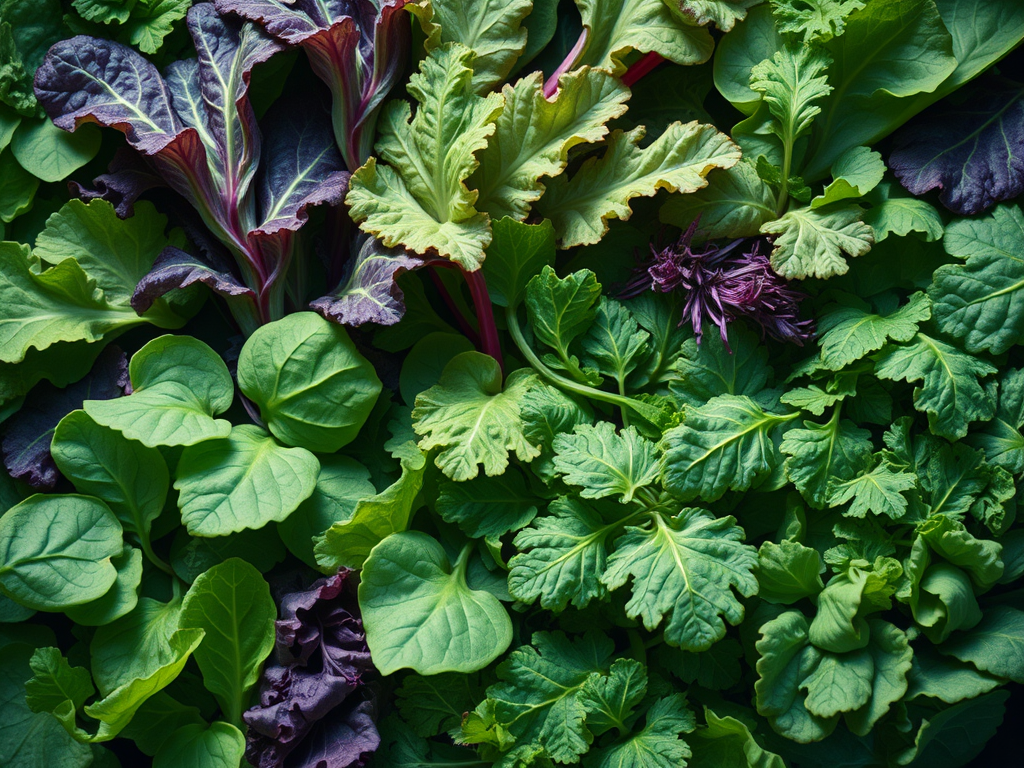
“Dietary patterns that are high in whole or less processed plant-food groups including leafy green vegetables, beans, whole fruits and whole grains may be most protective,” said Cara.
“Adjusting one’s dietary intake at any age to incorporate more of these foods and to align more closely with current dietary recommendations is likely to improve our health in many ways, including our cognitive health.”
Like Pinocchio, everyone sometimes tells a lie. Most people don’t lie often, science finds. But research shows that even small lies can take a toll on your brain. MALERAPASO / GETTY IMAGES
Most of us have told a lie at one time or another. Some lies are harmful. Others, like small fibs to avoid hurting someone’s feelings, are mostly harmless. Some lies are even intended to protect others. But no matter the type of lie, it takes a surprising amount of brainpower to pull it off, which can be costly.
Lying requires significant mental effort. Imagine you’re late to class and decide to lie about why. You might say, “I had to stop by the library and pick up a book.” When your teacher asks, “The book I assigned last week?” you must quickly decide how to respond. You may say, “No, it was a different book,” and now you have to be ready with another title. This constant mental juggling uses up brainpower that could be spent on more important tasks.
A lot of this mental work is done in the prefrontal cortex, the part of the brain responsible for working memory, planning, problem-solving, and self-control. Using these resources for lying means they are not available for other tasks, like solving math problems or remembering important facts.
Lying also has social consequences. People generally value honesty and don’t like liars. If people view you as untrustworthy, it can damage your relationships. Even well-intended lies, such as insincere compliments, can backfire. If your friends realize they can’t trust your compliments, those compliments become meaningless.
Most people don’t lie very much, says Timothy Levine, a psychologist at the University of Alabama at Birmingham who studies deception. His research shows that almost three-quarters of people rarely lie, and 90 percent of the lies they tell are “white lies.” However, Levine’s research also shows that while most people don’t lie often, a few lie a lot. The top one percent of liars, according to Levine, tell more than 15 lies per day. Some chronic liars are insecure. Others may lie about their accomplishments because they’re conceited or overly impressed with themselves. Still others lie to take advantage of people — perhaps even to cheat them or to steal from them.
The brain’s prefrontal cortex, behind the forehead (shown right, in darker green) isn’t fully mature until we are in our 20s. That’s a problem for adolescents. This part of the brain helps us understand risk. It’s also in charge of a lot of our higher-level thinking, such as planning and self-control.
DORLING KINDERSLEY/GETTY IMAGES PLUS
Lying is especially hard for young people because their prefrontal cortex is not fully developed until around age 25. This part of the brain helps with higher-level thinking, such as planning and self-control. When it’s busy with tasks related to lying, it has a harder time doing other important tasks.
Some lies never stop, like those told by spies or people hiding a difficult home life. Pretending to be something you’re not almost every hour of every day is mentally draining and can have long-lasting effects. Over time, this kind of lying uses up the brain resources needed for thinking and planning.
Most people value honesty, and research shows that honest people build social capital, or goodwill, within their communities. Trust is essential for healthy relationships and a well-functioning society.
Lying may seem easier in the short term, but it has significant cognitive and social costs. By striving to be honest, we can save mental energy and build stronger, more trusting relationships.
Neil Garrett, a neuroscientist at the University of East Anglia in Norwich, England, has studied how emotions affect our willingness to be dishonest. He points to a study where students were given a beta blocker, a medicine that dampens emotions. These students were more likely to cheat on an exam than those who didn’t receive the medicine, possibly because they felt less fear or anxiety about being dishonest.
Garrett and his team also examined the relationship between lying and activity in the amygdala, the part of the brain that processes emotions. They conducted an experiment where volunteers played a game to make money by lying to a partner. Brain scans showed that the amygdala was very active when participants first lied. However, as they continued to lie, activity in the amygdala decreased, and the participants lied even more. These findings were reported in Nature Neuroscience.
In one study, students were more likely to cheat on exams when they’d taken a drug that mutes emotions. ANDY SACKS/THE IMAGE BANK/GETTY IMAGES PLUS
Garrett suggests this brain effect might be similar to how our sense of smell adapts to strong odors. Initially, a strong smell is overwhelming, but after a while, we barely notice it. Emotions might work similarly; the more you lie, the less you feel the uncomfortable emotions like fear or guilt. In other words, lying becomes easier the more you do it.
Nearly all cultures value honesty, notes Victoria Talwar, a psychologist at McGill University in Montreal, Quebec. She suggests that creating a culture that reinforces the value of honesty can help. One strategy is to support friends while still being truthful. “When people’s friends are truthful with them,” she says, “it creates a culture of honesty among them,” which builds stronger friendships.
Jennifer Vendemia, a neuroscientist at the University of South Carolina, emphasizes that lying lessens when there are consequences for dishonesty. However, she adds that rewarding truth-telling is more effective than punishing lying. This is especially important when people share significant truths about themselves. “Being able to tell the truth to a friend is rewarding,” she says. “It feels good.”
Most people know that lying is generally bad and can have serious consequences. Science is now revealing how dishonesty impacts the brain and undermines the trust essential for strong relationships.