Wealth Without Integrity: A Cautionary Tale from the Buddha

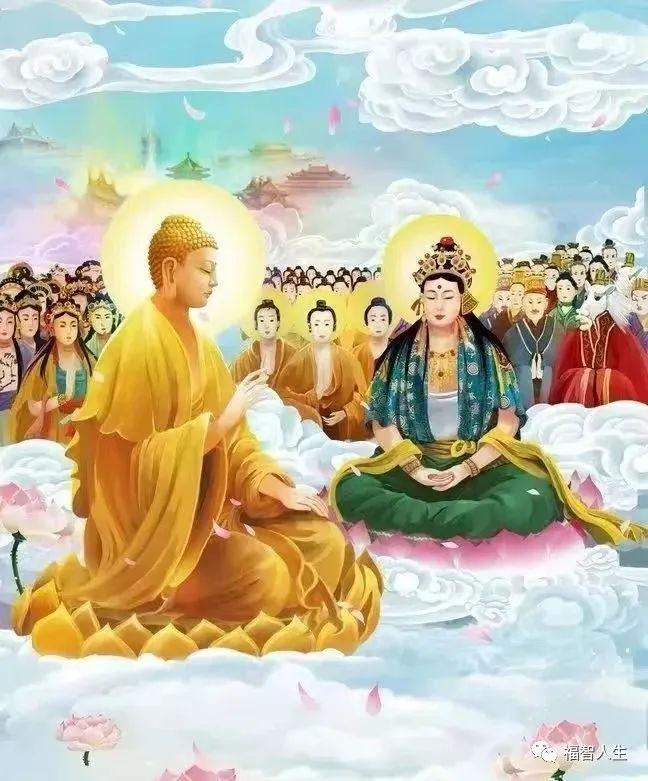
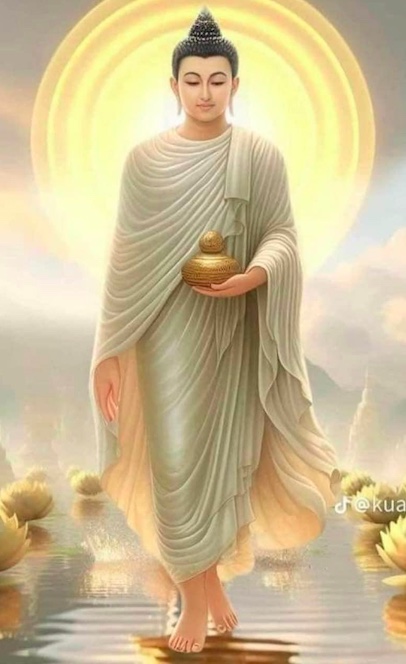
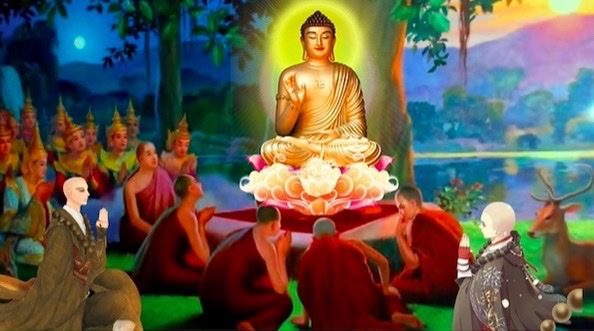
The Buddha once taught at the Jeta Grove in Anathapindika’s Park in the kingdom of Shravasti. At that time, there lived a wealthy elder whose fortune was immeasurable. He had five intelligent daughters but no sons. Upon his passing, the law dictated that if no male heir existed, the family estate would be seized by the state. However, the elder’s wife was pregnant. His daughters humbly petitioned the king to delay the confiscation until the child was born.

Not long after, a baby boy was born. Yet to everyone’s shock, the child was severely deformed—he had no eyes, ears, tongue, hands, or feet, only male genitals. Despite this, the king acknowledged him as the rightful heir, saving the family’s wealth. The boy was named Mantuipili.

Puzzled by this karmic outcome, an elder approached the Buddha and asked, “Why would a child be born into such wealth, yet with such tragic physical deformities?”

The Buddha then revealed a powerful story from a distant past:


In a previous life, there were two noble brothers: Dhanavasita, the elder, and Shilavasita, the younger. Dhanavasita was known for his honesty and generosity from a young age. He gave freely to the poor and upheld moral integrity. Because of his character, the king appointed him as a judge, and people trusted his word above all else. At that time, written debt contracts were unnecessary—a judge’s witness sufficed.

One day, a merchant preparing for a sea voyage borrowed a large sum from Shilavasita. Bringing his young son and the money, Shilavasita went to Dhanavasita and asked, “Brother, this merchant has borrowed money. Please bear witness. If anything happens to me, ensure my son receives what is owed.”

Dhanavasita agreed. Soon after, Shilavasita passed away. The merchant’s ship was wrecked in a storm, and he barely survived, returning empty-handed. Out of compassion, Shilavasita’s son decided not to demand repayment while the merchant was destitute.

Years later, the merchant sailed again and returned wealthy. Believing the boy had forgotten or was too kind to collect the debt, the merchant decided to test him. He paraded into the city riding a jeweled horse, dressed in luxurious robes. Seeing this, the boy sent someone to request the repayment.

The merchant, seeking to avoid repayment, schemed to silence the judge. He offered a precious gem worth 100,000 silver coins to Dhanavasita’s wife, asking her to persuade the judge not to testify. She warned, “My husband is a man of virtue, but I’ll try.”

That evening, she told the judge. Dhanavasita was unwavering: “I was made a judge because of my honesty. I cannot speak even a single false word.” She returned the gem.

The merchant returned with a gem worth 200,000 silver coins, and the wife—overcome by greed—accepted. That night, she again tried to persuade her husband. He refused once more, saying, “If I lie, I will lose all honor in this life and suffer in future lives.”

In desperation, the wife threatened, “If you don’t comply, I’ll kill our child and take my own life!” Dhanavasita was heartbroken. He agonized: “If I refuse, I lose my child. If I agree, I lose my integrity and invite endless suffering.”

Overwhelmed, he gave in.


The merchant, emboldened, paraded through the streets again—this time on a jewel-adorned elephant. The boy approached him: “It’s time to repay the debt.”

Feigning confusion, the merchant said, “What debt? Who witnessed this?”
The boy replied, “My father and I gave you the money, and my uncle, the judge, was the witness.”
The two went before the judge. The boy recounted the event.
To his shock, the judge responded, “I know nothing of this matter.”
The boy cried out, “Uncle! You saw it with your own eyes and agreed to witness it. How can you deny this?”
The judge replied coldly, “That never happened.”

In deep pain, the boy exclaimed, “You were trusted for your integrity and chosen to judge others. If you betray your own nephew, how many others have suffered injustice? The truth will be known in time.”


The Buddha then turned to the elder and said: “Do you know who that judge was? He is now the deformed child, Mantuipili. Because he uttered just one false word, he fell into the great hell realms and endured tremendous suffering. For five hundred lifetimes, he was born with severe deformities. Yet due to his past acts of generosity, he continued to be born into wealthy families.

This is the law of karma. Good and evil never cancel each other out—each brings its own result, no matter how long it takes.

Therefore, practice diligently. Guard your body, speech, and mind. Never create evil karma lightly.”


This profound tale offers a timeless lesson. A single dishonest act can result in unimaginable suffering, even over lifetimes. On the other hand, a heart inclined toward generosity continues to yield blessings, regardless of outer form.

Buddhism teaches us to live with integrity, mindfulness, and compassion—not only for the peace of this life, but for the well-being of lives to come.

link: https://peacelilysite.com/2025/06/25/wealth-without-integrity-a-cautionary-tale-from-the-buddha/

Turpan’s Hidden Lifelines: The Ingenious Karez Irrigation System of Xinjiang

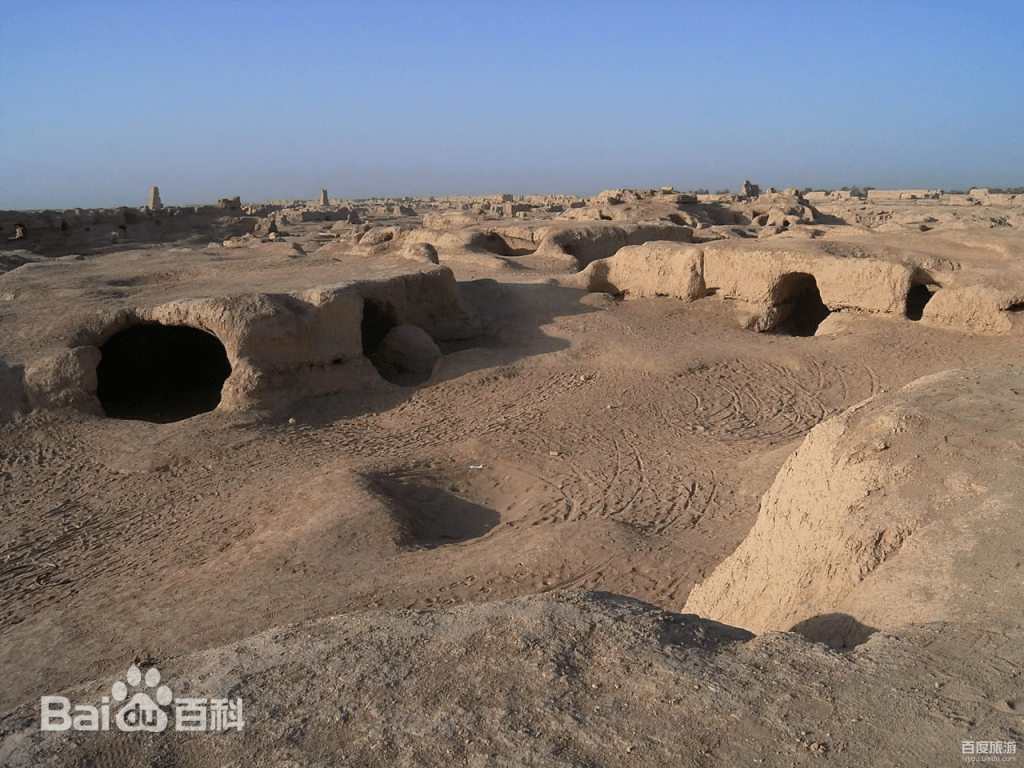
Nestled in the heart of Xinjiang, the Turpan Basin holds several extraordinary records: it’s the lowest geographical point in China, and during summer, it’s the hottest place in the country. With scorching sunlight, relentless winds, and almost no rainfall, Turpan earns its title as the “Land of Fire.”

In the peak of summer, the surface temperature in the surrounding Gobi Desert can soar to 82.3°C (180.1°F), while the air temperature often exceeds 49°C (120°F). Rain is almost nonexistent—Turpan receives an average of just 16.4 mm of rainfall annually, and in some years, as little as 4.3 mm. Yet, amidst this harsh, parched environment, an ancient miracle has quietly sustained life for over two thousand years: the Karez irrigation system.


A Miracle Beneath the Earth

While nature was unforgiving above ground, it hid a gift below. Meltwater from the distant Tianshan Mountains seeps underground through coarse gravel and sand, eventually blocked by the Flaming Mountains and surfacing as springs. Ingenious local people found a way to capture and guide this underground treasure—thus, the Karez was born.

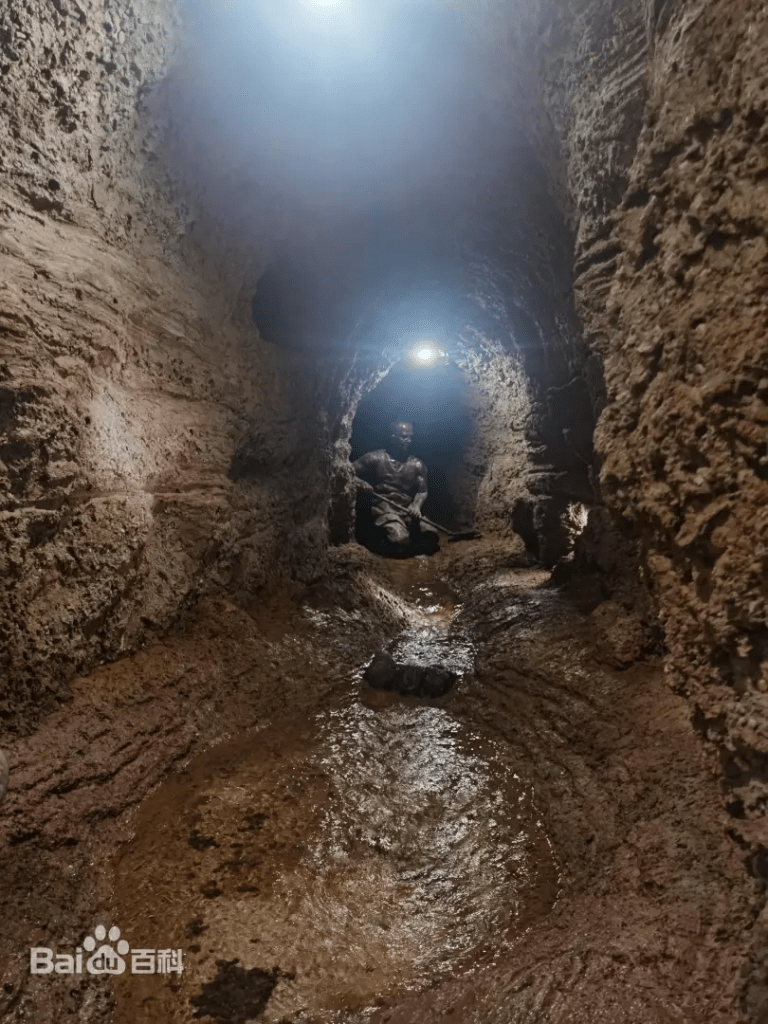
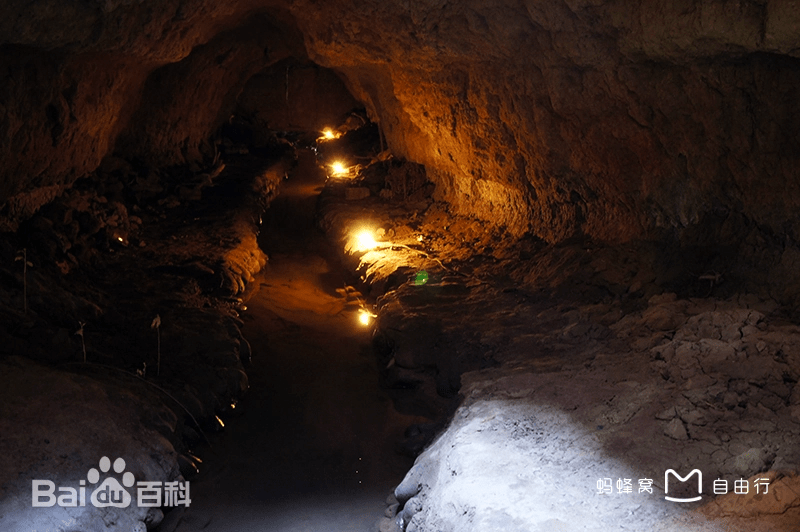
The Karez system channels water from mountain sources through a network of underground tunnels and vertical shafts, delivering it to the arid land without evaporation loss. Remarkably, this ancient system operates entirely without pumps, relying solely on gravity and terrain.

A complete Karez includes:

  • Vertical shafts for ventilation and maintenance
  • Underground tunnels to carry water
  • Open canals to distribute it
  • Storage ponds to hold it

Across Turpan’s landscape, you can still see long rows of small mounds—each one marking a shaft, a glimpse into the remarkable infrastructure below.


A Testament to Ingenuity and Endurance

The origins of the Karez can be traced back to the Han Dynasty, over 2,000 years ago. Most of the surviving systems were built during the Qing Dynasty, including during historical moments like Lin Zexu’s fourth inspection of Turpan, when over 300 new Karez channels were added, and Zuo Zongtang’s campaigns, which saw nearly 200 more constructed.

At its peak in the 1950s, there were about 1,700 Karez systems in Turpan, stretching over 3,000 kilometers. Today, about 725 remain, a number slowly dwindling due to modernization, drought, and human impact.

The construction of each Karez was no small feat. Generations of laborers worked in dark, narrow tunnels, often barefoot in icy water, chiseling stone with simple tools and oil lamps. They carried earth and rock out by hand, surviving on dry flatbread and enduring brutal conditions.


A Culture of Water, Wisdom, and Survival

More than just a hydraulic system, the Karez represents a culture—a story of human resilience, harmony with nature, and intergenerational wisdom. In this water-scarce land, the Karez has nurtured lush vineyards, fertile fields, and diverse communities, offering life where none should thrive.

Today, many of these systems are dry or abandoned, relics of a past shaped by necessity and brilliance. But for those who walk among them, they are still very much alive—whispers from the earth, reminding us of what is possible when people respect and work with nature.


If you ever find yourself in Turpan, do not miss the chance to explore the Karez wells. They are more than ancient engineering marvels—they are monuments of perseverance, and living echoes of a civilization that made the desert bloom.

Link:https://peacelilysite.com/2025/06/18/turpans-hidden-lifelines-the-ingenious-karez-irrigation-system-of-xinjiang/

Dharma Master Yongding: A Life of Compassion, Realization, and True Cultivation

Dharma Master Yongding was a direct disciple of H.H. Dorje Chang Buddha III, personally taught by His Holiness. A monk of true cultivation and realization, Dharma Master Yongding lived a life of noble deeds and profound spiritual accomplishments. He embodied the virtues of the ancient enlightened monks—pure in conduct, boundless in compassion, and unwavering in his commitment to benefiting all sentient beings.

Before becoming a monk, Dharma Master Yongding was known as Li Xiangchen, a kind-hearted and widely respected man from Dayi County in Sichuan Province. His compassion and moral character were already legendary even in his youth.

During a catastrophic drought, in Li Xiangchen‘s hometown, one the region hadn’t seen in a hundred years—Buddhist and Daoist masters prayed for rain for months, but to no avail. Not a single drop of water could be found.

Then, one night, two villagers had the same dream. A divine being told them that only with the signature of a man named Li Xiangchen could rain be summoned. The two searched everywhere and eventually found him. After they delivered his signed name to the altar and burned the paper, a torrential rain fell instantly, ending the long drought. The event left villagers in awe and firmly established Li Xiangchen’s reputation as a man of virtue and divine affinity.

During China’s devastating three-year famine in the 1960s, emergency food rations were being distributed. When officials asked Li how much his household needed, he replied that his family still had food and didn’t need any. His wife, stunned by this answer, brought the official to their home. There, they found only two catties (a little over two pounds) of rice left.

When asked why he had lied, Li quietly responded,

“So many people are starving. I just can’t bring myself to eat while others go hungry. I only feel at peace if everyone can survive this together.” His selflessness deeply moved everyone who heard his words.

In another act of compassion, while working at the Jin Dongzi Reservoir where laborers received rice rations, Li Xiangchen gave all his rice to his struggling friend Pei Yinchang, who was raising two young children. When Pei noticed that Li was growing increasingly frail, he begged him to keep some rice for himself. Li refused.

Pei later visited the reservoir to learn how Li was surviving. The workers there told him, “Mr. Li survives by digging wild roots and vegetables to make porridge. No one knows what happened to his rice.” Pei was stunned and moved to tears.

Later on, Li Xiangchen began studying Buddhism under a master. He observed the precepts with great discipline and practiced with a heart of sincerity and humility. His compassion became so palpable that even animals responded to it.

One day, while walking down a mountain, a vicious dog leapt at him. Calmly, he said:“Go ahead and bite me. This is a matter of karmic cause and effect.” As the dog neared, just two or three feet away, it suddenly stopped, yelped, tucked its tail, and ran away.

After becoming a Buddhist, Li Xiangchen adopted a vegetarian lifestyle. On one occasion, his master encouraged him to eat a little meat because he appeared thin and weak. But Li simply smiled and ate only plain rice.

When asked later why he didn’t follow his master’s advice, he replied:

“Please tell my master:
First, I deeply respect Him, but I carry heavy karmic debts and dare not eat meat.
Second, if gaining the Dharma and achieving liberation requires me to disregard the lives of sentient beings, then I would rather not attain liberation—I’d rather fall into hell.
Third, I cannot harm others just to benefit myself. If I did, I would no longer be a true practitioner.”

His integrity and compassion deeply touched his master, who later transmitted to him the sacred practice of the Four-Armed Avalokiteshvara (Chenrezig). Through dedicated practice, he reached a level of spiritual realization said to rival the great Milarepa himself.

In 1990, when his karmic conditions ripened, Li Xiangchen became a disciple of Namo Dorje Chang Buddha III. His Holiness personally expounded to him the profound meaning of Prajna (transcendent wisdom). As a result, he awakened great wisdom and thoroughly realized the state of Prajna.

His attainments became unfathomably profound. He could connect with Buddhas and Bodhisattvas and had deep spiritual communion with heavenly realms.

When the Dayi County government began construction of the Master Yi Yungao (H.H. Dorje Chang Buddha III) Museum in 1994, Dharma Master Yongding consulted with the Heavenly Emperor about the upcoming three months of weather. Every day, he wrote forecasts in the worksite dining hall—and for three full months, not a single forecast was wrong.

On another occasion, with a mere wave of his hand, he split a tree trunk a kilometer away. The tree was so thick it would take two people to encircle it. Witnesses were astounded.

Dharma Master Yongding lived by the principle that the Dharma must be obtained through a pure and selfless heart, without the slightest trace of falsehood. He placed the interests of all living beings before his own and upheld the precepts with unwavering resolve.

He was a true practitioner of great compassion, an exemplar of moral discipline, and a living model for all Buddhist disciples. His life reminds us that genuine realization comes not from words, but from the way we live, love, and serve others.

Link:https://peacelilysite.com/2025/06/12/dharma-master-yongding-a-life-of-compassion-realization-and-true-cultivation/

What Happens After Death? Unraveling the Mystery of Existence

What Happens After Death? Unraveling the Mystery of Existence
Photo Credit: Unsplash.com

The Enigma of Existence: Exploring Life After Death

The concept of life after death has intrigued humanity for centuries. Different cultures, philosophies, and religions have provided varying explanations, yet the mystery remains. Is there life after death, or does consciousness simply cease to exist when the body dies? In this article, we explore some of the most prominent beliefs and theories surrounding the enigma of existence after death, seeking to understand this profound question from multiple perspectives.

What Are the Most Common Beliefs About Life After Death?

Throughout history, many cultures and religions have proposed theories about life after death. Religious scholars suggest that the idea of an afterlife serves to give people comfort and meaning in the face of mortality. Christianity, Islam, Hinduism, and Buddhism all have distinct views on the afterlife, each offering unique insights into the question of what happens after death.

In Christianity, for example, life after death is often seen as either eternal life in heaven or eternal separation from God in hell. Researchers point out that many Christians believe that the soul lives on after the body dies, and that salvation or damnation is determined by one’s actions during their lifetime.

In Hinduism, the concept of reincarnation is central. According to this belief, the soul is reborn in a new body after death, and the circumstances of the new life are determined by the actions (karma) of the previous life. Philosophers argue that this cycle of death and rebirth is a form of spiritual evolution, with the ultimate goal being moksha, or liberation from the cycle of reincarnation.

Buddhism also supports the idea of reincarnation, but with an emphasis on achieving enlightenment to break free from the cycle of rebirth. Experts note that Buddhism teaches that attachment to the self is the source of suffering, and liberation occurs when one transcends the ego and achieves nirvana.

Scientific Views on Life After Death

From a scientific standpoint, the question of life after death is more complex. The majority of scientists assert that there is no empirical evidence to support the idea that consciousness survives after death. Neuroscientists argue that consciousness is a product of brain activity, and when the brain ceases to function, so does consciousness.

There are notable phenomena that have intrigued researchers. Medical professionals have documented instances of near-death experiences (NDEs), where individuals report vivid sensations, such as a sense of floating above their body, moving through a tunnel, or encountering deceased loved ones. While these experiences are often interpreted by some as evidence of life after death, psychologists suggest that they may be explained by the brain’s reaction to trauma, oxygen deprivation, or the release of chemicals like DMT.

While science cannot definitively answer the question of what happens after death, these experiences have raised questions about the nature of consciousness and whether it is entirely tied to the brain. The debate continues, and more research is needed to explore the mysteries of the human mind.

Near-Death Experiences: Are They Evidence of Life After Death?

Near-death experiences (NDEs) have become a focal point in discussions about life after death. People who have experienced NDEs often describe sensations of peace, floating outside their body, or meeting beings of light. Some researchers hypothesize that these experiences are the result of a brain in distress, attempting to make sense of its impending shutdown.

Many individuals who have experienced NDEs report feeling profound transformations in their lives afterward, including a greater sense of purpose or reduced fear of death. Experts in the field of psychology and consciousness studies suggest that these transformations could point to an experience beyond the physical brain, offering a glimpse into an afterlife.

The question remains: do these experiences represent glimpses into an afterlife, or are they simply a product of the brain’s complex workings during moments of trauma? The scientific community continues to study these occurrences, and while answers remain elusive, the personal testimonies of those who have undergone NDEs continue to fuel interest in the idea of life after death.

What Philosophical Theories Are There About Life After Death?

In addition to religious and scientific perspectives, philosophical theories about life after death explore the nature of existence and consciousness. Philosophers have long debated whether consciousness is purely a physical phenomenon or if it could exist independently of the body.

One of the most famous theories comes from the philosopher René Descartes, who posited that the mind and body are separate entities. According to Descartes’ dualism, the mind (or soul) can exist independently of the body and could potentially continue after death. Modern philosophers who follow dualistic thinking often suggest that consciousness may not be confined to the brain and could persist beyond the body’s death.

On the other hand, materialist philosophers argue that consciousness is entirely dependent on the brain, and once the brain ceases to function, consciousness ceases as well. These contrasting viewpoints continue to shape the ongoing philosophical discussion on the nature of life after death.

Can Science and Religion Coexist in Understanding Life After Death?

While science and religion often present differing views on life after death, some thinkers suggest that they need not be mutually exclusive. Interdisciplinary experts argue that the two perspectives can coexist, offering a fuller understanding of the mystery. Religion provides spiritual and moral frameworks for understanding the afterlife, while science explores the empirical, physical aspects of life and death.

In recent years, there has been a growing interest in integrating scientific and spiritual perspectives on consciousness. Some researchers are exploring the idea that consciousness might exist beyond the brain, and that this may have implications for understanding life after death. Scholars in the field of consciousness studies have suggested that more research is needed to bridge the gap between spiritual and scientific explanations of existence after death.

The enigma of life after death remains unsolved. Whether through religious beliefs, scientific inquiry, or philosophical speculation, humanity continues to seek answers to this profound question, driven by the desire to understand what happens after we take our final breath.

Link:https://peacelilysite.com/2025/06/09/what-happens-after-death-unraveling-the-mystery-of-existence/

Source: https://worldreporter.com/what-happens-after-death-unraveling-the-mystery-of-existence/

How to Face Unfounded Accusations and Grievances — A Lesson from the Buddha

More than 2,500 years ago, when Shakyamuni Buddha walked the earth, even He—an enlightened being of supreme virtue—was not immune to slander and false accusations. Yet, through profound wisdom and boundless compassion, the Buddha addressed these challenges with grace, setting an eternal example for all beings on how to face adversity.

One such episode is recorded in the sutras and remains deeply relevant in our modern world, where misunderstandings and grievances often escalate due to fear, anger, or ego.


One morning in Jetavana Monastery, as the Buddha and his monks were preparing to go on their daily alms round, a group of royal guards suddenly stormed in. They announced that they were under orders to search the monastery grounds for a female corpse.

The monks were shocked. Venerable Baddiya inquired further and discovered that the deceased was Sundari, a young woman known for her recent attendance at the Buddha’s teachings. She belonged to a large sect in the city of Savatthi.

Despite the monks’ firm belief that no such thing could happen in their peaceful community, the guards began their search. To the horror of all present, Sundari’s body was found hastily buried in a shallow pit—shockingly close to the Buddha’s own residence.


The body was taken away, and almost immediately, members of Sundari’s sect began parading through the streets of Savatthi, wailing and pointing fingers. They accused the monks—disciples of the Buddha—of rape and murder. Their shouts pierced the hearts of the city’s residents:

“Is this what compassion looks like? Is this the kindness preached by the monks of the Sakya clan?”

Faith began to waver. The once-revered monks were now questioned and ridiculed. Even devout followers hesitated. Doubts crept in like shadows.

But amidst this storm of falsehood, the Buddha remained calm. He instructed his disciples:

“Do not be disturbed. Do not feel shame for what you have not done. As long as we uphold the Dharma, the truth will reveal itself.”


Compassionate Action and the Power of Truth

While the Buddha taught patience, some of his lay supporters took discreet action. Visakha, a wise and generous patroness of the Sangha, consulted with Sariputta, one of the Buddha’s chief disciples. Together, they enlisted the help of Prince Jeta and hired a private investigator to uncover the truth.

Within seven days, the real story surfaced. Two men, drunk and arguing over their ill-gotten gains, confessed: they had been paid by Sundari’s sect leader to murder her and bury the body near the monastery—an act designed solely to discredit the Buddha and his followers.

The culprits were arrested. The truth was undeniable. King Pasenadi, deeply moved and ashamed that such injustice had occurred, visited Jetavana to publicly reaffirm his trust in the Sangha.

Yet the Buddha, ever compassionate, requested the king not to seek vengeance. He said:

“As long as jealousy and hatred exist in the human heart, such misdeeds will continue. Let us rise above them, not descend to their level.”

The people of Savatthi, now enlightened by the truth, restored their faith in the Buddha and the monastic community. What began as a moment of crisis ended as a testament to the strength of integrity and the enduring power of compassion.

This story serves as a profound reminder: when facing unjust accusations, our greatest protection lies in truth, patience, and inner peace.

We cannot control the words or actions of others, but we can choose how we respond. If we hold fast to our principles, walk the path with sincerity, and act from compassion rather than reaction, the light of truth will inevitably shine through the darkness of misunderstanding.

Link:https://peacelilysite.com/2025/05/23/how-to-face-unfounded-accusations-and-grievances-a-lesson-from-the-buddha/

A Serene Masterpiece: The Water-Moon Guanyin at the Nelson-Atkins Museum

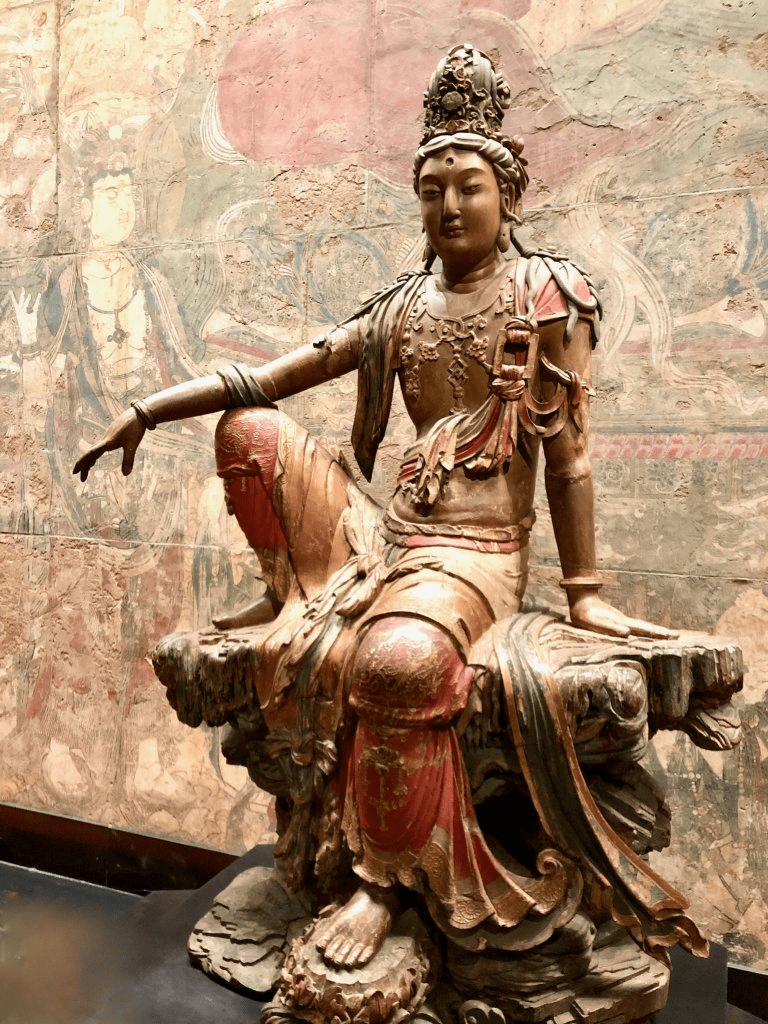
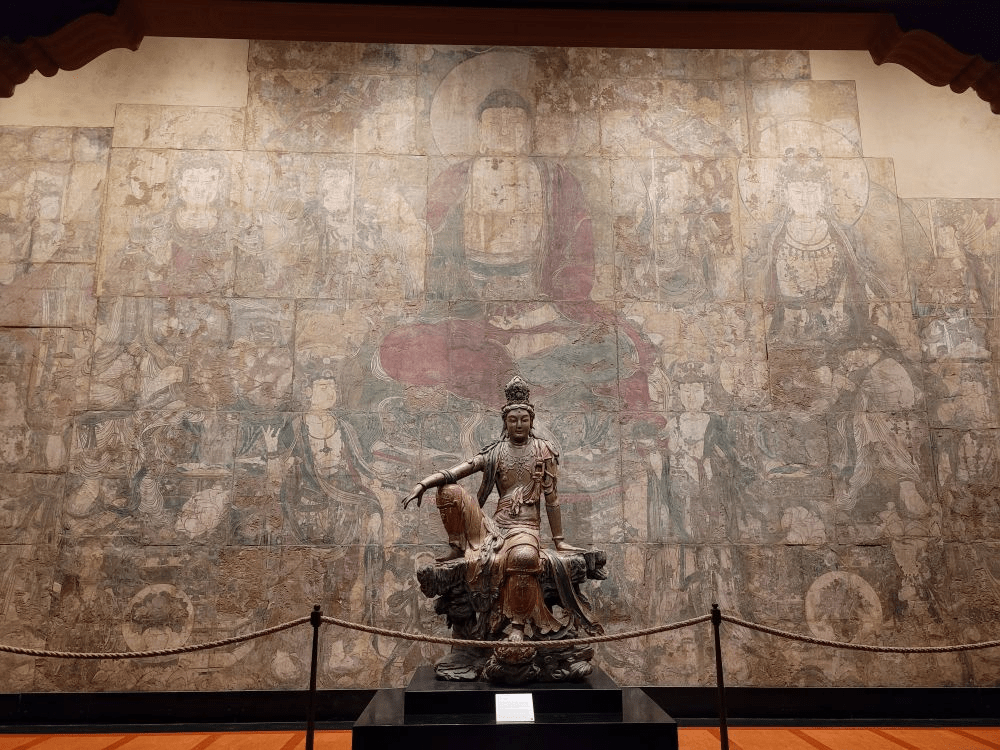
Tucked within the tranquil halls of the Nelson-Atkins Museum of Art stands a breathtaking wooden sculpture of Water-Moon Guanyin from the Liao Dynasty—a work hailed as “the most magnificent surviving sculpture in China” and “a triumph of religion and aesthetics.” It has also been honored by the media as “one of the thirty finest works held in American public institutions.”

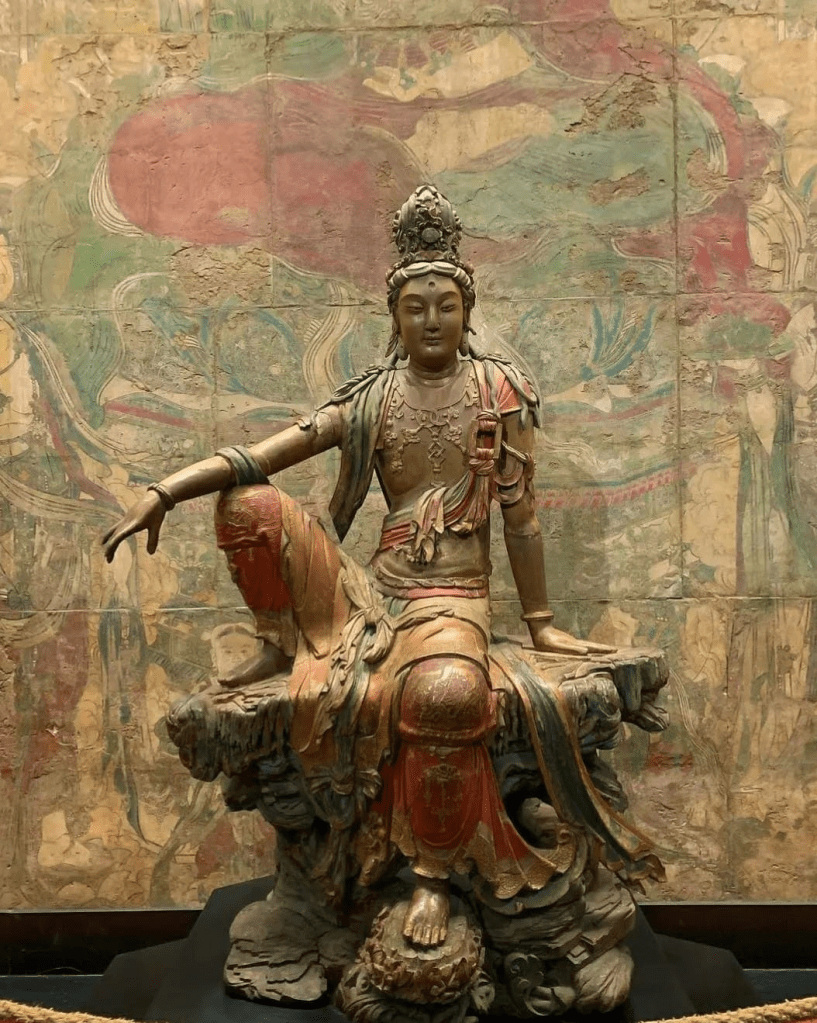
Officially labeled by the museum as “Guanyin of the Southern Sea,” this statue rises to an impressive height of 2.4 meters. Aside from the right forearm, the entire figure—including its base—was masterfully carved from a single block of wood. Dating back to the 11th or 12th century (Liao or Jin Dynasty), the sculpture has been remarkably well-preserved over the centuries.

This Guanyin is an extraordinary example of religious artistry. Her face is gently sculpted with refined features—serene, graceful, and quietly majestic. Adorned with a jeweled crown, her eyes are softly closed, gazing downward in meditation and compassion. The statue’s pose reflects the elegance and wisdom traditionally associated with the feminine form, especially in the flowing hand gestures—while still retaining some subtle masculine traits in the upper body, a nod to Guanyin’s transcendent nature.

In classic iconography, Water-Moon Guanyin is often portrayed seated on a rock or lotus throne, gazing compassionately at the world. In this sculpture, she sits with one leg bent and the other gracefully draped downward. Her right arm rests lightly on her knee, fingers gently curved, as she gazes diagonally downward with a calm smile—evoking the image of the moon reflected in water. This visual metaphor powerfully symbolizes a core Buddhist teaching: the illusion of form and the essence of emptiness.

Every aspect of the statue—the proportions, the flowing posture, the tranquil expression—conveys a sense of effortless grace, inner freedom, and compassionate presence. It is a piece that invites quiet reflection, stirring something deep within the soul of the viewer.

The Legend Behind the Water-Moon Guanyin

The form of Water-Moon Guanyin, also known as “Auspicious Water Guanyin” or “Auspicious Water Bodhisattva,” is one of the most beloved among the thirty-three manifestations of Guanyin in Chinese Buddhist tradition. Interestingly, the name “Water-Moon” does not come from early Buddhist scriptures, but rather from Chinese folklore—born of the fusion between Buddhism and indigenous Chinese culture.

According to legend, Guanyin once appeared in Suzhou during a time of war, where she witnessed the brutal slaughter of civilians by the Jin army. Out of great compassion, she transformed into a beautiful woman, built a ritual platform, and began chanting sutras to deliver the souls of the dead. When her recitation was complete, someone among the crowd recognized her divine aura and asked to see her true form.

The Bodhisattva pointed to the riverbank. There, reflected in the still waters, was the image of a radiant full moon, within which her sacred figure appeared—graceful and ethereal. Among the witnesses was a talented artist named Qiu Zijing, who quickly sketched the vision. As his painting circulated, this image came to be known and venerated as the Water-Moon Guanyin.

A Space Worthy of the Divine

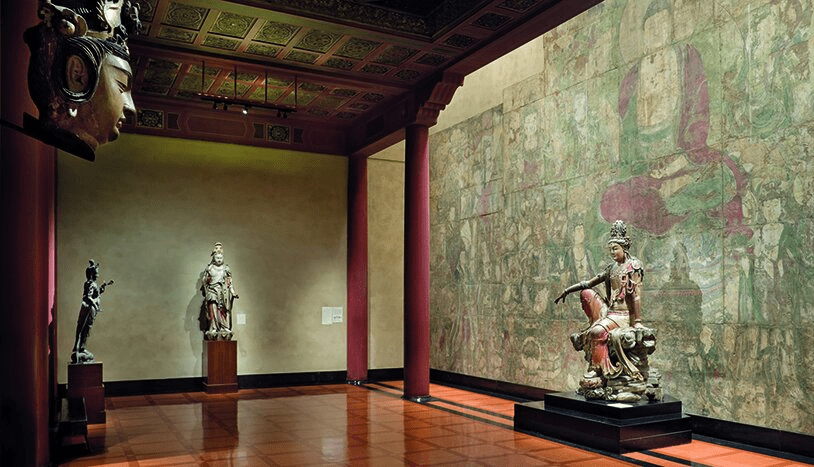
To properly honor this extraordinary statue, the Nelson-Atkins Museum created an expansive Chinese Temple Gallery. Behind Guanyin stands a Yuan Dynasty mural titled “Assembly of the Radiant Buddha,” originally from Guangsheng Temple in Shanxi Province. Above hangs a carved Ming Dynasty coffered ceiling adorned with dragons, while in front, finely carved lattice doors from a Qing Dynasty official’s residence in Beijing complete the immersive setting.

This harmonious environment allows visitors to experience the sculpture not just as a museum piece, but as a living expression of faith, beauty, and timeless spiritual insight.

https://www.orientations.com.hk/highlights/creating-spaces-for-asian-art-c-t-loo-and-the-nelson-atkins-museum-of-art

https://www.orientations.com.hk/highlights/creating-spaces-for-asian-art-c-t-loo-and-the-nelson-atkins-museum-of-art

The Water-Moon Guanyin at the Nelson-Atkins Museum is more than an ancient sculpture—it is a sacred embodiment of compassion, artistry, and transcultural storytelling. Whether viewed through the lens of religion, history, or aesthetics, it stands as a serene reminder of the enduring power of beauty to transcend time and touch the human spirit.

Link:https://peacelilysite.com/2025/05/21/a-serene-masterpiece-the-water-moon-guanyin-at-the-nelson-atkins-museum/

The Wisdom of the Empty Boat: Ancient Chinese Insight for Inner Peace

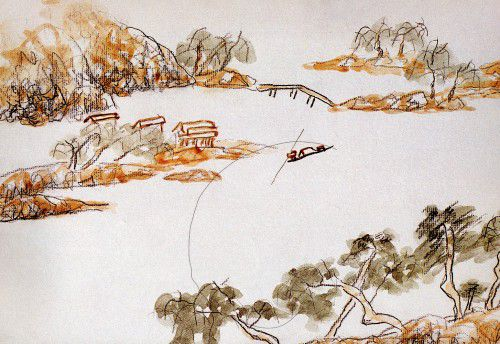
Chinese Painting by Henggong Yi

In the Mountain Tree chapter of the ancient Taoist classic Zhuangzi, there’s a simple yet profound story:

A man was crossing a river in a small boat when he noticed another boat drifting straight toward him. He shouted several times to warn the oncoming boat, but received no reply. Furious, he began cursing the other “reckless” person. But when the boats collided, he realized the other vessel was completely empty. In that moment, his anger vanished into thin air.

This story reveals a timeless truth: Often, what triggers our anger isn’t real harm but our judgment about the intention behind an event—our belief that someone shouldn’t have acted a certain way, or that people like that shouldn’t exist.

Imagine the same situation, but this time with a person steering the other boat. Most of us would react with outrage: “What’s wrong with you? Watch where you’re going!” A conflict would likely erupt. But when we know the boat is empty, we simply steer around it and move on.

This is beautifully explained in psychology by the ABC model:

  • A stands for the Activating event
  • B is our Belief about the event
  • C is the Consequence—our emotional response

It’s not the event itself that causes our reaction, but how we interpret it. Change your mindset, and your entire emotional response changes with it.

“The weak blame, the strong adjust, the wise let go.”
How you choose to interpret the world shapes the emotional and spiritual life you live.

Zhuangzi’s parable invites us to practice a mental shift: what if we saw others as “empty boats”? When a coworker unintentionally bumps into you, instead of assuming hostility, think, “Maybe they were just distracted.” When a friend speaks harshly, perhaps they’re struggling with something you don’t know. Instead of reacting with pain or revenge, consider that it may not have been personal.

Seeing others as “empty boats” helps us release resentment, practice compassion, and expand our emotional resilience. It allows us to heal ourselves faster, without getting trapped in cycles of blame and victimhood.

German philosopher Arthur Schopenhauer once said:

“To be angry at someone’s behavior is as foolish as being angry at a rock blocking your path.”
True wisdom lies in seeing through the illusion of control, and responding with tolerance rather than judgment.

When life doesn’t go our way, it’s easy to fall into the trap of self-pity: “Why is this happening to me?” But such thoughts only darken our mood and invite more misery.

The real shift happens when we stop blaming others and start examining our own mindset. By applying the “Empty Boat” perspective, we reduce conflict, soothe emotional storms, and gain a wider, calmer view of life. This isn’t just emotional regulation—it’s a deeper level of personal growth.

Zhuangzi also wrote:

“If a person can empty themselves and move through the world with humility, who can harm them?”

When we’re too attached to ego—too quick to feel offended, too focused on saving face—we inevitably clash with others. But if we release pride, prejudice, and the need to control, we become unshakable. No one can truly hurt us when we no longer take things personally.

Our mindset is the foundation of how we face adversity. Approach life with a peaceful, open heart, and life will respond in kind. Let go of the need for constant validation. Don’t let others’ words disturb your inner calm.

The journey of life is like sailing through mist—we never know what lies ahead. Complaining or getting angry doesn’t change reality; it only slows us down. But when we practice acceptance and face life with serenity, we go farther, and with greater ease.

Imagine all the unpleasant people or events in your life as “empty boats.” Let go of resentment and emotional baggage. You’ll find that forgiveness is not weakness, but a deep, penetrating wisdom. No longer a slave to your emotions, you become the true master of your mind.

May you carry an empty and serene heart, navigating life’s storms with grace, and holding on to peace amid the noise of the world.

Link: https://peacelilysite.com/2025/05/16/the-wisdom-of-the-empty-boat-ancient-chinese-insight-for-inner-peace/

The Subtle Truth of Karma: Only a Buddha Sees It All

During the time of Namo Shakyamuni Buddha, there was an old man who heard that by renouncing the worldly life and practicing cultivation, one could be free from suffering, attain happiness, and achieve liberation and ease. Filled with joy, he went to the monastic dwelling, hoping to take refuge under the Buddha.

When the old man arrived at the monastery, he learned that the Buddha had already gone out to teach and transform beings. He thought to himself, “Although the World-Honored One is not here, I’ve heard that Venerable Shariputra is foremost in wisdom—why not ask him to allow me to become a monk?”

Shariputra silently observed the old man to see whether he had the necessary virtuous roots. After careful contemplation, he discovered that this person, in this life and even through countless past kalpas, lacked sufficient virtuous roots and blessings.

When the other monks heard that even the most wise Venerable Shariputra had declined him, they said, “If even Venerable Shariputra will not accept you, you must have some grave shortcomings. How can we possibly let you enter monastic life? You’d better leave.”

The old man felt deeply ashamed and heartbroken. Through tear-filled eyes, he suddenly felt an incredibly gentle hand caressing his head, as tenderly as a loving parent would touch their child. The figure before him radiated a pure and gentle light—it was none other than the Buddha, beloved and revered by all.

The Buddha compassionately asked the old man why he was crying. The old man replied, “I wish to renounce the worldly life, learn the Buddha’s teachings, and cultivate the path, but the monks all refused my request. They said my causes and conditions are not yet sufficient, so I feel very sad.”

“Who said that you lack the causes and conditions to become a monk?” the Buddha asked.

The old man replied, “It was Venerable Shariputra, who is foremost in wisdom.”

The Buddha then turned to ask Venerable Shariputra. Shariputra answered, “World-Honored One, I observed his past life causes and conditions and found that he truly does not have even the slightest virtuous root.”

The Buddha said to Shariputra, “You must not think this way. This person’s virtuous roots are extremely subtle. A long, long time ago, in an eon far in the past, there was a poor man who went into the deep mountains to gather firewood. He encountered a tiger, and in his panic and terror, he cried out, ‘Namo Buddha!’ That one utterance of the Buddha’s name planted the seed for his future aspiration to learn the Dharma and attain liberation. That poor man is the old man in this life. Because the seed of his virtuous root has now matured, he has the conditions to renounce the world and cultivate the path.”

So the old man was ordained under the Buddha’s guidance and received personal instruction from the Buddha himself. Through continuous diligence and effort in his cultivation, he ultimately attained corresponding realization and achievement.

In the Dharma discourses of Namo Dorje Chang Buddha III, there is also a story (a gong’an, or spiritual case) that was told. Once, while Namo Shakyamuni Buddha was expounding the Dharma, seven tall beings suddenly appeared. These were exceptionally tall figures who entered and immediately prostrated before the Buddha, saying:

“Oh Buddha! Great Holy One! You have liberated us—we are deeply, deeply grateful!”

At that moment, Maitreya Bodhisattva saw them and thought: “How could these people be disciples of the Buddha? They’re clearly not!” Maitreya Bodhisattva, known for his incredible abilities to see into countless past and future kalpas, believed they were lying and said:

“Why are you speaking falsehoods? You must not lie! You are clearly not disciples of the Buddha!”

Hearing this, the seven tall beings had no choice but to explain: “We became his disciples in past lifetimes. We are disciples of the World-Honored One. If you don’t believe us, ask the Buddha.”

So Maitreya Bodhisattva turned to the Buddha and said: “Rare and wondrous World-Honored One, can you tell us—are these people truly your disciples?”

The Buddha replied: “They have not spoken falsely.”

From this story, we can understand that even a Bodhisattva of equal enlightenment like Maitreya could not perceive the subtle karmic causes and conditions of these seven beings. This shows just how profoundly deep and inconceivably subtle the true nature of karma is—only a Buddha of unsurpassed, perfect enlightenment can fully understand it.

In fact, there are many similar gong’an (spiritual cases). On one occasion, Namo Shakyamuni Buddha was transmitting the Dharma to a tall person who had been that way since beginningless kalpas. When the Buddha designated a particular yidam (personal deity) to guide him, the yidam refused. The Buddha asked, “Why won’t you teach him?”

The yidam replied, “This person has serious problems. He lacks virtuous roots.”

The Buddha asked, “How do you know?”

The yidam said, “As soon as you pointed to him, I immediately observed his karmic history over many kalpas. He has no virtuous roots and is incapable of learning the Dharma—he’ll only turn into a bad person.”

The Buddha said, “Let’s ask Manjushri Bodhisattva.”

Manjushri then said, “This person does have virtuous roots. In the previous kalpa known as the Worthy Eon (Xian Jie), he was a crab. At that time, he committed many evil acts—catching and eating shrimp and other crabs. But later, he encountered the Dharma in the Dragon Palace and repented his sins. From that moment, he vowed to become vegetarian and made a great aspiration: from that moment until beginningless time, he would never again harm any living being. Gradually, through the force of that vow, he was reborn as a human in this lifetime. So, he does indeed possess wholesome karma.”

At that point, Namo Shakyamuni Buddha said to Manjushri Bodhisattva, “You should take the yidam to witness that past life.”

The yidam then said to the Buddha, “There’s no need. Since a Bodhisattva has verified it, and what the Buddha says is to be followed without question, I’ll abide by it. I simply didn’t see that part before—my cultivation is still shallow, and I feel deeply ashamed.”

Thereafter, the yidam vowed to accept the person as a disciple.

From this, we can see that only the enlightened state of a Buddha can, in a single thought, fully perceive the true reality of all beings’ karmic causes and effects.
Therefore, to cultivate and learn the Buddha’s teachings, one must begin with understanding karma—cause and effect—as it is the very root and essence of the Dharma.

As Namo Dorje Chang Buddha III has taught:
One must know that all phenomena are governed by causality. With good causes, you receive good retributions. Good retributions yield good fruits. Good fruits enable you to receive the true Dharma. Relying on the Dharma, you can achieve perfect good fortune and wisdom. Then you can step into the state of accomplishment, break away from the sufferings that living beings experience, cease transmigrating in the cycle of birth and death, and accomplish the perfect enlightenment of a Buddha!

We should uphold the precepts of Buddhism, develop firm faith in karma, and never err in understanding cause and effect. Only through proper and lawful cultivation can we transform our karma, perfect our blessings and wisdom, ultimately see through and fully realize karma, and attain the sacred path of bodhi enlightenment.

Link:https://peacelilysite.com/2025/05/08/the-subtle-truth-of-karma-only-a-buddha-sees-it-all/

Kindness Is the Best Feng Shui

Feng shui has long held a mysterious allure in Chinese traditional culture. For centuries, it has been highly respected and followed by many. Even in today’s modern society, interest in feng shui remains strong. From choosing a home to arranging furniture, people often seek out feng shui masters to predict their fortune or improve their luck. This enthusiasm has even spread beyond China, gaining popularity in many countries as a fashionable practice.

But have you ever wondered what kind of feng shui truly brings good fortune? The following story offers a fresh and enlightening perspective.


A wealthy man once bought a piece of land and built a luxurious villa. Because his wife loved lychees, he planted many lychee trees in the backyard. During the renovation, a friend suggested that he consult a feng shui master to ensure there were no negative formations. Though skeptical of feng shui, the wealthy man decided to give it a try and traveled to Hong Kong to invite a renowned master with over thirty years of experience.

After meeting the master at the train station and sharing lunch, they drove to the man’s home. Along the way, whenever another car tried to overtake them, the master noticed that the wealthy man would gently slow down and give way. “You’re a steady driver,” the master remarked.

The man smiled and replied, “Most of the people overtaking are probably in a hurry. I don’t want to hold them up.”

As they approached the town, the streets grew narrower, and the man slowed the car even more. Suddenly, a laughing child darted out from an alley. The man quickly hit the brakes. Instead of accelerating again, he kept watching the alley. Moments later, another child ran out, chasing the first.

“How did you know there was another child coming?” the master asked, surprised.

The man explained, “Kids always run in groups when playing. One laughing child usually means others are nearby.”

The master gave him a thumbs-up and said with a smile, “You’re very thoughtful.”

When they arrived at the villa, just as the man was about to unlock the door, several birds suddenly flew up from the backyard. He turned to the master and said, “Please wait a moment.”

“Is something wrong?” the master asked.

“There are probably children in the yard stealing lychees. If we go in now, they’ll panic. If they fall while trying to run, they might get hurt. Let’s give them a bit more time. We can wait here and let them enjoy the fruit.”

The master stood in silence for a while, then said, “Take me back to the train station. There’s no need to examine the feng shui of your house.”

The man was puzzled. “Why, Master?”

The master looked at him and said sincerely, “Wherever you are, that place already has the best feng shui.”


This story opens our eyes to a deeper truth: the most powerful feng shui isn’t found in the placement of objects or the direction of a door — it’s found within us. Our behavior, compassion, and moral integrity shape the energy we bring into the world.

Everyone desires good fortune and happiness, but many look for it in the wrong places. Some rely solely on feng shui arrangements or fortune tellers, hoping for shortcuts to a better life. But these are often just psychological comforts, lacking true substance.

The law of cause and effect governs all things: “Plant good causes to reap good results; avoid bad causes to prevent misfortune.” Only by performing good deeds and cultivating a kind heart can we attract blessings and peace. Relying purely on external feng shui while ignoring inner morality goes against this fundamental principle.

In truth, our actions and intentions are our personal feng shui. Kindness is the most powerful feng shui one can have.

As the saying goes: “A fortunate person lives in a fortunate place, and a fortunate place is inhabited by a fortunate person.” Here, “fortunate person” means someone with a kind and upright heart. A person’s energy — their “magnetic field” — reflects their character. Even the best feng shui cannot save someone with selfish or harmful intent, while a good-hearted person can transform even a less-than-ideal environment into a space of warmth and harmony.

When we live with compassion and integrity, we naturally draw good karma, success, and joy into our lives. At that point, we no longer need to search for feng shui — we are the feng shui.

Kindness is the best feng shui. May we all cultivate it from within.

Link:https://peacelilysite.com/2025/05/01/kindness-is-the-best-feng-shui/

The Last Night Before Liberation: A Tale of Dharma and Destiny

During the time of the Buddha, King Fugasya and King Bimbisāra of Magadha were close friends. One day, King Fugasya gifted King Bimbisāra a magnificent flower crafted from seven kinds of treasures—gold, silver, and glazed tiles among them. Realizing that King Fugasya had never encountered the Buddha’s teachings, King Bimbisāra decided to offer the exquisite flower to the Buddha instead.

He said to the Buddha, “My good friend, King Fugasya, gave me this precious flower. I now offer it to the World-Honored One, wishing that the merit from this offering may help open his heart. May he let go of his attachments, come to revere the Three Jewels, and seek the Dharma. However, I am unsure what I can offer him in return.”

The Buddha replied,
“Write down the Sutra of the Twelve Links of Dependent Origination and give it to him. Once he receives this sutra, he will surely begin to develop faith and understanding.”

King Bimbisāra immediately copied the sutra and sent it to King Fugasya with a message:
“You have given me a priceless flower of treasures; I now return a flower of Dharma. If you contemplate its meaning, you will understand the truth of dependent origination and karmic consequences. I hope you will recite it sincerely, and experience the taste of the Dharma.”

Upon receiving the sutra, King Fugasya read it repeatedly and deeply contemplated its meaning. The teachings resonated with him. He exclaimed,
“This Dharma is truly subtle and profound! It calms the mind and brings peace to the nation. Wealth, desire, fame, food, and sleep—these worldly pursuits are the root of suffering. For countless lifetimes I have been lost in delusion, but now I finally see the true nature of existence. There is nothing in this world worth clinging to.”

With this realization, King Fugasya gathered his ministers, announced his abdication, and passed the throne to the crown prince. Then he shaved his head, donned robes, and left the worldly life behind.

He set out on foot to seek the Buddha in Rājagṛha, determined to receive the precepts and deepen his cultivation. When he arrived at the outskirts of the city in the evening, he decided to rest overnight at a potter’s house. The next morning, he planned to go on alms-round and visit the monastery.

However, the Buddha, with His all-seeing wisdom, knew that King Fugasya’s life would end the next day—he would not live to meet the Buddha or hear the Dharma in the conventional way. Out of great compassion, the Buddha manifested as an ordinary monk and went to the potter’s house seeking shelter.

The potter said,
“There’s already a monk here tonight. He’s resting in the kiln cave—you may stay with him.”

The Buddha took some dry grass, entered the kiln cave, and sat in a corner. He gently asked the monk,
“Where are you from? Who is your teacher? What brought you to the monastic path? Have you ever seen the Buddha?”

King Fugasya replied,
“I have never seen the Buddha. I only read the Sutra of the Twelve Links of Dependent Origination. It inspired me to renounce the world and seek the path. Tomorrow, I plan to go into the city for alms, then visit the monastery to meet the Buddha and request the precepts.”

The Buddha responded with heartfelt words:
“Human life is fragile—impermanence arrives without warning. This body is made of the four elements—earth, water, fire, and wind—and when death comes, they simply return to their natural state. There is no need to fear. Keep your mind clear, let go of deluded thoughts, and place your trust in the Three Jewels. Practice generosity and maintain pure precepts with sincerity. If you understand the truth of impermanence in this way, it is as if you have already seen the Buddha. Do not cling to the idea of seeing Him tomorrow, for true benefit lies in your present awareness.”

Then, the Buddha expounded the profound truths of suffering, emptiness, and impermanence. King Fugasya listened with deep concentration, entered meditative absorption, and swiftly attained the Anāgāmi (Non-returner) stage. Recognizing his realization, the Buddha revealed His true, radiant form.

Overwhelmed with joy and reverence, King Fugasya prostrated and received a final teaching:
“When impermanence comes, do not be afraid.”

He vowed to uphold the Dharma faithfully.

The next morning, while going into the city for alms, King Fugasya was fatally gored by a mother cow protecting her newborn calf. Because he had already attained realization, his rebirth was in the Anāgāmi Heaven.

The Buddha, upon hearing of his passing, instructed the disciples to cremate his body and build a stupa in his honor. He then solemnly reminded them:
“Be ever mindful, for the root of all karmic offenses lies in carelessness.”


This world of samsara is full of the inevitable sufferings of birth, aging, sickness, and death. For those attached to fleeting worldly pleasures, this story is a powerful reminder to awaken.

By placing faith in the Dharma, recognizing our inherent pure Buddha-nature, contemplating impermanence, practicing wholesome deeds, and accumulating both merit and wisdom, we can transcend the pain of impermanence and attain lasting peace and happiness.

Link:https://peacelilysite.com/2025/04/25/the-last-night-before-liberation-a-tale-of-dharma-and-destiny/