Homage to H.H. Dorje Chang Buddha III Cultivators Should Become Buddhist Disciples in Holy Sense with Correct Faith and Real Cultivation

Many people say they have faith in Buddhism and therefore naturally regard themselves as Buddhists. However, these numerous Buddhists who regard themselves as having faith in Buddhism are at many levels and a mixture of true Buddhists and false ones and have all kinds of people in them. Among them, there are people who truly believe in Buddhism and have the correct faith, there are people who regard themselves as having the faith but really do not have the correct faith, some falsely claim to have the faith, and there are descendants of Mara Pipiyan who infiltrated into Buddhism to do damages. That is why the Buddhist world is full of chaos in this dharma-ending era. This situation requires true Buddhists and Buddhist disciples with the correct faith to open up their eyes to clearly distinguish what is true and what is false and determine what is right and what is wrong, in order to advance on the correct Bodhi path toward liberation and accomplishment without deviating aside.

Buddhist is a noun with broad meanings. Within the scope of this concept embodying a wide range of meanings, quite many people are really just “followers” or even “visitors paying the respect of burning incense.” Their knowledge about Buddhas and Bodhisattvas is just knowing the concept. They only have the so-called faith in Buddhism but have not taken refuge or made deep study or investigation. Basically, they are still invaded and corroded by the three poisons in their daily life, do things based on their own opinions, and do not cultivate or practice in accord with the Buddha’s teachings and warnings. When they go into temples to burn incense and pay respect, they beseech only rewards of good fortune in the current lifetime such as making big money in business, getting promotion or advancing to a position of power, happiness and harmony in family life, good health, and so on. Some of them cannot even tell the difference between Buddhism and Daoism and pay respect to deities and ghosts as well. That is absolutely a false faith in Buddhism without any understanding. Therefore, strictly speaking, such “Buddhist followers” really cannot be regarded as Buddhists.

There are also quite some Buddhists who, though having taken refuge in Buddhism, have not become clear about the approach of learning the absolute truth of Buddha-dharma and practice Buddha-dharma selectively as worldly ways. Some of them even have incorrect or evil knowledge and views. Their cultivation falls into superficiality and becomes a futile effort. They think that believing in Buddha’s existence and having taken refuge in Buddhism are the entirety of a Buddhist’s faith. Their faith in Buddhism is not a pure faith and is not an indestructibly firm faith. Their faith is a “faith that can be overpowered,” which can be easily shaken, overpowered, and abandoned. Their faith is an “intermittent faith.” They sometimes have faith and sometimes have doubt. A slight disturbance can cause them to generate doubt, enter into delusion, and lose confidence. Their faith has reversals and impediment and is not always clear and pure. This type of cause from such impure and contaminated faith definitely cannot bear wonderful fruit of accomplishment and liberation. This kind of faith has an extremely weak foundation and of course is not a true faith. Therefore, the refuge ceremony they have taken is just a formality and cannot represent a true faith in Buddhism.

One who does not have a true faith of course will not have a correct understanding and will not put the faith into action. Therefore, these people will not clearly believe in cause and effect and will not truly know impermanence, much less fear impermanence. Rather, they have deep and severe attachment to the self and always treat things related to them as important and having a higher priority than Buddhist work. They may even list conditions and offer deals to Buddhas and Bodhisattvas to ask Buddhas and Bodhisattvas to give them what they want first before doing Buddhist work. How can such cultivation and conduct receive protection and empowerment from Buddhas and Bodhisattvas? How can there be benefits and rewards from learning Buddhism to speak of? Thus, in today’s world, although countless people claim they have faith in Buddhism and cultivators of Buddhism are numerous and everywhere, very few of them can truly receive beneficial rewards. Instances of ending the cycle of birth and death are even rarer. Shouldn’t this situation cause the attention and vigilance of Buddhist disciples learning Buddhism?

The goal of believing in and learning Buddhism is for attaining liberation and accomplishment and becoming a holy one. Therefore, Buddhists questing for liberation and accomplishment should strive to plant and grow the cause of true faith to get the wonderful fruit of liberation and accomplishment and let themselves become veritable disciples of Buddhism with true faith and correct faith. Then, where does true and correct faith come from? Of course it comes from piously cultivating Buddhism through concrete steps. Buddhists with true and correct faith should believe in not only the Buddha’s real existence but also the Buddha’s teachings and precepts, develop strong power of vow from the inner mind to uphold, follow, and carry out the Buddha’s teaching, develop the power of determined faith to regard the principle of Buddha-dharma as the sole standard of selection and the guiding principle of conduct, and strictly and firmly act in accord with the teaching to generate the power of true faith from the inner mind. With such premise, we can establish the determination to cultivate Buddhism, clearly believe in cause and effect, diligently practice the ten actions of goodness and the four limited states of mind, and broadly cultivate the six paramitas through all acts. On the other hand, a person who is deeply plagued by heavy attachment to the self and only superficially obey Buddhas’ and Bodhisattvas’ teachings and precepts will never step onto the path of Bodhi toward liberation and accomplishment even after reading the Tripitaka exhaustively.

Therefore, disciples of Buddhism who truly intend to cultivate Buddhism to attain liberation and accomplishment have to become Buddhist disciples in the holy sense with true faith and real cultivation. Buddhist disciples in the holy sense are in true correspondence with the Buddha’s teaching and the purpose of learning Buddha-dharma and can thoroughly see the true such-ness of mind nature. Such is the meaning of the holy sense. To possess the status of the holy sense, Buddhist disciples must concurrently pursue progress in all three aspects of Buddhism. Only by advancing in all three aspects coherently as a whole can one be regarded as a Buddhist disciple in the holy sense. These three aspects are: the teaching of Buddhism, the study of Buddhism, and Buddha-dharma. Moreover, the three aspects must be combined perfectly to comprise one entity.

The teaching of Buddhism includes the Buddha’s teaching that has been transmitted through the time and historical facts about Buddhism. Among them, there are true events of the Buddha, historical backgrounds, records of the origin and propagation of Buddha-dharma, karmic conditions related to expounding specific dharmas, references and publications of the dharma expounded by the Buddha, rules of Buddhism, and so on. The study of Buddhism refers to Buddhist scriptures, the origin, development, and timeline of Buddhist sects and schools, and the principles and philosophy within Buddha-dharma; all are investigated theoretically using the method of academic research. Buddha-dharma is the special dharma gates transmitted from the Buddha that can enable cultivators transcend the mundane world and enter holiness, methods to lead one into the practice toward liberation and to break away from mundane attachments, including mantras, visualization, mudras, mandala, dharma instrument, the three secret practices of body, speech, and mind, and utilization of the power of siddhi (accomplishment) within the dharma sphere.

It is true that becoming a Buddhist disciple in the holy sense is not easy. However, that is the goal that every Buddhist disciple must pursue and also the only path of cultivating Buddhism toward liberation and accomplishment. Moreover, achieving that goal requires a pious devotion toward the Buddha, focusing the mind on goodness, and pure cultivation of one’s body, speech, and mind.

There is only one way to achieve that goal. That is, taking the dharmas of the Contemplating the Magnificence of Perfect Prerequisite Oceanic Mind Essence and the Most Magnificent Bodhi Dakini Oceanic Mind Essence in the Supreme and Unsurpassable Mahamudra of Liberation and What Is Cultivation expounded by H.H.  Dorje Chang Buddha III as the guiding compass for absolutely correct cultivation, earnestly learning from and studying the dharma Expounding the Absolute Truth through the Heart Sutra expounded by H.H. Dorje Chang Buddha III, and diligently listening to the recorded supreme dharma lessons expounded by H.H. Dorje Chang Buddha III.

Due to our rewards of good fortune accumulated through many lifetimes and eons, we live in this era with H.H.  Dorje Chang Buddha III’s presence. Additionally, we also have the magnificent karmic conditions that allow us to closely follow H.H.  Dorje Chang Buddha III in learning Buddhism. We can listen with our own ears the recorded dharma lessons expounded by H.H.  Dorje Chang Buddha III and respectfully beseech the treasure books with dharmas expounded by H.H. Dorje Chang Buddha III. Moreover, many Buddhist disciples among us have personally received initiations transmitted by H.H.  Dorje Chang Buddha III in person. How lucky and fortunate we are! What reason do we have for not diligently learning Buddhism and cultivating ourselves! We must make our vow to become a one-hundred-percent Buddhist cultivator with true faith and correct faith and strive to be Buddhist disciple in the holy sense with clear and pure cultivation. We must attain liberation and accomplishment in the current lifetime! Amitabha!

by   Zhengfa Hong

Link:https://peacelilysite.com/2025/02/27/homage-to-h-h-dorje-chang-buddha-iii-cultivators-should-become-buddhist-disciples-in-holy-sense-with-correct-faith-and-real-cultivation/

Nezha: From Buddhist Origins to a Chinese Cultural Icon

Recently, the animated film Nezha 2 has become incredibly popular, reaching the top spot in global box office earnings for animated movies. While many believe Nezha is a character from Chinese mythology, his origins can actually be traced back to Buddhist scriptures.

Vaisravana

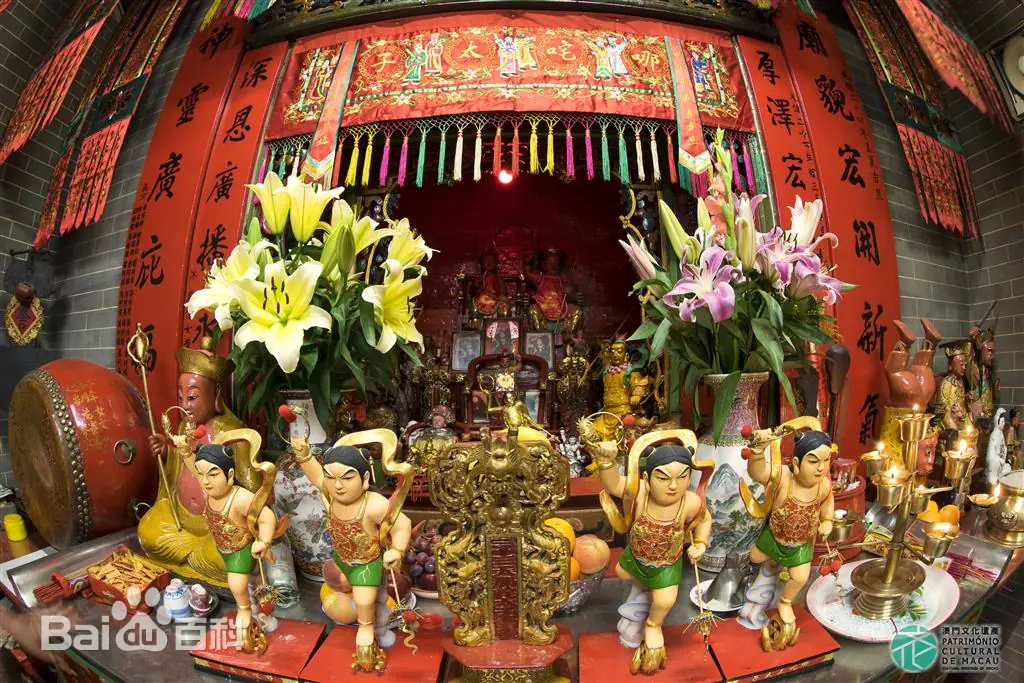
Nezha’s name first appeared in Vajrayana Buddhist texts, where he is associated with the role of a Dharma protector. He is described as the third son of Vaisravana, one of the Four Heavenly Kings. According to The Ritual of Vaisravana, “The Heavenly King’s third son, Prince Nezha, holds a pagoda and always follows the King.” His duty is to assist his father in safeguarding the Dharma, driving away evil forces, and protecting humanity. In The Mantra of the Dharma Protector Following the Northern Vaisravana Heavenly King, translated by the eminent Tang Dynasty monk Amoghavajra, Nezha is again referred to as Vaisravana’s third son. Other Buddhist texts from the Tang Dynasty, such as The Awakening of Faith in the Mahayana and The Lotus Sutra, also mention Nezha.

In Buddhism, Dharma protectors and yaksha deities often have fierce appearances, symbolizing their hatred of evil and fearless bravery. As a result, Nezha is typically depicted with a wrathful and intimidating image. As Buddhism spread to China, many Buddhist stories and figures gradually merged with local Chinese culture, giving rise to new belief systems. Over time, Nezha became integrated into Taoism and Chinese folk beliefs, forming a unique cultural phenomenon.

The story of Nezha is filled with many well-known and beloved episodes, such as his birth from a ball of flesh, cutting his flesh and bones to repay his parents, and being reborn from a lotus flower. Although this scene cannot be found in modern Buddhist scriptures, it became a popular topic among monks after the Song Dynasty. For example, Volume 1 of The Comprehensive Collection of Zen Verses on Ancient Cases mentions: “Prince Nezha offered his flesh to his mother and his bones to his father, then manifested his true form and used his divine power to preach to his parents.” This suggests that the story of Nezha sacrificing his flesh and bones likely originated from Buddhist texts. Although the exact cause and details are unclear, this story undoubtedly provided a prototype for later adaptations in folk literature.

As Buddhism spread throughout China, the assimilation of foreign religions by local culture and the evolution of folk beliefs gradually transformed Nezha’s image, steering it away from its original Buddhist context and toward a more Chinese identity. After the Tang Dynasty, the worship of Vaisravana (known as Bishamonten in Japan) reached its peak in China, gaining widespread recognition from both the imperial court and the common people. He was honored in official rituals and revered by many folk believers. Simultaneously, Li Jing, a prominent Tang Dynasty military general, became a popular figure of worship as a god of war. Renowned for his military campaigns against the Turks and Tuyuhun in the northwest, Li Jing was deified as early as the Tang Dynasty, with dedicated temples built in his honor during the Song Dynasty.

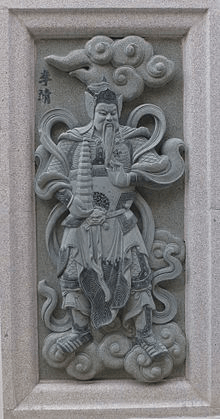
Li Jing’s temple wall statue

The broader and deeper the spread of a belief, the greater the possibility of its transformation and integration with other cultural elements. Over time, through public imagination and interpretation, the belief in Vaisravana merged with the worship of Li Jing, forming a new deity known as “Pagoda-Wielding Heavenly King Li” (Tuota Li Tianwang) by the Song Dynasty at the latest. From then on, Vaisravana took on the surname Li and became more secularized and localized within Chinese culture. Since Li Jing became identified with Vaisravana, it was only natural within folk beliefs to regard Nezha as Li Jing’s son. This marked Nezha’s departure from the cultural context of foreign religions and his integration into the Chinese pantheon.

This transformation made Nezha a more relatable and accessible figure, understood through the lens of native cultural concepts. As a result, Nezha’s story gained broader appeal, providing ample room for reinterpretation and adaptation in later generations.

Nezha holds an important place in ancient Chinese mythology. Under the influence of Taoism, he was endowed with more mythological attributes, portrayed as a young hero with powerful magical abilities who frequently battles demons and protects the people. His story further developed in classic literary works such as Journey to the West and Investiture of the Gods, where Nezha became a symbol of justice and courage.

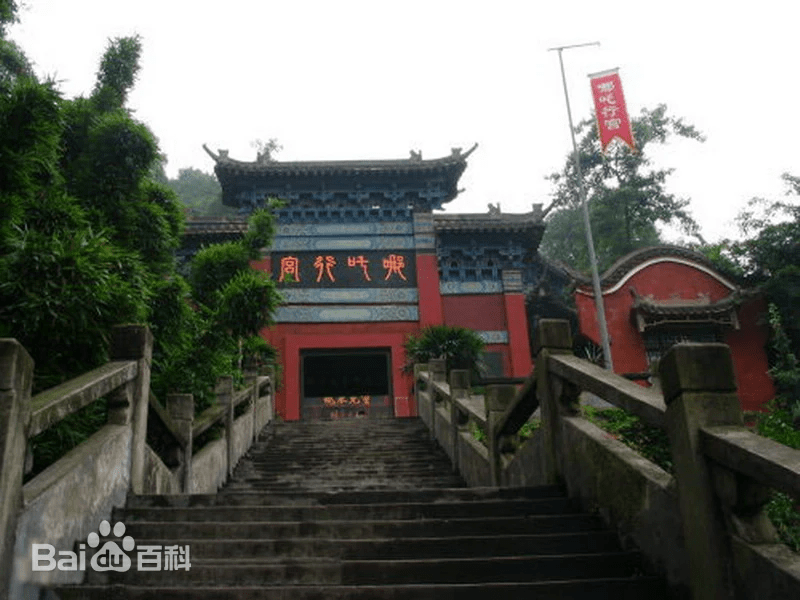
Nezha Temple in HeNan China

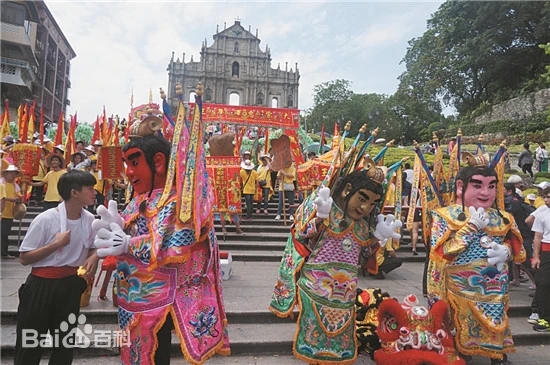
Folk worship activities for Nezha

Link:https://peacelilysite.com/2025/02/21/nezha-from-buddhist-origins-to-a-chinese-cultural-icon/

Everything Has a Spirit: The Heartwarming Tale of GiGi the Great Horned Owl

In a world where every creature carries a spirit, we often find ourselves reminded of the profound connections we can share with the beings around us. This truth was beautifully illustrated in the story of GiGi, a majestic great horned owl who faced the brink of death but found hope through the kindness of a stranger.

GiGi’s journey began in May, 2016 when she was brought to the Wild at Heart Rescue in Mississippi after suffering severe head trauma, likely from a car accident. She arrived with a massive concussion, weight loss, and a serious respiratory condition known as aspergillosis. Missy Dubuisson, the founder and director of Wild at Heart, described GiGi’s condition as one of the most critical the rescue had ever encountered.

Despite her dire situation, there was one person at the rescue who could help GiGi regain her strength: Douglas “Doug” Pojeky, affectionately known as the “birds of prey whisperer.” Dubuisson noted, “In all my years of working with birds of prey, I have never seen someone with such a bond with these magnificent birds.” Under Pojeky’s dedicated care, GiGi began her remarkable recovery, transitioning from a fragile state to regaining her independence.

The bond between GiGi and Pojeky deepened as she learned to trust him. When he returned from a trip to Michigan, the reunion was nothing short of magical. GiGi’s excitement was palpable; she bobbed her head and danced on his arm before making her way to his chest for a heartfelt embrace. In that moment, with her head resting on his shoulder and her wings wrapped around him, it was clear that their connection transcended words.

Pojeky shared that GiGi’s embrace held a special significance for him. Growing up, a great horned owl often perched on his family barn, a symbol of comfort and connection. On the morning of his father’s passing, that same owl was spotted overlooking their farmhouse. “For some reason when that bird was hugging me, all I could think of was my dad,” he reflected, highlighting the deep emotional ties that can exist between humans and animals.

As GiGi continued her recovery, she was eventually released back into the wild. Yet, she had Pojeky by her side—a testament to the love and compassion that can thrive even in the face of adversity. Dubuisson remarked, “It literally brings tears to my eyes to watch him interact with these birds. They absolutely know him and trust him. It’s the trust that you see in her face.”

GiGi’s story serves as a powerful reminder that every being has a spirit and that our efforts to help and protect others—whether human or animal—bring profound joy and fulfillment. Let us strive to extend our hands and hearts to those in need, for in doing so, we not only uplift others but also enrich our own lives in ways we may never fully comprehend.

Link:https://peacelilysite.com/2025/02/14/everything-has-a-spirit-the-heartwarming-tale-of-gigi-the-great-horned-owl/

Source: https://www.thedodo.com/gigi-owl-hugs-rescuer-1843393092.html

Unlocking the Secrets of Fasting: How Autophagy Can Slow Aging and Promote Cell Renewal

In recent years, the scientific community has made significant strides in understanding the intricate processes that govern our health and longevity. One such breakthrough is the discovery of autophagy, a natural cellular process that plays a crucial role in maintaining our body’s health and vitality. This fascinating mechanism was brought to light by Japanese cell biologist Yoshinori Ohsumi, who was awarded the Nobel Prize in Medicine in 2016 for his groundbreaking research on how cells recycle and renew their contents.

What is Autophagy?

Autophagy, which literally means “self-eating,” is a process by which cells break down and remove damaged components, thereby promoting cell renewal and overall health. This self-cleansing mechanism allows cells to adapt to stress, eliminate dysfunctional proteins, and recycle cellular components for energy and repair. In essence, autophagy is vital for maintaining cellular homeostasis and preventing diseases, including cancer, neurodegenerative disorders, and metabolic conditions.

The Connection Between Fasting and Autophagy

One of the most effective ways to stimulate autophagy is through fasting. When we abstain from food for a certain period, our body shifts its focus from digestion to repair and regeneration. During fasting, the levels of insulin drop, and the body begins to utilize stored fat for energy, leading to a state of ketosis. This metabolic shift not only promotes fat loss but also triggers autophagy, allowing cells to clean out damaged components and rejuvenate themselves.

Research suggests that intermittent fasting or time-restricted eating can enhance the autophagic process, leading to improved cellular function and longevity. By engaging in these fasting practices, we can harness the power of autophagy to slow down the aging process and support overall health.

The Wisdom of Traditional Chinese Medicine

Interestingly, the principles of fasting and moderation in eating are not new concepts. Traditional Chinese Medicine (TCM) has long emphasized the importance of mindful eating and maintaining balance in our diets. One common guideline in TCM is to eat until we are about 70% full, rather than 100%. This practice encourages moderation and helps prevent overeating, which can lead to a host of health issues, including obesity, diabetes, and cardiovascular diseases.

The scientific foundation behind this advice is becoming increasingly clear. Overeating can lead to chronic inflammation, insulin resistance, and metabolic dysfunction, all of which can undermine our health and accelerate the aging process. By adopting a more mindful approach to eating, we can support our body’s natural processes, including autophagy, and promote better health outcomes.

As we continue to uncover the complexities of human biology, the relationship between fasting, autophagy, and aging becomes increasingly evident. The research by Yoshinori Ohsumi has opened new avenues for understanding how our cells function and how we can optimize our health through dietary practices. By embracing the wisdom of traditional teachings and incorporating fasting into our lives, we can take proactive steps toward enhancing our well-being and longevity.

In a world where the temptation to overindulge is ever-present, let us remember the power of moderation. Eating mindfully and allowing our bodies the time to repair and regenerate can lead to a healthier, more vibrant life. So, the next time you sit down for a meal, consider the age-old advice of eating until you’re 70% full, and give your body the chance to thrive.

Link:https://peacelilysite.com/2025/02/11/unlocking-the-secrets-of-fasting-how-autophagy-can-slow-aging-and-promote-cell-renewal/

Feng shui and Fortune Telling cannot change Fortune and Fate

Reply to Inquiry No.20210103

Regarding the inquiry that a particular individual falsely claimed to have obtained permission from His Holiness the Buddha and declared to Buddhist practitioners that Feng shui and fortunetelling can change fortune and fate, the team of Holy Gurus of the World Buddhism Association Headquarters has respectfully submitted a verification petition to Namo Dorje Chang Buddha III. His Holiness the Buddha proclaims, “It is a vicious fallacy against causality and inherently an evil ideology. I have already elucidated the distinction between the righteous and evil of this kind. You are pitiful if you align with evil, and no one can save you.”

Namo Dorje Chang Buddha III expounds Dharma and cautions all Buddhist disciples: “The Law of Cause and Effect is a universal law underlying all phenomena in the universe. It is not an evil heresy of metamorphic feudal superstition, nor voodoo occult fallacies of yin-yang Fengshui and fortunetelling by religious charlatans or sorceress.” These are all fraudulent schemes. Namo Dorje Chang Buddha III has explicitly expounded in the 128 Evil and Erroneous Views that “Acknowledging it is acceptable not to have a clear belief in cause and effect yet have a superstitious belief in fortunetelling and luck. Not having a strong conviction in causality, not believing in causality, rejecting causality and believing in fortunetelling and luck are evil views. It is imperative to understand that all events and phenomena in the universe are based upon causality.” Hence, you reap what you sow. Feng shui and fortunetelling cannot change what you have done in the past. Feudal superstitions such as Feng shui, fortunetelling, physiognomy (face reading), heterodoxy or strange and heretically induced phenomena do not conform to Buddhism. Accordingly, believing these superstitions and spreading fallacies to deceive people are heretic non-Buddhist words and deeds. Regardless of any individual’s status, whoever accepts and practices them is not a genuine Buddhist.

Furthermore, any Buddhist who slightly threads the heterodox path cannot perceive the Tathagata and will not reap the fruits of fortune and wisdom. Evil heresy cannot change one’s fate and can turn any believer into a pathetic, evil person. Therefore, we must follow the Dharma expounded by Namo Dorje Chang Buddha III and the doctrines established by Namo Shakyamuni Buddha. We must turn away from all evildoings and do all good deeds, be compassionate and benefit humanity and all living beings. We should chant and pray for prosperity for all countries, robust and wholesome health for all people, abundant harvest of all crops and peace, auspiciousness and happiness for the world. That is the right path. Sowing the seeds of learning from Buddha and practicing Buddhist cultivation begets the fruits of fortune, wisdom, and, ultimately, perfect and complete liberation.

Inquiry Center, World Buddhism Association Headquarters

November 6, 2021

Link: https://peacelilysite.com/2025/02/01/feng-shui-and-fortune-telling-cannot-change-fortune-and-fate/

Embracing Life’s Truths: Carl Jung’s Wisdom for Modern Challenges

In a world of endless distractions and relentless challenges, Carl Jung’s reflections on life’s most essential lessons remain profoundly relevant. In his later years, Jung observed that accepting all aspects of life is not just important—it is the cornerstone of a meaningful existence. His insights offer a timeless guide for navigating the complexities of modern society.

Jung poignantly recalled how people often try to escape the realities that life presents, whether in the form of suffering, challenges, or existential questions. This avoidance, he argued, only deepens pain and confusion. By evading suffering and placing blame on external circumstances or personal shortcomings, individuals reject the price of truly living. Such resistance, rather than shielding us from discomfort, births an even greater torment: the isolation and repression of the human spirit.

In today’s fast-paced world, where instant gratification and superficial solutions abound, Jung’s warning is especially pertinent. Modern society often encourages us to numb our struggles—whether through technology, consumerism, or escapism—but this path leads not to fulfillment, but to emptiness.

The Value of Acceptance

Jung’s philosophy centers on the idea that life’s true value lies in accepting one’s destiny, no matter how daunting it may seem. He acknowledged the inevitability of suffering but believed that such pain should stem from our authentic choices and realities, not from a refusal to face life’s responsibilities. Staying true to oneself and living authentically, Jung suggested, is the most profound response to life. As he put it:

“I have always remained true to myself, doing everything I could to the best of my knowledge and ability. As for whether I was right or wrong, I cannot say.”

This philosophy calls on us to embrace the fullness of life, including its struggles, as a path to authenticity and wholeness.

One of Jung’s most profound insights is the intergenerational impact of avoiding one’s destiny. He reflected on the heavy psychological burdens he inherited from his parents, describing them as unfulfilled responsibilities that weighed on his life like a snail’s shell—inescapable and ever-present. Jung warned that when we refuse to confront our challenges, we inadvertently pass these unresolved burdens to the next generation.

In the modern era, this serves as a powerful reminder of the importance of addressing our inner conflicts. By facing our struggles head-on, we not only free ourselves but also spare our children from carrying the weight of our unfinished business.

Jung believed that avoiding life’s essence severs us from our inner selves. While it may seem that evading certain troubles brings temporary relief, such avoidance also cuts us off from the vitality and richness of life itself. Ultimately, the deepest regrets arise not from the joys we never experienced, but from the moments we failed to embrace.

This insight is especially relevant in an age where disconnection has become commonplace. Whether through the overuse of technology or the prioritization of material success over personal growth, many people find themselves estranged from their true selves. Jung’s call to embrace life fully offers a powerful antidote to this modern malaise.

A Path to Wholeness

Jung’s enduring wisdom reminds us that the worth of a human being lies in taking responsibility for their own debts. This is not merely a duty but a journey toward completeness. As he said:

“The worth of a human being lies in taking responsibility for their debts—not just as a duty but as a path to wholeness.”

This profound philosophy encourages us to accept life, embrace our true selves, and confront our challenges with courage and authenticity. In doing so, we reconnect with our inner selves and pave the way for a more meaningful existence.

Jung’s reflections offer a timeless guide for navigating the complexities of modern life. By rejecting avoidance, accepting life’s realities, and living authentically, we can overcome the spiritual isolation that plagues our era. His philosophy is a call to action for anyone seeking to live a life of depth, connection, and purpose.

As we face the uncertainties of today’s world, let us carry forward Jung’s legacy and strive to embrace all aspects of life. In doing so, we honor his profound insights and open the door to a richer, more fulfilling human experience.

Link:https://peacelilysite.com/2025/01/19/embracing-lifes-truths-carl-jungs-wisdom-for-modern-challenges/

The Power of Karma: The Story of Princess Shanguang’s Virtuous Deeds

During the time of Shakyamuni Buddha, King Prasenajit and his queen were devoted disciples of the Buddha. They had a beloved daughter named Shanguang, who was compassionate, kind-hearted, graceful, intelligent, gentle, and exceptionally wise. Despite her royal status, Shanguang remained humble and approachable, never flaunting her nobility, which earned her the love and admiration of the entire kingdom. The king and queen cherished their beautiful daughter, treating her like a precious gem.

One day, while walking in the royal garden with her father, King Prasenajit said, “Shanguang, the blessings you enjoy today are because of me, your father, the king.”

Shanguang gently replied, “That is not true, Father. My blessings come from my own virtuous deeds and karmic causes, not because of your royal status.”

This exchange occurred three times, with Shanguang steadfast in her belief. Her conviction angered the king, who felt she was ungrateful. Determined to test her, he thought, “I will see if she can enjoy the blessings of a princess on her own!”

The king ordered his servants to find a beggar from the streets and betrothed Shanguang to him. Without complaint, Shanguang removed her fine silk robes and precious jewelry, dressed in coarse clothing, and left with the beggar.

The beggar, who had long lost both parents and wandered alone, was astonished that a princess would marry him. When they returned to his old home, the house was dilapidated, with collapsed walls and overgrown weeds, except for one small patch where no grass grew.

Shanguang instructed her husband to dig at the bare spot. To their amazement, they unearthed a vast treasure of gold and silver. Astonishingly, wherever Shanguang bought land, gold was discovered beneath it. Using these treasures, she built a palace as grand and magnificent as the royal palace itself.

After some time, the king’s anger subsided, and he began to miss his daughter. Curious to see how she was living, he visited her new home. To his astonishment, he saw a palace even more splendid than his own, with countless servants attending to her needs. He was left speechless.

Shanguang explained to her father, “The blessings I enjoy in this life are the result of my past virtuous deeds.”

Perplexed, the king sought answers from the Buddha, asking, “What virtuous deeds did Shanguang perform in her past that she was born into royalty, married a poor beggar, yet still enjoys such wealth and prosperity?”

The Buddha revealed, “Ninety-one eons ago, during the time of Vipashyin Buddha, a king built a stupa to enshrine the Buddha’s relics after His nirvana. The king’s queen made an offering of a magnificent pearl crown, placing it atop the stupa. The radiant jewels on the crown illuminated all directions. That queen was Shanguang in a past life.

Later, during the time of Kashyapa Buddha, Shanguang again performed virtuous deeds by preparing heavenly offerings and the finest food for the Buddha. However, her husband at the time tried to discourage her. Shanguang replied, ‘Please do not stop me. Allow me the opportunity to make offerings to Kashyapa Buddha so I may experience peace and happiness in both body and mind.’ Her sincerity moved her husband, and they made the offerings together.

The beggar she married in this life was that same husband from her past. Because he once tried to prevent Shanguang’s offerings, he faces poverty in this life. However, since he later supported her, he now shares in her accumulated blessings, enjoying prosperity through her merits.

This story illustrates the infallible law of cause and effect. Good and bad karmic actions bring precise results. The blessings one rightfully earns cannot be taken away by others, and blessings not belonging to you cannot be forced into your life. Even the most elaborate schemes can fail, as a single disaster can reduce one to poverty again. Therefore, cultivating virtue and performing good deeds is truly the most rewarding ‘investment’ one can make.

Link:https://peacelilysite.com/2025/01/16/the-power-of-karma-the-story-of-princess-shanguangs-virtuous-deeds/

Embracing Life’s Impermanence: A Call to Seek Liberation Through Buddhism

Life is fleeting, a truth echoed by philosophers across history. Human existence is undeniably intertwined with suffering. To counterbalance this suffering, people often seek meaning through achievements or temporary relief in material pleasures. When conflicts arise, modern psychology offers positive thinking strategies to ease distress, yet it seldom explores the deeper essence of life, offering only superficial comfort rather than lasting resolution.

A lifetime passes in the blink of an eye. Pause for a moment and reflect: If you were to gather all the joyful moments of your life, how many days would they truly account for? And how many days were instead consumed by pain, worry, resentment, frustration, or helplessness? For most, the latter dominates.

Everything in this world is impermanent. Our loved ones, our wealth, the children we raise, and even our own bodies—none can remain with us forever. Eventually, all things return to dust. Life is like a passing guest, reminding us that the most vital truth is to seize the present moment while we can.

The ancient Greek philosopher Epictetus taught: “For things beyond our control, we should remain optimistic and confident. For things within our control, we should stay cautious and restrained.” Anxiety and fear cannot alter tomorrow’s outcomes, but they can ruin today. True wisdom lies in accepting what we cannot change and acting mindfully where we can.

Life’s path is unpredictable. No one knows what the next moment holds. Beyond treasuring the present, we can only strive to be our best selves. Do not wait until happiness slips away to feel regret. Treasure each effort and every connection, for what is lost may never return.

Nature’s cycles remind us of renewal—flowers bloom after withering, grass sprouts anew with the seasons. Yet human life is different. We are not like flowers or grass; our lives come but once. Once this life ends, it will not return. This truth makes it even more crucial to cherish each moment and live with purpose.

A beautiful Russian poem reminds us of life’s brevity:

“A day is short, so brief that before you can embrace the morning, dusk has already arrived. A year is short, so fleeting that before you can savor the vibrant reds and greens of spring, autumn frost is already setting in. A lifetime is short, so brief that before you can fully enjoy your youthful days, old age has already arrived.”

Among the most precious blessings in life is not what we have lost or seek to gain but the ability to treasure the present. As taught in Buddhism:

“The human body is rare and difficult to obtain, yet we have attained it. The Dharma is difficult to encounter, yet we have heard it. If we do not seek liberation in this lifetime, in which lifetime shall we seek it?”

In this rare and precious life, we have not only obtained a human body but also the extraordinary opportunity to encounter the true Buddha — H.H. Dorje Chang Buddha III and hear the sacred teachings. The Buddha’s Dharma voice purifies the heart, and when we apply these teachings in our daily conduct, it is like donning armor that shields us from suffering and empowers us with boundless blessings and wisdom.

For those beginning their spiritual journey, the safest and most effective path to rapid growth is to purify and fortify the mind with the authentic teachings of H.H. Dorje Chang Buddha III. His words offer a beacon of guidance, cleansing karmic obstacles and illuminating the path to liberation.

When this precious human life ends, if we remain trapped in the endless cycle of reincarnation, where will we seek the path to liberation? The opportunity is now. As Buddhist disciples, we must cherish this rare blessing, dedicating our lives to listening to the Dharma, studying the sacred teachings, and aligning our actions with the truths taught by the Buddha.

To cherish the H.H. Dorje Chang Buddha III‘s Dharma voice is, ultimately, to cherish our own lives. Let us not delay but strive for liberation in this very lifetime.

Link:https://peacelilysite.com/2025/01/09/embracing-lifes-impermanence-a-call-to-seek-liberation-through-buddhism/

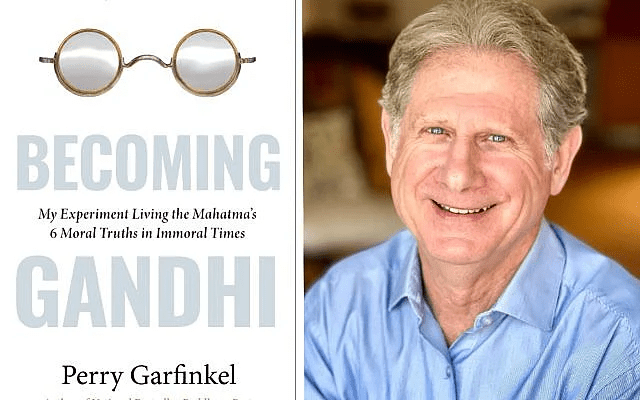
Perry Garfinkel: A Jewish Writer’s Search for Gandhi’s Truth

By Gregory Lyakhov

Perry Garfinkel embarks on a spiritual journey, blending Jewish roots with Gandhi’s transformative principles in ‘Becoming Gandhi.’

Perry Garfinkel, a longtime contributor to the New York Times and author of four books, has spent a lifetime seeking the deeper meaning of truth. In his latest book, Becoming Gandhi, he embarks on a spiritual journey to embody Gandhi’s principles. His unconventional path to this project bridges the values of his Jewish upbringing, his career in journalism, and his exploration of Gandhi’s teachings.

“What’s a nice Jewish boy doing writing about a Hindu icon?” Garfinkel joked during an interview. Beneath the humor, however, lies a profound question about faith, identity, and the search for common ground.

Born on Staten Island, a borough of NYC, but having lived briefly in Queens, Garfinkel has roots that trace back to a Jewish family from Queens, New York. He grew up in West Orange, New Jersey, and attended High Holy Day services with his grandfather, Moe Garfinkel, at the Queens Jewish Center in Queens Village. Religion was a pillar of his childhood, but something always felt missing.

“I never felt the heart of Judaism,” he said. “I wanted to taste it, but it felt out of reach.”

This sense of spiritual longing led Garfinkel beyond his roots. In his twenties, he traveled to India, where he encountered Hinduism and Buddhism. Garfinkel’s experiences sparked a fascination with spiritual practices that would shape his life.

“I’m a spiritual expeditionary,” he said. “I’ve always been searching for the truth—something that connects us all.”

His journey took a significant turn when his literary agent suggested he write about Gandhi. At the time, Garfinkel was coming off the success of Buddha or Bust, a national bestselling book documenting his exploration of Buddhism. The suggestion to focus on Gandhi intrigued him.

“I’ve been visiting India since 2003,” he explained. “Gandhi is everywhere—his quotes are on walls, his statues are in the streets. But I wanted to go deeper than the surface.”

The result was Becoming Gandhi, a book in which Garfinkel challenged himself to live by six of Gandhi’s core principles: truth, nonviolence, vegetarianism, simplicity, faith, and celibacy. Each principle posed unique challenges and taught him invaluable lessons.

“Truth was the hardest,” he admitted. “You look in the mirror and ask, ‘What is my truth?’ It’s like chasing mercury—you try to hold it, and it moves.”

Nonviolence tested him in different ways. In a world filled with conflict, war, and violence in entertainment, staying true to Gandhi’s vision of peace was no small task. “We’re bombarded by violence in so many forms,” he said. “How do we filter that out and choose something better?”

As he immersed himself in Gandhi’s teachings, Garfinkel found his thoughts returning to his Jewish identity. Gandhi himself had a deep interest in other religions, including Judaism. “He read the Old Testament, the New Testament, and the Quran,” Garfinkel said. “That openness inspired me to revisit my faith with fresh eyes.”

Perry Garfinkel interviews Ela Gandhi, granddaughter of Mahatma Gandhi and former member of Parliament in South Africa, in Durban.

Garfinkel had begun to re-identify his Jewish roots, working for about six years as media manager for the Jewish Community Federation of San Francisco. But through Gandhi, Garfinkel found a way to reinterpret Judaism’s role in his life. “Judaism gave me a foundation,” he explained. “But Gandhi provided new ways to think about it. He showed me that being rooted in your tradition doesn’t mean closing yourself to other perspectives. Instead, it can enrich your understanding.”

Perry Garfinkel interviews Ela Gandhi, granddaughter of Mahatma Gandhi and former member of Parliament in South Africa, in Durban.

Not all of Gandhi’s principles were easy for Garfinkel to adopt. Vegetarianism, for example, was particularly challenging for someone raised in a “meat and potatoes” family.

“I grew up on steak, corned beef, and other deli meats,” he said. “Giving that up wasn’t easy.” Eventually, he found a middle ground. “I call it tapering—gradually cutting back rather than going cold turkey. It’s about finding balance and making it sustainable.”

Beyond the personal challenges, Gandhi’s approach to global issues also led to deep reflection for Garfinkel. Gandhi’s decision to write letters to Adolf Hitler, addressing him as “Dear Friend,” struck many as naive or even offensive. Garfinkel, however, saw another perspective.

“Gandhi wasn’t trying to excuse Hitler’s actions,” he explained. “He attempted to model moral behavior, even when it seemed futile. His letters weren’t really for Hitler but for the rest of us. They were a reminder of what it means to stand for peace, even when the world is falling apart.”

For Garfinkel, the Holocaust added another layer to this complex discussion. His grandmother fled Poland before the worst atrocities, but many relatives were not so fortunate. “The Holocaust is personal for me,” he said. “It’s part of my identity as a Jew and a writer. Balancing that history with Gandhi’s message of forgiveness and nonviolence has been one of the hardest parts of this journey.”

Through his writing, Garfinkel bridges his Jewish heritage with his spiritual explorations, demonstrating that the two are not in opposition but in harmony. “Being Jewish and open to other traditions aren’t contradictory,” he said. “They’re complementary. They deepen your understanding of who you are.”

Today, Garfinkel continues to write and reflect, encouraging others to embark on their journeys of self-discovery. Gandhi’s message is simple but profound: “Be the change you want to see in the world.”

For Garfinkel, change begins with understanding—of oneself, one’s traditions, and the connections that bind us all. His work encourages others to reflect on their identity and potential by adopting some of Gandhi’s principles.

About the Author: Gregory Lyakhov is a sixteen-year-old high school student from New York with a passion for politics and law. He has been fascinated by government from an early age and aspires to be involved one day. Outside of politics, you’ll often find him running, swimming, or enjoying Pickleball and snowboarding. Join him on his journey of exploration!

Link:https://peacelilysite.com/2025/01/09/perry-garfinkel-a-jewish-writers-search-for-gandhis-truth/

Source: https://blogs.timesofisrael.com/perry-garfinkel-a-jewish-writers-search-for-gandhis-truth/?utm_source=flipboard&utm_content=topic/spirituality

The Butterfly and the Struggle: A Lesson in Growth

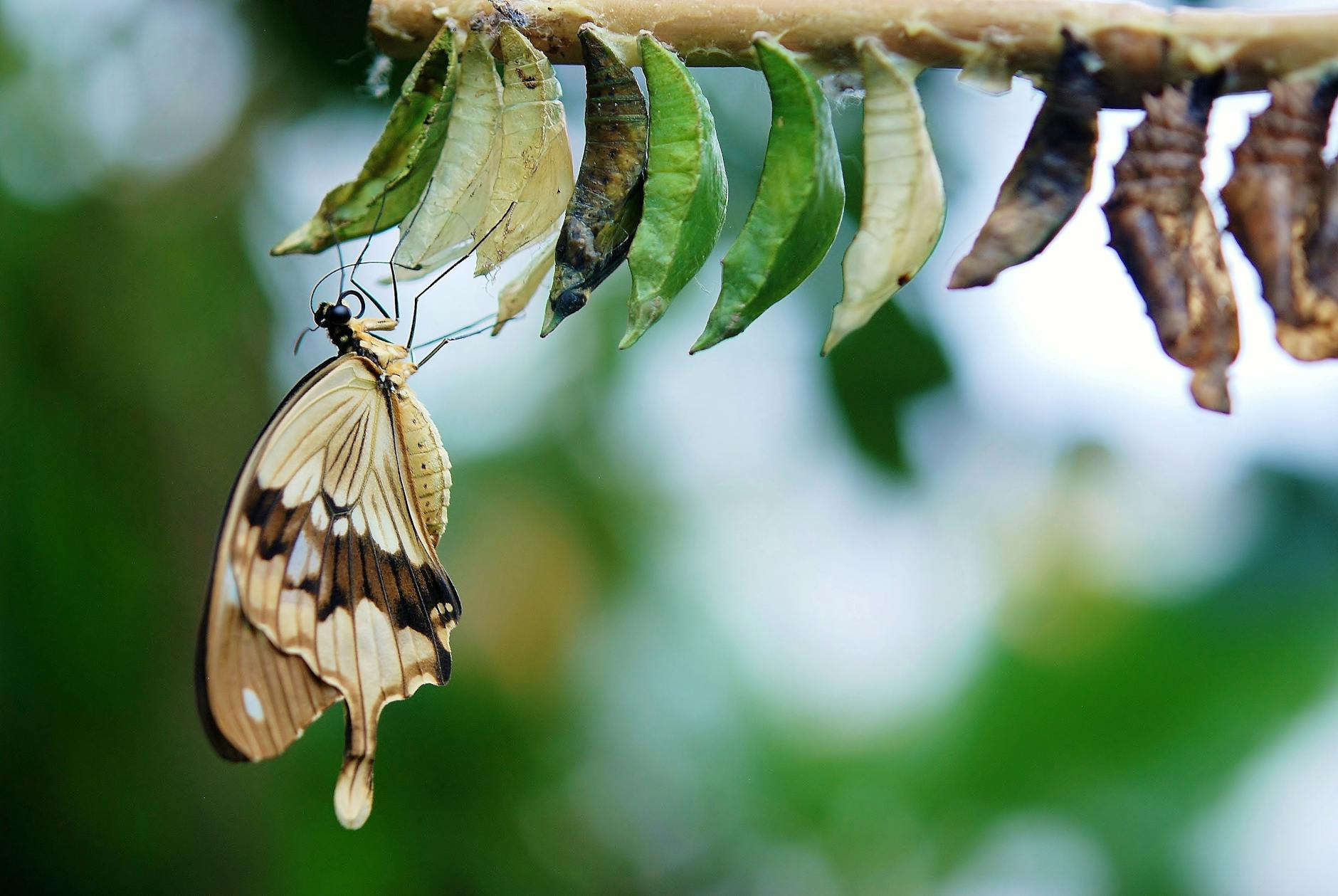
Photo by Pixabay on Pexels.com

One day, someone stumbled upon a butterfly chrysalis. Fascinated by nature’s beauty, he decided to observe it closely. A few days later, he noticed a small hole had appeared in the chrysalis. Intrigued, he paused to watch what would unfold.

Over the course of several hours, he witnessed the butterfly inside struggling with its tiny body, trying to squeeze through the small opening. Despite its best efforts, there seemed to be no progress. The butterfly appeared exhausted, unable to break free.

Nature, however, has a marvelous design. The butterfly’s “struggle” to emerge from the chrysalis is not a mere obstacle—it is a vital process. This challenge prepares the butterfly, equipping it with the strength and resilience it needs to soar into the skies.

Struggles in life are not meant to break us but to build us. If life allowed us to move through everything effortlessly, we might never grow stronger or discover our true potential. Challenges shape our character, nurture our perseverance, and enable us to achieve heights we never imagined.

So when we face hardships or setbacks, we should view them as opportunities for growth. These trials may be Heaven’s way of strengthening us, of preparing us to spread our wings and fly.

A Well-Intentioned Mistake

The man, moved by the butterfly’s apparent struggle, decided to help. He took a pair of scissors and carefully cut open the chrysalis, making it easier for the butterfly to emerge. As expected, the butterfly slipped out effortlessly.

However, something was amiss. The butterfly’s body was swollen and bloated, and its wings were small and weak. The man continued to watch, believing the wings would expand and the body would shrink in time. But this never happened.

For the rest of its life, the butterfly dragged its heavy body and fragile wings, unable to take flight. It remained grounded, never experiencing the freedom of soaring through the air.

What the kind-hearted man did not understand was that the butterfly needed to struggle. The act of squeezing through the small opening in the chrysalis forces fluid from the butterfly’s body into its wings, giving them the strength and nourishment required for flight. Without this critical process, the butterfly could not develop the ability to fly.

Embracing Life’s Challenges

This story serves as a powerful metaphor for our own lives. Just as the butterfly’s struggle is essential for its transformation, our struggles are necessary for our growth. Avoiding hardship may provide temporary relief, but it robs us of the opportunity to become stronger and more resilient.

In raising children, this lesson is particularly important. As parents or guardians, we must resist the urge to shield them from every difficulty. It is natural to want to protect them, but overprotection can hinder their growth. By allowing them to face challenges and learn from their struggles, we give them the tools they need to navigate life’s complexities.

So, the next time you encounter a challenge, remember the butterfly. Embrace the struggle, knowing that it is shaping you into someone stronger, wiser, and ready to take flight.

Link:https://peacelilysite.com/2024/12/27/the-butterfly-and-the-struggle-a-lesson-in-growth/