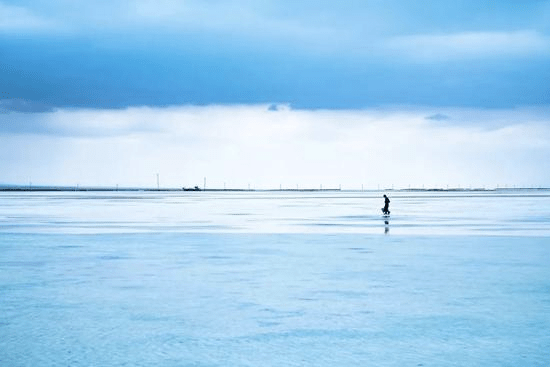
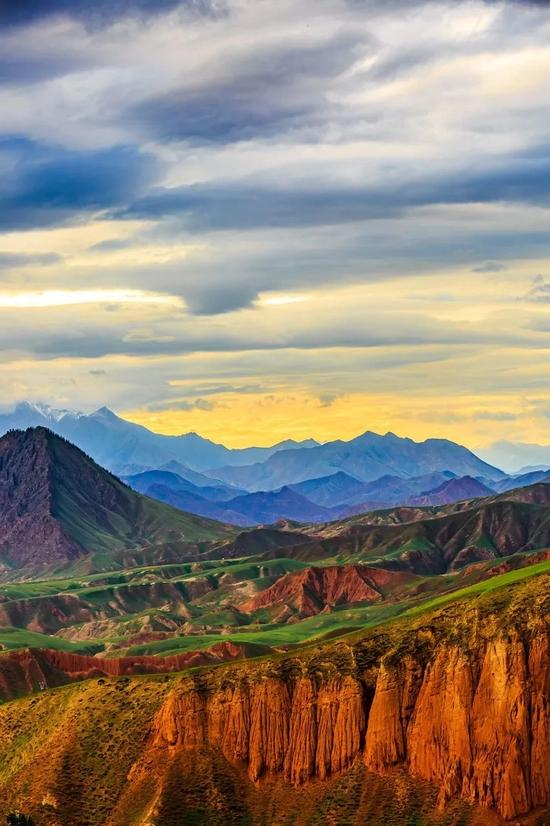
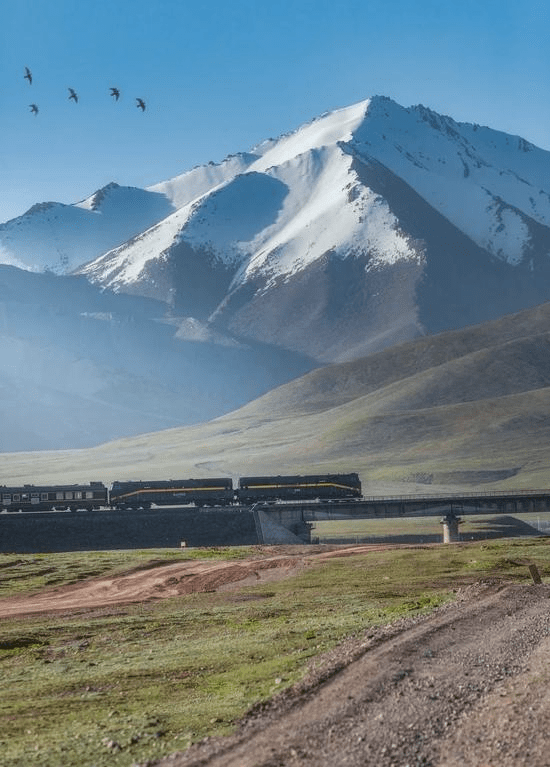
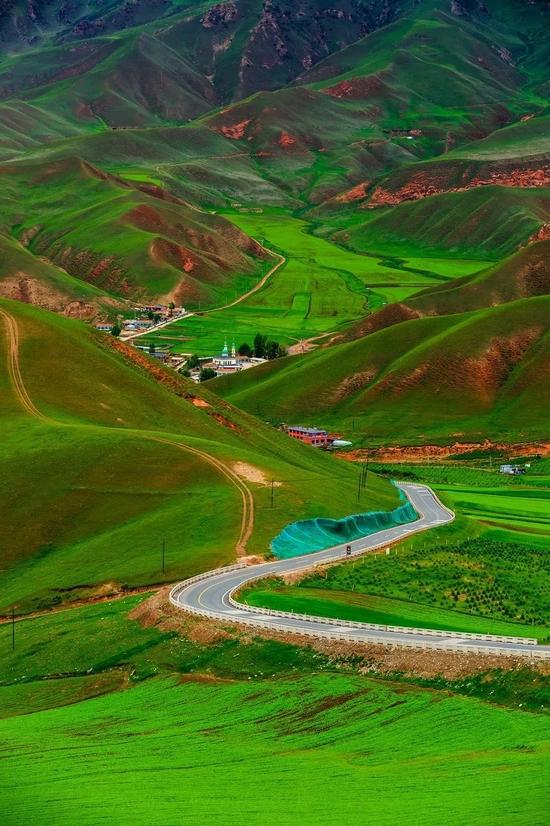
Discover the Beauty of Qinghai This Summer

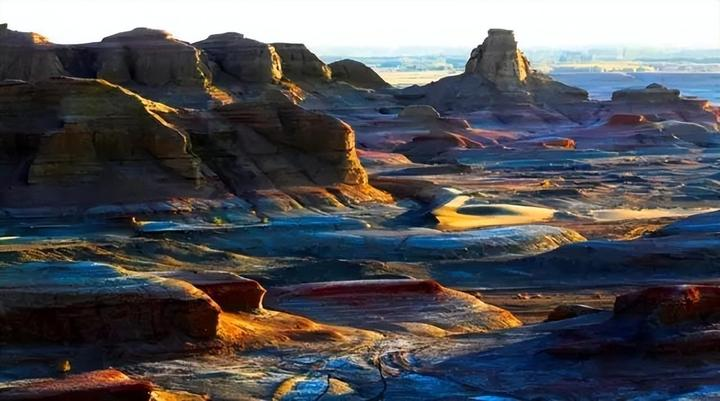
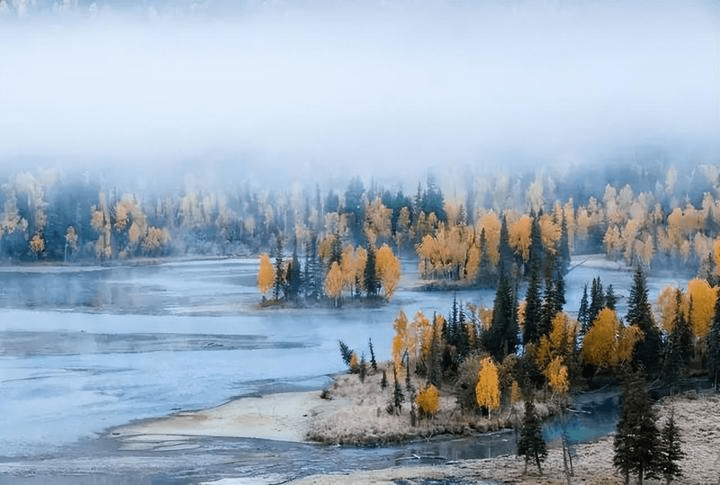
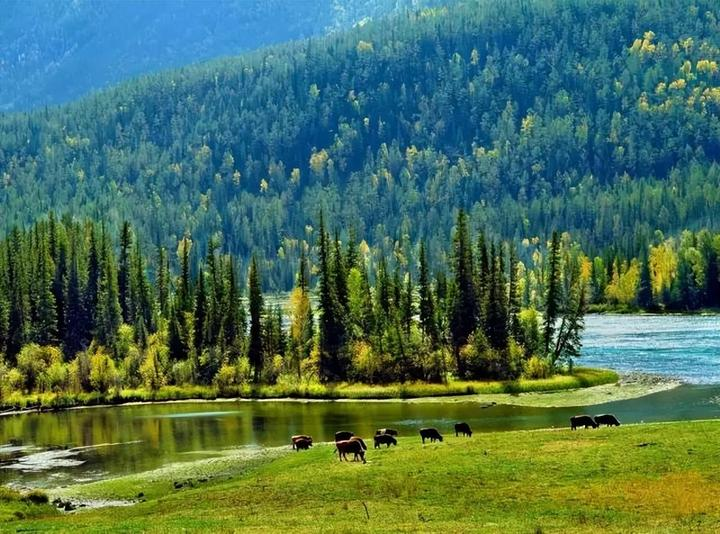
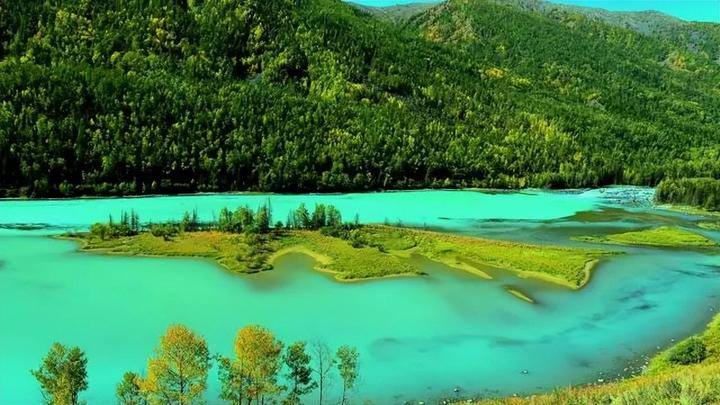
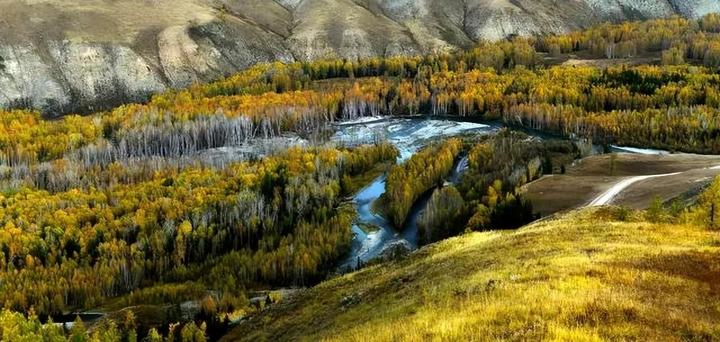
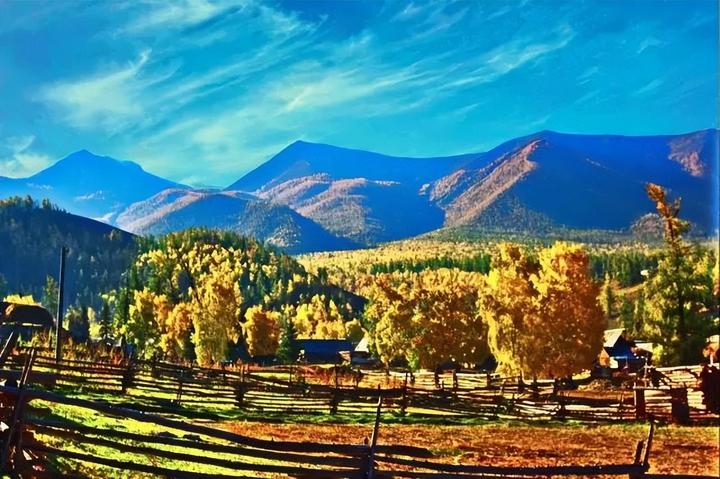
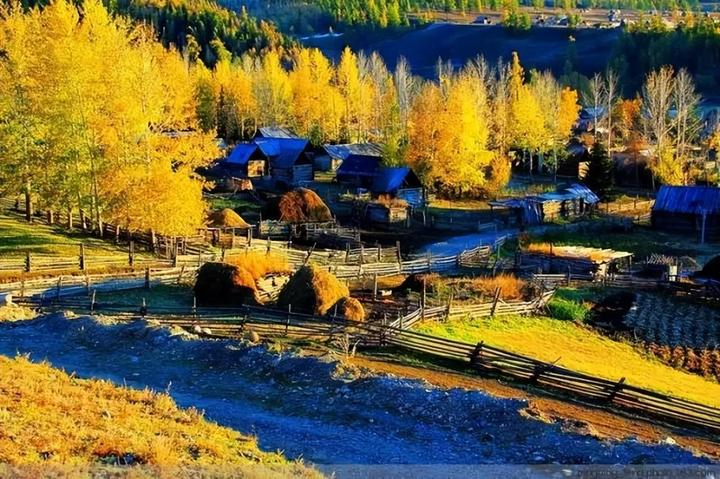
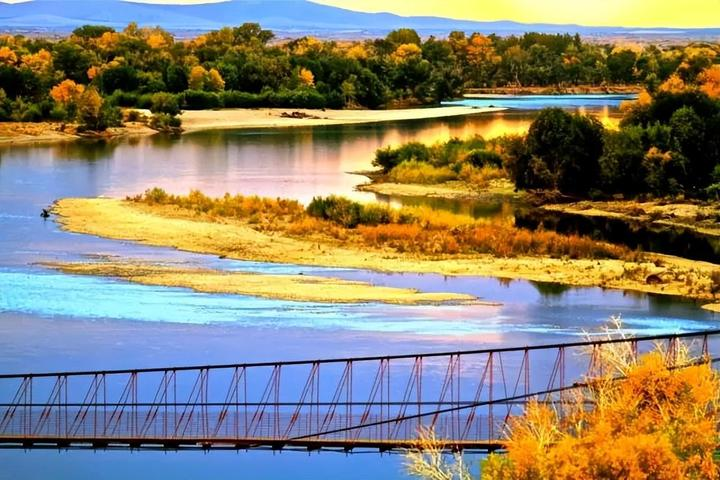
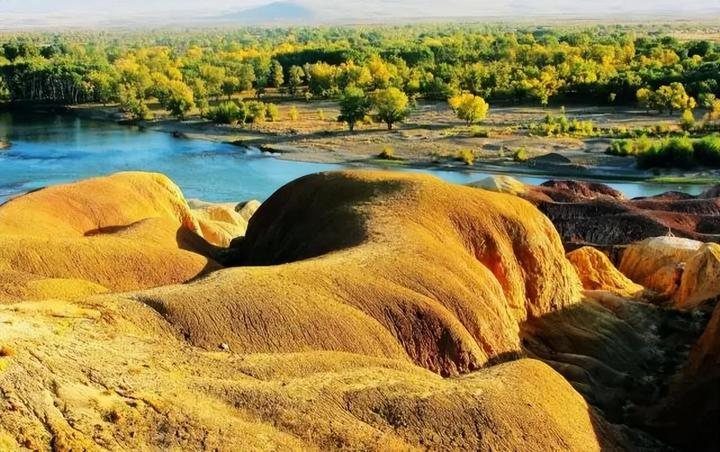
Entering summer, the northwest is like a fairyland, and as the gateway to this paradise, Qinghai is so breathtaking that one forgets the passage of time. Snow-capped mountains, lakes, grasslands, deserts, Yadan landforms, temples, prayer flags…

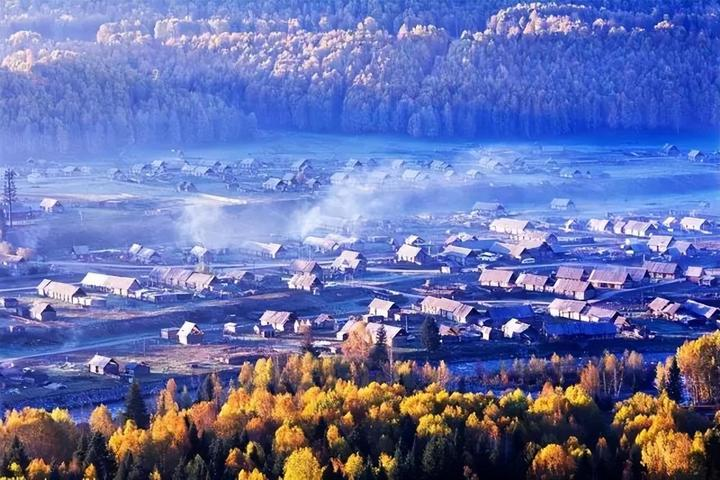
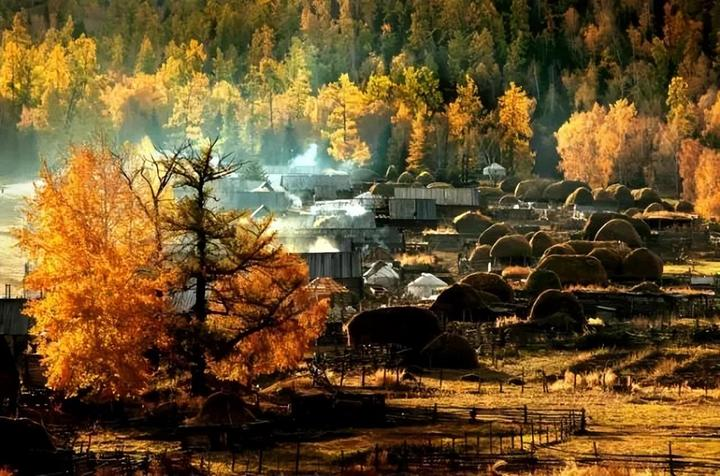
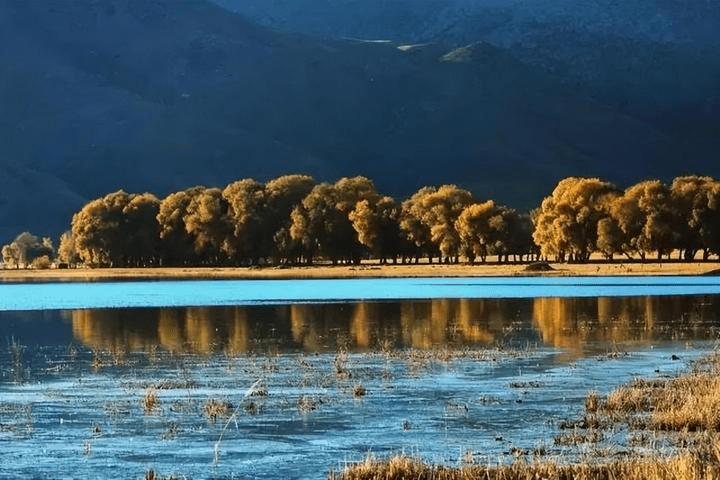
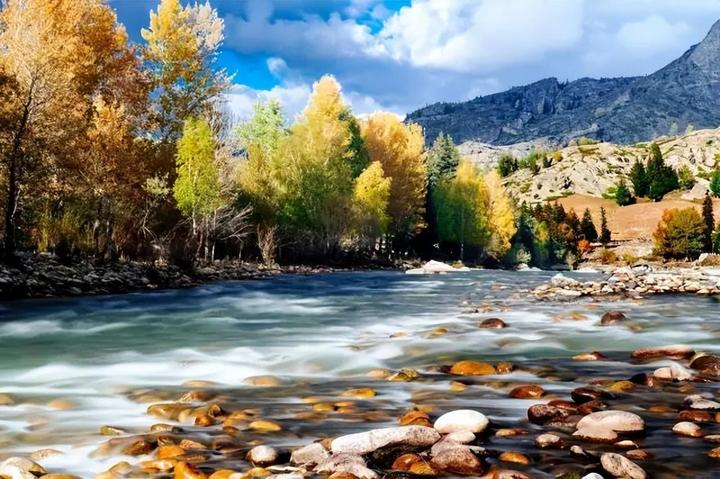
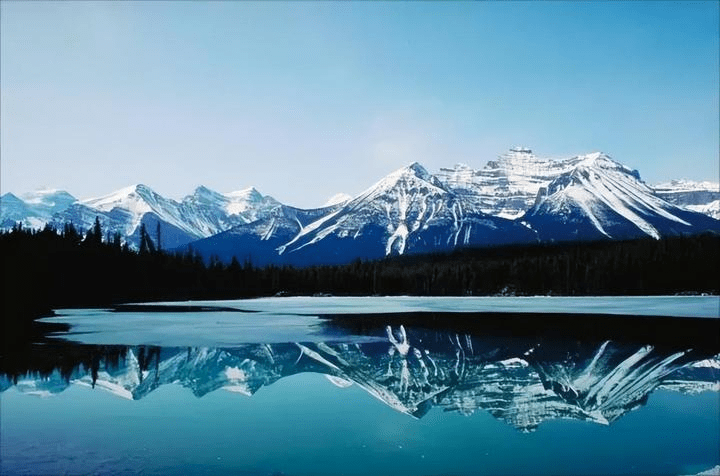
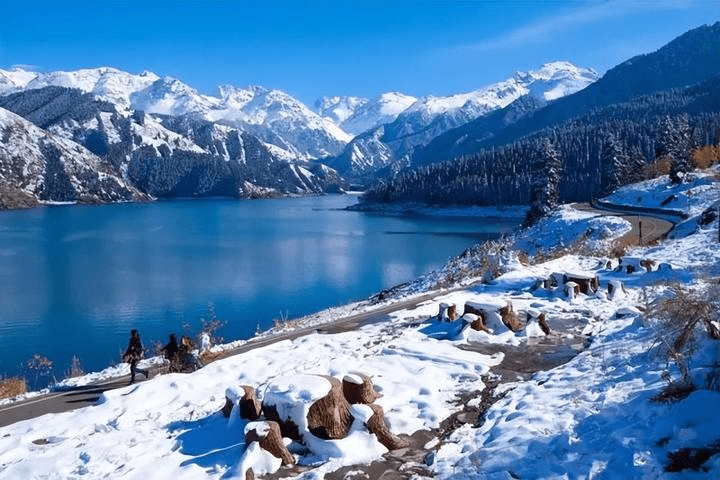
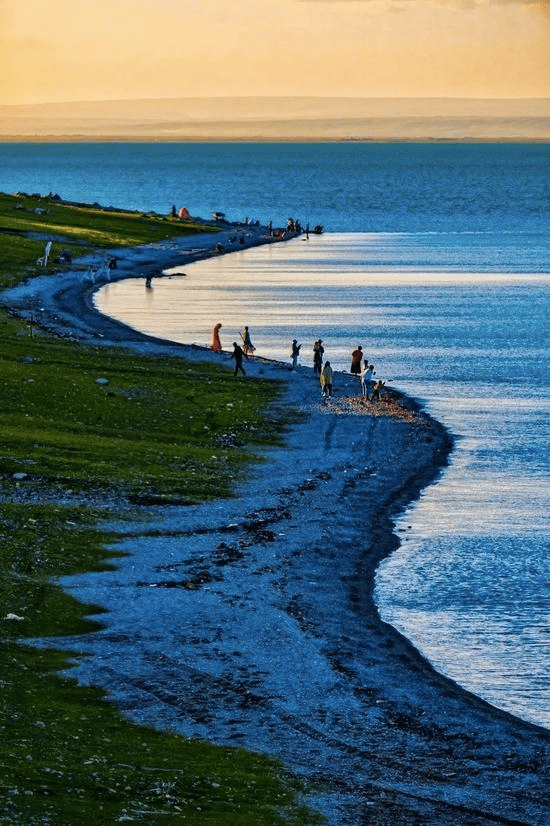
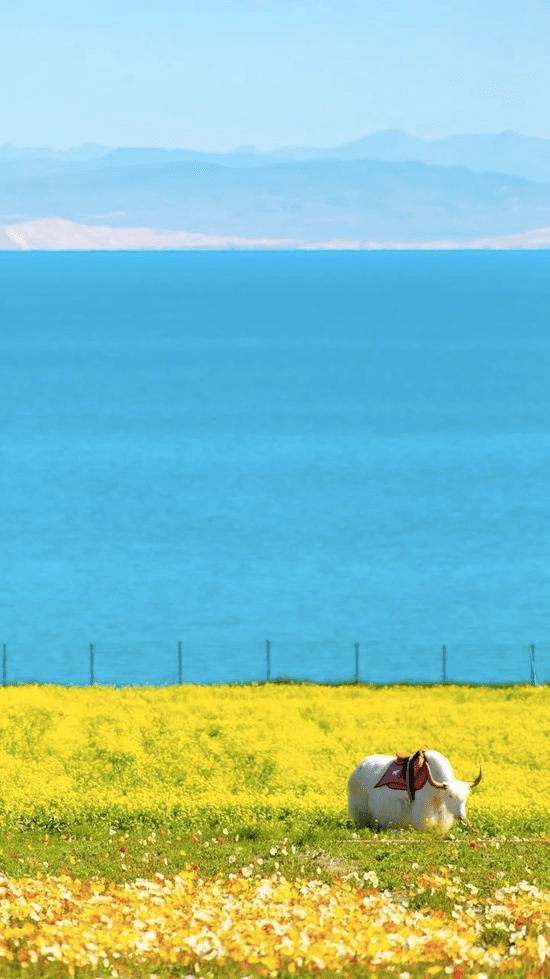
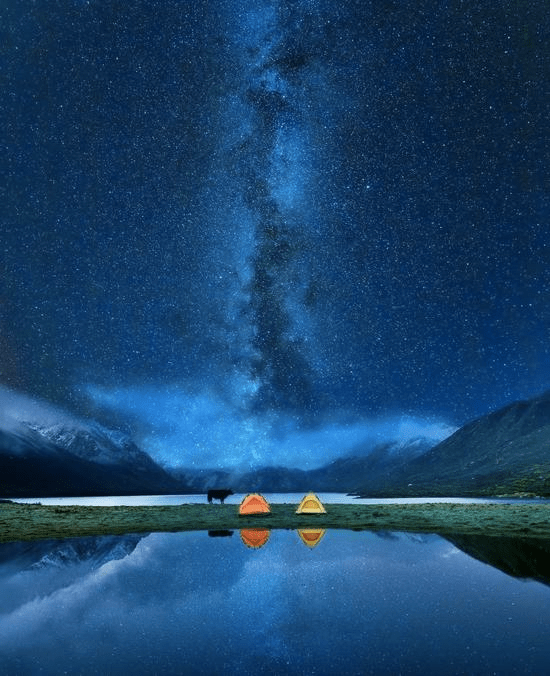
Countless unique landscapes make Qinghai a place worth exploring in depth. Here, you can easily encounter breathtaking scenery: lakes, flower fields, deserts, and starry skies, along with six vibrant colors: blue skies, green lakes, white mountains, golden deserts, green grasslands, and yellow rapeseed flowers. Walking on this vast land, the vitality and colors continually surprise you. Qinghai is a place you’ll fall in love with and never want to leave. In July, Qinghai Lake is romantic and poetic, with vast fields of rapeseed flowers along the lakeshore, blue water blending with the sky, and smoke rising from small wooden houses by the shore, resembling a pastoral landscape painting.

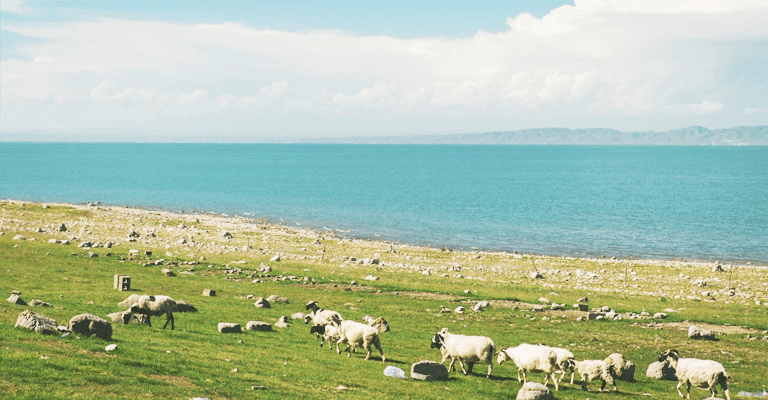
Qinghai Lake or Ch’inghai Lake, also known as Lake Koko Nor, is the largest lake in China (the size of Rhode Island or three Greater Londons). Located in the northeast of the Tibetan Plateau, this huge alkaline salt lake is usually No. 1 on “Most Beautiful Lakes in China” lists.

Spectacular Sunrise of Qinghai Lake

Erlangjian Scenic Area

Fairy Bay Area – The Sea of Flowers

Fairy Bay Area is a wet land located in the northern coast of Qinghai Lake. There are two legends about how Fairy Bay Area got its name. In one old legend, the queen of the west area fell in love with the King of Central Plains. The queen always served a feast for the king in Qinghai Lake with pretty fairies singing and dancing for them. Another ancient poem showed that the Queen of the west had been waiting for the king of Central Plains in Qinghai Lake for thousands of years but he never kept his appointment. The sad queen left for Heaven, but she ordered the fairies to guard Qinghai Lake. Later, these fairies masqueraded as swans living in Fairy Bay Happily. Might be attracted by these beautiful swans, a dozen of other birds also prefer Fairy Bay as a habitat.

Apart from various birds, different kind of flowers blooms here from every June to October. Just like a carpet waved by fairies, Fairy Bay presents on white, yellow, orange, pink, red etc., really deserving its name of Flowers’ Ocean. Because of the magic legends and amazing landscape, local people regard it as sacred ground and several solemn rituals are held here. So, you can feel a strong cultural fragrance.

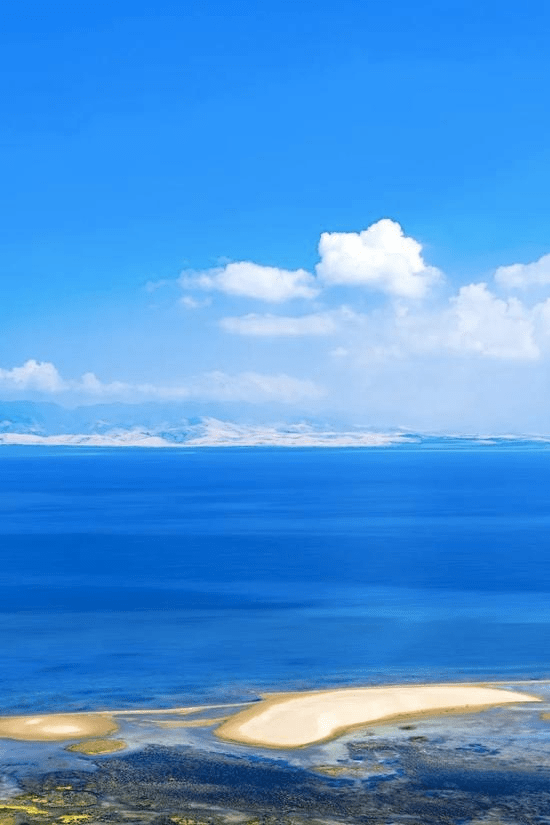
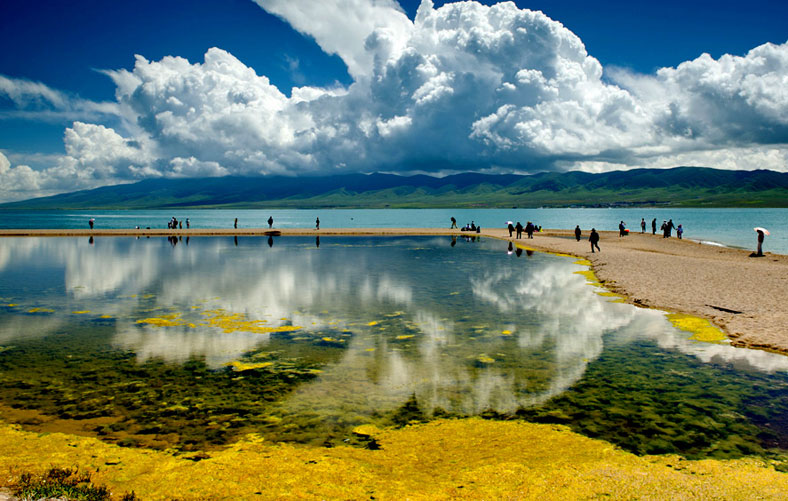
Sand island in the lake

Great Scenery in the Biking Trip

There’s a Tibetan folk custom that Buddhists should walk around the lake in the Year of Goat, circle the mountains in the Year of Horse, and circle the forest in the Year of Monkey. Some believe it’s a decree left by Buddha. Qinghai Lake is a sacred lake for Buddhist pilgrimages. Especially in Horse years of the 12-year cycle, many Buddhists will take a kora around the Qinghai Lake which is believed to be helpful to lead a safe and happy life. By traveling to Qinghai Lake you can get close to the devoted Tibetans and appreciate Tibetan culture. When the weather is warm in the summer months, there are ethnic festivals of the Tibetans and Muslims. Nowadays, there are still lots of minority tribes and herdsman families living beside the Lake. You can feel the strong nomadic ethnic culture there.

Buddhist Pilgrims Worshiping Qinghai Lake

Besides Qinghai Lake, there are many lakes in Qinghai, such as Chaka Salt lake, ChaErHan Salt lake, etc.

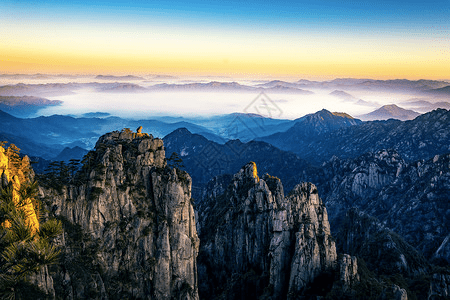
Qinghai has many mountains, 3,600 mountain peaks, clustered together, resemble giant petals in full bloom, tracing graceful arcs across the sky. Up close, they resemble ancient castles, pyramids, animal shapes, and cylindrical pillars. Being there feels like entering a maze, making it difficult to distinguish directions.

In July and August, large fields of rapeseed flowers bloom beneath Zhuo’er Mountain. Standing at the top of the mountain, the view is incredibly expansive and unobstructed. As far as the eye can see, the earth is covered with a golden-yellow carpet.

This summer, embark on a pilgrimage to Qinghai.

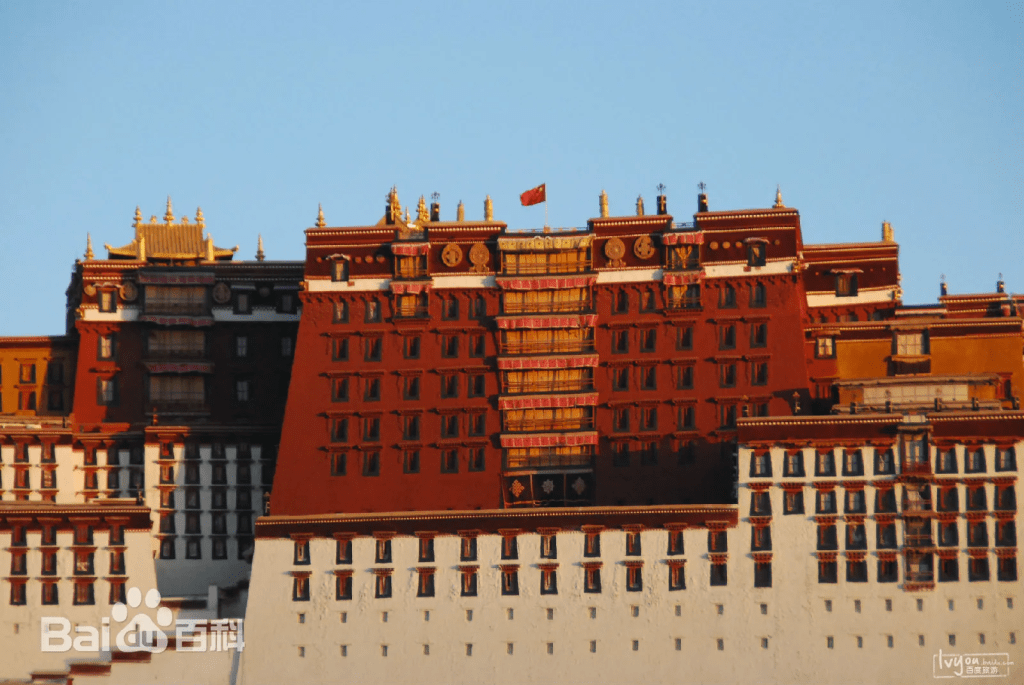
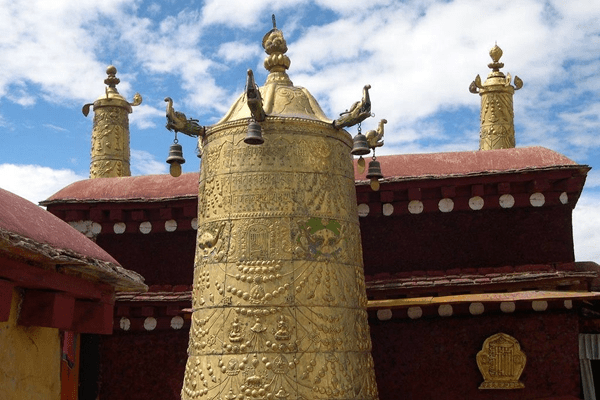
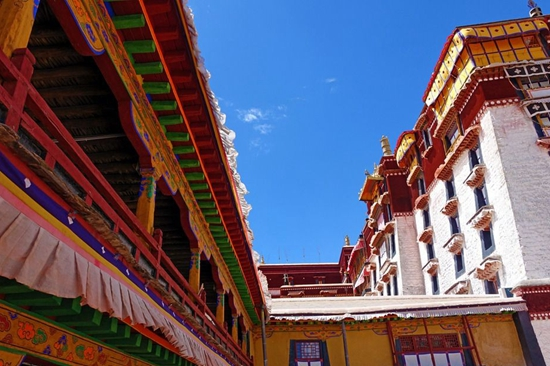
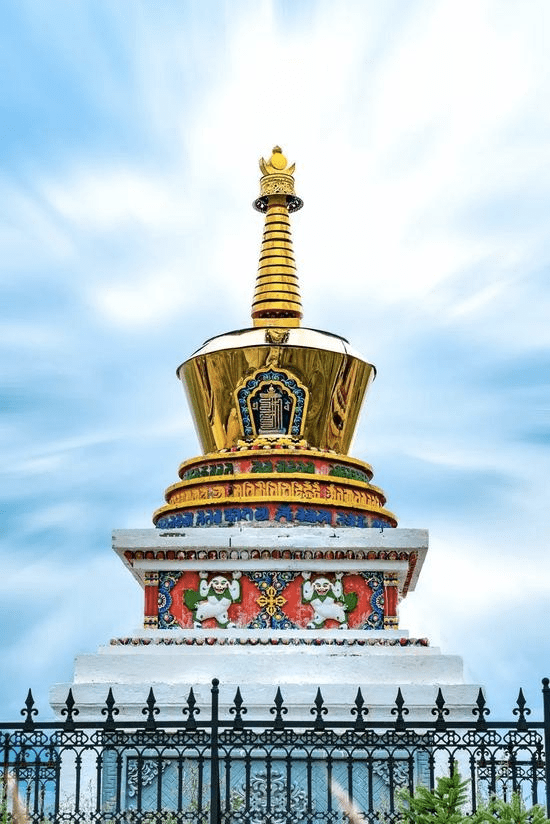
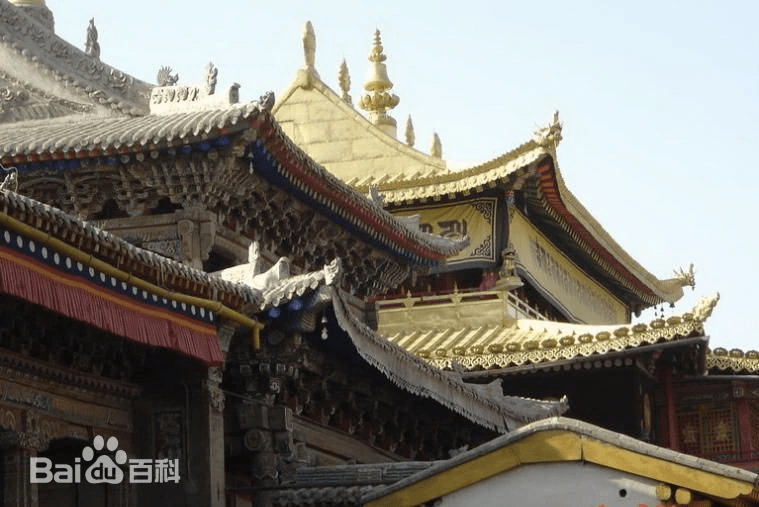
On this vibrant land, there exists a power, ancient and resolute, with the solemn sound of bells echoing in all directions, suppressing all disturbances. The 400-year-old Kumbum(or Ta’er Monastery ) is one of the most important temples of the Gelug sect of Tibetan Buddhism. Entering the incense-filled Ta’er Monastery, one begins to feel detached from the mundane world. Devout followers, serene temples, and vivid Buddha statues all convey the weight of faith. The monastery’s buildings are grand, blending Han palace and Tibetan flat-top styles. With over 4,500 rooms, it forms a unique architectural complex that integrates Han and Tibetan craftsmanship.

The most captivating event is the annual “Shai Da Fo” or “Shai Da Thangka,” also known as the “Buddha Exhibition Festival.” This involves displaying a large Buddha image outdoors to prevent mold and insect damage, and more importantly, as a special way for monks and followers to pay homage to the Buddha. The image is actually a special type of large Thangka, a rare treasure among scroll paintings. The best time to unfold the Buddha image is at dawn when the first rays of sunlight hit the earth, hence the name “Shai Fo,” which means “Sun Buddha.”

Held twice a year during the lunar fourth and sixth months, the festival commemorates the birth, enlightenment, and nirvana of Shakyamuni, the emergence of Maitreya, and the birth and nirvana of Tsongkhapa. By displaying the Buddha image, followers can gaze upon it, receive its blessings, and protect it from damage. Ta’er Monastery has four large embroidered Buddha images: “Lion’s Roar,” “Shakyamuni,” “Tsongkhapa,” and “Vajrasattva,” with only one displayed each time on the monastery’s hillside. The ceremony is grand, attracting many spectators and creating a spectacular scene.

Link:https://peacelilysite.com/2024/07/15/discover-the-beauty-of-qinghai-this-summer/

Source: https://www.chinahighlights.com/xining/attraction/qinghai-lake.htm, https://www.chinadiscovery.com/qinghai/xining/qinghai-lake.html, photos from https://fashion.sina.cn/l/ds/2022-07-06/detail-imizmscv0155077.d.html

Mount HuangShan

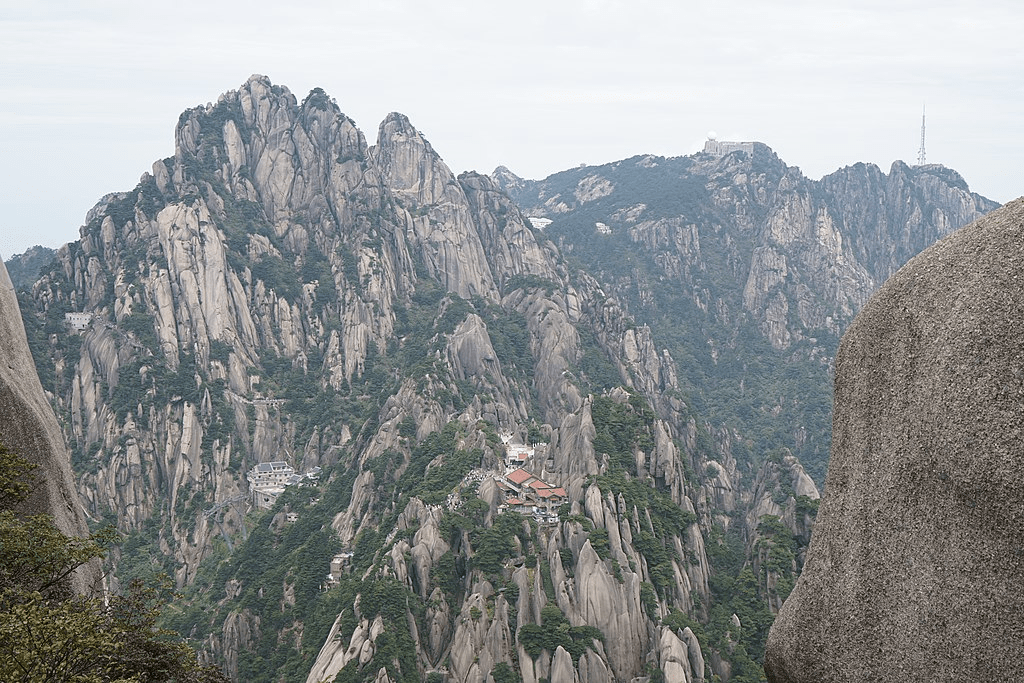
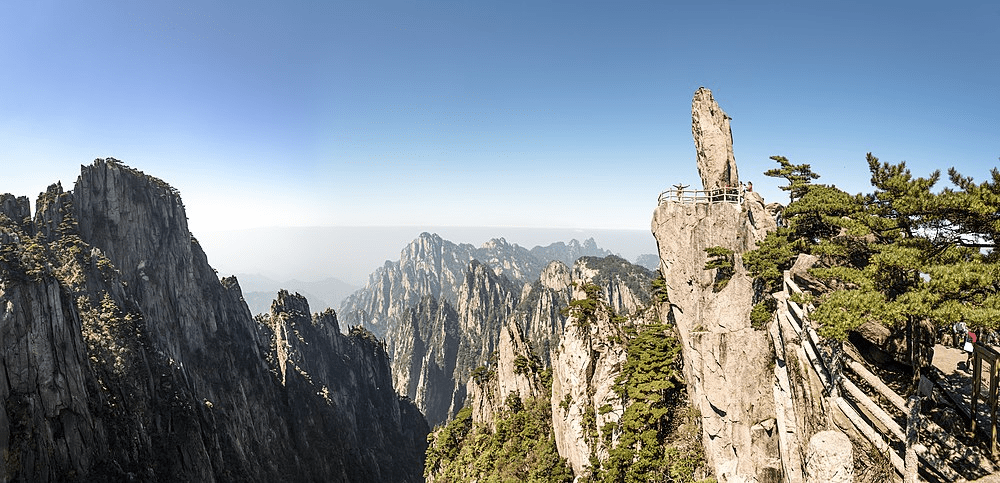
Mount Huangshan, often described as the “loveliest mountain of China,” has played a significant role in the history of Chinese art and literature since the Tang Dynasty around the 8th century. A legend from 747 AD recounts the discovery of the long-sought elixir of immortality on the mountain, which gave Mount Huangshan its name and cemented its place in Chinese history. This legend attracted hermits, poets, and landscape artists, drawn by the dramatic mountainous landscape featuring numerous granite peaks, many over 1,000 meters high, emerging through a perpetual sea of clouds. During the Ming Dynasty in the 16th century, the mountain’s unique rock formations and ancient gnarled trees inspired the influential Shanshui (“Mountain and Water”) school of landscape painting, which profoundly shaped the world’s perception of the oriental landscape.

Located in the humid subtropical monsoon climate zone of Anhui Province, Mount Huangshan covers an area of 16,060 hectares with a buffer zone of 49,000 hectares. It is noted for its botanical richness and the conservation of several locally or nationally endemic plant species, some threatened with extinction.

The cultural significance of Mount Huangshan’s scenic landscape was first recognized during the Tang Dynasty and has been revered ever since. Renamed Huangshan (Yellow Mountain) by imperial order in 747 AD, it became a popular destination for visitors who celebrated its inspiring scenery through painting and poetry, creating a rich body of art and literature of global importance. By the Yuan Dynasty (1271-1368), 64 temples had been constructed on the mountain. In 1606, the monk Pumen established the Fahai Meditation Temple. By the Ming Dynasty, Mount Huangshan had become a favorite theme of Chinese landscape painters, firmly establishing the Shanshui school of landscape painting. The interaction of man and nature in this scenic setting has inspired generations of Chinese artists and writers.

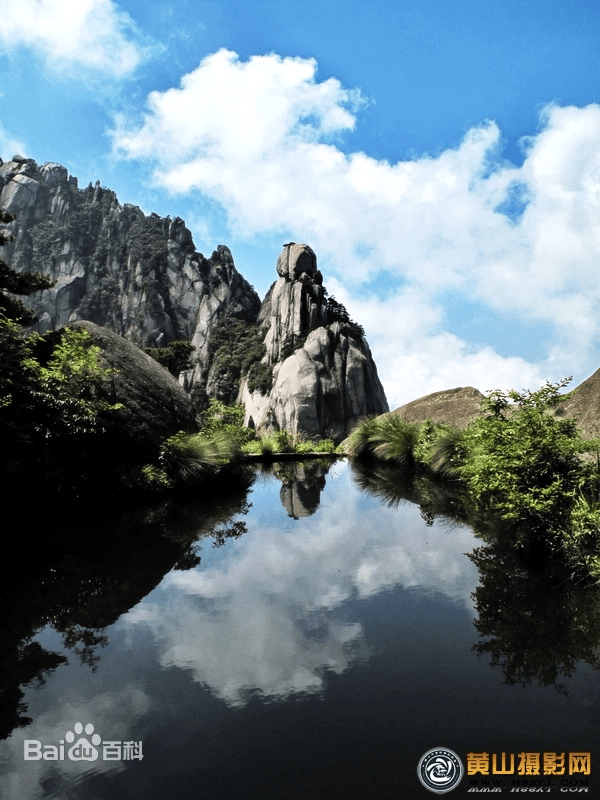
Mount Huangshan is renowned for its magnificent natural scenery, including massive granite boulders and ancient pine trees, often enhanced by cloud and mist effects. The dramatic landscape features natural stone pillars, grotesquely-shaped rocks, waterfalls, caves, lakes, and hot springs, formed by its complex geological history. The mountain range has many peaks, some over 1,000 meters high, with the three tallest and best-known being Lotus Peak (1,864 meters), Bright Peak (1,860 meters), and Celestial Peak (1,829 meters). The World Heritage Site covers a core area of 154 square kilometers and a buffer zone of 142 square kilometers. The mountains were formed in the Mesozoic era, approximately 100 million years ago, when an ancient sea disappeared due to uplift. Later, during the Quaternary Period, glaciers shaped the landscape.
Lotus Peak. By De-Shao Liu (Terry850324) – Own work, CC BY-SA 4.0, https://commons.wikimedia.org/w/index.php?curid=90823373
Celestial Peak By 江上清风1961, CC BY 3.0, https://commons.wikimedia.org/w/index.php?curid=53168150

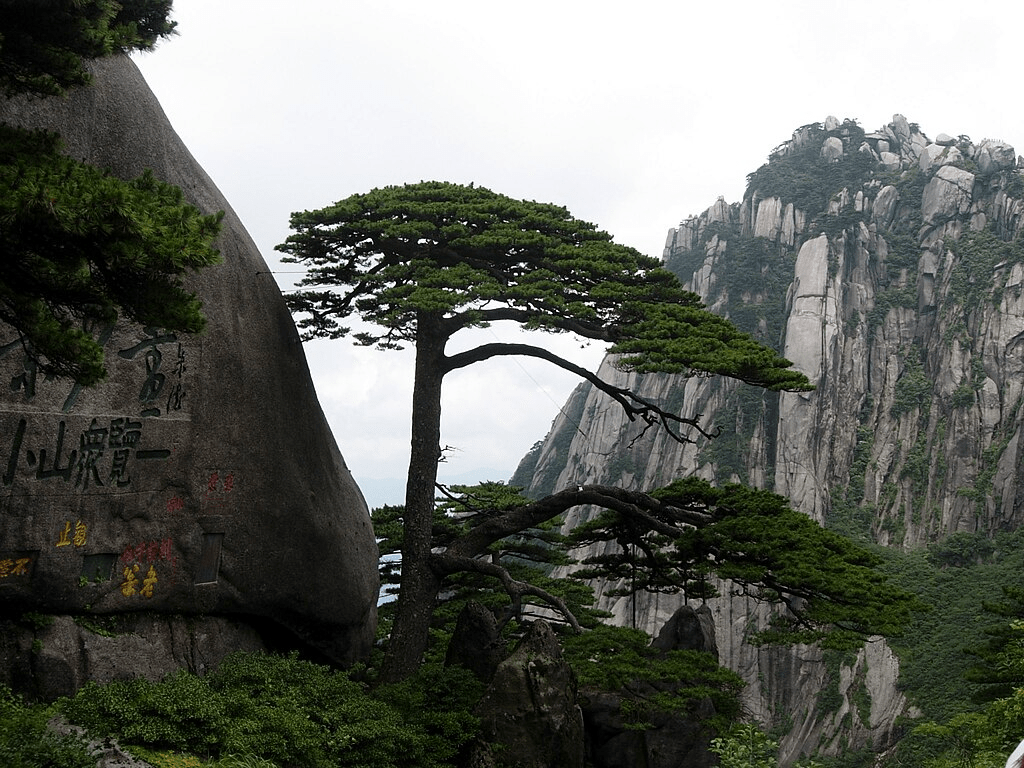
Vegetation varies with elevation, with mesic forests below 1,100 meters, deciduous forests up to the tree line at 1,800 meters, and alpine grasslands above that. The area boasts diverse flora, with one-third of China’s bryophyte families and more than half of its fern families represented. The Huangshan pine (Pinus hwangshanensis), named after the mountain, is a symbol of vigor as it thrives by growing straight out of the rocks. Many pine trees in the area are over a hundred years old and have unique names, such as the Welcoming-Guests Pine, thought to be over 1,500 years old. The pines vary greatly in shape and size, with the most crooked trees considered the most attractive. Huangshan’s moist climate also supports the growth of tea leaves, and the mountain is renowned as one of China’s premier green tea-growing areas. Mao feng cha (“Fur Peak Tea”), a famous local variety, takes its name from the downy tips of tea leaves found in the region.

Tea Trees in the Cloud

Ying Ke Pine, literally welcome Pine By memes – Own work, CC BY-SA 3.0, https://commons.wikimedia.org/w/index.php?curid=950688

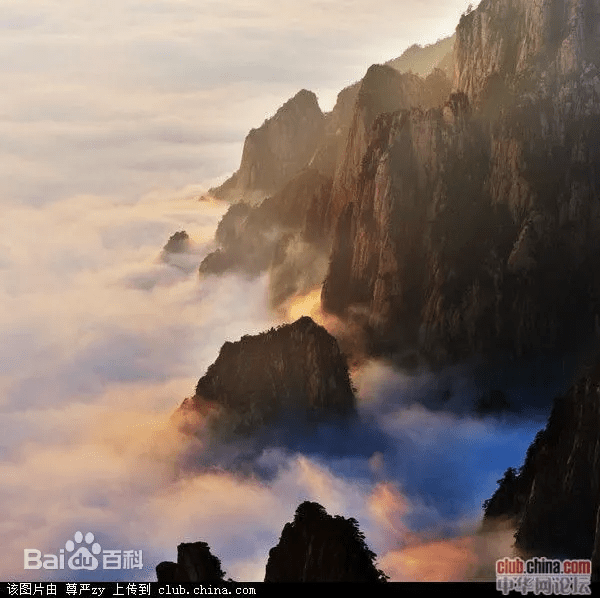
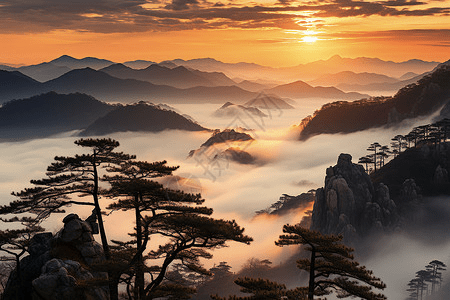
Mount Huangshan often offers views of the clouds from above, known as the Sea of Clouds (yúnhǎi) or “Huangshan Sea,” due to their resemblance to an ocean. Many vistas are named after these cloud formations, such as “North Sea” or “South Sea.” A writer once remarked that to enjoy the magnificence of a mountain, you usually look upwards, but to enjoy Mount Huangshan, you must look downward. The area is also known for notable light effects, such as the renowned sunrises and the phenomenon called Buddha’s Light (fóguāng), which appears only a few times per month.

Mount Huangshan is famous for its stone steps carved into the mountain, with over 60,000 steps throughout the area. The origin date of these steps is unknown, but they are believed to be more than 1,500 years old. Over the years, many scenic spots and physical features have been named, often with narratives behind them. For example, one legend tells of a skeptic who, upon visiting the mountains, was immediately convinced of their beauty. One of the peaks he visited was named Shixin (始信), meaning “start to believe.”

Carved steps to Tiandu Peak By Jakemete at English Wikipedia – Transferred from en.wikipedia to Commons by Wouterhagens using CommonsHelper., Public Domain, https://commons.wikimedia.org/w/index.php?curid=5810245

Shixin Peak By 江上清风1961, CC BY 3.0, https://commons.wikimedia.org/w/index.php?curid=53169922

Bijia Peak (Pen holder Peak), by 颐园新居 – Own work, CC BY-SA 4.0, https://commons.wikimedia.org/w/index.php?curid=36838268

FeiLai Peak by Carlos Adampol Galindo from DF, México – Ella me preguntó: ¿te gusta?; le contesté: De aquí soy., CC BY-SA 2.0, https://commons.wikimedia.org/w/index.php?curid=45070874

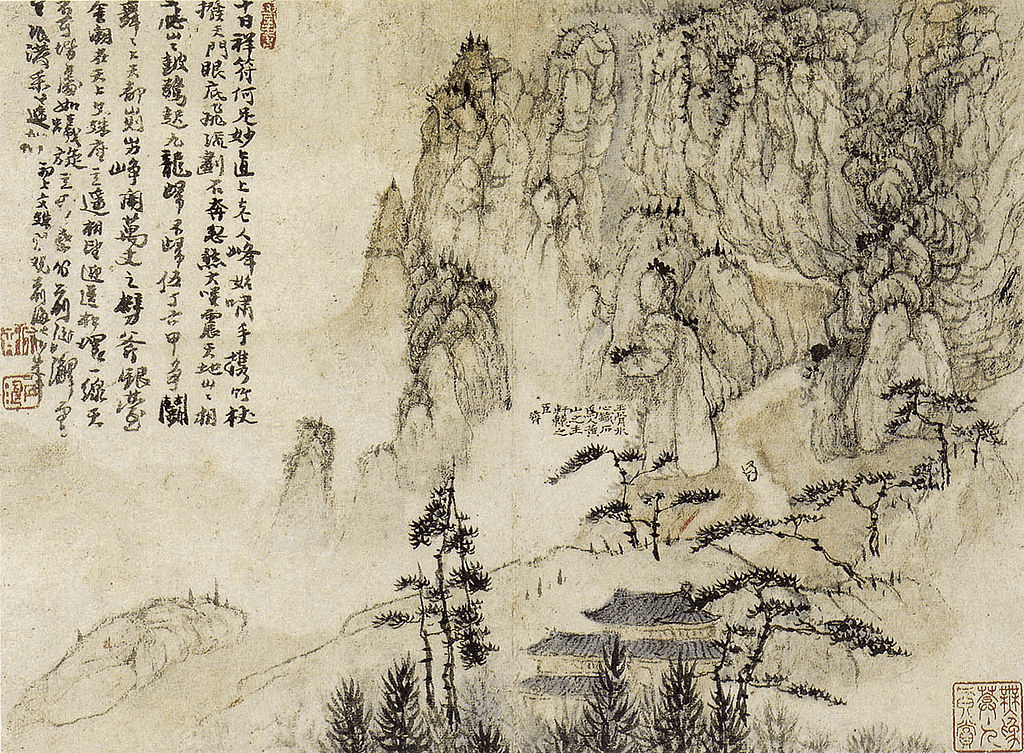
Much of Huangshan’s reputation stems from its significance in Chinese arts and literature. It has inspired poets such as Li Bai, and has been a frequent subject of poetry, Chinese ink painting, and, more recently, photography. From the Tang Dynasty to the end of the Qing Dynasty, over 20,000 poems were written about Huangshan, and a school of painting was named after it. The mountains have also appeared in modern works; director James Cameron cited Huangshan as one of his influences in designing the fictional world of his 2009 film Avatar, and the Chinese animated series Stitch & Ai, a spin-off of Disney’s Lilo & Stitch franchise, is set in the Huangshan mountains.
Ink painting depicting Huangshan by Shitao, 1670 Public Domain, https://commons.wikimedia.org/w/index.php?curid=838862

In 1982, Mount Huangshan was declared a “site of scenic beauty and historic interest” by the State Council of China. It was designated a UNESCO World Heritage Site in 1990 for its scenery and as a habitat for rare and threatened species. Later, it was certified as a National Geopark and subsequently as a regional geopark (Asia Pacific Geopark Network), before being admitted as a UNESCO Global Geopark in 2004.

Mount Huangshan is a habitat for several locally or nationally endemic plant species, many of which are globally threatened. Its flora includes one-third of China’s bryophytes and over half of its pteridophytes. Endemic species to Huangshan include 13 species of pteridophytes and 6 species of higher plants, with many other species endemic to the region or China. This rich flora is complemented by a diverse vertebrate fauna of over 300 species, including 48 mammals, 170 birds, 38 reptiles, 20 amphibians, and 24 fish. Thirteen species are under state protection, including the Clouded Leopard (Neofelis nebulosa, VU) and the Oriental Stork (Ciconia boyciana, EN).

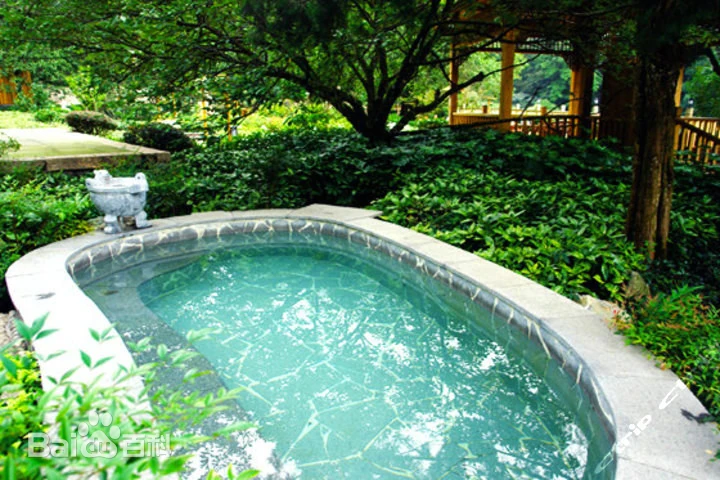
Additionally, Mount Huangshan has multiple hot springs, mainly located at the foot of Purple Cloud Peak. The water, maintaining a temperature of 42°C (107.6°F) year-round, is rich in carbonates and is said to help prevent skin, joint, and nerve illnesses.

The area has also been a site for scientific research due to its diverse flora and wildlife. In the early 20th century, both Chinese and foreign scientists studied the geology and vegetation of Huangshan. Research continues, such as a late 20th-century field study of Tibetan macaques, a local monkey species.

View from Stone Monkey Gazing at the Sea of Cloud By Nicolascornet – Own work, CC BY-SA 4.0, https://commons.wikimedia.org/w/index.php?curid=87551304

Artificial steps on the cliffs of Huangshan By Joe – IMGP1088.JPG, CC BY 3.0, https://commons.wikimedia.org/w/index.php?curid=16824799

Link:https://peacelilysite.com/2024/05/30/mount-huangshan/

Source: https://whc.unesco.org/en/list/547/https://en.wikipedia.org/wiki/Huangshanhttps://baike.baidu.com/item/%E9%BB%84%E5%B1%B1%E9%A3%8E%E6%99%AF%E5%8C%BA/1350521

Yuanmou Earth Forest

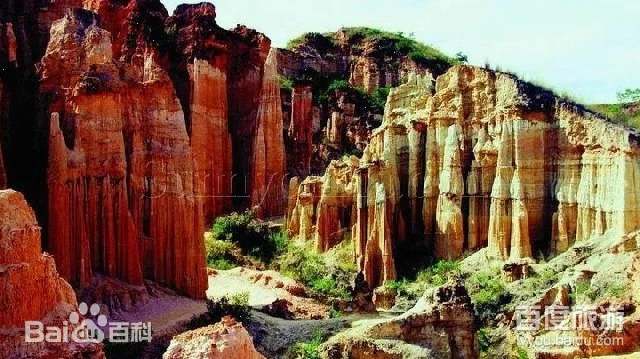
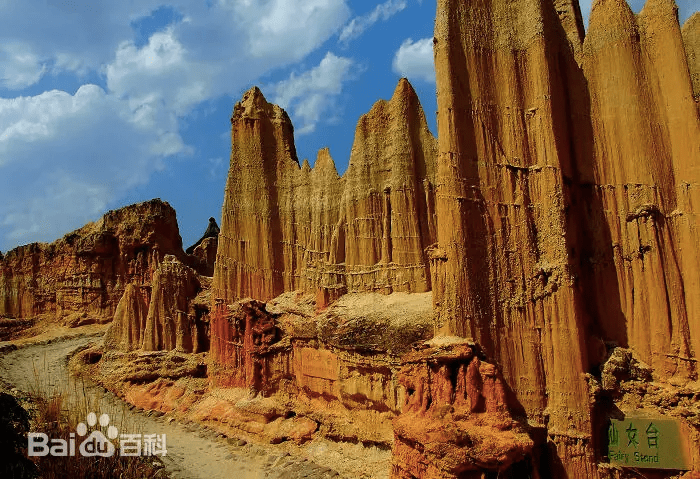
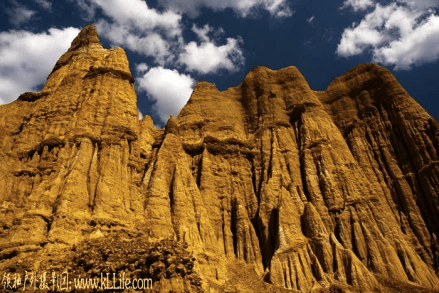
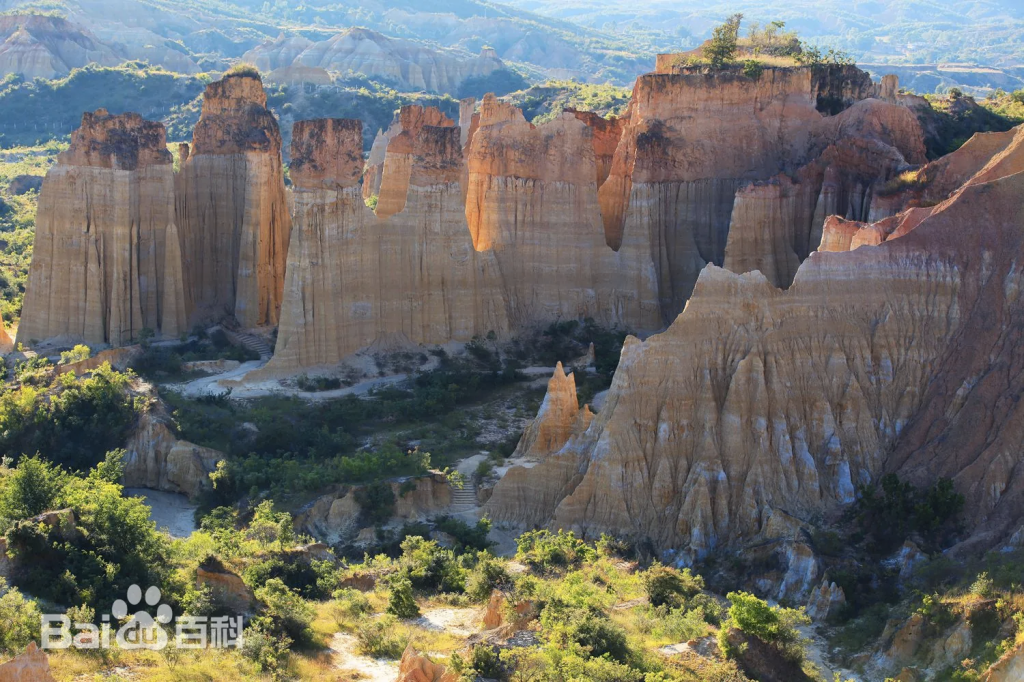
Yuanmou Earth Forest is a breathtaking area of clay formations that have developed over the past 1.5 million years. Located 210 km northwest of Kunming, this scenic wonderland features rocks composed of sand mixed with clay, giving them a distinctive yellow color and loose texture. These rocks have undergone extensive weathering, making their surface resemble earth, and they glisten like gold under the sunlight. Some are as large as castles, while others resemble pylons, all in various magnificent shapes. The earth forest covers a wide area in the Yuanmou Basin, with different regions exhibiting unique features based on the extent of weathering and erosion. Three notable scenic sites within the area are Tiger Leaping Sands, Ban Guo, and Xin Hua, each with its own distinct characteristics.

Tiger Leaping Sands is considered the most spectacular site within the Yuanmou Earth Forests. From a distance, the rocks resemble an ancient deserted castle. Tall, straight rock pillars appear as remnants of a shrine, and the rock walls resemble the enclosure of an ancient palace. What makes it truly unique is the three-color ‘roof’ on top of the ‘castle’ – red, brown, and black. This coloration is due to rain permeating the rock, causing ferrous and calcium substances to coagulate into an impermeable layer. As other parts eroded away, this layer naturally protruded and formed an ‘umbrella’ that preserved the rocks below.

Exploring this hidden world, you’ll be captivated by the abrupt clay formations that glisten like yellow crystals emerging from the ground. These formations vary in shapes, heights, and volumes, each resembling a piece of indescribable artwork.

Collectively, they create an intricate maze filled with mystery and sublime beauty. Some liken Yuanmou Earth Forest to a weathered golden monastery, a desolate Gothic church, or a giant shrine ravaged by fierce elements.

When illuminated by sunlight, these clay columns emit sparkling rays, a rare phenomenon likened to China’s clay version of the Parthenon. At twilight, their silhouettes resemble gothic structures, transforming the fairyland into a haunting terrain. It takes great courage to explore and walk among them.

To fully appreciate the beauty of Yuanmou Earth Forest, viewing from above is recommended. A bird’s-eye view reveals the meandering Longchuan River, a tributary of the Jinsha River (a major tributary of the Yangtze River), flowing like a silver ribbon alongside the attention-grabbing golden patchworks on its west bank, where you’ll find Earth Forests of Banguo, Tiger Leaping Shoal, Wanbao, Xiaoleizai, and Xinhua covering an area spanning over 5 square kilometers.

Photo taken on Nov. 17, 2021 shows the scenery of earth forest in Yuanmou County, southwest China’s Yunnan Province. The earth forest, which was formed by geological movement and soil erosion, is basically in color of yellow and the color varies in different parts. (Xinhua/Wang Guansen)

Yuanmou Earth Forest’s clay formations can be categorized into four styles based on shapes and formation processes: Earth Bud Style, Castle Style, Bamboo Shoot Style, and Mushroom Style. Earth Bud Style formations, though small, serve as precursors to other types, while Castle Style formations are larger, typically measuring 2 to 5 meters in height.

Earth Bud Style

Due to varying degrees of cementation and semi-cementation, sedimentary rocks have different water content in clay minerals and varying expansion coefficients after water absorption. Surface rock layers are subject to long-term weathering, resulting in a series of cracks. Surface runoff and rainwater initially erode along these cracks and soft rock layers, forming soil buds with heights and diameters less than 1 meter and relative heights less than 1 meter. This type serves as the embryonic form for developing other types of earth forests.

Castle Style

The continuous flow of water erodes and cuts into the base of soil buds, along vertical fissures, horizontal fissures, and other forms of cracks in the strata, as well as erosion and abrasion along the surfaces of soft and hard rock layers. This process forms shapes such as arches, platforms, and vertical shafts, creating an environment reminiscent of ancient castles.

These types of soil columns generally have a connected base, with a thick and rounded or serrated top, occupying a relatively large area and standing 2-5 meters in relative height. However, the flat tops and arches below these columns often collapse under the effects of flowing water and gravity, causing the columns to separate and evolve into other types of soil columns.

Bamboo Shoot Style

This type of earth forest is primarily composed of sand and clay, with loose consolidation and no hard covering layer at the top. As a result, it undergoes erosion and cutting by rainwater and surface runoff, forming conical soil columns. These earth pillars have sharp tops, resembling large bamboo shoots after rain or the pointed tip of a pagoda, with heights generally ranging from 5 to 10 meters.

Iron Cap Style

As a typical category of earth forest, it is the most widely distributed. Due to the leaching effect of surface water on iron, silica, and calcium in the strata, these elements gradually dissolve, penetrate, and filter to the interface of the impermeable layer, where they precipitate and accumulate, cementing the upper strata to form iron oxide caps or silica/calcium iron caps. Under the erosion and scouring action of water flow, these caps gradually expose themselves at the tops of columns, acting as natural “umbrellas” that protect the soil columns from direct erosion and scouring by flowing water and intense sunlight.

The “iron cap” above and the soil column below merge into one, forming a variety of unique landscapes within the earth forest. Some resemble old fishermen fishing, some resemble soldiers going to battle, some resemble standing cranes, and some resemble galloping wild horses, creating yet another extraordinary sight within the earth forest.

Link:https://peacelilysite.com/2024/04/24/yuanmou-earth-forest/

Source: http://www.news.cn/english/2021-11/18/c_1310317427.htm, https://www.westchinatour.com/kunming/attraction/yuanmou-clay-forest.htmlhttps://baike.baidu.com/item/%E5%85%83%E8%B0%8B%E5%9C%9F%E6%9E%97/3379396

The Miraculous Events Experienced Around the Buddha

The Terrifying Adventure on Highway One from Los Angeles to San Francisco

Translated from the account recorded by Long Zhou Rinpoche

In the summer of 1998, I had the great honor and privilege of accompanying His Holiness Dorje Chang Buddha III Wan Ko Yeshe Norbu Holiest Tathagata on a journey to propagate and spread the Buddha-dharma. We formed a large group and were driving along Highway One, the Pacific Coast Highway, towards San Francisco.

As our motorcade navigated the winding mountain roads, His Holiness Dorje Chang Buddha III instructed the driver to turn off the air conditioning and open the windows to let in the fresh air. The Buddha Master asked, “How do you like the air here compared to Los Angeles?” “Of course, the air here is better,” we all replied in unison. “Why?” asked the Buddha Master.Brother Chang, who holds a Master’s degree in chemical engineering, quickly responded, “Buddha Master, this is because in places with dense trees or close to the sea, the air contains a large amount of negative ions, which…” He began explaining the chemical properties. His Holiness Dorje Chang Buddha III patiently waited for him to finish and then asked, “What do negative ions look like?” We were all at a loss for words. The Buddha Master smiled but said nothing. A few minutes later, a ray of blue light suddenly entered the vehicle through the windshield, filling the air with a fresh and sweet scent. We were all left bewildered, not knowing what had just occurred. The Buddha Master turned to us and said, “Now do you know what negative ions look like? As practitioners, you cannot stay confined to theoretical discussions.”

Photo by Fabian Wiktor on Pexels.com

When we reached the Big Sur area, we were captivated by the breathtaking views. Suddenly, the Buddha Master directed us to drive onto a small road and stop. He walked towards a pavilion near the cliff’s edge and told us solemnly, “Demons will come to disturb us soon. Let us all calm our minds and recite the Heart Mantra of Avalokiteshvara Bodhisattva without conversing or getting distracted.” At that moment, the sky was clear, and the sea was calm. Where would the demons come from? His Holiness gazed at the sky and performed mudras. Within minutes, strong winds began to blow, carrying sand and dust into the air, causing rocks to move. The tranquil sea turned into roaring waves, crashing against the shore, splashing as high as hundreds of feet. Even small rocks were thrown into the sky. It was a frightening scene. Witnessing this, we focused on our practice and recited the mantra loudly. Eventually, peace returned after His Holiness subdued the demons. He then imparted a teaching, “Among our group on this dharma propagation journey, there are rinpoches, great dharma teachers, and officers of the Institute and publishing house. Demons fear that the correct Buddha-dharma will benefit beings in the Western world, so they will do everything to obstruct us. However, there is no need to worry; the demons cannot harm you.”

Our journey continued into the night. The mountain roads were rugged, and it was dark. We sought a motel to stay for the night but faced difficulties finding one with available rooms. We even tried negotiating with the manager to let us stay in the lobby but were refused. We returned to the parking lot, feeling tired and cold. The temperature was around -2 degrees Celsius (29 degrees Fahrenheit).

His Holiness suddenly rolled down the window and warned us, “The demons are coming to harm you again. Quickly get into the vehicles and concentrate on reciting the mantra.” Before we could settle back into our seats, we heard eerie howls from the forest, drawing closer and closer.

We were chilled to the bone, our bodies shaking. At that moment, hunger and cold became insignificant as we focused solely on reciting the mantra. After a few minutes, we were startled by frantic knocking on the window. I looked out and saw His Holiness gesturing for me to come outside. He led me towards the forest, where he performed mudras towards dark shadows. “These shadows are demons. They are constantly seeking opportunities to attack us,” he explained. It took nearly half an hour to subdue the demons. By then, it was well past midnight, and His Holiness continued practicing dharma silently inside the vehicle. We still had not found a place to stay. Just as we were unsure of our next move, a Caucasian man approached us and kindly offered the use of his mansion. We were overjoyed and eventually arrived at the mansion after driving through the dark. Some of us prepared food in the kitchen, finding exactly fourteen sets of dinnerware and fourteen seats in the dining room—miraculously matching the number of people in our group. We were amazed by this inexplicable occurrence.

Early the next morning, we gathered on the mansion’s balcony, our fright and fatigue from the previous night vanished. The surrounding scenery was stunning, with valleys stretching endlessly and peaks surrounded by swirling clouds and mist. From east to west, the horizon was adorned with the silver light of the sea, waves crashing against the shore. As we enjoyed breakfast, we attributed our survival the previous night to the protection of dharma deities. His Holiness asked, “Is this what you disciples believe?”

Photo by Life Of Pix on Pexels.com

Our journey continued, fraught with dangers and crises as demons continued to pursue us. Fortunately, under the protection of His Holiness, we faced and overcame these challenges each time. Normally, the journey from Los Angeles to San Francisco takes a day or less, but this time it took us seven days and seven nights. Even if I spent seven days and nights recounting His Holiness’s merit and holy deeds, it would not suffice. Therefore, I have composed the following poem to express my profound gratitude:

The Supreme Buddha Vajradhara of all sects, Honored one with boundless unimaginable merit; His Holiness expounds the esoteric scriptures of the Tathagata, With great compassion, benefiting all sentient beings.

The roars of the Vajra Lion shake the Three Spheres, Praised by holy and virtuous dharma kings; Guiding master of humans and celestial beings, Never hesitating to save the suffering.

The Buddha Master’s kindness is as grand as Mount Sumeru, I can never repay his boundless favors; I pray for His Holiness to remain in this world forever, Manifesting a sacred realm within samsara!

Humble disciple, Long Zhou Recording the truth in this account

The Terrifying Adventure on Highway One from Los Angeles to San Francisco

Link:https://peacelilysite.com/2024/04/19/the-miraculous-events-experienced-around-the-buddha/

#DorjeChangBuddhaIII#HHDorjeChangBuddhaIII#LongZhouRinpoche#BuddhaDharma #Tathagata #Compassion #SentientBeings #SanFrancisco #LosAngeles

Iron Man of Bhutan

Great Bodhisattva H.E. Tangtong Gyalpo

H.E. Tangtong Gyalpo , the iron man of Bhutan, the Leonardo da Vinci of the Himalayas, the king of empty fields, artisan, engineer, composer, poet, soldier, merchant and more. He is a repertoire matched only by his own achievements. He is none other than H.E. Tangtong Gyalpo, the great wandering scholar and accomplished yogi saint- and all the above.

Perhaps the most enigmatic of Buddhist saints,H.E. Tangtong Gyalpo is the most renowned as the builders of iron bridges. In his many visits to Bhutan he built 8 iron bridges and 2 temples, the Dumtseg lhakhang in Paro and the Tachog Lhakhang . These are the top places to visit in Bhutan

Dumtsek Lhakhang at Paro

If any imminent personage has fired the imagination of later day chronicles, scholars and devotees, none can compare to that of H.E. Tangtong Gyalpo. From the scandalously rogue antics of Drukpa Kuenley, the divine madman, to the menacingly airborne Milarepa, the legacy of Thang Tong Gyalpo is solid iron, literally so.

Personality

H.E. Tangtong Gyalpo is most revered and remembered for the numerous iron bridges that he built, accomplishments that begat him the more popular title  Chazampa(iron bridges). For his eccentricity and unconventional behavior he was called Lungton Nyonpa, the madman of an empty village. What was generally accepted was that he was Drubthob, the realized and accomplished one. He was so, in every sense of the word.

Iron Bridge at Tacgogang Lhakhang Built by H.E. Tangtong Gyalpo

His Birth

A popular and interesting but apocryphal legend has it that H.E. Tangtong Gyalpo was born as an old man. His parents, fearing that they had given birth to a freak abandoned him in the fields. He was then brought up by the wild animals and hence his name Tangtong Gyalpo. It translates as King of the open fields.

The more accurate accounts are that he grew up a child prodigy who has mastered the scriptures and the arts at a young age. In this context the name has been interpreted as the one with incomparable excellence in meditation. He is also known for steadfast and immobile from the plains (thang) of concentration. The name is also explained as indicative of his vast and supreme views on the nature of emptiness. 

His Reincarnation

His life is one of progression. The avatars as manifold as the names and their interpretations. He is at once a militia conscript who rose rapidly through the ranks to become a commander. He has captured several forts by way of nonviolent strategy. In his youth, he was a very successful merchant who gave up his wealth and profits to a local ruler to save the lives of several unknown people from execution. 

It is hardly surprising from this incident that he was considered an active emanation of Chenrezig, the bodhisattva of compassion. Additionally, several of his sadhanas such as Avalokiteshvara sadhana ‘For The benefit of All Beings Pervading Space” was composed by him after he received the transmission of this practice directly from Chenrizig. Chenrizig Nyungnye was also said to be a practice that he did throughout his life.

His Youth

H.E. Tangtong Gyalpo lived for a time in Lhasa, at the court of  the Deb Desi and was under the patronage of the daughter of the Desi. 

The princess commissioned several major works of sculpture and paintings; most notable among them the exquisite gold sculpture of Milarepa. He also crafted several life-sized statues of Chenrezig, Tsepame and Drolma from conch shell, coral and turquoise that were destroyed in 1959.

chenrezig
Chenrezig

H.E. Tangtong Gyalpo’s creativity and ingenuity were not limited to art but even extended to developing numerous medicines and treatments including some longevity pills. Perhaps through strange coincidence, the Chakpori hilltop where H.E. Tangtong Gyalpo lived near Lhasa later became the site for the first formal Tibetan medicinal institute built in the 17th century.

His Inspiration

H.E. Tangtong Gyalpo’s engineering feats, particularly with regard to bridge building, were reportedly inspired after he was refused passage on a ferry because of his ferocious and unkempt outward appearance. He was thrown unceremoniously into the water only to emerge with an insatiable zest for building bridges and ferry points. 

Tachogang village , connected by iron bridge
Tachogang Village , Connected By iron Bridge

The new found vocation was intended to inter-link remote and inaccessible villages and propagate the Buddhist faith. His early attempts suffered many set backs, the primary one being the lack of funds. This did not deter or faze H.E. Tangtong Gyalpo and he is said to have come up with an innovative idea to compose and organize performances of the first ever Tibetan Opera, the Achi Lhamo to finance his passion. 

Acheivement

Both bridge building and the opera were great successes. H.E. Tangtong Gyalpo went on to build something like 58 iron bridges and an equal number of wooden bridges, and over hundred ferry crossings all over the Himalayas including 8 iron bridges in Bhutan. None of the bridges are known to be standing. However, parts and pieces of iron still stand the taste of time at the national museum in Paro and at Duksum near Trashiyangtse, in eastern Bhutan. 

National Museum in Paro

The Achi Lhamo opera, with the starting troupe of seven sisters who worked on the saint’s bridges, is still performed and enjoyed hugely to these days during the new year celebration and on festive occasions. 

Achi Lhamo Opera Still Prevalent in Bhutan
Achi Lhamo Opera Composed by H.E. Tangtong Gyalpo Still Prevalent in Bhutan

Places he visited

H.E. Tangtong Gyalpo traveled widely and is said to have visited SIkkim, Ladakh, Assam, Arunachal Pradesh and Bhutan in search of iron ore. He is a celebrated figure in this region and his exploits and compositions live on in the local folk songs and lore. He is also credited with composing many of the work songs sung in the villages of the region, including in Bhutan. Numerous stories and songs also extol his miracles and his enlightened activities and one song tells of him using the yeti as his porter. 

Living Temple of Thang Tong Gyalpo in Bhutan

H.E. Tangtong Gyalpo’s passage in Bhutan stands enshrined in the temples of Tachoggang and Dumtse in Paro that he built.

Dumtseg Lhakhang Paro

The biography of Lochen Gyurmey Dechen narrates that the blacksmith of Paro once manufactured seven thousand chain links for H.E. Tangtong Gyalpo. These he took to Tibet in 1400 carrier loads. During his frequent and long sojourns to bhutan he took a consort Drubthob Zangmo, the aunt of Great Terton Pema Lingpa from whom he had several sons whose descendants live on at the Tachogang monastery. 

The Depictions of H.E. Tangtong Gyalpo

Depictions of H.E. Tangtong Gyalpo are easily identifiable given his unusual appearances as in the manner of Maha siddhas. He has the signature iron chain link held in his right hand. The saint’s body complexion is dark reddish- brown, described in some cases as having the hue of “wet liver”.

Thangtong Gyalpo

He is said to belong to the descendent of the famed and legendary king Gesar. Seated on an antelope skin in the relaxed posture, he holds a  tsebum or vase of long life in his left hand which rests on his lap in the dhyani mudra. The saint’s tsebum links him to tsepame, the bodhisattva of infinite life. He had also discovered the sacred dharani  as a terma hidden by Guru Rinpoche. Special H.E. Tangtong Gyalpo drupchens of long life are still very popular..

His Countenance

H.E. Tangtong Gyalpo is depicted with his hair in a turban-like knot. He sports a long beard and long logs up to his shoulders which may be either black or white depending on whether he is depicted as an old man or in his prime. His image in Dumtse Lhakhang near the entrance is perhaps the youngest depiction. 

Thangtong Gyalpo

Clothed  in a white garment in this particular and unusual depiction, he maintains a goatee, short hair and holds his hand in the bhumisparsa mudra. The iron chain links are not held in the hands as usual but lie at the edge of the throne, barely discernible under the folds of his garments. In contrast, the huge main statue of the saint in the ZIlukha Drubthob nunnery above the Tashichho Dzong shows him at a ripped old age with long white flowing locks and beard. A pot belly and perhaps a gentler expression on his face. Numerous slate carvings of the saint holding his iron chain and vase are found in the Dzong and monasteries all around Bhutan. In many of these slate carvings the face is embellished with gold paint. 

H.E. Tangtong Gyalpo was also famous throughout Tibet for his great strength and engineering skills. He is a great Bodhisattva known and respected by one and all in Tibet. H.E. Tangtong Gyalpo was the supreme leader of four esoteric sects within India, Bhutan, Sikkim, Mongolia, and Eastern Tibet. He possessed teachings from many dharma lineages, the most remarkable of which were the lineage to extend one’s life and the lineage to bring in wealth and change one’s fortune. H.E. Tangtong Gyalpo was a great terton, or discoverer of hidden teachings called terma, who both revealed and concealed terma for future generations. His main practice was that of Chenrezig. A young incarnation of this great master is currently living in Bhutan.

In year 2005, H.H. Dorje Chang Buddha III accepted H.E. Tangtong Gyalpo as one of his disciples who is on the level of a great venerable one and performed an initiation for him, at HuaZangSi Temple in San Francisco.

He later learned that the book A Treasury of True Buddha-Dharma about the H.H. Dorje Chang Buddha III Wan Ko Yeshe Norbu Holiest Tathagata was about to be published. He thereupon organized many rinpoches to practice the Kuan Yin Dharma one billion times as an offering to His Holiness Dorje Chang Buddha III. He also sent his written congratulations stating that His Holiness is the master of Buddhas, the magnificence of His Holiness is supreme and that in this world no other holy being in history can compare with His Holiness.

Iron Man of Bhutan

Link:https://peacelilysite.com/2024/04/12/iron-man-of-bhutan/

#DorjeChangBuddhaIII#HHDorjeChangBuddhaIII#HuaZangSi #Buddha #Buddhism #buddhist #Temple#GuanYinBodhisattva#BuddhismTemple#SanFrancisco#TangtongGyalpo #Buthan #Tibet

Source: https://www.bhutaninbound.com/blog/2022/06/11/thang-tong-gyalpo-iron-man-of-bhutan/#:~:text=Thang%20Tong%20Gyalpo%20is%20most,title%20Chazampa(iron%20bridges).

Exploring the Significance of Qingming Festival

Discovering Chinese Traditional Culture

April 5th, or April 4th in leap years, marks the Qingming Festival in China. This festival is a nostalgic occasion, harmonizing solemn remembrance with a celebration of nature through outings and reveling in the spring scenery. It stands as a festival steeped in cultural heritage, seamlessly combining the solemnity of honoring ancestors with the delight of outdoor activities.

Originating from ancient rituals of tomb-sweeping by emperors and officials, Qingming Festival dates back over 2,500 years to the Zhou Dynasty. Initially named after a solar term, it evolved into a day for commemorating ancestors, closely linked to the Cold Food Festival.

The Cold Food Festival typically falls 105 days after the winter solstice. Legend has it that its origin dates back to the Spring and Autumn Period when Prince Chong’er of the state of Jin was on the run, exhausted and starving. Finding himself in a desolate area with no one around, his loyal servant Jie Zitui cut a piece of flesh from his own leg and cooked it into a soup to feed Chong’er. After Chong’er ascended to the throne as Duke Wen of Jin, Jie Zitui chose to live in seclusion with his mother rather than seek rewards. Duke Wen repeatedly tried to persuade him to return, even resorting to burning down the mountains surrounding his hideout, hoping to force him out. Tragically, Jie Zitui and his mother perished in the fire, unmoved by Duke Wen’s efforts. Overwhelmed with grief, Duke Wen declared this day as the Cold Food Festival in honor of Jie Zitui’s sacrifice.

Qingming Festival, a day for ancestral worship, embodies moral beliefs, poetic sentiments, and genuine emotions. It is an expression of filial piety and remembrance towards ancestors, a cultural tradition emphasizing reverence and familial bonds. It serves as a poignant reminder of our roots and a moment to express gratitude.

The act of ancestral worship symbolizes not belief in spirits, but faith in the enduring love of our loved ones. Therefore, their memories remain etched in our hearts, and our gestures of respect hold profound significance.

Death merely transitions life’s state; it does not sever our connection with loved ones. Through this annual ritual, we learn to remember and let go, finding solace in expressions of love. Qingming Festival encompasses grief, remembrance, responsibility, and gratitude, serving as a cornerstone of familial and national heritage.

Qingming ancestral rites reflect traditional Chinese values of filial piety and ancestor reverence, rooted in Confucian ethics. This moral compass guides contemporary attitudes of respect, gratitude, and harmony with nature, embodying the essence of Confucian teachings.

Moreover, Qingming customs extend beyond tomb-sweeping to include outdoor activities such as spring outings. As nature rejuvenates during this season, families venture into the countryside to enjoy the blossoming scenery, fostering a sense of harmony with the natural world.

During Qingming, planting trees has become a common tradition, stemming from the practice of wearing willow sprigs. Legend has it that the tree from which Jie Zitui made his sacrifice revived, leading to the tradition of planting willow trees during Qingming.

Another customary delight during Qingming Festival is Qingtuan, or green rice balls, a delicacy with a sweet and fragrant taste. Made from glutinous rice flour mixed with mugwort juice, stuffed with fillings like red bean paste or sesame, these green dumplings symbolize renewal and abundance.

In essence, Qingming Festival embodies the essence of Chinese civilization, honoring our ancestors, nurturing familial bonds, and fostering harmony with nature. It serves as a testament to our cultural heritage and a reminder of the values that bind us as a people.

Link:https://peacelilysite.com/2024/04/05/exploring-the-significance-of-qingming-festival/

Source: http://m.xinhuanet.com/jl/2019-04/05/c_1124329263.htm, http://news.enorth.com.cn/system/2022/04/05/052503270.shtml, https://www.ahjzu.edu.cn/jwjc/2020/0402/c8861a142385/pagem.htm

Discover the Marvels of Zhangye National Geopark: A Journey Through Time and Terrain

Nestled in the northwestern region of China lies a geological wonderland that seems to defy the boundaries of imagination – the Zhangye National Geopark. This awe-inspiring landscape, characterized by its vibrant hues of red, orange, and yellow, is a testament to millions of years of geological evolution. Here, layers of minerals and sandstone have been sculpted by the forces of nature, resulting in a breathtaking vista that resembles giant layer cakes stretching as far as the eye can see.

The formation of these majestic mountains is a testament to the intricate dance of geological processes that have unfolded over millennia. Millions of years ago, sedimentary layers were deposited on this land, slowly compressing and solidifying over time. As tectonic movements and erosion took their course, the once-flat layers were uplifted and exposed to the elements. Through the gradual process of oxidation and weathering, the vibrant colors we see today were revealed, creating a surreal landscape that captivates the imagination.

One of the most iconic features of the Zhangye National Geopark is the Danxia landform, characterized by its steep cliffs, towering pillars, and intricate rock formations. Among the myriad of scenic points within the park, several stand out as must-visit destinations for any traveler:

Rainbow Mountains: Undoubtedly the crown jewel of Zhangye National Geopark, the Rainbow Mountains mesmerize visitors with their surreal beauty. As sunlight dances upon the mineral-rich rock layers, the landscape transforms into a vivid tapestry of hues, creating a visual spectacle unlike any other. Hike along the designated trails to immerse yourself in this kaleidoscopic wonderland, where every turn unveils a new vista worthy of admiration.

Colourful Hills: Step into a world of vibrant hues at the Colourful Hills, where layers of sedimentary rock create a stunning mosaic of colors. From deep crimson to golden ochre, the hills are a testament to the rich geological history of the region.

Danxia Landform Scenic Area: Explore the intricate network of canyons, valleys, and rock formations that define the Danxia landform. Wander along winding paths that lead you through narrow gorges and past towering cliffs, each corner revealing a new and captivating vista.

Binggou Danxia Scenic Area: Venture into the heart of the geopark to discover the secluded beauty of Binggou Danxia. Here, you’ll find a landscape characterized by rugged peaks, deep ravines, and tranquil streams, offering a serene escape from the bustling crowds. (Photo by Bekah 06/2021)

Zhangye Danxia Geological Park: Immerse yourself in the geological wonders of Zhangye Danxia Geological Park, where you can witness the raw power of nature at work. Marvel at the sheer scale of the rock formations, carved over millions of years by the forces of wind and water.

Danxia Landform Geological Museum:Delve deeper into the geological wonders of Zhangye at the Museum. Here, visitors can gain insight into the formation process of Danxia landforms through informative exhibits, interactive displays, and geological artifacts. From geological evolution to environmental conservation efforts, the museum offers a comprehensive glimpse into the natural heritage of the region.

Zhangye Danxia Peak Forest: For a panoramic view of Zhangye’s surreal landscape, venture to the Forest. Perched atop a vantage point, visitors are treated to sweeping vistas of undulating mountains, crisscrossed by winding streams and verdant valleys. As the sun sets, casting a warm glow over the rugged terrain, the scene becomes a photographer’s paradise, capturing the fleeting beauty of nature’s masterpiece.

As we marvel at the splendor of Zhangye National Geopark, it’s essential to recognize the importance of conservation efforts in preserving this natural treasure for future generations. Through sustainable tourism practices, habitat restoration initiatives, and community engagement, stakeholders strive to safeguard the integrity of the park’s fragile ecosystems while promoting awareness of its ecological significance.

Zhangye National Geopark stands as a testament to the awe-inspiring power of geological processes and the boundless creativity of nature. From the vibrant hues of the Rainbow Mountains to the rugged grandeur of the Peak Forest, every corner of this geological wonderland tells a story millions of years in the making. As we venture through its surreal landscapes, let us cherish and protect this timeless masterpiece, ensuring that its beauty endures for generations to come.

Link:https://peacelilysite.com/2024/04/01/discover-the-marvels-of-zhangye-national-geopark-a-journey-through-time-and-terrain/

The most Beautiful Spring in YiLi XinJiang

Every year in March and April, the most beautiful season arrives in Yili, Xinjiang!

This is a legacy from the fifteenth and sixteenth Centuries,

The largest primitive apricot forest,

Concentrated on the north bank of the GongJiShi river,

Covering an area of ​​over 30,000 mu.

The beauty of Yili’s apricot blossom gully is not the deliberate beauty of artificial planting and processing, but the natural beauty of “natural and unadorned”. On the rolling hillsides covered with layers of grass, there are apricot blossom forests in purple, red, and pink, magnificent and dreamlike, which makes people feel excited at first sight. Mentioning Yili, the vast image of the grassland with the words “the sky is vast, the wilderness is vast, and the wind blows the grass low to see the cattle and sheep” comes to mind. Little do people know, here also has the beautiful scenery of “apricot blossoms fill the gully, and the spring scenery intoxicates people”. The apricot blossoms covering the mountains and plains make people indulge in the sea of flowers, lingering and forgetting to return. Most of the visitors who come here all year round are photographers, painters, poets, and so on, who come for fame.

Yili has picturesque grassland, sacred snow-capped mountains, and a splendid sea of ​​flowers… Any one of them is enough to conquer you!

Apricot Blossom Valley, naturally formed,

Becomes a paradise every spring.

The air is filled with the fragrance of apricot blossoms,

The valley is adorned in the robe of spring.

On both sides of the Yili River Valley in the foothills of the Tianshan Mountains, various ancient wild fruit trees are distributed. As April arrives and the weather warms up, wild apricots are the first to sense the temperature change, eagerly adorning their branches with blossoms, heralding the beginning of the entire apricot blossom season in the Yili Valley. In the northern part of Tuge Township in Xinyuan County, the scene of apricot blossoms in full bloom is the most spectacular in the Yili River Valley. The apricot blossoms surge like a torrential tide, climbing up the hillsides and deep into the valleys. The fresh green of the grasslands, coupled with the delicate pink of the apricot blossoms, adorned with the pastoral huts and leisurely cattle and sheep, depicts spring in an exaggerated yet perfect manner.

Entering April marks the most beautiful and romantic season in the Yili River Valley. The first to bloom are the pink apricot blossoms. In Xinyuan County, April is full of spring vitality, with willows budding and hillsides covered in green carpets. Most striking are the rolling hillsides on the north bank of the Gongjisi River, where wild apricot blossoms compete to bloom. The flowering wild apricot trees are snow-white or pink, exuding a bright and fresh fragrance that can be smelled several kilometers away.

Thanks to the influence of the humid climate of the Yili Basin and the nourishment from the abundant glacial meltwater from the Tianshan Mountains, the tens of thousands of mu of primitive apricot trees in the Apricot Blossom Valley have grown wild for hundreds of years, flourishing endlessly.

In April, the Yili region experiences frequent spring rains, gentle like silk. Under the rendering of the rain, the Apricot Blossom Valley appears even more like a hidden paradise, fresh and mysterious. Standing on a hillside and looking out, in the undulating valleys, wild apricot trees dot the landscape between the valleys and hillsides. The lush green of the valleys clashes with the purple-red of the apricot blossoms, creating a visually striking scene! The undulating lines of the valleys amidst the vast expanse of sky and earth present a majestic spectacle, with beautiful light and shadows refracted by the sunlight, creating a rare visual feast.

In spring, the Narat Grassland is a subalpine meadow plant area, renowned as a famous pasture since ancient times. The picturesque grassland scenery combines with the local Kazakh folk customs, with valleys, peaks, deep gorges, and forests complementing each other in harmony!

Link:https://peacelilysite.com/2024/03/22/the-most-beautiful-spring-in-yili-xinjiang/

Source: https://m.thepaper.cn/newsDetail_forward_21850081http://grassland.china.com.cn/2018-03/26/content_40265248.htm, https://www.jiemian.com/article/1213329.html

Zhulin Temple (Chuk Lam Sim Yuen) at Hong Kong

Standing on Fuyung Mountain Road in Tsuen Wan, Hong Kong, Zhulin Temple (also known as Chuk Lam Sim Yuen) proudly upholds the lineage of the Linji School of Zen Buddhism. Rooted in tradition, the temple seamlessly integrates teachings from the Tiantai and Pure Land traditions, thereby spreading the Buddha’s wisdom far and wide. Nestled within the heart of the Fragrant Harbour, it fosters a unique spiritual atmosphere known as the “Bamboo Grove Family Style,” where the Dharma is generously shared, benefiting both locals and visitors alike, serving as a haven for Buddhist study and practice.

Encompassing an expansive area exceeding 400,000 square feet, Zhulin Temple commands a serene and majestic presence, making it one of the largest and most beautiful temples in Hong Kong. Its origins trace back to 1928 when the founding master, prompted by three visionary dreams from Bodhisattva Ksitigarbha, embarked on the mission to erect a temple on Fuyung Mountain. Inspired by unwavering Bodhi resolve, six devoted followers generously donated funds to procure the land and construct the temple. Drawing inspiration from the architectural marvels of ancient Chinese mountain temples, the Pagoda Hall was completed on October 23, 1932, housing the largest statue of Ksitigarbha Bodhisattva on a lotus throne in Hong Kong. Thus, Zhulin Temple was formally inaugurated, marking the beginning of its sacred journey to illuminate sentient beings.

The architectural layout of Zhulin Temple embraces a harmonious three-section courtyard design. Upon crossing the mountain gate, visitors are greeted by the monastery’s serene courtyard garden, offering a space for worshippers to procure incense, candles, flowers, and fruits for offerings. Ascending the steps leads to the grand Hall of Heavenly Kings, where the jovial Maitreya Buddha stands at the central entrance, extending a warm welcome to all. Within the hall, the Four Heavenly Kings stand guard, with the central altar adorned by Bodhisattva Virūpākṣa, safeguarding the monastery under the benevolent gaze of Maitreya Buddha.

steps leads to the Grand Hall of Heavenly Kings,

Maitreya Bodhisattva

Further beyond lies a spacious courtyard flanked by a bell tower and drum tower. Ascending the stairs unveils the majestic Grand Hall, where the Triple Gem (Amitābha Buddha, Śākyamuni Buddha, and Bhaiṣajyaguru Buddha) resides on the central altar, accompanied by eighteen Arhats on either side. Adorning the rear of the Triple Gem altar is a depiction of the transformative scene from the Avalokiteśvara Sūtra, illustrating the manifestation of Avalokiteśvara Bodhisattva.

Bell Tower and Drum Tower

The Grand Hall

Adjacent to the main hall, worshippers find solace in a pavilion, while the Guan Yin Hall and Jade Buddha Hall flank its sides. Upstairs, the Pagoda Hall, now known as the Ksitigarbha Hall, stands adjacent to the Ancestral Hall and the Kitchen. Surrounding the monastery are additional halls including the Five Hundred Arhats Hall, the Dharma Hall, the Chan Hall, and the Scripture Repository, nestled along the outskirts and mountain slopes.

Guan Yin Hall

Ksitigarbha Hall
Five Hundred Arhats Hall

Four faced Buddha Statue 由Hkgalbert – 自己的作品,公有领域,https://commons.wikimedia.org/w/index.php?curid=9932768

Throughout its century-long history, Zhulin Temple has been overseen by five abbots. Notably, the fourth Abbot Master YiZhao emerged as an eminent monk of his time. Venerable Dharma Master Yizhao (1927-2013), born in Guangdong, China, embarked on his spiritual journey by joining Zhulin Zen Monastery in Hong Kong in 1940, formally becoming a monastic in 1941.

Under the guidance of Master Xuyun, he received the transmission of Viyana at Nanhua Temple in 1944, subsequently inheriting the Linji (Rinzai) Dharma lineage and becoming its 44th holder. Establishing the Guyan Pure Monastery in 1952, he later returned to Zhulin Temple to assist in its renovation, eventually assuming the role of abbot. He peacefully passed away in 2013, leaving behind a legacy of enlightenment and compassion.

Master YiZhao (left) and Master XuYun (right) were together at KaiYuan Temple in ChaoZhou, GuangDong , in 1946

Venerable Dharma Master Yizhao, the successor to H.E. Dharma Master Xuyun, exemplifies profound virtue within contemporary Zen Buddhism. Having attained the supreme state of Bodhi, he relinquished all ties to further reincarnation long ago. Inspired by the compassionate vow of Ksitigarbha Bodhisattva, he pledged “As long as there is any living being in the earthly realm, I vow not to become a Buddha.” Renowned as the nirmanakaya of Ksitigarbha Bodhisattva, he received the Amrit Empowerment Initiation from H.H.  Dorje Chang Buddha III, lauded as an exceptional monk who ardently upholds precepts.

In June 2000, Venerable Dharma Master Yizhao seized the opportunity to participate in the Buddhas Bestowing Nectar Dharma Assembly presided over by H.H.  Dorje Chang Buddha III. (The very left in the photo is Master Yizhao)

Following the conclusion of the assembly, Venerable Dharma Master Yizhao graciously shared his personal insights and expressed his profound admiration and gratitude towards H.H.  Dorje Chang Buddha III. For more details, please refer to the interview titled “Interview with Elder Monk Yi Zhao After the Buddhas Bestowing Nectar Dharma Assembly.

Zhulin Temple stands as a testament to beauty and sanctity, inviting visitors to immerse themselves in Buddhist culture, prayers, and blessings, offering a profound spiritual experience.

Link:https://peacelilysite.com/2024/03/14/zhulin-temple-chuk-lam-sim-yuen-at-hong-kong/

#Buddhist #BuddhaDharma #ZhulinTemple #HongKong #ZenBuddhism #YiZhaoMaster #Nectar #MasterXuYun #DorjeChangBuddhaIII  #HHDorjeChangBuddhaIII #ChukLamSimYuen #Abbot #LinjiSchool

Source: https://chuklam.org/, https://baike.baidu.com/item/%E7%AB%B9%E6%9E%97%E7%A6%85%E9%99%A2/19659656

Yellow Crane Tower: A Timeless Tale of Magic, Kindness, and Cultural Splendor in Wuhan

Bell courtyard in Yellow Crane Tower Park

Yellow Crane Tower

Perched majestically atop Snake Mountain, Yellow Crane Tower stands as a beacon of cultural significance in Wuhan, Hubei Province, rivaling the fame of Yueyang Tower in Hunan Province and Tengwang Pavilion in Jiangxi Province. With origins tracing back to the Three Kingdoms period in 223 A.D., this architectural marvel is more than just a sightseeing spot; it’s a testament to China’s rich history and enduring legacy.

Rising 51.4 meters into the sky, Yellow Crane Tower’s five floors house a treasure trove of murals, couplets, and cultural relics, each floor a testament to centuries of artistry and inspiration. The tower is not an isolated structure; it is surrounded by auxiliary buildings, including pagodas, memorial arches, and pavilions, which add to its grandeur and mystique.

Throughout history, Yellow Crane Tower has attracted luminaries from all walks of life, drawn by its ethereal beauty and historical resonance. Poets and writers, including the esteemed Cui Hao, have penned timeless works inspired by the tower’s allure. Cui Hao’s masterpiece, “Yellow Crane Tower,” resonates across generations, immortalizing the tower’s mystique in poetic verse.

Legend intertwines with reality in the tale of Yellow Crane Tower’s origins, where an act of kindness transforms a humble innkeeper’s life forever. The story unfolds in the ancient city of Wuhan, where a benevolent innkeeper named Old Xin encountered a shabbily dressed customer. Unperturbed by the visitor’s destitution, Mr. Xin welcomed him daily, offering him a glass of wine without expecting payment.

For six months, the mysterious customer continued to frequent the inn, accumulating a debt that Old Xin graciously overlooked. One day, the indebted visitor revealed his true identity as a magical being. He presented a drawing of a yellow crane, which came to life as he played a flute and sang. The enchanted crane danced along with the music, captivating the onlookers and turning the inn into a spectacle.

This magical partnership continued for ten years, bringing wealth and prosperity to Mr. Xin. When the mysterious customer returned one day, Old Xin, overwhelmed with gratitude, offered to support him in any way possible. However, the magical visitor had no material desires. Instead, he played a few tunes on his flute, and white clouds descended from the sky, carrying the drawing of the crane. With a graceful ascent, the customer mounted the crane and soared into the sky, leaving behind a tale imbued with traditional Chinese wisdom—kindness is a virtue that will always be repaid.

To express his gratitude and immortalize this magical encounter, Mr. Xin erected a tower on the spot and named it the “Yellow Crane Tower.”

Despite enduring centuries of upheaval and destruction, Yellow Crane Tower stands resolute, a symbol of resilience and cultural continuity. From its inception during the Three Kingdoms to its reconstruction in modern times, the tower has weathered the storms of history, emerging stronger with each passing era.

The tower’s architectural splendor is matched only by its cultural significance. Each floor tells a story, from legends of ancient cranes to the poetry of Tang Dynasty luminaries. Visitors are treated to panoramic views of the Yangtze River and Wuhan cityscape, offering a glimpse into China’s past and present.

It stands 51.4 meters (about 168 feet) high and has five floors

Around the main tower there are many other buildings, including the Sheng Xiang Pagoda and the temple gate. Each storey is decorated with traditional upturned eaves, but each one has a different style. The ground floor is a tall, wide hall. The midmost caisson ceiling stands over 10 meters high. On the front wall is a huge ceramic mural painting of a white cloud and a yellow crane. A pair of 7-meter-long inscribed tablets hang on the posts on both sides. The front wall of the second floor holds a marble inscription of Tang Dynasty poet Yan Baojin’s ‘Note on the Yellow Crane Tower’. On each side of it are mural paintings. One is ‘The Town that Sun Quan Built’. It describes the history of the Yellow Crane Tower and Wuchang town. The other is ‘Zhou Yu Made a Feast’, which tells the story of the Three Kingdoms celebrity’s visit to the tower.

With yellow upturned eaves, each floor seems to have been designed to resemble a yellow crane spreading its wings to fly.

As visitors explore Yellow Crane Tower, they encounter a journey through time and culture. Each floor is a testament to China’s literary and artistic heritage, inviting travelers to immerse themselves in centuries of tradition and innovation.

Outside the tower, bronze cranes stand sentinel, silent witnesses to the ebb and flow of history. Memorial gateways and pavilions beckon travelers to explore further, inviting them to partake in the tower’s timeless legacy.

Yellow Crane Tower is more than just a scenic spot; it’s a living testament to China’s cultural resilience and artistic ingenuity. As visitors stand atop its lofty heights, they are reminded of the enduring power of human creativity and the timeless allure of the written word.

In the heart of Wuhan, Yellow Crane Tower stands as a testament to the enduring spirit of China’s cultural heritage. Its towering presence serves as a beacon of inspiration for generations to come, inviting travelers from near and far to embark on a journey through time, tradition, and a touch of enchantment.

Charming night scene of the Yellow Crane Tower


Link:https://peacelilysite.com/2024/03/08/yellow-crane-tower-a-timeless-tale-of-magic-kindness-and-cultural-splendor-in-wuhan/

#TravelChina #YellowCraneTower

Source: https://www.chinadaily.com.cn/m/hubei/travel/2012-01/06/content_14103874.htm https://en.wikipedia.org/wiki/Yellow_Crane_Tower