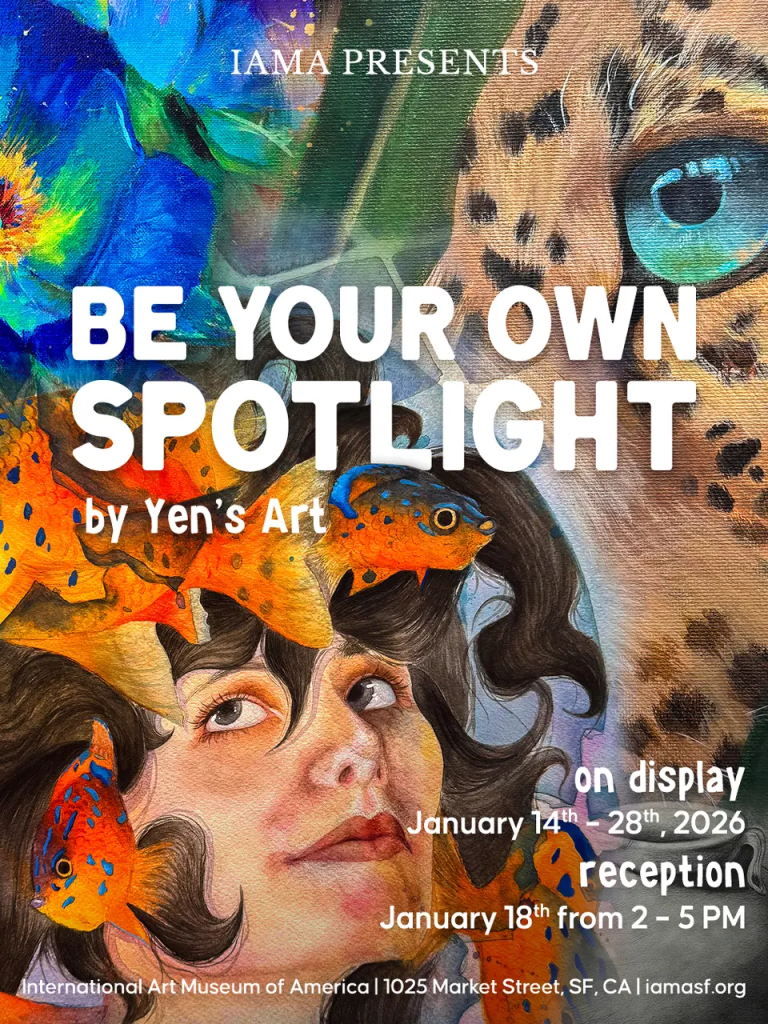
IAMA presents Be Your Own Spotlight by Yen’s Art Studio
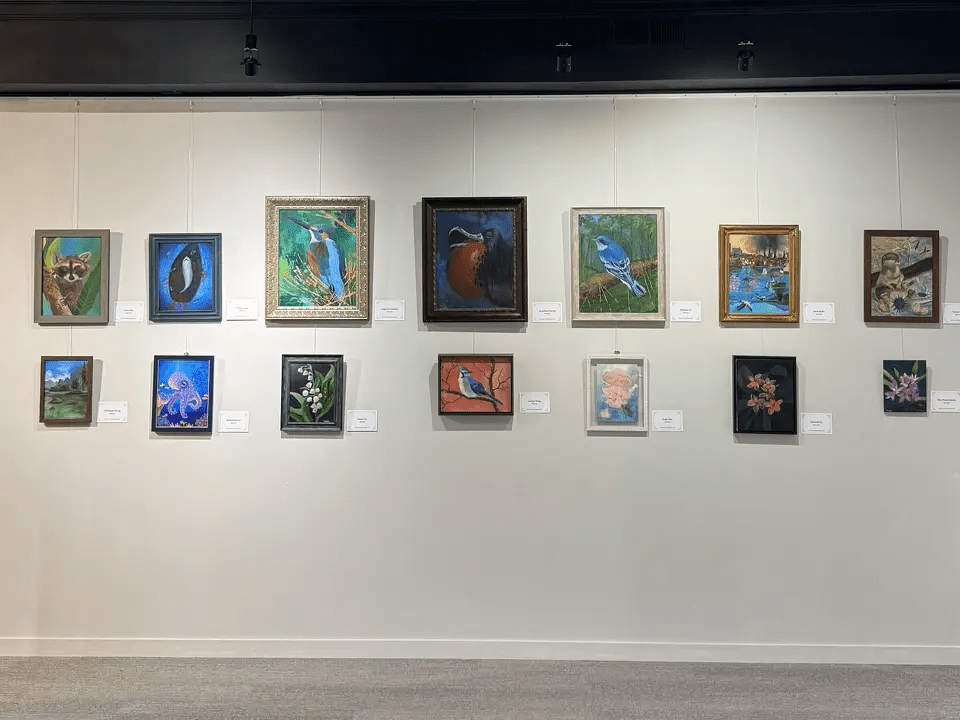
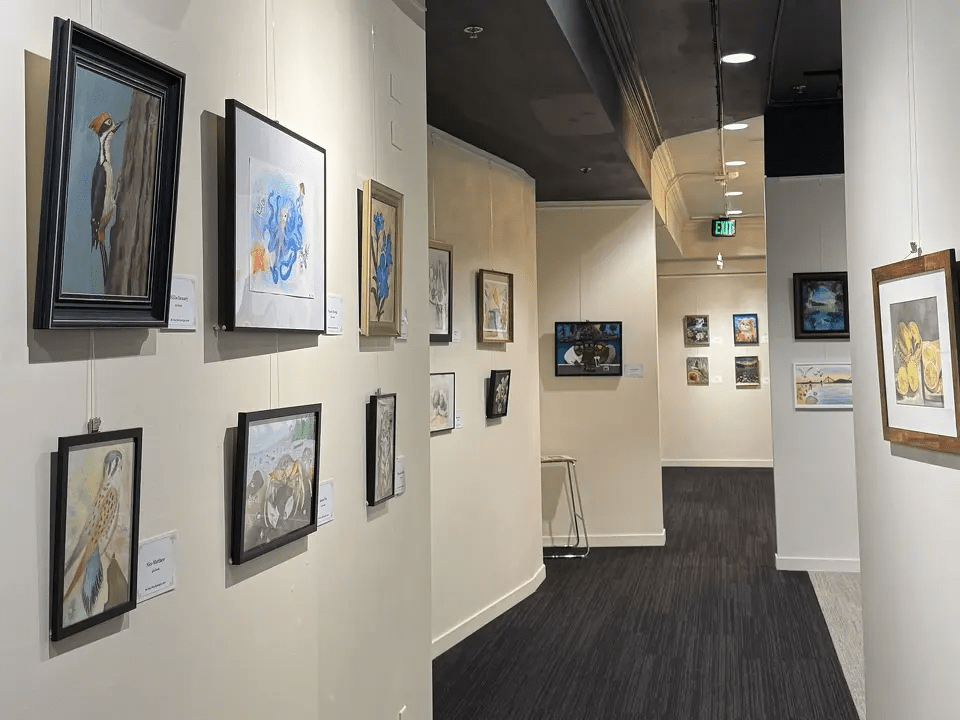
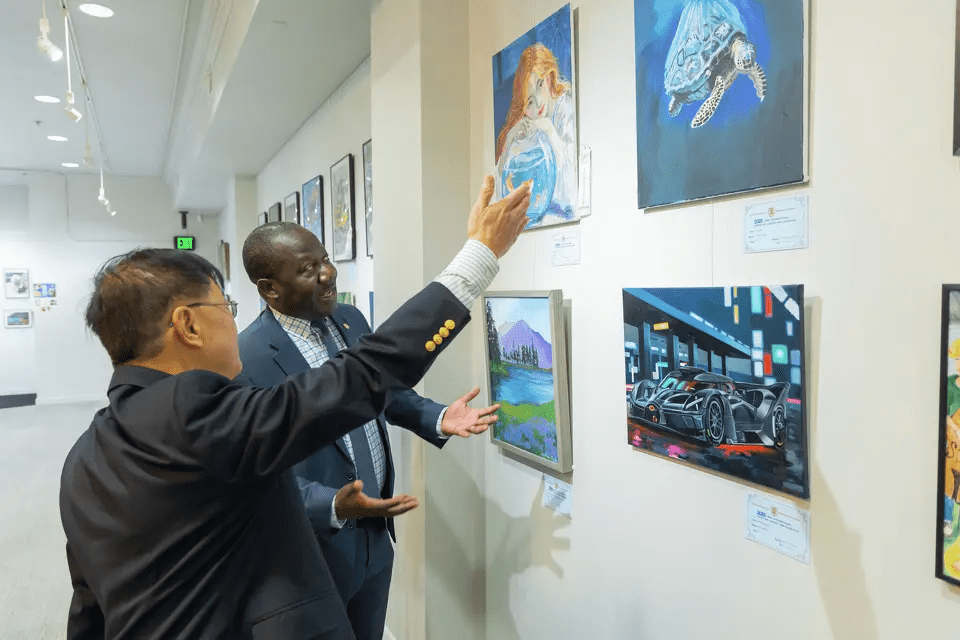
Walking into Be Your Own Spotlight, presented by Yen’s Art Studio, at IAMA (The international Art Museum of America), I didn’t feel like I was entering a typical student art exhibition. Instead, it felt more like stepping into 150 honest conversations—each one visual, brave, and deeply personal.
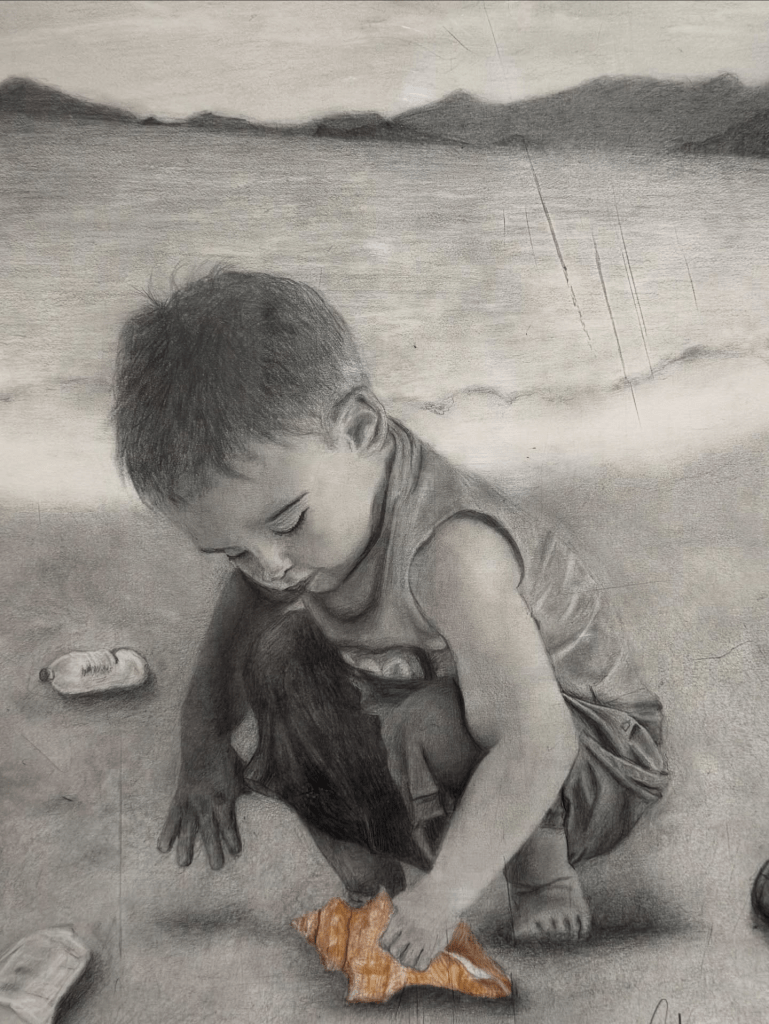
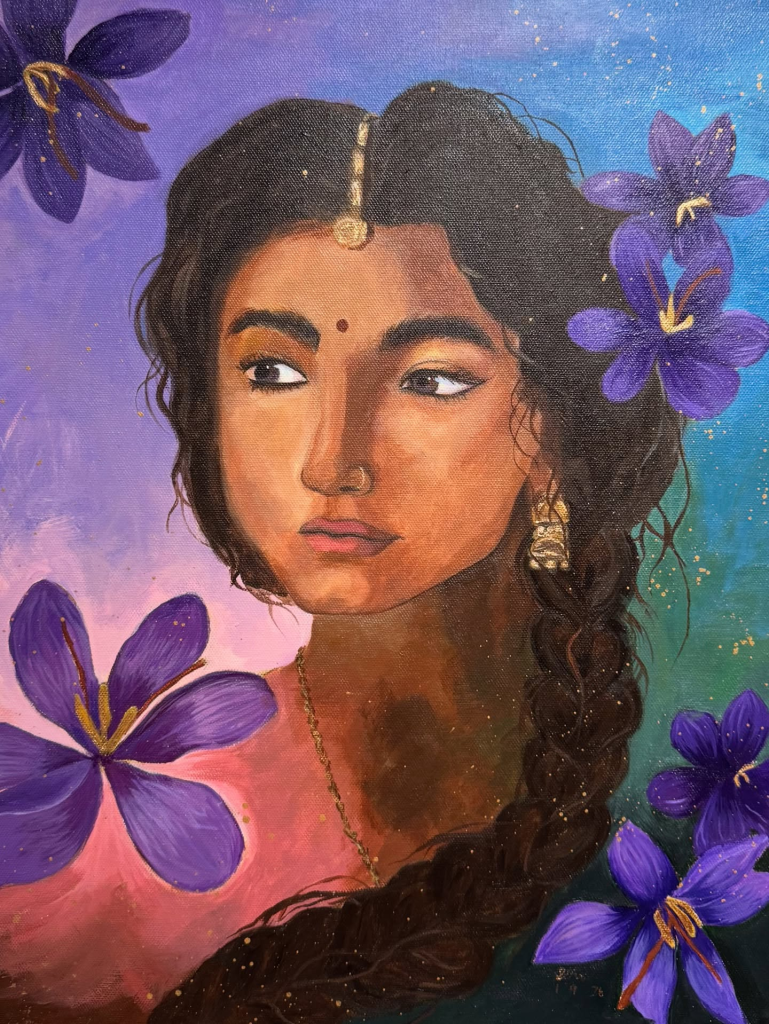
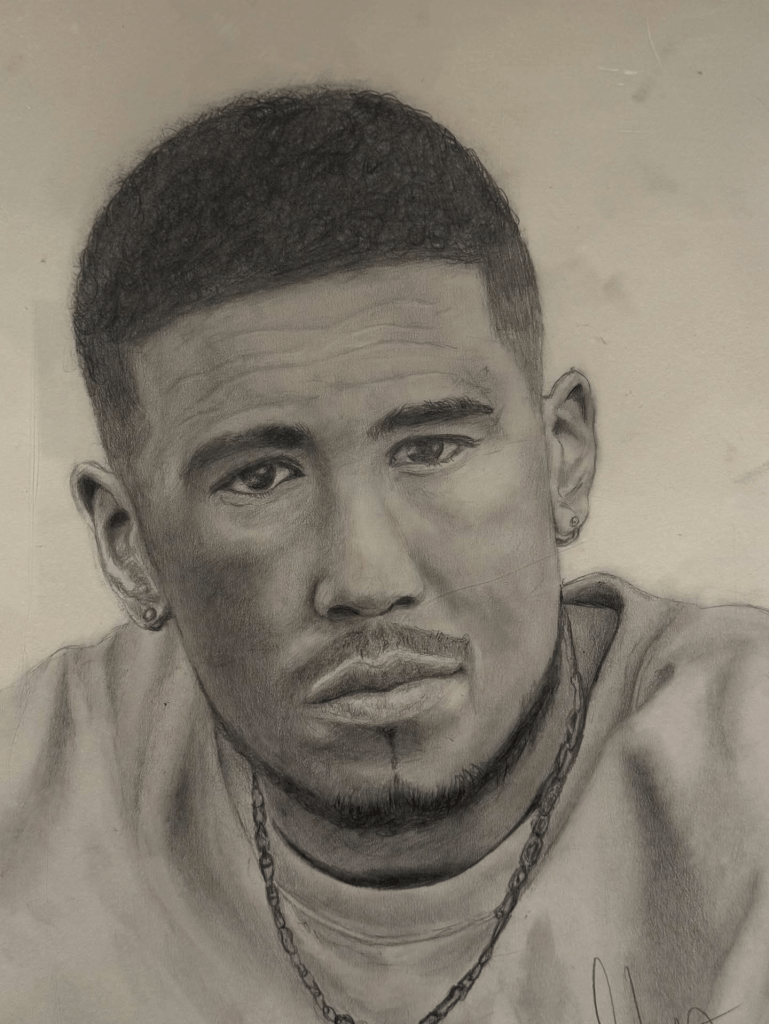
The exhibition features 150 outstanding works by young students, created across a wide range of mediums—acrylic, watercolor, pencil, and mixed media. But what moved me most was not the variety of techniques; it was the sense that every piece quietly declared: this is who I am right now.
These students are not just learning how to paint or draw. They are learning how to trust their voices, how to take up space, and how to stand behind what they create. Their works reflect growth, self-discovery, and the joy—and sometimes uncertainty—of becoming. Whether you are a parent, an educator, a collector, or simply someone searching for inspiration, this exhibition offers something meaningful to feel, not just something pleasant to see.
As I moved through the gallery, I was delighted by the sheer range of imagination: striking portraits, fantastical worlds, playful animals in sunglasses, thoughtful reflections on global issues, and moments of pure joy. The diversity of themes reminded me of a beautiful truth that Yen’s Art Studio expresses so well: “In the world of art, there are no boundaries of age or race. Children’s artwork can reach—and sometimes surpass—the technical ability and creative understanding typically associated with adults.”
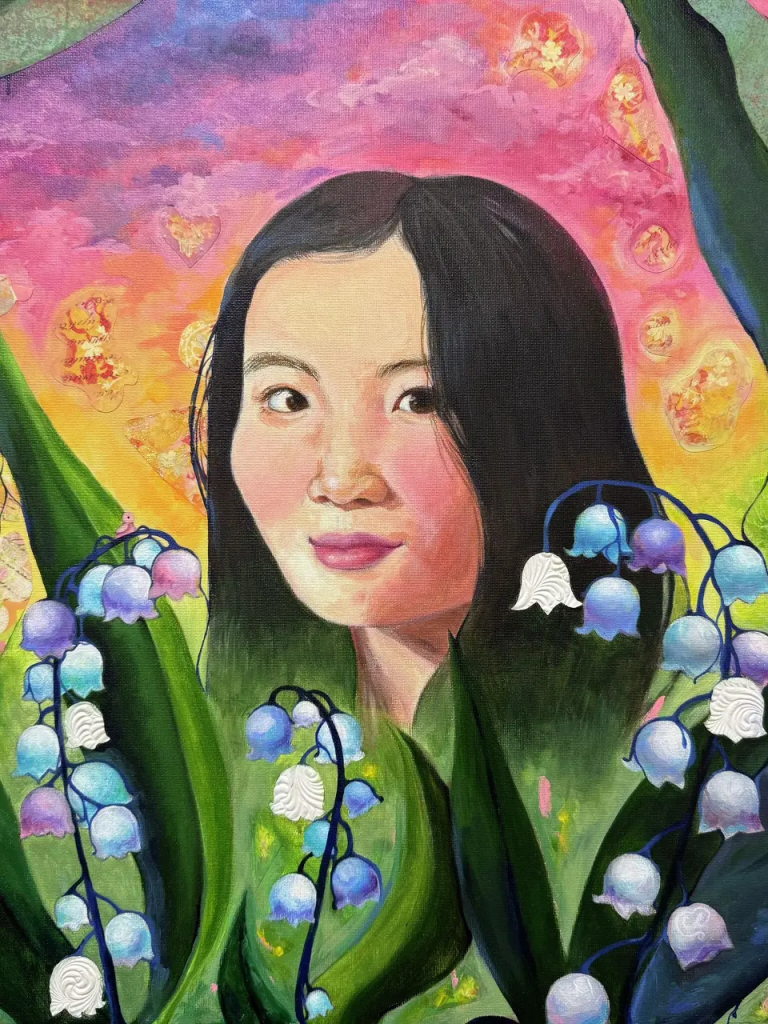
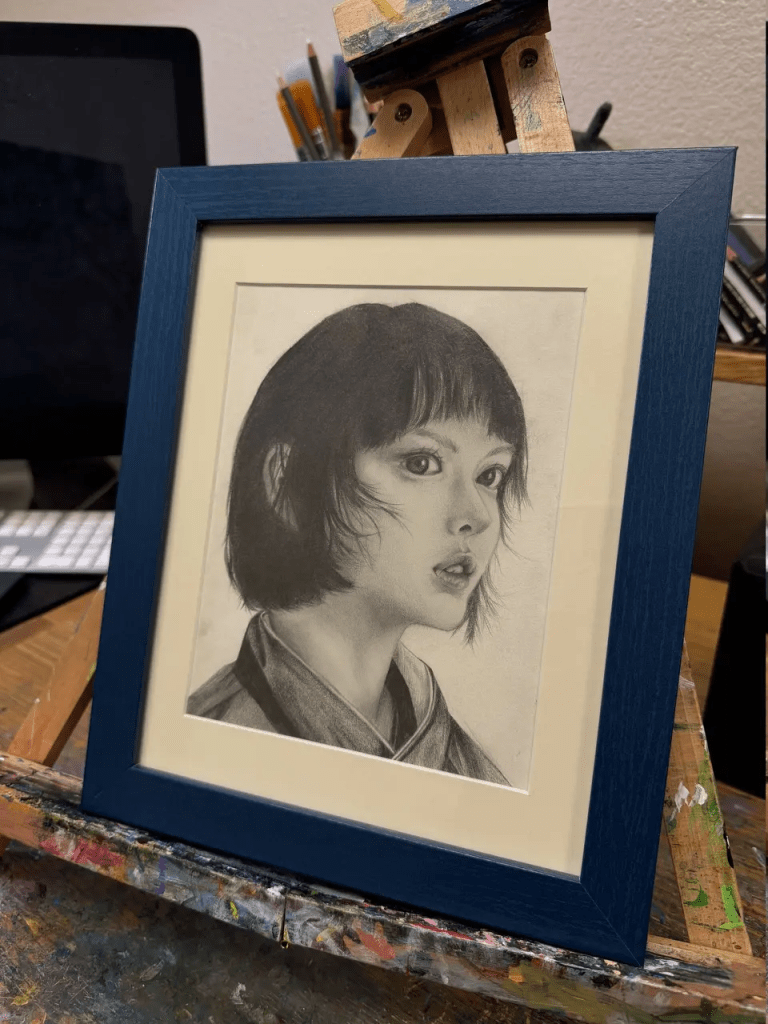
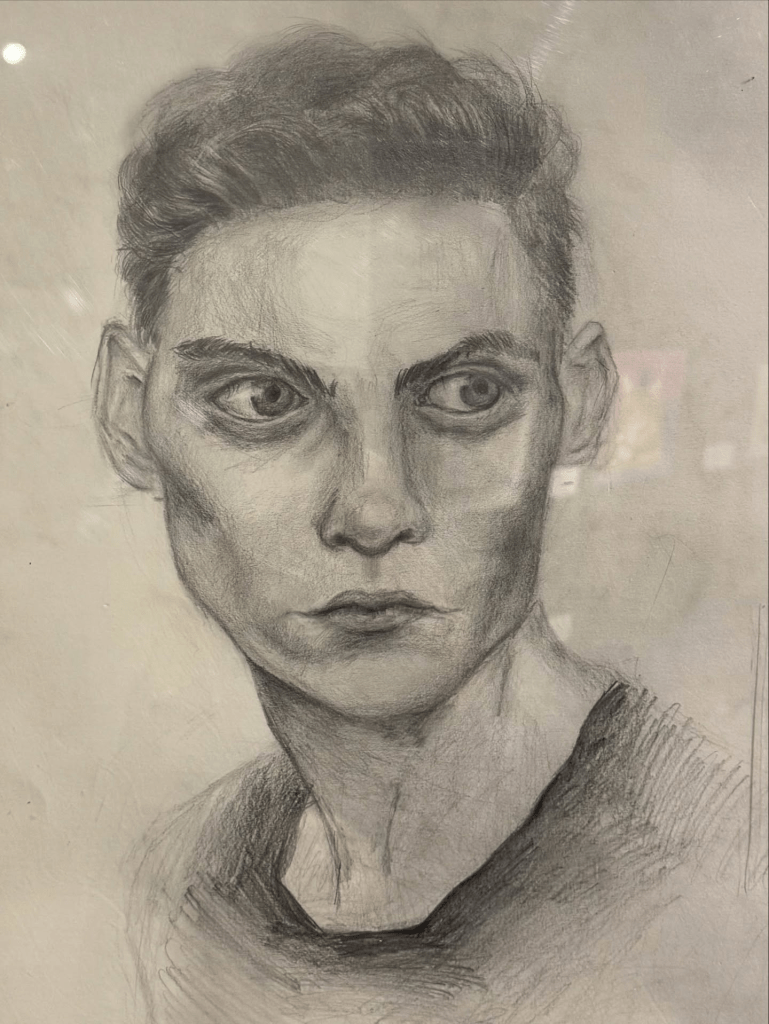
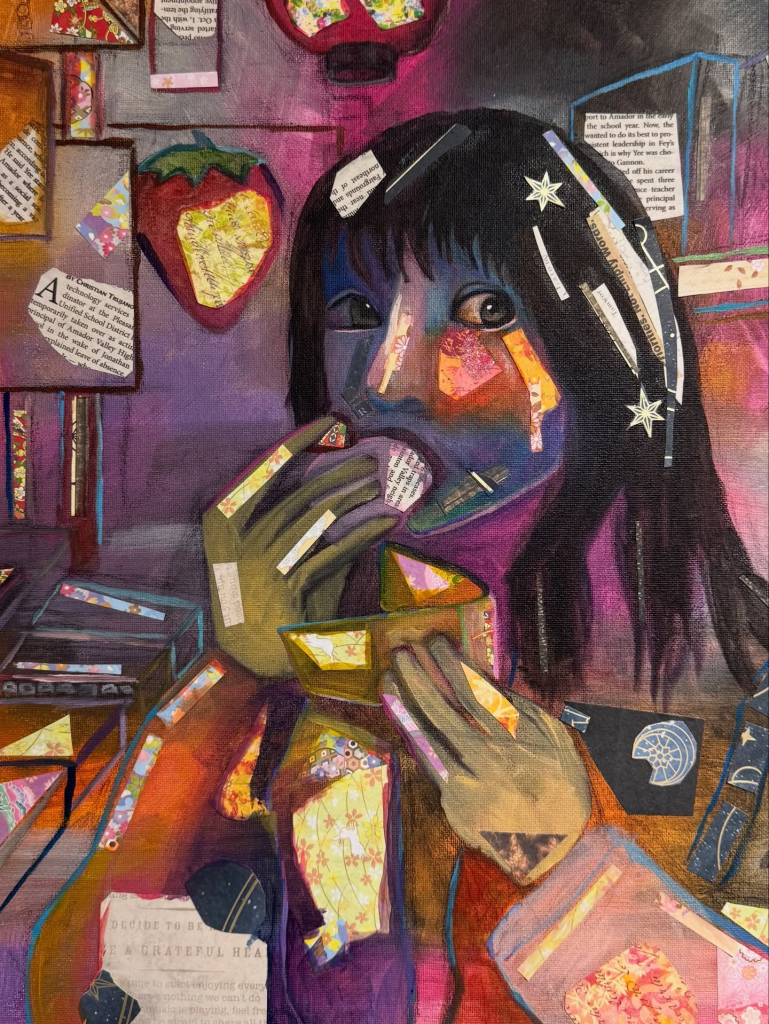
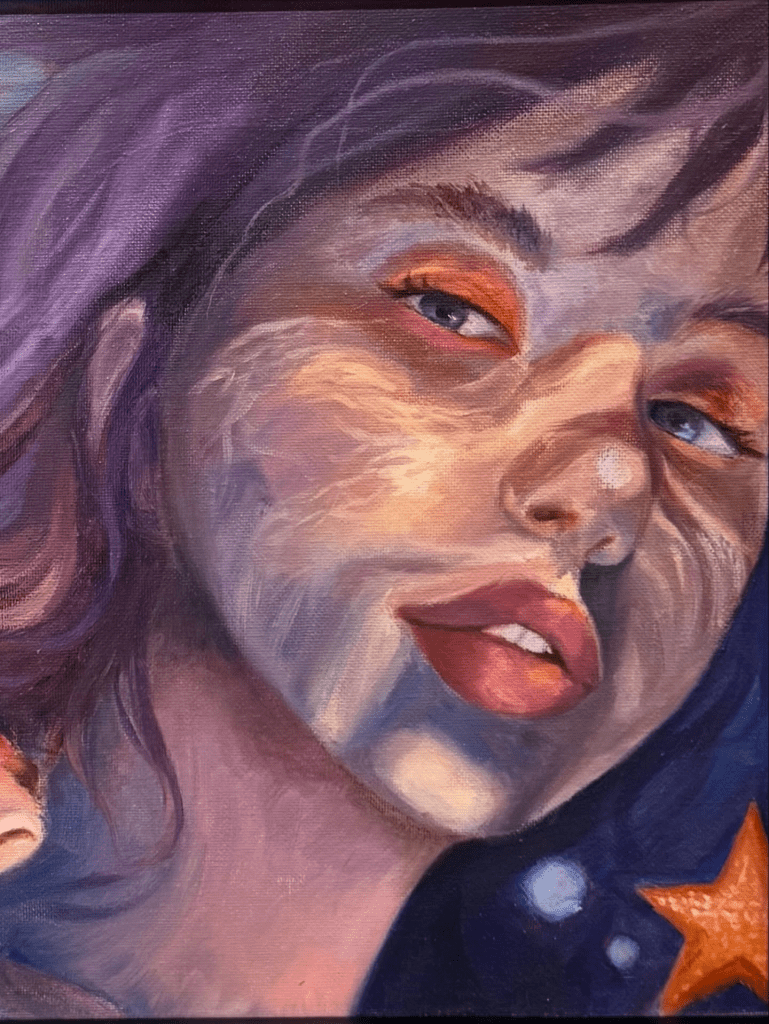
One piece that stayed with me was a self-portrait by 8th-grade student Cynthia Liu. It stood out not only for its technical sensitivity, but for its emotional depth. Cynthia is known for her perfectionist nature, something many of us—artists or not—can relate to. Her work quietly reflects a universal truth: no artwork is ever truly finished. Without a clear endpoint, a piece can be revised endlessly, sometimes at the cost of the original vision.
Self-Portrait by Cynthia Liu, 8th grade Yen’s Art Studio
Hanni from Newjeans by Sophie Sun, 9th grade. Yen’s Art Studio
Another story that deeply touched me was Sophie’s. Once a shy student who nearly gave up on art altogether, she found her way back through the creative process at the studio. Through painting, Sophie rediscovered calmness, confidence, and inner strength—one of the most meaningful transformations I learned about in this exhibition. Her journey reflects the studio’s commitment not only to technical excellence, but to nurturing the inner lives of its students.
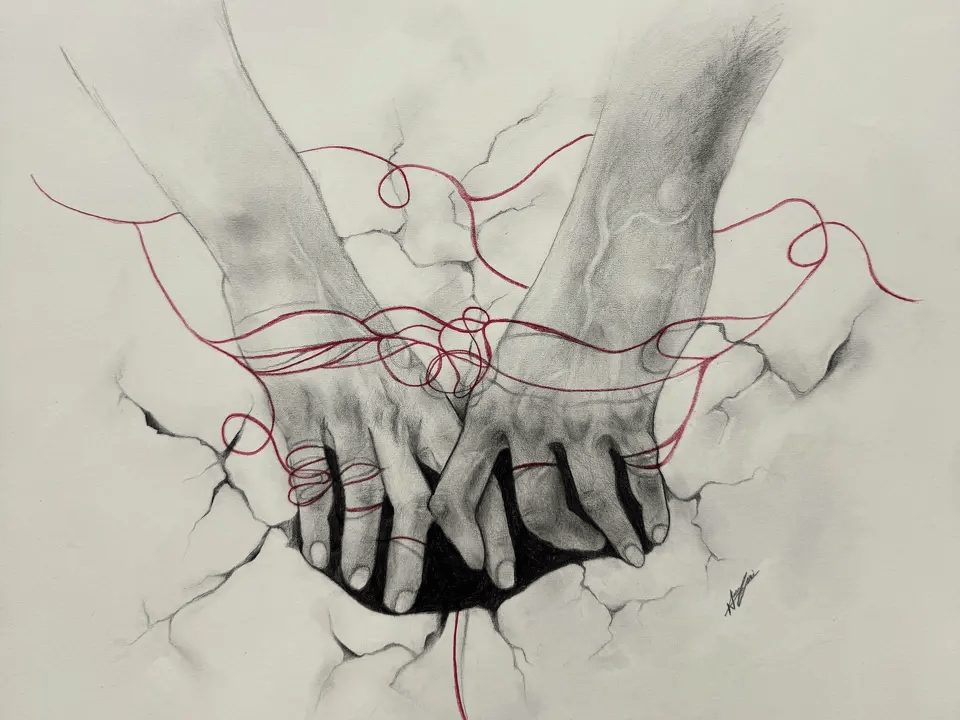
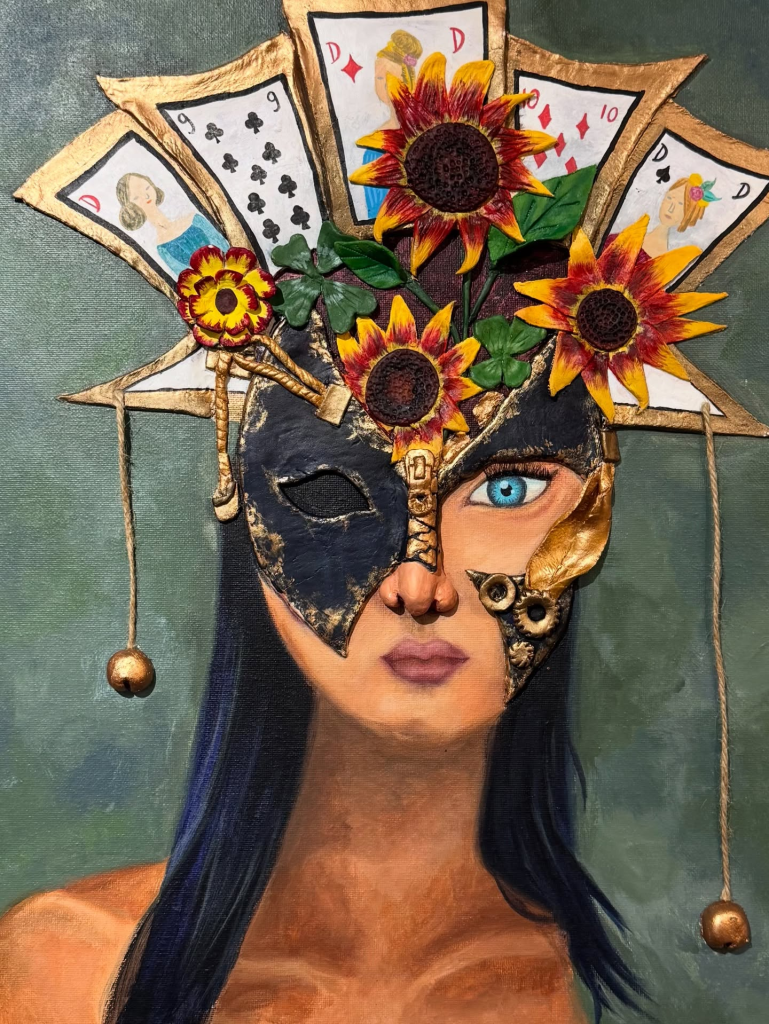
Lovers by Nova Cui, 9th grade Yen’s Art Studio
Among the more than 150 works, one painting stood out to me for its quiet presence rather than immediate visual impact. Created by Nova, a student dedicated to becoming a professional ballet dancer, the piece carries a sense of discipline, restraint, and inner resolve. Acknowledging the intensity of her dance training, her art education focused less on technical display and more on observation, sensitivity, and emotional understanding.
Her painting reveals genuine emotion and determination, qualities she will undoubtedly carry into her future as a dancer, where movement and art meet as a shared language of expression.
Be Your Own Spotlight is ultimately not just about showcasing talent. It is about honoring courage—especially the quiet kind. It reminds us that every young artist is learning not only how to create, but how to believe in themselves. And as viewers, we are fortunate to witness these moments of bravery, growth, and becoming.
Don’t miss the museum’s permanent exhibition, where world-class artworks offer far more than visual beauty. Here, art becomes a quiet refuge—inviting tranquility, reflection, and a subtle elevation of the spirit. Especially moving are the paintings by H.H. Dorje Chang Buddha III, whose works gently awaken the mind, soothe the heart, and leave the soul deeply inspired long after you depart.
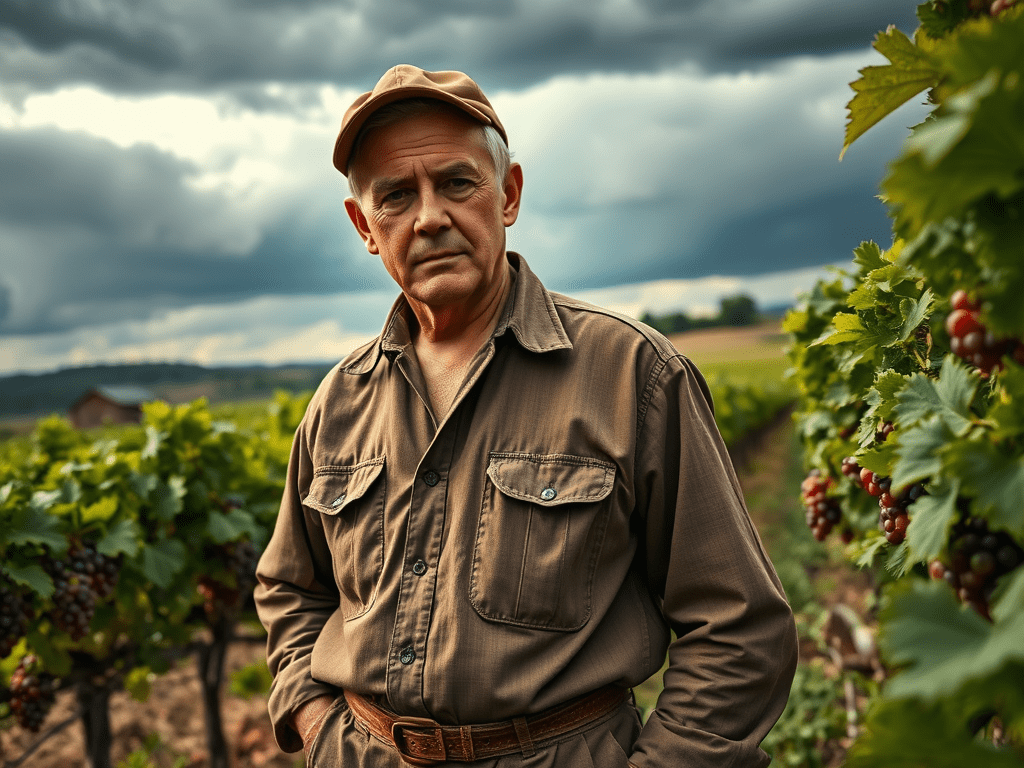
In the middle of a storm, most people look for shelter. But a rare few choose to stand in the rain to keep someone else’s home from washing away.
In 1942, the United States was a place of fear and suspicion. Following the attack on Pearl Harbor, Executive Order 9066 forced thousands of Japanese-American citizens into internment camps. They were given just days to pack what they could carry, leaving behind their businesses, their homes, and their life’s work.
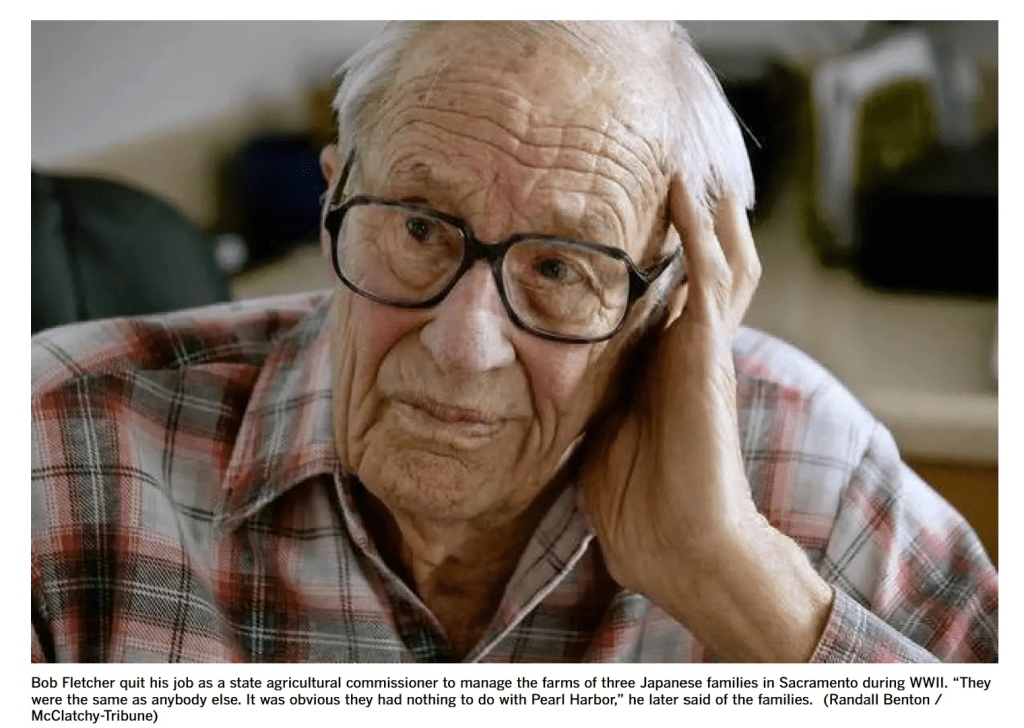
In Florin, California, most people looked away as their neighbors were taken. But an agricultural inspector named Bob Fletcher did something different. He stepped forward.
Note 1
Bob Fletcher was 31 years old when his neighbors—the Tsukamoto, Nitta, and Okamoto families—were ordered to leave. They were strawberry and grape farmers who faced losing everything to foreclosure.
They asked Bob if he would manage their farms while they were gone. Bob didn’t just say yes; he quit his stable job with the state to become a full-time farmer for people who weren’t even allowed to be there.
For three years, Bob worked 18-hour days. He managed 90 acres of flame tokay grapes across three different farms.
The Cost of Doing the Right Thing
Doing the “right thing” is rarely easy. Bob wasn’t seen as a hero by his community at the time. He was called names, shunned by neighbors, and at one point, someone even fired a shot into the barn where he was working.
But Bob had a quiet, iron-clad integrity. He lived in the migrant bunkhouses rather than the families’ main homes. He paid their mortgages, their taxes, and their bills. When the families finally returned in 1945, they didn’t return to ruins—they returned to thriving farms and a bank account full of the profits Bob had saved for them.
Bob Fletcher lived to be 101 years old. For decades, he deflected praise, often saying:
“I don’t know about being a hero. I just did what I thought was right.”
His life leaves us with enduring lessons:
Integrity is a verb. It is not what we believe in private, but what we practice when no one is watching—and when it costs us something.
One person is enough. Bob couldn’t stop a national injustice, but he saved three families. Sometimes protecting one corner of the world is exactly what we are called to do.
Moral courage is quiet. It doesn’t announce itself. Sometimes it looks like long days, dirty hands, and the refusal to surrender compassion to fear.
We may not be living through a world war, but we all face moments where it is easier to go along with the crowd than to stand up for a neighbor. Bob Fletcher’s life asks us: Who are we looking out for? What are we willing to protect?
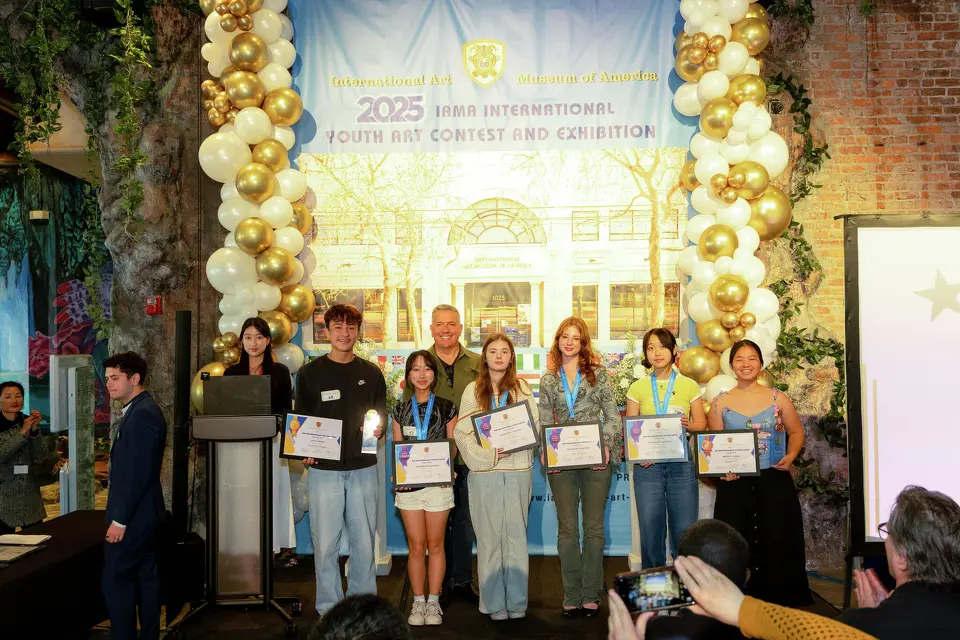
Award recipients from the youngest age group (five- to six-years-old) at the 2025 International Youth Art Contest, pictured with Mr. KC Hsieh, IAMA President.Photo by Johnny Trieu
(Ad) On July 13th, 2025, San Francisco’s International Art Museum of America (IAMA) hosted the awards ceremony for the Second Annual International Youth Art Contest and Exhibition. The museum hosted nearly 400 attendees who were eager to see this year’s exhibition of youth artworks from around the world. Distinguished guests included Mr. Guy Djoken, Executive Director of UNESCO Center for Peace of Washington D.C.; San Francisco District Six Supervisor Matt Dorsey; and Professor Adam Caldwell, Chair of the Jury Committee and faculty member at the Academy of Art University, San Francisco. The ceremony spotlighted the creative achievements of young artists and underscored the museum’s role in fostering cultural exchange and youth artistic expression. Now, in its second year, the International Youth Art Contest and Exhibition continues to expand its reach and impact, advancing IAMA’s mission to champion emerging talent and foster intercultural connection through the arts.
This year, 1,600 youth participants submitted over 3,800 artworks to the Youth Art Contest. Artists from sixty-five countries across five continents competed within four age groups. After a rigorous selection process evaluating creativity, technical skill, and overall presentation, 477 young artists from seventeen countries were selected to exhibit a total of 616 outstanding works in IAMA’s Grand Exhibition Hall. The artistic caliber and thematic richness of the selected pieces left the jury in awe.
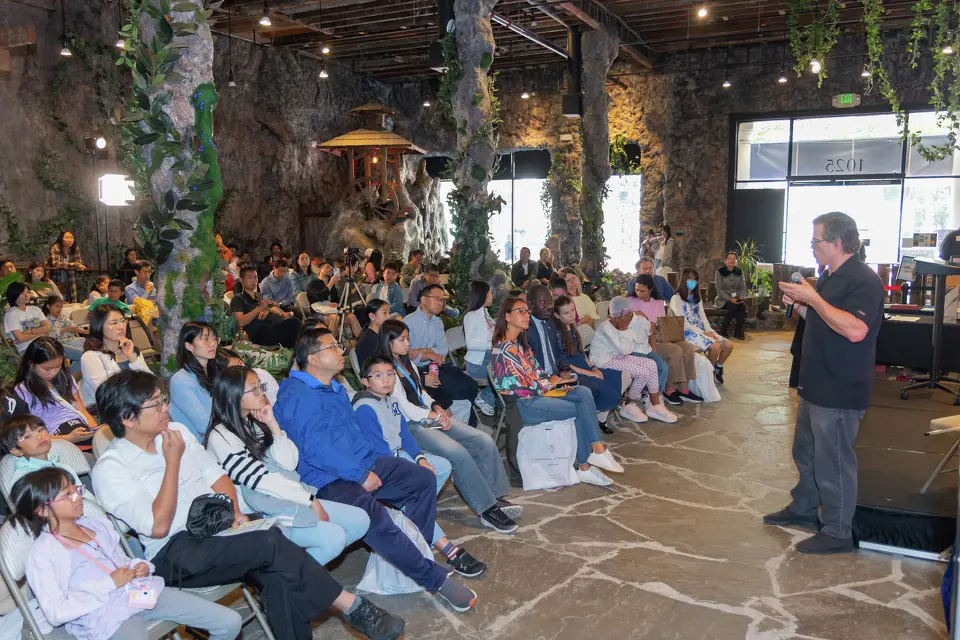
Attendees of the 2025 International Youth Art Contest viewing the installation in the Grand Exhibition Hall located at 1025 Market Street in San Francisco.Photo by Johnny Trieu
During his address at the awards ceremony, Mr. Guy Djoken offered high commendation for IAMA and its dedicated team, applauding their ongoing commitment to promoting international artistic exchange and cultivating a space where the public can find joy and renewed hope through art. Reflecting on the global turbulence and widespread uncertainty facing today’s global community, Mr. Djoken declared, “At a time when many live in fear—especially of war—just for us to be here at the museum, smiling and happy, and most importantly hopeful about the future—this is the best thing about this competition.” Mr. Djoken’s heartfelt message set a hopeful tone for the awards ceremony and attendees alike.
Executive Director of the UNESCO Center for Peace, Guy Djoken, was deeply impressed by the exceptional quality of the young artists’ work, finding both joy and hope for the future in their creativity.Photo by Johnny TrieuAward recipients in the eleven – fourteen age group at the 2025 IAMA International Youth Art Contest, joined by Mr. Guy Djoken, Executive Director of the UNESCO Center for Peace in Washington, D.C., who presented the honors during the ceremony.Photo by Johnny Trieu
Matt Dorsey, San Francisco’s District Six Supervisor, also addressed the audience, expressing his appreciation for the International Art Museum of America as a true hidden gem of San Francisco’s art landscape, and pledged his continued support for the museum’s mission and contributions to the community. Supervisor Dorsey offered words of encouragement to all participating youth artists, urging them to pursue their creative passions with perseverance—regardless of the outcome—and to never stop pursuing their artistic dreams.
Award recipients in the fifteen–eighteen age group of the contest were presented with their honors by San Francisco District Six Supervisor Matt Dorsey during the awards ceremony.Photo by Johnny Trieu
Professor Caldwell praised the range of themes and talent amongst all submissions and ages, which made selecting the winners of each age group challenging for the judges. Professor Caldwell noted the importance of international art exchange, stating “It’s a great way to bridge gaps between countries. The artistic community has always crossed political, social, and ethnic borders. Art and music are among the most universal forms of expression. They allow us to feel what others felt… Art brings people together across divides.” Professor Caldwell’s wise words perfectly captured the mission and outcome of the International Youth Art Contest.
Award recipients from the seven – eleven age group honored by Prof. Adam Caldwell—Chair of the Jury Committee, and faculty member at the Academy of Art University, San Francisco.Photo by Johnny Trieu
In this year’s contest, a newly introduced category for the youngest age group—participants ages five to six—garnered enthusiastic engagement from a remarkable number of budding artists. Through their sincere brushwork and vibrant imagination, these children demonstrated an extraordinary innate talent that captivated both audiences and judges alike.
Dr. Amy Hughes, Jury Committee Member and Director of Student Services at the New York Academy of Art, recognized the courageous creativity of the youth artists reflecting, “I was struck by the fearless creativity on display — the young artists did not shy away from complex themes, experimenting with materials, and expressing deeply personal narratives. Each piece felt authentic and fresh, demonstrating both technical skill, and emotional depth. The entries explored themes ranging from family, community, and environmental justice to dreams, culture, and identity—powerfully reflecting the younger generation’s keen insights and profound emotional connection to the world around them.
Charlotte Wu, third place award recipient in the five- to six-year-old age group, looks up at her winning painting, The Garden Where She Waits.Photo by Johnny Trieu
Lucas Shao, the first place winner of the five- to six-year-old age group, depicted himself joyfully swinging through the air in his painting, Wonderland. When asked about his hopes for his art, Lucas enthusiastically declared “I hope my art makes people happy, warm, big smiles just like me!”
Five-year-old Lucas Shao, winner of first place in the five- to six-year-old age group, stood proudly beside his painting Wonderland, depicting his happiness while swinging on the playground.Photo by Tong Shao
Third place winner of the five- to six-year-old age group, Kedarnath Kalidindi depicted a goldfish in a small fishtank in his painting, Freedom in Captivity, inspired by “finding inner freedom during incarceration.” The addition of this age group was an exciting component of this year’s event, and underscored the value of shining a spotlight on youth artwork, and garnering the wisdom of today’s youth.
Five-year-old Kedarnath Kalidindi, third-place winner in the five- to six-year-old age group, introduced his painting, Freedom in Captivity, to the audience.Photo by Johnny Trieu
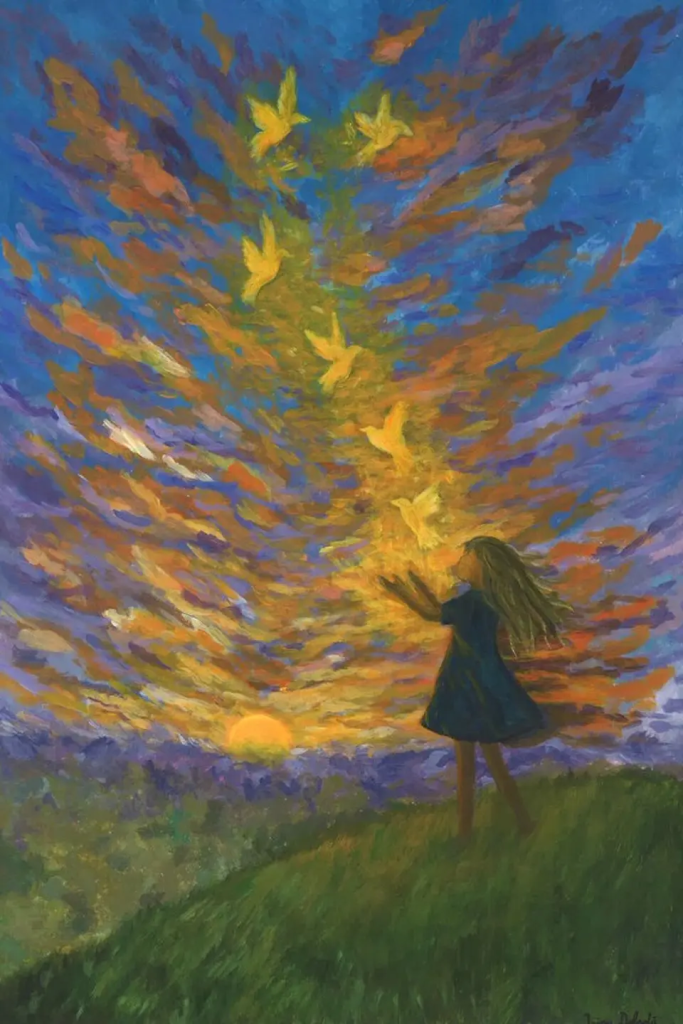
Ten-year-old Irina Elena Dobrota from Romania was honored with third place in the seven- to ten-year-old age group for her painting, Flight of Dreams, which was selected for the final exhibition at IAMA. Celebrated for its gentle spirit and imaginative vision, the piece radiates themes of kindness, freedom, and hope. Irina’s achievement brought pride and joy to her local community, and she hopes her work will inspire others to believe that every heartfelt wish can take flight—if we have the courage to let it soar.
Third place winner of the seven- to ten-year-old age group, Irina Elena Dobrota’s painting, Flight of Dreams.Photo by IAMA
Ashley Hein, second place winner of the fifteen-to-eighteen-year-old age group, impressed the jury with her painting, Animal Instinct, distinguished by its mature composition and outstanding execution. Professor Caldwell commented that he had shown several of the entries to his university art students, who were deeply moved and inspired by the technical skill and creativity on display.
Ashley Hein’s artwork, Animal Instinct, won second place in the fifteen- to eighteen-year-old age group.Photo by IAMA
Seventeen-year-old Kate Fieldhouse from South Africa received an honorable mention for her painting Between Worlds, which depicts a striking worldscape through an intense and creative exploration of breaking the canvas.
Seventeen-year-old Kate Fieldhouse from South Africa received an Honorable Mention for her painting Between Worlds.Photo by Johnny Trieu
Sixteen-year-old Polina Larina received an Honorable Mention Award for her painting Moscow Buns Evening. During her interview, Polina shared how she views her art as an opportunity to introduce people to Russian culture, and how the Youth Art Contest inspired her to continue to pursue her art dreams, “It was my first time participating in the IAMA competition. Participation in this competition helped me to feel recognized as an artist, and inspired to keep making art and put more effort into it.” Polina’s painting, inspired by a memorable walk with her grandparents, serves as a reminder to escape into nostalgia and childhood memories in trying times.
Sixteen-year-old Polina Larina (second from right, standing beside her mother) who received an Honorable Mention for her painting Moscow Buns Evening, in the Grand Exhibition Hall, joined by her parents and twin sister.Photo by Johnny Trieu
Following the ceremony, Professor Caldwell gave a masterclass for all participants, offering thoughtful insights on artistic growth, and encouraging continued exploration and confidence in their creative journeys. His masterclass focused on four elements: visual storytelling and composition, techniques and materials, the role of art in communication and expression, and advice for young artists. This is the second year Professor Caldwell has judged the artwork for the contest and delivered a masterclass for attendees of the contest.
Professor Caldwell delivered a knowledgeable and enlightening masterclass to attendees and participants. Photo by Johnny Trieu
About IAMA
Located in the heart of San Francisco, IAMA was voted the “Best Art Gallery” and was a finalist as the “Best Museum” in SFGate’s Best of Bay Area 2024. IAMA is dedicated to making world-class art accessible to all through exhibitions, education, and international contests. With a mission to foster peace and happiness through art—especially by nurturing the next generation—IAMA brings together works from around the globe, bridging East and West, classical and contemporary.
This exquisite painting, rendered in the unique “Banqi” style, captures a touching scene of children from mountain villages on their way to school. Unlike city children, these young students must trek across rugged terrain—climbing mountains, crossing ravines—day after day to pursue their education. Their journey is filled with challenges, yet their unwavering determination and thirst for knowledge shine through. This artwork serves as a tribute to their resilience, reminding us all of the value of education and the perseverance required to achieve greatness.
A Revolutionary Artistic Technique
What makes this painting extraordinary is its unconventional brushwork, which blends the bold energy of ink-wash painting with the refined precision of engraving. Every stroke, whether light or dark, delicate or bold, exudes an artistic charm that is both fluid and structured. The layering of ink and color creates depth, while the intricate texture gives the illusion of an engraved plate print, despite being entirely painted by hand. The brushwork is dynamic—lines seem to break and reconnect, mimicking the traditional elegance of carved stone seals. This interplay between spontaneity and meticulous control infuses the painting with life, movement, and a profound sense of authenticity.
What Is the “Banqi” Style?
The “Banqi” style is a rare and fascinating artistic approach that combines the visual impact of printmaking with the expressive freedom of brush painting. While these works resemble engravings at first glance, they are, in fact, purely ink-wash paintings—imbued with an effortless yet profound beauty that is both natural and lively. Beneath their structured appearance lies a deep, inexhaustible charm, where each stroke carries an essence of tradition, innovation, and artistic mastery.
Through this masterpiece, we witness not only a compelling story of perseverance but also a groundbreaking artistic vision—one that harmonizes the precision of engraving with the fluid grace of brush painting. It is a celebration of both form and spirit, a true testament to the boundless possibilities of art.
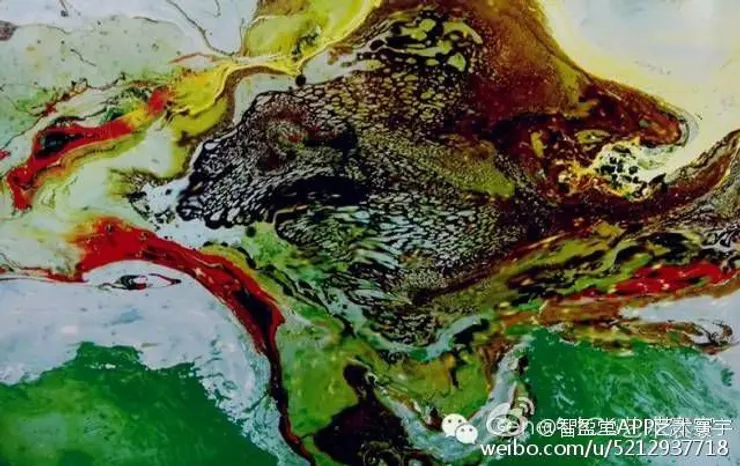
H.H. Dorje Chang Buddha III‘s Abstract Color Paintings create a perfect world shaped entirely by color. Free from concrete worldly forms, this realm exists purely through the interplay of hues—defining, expressing, and embodying itself in vibrant harmony. Here, color is both form and essence, radiating a mesmerizing aura.
Under the masterful hand of H.H. Dorje Chang Buddha III, these colors seamlessly merge into a breathtakingly enchanting spectrum. The atmosphere is dynamic, with scenes that bloom like flowers and surge with the power of the roaring sea. Yet, upon closer reflection, they reveal delicate nuances, refined in their intricate details.
Flower of Life
This painting depicts a unique flower, with delicate white petals gently unfolding and a striking red pistil at its center. Growing irregularly against a dark background, it seems to challenge its surroundings. Though unusual in appearance, this flower carries a profound meaning of life, symbolizing resilience and beauty in adversity. It is not only a miracle of nature but also a representation of vitality, showcasing the brilliance and diversity of life. Each petal tells a story, drawing the viewer into the emotions and strength conveyed by the artwork.
Flower of Life (2)
In this painting, intricate patterns and clear details intertwine, portraying the harmonious growth of various living beings. Each element seems to narrate the origins of life, allowing viewers to deeply sense the evolutionary process of all things.
This artwork is not merely a depiction of nature but also a contemplation of the essence of life. It serves as a reminder that life is in a constant state of growth and transformation, just like our own journeys. Every challenge and breakthrough we experience is an essential part of our personal development.
Through this piece, we are invited to reflect on our own lives and feel a profound connection with nature.
You can discover a selection of the exceptionally charming paintings in the permanent exhibition at The International Art Museum of America, situated in downtown San Francisco.
Among the finest expressions of Chinese ink artistry stands the extraordinary masterpiece, The Mystical Cat. This enchanting work features a mystical cat rendered in soft gray tones, brought to life with just a few expressive strokes. Its piercing eyes radiate spirit and depth, while a mysterious, subtle smile lingers—captivating and thought-provoking.
The cat’s fur, depicted with delicate and fluid brushwork, dances between the forms of flowing water and drifting clouds. The texture appears so soft and inviting that one feels compelled to reach out and touch it. Yet, upon closer examination, the illusion reveals itself—those masterful brushstrokes are undeniably the cat’s fur. The intricate variations and richness of detail make this artwork a visual marvel, leaving one to wonder: What extraordinary technique could produce such brilliance?
In terms of artistic style, this piece is truly unparalleled, belonging to the “Fangfa School” style created by the esteemed master H.H. Dorje Chang Buddha III. The fluid strokes around the cat’s neck echo the elegance of cursive calligraphy, with each brushstroke flowing like clouds and water—graceful, yet powerful. Perched steadily on a tree trunk, the cat exudes a sense of calm and quiet dignity, drawing the viewer into a state of serene contemplation.
The tree trunk itself, rendered with bold, sweeping strokes and vibrant hues, pulses with energy and rhythm, reminiscent of the stirring notes of a cello performance—uplifting and profound. Behind the cat, two slender branches interlace gracefully, adorned with delicate flower buds. They seem to sway like young maidens dancing in spring, infusing the composition with poetic charm.
The most captivating feature, however, remains the cat’s eyes. With just two elegantly curved strokes, the artist has infused the cat’s gaze with a sense of life and spiritual depth. When meeting the cat’s eyes, one feels as though the feline is speaking directly to the soul, its wisdom and elegance unmistakable. It transcends the ordinary, radiating a sense of profound spirituality rarely captured in art.
This small yet profound piece not only showcases extraordinary technical mastery but also offers a transformative visual and spiritual experience. It transports the viewer beyond the material world, leaving an indelible impression on the heart and mind. Many are left to wonder—who could create such an extraordinary work of art?
The Mystical Cat is the work of the revered artistic master H.H. Dorje Chang Buddha III. Created in 1991, it belongs to the “Fangfa School” style, one of sixteen unique painting styles founded by the Buddha Himself. This technique, blending profound wisdom and artistic expression, remains unmatched in the art world. Apart from Him, no artist has been able to replicate such divine craftsmanship.
What sets this piece apart is its miraculous charm within a two-dimensional form—impossible to replicate through mere technical skill. The art emerges from a realm of wisdom and enlightenment, far surpassing the ordinary. The minimalistic background, created with a few well-placed strokes, echoes the elegance of ancient inscriptions while preserving a harmonious balance between form and spirit. It represents the pinnacle of ink conservation and calligraphic mastery—a true summit of artistic achievement.
The rarity of The Mystical Cat is beyond comparison. Since creating this piece, H.H. Dorje Chang Buddha III has sealed this divine style, ensuring that such masterpieces will not be produced again. This fact alone transforms the artwork into a priceless, limited edition treasure of the highest order.
The painting’s extraordinary value was confirmed at the Christie’s Chinese Treasures Christmas and New Year Auction hosted by the New York GianGuan International Auction Company on December 9, 2012. A reproduction of The Mystical Cat sold for an astonishing $253,000 USD, achieving the highest recorded price for a reproduction painting per square foot.
The Mystical Cat is not just a painting—it is a gateway to a realm where art, wisdom, and spiritual depth converge. A true testament to the artistic genius of H.H. Dorje Chang Buddha III, this masterpiece stands as an eternal symbol of artistic perfection and spiritual transcendence.
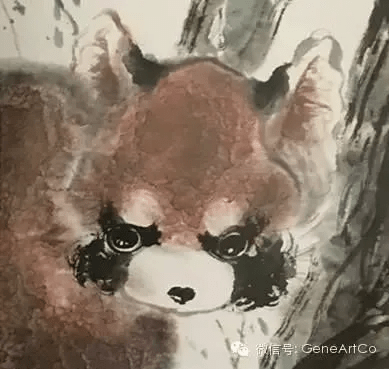
In this exquisite artwork, the slightly reddish small animal depicted is an extraordinarily rare and precious creature known as the red panda, also referred to as the small panda. H.H. Dorje Chang Buddha III, with His masterful artistic techniques, brings this delicate creature to life in a way that captivates the viewer’s heart.
The red panda, native to the eastern Himalayas and southwestern China, is known for its striking reddish-brown fur, bushy ringed tail, and expressive face. H.H. Dorje Chang Buddha III skillfully captures these natural features, emphasizing the panda’s endearing innocence and elegance. The slightly upturned tail, adorned with subtle yet distinct spots, adds a dynamic sense of movement and charm. This tail gracefully echoes the surrounding elements of nature, blending harmoniously with the drooping round leaves of the willow branches. The careful balance between the animal and its environment enhances the visual poetry of the piece.
A particularly remarkable aspect of this painting is the technique used to depict the panda’s face. H.H. Dorje Chang Buddha III employs a calligraphic brushstroke style, reminiscent of traditional Chinese ink painting, to portray the panda’s features with simplicity yet profound expressiveness. The crystal-clear, soulful eyes seem to glisten with life, while the velvety black fur is rendered with such fluidity and precision that it conveys both softness and texture.
Through masterful control of brush pressure, ink flow, and color layering, H.H. Dorje Chang Buddha III achieves a perfect balance of realism and artistic interpretation. Each stroke reveals deep insight into both the subject’s physical form and its spiritual essence, a hallmark of true artistic mastery.
The meticulous attention to detail and the profound artistic wisdom evident in this painting reflect H.H. Dorje Chang Buddha III’s extensive experience and unparalleled skill. This artwork is not merely a visual delight but a spiritual expression, reminding viewers of the beauty and fragility of life and the interconnectedness between all living beings and nature. It stands as a testament to the profound depth of both artistic technique and compassionate vision embodied in the works of H.H. Dorje Chang Buddha III.
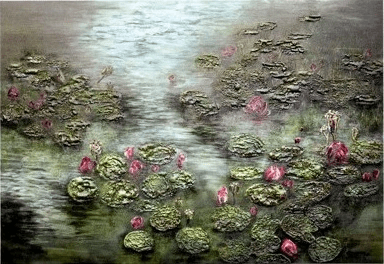
“Cang Ye Pao Hong” (Withered Leaves Scattering Red) is an extraordinary oil painting that belongs to the Thickly Layered Color School, a unique style originated by H.H. Dorje Chang Buddha III. This painting style is renowned for its bold, dynamic strokes and the use of layered, textured color blocks that create a deeply three-dimensional effect. The abstract, surreal use of color brings an unpredictable yet harmonious elegance, transforming the chaotic into a coherent and mesmerizing vision.
The meticulous process behind “Cang Ye Pao Hong” is just as awe-inspiring as the final result. According to the art museum where this work is displayed, the painting took six years to complete, with over 50 layers of paint carefully stacked on top of one another. Each layer was allowed to dry completely before the next was applied, ensuring a rich and vibrant interplay of colors. The outcome is a work of art that exudes an indescribable divine aura, blending both natural beauty and mystical energy.
You can find this masterpiece at the International Art Museum of America, located in downtown San Francisco. Upon first glance, “Cang Ye Pao Hong” commands attention, drawing viewers into deep contemplation. The withered lotus leaves, depicted in a strikingly realistic and three-dimensional manner, symbolize wisdom gained through life’s journey, while the vivid red lotuses appear to leap from the canvas, capturing the essence of “scattering red” with exceptional grace. The rippling water above, shimmering with light, symbolizes infinite hope, further enhancing the painting’s sense of serenity and renewal.
When observed up close, the painting reveals intricate details within the broader strokes, where subtle nuances emerge, demonstrating the remarkable precision and effortless flow that characterize the work. It evokes an ethereal sense of peace, with a balance of strength and gentleness, transcending the worldly and exuding both quiet elegance and boundless depth. It is truly a marvel of artistic mastery, offering a sense of tranquility and spiritual upliftment that words can hardly describe.
H.H. Dorje Chang Buddha III’s artistic genius extends far beyond this single painting. He has mastered all existing schools of painting, including Realism, Abstract, Impressionism, and more, while also founding sixteen entirely new schools of painting. These schools include the Chaoshi School, the Chouxiang Yunwei School, the Fangfa School, the Kuangxi School, and the Thickly Piled Patches of Color School, among others. What sets H.H. Dorje Chang Buddha III apart from any other artist in history is that He not only founded these distinct schools but developed each to a state of perfection, creating what is known as “The H.H. Dorje Chang Buddha III School of Multiple Styles.”
While many renowned artists dedicate their entire lives to mastering one artistic style or theme, H.H. Dorje Chang Buddha III’s unparalleled ability to create and perfect sixteen different painting schools is an accomplishment unmatched in art history. “Cang Ye Pao Hong” is a shining example of His profound artistic vision, showcasing a level of creativity and mastery that continues to inspire and astonish art lovers around the world. Through this work, we are invited to witness not just the beauty of nature but the boundless possibilities of artistic expression.
It is hard to believe that anyone could possess all-encompassing wisdom. For us humans, dedicating a lifetime to mastering even one discipline is remarkable. How could someone be a philosopher, scientist, painter, sculptor, writer, doctor, and inventor all at once, mastering each within a few decades? This seems impossible by human standards. However, the Buddha’s vast and profound wisdom is genuinely real. Over 2,500 years ago, Siddhartha Gautama, the Buddha, invited anyone to ask him any question, promising a detailed answer. This is illustrated in the story of the Buddha teaching a cowherd, as recorded in the “Sutra of the Cowherd Parable.”
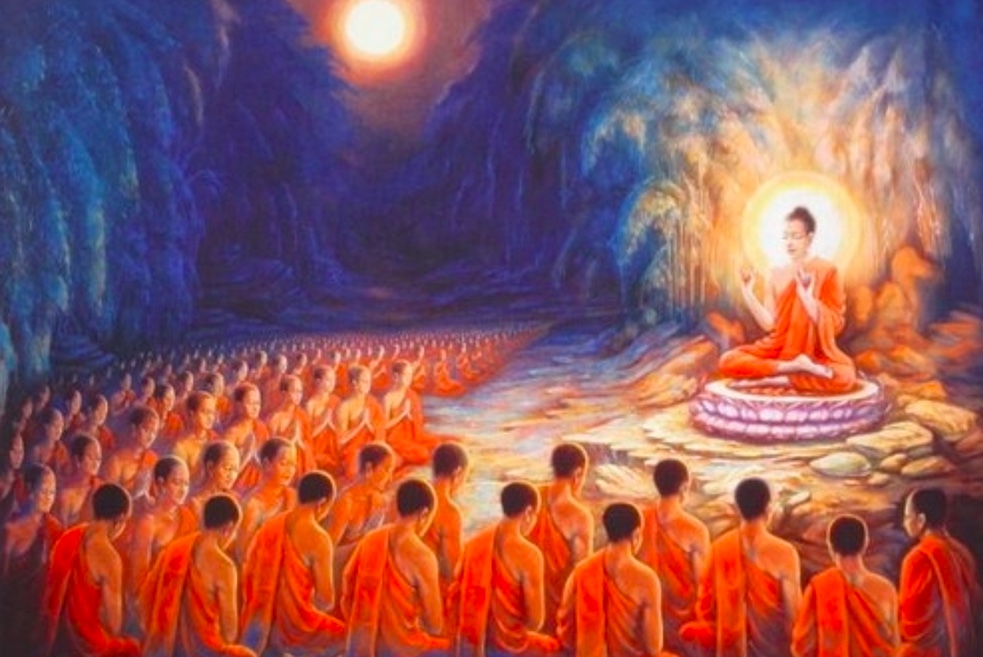
King Bimbisara of Magadha once invited the Buddha and 500 disciples to preach in his kingdom for three months. To provide them with fresh dairy products daily, the king arranged for cowherds to stay nearby. As the end of the three months approached, the king suggested the cowherds meet the Buddha. The cowherds, having heard of the Buddha’s wisdom, decided to test him with questions about cowherding. They reasoned that if he could answer these, he truly possessed all-encompassing wisdom.
Upon arriving at the Bamboo Grove, they were struck by the Buddha’s radiant presence. They saw him sitting under a tree, glowing like a golden mountain, radiating light like melted gold. Overwhelmed with joy, the cowherds discussed among themselves, “Regardless of whether the Shakyamuni possesses all-encompassing wisdom, anyone who sees him feels joy. His light is unparalleled, his appearance noble, and his presence exudes majesty. His radiance is clear and bright, his demeanor commanding respect, and his body adorned with the aura of virtue, making anyone who sees him feel immense joy.
If he indeed possesses all-encompassing wisdom, it must be due to his immeasurable merits. No worldly treasure can compare to the Buddha’s sublime and dignified presence, which brings great joy and pure faith to all who see him. It is clear that the Buddha must indeed possess all-encompassing wisdom.”
The shepherd thought about this and sat down to pay respects to the Buddha. They asked the Buddha, “What are the various methods a shepherd can use to ensure that the cattle thrive and reproduce well? And what conditions might prevent the cattle from growing properly and living peacefully?” The Buddha answered: There are eleven methods by which a shepherd can ensure the cattle’s well-being and reproduction. What are these eleven methods?
Understanding the Caretaker: Having a strong and capable caretaker who can protect and nourish the cattle, keeping them healthy and well-maintained. Similarly, a monk should be a respected and virtuous leader who can uphold the Dharma and guide beings toward good deeds.
Understanding Color: Knowing the colors of the cattle, such as black, white, or mixed. Similarly, a monk should understand that all phenomena in the world are composed of the four elements: earth, water, fire, and wind.
Understanding Appearance: Recognizing whether the cattle’s appearance is auspicious and whether they will be harmonious. A monk should similarly be able to discern whether someone’s actions indicate wisdom or ignorance.
Understanding Scraping: If insects bite the cattle and their blood is consumed, sores will develop. Scraping can remove these pests and promote the cattle’s well-being. Likewise, a monk should remove harmful views and misconceptions that corrupt their spiritual practice.
Understanding Wound Treatment: Applying medicine to prevent mosquito and fly bites and other injuries. Similarly, a monk should use correct Dharma teachings to protect themselves from delusions and negative emotions.
Understanding Smoke: Using smoke to drive away insects so the cattle can stay in a comfortable, insect-free shelter. Similarly, a monk should use the teaching of Dharma to lead beings to the state of emptiness and liberation.
Understanding Good Ways: Knowing the behavior and preferences of the cattle and how to keep them healthy. A monk should understand how to practice the Noble Eightfold Path to achieve Nirvana and avoid falling into the extreme paths of annihilation or eternalism.
Understanding the Right Place: Knowing how to provide a place where the cattle can live healthily and with minimal sickness. Similarly, a monk should practice and teach the Dharma to cultivate purity and increase good roots.
Understanding Good Routes: Knowing which paths are safe and which places are good for crossing rivers, avoiding places with waves and pests. Similarly, a monk should learn from knowledgeable teachers and adapt their teachings to the capacities of sentient beings.
Understanding Safe Places: Ensuring the cattle live in places free from predators and harmful creatures. Similarly, a monk should maintain mindfulness to avoid the harmful effects of negative emotions.
Understanding Milk Preservation: Ensuring that the mother cow’s milk is not consumed completely by the calf so that both the mother and the owner can benefit from it daily. Similarly, laypeople should use offerings such as clothing and food economically to benefit both the givers and receivers.
The cowherds, after hearing the Buddha’s teachings, thought, “We cowherds know only three or four methods, and our predecessors knew only five or six. Hearing the Buddha today is truly astonishing and unprecedented! The Buddha indeed possesses complete wisdom beyond doubt.”
This is described in the “Sutra of the Parable of the Cowherds.” From this, we understand that there are individuals with complete wisdom.
Today, due to the supreme and exceptional causes and conditions, the original primordial Buddha, Vajradhara has once again descended into the Saha World to manifest all-encompassing wisdom. H.H. Dorje Chang Buddha III once said: Within five years (from 1995 to 1999), if any sentient being asks ME any question, the answer should be given immediately without any hesitation. If there is any need to think about it, or if there is slight hesitation or any fabrication, or if the answer is not comprehensive, I will immediately step down from the Dharma throne and no longer be qualified to teach the Dharma.”
In the more than two thousand Dharma discourses spoken by the Buddha, He provided direct and comprehensive answers to various questions on practice and methods for His disciples. Sometimes, even before the disciples spoke, He would say, ‘I know what you want to ask. You don’t need to say anything; I will answer you directly.’ The disciples would nod in agreement. There was also Zeng Ruzhang, who studied stealth aircraft and asked why they can be invisible. Lobsang Zhenzhu Rinpoche once proposed to see Green Tara, and shortly after, a divine manifestation appeared, H.H. Dorje Chang Buddha III fulfilled his wish…
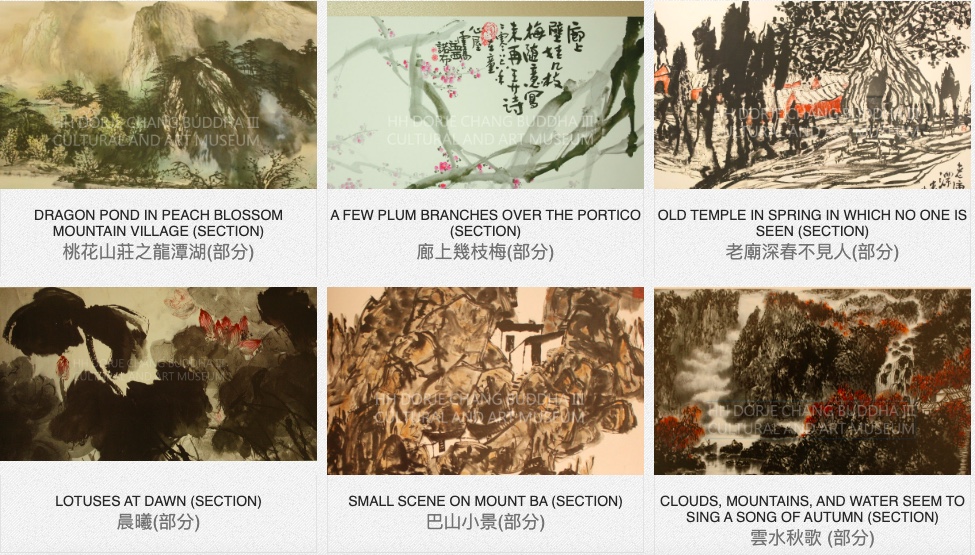
Step into the International Art Museum of America in San Francisco or the H.H. Dorje Chang Buddha III Culture and Art Museum in West Covina, and you will be able to appreciate world-class masterpieces of art. H.H. Dorje Chang Buddha III has created Chinese paintings, oil paintings, and various styles of calligraphy. In addition to mastering styles from existing schools of painting, such as Realism, Abstract, Line, and Impressionism, H.H. Dorje Chang Buddha III has independently developed sixteen unique schools of painting.
At the fourth session of the World Poets and Culture Conference held in Hungary in 1994, more than 5,600 experts and scholars representing 48 countries and regions unanimously approved conferring upon H.H. Dorje Chang Buddha III the title “Distinguished International Master,” which has an honorific status comparable to a head of state.
H.H. Dorje Chang Buddha III possesses extraordinary and saintly wisdom, perceiving the true essence of the universe and life. Whether it be within the various sects of Buddhism or in all worldly fields such as art, science, medicine, and philosophy, His accomplishments reach the highest level in every aspect, with unparalleled expertise and a unique status beyond any saint.”
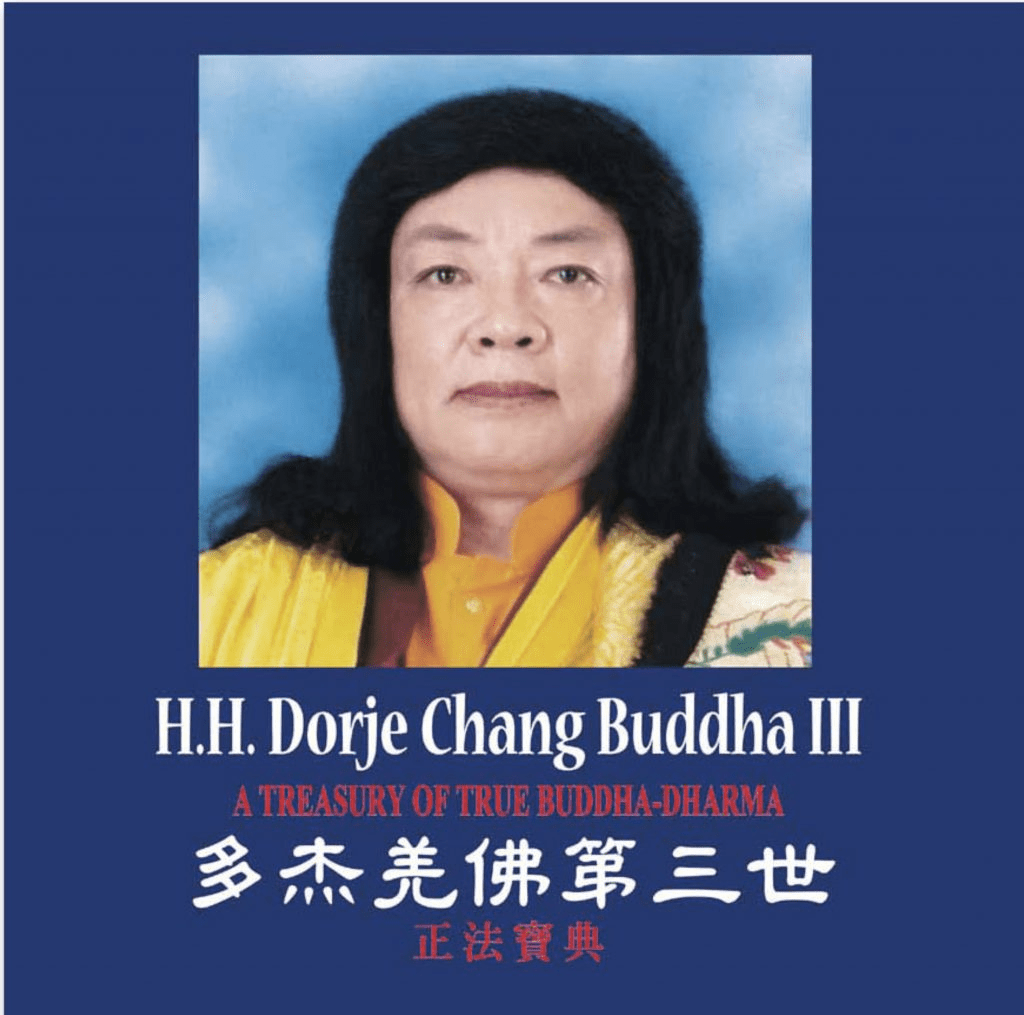
The treasure book, “H.H. Dorje Chang Buddha III,” stands as a testament to this statement. However, this book contains only a drop of water from the vast ocean of Buddha’s teachings and wisdom.
The video below showcases the boundless compassion and highlights the extraordinary accomplishments of H.H.Dorje Chang Buddha III. It was published by China Educational Channels TV and features interviews with Buddhist disciples from around the globe.
“Scene of Xishuang Banna Life” is a Chinese ink-and-wash painting with a three-dimensional quality reminiscent of oil paintings, created by the renowned artist H.H. Dorje Chang Buddha III. The moment I laid eyes on it, I felt a profound sense of comfort and tranquility. The painting’s primary hue is light brown, and the varying depths of this color vividly depict the fresh, clear water and misty air weaving between the trees. A few girls are making waves, chatting, and enjoying themselves as they wash clothes by the riverside. The elegant and beautiful banyan trees stand majestically, with cobblestones naturally scattered around them.
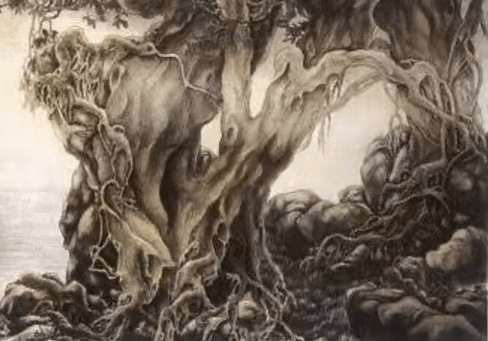
The old banyan tree, with its peeling bark and exposed roots, stands as a silent testament to the passage of time. The raised roots extend in all directions, seemingly spreading the pulse of life to distant places, using their vitality to nurture the earth and rivers. The roots nestle against the smooth, round pebbles like inseparable companions. Over time, they have become so intertwined that no one notices whether they are roots or stones, much like an elderly couple who depend on each other and cannot be separated.
Around the tree roots, a misty white space, activated by detailed depictions, brings boundless imagination to people. In the white mist, there is a vast expanse of water, with soft sunlight illuminating the surrounding forest. The endless lakes and rivers nourish the sturdy old roots, supporting them through countless hardships and weathering the elements, ultimately creating a world of their own. The intertwined and winding roots, twisting and coiling across the scene, form the main structure of the composition along with the variously shaped stones, the sculptural massive trunk, and the other responding trees. The sparse leaves hanging from the old tree are adorned in light green, contrasting with the large brown trunk, evoking the philosophical sentiment of “the true essence remains after all embellishments fade, gold emerges after being sifted by great waves.”
Beneath the tree are three graceful women in different postures, enjoying the flowing stream under the water-colored sky. Some are combing their freshly washed hair, some are holding a delicate veil, and some are drawing clear water from the stream.
The banyan tree, the stream, and the sunlight, along with the beautiful women in traditional attire, compose a symphony of southern charm, making one feel as if they can hear the whispers of the gentle breeze: “My enchanting homeland is where my heart belongs…” The setting resembles the sweet childhood memories buried in my heart.
About fifty years ago, my family lived in a small village in the mountains. There were no cars, TVs, toys, phones, or any other modern luxuries. We lived a very simple and modest life. All the mothers washed vegetables and rice in the clean creek and cooked meals. Very often, they washed clothes in the river for the whole family while the kids played in the water, on the trees, or along the riverbanks. School was far away, and we could only go there when we were old enough. But we had the biggest classroom—nature itself. We studied everything we could find: trees, flowers, insects, stones, etc. Twigs were our pens, and tree trunks were our tables. The chirping of the birds and the rushing of the stream were our music. We had physical education class all day long. We went to bed when the sun set. What a simple, happy life!
This is the beautiful and pure spiritual space created by the great artist, H.H. Dorje Chang Buddha III. This painting, “Scene of Xishuang Banna Life,” opens a window to another dimension, allowing people to experience the joy of living in a paradise. People in cities increasingly yearn for natural landscapes akin to an earthly utopia. Fortunately, noble artists create pure lands for people’s hearts, showing us wonderful scenery, evoking warm emotions, and deeply touching us.
The pure land in our hearts is like a secluded utopia, free from the noise and disturbances of the mundane world. It carries the dreams of people. When darkness descends, the pure land within can emit a serene fragrance, helping people discard the suffering brought by worries, gently wipe away the dust, and infuse a bit of brightness.
The paintings of H.H. Dorje Chang Buddha III are like wordless songs, containing endless stories, ancient calls, and boundless compassion for all sentient beings.
















 Peace LiLy