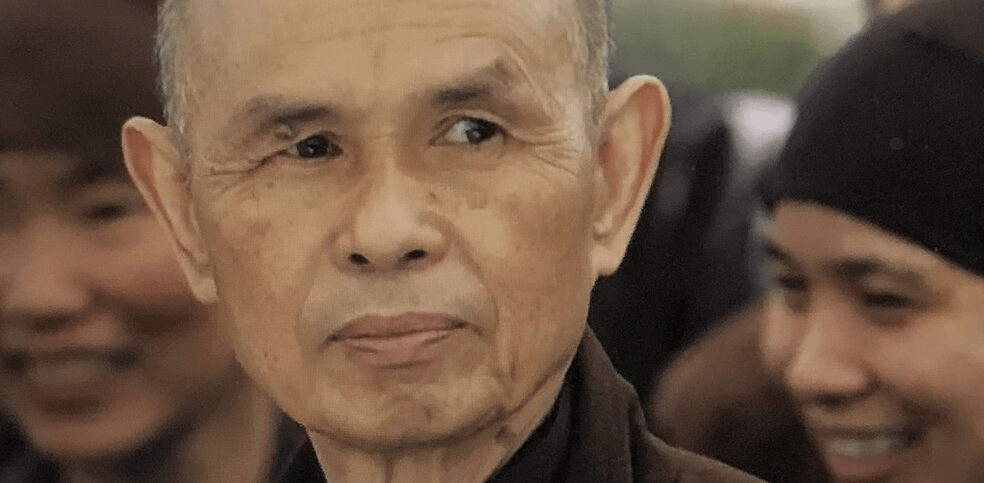
In times of uncertainty and turmoil, the voice of compassion becomes more precious than ever. Thich Nhat Hanh was a world-renowned Vietnamese Zen Buddhist monk, teacher, poet, author, and peace activist whose life embodied mindfulness and nonviolence. His profound influence reached far beyond the Buddhist community; he was nominated for the Nobel Peace Prize by Martin Luther King Jr., who recognized in him “an apostle of peace and nonviolence.”
Today, as the world feels divided and restless, his poem “Call Me by My True Names” invites us to look deeply into our shared humanity. It challenges us to see beyond separation—beyond “us” and “them”—and to recognize that within each of us lives both suffering and compassion. Reading his words now feels like a gentle but powerful reminder: true peace begins when we awaken to our interconnectedness.
Call Me by My True Names
Do not say that I’ll depart tomorrow
because even today I still arrive.
Look deeply: I arrive in every second
to be a bud on a spring branch,
to be a tiny bird, with wings still fragile,
learning to sing in my new nest,
to be a caterpillar in the heart of a flower,
to be a jewel hiding itself in a stone.
I still arrive, in order to laugh and to cry,
in order to fear and to hope.
The rhythm of my heart is the birth and
death of all that are alive.
I am the mayfly metamorphosing on the surface of the river,
and I am the bird which, when spring comes, arrives in time
to eat the mayfly.
I am the frog swimming happily in the clear pond,
and I am also the grass-snake who, approaching in silence,
feeds itself on the frog.
I am the child in Uganda, all skin and bones,
my legs as thin as bamboo sticks,
and I am the arms merchant, selling deadly weapons to Uganda.
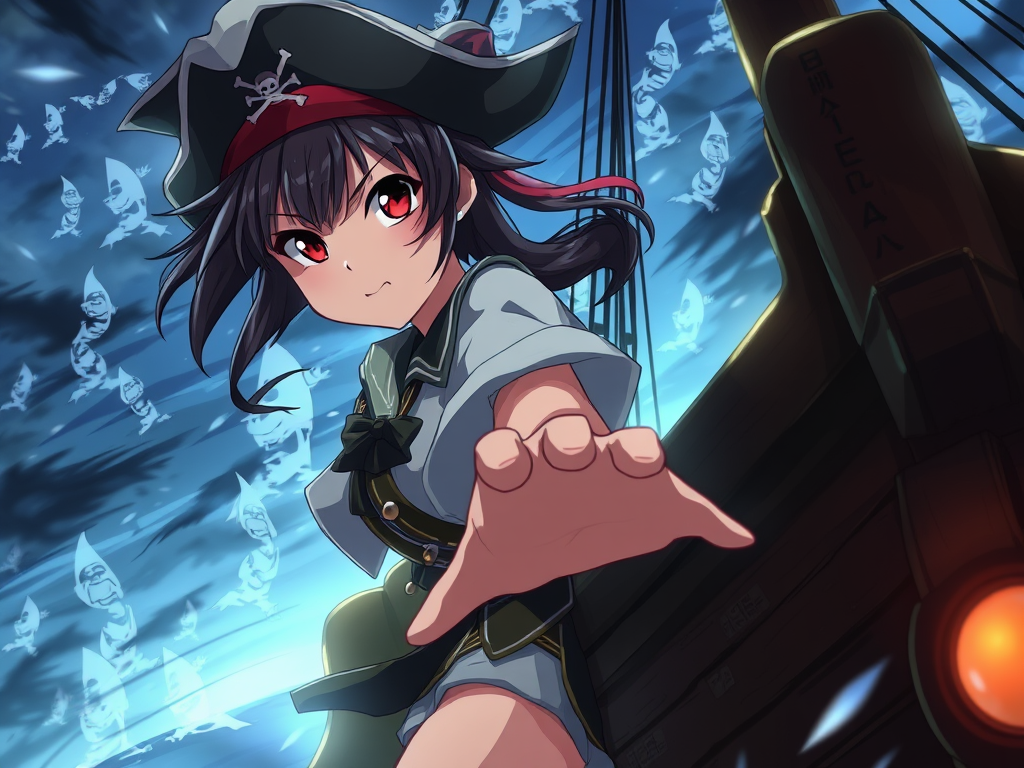
I am the twelve-year-old girl, refugee on a small boat,
who throws herself into the ocean after being raped by a sea pirate,
and I am the pirate, my heart not yet capable of seeing and loving.
I am a member of the politburo, with plenty of power in my hands,
and I am the man who has to pay his “debt of blood” to, my people,
dying slowly in a forced labor camp.
My joy is like spring, so warm it makes flowers bloom in all walks of life.
My pain is like a river of tears, so full it fills the four oceans.
Please call me by my true names,
so I can hear all my cries and laughs at once,
so I can see that my joy and pain are one.
Please call me by my true names,
so I can wake up,
and so the door of my heart can be left open,
the door of compassion.
Each time I read “Call Me by My True Names” by Thich Nhat Hanh, I feel both unsettled and awakened.
The poem asks us to see what we often refuse to see—that we are not separate from the suffering of the world. We are not only the compassionate helper, but also, in some deep and interconnected way, the frightened child, the victim, and even the one who causes harm. This is not an easy truth to hold. Yet it is a profoundly liberating one.
The poem gently dissolves the illusion of “us” and “them.” It invites us to return to our true humanity—tender, vulnerable, and deeply connected.
And perhaps, in remembering this, we take one small but meaningful step toward peace.
Link:https://peacelilysite.com/2026/02/12/call-me-by-my-true-names/












 Peace LiLy