A Thought-Provoking Reflection: Building a Harmonious World Through Self-Growth

I recently came across a thought-provoking video that offered a profound insight into the root cause of social disorder. A newspaper invited submissions on the topic: “What is the root cause of social disorder?” One answer stood out for its simplicity yet profound depth: “It’s me.”

This response highlights a universal truth: the state of the world mirrors the state of each individual. If “I” embody qualities like sincerity, kindness, and a willingness to help, I can foster harmony in my family and community. Conversely, if “I” succumb to selfishness, greed, and deceit, disorder and instability are inevitable.

The peace and stability of society, our nation, and even the world rest on each of us. By reducing criticism of others and turning our attention inward—reflecting on our thoughts, words, and actions—we can become catalysts for harmony.

True greatness is not about outperforming others but about improving ourselves. By focusing on personal growth, we enrich our lives and contribute to a better world.

Mother Teresa’s Timeless Wisdom

Mother Teresa’s poem “Do It Anyway” offers profound guidance for navigating life’s challenges with integrity, kindness, and resilience. It reminds us to act according to our values, regardless of external circumstances:

People are unreasonable,illogical and self-centered

Love them anyway.

If you are kind,people may accuse you of selfish,ulterior motives;

Be kind anyway.

If you are successful,you will win some false friends and some true enemies;

Succeed anyway.

The good you do today will be forgotten tomorrow;

Do good anyway.

If you are honest and frank,people may cheat you;

Be honest and frank anyway.

People favor under dogs but follow only topdogs.

Fight for a few underdogs anyway.

What you spend years building may be destroyed overnight;

Build anyway.

If you find serenity and happiness,they may be jealous;

Be happy anyway.

People really need help but may attack you if you do help them.

Help people anyway.

Give the world the best you have,And it may never be enough;

Give the world the best you have anyway.

Her words teach us that life’s meaning lies in staying true to our values, not in others’ perceptions or responses. Ultimately, our actions reflect a dialogue with our conscience, not a transaction with others.

Personal growth begins with the courage to look inward. When frustration or dissatisfaction arises, take a moment for self-reflection. Ask yourself, “How can I improve?” This practice shifts focus from external blame to internal progress. Growth unfolds through small, manageable goals—whether it’s mastering a new skill, refining emotional resilience, or nurturing patience.

Kindness is another cornerstone of personal development. Choose compassion, even when faced with misunderstanding or adversity, because every person carries unseen struggles. Alongside kindness, maintain integrity and uphold what’s right, regardless of external validation. As Mother Teresa wisely said, “Give the world the best you have, and it may never be enough; give your best anyway.”

By weaving self-reflection, purposeful improvement, and compassionate action into daily life, we not only enhance ourselves but also contribute to a more harmonious world.

World peace begins with individual actions. Change doesn’t require grand gestures; it starts with small, deliberate acts of kindness—a warm smile, a kind word, or a helping hand.

When we each commit to self-growth, compassion, and mindfulness, we create ripples of positive change in our communities and beyond. Together, these ripples can form a wave of harmony that transforms the world.

Let us strive to become better versions of ourselves, nurturing peace and love in our hearts. By doing so, we can build a brighter, more peaceful future—one person at a time.

Virginia Satir: A Master of Family Therapy and the Healing Power of Her Words

When I Am Strong Enough Inside

Virginia Satir (1916–1988) was a trailblazer in the field of family therapy, earning worldwide recognition as a distinguished psychotherapist and one of America’s most influential family therapists. Dubbed “everybody’s family therapist” by Human Behavior magazine, Satir devoted her life to uncovering the complexities of human relationships and exploring the essence of what it means to be human. Her groundbreaking principles for fostering effective family communication continue to be revered and applied by professionals across the globe.

Satir’s legacy extends beyond therapy rooms. Her poetic insights capture the depth of her understanding of human nature and emotions. One of her most touching poems, “When I Am Strong Enough Inside,” serves as a mirror reflecting our inner strength and vulnerability. These verses remind us that the negative voices within us can often overshadow our resilience. However, by engaging with empowering words like hers, we can nurture psychological flexibility and cultivate a more compassionate perspective toward ourselves and others. Here is an excerpt from her poem that encapsulates her profound messag.

When I Am Strong Enough Inside

When I’m strong enough inside,
You blame me,
I feel your pain;
You flatter me,
I see you need approval;
You’re crazy,
I understand your vulnerability and fear;
You interrupt,
I know how much you want to be seen.

When I’m strong enough inside,
I no longer defend,
All the forces,
Free flow between us.
Grievance, depression, guilt, sadness, anger, pain,
When they flow freely.
I feel warm in sorrow,
Find strength in anger,
See hope in pain.

Screenshot

When I’m strong enough inside,
I will not attack.
I know,
When I stop hurting myself,
Then no one can hurt me.
I lay down my arms,
Open heart,
When my heart softens,
In love and compassion,
Meet you bright and warm.

Originally, let the heart strong,
All I need is,
Seeing myself,
Accept what I can’t do,
Appreciate what I’ve done.
And believe,
Through this journey,
Can live out their own, bloom their own.

In these lines, Satir masterfully conveys her belief in the transformative power of understanding the reasons behind others’ actions. Instead of reacting with judgment, she calls on us to see the humanity in others, even when their behavior is challenging.

Her poem continues with a heartfelt reminder that by releasing our own emotions—be it anger, sadness, or guilt—we can uncover strength, warmth, and hope. She encourages us to let go of self-defensiveness, to embrace compassion, and to see ourselves and others with clarity and acceptance.

When I encountered this poem, I was struck by Satir’s tender view of humanity. It eloquently sheds light on behaviors we often judge harshly—blaming, seeking approval, over-rationalizing, or interrupting. Yet, rather than condemning these actions, she invites us to see the vulnerability and pain behind them. This perspective challenged me to think: if my heart were stronger, if I could move beyond my own wounds, perhaps I too could approach the world with such gentle understanding.

Satir’s poem inspires a transformative journey of self-awareness and growth. To build inner strength, she suggests we:

  • See ourselves as we truly are, without judgment.
  • Accept our imperfections with kindness.
  • Appreciate our progress and achievements.
  • Trust in our ability to live authentically and bloom fully.

Her words serve as both a reminder and an invitation—to embrace our humanity, nurture our resilience, and extend the same understanding to others.

Even today, Virginia Satir’s work continues to inspire people to heal, connect, and thrive. Through her profound poetry and her legacy as a master therapist, she reminds us that inner strength and compassion are at the heart of meaningful relationships and a fulfilling life.

Link:https://peacelilysite.com/2024/11/12/virginia-satir-a-master-of-family-therapy-and-the-healing-power-of-her-words/

The Temple Way of Eating: Lessons in Gratitude, Simplicity, and Reducing Waste

During a visit to Holy Vajrasana Temple, I encountered the beautiful and meaningful practice of Oryoki. Often translated as “just the right amount,” Oryoki is a ritualized way of serving and eating food that combines efficiency, mindfulness, and gratitude. Its roots trace back to the Buddha’s time, embodying the Middle Way of taking neither too much nor too little—an ethos that resonates deeply with the principles of simplicity and compassion.

What Is Oryoki?

Oryoki originated during the Tang Dynasty in China and later influenced practices such as the Japanese tea ceremony. It is widely practiced in Zen monasteries as a way to unify daily life with spiritual practice. The ritual involves a meticulous series of hand gestures, silence, and mindfulness during the meal.

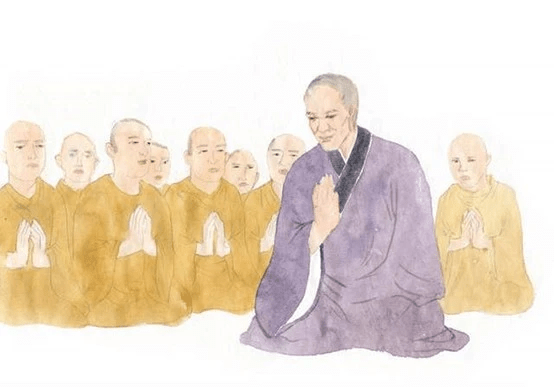
Monks sit in meditation posture, waiting to offer their empty bowls to servers, who portion food to the requested amount. Every movement is intentional, every crumb is appreciated, and every element is designed to minimize waste. Even the water used to wash the bowls is partially consumed and the remainder returned to the earth, often to nourish the garden.

Simple and Balanced Eating

The meals at Holy Vajrasana Temple reflect the Oryoki tradition, featuring fresh fruits, vegetables, whole grains, and tofu. With minimal spices or stimulants, these meals are designed to nourish the body while keeping the mind clear and alert. Every effort is made to include the five flavors—sweet, salty, sour, bitter, and umami—and the five colors—red, green, white, yellow or orange, and black, blue, or purple.

Chefs follow the principle of eating simply, allowing the natural flavors of ingredients to shine. Eating in silence encourages mindfulness, helping participants savor each bite and truly appreciate the food’s journey from soil to plate.

Lessons in Gratitude and Reducing Waste

One of the most profound lessons from Oryoki is its emphasis on gratitude and sustainability. The practice reminds us to take only what we need and waste nothing. Participants are encouraged to finish their meals completely, leaving no remnants.

This principle can extend to our daily lives, especially during the holiday season when overindulgence and waste are common. By being mindful of portion sizes, recycling food scraps, and making thoughtful purchasing decisions—like avoiding vegetables wrapped in plastic—we can honor the spirit of gratitude and reduce our environmental footprint.

A Holiday Reminder: Gratitude Over Excess

As the holiday season approaches, let us take inspiration from these temple traditions. Instead of overindulging, savor each meal with mindfulness and gratitude. Remember those around the world who face hunger daily, and let this awareness guide us to be more conscious and compassionate in our eating habits.

Wishing you a joyful, mindful, and healthy holiday season! Let us cherish the food on our plates, honor the hands that prepared it, and commit to a less wasteful, more compassionate way of living.

Link: https://peacelilysite.com/2024/11/08/the-temple-way-of-eating-lessons-in-gratitude-simplicity-and-reducing-waste/

Source: https://tricycle.org/magazine/eating-just-right-amount/

The Meaning and Merits of “Life Release”

Embracing Compassion: The Day of Releasing Lives and the Teachings of H.H. Dorje Chang Buddha III

The practice of life release originates from Mahayana Buddhist scriptures and has been widely practiced in mainland China, Tibet, and also spread to Japan, Korea, Vietnam, and neighboring regions. The act of life release is rooted in the compassionate principle of equality among all beings and the karmic understanding of the cycle of birth and death. As the saying goes, “If you take half a pound from others, you will have to repay eight ounces.” Abstaining from killing while also practicing life release brings even greater merit, and there are countless historical accounts of miraculous responses and blessings resulting from such acts.

In Volume 4 of the Miscellaneous Treasures Sutra, there is a story about a novice monk and his teacher. The teacher foresaw that the novice monk would pass away within seven days and advised him to return to his family home, asking him to come back after seven days, without explaining why.

On his way home, the novice monk came across a broken pond, where water was flooding an anthill.

The ants were frantically trying to escape, but their speed was no match for the rushing water. Seeing that countless ants were about to drown, the novice monk used his robe to carry soil and blocked the breach in the pond, saving all the ants.

After seven days, the novice monk returned to his teacher. The teacher, upon seeing him alive, was astonished and asked what had happened during those days. Mistakenly thinking he was being accused of wrongdoing, the novice monk fearfully replied that he had done nothing. The teacher, being an Arhat, used his divine vision and discovered that the novice monk had performed a small yet significant act of kindness by saving the ants from drowning.

This single compassionate act altered the novice monk’s karmic fate, extending his lifespan and allowing him to live a long life until his natural passing.

The Profound Teachings Behind Life Release

The practice of releasing lives is deeply rooted in Buddhist scriptures:

  • The Chapter on the Practices and Vows of Samantabhadra states:
    “Living beings cherish their lives above all, and Buddhas cherish living beings above all. To save the lives of living beings is to fulfill the heartfelt wishes of the Buddhas.”
  • The Brahma Net Sutra on the Bodhisattva Precepts states: “If a disciple of the Buddha practices life release out of compassion, they should regard all men as their fathers and all women as their mothers, for in every life, they are born through them. Therefore, all beings in the six realms are like one’s own parents. To kill and eat them is akin to killing one’s parents or oneself. When witnessing the slaughter of animals, one should strive to protect and relieve them from their suffering. Furthermore, one should teach and explain the Bodhisattva Precepts, guiding and saving all sentient beings.”
  • The Sutra on Distinguishing the Origin of Good and Evil reveals:
    “The Buddha said: In this world, if one possesses a compassionate heart and refrains from killing, they will gain five blessings: longevity, physical well-being, freedom from harm, rebirth in the heavens, and a long life when returning to the human world. Those who live to a hundred years today owe it to their abstention from killing in past lives.”

These teachings emphasize that compassion is both a passive and active virtue. While refraining from killing is essential, taking proactive steps to save lives embodies the true spirit of Buddhist teachings.

October 29 marks the Day of Releasing Lives, a profound observance dedicated to the protection and liberation of living beings. This day calls for the nurturing of compassion, the accumulation of virtue, and the cultivation of good karma. Initiated in 2009 by H.H. Dorje Chang Buddha III, this practice symbolizes an enduring commitment to compassion and liberation. Following a major Buddhist event, H.H. Dorje Chang Buddha III designated this day as a global occasion for the compassionate release of captive lives, inspiring a tradition now embraced worldwide.

The 2024 Life Release Event: A Global Act of Compassion

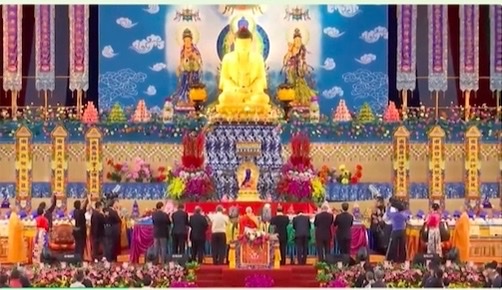
This year, the H.H. Dorje Chang Buddha III Culture and Art Museum, in collaboration with the World Buddhism Association Headquarters, hosted a commemorative Dharma Assembly in Marina Del Rey, California. The event brought together esteemed holy gurus, eminent monks, and devout Buddhists from around the world.

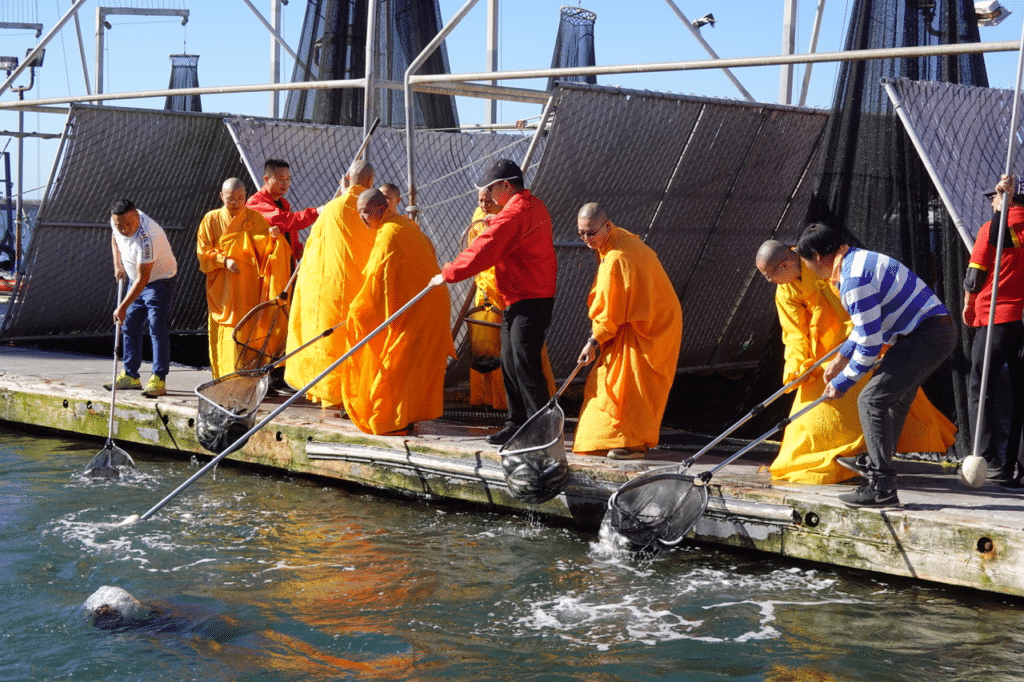
Photo Courtesy: Joyce Lee | Vice President of World Buddhism Association Headquarters, Jiaozun Zhengda, presided over the Dharma Assembly on the Buddha-Stipulated Day of Releasing Lives.

The gathering featured the release of thousands of fish back into the ocean, accompanied by the recitation of the Heart Sutra. Jiaozun Zhengda, Vice President of the World Buddhism Association Headquarters, led the prayers and delivered an inspiring address on the significance of the occasion. She emphasized the need for ongoing acts of compassion and the responsibility to protect living beings wherever and whenever they face suffering.

Jiaozun Zhengda explained that the practice of releasing lives arises naturally from the precept of refraining from killing. While refraining from harm is virtuous, actively saving lives elevates compassion to its highest form. This principle is at the heart of the teachings of Namo H.H. Dorje Chang Buddha III and Namo Shakyamuni Buddha.

Photo Courtesy: Joyce Lee | Hundreds of Buddhists from all over the world attended the Dharma Assembly of Releasing Lives.

Photo Courtesy: Joyce Lee | Participants released captive fish into the ocean

Participants shared profound reflections on the event. Watching the fish swim freely into the ocean became a moving symbol of resilience, freedom, and the boundless compassion of Buddhas and Bodhisattvas. For many, this practice reaffirmed their vows to live with kindness, respect all life, and emulate the selflessness of the Buddhas.

The Day of Releasing Lives is more than a symbolic gesture. It is a reminder that compassion knows no boundaries of time or space. Through the release of captive lives, Buddhists actively demonstrate their commitment to fostering a world of harmony and peace.

A Global Call for Compassion

As we observe the Day of Releasing Lives, let us remember that every act of compassion matters. By choosing to release lives, we contribute to a legacy of kindness that transforms our world. May this day inspire all of us to nurture compassion, protect life, and cultivate peace for the benefit of all beings.

For more information about the H.H. Dorje Chang Buddha III Culture and Art Museum and their compassionate initiatives, please visit https://www.wbahq.org/.

Link: https://peacelilysite.com/2024/11/07/the-meaning-and-merits-of-life-release/

Source: https://www.wbahq.org/reports-by-news-media/rm20241105/

#DorjeChangBuddhaIII #HHDorjeChangBuddhaIII  #Buddha Dipankara#FishRelease #Buddhism #HolyGurus#Rinpoches#Bodhisattva Avalokiteshvara#HolyMiraclesTemple#DvineTransformations #DharmaAssembly#ShakyamuniBuddha #H.H.DorjeChangBuddhaIIICultureandArtMuseum

The Compassionate Vows of the Medicine Buddha: A Path to Health, Harmony, and Happiness

Source: Luobenkun Art museum

On the 29th day of the ninth lunar month, Buddhist disciples worldwide honor the birthday of Bhaisajyaguru Buddha, known as the Medicine Buddha or the Great Medicine King. He is also referred to as the Buddha of Twelve Great Vows, embodying deep compassion and healing. Presiding over the Pure Land of Lapis Lazuli Light in the East, the Medicine Buddha has inspired countless practitioners with his transformative teachings and boundless compassion.

Buddhist communities celebrate this sacred day with ceremonies, reciting the Medicine Buddha Sutra, learning from his teachings, and making offerings. The Medicine Buddha Sutra recounts Shakyamuni Buddha’s dialogue with Manjusri Bodhisattva, where he reveals the profound virtues of the Medicine Buddha’s Pure Land and the twelve vows he made as a bodhisattva. These vows reflect his deep empathy for beings suffering from illness, poverty, and ignorance, and his wish to liberate them from these afflictions. This sutra is not only a sacred text but also a guide for overcoming life’s challenges, helping us gain inner peace, health, and happiness.

The sutra explains the Medicine Buddha’s teachings with a unique emphasis on relieving suffering in this life. By focusing on the here and now, the Buddha’s teachings encourage us to look at our lives with clarity, understand our challenges, and gain relief from worldly troubles. This practical orientation gives the Medicine Buddha Sutra a distinctive place in Buddhist practice, emphasizing the importance of compassionate action and wisdom in daily life.

The Twelve Great Vows of the Medicine Buddha

First:
I vow to assist those impoverished and tormented by constant struggles. Those who come across my name, sincerely honor it, and practice Dharma to build their merit will see their wishes come true.

Second:
I vow that my body shall shine as beams of brilliant light across this infinite, boundless world, freeing all beings from ignorance and worry through my teachings. May all beings attain a perfect state of character, integrity, and enlightenment, like the Buddha.

Third:
I vow that my body shall be like flawless crystal, radiating splendid light to all corners, enlightening beings with wisdom. Through the blessings of compassion, may all beings gain spiritual power and physical strength to achieve their aspirations on a virtuous path.

Fourth:
I vow to grant all beings the inexhaustible resources they need, freeing them from pain and guilt caused by material desires. While essentials such as clothing, food, shelter, and transport are needed, they should be wisely used. May they generously share these resources within the community to foster harmony.

Fifth:
I vow to lead those who have strayed back to the path of righteousness, guiding them toward enlightenment on the Buddha way.

Sixth:
I vow to enable all beings to uphold precepts of purity and morality. If they falter, they shall be guided to repent. Those who sincerely regret their wrongdoings and vow to change, with faith in the Buddha, shall be forgiven and regain purity.

Seventh:
I vow that all beings who are physically disabled or ill will be blessed with both physical and mental health. Those who faithfully honor the Buddha will receive these blessings.

Eighth:
I vow to alleviate the suffering of the poor and sick. May the ill be cured, the helpless supported, and the impoverished uplifted.

Ninth:
I vow to relieve the suffering of women seeking transformation. By hearing my name, paying homage, and praying, may their wishes be fulfilled, leading them ultimately to Buddhahood.

Tenth:
I vow to release all beings from harmful thoughts. I will guide them to righteousness and honor, so they may walk the Buddha way on a path of light.

Eleventh:
I vow to save those who have sincerely repented, including prisoners and victims of natural disasters. Those who are sincere will receive my blessings and be freed from suffering.

Twelfth:
I vow to relieve those facing starvation or committing crimes for survival. If they hear my name and hold it dear, I will lead them to the benefits of Dharma and favor them with the sustenance they need, helping them to lead peaceful, contented lives.

The Medicine Buddha’s great vows remind us of the healing power of compassion and inspire us to live with kindness and selflessness. Whether through reciting his name, chanting his mantras, or making offerings, we are encouraged to practice not only for our own relief but also for the welfare of all beings. By embodying the virtues outlined in the Medicine Buddha Sutra, we aim to carry forward the Buddha’s compassionate mission, helping ourselves and others find happiness, harmony, and well-being.

May we all find solace and empowerment through the compassionate vows of the Medicine Buddha and live our lives with health, joy, and a sense of unity with all beings.

Link:https://peacelilysite.com/2024/10/31/the-compassionate-vows-of-the-medicine-buddha-a-path-to-health-harmony-and-happiness/

Source: https://www.baromkagyu.org/medicine

Mastery in Art: H.H. Dorje Chang Buddha III’s Exquisite Panda Painting

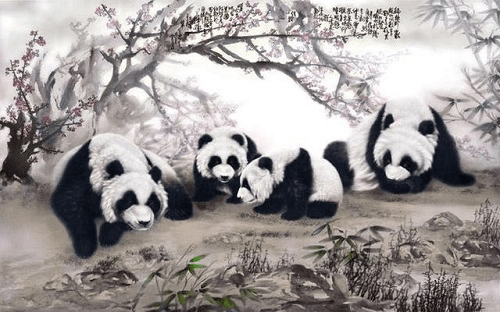
H.H. Dorje Chang Buddha III’s remarkable panda painting exemplifies a profound fusion of traditional Chinese painting and Western three-dimensional techniques, showcasing a unique mastery that elevates this artwork to an unparalleled realm. The Buddha meticulously captures the softness of the panda’s fur, detailing each hair with astonishing lifelikeness. The surrounding trees and scenery are equally vibrant, rendered with ink-splash techniques that lend a lively and enchanting quality, breathing life into the background. Every stroke in this artwork radiates a realism and elegance that words can scarcely convey.

In the foreground, delicate bamboo stalks contrast sharply with the misted backdrop, creating a powerful sense of spatial depth. This mist, drifting through the plum tree branches, draws the viewer’s gaze further into the forest, inviting them to immerse themselves in the crisp, refreshing atmosphere. With his seamless integration of artistic elements, H.H. Dorje Chang Buddha III achieves a captivating blend of classic beauty and dimensionality. The pandas, seemingly more beautiful and pristine than in life, appear freshly bathed in pure, clear waters—a vision of elegance and purity.

The painting’s harmony lies in the Buddha’s masterful approach of combining strength with gentleness, creating a scene of pandas at play, full of soft allure and charm. This balance exemplifies an artistic prowess beyond the reach of most artists. It is the interplay of surrounding elements, from mist to forest, that makes this panda masterpiece truly one of a kind.

Executed in the Kuangxi style—a hallmark of H.H. Dorje Chang Buddha III—this painting unites bold expressiveness with precision. This style combines vigorous, large-scale strokes that radiate energy with the delicate, fine brushwork of realism, resulting in an artwork that captures both elegance and raw intensity. The Buddha’s fusion of rough and refined strokes manifests as a work of art that is both dynamic and graceful, presenting a timeless visual experience that resonates deeply.

Link:https://peacelilysite.com/2024/10/25/mastery-in-art-h-h-dorje-chang-buddha-iiis-exquisite-panda-painting/

#MasterWanKoYee #DorjeChangBuddhaIII #HHDorjeChangBuddhaIII #IAMA #Art #Artitst #InternationalArtMuseumofAmerica #Panda #ChineseInkPaintings

Sun Simiao: The “Medicine King” of China and His Legacy of Compassionate Healing

Sun Simiao’s achievements in traditional Chinese medicine and his noble medical ethics are regarded as exemplary in history. As a renowned medical scholar of the Tang Dynasty, he is honored by later generations as the “Medicine King,” and his contributions continue to have a lasting impact. Born into a poor family in Jingzhao Huayuan (now Yaoxian District, Tongchuan City, Shaanxi Province), Sun Simiao was frail and sickly as a child, and his family’s savings were nearly depleted to treat his illnesses. The people around him lived in similar poverty, and many lost their lives due to a lack of medical treatment. This inspired the young Sun Simiao to dedicate his life to studying medicine, vowing to tirelessly work to relieve people’s suffering. He believed that “human life is precious, worth more than a thousand pieces of gold. Saving a life surpasses all else in merit.” This belief guided him throughout his medical career.

A widely circulated story illustrates Sun Simiao’s deep sense of compassion and ethics: One day, while walking, he saw some village children who had captured a weary snake that was near death. Moved by compassion, Sun Simiao purchased the snake from them and released it into the water. Later, while meditating, a man dressed in green appeared and invited him to the legendary Crystal Palace. It turned out that the snake he had saved was the son of the Dragon King, the ruler of the sea. In gratitude, the Dragon King invited Sun Simiao to sit in the seat of honor at a banquet and said, “My son was captured while playing yesterday. If it weren’t for your help, he would have been killed!”

After the banquet, the Dragon King offered Sun Simiao precious treasures to thank him. However, Sun declined and said, “I have heard that the Dragon Palace has many secret medical formulas. If you could share them with me to help relieve the suffering of people, that would be far more valuable to me than any gold or jewels.” Touched by his selflessness, the Dragon King gifted him the “36 Jade Formulas,” which further enhanced Sun Simiao’s medical knowledge.

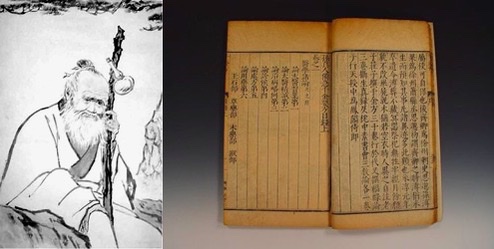
Sun Simiao devoted his life to the study of medicine, and his monumental work, Qian Jin Yao Fang (Essential Prescriptions Worth a Thousand Gold), is the first comprehensive encyclopedia of clinical medicine in Chinese history. Hailed as a “treasure of humanity,” the book covers everything from fundamental medical theories to clinical practices, integrating principles, methods, prescriptions, and herbal medicine. Not only did Sun Simiao compile the clinical experiences of past medical experts, but he also included many folk remedies and prescriptions, drawing from a wide range of sources. To this day, Qian Jin Yao Fang holds immense academic value and continues to guide practitioners in the field of traditional Chinese medicine. He also wrote two other influential books, Bei Ji Qian Jin Yao Fang and Qian Jin Yi Fang, which have had a significant impact on Chinese medicine to this day.

In addition to his remarkable medical skills, Sun Simiao is revered for his noble medical ethics. In his work Da Yi Jing Cheng (The Sincere Heart of a Great Physician), Sun clearly articulated that a truly great physician must be calm, free from desires, and compassionate. A doctor must have the determination to save lives, without discriminating based on wealth, status, age, beauty, personal relationships, ethnicity, or intelligence. All patients should be treated with the same care as one’s own family, without any hesitation or self-interest, and the physician must not shrink from hardships or dangers. Day and night, through cold or heat, hunger or exhaustion, the doctor should be fully devoted to the welfare of the patient, without seeking recognition or rewards. This high standard of medical ethics has been called the “Hippocratic Oath of the East” and has had a profound influence. Even today, many medical schools in China still use Da Yi Jing Cheng as an oath, reminding students to embody this spirit and serve patients wholeheartedly.

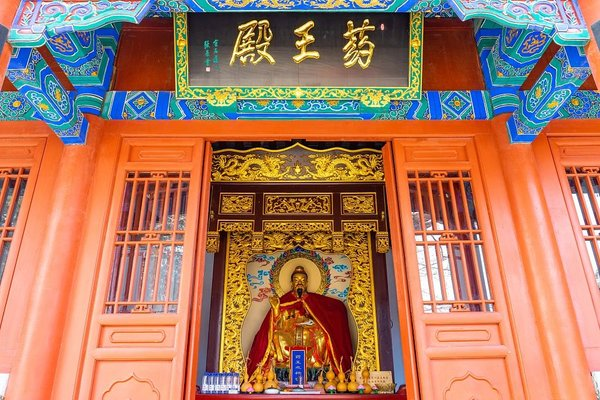
The Medicine King Temple in the Mount Tai Scenic Area in Shandong is dedicated to honoring Sun Simiao, the Medicine King. (Image source: Visual China)

Sun Simiao’s life was not only a beacon of excellence in the field of medicine but also a model of selflessness and moral integrity. His legendary stories and medical achievements have added a shining chapter to the history of Chinese medicine, inspiring generations of healers to follow in his footsteps.

Link:https://peacelilysite.com/2024/10/24/sun-simiao-the-medicine-king-of-china-and-his-legacy-of-compassionate-healing/

Mindful Speech: How Verbal Karma Shapes Our Lives and Spiritual Growth

Understanding Verbal Karma through Chinese Traditional Culture and Buddhism

Language is one of the most powerful tools in human communication. It has the capacity to warm hearts, yet it can also deeply wound others. The ancient Chinese saying, “Illness enters through the mouth; misfortune comes out of the mouth,” serves as a profound reminder of the critical importance of our words. Another popular saying states, “A kind word can warm one for three winters, but a harsh word wounds deeply and is hard to forget.” Those who speak thoughtfully build strong relationships, while careless words often lead to unintended enmity or trouble. Indeed, many of life’s great misfortunes arise from verbal mistakes.

The Chinese ancients emphasized the principle of “cautious speech and careful actions,” which is not only a foundational aspect of personal conduct but also key to cultivating one’s character. In modern times, misunderstandings and conflicts often stem from believing rumors and passing on unverified information. This carelessness turns small issues into major problems, causing unnecessary harm. The impact of careless words can extend beyond personal relationships, disrupting families, friendships, and even society, sometimes escalating into widespread societal issues.

Buddhism’s Teachings on Verbal Karma: The Four Types of Harmful Speech

Buddhism profoundly explains the karmic consequences of speech. Among the “three karmas” — body, speech, and mind — verbal karma is especially critical. The Buddha taught that the consequences of verbal karma can be even more destructive than a raging fire because hurtful speech inflicts suffering on others. Buddhism identifies four types of harmful verbal karma:

  • Harsh Speech: Using cruel or aggressive words that directly harm someone’s spirit.
  • Slander: Spreading rumors or sowing discord, leading to broken relationships and disputes.
  • False Speech: Speaking untruthfully or deceiving others.
  • Frivolous Speech: Words that may seem pleasant but mislead or confuse others, distracting them from right mindfulness.

These forms of verbal karma not only harm relationships but also sow seeds of negative karma, inevitably leading to future suffering.

Chinese Buddhist texts record a story from the Song Dynasty: One day, Zen Master Guang XiaoAn observed two monks engaged in a discussion about the Dharma, during which they were surrounded and protected by heavenly beings. However, as soon as their conversation shifted to worldly topics, the deities departed, and evil spirits appeared, mocking the monks with vulgar language. This story serves as a reminder that even monks, when they deviate from righteous speech, will attract negative consequences.

In today’s world, the effects of verbal karma are even more pervasive. Carelessly spreading rumors, posting unverified information online, or making inflammatory remarks can cause lasting damage. Every harsh word is like a sharp blade, hurting not only others but also oneself.

Here is another powerful example that highlights the benefits of controlling one’s speech. At Mount Jiuhua, a sacred Buddhist site renowned for venerating Ksitigarbha Bodhisattva, there once lived a venerable nun. She was widely respected for her virtuous life and profound wisdom, embodying the transformative power of positive speech.

Even at the remarkable age of 136, she remained in good health, continuously reciting the mantra “Amitabha Buddha.” This practice not only reflected her spiritual merit but also her mastery of speech, and self-discipline.

The venerable nun understood the profound impact of verbal karma and strictly adhered to the principle of “cautious speech.” She refrained from gossip and focused her speech on chanting the Buddha’s name. In conversations about spiritual matters, she offered concise and clear guidance, leading people toward the right path. When topics were unrelated to spiritual practice, she chose silence. This self-discipline brought her immense merit, making her a role model for others. She often said, “For women, whether lay or ordained, if one can guard against verbal karma, one is halfway to becoming a Buddha.” Her words highlighted the critical role verbal karma plays in the spiritual path.

The venerable nun’s teachings emphasized the severe consequences of verbal karma. She made it clear that verbal karma is one of the greatest obstacles in spiritual practice and explained its multiple harmful effects:

  • Verbal Karma Obstructs Spiritual Progress: Every instance of harsh speech, slander, or frivolous talk not only harms others but also pollutes one’s mind, hindering spiritual purification.
  • Verbal Karma Leads to Lower Rebirths: Harsh speech is like a wildfire, burning away one’s merit and leading to severe karmic consequences.
  • Verbal Karma Disrupts Harmony: In families, communities, or society, harmful speech creates discord, making it difficult to maintain a peaceful environment for practice.
  • Verbal Karma Weakens Faith: Harsh and false words can cause others to lose faith in their spiritual path, even destroying their potential for future practice.

Her virtuous life and disciplined speech accumulated immeasurable merit. It is said that many patients with difficult illnesses were cured after receiving her blessings, a testament to the power of pure verbal karma.

Guarding Verbal Karma in Modern Life

In today’s world, controlling speech is more essential than ever. Here are some practical steps to guard against verbal karma:

  • Speak Cautiously: Think before you speak. Avoid spreading unverified information and refrain from gossiping or discussing others carelessly.
  • Control Emotions: When emotions are high, it’s easy to say things that cause harm. Cultivate a calm and peaceful mind to avoid saying hurtful things in the heat of the moment.
  • Cultivate Positive Speech: Use kind and uplifting words to resolve conflicts, build trust, and foster harmony in your relationships.

By understanding Buddhism’s teachings on verbal karma, we can become aware of the power of language and use it to bring peace and happiness to ourselves and others. Guarding speech is not only a sign of respect for others but also an essential aspect of personal spiritual practice.

Through mindful and compassionate speech, we can spread kindness, promote harmony, and enhance both the quality of our lives and the happiness of those around us. Let us strive together to use the wisdom of language to create more peace and happiness in our lives and in the lives of others.

Link:https://peacelilysite.com/2024/10/24/mindful-speech-how-verbal-karma-shapes-our-lives-and-spiritual-growth/

100. A Mother’s Wise Advice [Non-violence]


100. A Mother’s Wise Advice [Non-violence]

Once upon a time, the son of Brahmadatta was ruling righteously in Benares, in northern India. It came to pass that the King of Kosala made war, killed the King of Benares, and made the queen become his own wife.

Meanwhile, the queen’s son escaped by sneaking away through the sewers. In the countryside he eventually raised a large army and surrounded the city. He sent a message to the king, the murderer of his father and the husband of his mother. He told him to surrender the kingdom or fight a battle.

The prince’s mother, the Queen of Benares, heard of this threat from her son. She was a gentle and kind woman who wanted to prevent violence and suffering and killing. So she sent a message to her son — “There is no need for the risks of battle. It would be wiser to close every entrance to the city. Eventually the lack of food, water and firewood will wear down the citizens. Then they will give the city to you without any fighting.”

The prince decided to follow his mother’s wise advice. His army blockaded the city for seven days and nights. Then the citizens captured their unlawful king, cut off his head, and delivered it to the prince. He entered the city triumphantly and became the new King of Benares.

The moral is: Kind advice is wise advice.

100. A Mother’s Wise Advice [Non-violence]

Link: https://hhdorjechangbuddhaiiiinfo.com/2024/10/22/100-a-mothers-wise-advice-non-violence/

#Buddhisttalesforyoungandold #Buddhiststories #storiesforkids #moralstories #Buddha #Jatakastories #PansiyaPanasJataka

Holy Miracles Temple: A Sanctuary of Compassion and Healing Amid Global Turmoil

Holy Miracles Temple, located at 1730 N. Raymond Ave., Pasadena, CA, serves as a sanctuary dedicated to teaching the true Dharma of the Tathagata, as transmitted by Namo H.H. Dorje Chang Buddha III and Shakyamuni Buddha, guiding disciples on their path to liberation and spiritual accomplishment. Grounded in the Buddha’s teachings and fueled by boundless compassion, the temple’s core mission is to selflessly serve humanity. Its hope is for people in America and across the globe to embrace Buddha Dharma, cultivating love for their country, fellow people, and the world. Through mutual support, peace, kindness, and auspiciousness, the temple envisions a strong nation with thriving citizens and a world brimming with joy and happiness.

In these challenging times, when suffering and catastrophe touch so many, Buddhism’s compassionate spirit calls us to extend blessings to all sentient beings. On October 13, 2024, the Holy Miracles Temple held a Blessing and Peace Dharma Assembly, a response to the unprecedented hardships the world faces today. Devoted Buddhist disciples gathered to honor the teachings of Namo Dorje Chang Buddha III, coming together to send prayers for healing and hope to those affected by natural disasters, conflicts, and upheavals. This assembly reaffirmed the Buddhist commitment to easing the suffering of all.

The event featured a solemn chanting of the Universal Gate Chapter of the Lotus Sutra, dedicated to Avalokitesvara Bodhisattva, the embodiment of compassion. The gathering was led by Abbess Ruzun Ruohui from Hua Zang Si Temple, who guided attendees through the prayers.

This year has been marked by profound global calamities. In the United States, Hurricane Helene ravaged Texas and Louisiana in August, displacing thousands and flooding communities. Just weeks later, Hurricane Milton unleashed further destruction in Florida and Georgia. Recovery efforts faced tremendous challenges as these back-to-back disasters left homes shattered and lives in turmoil.

In Asia, Typhoon Dindo devastated the Philippines, causing severe flooding and landslides across Luzon in September. Thousands of people were forced to evacuate as the typhoon submerged entire neighborhoods. Nepal, too, was struck by tragedy when a powerful earthquake hit in June, resulting in widespread destruction and loss of life in remote regions.

The war in Ukraine, continuing its escalation throughout 2024, inflicted further suffering on cities like Kyiv and Mariupol, leaving behind a deepening humanitarian crisis. Meanwhile, renewed violence in Syria once again brought bloodshed to war-torn cities such as Aleppo and Damascus, compounding the plight of its weary people.

Europe was not spared from disaster either, as record-breaking floods struck in July. Torrential rains overwhelmed parts of Germany and Belgium, causing rivers to overflow and submerging entire towns. Meanwhile, the United States’ western regions grappled with annual wildfires of increasing magnitude, destroying homes and forests alike.

During the Dharma Assembly at Holy Miracles Temple, attendees united in spirit and purpose. As the sacred verses of the Universal Gate Chapter resonated through the temple, the prayers reached out to those suffering from this year’s tragedies, seeking to bring healing and relief. Prayers were offered for the displaced, the injured, and those who had lost everything. In the face of conflict and war, the community gathered to extend peace, comfort, and hope to all those impacted.

This powerful assembly embodied the compassionate essence of Avalokitesvara Bodhisattva, radiating light and healing to all beings affected by suffering. It was a profound reminder that through shared compassion and collective action, we can create a world where all beings may find peace, healing, and joy.

Link:https://peacelilysite.com/2024/10/18/holy-miracles-temple-a-sanctuary-of-compassion-and-healing-amid-global-turmoil/

Source: https://cagazette.com/insights-from-the-blessing-and-peace-dharma-assembly-at-the-holy-miracles-temple/?fbclid=IwY2xjawGADEJleHRuA2FlbQIxMAABHSOFxdL9Y7OJSnH14qBxTQoBYe2QSzdXAI_yk56BTajnwGdAXcnXxCa7bQ_aem__GWuVw6xxEGleMzpPI9e5A