The Fragility of Trust

“There are two things in this world one should never look at directly: the sun, and the human heart.” —Higashino Keigo

I recently came across this story online, and it deeply moved me. It reminded me that trust and kindness are fragile treasures—once broken, they are hard to mend. I would like to share this wisdom with everyone who reads my blog, especially in times when misunderstandings and suspicion can so easily damage the relationships we cherish most.

Once, there was a newly married couple deeply in love, inseparable and affectionate.
But the wife began to doubt her husband’s loyalty. Her suspicion grew stronger each day until she asked her best friend to “test” her husband’s faithfulness.

To her shock, the two fell in love with each other. What started as a test ended in betrayal.
In the end, the marriage was destroyed—not by infidelity itself, but by mistrust and the reckless act of testing love.

🧬 The Scientist Who Refused to Test

Finsen, the world-renowned Danish medical scientist and Nobel laureate, once chose a young man named Harry as his successor.

Some colleagues worried that Harry might not endure the long, tedious years of research. Finsen’s assistant suggested testing him by having a wealthy friend offer him a high-paying job to see whether Harry would stay or leave.

But Finsen firmly rejected the idea, saying:

“Never stand on a moral high ground to look down on others, and never test human nature.
Harry was born in poverty and naturally desires financial security. If we place him between an easy, well-paid job and the hardship of research but expect him to choose sacrifice, we are demanding him to be a saint. That would be unfair.”

Years later, Harry became one of Denmark’s most respected medical scientists. When he learned that Finsen had refused to test him, he wept and said:

“If my mentor had tested my integrity with a lucrative offer, I would likely have failed.
At that time, my mother was ill and my younger siblings depended on me for their schooling.
If Finsen had set that test for me, there would be no me as I am today.”

🌿 The Truth About Human Nature

Indeed, ordinary people are not saints—everyone has weaknesses. If we constantly test others—our spouse’s loyalty, our friends’ sincerity, or our coworkers’ honesty—we will often end up with disappointment and broken trust.

In the first story, had the wife trusted her husband instead of testing him, the marriage might have survived.

Finsen understood that human nature is fragile. True wisdom lies not in setting traps to measure others’ virtue, but in tolerating uncertainty with compassion.
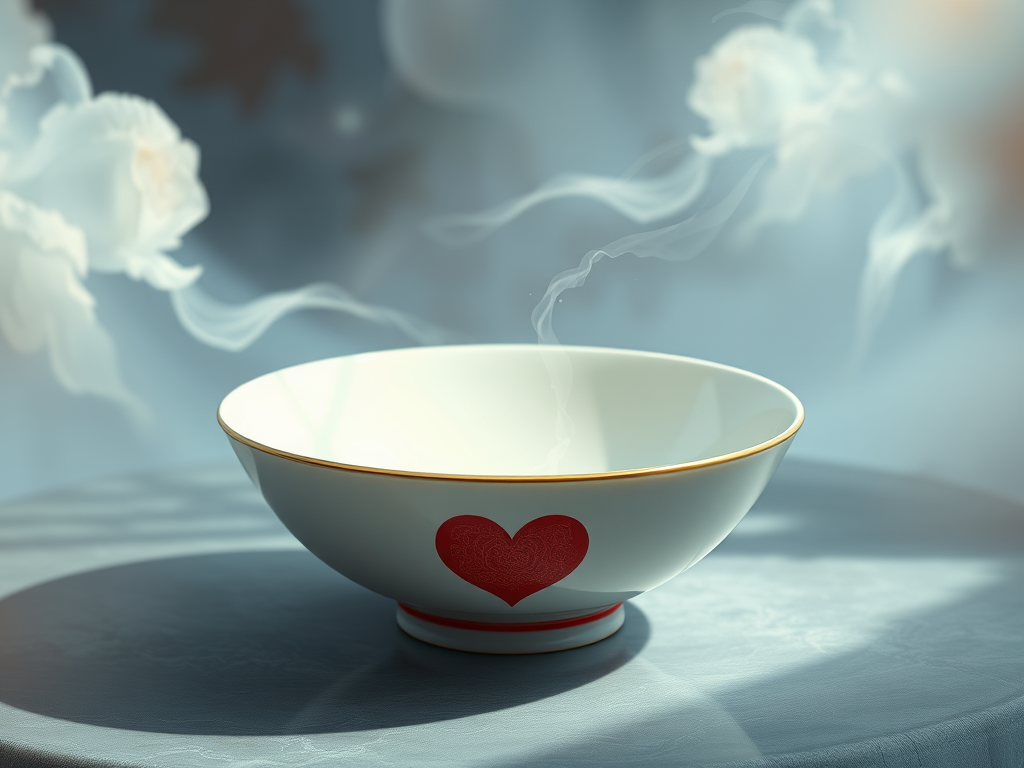
Testing human nature is like striking a porcelain bowl—it will only reveal its fragility by breaking it.
Trust, on the other hand, is like holding that bowl gently in your hands—preserving its wholeness, beauty, and purpose.

In life, love, and friendship, may we learn to trust with kindness and lead with understanding.
After all, it is not the test that reveals the truth of a heart, but the grace with which we choose not to test it.

Link:https://peacelilysite.com/2025/11/06/the-fragility-of-trust/

The Humble Cabbage: An Overlooked Treasure of Health and Simplicity

Shutterstock

Cabbage is one of the most common vegetables in our daily lives. Because it is so ordinary, many people tend to overlook its remarkable health benefits. While people often say “rarity makes things precious,” the truth is that some of the simplest, most affordable foods are also the most nourishing — and cabbage is one of them.

Once considered “the food of the poor,” cabbage has long been underestimated. In the 15th century, a Parisian writer even remarked that the poor ate cabbages and turnips instead of bread. Perhaps that old prejudice lingers today — many still see cabbage as plain and unrefined. Yet, with rising grocery costs and a renewed interest in wholesome eating, it’s time to rediscover this modest, versatile vegetable and bring it back to our tables.

A Traditional View: Cabbage in Chinese Medicine

According to Traditional Chinese Medicine (TCM), cabbage has a neutral nature and a sweet flavor. It nourishes the stomach and intestines, promoting healthy digestion and balanced energy.

Let’s explore some of its wonderful health benefits:

1. Anti-Aging Properties

Cabbage is rich in antioxidants that combat cellular oxidation and delay the aging process. For those seeking to maintain youthful vitality, a simple bowl of cabbage may hold more power than any expensive serum.

2. Boosts Immunity

Packed with vitamin C, cabbage strengthens the immune system, helping the body fend off colds and infections while enhancing overall energy and resilience.

3. Supports Healthy Blood Pressure

Cabbage contains high levels of potassium, which helps regulate blood pressure by balancing sodium levels and supporting cardiovascular health.

4. Prevents Osteoporosis

Abundant in vitamin K, cabbage aids in blood clotting and calcium absorption, strengthening bones and teeth while preventing osteoporosis.

5. Promotes Digestive Health

Cabbage contains vitamin U, known as the “anti-ulcer factor.” It helps regulate stomach acid, heal ulcers, and soothe the digestive tract. Japanese studies have found that cabbage’s glucosinolates can inhibit Helicobacter pylori, the bacteria linked to gastritis and ulcers.

6. Cancer Prevention

The sulfur-containing compound isothiocyanate gives cabbage its distinctive aroma — and its powerful anti-cancer properties. This compound helps neutralize toxins, protect cells, and reduce cancer risk.

7. Rich in Folic Acid

Folic acid in cabbage is essential for pregnant women, helping prevent fetal malformations and supporting healthy red blood cell production.

8. Anti-Bacterial and Anti-Inflammatory Effects

Cabbage contains natural phytoncides — plant-based antibacterial compounds — that reduce inflammation, fight infections, and even soothe sore throats or small wounds.

Culinary Versatility

Cabbage’s mild flavor and satisfying crunch make it a versatile kitchen staple:

  • Salads and Slaws: Shred cabbage with carrots, apples, or nuts for a refreshing, colorful slaw.
  • Stir-Fry: Sauté with garlic and soy sauce for a simple yet delicious side.
  • Soups and Stews: Add chopped cabbage for extra nutrition and heartiness.
  • Fermented Foods: The star ingredient in sauerkraut and kimchi — both rich in probiotics and flavor.
  • Stuffed Dishes: Use cabbage leaves to wrap rice, lentils, or meats for comforting stuffed rolls.

Lightly Pickled Cabbage: A Liver Cleanser and Detox Aid

Cabbage contains indoles, anti-cancer nutrients that also protect the liver and enhance detoxification. When cabbage is lightly pickled, its benefits multiply.

In Traditional Chinese Medicine, sour flavors are believed to nourish the liver. Lightly pickled cabbage helps detoxify the body, strengthen immunity, beautify the skin, and support cardiovascular and digestive health.

Fermented cabbage is also a powerful probiotic food. Lactobacillus plantarum, a beneficial bacteria from fermented cabbage like kimchi, supports the gut microbiome — the foundation of our immune system and overall well-being.

Easy Recipe: Lightly Pickled Cabbage

Ingredients

  • 500 g cabbage
  • 2 teaspoons salt
  • 1 teaspoon sugar

Instructions

  1. Wash and drain the cabbage, then slice it finely.
  2. Divide into two portions. Place half in a bowl, sprinkle with 1 teaspoon of salt, and gently knead until softened.
  3. Add the remaining half, the rest of the salt, and sugar. Continue kneading until juicy.
  4. Pack into a clean glass jar with its liquid.
  5. Seal and leave in a cool place for half a day to lightly ferment, then refrigerate. Serve chilled.
Shutterstock

Cabbage may not have the glamour of kale or the trendiness of arugula, but it carries quiet strength and wisdom — a reminder that simplicity often hides great value. In a world obsessed with novelty and luxury, perhaps we can learn from this humble vegetable: to nourish deeply, give generously, and thrive quietly.

Link:https://peacelilysite.com/2025/11/06/the-humble-cabbage-an-overlooked-treasure-of-health-and-simplicity/

Yoga is so much more than just stretching

What’s the first image that comes to mind when you think of Yoga?  

It’s not uncommon for this image to consist of individuals contorting their bodies into impossible positions that are more appropriate for the Cirque du Soleil.  There is nothing wrong with some of these breathtaking images, and I love looking at them because I’m in awe of the strength, grace, practice, and determination it takes to hold these postures.  My issue with these images flooding social media is that these postures are not possible for most individuals (including me) and the models are usually young, white, beautiful, slim women.  This makes it hard to connect to Yoga’s rich Indian history or how it is a practice that is for EVERYONE regardless of age, body type or ability.

In the last few decades, Yoga has become a billion-dollar business.  When I started attending yoga studios in Toronto in the early 1990s, there were only 2 studios, and now there is a studio every 3 blocks.  There are “yoga teacher rock stars” and businesses that make high-end yoga gear. I’m glad that Yoga has become so popular because this beautiful healing practice impacts more people.  However, I believe this commercialism and competitiveness have diluted the teachings and appropriates this ancient practice in some situations. 

There is evidence that Yoga existed in India as far back as 500 BC with roots in Hinduism, Buddhism, Jainism and other religions.   Sanskrit is the sacred language of Hinduism, classical Hindu philosophy, and other historical religious texts. The word ‘Yoga‘ is derived from the Sanskrit root ‘Yuj’, meaning ‘to join’ or ‘to yoke’ or ‘to unite-union of mind, body and spirit.  

As a yoga teacher and student, I want my students to be familiar with Yoga’s roots and understand that what happens on the mat is more than just stretching and holding postures.   This union of mind, body and spirit, happens while practicing the asanas-Sanskrit word for postures.  A regular practice will increase flexibility, strength and mobility, and while you are holding the postures, you are practicing pranayama-breath control, meditation, and mindfulness.   This holistic practice is how transformation happens and the “union” builds a healthier, more agile body, calms the nervous system, teaches presence, and provides us with tools that we can use off the mat.  

Yoga has a rich philosophical history that includes sacred and treasured texts: The Vedas, The Upanishads, The Bhagavad Gita and Pantanjali’s Sutras.  

Pantanjali was an Indian sage and thought to be the author of the Yoga Sutras, which is a classical yoga text on yoga theory and practice.  According to his teachings, there are 8 components to Yoga:  

1.   Yamas-attitudes towards environments. 

2.   Niyamas-attitude towards ourselves 

3.   Asana-yoga postures 

4.   Pranayama-breath control and breathing exercises

5.   Pratyahar-withdrawal of senses

6.  Dharana-concentration

7.  Dhyana-meditation

8.  Samadi-complete integration

One of the most compelling benefits of Yoga is stress reduction. It’s inspiring to see how it has helped individuals recover from trauma, PTSD, depression, and anxiety.  

Enjoy the stretching and postures, and know that you are also calming your mind and relaxing your body.  Instead of thinking of Yoga as work out, think of it as a work in.  

Be well.

Anita

Link:https://peacelilysite.com/2025/10/29/yoga-is-so-much-more-than-just-stretching/

Source: https://countyyogaloft.ca/blog/yoga-is-so-much-more-than-just-stretching

My Father Before Me — The Unspoken Bond Between Fathers and Sons

There are few relationships as powerful—and as quietly transformative—as the one between a father and a son. Yet in modern life, it’s often overlooked. We talk about mothers and children, but the emotional depth between fathers and sons remains one of the least explored terrains of the human heart.

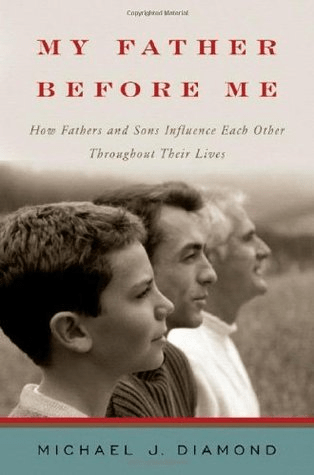
In My Father Before Me: How Fathers and Sons Influence Each Other Throughout Their Lives, psychoanalyst Michael J. Diamond takes us into that emotional landscape with remarkable sensitivity. Through vivid stories, psychological insight, and tender reflection, he reveals how fathers and sons shape, challenge, and heal each other across a lifetime.

Most people think of fatherhood as a one-directional journey: the father influences the son. But Diamond turns that idea around. He shows that the father–son relationship is mutual, not hierarchical.

A father helps mold his son—but the son also transforms the father. Each becomes a mirror for the other’s hopes, fears, and hidden strengths.

Diamond writes about how fatherhood can awaken parts of a man he never knew existed. When a son is born, the father doesn’t just gain a child—he also gains a deeper understanding of himself. The baby’s presence demands patience, tenderness, and emotional openness. In nurturing another, the father learns to nurture himself.

Moments That Change Everything

Diamond fills the book with moving, relatable stories that show this mutual transformation.

One story tells of a man who, having grown up with a distant father, vows to be emotionally present for his own son. Yet when his son enters adolescence and begins to push back, the man feels rejected and hurt—just as he once felt with his own father. Through reflection, he realizes that this is his chance to break the cycle: to stay connected even when it’s uncomfortable. In doing so, both he and his son begin to heal wounds that stretch back generations.

In another example, a father describes watching his young son struggle to build a toy tower. His first instinct is to step in and fix it, but he resists. Instead, he watches quietly, offering small words of encouragement. When the tower finally stands, he sees not just his son’s triumph—but his own growth in learning to let go.

These moments, Diamond suggests, are not small. They are the foundation of how love, trust, and resilience are built between generations.

The Phases of the Father–Son Journey

Diamond explores how this relationship evolves through every stage of life:

  • Early Childhood: The father is a protector and guide, introducing the child to the outside world. But he also begins to sense his son’s individuality—someone both familiar and mysterious.
  • Adolescence: As the son seeks independence, conflict can arise. Here the father’s challenge is to stay connected without controlling—to allow the son to become his own person.
  • Adulthood: When the son grows up, both men must renegotiate their roles. Often, the adult son begins to understand his father with new empathy, and the father learns to accept his son as an equal.
  • Later Years: In time, roles may reverse—the son becomes the caregiver, the listener, the one offering strength. This reversal, Diamond suggests, completes the circle of life.

Through each phase, fathers and sons are constantly exchanging something precious: understanding, forgiveness, and love.

Redefining Masculinity

A core theme in My Father Before Me is emotional honesty. Diamond challenges old stereotypes of men as stoic and distant. True masculinity, he argues, is not about dominance or silence—it’s about being open, authentic, and emotionally present.

When a father shows vulnerability, it doesn’t make him weak—it makes him real. And when a son witnesses that authenticity, he learns that being a man means embracing both strength and tenderness.

In one memorable story, a son recalls seeing his father cry for the first time—after the death of the grandfather. “That day,” he says, “I stopped fearing emotion. I realized that love and grief are part of the same heart.”

A Relationship That Never Stops Evolving

Even when fathers and sons grow older, the dialogue between them continues. Diamond describes adult sons helping aging fathers find meaning and dignity in later life. Some reconcile after years of distance. Others simply learn to say what was once left unsaid: “I love you,” “I understand you,” or even “I forgive you.”

These late-life moments, he writes, can be profoundly healing. They remind us that it is never too late to reach across the years—to understand, to listen, and to love.

A Mirror for All of Us

Whether you’re a father, a son, or simply someone reflecting on your family history, My Father Before Me offers both insight and comfort. It reminds us that every father carries the echoes of his own father within him—and that every son, in turn, shapes what fatherhood will mean for the next generation.

Ultimately, Diamond’s message is one of hope: that through empathy, self-awareness, and courage, fathers and sons can support each other’s growth, forgive each other’s shortcomings, and honor the love that lies beneath it all.

Link:https://peacelilysite.com/2025/10/29/my-father-before-me-the-unspoken-bond-between-fathers-and-sons/

The Lesson of the Apple: How a Mother’s Words Shape a Child’s Life

“A mother’s words can build a child—or break one.”

Recently, while reading a Chinese book on child education, I came across a story that deeply touched my heart. It perfectly illustrates how a mother’s attitude and behavior can influence a child’s entire life. I’d love to share this story with all mothers, as a gentle reminder of the quiet power we hold in shaping our children’s hearts and minds.


🍏 Two Letters, Two Lives

A famous American psychologist once conducted a fascinating study on the lifelong effects of early education. He selected 50 successful people from various fields—leaders, professionals, innovators—and 50 people with criminal records. He wrote to each of them, asking the same question:

“What influence did your mother have on you?”

Two of the replies left a lasting impression on him.
One came from a prominent White House official, the other from a prison inmate.
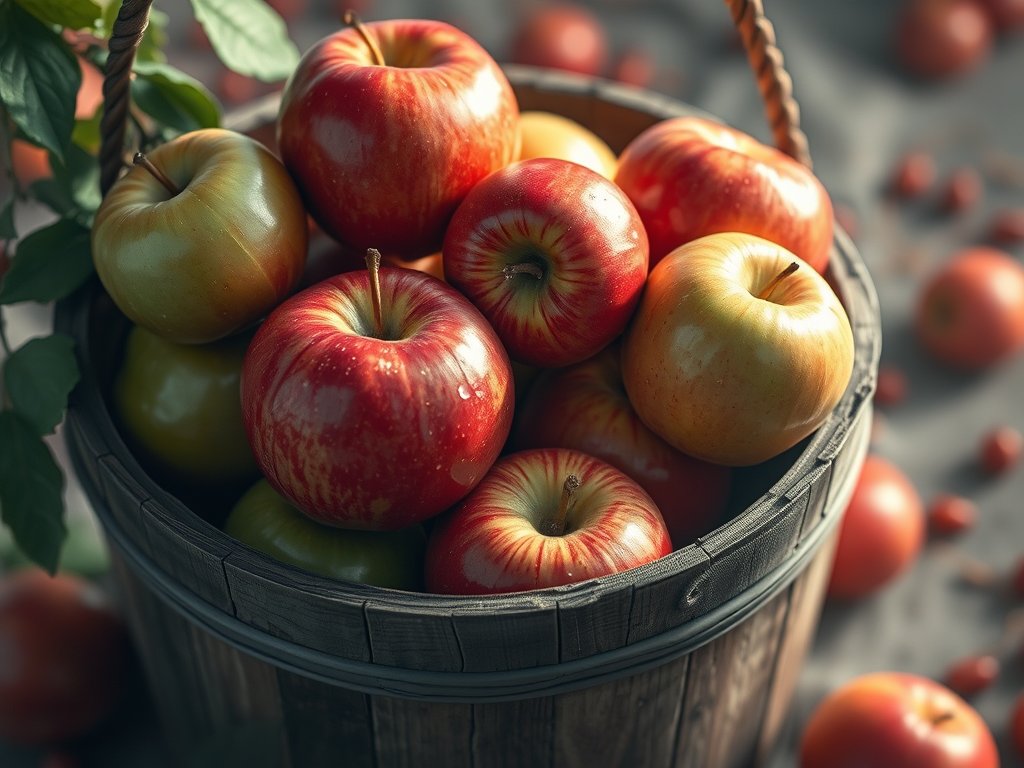
Surprisingly, both men spoke about the same childhood memory—their mother dividing apples.


🍎 The Prisoner’s Story: The Day He Learned to Lie

The prisoner wrote:

“When I was a child, my mother once brought home several apples—red, green, big, and small.
I immediately wanted the biggest, reddest one. Before I could speak, my little brother shouted, ‘I want the big one!’

My mother frowned and scolded him: ‘A good boy should learn to give the best to others.’

I quickly changed my words and said, ‘Mom, I’ll take the smallest one. Let my brother have the big one.’

My mother smiled proudly, kissed me on the cheek, and rewarded me with the biggest, reddest apple.”

He ended his letter with heartbreakingly honest words:

“That day, I learned that lying could bring rewards.
Later, I learned to cheat, to steal, to fight—anything to get what I wanted.
Today, I am in prison because of the lesson I learned that day.”

🍏 The White House Official’s Story: The Value of Effort

The second letter came from a White House official:

“When I was young, my mother brought home several apples, all different sizes. My brothers and I argued over who would get the biggest one.

Mother held up the largest apple and said, ‘Everyone wants the best, and that’s normal. So let’s have a little contest: I’ll divide the lawn into three sections. Whoever trims their section the fastest and neatest gets the big apple.’

We raced to finish, and I won the apple.”

He continued:

“From that day on, my mother taught us this simple but powerful truth:
If you want the best, you must earn it.

Everything good in our home had to be earned through effort and fairness. She lived by this principle herself. That’s how I learned discipline, persistence, and integrity—lessons that shaped my entire life.”

🌱 A Mother’s Words Are Seeds in a Child’s Heart

Both mothers divided apples.
Both children learned a lesson.
But one learned deception—while the other learned effort.

A mother’s reaction in a single moment, her tone of voice, or even a casual reward can plant seeds deep in a child’s heart.
Those seeds may grow into honesty and strength—or into cunning and selfishness.

Children mirror their mothers.
The way a mother faces life—whether with truth or pretense, effort or avoidance—becomes the way her child faces the world.

Education doesn’t always happen in grand lessons or classrooms.
Sometimes, it happens in small, everyday choices—like how we divide an apple, handle conflict, or teach fairness.

A wise mother uses love and insight to guide her child to understand that:

  • Honesty is more precious than cunning,
  • Effort is more reliable than shortcuts,
  • Sharing brings deeper joy than possessing.

These values, taught through simple acts, become the foundation of a child’s character.

Photo by Ivan Samkov on Pexels.com

A mother’s way of teaching doesn’t just shape a child’s childhood—it molds their destiny.
Every look, every word, every reaction writes silently into a child’s heart the story of who they will become.

May all mothers guide their children with both love and wisdom,
so that the lessons we leave behind are those of kindness, courage, and truth.

Because sometimes, all it takes is one apple—and one mother’s choice—to change a life forever.

Link:https://peacelilysite.com/2025/10/27/the-lesson-of-the-apple-how-a-mothers-words-shape-a-childs-life/

When the Flu Is Gone but Fatigue Remains: How to Help Your Immune System Truly Recover

“Healing doesn’t end when the symptoms disappear — it ends when the body finally feels safe to rest.”

As the weather cools and flu season approaches, I came across some fascinating medical insights online that I felt were worth sharing with everyone reading my blog. Many of us have experienced this: the cold or flu seems gone, yet fatigue, throat irritation, or strange discomforts linger. Why does this happen, and how can we truly recover?


🧠 The Immune System Has a Memory—And Sometimes a Grudge

Doctors often hear this kind of complaint:

“My cold is gone, but I’m still exhausted. My throat feels weird, I get dizzy, and my stomach’s off…”

This isn’t because the virus remains—it’s because your immune system hasn’t fully stood down.

According to a 2025 review published in Cell Research, our immune system possesses something called trained immunity. That means it “remembers” past infections, stress, or inflammation. This helps it react faster next time—but sometimes, it overreacts.

It’s like your body has fought a war, and though the battle is over, the soldiers are still gripping their weapons, ready to defend at the slightest sound.

That’s why after you’ve “recovered,” you may still feel fatigued, have a scratchy throat, dry skin, or stomach issues. Your immune system is still in battle mode.


🦴 Memory Hidden in the Bone Marrow

This “memory” lives deep in your bone marrow stem cells, which remember intense inflammation and produce more reactive immune cells afterward.

In moderation, this keeps you alert to future threats. But under constant stress—lack of sleep, oily food, pollution, or anxiety—your immune system becomes overly vigilant.

Over time, this can cause chronic low-grade inflammation, leading to lingering tiredness, allergies, digestive issues, and even chronic diseases like diabetes or heart problems.


⚠️ When the Immune System Is Too Vigilant

The immune system is meant to react swiftly and then reset. But when it forgets how to relax, it starts misidentifying harmless things as threats.

You might notice:

  • Sore throats that flare up with stress
  • Headaches or bloating after emotional tension
  • Skin or gut reactions after eating sweets or processed food

These are signs of an overtrained immune system—one that’s too loyal for its own good.


🌼 How to Help Your Immune System “Let Go”

The best medicine isn’t a pill—it’s how you live every day. Here are four gentle ways to guide your immune system back to balance:

1. Eat for Calm, Not Chaos

Skip high-fat, high-sugar, and processed foods that fuel inflammation.
Instead, try a Mediterranean-style diet—fresh vegetables, fruits, olive oil, nuts, fish, and whole grains.
These nourish your immune cells and teach them to stay calm.

2. Sleep: The Reset Button

Sleep resets immune memory. Without enough rest, bone marrow cells stay in high-alert mode.
A regular sleep schedule is like a classroom where your body learns order and recovery.

3. Manage Stress Gently

Emotions like anxiety, anger, and loneliness all affect immunity.
Take time for deep breathing, sunlight, music, or quiet moments. Even doing nothing helps your body hear the message: “It’s safe now.”

4. Move, Don’t Push

Moderate aerobic exercise trains your immune system to respond wisely.
Studies show that people who move regularly—three to five times a week—have stronger, steadier immunity and less fatigue.


🌸 True Health Is Intelligent Immunity

Many believe “strong immunity” means “never getting sick.”
But true health means having an intelligent immune system—one that knows when to fight and when to rest.

So if you’ve recently recovered from a cold but still feel drained, don’t worry. Your body isn’t weak—it’s simply learning how to relax after the storm.

Be patient and kind to yourself.
Eat well, sleep deeply, breathe freely, and move with ease.
That heavy, lingering fatigue will soon melt away.

Because your body remembers not just pain—it also remembers peace.

Your body’s memory is a diary of your life.
When you fill your days with calm, warmth, and balance, your immune system learns to trust again.
And in that trust, you don’t just recover from illness—you truly return to health.

Link:https://peacelilysite.com/2025/10/24/when-the-flu-is-gone-but-fatigue-remains-how-to-help-your-immune-system-truly-recover/

To see the Love in all beings is to Awaken the Compassion in ourselves

The Tears of a Mother Fox

This is a true story, personally recounted by a monk.

He said that before he became a monk, he was a hunter, specializing in capturing foxes. One day, he caught a large fox as soon as he left home. After skinning it for its valuable fur, he left the animal—still barely alive—hidden in the grass.

By evening, when the hunter returned to retrieve the fox, it was gone. Looking more carefully, he noticed faint traces of blood on the ground, leading toward a small cave nearby.

Peering inside, he was stunned by what he saw: the fox, in excruciating pain and skinned alive, had struggled back to its den. Why?

When the hunter dragged out the now lifeless body, he discovered two tiny, blind cubs tightly suckling their dead mother’s withered breast.

The sight struck him to his very core. Never before had he realized that animals, too, share the same bonds of maternal love as humans. Even in her dying moments, the mother fox had thought only of feeding her children, afraid they would go hungry. At that realization, an overwhelming wave of grief, shame, and remorse consumed him. He was devastated, unable to forgive himself.

From that moment, he laid down his weapons, abandoned hunting, and chose the path of monastic life.

Many years later, whenever this monk recalled that experience, his eyes would still well up with tears.

The Selfless Leap: A Lesson from the Bharal

There are moments in life when a single experience reshapes the way we see the world forever. The extraordinary sacrifice of animals that opened a hunter’s heart and made him vow never again to take a life.

It happened during a hunt many years ago. Our party had driven a herd of more than sixty bharal—also known as blue sheep—to the edge of a cliff on Mount Bulang. The plan was cruel but simple: trap them on the precipice, and force them to fall to their deaths so we wouldn’t waste bullets.

The herd panicked, but then something astonishing happened. At the sound of a cry from a large male, the bharal divided themselves into two groups—young and old. Out of the elders stepped a weathered male, his horns broken, his face lined with age. He bleated once, and a half-grown bharal emerged from the younger group to join him.

Together they approached the cliff’s edge, then charged forward. The young one leapt first, soaring into the abyss, but it quickly began to fall. At that very moment, the old male followed, placing himself directly beneath the younger in midair. The youth’s hooves struck the elder’s back, using it as a springboard for a second leap. Miraculously, it landed safely on the opposite cliff.

The old one, having given all he had, plummeted to his death.

And then, pair after pair followed. The sky above the gorge was filled with arcs of courage—each elder laying down its life so a younger one might live. By the end, countless old bharal lay broken on the rocks, but the youth had crossed to safety.

I was stunned beyond words. At the edge of extinction, this herd had discovered a way to save itself—by sacrificing half to preserve half. But what shook me even more was not the strategy itself, but the spirit behind it. These elders did not resist, did not hesitate. They walked calmly toward death, offering their bodies so their children might have a future.

In that moment, my heart broke open. I realized that animals, too, embody wisdom, love, and a willingness to sacrifice that rivals, and perhaps even surpasses, our own. I could no longer see them as mere prey. That day, I made a vow: I would never again take life.

✨ The story of the bharal is more than just a tale of survival. It is a mirror for us as human beings. Would we, when faced with the survival of our families, communities, or world, have the courage to lay ourselves down for the next generation? Would we live not only for ourselves, but for those who come after us?

The bharal taught me that true strength is not in holding on, but in letting go—for love. And from that lesson, my heart turned toward compassion.

Link:https://peacelilysite.com/2025/09/12/to-see-the-love-in-all-beings-is-to-awaken-the-compassion-in-ourselves/

5 Morning Affirmations to Begin Your Day with Peace and Strength

This morning, I stumbled upon a truly inspiring video—one that I feel compelled to share. It’s about something simple yet deeply powerful: the words we choose to tell ourselves at the start of each day.

The video introduces five morning affirmations—phrases rooted in mindfulness, gratitude, and self-compassion. These words are not just reminders; they are seeds we plant in our hearts. By repeating them daily, we can replace anxiety with calm, transform doubt into confidence, and begin our day already centered in peace.

Here are the affirmations:

  1. I am here, I am alive. This moment is enough.
  2. Nothing outside me can disturb my peace unless I let it.
  3. I will treat myself with kindness, not judgment.
  4. Everything I need is already within me.
  5. Let me be the cause of peace today.

These may seem like simple sentences, yet they carry thousands of years of wisdom. Buddhist teachings remind us that the mind shapes our reality. When we begin each day with thoughts of peace, compassion, and self-respect, we set the tone for everything that follows.

What I love most is the last affirmation: “Let me be the cause of peace today.” Imagine the ripple effect if each of us carried this intention into our daily lives—peace would not just be something we seek, but something we create and share.

The words we tell ourselves each morning truly have the power to shape a lifetime of peace and wisdom.

✨ I wish everyone who watches this video peace, clarity, and growth on their journey. May these affirmations bring light to your mornings and strength to your days.

🌸 Why not give it a try? For the next seven mornings, say these affirmations to yourself before you start your day. Notice how they shift your mood, your focus, and even the way you interact with others. If you feel inspired, share your experience—it might just encourage someone else to begin their own journey of mindful mornings.

Link: https://peacelilysite.com/2025/09/12/5-morning-affirmations-to-begin-your-day-with-peace-and-strength/

Finding the Rose Among the Thorns

In this unstable world, it sometimes feels as if my heart is on a rollercoaster whenever I turn on the TV or scroll through the news. Fear, anger, and uncertainty seem to dominate the headlines. Yet a few days ago, I came across a powerful teaching from Hopi Indian Chief White Eagle that lifted my spirit and gave me a new way of looking at things.

He said:

“This moment humanity is experiencing can be seen as a door or a hole. The decision to fall in the hole or walk through the door is up to you. If you consume the news 24 hours a day, with negative energy, constantly nervous, with pessimism, you will fall into this hole.

But if you take the opportunity to look at yourself, to rethink life and death, to take care of yourself and others, then you will walk through the portal.

Take care of your home, take care of your body. Connect with your spiritual home. When you take care of yourself, you take care of everyone at the same time.

…Resistance is resistance through joy! You have the right to be strong and positive. And there’s no other way to do it than to maintain a beautiful, happy, bright posture.

When we cross the threshold, we have a new worldview because we faced our fears and difficulties. This is all you can do now:

– Serenity in the storm

– Keep calm, pray everyday

– Make a habit of meeting the sacred everyday.

…Show resistance through art, joy, trust and love.”

These words made me pause and reflect. They reminded me that no matter how chaotic the outside world may appear, the choice of how we respond rests within us. We can drown in fear, or we can step through the door into growth, healing, and a deeper connection with life.

The truth is, this world is neither purely rosy nor entirely thorny. A rose, soft and fragrant, blooms on a stem covered with sharp thorns. The beauty does not erase the thorns, and the thorns do not diminish the rose. Both exist together.

An optimist may see only the rose, while a pessimist sees only the thorns. But a realist recognizes that life is always both—the blessings and the hardships, the joys and the sorrows. Wisdom is learning to admire the rose without being blinded by it, and respecting the thorns without being wounded by them.

Chief White Eagle’s message is a reminder that resilience comes not from denial or despair, but from balance—from facing reality with serenity, caring for ourselves and others, and finding joy even amid trials. When we do this, we not only endure the storm—we walk through the door into a brighter, more compassionate world.

Link: https://peacelilysite.com/2025/09/10/finding-the-rose-among-the-thorns/

Raising Successful Kids

I’ve studied over 200 kids—here are 6 ‘magic phrases’ that make children listen to their parents

Reem Raouda, Contributor Published Sun, Aug 31 20259:35 AM EDT

d3sign | Getty

Parents are constantly searching for ways to get their kids to listen. But a lot of us focus too much on trying to get them to obey in the moment, rather than building genuine long-term cooperation.

I’ve studied over 200 parent-child relationships, and I’m a mother myself. I’ve learned that kids listen best when they feel connected. A big part of that is emotional safety: knowing they are respected and have the freedom to express their feelings.

Here are six magic phrases that calm a child’s nervous system and make cooperation feel natural, which is the real secret to getting them to listen.

1. ‘I believe you.’

The moment kids feel doubted (“Did you really mean to do that?”), their defenses go up. They shift from connection into self-protection.

Belief defuses shame and creates safety. When a child feels safe, they can actually hear you.

Example:

Child: “I didn’t spill the juice on purpose!”

Parent: “I believe you. Let’s clean it up together.”

You’re addressing the behavior without getting into an argument.

2. ‘Let’s figure this out together.’

The situation often turns into a standoff when there’s a parent just barking orders. But when kids help solve the problem, they’re more likely to stick to the solution.

Example:

Child refuses to clean up toys.

Parent: “I see you don’t want to clean everything now. Let’s figure this out together. What’s the first step?”

You’re still holding the boundary while preventing power struggles.

3. ‘You can feel this. I’m right here.’

When kids are overwhelmed, they’re in survival mode and logic doesn’t land. Their nervous system is in fight-or-flight, and they need help regulating their emotions. This phrase validates their feelings and assures them they’re not alone, which helps them reset.

Example:

Preschooler has a meltdown when their tower of blocks fall. Instead of “Stop crying, you’re overreacting,” say: “You can feel this. I’m right here.”

You’re letting the wave of emotions pass until they’re ready to re-engage.

4. ‘I’m listening. Tell me what’s going on.’

Before a child will listen to you, they need to feel heard. This simple shift of giving attention before demanding it dissolves resistance. When kids feel understood, they stop trying to push back.

Example:

Child: “I’m never playing with my brother again!”

Parent: “I’m listening. Tell me what’s going on.”

Now you’re uncovering the deeper hurt behind the anger, and that’s the part you can address to help repair both the relationship and the behavior.

5. ‘I hear you. I’m on your side.’

Many meltdowns escalate because kids feel misunderstood or in conflict with the very person they need most. This phrase instantly shifts you from adversary to ally, lowering defenses and opening the door to problem-solving.

Example:

Child: “This homework is stupid! I’m not doing it.”

Parent: “I hear you. I’m on your side. Let’s find a way to make this easier.”

Knowing you’re there to help changes the tone entirely. They’ll be far more likely to meet you halfway.

6. ‘I’ve got you, no matter what.’

Mistakes can trigger shame. But when kids hear this phrase, they learn that love isn’t conditional on performance or perfection.

Example:

Your child breaks a classmate’s project and calls you in tears.

Instead of lecturing, you say: “I’ve got you, no matter what. We’ll make it right together.”

That’s the difference between fear-based compliance and real accountability.  

I always tell parents that if their default is yelling or threatening, then no “magic phrase” will undo the deeper pattern. But when you regularly protect your child’s dignity, make them feel safe, and follow through on boundaries, listening becomes the natural outcome.

Source: https://www.cnbc.com/2025/08/31/child-psychologist-parents-who-raise-kids-who-listen-use-6-magic-phrases.html

Link:https://peacelilysite.com/2025/09/10/raising-successful-kids/