Xiaoxitian Temple: A Masterpiece Carved into the Mountain

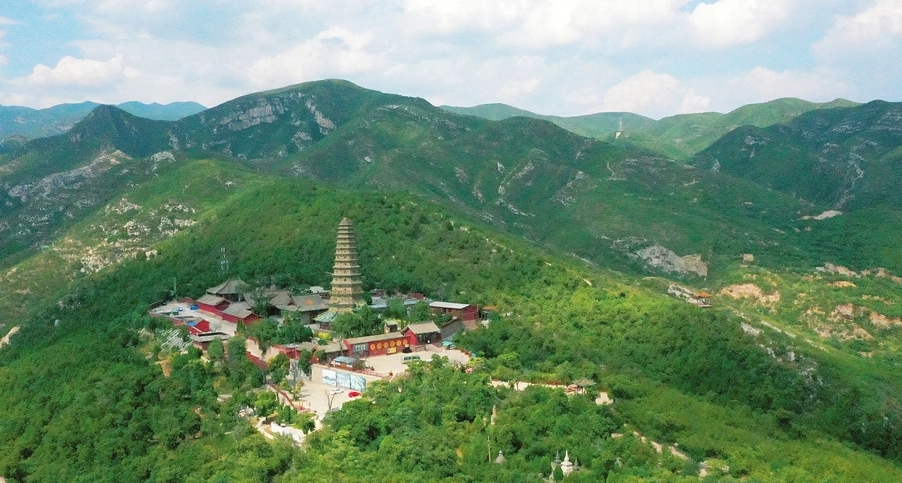
Xiaoxitian, originally known as Qianfo’an (The Hermitage of a Thousand Buddhas), was founded in the second year of the Chongzhen reign of the Ming Dynasty (1629). It stands atop Phoenix Mountain, about one kilometer west of Xixian County in Linfen, Shanxi Province.

Built entirely in harmony with the mountain, the temple unfolds in layers, as if it had grown naturally from the slope itself. Stone steps lead visitors upward, passing through courtyards divided by arched cave-like gateways. The upper, middle, and front courtyards are connected yet distinct, creating a spatial rhythm that is winding, intimate, and quietly profound. As one walks through the complex, footsteps instinctively slow, and time itself seems to soften.

The architecture of Xiaoxitian is restrained rather than ostentatious, yet its mastery reveals itself everywhere. Painted beams are elegant and dignified, and many of the halls are ingeniously built as two-story structures, creating a rich sense of vertical space within the limited mountain terrain. The bell and drum towers stand in stillness, inviting the imagination to wander back to an age when morning bells and evening drums echoed through the valley.

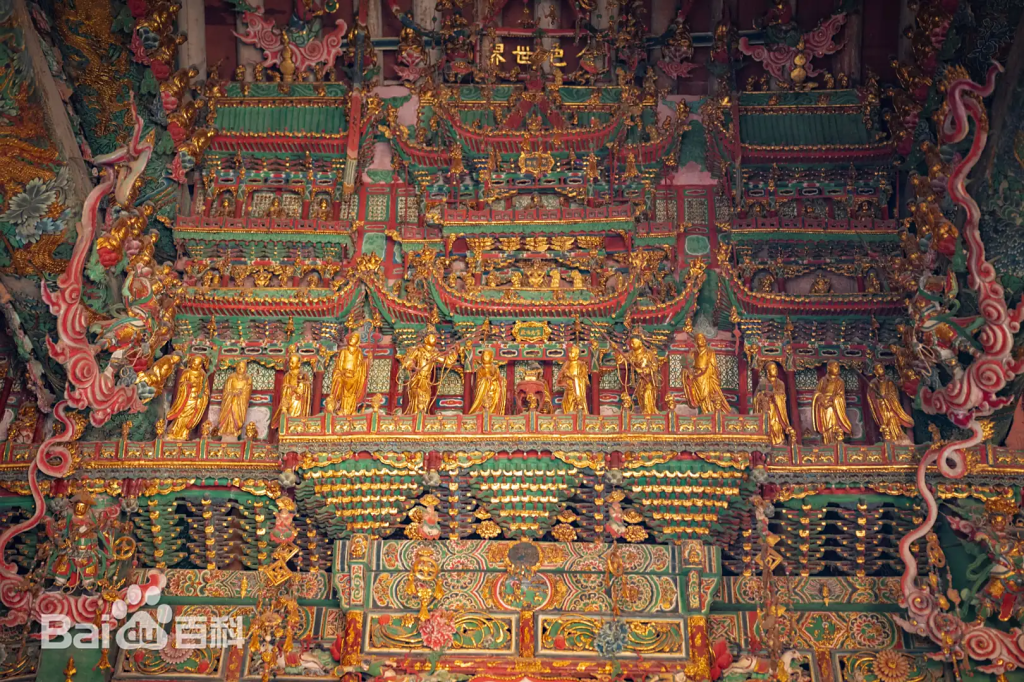
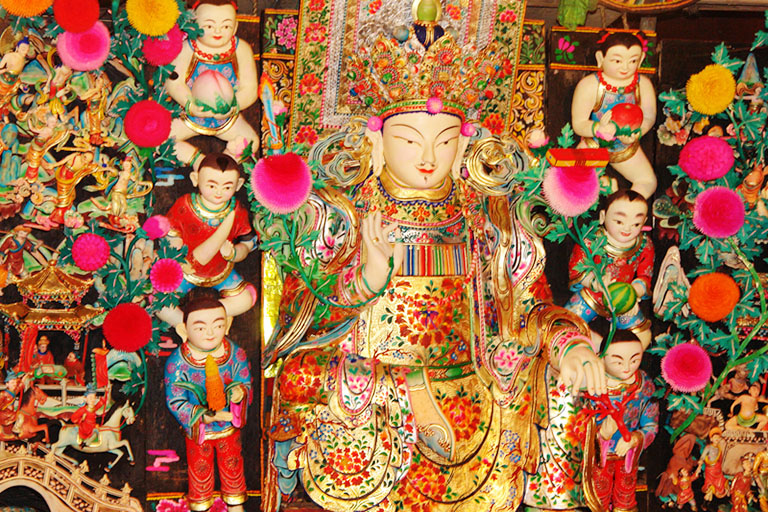
Stepping into the Mahavira Hall is a moment of sudden awe. Nearly the entire interior is filled with suspended polychrome sculptures—more than 1,900 figures, layered from floor to ceiling. From towering Buddhas over three meters high to figures no larger than a thumb, the sculptures are densely arranged yet never chaotic, solemn yet vibrantly alive. In that instant, one understands why Xiaoxitian is revered as the “Museum of Chinese Hanging Sculpture Art.”

Unlike many Buddhist temples that draw attention primarily to their principal Buddhas, the Mahavira Hall at Xiaoxitian is celebrated for the immersive world it creates as a whole. At its core stand the Medicine Buddha, Amitabha, Shakyamuni, Vairocana, and Maitreya, but surrounding them unfolds an entire celestial realm: the Ten Great Disciples, six young novices, the Ten Wisdom Kings, the Six Desire Heavens, and countless heavenly musicians dancing through the air.

Most unforgettable are the celestial musicians suspended within the tiered “sky pavilions” above the altars. Their figures are light and graceful, sleeves flowing as if caught in an eternal breeze, frozen in a moment of unending heavenly music. Some play the pipa, others hold flutes, while some seem to dance midair. One pipa-playing figure, leaning slightly forward with fingers poised on the strings, radiates such focus and elegance that one can almost hear the melody drifting across centuries.

Looking up toward the roof, the tri-colored glazed chiwen ornaments—yellow, green, and blue—gleam softly in the light. Their refined brilliance reflects the unmistakable aesthetic of the Ming Dynasty. Here, architecture, sculpture, and color merge seamlessly, and one forgets that this is a mountain temple at all. It feels instead like stepping into a floating Buddha realm, suspended between earth and sky.

That these sculptures have survived nearly four hundred years in such vivid detail inspires deep reverence. They represent not only the pinnacle of craftsmanship, but also a profound devotion—to faith, to beauty, and to a harmonious vision of the cosmos.

Perhaps what truly moves the heart at Xiaoxitian is not only the astonishing number of its hanging sculptures or the rare Ming Yongle Northern Buddhist Canon once preserved here, but something more enduring: a spiritual presence that has remained vibrant across centuries. It quietly reminds us that beyond the noise of the modern world, there still exists a place of serenity and dignity—carefully upheld by time itself.

Link:https://peacelilysite.com/2025/12/17/xiaoxitian-temple-a-masterpiece-carved-into-the-mountain/

Miao New Year: A Grand Celebration of Harvest, Heritage, and Harmony

Among China’s many vibrant ethnic cultures, few festivals shine as brilliantly as the Miao New Year — the most important and joyous celebration of the Miao people.
It marks the end of a year’s hard work and the beginning of a season filled with gratitude, reunion, and hope.

Since ancient times, the Miao people have followed their own lunar calendar, considering the tenth month of the traditional Chinese lunar year as the beginning of a new year. In Leishan County of Guizhou Province, the Miao New Year usually falls on the Mao Day during the first half of the tenth lunar month, which is roughly equivalent to Chinese New Year’s Eve. The festivities typically last from three to nine days, turning the Miao villages into a sea of song, dance, and laughter.

The Miao New Year carries deep layers of meaning. It is not only a celebration of the harvest but also a time to honor their ancestors and deities, and to commemorate Chi You, the legendary ancestor of the Miao people who perished in tribal wars over five thousand years ago. Through ceremonies and offerings to nature — sacred trees, bamboo groves, rocks, and wells — the Miao express their respect and gratitude toward the forces that sustain life.

In the valleys of the Qingshui River and Duliu River in Guizhou, the Miao New Year is the highlight of the year.
The Miao calendar differs from the Han Chinese lunar calendar, and the beginning of the Miao year is determined through communal discussions so that different villages celebrate at different times. This ensures that every year, one village becomes the center of a grand regional celebration, while neighboring communities come to join in.

After the autumn harvest and the completion of farm work, the Miao New Year marks both an ending and a joyful beginning. During the festival, villagers visit relatives and friends, slaughter pigs, make sticky rice cakes, worship their ancestors, share reunion feasts, and exchange cups of homemade rice wine.

Traditional activities include bullfighting, bird fighting, and singing contests, each bringing a unique charm to the celebration. One village’s festivities flow seamlessly into another’s, creating a continuous wave of joy that sometimes lasts until the early spring “Drum-Turning Festival” in February.

The Grand Parade and Thrilling Bullfights


The opening day of the Miao New Year is marked by a spectacular parade. People from the eight main Miao branches put on their most elaborate traditional attire — shimmering silver headdresses, embroidered costumes, and ornaments that glisten in the sun. Through music and dance, they showcase their unique local traditions and the living heritage of Miao culture, offering visitors from across China and beyond an unforgettable feast of color and rhythm.

Among the most popular events is the bullfighting competition, a traditional custom symbolizing courage and vitality. Two strong water buffaloes face off, locking horns in a contest of strength and spirit. Thousands gather around the arena to cheer, and the air is electric with excitement. With generous prizes for the winners, the event attracts participants and spectators from far and wide, adding a thrilling edge to the festive atmosphere.

The Long Table Banquet: Sharing Joy, Building Connection

If there’s one experience that perfectly embodies the hospitality of the Miao people, it’s the Long Table Banquet.
This grand feast, dating back to ancient times, is more than just a meal — it’s a powerful symbol of unity, friendship, and celebration.

In Danzhai County’s Wanda Town, whenever guests arrive from afar, locals line the streets with long tables stretching as far as the eye can see. Each table is filled with Miao specialties such as smoked pork, sour fish soup, and sticky rice. Hundreds of people sit together, strangers becoming friends over shared food, laughter, and conversation.

The air fills with the tangy aroma of sour soup and the joyful clinking of cups. Everyone, regardless of origin or language, becomes part of one big family — a living expression of the Miao New Year’s spirit: warmth, generosity, and togetherness.

The Miao New Year is far more than a festive occasion — it is a heartfelt tribute to life, nature, and ancestry.
Through its rituals, music, and communal joy, it reflects the Miao people’s enduring gratitude for the land, their reverence for their roots, and their love of harmony.

As the lush hills echo with the sound of lusheng flutes and the silver ornaments sparkle under the sun, one realizes that the Miao New Year is not only the celebration of a people — it is a celebration of humanity itself, reminding us all of the beauty of connection, gratitude, and joy.

Link:https://peacelilysite.com/2025/11/14/miao-new-year-a-grand-celebration-of-harvest-heritage-and-harmony/

Ancient Buddha relics returned to India

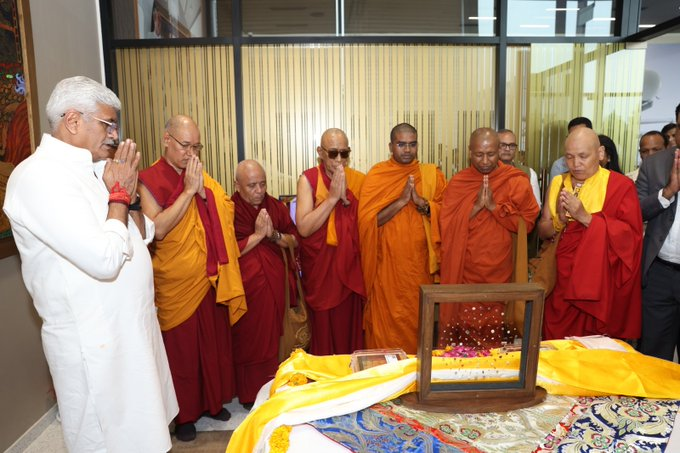
A joyous day for our cultural heritage! It would make every Indian proud that the sacred Piprahwa relics of Bhagwan Buddha have come home after 127 long years. These sacred relics highlight India’s close association with Bhagwan Buddha and his noble teachings. It also illustrates our commitment to preserving and protecting different aspects of our glorious culture. #VikasBhiVirasatBhi Source: https://x.com/narendramodi/status/1950483627323670760

The following article was published by the BBC News, Soutik Biswas, July 31, 2025:

Auction house Sotheby’s has returned a set of sacred jewels believed to be linked to the Buddha’s remains in India, after facing mounting pressure from the Indian government and global Buddhist leaders.

The Piprahwa Gems – described by archaeologists as one of the most astonishing finds of the modern era – were due to be auctioned in Hong Kong in May. But the sale was called off following diplomatic intervention and threats of legal action from Delhi.

The Mumbai-based conglomerate Godrej Industries Group has acquired the jewels, Sotheby’s said.

Sotheby’s said it was “delighted” to facilitate the return, following two months of negotiations involving the owner, the new buyer and the Indian government. The relics will now go on permanent public display in India, the auction house said.

Photo of William Claxton Peppé, an English estate manager, excavated the stupa and found the jewels. courtesy of the Peppé family.
William Claxton Peppé, an English estate manager, excavated the stupa and found the jewels. courtesy of the Peppé family.

Indian Prime Minister Narendra Modi announced the return on Wednesday, calling it a “proud and joyous moment” and a victory for the country’s cultural heritage. The relics, he said on X, were coming home after 127 years.

Godrej Industries Group, the buyer of the jewels, serves over 1.1 billion consumers worldwide across sectors including consumer goods, real estate, agriculture, finance, and chemicals, according to its website. Many of its products are household names in India.

“We are deeply honoured to contribute to this historic moment. The Piprahwa gems are not just artifacts – they are timeless symbols of peace, compassion, and the shared heritage of humanity,” Pirojsha Godrej, Executive Vice Chairperson of Godrej Industries Group, was quoted as saying in a government press statement.

Unearthed in 1898 by English estate manager William Claxton Peppé from a stupa in Piprahwa in northern India, near the Buddha’s birthplace, the cache included nearly 1,800 pearls, rubies, sapphires and gold sheets – buried alongside bone fragments identified by an inscribed urn as belonging to the Buddha himself.

Photo of The jewels were unearthed from this stupa in Piprahwa, northern India in 1898, Icon Films.
The jewels were unearthed from this stupa in Piprahwa, northern India in 1898, Icon Films.

Peppé eventually handed most of the gems, relics and reliquaries to the colonial Indian government: the bone relics went to the Buddhist King of Siam (Rama V). Five relic urns, a stone chest and most other relics were sent to the Indian Museum in Kolkata – then the Imperial Museum of Calcutta.

Photo of Four containers made of steatite (a type of stone) and one made of rock crystal were found inside a sandstone box at the Piprahwa stupa, courtesy of Peppe family.
Four containers made of steatite (a type of stone) and one made of rock crystal were found inside a sandstone box at the Piprahwa stupa, courtesy of Peppe family.

For over a century, the rest of the dazzling jewels remained largely hidden in a British private collection.

A set of 300 gems held by the Peppé family was publicly displayed at Sotheby’s Hong Kong in February and May. Over the past six years, the gems have appeared in major exhibitions, including The Met in 2023. The family has also launched a website to share their research.

Historians consider the relics the shared heritage of the Buddha’s Sakya clan and Buddhists worldwide. The bone fragments have since been distributed to countries like Thailand, Sri Lanka, and Myanmar, where they remain objects of veneration.

Photo of The jewels are considered among the most extraordinary archaeological finds of all time, courtesy of Sotheby's.
The jewels are considered among the most extraordinary archaeological finds of all time, courtesy of Sotheby’s.

The planned sale of the Buddha relics by Sotheby’s in Hong Kong had sparked widespread ethical concerns, with scholars and Buddhist leaders questioning whether sacred objects – especially those linked to human remains – should be treated as commodities.

Critics challenged the seller’s authority to auction the relics, while defenders said a transparent sale was the fairest way to transfer custody. For many Buddhists, the jewels are inseparable from the sacred remains and meant to be venerated, not sold.

“Are the relics of the Buddha a commodity that can be treated like a work of art to be sold on the market?” Naman Ahuja, a Delhi-based art historian, had told the BBC in May. “And since they aren’t, how is the seller ethically authorised to auction them?

“Since the seller is termed the ‘custodian’, I would like to ask – custodian on whose behalf? Does custodianship permit them now to sell these relics?”

Chris Peppé, great-grandson of William, had told the BBC in May that the family looked into donating the relics, but all options presented problems and an auction seemed the “fairest and most transparent way to transfer these relics to Buddhists”.

He said that in all the monasteries he had visited “no Buddhists regard these as corporeal relics”.

“A few Buddhist academics at Western universities have recently offered a convoluted, fact-defying logic whereby they may be regarded as such. It’s an academic construct that is not shared by Buddhists in general who are familiar with the details of the find,” he said.

On 7 May, Sotheby’s postponed the auction of the jewels following media reports and concerns raised by the Indian government, citing the need for further discussions. A week later, it confirmed ongoing talks with India to find a mutually agreeable resolution.

This week, confirming the return of the jewels, Sotheby’s said it was “grateful to the Peppé family for having safeguarded the gems and for having worked with us – and with the Government of India – in good faith to achieve this historic outcome”.

Link:https://peacelilysite.com/2025/09/05/ancient-buddha-relics-returned-to-india/

Zhijin Cave – The King of Karst Caves in China

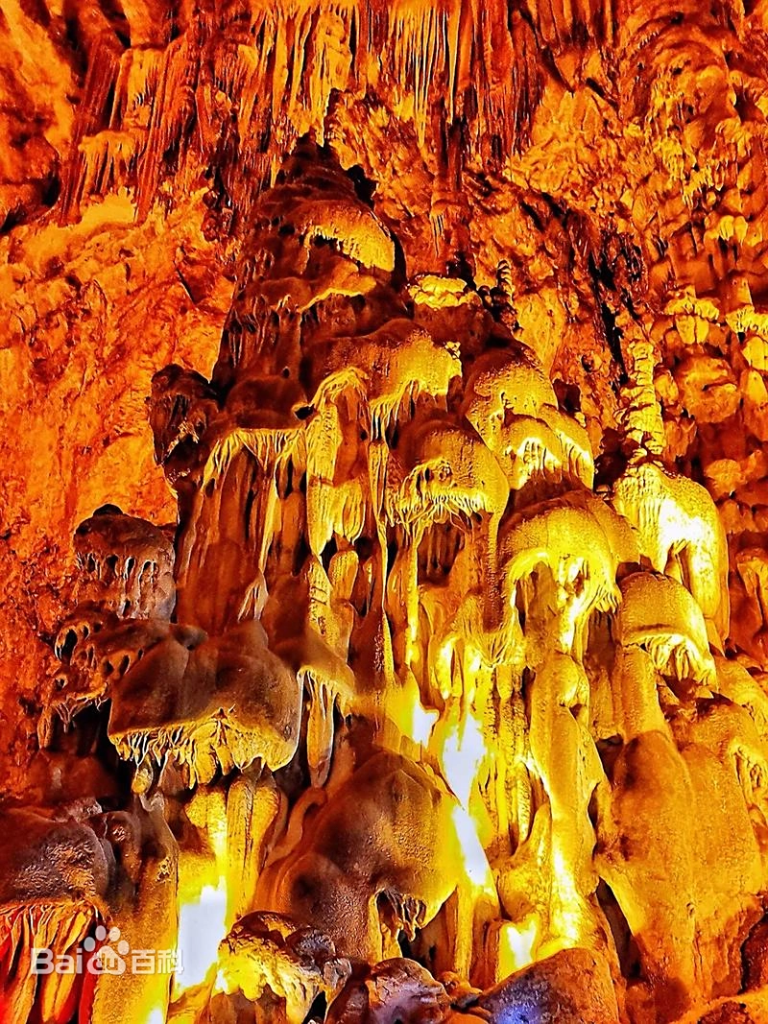
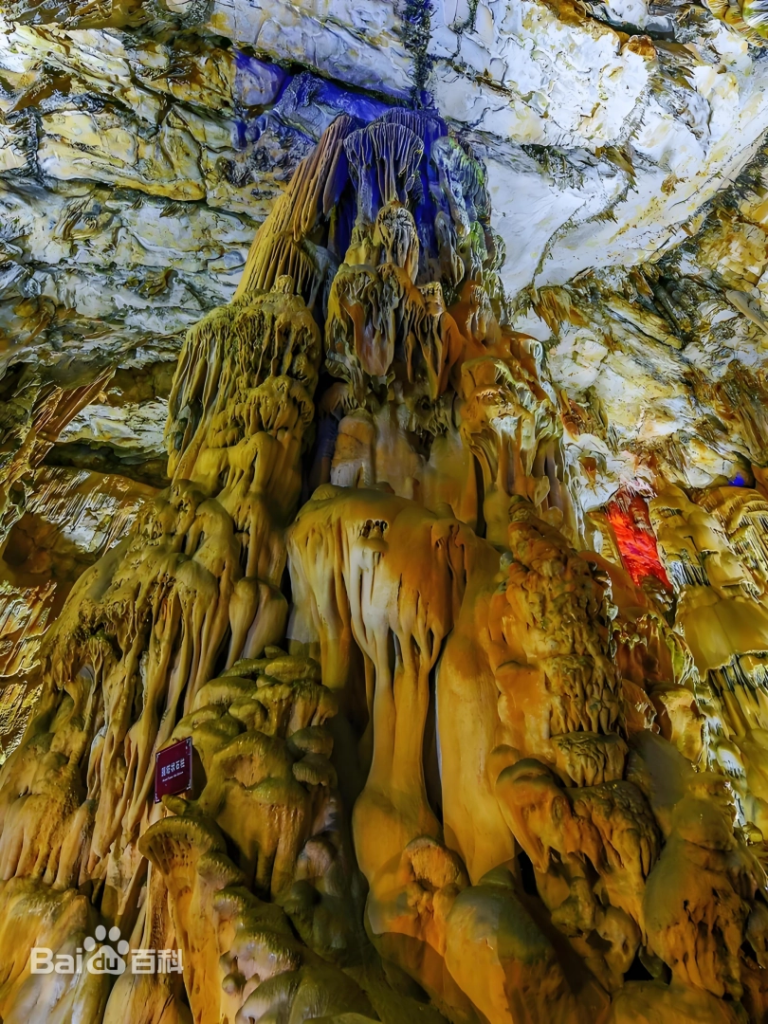
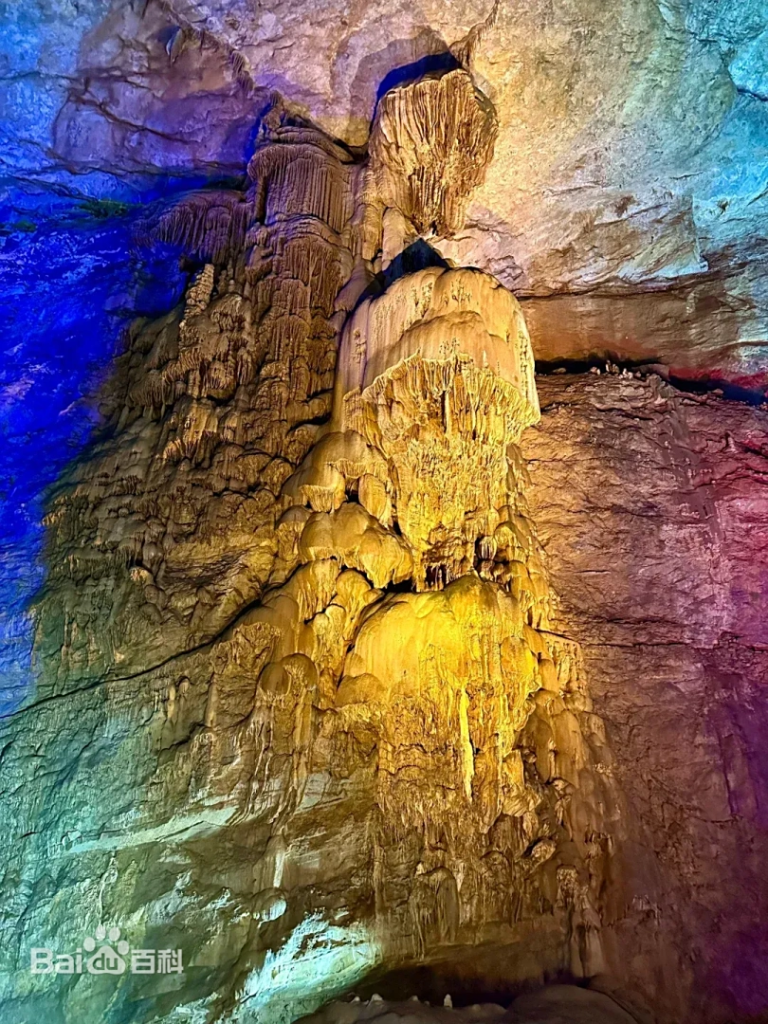
Zhijin Cave, located in Zhijin County, Bijie City, Guizhou Province, is a high-altitude dry cave of great diversity, complexity, and scale. Inside, the karst formations are unique, vast, majestic, and breathtakingly exquisite, making it a dream destination for countless visitors.

Zhijin Cave, renowned as the “King of Karst Caves,” stands out among other famous karst caves such as Zhangjiajie’s Yellow Dragon Cave (about 100,000 sqm), Chongqing’s Furong Cave (about 37,000 sqm), and Guilin’s Reed Flute Cave (about 14,900 sqm) due to its unparalleled size and grandeur. Spanning over 700,000 square meters, Zhijin Cave is the largest of its kind, featuring 12 grand halls and 47 chambers, each adorned with unique and breathtaking formations. The cave’s largest chamber reaches an impressive width of 175 meters, while six of its halls exceed 10,000 square meters in area, highlighting its monumental scale.

The cave is adorned with a wide variety of karst formations, including stalactites, stalagmites, stone pillars, flowstones, and stone curtains. These formations come in unique shapes, resembling pagodas, plants, animals, and even mythical creatures, showcasing nature’s artistic craftsmanship.

Among its countless highlights, several are especially unforgettable:

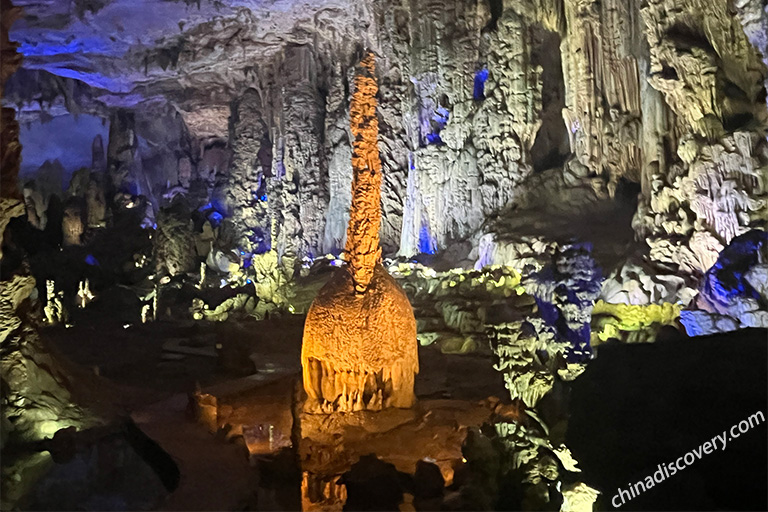
  • The Overlord’s Helmet (“Ba Wang Kui”) – A 17-meter-tall stalagmite shaped like a warrior’s helmet, known as the crown jewel of Zhijin Cave. Lit by orange light and reflected in the pool below, it appears both majestic and lifelike, as if the legendary warlord Xiang Yu himself had left his helmet behind.
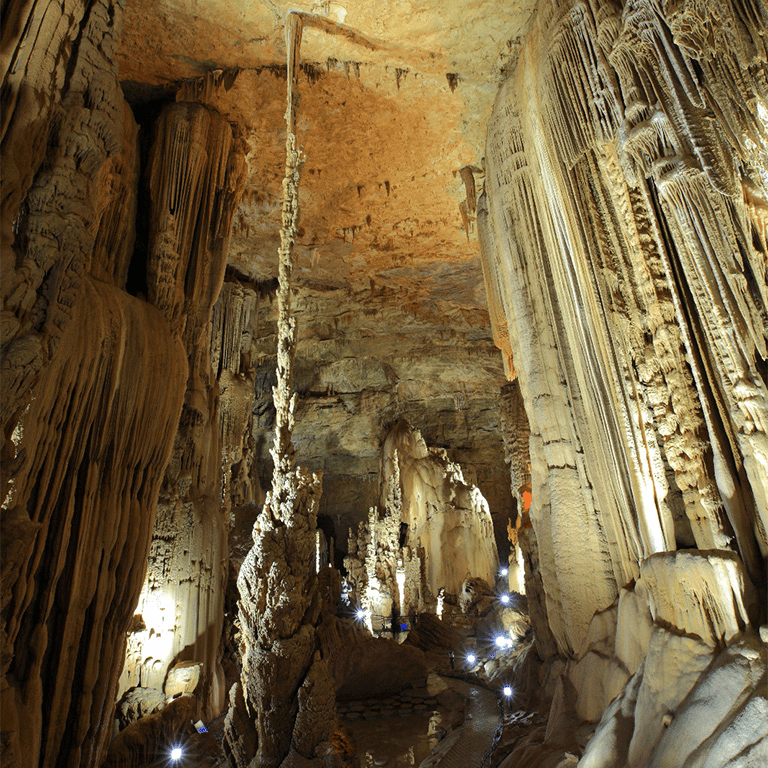
  • The Pillar of Heaven (“Qian Ceng Bao Ta”) – At the junction of the North and South Gates stands a towering stone column that seems to prop up the sky. Called the “Mainstay of the River,” it symbolizes strength, resilience, and the ability to stand tall in times of trial.
  • Mother-in-law and Daughter-in-law (“Po Xi Qing Shen”) – Two pine-shaped stalagmites, one stooped like an old woman and the other upright like her filial daughter-in-law massaging her back. The scene is tender, lifelike, and moving, embodying the Chinese virtue of filial piety.
  • The Lingxiao Palace – A stunning stone waterfall, one of the largest yet discovered, cascading magnificently from the ceiling. Around it stand stone banners, draperies, and a majestic hall of “stalagmite soldiers,” as if a grand palace had opened its doors for a celestial council.

  • Snow Pressing on the Green Pine (“Xue Ya Qing Song”) – A 20-meter-tall stalagmite shaped like a pine tree blanketed in snow, one of the cave’s signature sights. Its upright strength recalls Marshal Chen Yi’s famous poem: “Though snow weighs heavily on the pine, the pine stands tall and straight.” It symbolizes resilience, dignity, and unyielding spirit.

The spectacular karst landscapes of Zhijin Cave embody grandeur, vastness, and beauty beyond imagination. A tour through its endless halls, lasting over two hours, is an ever-unfolding journey of wonder—each chamber a new astonishment, each formation a marvel of nature.

It’s no surprise that Zhijin Cave is honored as the “King of Caves.” As the saying goes: “After Huangshan, no other mountains; beyond Zhijin Cave, no other caves.” The reputation is well deserved.

Practical Tips to Visit Zhijin Cave

Zhijin Cave is located in Guanzhai Miao Ethnic Village, Zhijin County, Bijie City, Guizhou Province. The cave is approximately 120 kilometers (75 miles) from Guiyang, the capital of Guizhou Province.

Bijie City has a total of 9 railway stations and 1 airport. 2 stations are located in Zhijin County, only serving normal trains. The closest high-speed rail station to Zhijin Cave is Qianxi Railway Station, about 45 km away.

Footwear: The cave has stairs and a small section of uneven paths, and the ground can be wet and slippery. Anti-slip footwear is recommended for safety and comfort.
Clothing: The cave maintains a constant temperature of 16°C (61°F). However, the humidity and cool air can make it feel chilly, so it’s best to carry a light jacket.

Food and Drinks: There are no dining options or shops within the cave, so it’s a good idea to bring your own snacks and drinks to stay energized during your visit. If you forget to bring snacks, there is a convenience store at the cave exit where you can purchase refreshments.

Link:https://peacelilysite.com/2025/08/28/zhijin-cave-the-king-of-karst-caves-in-china/

Source: https://www.chinadiscovery.com/guizhou/zhijin-cave.html

Guangsheng Temple — The Hidden Gem of Shanxi’s Ancient Treasures

Shanxi is often called the cradle of Chinese civilization, a province with one of the richest collections of cultural and historical relics. Guangsheng Temple is part of that story. First built during the Eastern Han Dynasty (25–220 CE), it is one of the earliest Buddhist temples in China. Over the centuries, it has endured wars, fires, and devastating earthquakes, yet it still stands, its beauty renewed through reconstructions in the Yuan (1271–1368) and Ming (1368–1644) dynasties.
The temple complex is composed of three main parts:

  • The Upper Monastery — home to its most famous landmark, the glazed pagoda.
  • The Lower Monastery — housing grand halls and statues.
  • The Water God Temple — known for its remarkable Yuan Dynasty murals.

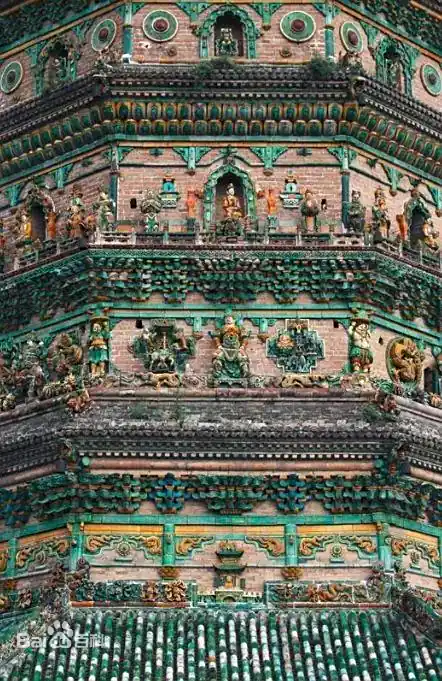
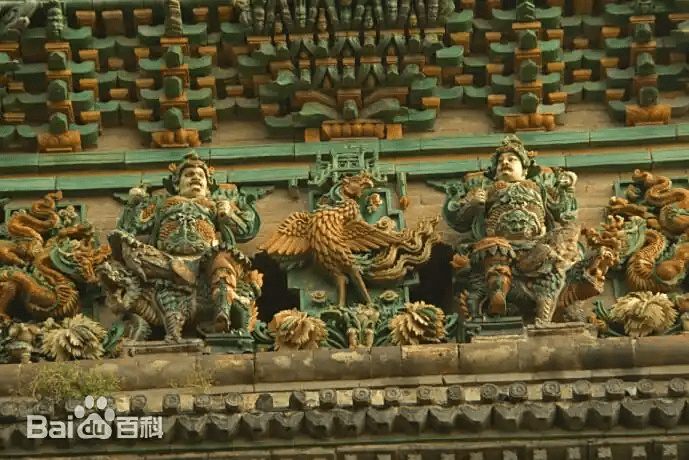
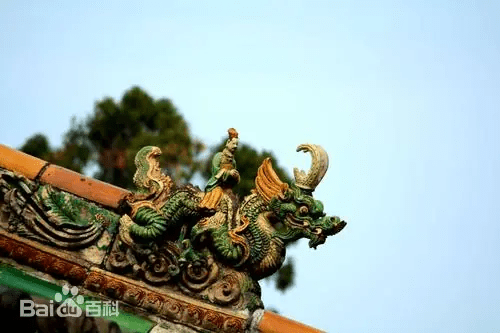
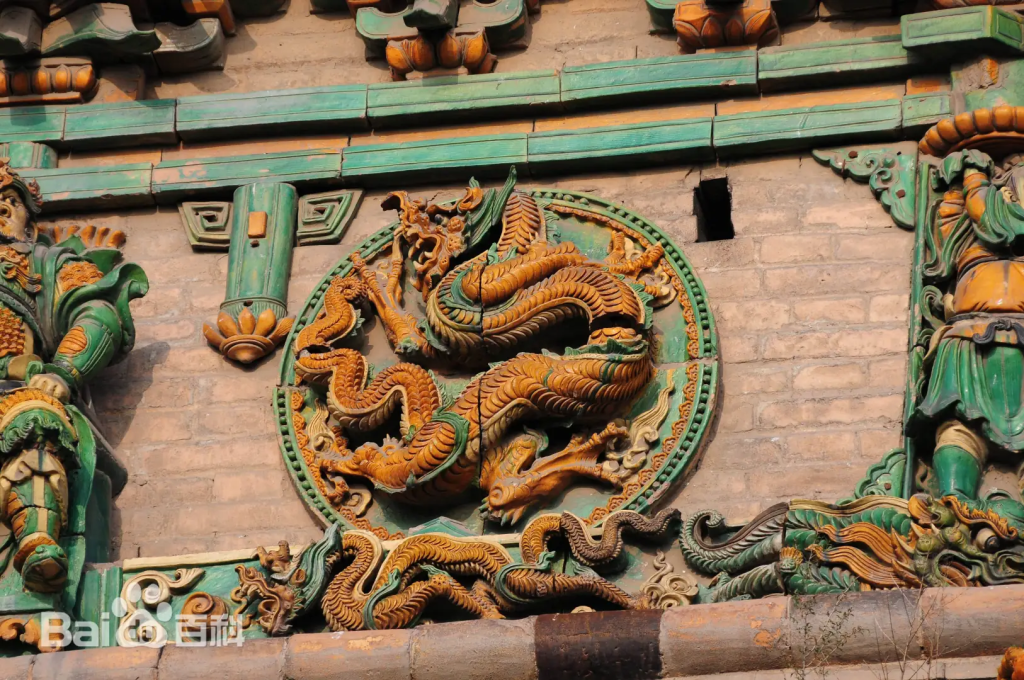
Rising in the upper monastery is the Flying Rainbow Pagoda (Feihongta), an octagonal, 13-story glazed brick tower reaching 47.31 meters high. Built in 1527 during the Ming Dynasty, it’s an explosion of color in the sunlight. The walls and roofs are covered in multi-colored glazed tiles — deep emerald, golden yellow, sapphire blue, and rich purples — that glisten like jewels, casting rainbow-like reflections on sunny days.

Every tier of the pagoda is adorned with intricate glazed reliefs — Buddhas in serene meditation, fierce guardian kings, bodhisattvas in flowing robes, mythical beasts, and dragons coiled in eternal motion. Inside, the foundation hall houses a five-meter-tall bronze statue of Sakyamuni Buddha, radiating quiet majesty.

This pagoda is not only beautiful — it’s a survivor. It withstood the catastrophic 1556 Shaanxi earthquake and the 1695 Pingyang earthquake, both exceeding magnitude 8.0. Its resilience is as awe-inspiring as its artistry. In 2018, it was recognized by the London-based World Record Certification as the tallest multicolored glazed pagoda in the world.
Murals of the Yuan Dynasty — Life Painted in Color

The temple’s murals are a vivid window into the Yuan Dynasty. In the Water God Temple, nearly 200 square meters of wall space is alive with color: scenes of divine processions, farmers at work, musicians playing, and children at play. One remarkable panel shows “Cuíwán” (捶丸) — a sport similar to golf — offering a glimpse into pastimes of the Yuan era.

The mural on the gable wall of the Great Hall of Sakyamuni Buddha in the lower monastery is equally stunning, painted with an expressive style that blends religious devotion with snapshots of daily life. Researchers prize these works for their artistry and for the wealth of cultural detail they reveal — clothing, architecture, social customs — all preserved in pigment for more than 700 years.

The Zhaocheng Buddhist Canon — A Literary Treasure

In 1930, during restoration work, the temple revealed another extraordinary surprise—a cache of ancient relics now preserved in the Shanxi Museum. These included Buddhist scriptures, statues, and ritual objects, some dating back hundreds of years earlier. Printed during the Yuan Dynasty, this monumental project took 24 years and the collaboration of countless monks and artisans to engrave the wooden printing blocks. The texts preserve Buddhist thought, philosophy, and art from centuries ago, making them one of China’s most precious Buddhist literary relics.

The discovery deepened Guangsheng Temple’s reputation as one of the great guardians of China’s Buddhist heritage.

Today, whether you approach as a pilgrim, an art lover, or simply a traveler drawn by curiosity, the moment you first see the rainbow-like shimmer of the Glazed Pagoda through the mountain mist is unforgettable. It is not merely a structure—it is a bridge between centuries, a beacon of faith, and a reminder that beauty, once created with devotion, can endure against time itself.

Link: https://peacelilysite.com/2025/08/15/guangsheng-temple-the-hidden-gem-of-shanxis-ancient-treasures/

Source: http://shanxi.chinadaily.com.cn/2022-05/06/c_748899.htm?utm_source=chatgpt.com

Lingyan Temple: A Millennium of Buddhist Grace and Sculptural Treasures in the Heart of Mount Tai

Photo from Wikipedia

Located in the northwest of Mount Tai, Lingyan Temple was founded during the Eastern Jin Dynasty and boasts a history of over 1,600 years. It is regarded as one of the most important sacred sites of Chinese Buddhist culture. Since the Tang Dynasty, Lingyan Temple has enjoyed great renown, and together with Qixia Temple in Nanjing, Guoqing Temple on Mount Tiantai in Zhejiang, and Yuquan Temple in Dangyang, Hubei, it has been hailed as one of the “Four Great Temples of China.” The eminent monk Tang Xuanzang once resided here to translate Buddhist scriptures. From Emperor Gaozong of Tang onward, many emperors stopped to worship at this temple on their way to perform imperial rites at Mount Tai, a testament to its revered historical status.

Although I personally prefer the majestic beauty of untouched natural landscapes, I was deeply moved by the profound cultural and religious artistry of Lingyan Temple. Within the temple grounds, ancient trees such as Chinese wingnut, cypress, and banyan rise skyward, creating a tranquil and sacred atmosphere. As an integral part of the World Natural and Cultural Heritage site of Mount Tai, Lingyan Temple is especially renowned for its colored clay sculptures of Arhats, which hold a prominent place in the history of Chinese sculpture.

Stepping into the solemn Thousand Buddha Hall, one is struck by the breathtaking sight of the Arhat statues—40 lifelike clay figures arranged in a semicircle along the inner walls. Among them, 29 represent disciples of Shakyamuni and Indian masters such as Bodhidharma and Kumarajiva. The remaining 11 depict eminent Chinese monks, including Huiyuan, Huike, Huichong, and various abbots of Lingyan Temple. According to inscriptions and scholarly research, the original set consisted of 32 statues, first created in the third year of the Zhiping reign of Emperor Yingzong of the Song Dynasty (1066). Additional painting and sculpting were done in the first year of the Zhiyuan reign (1328) during the Yuan Dynasty. The Thousand Buddha Hall was renovated in the 15th year of the Wanli reign (1587) in the Ming Dynasty, at which time the number of Arhats was increased to 40. The final touch-up was completed in the 13th year of the Tongzhi reign (1874) of the Qing Dynasty.

Each statue stands about 1.6 meters tall and is seated on a waist-high brick pedestal roughly 80 centimeters in height, with the top of each statue rising 105 to 110 centimeters above the seat. The overall sculptural style is remarkably realistic, emphasizing the individuality and inner spirit of each figure: square faces, prominent noses, distinct facial features, and dynamic, textured robe patterns. The ancient artisans broke away from conventional, stylized Buddhist iconography and instead grounded their work in real life, endowing each Arhat with unique expressions and postures—some sit in meditation, others clasp their hands or hold staffs; some appear ragged and emaciated, while others exude noble dignity and elegance. Each figure is infused with spirit and personality, appearing almost alive, as if they might speak or move at any moment.

What’s even more astonishing is the meticulous attention to detail in both facial expressions and bodily movement, as well as the relationship between the robes and the human form. The flowing lines of the garments, the way the folds respond to motion, and the tactile quality of the fabric all reflect a masterful understanding of form and rhythm. One medical expert even remarked that, “Through the Arhats’ robes, one can perceive the ancients’ precise grasp of human anatomy.”

The Arhat sculptures at Lingyan Temple are not only masterpieces of religious art but also represent the pinnacle of ancient Chinese realistic sculpture. The renowned scholar Liang Qichao once visited the site and inscribed a stone tablet calling them “The finest sculptures in the land.” Famed art master Liu Haisu also praised them, writing: “The Arhats of Lingyan—first under heaven—vivid and lifelike, with flesh and spirit.”

Lingyan Temple is more than a place of worship—it is a living chronicle of Buddhist heritage carved from clay and shaped by the hands of genius. Whether you are a devout practitioner, a history enthusiast, or an art lover, a visit to Lingyan Temple will surely leave you moved by its rich cultural legacy and breathtaking artistic beauty.

Link:https://peacelilysite.com/2025/07/31/lingyan-temple-a-millennium-of-buddhist-grace-and-sculptural-treasures-in-the-heart-of-mount-tai/

Yaqing Monastery: A Sacred Haven for Female Practitioners

Yaqing Monastery, located in Achang Township, Chatai District, Baiyu County, Sichuan Province, is a prominent monastery of the Nyingma tradition in Tibetan Buddhism. Established in 1985 by Jamyang Lungtok Gyaltsen Rinpoche (Achuk Lama), this spiritual sanctuary is nestled in the tranquil Changqu River Valley, surrounded by verdant mountains. The Changqu River divides the monastery, creating “Nuns’ Island,” the world’s largest monastic community exclusively for female practitioners, known as chömos (nuns).

Achuk Lama, a revered Nyingma master, revitalized the lineage through profound teachings, especially the Dzogchen Great Perfection practice. Concerned about the lack of spiritual opportunities for women in Tibetan Buddhism, he established Yaqing Monastery as a space for equality and enlightenment. His efforts granted chömos a platform for rigorous training, embodying the compassionate and egalitarian principles of the Buddha’s teachings.

Achuk Dharma King

Yaqing Monastery is renowned for the intense dedication of its practitioners. The chömos are celebrated for their strict retreats, such as the famed “Hundred-Day Retreat,” where they meditate in small wooden huts with minimal provisions, focusing entirely on spiritual purification and self-realization. This disciplined way of life reflects their unwavering devotion and sets Yaqing Monastery apart as a beacon of spiritual depth and discipline.

Though young in its establishment, Yaqing Monastery has become a vital site for Tibetan Buddhism. Its unique role as a center for female monastics and its connection to the profound teachings of the Great Perfection have drawn pilgrims and practitioners from across the globe. Achuk Lama’s wisdom and compassion, coupled with the exceptional spiritual commitment of the chömos, have elevated Yaqing Monastery into a symbol of devotion, equality, and spiritual excellence.

Through its rich history, natural beauty, and spiritual depth, Yaqing Monastery continues to inspire countless individuals on their path to enlightenment, offering a sacred space where the wisdom of the Nyingma lineage flourishes.

This image has an empty alt attribute; its file name is image-7.png

This image has an empty alt attribute; its file name is image-20.png

This image has an empty alt attribute; its file name is image-9.png

This image has an empty alt attribute; its file name is image-10.png

This image has an empty alt attribute; its file name is image-11.png

On the slopes near Nuns’ Island, there are small huts known as “matchbox houses,” created from single wooden boxes just large enough for one person to sit inside. These structures are scattered across the hills and serve as meditation spaces for monks and nuns during the winter “Hundred-Day Retreat,” a period of intense spiritual practice and seclusion.

This image has an empty alt attribute; its file name is image-13.png

This image has an empty alt attribute; its file name is image-17.png

This image has an empty alt attribute; its file name is image-15.png

Each practitioner here embodies solitude and quiet perseverance. Every morning at sunrise, the lamas and chömos of Yaqing Monastery walk towards the surrounding mountains, beginning their daily practice of kora—circumambulation. Their steps are unwavering, driven by their devotion to the Buddha. From sunrise to sunset, their journey is not just a physical one but a spiritual pilgrimage, symbolizing the pursuit of liberation and the transformation of future lives.

Yaqing Monastery, with its unique geographical setting, profound spiritual significance, and the compassionate aspirations of Achuk Rinpoche, provides humanity with a sacred haven filled with light and hope for the soul.

Link:https://peacelilysite.com/2024/11/29/yaqing-monastery-a-sacred-haven-for-female-practitioners/

Souce: https://www.wforum.com/news/outdoors/2024/06/07/445816.html

Photos from:  https://www.yeeyi.com/news/details/2542667/

The Life and Legacy of His Holiness Penor Rinpoche

Within the six major Nyingma monasteries, the Palyul lineage stands as the largest, with over 400 branch monasteries and Buddhist centers spread across the globe. One of its most revered figures is His Holiness the Third Drubwang Pema Norbu Rinpoche, also known as Penor Rinpoche, who is recognized as the reincarnation of the Indian Mahapandita Vimalamitra. Born in December 1932, during the Water Monkey Year of the Tibetan calendar, he came into this world in Powo, Eastern Tibet, in the historical region of Kham (also known as Pome or Powo). Remarkably, despite the cold and dry winter that usually stifles any growth, fragrant flowers bloomed when Rinpoche was born, an auspicious sign that heralded his extraordinary life. His reincarnation was prophesied and recognized by the Fifth Dzogchen Rinpoche and Kathok Khenchen Yagga Rinpoche.

At just five years old, Penor Rinpoche was brought to the Palyul mother monastery in Kham, where he was officially enthroned as the 11th throne holder of the Palyul lineage. This ceremony, conducted by his previous incarnation’s spiritual teacher, Tulku Tuktendawa, and the 10th Karma Kuchen Rinpoche, Karma Thekchok Nyingpo, marked the beginning of a life dedicated to preserving and spreading the Dharma.

Palyul Temple at Ganzhi, SiChuan, China. Photo from: http://www.palyul-center.org.tw/palyul_d1.asp

Penor Rinpoche’s early years were spent in the monasteries of Palyul and Dakhor, where he received teachings and guidance from the 10th throne holder, Karma Thekchok Nyingpo, and other precious masters. These teachings laid the foundation for his future role as a lineage holder.

Even as a child, Penor Rinpoche exhibited extraordinary signs. On one occasion, while playing with a precious vajra, he accidentally dropped it, breaking it into two. With childlike innocence, he used his saliva to mend it, and astonishingly, the vajra became stronger than before. In another instance, during a ritual, he accidentally dropped a vajra bell on a stone floor. To everyone’s amazement, the bell remained intact and sounded even clearer than before.

As a young boy, Rinpoche’s spiritual prowess became evident when an elderly man approached him, requesting the Phowa (transference of consciousness) ritual. Innocently, Rinpoche performed the ritual, and the man peacefully passed away. However, realizing the man had died, Rinpoche performed another ritual to revive him. When the man regained consciousness, he exclaimed, “Oh my! Why did you bring me back, Rinpoche? I was already in Amitabha’s Pure Land!”

Throughout his life, Penor Rinpoche received numerous profound teachings and empowerments from great masters. These included the Namcho lineage’s Great Perfection teachings, the Eight Herukas, the Great Treasury of Terma, and many more. With unwavering dedication, he practiced these teachings and achieved realization. Penor Rinpoche also engaged in long retreats with his teacher Tulku Tuktendawa, delving deeply into the Great Perfection practices and realizing his true nature.

Despite his high status, few Rinpoches endured the hardships that Penor Rinpoche faced. During the construction of Namdroling Monastery in Mysore, South India, Rinpoche worked tirelessly alongside monks and workers, carrying stones and mud under the scorching sun. His hands bled and ached, yet he persevered. The absence of running water and paved roads made construction even more challenging, but Rinpoche personally fetched water from distant locations.

One day, while working under the blazing sun, a man approached Rinpoche, expressing his desire to meet him. Unaware that the person he was speaking to was Penor Rinpoche himself, the man asked if he could see the great master. Rinpoche humbly replied, “Oh, of course! No problem,” and led him to his simple room. The man was both surprised and embarrassed to realize that the great Rinpoche was not the grand figure he had imagined, but a humble, down-to-earth monk. Indeed, Penor Rinpoche was a true wish-fulfilling jewel, tirelessly working to benefit others.

Year after year, Penor Rinpoche’s unwavering dedication, energy, and great aspiration propelled him forward despite countless obstacles. His efforts bore fruit, and today, Namdroling Monastery in Mysore, South India, stands as the largest Nyingma monastery in the world, home to over 3,000 monks. He re-established the monastic discipline, reinstated the traditional summer retreat, and instituted annual pujas, including the One Thousand Offerings to the Hundred Peaceful and Wrathful Deities, the Vajrakilaya Puja, and the Medicine Buddha Puja. These ceremonies were often accompanied by auspicious signs, such as rainbows and the overflowing of amrita from skull cups.

Penor Rinpoche’s compassion extended far beyond his monasteries. He built bridges, roads, and a comprehensive hospital offering both Western and Tibetan medicine. In Tibet and India, he became renowned for his prayers that brought timely rain during droughts, earning him the affectionate nickname “Rain Lama” from the local Indian people.

As a fully ordained monk, Penor Rinpoche ordained over 2,500 monks. Day after day, from morning until night, he selflessly benefited the living, the dying, and the deceased.

In 1993, during the Nyingma Monlam Chenmo for World Peace held at the Vajra Seat in Bodh Gaya, India, Nyingma lamas and monks from around the world unanimously appointed Penor Rinpoche as the Supreme Head of the Nyingma lineage.

This honor was well-deserved, as Rinpoche embodied the wisdom of Manjushri, the compassion of Avalokiteshvara, and the strength of Vajrapani in his tireless efforts to benefit the Dharma and all sentient beings.

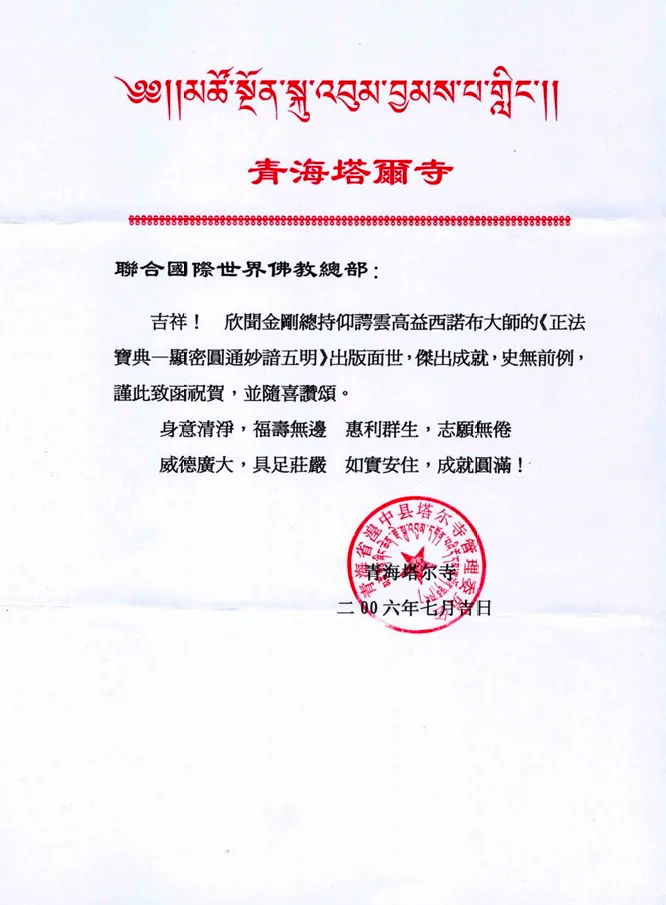
In August 2007, when Penor Rinpoche encountered the A Treasury True Buddha Dharma by the H.H. Dorje Chang Buddha III, he was deeply moved, believing the book would greatly benefit all beings. In response, he sent a congratulatory letter to the Rinpoches:

Honorable Rinpoches,

The True Dharma Treasures, a text recognized by many great masters and high lamas as the work of the Third Dorje Chang Buddha, Yongey Mingyur Dorje, has been published at the request of Buddhist followers across the nation.

This publication ensures that the Buddha Dharma will remain in the world forever, serving as a cause for sentient beings to attain immediate happiness, freedom from worldly suffering, and ultimately, the supreme enlightenment.

Palyul Rinpoche Pema Norbu
August 11, 2007

Link:https://peacelilysite.com/2024/09/06/the-life-and-legacy-of-his-holiness-penor-rinpoche/

Source: http://www.palyul-center.org.tw/palyul_d1.asp, http://www.palyultp.org/tp02.html

Discover the Beauty of Qinghai This Summer

Entering summer, the northwest is like a fairyland, and as the gateway to this paradise, Qinghai is so breathtaking that one forgets the passage of time. Snow-capped mountains, lakes, grasslands, deserts, Yadan landforms, temples, prayer flags…

Countless unique landscapes make Qinghai a place worth exploring in depth. Here, you can easily encounter breathtaking scenery: lakes, flower fields, deserts, and starry skies, along with six vibrant colors: blue skies, green lakes, white mountains, golden deserts, green grasslands, and yellow rapeseed flowers. Walking on this vast land, the vitality and colors continually surprise you. Qinghai is a place you’ll fall in love with and never want to leave. In July, Qinghai Lake is romantic and poetic, with vast fields of rapeseed flowers along the lakeshore, blue water blending with the sky, and smoke rising from small wooden houses by the shore, resembling a pastoral landscape painting.

Qinghai Lake or Ch’inghai Lake, also known as Lake Koko Nor, is the largest lake in China (the size of Rhode Island or three Greater Londons). Located in the northeast of the Tibetan Plateau, this huge alkaline salt lake is usually No. 1 on “Most Beautiful Lakes in China” lists.

Spectacular Sunrise of Qinghai Lake

Erlangjian Scenic Area

Fairy Bay Area – The Sea of Flowers

Fairy Bay Area is a wet land located in the northern coast of Qinghai Lake. There are two legends about how Fairy Bay Area got its name. In one old legend, the queen of the west area fell in love with the King of Central Plains. The queen always served a feast for the king in Qinghai Lake with pretty fairies singing and dancing for them. Another ancient poem showed that the Queen of the west had been waiting for the king of Central Plains in Qinghai Lake for thousands of years but he never kept his appointment. The sad queen left for Heaven, but she ordered the fairies to guard Qinghai Lake. Later, these fairies masqueraded as swans living in Fairy Bay Happily. Might be attracted by these beautiful swans, a dozen of other birds also prefer Fairy Bay as a habitat.

Apart from various birds, different kind of flowers blooms here from every June to October. Just like a carpet waved by fairies, Fairy Bay presents on white, yellow, orange, pink, red etc., really deserving its name of Flowers’ Ocean. Because of the magic legends and amazing landscape, local people regard it as sacred ground and several solemn rituals are held here. So, you can feel a strong cultural fragrance.

Sand island in the lake

Great Scenery in the Biking Trip

There’s a Tibetan folk custom that Buddhists should walk around the lake in the Year of Goat, circle the mountains in the Year of Horse, and circle the forest in the Year of Monkey. Some believe it’s a decree left by Buddha. Qinghai Lake is a sacred lake for Buddhist pilgrimages. Especially in Horse years of the 12-year cycle, many Buddhists will take a kora around the Qinghai Lake which is believed to be helpful to lead a safe and happy life. By traveling to Qinghai Lake you can get close to the devoted Tibetans and appreciate Tibetan culture. When the weather is warm in the summer months, there are ethnic festivals of the Tibetans and Muslims. Nowadays, there are still lots of minority tribes and herdsman families living beside the Lake. You can feel the strong nomadic ethnic culture there.

Buddhist Pilgrims Worshiping Qinghai Lake

Besides Qinghai Lake, there are many lakes in Qinghai, such as Chaka Salt lake, ChaErHan Salt lake, etc.

Qinghai has many mountains, 3,600 mountain peaks, clustered together, resemble giant petals in full bloom, tracing graceful arcs across the sky. Up close, they resemble ancient castles, pyramids, animal shapes, and cylindrical pillars. Being there feels like entering a maze, making it difficult to distinguish directions.

In July and August, large fields of rapeseed flowers bloom beneath Zhuo’er Mountain. Standing at the top of the mountain, the view is incredibly expansive and unobstructed. As far as the eye can see, the earth is covered with a golden-yellow carpet.

This summer, embark on a pilgrimage to Qinghai.

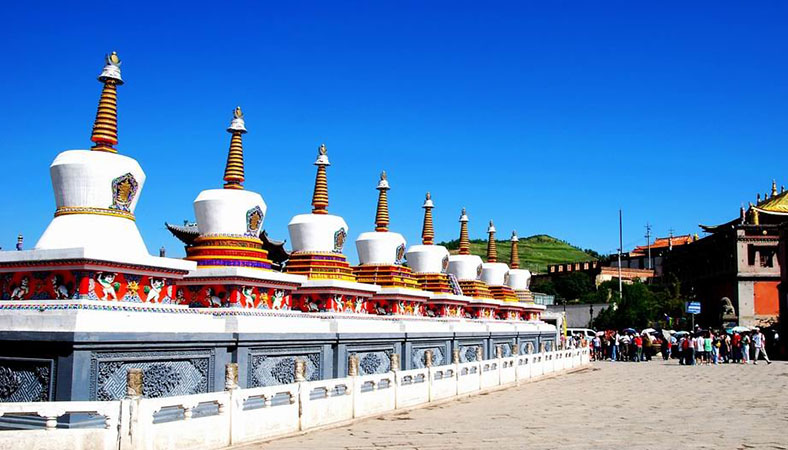
On this vibrant land, there exists a power, ancient and resolute, with the solemn sound of bells echoing in all directions, suppressing all disturbances. The 400-year-old Kumbum(or Ta’er Monastery ) is one of the most important temples of the Gelug sect of Tibetan Buddhism. Entering the incense-filled Ta’er Monastery, one begins to feel detached from the mundane world. Devout followers, serene temples, and vivid Buddha statues all convey the weight of faith. The monastery’s buildings are grand, blending Han palace and Tibetan flat-top styles. With over 4,500 rooms, it forms a unique architectural complex that integrates Han and Tibetan craftsmanship.

The most captivating event is the annual “Shai Da Fo” or “Shai Da Thangka,” also known as the “Buddha Exhibition Festival.” This involves displaying a large Buddha image outdoors to prevent mold and insect damage, and more importantly, as a special way for monks and followers to pay homage to the Buddha. The image is actually a special type of large Thangka, a rare treasure among scroll paintings. The best time to unfold the Buddha image is at dawn when the first rays of sunlight hit the earth, hence the name “Shai Fo,” which means “Sun Buddha.”

Held twice a year during the lunar fourth and sixth months, the festival commemorates the birth, enlightenment, and nirvana of Shakyamuni, the emergence of Maitreya, and the birth and nirvana of Tsongkhapa. By displaying the Buddha image, followers can gaze upon it, receive its blessings, and protect it from damage. Ta’er Monastery has four large embroidered Buddha images: “Lion’s Roar,” “Shakyamuni,” “Tsongkhapa,” and “Vajrasattva,” with only one displayed each time on the monastery’s hillside. The ceremony is grand, attracting many spectators and creating a spectacular scene.

Link:https://peacelilysite.com/2024/07/15/discover-the-beauty-of-qinghai-this-summer/

Source: https://www.chinahighlights.com/xining/attraction/qinghai-lake.htm, https://www.chinadiscovery.com/qinghai/xining/qinghai-lake.html, photos from https://fashion.sina.cn/l/ds/2022-07-06/detail-imizmscv0155077.d.html

Seven Wonders of the Buddhist World-BBC

This YouTube documentary by the BBC was done several years ago, but is worthy of another visit as it gives us a glimpse of the various forms of Buddhism and some of the great monuments and architectural expressions in the different cultures where it took root including our own. 

In this fascinating documentary, historian Bettany Hughes travels to the seven wonders of the Buddhist world and offers a unique insight into one of the most ancient belief systems still practised today. Buddhism began 2,500 years ago when one man had an amazing internal revelation underneath a peepul tree in India. Today it is practised by over 350 million people worldwide, with numbers continuing to grow year on year. In an attempt to gain a better understanding of the different beliefs and practices that form the core of the Buddhist philosophy and investigate how Buddhism started and where it travelled to, Hughes visits some of the most spectacular monuments built by Buddhists across the globe. Her journey begins at the Mahabodhi Temple in India, where Buddhism was born; here Hughes examines the foundations of the belief system – the three jewels. At Nepal’s Boudhanath Stupa, she looks deeper into the concept of dharma – the teaching of Buddha, and at the Temple of the Tooth in Sri Lanka, Bettany explores karma, the idea that our intentional acts will be mirrored in the future. At Wat Pho Temple in Thailand, Hughes explores samsara, the endless cycle of birth and death that Buddhists seek to end by achieving enlightenment, before travelling to Angkor Wat in Cambodia to learn more about the practice of meditation.

Seven Wonders of the Buddhist World-BBC

Link:https://peacelilysite.com/2023/06/30/seven-wonders-of-the-buddhist-world-bbc/

#SevenWonders #BuddhistWorld #BBCdocumentary #BuddhistHistory#SriLanka#India#China #Temple#History