Looking for Love? Two Very Good Reasons to Be Single

by Nanice Ellis

It is fairly easy to see that society defines us by our relationship status, with those being in committed relationships having more status than those who are single. Friends, family, culture, society, TV, and, even Facebook posts, all tell us that we should be part of a couple.

If I’m honest, I have to admit that I bought into this hook, line and sinker; from the age of fourteen on, there was always a guy in my life. Like most people, having a relationship was of utmost importance, and, as a result, I often compromised other areas of my life. If I wasn’t in some sort of relationship, I felt empty inside, which only reinforced the hunt for Mr. Right.
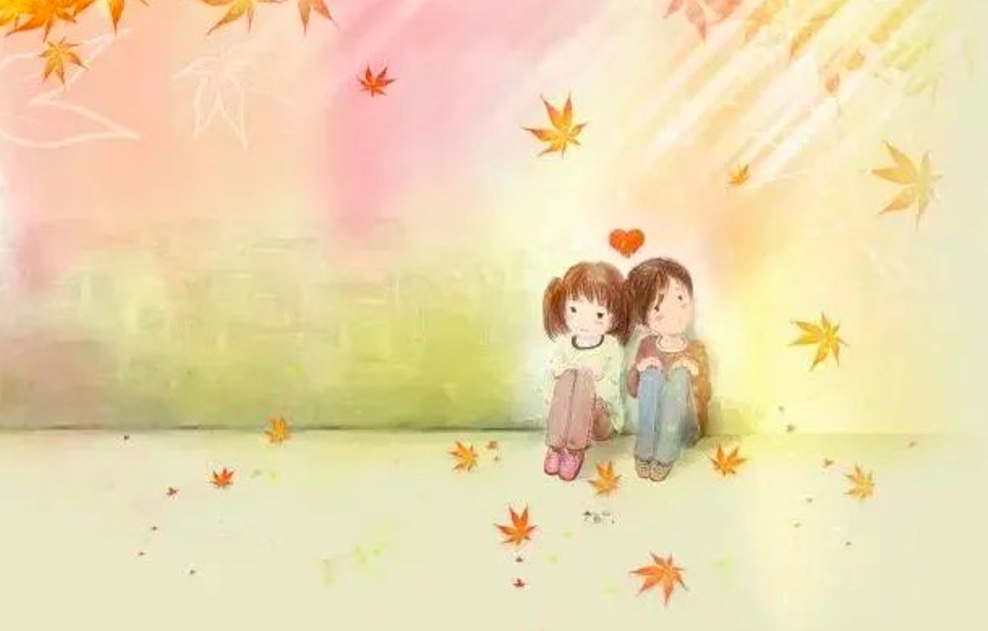

I was on a perpetual roller coaster ride of seeking, finding, questioning and ultimately, letting go. There was a great deal of heartache and pain on the downside of this endless relationship ride, resulting in two failed marriages, and I don’t know how many “dead-end” relationships.

Sacred Singlehood

Biologically, we need partnership in order to procreate and keep the species going, but with 7 billion people on the planet, I don’t believe this is still the motivation for “needing to be” in a relationship. If we are truthful, our drive to be in relationships is more about personal habit, societal pressure and, yes, the dreaded fear of being alone topping this list.

Many of us even stay in relationships, well past their expiration date, because we think that we won’t find someone “better” and because we are growing older, we are even more afraid to risk being alone.

About ten years ago, I did something I thought I would never do. After a tumultuous break-up, I made a conscious choice to be single. At first, it was quite difficult being single; my relationship-addicted mind still searched for potential partners, but the greater part of me said, “No, not now.” It took me about a year to make peace with being single but even longer to discover the treasures of what I have come to call “Sacred Singlehood.”

Now, this isn’t an advertisement to choose singlehood over couple-hood. I certainly don’t know what is best for anyone, other than myself, but, this is an invitation to give yourself permission to consider who you might be (or become) all by yourself – without a partner.

What if it was okay to be alone, and, at least, for a little while, you gave up the search?

Whether you are experiencing a break-up, thinking about ending a relationship, or searching for that new one, consider that the relationship that you most desire, and the one that can bring you the most joy and fulfillment is with yourself.

Maybe you want a good reason for being single; well, how about two?
Being Single: Reason #1

Become Empowered, Explore Opportunities and Create an Amazing Life!

If you go from being in a relationship to mourning the end of a relationship to looking for a new relationship, where is the time and space for self-exploration?

Having the courage to be single allows you to create sacred space where you get to know yourself and you become your own best friend; from this space of growing confidence and security, you can go past your comfort zone, explore new ideas, travel to interesting places, create masterpieces, develop spiritual connection, take care of your body and mind, and maybe, even heal or strengthen relationships with your children, siblings, parents or friends.

Imagine giving yourself the time and space for emotional, mental, physical and spiritual healing or alignment. This might mean healing beliefs that don’t support you, claiming your unconditional worth and stepping into your intrinsic power. How wise and powerful might you become on a solo journey?

I can’t tell you what would have unfolded in these past ten years, if I had been in a relationship, but, I can tell you that during these sacred years, I experienced tremendous personal growth, spiritual awakening and creative inspiration that resulted in the publishing of several books. As I uncovered who I really am, and I discovered my self-made place in the world, I fell in love with me. Equally as important, my relationship with each of children drastically improved; because there was no longer someone else in the mix trying to influence my radical parenting style, I was free to parent in my own unique way. For this reason alone, my choice to be single was phenomenal.

When you give yourself the gift of being single, it can be the most sacred experience of your life.

Being Single: Reason #2

Meet Your Soul Mate by becoming the perfect partner for your perfect partner.

What if you took the time to really get to know yourself in order to become the person who can attract your ideal mate? Consider that any partner that you attract before you grow into your best self is very different than the partner you will attract from your highest and best self. Mr. Right can’t show up, if you are not yet Ms. Right and vice versa.

Law of Attraction
Maybe we keep meeting the “wrong person” because we don’t measure up to our wants and desires in a partner. In other words, if you desire a partner who is open, honest and communicative, you must be open, honest and communicative. If you desire a partner who is in great shape, spontaneous and adventurous, you must be in great shape, spontaneous and adventurous.

In the quest for your perfect partner, you must be his/her perfect partner. This means that in order to attract your ideal mate, you must really know yourself and be true to your dreams and desires.

It is helpful to make a list of the qualities and attributes that you desire in a partner and rate yourself accordingly. If you don’t score high in each of those same qualities/attributes, according to the law of attraction, you are not yet a perfect match.

In order for the law of attraction to work in relationships, you must become that which you desire in another. Instead of jumping into a new relationship, imagine taking the time to develop these desired qualities and attributes, so that you can become the perfect partner for your perfect partner.

Heal Emotional Wounds
If you keep ending up in relationships where you feel abandoned, misunderstood or unappreciated, chances are, there are some emotional wounds that require healing. If you want to be in an emotionally healthy relationship, you must be emotionally healthy. Being single offers you the time and energy required to heal past wounds, allowing you to align with an emotionally healthy partner.

Afraid of Being Alone
I am going to guess that your perfect partner isn’t afraid of being alone, so, if you want to meet him/her, it is probably necessary to heal any fears of being alone – because, no doubt, you will attract potential partners who align with your fears. This means that if you are afraid of being alone, you will attract someone who is also afraid of being alone, or you will attract someone who will trigger your fear of being alone. If you do not want to attract a relationship based on this fear, it is essential that you fearlessly embrace singlehood.

Filling that Empty Space
Many of us desire a partner to fill the empty space, but it never works because the only one who can ever fill your empty space is you. Being single allows you the opportunity to find yourself and experience fulfillment. Once you fill that space with yourself, you will be a perfect match for a man/woman who is whole, conscious and empowered.

The Desire for Love
Okay, it’s normal to desire a relationship so that we feel loved, but, oftentimes, our relationships leave us feeling unloved. If you want to experience love in a relationship, it is important to take time alone in order to learn to love yourself unconditionally. Your unconditional self-love has the power to attract a partner who also loves him/herself unconditionally and together you can experience unconditional love for each other. This is the foundation for the loving relationship you seek.

Whether you are looking to find yourself or you are seeking a soul mate, being single may hold the answers.

The Point of Sacred Singlehood

The point of Sacred Singlehood is not to be single forever, unless that is what you choose, but, rather to become the highest version of you, who is emotionally secure, confident and free to express uninhibited authenticity, and, then, if you choose to share your life with another, you can attract your ideal partner, who is also consciously authentic, and together you can experience an enlightened paradigm of partnership that is truly amazing.

There is something so beautiful and transformative about being single, and, if I had missed it, I might have missed myself entirely. I am so grateful to my past self for making the courageous decision, and sticking to it.

Whatever your reasons to explore being single, Sacred Singlehood offers a Golden Opportunity where you can become the Real You and create the life you most desire.

About the Author:

As a Conscious Creation Coach since 1997, Nanice teaches mastery level manifestation skills, and, as a result, her powerful coaching style is often referred to as the “Nanice Effect.” Bridging the gap from imagination to realization, Nanice coaches people to live their true dreams. Nanice is the author of several inspirational books including, “Is There a White Elephant in Your Way? – a comprehensive guidebook to awakening and self-empowerment.” Sign up for Nanice’s Free 7 Part Awakening Series. To find out more, please visit www.Nanice.com.

Link:https://peacelilysite.com/2026/01/27/looking-for-love-two-very-good-reasons-to-be-single/

Source: https://www.beinghappybuddha.com/blogs/insights/looking-for-love-two-very-good-reasons-to-be-single
The Secret to Daily Happiness: Why Giving is the Ultimate Life Hack

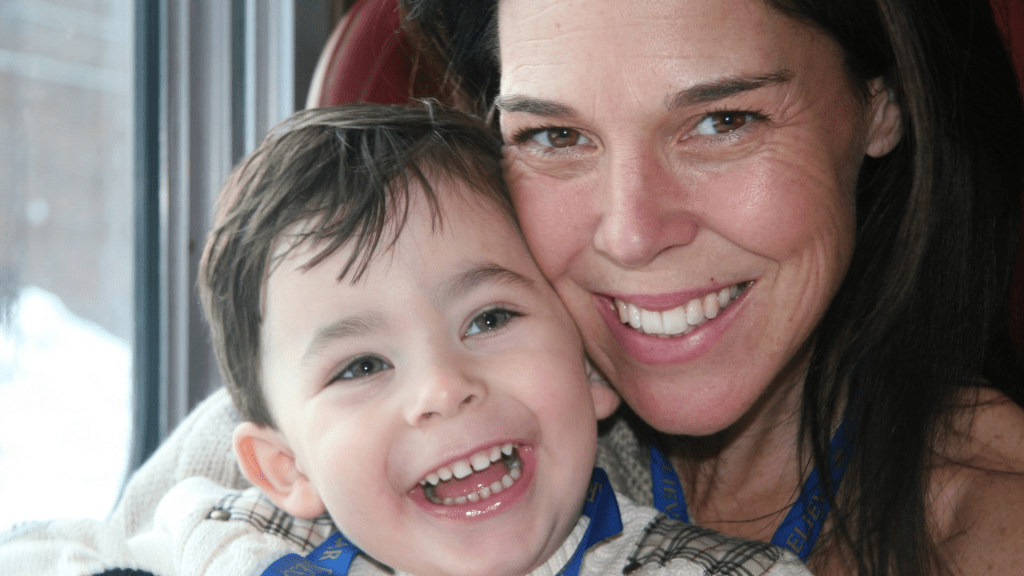
Jacqueline Way and her son in 2010

We spend so much of our lives chasing happiness. We look for it in career promotions, new gadgets, or the perfect vacation. Yet the joy we seek often feels fleeting. What if the real secret sauce to a happy life isn’t something you buy or achieve—but something you give?

In her widely shared TEDx talk, “How to Be Happy Every Day: It Will Change the World,” Jacqueline Way offers a beautifully simple, yet world-altering insight: doing one small good deed each day can transform your brain, your life, and ultimately, the world.

The Science Behind the “Helper’s High”

Jacqueline’s message isn’t just uplifting—it’s grounded in science. When we perform acts of kindness, our bodies respond in powerful ways.

Giving triggers the release of a natural blend of “happiness chemicals”:

  • Dopamine, which creates feelings of reward and joy
  • Oxytocin, often called the “love hormone,” which reduces stress and supports heart health
  • Serotonin, which stabilizes mood and promotes a sense of calm and well-being

In other words, when you give, you’re not just helping someone else—you are literally rewiring your brain for happiness.

At the heart of Jacqueline Way’s message is a practice so simple it’s easy to overlook:

Do one little good thing every day.

It doesn’t need to be dramatic or time-consuming. A good deed might look like:

  • Offering a sincere smile or kind word
  • Helping a neighbor with a small task
  • Picking up litter along your path
  • Donating items you no longer use
  • Listening fully to someone who needs to be heard

What matters most is intention. When kindness becomes a daily habit rather than an occasional gesture, happiness stops being accidental—it becomes natural.

A single act of kindness never ends with the giver. It travels outward. One person’s generosity inspires another. Slowly and quietly, hearts soften, trust grows, and perspectives shift.

Jacqueline Way reminds us that changing the world doesn’t require grand gestures or heroic efforts. It begins with ordinary people choosing compassion in everyday moments. When kindness becomes a way of life, happiness expands—not only within us, but all around us.

How to Start Your Own Happiness Practice

If you’re longing for more joy and connection, you don’t have to wait for the “right” moment. You can begin today. Here are three simple ways to practice the daily give:

1. Look for the Micro-Give
Kindness doesn’t require money or planning. Hold the door open, write a thoughtful message, or leave a positive review for a local business.

2. Make It a Family Habit
Inspired by Jacqueline and her son, turn giving into a shared ritual. Ask at dinner, “What was your give today?” It nurtures empathy and helps everyone focus on the good.

3. Notice the Shift
Pause and observe how you feel after giving. That warmth in your chest? That quiet lift in your mood? That’s happiness growing in real time.

Jacqueline Way reminds us that we are not powerless in the face of the world’s challenges. Each of us carries the ability to make life kinder, lighter, and more meaningful—one day at a time.

When you choose to give, you stop chasing happiness and start creating it.

And when enough of us do that, every day, the world truly begins to change.

Link:https://peacelilysite.com/2026/01/02/the-secret-to-daily-happiness-why-giving-is-the-ultimate-life-hack/

A fifteen-year-old girl who had three hours, a law book, and the unwavering conviction that her sister’s life was not for sale

From : Gistreel Lifestyle. Liberia Online

She was eight years old when her father gambled her away in a card game.
Her older sister had three hours to win her back before the debt collector came.

Deadwood, Dakota Territory. 1877.
A place where law came slow, danger came fast, and survival belonged to the ruthless.

Thomas Garrett had lost everything—his mining stake, his wages, his self-respect—and now, in a drunken haze at the Gem Saloon, he’d lost something far worse:

his daughter.

The man who won her was Bullock—
not the sheriff, but a labor trafficker who “supplied” children to mining camps.
Kids as young as six spent twelve-hour days sorting ore until their lungs failed or their fingers gave out.
Most didn’t live past fourteen.

Thomas signed the paper without hesitation.
Bullock would collect little Emma at noon.

When fifteen-year-old Sarah came home from the laundry and learned what her father had done, she didn’t cry.
Didn’t scream.
Didn’t fall apart.

She simply asked, “When?”

“Tomorrow. Noon.”

Three hours until dawn.
Three hours to save her sister.

And Sarah had something her father never had:

clarity.

She knew Bullock.

Everyone did.
A cruel man who hid behind paperwork and respectability.

He’d made her father sign a contract—
which meant it could be challenged.

And Deadwood had something else:

A new federal judge who’d publicly declared that parents could not use their children to pay debts.

Sarah didn’t sleep.
She didn’t blink.

At dawn she was already standing in the courthouse, breathless, determined.

The clerk tried to dismiss her—
fifteen-year-old girls didn’t talk law.

But Sarah did.

Because before drink ruined him, her father had been a clerk…
and she’d read every law book he left lying around.

She laid out the case with the precision of a trained lawyer:

The contract violated territorial labor laws.

It constituted debt bondage of a minor.

Thomas Garrett was legally incapacitated due to intoxication.

The clerk stared. Then nodded.

He woke the judge.

Judge Isaac Parker—who would one day be known as the “Hanging Judge”—read the contract, listened to Sarah, and did something extraordinary:

He issued an emergency injunction, blocking the transfer and summoning both Bullock and Thomas Garrett to court that afternoon.

When Bullock arrived at the Garrett cabin at noon, two men at his back, he found Sarah waiting on the porch.

Not shaking.

Not pleading.

Holding a federal court order in her hand.

Bullock turned red with fury but wasn’t stupid enough to defy a judge.

At the hearing, Judge Parker didn’t hesitate.

He voided the contract.
Declared it an illegal attempt to traffic a minor.
Warned Bullock that any further attempt to collect “payment” would end with him in chains.

Then he turned to Thomas Garrett.

A father who gambled his children away forfeits the right to be a father.

Parker stripped him of parental rights and—
in a move that shocked the entire Dakota Territory—
appointed fifteen-year-old Sarah as her sister’s legal guardian.

But victory didn’t fill their stomachs.

Sarah now had an eight-year-old to raise,
no money,
no home,
and only her laundry work to survive.

What she did next became legend.

She went to five different businesswomen in Deadwood—
laundry owners, seamstresses, boarding house keepers—
and proposed a deal:

“I’ll work for reduced wages.
You house and feed my sister and me.
I’ll take the hardest jobs and the longest hours.”

Four said no.

The fifth—
a widow named Martha Bullock (no relation to the trafficker)—
said yes.

For the next three years, Sarah worked sixteen-hour days.
Emma went to school—
Sarah insisted on it.

She saved every coin.

By 1880, she’d saved enough to lease a small building and open her own laundry.

By 1882, she owned it.

She employed six women.
Paid fair wages.
Offered housing to those in need.

Emma, thirteen, kept the books.

When Emma turned eighteen, Sarah paid—
entirely from her business profits—
for her to attend normal school and become a teacher.

Emma later became a school principal
and one of the fiercest advocates for child labor reform in the state.

Sarah never married.

“I raised one child already,” she’d say with a half-smile.
“Did a better job than most with half the resources.”

She ran her business until 1910, providing work for over a hundred women across three decades.

Emma retired as the first female superintendent in her county.

When Sarah died in 1923, her obituary mentioned her “successful business career.”

Emma told the real story:

A fifteen-year-old girl who had three hours, a law book, and the unwavering conviction that her sister’s life was not for sale.

Judge Parker later said:

“Justice isn’t only about punishing the guilty.
Sometimes it’s about recognizing competence where no one else looks for it.”

The line between tragedy and triumph is thin.
Sometimes it’s nothing more than a teenage girl
who refuses to accept that her sister can be traded like poker chips—

and who’s smart enough to find the one legal lever that can stop it.

Sarah Garrett didn’t have money.
Didn’t have weapons.
Didn’t have allies.

She had time running out.
A mind trained by desperation.
And love hard enough to fight the world.

And that was enough.

Source: https://www.facebook.com/photo.php?fbid=866624929388914&set=a.764395932945148&type=3&mibextid=wwXIfr

My Father Before Me — The Unspoken Bond Between Fathers and Sons

There are few relationships as powerful—and as quietly transformative—as the one between a father and a son. Yet in modern life, it’s often overlooked. We talk about mothers and children, but the emotional depth between fathers and sons remains one of the least explored terrains of the human heart.

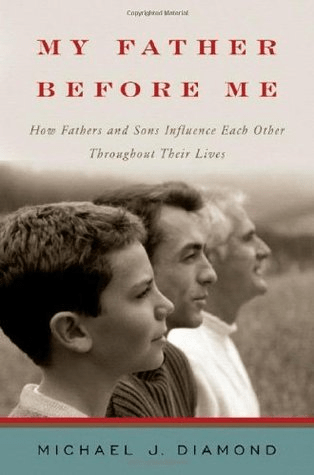
In My Father Before Me: How Fathers and Sons Influence Each Other Throughout Their Lives, psychoanalyst Michael J. Diamond takes us into that emotional landscape with remarkable sensitivity. Through vivid stories, psychological insight, and tender reflection, he reveals how fathers and sons shape, challenge, and heal each other across a lifetime.

Most people think of fatherhood as a one-directional journey: the father influences the son. But Diamond turns that idea around. He shows that the father–son relationship is mutual, not hierarchical.

A father helps mold his son—but the son also transforms the father. Each becomes a mirror for the other’s hopes, fears, and hidden strengths.

Diamond writes about how fatherhood can awaken parts of a man he never knew existed. When a son is born, the father doesn’t just gain a child—he also gains a deeper understanding of himself. The baby’s presence demands patience, tenderness, and emotional openness. In nurturing another, the father learns to nurture himself.

Moments That Change Everything

Diamond fills the book with moving, relatable stories that show this mutual transformation.

One story tells of a man who, having grown up with a distant father, vows to be emotionally present for his own son. Yet when his son enters adolescence and begins to push back, the man feels rejected and hurt—just as he once felt with his own father. Through reflection, he realizes that this is his chance to break the cycle: to stay connected even when it’s uncomfortable. In doing so, both he and his son begin to heal wounds that stretch back generations.

In another example, a father describes watching his young son struggle to build a toy tower. His first instinct is to step in and fix it, but he resists. Instead, he watches quietly, offering small words of encouragement. When the tower finally stands, he sees not just his son’s triumph—but his own growth in learning to let go.

These moments, Diamond suggests, are not small. They are the foundation of how love, trust, and resilience are built between generations.

The Phases of the Father–Son Journey

Diamond explores how this relationship evolves through every stage of life:

  • Early Childhood: The father is a protector and guide, introducing the child to the outside world. But he also begins to sense his son’s individuality—someone both familiar and mysterious.
  • Adolescence: As the son seeks independence, conflict can arise. Here the father’s challenge is to stay connected without controlling—to allow the son to become his own person.
  • Adulthood: When the son grows up, both men must renegotiate their roles. Often, the adult son begins to understand his father with new empathy, and the father learns to accept his son as an equal.
  • Later Years: In time, roles may reverse—the son becomes the caregiver, the listener, the one offering strength. This reversal, Diamond suggests, completes the circle of life.

Through each phase, fathers and sons are constantly exchanging something precious: understanding, forgiveness, and love.

Redefining Masculinity

A core theme in My Father Before Me is emotional honesty. Diamond challenges old stereotypes of men as stoic and distant. True masculinity, he argues, is not about dominance or silence—it’s about being open, authentic, and emotionally present.

When a father shows vulnerability, it doesn’t make him weak—it makes him real. And when a son witnesses that authenticity, he learns that being a man means embracing both strength and tenderness.

In one memorable story, a son recalls seeing his father cry for the first time—after the death of the grandfather. “That day,” he says, “I stopped fearing emotion. I realized that love and grief are part of the same heart.”

A Relationship That Never Stops Evolving

Even when fathers and sons grow older, the dialogue between them continues. Diamond describes adult sons helping aging fathers find meaning and dignity in later life. Some reconcile after years of distance. Others simply learn to say what was once left unsaid: “I love you,” “I understand you,” or even “I forgive you.”

These late-life moments, he writes, can be profoundly healing. They remind us that it is never too late to reach across the years—to understand, to listen, and to love.

A Mirror for All of Us

Whether you’re a father, a son, or simply someone reflecting on your family history, My Father Before Me offers both insight and comfort. It reminds us that every father carries the echoes of his own father within him—and that every son, in turn, shapes what fatherhood will mean for the next generation.

Ultimately, Diamond’s message is one of hope: that through empathy, self-awareness, and courage, fathers and sons can support each other’s growth, forgive each other’s shortcomings, and honor the love that lies beneath it all.

Link:https://peacelilysite.com/2025/10/29/my-father-before-me-the-unspoken-bond-between-fathers-and-sons/

The Lesson of the Apple: How a Mother’s Words Shape a Child’s Life

“A mother’s words can build a child—or break one.”

Recently, while reading a Chinese book on child education, I came across a story that deeply touched my heart. It perfectly illustrates how a mother’s attitude and behavior can influence a child’s entire life. I’d love to share this story with all mothers, as a gentle reminder of the quiet power we hold in shaping our children’s hearts and minds.


🍏 Two Letters, Two Lives

A famous American psychologist once conducted a fascinating study on the lifelong effects of early education. He selected 50 successful people from various fields—leaders, professionals, innovators—and 50 people with criminal records. He wrote to each of them, asking the same question:

“What influence did your mother have on you?”

Two of the replies left a lasting impression on him.
One came from a prominent White House official, the other from a prison inmate.
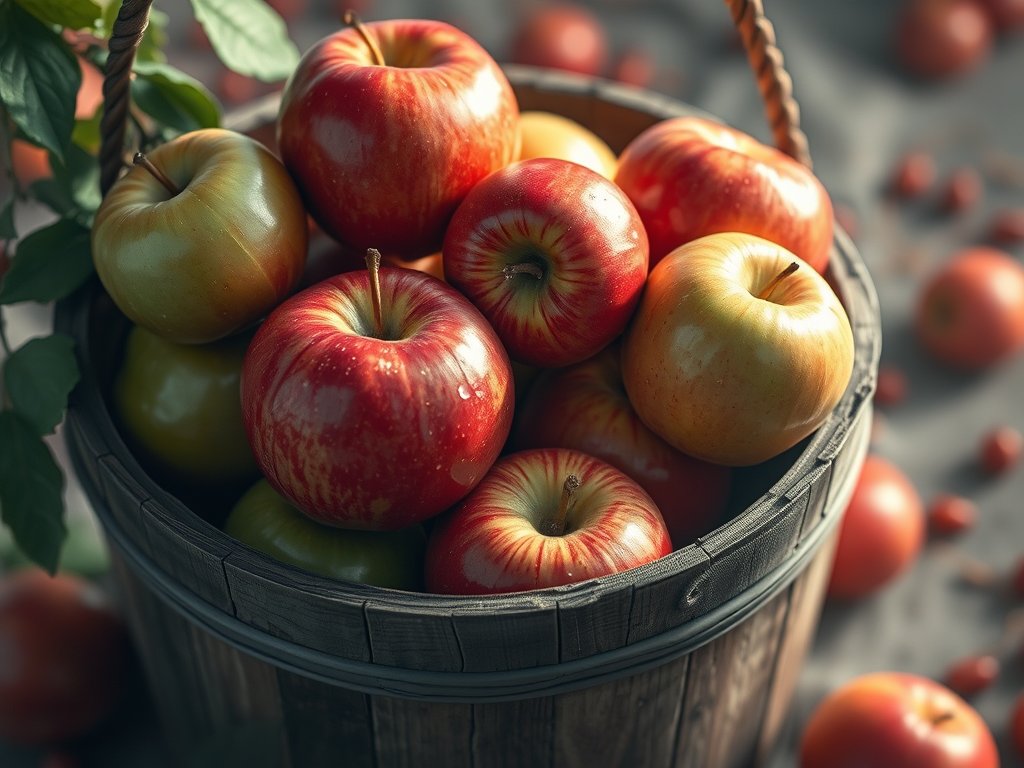
Surprisingly, both men spoke about the same childhood memory—their mother dividing apples.


🍎 The Prisoner’s Story: The Day He Learned to Lie

The prisoner wrote:

“When I was a child, my mother once brought home several apples—red, green, big, and small.
I immediately wanted the biggest, reddest one. Before I could speak, my little brother shouted, ‘I want the big one!’

My mother frowned and scolded him: ‘A good boy should learn to give the best to others.’

I quickly changed my words and said, ‘Mom, I’ll take the smallest one. Let my brother have the big one.’

My mother smiled proudly, kissed me on the cheek, and rewarded me with the biggest, reddest apple.”

He ended his letter with heartbreakingly honest words:

“That day, I learned that lying could bring rewards.
Later, I learned to cheat, to steal, to fight—anything to get what I wanted.
Today, I am in prison because of the lesson I learned that day.”

🍏 The White House Official’s Story: The Value of Effort

The second letter came from a White House official:

“When I was young, my mother brought home several apples, all different sizes. My brothers and I argued over who would get the biggest one.

Mother held up the largest apple and said, ‘Everyone wants the best, and that’s normal. So let’s have a little contest: I’ll divide the lawn into three sections. Whoever trims their section the fastest and neatest gets the big apple.’

We raced to finish, and I won the apple.”

He continued:

“From that day on, my mother taught us this simple but powerful truth:
If you want the best, you must earn it.

Everything good in our home had to be earned through effort and fairness. She lived by this principle herself. That’s how I learned discipline, persistence, and integrity—lessons that shaped my entire life.”

🌱 A Mother’s Words Are Seeds in a Child’s Heart

Both mothers divided apples.
Both children learned a lesson.
But one learned deception—while the other learned effort.

A mother’s reaction in a single moment, her tone of voice, or even a casual reward can plant seeds deep in a child’s heart.
Those seeds may grow into honesty and strength—or into cunning and selfishness.

Children mirror their mothers.
The way a mother faces life—whether with truth or pretense, effort or avoidance—becomes the way her child faces the world.

Education doesn’t always happen in grand lessons or classrooms.
Sometimes, it happens in small, everyday choices—like how we divide an apple, handle conflict, or teach fairness.

A wise mother uses love and insight to guide her child to understand that:

  • Honesty is more precious than cunning,
  • Effort is more reliable than shortcuts,
  • Sharing brings deeper joy than possessing.

These values, taught through simple acts, become the foundation of a child’s character.

Photo by Ivan Samkov on Pexels.com

A mother’s way of teaching doesn’t just shape a child’s childhood—it molds their destiny.
Every look, every word, every reaction writes silently into a child’s heart the story of who they will become.

May all mothers guide their children with both love and wisdom,
so that the lessons we leave behind are those of kindness, courage, and truth.

Because sometimes, all it takes is one apple—and one mother’s choice—to change a life forever.

Link:https://peacelilysite.com/2025/10/27/the-lesson-of-the-apple-how-a-mothers-words-shape-a-childs-life/

To see the Love in all beings is to Awaken the Compassion in ourselves

The Tears of a Mother Fox

This is a true story, personally recounted by a monk.

He said that before he became a monk, he was a hunter, specializing in capturing foxes. One day, he caught a large fox as soon as he left home. After skinning it for its valuable fur, he left the animal—still barely alive—hidden in the grass.

By evening, when the hunter returned to retrieve the fox, it was gone. Looking more carefully, he noticed faint traces of blood on the ground, leading toward a small cave nearby.

Peering inside, he was stunned by what he saw: the fox, in excruciating pain and skinned alive, had struggled back to its den. Why?

When the hunter dragged out the now lifeless body, he discovered two tiny, blind cubs tightly suckling their dead mother’s withered breast.

The sight struck him to his very core. Never before had he realized that animals, too, share the same bonds of maternal love as humans. Even in her dying moments, the mother fox had thought only of feeding her children, afraid they would go hungry. At that realization, an overwhelming wave of grief, shame, and remorse consumed him. He was devastated, unable to forgive himself.

From that moment, he laid down his weapons, abandoned hunting, and chose the path of monastic life.

Many years later, whenever this monk recalled that experience, his eyes would still well up with tears.

The Selfless Leap: A Lesson from the Bharal

There are moments in life when a single experience reshapes the way we see the world forever. The extraordinary sacrifice of animals that opened a hunter’s heart and made him vow never again to take a life.

It happened during a hunt many years ago. Our party had driven a herd of more than sixty bharal—also known as blue sheep—to the edge of a cliff on Mount Bulang. The plan was cruel but simple: trap them on the precipice, and force them to fall to their deaths so we wouldn’t waste bullets.

The herd panicked, but then something astonishing happened. At the sound of a cry from a large male, the bharal divided themselves into two groups—young and old. Out of the elders stepped a weathered male, his horns broken, his face lined with age. He bleated once, and a half-grown bharal emerged from the younger group to join him.

Together they approached the cliff’s edge, then charged forward. The young one leapt first, soaring into the abyss, but it quickly began to fall. At that very moment, the old male followed, placing himself directly beneath the younger in midair. The youth’s hooves struck the elder’s back, using it as a springboard for a second leap. Miraculously, it landed safely on the opposite cliff.

The old one, having given all he had, plummeted to his death.

And then, pair after pair followed. The sky above the gorge was filled with arcs of courage—each elder laying down its life so a younger one might live. By the end, countless old bharal lay broken on the rocks, but the youth had crossed to safety.

I was stunned beyond words. At the edge of extinction, this herd had discovered a way to save itself—by sacrificing half to preserve half. But what shook me even more was not the strategy itself, but the spirit behind it. These elders did not resist, did not hesitate. They walked calmly toward death, offering their bodies so their children might have a future.

In that moment, my heart broke open. I realized that animals, too, embody wisdom, love, and a willingness to sacrifice that rivals, and perhaps even surpasses, our own. I could no longer see them as mere prey. That day, I made a vow: I would never again take life.

✨ The story of the bharal is more than just a tale of survival. It is a mirror for us as human beings. Would we, when faced with the survival of our families, communities, or world, have the courage to lay ourselves down for the next generation? Would we live not only for ourselves, but for those who come after us?

The bharal taught me that true strength is not in holding on, but in letting go—for love. And from that lesson, my heart turned toward compassion.

Link:https://peacelilysite.com/2025/09/12/to-see-the-love-in-all-beings-is-to-awaken-the-compassion-in-ourselves/

Louise Hay: From Pain to Healing, From Healing to Helping the World

There are some people whose presence feels like sunlight—warm, gentle, and full of hope. Louise Hay was one of them. An internationally renowned spiritual teacher, best-selling author, and pioneer of the self-help movement, she inspired millions of people around the world to believe in their own healing power. Her landmark book You Can Heal Your Life has sold over 50 million copies in 35 countries, translated into 29 languages, and for many, it sits by the bedside as a trusted guide through life’s storms.

To the world, Louise Hay seemed perfect—healthy, elegant, wise, always radiating grace. Her teachings lifted countless people out of despair, helped them restore their health, and gave them courage to live again. Media across the globe lovingly called her “the closest person to a saint.”

But what made Louise extraordinary was not that her life was flawless—it was that she transformed the deepest wounds into the greatest gifts. Behind her radiant presence was a childhood filled with suffering, abuse, and neglect. It was from that very pain that she forged the wisdom that changed the lives of millions.

1. Falling Amid Misfortune

When Louise was just 18 months old, her parents divorced, abruptly ending her once-happy family life.

At that time, women had little social standing. After the divorce, her mother could only work as a maid to survive, while Louise was sent to live in foster care.

At age five, her mother remarried in the hope of giving Louise a complete home. But this marked the beginning of her nightmare.

Louise was raped by a neighbor, abused and assaulted by her stepfather, and subjected to violence and sexual exploitation. These experiences left her with deep wounds and a lack of self-worth. In her teenage years, as long as a man showed her the slightest kindness, she would give herself to him. By the age of sixteen, she had already given birth to a daughter.

Her childhood was filled with tragedy, and her youth with self-destruction. Those early wounds shaped her into someone who did not know how to love herself.

Yet later in life, Louise chose not to remain trapped in resentment or regret. She said, “No little boy is born a predator, and no little girl is born a victim. These are learned behaviors shaped by childhood experiences.”

2. Awakening and Transformation

In her forties, Louise was diagnosed with cancer. That moment became her wake-up call. She realized how little she had cared for her own body, and she resolved to change.

Instead of following the conventional treatment suggested by her doctors, she turned to what she called “holistic healing.” Within six months, her cancer had disappeared.

Holistic healing, as Louise practiced it, meant changing destructive thought patterns and adopting healthier eating habits. She stopped mourning her unhappy past and stopped blaming her parents. Instead, she came to understand their own painful childhoods.

During her recovery, she ate mostly sprouts and simple natural foods, avoiding processed products entirely. She also trained her mind daily—using positive affirmations, choosing not to let negative emotions dominate her, and seeing every situation through a more uplifting perspective.

Her life changed completely. She documented her experiences and insights in books, which went on to inspire millions and transform countless lives.

3. You Can Choose Your Own Destiny

There are many in this world who have been hurt or are still suffering. Their stories move us deeply.

But as an old Chinese saying goes, “Those who seem pitiable often have traits that make them vulnerable.” In truth, much of life’s suffering continues because, consciously or unconsciously, we allow it. And the root often lies in our formative years.

Take, for example, teenage pregnancies. While news headlines may highlight shocking cases, the majority stem not from coercion but from lack of self-respect or proper knowledge. Similarly, many women trapped in abusive relationships remain because they lack self-worth and the courage to leave.

We cannot rewrite our childhoods, but we can shape our adult lives. As Louise Hay wrote in You Can Heal Your Life: Mindfulness Edition:

“Every negative message you received as a child can be transformed into a positive affirmation.”

If you had an unhappy past, stop feeding yourself negative words. Begin telling yourself: I am worthy of love. I am needed. I have many strengths. I can live the life I choose.

And if doubt still lingers, look at Louise Hay’s journey. Few have endured the kind of suffering she did—yet she lived a life admired and envied by many. If she could, why not you?

In the infinity of life where I am, all is perfect, whole, and complete.

Life Is Really Very Simple. What We Give Out, We Get Back.  What we think about ourselves becomes the truth for us. I believe that everyone, myself included, is responsible for everything in our lives, the best and the worst. Every thought we think is creating our future. Each one of us creates our experiences by our thoughts and our feelings. The thoughts we think and the words we speak create our experiences.”

Her books may be called “chicken soup for the soul,” but isn’t that exactly what we need sometimes? A warm voice reminding us that we are enough, that healing is possible, and that life can be beautiful again.

You Can Heal Your Life walks us through every stage of existence—childhood pain, love’s struggles, career challenges, health worries, aging, and even the fear of death. Louise’s message is simple but powerful: change your beliefs, and you will change your life.

This “chicken soup” has comforted millions, given them strength, and helped them step into new beginnings.


💖 A Gentle Reminder

If you feel lost, unworthy, or stuck in a cycle of pain—Louise’s story is a light in the darkness. Her life teaches us that healing begins not from the outside, but from within.

No obstacle is too great. No past is too broken. Deep within each of us lies an infinite potential waiting to bloom. When we dare to change our thoughts and love ourselves, life unfolds in colors we never imagined.

Believe it: just like Louise Hay, you too can heal your life—and create a future filled with peace, love, and joy.

Here is the link for the E-book.

Link:https://peacelilysite.com/2025/09/03/louise-hay-from-pain-to-healing-from-healing-to-helping-the-world/

Plato and Socrates on Love, Marriage, and Happiness: Timeless Lessons for Life

What is love?
What is marriage?
What is happiness?

These are questions that have echoed through time. The Greek philosopher Plato once asked his teacher Socrates these very questions. The answers he received were not in the form of lectures or definitions, but through simple, thought-provoking experiences that revealed profound truths about life.

What Is Love?

When Plato asked, “What exactly is love?” Socrates didn’t reply with words. Instead, he told Plato to walk through a wheat field and pick the biggest, fullest ear of wheat he could find. There was only one rule: he could pick only once, and he couldn’t turn back.

Plato returned empty-handed.

“I saw some very large and golden ears of wheat,” he explained, “but I kept thinking that there might be an even better one ahead, so I didn’t pick any. As I walked further, none of the wheat looked as good as what I had already passed. In the end, I walked out with nothing.”

Socrates smiled and said, “That is love. We often think something better lies ahead, so we pass by the one who may have been most right for us. And when we finally realize it, it’s too late to turn back.”

What Is Marriage?

Next, Plato asked, “Then what is marriage?”

Socrates responded, “Walk through the forest and cut down the biggest, strongest tree to use as a Christmas tree. Remember—you may only choose once, and you cannot turn back.”

This time, Plato returned with a tree that wasn’t the tallest or thickest, but still sturdy and pleasing.

When Socrates asked why he had picked it, Plato said, “I remembered the lesson from the wheat field. When I saw this tree and thought it was good enough, I cut it down. I was afraid that if I kept looking, I’d again end up with nothing. It may not be the best, but it’s mine—and I’m content with it.”

Socrates nodded and said, “That is marriage. It may not be perfect, but it’s real, reliable, and something you can walk through life with.”

What Is Happiness?

Finally, Plato asked, “What is happiness?”

Socrates told him to walk through a meadow and pick the most beautiful flower he could find, again under the same rule: choose only once, and no turning back.

After some time, Plato returned with a lovely flower in his hand.

Socrates asked, “Is this the most beautiful flower you saw?”

Plato answered with certainty: “When I saw this flower, I felt it was the most beautiful, so I picked it. Even though I saw other beautiful flowers later, I didn’t regret my choice. I stayed firm in my decision. This one, to me, is the most beautiful.”

Socrates smiled and said, “That is happiness. When you choose to see something as your happiness and cherish it, happiness is already yours.”


Through these three simple parables, Plato came to understand love, marriage, and happiness—not as things to chase endlessly, but as choices to recognize, embrace, and be content with.

  • Love is like the perfect ear of wheat you keep hoping to find ahead, only to realize—often too late—that what you passed by may have been the best match for you.
  • Marriage is like the tree that may not be flawless, but stands strong with you through the everyday winds and storms of life.
  • Happiness isn’t about always having the best. It’s about choosing something, valuing it, and finding contentment in it.

In a world driven by comparison, desire, and constant pursuit of “more,” true happiness arises when we stop looking outward and begin appreciating what we already have. When we make peace with our choices and nurture them with gratitude, we come to see: we already possess love, marriage, and happiness in their truest forms.

Link: https://peacelilysite.com/2025/08/05/plato-and-socrates-on-love-marriage-and-happiness-timeless-lessons-for-life/

The True Measure of Wealth: A Life of Kindness and Spiritual Uplift

In life, wealth is not measured solely by what we own. True richness lies in the harmony between material comfort and inner peace. Across every social and economic class, we meet people who radiate kindness and resilience—and others who, despite outward success, feel spiritually empty.

Let’s explore four types of people through the lens of both outer wealth and inner fulfillment.


1. The Poor Among the Poor

Struggling both financially and spiritually.

Imagine someone living in a rundown apartment, surviving paycheck to paycheck. The hardship of their material life is evident—but the deeper burden lies within. Stress, anxiety, and hopelessness weigh heavily on their heart.

Perhaps their past holds trauma, loss, or abandonment. With little support or healing, bitterness takes root. Trust feels dangerous. Joy seems unreachable. They may withdraw or act out, living not only in material scarcity but also emotional desolation.

This is a soul in need of compassion, connection, and light—a reminder that true poverty is not just economic, but also spiritual.


2. The Spiritually Rich in Modest Circumstances

Materially humble, yet inwardly joyful.

Now envision someone of limited means, yet abundant in heart. Their home may be small, their income meager—but their spirit shines. They greet life with gratitude, take joy in the sunrise, the warmth of a shared meal, the laughter of a friend.

They live by faith or a strong set of values. They give generously, even when they have little. Their kindness is sincere, their joy resilient. They find meaning in helping others and walk through life with dignity and grace.

Yan Hui, one of Confucius’s most cherished students, is a timeless example. Confucius admired Yan Hui for his ability to remain joyful despite poverty, exclaiming:
“How virtuous Hui is! With just a bowl of rice and a ladle of water in a humble alley, others could not endure such hardship, yet Hui never let go of his joy. How virtuous Hui is!”

His life shows us that true wealth comes from within.


3. The Restless Among the Rich

Surrounded by luxury, yet inwardly unfulfilled.

This person owns much—prestigious homes, expensive cars, elite status. But their heart feels hollow. They may look successful, yet their joy is shallow and fleeting.

They chase more: more titles, more possessions, more recognition—but the emptiness remains. Relationships feel strained. Peace eludes them. Their days are filled with doing, but not being. They struggle to find meaning.

Despite all they have, they feel poor in spirit. What they truly long for is connection, authenticity, and inner peace.


4. The Truly Abundant

Blessed with both material wealth and spiritual fullness.

Finally, imagine someone who has both outer success and a heart full of wisdom and compassion. Their generosity extends beyond money to love, time, and care. Their worth isn’t measured by what they own, but by the good they do.

They uplift others, listen deeply, and lead with humility. They use their resources to heal, not to boast. When they fall, they grow. When others suffer, they respond with empathy.

Their life radiates meaning because it is guided by the heart. They show us what true abundance looks like.


Prince Siddhartha is the ultimate role model. Born into luxury, he had everything—nobility, intelligence, beauty, and unmatched talent in both scholarship and martial arts. Yet, he realized that worldly pleasures are fleeting illusions.

Compelled by compassion, he renounced his royal life to seek a path of liberation for all beings trapped in the cycle of birth and death. Through profound wisdom and practice, he attained complete enlightenment and became the Buddha—a being of perfect wisdom and boundless compassion.

His life teaches us that the richest journey is one that leads to awakening and selfless love.


So, What Is True Wealth?

True wealth is not just what we possess—but who we are.
You can have little and still be truly rich.
You can have much and still feel deeply poor.

In the end, the real measure of success is not our bank account, but how much kindness we carry—and how we uplift others through it.

Let us not chase only riches.
Let us seek a full heart.
Let us build lives that inspire, comfort, and heal.

Are you walking a path of kindness and uplift?

Link: https://peacelilysite.com/2025/07/25/the-true-measure-of-wealth-a-life-of-kindness-and-spiritual-uplift/

It took me a lot to be this gentle

By Rye

When you grow up in a house where voices are always raised and love comes with conditions, where apologies never come and mistakes are blamed on you, it’s hard to understand what gentleness even means. I didn’t grow up with soft words or warm hugs. No one told me it was okay to make mistakes, or that I was still loved even when I failed. What I learned was to keep quiet, to survive, to toughen up.

I protected myself by building walls, not by opening up. I kept my emotions inside because showing them only led to being hurt or ignored. I became harsh with myself because that’s how others treated me. I thought strength meant being cold. I thought love had to hurt. I thought being kind to myself was weakness.

But somewhere inside, a quiet voice kept whispering “maybe there’s another way.”

It took years of breaking down and rebuilding myself. It took crying in silence and slowly learning how to listen to what my heart really needed. It meant letting go of old beliefs, painful habits, and the voices in my head telling me I wasn’t good enough.

I had to teach myself how to speak gently not just to others, but to myself.

I had to unlearn the idea that I deserved pain. I had to remind myself, again and again, that softness isn’t weakness. That it’s okay to be tender with a heart that’s been hurt too many times.

Gentleness became a daily choice—on angry days, broken days, on the days when the world told me to toughen up and stop caring.

I’ve learned that gentleness isn’t about pretending things don’t hurt. It’s about holding pain with care. It’s about choosing peace when your past only taught you chaos. It’s showing up with kindness, even when life hasn’t been kind to you.

Now I am gentle but it took everything — every scar, every sleepless night, every painful memory, every lonely moment. I lost myself. Then I found myself again.

So when others call me calm, kind, or soft, they don’t see the storms I survived. They don’t hear the silent nights or feel the weight I carried.

And that’s okay. I didn’t become gentle for others to understand me. I did it so I could breathe. So I could find peace. So I could love others the way I wish someone had loved me. Most of all, so I could finally love myself.

It took me a lot to be this gentle.

And I wouldn’t trade it for anything.

Source: https://ryeee.medium.com/it-took-me-a-lot-to-be-this-gentle-4c0801145835