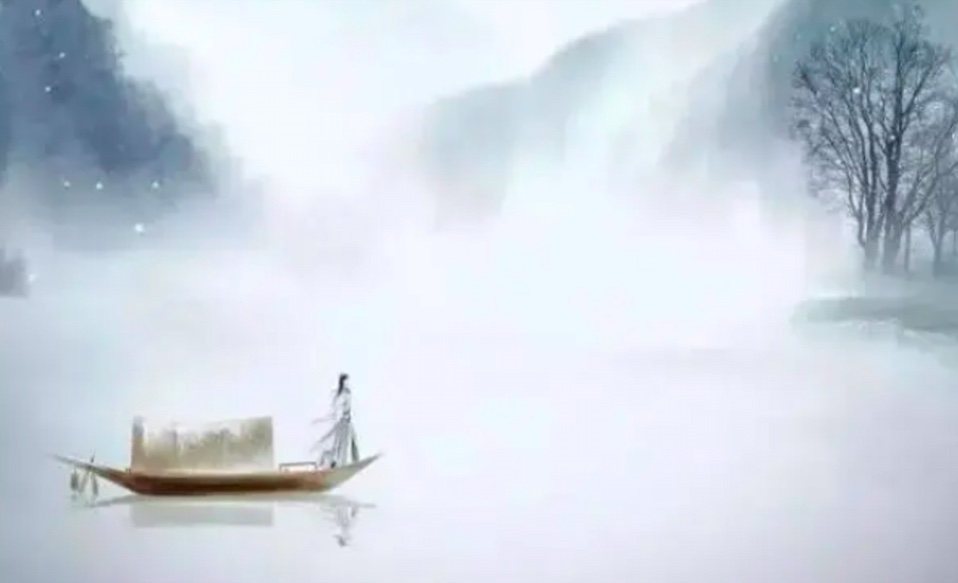
In 1925, the lay practitioner Zhou Qunzheng made a pilgrimage to Mount Putuo together with Master Hongyi (弘一). At the Zhoushan pier, they encountered a monk. Upon learning that the monk was from the same hometown, Zhou asked him, “What inspired you to leave the household life and become a monk?”
The monk replied:
“I was originally a soldier. One day, I saw a shopkeeper’s wife sitting on the street, weeping. I asked her what had happened. She said a customer had come into her shop, bought something, and paid with three silver coins. After he left, she discovered that all three coins were counterfeit. She feared her husband would scold her, so she cried in distress.
I couldn’t bear to see her suffering, so I took out three genuine silver coins and offered to exchange them with her. She refused, but I insisted and eventually made the exchange.
Later, during a battle, a shell exploded right beside me. Shrapnel struck my chest, yet I was unharmed. When I looked closely, I realized that the three counterfeit coins in my pocket had saved my life—two had been pierced by the shrapnel, and one remained intact. It was because they shielded me that I survived without injury.
After that, I thought to myself: what meaning is there in spending the rest of my life amid gunfire and danger? So I chose to leave the worldly life and become a monk…”
Therefore, do not think that constantly encouraging others to do good deeds and accumulate virtue is merely empty, repetitive talk. Sometimes, you have no idea how much misfortune your blessings have already shielded you from.
Behind every day that you return home safely, how much of it is because “before blessings fully arrive, calamities have already been kept at a distance”?
To practice kindness and accumulate virtue—it is never too late.
He built a road for others, and unknowingly paved one for himself
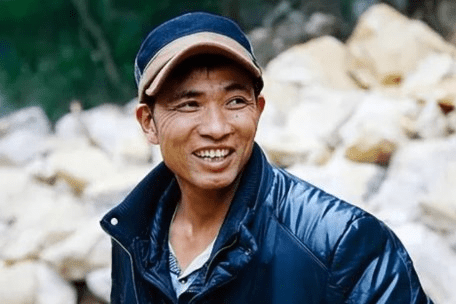
In 2014, in a remote village in Guangxi(广西)China, a 44-year-old man named Huang Yuanfeng was diagnosed with terminal liver cancer. Doctors told him the reality: without treatment, he might live only three months; with treatment, perhaps a few more years—but at the cost of his family’s entire savings of 170,000 yuan.
Most people would have chosen to fight for their own survival.
But Huang made a different decision.
Looking at the muddy, nearly impassable road in his village—a road that trapped children at home during rainy days and left crops to rot—he chose to spend all his savings not on treatment, but on building a road for everyone.
When the money ran short, he borrowed more from neighbors, making a solemn promise: “Even if I die, my son will repay you.”
Against all odds, the road was completed. It transformed the village, bringing in visitors, creating opportunities, and improving countless lives.
But what happened next was even more astonishing.
When Huang returned to the hospital for a check-up, his condition had not worsened—in fact, it had stabilized, even improved. What seemed like a certain end became an unexpected turning point.
His story carries a simple but powerful truth:
Kindness is never lost.
The good you do for others may one day return to protect you—especially in life’s most dangerous moments.














 Peace LiLy