The Farmer of the Mind: Cultivating Mastery Over Thought


The Farmer of the Mind: Cultivating Mastery Over Thought

I have heard that on one occasion the Blessed One was staying at Sāvatthī, in Jeta’s Grove, Anāthapinḍika’s monastery. It was the rainy season, and the forest hummed with the soft patter of raindrops falling upon leaves. The scent of wet earth filled the air, and a gentle mist curled around the trees.

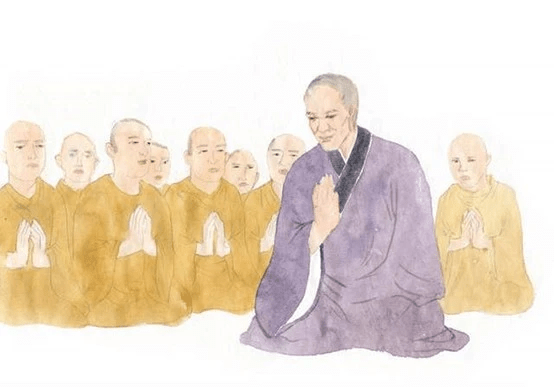
A great assembly of monks had gathered, their saffron robes glowing in the dim light of dawn. They sat in deep silence, their hands folded in reverence, awaiting the Blessed One’s words. He gazed upon them, his serene face illuminated by the morning light, and addressed them:

“Monks!”

“Yes, lord,” the monks replied in unison.

The Blessed One spoke:

“When a monk is intent on the heightened mind, there are five themes he should attend to at appropriate times. Which five?

“There is the case where evil, unskillful thoughts—connected with desire, aversion, or delusion—arise in a monk while he is referring to and attending to a particular theme. He should attend to another theme, apart from that one, connected with what is skillful. As he does so, those unskillful thoughts are abandoned and subside. With their abandoning, he steadies his mind, settles it, unifies it, and concentrates it.

“But if those thoughts persist, he should reflect on their drawbacks: ‘These thoughts lead to suffering. They darken the mind. They are thorns in the path of peace.’ Just as a traveler carrying a heavy sack realizes that dropping the burden brings relief, so too should the monk see how abandoning unwholesome thoughts brings lightness to the heart.

“If even then the thoughts persist, he should withdraw his attention—he should give them no mind. As a man walking through a marketplace ignores the clamor of voices around him and focuses only on his path, so too should the monk disregard the noise of unwholesome thoughts.

“If they still do not subside, he should attend to the relaxing of thought-fabrication, gently calming the movement of the mind. Just as a potter, shaping a vessel, slows the turning of his wheel to smooth its edges, so too does the wise monk soften the momentum of thought, guiding it toward stillness.

“And finally, should all else fail, he should take up the final method—firm and resolute. With teeth clenched and tongue pressed against the roof of his mouth, he should subdue the mind with force, constraining and crushing the unwholesome impulses with clear awareness, as a strong man might subdue a wild beast.

The Parable of the Two Farmers

The Blessed One paused, then continued:

“Monks, this is like two farmers who inherited the same land.

“One farmer was negligent and careless. He did not prepare his field properly. He let weeds grow alongside the crops, believing they would not harm the harvest. When pests came, he did not chase them away, thinking they would leave on their own. When the sun was too hot, he cursed the sky but did not shade his plants. And when the rains came, he lamented his ruined field but had done nothing to build proper irrigation.

“In the end, his harvest was meager, his efforts wasted. He blamed the land, the weather, and misfortune, but never did he see that it was his own negligence that had led to his failure.

“The other farmer was diligent and wise. He knew the land required effort. He removed the weeds as soon as they sprouted, before their roots took hold. When pests arrived, he drove them away with patience and care. If the sun was too harsh, he adjusted his crops and provided shade. When the rains came, he had already prepared the channels to guide the water where it was needed.

“In the end, his harvest was abundant, his granaries full. When asked the secret to his success, he simply smiled and said, ‘I cared for my field, and in return, it cared for me.’

“Monks, the untrained mind is like the lazy farmer’s field—overrun by weeds of desire, pests of aversion, and floods of delusion. But the well-trained mind is like the diligent farmer’s field—protected, cultivated, and yielding the fruits of wisdom.

“Just as the wise farmer does not despair when weeds appear but instead removes them skillfully, so too should you train your minds.

“Do not be disheartened when unskillful thoughts arise. Attend to them wisely, knowing that a well-tended mind, like a well-tended field, leads to a bountiful harvest—peace, clarity, and liberation.

The Power of a Well-Trained Mind

The Blessed One looked over the assembly and continued:

“Monks, you may ask, ‘What is the fruit of a well-trained mind?’ I will tell you.

“It is like a still lake in the heart of the forest. The surface is clear and unmoving, reflecting the moon and the stars without distortion. When an animal approaches to drink, it sees its own reflection perfectly. In such a lake, the sky, the trees, and the mountains appear as they are, undisturbed.

“But an untrained mind is like a lake constantly churned by the wind. Its waters are muddy, and no reflection can be seen. Even if the stars shine above, they are lost in the restless movement of the waves.

“When a monk, by these five methods, steadies his mind, unifies it, and concentrates it, he becomes a master of thought sequences. He thinks only what he chooses to think, and does not think what he does not. He has broken the bonds of craving and aversion. He has seen through conceit, and with right view, has reached the end of suffering and stress.

“Monks, train yourselves well. Be like the diligent farmer. Master the field of your own mind. Be like the still lake, where truth is seen clearly. For in doing so, you will not only benefit yourselves but all beings who come into your presence.”

The Awakening of the Monks

As the Blessed One spoke, a great stillness settled over the gathering. Some monks felt their minds clear as if a veil had been lifted. Others, who had struggled with restless thoughts, felt their burdens lighten. Among them was a young monk who had long battled with doubt.

That night, he sat beneath a great tree, reflecting on the Blessed One’s words. He thought of the two farmers and saw himself in the lazy one. But now, he resolved to change. He would uproot his weeds, guard his field, and let no impurity take hold.

With renewed determination, he entered deep meditation. As the night passed, his mind grew still, and as the first light of dawn touched the horizon, insight arose within him. He saw the nature of thought, the impermanence of all things, and in that moment, a great joy filled his heart.

The next morning, when the monks gathered once more before the Blessed One, the young monk stepped forward, bowed deeply, and said, “Lord, the field of my mind is now tended. The weeds are gone. The path is clear.”

The Blessed One smiled, his eyes filled with knowing. “Then, monk, walk that path with diligence. For now, you have truly begun.”


That is what the Blessed One said. Deeply inspired, the monks rejoiced in the words of the Blessed One, and many resolved then and there to train with renewed vigor, knowing that mastery over the mind was the key to liberation.

Link: https://wisdomtea.org/2025/04/03/the-farmer-of-the-mind-cultivating-mastery-over-thought/

A Life Well-Loved: Finding Strength in Softness and Wisdom in Time

After more than fifty years of experiencing life’s ups and downs, I have finally come to understand the profound importance of quieting down, reflecting, and learning how to truly love myself. It is only through self-love that we can genuinely love others.

“When I truly began to love myself, I started going to bed earlier and learned to enjoy exercise. I stopped getting lost in worries and anxieties. Instead, I became confident and pursued meaningful people and endeavors with passion. That was the moment my life truly began.”

Understanding another person is never easy. We must walk in their shoes, see the world through their eyes, and consider life from their perspective. Yet, this journey often brings sadness. But in that sadness, we discover clarity—we learn to focus on what truly matters.

Rather than wasting our time on trivial concerns and unfulfilling distractions, we should devote ourselves to nourishing pursuits: sleep, books, exercise, the beauty of nature, and, above all, the love we have for the world. When we consciously take control of our time, the tranquility of daily life emerges naturally, and anxiety fades away.

Kahlil Gibran once said, “If one day you stop searching for love and simply love; stop yearning for success and just do; stop pursuing empty growth and begin to cultivate your character, then your life will truly begin.” This wisdom reminds us that authentic living starts with our inner transformation.

Loving yourself means understanding that pain and emotional turmoil are often just reminders to live authentically. Unless it stems from physical illness, much of our suffering comes from misplaced values rather than objective reality. The things we cling to the most are often the very things that torment us, while those beyond our control are simply not worth our distress. True wisdom lies in knowing when to hold on and when to let go.

To be nurtured by others is a gift; to nurture others is an even greater act of cultivation.

May we have eyes that shine like stars, hearts as vast as the ocean, and lives that leave behind the fragrance of kindness wherever we go.

The Wisdom of Middle Age

Middle age teaches us the value of patience, restraint, and measured action. In our youth, we often equate eloquence with intelligence, only to later realize that true wisdom often lies in silence. As W. Somerset Maugham observed, “In a crowd, the quietest person is often the most powerful.”

In conversations, we should not rush to take center stage. Instead, we should listen more and speak less, exercising the grace of restraint. When others share, let us resist the urge to interrupt. When disagreements arise, let us not hastily refute. Instead of saying, “I think,” we can ask, “What do you think?” Instead of declaring, “You are wrong,” we can offer, “Perhaps there is another way to see this.” By replacing subjective judgment with open-minded awareness, we foster deeper understanding.

The world is not simply black and white. By speaking a beat slower and thinking a step faster, we cultivate clarity and wisdom in our lives.

In psychology, there is a concept called task separation: our emotions are our responsibility, while others’ reactions belong to them. The wisdom of softness lies in maintaining a gentle boundary between the two. It allows us to be vulnerable and to accept imperfection in ourselves and others. Harsh confrontation often leads to conflict, but a simple, “I understand your difficulties,” can resolve tensions effortlessly. As Alfred Adler wisely said, “True strength lies in the courage to expose one’s vulnerabilities.”

Try shifting from “I must win” to “We can solve this together.” Instead of “Why don’t you understand me?” consider, “Perhaps I need to express myself differently.” Softness is not weakness—it is a space that allows relationships to breathe and grow.

Kazuo Inamori once said, “What you hold in your heart is what you will encounter.” True generosity is not about calculated acts of kindness but instinctive goodwill. A small gesture—carrying a neighbor’s trash, offering a sincere compliment, or leaving a light on for a loved one—creates ripples that spread far beyond our immediate reach.

A generous heart does not tally whether kindness is repaid. As the Tao Te Ching states, “The more you give to others, the more you have yourself.” Every act of warmth we extend ultimately enriches our own lives.

As we journey through middle age, wisdom is cultivated through restraint. In youth, we may be like strong liquor—bold and fiery; with time, we become like fine tea—subtle yet deeply enriching. Speaking slowly allows us to reflect, gentleness fosters harmonious relationships, and generosity ensures lasting blessings.

These qualities of slow cultivation cannot be rushed or feigned. But with daily practice and yearly dedication, we will come to embody the depth of the old adage: “Still waters run deep.”

Link:https://peacelilysite.com/2025/04/02/a-life-well-loved-finding-strength-in-softness-and-wisdom-in-time/

The Profound Wisdom of Generosity

Generosity is an altruistic intention that brings joy to sentient beings and delight to all Buddhas. It involves considering others and giving up one’s own body, life, and possessions, even extending to the giving of the Dharma. In the very act of giving, one not only eliminates the habitual tendency of stinginess but also helps others overcome their difficulties. At the same time, one attains joy and freedom through a pure, selfless mind.

In Buddhist practice, generosity is the first of the six Pāramitās (perfections) that guide practitioners on the path to enlightenment. The Buddha teaches that acts of giving bring five kinds of merits:

  1. Longevity without misfortune.
  2. A dignified and pleasant appearance.
  3. Abundant energy and strength.
  4. Joy and freedom from worries.
  5. Wisdom and eloquence.

However, the intention behind giving is crucial. The thoughts and mindset of the giver determine the outcomes of their actions. The Buddha provided profound insight into this during a conversation with Venerable Sāriputta.

The Conversation Between the Buddha and Sāriputta

One time, Venerable Sāriputta asked Shakyamuni Buddha for clarification about the practice of generosity:

“Lord, is it possible that one person may give a gift of a certain kind, and it yields little fruit, while another gives the same kind of gift and yet it yields great fruit and benefit?”

The Blessed One replied, “Yes, Sāriputta, it is possible that a person may give a gift of a certain kind, and it does not bear great fruit, while another person gives the same kind of gift and it bears great fruit and benefit.”

“But Lord, what is the cause and reason for this difference? Why does one person’s gift bring small results while another’s yields much greater rewards, even when the gifts are of the same kind?”

The Blessed One explained, “Sāriputta, there are cases where a person gives a gift with a mind seeking personal profit, attached to the reward, hoping to enjoy it in the afterlife. Such a person may offer food, drink, clothing, vehicles, garlands, perfumes, ointments, bedding, shelter, or lamps to a contemplative or a brahmin. What do you think, Sāriputta? Could a person give a gift with such intentions?”

“Yes, Lord,” Sāriputta replied.

The Blessed One continued, “When such a person gives with a mind seeking personal gain, they may be reborn in the realm of the Four Great Kings. But after the results of that action are exhausted, they return to this world.

“However, there is another person who gives a gift not for personal profit, nor with a mind attached to the reward, but with the thought, ‘Giving is good.’ This person offers the same kinds of gifts to a contemplative or a brahmin. What do you think, Sāriputta? Could a person give in this way?”

“Yes, Lord,” Sāriputta affirmed.

“Such a person, on the break-up of the body after death, is reborn among the Devas of the Thirty-three. But once the result of that action has been exhausted, they, too, return to this world.

“Or a person may give with the thought, ‘This has been the custom of my family, handed down from my ancestors. I must uphold this tradition.’ When they pass away, they are reborn among the Devas of the Hours. Again, after the results of that action are exhausted, they return to this world.

“Alternatively, a person may give with the thought, ‘I am well-off, while others are not. It is only right that I share with those who have less.’ They are reborn among the Contented Devas, but eventually, they return to this world as well.

“Another person might give with the thought, ‘Just as the great sages of the past, such as Aṭṭhaka, Vāmaka, and others performed great sacrifices, so too will I distribute my gifts in this way.’ Upon death, they are reborn among the Devas who Delight in Creation, yet eventually return to this world.

“Or one may give a gift with the thought, ‘Giving brings serenity and joy to my mind.’ Such a person is reborn among the Devas Wielding Power over the Creations of Others. Still, after their merit is exhausted, they return.

“Finally, there is the person who gives not for future rewards, not out of custom, and not out of wealth or tradition, but with the thought, ‘This act of giving is an adornment and support for the mind.’ What do you think, Sāriputta? Could a person give in this way?”

“Yes, Lord,” Sāriputta answered.

The Blessed One said, “This person, upon the break-up of the body, is reborn among Brahmā’s Retinue. Having exhausted the results of their action, they do not return to this world but attain the state of non-return.

“This, Sāriputta, is the reason why one person’s gift may not bear great fruit, while another’s gift of the same kind may yield great fruit and benefit.”

The True Essence of Generosity

Generosity is not merely about the act of giving but also about the intention and mindset behind it. When one practices the virtue of giving with constant joy and unwavering determination, one cultivates all virtuous merits, attains pure samadhi, and gains clarity of insight. This clarity allows one to fully comprehend the origin of suffering, the cessation of suffering, and the path to liberation and happiness.

Therefore, one should always strive diligently and practice various virtuous deeds of giving, remembering that the purity of the heart and mind in the act of generosity determines its ultimate value and benefit—both for oneself and for the world.

Link: https://peacelilysite.com/2024/12/13/the-profound-wisdom-of-generosity/

The Temple Way of Eating: Lessons in Gratitude, Simplicity, and Reducing Waste

During a visit to Holy Vajrasana Temple, I encountered the beautiful and meaningful practice of Oryoki. Often translated as “just the right amount,” Oryoki is a ritualized way of serving and eating food that combines efficiency, mindfulness, and gratitude. Its roots trace back to the Buddha’s time, embodying the Middle Way of taking neither too much nor too little—an ethos that resonates deeply with the principles of simplicity and compassion.

What Is Oryoki?

Oryoki originated during the Tang Dynasty in China and later influenced practices such as the Japanese tea ceremony. It is widely practiced in Zen monasteries as a way to unify daily life with spiritual practice. The ritual involves a meticulous series of hand gestures, silence, and mindfulness during the meal.

Monks sit in meditation posture, waiting to offer their empty bowls to servers, who portion food to the requested amount. Every movement is intentional, every crumb is appreciated, and every element is designed to minimize waste. Even the water used to wash the bowls is partially consumed and the remainder returned to the earth, often to nourish the garden.

Simple and Balanced Eating

The meals at Holy Vajrasana Temple reflect the Oryoki tradition, featuring fresh fruits, vegetables, whole grains, and tofu. With minimal spices or stimulants, these meals are designed to nourish the body while keeping the mind clear and alert. Every effort is made to include the five flavors—sweet, salty, sour, bitter, and umami—and the five colors—red, green, white, yellow or orange, and black, blue, or purple.

Chefs follow the principle of eating simply, allowing the natural flavors of ingredients to shine. Eating in silence encourages mindfulness, helping participants savor each bite and truly appreciate the food’s journey from soil to plate.

Lessons in Gratitude and Reducing Waste

One of the most profound lessons from Oryoki is its emphasis on gratitude and sustainability. The practice reminds us to take only what we need and waste nothing. Participants are encouraged to finish their meals completely, leaving no remnants.

This principle can extend to our daily lives, especially during the holiday season when overindulgence and waste are common. By being mindful of portion sizes, recycling food scraps, and making thoughtful purchasing decisions—like avoiding vegetables wrapped in plastic—we can honor the spirit of gratitude and reduce our environmental footprint.

A Holiday Reminder: Gratitude Over Excess

As the holiday season approaches, let us take inspiration from these temple traditions. Instead of overindulging, savor each meal with mindfulness and gratitude. Remember those around the world who face hunger daily, and let this awareness guide us to be more conscious and compassionate in our eating habits.

Wishing you a joyful, mindful, and healthy holiday season! Let us cherish the food on our plates, honor the hands that prepared it, and commit to a less wasteful, more compassionate way of living.

Link: https://peacelilysite.com/2024/11/08/the-temple-way-of-eating-lessons-in-gratitude-simplicity-and-reducing-waste/

Source: https://tricycle.org/magazine/eating-just-right-amount/

Mindful Speech: How Verbal Karma Shapes Our Lives and Spiritual Growth

Understanding Verbal Karma through Chinese Traditional Culture and Buddhism

Language is one of the most powerful tools in human communication. It has the capacity to warm hearts, yet it can also deeply wound others. The ancient Chinese saying, “Illness enters through the mouth; misfortune comes out of the mouth,” serves as a profound reminder of the critical importance of our words. Another popular saying states, “A kind word can warm one for three winters, but a harsh word wounds deeply and is hard to forget.” Those who speak thoughtfully build strong relationships, while careless words often lead to unintended enmity or trouble. Indeed, many of life’s great misfortunes arise from verbal mistakes.

The Chinese ancients emphasized the principle of “cautious speech and careful actions,” which is not only a foundational aspect of personal conduct but also key to cultivating one’s character. In modern times, misunderstandings and conflicts often stem from believing rumors and passing on unverified information. This carelessness turns small issues into major problems, causing unnecessary harm. The impact of careless words can extend beyond personal relationships, disrupting families, friendships, and even society, sometimes escalating into widespread societal issues.

Buddhism’s Teachings on Verbal Karma: The Four Types of Harmful Speech

Buddhism profoundly explains the karmic consequences of speech. Among the “three karmas” — body, speech, and mind — verbal karma is especially critical. The Buddha taught that the consequences of verbal karma can be even more destructive than a raging fire because hurtful speech inflicts suffering on others. Buddhism identifies four types of harmful verbal karma:

  • Harsh Speech: Using cruel or aggressive words that directly harm someone’s spirit.
  • Slander: Spreading rumors or sowing discord, leading to broken relationships and disputes.
  • False Speech: Speaking untruthfully or deceiving others.
  • Frivolous Speech: Words that may seem pleasant but mislead or confuse others, distracting them from right mindfulness.

These forms of verbal karma not only harm relationships but also sow seeds of negative karma, inevitably leading to future suffering.

Chinese Buddhist texts record a story from the Song Dynasty: One day, Zen Master Guang XiaoAn observed two monks engaged in a discussion about the Dharma, during which they were surrounded and protected by heavenly beings. However, as soon as their conversation shifted to worldly topics, the deities departed, and evil spirits appeared, mocking the monks with vulgar language. This story serves as a reminder that even monks, when they deviate from righteous speech, will attract negative consequences.

In today’s world, the effects of verbal karma are even more pervasive. Carelessly spreading rumors, posting unverified information online, or making inflammatory remarks can cause lasting damage. Every harsh word is like a sharp blade, hurting not only others but also oneself.

Here is another powerful example that highlights the benefits of controlling one’s speech. At Mount Jiuhua, a sacred Buddhist site renowned for venerating Ksitigarbha Bodhisattva, there once lived a venerable nun. She was widely respected for her virtuous life and profound wisdom, embodying the transformative power of positive speech.

Even at the remarkable age of 136, she remained in good health, continuously reciting the mantra “Amitabha Buddha.” This practice not only reflected her spiritual merit but also her mastery of speech, and self-discipline.

The venerable nun understood the profound impact of verbal karma and strictly adhered to the principle of “cautious speech.” She refrained from gossip and focused her speech on chanting the Buddha’s name. In conversations about spiritual matters, she offered concise and clear guidance, leading people toward the right path. When topics were unrelated to spiritual practice, she chose silence. This self-discipline brought her immense merit, making her a role model for others. She often said, “For women, whether lay or ordained, if one can guard against verbal karma, one is halfway to becoming a Buddha.” Her words highlighted the critical role verbal karma plays in the spiritual path.

The venerable nun’s teachings emphasized the severe consequences of verbal karma. She made it clear that verbal karma is one of the greatest obstacles in spiritual practice and explained its multiple harmful effects:

  • Verbal Karma Obstructs Spiritual Progress: Every instance of harsh speech, slander, or frivolous talk not only harms others but also pollutes one’s mind, hindering spiritual purification.
  • Verbal Karma Leads to Lower Rebirths: Harsh speech is like a wildfire, burning away one’s merit and leading to severe karmic consequences.
  • Verbal Karma Disrupts Harmony: In families, communities, or society, harmful speech creates discord, making it difficult to maintain a peaceful environment for practice.
  • Verbal Karma Weakens Faith: Harsh and false words can cause others to lose faith in their spiritual path, even destroying their potential for future practice.

Her virtuous life and disciplined speech accumulated immeasurable merit. It is said that many patients with difficult illnesses were cured after receiving her blessings, a testament to the power of pure verbal karma.

Guarding Verbal Karma in Modern Life

In today’s world, controlling speech is more essential than ever. Here are some practical steps to guard against verbal karma:

  • Speak Cautiously: Think before you speak. Avoid spreading unverified information and refrain from gossiping or discussing others carelessly.
  • Control Emotions: When emotions are high, it’s easy to say things that cause harm. Cultivate a calm and peaceful mind to avoid saying hurtful things in the heat of the moment.
  • Cultivate Positive Speech: Use kind and uplifting words to resolve conflicts, build trust, and foster harmony in your relationships.

By understanding Buddhism’s teachings on verbal karma, we can become aware of the power of language and use it to bring peace and happiness to ourselves and others. Guarding speech is not only a sign of respect for others but also an essential aspect of personal spiritual practice.

Through mindful and compassionate speech, we can spread kindness, promote harmony, and enhance both the quality of our lives and the happiness of those around us. Let us strive together to use the wisdom of language to create more peace and happiness in our lives and in the lives of others.

Link:https://peacelilysite.com/2024/10/24/mindful-speech-how-verbal-karma-shapes-our-lives-and-spiritual-growth/

The Art of Graceful Living: Lessons from Yang Jiang on Simplicity and Inner Peace

Yang Jiang, my favorite contemporary female writer, lived a life intertwined with the turbulence of her times, yet she remained as pure and free as a cloud in the sky. Her works not only reveal the beauty of literature but also inspire us on how to maintain inner peace and composure amidst the chaos of the world.

Yang Jiang’s translation of the poem, “I compete with no one, and I disdain competing with anyone; I warm my hands by the fire of life, and when it dims, I am ready to go,” reflects her entire life. In her quiet dignity and grace, she transformed the hardships of life into something serene and beautiful, never letting bitterness take root.

Her unassuming nature is perhaps her most remarkable quality. While many chase after fame and recognition, Yang Jiang focused purely on her love for knowledge. Her reading, writing, and translation work were not for the sake of recognition, but for the joy of learning. In her essay “The Invisibility Cloak,” she explains that humility is the best protection in a complicated world. By not seeking heights, one doesn’t fear falling; by avoiding ambition, one retains a sense of innocence and inner calm. Yang Jiang embodied this wisdom throughout her life. During the Cultural Revolution, when she was assigned the humbling task of cleaning toilets, she used the opportunity to find freedom in adversity, relishing the quiet moments to read and reflect.

Yang Jiang and her husband Qian ZhongShu

“Simple living and a noble soul are the highest realms of life,” she once said. This was not just a belief but a guiding principle for Yang Jiang. She valued her time deeply, distancing herself from superficial socializing and instead focusing on self-cultivation. Together with her husband, Qian Zhongshu, they shared a simple, intellectual life, each respecting the other’s need for space and quiet to work. After her husband’s passing, Yang Jiang withdrew even further from the world, spending her days immersed in writing and editing.

At the age of 92, Yang Jiang published her essay collection We Three, which received widespread acclaim. Even at the age of 103, she was still active in compiling and publishing The Complete Works of Yang Jiang, a reflection of her lifelong dedication to literature.

It was her ability to remove herself from the distractions of life that allowed her to create works of such lasting value.

Her translation of the eight-volume Don Quixote, once the best-selling Chinese version, drew criticism at one point as a “negative example.” Many writers rushed to her defense, but Yang Jiang responded with characteristic humility: “I sincerely declare that I am a humble translator. I have revised my translation over and over, and still feel it’s not good enough. I hope the experts will offer their guidance.” Her modesty and openness to improvement reflect the calm confidence she carried throughout her life.

In her book Walking on the Edge of Life, she wrote, “We once yearned for the waves of fate, only to realize in the end that the most beautiful scenery in life is the inner calm and composure.” This sentence captures the essence of her wisdom. She knew that, amid the noise and complexity of the outside world, it is the peace we cultivate within that is the most precious.

Yang Jiang rarely wore makeup, preferring to show her natural face to the world. This was not just about simplicity in appearance but about a deeper confidence and acceptance of her true self. She believed that external beauty was far less important than the richness of one’s inner life. As she wisely said, “A woman’s greatest strength is not how beautifully she dresses, but the ability to make herself happy no matter what happens.”

Through her life, Yang Jiang has shown us that even in the face of life’s greatest challenges, it is possible to maintain elegance and beauty by nurturing simplicity and inner richness. Her wisdom and grace continue to inspire us to live with quiet strength, away from the distractions of the world, focused on what truly matters.

Link: https://peacelilysite.com/2024/10/03/the-art-of-graceful-living-lessons-from-yang-jiang-on-simplicity-and-inner-peace/

#YangJiang #QianZhongShu #WeThree #WalkingontheEdgeofLife #InnerPeace #Wisdom #Simplicity

The Old Boat and the Journey Within: Lessons from the Buddha on Cultivation and Liberation

During the Buddha’s lifetime, there was a time when he was teaching on the far side of a river. Eager to hear his wisdom, many monks wished to cross the river, but there was only one boat available. The boatman warned them, “My boat is very old, and with so many of you on board, it could be dangerous!” Yet, in their eagerness to reach the Buddha, the monks ignored the boatman’s caution and all climbed aboard. Reluctantly, the boatman set sail.

As they reached the middle of the river, the monks noticed water seeping into the bottom of the boat, and panic began to spread. The boatman calmly said, “I told you this boat is old, but you didn’t listen. Now, if you can’t stay calm, the boat will sink even faster.”

Upon hearing this, the monks stilled themselves and did not dare move. Thankfully, the boatman’s experience guided them safely to the other shore.

When the monks arrived and recounted the incident to the Buddha, he offered this teaching: “When you were in the boat, you feared for your safety. But in daily life, you fail to realize that danger is ever-present. Many people worry about the uncertainty of the future, yet neglect the most important thing — being mindful of the present moment. Focus on this life, this moment. Pay attention to your thoughts and purify your mind of the five poisons: greed, anger, ignorance, pride, and doubt.”

The Buddha continued, “Our bodies are like that old, leaky boat. We must reduce its burden, and the heaviest load is the weight of greed, anger, ignorance, pride, and doubt. Just like in the boat, if we don’t repair our minds and lighten our burdens, we risk sinking. Only by addressing these burdens can we safely reach the other shore.”

“Do not be preoccupied with the thought of being reborn in the Western Pure Land in your next life. Instead, focus on your present condition. Are you free from afflictions in this very moment? Do you act with an open heart? Can you humble yourself in the eyes of others? These are the true questions we must face in life.”

The contemporary Buddha H.H. Dorje Chang Buddha III  has also imparted timeless wisdom on cultivation. His Holiness teaches that true cultivation stems from the depths of your heart, from your bodhicitta — the awakened mind of compassion. Be genuinely friendly and loving to your spouse, your brothers, and your sisters. Foster harmony with your friends, act cooperatively with others, and extend care and help to all sentient beings. Apply the Four Limitless States of Mind — loving-kindness, compassion, joy, and equanimity — and cultivate bodhicitta in every action. Constantly reflect on yourself: How do you treat others with your words? With your thoughts? With your actions?

The conduct of Buddhas and great Bodhisattvas is marked by complete disregard for personal gain. When interests conflict, they give way to others, willingly taking fewer benefits or even none. You must remind yourself, “When others harm or slander me, I will not be disturbed. Even to those who harm me, I will wish them well, sincerely hoping for their happiness. Furthermore, I will take practical steps to help them, even offering financial aid — without letting them know that I am doing so.”

By living in accordance with these teachings, we become holy ones at the causal stage. Without a doubt, such cultivation leads to the perfection of wisdom and virtue. Achieving liberation and accomplishment becomes as simple as turning over one’s hand!

Link:https://peacelilysite.com/2024/09/19/the-old-boat-and-the-journey-within-lessons-from-the-buddha-on-cultivation-and-liberation/

#HHDorjeChangBuddhaIII #DorjeChangBuddhaIII #DorjeChangBuddha #ShakymuniBuddha

#WhatisCultivation #Compassion #Kindness #Liberation

People who stay joyful in their 70s and beyond usually adopt these 9 daily habits

Photo by RDNE Stock project on Pexels.com

by Lachlan Brown | July 18, 2024, from GlobalEnglishEditing

There’s a significant contrast between simply aging and aging joyfully.

This difference often boils down to habits. While some folks let the years weigh them down, others seem to dance through their 70s and beyond with a smile on their face.

Those who age joyfully are not just lucky. They adopt certain daily habits that keep them buoyant and full of life.

I’ve noticed that there are some key habits that these joyful individuals share. And, if you’re anything like me, you’ll want to know what these habits are.

Ahead are nine daily habits typically adopted by those who stay joyful in their 70s and beyond.

1) They embrace change

When it comes to aging joyfully, adaptability is key.

Those in their 70s and beyond who continue to thrive are often those who have mastered the art of embracing change.

Whether it’s technology, changing family dynamics or shifts in their physical capabilities, they don’t resist. Instead, they adapt and learn.

It’s a simple concept, but not always easy to follow. Change can be daunting. It can be uncomfortable. But it’s also inevitable.

The trick to embracing change lies in shifting your perspective. Instead of viewing change as a threat, view it as an opportunity for growth and new experiences.

The secret? Stay open-minded, stay curious and never stop learning.

This simple daily habit of embracing change can make a world of difference in your outlook on life as you age. It keeps you stimulated, engaged and, most importantly, joyful.

Photo by Andrea Piacquadio on Pexels.com

2) They practice gratitude

One thing I’ve noticed about those who stay joyful in their later years is their capacity for gratitude.

Let me share a personal example. My grandmother, in her 80s, has a daily habit of expressing gratitude. Every morning, she sits by her window with a cup of tea and lists out loud the things she’s thankful for.

Sometimes it’s big things like family and health, sometimes it’s small things like a beautiful sunrise or the sound of birds chirping. The size of the blessing doesn’t matter; what matters is the act of acknowledging it.

I’ve seen how this simple practice has shaped her perspective on life. She focuses on the positive, and this focus radiates joy.

Practicing daily gratitude, I’ve learned from her, is an accessible habit anyone can adopt to age more joyfully.

3) They stay socially active

Contrary to the popular perception of aging as a lonely process, many who remain joyful in their later years do so by maintaining a vibrant social life.

Research in the field of gerontology suggests that social interactions play a crucial role in our mental health and overall well-being as we age.

Staying socially active doesn’t necessarily mean attending grand parties or being constantly on the move. It can be as simple as regular phone calls with a friend, participating in community events, or volunteering for a cause close to your heart.

The key is to stay connected with the world around you. This not only keeps you mentally stimulated but also provides a sense of belonging and purpose, all of which contribute to a joyful mindset.

4) They keep moving

Photo by Marcus Aurelius on Pexels.com

Physical activity is another common habit among those who age joyfully.

They understand the value of keeping their bodies moving. It might be a daily walk around the neighborhood, a yoga class, or even gardening in the backyard. The type of activity doesn’t matter as much as the consistency of being active.

Staying physically active has multiple benefits. It keeps you fit, improves your mood by releasing endorphins (the ‘feel-good’ hormones), and can even enhance cognitive function.

So if you want to join the ranks of those aging joyfully, don’t underestimate the power of movement. Make it a point to stay active and your body, as well as your mind, will thank you for it.

5) They nurture their hobbies

Folks who age with joy tend to have a passion or hobby that they keep alive.

Be it painting, dancing, knitting, or even bird watching, they understand the importance of doing something that brings them genuine happiness. This isn’t about productivity or achievement; it’s about enjoyment.

Having a hobby provides a sense of purpose, keeps the mind engaged, and offers a great way to unwind and relax. It’s a personal space that brings contentment and fulfilment.

So, if there’s something you’ve always wanted to try or an old passion you’ve left behind, now might be the perfect time to pick it up again. It could become your key to aging joyfully.

6) They prioritize relationships

The golden years can be truly golden when filled with meaningful relationships. Those who age joyfully often prioritize their relationships, understanding the deep happiness and comfort that comes from loving and being loved. They make time for their family and friends, cherishing the shared laughs, stories, and even the quiet moments of companionship.

They know that life is filled with ups and downs, and having someone by your side through it all makes the journey more beautiful. These relationships provide emotional security, a sense of belonging, and help to keep loneliness at bay.

Remember, it’s not about having a large number of acquaintances but nurturing a few relationships that are close to your heart. As you age, these bonds can become your greatest source of joy.

7) They practice mindfulness

I’ve seen the power of mindfulness in action. My father, now in his late 70s, has a habit of spending a few minutes every day in quiet reflection.

This isn’t about religious beliefs or meditation practices; it’s about taking a moment to be present, to acknowledge and accept the way things are, without trying to change anything.

On particularly challenging days, he says these moments of mindfulness help him handle stress better, bring clarity to his thoughts, and cultivate a calm demeanor.

By being in the present moment, we can appreciate the beauty of life as it unfolds, even with its imperfections. This sense of acceptance and peace can be a powerful tool for staying joyful as we age.

8) They maintain a balanced diet

Food plays a critical role in our overall well-being, and this is especially true as we age. Those who age joyfully are often mindful of what they eat. They understand that a balanced diet is not just about maintaining physical health, but also about ensuring mental well-being.

They opt for nutritious foods that boost energy levels, enhance mood, and support cognitive function. This doesn’t mean they never indulge in their favorite treats; instead, they aim for a balance that serves both their health and their taste buds.

Eating right can help you feel your best and keep you energized, both of which contribute to a joyful outlook on life.

9) They keep a positive mindset

Above all, those who age joyfully understand the power of a positive mindset.They choose to focus on the good in their lives and in the world around them. They believe in the potential for happiness each new day brings, no matter what challenges it might also carry.

A positive mindset isn’t about ignoring life’s difficulties. It’s about choosing to see beyond them, to find hope and joy even in the hardest of times.

This habit, more than any other, shapes their experience of life as they age. It’s what keeps them resilient, hopeful, and most importantly, joyful.

At the heart of aging joyfully lies a fundamental choice we all have the power to make.

The choice to embrace change, to express gratitude, to stay socially and physically active. The choice to nurture hobbies, prioritize relationships, practice mindfulness, maintain a balanced diet and, above all, keep a positive mindset.

It’s these choices, these daily habits that shape our experience of life as we age. They are the threads that weave together the fabric of a joyful existence in our later years.

Link:https://peacelilysite.com/2024/07/23/people-who-stay-joyful-in-their-70s-and-beyond-usually-adopt-these-9-daily-habits/

Source: https://geediting.com/author/lachlanhackspirit-com/

The Monkey Trap: A Lesson in Letting Go

African indigenous hunters have a unique method for catching monkeys.

First, they find a hole just big enough for a monkey’s hand. They place food that monkeys like inside the hole. When a monkey passes by and sees the food, it reaches in to grab it. With its hand full of food, the monkey’s hand gets stuck in the hole. Most monkeys won’t let go of the food and instead try to pull it out from different angles.

When the hunters arrive, the monkey is still struggling and trapped, making it easy for the hunters to catch it.

Many people’s anxiety and suffering stem from holding on to too many things and being unwilling to let go, which prevents them from truly obtaining what they need.

In reality, letting go appropriately allows us to broaden our horizons, take time to adjust ourselves, and better engage in our current work.

The Young Man and the Zen Master: A Lesson in Detachment

Once upon a time, a young man visited a Zen temple to seek guidance from an old Zen master. On his way, he witnessed an interesting sight and decided to test the master. Upon arriving at the temple, he and the master chatted over tea. Suddenly, the young man asked, “What does ‘going round and round’ mean?”

“It’s because the rope hasn’t been cut,” the Zen master replied casually.

The young man was stunned and amazed. He said, “Master, I am surprised that you knew! Today, on my way here, I saw a cow tied to a tree. The cow wanted to go far to graze, but because the rope was through its nose, it kept going round and round, twisting itself without being able to break free. It was quite amusing. I thought that since you hadn’t seen it, you wouldn’t be able to answer. But you answered correctly right away.”

The Zen master laughed and said, “You asked about an event, and I answered with a principle. You asked about a cow tied by a rope and unable to break free; I answered about the mind being entangled by worldly matters and unable to find liberation. One principle can explain many situations.

“A kite, no matter how high it flies, cannot soar into the vast sky because it is tethered by a string. Similarly, what often binds us in life, preventing us from being free? A single win or loss can exhaust us; a gain or loss can cause us great anguish; an exam can keep us tossing and turning; a relationship can tie us in knots.

“For power and money, we run around in circles; for fame and desire, we are constantly entangled. Fame is a rope, desire is a rope, profit is a rope; the attachments and temptations of the world are all ropes. So the Zen master said, ‘All beings are like that cow, bound by many ropes of worries and sufferings, unable to achieve liberation throughout life and death.'”

The Wisdom of Living in the Present

A young monk once asked an old monk, “Master, what did you do when you were young?”

The master replied, “I chopped wood, fetched water, and cooked.”

The young monk asked, “And what do you do now that you’ve attained enlightenment?”

The master said, “I still fetch water, chop wood, and cook.”

The young monk, puzzled, asked, “What’s the difference? It seems like you haven’t made any progress in your entire life.”

The old monk explained, “You’re wrong. There is progress. When I was young, I would think about fetching water while chopping wood, and think about cooking while fetching water. Now that I am enlightened, when I chop wood, I chop wood; when I fetch water, I fetch water; and when I cook, I cook.”

Reflecting on myself, I often feel that I need to do something else while eating to avoid “wasting time.” So, I like to chat with others, watch TV, or think about other things while eating. No wonder I sometimes feel like “I don’t even know what I just ate.”

Enjoying the time spent eating and treating each bite with attention, I savor the sweetness of the rice, the freshness of the vegetables, and the richness of the soup. The world on my taste buds is indeed wonderful, bringing much joy to everyday life.

While walking, I now instinctively let my phone rest and focus on walking, feeling my feet propel my body, enjoying the natural comfort of the breeze, smelling the flowers, hearing the birds, and seeing the colorful flowers, green leaves, and various passersby. The scenery is infinitely beautiful, something I rarely appreciated before. Missing out and becoming numb was inevitable.

This series of practices has gradually cultivated the quality of “focus” in me. I increasingly embrace the concept of “living in the moment.” Of course, I know this is just the beginning; focus is a lifelong practice.

Link: https://peacelilysite.com/2024/05/30/the-monkey-trap-a-lesson-in-letting-go/

Source: https://gospelexpress.id/2023/01/20/%E6%9D%BE%E6%89%8B%E6%94%BE%E4%B8%8B/, http://his.newdu.com/m/view.php?aid=358718https://www.sohu.com/a/240312612_761892

When I say I’m a Buddhist

Professor Richard Gombrich, who dedicated 40 years of his life to studying Buddhism and Pali language at Oxford University, shares his understanding of Buddhism.

When I say I’m a Buddhist, it doesn’t mean I’m purer and nicer than others. But it means I have too much ignorance and mental defilement to remove. I need Buddhas’ wisdom.

When I say I’m a Buddhist, it doesn’t mean I have more wisdom than others. But it means I have been occupied by too much arrogance. I need to learn to be humble and to develop a broader perspective.

When I say I’m a Buddhist, it is not because I am better or worse than others, but because I understand all beings are equal.

When I say I’m a Buddhist, I know I only love those to my taste, but Buddha loves even people he does not like, guiding them to be full of wisdom and compassion. That’s why I choose to follow Buddha’s teachings!

When I say I’m a Buddhist, it is not with the goal of getting what’s in my interest. But for letting go of my personal clinging to all worldly desires.

When I say I am a Buddhist, it is not because I pursue a smooth life. But for the calm acceptance of impermanence, and be calm and confident like a king in any adverse circumstances.

When I say I am a Buddhist, I do not mean to manipulate others with the motivation of self-interest. But with good use of wisdom, to benefit self and others while being empathetic to all sentient beings.

When I say I am a Buddhist, it is not because I want to escape from the world and pursue nothingness. But to know everyday life is within Dharma, and to live in the present is to practice.When I say I am a Buddhist, it does not mean that my life will no longer experience setbacks.

But with the Dharma, setbacks are transformed into a cause for my growth.

When I say I am a Buddhist, my heart is filled with endless gratitude. Just thinking I was born as a human and have the ability to practice in this life, with the opportunity to meet wise teachers and hear the Buddha’s teachings, I am deeply moved by this unbelievable karmic affinity.

When I say I am a Buddhist, it is not because there is a God outside of me. But that I find the true Buddha-nature of my own heart.

Link:https://peacelilysite.com/2024/05/16/when-i-say-im-a-buddhist/

Source: https://buddhistbugs.blogspot.com/2018/07/when-i-say-im-buddhist.html