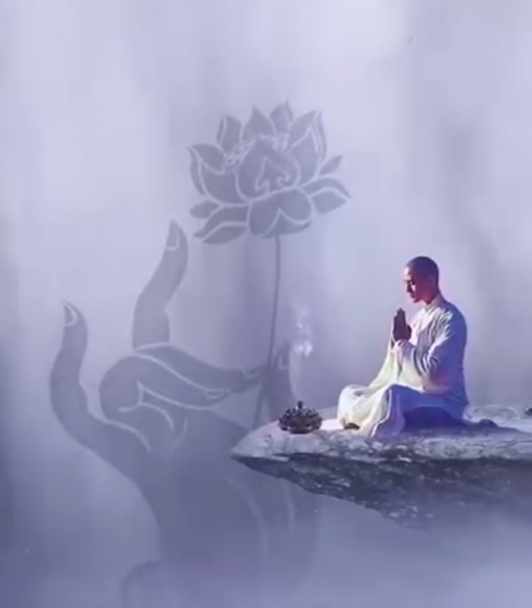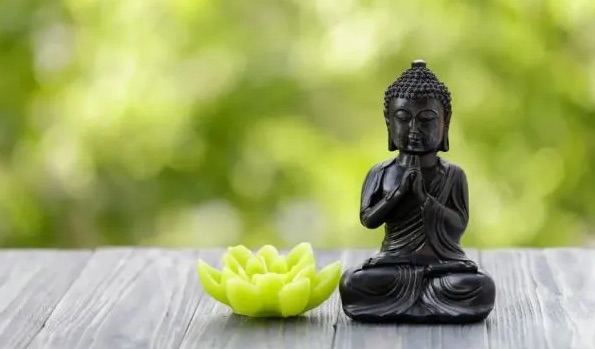
The Way of the Peaceful Warrior

On meeting conflict without losing ourselves

There are moments in life when, despite our best intentions and most sincere efforts, things still feel profoundly unfair. Right and wrong seem reversed. The ground beneath us shifts, and our inner balance begins to tilt toward chaos. In those moments, our first instinct is often to react—to defend, to argue, to strike back.

Before you do, pause.

Take a breath.
Return to your body.
Listen to what is happening beneath the noise.

When we step into conflict fueled by “righteous anger,” wounded pride, or a desire for revenge, we rarely restore balance. More often, we simply exchange one form of turmoil for another. Peace quietly slips away.

Holding onto resentment or remaining lodged in the role of the victim keeps us circling the same pain, replaying the same arguments, long after the moment has passed. Whether we choose to walk away with a clear conscience or feel called to stand up for what feels just, one truth remains: every action—and every silence—creates ripples. They shape who we are becoming and touch the lives of those around us.

At first glance, the phrase Peaceful Warrior seems contradictory. Yet a life rooted in peace and integrity demands precisely this paradox.

To be peaceful does not mean to be passive.
To be a warrior does not mean to be aggressive.

True strength lies in seeing beyond illusion and surface drama. It lies in choosing awareness over reflex, clarity over emotional momentum. A Peaceful Warrior does not drift from one reaction to the next; they choose their response with care.

Such a warrior knows how to step back and observe themselves in the heat of the moment. They are capable of decisive action, but their actions are guided by wisdom and oriented toward the greater good. Only genuine courage allows us to respond from the heart, rather than from outdated conditioning and habitual fear.

The next time you find yourself facing opposition, remember this: you can remain present. You can maintain your inner edge without surrendering to fear or hostility. You can stand firmly without hardening your heart.

You can be a Peaceful Warrior.

When life confronts us with injustice, it becomes a quiet test of our spiritual maturity. These reflections may help illuminate the path:

1. Discern Reaction from Response
A reaction is automatic—rooted in survival, memory, and past wounds. A response is conscious, grounded in the present moment. When you feel that surge of heat in your chest, pause and ask: Is this my deeper wisdom speaking, or is it my ego defending its image?

2. Release Attachment to Outcomes
The Bhagavad Gita teaches action without attachment to results. Spiritually, this means doing what is right not for victory or validation, but because it aligns with truth. When the need to “win” dissolves, a quieter, more enduring power emerges—one that cannot be taken from you.

3. Receive the Mirror
Those who unsettle us most often reveal where we are still tender or unhealed. This does not excuse harmful behavior, but it offers insight. Let the discomfort become a question: What within me is asking for strength, clarity, or compassion?

Link: https://peacelilysite.com/2026/01/16/the-way-of-the-peaceful-warrior/

Why You Feel Better After You Pray: The Science Behind the “Quiet Heart”

You might not realize it, but this is the true power of prayer—it’s not just asking for blessings; it is awakening an internal system within you that says, “I can keep going.”

Every sincere moment of prayer leaves an imprint on the mind. This is not spiritual poetry or wishful thinking; it is a pattern repeatedly observed through MRI scans, neuroimaging, and psychological research. Each second spent in focused, quiet prayer is an opportunity to “turn on a light” in the brain—helping us become steadier, clearer, and more resilient.

Scientists were once skeptical. But the evidence surprised them.

When a person enters a state of deep, focused prayer, activity in the prefrontal cortex increases. This is the part of the brain responsible for attention, judgment, emotional regulation, and self-control—the “driver’s seat” of the mind. Prayer helps us return to that seat, especially when life feels overwhelming.

At the same time, activity in the amygdala—the brain’s alarm system—tends to decrease. This region governs fear, anxiety, and the fight-or-flight response. When it is overstimulated, we feel tense, reactive, and out of control. Prayer appears to gently quiet this system, creating inner space to breathe, reflect, and choose more wisely.

This is not merely a mental effect—it is a physical response of the nervous system.

Research also suggests that heartfelt prayer—prayer infused with sincerity and emotion—is especially powerful. Compared to mechanical repetition, it more strongly activates brain regions associated with language, empathy, connection, and self-awareness, including the temporoparietal junction, anterior cingulate cortex, and medial prefrontal cortex. These areas shape how we relate to ourselves, to others, and to life itself.

In simple terms, honest prayer becomes a process of emotional clearing and inner reorganization.

When practiced regularly, these brain responses do something remarkable: they form new neural pathways. Like carving a well-worn trail through a forest, prayer creates a reliable inner path—a place of stability we can return to during moments of fear, grief, or confusion. The more often we walk this path, the easier it becomes to find our way back to calm.

Prayer is not the same as meditation. While both reduce stress and sharpen focus, prayer carries an added element: relationship. Prayer involves trust, dialogue, and the felt sense that we are not alone. This activates neural systems related to connection, attachment, and belonging—deep human needs that meditation alone does not always engage.

This may explain why, at the edge of emotional collapse, a simple, sincere prayer can sometimes bring someone back from the brink. The problem may not disappear—but the mind, heart, and body momentarily realign. A quiet strength returns. I can get through this.

What Prayer Does—Inside and Out

  • Activates the Prefrontal Cortex
    Strengthens clarity, emotional balance, and self-control.
  • Calms the Amygdala
    Lowers fear and stress responses, restoring inner quiet.
  • Builds Emotional Resilience
    Repeated prayer forms neural pathways that support stability over time.
  • Fosters Connection and Trust
    Engages social and emotional brain systems through relationship and sincerity.

Sincere prayer may be one of the most gentle, natural, and powerful “built-in reset systems” we possess.

So when was the last time you prayed—not out of habit, but from the heart?
Have you ever noticed how your body softened afterward, how tension quietly released?

That wasn’t imagination.
That was your mind and nervous system responding to something deeply human—and deeply real.

Link:https://peacelilysite.com/2026/01/09/why-you-feel-better-after-you-pray-the-science-behind-the-quiet-heart/

The Secret to Daily Happiness: Why Giving is the Ultimate Life Hack

Jacqueline Way and her son in 2010

We spend so much of our lives chasing happiness. We look for it in career promotions, new gadgets, or the perfect vacation. Yet the joy we seek often feels fleeting. What if the real secret sauce to a happy life isn’t something you buy or achieve—but something you give?

In her widely shared TEDx talk, “How to Be Happy Every Day: It Will Change the World,” Jacqueline Way offers a beautifully simple, yet world-altering insight: doing one small good deed each day can transform your brain, your life, and ultimately, the world.

The Science Behind the “Helper’s High”

Jacqueline’s message isn’t just uplifting—it’s grounded in science. When we perform acts of kindness, our bodies respond in powerful ways.

Giving triggers the release of a natural blend of “happiness chemicals”:

  • Dopamine, which creates feelings of reward and joy
  • Oxytocin, often called the “love hormone,” which reduces stress and supports heart health
  • Serotonin, which stabilizes mood and promotes a sense of calm and well-being

In other words, when you give, you’re not just helping someone else—you are literally rewiring your brain for happiness.

At the heart of Jacqueline Way’s message is a practice so simple it’s easy to overlook:

Do one little good thing every day.

It doesn’t need to be dramatic or time-consuming. A good deed might look like:

  • Offering a sincere smile or kind word
  • Helping a neighbor with a small task
  • Picking up litter along your path
  • Donating items you no longer use
  • Listening fully to someone who needs to be heard

What matters most is intention. When kindness becomes a daily habit rather than an occasional gesture, happiness stops being accidental—it becomes natural.

A single act of kindness never ends with the giver. It travels outward. One person’s generosity inspires another. Slowly and quietly, hearts soften, trust grows, and perspectives shift.

Jacqueline Way reminds us that changing the world doesn’t require grand gestures or heroic efforts. It begins with ordinary people choosing compassion in everyday moments. When kindness becomes a way of life, happiness expands—not only within us, but all around us.

How to Start Your Own Happiness Practice

If you’re longing for more joy and connection, you don’t have to wait for the “right” moment. You can begin today. Here are three simple ways to practice the daily give:

1. Look for the Micro-Give
Kindness doesn’t require money or planning. Hold the door open, write a thoughtful message, or leave a positive review for a local business.

2. Make It a Family Habit
Inspired by Jacqueline and her son, turn giving into a shared ritual. Ask at dinner, “What was your give today?” It nurtures empathy and helps everyone focus on the good.

3. Notice the Shift
Pause and observe how you feel after giving. That warmth in your chest? That quiet lift in your mood? That’s happiness growing in real time.

Jacqueline Way reminds us that we are not powerless in the face of the world’s challenges. Each of us carries the ability to make life kinder, lighter, and more meaningful—one day at a time.

When you choose to give, you stop chasing happiness and start creating it.

And when enough of us do that, every day, the world truly begins to change.

Link:https://peacelilysite.com/2026/01/02/the-secret-to-daily-happiness-why-giving-is-the-ultimate-life-hack/

Your Brain Needs You to Take a Walk—Even More Than You Think

Did you know that your brain may need you to take a walk even more than your body does?

We often think of walking as something we do for physical fitness—burning calories, loosening stiff muscles. Yet neuroscience now confirms something ancient wisdom has always known: when the body moves gently and steadily, the mind awakens.

Regular walking—nothing intense, just consistent and mindful steps—nourishes the hippocampus, the part of the brain responsible for memory and learning. With increased blood flow and oxygen, this delicate region doesn’t merely function better; over time, it can actually grow stronger, softening the slow erosion of age.

Decades of MRI research reveal that people who engage in moderate movement—brisk walking, cycling, climbing stairs—experience measurable growth in the hippocampus. An average increase of just two percent may sound small, but in the language of the brain, it is profound. It can offset one to two years of natural cognitive aging.

In simple terms: thirty minutes of walking a day gently turns back the clock for the mind.

But beyond the science, something quieter is taking place.

When we walk, the brain relaxes its grip. A subtle nourishment—BDNF, often called the brain’s “fertilizer”—is released, protecting existing neural pathways and encouraging new connections to form. Thoughts become clearer. Memory steadies. Emotions settle into a more balanced rhythm.

This is why walking feels different from sitting.

As the body moves, the mind loosens.
As the breath finds its rhythm, thoughts begin to untangle.

Walking brings the brain into a rare state—awake, yet unforced.
It is here that insights arise without being pursued,
where worries soften and lose their sharp edges.

Many people sense this intuitively, without knowing the science. They think more clearly when they walk. They feel calmer. They see situations with greater perspective.

Stillness has its place.
But too much stillness, without movement, becomes stagnation.

Long hours of sitting dull not only the body, but also memory, emotional resilience, and mental clarity. The mind grows heavy, foggy, restless. Gentle movement restores what stillness alone cannot.

And the beauty of walking is its simplicity.

No gym.
No equipment.
No performance.

Just steps.

A short walk in the morning light.
A few mindful minutes between tasks.
A slow walk beneath trees.
Choosing stairs over elevators.
Sun on the face.
Breath in motion.

These small, ordinary moments—when repeated—quietly care for the brain and the heart.

Walking is not exercise in the usual sense.
It is a form of listening.

With each step, the mind is gently awakened.
With each step, inner noise softens.

You may not be going anywhere special.
Yet something within you becomes clearer, lighter, more alive.

So today, walk.

Not to achieve.
Not to improve.

Just to return—
to the simple intelligence of movement,
and to a mind that remembers how to be at ease.

Link:https://peacelilysite.com/2025/12/19/your-brain-needs-you-to-take-a-walk-even-more-than-you-think/

Healing in the Mountains: How Hiking and Forest Bathing Restore the Soul

I have always loved being close to nature, and one of my greatest joys is walking through the forest. Living in Santa Cruz, I am surrounded by beautiful woods and mountain trails. Each time I wander beneath the trees and along winding paths, I arrive at the end feeling lighter, calmer, and deeply refreshed—as if my body and mind have been fully recharged.

I once came across an interesting idea:
Mountains are places where we gain energy, which is why after hiking, we often feel alert and invigorated. Water, on the other hand, carries energy away. This may explain why spending long hours by the ocean or a lake can leave us feeling tired. Yet water also washes away emotional heaviness. When we feel sad, restless, or overwhelmed, a walk by the sea often brings a sense of release and ease.

Energy is constantly flowing through nature. We are simply quiet participants, allowing the natural world to gently adjust our inner frequency.

Discovering “Forest Bathing”

Recently, I was delighted to learn that the Japanese have a word that perfectly describes this healing experience: forest bathing.

In Japanese, it is called shinrin-yoku:

  • Shinrin means forest
  • Yoku means bathing

Together, shinrin-yoku means “bathing in the forest,” or allowing our entire being to absorb the atmosphere of the woods. As early as 1982, Japan officially incorporated forest bathing into its national public health program as a form of preventive and therapeutic care.

Suddenly, I realized that every breath I took in the forest had always been quietly nourishing me.

Japanese researchers have conducted extensive studies on forest bathing and found remarkable benefits for overall well-being. Research shows that forest bathing can:

  • Reduce stress
  • Strengthen the immune system
  • Lower blood pressure
  • Support recovery after illness or injury
  • Improve mood and concentration

For me personally, its most immediate effect is simple yet profound—it quickly lowers stress and brings my heart back to a place of calm.

Forest bathing is very different from running or brisk walking. It is not about exercise or distance; it is about presence. The key is to slow down and fully engage all your senses:

  • Touch the bark of trees—rough or smooth
  • Watch sunlight dance through layers of leaves
  • Breathe in the scent of earth and greenery
  • Listen to the wind moving through branches
  • Find a place to sit and feel your connection with the ground

In the past, most of my hikes were intense, goal-driven, almost like completing a task. Since practicing forest bathing, I now schedule at least one slow, mindful walk each week. By slowing down, I have discovered beauty I once overlooked—and I can’t help but smile at how much I missed before.

There is a subtle yet powerful presence in the forest. It does not announce itself, yet it gently soothes the heart.

Perhaps it is the oxygen released by the trees.
Perhaps it is the steady, unhurried rhythm of the forest.
Or perhaps it is simply that, among the trees, we can finally hear our own breath again.

When we walk in the forest, there is nothing we need to accomplish. Nothing to force. Nature naturally helps our hearts soften, open, and grow brighter.

If you feel tired, anxious, or lost in the busyness of everyday life, I invite you to find a nearby mountain trail and give yourself the gift of forest bathing.

Let nature, in its quiet way, remind you:
You are doing your best—and you deserve to be healed. 🌲

Link:https://peacelilysite.com/2025/12/12/healing-in-the-mountains-how-hiking-and-forest-bathing-restore-the-soul/

One Page at a Time: Reclaiming Our Minds in the Age of Endless Screens

In today’s world, our phones are never more than an arm’s length away, and our minds rarely get a moment of true rest. We scroll without thinking, click without choosing, and consume without noticing. But deep inside, many of us feel the same quiet truth—we are losing ourselves in the noise. This post is a small reminder that peace, clarity, and spiritual nourishment are still possible, if we begin to consciously take back our attention.

Instagram Reels, YouTube Shorts, Facebook browsing—what starts as a quick check so easily becomes an hour of mindless scrolling. It’s almost frightening how fast time disappears. Even without TikTok, I can feel the pull of the algorithm shaping my habits, my attention, even my thoughts.

Of course, technology brings wonderful conveniences. We can speak with loved ones across the world instantly, save treasured memories, learn anything we want, and make life easier in countless ways. But lately, I’ve realized something important:

I’m exhausted. Mentally, emotionally, spiritually.

My attention span is scattered. Silence feels uncomfortable. I reach for my phone without thinking. And I’ve begun to wonder—is this what addiction feels like? Knowing you don’t need it, yet still reaching for it anyway?

We all know we’re on our screens too much.
But knowing doesn’t free us.
Conscious action does.

The Real Cost: What Screen Time Is Stealing From You

This isn’t just about an hour lost to Instagram; it’s about the erosion of the most vital parts of our lives. The time we spend staring into a screen is time actively taken away from meaningful, real-world engagement.

Screen time is truly troubling our lives right now:

  • We have less time to exercise. The energy required for a twenty-minute workout is often sacrificed for twenty minutes of passive scrolling on the couch.
  • We have less time to play with kids. Those precious, unrepeatable moments of building a fort or kicking a ball are missed because we’re “just checking” a notification.
  • We have less time to talk to our parents/partners. Authentic, present conversation is replaced by parallel consumption, sitting next to a loved one while both are immersed in separate digital worlds.
  • We have less time for deep, restorative sleep. The blue light, the stimulating content, and the mental chatter we absorb right before bed actively hijack our ability to rest.

A Spiritual Perspective: Why Screen Addiction Makes Us Unhappy

In Buddhism and many spiritual traditions, the mind is described as a lake.
When the surface is constantly stirred—by notifications, news, entertainment—it becomes muddy. We can no longer see clearly. Wisdom, compassion, and calmness all sink beneath the surface.

Excessive screen time:

  • scatters the mind through endless stimulation
  • drains our life-force through constant comparison and craving
  • steals the quiet moments where insight and peace are born
  • pulls us away from real presence—real people, real breath, real living

Spiritual masters remind us:
“Where your attention goes, your life goes.”
If our attention is constantly fragmented, our life becomes fragmented too.

Actionable Suggestions to Reduce Phone & Social Media Time:

StrategyHow It Works
The Friction FolderMove all tempting social media/entertainment apps into one folder on the very last page of your phone screen. This adds just enough friction to make you pause before opening.
Grayscale ModeSwitch your phone display to black and white. Color is a primary driver of attention and addiction; removing it makes the screen less stimulating and less fun to look at.
Set App LimitsUse your phone’s built-in Screen Time settings to put a hard limit (e.g., 30 minutes) on all social media apps. Once you hit it, the app locks for the day.
The “Phone Bed”Designate a charging spot outside your bedroom. Use a traditional alarm clock. Your bedroom should be a sanctuary for sleep and connection, not consumption.
The “Purpose-First” RuleBefore you unlock your phone, state out loud (or in your mind) what you are picking it up to do (“I am checking the weather,” “I am calling Mom”). Complete the task and immediately lock the screen.

Mindful Practices I’m Recommending:

These are small, spiritual steps to reclaim your mind:

  • Put the phone out of sight. What the eyes don’t see, the mind doesn’t crave.
  • Create “sacred screen-free hours.” Mornings or evenings where the mind can rest—like offering ourselves a daily meditation.
  • Return to the breath whenever the urge to scroll pops up. One breath. One pause. One moment of awareness.
  • Read again—slowly, intentionally. A physical book becomes a refuge, a temple for the mind.
  • Replace noise with mindfulness. Walk without headphones. Eat without a screen. Let silence become a friend again.
  • Remind yourself of impermanence. Every moment spent scrolling is a moment of life we never get back.

Little by little, I’m learning to soften the grip that screens have over me.
Not by force, but by nurturing something deeper—presence, clarity, and spiritual freedom.

Do One thing mindfully and intentionally at a time. It’s time to be truly alive again.

Link:https://peacelilysite.com/2025/12/04/one-page-at-a-time-reclaiming-our-minds-in-the-age-of-endless-screens/

Source: https://vocal.media/humans/call-of-the-child

Why Spiritual Cultivation Matters More Than Ever in a Rapidly Advancing World

In recent years, I’ve often found myself reflecting on the pace of our modern world. Everywhere we look, technology advances with breathtaking speed—AI systems that learn in seconds, devices that connect continents instantly, and scientific breakthroughs that would have been unimaginable a generation ago.

And yet, despite all this progress, people still feel anxious, divided, and spiritually adrift. It was during one of these reflections that I came across a profound message from French philosopher Henri Bergson, winner of the 1927 Nobel Prize in Literature. His words, spoken nearly a century ago, resonated deeply with me:

“An increase in the material means at the disposal of humanity may even present dangers unless it is accompanied by a corresponding spiritual effort.”

This single sentence contains a timeless truth.

The Wisdom of Henri Bergson: Progress Requires Balance

When Bergson delivered his Nobel Prize banquet speech in 1928, he had witnessed the sweeping transformations brought by steam power, electricity, and industrialization. Many believed that these innovations would naturally lead to a better, more harmonious world.

But Bergson saw with clarity that outer progress alone is not enough. Without cultivating our inner world—our morality, our compassion, our spiritual understanding—technology can deepen misunderstandings and widen divisions.

How true this remains today.

The Modern Paradox: Hyper-Connection, Inner Disconnection

We live in a time of extraordinary access and convenience:

  • We can video chat across the planet, yet many feel more isolated than ever.
  • We scroll endlessly through social media, yet our hearts grow restless and overwhelmed.
  • We generate more data in a day than ancient civilizations produced in centuries, yet wisdom feels increasingly rare.

Technology connects our devices, but only spiritual cultivation connects our hearts.

Why Spiritual Effort Is Essential Today

1. It grounds us amid the noise.

With information constantly flooding our minds, spiritual practice helps us regain clarity and stay anchored in truth.

2. It builds our inner resilience.

Life will always bring challenges. Meditation, reflection, and ethical living strengthen the mind and heart to navigate them with wisdom.

3. It cultivates compassion in a divided world.

True peace comes not from advanced systems but from understanding, patience, and kindness—qualities only nurtured through spiritual effort.

4. It reminds us of our shared purpose.

Spiritual insight dissolves boundaries, allowing us to see one another not as competitors but as fellow travelers on the path of life.

Bergson’s warning pierces straight into the heart of our time:

If humanity’s material power grows faster than its moral and spiritual maturity, danger follows.
But when the two rise together, society finds harmony.

This is not just a philosophical idea—it is a blueprint for a peaceful, sustainable future. Whether through meditation, prayer, study, service, or simple acts of kindness, each of us has the power to elevate our inner life.

Our modern world celebrates speed, innovation, and efficiency. But the deeper question is: Do these advances help us become better human beings?

If spiritual cultivation becomes the guiding compass of our progress, then technology becomes a tool for upliftment rather than turmoil.

As we look toward the future, may we remember:

  • Our machines may evolve, but our hearts must evolve too.
  • Our knowledge may expand, but our wisdom must deepen.
  • Our world may grow louder, but our inner clarity must grow stronger.

Only then can humanity advance not just outwardly, but inwardly—toward peace, wisdom, and true connection.

Link:https://peacelilysite.com/2025/11/25/why-spiritual-cultivation-matters-more-than-ever-in-a-rapidly-advancing-world/

Yoga is so much more than just stretching

What’s the first image that comes to mind when you think of Yoga?  

It’s not uncommon for this image to consist of individuals contorting their bodies into impossible positions that are more appropriate for the Cirque du Soleil.  There is nothing wrong with some of these breathtaking images, and I love looking at them because I’m in awe of the strength, grace, practice, and determination it takes to hold these postures.  My issue with these images flooding social media is that these postures are not possible for most individuals (including me) and the models are usually young, white, beautiful, slim women.  This makes it hard to connect to Yoga’s rich Indian history or how it is a practice that is for EVERYONE regardless of age, body type or ability.

In the last few decades, Yoga has become a billion-dollar business.  When I started attending yoga studios in Toronto in the early 1990s, there were only 2 studios, and now there is a studio every 3 blocks.  There are “yoga teacher rock stars” and businesses that make high-end yoga gear. I’m glad that Yoga has become so popular because this beautiful healing practice impacts more people.  However, I believe this commercialism and competitiveness have diluted the teachings and appropriates this ancient practice in some situations. 

There is evidence that Yoga existed in India as far back as 500 BC with roots in Hinduism, Buddhism, Jainism and other religions.   Sanskrit is the sacred language of Hinduism, classical Hindu philosophy, and other historical religious texts. The word ‘Yoga‘ is derived from the Sanskrit root ‘Yuj’, meaning ‘to join’ or ‘to yoke’ or ‘to unite-union of mind, body and spirit.  

As a yoga teacher and student, I want my students to be familiar with Yoga’s roots and understand that what happens on the mat is more than just stretching and holding postures.   This union of mind, body and spirit, happens while practicing the asanas-Sanskrit word for postures.  A regular practice will increase flexibility, strength and mobility, and while you are holding the postures, you are practicing pranayama-breath control, meditation, and mindfulness.   This holistic practice is how transformation happens and the “union” builds a healthier, more agile body, calms the nervous system, teaches presence, and provides us with tools that we can use off the mat.  

Yoga has a rich philosophical history that includes sacred and treasured texts: The Vedas, The Upanishads, The Bhagavad Gita and Pantanjali’s Sutras.  

Pantanjali was an Indian sage and thought to be the author of the Yoga Sutras, which is a classical yoga text on yoga theory and practice.  According to his teachings, there are 8 components to Yoga:  

1.   Yamas-attitudes towards environments. 

2.   Niyamas-attitude towards ourselves 

3.   Asana-yoga postures 

4.   Pranayama-breath control and breathing exercises

5.   Pratyahar-withdrawal of senses

6.  Dharana-concentration

7.  Dhyana-meditation

8.  Samadi-complete integration

One of the most compelling benefits of Yoga is stress reduction. It’s inspiring to see how it has helped individuals recover from trauma, PTSD, depression, and anxiety.  

Enjoy the stretching and postures, and know that you are also calming your mind and relaxing your body.  Instead of thinking of Yoga as work out, think of it as a work in.  

Be well.

Anita

Link:https://peacelilysite.com/2025/10/29/yoga-is-so-much-more-than-just-stretching/

Source: https://countyyogaloft.ca/blog/yoga-is-so-much-more-than-just-stretching

5 Morning Affirmations to Begin Your Day with Peace and Strength

This morning, I stumbled upon a truly inspiring video—one that I feel compelled to share. It’s about something simple yet deeply powerful: the words we choose to tell ourselves at the start of each day.

The video introduces five morning affirmations—phrases rooted in mindfulness, gratitude, and self-compassion. These words are not just reminders; they are seeds we plant in our hearts. By repeating them daily, we can replace anxiety with calm, transform doubt into confidence, and begin our day already centered in peace.

Here are the affirmations:

  1. I am here, I am alive. This moment is enough.
  2. Nothing outside me can disturb my peace unless I let it.
  3. I will treat myself with kindness, not judgment.
  4. Everything I need is already within me.
  5. Let me be the cause of peace today.

These may seem like simple sentences, yet they carry thousands of years of wisdom. Buddhist teachings remind us that the mind shapes our reality. When we begin each day with thoughts of peace, compassion, and self-respect, we set the tone for everything that follows.

What I love most is the last affirmation: “Let me be the cause of peace today.” Imagine the ripple effect if each of us carried this intention into our daily lives—peace would not just be something we seek, but something we create and share.

The words we tell ourselves each morning truly have the power to shape a lifetime of peace and wisdom.

✨ I wish everyone who watches this video peace, clarity, and growth on their journey. May these affirmations bring light to your mornings and strength to your days.

🌸 Why not give it a try? For the next seven mornings, say these affirmations to yourself before you start your day. Notice how they shift your mood, your focus, and even the way you interact with others. If you feel inspired, share your experience—it might just encourage someone else to begin their own journey of mindful mornings.

Link: https://peacelilysite.com/2025/09/12/5-morning-affirmations-to-begin-your-day-with-peace-and-strength/

The Power of the Mind: A Lesson from the Garden

Peace Pilgrim once said, “If you knew how powerful your mind is, you would never think a negative thought.” That quote stayed with me, but I didn’t fully understand its truth until I experienced it for myself—right in my own backyard.

At one point, we lived in a house with a large backyard that inspired me to plant organic vegetables. I imagined harvesting fresh, healthy produce and enjoying the process of nurturing life from the soil. Eager and hopeful, I bought a few small tomato plants from Home Depot and began tending to them daily. Watching them grow brought me joy and anticipation—I could almost taste the sweet, juicy tomatoes I dreamed of.

But as the plants began to bloom and bear fruit, trouble arrived. Large, green caterpillars appeared overnight, chewing through leaves and fruit, threatening to destroy the entire garden. My husband was furious and would crush them on sight. Wanting to find a gentler solution, I turned to friends for advice. One of them recommended a non-toxic spray from an organic farm store. It worked like a glue, blocking the insect’s skin so they couldn’t breathe and would suffocate to death.

When I heard that, I felt a sharp, suffocating sensation through my own skin. I couldn’t do it. I couldn’t kill them—no matter how many tomatoes I might lose. These were living beings. Their lives mattered too. I decided then and there: I would not harm them.

And then, something remarkable happened.

The very next morning, my husband came to me in astonishment. “All the caterpillars are gone,” he said. “And there aren’t even any dead ones.” I went out to the garden. He was right. The insects had vanished without a trace.

Was it just a coincidence? I don’t believe so. I believe they sensed my compassion. I believe the power of a sincere, non-harming mind created a shift in energy that led to a quiet, unseen miracle.

Later, after I began studying Buddhism, I came to understand this experience on a deeper level. Through the Dharma transmitted by H.H. Dorje Chang Buddha III, I learned the true meaning of the precept of “Not Killing.”

This teaching awakened a deeper sense of responsibility in me. I now strive to regard the suffering of all beings as my own, and I earnestly wish for every living being—my parents of infinite past lives—to live in harmony and peace.

I sincerely pray that all beings may enjoy happiness, good health, and abundant fortune. I constantly beseech all Buddhas and Bodhisattvas to bless them, to help them escape suffering, to encounter and practice the true Buddha-dharma, and ultimately to attain liberation from the cycle of birth and death.


This is not just a story about gardening. It is a story about the incredible power of our minds—and even more so, our hearts. When we choose compassion over destruction, mindfulness over impulse, miracles can happen.

Let kindness guide you. Let the power of your mind awaken something beautiful—not just in your life, but in the lives of all beings around you.

Link:https://peacelilysite.com/2025/07/11/the-power-of-the-mind-a-lesson-from-the-garden/