The Holy Miracles Temple in Pasadena Hosts Prayer Ceremonies for Global Peace and Healing

The American News Staff 

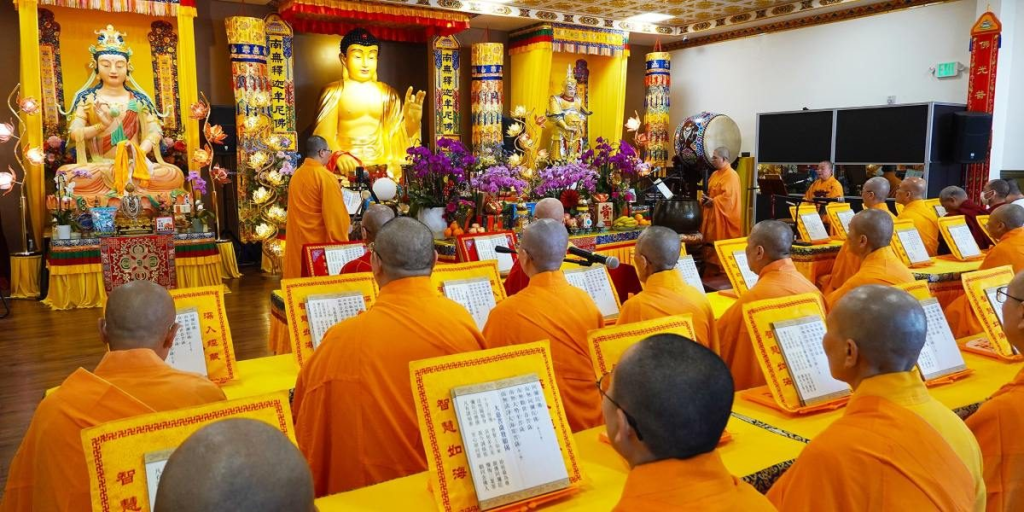
Photo Courtesy: Joyce Lee (The Holy Miracles Temple in Pasadena, Southern California, conducted a series of noteworthy Buddhist prayer ceremonies.)

In a heartfelt endeavor to bring solace and hope to those suffering worldwide, the Holy Miracles Temple in Pasadena, Southern California, conducted a series of noteworthy Buddhist prayer ceremonies.

Organized by the World Buddhism Association Headquarters, Holy Miracles Temple, and Jen Chen Buddhism Sanger Mission, these gatherings saw a substantial turnout of local community members. Together, they chanted “The Lotus Sutra’s Universal Gate Chapter on Avalokitesvara Bodhisattva” and “The Buddha Speaks of Amitabha Sutra” with a shared intention for peace and relief for all life forms enduring hardships globally. Participants expressed reverence and sought the blessings of all Buddhas and Bodhisattvas, hoping to ease sufferingsupport peaceful conditionsreduce conflicts, and encourage global harmony.

In recent years, the world has faced numerous challenges: ongoing conflicts, earthquakes in Japan’s Noto Peninsula and Myanmar, frequent wildfires in California and Australia, floods in southern China and Indonesia due to heavy rains, and outbreaks of dengue fever and new viral diseases in Africa and Central and South America. These events have heightened a sense of shared adversity globally. Holy Miracles Temple endeavors, through these Buddhist rituals, to offer spiritual support for the departed souls’ ascension to the Pure Land, encourage the swift reconstruction of disaster-affected areas, and provide a space for those in distress to find emotional relief, courage, and renewed hope.
The Holy Miracles Temple in Pasadena Hosts Prayer Ceremonies for Global Peace and Healing
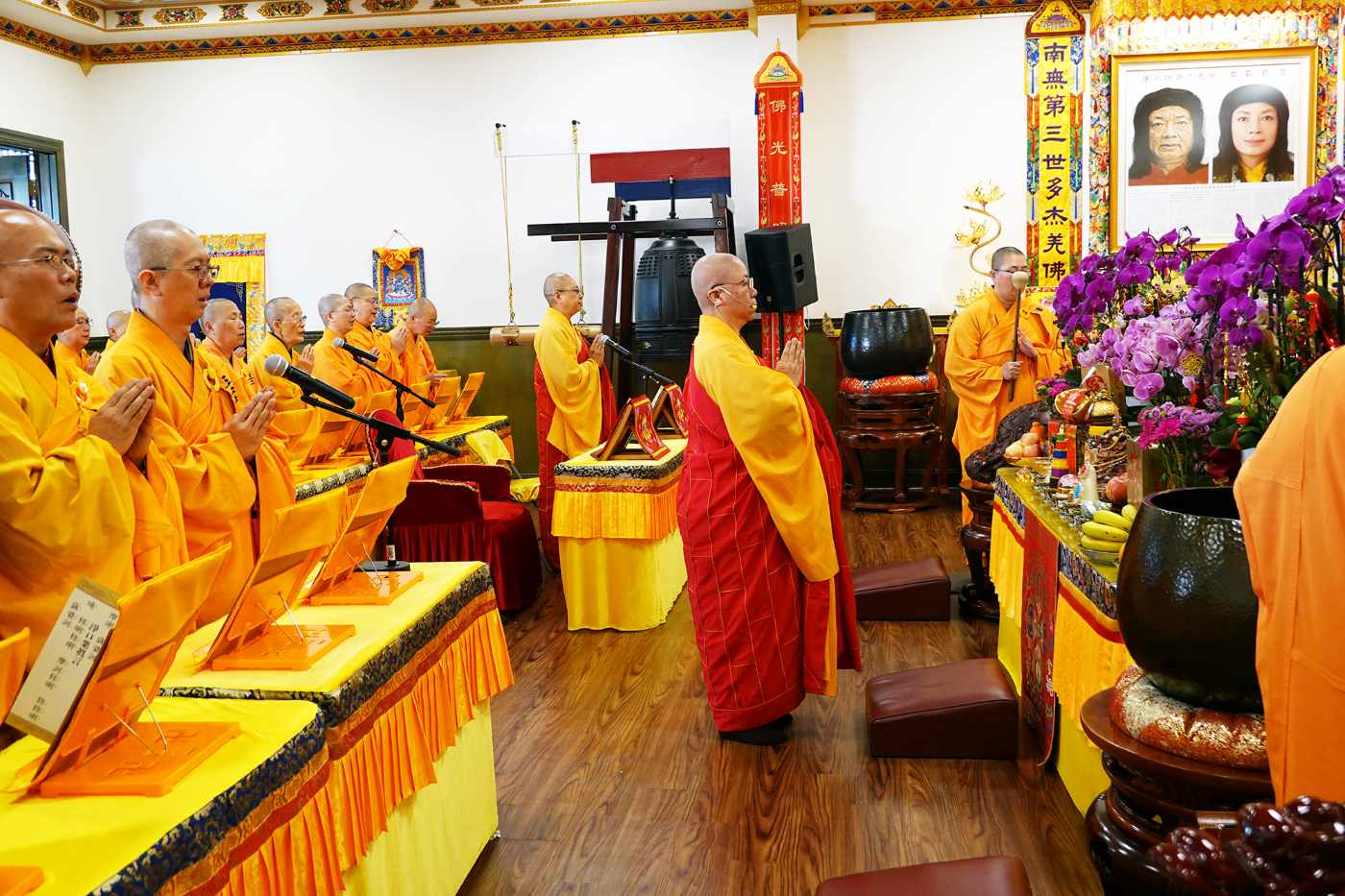
Photo Courtesy: Joyce Lee

The Holy Miracles Temple upholds the teachings of H.H. Dorje Chang Buddha III, highlighting the core Buddhist values of striving for the liberation and well-being of sentient beings.

The ceremonies were both solemn and heartwarming, with the collective expressions of goodwill and chanting symbolically extending beyond geographical boundaries. This gathering served as a meaningful demonstration of community unity, generating a sense of positive intention and a shared commitment to facing difficulties through compassion. Participants noted that attending the prayer ceremony at Holy Miracles Temple allowed them to engage in prayerful reflection for victims, emphasizing Buddhism’s contributions to fostering inner peace and societal harmony.

This initiative reinforces Holy Miracles Temple’s commitment to the teachings of H.H. Dorje Chang Buddha III, highlighting the core Buddhist values of striving for the liberation and well-being of sentient beings. It underscores the essential qualities of cultivators: the Four Immeasurable States of Mind—kindness, compassion, joy, and almsgiving. In addition to regularly donating essential goods to local welfare organizations, the World Buddhism Association Headquarters has called for continued compassion and material support for Myanmar’s earthquake victims, combining humanitarian concern with religious practice and encouraging public participation in relief and blessing efforts.

To address the dire situation in Myanmar following the earthquake, where numerous families have been displaced amid ongoing civil strife and infrastructure damage, a donation appeal has been issued. The residents in the devastated areas urgently need humanitarian aid. The World Buddhism Association Headquarters encourages everyone to contribute to organizations like the United Nations World Food Programme, International Committee of the Red Cross, International Rescue Committee, Médecins Sans Frontières, and United Nations High Commissioner for Refugees. These organizations are actively involved in relief efforts. It is recommended that everyone conduct due diligence before donation to ensure appropriate contributions.
The Holy Miracles Temple in Pasadena Hosts Prayer Ceremonies for Global Peace and Healing
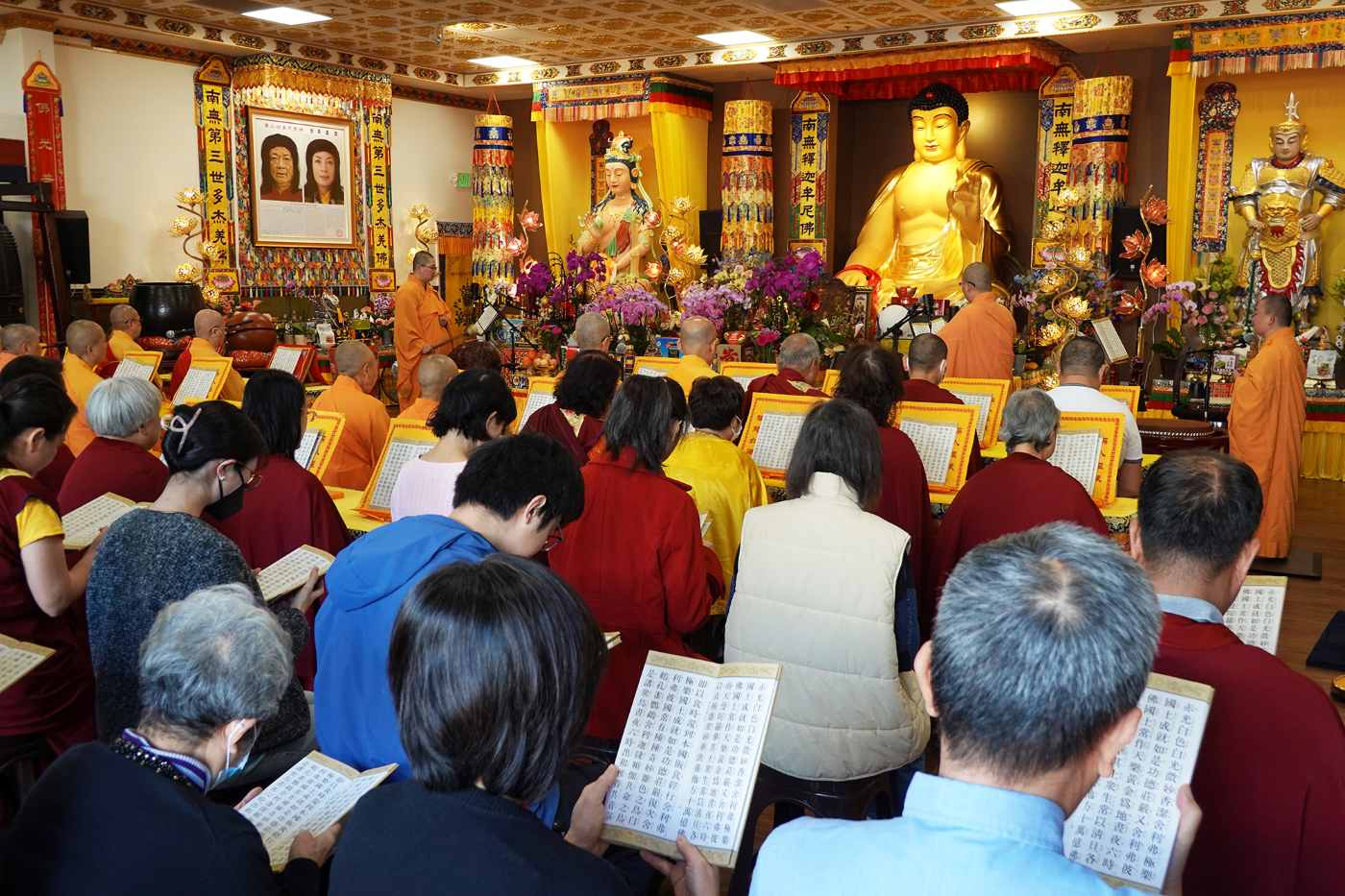
Photo Courtesy: Joyce Lee

A substantial turnout of local community members participated in the gatherings organized by the World Buddhism Association Headquarters, Holy Miracles Temple, and Jen Chen Buddhism Sanger Mission.

The Holy Miracles Temple emphasizes that everyone can contribute to a better world by cultivating goodwill. In the face of impermanence and disaster, even a single act of kindness—be it a blessing, a chant, or a good deed—can help uplift others and serve as a beacon of hope. The temple plans to continue organizing similar sutra chanting and prayer events, encouraging broader public participation to help inspire a more peaceful and stable world through collective compassion and mindful action. The series of prayer ceremonies also serves as a reminder to the world that fortune and misfortune are ever-changing, and life is fragile. Only through the purification of the mind guided by the principles of the Buddha’s teachings, along with actual practice, can one’s misfortune truly be transformed. In this ever-changing and impermanent world, it is a way to find genuine peace and light, and to move toward a future of harmony and sustainability.

Published by Jeremy S.

Link:

Source: https://theamericannews.com/the-holy-miracles-temple-in-pasadena-hosts-prayer-ceremonies-for-global-peace-and-healing/?fbclid=IwY2xjawKBIctleHRuA2FlbQIxMABicmlkETFaM2o3OEUxUDByTmt6Tmd4AR6u_1ChV9guYzSvw0Wa-80eR1G1b42u3hA-Hyb6WbfAMrhcvEWYxUq2ACR6YQ_aem_D4AvFWCwa6Mp6fYtQYMciQ

The Farmer of the Mind: Cultivating Mastery Over Thought


The Farmer of the Mind: Cultivating Mastery Over Thought

I have heard that on one occasion the Blessed One was staying at Sāvatthī, in Jeta’s Grove, Anāthapinḍika’s monastery. It was the rainy season, and the forest hummed with the soft patter of raindrops falling upon leaves. The scent of wet earth filled the air, and a gentle mist curled around the trees.

A great assembly of monks had gathered, their saffron robes glowing in the dim light of dawn. They sat in deep silence, their hands folded in reverence, awaiting the Blessed One’s words. He gazed upon them, his serene face illuminated by the morning light, and addressed them:

“Monks!”

“Yes, lord,” the monks replied in unison.

The Blessed One spoke:

“When a monk is intent on the heightened mind, there are five themes he should attend to at appropriate times. Which five?

“There is the case where evil, unskillful thoughts—connected with desire, aversion, or delusion—arise in a monk while he is referring to and attending to a particular theme. He should attend to another theme, apart from that one, connected with what is skillful. As he does so, those unskillful thoughts are abandoned and subside. With their abandoning, he steadies his mind, settles it, unifies it, and concentrates it.

“But if those thoughts persist, he should reflect on their drawbacks: ‘These thoughts lead to suffering. They darken the mind. They are thorns in the path of peace.’ Just as a traveler carrying a heavy sack realizes that dropping the burden brings relief, so too should the monk see how abandoning unwholesome thoughts brings lightness to the heart.

“If even then the thoughts persist, he should withdraw his attention—he should give them no mind. As a man walking through a marketplace ignores the clamor of voices around him and focuses only on his path, so too should the monk disregard the noise of unwholesome thoughts.

“If they still do not subside, he should attend to the relaxing of thought-fabrication, gently calming the movement of the mind. Just as a potter, shaping a vessel, slows the turning of his wheel to smooth its edges, so too does the wise monk soften the momentum of thought, guiding it toward stillness.

“And finally, should all else fail, he should take up the final method—firm and resolute. With teeth clenched and tongue pressed against the roof of his mouth, he should subdue the mind with force, constraining and crushing the unwholesome impulses with clear awareness, as a strong man might subdue a wild beast.

The Parable of the Two Farmers

The Blessed One paused, then continued:

“Monks, this is like two farmers who inherited the same land.

“One farmer was negligent and careless. He did not prepare his field properly. He let weeds grow alongside the crops, believing they would not harm the harvest. When pests came, he did not chase them away, thinking they would leave on their own. When the sun was too hot, he cursed the sky but did not shade his plants. And when the rains came, he lamented his ruined field but had done nothing to build proper irrigation.

“In the end, his harvest was meager, his efforts wasted. He blamed the land, the weather, and misfortune, but never did he see that it was his own negligence that had led to his failure.

“The other farmer was diligent and wise. He knew the land required effort. He removed the weeds as soon as they sprouted, before their roots took hold. When pests arrived, he drove them away with patience and care. If the sun was too harsh, he adjusted his crops and provided shade. When the rains came, he had already prepared the channels to guide the water where it was needed.

“In the end, his harvest was abundant, his granaries full. When asked the secret to his success, he simply smiled and said, ‘I cared for my field, and in return, it cared for me.’

“Monks, the untrained mind is like the lazy farmer’s field—overrun by weeds of desire, pests of aversion, and floods of delusion. But the well-trained mind is like the diligent farmer’s field—protected, cultivated, and yielding the fruits of wisdom.

“Just as the wise farmer does not despair when weeds appear but instead removes them skillfully, so too should you train your minds.

“Do not be disheartened when unskillful thoughts arise. Attend to them wisely, knowing that a well-tended mind, like a well-tended field, leads to a bountiful harvest—peace, clarity, and liberation.

The Power of a Well-Trained Mind

The Blessed One looked over the assembly and continued:

“Monks, you may ask, ‘What is the fruit of a well-trained mind?’ I will tell you.

“It is like a still lake in the heart of the forest. The surface is clear and unmoving, reflecting the moon and the stars without distortion. When an animal approaches to drink, it sees its own reflection perfectly. In such a lake, the sky, the trees, and the mountains appear as they are, undisturbed.

“But an untrained mind is like a lake constantly churned by the wind. Its waters are muddy, and no reflection can be seen. Even if the stars shine above, they are lost in the restless movement of the waves.

“When a monk, by these five methods, steadies his mind, unifies it, and concentrates it, he becomes a master of thought sequences. He thinks only what he chooses to think, and does not think what he does not. He has broken the bonds of craving and aversion. He has seen through conceit, and with right view, has reached the end of suffering and stress.

“Monks, train yourselves well. Be like the diligent farmer. Master the field of your own mind. Be like the still lake, where truth is seen clearly. For in doing so, you will not only benefit yourselves but all beings who come into your presence.”

The Awakening of the Monks

As the Blessed One spoke, a great stillness settled over the gathering. Some monks felt their minds clear as if a veil had been lifted. Others, who had struggled with restless thoughts, felt their burdens lighten. Among them was a young monk who had long battled with doubt.

That night, he sat beneath a great tree, reflecting on the Blessed One’s words. He thought of the two farmers and saw himself in the lazy one. But now, he resolved to change. He would uproot his weeds, guard his field, and let no impurity take hold.

With renewed determination, he entered deep meditation. As the night passed, his mind grew still, and as the first light of dawn touched the horizon, insight arose within him. He saw the nature of thought, the impermanence of all things, and in that moment, a great joy filled his heart.

The next morning, when the monks gathered once more before the Blessed One, the young monk stepped forward, bowed deeply, and said, “Lord, the field of my mind is now tended. The weeds are gone. The path is clear.”

The Blessed One smiled, his eyes filled with knowing. “Then, monk, walk that path with diligence. For now, you have truly begun.”


That is what the Blessed One said. Deeply inspired, the monks rejoiced in the words of the Blessed One, and many resolved then and there to train with renewed vigor, knowing that mastery over the mind was the key to liberation.

Link: https://wisdomtea.org/2025/04/03/the-farmer-of-the-mind-cultivating-mastery-over-thought/

The “Banqi” Style: A Masterpiece of Artistic Innovation
Going to a Faraway School in the Mountains
《山間遠學》


Artist: H.H. Dorje Chang Buddha III
H.H.第三世多杰羌佛
Style: Banqi(版氣派)

This exquisite painting, rendered in the unique “Banqi” style, captures a touching scene of children from mountain villages on their way to school. Unlike city children, these young students must trek across rugged terrain—climbing mountains, crossing ravines—day after day to pursue their education. Their journey is filled with challenges, yet their unwavering determination and thirst for knowledge shine through. This artwork serves as a tribute to their resilience, reminding us all of the value of education and the perseverance required to achieve greatness.

A Revolutionary Artistic Technique

What makes this painting extraordinary is its unconventional brushwork, which blends the bold energy of ink-wash painting with the refined precision of engraving. Every stroke, whether light or dark, delicate or bold, exudes an artistic charm that is both fluid and structured. The layering of ink and color creates depth, while the intricate texture gives the illusion of an engraved plate print, despite being entirely painted by hand. The brushwork is dynamic—lines seem to break and reconnect, mimicking the traditional elegance of carved stone seals. This interplay between spontaneity and meticulous control infuses the painting with life, movement, and a profound sense of authenticity.

What Is the “Banqi” Style?

The “Banqi” style is a rare and fascinating artistic approach that combines the visual impact of printmaking with the expressive freedom of brush painting. While these works resemble engravings at first glance, they are, in fact, purely ink-wash paintings—imbued with an effortless yet profound beauty that is both natural and lively. Beneath their structured appearance lies a deep, inexhaustible charm, where each stroke carries an essence of tradition, innovation, and artistic mastery.

Through this masterpiece, we witness not only a compelling story of perseverance but also a groundbreaking artistic vision—one that harmonizes the precision of engraving with the fluid grace of brush painting. It is a celebration of both form and spirit, a true testament to the boundless possibilities of art.

This beautiful artwork is part of the permanent exhibition at the International Art Museum of America, located in downtown San Francisco.

Link:https://peacelilysite.com/2025/03/21/the-banqi-style-a-masterpiece-of-artistic-innovation/

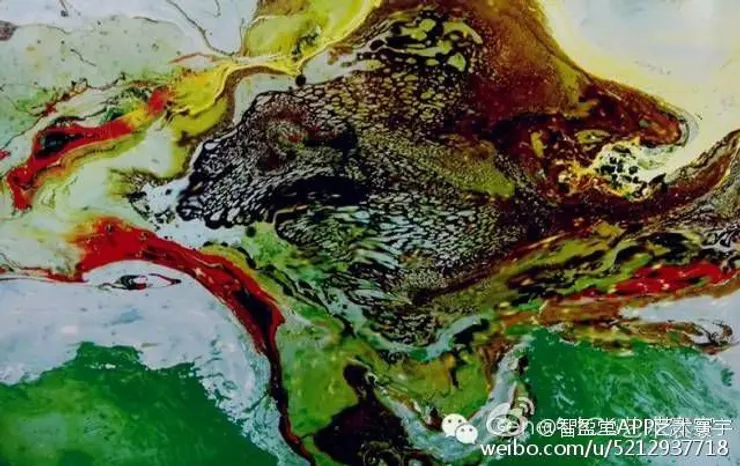
Beyond Form: The Pure Expression of Color in H.H. Dorje Chang Buddha III’s Art

H.H. Dorje Chang Buddha III‘s Abstract Color Paintings create a perfect world shaped entirely by color. Free from concrete worldly forms, this realm exists purely through the interplay of hues—defining, expressing, and embodying itself in vibrant harmony. Here, color is both form and essence, radiating a mesmerizing aura.

Under the masterful hand of H.H. Dorje Chang Buddha III, these colors seamlessly merge into a breathtakingly enchanting spectrum. The atmosphere is dynamic, with scenes that bloom like flowers and surge with the power of the roaring sea. Yet, upon closer reflection, they reveal delicate nuances, refined in their intricate details.

Flower of Life

This painting depicts a unique flower, with delicate white petals gently unfolding and a striking red pistil at its center. Growing irregularly against a dark background, it seems to challenge its surroundings. Though unusual in appearance, this flower carries a profound meaning of life, symbolizing resilience and beauty in adversity. It is not only a miracle of nature but also a representation of vitality, showcasing the brilliance and diversity of life. Each petal tells a story, drawing the viewer into the emotions and strength conveyed by the artwork.

Flower of Life (2)

In this painting, intricate patterns and clear details intertwine, portraying the harmonious growth of various living beings. Each element seems to narrate the origins of life, allowing viewers to deeply sense the evolutionary process of all things.

This artwork is not merely a depiction of nature but also a contemplation of the essence of life. It serves as a reminder that life is in a constant state of growth and transformation, just like our own journeys. Every challenge and breakthrough we experience is an essential part of our personal development.

Through this piece, we are invited to reflect on our own lives and feel a profound connection with nature.

You can discover a selection of the exceptionally charming paintings in the permanent exhibition at The International Art Museum of America, situated in downtown San Francisco.

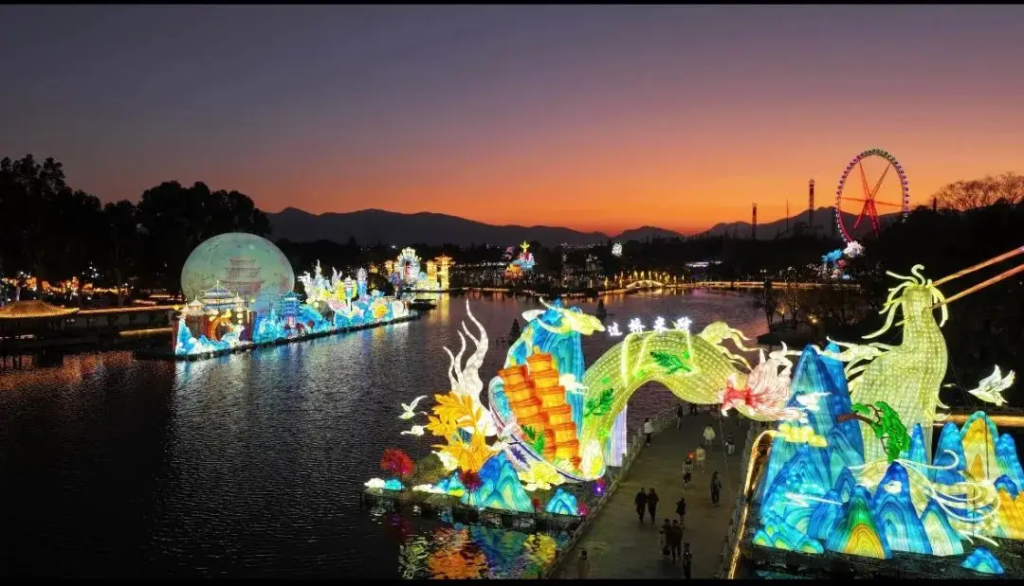
Celebrating the Chinese Lunar Lantern Festival: A Journey Through Tradition and Light

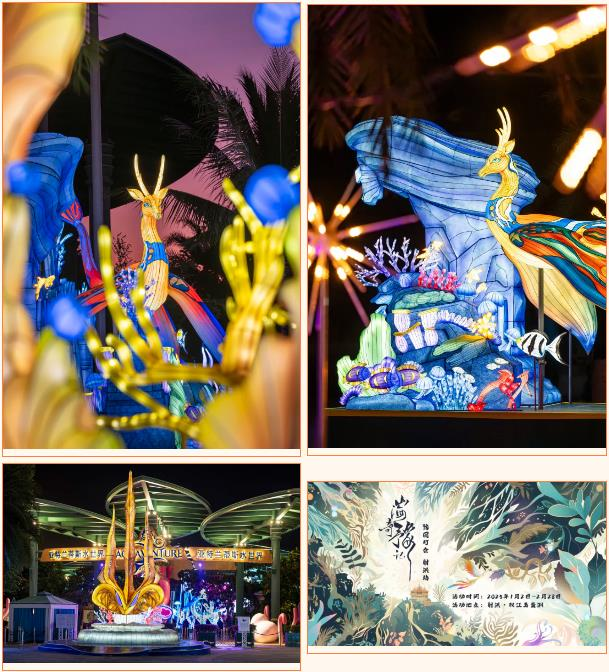
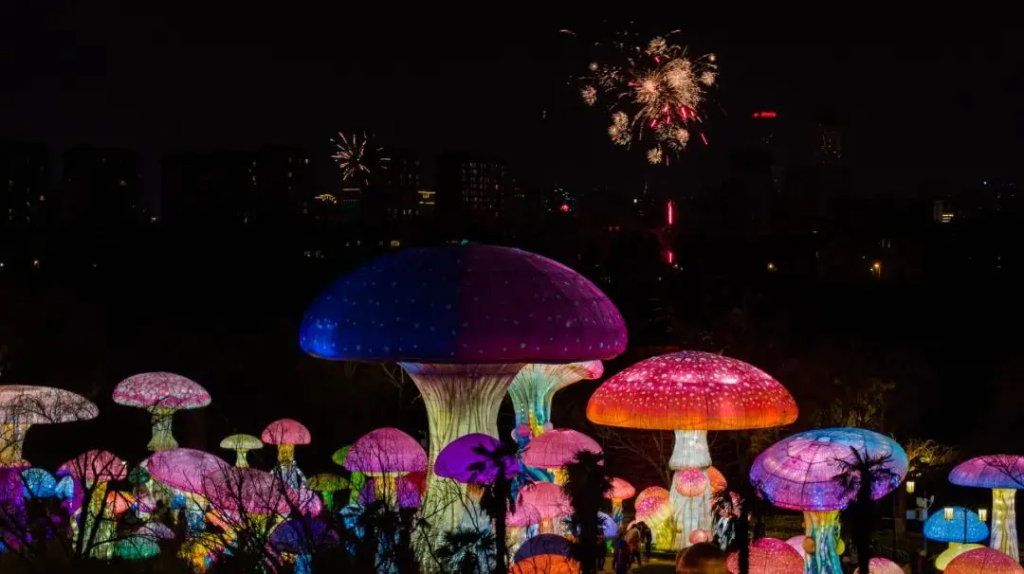
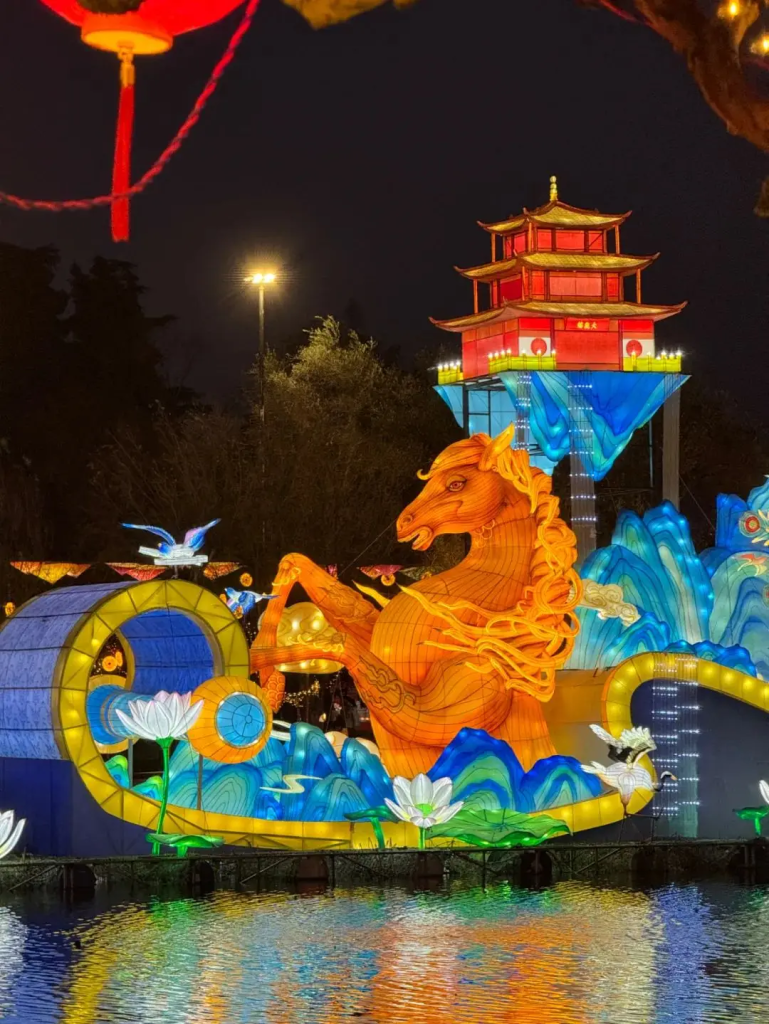
The Chinese Lunar Lantern Festival, also known as the Yuan Xiao Festival, is a vibrant celebration that marks the end of the Chinese New Year festivities. This enchanting festival, rich in history and culture, is an opportunity for families to come together, enjoy delicious food, and marvel at the stunning displays of lanterns that illuminate the night sky.

The Origin of the Lantern Festival

The Lantern Festival is a traditional Chinese holiday that dates back over 2,000 years to the Western Han Dynasty. The custom of enjoying lanterns began during the Ming Dynasty under Emperor Ming, who promoted Buddhism. It is said that on the 15th day of the first lunar month, monks would observe Buddhist relics and light lamps in reverence. In response, the emperor ordered that lamps be lit in the palace and temples on this night, encouraging both nobles and commoners to hang lanterns. Over time, this Buddhist ceremonial festival gradually evolved into a grand folk celebration. The festival has transitioned from the imperial court to the general public and expanded from the Central Plains to the entire country. As the tradition evolved, lanterns became a central feature of the celebrations, symbolizing hope, prosperity, and good fortune.

How the Chinese Celebrate the Festival

The Lantern Festival is celebrated with various customs and activities that bring communities together. Here are some of the most cherished traditions:

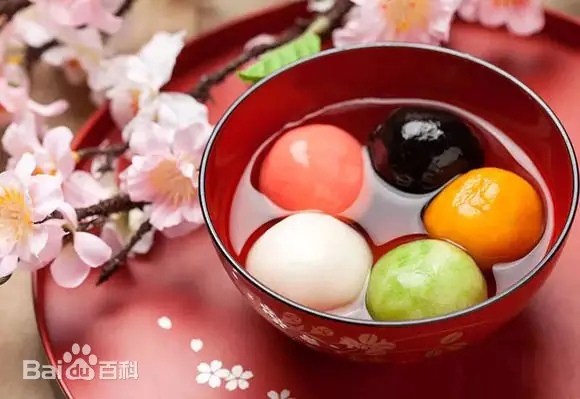
Eating Tangyuan: A key highlight of the festival is the consumption of tangyuan, sweet glutinous rice balls filled with various fillings such as sesame paste, red bean paste, or peanut butter. These round dumplings symbolize family unity and togetherness.

Fireworks: In many regions, fireworks are set off to celebrate the occasion, adding to the festive atmosphere and marking the end of the New Year celebrations.

Lion Dances and Dragon Dances: Traditional lion and dragon dances are performed to ward off evil spirits and bring good luck. The rhythmic drumming and vibrant costumes add to the festive spirit.

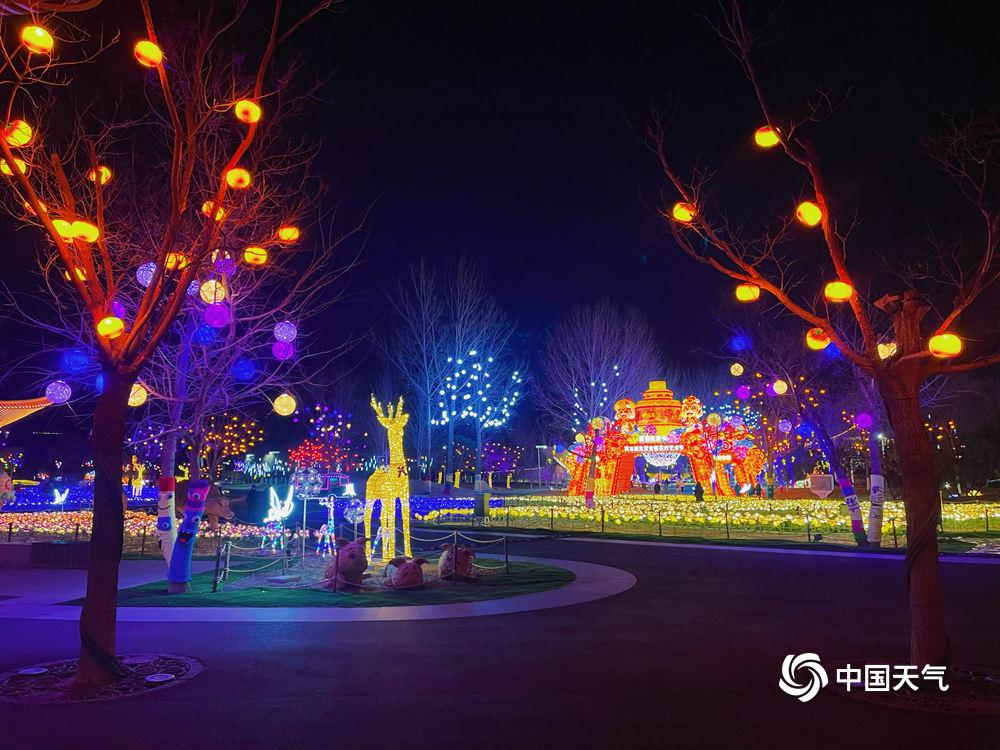
Lantern Displays: People of all ages create and display colorful lanterns, often in intricate shapes and designs. These lanterns can be found in parks, streets, and temples, creating a magical atmosphere.

Solving Lantern Riddles: A fun and engaging activity during the festival is solving riddles written on lanterns. Families and friends gather to test their wits and enjoy the playful competition.

The Most Beautiful Places to See Lanterns

If you’re looking to experience the beauty of the Lantern Festival, several locations across China are renowned for their stunning lantern displays:

  1. Beijing: The city’s parks, such as the Yuanmingyuan Park and the Temple of Earth Park, host impressive lantern displays, attracting thousands of visitors each year.
  2. Shanghai: The Yuyuan Garden in Shanghai is transformed into a lantern wonderland, featuring elaborate designs and a lively atmosphere, making it a must-visit during the festival.
  3. Hangzhou: Known for its picturesque West Lake, Hangzhou hosts beautiful lantern displays that reflect off the water, creating a breathtaking sight.
  4. Chaozhou: This city in Guangdong Province is famous for its traditional lantern-making techniques, and visitors can witness the craftsmanship and creativity of local artisans.
Beijing

Beijing

Beijing

HangZhou

Shanghai

Shanghai Yuyuan Lanter Festival
ChaoZhou

Chaozhou

Chaozhou

Chaozhou

Kunming Da Guan Lou

Kunming Da Guan Lou

The Chinese Lunar Lantern Festival is a captivating celebration that brings together tradition, culture, and community. As families gather to enjoy delicious food, admire beautiful lanterns, and participate in lively activities, the festival serves as a reminder of the importance of unity and hope. Whether you’re in China or celebrating from afar, the Lantern Festival is a time to reflect on the past year and look forward to the future, illuminated by the light of countless lanterns.

Link:https://peacelilysite.com/2025/02/13/celebrating-the-chinese-lunar-lantern-festival-a-journey-through-tradition-and-light/

Discover the Enchanting Ice and Snow World of Harbin, China

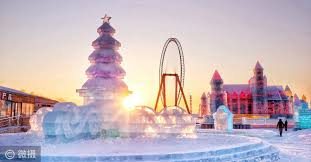
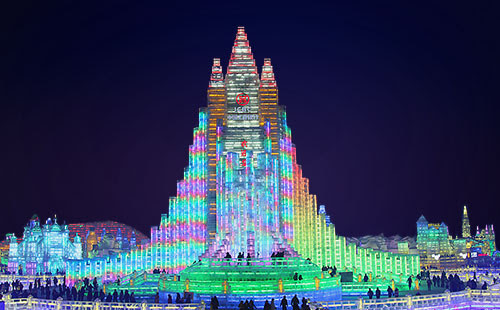
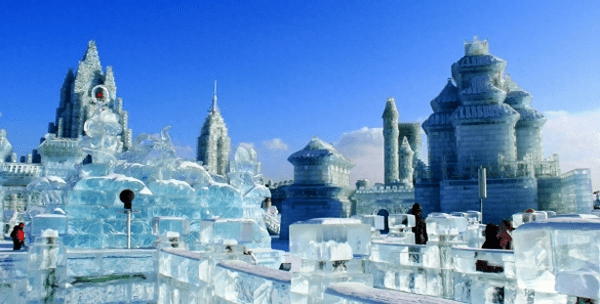
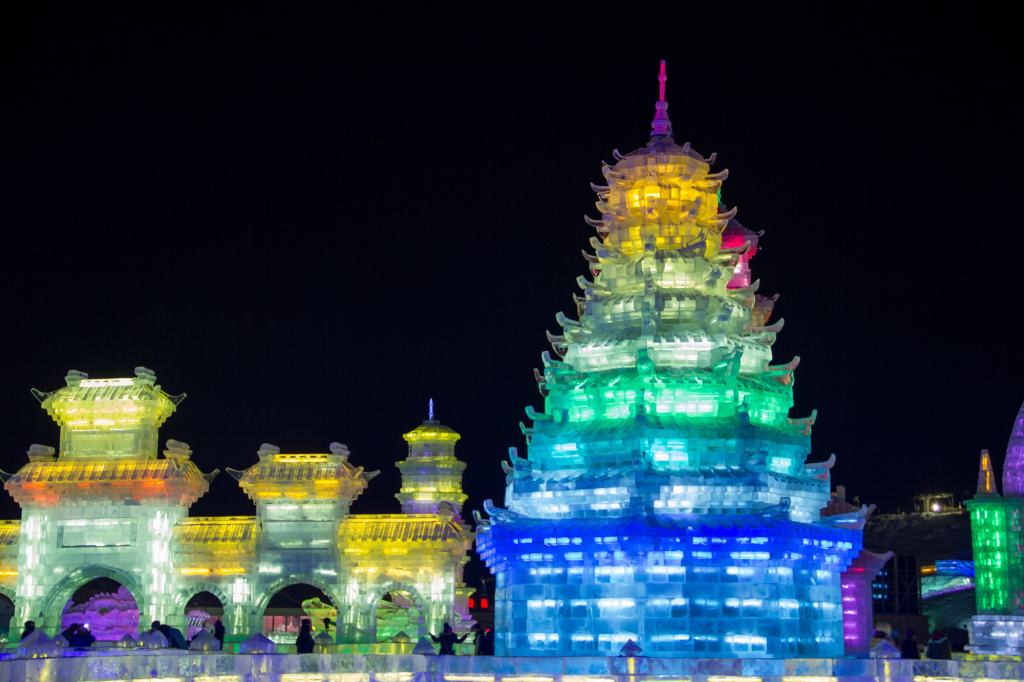
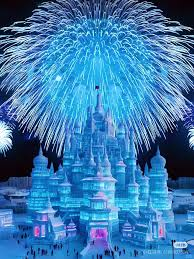
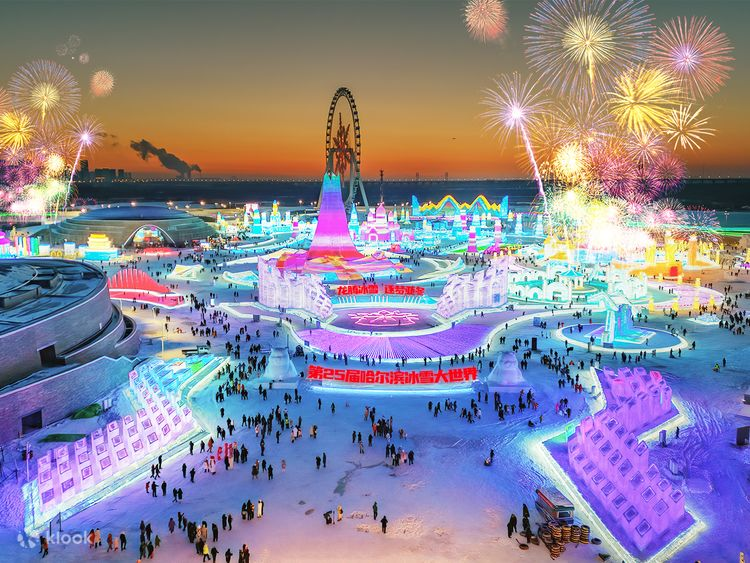
As winter blankets the northern regions of China, the city of Harbin transforms into a breathtaking wonderland, captivating visitors with its stunning ice and snow sculptures. Known as the “Ice City,” Harbin hosts the annual Harbin International Ice and Snow Festival, one of the largest and most spectacular winter festivals in the world.

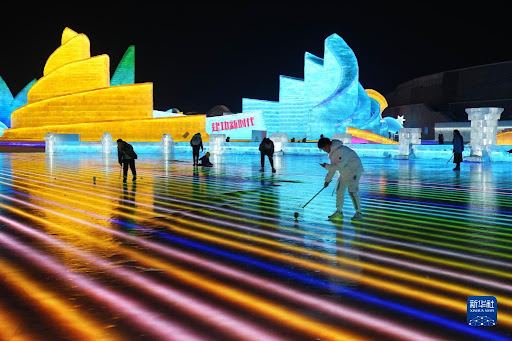
Every year, from early January to late February, Harbin comes alive with vibrant ice and snow displays that showcase the incredible artistry and creativity of sculptors from around the globe. The festival features massive ice castles, intricate sculptures, and dazzling light displays that create a fairy-tale atmosphere. The main venue, the Harbin Ice and Snow World, spans over 600,000 square meters and is filled with stunning structures made entirely of ice blocks harvested from the nearby Songhua River.

Marvel at the Sculptures

Walking through the festival is like stepping into a dream. You’ll find life-sized replicas of famous landmarks, such as the Eiffel Tower and St. Basil’s Cathedral, all crafted from glistening ice. The attention to detail is astounding, with artists using colored lights to enhance the beauty of their creations. Each year, the sculptures reflect a different theme, ensuring that no two festivals are alike.

Engage in Winter Activities

Beyond the awe-inspiring sculptures, Harbin offers a plethora of winter activities to keep visitors entertained. Ice skating, snow tubing, and even ice swimming are just a few of the thrilling experiences you can enjoy. For those seeking a more leisurely pace, horse-drawn sleigh rides through the snow-covered landscape provide a charming way to soak in the winter scenery.

Cultural Experiences

Harbin is not just about ice and snow; it’s also a city rich in history and culture. The influence of Russian architecture is evident throughout the city, particularly in the stunning St. Sophia Cathedral. Take the time to explore the local cuisine as well, with hearty dishes like dumplings and hot pot that are perfect for warming up after a day in the cold.

If you’re considering a trip to Harbin, be sure to dress warmly! Temperatures can drop well below freezing, so layers, thermal clothing, and insulated boots are essential. The best time to visit is during the festival, but the beauty of Harbin’s winter landscape can be enjoyed throughout the snowy season.

Link:https://peacelilysite.com/2025/02/04/discover-the-enchanting-ice-and-snow-world-of-harbin-china/

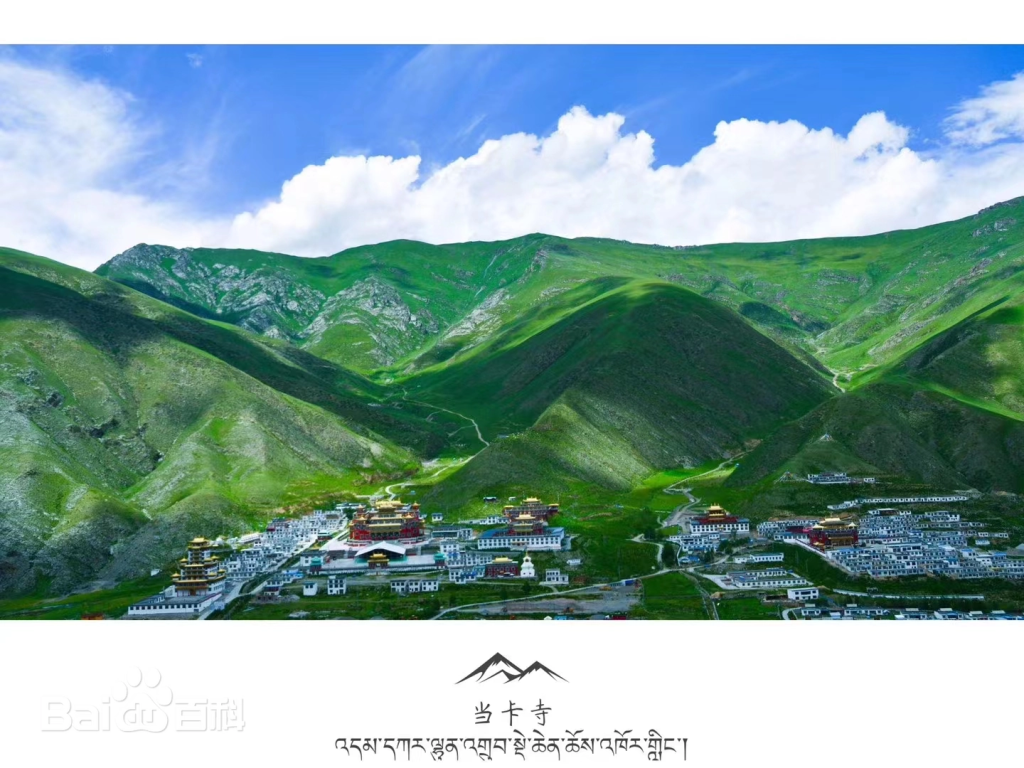
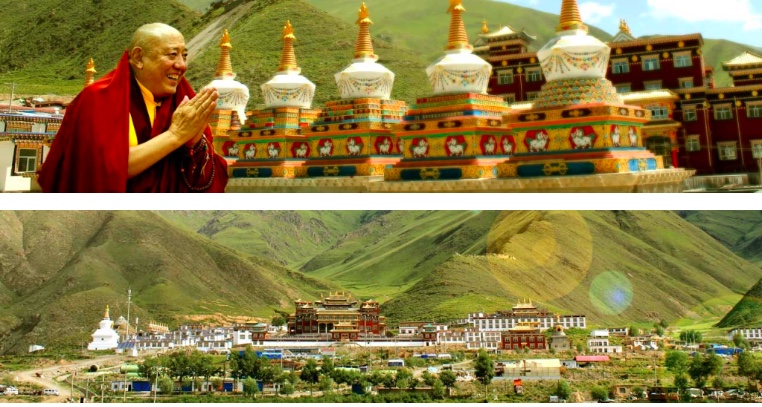
Dangkar Monastery: A Sacred Jewel in the Mountains of Yushu

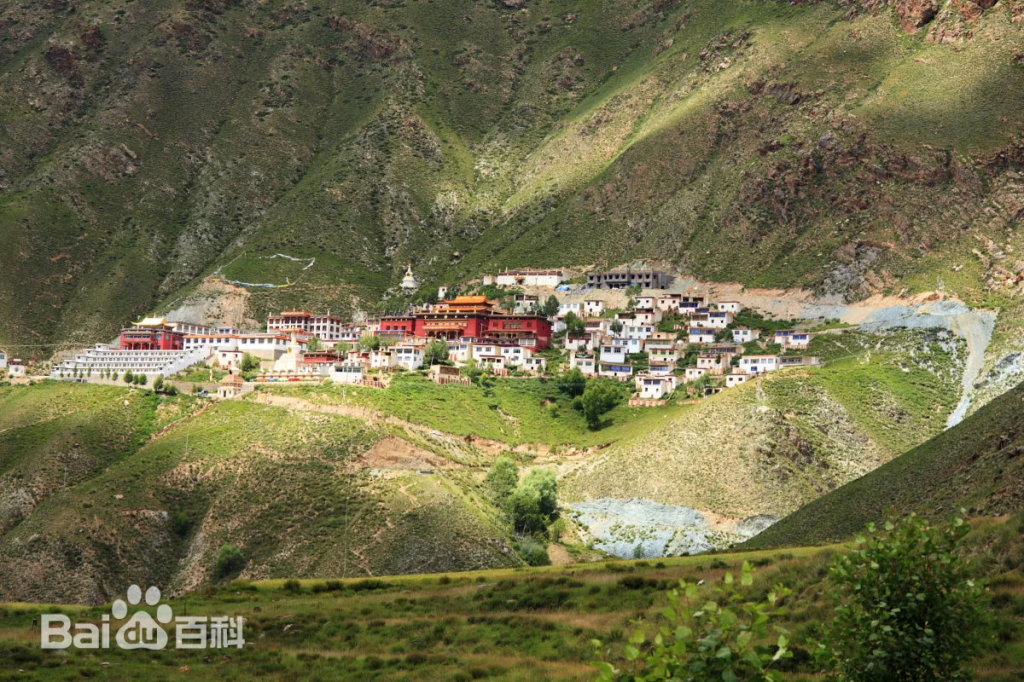
Nestled in the serene mountains of Qinghai Province, Dangkar Monastery stands as a sacred sanctuary of Tibetan Buddhism. Located in Qianjin Village, Jiegu Subdistrict, Yushu City, this revered monastery traces its origins back over 800 years to its founder, Bacha Daodai (the First Tumuchuje). As a spiritual stronghold of the Karma Kagyu lineage, it has long been a place of devotion, practice, and enlightenment.

A Monastery Born from Divine Signs

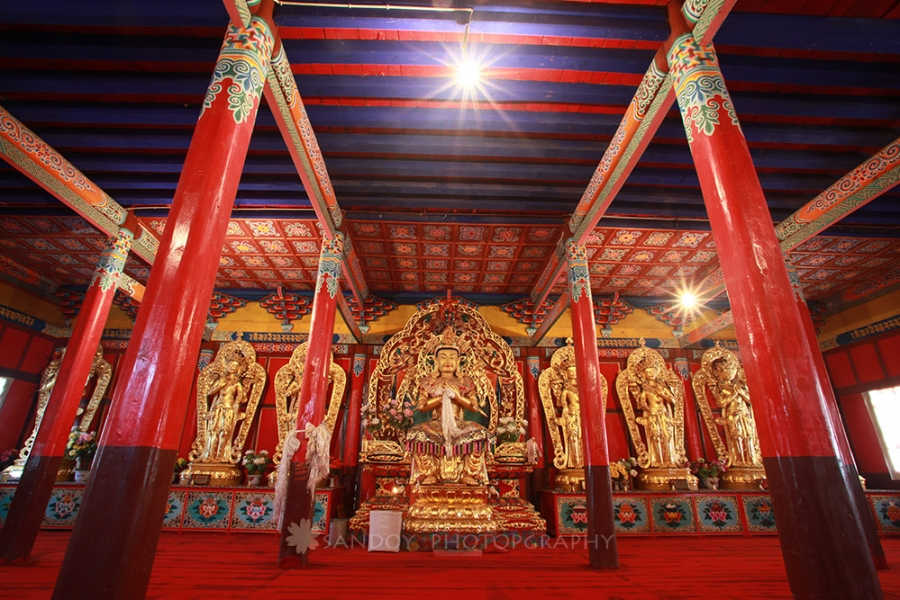
Dangkar Monastery is perched along the slopes of Zhazeng Dasa Mountain, its architectural design harmonizing with the natural landscape. The monastery’s structure is said to resemble Avalokiteshvara in a state of serene repose, with the lower part forming the mystical image of eight dragons coiling beneath, signifying divine protection and spiritual power.

The monastery’s foundation is deeply intertwined with auspicious omens. Following the guidance of his master, Dusum Khyenpa, Bacha Daodai ventured to the Gyeri mountains in Kham, where he meditated in the sacred Godtsang Karmo Cave. During the search for a suitable site to build the monastery, several miraculous signs emerged. One such event remains legendary—faced with a lack of water, Bacha Daodai plunged his staff into the earth, and from that very spot, a pure spring gushed forth. To this day, this sacred water source continues to flow, known as the nectar spring of Dangkar Monastery.

Trials of Destruction and the Path to Revival

The monastery has faced its share of hardships. Between 1958 and the Cultural Revolution, Dangkar Monastery suffered severe destruction, with all its buildings reduced to ruins. But in 1981, the 18th Dumu Quji Rinpoche embarked on a mission to restore this sacred site. The early days of reconstruction were fraught with difficulties—there was no funding, no infrastructure, and no resources. To finance the project, Rinpoche sold his sisters’ personal offerings, including dzi beads and coral, using the proceeds to procure wood from Suman Township, a region abundant in timber.

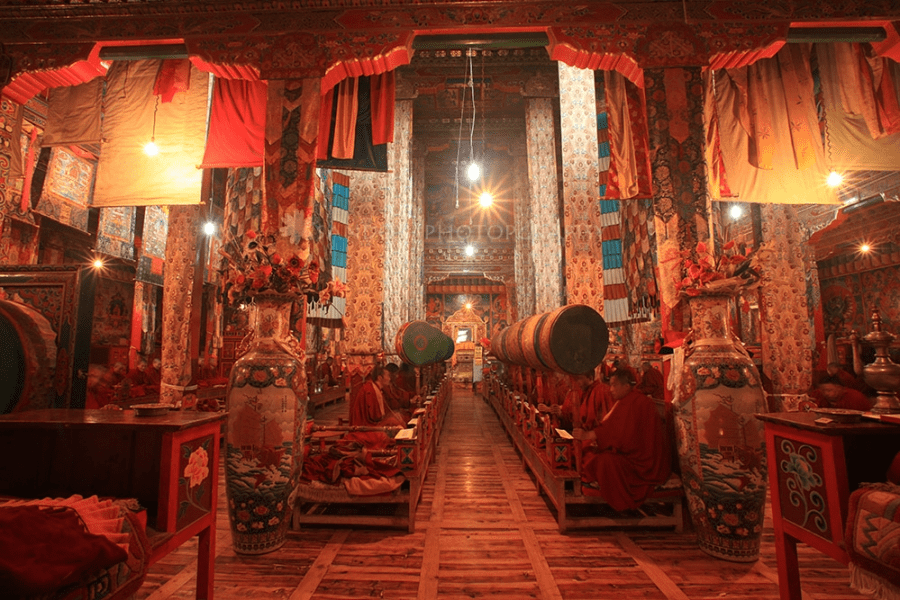
Transporting materials was an arduous journey, plagued by treacherous roads and unpredictable weather. Vehicles often became trapped in deep mud, forcing monks and workers to spend nights in the wilderness without food. When the timber finally arrived, another challenge arose—there was no accessible road to the monastery. Everything had to be manually carried up the mountain, plank by plank, through sheer human perseverance. After years of relentless effort, the first rebuilt assembly hall was completed. (Notably, the 17-pillared hall that stands today was built entirely by hand, using timber painstakingly transported from Suman Township.)

A Legacy of Spiritual Dedication

Despite financial constraints, Dumu Quji Rinpoche’s vow to serve sentient beings never wavered. Over the years, he oversaw the construction of essential facilities, including the Lama Institute, the Dharma Protector Hall, and two retreat centers. These retreat centers remain vital spaces for deep meditation—one dedicated to the Six Yogas of Naropa (Mahamudra) and the other to Dzogchen teachings, each accommodating up to 30 lamas.

In 1994, responding to an invitation from the Hong Kong Karma Kagyu Center, Rinpoche traveled to Hong Kong to spread the Dharma. His teachings soon reached disciples across Hong Kong, Xiamen, Shenzhen, Guangzhou, Huizhou, and Shanghai, drawing practitioners from all over China’s southern coastal regions.

A Thriving Spiritual Community

Over the past two decades, Dangkar Monastery has risen from the ashes of destruction to become a flourishing center of Buddhist practice. Under the compassionate guidance of Dumu Quji Rinpoche, the monastic community has grown to include approximately 200 lamas, making it one of the largest Karma Kagyu monasteries in the Yushu region.

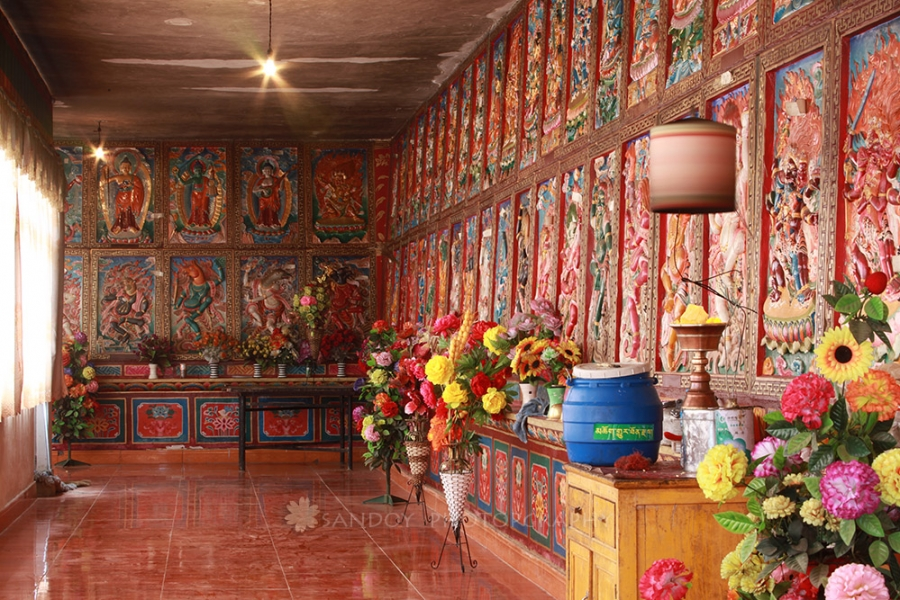
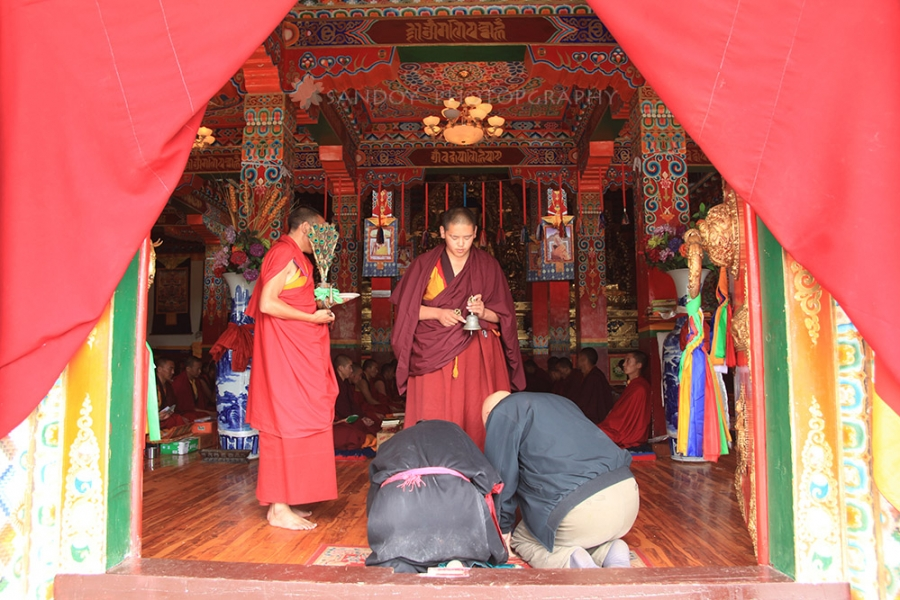
Stepping into the grand assembly hall, visitors are greeted by majestic Buddha statues and the resonant echoes of sacred chants that purify the soul. The atmosphere exudes an aura of deep serenity and divine presence, inspiring all who enter to contemplate the path to enlightenment.

Link:https://peacelilysite.com/2025/01/30/dangkar-monastery-a-sacred-jewel-in-the-mountains-of-yushu/

Source: photos from http://www.wtrgd.com/case/showimg.php?lang=cn&id=63

BRIEF INTRODUCTION TO THE SUPREME LEADEROF JONANG SECT H.H. DHARMA KING JIGME DORJE

Within Tibetan Buddhism, the Jonang sect has been known around the world for the true practice of its followers. There currently are two dharma kings who are in charge of the dharma teachings of the Jonang sect. One of them is the head of the Zangwa Monastery, H.H. Dharma King Jigme Dorje. The other is H.H. Dharma King Ngagwang Pedma Namgyal Palzangpo of the Longshijia Monastery. There is also a young future sect leader, Jianyang Lezhu Rinpoche, who is vice-head of the Zangwa Monastery.

When Shakyamuni Buddha lived in the world, H.H. Dharma King Jigme Dorje Rinpoche was already a great Bodhisattva in that lifetime. H.H. Dharma King Jigme Dorje was born in 1944 accompanied by various amazing auspicious signs that cannot be fully described. As a child, he never did anything to upset his parents, such as crying or acting in a common, childish way. He was very much different from other children. The masters of a monastery, as well as the monastics and laypersons in that monastery who handled monastery matters, all praised the child as being the incarnation of a wonderful Bodhisattva who had come back to this world voluntarily. Later, he went to the headquarters of the Jonang sect, the Zangwa Monastery in Rangtang, where he worshipped the Buddhas. His uncle, the Sai Rinpoche by the name of Awang Genga Phuntsok who lived at the Zangwa Monastery, saw that this child was the incarnation of a holy being. In accordance with the dharma, Awang Genga Phuntsok Rinpoche recognized that the child was the true reincarnation of a rinpoche who had been the head of the Zangwa Monastery. In accordance with the dharma rules, Lama Danba Daji from Xiayan, Lama Aguoba from Hongtu, and others practiced the dharma, entered holy supernatural states, and confirmed the accuracy of Awang Genga Phuntsok Rinpoche’s conclusion. They then made their formal pronouncements concerning the identity of H.H. Jigme Dorje. Moreover, the International Buddhism Sangha Association held an unprecedented Drawing Lots From a Golden Vase Ceremony to affirm the true reincarnated identity of H.H. Dharma King Jigme Dorje and others. There were ten possible identities recognized by various rinpoches. One lot was drawn from among 120 lots to affirm the true reincarnated identity of H.H. Dharma King Jigme Dorje. That drawing affirmed that H.H. Dharma King Jigme Dorje is the incarnation of Shambhala King Suchandra, which is the reincarnated identity that H.H. Dorje Chang Buddha III recognized before that lot was drawn.

After the formal enthronement ceremony for H.H. Jigme Dorje Rinpoche was performed at Saige Monastery in Aba County and the celebration of the enthronement ceremony was performed at Zhuoge Monastery, the rinpoche returned to Zangwa Monastery. The intelligence of the rinpoche is extraordinary. He was able to thoroughly learn and recite the scriptures, treatises, and rituals without having to exert himself. He later served as a disciple under his root master, Awang Gongqiu Daji, who was the Vajra Master of the Zangwa Dazang Monastery and the 44th Kalachakra Dharma King of the Jonang sect. Under H.H. Awang Gongqiu Daji, the rinpoche learned and practiced the five preliminary practices of the Jonang sect and the generation and completion stages of the Kalachakra Vajra the Six Yogas. He reached perfect merit in every dharma he practiced.

When the rinpoche was eight years old, he succeeded to the throne of the head of the Zangwa Monastery. However, at this time, his uncle, the Sai Rinpoche, and H.H. Dharma King Awang Gongqiu Daji predicted to H.H. Jigme Dorje Rinpoche that changes in the world situation would occur that would be disadvantageous to Buddhism. They told the rinpoche to go back to Aba County and that in the future, when the world situation stabilizes, he should return to the Zangwa Monastery and teach the dharma. Afterward, the Sai Rinpoche passed away and later H.H. Dharma King Awang Gongqiu Daji passed away as well. H.H. Jigme Dorje Rinpoche then went to Aba County, where he requested and received the complete precepts from Lama Tujihua of Sai. He later served as a disciple under another root master, Lama Kesang, who is the nirmanakaya of the Eleven-Faced Kuan Yin Bodhisattva. Under Lama Kesang, the rinpoche learned all of the initiation and lineage teachings. During this time period, he both herded goats and cultivated himself in caves, tree holes, and other places while traveling from mountain to mountain. He realized the state of viewing all phenomena as equal and the state where the mind is not affected by the situation one encounters. Thus, he became a free and unhindered person of great accomplishment in the dharma. He then lived in a cave, where he continued his practice of the dharma.

After the restraints on religion were slightly eased, the supreme leader of the Jonang sect, H.H. Dharma King Yundan Sangbu of the Zangwa Monastery in Rangtang, twice dispatched people to the cave at the Zilang Monastery in Aba County (that was the cave in which Maji Lazun practiced the Xiduan Dharma) where the rinpoche was staying. H.H. Dharma King Yundan Sangbu did so based upon the formal pronouncements of certain great masters of the past. When those dispatched arrived, they invited H.H. Jigme Dorje Rinpoche to go to the Zangwa Monastery and lead the teaching of the Buddha-dharma. There was a third visit when H.H. Dharma King Yundan Sangbu himself went to that cave at the Zilang Monastery, bringing with him a kharda (white silk scarf). When the two venerable ones met, they praised each other. H.H. Dharma King Yundan Sangbu repeatedly urged H.H. Jigme Dorje Rinpoche to follow the formal pronouncements of those great masters of the past by going to the Zangwa Dazang Monastery, by leading the teaching of the Buddha-dharma of the Jonang sect at that monastery, and by being the monastery’s retreat lineage Vajra Master. H.H. Jigme Dorje Rinpoche then gave his response to the formal pronouncements of those three masters of the past (H.H. Dharma King Gongqiu Daji, the Sai Rinpoche, and Lama Kesang) that he must go to the Zangwa Monastery in Rangtang. He respectfully said to H.H. Dharma King Yundan Sangbu, “Your merit and cultivation are like those of my father. You are my master. I will carry out your instructions well!”

After H.H. Jigme Dorje Rinpoche returned to the Zangwa Monastery at Rangtang, he helped H.H. Dharma King Yundan Sangbu restore the monastery and build Buddhist statues. The rinpoche performed initiations and dharma transmissions at regular intervals and guided those on retreat. He perpetuated the dharma teachings of the Jonang sect in this human world and propagated such teachings around the world.

In accordance with the rules handed down by the historical masters, H.H. Dharma King Yundan Sangbu personally handed over to H.H. Jigme Dorje Rinpoche in 1998 certain precious objects passed down through the generations by past masters, such as a vajra bell, a vajra, and the writing called “Guiding Text You Will Know Its Meaning When You See It.” He also formally conferred upon H.H. Jigme Dorje Rinpoche the positions of 47th dharma throne holder of the Jonang Kalachakra lineage and 11th Vajra Master of the Zangwa Dazang Monastery. After H.H. Dharma King Yundan Sangbu passed away, H.H. Dharma King Jigme Dorje became the supreme leader of the Jonang sect.

After H.H. Dharma King Jigme Dorje saw who His Holiness Dorje Chang Buddha III Wan Ko Yeshe Norbu is through the limitless omniscience displayed in A Treasury of True BuddhaDharma, he stated that His Holiness Wan Ko Yeshe Norbu has reached the highest state of Buddhahood in the few-thousand-year history of Buddhism, having truly attained complete.

CONGRATULATIONS
United International World Buddhism Association Headquarters:
On behalf of the Jonang sect, I hereby respectfully congratulate H.H. Dorje Chang Buddha III Wan Ko Yeshe Norbu for directly propagating in this world the teachings of Buddhism. Such teachings have benefited countless living beings in their practice of the dharma and have caused countless living beings to obtain deep blessings and wisdom. The book A Treasury of True Buddha-Dharma especially shows this Buddha’s complete proficiency in exoteric and esoteric Buddhism and perfect mastery of the Five Vidyas. Such superlative accomplishments are truly unprecedented in the past few thousand years, outshining the accomplishments of all others, both ancient and modern. His Holiness is a shining paragon among Buddhas. May this inexhaustibly mighty light and power of compassion continue so that His Holiness forever teaches the dharma and forever remains in the world. I place my palms together and respectfully praise His Holiness.

I respectfully prostrate to H.H. Dorje Chang Buddha III, Wan Ko Yeshe Norbu!
Supreme Dharma King of the Jonang Sect
Jigme Dorje
May 8, 2007

Link:https://peacelilysite.com/2025/01/10/brief-introduction-to-the-supreme-leaderof-jonang-sect-h-h-dharma-king-jigme-dorje/

Source: A Treasury of True Buddha Dharma


The Enchanting Red Panda: A Masterpiece by H.H. Dorje Chang Buddha III

In this exquisite artwork, the slightly reddish small animal depicted is an extraordinarily rare and precious creature known as the red panda, also referred to as the small panda. H.H. Dorje Chang Buddha III, with His masterful artistic techniques, brings this delicate creature to life in a way that captivates the viewer’s heart.

The red panda, native to the eastern Himalayas and southwestern China, is known for its striking reddish-brown fur, bushy ringed tail, and expressive face. H.H. Dorje Chang Buddha III skillfully captures these natural features, emphasizing the panda’s endearing innocence and elegance. The slightly upturned tail, adorned with subtle yet distinct spots, adds a dynamic sense of movement and charm. This tail gracefully echoes the surrounding elements of nature, blending harmoniously with the drooping round leaves of the willow branches. The careful balance between the animal and its environment enhances the visual poetry of the piece.

A particularly remarkable aspect of this painting is the technique used to depict the panda’s face. H.H. Dorje Chang Buddha III employs a calligraphic brushstroke style, reminiscent of traditional Chinese ink painting, to portray the panda’s features with simplicity yet profound expressiveness. The crystal-clear, soulful eyes seem to glisten with life, while the velvety black fur is rendered with such fluidity and precision that it conveys both softness and texture.

Through masterful control of brush pressure, ink flow, and color layering, H.H. Dorje Chang Buddha III achieves a perfect balance of realism and artistic interpretation. Each stroke reveals deep insight into both the subject’s physical form and its spiritual essence, a hallmark of true artistic mastery.

The meticulous attention to detail and the profound artistic wisdom evident in this painting reflect H.H. Dorje Chang Buddha III’s extensive experience and unparalleled skill. This artwork is not merely a visual delight but a spiritual expression, reminding viewers of the beauty and fragility of life and the interconnectedness between all living beings and nature. It stands as a testament to the profound depth of both artistic technique and compassionate vision embodied in the works of H.H. Dorje Chang Buddha III.

This beautiful artwork is part of the permanent exhibition at the International Art Museum of America, located in downtown San Francisco.

Link:https://peacelilysite.com/2025/01/10/the-enchanting-red-panda-a-masterpiece-by-h-h-dorje-chang-buddha-iii/

San Francisco Hua Zang Si Temple Celebrates 20th Anniversary with Charity Event: “Love Without Limits” Donation Drive


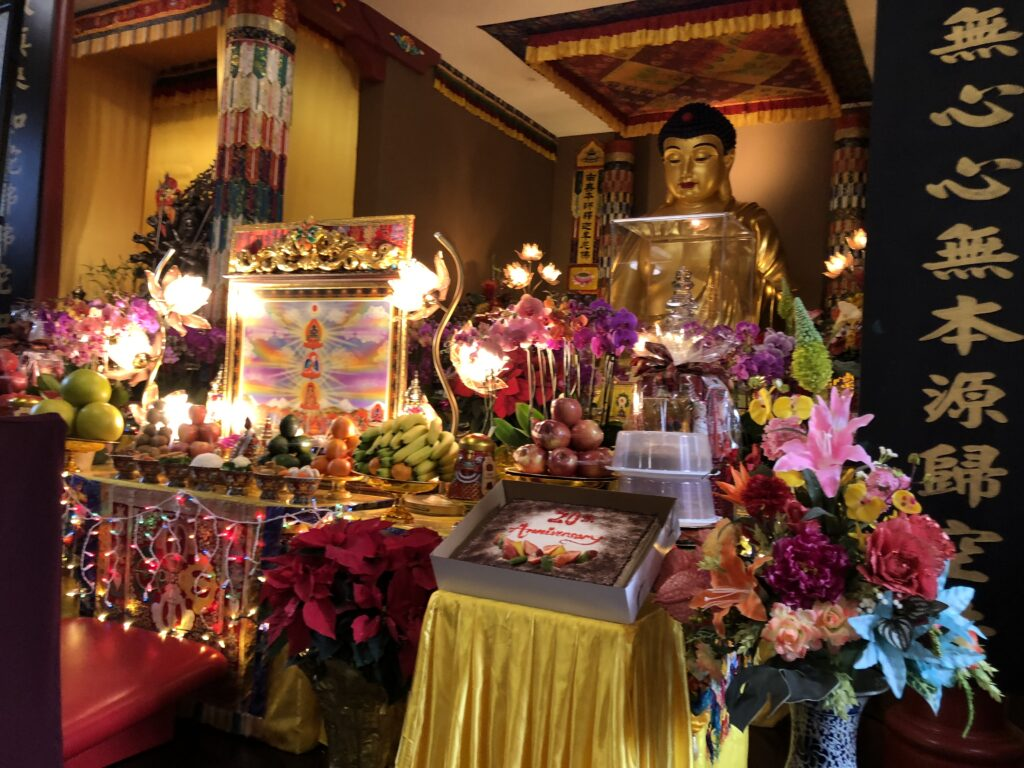
San Francisco Hua Zang Si Temple Celebrates 20th Anniversary with Charity Event: “Love Without Limits” Donation Drive Photo Courtesy: Joyce Lee (The Hua Zang Si Temple held a Dharma Assembly to celebrate the Holy Birthday of Amitabha Buddha)

The San Francisco Hua Zang Si Temple, inaugurated on December 26, 2004, upholds and promotes the genuine teachings of H.H. Dorje Chang Buddha III, the incarnation of the primordial Buddha, and the World-Honored Shakyamuni Buddha, extending boundless compassion and kindness to all beings. 

Guided by the teachings of H.H. Dorje Chang Buddha III, Hua Zang Si Temple has actively participated in various charitable activities for many years, including organizing New Year entertainment events in nursing homes, assisting with hospital relocations, providing food relief to disaster-affected areas, and holding garage sales, with all proceeds donated to vulnerable groups. The temple expressed their hope that this spirit of helping others will continue to flourish: “In acts of kindness, seeds of virtue grow, a family that sows goodness finds happiness in full flow.”

San Francisco Hua Zang Si Temple Celebrates 20th Anniversary with Charity Event: "Love Without Limits” Donation Drive
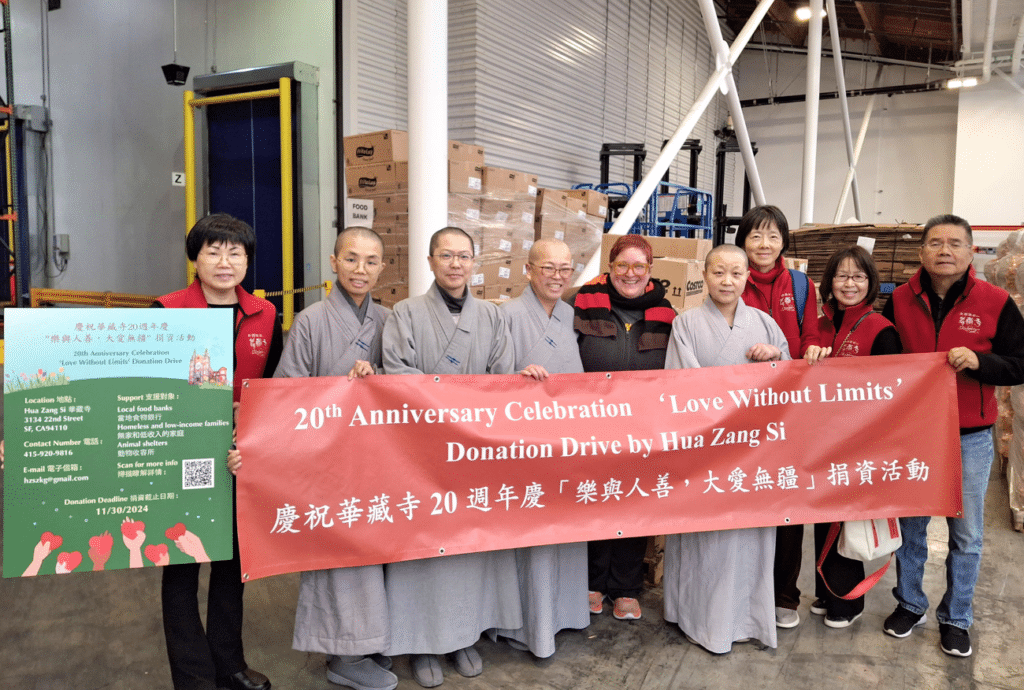
Photo Courtesy: Natty Kao (Nuns from Hua Zang Si Temple and volunteers from the Dharma-Protecting Fellowship of Hua Zang Si donated items to San Francisco Marin Food Bank.)

To commemorate its 20th anniversary, Hua Zang Si launched a month-long charity drive titled “Love Without Limits” in November, supporting animal rescue centers, homeless and low-income families, and local food banks. On the morning of December 15, a Dharma Assembly was held to celebrate the Holy Birthday of Amitabha Buddha, praying for world peace and the well-being of all people. The afternoon featured a 20th-anniversary performance and raffle, attended by nearly 300 people.

By December, Hua Zang Si had collected a total of 812 items, categorized into three main types: 241 animal supplies, including dog collars, walking harnesses, pet carriers, and disposable puppy pads; 211 baby and cookware items, including baby bottle drying racks, baby bodysuits, air fryers, and cookware sets; and a total of 2,265 pounds of food, including rice, pasta, and other food items. On December 11, nuns from Hua Zang Si Temple and volunteers from the Dharma-Protecting Fellowship of Hua Zang Si delivered these items to Muttville Senior Dog Rescue, the Homeless Prenatal Program (HPP), and the San Francisco Marin Food Bank.

San Francisco Hua Zang Si Temple Celebrates 20th Anniversary with Charity Event: "Love Without Limits” Donation Drive
Photo Courtesy: Joyce Lee 
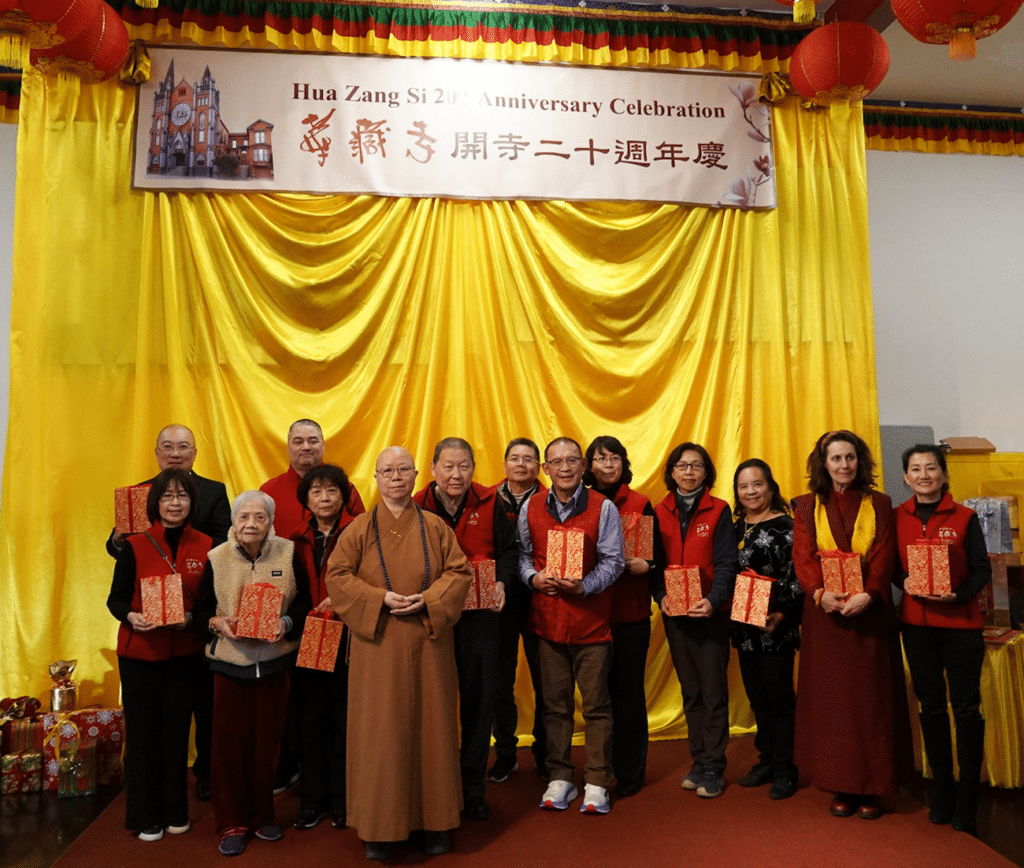
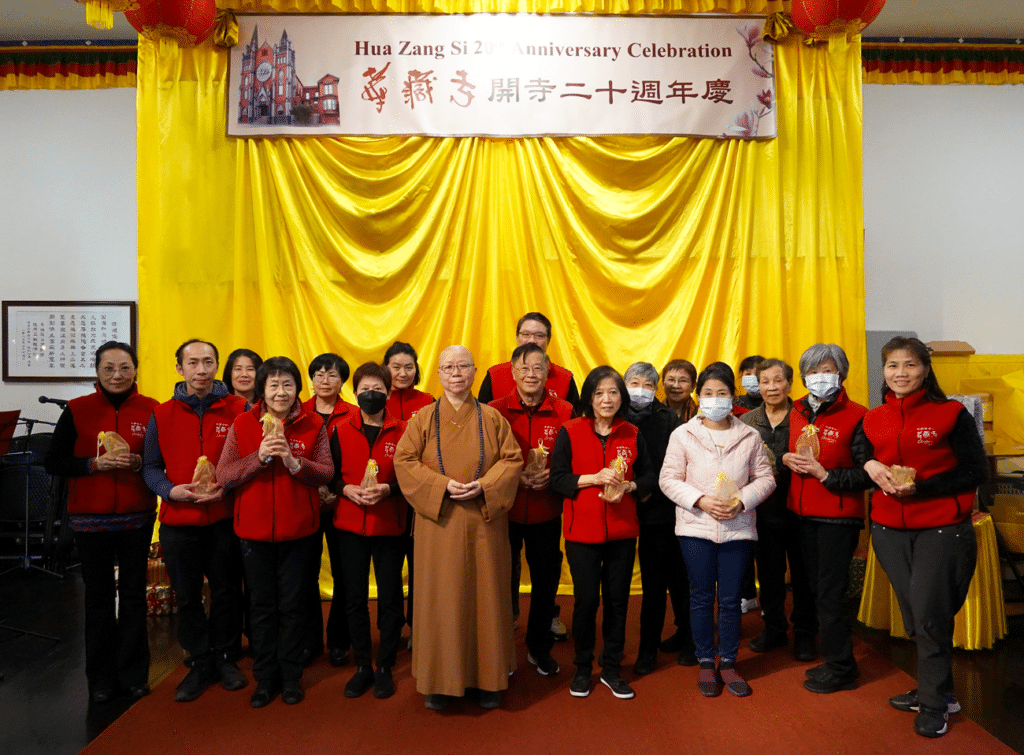
(The abbess of Hua Zang Si Temple awarded 20 years’ service awards to volunteers.)
Photo Courtesy: Joyce Lee (The abbess of Hua Zang Si Temple awarded 20 years’ service awards to volunteers.)

As the first cage-free rescue organization in the U.S. and California’s first nonprofit dedicated to rescuing senior dogs, Muttville has rescued nearly 13,000 senior dogs over the past 17 years, providing support for about 100 senior dogs each month. The generous donations from Hua Zang Si were gratefully received, greatly aiding in the care and rehoming efforts for these senior dogs.

The San Francisco Marin Food Bank, a nonprofit organization dedicated to addressing hunger in San Francisco and Marin counties, distributed over 60 million pounds of food this year, thanks in part to Hua Zang Si’s year-end support. In these regions, one in five people faces food insecurity, and the temple’s contributions have significantly bolstered the food bank’s efforts. The donated food from the temple will be utilized in various community programs, including after-school programs, Boy and Girl Scouts, ensuring that nutritious meals reach those in need.

San Francisco Hua Zang Si Temple Celebrates 20th Anniversary with Charity Event: "Love Without Limits” Donation Drive
Photo Courtesy: Joyce Lee
(The abbess of Hua Zang Si Temple awarded 10 years’ service awards to volunteers.)

The Homeless Prenatal Program (HPP), a renowned family support center in the U.S, serves over 4,000 vulnerable families each year, particularly aiding mothers seeking assistance during pregnancy and parenting. The temple’s donations have significantly enhanced HPP’s ability to support mothers and children facing life challenges.

On the afternoon of December 15, the 20th-anniversary celebration was held in the main shrine of Hua Zang Si, featuring live performances of several classic philosophical songs with lyrics written by H.H. Dorje Chang Buddha III, cello performances of various songs, a mesmerizing Tibetan dance, and an exciting raffle with numerous prizes. The event provided a visual and auditory feast for nearly 300 attendees. The celebration concluded with a heartfelt group sing-along of “Buddha Holding My Hand,” bringing the 20th-anniversary festivities to a perfect close.

Looking ahead, Hua Zang Si will continue to serve as a beacon of love and care within the community. They hope more people will join in these acts of kindness, creating a warm, loving, and harmonious society together.


The above article is from the World Reporter, December 23, 2024.

Link:https://peacelilysite.com/2025/01/08/san-francisco-hua-zang-si-temple-celebrates-20th-anniversary-with-charity-event-love-without-limits-donation-drive/