The Compassionate Vows of the Medicine Buddha: A Path to Health, Harmony, and Happiness

Source: Luobenkun Art museum

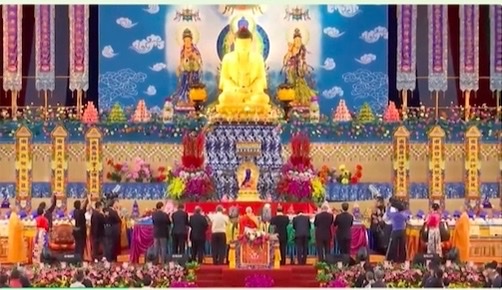
On the 29th day of the ninth lunar month, Buddhist disciples worldwide honor the birthday of Bhaisajyaguru Buddha, known as the Medicine Buddha or the Great Medicine King. He is also referred to as the Buddha of Twelve Great Vows, embodying deep compassion and healing. Presiding over the Pure Land of Lapis Lazuli Light in the East, the Medicine Buddha has inspired countless practitioners with his transformative teachings and boundless compassion.

Buddhist communities celebrate this sacred day with ceremonies, reciting the Medicine Buddha Sutra, learning from his teachings, and making offerings. The Medicine Buddha Sutra recounts Shakyamuni Buddha’s dialogue with Manjusri Bodhisattva, where he reveals the profound virtues of the Medicine Buddha’s Pure Land and the twelve vows he made as a bodhisattva. These vows reflect his deep empathy for beings suffering from illness, poverty, and ignorance, and his wish to liberate them from these afflictions. This sutra is not only a sacred text but also a guide for overcoming life’s challenges, helping us gain inner peace, health, and happiness.

The sutra explains the Medicine Buddha’s teachings with a unique emphasis on relieving suffering in this life. By focusing on the here and now, the Buddha’s teachings encourage us to look at our lives with clarity, understand our challenges, and gain relief from worldly troubles. This practical orientation gives the Medicine Buddha Sutra a distinctive place in Buddhist practice, emphasizing the importance of compassionate action and wisdom in daily life.

The Twelve Great Vows of the Medicine Buddha

First:
I vow to assist those impoverished and tormented by constant struggles. Those who come across my name, sincerely honor it, and practice Dharma to build their merit will see their wishes come true.

Second:
I vow that my body shall shine as beams of brilliant light across this infinite, boundless world, freeing all beings from ignorance and worry through my teachings. May all beings attain a perfect state of character, integrity, and enlightenment, like the Buddha.

Third:
I vow that my body shall be like flawless crystal, radiating splendid light to all corners, enlightening beings with wisdom. Through the blessings of compassion, may all beings gain spiritual power and physical strength to achieve their aspirations on a virtuous path.

Fourth:
I vow to grant all beings the inexhaustible resources they need, freeing them from pain and guilt caused by material desires. While essentials such as clothing, food, shelter, and transport are needed, they should be wisely used. May they generously share these resources within the community to foster harmony.

Fifth:
I vow to lead those who have strayed back to the path of righteousness, guiding them toward enlightenment on the Buddha way.

Sixth:
I vow to enable all beings to uphold precepts of purity and morality. If they falter, they shall be guided to repent. Those who sincerely regret their wrongdoings and vow to change, with faith in the Buddha, shall be forgiven and regain purity.

Seventh:
I vow that all beings who are physically disabled or ill will be blessed with both physical and mental health. Those who faithfully honor the Buddha will receive these blessings.

Eighth:
I vow to alleviate the suffering of the poor and sick. May the ill be cured, the helpless supported, and the impoverished uplifted.

Ninth:
I vow to relieve the suffering of women seeking transformation. By hearing my name, paying homage, and praying, may their wishes be fulfilled, leading them ultimately to Buddhahood.

Tenth:
I vow to release all beings from harmful thoughts. I will guide them to righteousness and honor, so they may walk the Buddha way on a path of light.

Eleventh:
I vow to save those who have sincerely repented, including prisoners and victims of natural disasters. Those who are sincere will receive my blessings and be freed from suffering.

Twelfth:
I vow to relieve those facing starvation or committing crimes for survival. If they hear my name and hold it dear, I will lead them to the benefits of Dharma and favor them with the sustenance they need, helping them to lead peaceful, contented lives.

The Medicine Buddha’s great vows remind us of the healing power of compassion and inspire us to live with kindness and selflessness. Whether through reciting his name, chanting his mantras, or making offerings, we are encouraged to practice not only for our own relief but also for the welfare of all beings. By embodying the virtues outlined in the Medicine Buddha Sutra, we aim to carry forward the Buddha’s compassionate mission, helping ourselves and others find happiness, harmony, and well-being.

May we all find solace and empowerment through the compassionate vows of the Medicine Buddha and live our lives with health, joy, and a sense of unity with all beings.

Link:https://peacelilysite.com/2024/10/31/the-compassionate-vows-of-the-medicine-buddha-a-path-to-health-harmony-and-happiness/

Source: https://www.baromkagyu.org/medicine

Mastery in Art: H.H. Dorje Chang Buddha III’s Exquisite Panda Painting

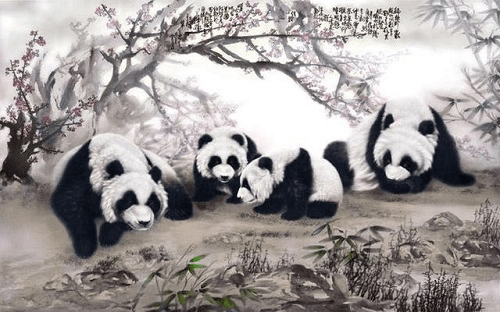
H.H. Dorje Chang Buddha III’s remarkable panda painting exemplifies a profound fusion of traditional Chinese painting and Western three-dimensional techniques, showcasing a unique mastery that elevates this artwork to an unparalleled realm. The Buddha meticulously captures the softness of the panda’s fur, detailing each hair with astonishing lifelikeness. The surrounding trees and scenery are equally vibrant, rendered with ink-splash techniques that lend a lively and enchanting quality, breathing life into the background. Every stroke in this artwork radiates a realism and elegance that words can scarcely convey.

In the foreground, delicate bamboo stalks contrast sharply with the misted backdrop, creating a powerful sense of spatial depth. This mist, drifting through the plum tree branches, draws the viewer’s gaze further into the forest, inviting them to immerse themselves in the crisp, refreshing atmosphere. With his seamless integration of artistic elements, H.H. Dorje Chang Buddha III achieves a captivating blend of classic beauty and dimensionality. The pandas, seemingly more beautiful and pristine than in life, appear freshly bathed in pure, clear waters—a vision of elegance and purity.

The painting’s harmony lies in the Buddha’s masterful approach of combining strength with gentleness, creating a scene of pandas at play, full of soft allure and charm. This balance exemplifies an artistic prowess beyond the reach of most artists. It is the interplay of surrounding elements, from mist to forest, that makes this panda masterpiece truly one of a kind.

Executed in the Kuangxi style—a hallmark of H.H. Dorje Chang Buddha III—this painting unites bold expressiveness with precision. This style combines vigorous, large-scale strokes that radiate energy with the delicate, fine brushwork of realism, resulting in an artwork that captures both elegance and raw intensity. The Buddha’s fusion of rough and refined strokes manifests as a work of art that is both dynamic and graceful, presenting a timeless visual experience that resonates deeply.

Link:https://peacelilysite.com/2024/10/25/mastery-in-art-h-h-dorje-chang-buddha-iiis-exquisite-panda-painting/

#MasterWanKoYee #DorjeChangBuddhaIII #HHDorjeChangBuddhaIII #IAMA #Art #Artitst #InternationalArtMuseumofAmerica #Panda #ChineseInkPaintings

Sun Simiao: The “Medicine King” of China and His Legacy of Compassionate Healing

Sun Simiao’s achievements in traditional Chinese medicine and his noble medical ethics are regarded as exemplary in history. As a renowned medical scholar of the Tang Dynasty, he is honored by later generations as the “Medicine King,” and his contributions continue to have a lasting impact. Born into a poor family in Jingzhao Huayuan (now Yaoxian District, Tongchuan City, Shaanxi Province), Sun Simiao was frail and sickly as a child, and his family’s savings were nearly depleted to treat his illnesses. The people around him lived in similar poverty, and many lost their lives due to a lack of medical treatment. This inspired the young Sun Simiao to dedicate his life to studying medicine, vowing to tirelessly work to relieve people’s suffering. He believed that “human life is precious, worth more than a thousand pieces of gold. Saving a life surpasses all else in merit.” This belief guided him throughout his medical career.

A widely circulated story illustrates Sun Simiao’s deep sense of compassion and ethics: One day, while walking, he saw some village children who had captured a weary snake that was near death. Moved by compassion, Sun Simiao purchased the snake from them and released it into the water. Later, while meditating, a man dressed in green appeared and invited him to the legendary Crystal Palace. It turned out that the snake he had saved was the son of the Dragon King, the ruler of the sea. In gratitude, the Dragon King invited Sun Simiao to sit in the seat of honor at a banquet and said, “My son was captured while playing yesterday. If it weren’t for your help, he would have been killed!”

After the banquet, the Dragon King offered Sun Simiao precious treasures to thank him. However, Sun declined and said, “I have heard that the Dragon Palace has many secret medical formulas. If you could share them with me to help relieve the suffering of people, that would be far more valuable to me than any gold or jewels.” Touched by his selflessness, the Dragon King gifted him the “36 Jade Formulas,” which further enhanced Sun Simiao’s medical knowledge.

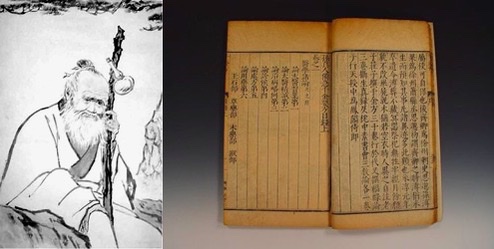
Sun Simiao devoted his life to the study of medicine, and his monumental work, Qian Jin Yao Fang (Essential Prescriptions Worth a Thousand Gold), is the first comprehensive encyclopedia of clinical medicine in Chinese history. Hailed as a “treasure of humanity,” the book covers everything from fundamental medical theories to clinical practices, integrating principles, methods, prescriptions, and herbal medicine. Not only did Sun Simiao compile the clinical experiences of past medical experts, but he also included many folk remedies and prescriptions, drawing from a wide range of sources. To this day, Qian Jin Yao Fang holds immense academic value and continues to guide practitioners in the field of traditional Chinese medicine. He also wrote two other influential books, Bei Ji Qian Jin Yao Fang and Qian Jin Yi Fang, which have had a significant impact on Chinese medicine to this day.

In addition to his remarkable medical skills, Sun Simiao is revered for his noble medical ethics. In his work Da Yi Jing Cheng (The Sincere Heart of a Great Physician), Sun clearly articulated that a truly great physician must be calm, free from desires, and compassionate. A doctor must have the determination to save lives, without discriminating based on wealth, status, age, beauty, personal relationships, ethnicity, or intelligence. All patients should be treated with the same care as one’s own family, without any hesitation or self-interest, and the physician must not shrink from hardships or dangers. Day and night, through cold or heat, hunger or exhaustion, the doctor should be fully devoted to the welfare of the patient, without seeking recognition or rewards. This high standard of medical ethics has been called the “Hippocratic Oath of the East” and has had a profound influence. Even today, many medical schools in China still use Da Yi Jing Cheng as an oath, reminding students to embody this spirit and serve patients wholeheartedly.

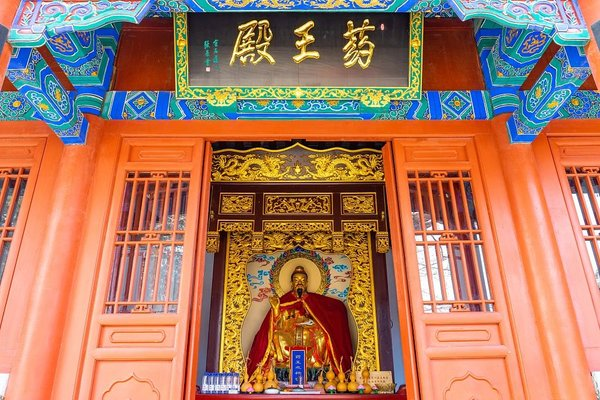
The Medicine King Temple in the Mount Tai Scenic Area in Shandong is dedicated to honoring Sun Simiao, the Medicine King. (Image source: Visual China)

Sun Simiao’s life was not only a beacon of excellence in the field of medicine but also a model of selflessness and moral integrity. His legendary stories and medical achievements have added a shining chapter to the history of Chinese medicine, inspiring generations of healers to follow in his footsteps.

Link:https://peacelilysite.com/2024/10/24/sun-simiao-the-medicine-king-of-china-and-his-legacy-of-compassionate-healing/

Mindful Speech: How Verbal Karma Shapes Our Lives and Spiritual Growth

Understanding Verbal Karma through Chinese Traditional Culture and Buddhism

Language is one of the most powerful tools in human communication. It has the capacity to warm hearts, yet it can also deeply wound others. The ancient Chinese saying, “Illness enters through the mouth; misfortune comes out of the mouth,” serves as a profound reminder of the critical importance of our words. Another popular saying states, “A kind word can warm one for three winters, but a harsh word wounds deeply and is hard to forget.” Those who speak thoughtfully build strong relationships, while careless words often lead to unintended enmity or trouble. Indeed, many of life’s great misfortunes arise from verbal mistakes.

The Chinese ancients emphasized the principle of “cautious speech and careful actions,” which is not only a foundational aspect of personal conduct but also key to cultivating one’s character. In modern times, misunderstandings and conflicts often stem from believing rumors and passing on unverified information. This carelessness turns small issues into major problems, causing unnecessary harm. The impact of careless words can extend beyond personal relationships, disrupting families, friendships, and even society, sometimes escalating into widespread societal issues.

Buddhism’s Teachings on Verbal Karma: The Four Types of Harmful Speech

Buddhism profoundly explains the karmic consequences of speech. Among the “three karmas” — body, speech, and mind — verbal karma is especially critical. The Buddha taught that the consequences of verbal karma can be even more destructive than a raging fire because hurtful speech inflicts suffering on others. Buddhism identifies four types of harmful verbal karma:

  • Harsh Speech: Using cruel or aggressive words that directly harm someone’s spirit.
  • Slander: Spreading rumors or sowing discord, leading to broken relationships and disputes.
  • False Speech: Speaking untruthfully or deceiving others.
  • Frivolous Speech: Words that may seem pleasant but mislead or confuse others, distracting them from right mindfulness.

These forms of verbal karma not only harm relationships but also sow seeds of negative karma, inevitably leading to future suffering.

Chinese Buddhist texts record a story from the Song Dynasty: One day, Zen Master Guang XiaoAn observed two monks engaged in a discussion about the Dharma, during which they were surrounded and protected by heavenly beings. However, as soon as their conversation shifted to worldly topics, the deities departed, and evil spirits appeared, mocking the monks with vulgar language. This story serves as a reminder that even monks, when they deviate from righteous speech, will attract negative consequences.

In today’s world, the effects of verbal karma are even more pervasive. Carelessly spreading rumors, posting unverified information online, or making inflammatory remarks can cause lasting damage. Every harsh word is like a sharp blade, hurting not only others but also oneself.

Here is another powerful example that highlights the benefits of controlling one’s speech. At Mount Jiuhua, a sacred Buddhist site renowned for venerating Ksitigarbha Bodhisattva, there once lived a venerable nun. She was widely respected for her virtuous life and profound wisdom, embodying the transformative power of positive speech.

Even at the remarkable age of 136, she remained in good health, continuously reciting the mantra “Amitabha Buddha.” This practice not only reflected her spiritual merit but also her mastery of speech, and self-discipline.

The venerable nun understood the profound impact of verbal karma and strictly adhered to the principle of “cautious speech.” She refrained from gossip and focused her speech on chanting the Buddha’s name. In conversations about spiritual matters, she offered concise and clear guidance, leading people toward the right path. When topics were unrelated to spiritual practice, she chose silence. This self-discipline brought her immense merit, making her a role model for others. She often said, “For women, whether lay or ordained, if one can guard against verbal karma, one is halfway to becoming a Buddha.” Her words highlighted the critical role verbal karma plays in the spiritual path.

The venerable nun’s teachings emphasized the severe consequences of verbal karma. She made it clear that verbal karma is one of the greatest obstacles in spiritual practice and explained its multiple harmful effects:

  • Verbal Karma Obstructs Spiritual Progress: Every instance of harsh speech, slander, or frivolous talk not only harms others but also pollutes one’s mind, hindering spiritual purification.
  • Verbal Karma Leads to Lower Rebirths: Harsh speech is like a wildfire, burning away one’s merit and leading to severe karmic consequences.
  • Verbal Karma Disrupts Harmony: In families, communities, or society, harmful speech creates discord, making it difficult to maintain a peaceful environment for practice.
  • Verbal Karma Weakens Faith: Harsh and false words can cause others to lose faith in their spiritual path, even destroying their potential for future practice.

Her virtuous life and disciplined speech accumulated immeasurable merit. It is said that many patients with difficult illnesses were cured after receiving her blessings, a testament to the power of pure verbal karma.

Guarding Verbal Karma in Modern Life

In today’s world, controlling speech is more essential than ever. Here are some practical steps to guard against verbal karma:

  • Speak Cautiously: Think before you speak. Avoid spreading unverified information and refrain from gossiping or discussing others carelessly.
  • Control Emotions: When emotions are high, it’s easy to say things that cause harm. Cultivate a calm and peaceful mind to avoid saying hurtful things in the heat of the moment.
  • Cultivate Positive Speech: Use kind and uplifting words to resolve conflicts, build trust, and foster harmony in your relationships.

By understanding Buddhism’s teachings on verbal karma, we can become aware of the power of language and use it to bring peace and happiness to ourselves and others. Guarding speech is not only a sign of respect for others but also an essential aspect of personal spiritual practice.

Through mindful and compassionate speech, we can spread kindness, promote harmony, and enhance both the quality of our lives and the happiness of those around us. Let us strive together to use the wisdom of language to create more peace and happiness in our lives and in the lives of others.

Link:https://peacelilysite.com/2024/10/24/mindful-speech-how-verbal-karma-shapes-our-lives-and-spiritual-growth/

100. A Mother’s Wise Advice [Non-violence]


100. A Mother’s Wise Advice [Non-violence]

Once upon a time, the son of Brahmadatta was ruling righteously in Benares, in northern India. It came to pass that the King of Kosala made war, killed the King of Benares, and made the queen become his own wife.

Meanwhile, the queen’s son escaped by sneaking away through the sewers. In the countryside he eventually raised a large army and surrounded the city. He sent a message to the king, the murderer of his father and the husband of his mother. He told him to surrender the kingdom or fight a battle.

The prince’s mother, the Queen of Benares, heard of this threat from her son. She was a gentle and kind woman who wanted to prevent violence and suffering and killing. So she sent a message to her son — “There is no need for the risks of battle. It would be wiser to close every entrance to the city. Eventually the lack of food, water and firewood will wear down the citizens. Then they will give the city to you without any fighting.”

The prince decided to follow his mother’s wise advice. His army blockaded the city for seven days and nights. Then the citizens captured their unlawful king, cut off his head, and delivered it to the prince. He entered the city triumphantly and became the new King of Benares.

The moral is: Kind advice is wise advice.

100. A Mother’s Wise Advice [Non-violence]

Link: https://hhdorjechangbuddhaiiiinfo.com/2024/10/22/100-a-mothers-wise-advice-non-violence/

#Buddhisttalesforyoungandold #Buddhiststories #storiesforkids #moralstories #Buddha #Jatakastories #PansiyaPanasJataka

Holy Miracles Temple: A Sanctuary of Compassion and Healing Amid Global Turmoil

Holy Miracles Temple, located at 1730 N. Raymond Ave., Pasadena, CA, serves as a sanctuary dedicated to teaching the true Dharma of the Tathagata, as transmitted by Namo H.H. Dorje Chang Buddha III and Shakyamuni Buddha, guiding disciples on their path to liberation and spiritual accomplishment. Grounded in the Buddha’s teachings and fueled by boundless compassion, the temple’s core mission is to selflessly serve humanity. Its hope is for people in America and across the globe to embrace Buddha Dharma, cultivating love for their country, fellow people, and the world. Through mutual support, peace, kindness, and auspiciousness, the temple envisions a strong nation with thriving citizens and a world brimming with joy and happiness.

In these challenging times, when suffering and catastrophe touch so many, Buddhism’s compassionate spirit calls us to extend blessings to all sentient beings. On October 13, 2024, the Holy Miracles Temple held a Blessing and Peace Dharma Assembly, a response to the unprecedented hardships the world faces today. Devoted Buddhist disciples gathered to honor the teachings of Namo Dorje Chang Buddha III, coming together to send prayers for healing and hope to those affected by natural disasters, conflicts, and upheavals. This assembly reaffirmed the Buddhist commitment to easing the suffering of all.

The event featured a solemn chanting of the Universal Gate Chapter of the Lotus Sutra, dedicated to Avalokitesvara Bodhisattva, the embodiment of compassion. The gathering was led by Abbess Ruzun Ruohui from Hua Zang Si Temple, who guided attendees through the prayers.

This year has been marked by profound global calamities. In the United States, Hurricane Helene ravaged Texas and Louisiana in August, displacing thousands and flooding communities. Just weeks later, Hurricane Milton unleashed further destruction in Florida and Georgia. Recovery efforts faced tremendous challenges as these back-to-back disasters left homes shattered and lives in turmoil.

In Asia, Typhoon Dindo devastated the Philippines, causing severe flooding and landslides across Luzon in September. Thousands of people were forced to evacuate as the typhoon submerged entire neighborhoods. Nepal, too, was struck by tragedy when a powerful earthquake hit in June, resulting in widespread destruction and loss of life in remote regions.

The war in Ukraine, continuing its escalation throughout 2024, inflicted further suffering on cities like Kyiv and Mariupol, leaving behind a deepening humanitarian crisis. Meanwhile, renewed violence in Syria once again brought bloodshed to war-torn cities such as Aleppo and Damascus, compounding the plight of its weary people.

Europe was not spared from disaster either, as record-breaking floods struck in July. Torrential rains overwhelmed parts of Germany and Belgium, causing rivers to overflow and submerging entire towns. Meanwhile, the United States’ western regions grappled with annual wildfires of increasing magnitude, destroying homes and forests alike.

During the Dharma Assembly at Holy Miracles Temple, attendees united in spirit and purpose. As the sacred verses of the Universal Gate Chapter resonated through the temple, the prayers reached out to those suffering from this year’s tragedies, seeking to bring healing and relief. Prayers were offered for the displaced, the injured, and those who had lost everything. In the face of conflict and war, the community gathered to extend peace, comfort, and hope to all those impacted.

This powerful assembly embodied the compassionate essence of Avalokitesvara Bodhisattva, radiating light and healing to all beings affected by suffering. It was a profound reminder that through shared compassion and collective action, we can create a world where all beings may find peace, healing, and joy.

Link:https://peacelilysite.com/2024/10/18/holy-miracles-temple-a-sanctuary-of-compassion-and-healing-amid-global-turmoil/

Source: https://cagazette.com/insights-from-the-blessing-and-peace-dharma-assembly-at-the-holy-miracles-temple/?fbclid=IwY2xjawGADEJleHRuA2FlbQIxMAABHSOFxdL9Y7OJSnH14qBxTQoBYe2QSzdXAI_yk56BTajnwGdAXcnXxCa7bQ_aem__GWuVw6xxEGleMzpPI9e5A

Xinjiang’s Golden Tapestry: Exploring the Stunning Autumn Landscapes of China’s Northwest

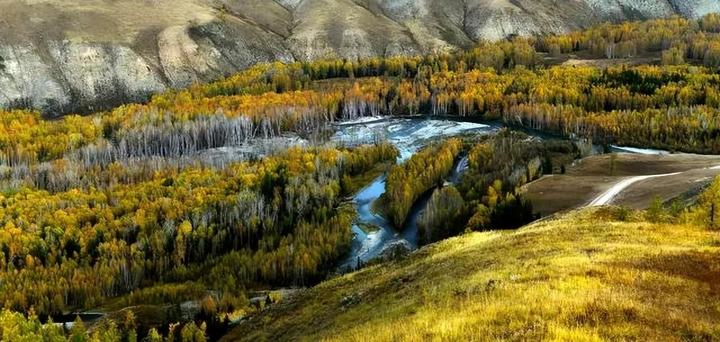
As autumn quietly arrives on the vast land of Xinjiang, a stunning visual feast also begins. Autumn in Xinjiang is like a vivid, colorful painting, with every scene exuding its own unique charm.

If Tibet offers people a spiritual shock, then Xinjiang provides a visual impact.

This is the place in China where autumn’s colors are the richest, with vibrant hues blooming amidst alternating poplar forests, lakes, rivers, and deserts.

If you missed the lush greenery of summer, you definitely cannot miss the splendid autumn of Xinjiang. Below is a suggested itinerary for Northern Xinjiang.

Day 1: Arrive in Urumqi, which can be reached via Urumqi International Airport. Upon arrival, explore the city with key places such as the Erdaoqiao International Bazaar, Hongshan Park, and the Xinjiang Uygur Autonomous Region Museum.

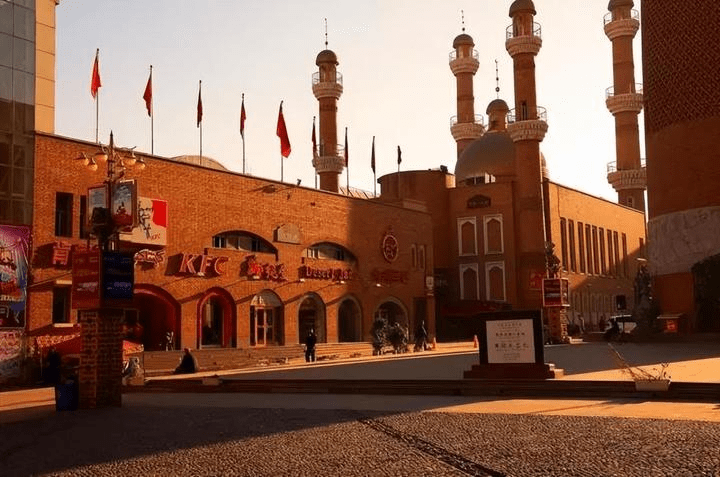
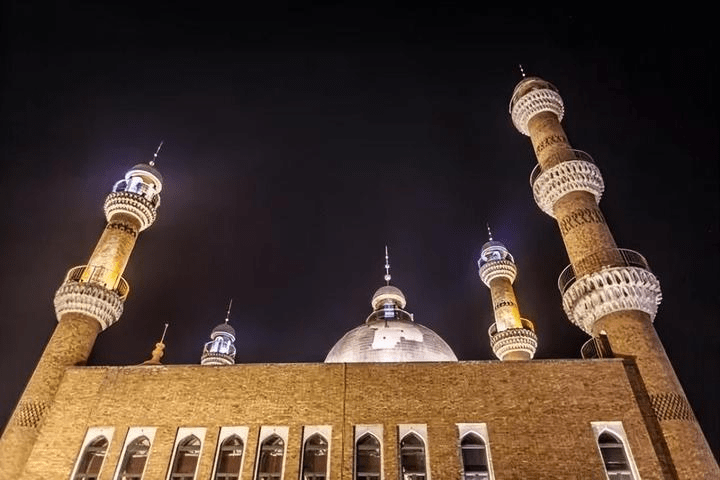
The International Bazaar is the largest bazaar in the world, combining Islamic culture, architecture, ethnic commerce, entertainment, and dining. It is known as the “Window to Xinjiang,” “Window to Central Asia,” and “Window to the World.” It symbolizes the prosperity of commerce and tourism in Xinjiang and serves as a scenic landmark in Urumqi, a city rich in ethnic diversity.

The architecture reflects a strong Islamic style, and while fulfilling modern functionality, it also recreates the historical glory of the ancient Silk Road. The bazaar showcases the deep ethnic characteristics and regional culture of Western China.

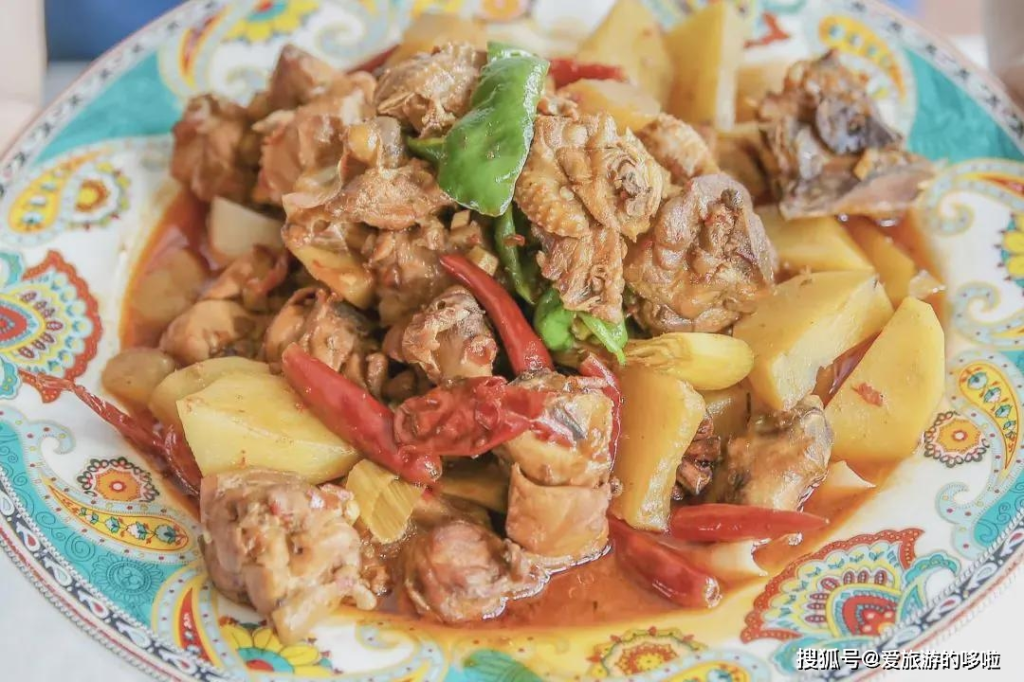
You can take Urumqi’s city rapid bus or BRT line 3 and get off at Erdaoqiao Station.Try Big Plate Chicken, baked buns, lamb kebabs, and hand-pulled rice to ignite your taste buds.

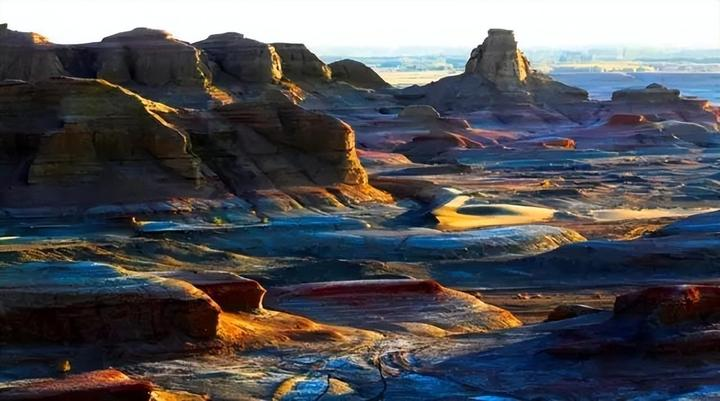
Day 2: Urumqi to Urho Ghost City, exploring the wind-eroded landscapes. Ghost City is also known as Urho Wind City.

It is a unique wind-eroded landform with bizarre shapes. The local Mongolian people call this place “Sulumuhaque,” and the Uygur people refer to it as “Shaytankarshi,” which means Ghost City. The Ghost City stands like a mighty castle in the vast Gobi desert.

This castle-like formation resembles pavilions, towers, corridors, streets, and even a demon’s treasure hall. On the western side of the city gate, there is a rock formation called the “Stone Monkey Gazing at the Sea,” and within the city, you’ll find the towering “Mount Fuji,” the temple-strewn “Angkor Wat,” the magnificent “Potala Palace,” and shapes that resemble a cobra, a roc, and other creatures. These scenes are incredibly varied and dazzling, forming a dreamlike maze.

From a distance, you’ll marvel at its grandeur and magnificence, praising nature’s incredible craftsmanship. Bathed in the glow of the setting sun, the Ghost City becomes a kaleidoscope of colors, resembling a medieval castle with uneven heights and intricate layers, creating a unique spectacle in the Gobi desert.

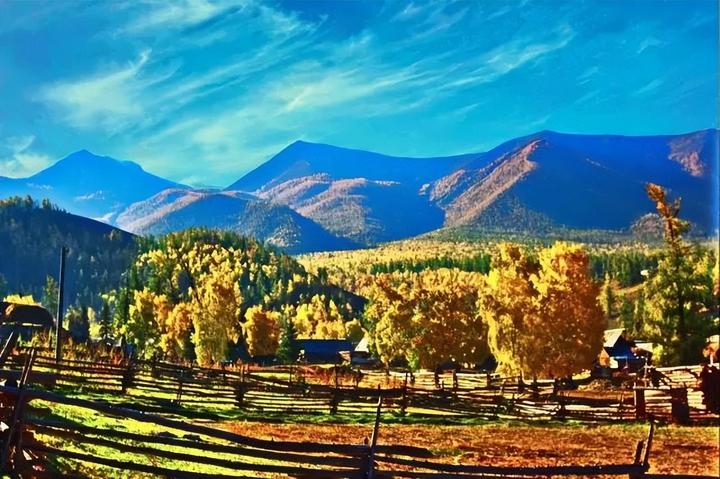
Day 3: Hemu Village, the most beautiful secluded village – Experience the traditional life of the Tuva people.

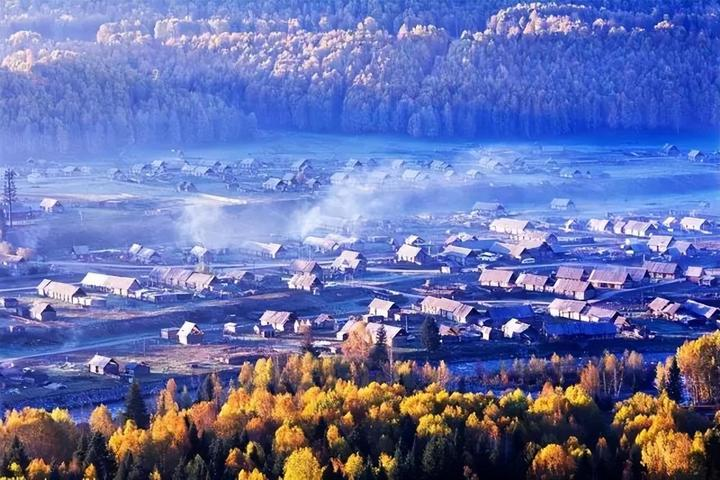
In autumn, the golden leaves of Hemu Village contrast beautifully with the rustic wooden houses. Walking along the village’s paths, the rustling of fallen leaves underfoot seems to whisper stories of the passing years. This is a great place to experience the life of the Tuva people. You can taste local delicacies, enjoy traditional singing and dancing, and immerse yourself in the charm of their unique culture.

Nestled in a vast open area surrounded by mountains, Hemu Village lies quietly, with the Tuva people’s pointed wooden houses and livestock pens scattered casually throughout the village.

A faint mist forms a winding white ribbon above the forest, drifting between the village and the mountains. The most captivating aspect of Hemu Village is its stunning autumn scenery, where mountains covered in red foliage are breathtaking. Smoke rises slowly through the autumn colors, forming a dreamy mist that makes the village look like a fairyland.

Day 4: Kanas – Immersing in the breathtaking scenery of lakes and mountains.

Kanas is one of the world’s rare “earthly paradises.” Its unparalleled beauty is something that even the best photography skills cannot fully capture.

Kanas combines the grandeur of northern landscapes with the delicate charm of southern waters. Additionally, there are other breathtaking spectacles such as the “Sea of Clouds with Buddha’s Light,” the “Color-Changing Lake,” the “Floating Wood Dyke,” and the “Lake Monster,” making it a true wonderland of the Western regions.

Kanas Lake: This lake, known as the “Earthly Fairyland,” reveals a unique charm in autumn. The lake’s water remains as emerald green as a gemstone, while the surrounding forests are transformed by autumn frost into a dazzling array of colors—fiery reds, golden yellows, and sunset oranges. These hues, set against the backdrop of a bright blue sky, form a breathtaking painting, as if nature itself had painted it with the finest brushstrokes.

Kanas Lake is an alpine lake nestled deep in the Altai Mountains’ dense forests. In 2009, it was named the “Most Beautiful Lake in China” by Chinese National Geography magazine.

Best time to visit: From June to early October.

Transportation: The Kanas Scenic Area has its own airport, and you can fly directly from Urumqi to Kanas. The flight takes about 50 minutes.

Day 5: From Baihaba to the Rainbow Beach, admire the colorful rocks and rivers.

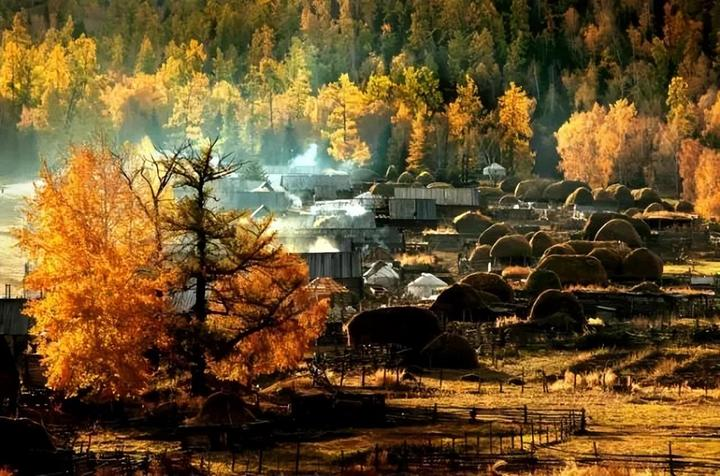
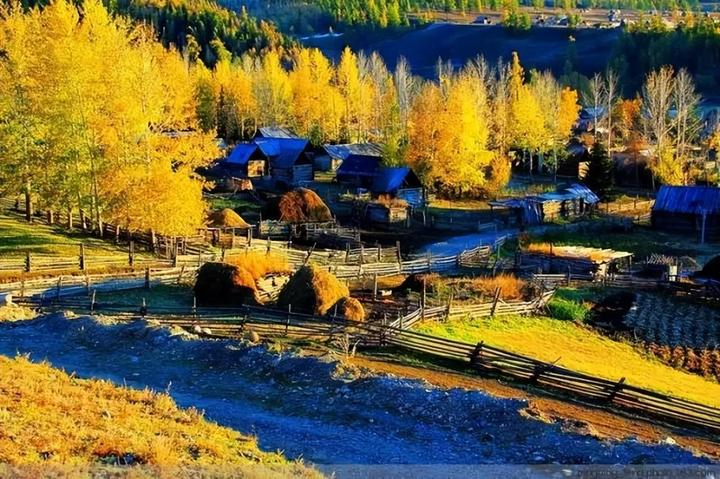
Baihaba Village, known as “the first village in the northwest,” faces the towering mountains of Kazakhstan in the distance. The dense golden pine forests of the Altai Mountains stretch all the way to Baihaba, where the villagers’ wooden houses and livestock pens are scattered harmoniously among the pine and birch forests, creating a peaceful and serene atmosphere. All of the village’s buildings are made of raw wood, with rustic log cabins as its signature feature, giving it the feel of a European-style village.

Baihaba Village: This place, known as “one of the eight most beautiful towns in China,” is especially breathtaking in autumn. The entire village is surrounded by golden birch forests, making it look like a golden fairy-tale world. The old wooden houses are scattered harmoniously among the trees, with smoke gently rising from the chimneys, creating a strong sense of rustic life.

At sunset and in the misty mornings, the smoke drifts lazily, while cows and sheep graze on the hills, painting a picture of harmony between humans and nature. If Kanas is a secluded, ancient paradise, then Baihaba is a fairy-tale world nestled in an untouched natural environment.

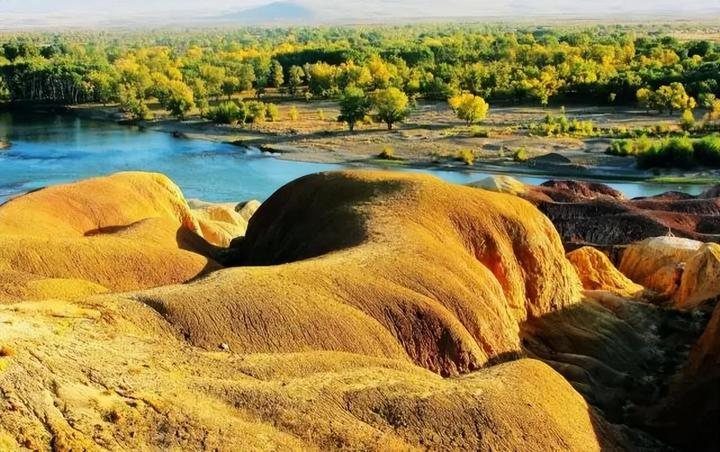
In the morning, immerse yourself in the rustic atmosphere on the grasslands of Baihaba. In the afternoon, head to the spectacular Rainbow Beach to admire Xinjiang’s most beautiful Yardang landforms. The hills here have unique geological features and display a variety of colors. At sunset, under the sunlight, the rocks primarily glow red, with shades of green, purple, yellow, white, black, and transitional hues, creating a vibrant and mesmerizing palette, which is why it’s called “Rainbow Beach.”

Whenever the wind blows, strange sounds of varying lengths and pitches echo from the gullies and beneath the rocks, adding a mysterious and otherworldly feel to the place.

Day 6: Keketohai – Enjoy the tranquility of lakes and forests.

Keketohai Town is located 48 kilometers northeast of Fuyun County in the Altai Mountains, in northern Xinjiang Uygur Autonomous Region. In Kazakh, “Keketohai” means “green forest,” and in Mongolian, it means “blue river bend.”

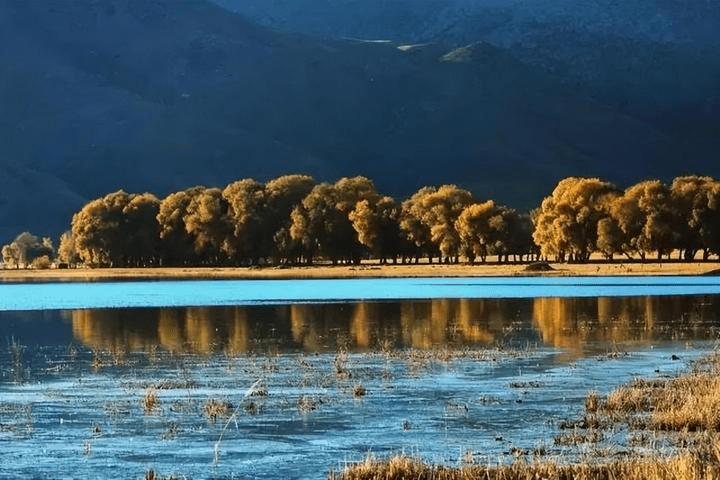
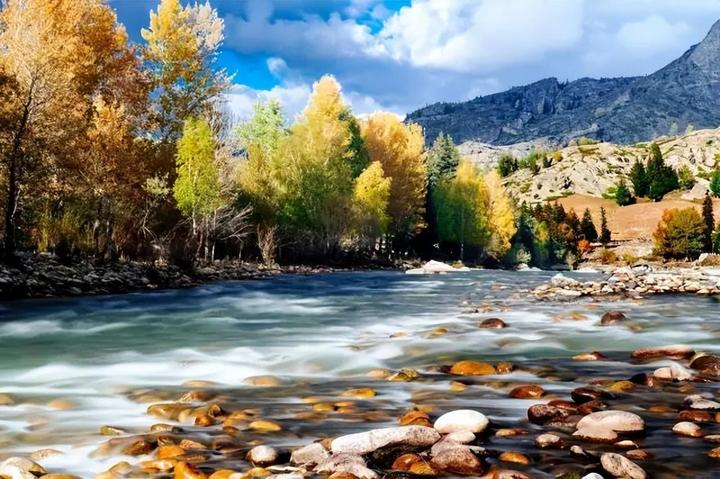
In autumn, the golden birch forests of Keketohai beautifully complement the clear river waters. The river flows gently, reflecting the stunning scenery on both banks, like a giant mirror. Strolling along the river, feeling the breeze and listening to the birds sing, fills one with a sense of peace and serenity.

From here, you will have seen most of the beautiful autumn scenery in northern Xinjiang, and you can return to Urumqi to end your trip. If you have more time, you can visit Heavenly Lake (Tianchi) to admire the snowy mountains and emerald waters.

Heavenly Lake: A fairyland amidst the surrounding mountains.

Over the course of history, in the vast wilderness of China’s western regions, a place of extraordinary beauty emerged—Heavenly Lake in the Tianshan Mountains.

Historically known as “Jade Pool,” legend has it that King Mu of the Zhou dynasty traveled west and held a feast with the Queen Mother of the West here. In the Qing dynasty, during the reign of Emperor Qianlong, it was named “Tianchi,” meaning “Heavenly Mirror” or “Divine Lake.”

Heavenly Lake is an extraordinary and mesmerizing sacred site.

Its fame not only comes from the beautiful and mysterious legends associated with it throughout history, but also from its unique natural and cultural landscapes, renowned both domestically and internationally! The Bogda Peak of the Tianshan Mountains rises to 5,445 meters above sea level, its snow-covered glaciers extending throughout the year. The snowy mountains and the blue lake complement each other, creating breathtaking scenery. The surface of the lake is crescent-shaped, and the water is crystal clear, as pure as jade.

The snow-capped peaks reflect in the lake, surrounded by towering spruce trees, with the emerald waters as smooth as a mirror, forming a picturesque landscape. Encircled by mountains, the area is lush with green grass and vibrant wildflowers, earning it the title “Pearl of the Tianshan Mountains.” Tall, verdant spruce and pine trees cover the mountains and ridges, creating a dense forest canopy.

Link:https://peacelilysite.com/2024/10/18/xinjiangs-golden-tapestry-exploring-the-stunning-autumn-landscapes-of-chinas-northwest/

Source : photos from https://www.52hrtt.com/br/n/w/info/F1665986705929

The Extraordinary Life of H.E. Xiazhu Qiuyang Rinpoche: A Master of Boundless Compassion and Wisdom

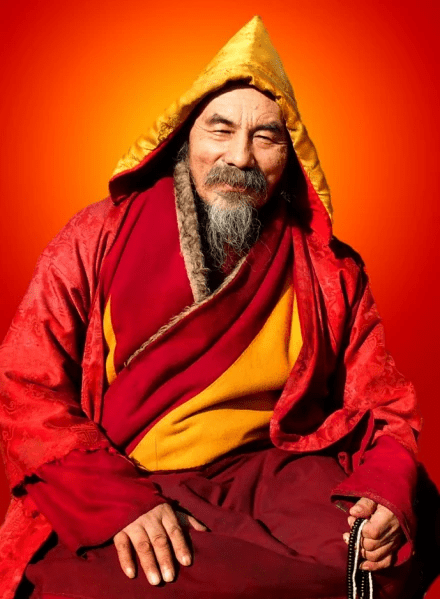
The most venerable H.E. Xiazhu Choying Rinpoche, also known as H.E. Xiazhu Qiuyang Rinpoche, is a highly accomplished Buddhist master from Guoluo, renowned for his spiritual achievements and mastery of Vajrayana teachings. Born in the winter of 1945, his birth was marked by extraordinary signs: thunder echoed across the sky, and colorful flowers blossomed spontaneously on the grasslands surrounding his birthplace. Many local herdsmen witnessed these rare and auspicious omens, heralding the arrival of an extraordinary being.

Renowned mantra master Regong, a revered monk, recognized the young child as the reincarnation of the venerable Chagailong Cichengdaji Rinpoche and the great master Naropa. From an early age, Rinpoche dedicated himself to the welfare of all sentient beings, living a life of simplicity and spiritual practice in the mountains. Throughout his life, H.E. Xiazhu Choying Rinpoche devoted himself to intense ascetic practice, receiving direct teachings from the supreme Vajrayogini and attaining profound realization. It is said that he could soar through the sky, using his monk robes as wings, a testament to his deep mastery of esoteric yoga.

At the age of fourteen, Rinpoche was ordained as a monk under the guidance of Xiari Huzuo Qintu Dannima. Over the years, he studied under more than 100 highly accomplished masters from all major Tibetan Buddhist schools, including:

  • H.H. the Tenth Panchen Lama and H.H. the Sixth Dharma King Gongtang Yongzeng from the Gelug sect.
  • H.H. Dodrupchen Rinpoche and Khenpo Mengse from the Nyingma sect.
  • Kanda Chiwa Gadan from the Sakya sect.
  • Lama Wangcai Kazhige from the Kagyu sect.
  • Jiana Bannan from the Jonang sect.

From these masters, H.E. Xiazhu Choying Rinpoche absorbed the essence of both exoteric and esoteric teachings. His spiritual journey led him to receive numerous secret mind-dharma teachings and unique empowerments, passed down without reservation, like water flowing freely from a vessel.

Rinpoche spent much of his life wandering through remote mountains and plains, sleeping in caves, eating cold rice and vegetables gathered from alms, and wearing discarded clothing. He lived humbly, indifferent to worldly praise or criticism, appearing at times like a wandering madman. For 25 years, he did not speak a single word, dedicating himself entirely to the practice of the Dharma, undisturbed by the distractions of the world. His rigorous practice took him to numerous sacred sites across Tibet, Qinghai, and India, where he engaged in solitary retreat, including seven years of intense meditation at a holy site in India.

Through these practices, Rinpoche achieved profound realization in the Dakini Dharma, the Great Perfection (Dzogchen) teachings, Kalachakra Vajra Dharma, and Green Tara Dharma. His deep connection with Vajrayogini from a young age allowed him to access highly secret dakini teachings. Buddhist masters of great virtue have recognized H.E. Xiazhu Choying Rinpoche as the true reincarnation of the great master Naropa, revered as the “venerable leader of 100,000 dakinis.”

In a historic event, the International Buddhism Sangha Association conducted an unprecedented Drawing Lots From a Golden Vase Ceremony, drawing one lot from 120 sealed lots. This ceremony affirmed that H.E. Xiazhu Choying Rinpoche is indeed the reincarnation of Patriarch Naropa, a recognition that had been previously confirmed by H.H. Dorje Chang Buddha III.

H.E. Xiazhu Choying Rinpoche has been praised by numerous revered masters, including H.H. the Tenth Panchen Lama, H.H. Dharma King Yongzeng, and H.H. Dharma King Jigme Phuntsok. Xiaridong Rinpoche, a master of the Yamantaka Dharma, described him as “a truly great master of the Dakini Dharma,” while H.H. Dharma King Jigme Phuntsok hailed him as “an extremely rare master who has perfected the Four Initiations Dharma.”

Despite his vast accomplishments, H.E. Xiazhu Choying Rinpoche remains humble and approachable, freely exercising his supernatural powers without attachment. Known for miraculous feats such as flying, multiplying his body, walking underwater, understanding multiple languages, foreseeing disasters and blessings, and reading people’s minds, Rinpoche is revered as “the unhindered rinpoche.” Clothing and personal items that Rinpoche has worn or used are said to be imbued with miraculous blessings. Many Tibetans have reported turning disasters into blessings, surviving dangerous situations, or recovering from serious illnesses after wearing or ingesting a small piece of his monk’s robe.

H.E. Xiazhu Choying Rinpoche’s legendary life and accomplishments have been widely recorded, including in books such as Holy Cultivation and Its Marvelous Fruits and Biographies of Ten Major Disciples of Dharma Kings. In Tibet, particularly in the Amdo region, almost everyone knows of his miraculous deeds. His life stands as a beacon of inspiration and a model of Dharma practice in this world of five defilements.

This image has an empty alt attribute; its file name is image-8.png

Upon reading A Treasury of True Buddha-Dharma, H.E. Xiazhu Choying Rinpoche immediately recognized H.H. Wan Ko Yeshe Norbu as the primordial Dorje Chang Buddha, the highest Buddha in Buddhism. His realization corroborated the recognition of other great holy dharma kings. H.E. Xiazhu Choying Rinpoche offered his heartfelt congratulations in a respectful letter, further acknowledging the sacred truth.

To the Most Revered and Holiest Wish-Fulfilling Jewel Dharma King:

I have learned that A Treasury of True Buddha-Dharma, is a sacred text about His Holiness, the supreme and most honored H.H. Dorje Chang Buddha III, is soon to be distributed worldwide. This book contains the highest, authentic Dharma that brings immense benefit to all sentient beings.

Master Dodrupchen, who is universally recognized as the second Guru Padmasambhava and the highest holy being within Tibetan esoteric Buddhism, expressed his astonishment in his formal congratulations. He praised the accomplishments of the Holiest Wan Ko Wish-Fulfilling Jewel Dharma King as truly extraordinary—unimaginable and miraculous, transcending the ordinary. These achievements express both the describable and indescribable absolute truth of the Buddha-Dharma.

We shall proclaim and praise the accomplishments of His Holiness throughout the Dharma realm. We express our deepest gratitude to His Holiness, the ancient Buddha, for His boundless and great compassion in coming to this world once again to benefit all sentient beings!

Xiazhu Qiuyang Rinpoche
May 1, 2007

▲那諾巴祖師轉世的夏珠秋楊敬賀第三世多杰羌佛成就之原函(楊宜翻攝自《多杰羌佛第三世》正法寶典)
▲Original congratulatory letter from Xiazhu Choying in Tibetan

#DorjeChangBuddhaIII #HHDorjeChangBuddhaIII  #MasterWanKoYee #Buddha#HuaZangSi#InternationalBuddhismSanghaAssociation#IBSA#WorldBuddhismPublishingLLC#WorldDharmaVoice #XiazhuQiuyangRinpoche #Tibetan #EsotericBuddhism

Link:https://peacelilysite.com/2024/10/16/the-extraordinary-life-of-h-e-xiazhu-qiuyang-rinpoche-a-master-of-boundless-compassion-and-wisdom/

Source: https://www.tpcdct.org/article/1327#detail

98. A Man Named Wise [Cheating]

Once upon a time, the Enlightenment Being was born in a merchant’s family in Benares, in northern India. He was given the name Wise. When he grew up, he began doing business with a man whose name just happened to be Verywise.

It came to pass that Wise and Verywise took a caravan of 500 bullock carts into the countryside. After selling all their goods they returned to Benares with their handsome profits.

When it came time to split their gains between them, Verywise said, “I should get twice as much profit as you.” “How come?” asked Wise. “Because you are Wise and I am Verywise. It is obvious that Wise should get only half as much as Verywise.”

Then Wise asked, “Didn’t we both invest equal amounts in this caravan trip? Why do you deserve twice as much profit as I?” Verywise replied, “Because of my quality of being Verywise.” In this way their quarrel went on with no end in sight.

Then Verywise thought, “I have a plan to win this argument.” So he went to his father and asked him to hide inside a huge hollow tree. He said, “When my partner and I come by and ask how to share our profits, then you should say, ‘Verywise deserves a double share.”‘

Verywise returned to Wise and said, ‘My friend, neither of us wants this quarrel. Let’s go to the old sacred tree and ask the tree spirit to settle it.”

When they went to the tree Verywise said solemnly, “My lord tree spirit, we have a problem. Kindly solve it for us.” Then his father, hidden inside the hollow tree, disguised his voice and asked, “What is your question?” The man’s cheating son said, “My lord tree spirit, this man is Wise and I am Verywise. We have done business together. Tell us how to share the profits.” Again disguising his voice, his father responded, “Wise deserves a single share and Verywise deserves a double share.”

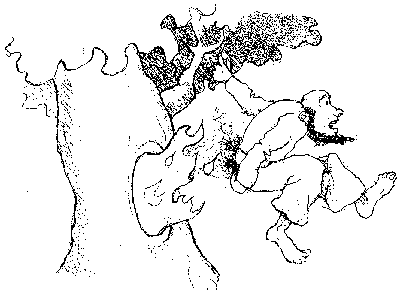
Hearing this solution, Wise decided to find out if it really was a tree spirit speaking from inside the tree. So he threw some hay into it and set it on fire. Immediately Verywise’s father grabbed onto a branch, jumped out of the flames and fell on the ground. He said in his own voice, “Although his name is Verywise, my son is just a clever cheater. I’m lucky that the one named Wise really is so, and I’ve escaped only half toasted!”

Then Wise and Verywise shared their profits equally. Eventually they both died and were reborn as they deserved.

The moral is: A cheater may be clever but not wise.

98. A Man Named Wise [Cheating]

Link: https://hhdorjechangbuddhaiiiinfo.com/2024/10/08/98-a-man-named-wise-cheating/

#Buddhisttalesforyoungandold #Buddhiststories #storiesforkids #moralstories #Buddha #Jatakastories #PansiyaPanasJataka

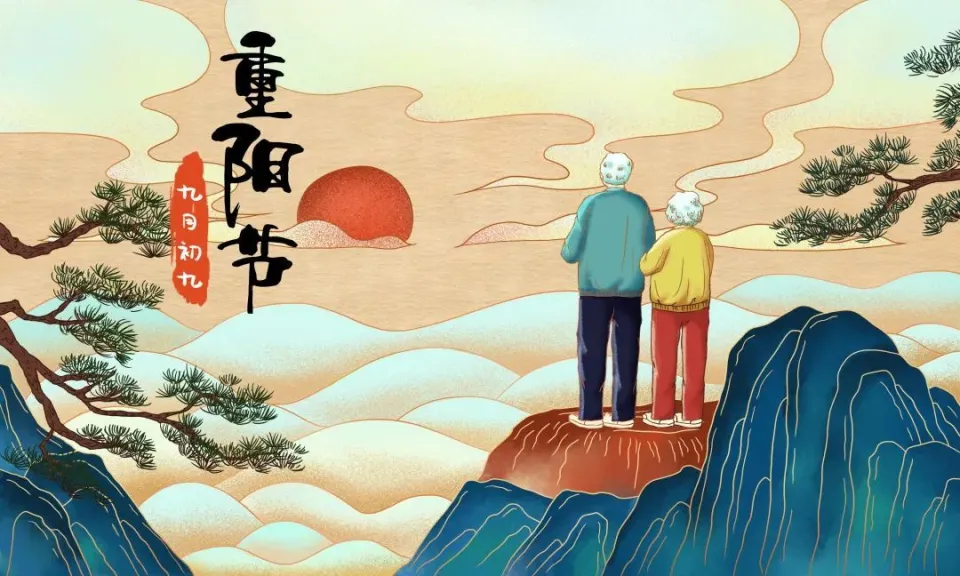
The Double Ninth Festival: A Celebration of Longevity, Family, and Filial Piety

The Double Ninth Festival, also known as Chongyang Festival, falls on the ninth day of the ninth lunar month each year. In 2024, this special day is observed on October 10th. In ancient Chinese philosophy, as referenced in the I Ching, the number “nine” is considered a yang number, symbolizing strength and vitality. The festival’s name, “Double Ninth” or “Chongyang,” refers to the doubling of this powerful number, representing longevity and blessings.

The pronunciation of “九九” (jiǔ jiǔ) sounds similar to “久久,” which means “long-lasting.” On this day, as autumn unfolds with its vivid hues, people gather to hike, enjoy the red cornelian cherries in bloom, eat Chongyang cakes, and drink Chongyang wine, all while offering prayers for well-being and longevity. The number nine, being the highest single-digit odd number, is symbolic of long life, carrying with it the wishes of good health and longevity for the elderly. As time passes and human lives inevitably age, nature remains timeless, and we all must face the farewells that are a part of life.

Chongyang Festival is one of China’s most significant traditional holidays, and over the centuries, its customs have continued to thrive. People climb to high places to seek blessings, enjoy autumn scenery, appreciate chrysanthemums, and wear cornelian cherry (茱萸) as part of the ancient traditions. The festival has also become China’s officially designated Senior Citizens’ Day, a reflection of the nation’s cultural emphasis on honoring the elderly, with filial piety at the heart of the celebrations. The deep respect for elders, a core Chinese value, is encapsulated in the tradition of (xiào), which has remained unchanged through the ages.

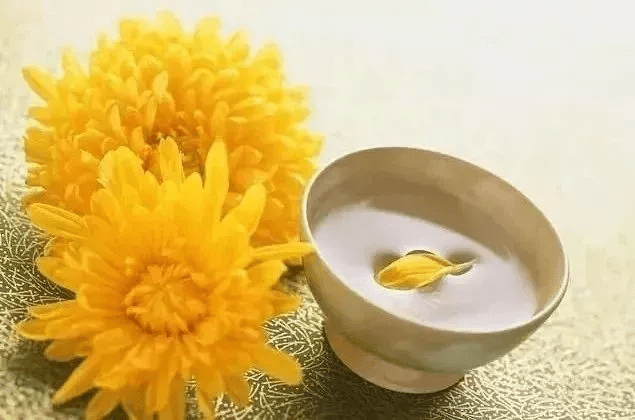
Historical records of Chongyang customs date back to Lüshi Chunqiu, and by the Han dynasty, it became common for people to wear cornelian cherries and drink chrysanthemum wine during the festival in hopes of promoting longevity. The chrysanthemum, admired for its elegance and resilience to frost, has long symbolized the virtuous gentleman in Chinese culture. During Chongyang, chrysanthemums bloom in abundance, and the festival would be incomplete without them. As the saying goes, “Without chrysanthemums, there is no Chongyang.” Ancient people lit chrysanthemum lanterns, decorated the streets with flower displays, and gathered to admire the blossoms in the evening, adding a special charm to the festival.

Tao Yuanming, one of China’s most beloved poets, wrote in the preface to Leisure at the Ninth Day: “In my leisure, I cherish the name of the Double Ninth Festival. With the garden full of chrysanthemums, I long for the wine but find none; so I simply sip the nine flowers in their essence.”

This imagery beautifully captures the festival spirit of sipping wine infused with chrysanthemum petals, a practice believed to preserve health and vitality. Wine has always been a key part of festive celebrations, and during Chongyang, chrysanthemum wine is essential. This traditional drink is believed to ward off misfortune and bring longevity.

The festival’s atmosphere is enhanced by the vibrant scenery of autumn. As the hills are covered in yellow flowers, one can imagine the joy of gathering with friends, sharing a drink, and admiring the beauty of chrysanthemums. This sense of togetherness is echoed in the works of Tang dynasty poet Meng Haoran, who described the simple pleasures of sitting with old friends by the window, drinking wine, and chatting while watching the lush vegetable garden outside. Such moments, rich in warmth and simplicity, remind us of the importance of human connection and the passage of time.

A key custom during Chongyang is wearing cornelian cherry. This tradition was especially popular during the Tang dynasty, as people believed that wearing these fruits could protect them from misfortune.

Cornelian cherries were worn on the head, the arm, or carried in sachets, serving as symbols of protection and unity among family and friends. The poet Wang Wei famously captured this sentiment in his poem Thinking of My Brothers on the Double Ninth:

“Alone, a stranger in a foreign land,
I long for my kin on every holiday.
I know my brothers are climbing high with cornelian cherries,
But there is one less person among them.”

His words reflect the deep homesickness and yearning for family, feelings that resonate with many who are far from home during important festivals.

Flower Cakes

Another significant tradition is eating flower cakes during Chongyang. The word “糕” (cake) sounds like “高” (high), and eating these cakes symbolizes the desire for life to “rise to new heights.” On the morning of Chongyang, mothers place small cakes on their children’s foreheads while whispering prayers for their health and safety, a heartwarming expression of parental love.

As autumn progresses and the white dew turns to frost, people celebrate the Double Ninth Festival by eating flower cakes, climbing to high places, and admiring the red leaves that blanket the hills. These simple yet profound traditions deepen the connection to nature and soften the heart’s longing for home.

The Chongyang Festival is not just a time to honor the elderly but also a celebration of the timeless values of family, respect, and filial piety. As families gather to enjoy the view from high hills and savor these precious moments together, they strengthen the bonds of kinship, appreciating the blessings of health, longevity, and the beauty of life’s passing seasons.

Link: https://peacelilysite.com/2024/10/11/the-double-ninth-festival-a-celebration-of-longevity-family-and-filial-piety/

Photos From: https://news.qq.com/rain/a/20241011A03NUI00