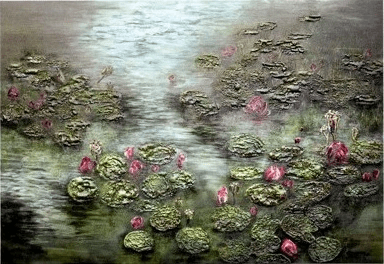
Withered Leaves Scattering Red: A Masterpiece of the Thickly Layered Color School

H.H. Dorje Chang Buddha III‘s oil Painting “Cang Ye Pao Hong”

“Cang Ye Pao Hong” (Withered Leaves Scattering Red) is an extraordinary oil painting that belongs to the Thickly Layered Color School, a unique style originated by H.H. Dorje Chang Buddha III. This painting style is renowned for its bold, dynamic strokes and the use of layered, textured color blocks that create a deeply three-dimensional effect. The abstract, surreal use of color brings an unpredictable yet harmonious elegance, transforming the chaotic into a coherent and mesmerizing vision.

The meticulous process behind “Cang Ye Pao Hong” is just as awe-inspiring as the final result. According to the art museum where this work is displayed, the painting took six years to complete, with over 50 layers of paint carefully stacked on top of one another. Each layer was allowed to dry completely before the next was applied, ensuring a rich and vibrant interplay of colors. The outcome is a work of art that exudes an indescribable divine aura, blending both natural beauty and mystical energy.

You can find this masterpiece at the International Art Museum of America, located in downtown San Francisco. Upon first glance, “Cang Ye Pao Hong” commands attention, drawing viewers into deep contemplation. The withered lotus leaves, depicted in a strikingly realistic and three-dimensional manner, symbolize wisdom gained through life’s journey, while the vivid red lotuses appear to leap from the canvas, capturing the essence of “scattering red” with exceptional grace. The rippling water above, shimmering with light, symbolizes infinite hope, further enhancing the painting’s sense of serenity and renewal.

When observed up close, the painting reveals intricate details within the broader strokes, where subtle nuances emerge, demonstrating the remarkable precision and effortless flow that characterize the work. It evokes an ethereal sense of peace, with a balance of strength and gentleness, transcending the worldly and exuding both quiet elegance and boundless depth. It is truly a marvel of artistic mastery, offering a sense of tranquility and spiritual upliftment that words can hardly describe.

H.H. Dorje Chang Buddha III’s artistic genius extends far beyond this single painting. He has mastered all existing schools of painting, including Realism, Abstract, Impressionism, and more, while also founding sixteen entirely new schools of painting. These schools include the Chaoshi School, the Chouxiang Yunwei School, the Fangfa School, the Kuangxi School, and the Thickly Piled Patches of Color School, among others. What sets H.H. Dorje Chang Buddha III apart from any other artist in history is that He not only founded these distinct schools but developed each to a state of perfection, creating what is known as “The H.H. Dorje Chang Buddha III School of Multiple Styles.”

While many renowned artists dedicate their entire lives to mastering one artistic style or theme, H.H. Dorje Chang Buddha III’s unparalleled ability to create and perfect sixteen different painting schools is an accomplishment unmatched in art history. “Cang Ye Pao Hong” is a shining example of His profound artistic vision, showcasing a level of creativity and mastery that continues to inspire and astonish art lovers around the world. Through this work, we are invited to witness not just the beauty of nature but the boundless possibilities of artistic expression.

Link:https://peacelilysite.com/2024/10/04/withered-leaves-scattering-red-a-masterpiece-of-the-thickly-layered-color-school/

#MasterWanKoYee #DorjeChangBuddhaIII #HHDorjeChangBuddhaIII #IAMA #Art #Artitst #InternationalArtMuseumofAmerica

The Art of Graceful Living: Lessons from Yang Jiang on Simplicity and Inner Peace

Yang Jiang, my favorite contemporary female writer, lived a life intertwined with the turbulence of her times, yet she remained as pure and free as a cloud in the sky. Her works not only reveal the beauty of literature but also inspire us on how to maintain inner peace and composure amidst the chaos of the world.

Yang Jiang’s translation of the poem, “I compete with no one, and I disdain competing with anyone; I warm my hands by the fire of life, and when it dims, I am ready to go,” reflects her entire life. In her quiet dignity and grace, she transformed the hardships of life into something serene and beautiful, never letting bitterness take root.

Her unassuming nature is perhaps her most remarkable quality. While many chase after fame and recognition, Yang Jiang focused purely on her love for knowledge. Her reading, writing, and translation work were not for the sake of recognition, but for the joy of learning. In her essay “The Invisibility Cloak,” she explains that humility is the best protection in a complicated world. By not seeking heights, one doesn’t fear falling; by avoiding ambition, one retains a sense of innocence and inner calm. Yang Jiang embodied this wisdom throughout her life. During the Cultural Revolution, when she was assigned the humbling task of cleaning toilets, she used the opportunity to find freedom in adversity, relishing the quiet moments to read and reflect.

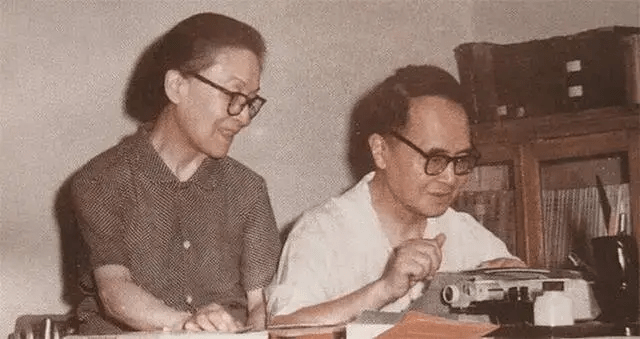
Yang Jiang and her husband Qian ZhongShu

“Simple living and a noble soul are the highest realms of life,” she once said. This was not just a belief but a guiding principle for Yang Jiang. She valued her time deeply, distancing herself from superficial socializing and instead focusing on self-cultivation. Together with her husband, Qian Zhongshu, they shared a simple, intellectual life, each respecting the other’s need for space and quiet to work. After her husband’s passing, Yang Jiang withdrew even further from the world, spending her days immersed in writing and editing.

At the age of 92, Yang Jiang published her essay collection We Three, which received widespread acclaim. Even at the age of 103, she was still active in compiling and publishing The Complete Works of Yang Jiang, a reflection of her lifelong dedication to literature.

It was her ability to remove herself from the distractions of life that allowed her to create works of such lasting value.

Her translation of the eight-volume Don Quixote, once the best-selling Chinese version, drew criticism at one point as a “negative example.” Many writers rushed to her defense, but Yang Jiang responded with characteristic humility: “I sincerely declare that I am a humble translator. I have revised my translation over and over, and still feel it’s not good enough. I hope the experts will offer their guidance.” Her modesty and openness to improvement reflect the calm confidence she carried throughout her life.

In her book Walking on the Edge of Life, she wrote, “We once yearned for the waves of fate, only to realize in the end that the most beautiful scenery in life is the inner calm and composure.” This sentence captures the essence of her wisdom. She knew that, amid the noise and complexity of the outside world, it is the peace we cultivate within that is the most precious.

Yang Jiang rarely wore makeup, preferring to show her natural face to the world. This was not just about simplicity in appearance but about a deeper confidence and acceptance of her true self. She believed that external beauty was far less important than the richness of one’s inner life. As she wisely said, “A woman’s greatest strength is not how beautifully she dresses, but the ability to make herself happy no matter what happens.”

Through her life, Yang Jiang has shown us that even in the face of life’s greatest challenges, it is possible to maintain elegance and beauty by nurturing simplicity and inner richness. Her wisdom and grace continue to inspire us to live with quiet strength, away from the distractions of the world, focused on what truly matters.

Link: https://peacelilysite.com/2024/10/03/the-art-of-graceful-living-lessons-from-yang-jiang-on-simplicity-and-inner-peace/

#YangJiang #QianZhongShu #WeThree #WalkingontheEdgeofLife #InnerPeace #Wisdom #Simplicity

Dharma Assembly Celebrates the Birthday of Namo Dipankara Buddha at The Holy Miracles Temple

On Sunday, September 22, 2024, The Holy Miracles Temple in Pasadena hosted the grand “Dharma Assembly to Welcome the Birthday of Namo Dipankara Buddha.” This auspicious event was co-organized by the World Buddhism Association Headquarters, The Holy Miracles Temple, and the Saint Grong Lecture Hall. The assembly was led by the abbot of Hua Zang Si, Venerable Ru Hui Ru Zun, a Holy Virtuous One of Gold Button Level 1, who presided over the sacred ceremonies.

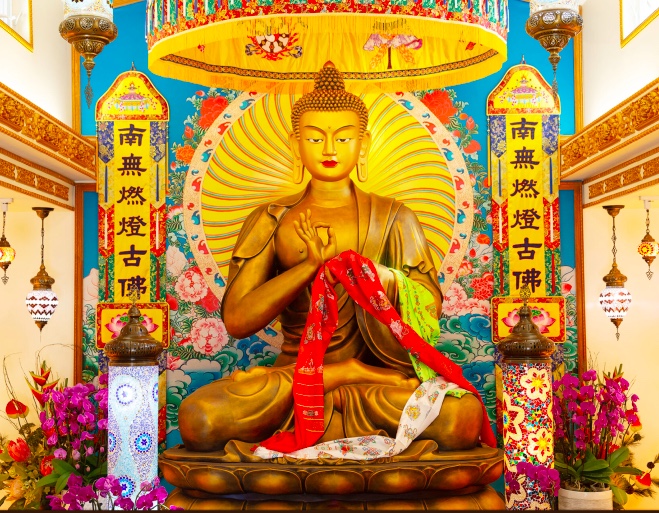
Namo Dipankara Buddha, a revered incarnation of Namo Dorje Chang Buddha, holds a special place in the hearts of Buddhist disciples. In ancient times, he prophesied that Shakyamuni Buddha would one day attain enlightenment and become a Buddha. The site of the “Dipankara Buddha Hall” at The Holy Miracles Temple is significant—it marks the location of the first-ever publication of The True Meaning of the Heart Sutra as Expounded by H.H. Dorje Chang Buddha III, where profound teachings of the Buddha were revealed.

A particularly memorable moment in this location occurred on March 7, 2014, during a Dharma assembly when a miraculous event unfolded. Buddha descended from the sky, manifesting in a divine form, blessing the gathering with three-colored nectar—a clear and undeniable testament to the authenticity of the teachings in Expounding the Absolute Truth through the Heart Sutra. Following this sacred event, the Dipankara Buddha Hall was constructed on this blessed site, where devotees from all directions come to light lamps and offer their reverence to the Buddha.

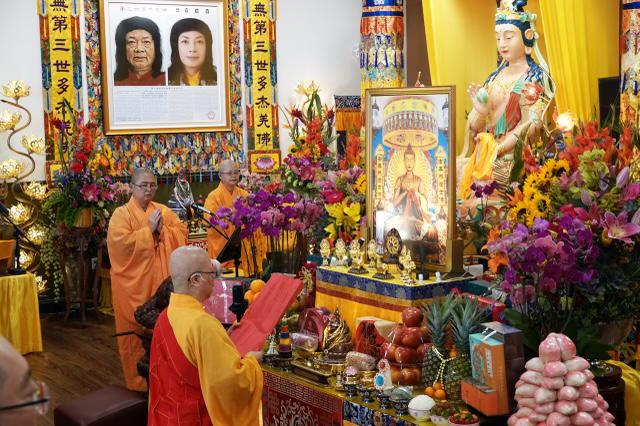
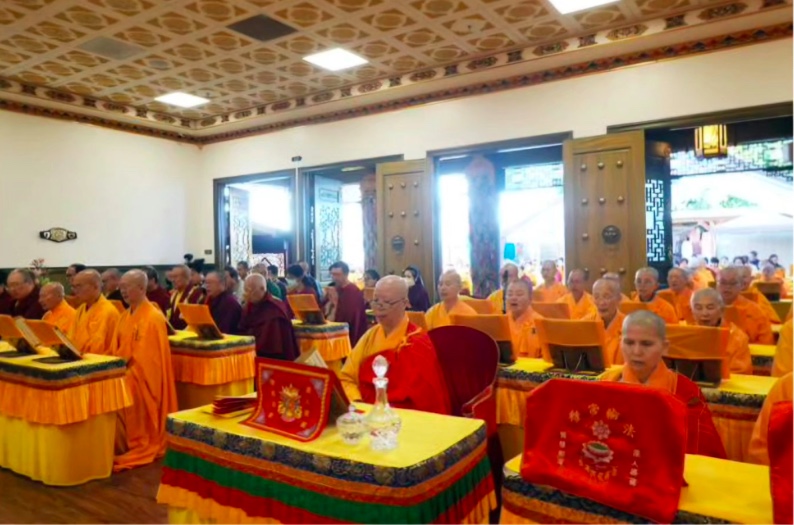
This year’s Dharma assembly began with great reverence in the Grand Hall, filled with the solemn chanting of Buddhist hymns. Under the guidance of Venerable Ru Hui Ru Zun and the monastic community, participants respectfully recited the Diamond Sutra, bowed to the Buddha, performed repentance, and conducted a grand offering before the Buddha. The assembly’s merits were dedicated to celebrating the Buddha’s birthday, with the intention to increase the blessings and wisdom of all beings, dispel ignorance and darkness, and bring forth prayers for world peace, national prosperity, and a harmonious society.

The Dharma assembly invited Venerable Ru Hui Ru Zun, the abbess of Hua Zang Si and a Holy Virtuous One, to preside over the ceremony

During an interview, Venerable Ru Hui Ru Zun shared the origin of the Buddha’s name: “The name ‘Namo Dipankara Buddha’ comes from the illumination that surrounded Him at birth, shining like a lamp. Today, we light lamps, chant scriptures, and offer prayers, hoping to bring the light of the Dharma to the world, and to bless humanity with peace and auspiciousness.”

The assembly also brought touching personal reflections. Ms. Tam, a long-time attendee, shared, “Every year, our family lights the annual offering lamp at the Dipankara Buddha Hall. It has brought us great blessings, and everything in our lives has been smooth and auspicious.” Benjamin Hong reflected on his family’s deeper connection to Buddhism: “When my uncle was diagnosed with cancer, our family sought ways to help him. This journey led us to encounter the true teachings of the Tathagata. Through the teachings of Namo Dorje Chang Buddha, we gained a profound understanding of what Buddhism truly is. It was this experience that helped our family through the toughest times and brought us to the path of Buddhism.”

At the conclusion of the Dharma assembly, Venerable Ru Hui Ru Zun blessed the congregation by sprinkling holy water for empowerment

This Dharma assembly beautifully honored the legacy of Namo Dipankara Buddha. It served as a living bridge between ancient wisdom and the contemporary aspirations of the Buddhist community, uniting all participants in a shared vision of enlightenment, peace, and harmony for the world.

Link:https://peacelilysite.com/2024/10/02/dharma-assembly-celebrates-the-birthday-of-namo-dipankara-buddha-at-the-holy-miracles-temple/

Hang Kung Yee: A Legacy of Art and Wisdom

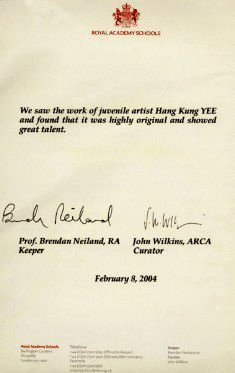
The President of the Royal Academy of Arts, Brendan Neiland (center), and the Vice President of the Royal Academy of Arts, John Wilkins (right), present the Young Artist Award to Hang Kung Yee (left)

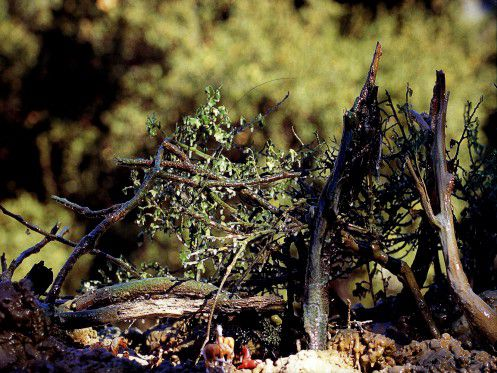
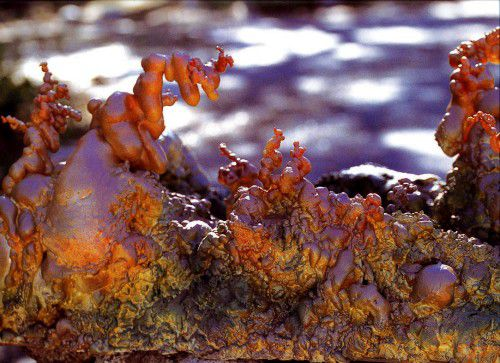
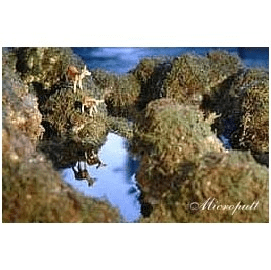
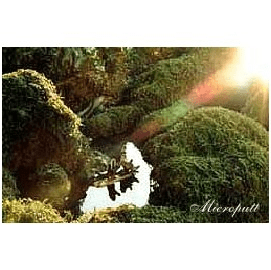
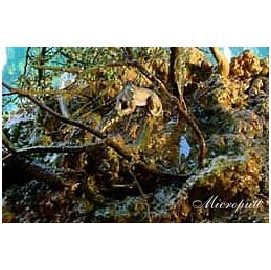
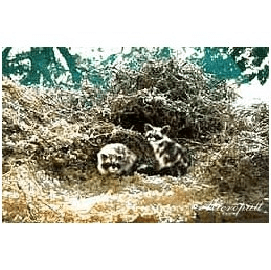
Landscape art appears as if naturally formed, truly indistinguishable from nature.
The young artist, guided by Buddhist teachings, displays remarkable creativity and talent

Born in February 1988 in Chengdu, China—familiarly known as the “Land of Abundance”—Hang Kung Yee comes from a family deeply rooted in tradition and intellect. His lineage is remarkable: his great-grandfather was one of the “Four Sages” in fishing, woodcutting, farming, and studying, honored as the Sage of Learning. His grandfather, Feng Chi, was a celebrated scholar in Sichuan, renowned for his deep knowledge of classical texts and the principles of medicine and the I Ching. Carrying forward this intellectual legacy, his father, Professor Yungao Yi(H.H. Dorje Chang Buddha III), is a world-renowned scholar, a grandmaster of prajna (wisdom), an acclaimed Chinese painter, and the founder of Yun sculpting. These extraordinary achievements have been recognized and certified by prestigious international organizations. His mother, Dr. Wang, Yuhua , is a distinguished professor at a top American university.

From a young age, Hang Kung Yee was immersed in an environment that cultivated both moral character and artistic appreciation. Influenced by his father’s teachings, he developed a passion for literature, calligraphy, and painting, particularly in the styles of the Song, Yuan, Ming, and Qing dynasties. He devoted himself to studying the works of great masters such as Bada Shanren, Shitao, Shen Zhou, and Nantian, as well as his father, Master Yun Gao Yi(H.H. Dorje Chang Buddha III). Despite his diligence, his early works lacked cohesion, but that changed when he sought his father’s guidance. Professor Yungao Yi(H.H. Dorje Chang Buddha III) imparted to him the profound teachings of Buddhist wisdom and prajna, unlocking a higher level of artistry within him.

Through these teachings, Hang Kung Yee’s wisdom flourished, and his artistic skill evolved rapidly. His brushwork soon embodied the refined charm of literati painting, infused with fresh, creative elements. In line with the insights of the artist Huang Binhong, who said, “Though the form may seem simple, the structure is strict; even if the form is not complete, the principle of the subject is always present,” Hang Kung’s work exemplifies precision beneath an effortless exterior.

His art reflects a unique duality: the intention is present, even when the brush has not yet touched the canvas; the spirit flows, even before the ink arrives. His strokes are casual yet deeply profound, imbued with a childlike purity and a profound sense of wonder. Modesty defines him—he never flaunts his talents, choosing instead to remain humble and continually learn. Even after moving to the United States, he kept his artistic abilities concealed, even from his peers.

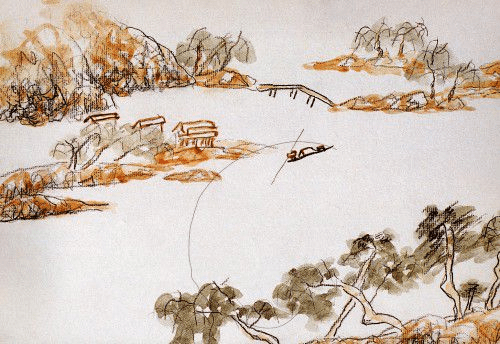
Chinese Ink painting: Western Lake

Chinese Ink Painting: Deep in the Mountains

Hang Kung Yee’s true mastery shines in his landscape art and sculptures. His creations blend natural elements with refined craftsmanship, producing works that are indistinguishable from nature itself. His landscapes, though rooted in real life, transcend it, evoking a dreamlike quality as if imbued with the mystical winds of a far-off fairyland. When photographing his sculpted landscapes, one would easily mistake them for real scenery. Even the most discerning artists would struggle to differentiate between his works and actual nature captured in photographs. At the young age of fifteen, the young artist Hang Kung Yee published his first hardcover collection of landscape art. His artistic achievements were recognized by the highest authorities in the global art world, with the President and Artistic Director of the Royal Academy of Arts signing an evaluation document on February 8, 2004. The document stated, ‘The young artist Hang Kung Yee is extremely creative, showcasing exceptional talent.’ The news sent shockwaves through the international art community.

Landscape Art: The Lush Spring of Xishuangbanna
Landscape Art: “Dreamscape Melody of Lake and Sky”
Landscape Art: Mysterious Dream Lake
Mirror-like Lake

The Bond Between Humans and Animals in the Snowy Village of Banna

Rainbow Under the Morning Sun
The Lion in the Swamp Forest
The Flower Marten in the Snow and Ice

Hang Kung Yee’s vision is to offer eternal beauty to humanity. His name, meaning “Eternity for the Public,” reflects this deep desire to share his creations with the world, hence his title “Hang Kung.” Ever humble, he downplays his expertise in art, attributing his rapid ascent into the higher realms of artistic mastery to his father’s guidance. He also speaks of his 12-year-old sister, Jinba Rinpoche, who, although not yet versed in art, will soon receive their father’s wisdom teachings, propelling her to artistic mastery in a matter of months.

For Hang Kung Yee, gratitude is central. He acknowledges the profound influence of his father, the support of fellow artists, the inspiration of nature, and the guidance of teachers and family members in shaping his artistic journey. Without these sources, he admits, he would never have reached his current artistic heights. As he continues to evolve, Hang Kung believes that art, much like his name, is boundless. “Yee” symbolizes the universal principles, while “Hang Kung” stands for “eternity for the public.” His aspiration is simple yet profound: to bring beauty, joy, and inspiration to all living beings through his art.

Link:https://peacelilysite.com/2024/09/27/hang-kung-yee-a-legacy-of-art-and-wisdom/

The Seven Treasures of True Wealth

In this world, which sentient being does not desire great wealth? Which of us does not seek blessings and fortune? But what truly defines wealth? Most people measure it by the amount of money they have, the assets they own—be it real estate, cars, or stocks. These tangible things may seem like wealth, but they are easy to lose.

Money and jewels cannot provide lasting security—they can be stolen by thieves.
Reputation and status cannot guarantee stability—enemies can destroy them.
Family and friends are not unshakable—they can change as people’s hearts do.
Illness, aging, and death remind us that the body itself is fragile and impermanent.
Fate and fortune cannot be relied upon—karma follows us, shaping our circumstances.

So, what is the true wealth that we can hold onto in this fleeting lifetime?

Over 2,500 years ago, Shakyamuni Buddha illuminated the path to real wealth—wealth that transcends the material and leads to lasting peace and wisdom. He shared the Seven Treasures of Life, invaluable treasures that guide us to inner fulfillment and enlightenment. These treasures cannot be stored in vaults or spent like gold and jewels. They are the true treasures that nurture the soul.

The Seven Treasures:

  1. The Treasure of Faith
    This is the deep trust a disciple places in the Buddha’s awakening. It is unwavering confidence in the truth of the Buddha’s enlightenment and teachings. Faith is the compass that keeps a person on the path of liberation, a guiding light through life’s trials.
  2. The Treasure of Integrity
    Integrity means living in alignment with one’s highest principles. It manifests as abstaining from harmful actions—whether through speech, thought, or deed. A person with integrity refrains from violence, stealing, falsehood, and indulgence in intoxicants. Integrity is the treasure of a life well-lived with honesty, respect, and compassion for all beings.
  3. The Treasure of Self-Respect
    This treasure is found in the heart of those who uphold their dignity and honor. Self-respect means feeling shame at the thought of misconduct and avoiding actions that degrade one’s character. A person who treasures self-respect lives with a deep sense of morality and avoids causing suffering.
  4. The Treasure of Responsibility
    This treasure reflects an understanding of the consequences of one’s actions. It is a profound sense of accountability for one’s choices, knowing that every action—whether good or bad—impacts oneself and others. Responsibility is driven by a genuine concern for well-being, not out of fear, but from love and care.
  5. The Treasure of Learning
    Learning is the treasure of an eager and inquisitive mind. It is the pursuit of wisdom through listening, reflecting, and studying the teachings. A disciple who treasures learning delves into the Dharma, growing in understanding, and cultivating insight that transforms their perception of life.
  6. The Treasure of Generosity
    This treasure resides in an open and giving heart. It is the joy of sharing wealth, time, and kindness without clinging to material things. A generous person delights in helping others and is always ready to support those in need. Generosity brings happiness both to the giver and the receiver, and it enriches the soul beyond measure.
  7. The Treasure of Wisdom
    Wisdom is the crown jewel of all treasures. It is the deep understanding of life’s impermanence and the realization that clinging to fleeting things leads only to suffering. With wisdom, one sees the world as it truly is, cultivating peace, detachment, and the ability to make decisions that lead to lasting happiness.

True Wealth Beyond Material Possessions

Shakyamuni Buddha shared these seven treasures with his disciples, emphasizing that true wealth is not measured by material abundance but by these inner riches. Whether man or woman, young or old, those who possess these treasures are truly wealthy. Their lives are meaningful, filled with purpose, and unshaken by the ups and downs of worldly fortunes.

So, what can we learn from these timeless teachings?

Cultivate faith and integrity,
Grow in generosity and wisdom,
Walk the path with responsibility and learning,
Always remembering the teachings of the Buddhas,
for they are the guideposts to inner peace, fulfillment, and the truest wealth.

Link:https://peacelilysite.com/2024/09/26/the-seven-treasures-of-true-wealth/

Source: https://wisdomtea.org/2024/09/13/treasure/

Exploring the Timeless Charm of Pingyao Ancient City

Pingyao Ancient City – The Best-preserved Ancient City in China

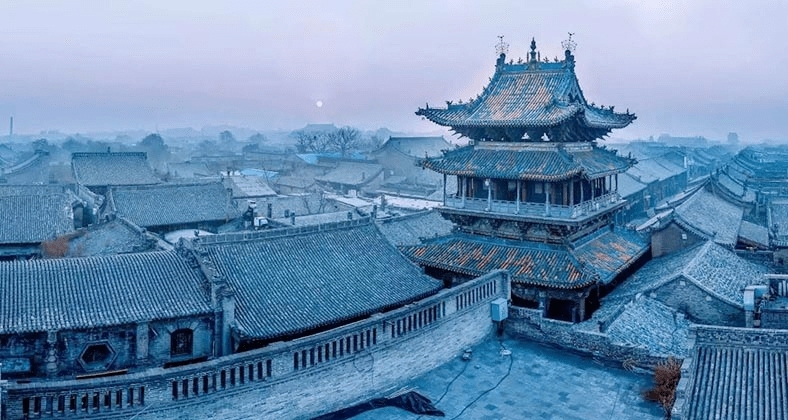
Pingyao Ancient City, with over 2,700 years of history, remains one of China’s best-preserved ancient cities. Its authentic layout features long, ancient city walls, elegant residences, courtyards, and a maze of streets and alleys that evoke the bustling county life of the Ming and Qing Dynasties. Designated a UNESCO World Cultural Heritage Site in 1997 alongside Shuanglin and Zhenguo Temples, Pingyao is one of the Four Most-Preserved Ancient Cities in China, making it a must-visit for those keen on history and culture.

A Journey Through Time

Pingyao was founded during the Western Zhou Dynasty in the 8th century BC, and it grew significantly during the Ming and Qing Dynasties. Unlike many ancient cities, it has survived wars and modernization, making it even older and more intact than famous counterparts like Lijiang Old Town, Huizhou Ancient City, and Langzhong Ancient City.

As the seat of county government since the Qin Dynasty (221 BC), Pingyao’s prominence only increased when its city walls were rebuilt and expanded in 1370. With over 400 ancient residential houses, government offices, shops, banks, and temples still standing, the city offers visitors a glimpse into traditional Chinese life, commerce, and religion.

Pingyao’s Unique Architecture

The architecture of Pingyao is one of its greatest treasures. Beyond its famous city walls and financial institutions, the city’s homes and structures reveal traditional design principles of the Ming and Qing Dynasties. Constructed using ancient techniques and materials, Pingyao’s buildings retain exquisite details in layout, decorations, and craftsmanship. When viewed from above, the city’s layout resembles a turtle, with the Southern Gate as its head, the Northern Gate as its tail, and the east and west gates representing its limbs.

Must-See Highlights in Pingyao

Ancient City Wall
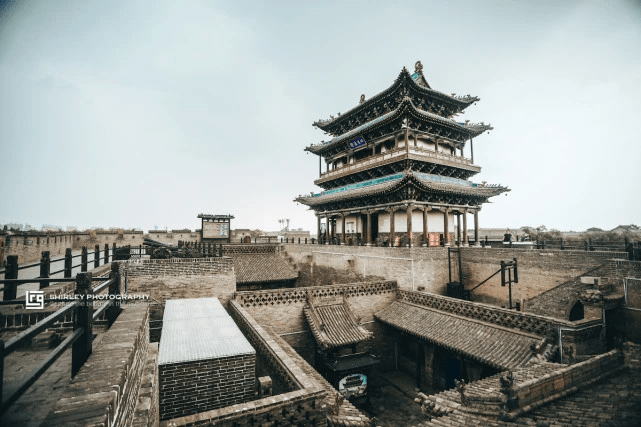
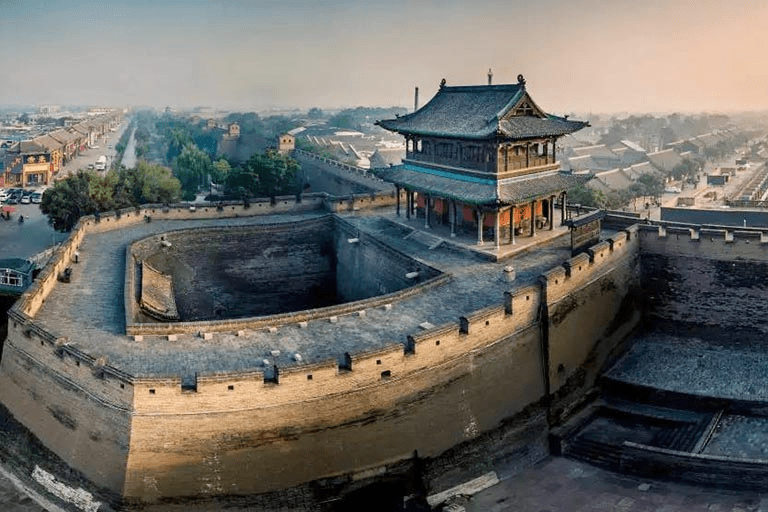
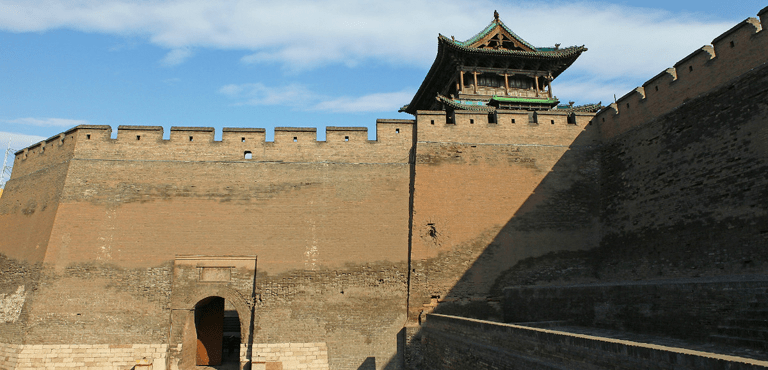
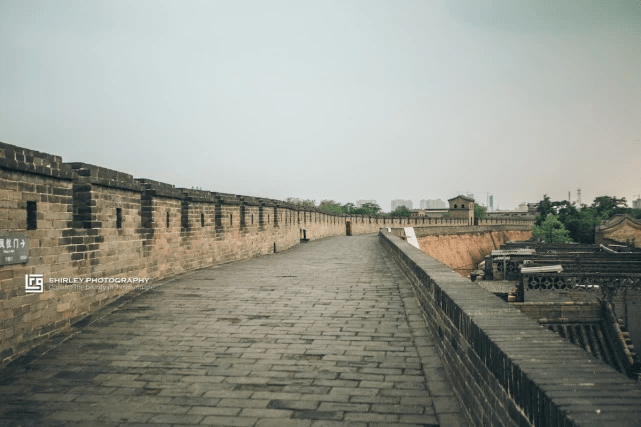
Built in 1370, Pingyao’s city walls stretch over 6,163 meters and are considered among the best-preserved in China. The walls stand 12 meters high, and at the top, you can explore 72 watchtowers, said to symbolize the 72 disciples of Confucius. Walking along the walls offers breathtaking views of the city below, the surrounding countryside, and the ancient military equipment once used to defend this historic town.

Rishengchang Former Bank
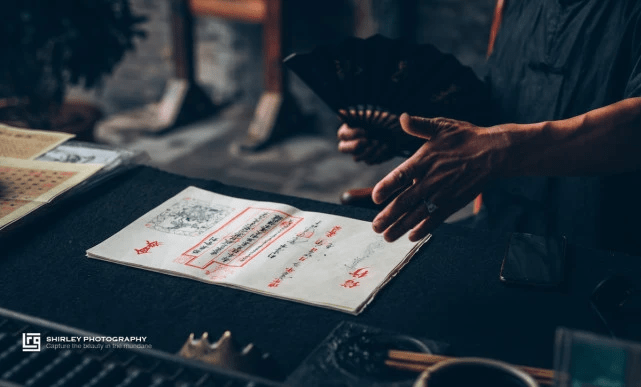
As China’s first modern bank, established in 1823, Rishengchang revolutionized financial operations in the Qing Dynasty. The museum here offers a fascinating look at China’s banking history, with exhibits on ancient financial tools, account books, and original working scenes.

North China First Escort Agency
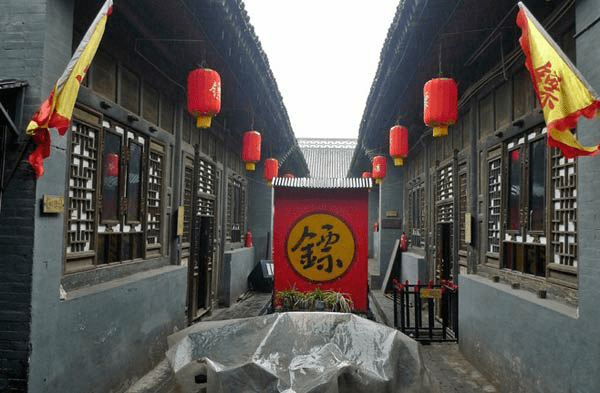
Known for its armed escorts protecting valuables, this agency thrived during the Qing Dynasty. Today, it’s a museum that tells the history of these brave escorts, showcasing the tools and techniques they used to safeguard goods during China’s bustling commercial era.

Pingyao Ancient Government Office
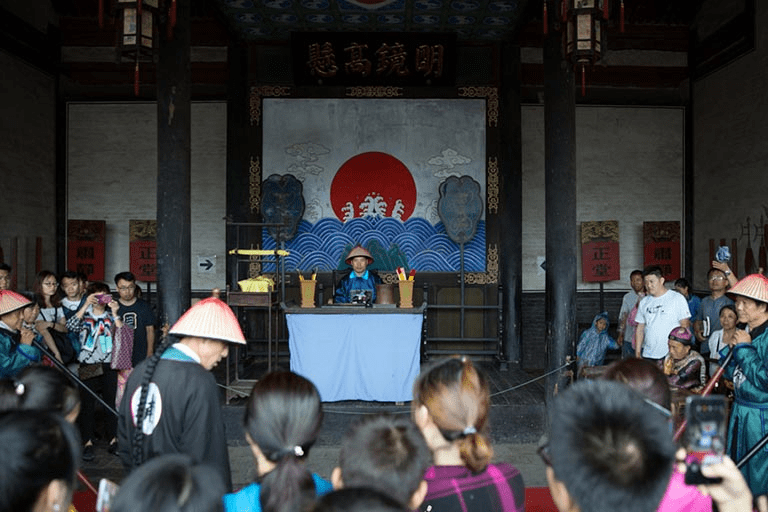
Dating back over 600 years, this grand office complex served as the seat of government in feudal China. Visitors can tour its judicial halls, ancient jails, and living quarters, and even watch performances of ancient court proceedings.

Temple of the City God
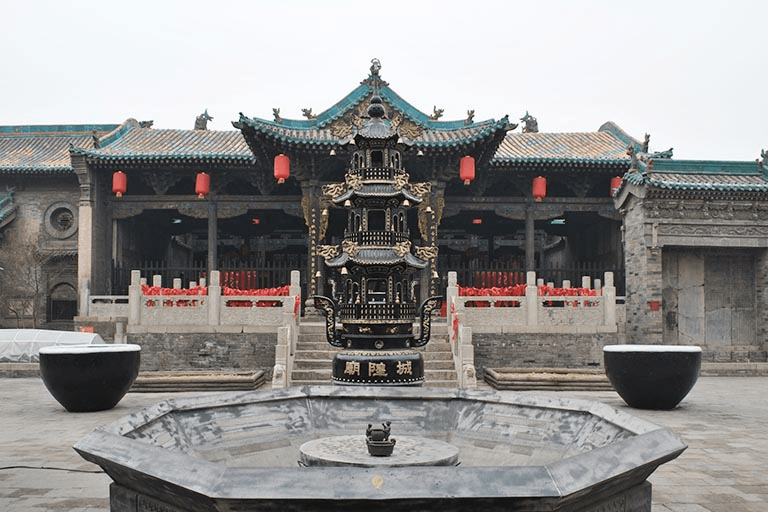
One of the most well-preserved City God temples in China, this Ming Dynasty complex is located in the eastern part of the city. With stunning wooden architecture, colored glazes, and vibrant frescoes, it’s a peaceful spot to take in the spiritual atmosphere while admiring the craftsmanship of centuries past.

Exploring Beyond the City

Pingyao Ancient City is part of a UNESCO-listed trio that includes the nearby Shuanglin and Zhenguo Temples, each rich with history and cultural significance.

  • Zhenguo Temple
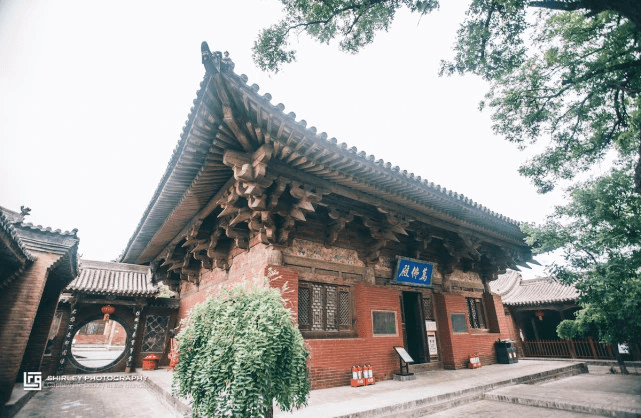
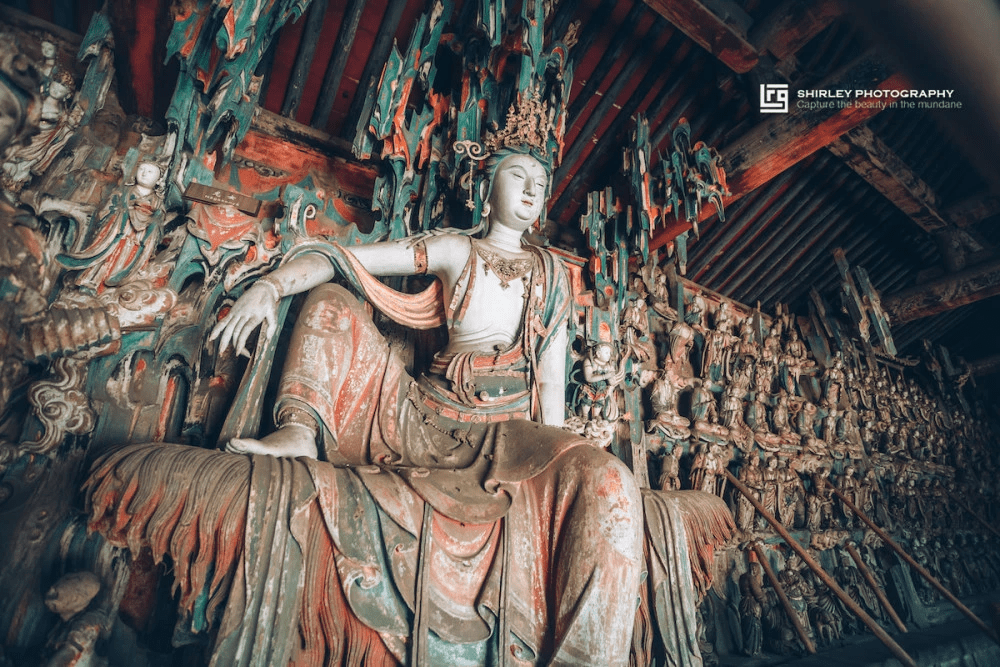
    Although less known, Zhenguo Temple is a hidden gem, offering an impressive array of ancient painted sculptures from the Five Dynasties period. The Ten Thousand Buddha Hall houses statues with a powerful presence, showcasing techniques that date back to the Tang Dynasty.

  • Shuanglin Temple
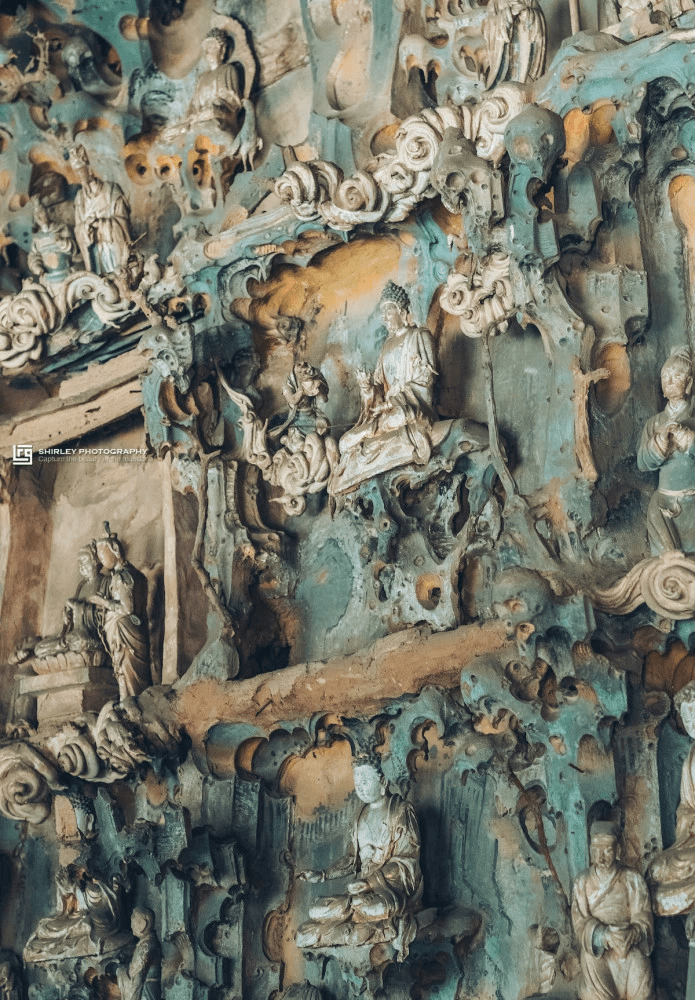
    Located just 6 kilometers from Pingyao, Shuanglin Temple is a masterpiece of Chinese painted sculpture, with over 2,000 Ming Dynasty statues that appear lifelike, capturing human emotions and worldly charm.

The Thousand-hand Avalokitesvara

A Culinary Adventure in Pingyao

Pingyao boasts 108 types of local snacks and dishes, with noodles being the star. The city’s famous Pingyao Beef is a must-try, thinly sliced and bursting with flavor. Another local favorite is Pingyao Wantuo, a buckwheat dish with a chewy texture that’s perfect for summer, known for its cooling and detoxifying properties.

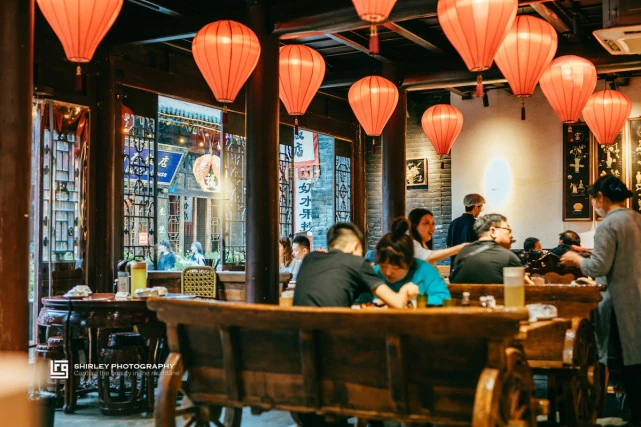
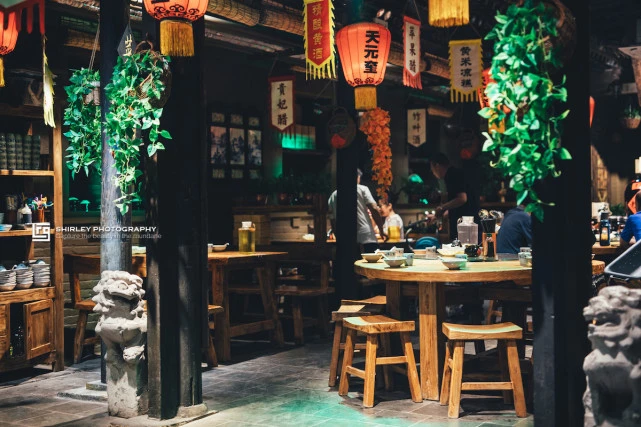
The environment is also a quaint restaurant

Tips for a Budget-Friendly Trip

Many tourist traps in Pingyao are located near the city’s outer entrances. Avoid being lured in by promotions outside and head straight into the ancient city for an authentic experience. Once inside, you can explore freely, with many areas open to the public.

  • Ancient City Pass: The ¥125 pass includes access to 22 attractions, such as the city walls, government offices, and temples. If you’re just looking to wander the streets and grab a bite, entry to the ancient city itself is free. The pass is valid for three days and can be purchased via the official “Pingyao Ancient City Scenic Area” mini-program. Discounts are available for students, military personnel, and seniors.

Where to Stay: Accommodations in Pingyao

Staying inside the ancient city is the best way to fully immerse yourself in Pingyao’s charm. Not only is it convenient for sightseeing, but it also allows you to enjoy the beautiful night views and avoid the peak tourist times. Homestays within the city are affordable, ranging from ¥100-200+ per night, with some offering traditional heated beds that add a touch of historical authenticity to your stay.

However, be sure to check the reviews and photos before booking, as the quality of accommodations can vary. Some rooms may be small or lack private bathrooms, so it’s essential to do a little research beforehand.

Pingyao Ancient City is vast, so if your time is limited, focus on exploring the main attractions around South Street and East Street. For those staying longer, take the time to wander the quieter alleys to experience local life and discover hidden gems beyond the tourist hotspots.


Pingyao Ancient City offers a unique window into China’s rich history and cultural heritage. With its well-preserved architecture, vibrant temples, and fascinating museums, it’s a destination that promises to transport you back in time, offering unforgettable experiences at every turn.

Link:https://peacelilysite.com/2024/09/20/exploring-the-timeless-charm-of-pingyao-ancient-city/

Source: https://www.chinadiscovery.com/shanxi/pingyao/pingyao-ancient-city.html, https://new.qq.com/rain/a/20210825A00UZJ00

The Old Boat and the Journey Within: Lessons from the Buddha on Cultivation and Liberation

During the Buddha’s lifetime, there was a time when he was teaching on the far side of a river. Eager to hear his wisdom, many monks wished to cross the river, but there was only one boat available. The boatman warned them, “My boat is very old, and with so many of you on board, it could be dangerous!” Yet, in their eagerness to reach the Buddha, the monks ignored the boatman’s caution and all climbed aboard. Reluctantly, the boatman set sail.

As they reached the middle of the river, the monks noticed water seeping into the bottom of the boat, and panic began to spread. The boatman calmly said, “I told you this boat is old, but you didn’t listen. Now, if you can’t stay calm, the boat will sink even faster.”

Upon hearing this, the monks stilled themselves and did not dare move. Thankfully, the boatman’s experience guided them safely to the other shore.

When the monks arrived and recounted the incident to the Buddha, he offered this teaching: “When you were in the boat, you feared for your safety. But in daily life, you fail to realize that danger is ever-present. Many people worry about the uncertainty of the future, yet neglect the most important thing — being mindful of the present moment. Focus on this life, this moment. Pay attention to your thoughts and purify your mind of the five poisons: greed, anger, ignorance, pride, and doubt.”

The Buddha continued, “Our bodies are like that old, leaky boat. We must reduce its burden, and the heaviest load is the weight of greed, anger, ignorance, pride, and doubt. Just like in the boat, if we don’t repair our minds and lighten our burdens, we risk sinking. Only by addressing these burdens can we safely reach the other shore.”

“Do not be preoccupied with the thought of being reborn in the Western Pure Land in your next life. Instead, focus on your present condition. Are you free from afflictions in this very moment? Do you act with an open heart? Can you humble yourself in the eyes of others? These are the true questions we must face in life.”

The contemporary Buddha H.H. Dorje Chang Buddha III  has also imparted timeless wisdom on cultivation. His Holiness teaches that true cultivation stems from the depths of your heart, from your bodhicitta — the awakened mind of compassion. Be genuinely friendly and loving to your spouse, your brothers, and your sisters. Foster harmony with your friends, act cooperatively with others, and extend care and help to all sentient beings. Apply the Four Limitless States of Mind — loving-kindness, compassion, joy, and equanimity — and cultivate bodhicitta in every action. Constantly reflect on yourself: How do you treat others with your words? With your thoughts? With your actions?

The conduct of Buddhas and great Bodhisattvas is marked by complete disregard for personal gain. When interests conflict, they give way to others, willingly taking fewer benefits or even none. You must remind yourself, “When others harm or slander me, I will not be disturbed. Even to those who harm me, I will wish them well, sincerely hoping for their happiness. Furthermore, I will take practical steps to help them, even offering financial aid — without letting them know that I am doing so.”

By living in accordance with these teachings, we become holy ones at the causal stage. Without a doubt, such cultivation leads to the perfection of wisdom and virtue. Achieving liberation and accomplishment becomes as simple as turning over one’s hand!

Link:https://peacelilysite.com/2024/09/19/the-old-boat-and-the-journey-within-lessons-from-the-buddha-on-cultivation-and-liberation/

#HHDorjeChangBuddhaIII #DorjeChangBuddhaIII #DorjeChangBuddha #ShakymuniBuddha

#WhatisCultivation #Compassion #Kindness #Liberation

The Legacy of Dou Yanshan: A Story of Kindness, Virtue, and the Law of Cause and Effect

When I was a child, I read The Three Character Classic (三字经) and came across a verse: “Dou Yanshan, of righteous conduct, taught five sons, all became famous.” At the time, I didn’t realize how much meaning was packed into these simple lines. Later, I learned that they tell a profound story. Dou Yanshan’s life and deeds provide undeniable proof of the law of cause and effect, offering a timeless moral lesson for the world. I would like to share Dou Yanshan’s story with you.

Dou Yujun, also known as Yanshan due to his home in Youzhou (part of the Yan region), lived during the Later Jin period of the Five Dynasties. He lost his father at a young age, and was raised solely by his mother, to whom he showed deep filial respect, never daring to disobey her. At that time, most men married in their twenties, and by the age of thirty, if they had no children, they would worry about their lineage. Dou Yujun, still childless in his thirties, was deeply concerned about his future.

One night, Dou had a dream where his deceased grandfather appeared and said, “Yujun, your past life’s negative karma is heavy, which is why in this life, you are not only childless but also destined for a short life. My dear grandson, turn your heart toward goodness. Perform acts of kindness and help others. Perhaps by doing so, you may change your fate.” Upon waking, Dou remembered every word of his grandfather’s message. From that moment, he vowed to avoid all evil and pursue only good deeds.

One example of his kindness involved a servant who had stolen twenty thousand taels of silver. Fearing punishment, the servant wrote a bond stating that he was selling his young daughter to repay the debt and then fled. When Dou discovered this, instead of punishing the girl, he burned the bond and raised her as his own. When she grew up, he even arranged a marriage for her, providing a dowry.

On New Year’s Day, Dou went to Yanqing Temple to pray and found 200 taels of silver and 30 taels of gold near a meditation cushion. Believing it to be someone’s lost property, he waited in the temple for the owner to return. After some time, a man arrived, crying in distress. Dou asked him what was wrong, and the man explained, “My father has been captured by bandits, and after much effort, I gathered 200 taels of silver and 30 taels of gold to ransom him. But now I’ve lost everything!” Dou, realizing this man was the rightful owner, returned all the silver and gold and even gave him additional travel money. The man left, filled with gratitude.

Dou Yujun was known for his many acts of kindness. When friends or relatives couldn’t afford coffins for their deceased, he provided them. When children of poor families had no means to marry, he paid for their weddings. He lent money to those in need so they could start businesses, helping countless people survive. Despite his generosity, Dou lived a frugal life. Each year, after setting aside the necessary expenses for his family, he used the rest of his income to help others. He even established forty schools, collected thousands of books, and hired teachers of high moral character to educate the youth. He paid the tuition of poor students, helping cultivate many outstanding individuals.

One night, Dou had another dream in which his grandfather appeared again, saying, “You have done many good deeds. Because of your great virtue, Heaven has extended your life by thirty-six years and will bless you with five noble sons, all of whom will achieve great success. When your time comes, you will ascend to Heaven.” His grandfather added, “The law of cause and effect is absolute. The consequences of good and evil deeds may appear in this life, in the next, or in the lives of your descendants. Heaven’s justice is unerring.”

After this, Dou Yujun continued to cultivate virtue with even greater diligence. Eventually, he had five sons, and due to his strict and righteous upbringing, they were all disciplined, harmonious, and filial. All five sons passed the imperial examinations and achieved high positions: his eldest, Dou Yi, became a Minister of State; his second, Dou Yan, became a Hanlin Academician; his third, Dou Cheng, served as Deputy Prime Minister; his fourth, Dou Kan, was an Imperial Chronicler; and his youngest, Dou Xi, became Assistant to the Minister of the Left. Even his eight grandsons achieved prominence. To honor Dou’s achievements, the imperial official Feng Dao wrote a poem:
“Yanshan’s Dou family, with righteous teachings, raised five sons, all blossoming like red laurels.”

Dou himself lived to the age of eighty-two. He predicted the time of his passing, bid farewell to his friends, bathed, dressed in clean clothes, and passed away peacefully.

The law of cause and effect is undeniable. Whether the consequences of good deeds are seen in this life, in the lives of one’s descendants, or in future reincarnations, they are inevitable. Dou Yujun not only enjoyed a long life and wealth, but his descendants also prospered, and his peaceful death is a testament to the blessings awaiting him in his next life. His vast and profound kindness brought him blessings in this life, in the lives of his descendants, and in the afterlife.

The renowned Song Dynasty scholar, Fan Zhongyan, used Dou Yujun’s story to teach his own children about the importance of good deeds, leading to the prosperity of the Fan family. While many people knew about Dou Yujun’s deeds, few truly acted on them. It is like entering a treasure mountain and leaving empty-handed. What a missed opportunity that would be!

Link:

A Single Rose Can Change a Life

One day, a little girl, full of innocence and joy, picked some roses. As she wandered down the road, she saw a poor beggar lying by the roadside. She paused, glanced at the flowers in her hand, and gently placed the most beautiful rose beside the sleeping man. She smiled to herself, thinking, “When he wakes up, he’ll be so happy.” With that, she skipped away, her heart light and joyful.

The sweet fragrance of the rose stirred the beggar from his slumber. Groggily, he opened his eyes and saw the delicate flower in his hand. “Did someone really give this to me? Could something so wonderful happen to someone like me? It’s like the sun rising in the west,” he thought, bewildered. “The person who gave me this flower must be a truly kind and beautiful soul.”

Overcome with emotion, the beggar decided to return to his shabby home. He rummaged through a dusty corner and found an old, dirty bottle. Filling it with water, he placed the rose inside. For a moment, he admired the flower, but then something nagged at him. “Wait,” he thought, “This beautiful rose can’t be in such a filthy bottle.”

He carefully removed the flower, washed the bottle thoroughly, and then placed the rose back inside. But as he looked again, he noticed the dusty table beneath it. “How could such a clean flower sit on such a dirty table?” He set to work, cleaning the table until it gleamed.

As he stepped back to admire the scene, he suddenly realized: “How can this beautiful rose, in a clean bottle, on a spotless table, exist in such a cluttered, dirty room?” He made a bold decision then and there – he would clean the entire house! With renewed energy, he swept away the dust, arranged his belongings neatly, and cleared out all the trash.

With every corner he cleaned, the house became warmer, cozier. A sense of peace filled the room. It was then that he caught his reflection in the mirror – his disheveled hair, his dirty face, his ragged clothes.

“Is that really me?” he asked himself.

Without hesitation, he took a bath, put on his best (though still worn) clothes, shaved, and tidied himself up from head to toe. When he looked in the mirror again, he smiled. “Hmm, I don’t look so bad!”

“Why should I remain a beggar? Tomorrow, I will find work,” he resolved.

Unbothered by hard or dirty work, and unpicky about the job, he soon found employment.

“Someone gave me a flower, and it turns out I’m not worthless after all,” became his daily mantra. It motivated him to work diligently, and as the years passed, he found success. But more than that, he discovered a new purpose.

“A single flower changed my life,” he thought. “I must help others in the same way.” And so, whenever he encountered someone in need, he offered a helping hand. Over time, the number of people he helped grew, and within a few years, he became a respected philanthropist, known far and wide for his kindness.

The story doesn’t end here. Those he helped went on to spread kindness to others, creating a ripple effect that touched countless lives.

In truth, we all need a beautiful flower – a small act of kindness – to remind us of our worth. And that flower? It’s something we all possess and can give freely.

Isn’t it true?

  • In public, we can hold the door for someone behind us.
  • When we see someone feeling down, we can offer them a smile.
  • We can give a genuine compliment to brighten someone’s day.
  • On a rainy day, we can drive a little slower to avoid splashing water on pedestrians.
  • We can pick up a stray nail on the ground to prevent someone from getting hurt.
  • We can speak with kindness and warmth to everyone we meet.

These are simple actions, right? They require little effort, yet they have the power to transform lives. Just like that unnoticed rose changed the beggar’s life, our small acts of kindness can change the world, one person at a time.

In our daily lives, we often believe that once something is done, it’s over. Once words are spoken, they disappear. But in reality, it’s far from over. A kind word, a smile, a simple gesture – these can brighten someone’s day, create ripples of happiness, and leave a lasting impact.

Giving someone a rose, literal or figurative, not only leaves a lingering fragrance in their heart, but it also brings joy back into our own lives. Today, when we plant a seed of kindness, it may grow into a tree in ten years. In a hundred years, it could become a small forest. And in a thousand years, that forest may provide blessings to generations yet to come.

Nothing we do, say, or think ends at the moment. Whether good or bad, everything continues to spread, shaping the world around us.

Link:

A True Friend

Once, in a quiet monastery nestled in the hills, the Buddha sat before his disciples. The evening sun painted the sky in hues of gold and crimson, and the air was filled with a profound stillness, broken only by the occasional rustling of leaves in the gentle breeze. The monks, eager for wisdom, sat in reverence as the Buddha began to speak.

“Monks,” the Buddha said, “in this world, there are many who come and go in our lives. Some pass by like the wind, leaving no trace, while others remain, their presence felt deeply in our hearts. Among those who remain, there is a rare kind of person, a true friend, who is like a shelter from life’s storms, a beacon of light in the darkest of times. Such a friend is endowed with seven precious qualities, and these qualities are worth cultivating, for a friend like this is rare indeed.”

The monks listened attentively as the Buddha continued, “Which seven qualities are these? First, a true friend gives what is hard to give. He does not withhold generosity, even when it is difficult. Whether it be his time, his effort, or his possessions, he offers them freely, without hesitation. This kind of giving is rare, for many are willing to give when it is convenient, but few give when it costs them something.”

The Buddha paused, letting his words sink in, then added, “Second, he does what is hard to do. A true friend will go beyond his comfort zone for the sake of his companion. He will stand by you when others shy away, face challenges with you, and make sacrifices when needed, not for his own gain, but for the sake of friendship.”

The monks reflected on this as the Buddha continued, “Third, he endures what is hard to endure. Life is not always easy. There are times of joy, but also times of suffering and hardship. A true friend remains steadfast during the difficult times. He does not flee when the winds of adversity blow; instead, he endures alongside you, bearing the weight of the struggle as if it were his own.”

Then, the Buddha smiled softly and said, “Fourth, he reveals his secrets to you. Trust is the foundation of true friendship. A true friend does not hide behind a mask or shield himself with falsehoods. He shares his heart with you, revealing his vulnerabilities, knowing that in doing so, the bond of trust between you will grow ever stronger.”

“Fifth,” the Buddha continued, “he keeps your secrets. Just as he trusts you with his, so too does he honor your trust. He safeguards what you confide in him, never betraying your confidence, never allowing the winds of gossip to carry away what you have entrusted to him.”

The Buddha’s voice softened as he spoke of the sixth quality. “When misfortunes strike, he doesn’t abandon you. Life is unpredictable, and at times, suffering may come upon you like a sudden storm. A true friend does not turn his back on you in these moments. He stands beside you, offering support, comfort, and strength. He is like a tree with deep roots, unshaken by the winds of fate.”

Finally, the Buddha said, “The seventh quality is this: When you’re down and out, he doesn’t look down on you. In times of failure or disgrace, when the world seems to turn its back on you, a true friend remains by your side, never judging, never scorning. He sees you not for your misfortune, but for who you truly are. His respect for you does not waver, even when you are at your lowest.”

The monks, inspired by these words, bowed their heads in gratitude as the Buddha’s voice grew gentle. “Such a friend, endowed with these seven qualities, is a rare and precious gift. He gives what is beautiful yet hard to give, does what is hard to do, and endures the bitter words that life may bring. His heart is open to you, and he protects your heart in turn. In the darkest of times, he will not leave you, and even when you falter, his love for you does not falter.”

The Buddha paused for a moment, letting the weight of his words fill the air before continuing, “To cultivate such a friendship is a blessing for both parties. A friend like this is not just a companion but a guide, a mirror that reflects your virtues and helps you grow. Such a bond nurtures the spirit and brings peace to the heart. Therefore, monks, seek to be such a friend. Cultivate these seven qualities within yourself, and you will draw others of similar virtue to your side.”

The monks looked at one another with renewed purpose, understanding now that friendship was not a simple matter of convenience or shared interests but a profound practice of giving, endurance, and trust. The Buddha’s words had opened their hearts to the deeper meaning of companionship, and they resolved to embody the qualities of a true friend in their own lives.

And so, as the evening deepened and the stars began to appear in the sky, the monks rose, filled with a sense of peace. They knew that in cultivating these seven qualities, they would not only find true friends but would become true friends themselves—vessels of compassion and wisdom in a world often marked by fleeting connections.

The Buddha smiled as he watched them depart, knowing that the seeds of his teaching had taken root in their hearts, and that in time, they would bear the fruits of deep and enduring friendships, blessed with the seven qualities of a true friend.

Link: https://wisdomtea.org/2024/09/05/a-friend/