When the Flu Is Gone but Fatigue Remains: How to Help Your Immune System Truly Recover

“Healing doesn’t end when the symptoms disappear — it ends when the body finally feels safe to rest.”

As the weather cools and flu season approaches, I came across some fascinating medical insights online that I felt were worth sharing with everyone reading my blog. Many of us have experienced this: the cold or flu seems gone, yet fatigue, throat irritation, or strange discomforts linger. Why does this happen, and how can we truly recover?


🧠 The Immune System Has a Memory—And Sometimes a Grudge

Doctors often hear this kind of complaint:

“My cold is gone, but I’m still exhausted. My throat feels weird, I get dizzy, and my stomach’s off…”

This isn’t because the virus remains—it’s because your immune system hasn’t fully stood down.

According to a 2025 review published in Cell Research, our immune system possesses something called trained immunity. That means it “remembers” past infections, stress, or inflammation. This helps it react faster next time—but sometimes, it overreacts.

It’s like your body has fought a war, and though the battle is over, the soldiers are still gripping their weapons, ready to defend at the slightest sound.

That’s why after you’ve “recovered,” you may still feel fatigued, have a scratchy throat, dry skin, or stomach issues. Your immune system is still in battle mode.


🦴 Memory Hidden in the Bone Marrow

This “memory” lives deep in your bone marrow stem cells, which remember intense inflammation and produce more reactive immune cells afterward.

In moderation, this keeps you alert to future threats. But under constant stress—lack of sleep, oily food, pollution, or anxiety—your immune system becomes overly vigilant.

Over time, this can cause chronic low-grade inflammation, leading to lingering tiredness, allergies, digestive issues, and even chronic diseases like diabetes or heart problems.


⚠️ When the Immune System Is Too Vigilant

The immune system is meant to react swiftly and then reset. But when it forgets how to relax, it starts misidentifying harmless things as threats.

You might notice:

  • Sore throats that flare up with stress
  • Headaches or bloating after emotional tension
  • Skin or gut reactions after eating sweets or processed food

These are signs of an overtrained immune system—one that’s too loyal for its own good.


🌼 How to Help Your Immune System “Let Go”

The best medicine isn’t a pill—it’s how you live every day. Here are four gentle ways to guide your immune system back to balance:

1. Eat for Calm, Not Chaos

Skip high-fat, high-sugar, and processed foods that fuel inflammation.
Instead, try a Mediterranean-style diet—fresh vegetables, fruits, olive oil, nuts, fish, and whole grains.
These nourish your immune cells and teach them to stay calm.

2. Sleep: The Reset Button

Sleep resets immune memory. Without enough rest, bone marrow cells stay in high-alert mode.
A regular sleep schedule is like a classroom where your body learns order and recovery.

3. Manage Stress Gently

Emotions like anxiety, anger, and loneliness all affect immunity.
Take time for deep breathing, sunlight, music, or quiet moments. Even doing nothing helps your body hear the message: “It’s safe now.”

4. Move, Don’t Push

Moderate aerobic exercise trains your immune system to respond wisely.
Studies show that people who move regularly—three to five times a week—have stronger, steadier immunity and less fatigue.


🌸 True Health Is Intelligent Immunity

Many believe “strong immunity” means “never getting sick.”
But true health means having an intelligent immune system—one that knows when to fight and when to rest.

So if you’ve recently recovered from a cold but still feel drained, don’t worry. Your body isn’t weak—it’s simply learning how to relax after the storm.

Be patient and kind to yourself.
Eat well, sleep deeply, breathe freely, and move with ease.
That heavy, lingering fatigue will soon melt away.

Because your body remembers not just pain—it also remembers peace.

Your body’s memory is a diary of your life.
When you fill your days with calm, warmth, and balance, your immune system learns to trust again.
And in that trust, you don’t just recover from illness—you truly return to health.

Link:https://peacelilysite.com/2025/10/24/when-the-flu-is-gone-but-fatigue-remains-how-to-help-your-immune-system-truly-recover/

Louise Hay: From Pain to Healing, From Healing to Helping the World

There are some people whose presence feels like sunlight—warm, gentle, and full of hope. Louise Hay was one of them. An internationally renowned spiritual teacher, best-selling author, and pioneer of the self-help movement, she inspired millions of people around the world to believe in their own healing power. Her landmark book You Can Heal Your Life has sold over 50 million copies in 35 countries, translated into 29 languages, and for many, it sits by the bedside as a trusted guide through life’s storms.

To the world, Louise Hay seemed perfect—healthy, elegant, wise, always radiating grace. Her teachings lifted countless people out of despair, helped them restore their health, and gave them courage to live again. Media across the globe lovingly called her “the closest person to a saint.”

But what made Louise extraordinary was not that her life was flawless—it was that she transformed the deepest wounds into the greatest gifts. Behind her radiant presence was a childhood filled with suffering, abuse, and neglect. It was from that very pain that she forged the wisdom that changed the lives of millions.

1. Falling Amid Misfortune

When Louise was just 18 months old, her parents divorced, abruptly ending her once-happy family life.

At that time, women had little social standing. After the divorce, her mother could only work as a maid to survive, while Louise was sent to live in foster care.

At age five, her mother remarried in the hope of giving Louise a complete home. But this marked the beginning of her nightmare.

Louise was raped by a neighbor, abused and assaulted by her stepfather, and subjected to violence and sexual exploitation. These experiences left her with deep wounds and a lack of self-worth. In her teenage years, as long as a man showed her the slightest kindness, she would give herself to him. By the age of sixteen, she had already given birth to a daughter.

Her childhood was filled with tragedy, and her youth with self-destruction. Those early wounds shaped her into someone who did not know how to love herself.

Yet later in life, Louise chose not to remain trapped in resentment or regret. She said, “No little boy is born a predator, and no little girl is born a victim. These are learned behaviors shaped by childhood experiences.”

2. Awakening and Transformation

In her forties, Louise was diagnosed with cancer. That moment became her wake-up call. She realized how little she had cared for her own body, and she resolved to change.

Instead of following the conventional treatment suggested by her doctors, she turned to what she called “holistic healing.” Within six months, her cancer had disappeared.

Holistic healing, as Louise practiced it, meant changing destructive thought patterns and adopting healthier eating habits. She stopped mourning her unhappy past and stopped blaming her parents. Instead, she came to understand their own painful childhoods.

During her recovery, she ate mostly sprouts and simple natural foods, avoiding processed products entirely. She also trained her mind daily—using positive affirmations, choosing not to let negative emotions dominate her, and seeing every situation through a more uplifting perspective.

Her life changed completely. She documented her experiences and insights in books, which went on to inspire millions and transform countless lives.

3. You Can Choose Your Own Destiny

There are many in this world who have been hurt or are still suffering. Their stories move us deeply.

But as an old Chinese saying goes, “Those who seem pitiable often have traits that make them vulnerable.” In truth, much of life’s suffering continues because, consciously or unconsciously, we allow it. And the root often lies in our formative years.

Take, for example, teenage pregnancies. While news headlines may highlight shocking cases, the majority stem not from coercion but from lack of self-respect or proper knowledge. Similarly, many women trapped in abusive relationships remain because they lack self-worth and the courage to leave.

We cannot rewrite our childhoods, but we can shape our adult lives. As Louise Hay wrote in You Can Heal Your Life: Mindfulness Edition:

“Every negative message you received as a child can be transformed into a positive affirmation.”

If you had an unhappy past, stop feeding yourself negative words. Begin telling yourself: I am worthy of love. I am needed. I have many strengths. I can live the life I choose.

And if doubt still lingers, look at Louise Hay’s journey. Few have endured the kind of suffering she did—yet she lived a life admired and envied by many. If she could, why not you?

In the infinity of life where I am, all is perfect, whole, and complete.

Life Is Really Very Simple. What We Give Out, We Get Back.  What we think about ourselves becomes the truth for us. I believe that everyone, myself included, is responsible for everything in our lives, the best and the worst. Every thought we think is creating our future. Each one of us creates our experiences by our thoughts and our feelings. The thoughts we think and the words we speak create our experiences.”

Her books may be called “chicken soup for the soul,” but isn’t that exactly what we need sometimes? A warm voice reminding us that we are enough, that healing is possible, and that life can be beautiful again.

You Can Heal Your Life walks us through every stage of existence—childhood pain, love’s struggles, career challenges, health worries, aging, and even the fear of death. Louise’s message is simple but powerful: change your beliefs, and you will change your life.

This “chicken soup” has comforted millions, given them strength, and helped them step into new beginnings.


💖 A Gentle Reminder

If you feel lost, unworthy, or stuck in a cycle of pain—Louise’s story is a light in the darkness. Her life teaches us that healing begins not from the outside, but from within.

No obstacle is too great. No past is too broken. Deep within each of us lies an infinite potential waiting to bloom. When we dare to change our thoughts and love ourselves, life unfolds in colors we never imagined.

Believe it: just like Louise Hay, you too can heal your life—and create a future filled with peace, love, and joy.

Here is the link for the E-book.

Link:https://peacelilysite.com/2025/09/03/louise-hay-from-pain-to-healing-from-healing-to-helping-the-world/

Nobel Prize Research Reminds Us: Don’t Stay Up Late!

When the 2017 Nobel Prize in Medicine was announced, many were surprised—it focused on something that touches all of us: our biological clock.

Three scientists—Jeffrey C. Hall, Michael Rosbash, and Michael W. Young—received the award for discovering how our bodies keep time at the molecular level. In simple terms, they revealed how our “internal clock” works, and why disrupting it can be so damaging to our health.

This clock silently manages almost everything in the body—when we feel sleepy or alert, our body temperature, hormone levels, and even how our cells repair themselves. But when we stay up too late, this delicate system is thrown off balance, and the consequences can be serious.

Their research found that:

  • Staying up late disrupts the body clock, paving the way for illness.
  • Lack of sleep can cause the brain to “eat itself”—astrocytes, specialized brain cells, begin devouring synapses.
  • If circadian-regulating genes fail, the risk of tumors increases.

The clear takeaway from this Nobel Prize-winning research? A familiar piece of advice: Don’t stay up late!

Yes, it’s something our parents, teachers, and elders have reminded us about countless times. But now, there’s a Nobel Prize—and 9 million Swedish kronor —to back it up.


Ancient Wisdom Meets Modern Science

Interestingly, the idea of the “body clock” isn’t new. Thousands of years ago, Traditional Chinese Medicine described how energy, or Qi, flows through the body in cycles. The 24-hour day was divided into twelve two-hour intervals, with each period linked to a specific organ system.

For example:

  • Between 1 a.m. and 3 a.m., the liver is at peak function, cleansing the blood and preparing the body for renewal.
  • From 3 a.m. onward, energy shifts to organs that support digestion and daily activity, such as the lungs, large intestine, and stomach.
  • By mid-afternoon, energy begins to flow inward again to support organs that restore and maintain the system, such as the kidneys and pericardium.

Understanding this Body-Energy Clock can help us better manage our sleep, meals, and mood. Modern science now echoes this ancient wisdom: align with your natural rhythms, and you’ll thrive.


The Role of Melatonin

Science also tells us about melatonin, often called the “sleep hormone.” Melatonin is vital for regulating the sleep-wake cycle. Levels begin to rise soon after darkness falls, peak between 2 a.m. and 4 a.m., and then gradually decline.

This explains why going to bed too late often leads to trouble falling asleep, and why sleep after 4 a.m. tends to be light and restless. For the best rest, it’s ideal to sleep between 11 p.m. and 4 a.m., when melatonin levels are highest and most restorative.


The Benefits of Sleeping Early and Rising Early

Research consistently shows that early sleepers and early risers enjoy powerful health benefits:

  • Better mental health: Early risers of all ages report more positive emotions and greater self-rated health.
  • Reduced risk of depression: A U.S. study found that going to bed just one hour earlier lowers depression risk by 23%.
  • Weight management: Staying up late disrupts hormones, leading to weight gain. Going to bed on time, combined with early rising and regular exercise, helps maintain a healthy weight.
  • Stronger immunity: Adequate sleep enhances immune function, reducing the risk of infections and chronic diseases such as heart disease, hypertension, diabetes, and stroke.
  • Sharper thinking: Early sleepers and early risers score 30% higher on word-association tests compared to night owls.

The message from both Nobel Prize-winning research and ancient health wisdom is clear: respect your biological clock.

Going to bed early and waking up early is not just about feeling more refreshed—it protects the brain, strengthens the body, improves mood, and may even add years to your life. So tonight, give yourself the gift of sleep—it’s worth more than 5 million!

Link:https://peacelilysite.com/2025/08/28/nobel-prize-research-reminds-us-dont-stay-up-late/

How I Quit Smoking After 20+ Years — Thanks to the Buddha Dharma of H.H. Dorje Chang Buddha III

During my school days, I unknowingly picked up the bad habit of smoking. After entering the workforce as a designer, the nature of my job required prolonged thinking, which led me to smoke incessantly. Sometimes, I would smoke over 60 cigarettes a day, staining my fingers a light yellow. The smell of tobacco lingered on my hands, and even when I brought them close to my nose, I could still sense the scent. Despite knowing how harmful smoking was to my health, I simply couldn’t quit.

I always felt that smoking was a form of enjoyment. Being frugal, I would smoke cheaper cigarettes when alone and keep a better pack for social occasions. Smoking also came with a significant financial cost. In my early working years, money was tight, and I couldn’t always afford cigarettes. Often, I bought just one or two loose cigarettes. Sometimes, I would smoke a cigarette in multiple sittings—lighting it, taking a couple of puffs, extinguishing it, and repeating the process. When I had no cigarettes, I would secretly pick up discarded cigarette butts to smoke. Occasionally, I even picked up others’ cigarette butts—how miserable it was just to satisfy my smoking habit! Even now, an old classmate of mine still teases me about how, back in the day, I would visit him for a meal when I was broke. After eating, I would crave a cigarette and would blurt out, “A cigarette after a meal is better than being an immortal!” This classmate, who never smoked, still brings up this incident to mock me.

Later on, although I could afford cigarettes, I knew deep down that smoking was not a good thing. The numerous “No Smoking” signs everywhere made it clear that smoking was frowned upon. I couldn’t smoke freely in public and had to step outside no-smoking areas when I couldn’t resist the urge. Even at home, I couldn’t smoke at ease. To avoid annoying my family and exposing them to secondhand smoke, I had to hide away on the balcony to smoke. This furtive way of smoking made me feel like a thief, carrying a constant sense of guilt.

“You’re just taking a puff of smoke into your lungs and then exhaling it—what’s the point?” My wife often said this to me. She was right; there was no real meaning to it. I was spending money to harm my own health. So, I made up my mind to quit smoking!

However, quitting a habit cultivated over twenty years was no easy task. I tried every quitting method I heard of—keeping snacks in my pocket to replace cigarettes, writing a quit-smoking journal, telling people I was quitting so they could hold me accountable, and even just holding a cigarette without lighting it. I experimented with all these strategies. At best, I lasted four or five days; my longest attempt lasted three to four months. But I always ended up relapsing. Every time I finished a cigarette, I immediately regretted it and resolved to quit again. This cycle repeated endlessly—I quit, then smoked again, and then quit again. I both hated and loved smoking. I wanted to quit but just couldn’t. Quitting smoking was truly not easy.

After so many failed attempts, no one believed I could do it anymore. People would just smile knowingly when I mentioned quitting, and even I lost hope in myself. But then, due to an extraordinarily auspicious connection, I encountered the Buddha Dharma as taught by H.H. Dorje Chang Buddha III, who is no different from Shakyamuni Buddha. This profoundly touched my heart. I realized that this bad habit was leading me toward degeneration, so I firmly resolved to quit smoking.

I started using the money I would have spent on cigarettes to buy fruits as offerings to the Buddhas and Bodhisattvas, increasing my merits. Sometimes, I used it to release captive animals or to show filial respect to my parents. This time, quitting smoking felt surprisingly effortless. My wife was amazed and praised the power of Buddha Dharma, marveling at how I had truly succeeded in quitting.

Once, a Dharma brother was setting up a Buddhist shrine in his factory. A highly virtuous master traveled from afar to lead the ceremony. More than thirty of us gathered to celebrate, and everything was prepared—except that we couldn’t find a lighter to light the lamps. No one in the group smoked, so no one had a lighter. Eventually, someone had to step outside to borrow one. At that moment, I was struck by how remarkable Buddhist disciples were—out of so many people, not a single one smoked. I thought, Surely, many of them, like me, must have quit smoking. When I asked a fellow practitioner if he had a lighter, he just smiled knowingly and shook his head.

After quitting smoking, I no longer coughed or felt nauseous when brushing my teeth in the morning. I felt lighter, both physically and mentally. However, the habit formed over nearly thirty years didn’t just disappear overnight. For a long time—sometimes even one or two years later—after dinner, I would pace back and forth on the balcony, feeling like I was supposed to be doing something but not knowing what. Only after thinking for a while would I realize, Oh! It’s the old smoking habit. This proved just how difficult it is to break ingrained habits. Truly, “A leopard cannot change its spots.”

Yet, after much effort, I finally broke the long-standing smoking habit. I realized that smoking was simply a habit, and not smoking was also a habit. H.H. Dorje Chang Buddha III teaches: “All phenomena become natural through habit.” That is why we must be cautious not to develop bad habits, as they can easily become ingrained. Instead, we should cultivate good habits, no matter how small, and continue to practice them.

After I quit smoking, my old friends were impressed: “You have incredible willpower!” “You’re so determined!” Receiving praise naturally felt good—much better than being criticized. I would joyfully reply, “Yes, I quit! I know this was the power of Buddha Dharma.”

Indeed, life is like a puff of smoke—it quickly vanishes into thin air. No matter how enjoyable, it is nothing more than fleeting mist. Only by maintaining good health can we have a future. Now, whenever I hold a cigarette in my hand, I smile at my past ignorance and feel grateful for my present success.

Today, as I embark on a new journey, how could I ever harm myself again? I shall light an eternal lamp in my heart, illuminating the path of my Buddhist practice with the radiant light of wisdom.

Written by: Ming Xun
Edited by: Bodhi Seed & Others

How I Quit Smoking After 20+ Years — Thanks to the Buddha Dharma of H.H. Dorje Chang Buddha III

Link: https://dharma-hhdorjechangbuddhaiii.org/how-i-quit-smoking-after-20-years-thanks-to-the-buddha-dharma-of-h-h-dorje-chang-buddha-iii/

#DorjeChangBuddhaIII #HHDorjeChangBuddhaIII #Buddha #Dharma #BuddhaDharma #QuitSmoking #Smoking

Unlocking Wellness: The Power of the Gallbladder Meridian in Traditional Chinese Medicine

In Traditional Chinese Medicine (TCM), the gallbladder plays a crucial role in maintaining overall health. While often overlooked, its function affects various aspects of well-being, from digestion to hair health and even fat distribution. By understanding the gallbladder meridian and learning simple techniques to stimulate it, you can enhance your body’s natural healing processes and promote long-term vitality.

The gallbladder meridian runs along both sides of the body, starting from the outer corner of the eye at the pupil’s ridge point and ending at the outer side of the tip of the fourth toe at the foot’s yin point. There are a total of 44 acupuncture points from head to toe.

Gallbladder Meridian(大纪元制图)

Signs of Poor Gallbladder Function

One of the most noticeable signs of poor gallbladder function is premature graying of hair. According to TCM wisdom, “Hair is the extension of blood,” meaning that when the body lacks sufficient nutrients and energy, hair health deteriorates. Without proper nourishment, hair may turn gray earlier than expected.

Another common indicator is excessively oily hair. This occurs when bile secretion is insufficient, preventing the body from effectively breaking down fats. Combined with excessive liver heat, this imbalance can result in an oily scalp and other digestive disturbances.

Poor gallbladder function can also manifest in fat accumulation, particularly along the outer thighs. When the gallbladder meridian becomes blocked, toxins and waste accumulate in this area, making weight loss more difficult. For those who exercise regularly, these “waste” deposits may shift downward, leading to thickened calves, also known as “radish legs”—a common concern for both men and physically active women.

One of the simplest and most effective ways to support gallbladder health is through tapping the gallbladder meridian. This practice helps stimulate bile secretion, improve nutrient absorption, and remove blockages along the meridian. Many people who consistently tap their gallbladder meridian for one to two months notice their pants fitting more loosely, making it a great natural approach to slimming the thighs and supporting digestion.

How to Tap the Gallbladder Meridian

The best part: You don’t need any special equipment—just your hands. Since the gallbladder meridian runs along both sides of the body, you can simply use your fists to tap along its path. Here’s a step-by-step guide:

  1. Find a Comfortable Position – The best position is to stand up and rest your leg on a bench so that your thigh is parallel to the ground, or sit down on a chair while keeping your body relaxed.
  2. Start from the Hip – Using your fist, gently but firmly tap along the outer thigh, working your way down to the knee.
  3. Maintain a Steady Rhythm – Aim for about two taps per second with moderate pressure.
  4. Repeat for 3-5 Minutes – Perform around 200 ot 300 taps per side, adjusting the intensity based on your body’s comfort level.
  5. Be Consistent – For best results, practice daily and gradually increase the duration as needed.

Since the outer thigh is the only section where the gallbladder meridian runs alone, it is the most accessible and effective area for tapping. With consistent practice, you may notice improved digestion, increased energy, and a reduction in fat accumulation.

Consistency is key. In TCM, true healing doesn’t come from quick fixes but from nurturing the body over time. While medications and dietary changes can help, activating the body’s natural self-healing abilities is the most sustainable path to wellness. By regularly tapping the gallbladder meridian, you not only improve gallbladder function but also support overall circulation, detoxification, and vitality.

Take Charge of Your Health

Tapping the gallbladder meridian is a simple yet powerful wellness practice suitable for people of all ages. Whether you seek to improve digestion, promote liver health, or achieve a leaner physique, this ancient technique can help you reconnect with your body’s natural rhythm.

Remember: your health is in your hands. Start today and experience the transformative benefits of tapping the gallbladder meridian!

Link:https://peacelilysite.com/2025/03/21/unlocking-wellness-the-power-of-the-gallbladder-meridian-in-traditional-chinese-medicine/

Spring Liver Care: Nourishing Your Body in the Season of Renewal

As spring arrives, Yang energy begins to rise, nature awakens, and the world bursts into vibrant life. This season of renewal is the perfect time to focus on rejuvenation—not just for nature but for our own bodies as well. According to Traditional Chinese Medicine (TCM), the liver is closely linked to spring, making this the ideal time to nourish and support this vital organ.

TCM emphasizes the deep connection between human health and the changing seasons, a concept known as “unity of heaven and man” (天人合一). Spring corresponds to the liver, which governs the body’s ability to detoxify, regulate energy flow, and promote smooth circulation. Just as trees sprout new leaves and flowers bloom, the liver thrives in this season of growth and renewal. Supporting liver health during spring can enhance digestion, boost energy levels, and improve overall well-being.


What you eat plays a significant role in keeping your liver happy. By incorporating the right foods into your diet, you can naturally support your liver’s detoxification processes, reduce inflammation, and promote overall vitality. Here are some of the best foods for liver health, along with easy and delicious ways to prepare them:


1. Leafy Greens (Spinach, Kale, Dandelion Greens, Arugula)

🌿 Why? Leafy greens are packed with chlorophyll, a natural detoxifier that helps remove toxins and heavy metals from the liver. They also contain compounds that aid in bile production, which is essential for digestion and detoxification.

🍽 How to Enjoy:
✔️ Sautéed Greens: Lightly cook with garlic and olive oil to enhance flavor while retaining nutrients.
✔️ Green Detox Smoothie: Blend with lemon, apple, and ginger for a refreshing and cleansing drink.
✔️ Spring Salad: Toss with olive oil, lemon juice, and nuts for a crunchy, nutritious meal.

💡 Tip: Bitter greens like dandelion and arugula are especially powerful for liver health. Try adding them to your salads or lightly steaming them to tone down their bitterness.


2. Turmeric

Why? This golden spice is a superstar for liver health. It contains curcumin, which helps reduce liver inflammation, aids in detoxification, and enhances bile production for better digestion.

🍽 How to Enjoy:
✔️ Golden Milk: Mix turmeric with warm almond milk, honey, and black pepper for a soothing anti-inflammatory drink.
✔️ Turmeric Rice: Cook rice with a pinch of turmeric, garlic, and a bit of coconut oil for a flavorful, healing dish.
✔️ Turmeric Tea: Simmer turmeric with ginger and lemon for a warm, cleansing tea.

💡 Tip: Always pair turmeric with black pepper or healthy fats (like coconut oil or olive oil) to enhance its absorption.


Photo by Marcelo Verfe on Pexels.com

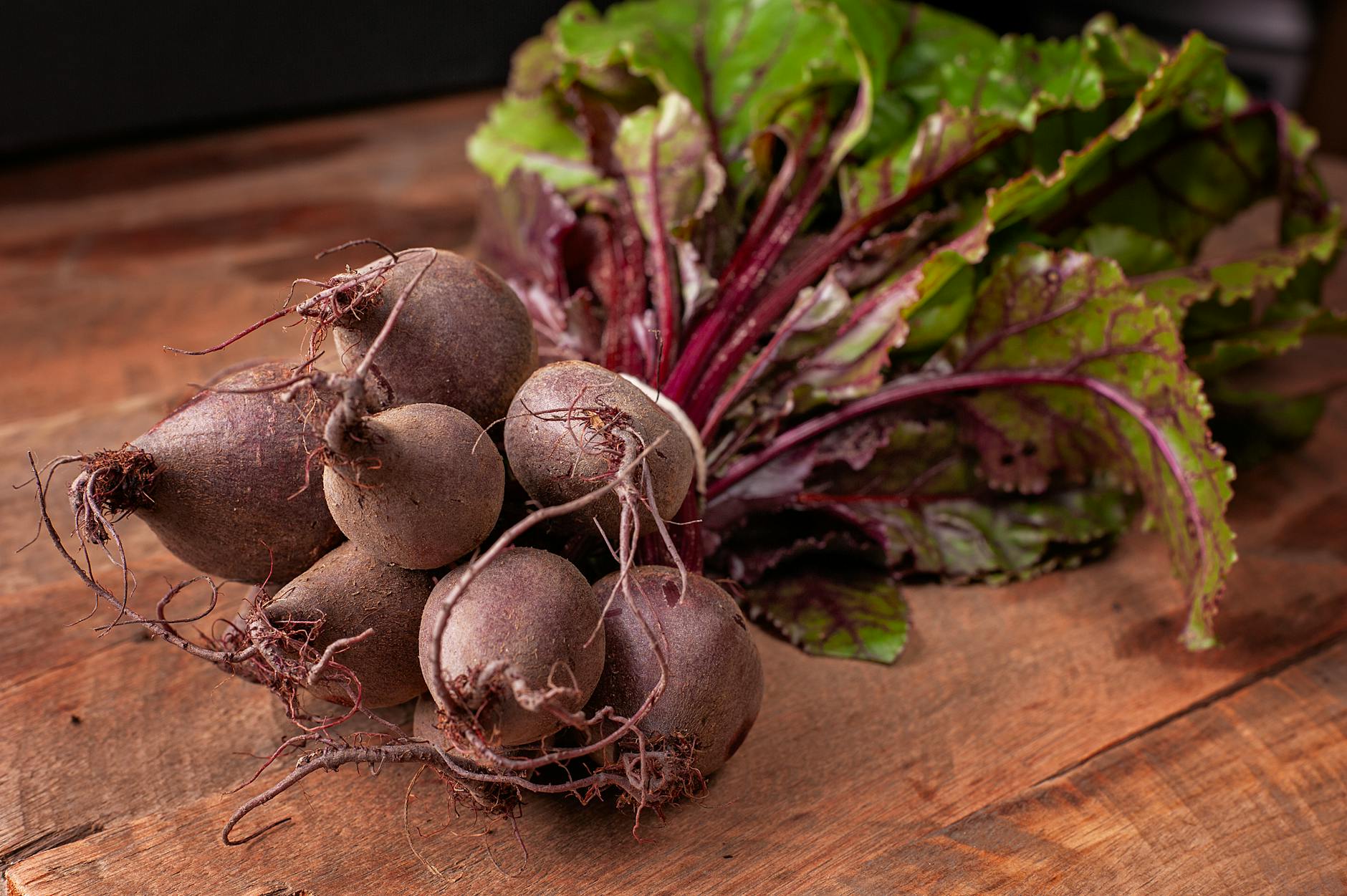
3. Beets

❤️ Why? Beets are rich in betalains, powerful antioxidants that support liver detoxification and reduce inflammation. They also boost bile flow, helping the liver break down fats and eliminate toxins more efficiently.

🍽 How to Enjoy:
✔️ Roasted Beets: Slice and roast with olive oil, rosemary, and sea salt for a sweet, earthy side dish.
✔️ Beet Detox Juice: Blend beets with carrots, ginger, and lemon for a vibrant, liver-cleansing drink.
✔️ Beet & Goat Cheese Salad: Toss roasted beets with arugula, walnuts, and goat cheese for a delicious and nutritious salad.

💡 Tip: Beets can stain your hands and cutting board—rub them with lemon juice to remove the color easily!


4. Garlic

🧄 Why? Garlic contains sulfur compounds that activate liver enzymes responsible for flushing out toxins. It also supports immune function and helps reduce fatty buildup in the liver.

🍽 How to Enjoy:
✔️ Garlic Stir-fry: Add minced garlic to sautéed vegetables or meats for extra flavor and health benefits.
✔️ Garlic Soup: Simmer garlic with bone broth, onions, and herbs for a comforting, healing meal.
✔️ Garlic Honey Remedy: Crush fresh garlic and mix with honey for an immune-boosting, liver-friendly tonic.

💡 Tip: To maximize garlic’s health benefits, let chopped garlic sit for 10 minutes before cooking—this enhances its beneficial compounds.


5. Fatty Fish (Salmon, Mackerel, Sardines)

🐟 Why? Fatty fish are packed with omega-3 fatty acids, which help reduce liver fat, fight inflammation, and promote overall liver health. They also support healthy cholesterol levels and brain function.

🍽 How to Enjoy:
✔️ Grilled Lemon-Garlic Salmon: Marinate with olive oil, garlic, and lemon juice before grilling.
✔️ Miso-Glazed Mackerel: Bake with miso paste, ginger, and a touch of honey for a flavorful dish.
✔️ Sardine Avocado Toast: Mash sardines with avocado and lemon juice, then spread on whole-grain toast.

💡 Tip: Aim to eat fatty fish at least twice a week for optimal liver benefits.


6. Walnuts

🥜 Why? Walnuts are rich in glutathione, an essential antioxidant that helps detox the liver. They also provide omega-3 fatty acids, which reduce liver inflammation and support brain health.

🍽 How to Enjoy:
✔️ Walnut Pesto: Blend walnuts with basil, garlic, and olive oil for a delicious sauce.
✔️ Walnut Oatmeal: Sprinkle crushed walnuts over oatmeal with honey and cinnamon for a nutritious breakfast.
✔️ Roasted Walnut Snack: Lightly toast walnuts with a sprinkle of cinnamon and sea salt for a crunchy, liver-loving snack.

💡 Tip: Soaking walnuts overnight can improve digestion and nutrient absorption.


7. Lemon & Citrus Fruits

🍋 Why? Citrus fruits are packed with vitamin C and antioxidants, which support liver detoxification and boost the immune system. They also help stimulate bile production, which aids in digestion.

🍽 How to Enjoy:
✔️ Morning Lemon Water: Start your day with warm lemon water to flush out toxins and boost digestion. Add some honey to make it taste better.
✔️ Citrus Salad: Mix orange slices with fennel, pomegranate seeds, and olive oil for a refreshing dish.
✔️ Homemade Citrus Dressing: Blend lemon juice, olive oil, and honey for a flavorful salad dressing.

💡 Tip: Drinking lemon water before meals can help stimulate digestion and improve nutrient absorption.

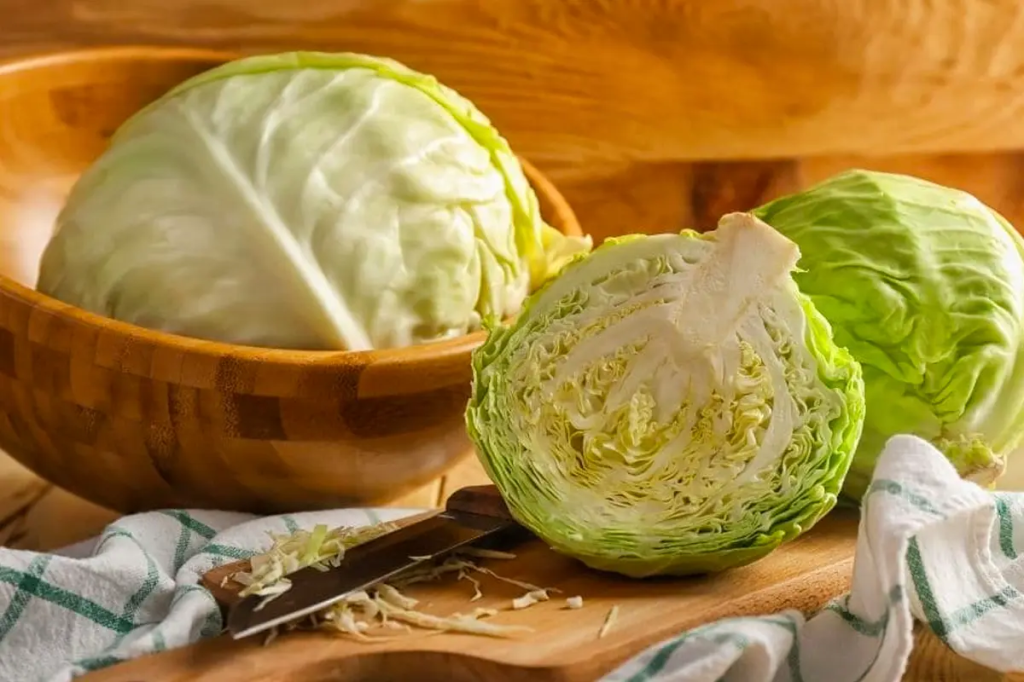
There are several other foods that are also beneficial for your liver, such as carrots, apples, cabbage, and goji berries. Incorporating them into your diet regularly can help support liver health.


As nature awakens in spring, so too should our approach to health. Since the liver plays a crucial role in detoxification, metabolism, and emotional balance, it’s essential to nurture it during this season of renewal. Along with a nutrient-rich diet, mindful lifestyle choices such as regular exercise, restful sleep, and emotional well-being can help maintain liver vitality and overall harmony.

By embracing optimism, managing stress, and supporting the liver with wholesome foods, we align ourselves with the natural rhythms of spring. Let this season be a time of nourishment, balance, and rejuvenation. May we all welcome the warmth and energy of spring with a strong, healthy liver and a joyful heart! 🌿✨

Link:https://peacelilysite.com/2025/03/13/spring-liver-care-nourishing-your-body-in-the-season-of-renewal/

Unlocking the Secrets of Fasting: How Autophagy Can Slow Aging and Promote Cell Renewal

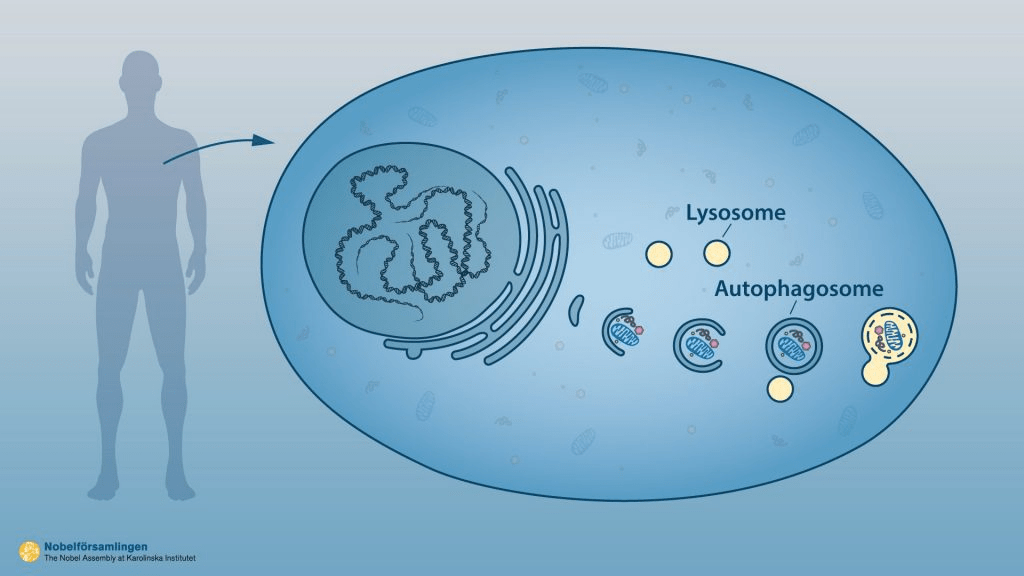
In recent years, the scientific community has made significant strides in understanding the intricate processes that govern our health and longevity. One such breakthrough is the discovery of autophagy, a natural cellular process that plays a crucial role in maintaining our body’s health and vitality. This fascinating mechanism was brought to light by Japanese cell biologist Yoshinori Ohsumi, who was awarded the Nobel Prize in Medicine in 2016 for his groundbreaking research on how cells recycle and renew their contents.

What is Autophagy?

Autophagy, which literally means “self-eating,” is a process by which cells break down and remove damaged components, thereby promoting cell renewal and overall health. This self-cleansing mechanism allows cells to adapt to stress, eliminate dysfunctional proteins, and recycle cellular components for energy and repair. In essence, autophagy is vital for maintaining cellular homeostasis and preventing diseases, including cancer, neurodegenerative disorders, and metabolic conditions.

The Connection Between Fasting and Autophagy

One of the most effective ways to stimulate autophagy is through fasting. When we abstain from food for a certain period, our body shifts its focus from digestion to repair and regeneration. During fasting, the levels of insulin drop, and the body begins to utilize stored fat for energy, leading to a state of ketosis. This metabolic shift not only promotes fat loss but also triggers autophagy, allowing cells to clean out damaged components and rejuvenate themselves.

Research suggests that intermittent fasting or time-restricted eating can enhance the autophagic process, leading to improved cellular function and longevity. By engaging in these fasting practices, we can harness the power of autophagy to slow down the aging process and support overall health.

The Wisdom of Traditional Chinese Medicine

Interestingly, the principles of fasting and moderation in eating are not new concepts. Traditional Chinese Medicine (TCM) has long emphasized the importance of mindful eating and maintaining balance in our diets. One common guideline in TCM is to eat until we are about 70% full, rather than 100%. This practice encourages moderation and helps prevent overeating, which can lead to a host of health issues, including obesity, diabetes, and cardiovascular diseases.

The scientific foundation behind this advice is becoming increasingly clear. Overeating can lead to chronic inflammation, insulin resistance, and metabolic dysfunction, all of which can undermine our health and accelerate the aging process. By adopting a more mindful approach to eating, we can support our body’s natural processes, including autophagy, and promote better health outcomes.

As we continue to uncover the complexities of human biology, the relationship between fasting, autophagy, and aging becomes increasingly evident. The research by Yoshinori Ohsumi has opened new avenues for understanding how our cells function and how we can optimize our health through dietary practices. By embracing the wisdom of traditional teachings and incorporating fasting into our lives, we can take proactive steps toward enhancing our well-being and longevity.

In a world where the temptation to overindulge is ever-present, let us remember the power of moderation. Eating mindfully and allowing our bodies the time to repair and regenerate can lead to a healthier, more vibrant life. So, the next time you sit down for a meal, consider the age-old advice of eating until you’re 70% full, and give your body the chance to thrive.

Link:https://peacelilysite.com/2025/02/11/unlocking-the-secrets-of-fasting-how-autophagy-can-slow-aging-and-promote-cell-renewal/

CytoMed, a Singapore Biotech, Revolutionizes Cancer Treatment Using Donor Immune Cells

Ethan Stone Contributor

In Singapore, one biotech company is changing how we approach cancer treatment. CytoMed Therapeutics (NASDAQ: GDTC), just launched its ANGELICA clinical trial, to fundamentally change how we make cancer treatments available to patients worldwide. Building on the success of CAR T-cell therapy in treating blood cancers, they’re taking things to the next level by tackling a broader range of cancers while making the whole process quicker, easier, and more affordable for patients. 

“Think of it as training a versatile army of super-soldiers to fight cancer,” explains Peter Choo, Chairman of CytoMed. “Traditional CAR T-cell therapy takes soldiers from the patient’s own body, but these soldiers are often weakened because the patient has already been through multiple rounds of chemotherapy. Instead, we’re recruiting healthy soldiers from disease-free, well donors and equipping them with special targeting systems to hunt down cancer cells.” 

Manufacturing cells for Singapore’s ANGELICA trial in CytoMed’s cGMP lab

This “targeting system” is an artificial protein called a chimeric antigen receptor (CAR) that helps immune cells recognize and attack cancer cells. While current CAR T-cell therapies require extracting and modifying a patient’s own cells – a process that can take weeks and cost hundreds of thousands of dollars – CytoMed’s approach uses healthy donor cells that could be available “off-the-shelf” when unrelated patients need them simplifying logistics. 

Another innovation is its versatile platform to weaponize the immune cells. Different targeting systems can be added to equip these soldiers with combinational therapies such as antibodies. 

The Power of Rare Immune Cells 

At the heart of CytoMed’s breakthrough is something extraordinary – a rare warrior in our immune system called gamma-delta T cells. These hidden gems are like needles in a haystack, making up just a tiny fraction – less than 5% – of all T cells flowing through our blood. But don’t let their rarity fool you.  

These cells are nature’s own cancer-fighting specialists, and here’s what makes them really special: when transferred from a donor to a patient, they’re incredibly smart about their attacks, targeting cancer while leaving healthy tissue alone. The company has developed proprietary technology to multiply these rare cells in the laboratory, making them viable for treatment.

The contrast with traditional cell therapies is striking: while current treatments are like custom-building a car for each patient – a time-consuming and expensive process – CytoMed’s approach is focused on having treatments ready “off-the-shelf,” similar to cars available at a dealership. This could make treatment both more timely and significantly more cost-effective for patients. 

The ANGELICA Trial: A New Hope 

CytoMed’s potent hybrid of the human body’s two immune cells, NK & T cells, derived from induced pluripotent stem cells.

The ANGELICA trial, now treating patients in Singapore’s National University Hospital, represents a major step forward in cancer treatment. The trial focuses on various types of cancer that are particularly challenging to treat, including solid tumors and involves patients whose cancers have proven resistant to standard treatments. 

Charting New Territory in Cancer Therapy 

What makes CytoMed’s approach truly remarkable is how far-reaching it could be. While current CAR T-cell treatments have been a game-changer for blood cancers like leukemia and lymphoma, they’ve hit a wall when it comes to other types of cancer. That’s where CytoMed is breaking new ground – their technology shows promise in fighting more than 20 different types of cancer, from breast to lung, liver to ovaries. 

This isn’t just a win for cancer treatment – it’s a proud moment for Singapore’s biotech scene. Born in 2018 from Singapore’s prestigious A*STAR research agency, CytoMed is showing the world that Asian biotech companies aren’t just following trends – they’re setting them. They’re writing a new chapter in cancer treatment innovation. 

But they’re not stopping there. The company is pushing boundaries even further by developing a powerful new weapon against cancer. They’re creating a hybrid cell that combines the best of both worlds – Natural Killer (NK) cells and gamma delta T cells, complete with all their natural cancer-fighting tools. Think of it as creating the ultimate cancer-fighting super cell by merging two of our body’s most efficient defenders. 

Beyond Cancer: Expanding into Longevity Research 

Looking ahead, CytoMed is already exploring ways to expand the use of its technology. In a strategic move that broadens its therapeutic reach, the company acquired a licensed cord blood bank in September 2024, giving them access to naive cord blood – a rare and expensive raw material crucial for developing new treatments. Through its subsidiary LongevityBank, the company plans to research and develop cord blood-derived cells that could treat autoimmune diseases and promote longevity, extending their impact beyond cancer treatment. 

This expansion into regenerative medicine opens up new possibilities for treating a wider range of diseases and conditions. The availability of cord blood provides CytoMed with valuable resources for developing innovative therapies that could address multiple medical challenges. 

A Global Vision for Accessible Treatment 

The company is actively pursuing international collaborations to develop new therapeutic approaches while working to make treatments more affordable and accessible to patients worldwide. Their focus on cost-effective manufacturing and efficient production processes could help bring advanced cell therapies within reach of more patients globally. These cells are inexpensive, streamlined for manufacturing, and easy to ship internationally while retaining high cell viability. 

If successful, their “off-the-shelf” approach to cell therapy could represent a major advance in cancer treatment, potentially offering hope to patients who have exhausted other options. With the ANGELICA trial now underway, this marks an important step forward in making advanced cancer treatments more accessible to those who need them most. As CytoMed continues to innovate and expand its therapeutic offerings, it’s positioning itself at the forefront of a new era in personalized targeted medicine, one where cutting-edge treatments are both effective and accessible to patients around the world. 

For more information about CytoMed and its unique approach to cancer treatment, visit https://www.cytomed.sg/ 

Source: https://www.usatoday.com/story/special/contributor-content/2025/01/06/cytomed-a-singapore-biotech-revolutionizes-cancer-treatment-using-donor-immune-cells/77355978007/

8 After-Dinner Rituals That Can Help In Digestion And Prevent Bloating

By incorporating these simple post-meal rituals, you can support your digestive system, alleviate discomfort, and avoid the dreaded bloating that often follows a big meal. 

Written By Olivia Sarkar| Last Updated: Jan 06, 2025, 04:52 PM IST|Source: Bureau

After enjoying a hearty meal, it’s not uncommon to feel uncomfortable or sluggish. Digestive issues like bloating, indigestion, or an uneasy feeling can linger long after the last bite. Fortunately, there are simple after-dinner rituals that can support your digestion and help prevent bloating, leaving you feeling lighter and more at ease. Below are eight effective practices that can make a world of difference to your digestive health.

1. Take a Gentle Walk
After a meal, taking a light walk can be one of the most beneficial things for your digestive system. A short 10-15 minute stroll helps stimulate the digestive process by encouraging the stomach to empty more quickly, reducing bloating and discomfort. It also promotes the movement of food through the intestines, preventing constipation.

2. Sip Warm Water or Herbal Tea
Drinking warm water or herbal tea, such as peppermint, ginger, or chamomile, can greatly improve digestion. These teas have natural properties that soothe the stomach, reduce bloating, and promote the movement of food through your digestive system. Ginger, in particular, can help reduce nausea and gas, while chamomile works as a calming agent to relax your stomach muscles.

3. Avoid Lying Down Immediately
Though it might feel tempting to lounge on the couch after a large meal, lying down too soon can actually slow down the digestive process. Gravity helps food and acid stay in the stomach, and lying flat can increase the risk of acid reflux and bloating. Wait at least 30 minutes to an hour before reclining to allow your body time to process the food.

4. Practice Deep Breathing
After eating, try engaging in deep breathing exercises. This helps stimulate the parasympathetic nervous system (also known as the “rest and digest” system), encouraging optimal digestion. Deep breathing can also reduce stress, which can otherwise impair digestion and cause bloating or discomfort.

5. Massage Your Abdomen
Gentle self-massage can aid in digestion by stimulating the movement of food through the intestines. Use your fingertips to massage your stomach in a clockwise motion (the direction of digestion) for a few minutes. This simple act can help ease bloating, relieve gas, and promote digestion.

6. Incorporate Probiotics
Probiotics are beneficial bacteria that support gut health and digestion. After dinner, consider consuming foods rich in probiotics, such as yogurt, kefir, or fermented vegetables. Alternatively, a probiotic supplement may help maintain a healthy balance of gut bacteria, reducing bloating and improving overall digestion.

7. Stay Hydrated, But Avoid Over Drinking
Drinking water throughout the day aids digestion, but drinking too much water immediately after a meal can dilute stomach acid, impairing your body’s ability to break down food. Try sipping water in moderation after dinner, but avoid excessive consumption right away. This ensures proper digestive function without overwhelming your stomach.

8. Avoid Carbonated Drinks
Carbonated drinks, including sodas and sparkling water, introduce gas into your stomach, which can lead to bloating. After dinner, it’s best to skip the bubbles. Stick to still water or herbal teas, which are far more conducive to smooth digestion.

Fennel seeds are a natural remedy for boosting digestion. Try chewing some after your meal to see if they work for you. From taking a short walk to sipping herbal tea and massaging your abdomen, these habits can make a significant difference in how you feel after dinner. Your digestive health is a reflection of your lifestyle, so taking small, consistent steps can lead to long-term benefits, allowing you to enjoy your meals without the aftermath of discomfort.

Link:https://peacelilysite.com/2025/01/13/8-after-dinner-rituals-that-can-help-in-digestion-and-prevent-bloating/

Source: https://zeenews.india.com/lifestyle/8-after-dinner-rituals-that-can-help-in-digestion-and-prevent-bloating-2840271.html (This article is intended for your general information only. Zee News does not vouch for its accuracy or reliability.)

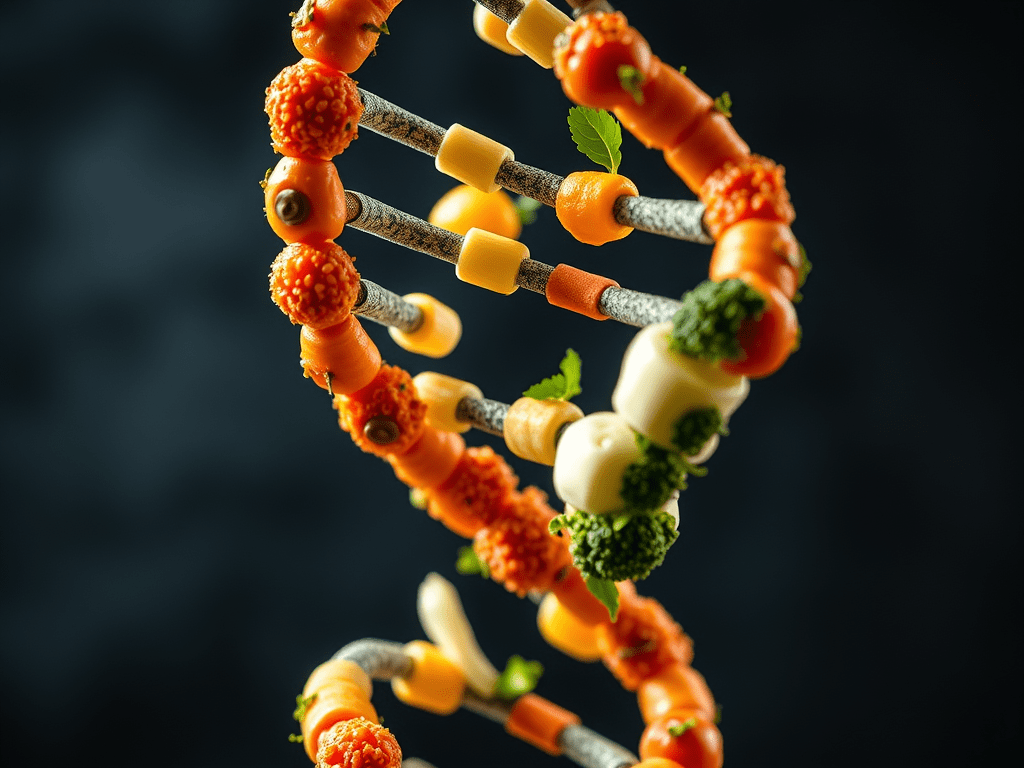
Nutrigenomics: Exploring the Science of Genes and Diet

In recent years, nutrigenomics—the scientific study of how genes influence our body’s response to food—has gained significant attention. As research in genetics and nutrition continues to advance, this field is paving the way for more personalized health strategies, particularly in the areas of diet and weight management. Understanding how genes affect our reactions to specific foods provides deeper insights into individual health needs, driving the development of personalized wellness approaches.

At the core of nutrigenomics lies the principle that our genetic makeup plays a crucial role in food metabolism. For instance, some individuals may be genetically predisposed to metabolize carbohydrates more efficiently, while others tend to store fat more easily. These insights empower health professionals to design customized dietary plans based on genetic testing rather than relying on generalized nutritional recommendations.

Recent studies have shown that genetic variations can influence how nutrients are absorbed, how efficiently the body burns calories, and even how hunger is experienced. For example, specific variations in the FTO gene have been linked to a higher risk of obesity, as some individuals gain weight more easily due to the way their bodies process food. Similarly, variations in genes like PPARG can impact fat metabolism, further emphasizing the potential of personalized nutrition strategies based on genetic data.

Nutrigenomics introduces a revolutionary approach to weight management. Traditional diets often follow a “one-size-fits-all” model, which may not be effective for everyone. By using genetic data, nutritionists and health experts can develop personalized dietary plans tailored to an individual’s metabolic needs, resulting in more effective weight management.

For example, genetic testing can reveal a person’s sensitivity to fats or carbohydrates, guiding the ideal macronutrient balance for their body. If someone’s genetic profile indicates a higher risk of insulin resistance, a low-glycemic diet may be recommended to help prevent blood sugar spikes and support weight loss. This tailored strategy often proves more effective than generic diets that overlook individual differences.

The Advantages of Personalized Diet Plans

Nutrigenomics brings a significant advantage to dietary planning: personalization. Rather than relying on generalized advice or fleeting diet trends, nutrigenomics empowers individuals to approach health management scientifically. By integrating genetic testing with dietary adjustments, people can achieve better health outcomes and a deeper understanding of their own bodies.

Key benefits of personalized diets include:

  • Improved Metabolic Health: Tailored diets help optimize the body’s ability to process food and maintain a healthy weight.
  • Precise Nutrient Recommendations: Instead of guessing which foods are most beneficial, personalized nutrition ensures individuals receive the nutrients their body specifically needs.
  • Sustainable Weight Management: Nutrigenomics-based diets promote long-term healthy habits by aligning with genetic predispositions rather than short-term trends.

Additionally, nutrigenomics may support preventive health strategies. Genetic testing can identify predispositions to conditions such as heart disease, diabetes, or nutrient deficiencies, allowing individuals to make proactive dietary changes for long-term wellness.

The future of health management is becoming increasingly personalized, with nutrigenomics at the forefront of this transformation. As the field continues to evolve, more health centers are likely to offer genetic testing services to help individuals create personalized nutrition and wellness plans. This data-driven approach reflects a broader trend where people are empowered to take greater control of their health through scientific insights.

While the potential of nutrigenomics is promising, it remains a developing science. Experts emphasize the need for further research to fully understand the complex relationship between genes and diet. Additionally, as the field matures, ethical considerations and privacy concerns must be carefully addressed to ensure individuals are fully informed and protected when sharing their genetic data.

Nutrigenomics represents a powerful fusion of genetic science and nutrition, offering the potential for health strategies tailored to individual genetic profiles. This emerging science can help design diets that promote optimal weight loss, improve metabolic health, and prevent chronic illnesses.

Though still in its early stages, nutrigenomics has the potential to revolutionize health management, making weight control and wellness strategies more effective and sustainable. As research continues to expand, genetic testing could become a key tool in unlocking healthier, more personalized lifestyles for everyone.

Link:https://peacelilysite.com/2025/01/07/nutrigenomics-exploring-the-science-of-genes-and-diet/

Source: https://worldreporter.com/nutrigenomics-tailoring-health-based-on-genes/?fbclid=IwZXh0bgNhZW0CMTAAAR3NXfx9dzeIsmcSiP248IMGxMkppa2gMAEtjuZOgMr7pyU1EaMqk5e5Aio_aem_eY5AmQ5X9nw8JxIaQeZaBg