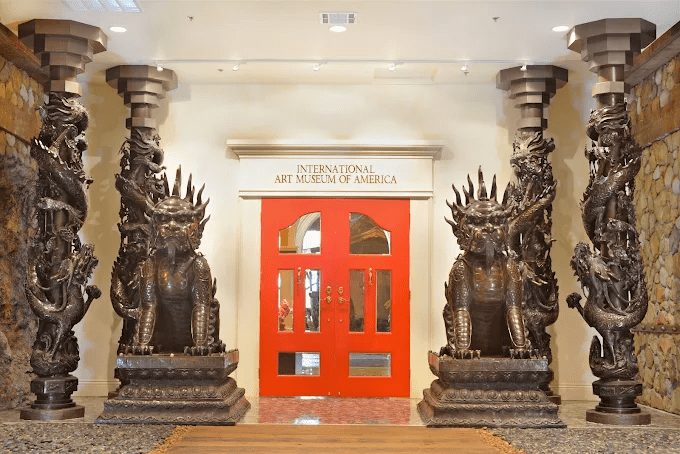
IAMA Wins Best Museum and Best Art Gallery in SFGATE’s Best of Bay Area 2026
The International Art Museum of America is proud to announce that we have been named Best Museum and Best Art Gallery in SFGATE’s Best of Bay Area 2026. IAMA was also recognized as a finalist for Best Event Space/Venue, making this an especially meaningful year for our museum, our team, and our community.
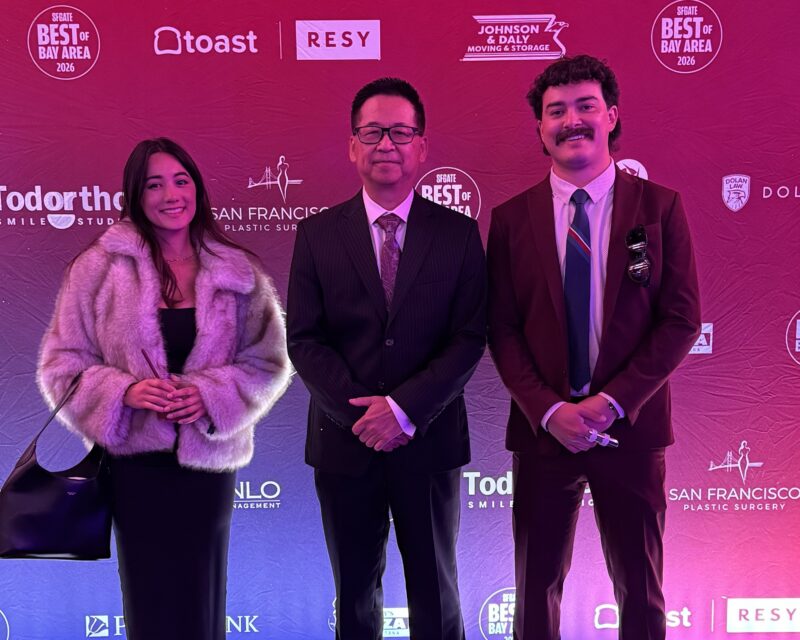
Hannah Taschek, KC Hsieh and Emilio Jimenez celebrating at the SFGATE Best of Bay Area 2026 event at Chase Center, where the International Art Museum of America was recognized as Best Museum, Best Art Gallery, and a finalist for Best Event Space/Venue.
This recognition would not have been possible without the support of our fans, followers, visitors, members, partners, and friends. To everyone who took the time to vote for IAMA, share our work, visit the museum, attend our events, and continue supporting our mission: thank you. Your support helped make this achievement possible, and we are truly grateful.
To celebrate this special recognition, our team attended the SFGATE Best of Bay Area 2026 event at Chase Center, where we joined other Bay Area businesses, organizations, and community leaders for an unforgettable evening. The event was filled with great conversations, new connections, delicious food and drinks, and a lively atmosphere that truly captured the spirit of the Bay Area.
One of the highlights of the night was having the chance to step onto the actual Chase Center court, where NBA legends have played. We even had the opportunity to shoot some hoops, making the celebration even more memorable for our team.
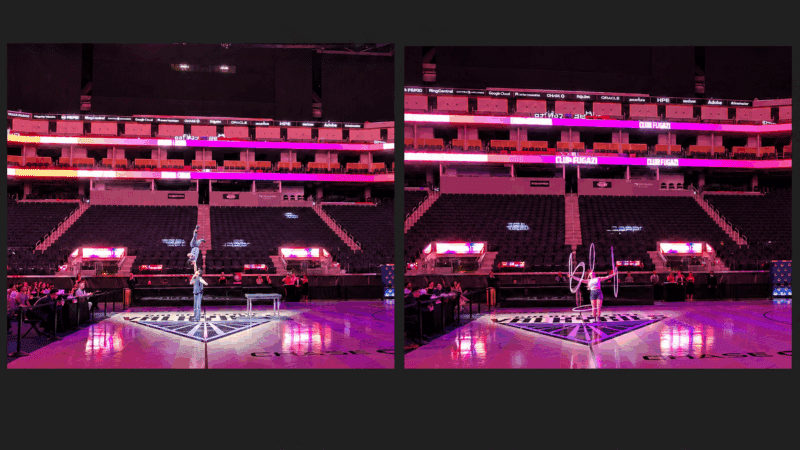
Throughout the evening, we enjoyed a special performance by Club Fugazi, met the Golden State Valkyries mascot, and connected with many inspiring people from across the Bay Area. It was a wonderful reminder of how vibrant, creative, and diverse our local community is.
Club Fugazi performers brought the energy to the Chase Center court during the SFGATE Best of Bay Area 2026 celebration.
Winning Best Museum and Best Art Gallery is an honor that motivates us to continue growing, improving, and creating meaningful cultural experiences for our visitors. Being named a finalist for Best Event Space/Venue also highlights IAMA’s role as a welcoming venue for corporate events, community gatherings, cultural events, private celebrations, and special programs.
This recognition belongs to everyone who has been part of IAMA’s journey. Thank you for voting, following, visiting, sharing, participating, and believing in what we do.
We look forward to welcoming you to the museum soon and continuing to celebrate art, culture, and community together.
To every parent reading this whose heart is heavy—whether you are walking the path of raising a child with autism, navigating deep emotional distress, or feeling utterly helpless as you watch your child suffer—I want you to know: you are not alone, and there is always hope.
There was a time in my life when I believed my world was collapsing, and no human effort could fix it. My journey from sheer desperation to inner peace showed me the gentle, transformative power of compassion, self-reflection, and faith. I hope my story brings light into your heart today.
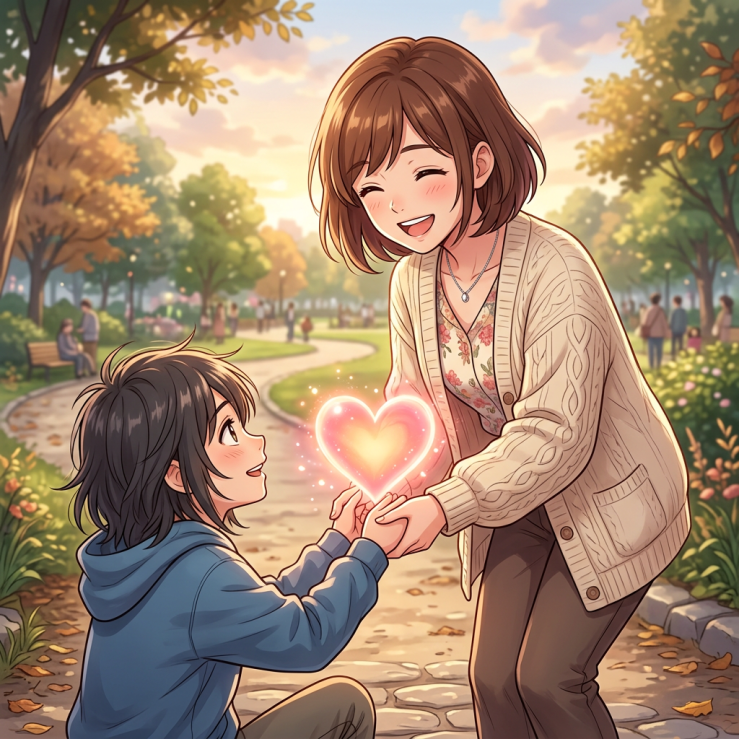
When my son entered his eighth-grade year, our home became a battleground. He was rebellious, deeply resistant to school, and consumed by anxiety. One day, after a fierce argument, I locked myself in the bathroom and cried uncontrollably. As a single mother who had sacrificed everything to raise him alone, working double duty as both mother and father, my heart felt completely broken. I wished so deeply that he would come to comfort me.
Instead, he burst through the door and shouted through his own pain, “Mom, how can you cry? I’m suffering ten thousand times more than you, and I haven’t even cried!”
I froze. My tears stopped, but my chest locked up in unbearable pain. From that moment on, my son withdrew from the world. He locked himself in his room, pulling the curtains tightly shut to block out even the daylight. He refused to go to school, refusing medication, counseling, or the advice of loved ones.
As a mother, I tried everything. I took him to doctors, changed his school, sought spiritual readings, and called on every relative he respected. Nothing worked. Despair swallowed me whole: Is my child beyond saving?
At my lowest point, a compassionate friend gently introduced me to Buddhist teachings. She encouraged me to pray for blessings, sincerely repent for my own shortcomings, and dedicate the merit of positive, wholesome deeds to my child.
At first, I held onto this like a lifeline. But my own mind was still full of attachment and anxiety. I was terrified of what colleagues would think, afraid for his future, and haunted by fear whenever I read news about youth mental health. My anxious energy radiated throughout our house. The tighter I tried to grasp and control my son’s life, the more suffocated he felt.
My friend gave me a piece of gentle wisdom that changed everything:
“Focus on your own practice first. Change your own heart, let go of attachment, and your child will naturally begin to change.”
I finally realized that my love had turned into a heavy chain of control and anxiety. True motherly love is not about clinging tightly; it is about learning to hold space with patience, grace, and compassion.
I decided to stop fixating on whether my son went to school each day. Instead, I turned inward. I surrendered my fears, practiced genuine repentance, performed acts of kindness (like freeing captive animals), and dedicated that peaceful energy to him. I replaced my anxiety with warmth and acceptance.
When my heart shifted, the atmosphere in our home softened.
Before his middle school graduation exams, when anxiety threatened to pull him down again, I invited him to join me at a temple blessing. Miraculously, he agreed. Coming home from that peaceful environment, it was as if a heavy weight had lifted from his spirit. He returned to school with a smile, passed his exams, was accepted into high school, and was even honored as an outstanding student during orientation.
Throughout his high school years, I kept up my practice of love, patience, and dedication. Step by step, my son walked out of the shadows of depression. He started working out, his personality became bright and warm, and he eventually graduated and proudly moved on to college.
A Note of Encouragement to Every Parent
Looking back at the years of tears, sleepless nights, and quiet breakdowns, I now see the deeper truth:
The greatest gift we can offer our children is our own peace. We cannot force a child’s mind to heal by pressure or fear. But when we cultivate a heart of unconditional love, patience, and virtue, we become a gentle light that illuminates their path.
Compassion dissolves fear. Buddhist teachings taught me that true strength comes from letting go of ego, practicing deep empathy, and trusting the natural unfolding of life.
To every parent caring for a child with special needs, neurodivergence, or deep mental distress: please do not give up hope. When earthly solutions feel exhausted, remember that a heart filled with sincere compassion and spiritual trust holds unimaginable power.
May you find peace within your own heart, and may that peace bring healing, light, and warmth into your home. You and your child are never truly walk alone.
A small act of kindness in my daughter’s classroom became the start of an extraordinary, life-changing journey.
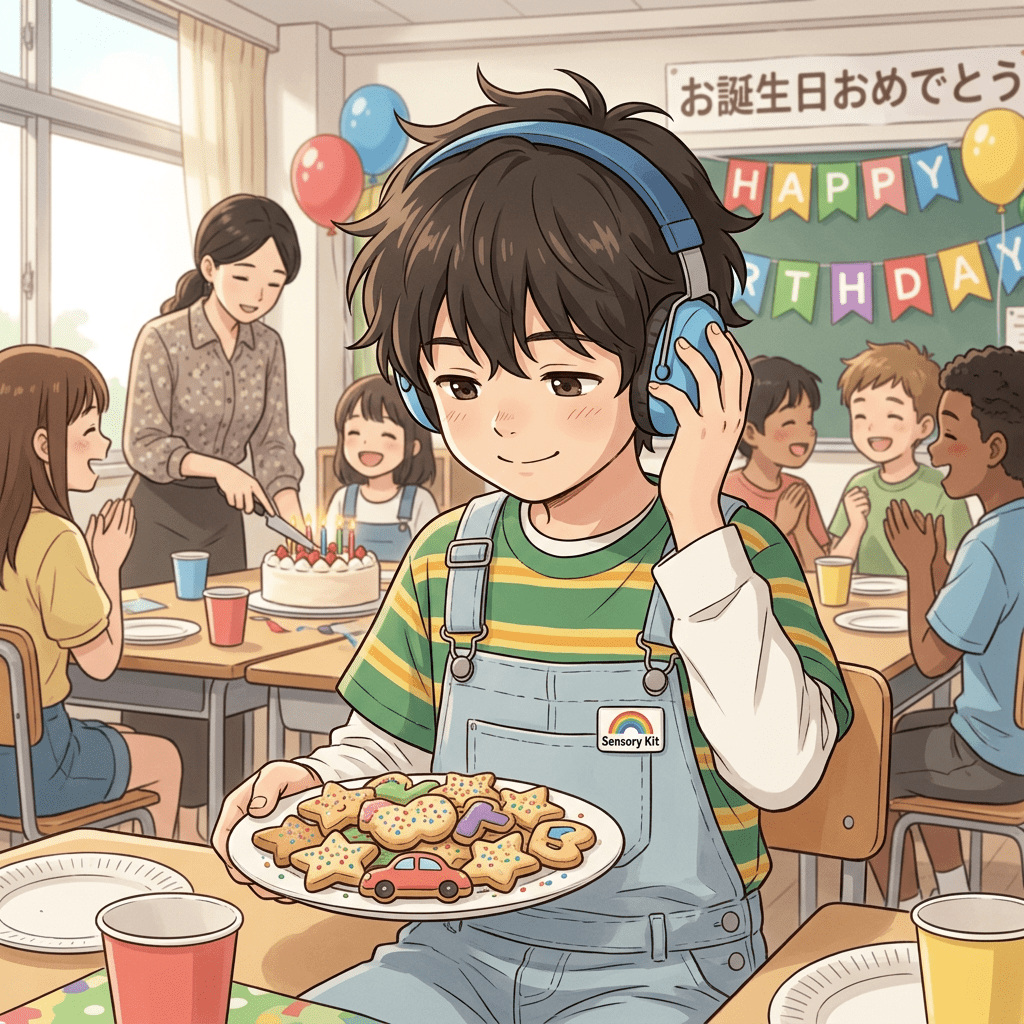
It all began on the day my daughter brought home birthday cookies shared by her classmate, Little Bi, who has autism. As a mother, looking at the food colorings listed on the ingredient label sparked a gentle concern in me, knowing how sensitive a special child’s nervous system can be to artificial additives. I passed along a friendly note through their teacher. I never imagined that this simple act of care would build a deep bridge between our two families.
When I first met Little Bi’s mother, I could feel the deep exhaustion and anxiety she was carrying. Five-year-old Little Bi lived inside his own quiet world and had never spoken a word. To help him, his parents had sought every medical opinion and explored every avenue available. Seeing a mother willing to try absolutely anything to reach her child touched my heart profoundly.
As a practicing Buddhist following the authentic teachings of H.H. Dorje Chang Buddha III, I have personally experienced the transformative power and blessings of the Dharma. Coupled with my professional background in medical nutrition, I believed that Little Bi’s path forward required caring for both his physical body and his spiritual well-being.
With deep empathy, I shared a three-part approach with his mother:
Building Faith and Receiving BlessingsI encouraged her to chant the Six-Syllable Mantra (Om Mani Padme Hum), recite the Sutra Spoken by the Buddha on the Healing of Diseases, and introduce blessed Holy Water from Dharma assemblies, allowing the child to grow enveloped in the compassionate vows of the Buddhas and Bodhisattvas.
Nutritional and Physical SupportFrom a nutritional science perspective, I suggested supplementing his diet with calcium, magnesium, and probiotics to help stabilize his gut health and nervous system.
Early Intervention and Creative OutletsCombining music therapy with psychological guidance to help unleash his hidden talents and foster communication.
During this period, I also dedicated the merits from my own recitation of the Water Repentance Sutra to Little Bi, praying that his obstacles would be cleared.
Through persistent effort, maternal devotion, and the compassionate blessings of the Buddhas and Bodhisattvas—including the Vajra Pole blessings during the New Year assembly—the seed we planted bloomed into something truly miraculous.
Recently, Little Bi’s mother reached out to me, her voice trembling with emotion: “Little Bi spoke!”
Not only did he clearly call out to his grandmother, but on Mother’s Day, he looked at his mom and uttered the words she had longed to hear for years: “I love you, Mom.”
In that single moment, years of heartache, tears, and exhaustion melted into pure gratitude. Even his early intervention therapists were amazed by his remarkable progress, highlighting his wonderful talent for music and reassuring his mother that his silence is now a thing of the past.
Little Bi’s amazing transformation reminded me of a profound truth: when we reach out with genuine compassion, we can illuminate even the darkest corners of another person’s world.
Practicing Buddhism is far more than reciting scriptures—it is about putting wisdom and compassion into practice in our daily lives. May this story bring warmth, comfort, and renewed hope to every parent navigating challenges with their children.
Artworks of His Holiness Dorje Chang Buddha III and Professor Yuhua Shouzhi Wang enable the next generation to comprehend the essence of art from different cultures
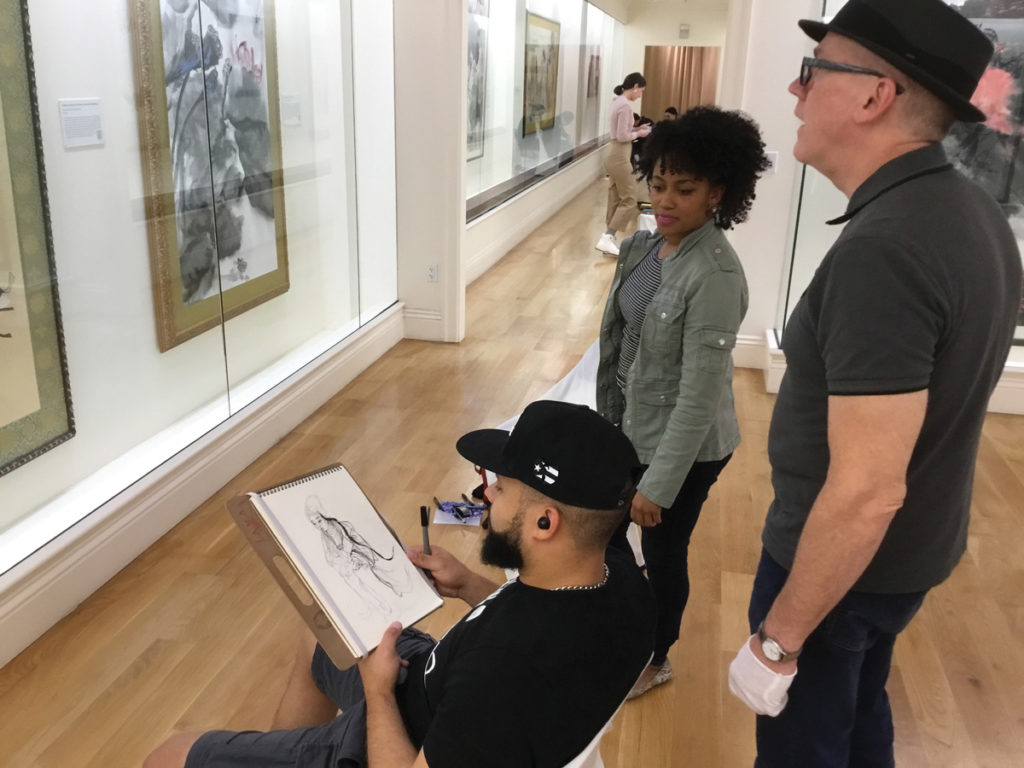
SAN FRANCISCO – On November 2,2019 the Provost of the New York Academy of Art, Peter Drake, led 15 Master’s students to the International Art Museum of America (IAMA) in San Francisco and conducted a class on site. When the group was copying original works of world class artists such as those of His Holiness Dorje Chang Buddha III and Professor Yuhua Shouzhi Wang, they praised the art profusely.
Matthew Kuan, the President of the International Art Museum of America in San Francisco, welcomed the visiting group. Loretta Huang, Director of Museum Operations, and staff introduced artworks in each gallery to the visitors. The President of World Journal San Francisco Ken Lo came to meet members of the group including Peter Drake. Lo also acclaimed the Museum’s collection and exhibition program.
Provost of the New York Art Academy Peter Drake gave instructions to Master’s students about how to copy the artworks
Drake had visited the International Art Museum of America before and was amazed by the artworks exhibited there. In this trip, he personally led 15 students to study the artworks by copying them. He said that this was the first time these students had ever been to the IAMA in San Francisco.
Amy Hughes is a Master’s student from the U.K. and has been living and studying in New York for five years. She specializes in the study of oil painting. She said that this visit had enabled her to truly comprehend the essence of art from different cultures. She is especially impressed by the expansiveness and profundity of Han Chinese culture.
Dongqin Fang is a 2019 Master’s degree graduate and a teaching assistant at the New York Academy of Art specializing in oil painting and sculpture. He expressed being truly shocked by the large number of original paintings by top Chinese artists at the International Art Museum of America in San Francisco, and that he has gained a lot from being there. He said this is also the first time he ever looked at Yun sculptures created by H.H. Dorje Chang Buddha III at a close distance. To him, those sculptures exude a mystique that feels like “heavenly bliss.”
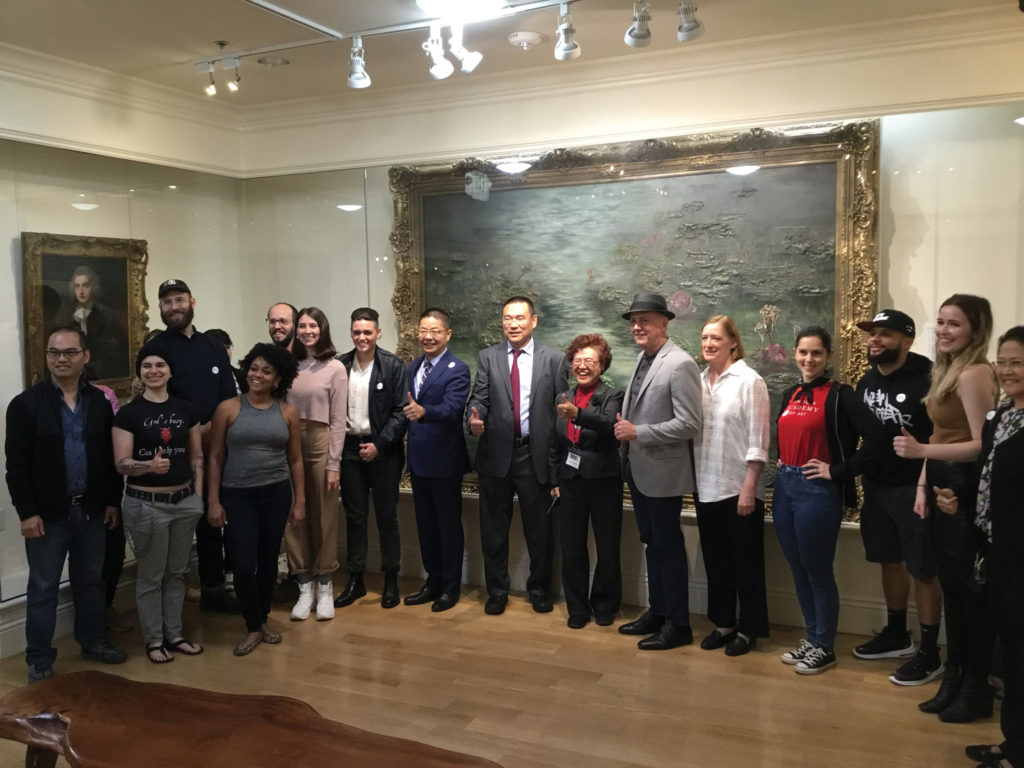
The Provost of the New York Art Academy PeterDrake lead Master’s students to copy the art exhibits; the group is deeply impressed by the exquisite artworks in the International Art Museum of America.They took a group photo in front of the painting Misty Appeal of a Dilapidated Pond.
Out of approximately 250 artworks exhibited in the International Art Museum of America, more than 100 of them are on loan from H.H. Dorje Chang Buddha III whose works have repeatedly achieved the highest prices at art auctions, beyond those ever reached by any living artists.
The art pieces that caught everyone’s attention are the rare world treasures of Yun sculptures exhibited in the Treasure Room, including A Pillar Holding Up Heaven, and another work esteemed to be “miraculously divine artistry of Buddha” within which mist was carved to become an actual part of the artwork. Yun sculpture is uniquely originated by H.H. Dorje Chang Buddha III. It embodies a multi-dimensional sense of space; its beauty transcends natural scenery, and its colors are more exquisite than those of natural rock formations. Inside the stone cave of the Yun sculpture, one can see richly magnificent colors as if they were intrinsically part of the art, with no trace of rendering. From the carving knife comes the melting cave with enigmatic and miraculous scenery. Auspicious clouds and natural mist float inside the melting cave of the artwork and do not dissipate, exuding the sense of an otherworldly paradise.
H.H. Dorje Chang Buddha III originated 16 unique and unprecedented painting styles. Exquisite works of art created by His Holiness the Buddha capture the quintessence of art and culture. They encompass Chinese ink painting, Western oil painting, sculpture, calligraphy, stone and bronze inscription, poetry, verse, song, ode, colorfully painted tile and other media. In His Holiness’s paintings, subject matters include landscape, flower, bird, animal, fish, insect, and human figures. The range of profound techniques include traditional Chinese painting methods such as meticulous style, freestyle, and ink wash; as well as Western painting styles such as figurative, abstract, impressionist, and line drawing.
Recently, when paintings of Professor Yuhua Shouzhi Wang were exhibited at the Louvre Museum in Paris, they stunned the European art world. Professor Wang’s art has attained the highest state of artistry and accomplishment. Experts in the field of art all held her paintings in high esteem. One of Professor Yuhua Shouzhi Wang’s small paintings Pomegranates in a Basket realized a top auction price of US$1.27 million in the Spring auction at the Gianguan Auction House in New York on March 13 of this year. It clearly shows that the art of Professor Yuhua Shouzhi Wang is recognized by art collectors and people of foresight alike.
Loretta Huang, Director of Museum Operations at the International Art Museum of America in San Francisco said that levels of artistic creation in painting can be categorized in four classes. First is the Class of Proficiency where one’s sketching skill achieves resemblance of form. Second is the Class of Wonderment in which the paintings are wondrously beautiful. Third is the Class of Divinity where both form and spirit are fully enlivened. Fourth is the Class of Ease where the artist possesses extraordinary skill and is able to paint anything at will to accomplish a magnificent masterpiece. The art of the Honorary Lifetime President of the Museum, Professor Yuhua Shouzhi Wang, is of the Class of Ease, a Class that few Chinese artists have ever achieved. The artistry of Professor Yuhua Shouzhi Wang is esteemed to be of the same standing as Western painters such as Cezanne and Gauguin.
Loretta Huang said that in addition to exhibiting the art of H.H. Dorje Chang Buddha III and Professor Yuhua Shouzhi Wang, the International Art Museum of America also showcases works by renowned artists including Wu Changshuo, Qi Baishi, Huang Binhong, Pan Tianshou, Fu Baoshi, Xu Beihong, Li Keran, Zhang Daqian, Yun Shouping, and others; as well as authentic calligraphic art by the Emperor Yongzheng. What differentiates IAMA from many other museums is the eminence of the artworks it exhibits.
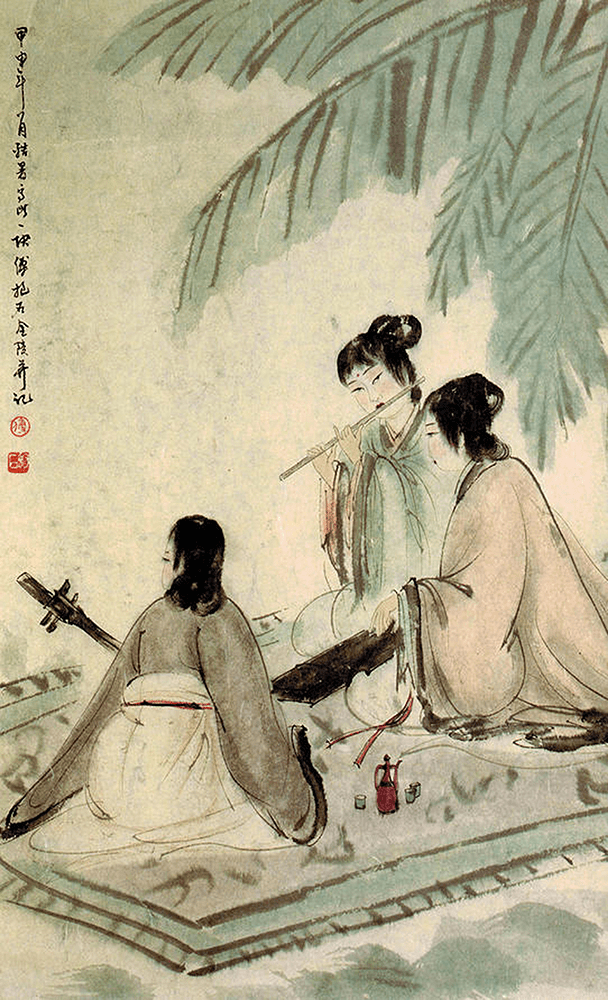
Three musicians by Fu Baoshi
The International Art Museum of America in San Francisco holds three criteria for artworks to be admitted for exhibition: First, the works of the artist must be collected by at least two world famous art museums. Second, the auction price of the artist’s works must exceed US$200,000 per square foot. Third, the artist must have substantial influence or status in the world, such as being director of a museum or provost of an art academy.
Rare Opportunity to Copy Original Artwork, Everyone Puts their Heart and Soul to Study
The Provost of the New York Academy of Art, Peter Drake, led 15 graduate students in a 3-hour Master Class at the International Art Museum of America in San Francisco to study the artworks by copying them on site.
The collection of the International Art Museum of America includes many original artworks. Students and members of the faculty from the New York Academy of Art especially cherished the opportunity to study on site. After everyone toured the Museum, each selected a different ink painting and sketched it in great detail to explore the wondrousness embedded in the brushwork.
The Han Chinese culture goes back to an ancient origin and will continues to flourish for a long time. Chinese painting and calligraphy make up a major part of such culture. There is a big difference between appreciating and copying art. Appreciating is skimming the surface; only through copying can one engage in an in-depth study of the works.
Qindong Fang, a student of Chinese ethnicity, said it awed him that some of his fellow American students could actually copy Chinese calligraphy, and Museum staff members of different ethnicities could even read what they copied. Through copying, he said, his fellow students could gain better knowledge of the culture of Chinese painting and calligraphy, and explore in-depth the 16 unique painting styles originated by H.H. Dorje Chang Buddha III; and this has been a wonderful learning experience.
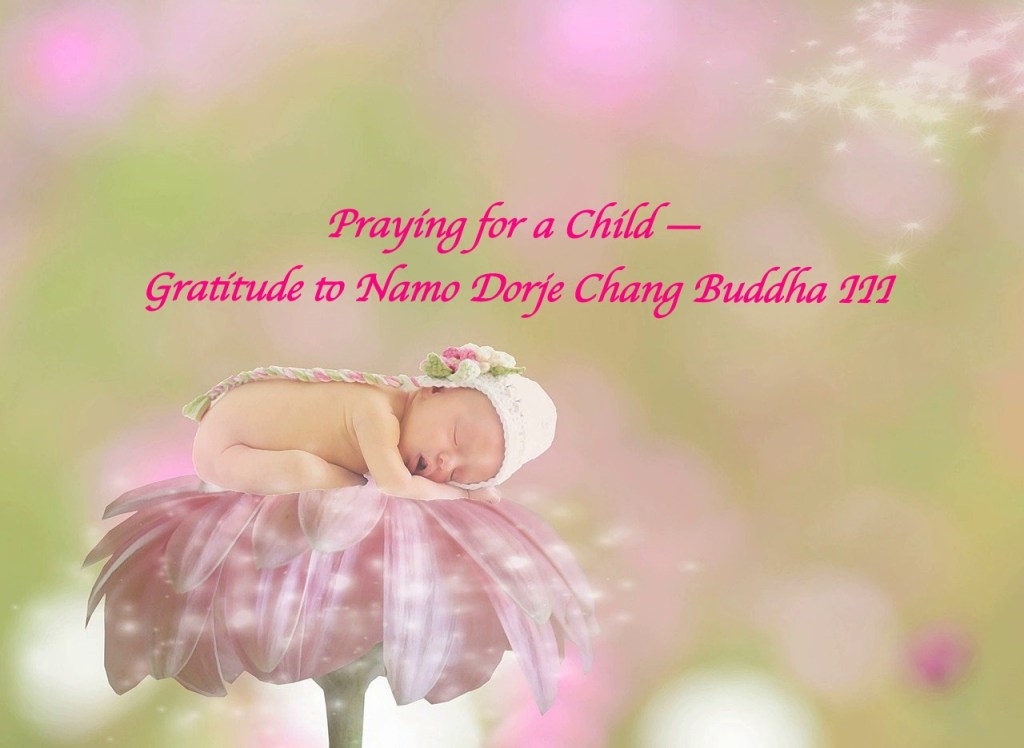
I would like to share with every mother who is hoping to conceive that there is an incredibly effective way to pray for a child—the Buddha Dharma.
My precious little one was born safely in December 2016, filling my heart with immense gratitude and happiness. I have always been in poor health. Before becoming pregnant with my daughter, I had experienced the heartbreaking loss of a child. At that time, I believed I might never be able to have children again.
Fortunately, I had already begun studying the Buddha Dharma about a year before that happened. During that period, I diligently listened to the Dharma discourses of Namo Dorje Chang Buddha III and sincerely recited the Universal Gateway of Guanyin Bodhisattva. I dedicated the merits to the child with whom I no longer had the karmic affinity, while also praying that all Buddhas and Bodhisattvas would bless me with a healthy child.
Then something truly miraculous happened. Just two months later, I became pregnant again.
During my pregnancy, I became even more diligent in listening to the Dharma and reciting the Universal Gateway of Guanyin Bodhisattva. Before each session, I would lovingly say to my baby:
“My dear little one, Mommy is about to listen to the Dharma and recite the Universal Gateway of Guanyin Bodhisattva. I invite you to join me so that we can learn together. May you grow up healthy, wise, and well-behaved. May all Buddhas and Bodhisattvas bless us.”
Truly, my child has grown up to be exceptionally intelligent.
While she was still in my womb, I would often communicate with her, saying:
“My little one, when it’s time for you to be born, please don’t let Mommy panic. Give Mommy enough time to prepare mentally. Also, please be born weighing between 2,900 and 3,200 grams—a healthy weight that will make delivery easier for Mommy.”
I have always been someone who is very afraid of pain. Although I eagerly looked forward to my baby’s arrival, I was also extremely anxious about childbirth. After every Dharma-listening session, I would dedicate the merits and pray that all Buddhas and Bodhisattvas would bless me, because I knew the pain of childbirth was beyond what most people could imagine. I also worried that labor might begin unexpectedly before I was prepared.
Even though I had made every preparation, I still felt somewhat nervous.
On my due date, I went directly to the hospital to be induced. That day, I arrived at the hospital calmly and without panic to give birth—an experience I will never forget.
The labor ward was filled with the anguished cries of other mothers in labor. Hearing their suffering brought tears to my eyes. My husband, who was by my side, could hardly eat a bite and quietly fought back tears himself. Their cries were so heart-rending that even those nearby could deeply feel the tremendous pain these mothers were enduring.
During the induction process, I felt only mild discomfort. After receiving the epidural anesthesia, I experienced almost no pain at all. Eventually, the nurse said to me:
“You’re fully dilated and ready to deliver! It’s time to go into the delivery room. Don’t you feel anything?”
I replied,
“Honestly, I don’t feel much at all—just a little pressure.”
At that moment, however, I became afraid that because I couldn’t really feel the contractions, I wouldn’t know how to push. I worried that I might not be able to deliver naturally and would end up needing a cesarean section. The fear I felt was difficult to describe.
Even so, I was probably the quietest mother in the entire labor ward.
Then, in the midst of my fear, I suddenly seemed to hear a voice saying:
“The more fearful you are, the more important it is to remain calm.”
I closed my eyes, visualized the compassionate holy image of the Buddha Master, and continuously recited:
As I was wheeled into the delivery room, another miracle occurred.
Less than ten minutes after entering the delivery room, my baby was born.
Throughout the entire delivery, I felt virtually no pain at all. It was nothing like the agonizing, hellish pain that many people describe.
Even one of the nurses assisting me remarked,
“How did she do that? Just a moment ago she didn’t even know how to push…”
(To this day, I still find it astonishing myself.)
Even more amazingly, my baby’s birth weight was exactly 3,000 grams—precisely what I had hoped for. She was born healthy and safe.
I am profoundly grateful for the compassionate blessings of the Buddha Master and all Buddhas and Bodhisattvas. The entire childbirth process went remarkably smoothly, and my daughter has grown up to be an easygoing and well-behaved child.
I deeply understand that everything I experienced was made possible through the compassionate blessings of the Buddha Master and all Buddhas and Bodhisattvas. The empowering strength of the Buddha Dharma was something I experienced personally—it was real, tangible, and unmistakable.
With the deepest gratitude to Namo Dorje Chang Buddha III and to all Buddhas and Bodhisattvas throughout the ten directions.
Have you ever wondered if the tiny, seemingly insignificant kind choices we make in our daily lives actually matter? I used to think of the saying “Do not look down upon a tiny good deed, thinking it is of no use” as just a pleasant piece of ancient moral advice.
That was until a rainy afternoon in May, when a single act of compassion became the only reason my husband and I survived a catastrophic accident.
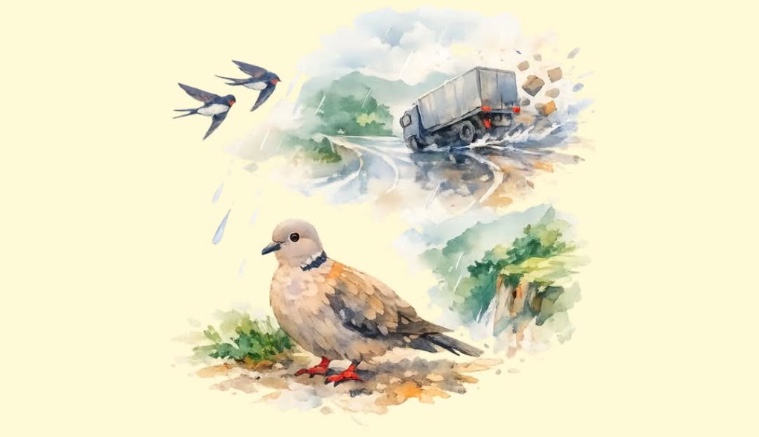
It was a drizzly May afternoon. My husband and I were driving to the countryside to deliver fresh cherries to my mother. The rain swept gently across the windshield as swallows dipped and glided low over the road. Watching them, I quietly reminded myself to drive slowly—I didn’t want to hurt any of these precious little creatures.
Suddenly, a grey spotted dove appeared right in the middle of the road.
Usually, wild animals will instinctively scatter or fly away when they sense an approaching vehicle. But this dove was different. Even as the shadow of our car drew close, it continued to stroll leisurely along the asphalt, completely unbothered and showing no intention of dodging.
Instead of honking or rushing, I gently pressed the brakes. We sat in silence, waiting patiently as the little bird took its sweet time, ambling step by step toward the roadside. Watching its cute, bobbing silhouette, my husband and I looked at each other and smiled. We shared the same unspoken belief: all living beings are equal, animals are our companions on this Earth, and we must never harm a vulnerable life.
We had no idea that those brief seconds we spent waiting for the dove would save us from absolute disaster.
Shortly after the dove cleared the road, we began driving up a sloping hill. Out of nowhere, a massive, ten-meter-long cargo truck appeared from the opposite direction.
Because of the slick, rain-soaked road, the truck driver hit the brakes too hard. In an instant, the heavy vehicle lost control. The massive trailer began to fishtail violently, swinging outward like an unbroken stallion. The giant iron rear of the truck swept directly into our lane, accompanied by a shower of flying debris and rain. It was a terrifying sight.
Our car is a tiny Wuling Mini EV—lightweight, compact, and fragile. To our left was a steep mountain wall; to our right, a sheer cliff. If that heavy, high-speed truck bed made contact with us, our tiny car would have been instantly crushed and sent hurtling over the edge of the cliff.
I gripped the steering wheel as my mind went completely blank. Beside me, my husband froze in terror. We watched the massive steel wall of the truck sweeping toward us, completely helpless as the cold fear of death enveloped us.
Right at that split second—at the absolute boundary between life and death—something miraculous happened.
The violently fishtailing truck suddenly seemed to correct itself. With a massive lurch, it snapped back into its own lane. Carrying its remaining momentum, the giant vehicle brushed past our car with mere inches to spare, stabilized, and quietly rolled away into the rainy mist.
The heart-stopping crisis had arrived without warning, and it vanished just as miraculously.
For a long time, my husband and I sat frozen in the car. Neither of us could utter a single word. Our hearts hammered violently against our ribs. My palms were drenched in cold sweat, and my legs trembled so hard I couldn’t even press the gas pedal. After what felt like an eternity, we finally turned to look at each other. In our panicked, wide-eyed stares, we both realized just how close we had come to dying.
As the adrenaline began to fade, a profound realization washed over me.
If we hadn’t listened to our hearts and paused for that tiny dove, our car would have traveled just a few dozen meters further up the road. We would have been positioned exactly at the fatal bend at the exact millisecond the truck lost control. There would have been absolutely no way to survive.
That slow, stubborn little dove, in its own unique way, had held us back just long enough to shield us from a catastrophic tragedy.
An ancient proverb says:
“If a person loves kindness, though fortune may not have arrived yet, disaster is already far away.”
Experiencing this brush with death made me truly understand the depth of those words. Every kind thought we harbor and every gentle deed we perform plants a seed. We may not see them grow immediately, but they accumulate.
The quiet kindness we put out into the world acts like a small, steady lantern in the dark. When we least expect it—when we face unforeseen dangers or find ourselves standing on the edge of an abyss—that accumulated goodwill quietly steps in to protect us, shielding us from the disasters we never saw coming.
All blessings begin with a kind heart. To live with compassion is to carry the greatest shield of all.
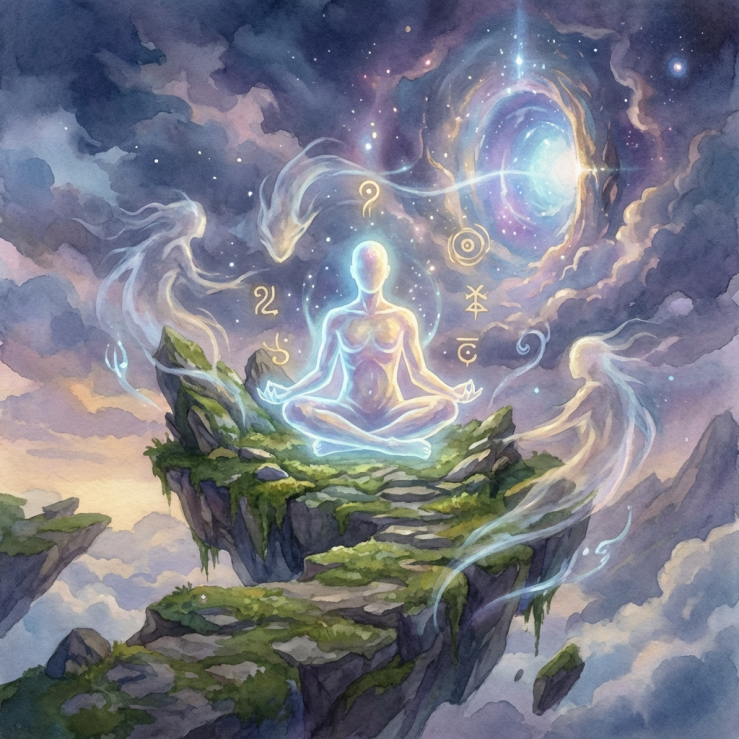
In a world where our pockets buzz every three seconds and notifications constantly hijack our attention, when was the last time you sat quietly with yourself?
We live under the collective illusion that hyper-connectivity equals success. We say “yes” to every social gathering, push ourselves to be extroverted at work, and wear our busyness like a badge of honor. But have you ever noticed the profound sense of emptiness and exhaustion that creeps in after the crowd disperses?
The truth is, modern society doesn’t have a connection deficit. We have a solitude deficit. What we truly lack is the courage to intentionally step away, embrace quietness, and meditate.
For millennia, humans have recognized the sacred link between solitude and mental clarity. From Eastern Zen practices to Western monastic traditions, sages have echoed the same truth: To understand the nature of reality and find your true self, you must first learn to be alone.
Today, cutting-edge neuroscience is finally catching up to this ancient wisdom, revealing what happens to our brains when we unplug:
The Myth of “Social Rest”: When we are around others, our brains automatically activate a “social tracking” network to read facial expressions, body language, and social cues. It’s a vital human instinct, but it’s also a constant source of cognitive drain.
True Neurological Recovery: It is only when we are genuinely alone that the brain can drop its social armor, deactivate its defense mechanisms, and enter a state of true restorative rest.
We’ve been conditioned to view daydreaming or doing “nothing” as a waste of time. Science proves the exact opposite. When you eliminate external stimuli and let your mind wander freely, your brain kicks into its Default Mode Network (DMN) to perform critical maintenance:
Heightened Empathy: Introspection allows us to process complex emotions, ultimately increasing our capacity for empathy and strengthening our relationships with others.
Enhanced Memory Consolidation: An untethered mind actively processes experiences, transforming short-term data into long-term memories.
This brings us to a fascinating psychological paradox: Intentionally choosing solitude actually supercharges our focus when we return to the world. Allowing your mind to drift during quiet moments is the secret weapon to maintaining long-term, high-level productivity.
In her groundbreaking book Quiet: The Power of Introverts in a World That Can’t Stop Talking, Susan Cain champions the profound impact of “deliberate, productive solitude.”
Modern corporate culture loves to worship the myth of the brainstorming session, pushing the narrative that creativity only sparks in noisy, collaborative open offices. But Cain challenges this notion head-on:
“Cultivating true creativity requires sustained focus and deep, uninterrupted concentration.”
As social creatures, we are incredibly susceptible to peer influence. When we stay in a crowd, we unconsciously compromise, absorbing the collective opinions, biases, and aesthetic preferences of the group.
To pioneer a truly original concept, build a unique philosophy, or discover your authentic voice, you must walk away from the crowd—at least for a little while.
You don’t need to move to a cabin in the woods to reap these benefits. You can reclaim your mental sovereignty right now through micro-habits of meditation and intentional solitude:
1. The 10-Minute Daily Digital Fast
Find a quiet corner, switch your phone to airplane mode, and spend ten minutes focusing solely on your breath. This isn’t about achieving spiritual enlightenment; it is simply about taking your brain “offline” and halting the constant evaluation of the outside world.
2. Schedule a Non-Negotiable “Date with Yourself”
Block out one to two hours every week on your calendar. Go to a café alone, take a solo walk in nature, or read a book without checking your phone. Learn to politely decline low-value social obligations and invest that time into the most important person in your life: you.
In a world that refuses to be quiet, solitude is not isolation, and meditation is not an escape.
They are the highest forms of modern self-discipline. They are the ultimate antidotes to chaos, allowing us to preserve our sanity, sharpen our focus, and unlock our deepest creative potential.
The next time you choose silence over noise, remember: you aren’t missing out on the world. You are simply meeting a more creative, fulfilled, and powerful version of yourself.
Namo Yuhua Shouzhi Wang Holy Mother the Great Mahasattva!
Namo all Buddhas in the ten directions, Vajra Beings, Bodhisattvas, Sky-goers, and Dharma Protectors!
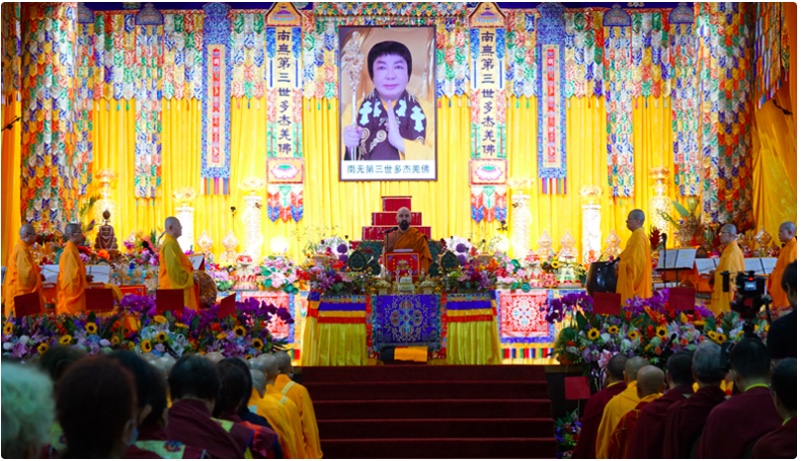
We are gathered here today with utmost piety, sincerity, and gratitude to respectfully honor the holy birthday of Namo Dorje Chang Buddha III. On this auspicious day, we reminisce about Namo Dorje Chang Buddha III with the deepest reverence. We are profoundly grateful to Namo Dorje Chang Buddha III for bringing to all living beings magnificent Buddha Dharma and perfect accomplishment in the Five Vidyās. We are immensely thankful for the auspicious opportunity to respectfully listen to the audio recordings of the true Dharma expounded by Namo Dorje Chang Buddha III, and to study the “Namo Dorje Chang Buddha III Complete Sutra Collection.” They are supreme Dharma treasures!
Buddhist disciples know deep in their hearts that the goal of learning from Buddha and practicing cultivation is absolutely not about fame or fortune. Rather, it is to attain accomplishment and liberation, and be delivered from the cycle of birth and death. This is why, as Buddhist disciples, we must always remind ourselves that our cultivation must not be mere lip service or formality. Truly learning from Buddha is about practicing in accordance with the true Dharma, guiding our own conduct with correct knowledge and right views, walking the path of liberation, and benefiting all living beings.
During this Dharma-ending age, confused knowledge and chaotic views abound, and evil teachings proliferate. Without right faith, we are extremely likely to get lost. Having right faith is not just about believing in the magnificent compassion of the Buddhas and Bodhisattvas. It involves understanding and believing in causality, and deeply believing that Buddha Dharma can enable all living beings to achieve true deliverance from suffering and the attainment of joy. It is about steadfastly applying the teachings of the Buddha in our own cultivation.
Therefore, we must place our complete reliance on the teachings in the “Namo Dorje Chang Buddha III Complete Sutra Collection.” This Sutra Collection is the vital refuge that guides all living beings in their cultivation practice, leading them toward liberation. We must study the Sutras with reverence, respectfully listen to audio recordings of the Dharmas expounded by Namo Dorje Chang Buddha III, practice in accordance with the teachings, strictly abide by the precepts, and earnestly cultivate ourselves. We must resolve to propagate the true Buddha Dharma, enable more living beings to listen to the true Dharma, uphold the right views, and walk the true path of cultivation.
Speaking of learning and propagating the “Namo Dorje Chang Buddha III Complete Sutra Collection,” we are deeply aware that many native English speakers have been looking forward to studying an accurate and complete translation. I, too, sincerely wish for the English translations to be published as soon as possible, so that more living beings can learn the true Dharma and develop the right views. Translating the Sutras is a profoundly reverential and serious undertaking. In the process, we have encountered many adverse karmic conditions and obstacles. However, no matter how great the difficulties and challenges, we should vigorously drive the English translation forward with utmost reverence, a devoted sense of responsibility, and unwavering determination. In doing so, we wish to enable many more living beings with affinity to encounter the true Dharma, learn the true Dharma, and walk the path of liberation.
All of us should clearly understand that a Buddha’s descent into this world and entry into Parinirvana are due to the good karmic rewards, causes and conditions, and shared karma of all living beings. The coming of the Dharma-ending age is due to the causality and shared karma of all living beings. We can therefore understand that nothing escapes causality. Likewise, it is by virtue of our own causality that we have the opportunity to learn from Buddha and practice cultivation in this lifetime, so as to attain liberation and accomplishment.
The Buddhas compassionately expounded the true Dharma, pointing living beings toward the path of liberation. Even though Buddha Dharma can lead us onto the path of liberation, it cannot replace our own cultivation. Liberation cannot be attained through pleading or waiting; nor is it something that can be bestowed upon us. It must come through our own genuine cultivation, accumulated day by day.
A person who wishes to cross a river will never reach the other shore if they refuse to board the raft ready to take them. A person who is lost will not reach their destination if they do not move forward when pointed in the right direction. The same applies to learning from Buddha and practicing cultivation. Ultimately, truly moving step by step toward the other shore is something only we can do for ourselves.
This is why we must always reflect upon what we do with our body, speech, and mind, sincerely repent of our own sins, strictly abide by the precepts, earnestly cultivate our conduct, and diligently practice Dharma. We must not do any bad deeds, and do all kinds of good deeds. Only by applying Buddha Dharma in our daily lives can we truly transform what we learn from the Dharma into virtue and merit, and reap the benefits. Only then can we continue to make progress, and eventually attain liberation and accomplishment!
Moreover, not only must we cultivate ourselves to attain liberation, but we must also give rise to a mind of great compassion and beneficence. We must apply our own cultivation to uphold, protect, and propagate the true Dharma. We must enable more living beings with karmic affinity to listen to the true Dharma, increase their merit and wisdom, and together plant the cause of liberation.
Finally, may all living beings fulfill their kind wishes, increase their merit and wisdom, live auspiciously, and soon attain liberation!
May all nations flourish and all countries enjoy stability! May there be peace on earth, may the true Dharma eternally abide, and may the Dharma wheel turn forever!
Let us once again pay obeisance!
Namo Dorje Chang Buddha III!
Namo Shakyamuni Buddha!
Namo Yuhua Shouzhi Wang Holy Mother the Great Mahasattva!
Namo all Buddhas in the ten directions, Vajra Beings, Bodhisattvas, Sky-goers, and Dharma Protectors!
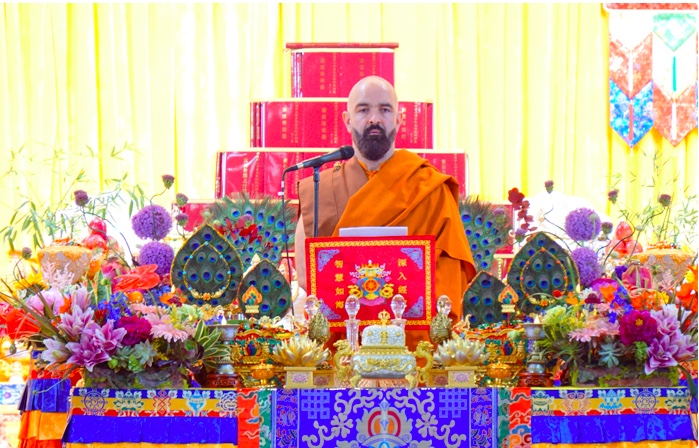
Before attending the Dharma Assembly Honoring the Holy Birthday of Namo Dorje Chang Buddha III, I knew very little about Buddhism and had never participated in such a large-scale Buddhist event. I accepted an invitation out of curiosity, expecting to observe a traditional religious ceremony. What I experienced, however, far exceeded my expectations and left a lasting impression on me.
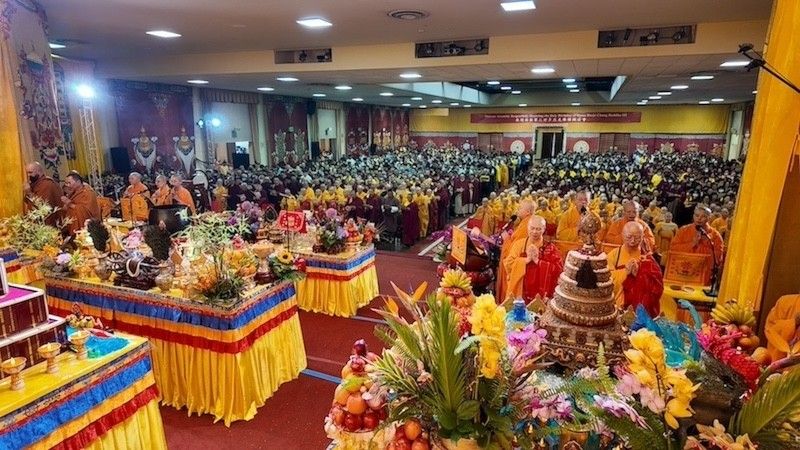
From the moment I entered the venue, I sensed an atmosphere of dignity, serenity, and profound respect. The beautifully arranged altar, the graceful floral decorations, and the orderly seating reflected meticulous preparation. Despite the large number of attendees, everything proceeded with remarkable precision and harmony. Volunteers guided participants with genuine warmth and courtesy, always wearing welcoming smiles and patiently assisting anyone who needed help.
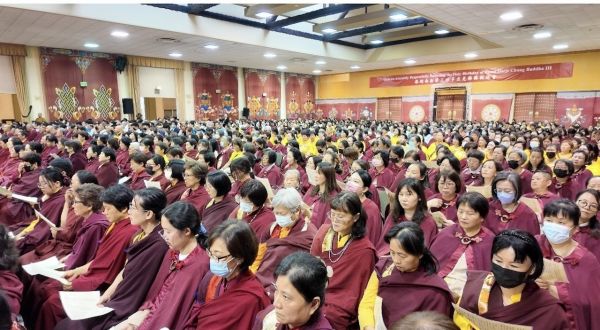
What amazed me most was the extraordinary level of organization. Every part of the Dharma Assembly unfolded smoothly and reverently. There was no confusion or disorder, even though people from many countries and cultural backgrounds had gathered together. The entire event demonstrated an impressive spirit of cooperation, discipline, and mutual respect that is rarely seen at gatherings of this size.
As I observed the ceremony, I was touched by the sincerity of everyone present. The participants were not merely attending an event—they were expressing heartfelt reverence and offering prayers for world peace, the well-being of humanity, and the happiness of all living beings. It was inspiring to witness so many people united by compassion and goodwill rather than personal interests.
Although I am not a disciple of Namo Dorje Chang Buddha III, attending this Dharma Assembly gave me an opportunity to learn more about Him and the values that His teachings encourage. As I listened to those around me speak about His teachings and observed the compassion, humility, and kindness reflected throughout the event, I began to understand why so many people deeply respect and appreciate Him. The atmosphere itself conveyed a powerful message—that genuine spiritual practice should inspire people to become more compassionate, more considerate of others, and more dedicated to creating harmony in society.
One aspect that particularly moved me was the selfless dedication of the volunteers. They worked quietly behind the scenes without seeking recognition, ensuring that every participant felt welcomed and cared for. Their humility, patience, and willingness to serve others demonstrated values that many people, regardless of their religious beliefs, would admire and respect.
As the Dharma Assembly came to a close, I found myself reflecting on the experience. In today’s fast-paced world, opportunities to witness such sincerity, harmony, and mutual respect are increasingly rare. This gathering was much more than a ceremonial celebration; it was a powerful reminder that kindness, compassion, and selfless service have the ability to bring people together across cultures and backgrounds.
I left the venue with a heart full of admiration and gratitude. Although I came simply as a visitor, I departed with a much deeper appreciation for the positive influence that Namo Dorje Chang Buddha III has had on so many people’s lives. Seeing thousands of individuals inspired to cultivate kindness, serve others, and pray for the well-being of the world was deeply moving.
I am grateful for the opportunity to have attended this remarkable Dharma Assembly. It was an unforgettable experience that broadened my understanding of Buddhism and demonstrated how genuine compassion and harmony can unite people from all walks of life. The solemnity of the ceremony, the exceptional organization, and the sincere spirit of everyone present will remain in my memory for years to come.
How many times have you found yourself on a Friday evening, sighing, “Wow, this week went by so fast”?
We often live under the illusion that time is an endless reservoir and that tomorrow’s sun is guaranteed to rise. Because of this, we generously surrender our hours to mindless social media scrolling, infinite short videos, and the trivial daily tasks that drain our energy by day and leave us feeling empty by night.
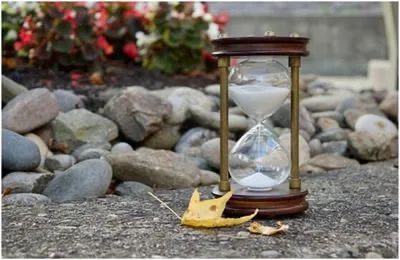
Recently, I came across an ancient, striking Latin concept being discussed online: Memento Mori—“Remember you must die.”
To turn this abstract philosophy into something physical and undeniable, someone created an incredibly simple yet visceral tool: the Life Calendar.
It is just a standard sheet of A4 paper covered in a dense grid of tiny squares. Each square represents one week of your life.
If we assume an average lifespan of 80 years, that is 52 weeks multiplied by 80 years, which equals exactly 4,160 squares.
When you print this sheet out and sit before it, the visual impact is startling. You realize with a jolt that our long, passionate, complex lives, when stripped down to their absolute essence, can fit onto a single sheet of paper—with room to spare.
Now, at the end of every weekend, I take a pen and firmly cross off a square.
The scratch of the pen against the paper sounds like the quiet, relentless step of passing time. As the ink buries those past seven days, a few inescapable questions rise to the surface:
“Is this really all the squares I have left?”
“What did I actually do with the seven days I just crossed off?”
“If life is this brief, am I truly willing to trade my remaining squares for superficial social obligations and mental clutter?”
“Is where I am pouring my heart and energy truly worth the exchange?”
Admittedly, this ritual might seem extreme, even cold—like a daily countdown to the end. But when daily life becomes numb and repetitive, radical measures are often the most effective way to wake up.
Throughout history, those who achieved mastery in their fields often held onto habits that others found bizarre. They were willing to appear eccentric because they understood a fundamental truth: life is too short, and what truly matters must be fiercely guarded.
Steve Jobs: Every morning, he looked in the mirror and asked, “If today were the last day of my life, would I want to do what I am about to do today?” If the answer was “no” too many days in a row, he knew it was time to change.
Yuval Noah Harari: The author of Sapiens goes on a strict 60-day silent meditation retreat every single year. For 10 hours a day, he completely disconnects from the digital noise—no phones, no talking.
As Cal Newport notes in Deep Work, a personal ritual might seem strange to outsiders, but if it works for you, it is absolutely worth it. These extraordinary individuals weren’t being quirky; they were aggressively reclaiming their finite time.
Since adopting the Life Calendar, my daily habits have shifted dramatically.
Previously, whenever boredom or fatigue crept in, my hand would instinctively reach for my phone to mindlessly scroll through YouTube or social media feeds. Now, the moment my fingers hover over the screen, that dense grid of 4,160 squares flashes in my mind.
A voice pulls me back: “Careful. You are about to trade a portion of your remaining squares for a few seconds of cheap dopamine. Is it really worth the swap?”
This instant awareness acts as a powerful pattern-interrupter. It keeps me focused and intentional during the day, and gives me the resolve to step away from empty entertainment in the evenings to focus on personal growth and long-term aspirations.
But my practice of crossing off a square each week has a deeper, more profound purpose. It has anchored my spiritual path and Buddhist practice with absolute clarity.
The world is full of dazzling distractions—wealth, achievements, and praise. Yet, looking at that slowly darkening sheet of paper, a quiet truth settles in: when the final square is crossed off and impermanence claims us, not a single cent of wealth or ounce of worldly fame can be taken with us.
I do not want my limited squares to be filled with things that vanish like smoke.
Instead, I want to use this finite life to cultivate eternal value. By practicing the Dharma and dedicating myself to genuine spiritual cultivation, I am building the kind of merit and wisdom that transcends this single lifetime.
The calendar silently urges me every day: Be diligent! Do not waste time! Only by practicing mindfully in the present can we transcend the cycles of suffering and cultivate true, lasting liberation.
As you finish reading this, take a moment to draw your own grid in your mind. Count how many squares you have already crossed off, and look at how many blank spaces remain.
Life is brief, and this world of ours has no shortage of struggles. Stop spending your most precious squares on people and things that do not serve your deeper purpose. Plan wisely, live intentionally, and make every square count. May we all find true freedom and peace within the pages of our finite lives.