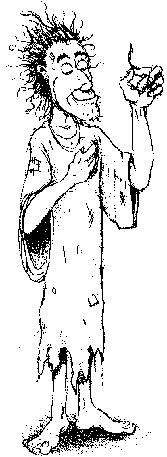
Once upon a time there was a man who looked and acted just like a holy man. He wore nothing but rags, had long matted hair, and relied on a little village to support him. But he was sneaky and tricky. He only pretended to give up attachment to the everyday world. He was a phoney holy man.
A wealthy man living in the village wanted to earn merit by doing good deeds. So he had a simple little temple built in the nearby forest for the holy man to live in. He also fed him the finest foods from his own home.
He thought this holy man with matted hair was sincere and good, one who would not do anything unwholesome. Since he was afraid of bandits, he took his family fortune of 100 gold coins to the little temple. He buried it under the ground and said to the holy man, “Venerable one, please look after this my family fortune.”
The holy man replied, “There’s no need to worry about such things with people like me. We holy ones have given up attachment to the ordinary world. We have no greed or desire to obtain the possessions of others.”
“Very well, venerable one,” said the man. He left thinking himself very wise indeed, to trust such a good holy man.
However, the wicked holy man thought, “Aha! This treasure of 100 gold coins is enough for me to live on for the rest of my life! I will never have to work or beg again!” So a few days later he dug up the gold and secretly buried it near the roadside.
The next day he went to the wealthy villager’s home for lunch as usual. After eating his fill he said, “Most honourable gentleman, I have lived here supported by you for a long time. But holy ones who have given up the world are not supposed to become too attached to one village or supporter. It would make a holy man like me impure! Therefore, kindly permit me to humbly go on my way.”
The man pleaded with him again and again not to go, but it was useless. “Go then, venerable sir,” he agreed at last. He went with him as far as the boundary of the village and left him there.
After going on a short way himself, the phoney holy man thought, “I must make absolutely sure that stupid villager does not suspect me. He trusts me so much that he will believe anything. So I will deceive him with a clever trick!” He stuck a blade of dry grass in his matted hair and went back.
When he saw him returning, the wealthy villager asked, “Venerable one, why have you come back?” He replied, “Dear friend, this blade of grass from the thatched roof of your house has stuck in my hair. It is most unwholesome and impure for a holy one such as myself to ‘take what is not given’.”
The amazed villager said, “Think nothing of it, your reverence. Please put it down and continue on your way. Venerable ones such as you do not even take a blade of grass that belongs to another. How marvellous! How exalted you are, the purest of the holy. How lucky I was to be able to support you!” More trusting than ever, he bowed respectfully and sent him on his way again.
It just so happened that the Enlightenment Being was living the life of a trader at that time. He was in the midst of a trading trip when he stopped overnight at the village. He had overheard the entire conversation between the villager and the ‘purest of the holy’. He thought, “That sounds ridiculous! This man must have stolen something far more valuable than the blade of dry grass he has made such a big show of returning to its rightful owner.”
The trader asked the wealthy villager, “Friend, did you perhaps give anything to this holy looking man for safekeeping?” “Yes friend,” he replied, “I trusted him to guard my family fortune of 100 gold coins.” “I advise you to go see if they are where you left them,” said the trader.
Suddenly worried, he ran to the forest temple, dug up the ground, and found his treasure gone. He ran back to the trader and said, “It has been stolen!” “Friend,” he replied, “No one but that so-called holy man could have taken it. Let’s catch him and get your treasure back.”
They both chased after him as fast as they could. When they caught up with him they made him tell where he had hidden the money. They went to the hiding place by the roadside and dug up the buried treasure.
Looking at the gleaming gold the Bodhisatta said, “You hypocritical holy man. You spoke well those beautiful words, admired by all, that one is not to ‘take what is not given’. You hesitated to leave with even a blade of grass that didn’t belong to you. But it was so easy for you to steal a hundred gold coins!” After ridiculing the way he had acted in this way, he advised him to change his ways for his own good.
The moral is: Be careful of a holy man who puts on a big show.
Once upon a time, in the country of Gandhara in northern India, there was a city called Takkasila. In that city the Enlightenment Being was born as a certain calf. Since he was well bred for strength, he was bought by a high class rich man. He became very fond of the gentle animal, and called him ‘Delightful’. He took good care of him and fed him only the best.
When Delightful grew up into a big fine strong bull, he thought, “I was brought up by this generous man. He gave me such good food and constant care, even though sometimes there were difficulties. Now I am a big grown up bull and there is no other bull who can pull as heavy a load as I can. Therefore, I would like to use my strength to give something in return to my master.”
So he said to the man, “Sir, please find some wealthy merchant who is proud of having many strong bulls. Challenge him by saying that your bull can pull one hundred heavily loaded bullock carts.”
Following his advice, the high class rich man went to such a merchant and struck up a conversation. After a while, he brought up the idea of who had the strongest bull in the city.
The merchant said, “Many have bulls, but no one has any as strong as mine.” The rich man said, “Sir, I have a bull who can pull one-hundred heavily loaded bullock carts.” “No, friend, how can there be such a bull? That is unbelievable!” said the merchant. The other replied, “I do have such a bull, and I am willing to make a bet.”
The merchant said, “I will bet a thousand gold coins that your bull cannot pull a hundred loaded bullock carts.” So the bet was made and they agreed on a date and time for the challenge.
The merchant attached together one-hundred big bullock carts. He filled them with sand and gravel to make them very heavy.
The high class rich man fed the finest rice to the bull called Delightful. He bathed him and decorated him and hung a beautiful garland of flowers around his neck.
Then he harnessed him to the first cart and climbed up onto it. Being so high class, he could not resist the urge to make himself seem very important. So he cracked a whip in the air, and yelled at the faithful bull, “Pull, you dumb animal! I command you to pull, you big dummy!”
The bull called Delightful thought, “This challenge was my idea! I. have never done anything bad to my master, and yet he insults me with such hard and harsh words!” So he remained in his place and refused to pull the carts.
The merchant laughed and demanded his winnings from the bet. The high class rich man had to pay him the one-thousand gold coins. He returned home and sat down, saddened by his lost bet, and embarrassed by the blow to his pride.
The bull called Delightful grazed peacefully on his way home. When he arrived, he saw his master sadly lying on his side. He asked. “Sir, why are you lying there like that? Are you sleeping? You look sad.” The man said, “I lost a thousand gold coins because of you. With such a loss, how could I sleep?”
The bull replied, “Sir, you called me ‘dummy’. You even cracked a whip in the air over my head. In all my life, did I ever break anything, step on anything, make a mess in the wrong place, or behave like a ‘dummy’ in any way?” He answered, “No, my pet.”
The bull called Delightful said, “Then sir, why did you call me ‘dumb animal’, and insult me even in the presence of others? The fault is yours. I have done nothing wrong. But since I feel sorry for you, go again to the merchant and make the same bet for two-thousand gold coins. And remember to use only the respectful words I deserve so well.”
Then the high class rich man went back to the merchant and made the bet for two-thousand gold coins. The merchant thought it would be easy money. Again he set up the one-hundred heavily loaded bullock carts. Again the rich man fed and bathed the bull, and hung a garland of flowers around his neck.
When all was ready, the rich man touched Delightful’s forehead with a lotus blossom, having given up the whip. Thinking of him as fondly as if he were his own child, he said. “My son, please do me the honor of pulling these one-hundred bullock carts.”
Lo and behold, the wonderful bull pulled with all his might and dragged the heavy carts, until the last one stood in the place of the first.
The merchant, with his mouth hanging open in disbelief, had to pay the two-thousand gold coins. The onlookers were so impressed that they honored the bull called Delightful with gifts. But even more important to the high class rich man than his winnings, was his valuable lesson in humility and respect.
The moral is: Harsh words bring no reward. Respectful words bring honor to all.
Vesak honors the Buddha’s birth, enlightenment and passing. On May 23, 2024, in recognition of the occasion, President Biden issued the following official statement from the White House:
“Jill and I extend our warmest wishes to Buddhists in the United States and around the world as they celebrate Vesak. As we honor the birth, passing, and enlightenment of Buddha, we recognize the American Buddhists who contribute so much to our communities and our country. For over 2,500 years, those who adhere to the Buddha’s teachings have enriched and strengthened this world we share. Vesak is a time to reflect on the Buddha’s teachings, including the need to work for peace and justice, and cultivate humility and compassion as we work together towards a brighter future.”
Representing President Biden at the Vesak ceremony was Second Gentleman Doug Emhoff, husband of Vice President Kamala Harris, whose opening remarks highlighted the significance of the Buddhist holiday.
“It’s important that we all come together,” Emhoff said. “One, to express our interconnectedness, our faith, our joy, but also to combat hate. Because the one and best way to combat hate is to do it together. Because we know in this room that there’s so much more that unites us than divides us.”
Emhoff said that as the “first Jewish White House principal, I always talk about finding joy in my own faith, even in the face of hate and anti-semitism. As we celebrate this event and celebrate our cultures coming together, let’s just keep that joy at all times.”
The event was coordinated by Wangmo Dixey, President of the International Buddhist Association of America (IBAA) and the Executive Director of Dharma College in Berkeley through the offices of Shekar Narasimhan, President of the Dharma Into Action Foundation.
Dixey noted that there are about 3,000 Buddhist temples in the United States, each representing the Theravada, Mahayana and Vajrayana traditions that trace back to the time of the Buddha. Jodo Shinshu Buddhism is part of the Mahayana tradition.
“Many elders have journeyed here to America, enriching our nation with their profound truth of reality,” Dixey told the gathering. “At the heart of the Buddha-Dharma is the conveyance of the truth of reality. It teaches the Four Noble Truths that we should understand suffering and identify its cause, and so find a path to the cessation of suffering and the way of life that embodies that this fundamental teaching illuminates a universal truth that remains timeless and profoundly relevant to the challenges we face in modernity. Central to these teachings is the practice of the Eightfold Noble Path, a guide to living, wisdom, ethical conduct and mental discipline.”
Before Emhoff and the Buddhist dignitaries lit a butter lamp in honor of Vesak, Dixey spoke about the lamp’s symbolism to light the way to world peace.
“Let us reimagine this light as a beacon of hope, a possibility for each of us to manifest harmony and well-being within ourselves and ultimately to become ambassadors of world peace,” she said. “This message originating in this room can resonate around the world, as so many look to America to lead with its profound commitment to true internal freedom. Imagine the power within us to illuminate the world, showing that wisdom and compassion are the ways to lead humanity. Let us remember that we have such great figures like the Buddha to remind us that enlightenment is possible, even in this lifetime.”
Dixey said “each of us carry the inspiration and spirit of Vesak into our everyday lives. May we embrace the beautiful qualities that the Buddha has shown us to build a brighter and kinder future for all Americans guided by the timeless quality of love, compassion and mutual understanding. By lighting this lamp today, we send a message of peace and harmony that will resonate throughout the world.”
After Emhoff lit the lamp, representatives from the various Buddhist traditions took turns lighting the lamp and chanting sutras. Rev. Harada spoke as part of the Mahayana tradition.
“Mahayana literally means ‘large vehicle’ like a big bus that carries many people,” Rev. Harada said. “Buddhism uses the metaphor of a vehicle to illustrate how it is a teaching that carries us from a life of delusion, ignorance and suffering to a life of awakening, wisdom and liberation. This large vehicle carries anyone and everyone regardless of race, gender, social status or sexual orientation.
“Our world is in great need of the teachings to awaken us to our own greed, anger and ignorance that bring suffering not only for ourselves, but to others,” he continued. “We are in great need of the teachings that urges us to listen to the Dharma to listen to others, to listen to our own inner voice. We are in great need of the teachings that urges us to live a life of a bodhisattva to work with the enlightenment of all beings.”
After the Vesak ceremony, there was a Buddhist peace march around the Washington Monument the evening of May 23 with leaders from various Buddhist traditions. The event was held in partnership with the Tzu Chi Foundation and listed Dharma College as a key collaborator.
It is hard to believe that anyone could possess all-encompassing wisdom. For us humans, dedicating a lifetime to mastering even one discipline is remarkable. How could someone be a philosopher, scientist, painter, sculptor, writer, doctor, and inventor all at once, mastering each within a few decades? This seems impossible by human standards. However, the Buddha’s vast and profound wisdom is genuinely real. Over 2,500 years ago, Siddhartha Gautama, the Buddha, invited anyone to ask him any question, promising a detailed answer. This is illustrated in the story of the Buddha teaching a cowherd, as recorded in the “Sutra of the Cowherd Parable.”
King Bimbisara of Magadha once invited the Buddha and 500 disciples to preach in his kingdom for three months. To provide them with fresh dairy products daily, the king arranged for cowherds to stay nearby. As the end of the three months approached, the king suggested the cowherds meet the Buddha. The cowherds, having heard of the Buddha’s wisdom, decided to test him with questions about cowherding. They reasoned that if he could answer these, he truly possessed all-encompassing wisdom.
Upon arriving at the Bamboo Grove, they were struck by the Buddha’s radiant presence. They saw him sitting under a tree, glowing like a golden mountain, radiating light like melted gold. Overwhelmed with joy, the cowherds discussed among themselves, “Regardless of whether the Shakyamuni possesses all-encompassing wisdom, anyone who sees him feels joy. His light is unparalleled, his appearance noble, and his presence exudes majesty. His radiance is clear and bright, his demeanor commanding respect, and his body adorned with the aura of virtue, making anyone who sees him feel immense joy.
If he indeed possesses all-encompassing wisdom, it must be due to his immeasurable merits. No worldly treasure can compare to the Buddha’s sublime and dignified presence, which brings great joy and pure faith to all who see him. It is clear that the Buddha must indeed possess all-encompassing wisdom.”
The shepherd thought about this and sat down to pay respects to the Buddha. They asked the Buddha, “What are the various methods a shepherd can use to ensure that the cattle thrive and reproduce well? And what conditions might prevent the cattle from growing properly and living peacefully?” The Buddha answered: There are eleven methods by which a shepherd can ensure the cattle’s well-being and reproduction. What are these eleven methods?
Understanding the Caretaker: Having a strong and capable caretaker who can protect and nourish the cattle, keeping them healthy and well-maintained. Similarly, a monk should be a respected and virtuous leader who can uphold the Dharma and guide beings toward good deeds.
Understanding Color: Knowing the colors of the cattle, such as black, white, or mixed. Similarly, a monk should understand that all phenomena in the world are composed of the four elements: earth, water, fire, and wind.
Understanding Appearance: Recognizing whether the cattle’s appearance is auspicious and whether they will be harmonious. A monk should similarly be able to discern whether someone’s actions indicate wisdom or ignorance.
Understanding Scraping: If insects bite the cattle and their blood is consumed, sores will develop. Scraping can remove these pests and promote the cattle’s well-being. Likewise, a monk should remove harmful views and misconceptions that corrupt their spiritual practice.
Understanding Wound Treatment: Applying medicine to prevent mosquito and fly bites and other injuries. Similarly, a monk should use correct Dharma teachings to protect themselves from delusions and negative emotions.
Understanding Smoke: Using smoke to drive away insects so the cattle can stay in a comfortable, insect-free shelter. Similarly, a monk should use the teaching of Dharma to lead beings to the state of emptiness and liberation.
Understanding Good Ways: Knowing the behavior and preferences of the cattle and how to keep them healthy. A monk should understand how to practice the Noble Eightfold Path to achieve Nirvana and avoid falling into the extreme paths of annihilation or eternalism.
Understanding the Right Place: Knowing how to provide a place where the cattle can live healthily and with minimal sickness. Similarly, a monk should practice and teach the Dharma to cultivate purity and increase good roots.
Understanding Good Routes: Knowing which paths are safe and which places are good for crossing rivers, avoiding places with waves and pests. Similarly, a monk should learn from knowledgeable teachers and adapt their teachings to the capacities of sentient beings.
Understanding Safe Places: Ensuring the cattle live in places free from predators and harmful creatures. Similarly, a monk should maintain mindfulness to avoid the harmful effects of negative emotions.
Understanding Milk Preservation: Ensuring that the mother cow’s milk is not consumed completely by the calf so that both the mother and the owner can benefit from it daily. Similarly, laypeople should use offerings such as clothing and food economically to benefit both the givers and receivers.
The cowherds, after hearing the Buddha’s teachings, thought, “We cowherds know only three or four methods, and our predecessors knew only five or six. Hearing the Buddha today is truly astonishing and unprecedented! The Buddha indeed possesses complete wisdom beyond doubt.”
This is described in the “Sutra of the Parable of the Cowherds.” From this, we understand that there are individuals with complete wisdom.
Today, due to the supreme and exceptional causes and conditions, the original primordial Buddha, Vajradhara has once again descended into the Saha World to manifest all-encompassing wisdom. H.H. Dorje Chang Buddha III once said: Within five years (from 1995 to 1999), if any sentient being asks ME any question, the answer should be given immediately without any hesitation. If there is any need to think about it, or if there is slight hesitation or any fabrication, or if the answer is not comprehensive, I will immediately step down from the Dharma throne and no longer be qualified to teach the Dharma.”
In the more than two thousand Dharma discourses spoken by the Buddha, He provided direct and comprehensive answers to various questions on practice and methods for His disciples. Sometimes, even before the disciples spoke, He would say, ‘I know what you want to ask. You don’t need to say anything; I will answer you directly.’ The disciples would nod in agreement. There was also Zeng Ruzhang, who studied stealth aircraft and asked why they can be invisible. Lobsang Zhenzhu Rinpoche once proposed to see Green Tara, and shortly after, a divine manifestation appeared, H.H. Dorje Chang Buddha III fulfilled his wish…
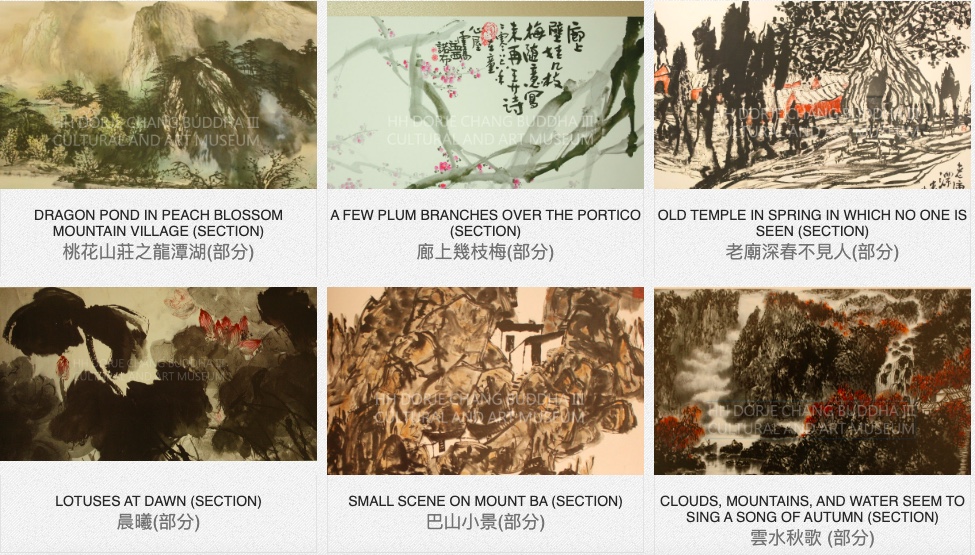
Step into the International Art Museum of America in San Francisco or the H.H. Dorje Chang Buddha III Culture and Art Museum in West Covina, and you will be able to appreciate world-class masterpieces of art. H.H. Dorje Chang Buddha III has created Chinese paintings, oil paintings, and various styles of calligraphy. In addition to mastering styles from existing schools of painting, such as Realism, Abstract, Line, and Impressionism, H.H. Dorje Chang Buddha III has independently developed sixteen unique schools of painting.
At the fourth session of the World Poets and Culture Conference held in Hungary in 1994, more than 5,600 experts and scholars representing 48 countries and regions unanimously approved conferring upon H.H. Dorje Chang Buddha III the title “Distinguished International Master,” which has an honorific status comparable to a head of state.
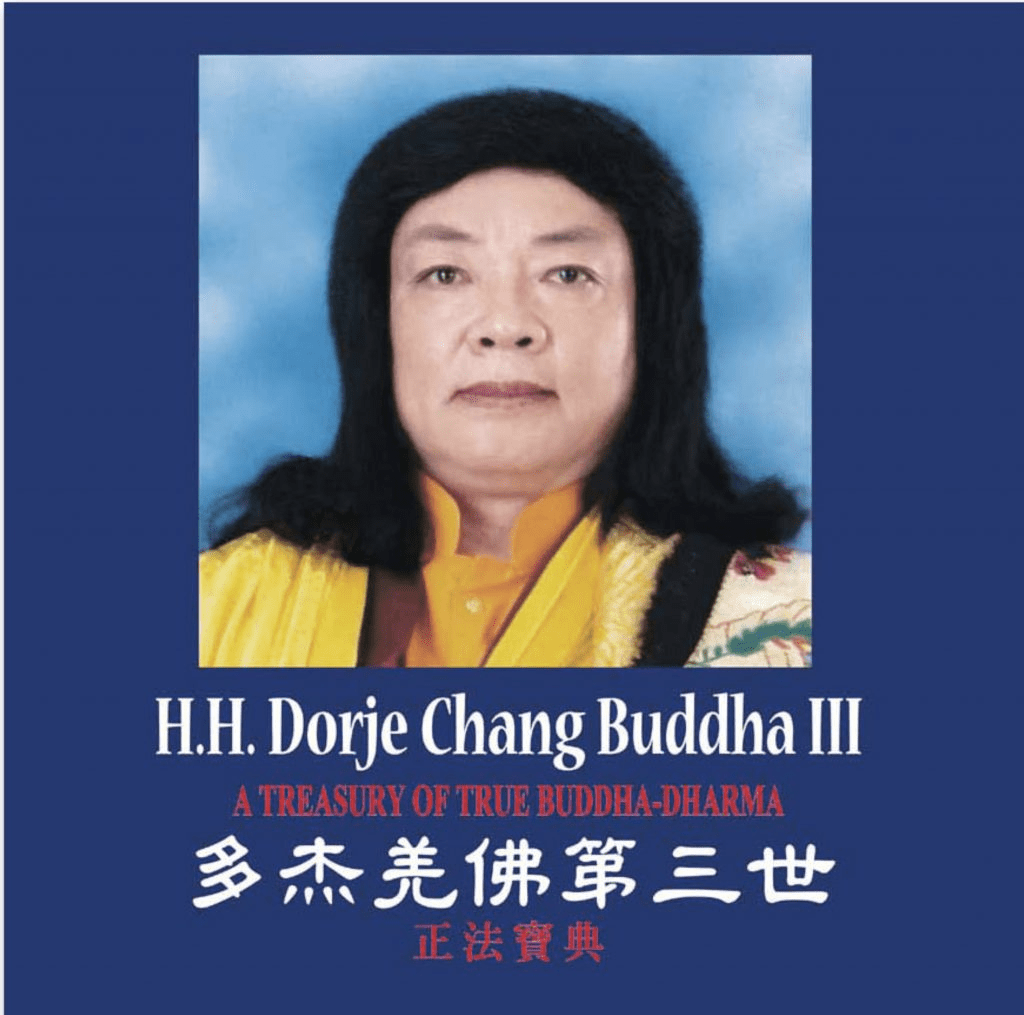
H.H. Dorje Chang Buddha III possesses extraordinary and saintly wisdom, perceiving the true essence of the universe and life. Whether it be within the various sects of Buddhism or in all worldly fields such as art, science, medicine, and philosophy, His accomplishments reach the highest level in every aspect, with unparalleled expertise and a unique status beyond any saint.”
The treasure book, “H.H. Dorje Chang Buddha III,” stands as a testament to this statement. However, this book contains only a drop of water from the vast ocean of Buddha’s teachings and wisdom.
The video below showcases the boundless compassion and highlights the extraordinary accomplishments of H.H.Dorje Chang Buddha III. It was published by China Educational Channels TV and features interviews with Buddhist disciples from around the globe.
by Lachlan Brown | July 18, 2024, from GlobalEnglishEditing
There’s a significant contrast between simply aging and aging joyfully.
This difference often boils down to habits. While some folks let the years weigh them down, others seem to dance through their 70s and beyond with a smile on their face.
Those who age joyfully are not just lucky. They adopt certain daily habits that keep them buoyant and full of life.
I’ve noticed that there are some key habits that these joyful individuals share. And, if you’re anything like me, you’ll want to know what these habits are.
Ahead are nine daily habits typically adopted by those who stay joyful in their 70s and beyond.
1) They embrace change
When it comes to aging joyfully, adaptability is key.
Those in their 70s and beyond who continue to thrive are often those who have mastered the art of embracing change.
Whether it’s technology, changing family dynamics or shifts in their physical capabilities, they don’t resist. Instead, they adapt and learn.
It’s a simple concept, but not always easy to follow. Change can be daunting. It can be uncomfortable. But it’s also inevitable.
The trick to embracing change lies in shifting your perspective. Instead of viewing change as a threat, view it as an opportunity for growth and new experiences.
The secret? Stay open-minded, stay curious and never stop learning.
This simple daily habit of embracing change can make a world of difference in your outlook on life as you age. It keeps you stimulated, engaged and, most importantly, joyful.
One thing I’ve noticed about those who stay joyful in their later years is their capacity for gratitude.
Let me share a personal example. My grandmother, in her 80s, has a daily habit of expressing gratitude. Every morning, she sits by her window with a cup of tea and lists out loud the things she’s thankful for.
Sometimes it’s big things like family and health, sometimes it’s small things like a beautiful sunrise or the sound of birds chirping. The size of the blessing doesn’t matter; what matters is the act of acknowledging it.
I’ve seen how this simple practice has shaped her perspective on life. She focuses on the positive, and this focus radiates joy.
Practicing daily gratitude, I’ve learned from her, is an accessible habit anyone can adopt to age more joyfully.
3) They stay socially active
Contrary to the popular perception of aging as a lonely process, many who remain joyful in their later years do so by maintaining a vibrant social life.
Research in the field of gerontology suggests that social interactions play a crucial role in our mental health and overall well-being as we age.
Staying socially active doesn’t necessarily mean attending grand parties or being constantly on the move. It can be as simple as regular phone calls with a friend, participating in community events, or volunteering for a cause close to your heart.
The key is to stay connected with the world around you. This not only keeps you mentally stimulated but also provides a sense of belonging and purpose, all of which contribute to a joyful mindset.
Physical activity is another common habit among those who age joyfully.
They understand the value of keeping their bodies moving. It might be a daily walk around the neighborhood, a yoga class, or even gardening in the backyard. The type of activity doesn’t matter as much as the consistency of being active.
Staying physically active has multiple benefits. It keeps you fit, improves your mood by releasing endorphins (the ‘feel-good’ hormones), and can even enhance cognitive function.
So if you want to join the ranks of those aging joyfully, don’t underestimate the power of movement. Make it a point to stay active and your body, as well as your mind, will thank you for it.
5) They nurture their hobbies
Folks who age with joy tend to have a passion or hobby that they keep alive.
Be it painting, dancing, knitting, or even bird watching, they understand the importance of doing something that brings them genuine happiness. This isn’t about productivity or achievement; it’s about enjoyment.
Having a hobby provides a sense of purpose, keeps the mind engaged, and offers a great way to unwind and relax. It’s a personal space that brings contentment and fulfilment.
So, if there’s something you’ve always wanted to try or an old passion you’ve left behind, now might be the perfect time to pick it up again. It could become your key to aging joyfully.
6) They prioritize relationships
The golden years can be truly golden when filled with meaningful relationships. Those who age joyfully often prioritize their relationships, understanding the deep happiness and comfort that comes from loving and being loved. They make time for their family and friends, cherishing the shared laughs, stories, and even the quiet moments of companionship.
They know that life is filled with ups and downs, and having someone by your side through it all makes the journey more beautiful. These relationships provide emotional security, a sense of belonging, and help to keep loneliness at bay.
Remember, it’s not about having a large number of acquaintances but nurturing a few relationships that are close to your heart. As you age, these bonds can become your greatest source of joy.
7) They practice mindfulness
I’ve seen the power of mindfulness in action. My father, now in his late 70s, has a habit of spending a few minutes every day in quiet reflection.
This isn’t about religious beliefs or meditation practices; it’s about taking a moment to be present, to acknowledge and accept the way things are, without trying to change anything.
On particularly challenging days, he says these moments of mindfulness help him handle stress better, bring clarity to his thoughts, and cultivate a calm demeanor.
By being in the present moment, we can appreciate the beauty of life as it unfolds, even with its imperfections. This sense of acceptance and peace can be a powerful tool for staying joyful as we age.
8) They maintain a balanced diet
Food plays a critical role in our overall well-being, and this is especially true as we age. Those who age joyfully are often mindful of what they eat. They understand that a balanced diet is not just about maintaining physical health, but also about ensuring mental well-being.
They opt for nutritious foods that boost energy levels, enhance mood, and support cognitive function. This doesn’t mean they never indulge in their favorite treats; instead, they aim for a balance that serves both their health and their taste buds.
Eating right can help you feel your best and keep you energized, both of which contribute to a joyful outlook on life.
9) They keep a positive mindset
Above all, those who age joyfully understand the power of a positive mindset.They choose to focus on the good in their lives and in the world around them. They believe in the potential for happiness each new day brings, no matter what challenges it might also carry.
A positive mindset isn’t about ignoring life’s difficulties. It’s about choosing to see beyond them, to find hope and joy even in the hardest of times.
This habit, more than any other, shapes their experience of life as they age. It’s what keeps them resilient, hopeful, and most importantly, joyful.
At the heart of aging joyfully lies a fundamental choice we all have the power to make.
The choice to embrace change, to express gratitude, to stay socially and physically active. The choice to nurture hobbies, prioritize relationships, practice mindfulness, maintain a balanced diet and, above all, keep a positive mindset.
It’s these choices, these daily habits that shape our experience of life as we age. They are the threads that weave together the fabric of a joyful existence in our later years.
The winners and finalists of the 2024 IAMA International Youth Art Contest with the President of IAMA / Photo courtesy: John TrieuMore than 400 amazing artworks by young artists from 9 countries on exhibit at IAMA Grand Exhibition Hall / Photo Courtesy: John Trieu “
The International Art Museum of America (IAMA) hosted the 2024 Youth Painting Competition and Award Ceremony on Sunday, July 14th, at its Market Street location. The event celebrated the artistic achievements of young artists, awarding certificates and cash prizes. Over 400 second-round entries are exhibited from July 13th to 21st.
IAMA’s commitment to promoting youth art development was evident throughout the competition, which included submissions from over 300 youths across nine countries. Divided into three age groups (7-10, 11-14, and 15-18), the competition awarded certificates and cash prizes to the top three winners in each group, along with ten “Young Artist Awards” per group.
The competition, with its theme of “free creation,” encouraged children to express their imagination and creativity. Judges Dr. Amy Hughes, Dr. Gabriela Sotomayor, and Prof. Adam Caldwell praised the participants’ diverse techniques and styles. Dr. Hughes noted the high quality of work, akin to graduate-level creations, while Prof. Caldwell celebrated the impressive achievements of all contestants.
The award ceremony, held on July 14th at IAMA’s Garden Hall, attracted nearly 300 attendees, who were moved by the young artists’ talent and passion. The museum’s president, Mr. KC Hsieh, and other distinguished guests, including Professor Caldwell, participated in the ceremony. The day also featured a Master Class on painting by Professor Caldwell, inspiring young artists to further explore their creativity.
Chairman of Jury Committee Professor Caldwell congratulating all at the award ceremony while 300 people attended / Photo courtesy: John Trieu
IAMA Director Mr. KC Hsieh reiterated the museum’s dedication to fostering youth art development. Emily Su, third-place winner in the 15-18 age group, expressed that the award motivates her to continue pushing the boundaries of her artistic vision.
IAMA’s mission is to make art appreciation and education accessible to all, believing that “Art is for everyone.” The International Youth Art Contest exemplifies this mission, providing a platform for young artists to pursue their passion and leadership in the art world.
Located at the heart of downtown San Francisco, on 1025 Market Street near Sixth Street, the International Art Museum of America is a permanent , non-profit museum open to the public. The museum’s goal is to utilize the exhibition forum to pass on works of art that have achieved the most exquisite beauty and preciousness in the history of civilization, in order to further humanity’s moral progress, spiritual wellbeing, cultural development and world peace. It takes as its mission bringing humanity happiness and uplifting aesthetic enjoyment.
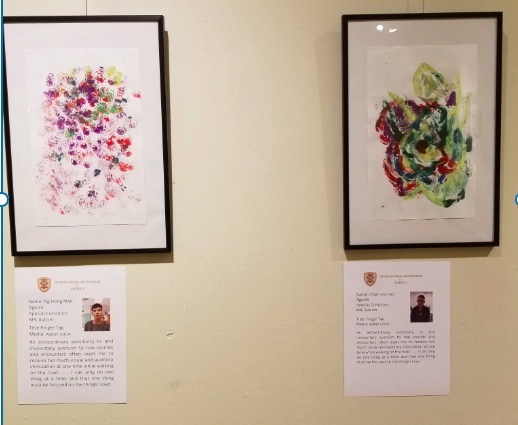
Currently, until July 21st, the museum is hosting “Art Without Boundaries,” an inspiring exhibition showcasing paintings by artists with disabilities. This event, presented by the Arts with the Disabled Association Hong Kong in partnership with The Neighborhood Advice-Action Council, provides a platform for these talented artists to exhibit their work in an international museum. This charitable initiative aims to support artists with disabilities, aligning with IAMA’s mission to actively promote public charitable art activities.
The speech given by the Venerable Rambo Tsemang at the 2024 Dharma ceremony in honor of the holy birthday of Namo Dorje Chang Buddha III on June 15, 2024, is published below.
Namo Dorje Chang Buddha III!
Namo Shakyamuni Buddha, Lord of Buddhism in the Saha World!
Namo Yuhua Shouzhi Wang Holy Mother the Great Mahasattva!
Namo all Buddhas in the ten directions, Vajra Beings, Bodhisattvas, Sky-goers, and Dharma Protectors!
Today, Buddhist disciples from all over the world have once again gathered here to commemorate the Holy Birthday and infinite merit of Namo Dorje Chang Buddha III. We want to express our gratitude to Namo Dorje Chang Buddha III for bringing to humanity His magnificent, unprecedented, and unsurpassed Buddha Dharma and accomplishment in the Five Vidyas.
I will summarize the questions that some of you have raised recently and share my personal thoughts for your reference.
First: Cultivation is the foundation for all Buddhists to attain liberation
Throughout the time that Namo Dorje Chang Buddha III propagated Dharma to save living beings, His Holiness the Buddha continuously reminded Buddhist disciples that cultivation is of utmost importance, and it is the only foundation for attaining liberation. In many audio recordings of expounded Dharmas, Namo Dorje Chang Buddha III taught many aspects of cultivation and emphasized that Buddhist disciples must practice cultivation at all times. Therefore, we must always remember the teachings of Namo Dorje Chang Buddha III by respectfully listening to the audio recordings of the Dharmas of His Holiness Dorje Chang Buddha III and reading the “Namo Dorje Chang Buddha III Complete Sutra Collection.” That is how we may learn correct knowledge and views and apply them in our own cultivation practice. This is very important for all Buddhist disciples. We must always remember that it is by practicing cultivation that we may accumulate good fortune and merit, stay away from dark karma, receive initiation to the highest Dharmas, and ultimately attain liberation from transmigration and cyclical birth and death. We must not pay lip service to practicing cultivation. Cultivation must be applied to every thought, word, and deed.
Some people tend to sway or regress from their cultivation whenever they encounter setbacks, but they should not be like that. We should know that during our transmigration since beginningless time, we have done so many bad deeds and taken on so much dark karma. All of our suffering and adversities are the effects of bad causes that we planted. By understanding this, we then understand that both good times and bad times are opportunities for us to practice our own cultivation. As our respected ancient elders said, “We do not evade bad retributions and face them with ease. We must be cautious with our every word and deed to plant good causes.”
Second: Actively Promote the “Namo Dorje Chang Buddha III Complete Sutra Collection”
Ever since Buddha Shakyamuni established Buddhism in our sahā world, the Sutras of the World Honored Buddha have enabled innumerable Buddhist disciples to attain liberation and accomplishment. The “Namo Dorje Chang Buddha III Complete Sutra Collection” is, once again, a collection of Dharmas expounded by a Buddha in this world. This Collection will certainly enable many more Buddhist disciples to attain liberation. Namo Buddha Shakyamuni’s Sutras have been the guidance that we have followed for more than 2,000 years. Upon that foundation, Namo Dorje Chang Buddha III used simple language to teach us the quintessence of Buddha Dharma, and the essentials for attaining liberation and accomplishment. Therefore, the “Namo Dorje Chang Buddha III Complete Sutra Collection” is and will be the fundamental guide for all Buddhist cultivators in the sahā world to attain liberation.
Since we have received this supreme Dharma treasure, the “Namo Dorje Chang Buddha III Complete Sutra Collection,” we should apply the four limitless states of mind and Bodhicitta to enable more people to learn the Sutra Collection. Namo Dorje Chang Buddha III taught us that we will accumulate the most abundant merit by propagating Dharma to benefit living beings and that more merit we have, the sooner we can attain Buddhahood. The best method to propagate Dharma now is to actively promote the “Namo Dorje Chang Buddha III Complete Sutra Collection.” This is the quickest way for us to accumulate merit.
Think about this: In the Diamond Sutra, Buddha Shakyamuni told Subhuti that if someone were to grasp just the four-line gatha of the Dharma and make it known and explain it in detail to living beings, this person’s merit would far exceed someone who were to fill the billion worlds of this universe with the seven jewels in almsgiving.
The four-line gatha is only about emptiness and Dharmakaya. The “Namo Dorje Chang Buddha III Complete Sutra Collection” comprises the truth about Dharmakāya, Saṃbhogakāya and Nirmāṇakāya, and how to attain realization states of the Three Bodies. Therefore, by promoting the “Namo Dorje Chang Buddha III Complete Sutra Collection,” not only will you enable others to understand the truth contained in the four-line gatha; you may even enable them to achieve abidance in the realization states described in that four-line gatha and become a holy person. Then your merit will increase even more. That’s why whenever you introduce one person to study the “Namo Dorje Chang Buddha III Complete Sutra Collection,” you will gain an increment of merit.
However, we must be clear that explaining the four-line gatha to others or promoting the Namo Dorje Chang Buddha III Complete Sutra Collection doesn’t mean that we as ordinary people would then quote Dharma out of context or randomly explain Dharma to others. In doing so, we would end up in the hell realm. We should guide living beings to study the Sutras and respectfully listen to the audio recordings of the Dharmas themselves, so that they can learn directly from His Holiness the Buddha. In this way, we can also increase our merit without incurring any sins.
Third: Make Effort to Protect the Dharma
There are many different ways to protect the Dharma, such as protecting organizations that propagate true Tathagata Dharma or supporting Buddhist cultivators who have correct knowledge and views and who practice in accordance with the Dharma. What I want to talk about here is how to protect the Dharma on the Internet.
In the current Internet era, Buddhist disciples make use of the Internet to propagate Buddha Dharma. However, evil demons also make use of the Internet to slander true Buddha Dharma. Therefore, if any one of us sees any evil deeds of slandering the Buddha or the Dharma, we must rebut those slander with correct knowledge and views.
There are two things that we must not misunderstand about protecting the Dharma.
First, it is seriously wrong to think that rebutting others is getting yourself tied up in matters of right and wrong. It is only with correct knowledge and views that you may understand Buddha Dharma, but some people understand Dharma incorrectly due to their incorrect knowledge and views. We must be very clear about this without any confusion: If a Buddhist disciple cannot differentiate between correct and incorrect knowledge and views, how can they properly understand the Dharma? If they cannot understand the Dharma, how can they attain accomplishment? Getting involved in matters of right and wrong usually refers to personal arguments about who’s right and who’s wrong as a result of attachments to self and to worldly phenomena. This is not the same as defending the correct meaning of the Dharma. The meaning of Dharma must be made clear.
Second: It is wrong to think, “I don’t want to do the work of protecting the Dharma, but I will make effort to practice forbearance and cultivate my conduct.” Actually, protecting the Dharma is an important aspect of cultivation. If you don’t protect Buddha Dharma, you are essentially a fake Buddhist who is not cultivating yourself. Therefore, it will be impossible for you to attain accomplishment. When cultivating ourselves, if anyone points out our shortcomings or wrongdoings, we should thank them, reflect upon ourselves, and do better in our cultivation. For whatever reasons, if someone insults us or attacks us, we should ignore those distractions and focus on cultivating ourselves with forbearance. But if the attacks are targeted toward the Buddha and Buddha Dharma, we must step up and fearlessly protect the Buddha and Buddha Dharma. Even if we don’t have enough abilities on our own, we can work with other Buddhists and discuss how to protect the Dharma together. If we don’t even protect the Buddha, if we don’t protect the integrity and benefit of Buddha Dharma, will Buddhas and Bodhisattvas receive us in the Buddha Lands? Will Dharma Protecting Bodhisattvas and deities help us?
All in all, if we want to attain liberation and accomplishment, we must cultivate ourselves. To cultivate ourselves, we must abide by the precepts, promote the “Namo Dorje Chang Buddha III Complete Sutra Collection,” and protect the Dharma. By doing these three things well, we can quickly eliminate our dark karma, accumulate merit, receive Buddha Dharma, and be liberated from transmigration forever! Throughout Buddhist history, all holy people who attained holy accomplishments were precept-abiding. They all propagated Dharma to benefit living beings. They all protected the Dharma. That’s how respected ancient elders attained accomplishment. These are also the things that we must do to attain accomplishment.
Here, I wish that all congregants and living beings fulfill their good wishes, have good fortune and wisdom, and attain accomplishment and liberation! I wish that the countries that you live in be prosperous and powerful, and that all people enjoy happiness. May there be peace in the world and the circumstances of all living beings be auspicious.
Finally, let us once again pay obeisance:
Namo Dorje Chang Buddha III!
Namo Shakyamuni Buddha, Lord of Buddhism in the Saha World!
Namo Yuhua Shouzhi Wang Holy Mother the Great Mahasattva!
Namo all Buddhas in the ten directions, Vajra Beings, Bodhisattvas, Sky-goers, and Dharma Protectors!
Entering summer, the northwest is like a fairyland, and as the gateway to this paradise, Qinghai is so breathtaking that one forgets the passage of time. Snow-capped mountains, lakes, grasslands, deserts, Yadan landforms, temples, prayer flags…
Countless unique landscapes make Qinghai a place worth exploring in depth. Here, you can easily encounter breathtaking scenery: lakes, flower fields, deserts, and starry skies, along with six vibrant colors: blue skies, green lakes, white mountains, golden deserts, green grasslands, and yellow rapeseed flowers. Walking on this vast land, the vitality and colors continually surprise you. Qinghai is a place you’ll fall in love with and never want to leave. In July, Qinghai Lake is romantic and poetic, with vast fields of rapeseed flowers along the lakeshore, blue water blending with the sky, and smoke rising from small wooden houses by the shore, resembling a pastoral landscape painting.
Qinghai Lake or Ch’inghai Lake, also known as Lake Koko Nor, is the largest lake in China (the size of Rhode Island or three Greater Londons). Located in the northeast of the Tibetan Plateau, this huge alkaline salt lake is usually No. 1 on “Most Beautiful Lakes in China” lists.
Spectacular Sunrise of Qinghai Lake
Erlangjian Scenic Area
Fairy Bay Area – The Sea of Flowers
Fairy Bay Area is a wet land located in the northern coast of Qinghai Lake. There are two legends about how Fairy Bay Area got its name. In one old legend, the queen of the west area fell in love with the King of Central Plains. The queen always served a feast for the king in Qinghai Lake with pretty fairies singing and dancing for them. Another ancient poem showed that the Queen of the west had been waiting for the king of Central Plains in Qinghai Lake for thousands of years but he never kept his appointment. The sad queen left for Heaven, but she ordered the fairies to guard Qinghai Lake. Later, these fairies masqueraded as swans living in Fairy Bay Happily. Might be attracted by these beautiful swans, a dozen of other birds also prefer Fairy Bay as a habitat.
Apart from various birds, different kind of flowers blooms here from every June to October. Just like a carpet waved by fairies, Fairy Bay presents on white, yellow, orange, pink, red etc., really deserving its name of Flowers’ Ocean. Because of the magic legends and amazing landscape, local people regard it as sacred ground and several solemn rituals are held here. So, you can feel a strong cultural fragrance.
Sand island in the lake
Great Scenery in the Biking Trip
There’s a Tibetan folk custom that Buddhists should walk around the lake in the Year of Goat, circle the mountains in the Year of Horse, and circle the forest in the Year of Monkey. Some believe it’s a decree left by Buddha. Qinghai Lake is a sacred lake for Buddhist pilgrimages. Especially in Horse years of the 12-year cycle, many Buddhists will take a kora around the Qinghai Lake which is believed to be helpful to lead a safe and happy life. By traveling to Qinghai Lake you can get close to the devoted Tibetans and appreciate Tibetan culture. When the weather is warm in the summer months, there are ethnic festivals of the Tibetans and Muslims. Nowadays, there are still lots of minority tribes and herdsman families living beside the Lake. You can feel the strong nomadic ethnic culture there.
Buddhist Pilgrims Worshiping Qinghai Lake
Besides Qinghai Lake, there are many lakes in Qinghai, such as Chaka Salt lake, ChaErHan Salt lake, etc.
Qinghai has many mountains, 3,600 mountain peaks, clustered together, resemble giant petals in full bloom, tracing graceful arcs across the sky. Up close, they resemble ancient castles, pyramids, animal shapes, and cylindrical pillars. Being there feels like entering a maze, making it difficult to distinguish directions.
In July and August, large fields of rapeseed flowers bloom beneath Zhuo’er Mountain. Standing at the top of the mountain, the view is incredibly expansive and unobstructed. As far as the eye can see, the earth is covered with a golden-yellow carpet.
This summer, embark on a pilgrimage to Qinghai.
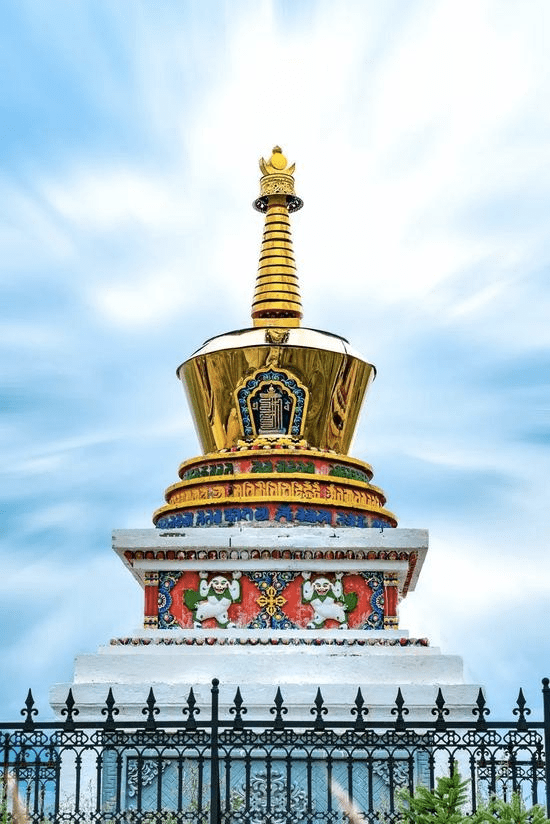
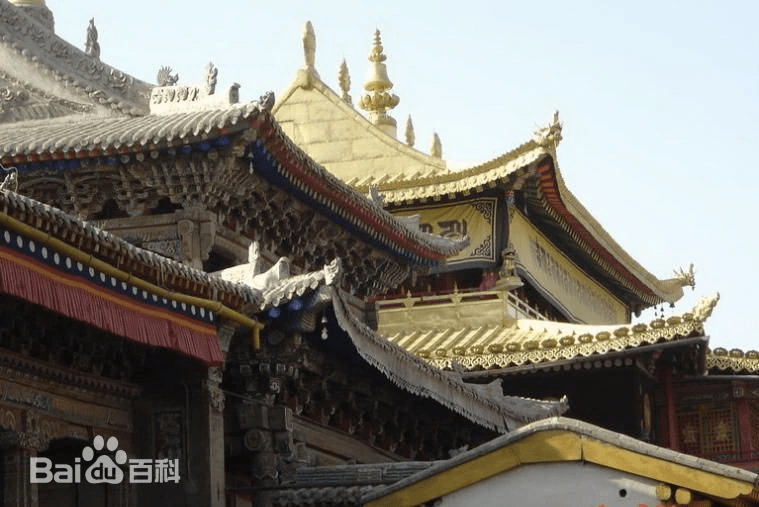
On this vibrant land, there exists a power, ancient and resolute, with the solemn sound of bells echoing in all directions, suppressing all disturbances. The 400-year-old Kumbum(or Ta’er Monastery ) is one of the most important temples of the Gelug sect of Tibetan Buddhism. Entering the incense-filled Ta’er Monastery, one begins to feel detached from the mundane world. Devout followers, serene temples, and vivid Buddha statues all convey the weight of faith. The monastery’s buildings are grand, blending Han palace and Tibetan flat-top styles. With over 4,500 rooms, it forms a unique architectural complex that integrates Han and Tibetan craftsmanship.
The most captivating event is the annual “Shai Da Fo” or “Shai Da Thangka,” also known as the “Buddha Exhibition Festival.” This involves displaying a large Buddha image outdoors to prevent mold and insect damage, and more importantly, as a special way for monks and followers to pay homage to the Buddha. The image is actually a special type of large Thangka, a rare treasure among scroll paintings. The best time to unfold the Buddha image is at dawn when the first rays of sunlight hit the earth, hence the name “Shai Fo,” which means “Sun Buddha.”
Held twice a year during the lunar fourth and sixth months, the festival commemorates the birth, enlightenment, and nirvana of Shakyamuni, the emergence of Maitreya, and the birth and nirvana of Tsongkhapa. By displaying the Buddha image, followers can gaze upon it, receive its blessings, and protect it from damage. Ta’er Monastery has four large embroidered Buddha images: “Lion’s Roar,” “Shakyamuni,” “Tsongkhapa,” and “Vajrasattva,” with only one displayed each time on the monastery’s hillside. The ceremony is grand, attracting many spectators and creating a spectacular scene.
There are these five rewards in listening to the Dharma. Which five?
Firstly, one hears what one has not heard before. By listening to the teachings, individuals are exposed to new insights and wisdom that they had not previously encountered, enriching their understanding and broadening their perspective.
Secondly, one clarifies what one has heard before. The act of listening allows individuals to deepen their comprehension and gain clarity on teachings they may have heard previously but did not fully understand. This repetition and elaboration help solidify their grasp of the concepts.
Thirdly, one gets rid of doubt. The Dharma provides answers and explanations that resolve uncertainties and questions in the listener’s mind. Through the teachings, one finds reassurance and a clearer path forward, dispelling confusion and hesitation.
Fourthly, one’s views are made straight. Listening to the Dharma helps align one’s thoughts and beliefs with the truth. It corrects misconceptions and guides the listener toward right understanding, ensuring that their views are in harmony with the teachings.
Lastly, one’s mind grows serene. The wisdom imparted through the Dharma brings peace and tranquility to the mind. As one absorbs and reflects on the teachings, the agitation and restlessness of the mind diminish, leading to a state of calm and serenity.
These are the five rewards in listening to the Dharma. Each reward contributes to the listener’s spiritual growth and well-being, making the practice of attentive listening profoundly beneficial.
The “Ten Paths to Happiness” sutra, where an eight-year-old girl named Sumati asks Buddha ten profound questions. These questions explore essential aspects of human life and happiness, and Buddha provides insightful answers. This sutra is significant as it presents complex philosophical ideas in an accessible manner through the dialogue between Buddha and a child.
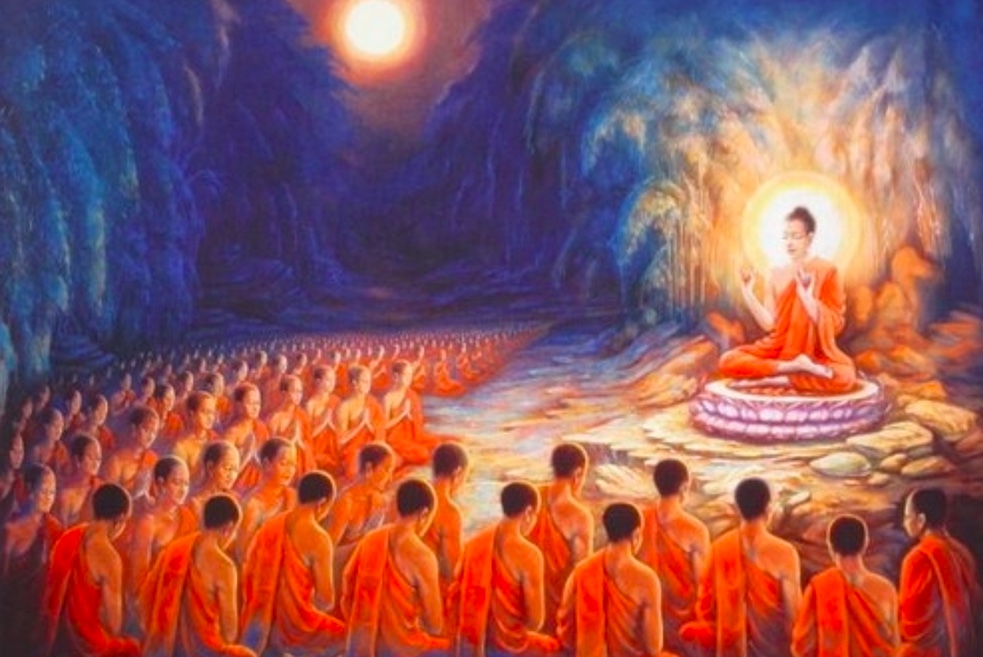
Thus have I heard. At one time, the Buddha was in the city of Rājagṛha, on the mountain of Gṛdhrakūṭa, along with a great assembly of bhikṣus, twelve hundred and fifty people in all. The bodhisattva-mahāsattvas there numbered ten thousand in all.
At that time in the city of Rājagṛha, there was a laywoman named Sumati, who was in her eighth year. Her appearance and features were upright, colorful, and beautiful, appearing so nice that those who saw her were happy. Already, she had approached and made offerings before innumerable buddhas of the past, planting good roots. When that maiden went to the place of the Tathāgata, she bowed her head at the feet of the Buddha, and then circled around him three full times to the right. Kneeling with palms joined, she spoke a gāthā:
Anuttarā Samyaksaṃbodhi Is a lamp for the entire world! Of the practices of a bodhisattva, I wish you would hear my questions!
The Buddha said to Sumati, “You may now ask questions as you like, and the answers will cut through your net of doubts.” At that time, Sumati went before the Buddha and spoke a gāthā to inquire:
How can one attain upright features And a body of wealth and nobility? Moreover, what causes and conditions Make kinship difficult to destroy?
How may one perceive oneself Receiving birth by transformation, Arising from a thousand-petaled lotus flower, And giving reverence to the bhagavāns face-to-face?
How is one able to attain realization Of supreme and sovereign superknowledge, And go off to innumerable lands To pay homage to the buddhas?
How can one attain blamelessness, So that others will have belief, Purely removing obstacles to the Dharma And forever departing from the deeds of Māra?
How is one able, at the end of life, To attain perception of the buddhas, Hear the speech of the pure Dharma, And not be subject to suffering?
Great compassionate supremely honored one, I merely wish you would speak of these for me!
At that time, the Buddha spoke to the maiden Sumati, saying, “Excellent, excellent! It is good that you are able to ask about such profound matters. Now listen carefully, listen carefully and well mindfully, and I will tell you.” Sumati then spoke, saying, “Just so, Bhagavān. We are joyfully wishing to hear it.”
The Buddha told Sumati, “A bodhisattva who accomplishes four dharmas receives an upright body. What are these four? [1] The first is not giving rise to a mind of hatred for bad friends. [2] The second is to abide in great kindness. [3] The third is to have profound delight in the correct Dharma. [4] The fourth is to create images of the Buddha.”
“Moreover, Sumati, a bodhisattva who accomplishes four dharmas will attain a body that is rich and noble. What are these four? [1] The first is that you should give timely gifts. [2] The second is to do so without a mind of disdain for others. [3] The third is to do so with happiness. [4] The fourth is to do so without expecting any reward.”
“Moreover, Sumati, a bodhisattva who accomplishes four dharmas will attain birth by transformation before the buddhas, seated upon a lotus flower. What are these four? [1] The first is to give flowers, fruit, and fine powdered incense as offerings to the Tathāgata and to the stūpas. [2] The second is not to tell lies or harm others. [3] The third is to make images of the Tathāgata placed within a lotus flower. [4] The fourth is to give rise to profound and pure faith in the bodhi of the buddhas.”
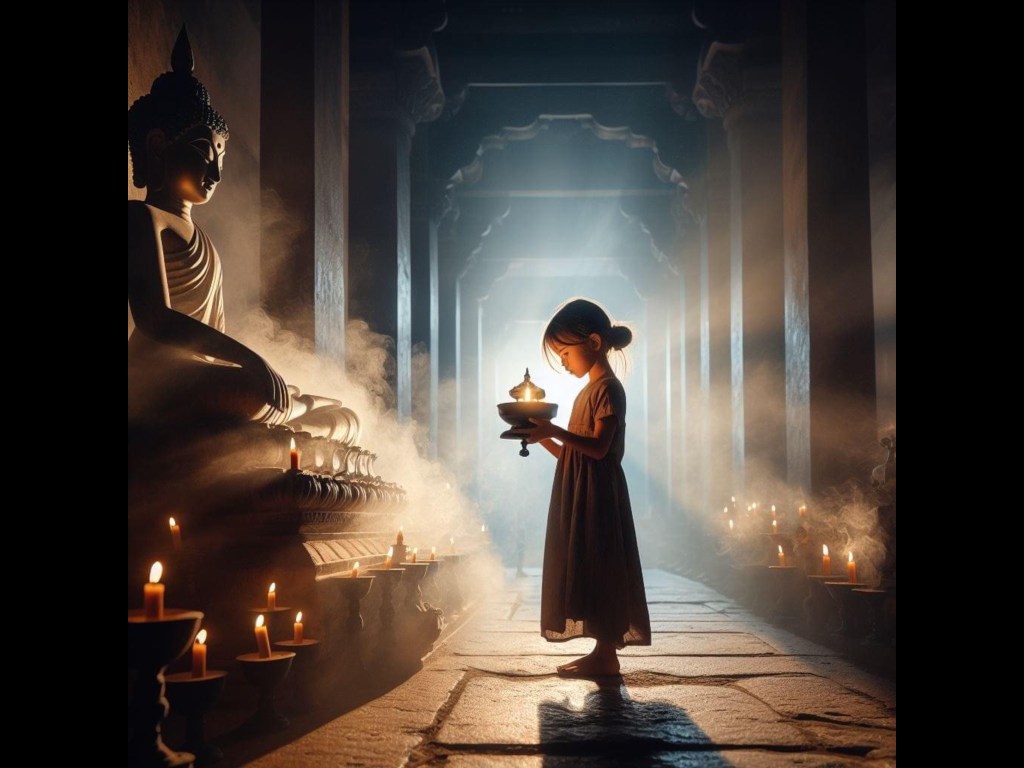
“Moreover, Sumati, a bodhisattva who accomplishes four dharmas may travel from one buddha-land to another buddha-land. What are these four? [1] The first is to not perceive others’ cultivation of goodness as obstruction or annoyance. [2] The second is to never hinder others when they are expounding the Dharma. [3] The third is to burn lamps and make offerings to the stūpas of the Tathāgata. [4] The fourth is to constantly strive to cultivate the dhyānas.”
“Moreover, Sumati, a bodhisattva accomplishes four dharmas for the station of blamelessness in the world. What are these four? [1] The first is to draw near to virtuous friends without a mind of flattery. [2] The second is to not have a mind of jealousy regarding others’ excellence in the Dharma. [3] The third is to always be happy when others receive honors and recognition. [4] The fourth is to not vainly criticize the practices of a bodhisattva.”
“Moreover, Sumati, a bodhisattva accomplishes four dharmas for his speech to be believed by others. What are these four? [1] The first is develop speech and cultivation always in unison. [2] The second is to not do evil things to virtuous friends. [3] The third is to not find faults in the Dharma one has heard. [4] The fourth is to not give rise to a mind of evil for one who speaks the Dharma.”
“Moreover, Sumati, a bodhisattva accomplishes four dharmas for being able to leave obstacles to the Dharma and quickly attain purity. What are these four? [1] The first is to accept the Threefold Discipline with profound conviction. [2] The second is that one does not give rise to slander for extremely profound sūtras. [3] The third is to perceive the newly-developed intention of a bodhisattva as the arising of the mind of omniscience. [4] The fourth is regarding sentient beings with great kindness and equanimity.”
“Moreover, Sumati, a bodhisattva accomplishes four dharmas for being apart from māras. What are these four? [1] The first is to fully know the equality of the nature of dharmas. [2] The second is to give rise to determination. [3] The third is to constantly strive to be mindful of the Buddha. [4] The fourth is to transfer over all good roots.”
“Moreover, Sumati, a bodhisattva accomplishes four dharmas so that at the end of life, the buddhas manifest before him. What are these four? [1] The first is to fulfill the wishes of others by giving what they are seeking. [2] The second is giving rise to profound faith and understanding of good dharmas. [3] The third is to give adornments to the bodhisattvas. [4] The fourth is to diligently make offerings to the Triple Gem.”
At that time, the maiden Sumati heard what the Buddha had spoken, and said, “Bhagavān, as the Buddha has spoken of the practices of a bodhisattva, so will I practice them! Bhagavān, among these forty practices, if there is one that is lacking or uncultivated, then this will be conflicting with the Buddha’s teachings and deceiving the Tathāgata.”
At that time, Venerable Mahāmaudgalyāyana spoke to Sumati, saying, “The practice of a bodhisattva is extremely difficult to carry out. You are now developing this extraordinary great aspiration. How will you attain accomplish mastery over this vow?”
Sumati replied, “Venerable, if my great aspiration is true and not void, able to bring these practices to complete fulfillment, then may the three thousand great thousand-worlds shake in six directions, and the heavens rain wondrous flowers, and may the drum of heaven sound of its own accord!” When this had been spoken, flowers fell from the sky like rain, and the drum of heaven sounded of its own accord, and the three thousand great thousand-worlds shook in six directions.
At this time, Sumati again addressed Maudgalyāyana, “From my true words, in a future era I will attain buddhahood, just as Śākyamuni, the Tathāgata. In my land there will be no deeds of Māra, and not even the words for evil destinies, or for women. If what I say is not fabrication, then may the bodies of those in the great assembly all take on a hue of gold!” After speaking this, the assembly took on a hue of gold. At that time, Venerable Mahāmaudgalyāyana then arose from his seat, bared his right shoulder, and bowed with his head at the Buddha’s feet. He spoke saying, “Bhagavān, from these things I have developed the mind of a bodhisattva and even that of the assembly of bodhisattva-mahāsattvas!”
At that time, Dharma Prince Mañjuśrī spoke to Sumati, saying, “In what dharma do you abide to make this sincere aspiration?” Sumati replied, saying, “Mañjuśrī, it is not proper to ask this. Why? This is because in the Dharma Realm there is nothing which abides.” He also asked, “Then what is Bodhi?” She answered, “The non-differentiation of dharmas is what is called Bodhi.” He also asked, “Then what is it that is called a bodhisattva?” She answered, “A bodhisattva is one who is aware that all dharmas are equal to the manifestation of empty space.” He also asked, “What is it that is called the practice of Bodhi?” She answered, “The practice of Bodhi is like a mirage, or like the echo of a valley.” He also asked, “With what underlying meaning do you say such things?” She answered, “In this I do not perceive even the slightest thing which may be underlying or manifest.”
He also asked, “If it is as you say, then all ordinary people would have Bodhi.” She answered, “You speak of Bodhi as being different from an ordinary person? You should not have this view. Why? These are all of the same characteristic of the Dharma Realm, to be neither grasped nor abandoned, with nothing to accomplish or destroy.” He again asked, “How many beings are able to fully understand your meaning?”
She answered, “Their number is like the number of illusory minds and mental functions. The illusion of sentient beings is already able to understand my meaning.” Mañjuśrī said, “Illusions are without basis, so how can there be such minds and mental dharmas?” She answered, “The Dharma Realm is also such, neither existing nor non-existing, and for the Tathāgata is it also such as this.”
At that time, Mañjuśrī addressed the Buddha, saying, “Bhagavān, this Sumati is extraordinary, even able to accomplish such dharma-patience!” The Buddha said, “Thusly, thusly! What she has spoken is sincere and true. In such a way, this maiden has long since developed the mind of Bodhi, throughout the past thirty eons, even developing the destiny of my supreme Bodhi, causing such abiding in the patience of the non-arising of dharmas.”



































 Peace LiLy