Unlocking Wellness: The Power of the Gallbladder Meridian in Traditional Chinese Medicine

In Traditional Chinese Medicine (TCM), the gallbladder plays a crucial role in maintaining overall health. While often overlooked, its function affects various aspects of well-being, from digestion to hair health and even fat distribution. By understanding the gallbladder meridian and learning simple techniques to stimulate it, you can enhance your body’s natural healing processes and promote long-term vitality.

The gallbladder meridian runs along both sides of the body, starting from the outer corner of the eye at the pupil’s ridge point and ending at the outer side of the tip of the fourth toe at the foot’s yin point. There are a total of 44 acupuncture points from head to toe.

Gallbladder Meridian(大纪元制图)

Signs of Poor Gallbladder Function

One of the most noticeable signs of poor gallbladder function is premature graying of hair. According to TCM wisdom, “Hair is the extension of blood,” meaning that when the body lacks sufficient nutrients and energy, hair health deteriorates. Without proper nourishment, hair may turn gray earlier than expected.

Another common indicator is excessively oily hair. This occurs when bile secretion is insufficient, preventing the body from effectively breaking down fats. Combined with excessive liver heat, this imbalance can result in an oily scalp and other digestive disturbances.

Poor gallbladder function can also manifest in fat accumulation, particularly along the outer thighs. When the gallbladder meridian becomes blocked, toxins and waste accumulate in this area, making weight loss more difficult. For those who exercise regularly, these “waste” deposits may shift downward, leading to thickened calves, also known as “radish legs”—a common concern for both men and physically active women.

One of the simplest and most effective ways to support gallbladder health is through tapping the gallbladder meridian. This practice helps stimulate bile secretion, improve nutrient absorption, and remove blockages along the meridian. Many people who consistently tap their gallbladder meridian for one to two months notice their pants fitting more loosely, making it a great natural approach to slimming the thighs and supporting digestion.

How to Tap the Gallbladder Meridian

The best part: You don’t need any special equipment—just your hands. Since the gallbladder meridian runs along both sides of the body, you can simply use your fists to tap along its path. Here’s a step-by-step guide:

  1. Find a Comfortable Position – The best position is to stand up and rest your leg on a bench so that your thigh is parallel to the ground, or sit down on a chair while keeping your body relaxed.
  2. Start from the Hip – Using your fist, gently but firmly tap along the outer thigh, working your way down to the knee.
  3. Maintain a Steady Rhythm – Aim for about two taps per second with moderate pressure.
  4. Repeat for 3-5 Minutes – Perform around 200 ot 300 taps per side, adjusting the intensity based on your body’s comfort level.
  5. Be Consistent – For best results, practice daily and gradually increase the duration as needed.

Since the outer thigh is the only section where the gallbladder meridian runs alone, it is the most accessible and effective area for tapping. With consistent practice, you may notice improved digestion, increased energy, and a reduction in fat accumulation.

Consistency is key. In TCM, true healing doesn’t come from quick fixes but from nurturing the body over time. While medications and dietary changes can help, activating the body’s natural self-healing abilities is the most sustainable path to wellness. By regularly tapping the gallbladder meridian, you not only improve gallbladder function but also support overall circulation, detoxification, and vitality.

Take Charge of Your Health

Tapping the gallbladder meridian is a simple yet powerful wellness practice suitable for people of all ages. Whether you seek to improve digestion, promote liver health, or achieve a leaner physique, this ancient technique can help you reconnect with your body’s natural rhythm.

Remember: your health is in your hands. Start today and experience the transformative benefits of tapping the gallbladder meridian!

Link:https://peacelilysite.com/2025/03/21/unlocking-wellness-the-power-of-the-gallbladder-meridian-in-traditional-chinese-medicine/

Spring Liver Care: Nourishing Your Body in the Season of Renewal

As spring arrives, Yang energy begins to rise, nature awakens, and the world bursts into vibrant life. This season of renewal is the perfect time to focus on rejuvenation—not just for nature but for our own bodies as well. According to Traditional Chinese Medicine (TCM), the liver is closely linked to spring, making this the ideal time to nourish and support this vital organ.

TCM emphasizes the deep connection between human health and the changing seasons, a concept known as “unity of heaven and man” (天人合一). Spring corresponds to the liver, which governs the body’s ability to detoxify, regulate energy flow, and promote smooth circulation. Just as trees sprout new leaves and flowers bloom, the liver thrives in this season of growth and renewal. Supporting liver health during spring can enhance digestion, boost energy levels, and improve overall well-being.


What you eat plays a significant role in keeping your liver happy. By incorporating the right foods into your diet, you can naturally support your liver’s detoxification processes, reduce inflammation, and promote overall vitality. Here are some of the best foods for liver health, along with easy and delicious ways to prepare them:


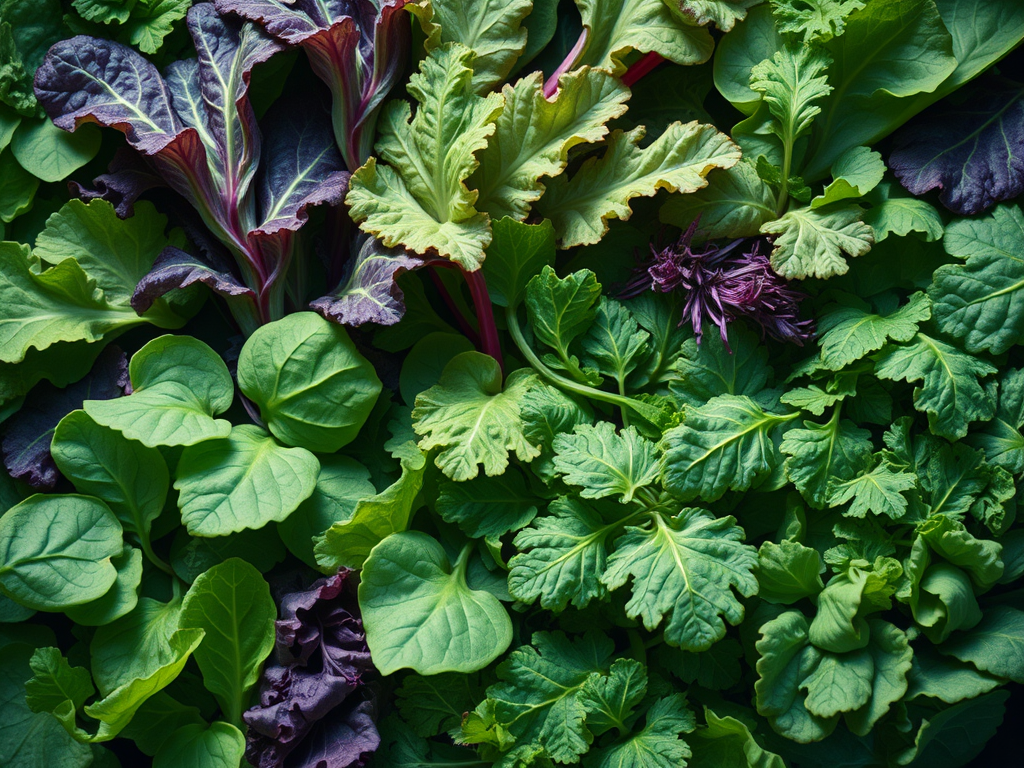
1. Leafy Greens (Spinach, Kale, Dandelion Greens, Arugula)

🌿 Why? Leafy greens are packed with chlorophyll, a natural detoxifier that helps remove toxins and heavy metals from the liver. They also contain compounds that aid in bile production, which is essential for digestion and detoxification.

🍽 How to Enjoy:
✔️ Sautéed Greens: Lightly cook with garlic and olive oil to enhance flavor while retaining nutrients.
✔️ Green Detox Smoothie: Blend with lemon, apple, and ginger for a refreshing and cleansing drink.
✔️ Spring Salad: Toss with olive oil, lemon juice, and nuts for a crunchy, nutritious meal.

💡 Tip: Bitter greens like dandelion and arugula are especially powerful for liver health. Try adding them to your salads or lightly steaming them to tone down their bitterness.


2. Turmeric

Why? This golden spice is a superstar for liver health. It contains curcumin, which helps reduce liver inflammation, aids in detoxification, and enhances bile production for better digestion.

🍽 How to Enjoy:
✔️ Golden Milk: Mix turmeric with warm almond milk, honey, and black pepper for a soothing anti-inflammatory drink.
✔️ Turmeric Rice: Cook rice with a pinch of turmeric, garlic, and a bit of coconut oil for a flavorful, healing dish.
✔️ Turmeric Tea: Simmer turmeric with ginger and lemon for a warm, cleansing tea.

💡 Tip: Always pair turmeric with black pepper or healthy fats (like coconut oil or olive oil) to enhance its absorption.


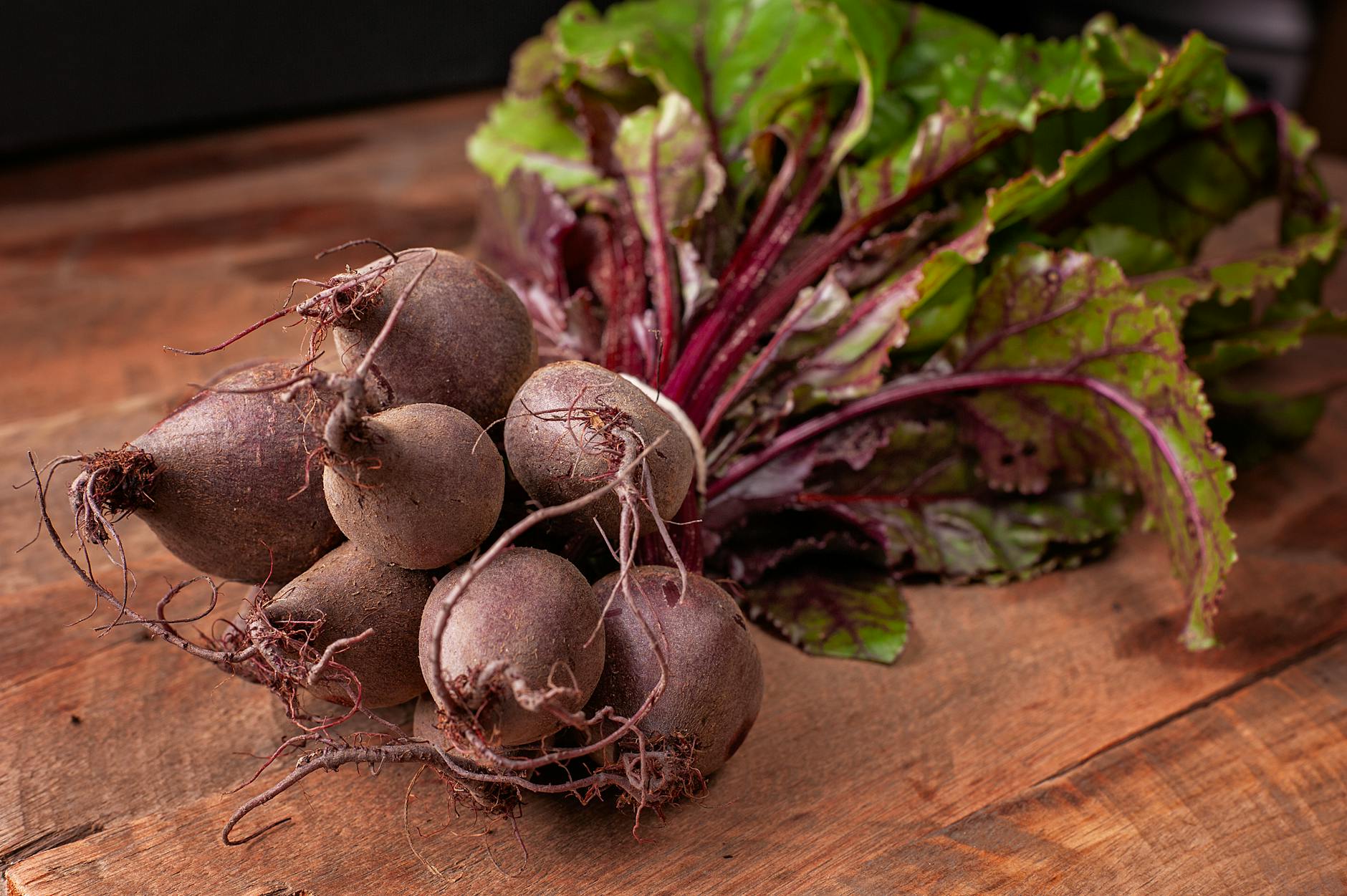
Photo by Marcelo Verfe on Pexels.com

3. Beets

❤️ Why? Beets are rich in betalains, powerful antioxidants that support liver detoxification and reduce inflammation. They also boost bile flow, helping the liver break down fats and eliminate toxins more efficiently.

🍽 How to Enjoy:
✔️ Roasted Beets: Slice and roast with olive oil, rosemary, and sea salt for a sweet, earthy side dish.
✔️ Beet Detox Juice: Blend beets with carrots, ginger, and lemon for a vibrant, liver-cleansing drink.
✔️ Beet & Goat Cheese Salad: Toss roasted beets with arugula, walnuts, and goat cheese for a delicious and nutritious salad.

💡 Tip: Beets can stain your hands and cutting board—rub them with lemon juice to remove the color easily!


4. Garlic

🧄 Why? Garlic contains sulfur compounds that activate liver enzymes responsible for flushing out toxins. It also supports immune function and helps reduce fatty buildup in the liver.

🍽 How to Enjoy:
✔️ Garlic Stir-fry: Add minced garlic to sautéed vegetables or meats for extra flavor and health benefits.
✔️ Garlic Soup: Simmer garlic with bone broth, onions, and herbs for a comforting, healing meal.
✔️ Garlic Honey Remedy: Crush fresh garlic and mix with honey for an immune-boosting, liver-friendly tonic.

💡 Tip: To maximize garlic’s health benefits, let chopped garlic sit for 10 minutes before cooking—this enhances its beneficial compounds.


5. Fatty Fish (Salmon, Mackerel, Sardines)

🐟 Why? Fatty fish are packed with omega-3 fatty acids, which help reduce liver fat, fight inflammation, and promote overall liver health. They also support healthy cholesterol levels and brain function.

🍽 How to Enjoy:
✔️ Grilled Lemon-Garlic Salmon: Marinate with olive oil, garlic, and lemon juice before grilling.
✔️ Miso-Glazed Mackerel: Bake with miso paste, ginger, and a touch of honey for a flavorful dish.
✔️ Sardine Avocado Toast: Mash sardines with avocado and lemon juice, then spread on whole-grain toast.

💡 Tip: Aim to eat fatty fish at least twice a week for optimal liver benefits.


6. Walnuts

🥜 Why? Walnuts are rich in glutathione, an essential antioxidant that helps detox the liver. They also provide omega-3 fatty acids, which reduce liver inflammation and support brain health.

🍽 How to Enjoy:
✔️ Walnut Pesto: Blend walnuts with basil, garlic, and olive oil for a delicious sauce.
✔️ Walnut Oatmeal: Sprinkle crushed walnuts over oatmeal with honey and cinnamon for a nutritious breakfast.
✔️ Roasted Walnut Snack: Lightly toast walnuts with a sprinkle of cinnamon and sea salt for a crunchy, liver-loving snack.

💡 Tip: Soaking walnuts overnight can improve digestion and nutrient absorption.


7. Lemon & Citrus Fruits

🍋 Why? Citrus fruits are packed with vitamin C and antioxidants, which support liver detoxification and boost the immune system. They also help stimulate bile production, which aids in digestion.

🍽 How to Enjoy:
✔️ Morning Lemon Water: Start your day with warm lemon water to flush out toxins and boost digestion. Add some honey to make it taste better.
✔️ Citrus Salad: Mix orange slices with fennel, pomegranate seeds, and olive oil for a refreshing dish.
✔️ Homemade Citrus Dressing: Blend lemon juice, olive oil, and honey for a flavorful salad dressing.

💡 Tip: Drinking lemon water before meals can help stimulate digestion and improve nutrient absorption.

There are several other foods that are also beneficial for your liver, such as carrots, apples, cabbage, and goji berries. Incorporating them into your diet regularly can help support liver health.


As nature awakens in spring, so too should our approach to health. Since the liver plays a crucial role in detoxification, metabolism, and emotional balance, it’s essential to nurture it during this season of renewal. Along with a nutrient-rich diet, mindful lifestyle choices such as regular exercise, restful sleep, and emotional well-being can help maintain liver vitality and overall harmony.

By embracing optimism, managing stress, and supporting the liver with wholesome foods, we align ourselves with the natural rhythms of spring. Let this season be a time of nourishment, balance, and rejuvenation. May we all welcome the warmth and energy of spring with a strong, healthy liver and a joyful heart! 🌿✨

Link:https://peacelilysite.com/2025/03/13/spring-liver-care-nourishing-your-body-in-the-season-of-renewal/

Compassion, Responsibility, and the Journey to Death: Rethinking Euthanasia for Our Animal Companions

Watching a beloved companion waste away, writhe in pain, or cry out in distress is never easy. It is heartbreaking to see a once-vibrant being—one who once leaped over fallen trees, climbed steep inclines, or joyfully bounded through snowy mountains—struggle to stand, only to lose that ability altogether. Dying is a process in which the body gradually ceases to function, and eventually, stops completely. It is neither a pleasant sight nor a pleasant smell, yet it is a natural part of life.

When a human forms a bond with another living being—whether through adoption, inheritance, or as a gift—they take on a profound responsibility. Caring for that being in sickness and health, until death arrives, is part of that commitment. The true tough decision is not to end their life prematurely, but to provide palliative and hospice care, ensuring they are comforted with love and presence in their final days. Accompanying them on their journey to death with compassion—rather than ending their life or outsourcing the act—is the ultimate expression of devotion and responsibility.

Is euthanasia the right choice for an aging and dying pet? Buddhist disciple Dani Tuji Rinpoche reflects on his experiences with his animal companions, sharing insights into their passing and his response to common beliefs about what a Buddhist should do when witnessing the suffering of a beloved animal.

In 2008, my wife Deb and I had a conversation with Zhaxi Zhuoma Rinpoche and Lama Puti about whether euthanasia was a compassionate choice to end an animal companion’s suffering when it seemed unbearable. They explained that ending an animal’s life prematurely denies them the opportunity to work through their karma, potentially leading to a less favorable rebirth. This perspective resonated with me then, and it still does today. It also reframes the way we view our responsibilities toward our animal companions, deepening our understanding of the care and presence we owe them in their final moments.

At this point I want to describe Chaco’s journey.

Chaco came to us as a Wolf-Malamute pup and lived out his life in our care. Magnificent is an inadequate term to try to provide a sense of who he was in this lifetime but he was all that and more. I won’t bore the reader with tales of our adventures in the mountains of northern New Mexico just outside of Taos. Suffice it to say that we ranged far and wide.

I came home one day after a thunderstorm to find Chaco limping. The gate had been opened by Dharma a female heeler that had lived across the street but who had spent most of the time playing with Chaco through the fence. When her humans moved she stayed. She was totally freaked out by thunder, fireworks, etc. and had chewed open chain link fence gates, butted down wooden gates, and more to run free from the thunder. She and Chaco had run free for some time so I thought he might have sprained something.

Chaco loved squeaky toys and playing with Dharma. The poodle cut on his forelegs was for chemo. He died about 5 months later.

After a few days of limping I took Chaco to the vet’s for x-rays. The pain and gimpiness were associated with a tumor that was osteosarcoma. I drove Chaco to Colorado Canine Orthopedics & Rehab in Colorado Springs. A biopsy confirmed the diagnosis and a surgery to remove his left rear leg at the hip was scheduled. The surgery went well and Chaco regained most of his mobility and soon was running with the other dogs.

We knew he would never recover as the cancer had spread to his lungs so we wanted to do everything we could to make him comfortable. We tried chemo but stopped it when there was no sign of improvement.  We enjoyed a few months of fairly normal outdoor activities and then entered the lasts stage, a period where you do things for the last time. At the beginning of this stage you may not be aware that you and your companion are doing something for the last time until you try to do it again and cannot. It becomes a great lesson in being in the moment because now you know that what you are doing may be the last time you ever do it and those activities take on a special meaning. [My perspective is that we never know for sure when we’ll die and so every moment should be lived that way. I’m a long way from being there all the time but some things just seem to demand attention.]

After the lasts comes the slide that carries us all to the same end. Chaco reached the point where his rear leg wasn’t dependable. We tried a wheelchair but that wasn’t appropriate for the circumstances, so we used a sling to support his body while he ambulated with his front legs. He quickly transitioned to wanting to be outside most of the time – he used to sleep in the snow – so we accommodated that. For several weeks Chaco and I would go out into the sage, have long conversations and sleep. When he totally lost his mobility I either dragged a sleeping bag with him on it or carried him.

His last night we were inside and he was lying in Deb’s lap. I went to take a nap and Deb woke me to tell me that Chaco had passed. He died in her arms peacefully, completing that lifetime in the animal realm.

We said mantras and did mudras and then laid him in the grave I had prepared. There is nothing like such an experience to show you how strong attachments can be to others and to self. And if there was difficulty in fearing impermanence this type of event can help you re-examine that subject.

I believed then as I do now that we had done our best for Chaco. I failed miserably with Skanda.

At eight weeks the Brazilian Mastiff puppy weighed 18 pounds. We chose the name Skanda because we thought that he would become the protector for the two remaining dogs, Lyla and Dharma. He grew rapidly, was seriously attached to Deb, and too big and strong for his good. At the beginning of adulthood, he had torn both ACL’s and, due to his size, our vet recommended the repair that Colorado Canine did that involved repositioning his tibial plateau and securing it with a plate and screws. The first operation went so well that the second could be done earlier than expected. Then came about two months of restricted activity and that meant he had to be on leash anytime he was outside. That is easier said than done but we did our best and he made it through his recovery.

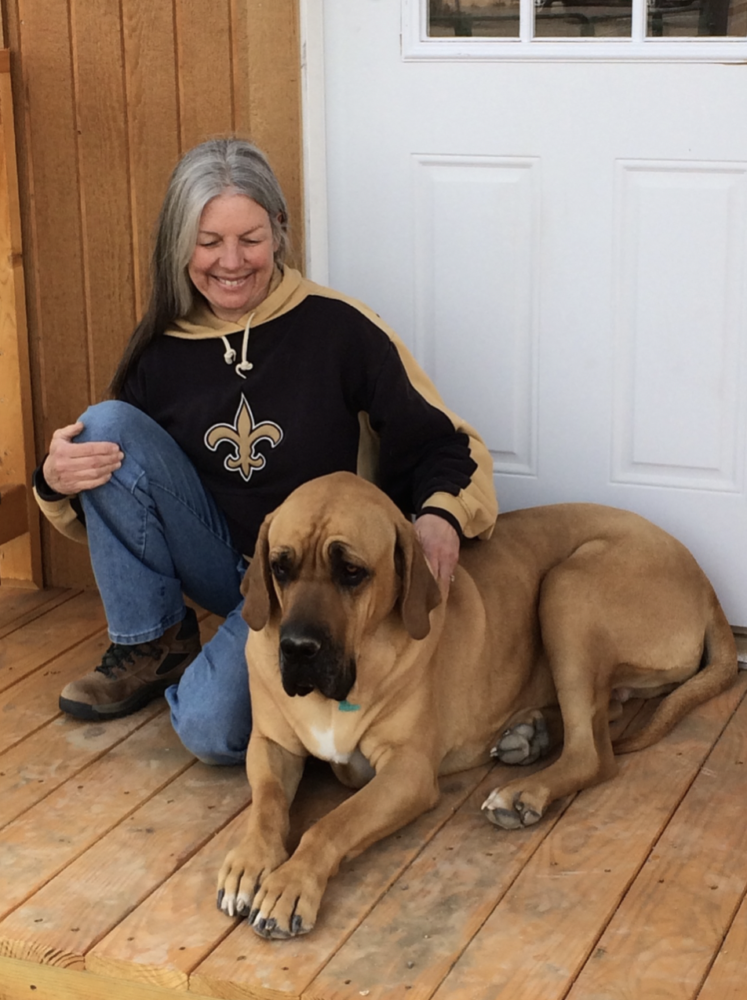
Deb and Skanda on the porch of the Jones’ gompa.

Yes, osteosarcoma once more, same prognosis and no surgical option. One problem with osteosarcoma is that once it reveals itself with a tumor it has already spread and all that’s left is to try to make the dying as comfortable as possible.Life with a canine companion that weighs about 170 pounds and is fiercely protective can be challenging. Around Deb Skanda was nothing but a drooling pool of love but any sense that she was in need of protection and the transformation was dramatic. So, we took precautions and adapted. My approach was to treat him as if he had PTSD and to make sure he was shielded from as much of the triggers associated with PTSD as possible. And life was good…until he developed a tumor on his left front leg.

Skanda had a selection of pain meds that helped but after a month or so the pain in his foreleg made walking too difficult. We had added cannabis oil to his regimen and that seemed to help. His decline was fairly rapid: reduced mobility then virtually none; decreased appetite; obvious signs of distress; sleeping most of the day; incontinence. The tumor on his leg increased in size, the leg swelled with edema, his foot swelled until the skin between the toes began to open and his foot began to putrefy. At this point he would only drink a little water and take the CBD oil straight from the dropper. He refused meds, food and then treats. As his foot worsened the conversation turned to euthanasia. Bottom line is that I was weak, our vet came to the house and administered the drugs and Skanda appeared to pass peacefully. His remains were placed near Chaco’s with appropriate ceremony..

In Revealing the Truth, a book written by Shi Zheng Hui about her experiences during the twelve years lived in close proximity to H. H. Dorje Chang Buddha III I read a passage that I hoped might apply to euthanasia. In the passage Jun Ma an elderly Great Dane was taken to hospital for treatment but died that afternoon. In my strong desire to find a way to think that Skanda’s euthanasia might have been alright under the circumstances I contacted H.E. Denma Tsemang Longzhi Rinpoche to ask if the passage in the book meant that Jun Ma had been euthanized. The reply I received reiterated that there were no circumstances that would allow for euthanasia.

During 2018 I provided and Deb participated in hospice and palliative care for both Dharma and Lyla. Dharma created a nesting space in the sage and spent her last days there. Once she settled in she refused food and would only take a little water. She seemed to indicate that she would prefer being left alone so the last two or three days we would check on her and adjust her sun shade. She died with no apparent distress and was buried next to Chaco with appropriate ceremony and ritual.

Several months later Lyla passed away with no indication of distress. I checked on her in the early morning and she was fine then about half an hour later she was dead. She was buried next to her longtime companion Dharma.

The dogs with which we live have all been given a Blue Dharma pill to help them find the Dharma and all have taken refuge. Those that have passed were buried with recitations of The Buddha Speaks of Amitabha Sutra.

There are things to consider when adopting or otherwise finding a new canine companion. Your age, their life expectancy, your physical condition, their size, your life expectancy, their life after your death.

Link: https://peacelilysite.com/2025/03/06/compassion-responsibility-and-the-journey-to-death-rethinking-euthanasia-for-our-animal-companions/

source: https://holyvajrasana.org/articles/the-issue-of-euthanasia-for-buddhists-and-the-pets-with-which-they-live

Unlocking the Secrets of Fasting: How Autophagy Can Slow Aging and Promote Cell Renewal

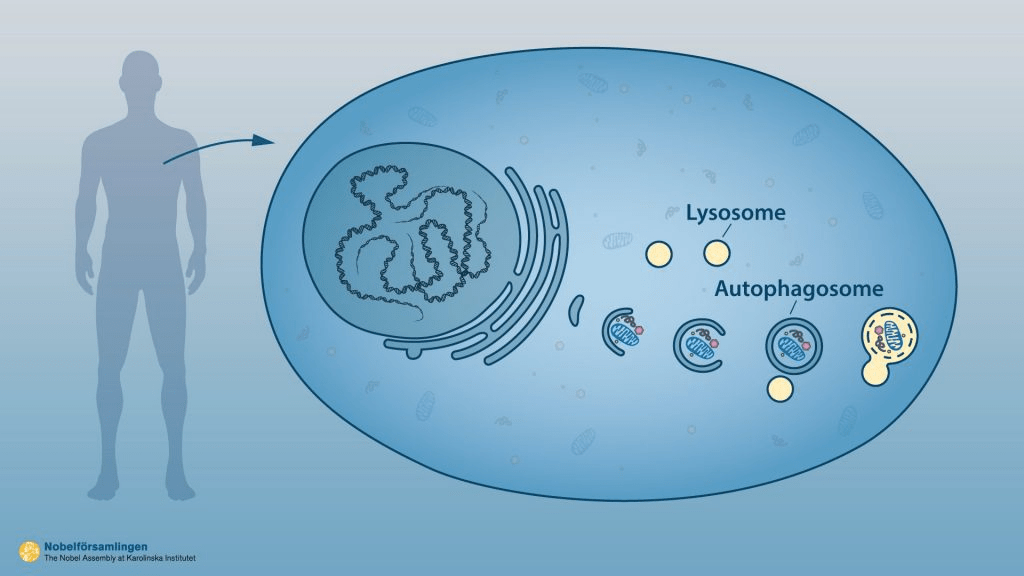
In recent years, the scientific community has made significant strides in understanding the intricate processes that govern our health and longevity. One such breakthrough is the discovery of autophagy, a natural cellular process that plays a crucial role in maintaining our body’s health and vitality. This fascinating mechanism was brought to light by Japanese cell biologist Yoshinori Ohsumi, who was awarded the Nobel Prize in Medicine in 2016 for his groundbreaking research on how cells recycle and renew their contents.

What is Autophagy?

Autophagy, which literally means “self-eating,” is a process by which cells break down and remove damaged components, thereby promoting cell renewal and overall health. This self-cleansing mechanism allows cells to adapt to stress, eliminate dysfunctional proteins, and recycle cellular components for energy and repair. In essence, autophagy is vital for maintaining cellular homeostasis and preventing diseases, including cancer, neurodegenerative disorders, and metabolic conditions.

The Connection Between Fasting and Autophagy

One of the most effective ways to stimulate autophagy is through fasting. When we abstain from food for a certain period, our body shifts its focus from digestion to repair and regeneration. During fasting, the levels of insulin drop, and the body begins to utilize stored fat for energy, leading to a state of ketosis. This metabolic shift not only promotes fat loss but also triggers autophagy, allowing cells to clean out damaged components and rejuvenate themselves.

Research suggests that intermittent fasting or time-restricted eating can enhance the autophagic process, leading to improved cellular function and longevity. By engaging in these fasting practices, we can harness the power of autophagy to slow down the aging process and support overall health.

The Wisdom of Traditional Chinese Medicine

Interestingly, the principles of fasting and moderation in eating are not new concepts. Traditional Chinese Medicine (TCM) has long emphasized the importance of mindful eating and maintaining balance in our diets. One common guideline in TCM is to eat until we are about 70% full, rather than 100%. This practice encourages moderation and helps prevent overeating, which can lead to a host of health issues, including obesity, diabetes, and cardiovascular diseases.

The scientific foundation behind this advice is becoming increasingly clear. Overeating can lead to chronic inflammation, insulin resistance, and metabolic dysfunction, all of which can undermine our health and accelerate the aging process. By adopting a more mindful approach to eating, we can support our body’s natural processes, including autophagy, and promote better health outcomes.

As we continue to uncover the complexities of human biology, the relationship between fasting, autophagy, and aging becomes increasingly evident. The research by Yoshinori Ohsumi has opened new avenues for understanding how our cells function and how we can optimize our health through dietary practices. By embracing the wisdom of traditional teachings and incorporating fasting into our lives, we can take proactive steps toward enhancing our well-being and longevity.

In a world where the temptation to overindulge is ever-present, let us remember the power of moderation. Eating mindfully and allowing our bodies the time to repair and regenerate can lead to a healthier, more vibrant life. So, the next time you sit down for a meal, consider the age-old advice of eating until you’re 70% full, and give your body the chance to thrive.

Link:https://peacelilysite.com/2025/02/11/unlocking-the-secrets-of-fasting-how-autophagy-can-slow-aging-and-promote-cell-renewal/

CytoMed, a Singapore Biotech, Revolutionizes Cancer Treatment Using Donor Immune Cells

Ethan Stone Contributor

In Singapore, one biotech company is changing how we approach cancer treatment. CytoMed Therapeutics (NASDAQ: GDTC), just launched its ANGELICA clinical trial, to fundamentally change how we make cancer treatments available to patients worldwide. Building on the success of CAR T-cell therapy in treating blood cancers, they’re taking things to the next level by tackling a broader range of cancers while making the whole process quicker, easier, and more affordable for patients. 

“Think of it as training a versatile army of super-soldiers to fight cancer,” explains Peter Choo, Chairman of CytoMed. “Traditional CAR T-cell therapy takes soldiers from the patient’s own body, but these soldiers are often weakened because the patient has already been through multiple rounds of chemotherapy. Instead, we’re recruiting healthy soldiers from disease-free, well donors and equipping them with special targeting systems to hunt down cancer cells.” 

Manufacturing cells for Singapore’s ANGELICA trial in CytoMed’s cGMP lab

This “targeting system” is an artificial protein called a chimeric antigen receptor (CAR) that helps immune cells recognize and attack cancer cells. While current CAR T-cell therapies require extracting and modifying a patient’s own cells – a process that can take weeks and cost hundreds of thousands of dollars – CytoMed’s approach uses healthy donor cells that could be available “off-the-shelf” when unrelated patients need them simplifying logistics. 

Another innovation is its versatile platform to weaponize the immune cells. Different targeting systems can be added to equip these soldiers with combinational therapies such as antibodies. 

The Power of Rare Immune Cells 

At the heart of CytoMed’s breakthrough is something extraordinary – a rare warrior in our immune system called gamma-delta T cells. These hidden gems are like needles in a haystack, making up just a tiny fraction – less than 5% – of all T cells flowing through our blood. But don’t let their rarity fool you.  

These cells are nature’s own cancer-fighting specialists, and here’s what makes them really special: when transferred from a donor to a patient, they’re incredibly smart about their attacks, targeting cancer while leaving healthy tissue alone. The company has developed proprietary technology to multiply these rare cells in the laboratory, making them viable for treatment.

The contrast with traditional cell therapies is striking: while current treatments are like custom-building a car for each patient – a time-consuming and expensive process – CytoMed’s approach is focused on having treatments ready “off-the-shelf,” similar to cars available at a dealership. This could make treatment both more timely and significantly more cost-effective for patients. 

The ANGELICA Trial: A New Hope 

CytoMed’s potent hybrid of the human body’s two immune cells, NK & T cells, derived from induced pluripotent stem cells.

The ANGELICA trial, now treating patients in Singapore’s National University Hospital, represents a major step forward in cancer treatment. The trial focuses on various types of cancer that are particularly challenging to treat, including solid tumors and involves patients whose cancers have proven resistant to standard treatments. 

Charting New Territory in Cancer Therapy 

What makes CytoMed’s approach truly remarkable is how far-reaching it could be. While current CAR T-cell treatments have been a game-changer for blood cancers like leukemia and lymphoma, they’ve hit a wall when it comes to other types of cancer. That’s where CytoMed is breaking new ground – their technology shows promise in fighting more than 20 different types of cancer, from breast to lung, liver to ovaries. 

This isn’t just a win for cancer treatment – it’s a proud moment for Singapore’s biotech scene. Born in 2018 from Singapore’s prestigious A*STAR research agency, CytoMed is showing the world that Asian biotech companies aren’t just following trends – they’re setting them. They’re writing a new chapter in cancer treatment innovation. 

But they’re not stopping there. The company is pushing boundaries even further by developing a powerful new weapon against cancer. They’re creating a hybrid cell that combines the best of both worlds – Natural Killer (NK) cells and gamma delta T cells, complete with all their natural cancer-fighting tools. Think of it as creating the ultimate cancer-fighting super cell by merging two of our body’s most efficient defenders. 

Beyond Cancer: Expanding into Longevity Research 

Looking ahead, CytoMed is already exploring ways to expand the use of its technology. In a strategic move that broadens its therapeutic reach, the company acquired a licensed cord blood bank in September 2024, giving them access to naive cord blood – a rare and expensive raw material crucial for developing new treatments. Through its subsidiary LongevityBank, the company plans to research and develop cord blood-derived cells that could treat autoimmune diseases and promote longevity, extending their impact beyond cancer treatment. 

This expansion into regenerative medicine opens up new possibilities for treating a wider range of diseases and conditions. The availability of cord blood provides CytoMed with valuable resources for developing innovative therapies that could address multiple medical challenges. 

A Global Vision for Accessible Treatment 

The company is actively pursuing international collaborations to develop new therapeutic approaches while working to make treatments more affordable and accessible to patients worldwide. Their focus on cost-effective manufacturing and efficient production processes could help bring advanced cell therapies within reach of more patients globally. These cells are inexpensive, streamlined for manufacturing, and easy to ship internationally while retaining high cell viability. 

If successful, their “off-the-shelf” approach to cell therapy could represent a major advance in cancer treatment, potentially offering hope to patients who have exhausted other options. With the ANGELICA trial now underway, this marks an important step forward in making advanced cancer treatments more accessible to those who need them most. As CytoMed continues to innovate and expand its therapeutic offerings, it’s positioning itself at the forefront of a new era in personalized targeted medicine, one where cutting-edge treatments are both effective and accessible to patients around the world. 

For more information about CytoMed and its unique approach to cancer treatment, visit https://www.cytomed.sg/ 

Source: https://www.usatoday.com/story/special/contributor-content/2025/01/06/cytomed-a-singapore-biotech-revolutionizes-cancer-treatment-using-donor-immune-cells/77355978007/

8 After-Dinner Rituals That Can Help In Digestion And Prevent Bloating

By incorporating these simple post-meal rituals, you can support your digestive system, alleviate discomfort, and avoid the dreaded bloating that often follows a big meal. 

Written By Olivia Sarkar| Last Updated: Jan 06, 2025, 04:52 PM IST|Source: Bureau

After enjoying a hearty meal, it’s not uncommon to feel uncomfortable or sluggish. Digestive issues like bloating, indigestion, or an uneasy feeling can linger long after the last bite. Fortunately, there are simple after-dinner rituals that can support your digestion and help prevent bloating, leaving you feeling lighter and more at ease. Below are eight effective practices that can make a world of difference to your digestive health.

1. Take a Gentle Walk
After a meal, taking a light walk can be one of the most beneficial things for your digestive system. A short 10-15 minute stroll helps stimulate the digestive process by encouraging the stomach to empty more quickly, reducing bloating and discomfort. It also promotes the movement of food through the intestines, preventing constipation.

2. Sip Warm Water or Herbal Tea
Drinking warm water or herbal tea, such as peppermint, ginger, or chamomile, can greatly improve digestion. These teas have natural properties that soothe the stomach, reduce bloating, and promote the movement of food through your digestive system. Ginger, in particular, can help reduce nausea and gas, while chamomile works as a calming agent to relax your stomach muscles.

3. Avoid Lying Down Immediately
Though it might feel tempting to lounge on the couch after a large meal, lying down too soon can actually slow down the digestive process. Gravity helps food and acid stay in the stomach, and lying flat can increase the risk of acid reflux and bloating. Wait at least 30 minutes to an hour before reclining to allow your body time to process the food.

4. Practice Deep Breathing
After eating, try engaging in deep breathing exercises. This helps stimulate the parasympathetic nervous system (also known as the “rest and digest” system), encouraging optimal digestion. Deep breathing can also reduce stress, which can otherwise impair digestion and cause bloating or discomfort.

5. Massage Your Abdomen
Gentle self-massage can aid in digestion by stimulating the movement of food through the intestines. Use your fingertips to massage your stomach in a clockwise motion (the direction of digestion) for a few minutes. This simple act can help ease bloating, relieve gas, and promote digestion.

6. Incorporate Probiotics
Probiotics are beneficial bacteria that support gut health and digestion. After dinner, consider consuming foods rich in probiotics, such as yogurt, kefir, or fermented vegetables. Alternatively, a probiotic supplement may help maintain a healthy balance of gut bacteria, reducing bloating and improving overall digestion.

7. Stay Hydrated, But Avoid Over Drinking
Drinking water throughout the day aids digestion, but drinking too much water immediately after a meal can dilute stomach acid, impairing your body’s ability to break down food. Try sipping water in moderation after dinner, but avoid excessive consumption right away. This ensures proper digestive function without overwhelming your stomach.

8. Avoid Carbonated Drinks
Carbonated drinks, including sodas and sparkling water, introduce gas into your stomach, which can lead to bloating. After dinner, it’s best to skip the bubbles. Stick to still water or herbal teas, which are far more conducive to smooth digestion.

Fennel seeds are a natural remedy for boosting digestion. Try chewing some after your meal to see if they work for you. From taking a short walk to sipping herbal tea and massaging your abdomen, these habits can make a significant difference in how you feel after dinner. Your digestive health is a reflection of your lifestyle, so taking small, consistent steps can lead to long-term benefits, allowing you to enjoy your meals without the aftermath of discomfort.

Link:https://peacelilysite.com/2025/01/13/8-after-dinner-rituals-that-can-help-in-digestion-and-prevent-bloating/

Source: https://zeenews.india.com/lifestyle/8-after-dinner-rituals-that-can-help-in-digestion-and-prevent-bloating-2840271.html (This article is intended for your general information only. Zee News does not vouch for its accuracy or reliability.)

Nutrigenomics: Exploring the Science of Genes and Diet

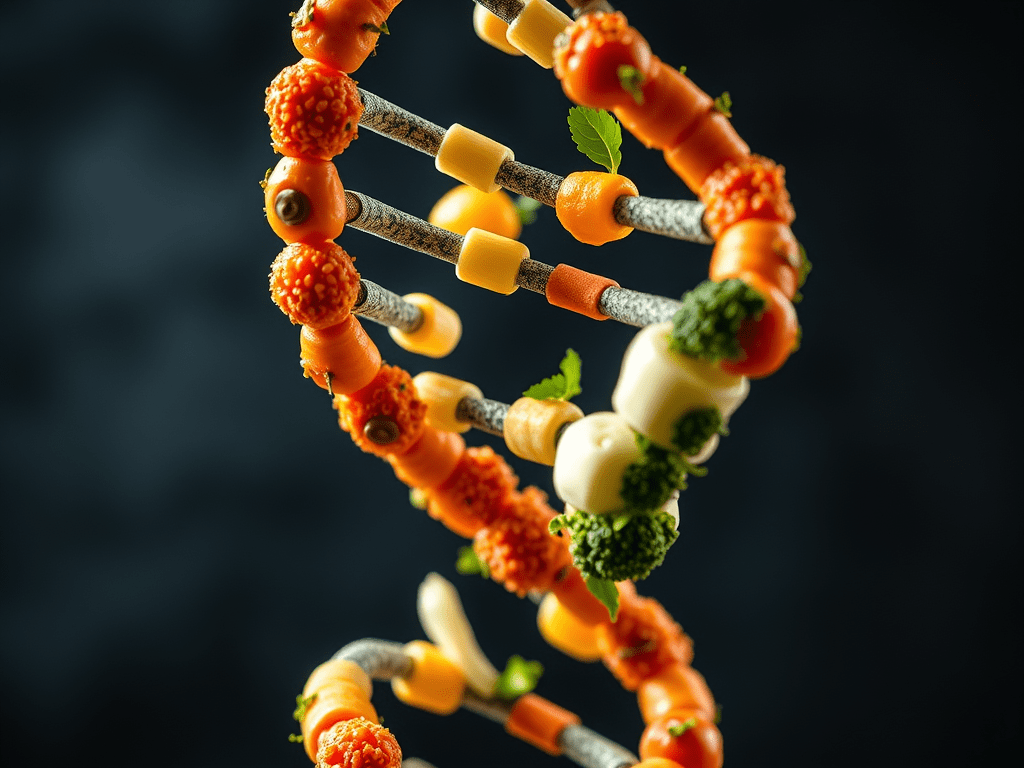
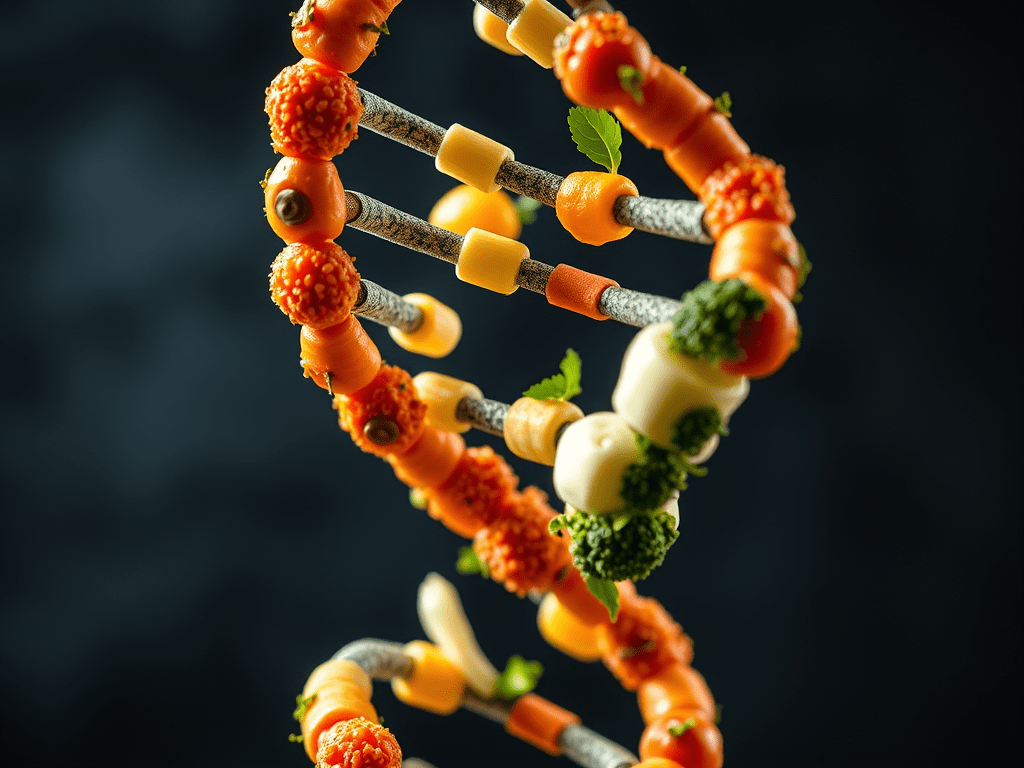
In recent years, nutrigenomics—the scientific study of how genes influence our body’s response to food—has gained significant attention. As research in genetics and nutrition continues to advance, this field is paving the way for more personalized health strategies, particularly in the areas of diet and weight management. Understanding how genes affect our reactions to specific foods provides deeper insights into individual health needs, driving the development of personalized wellness approaches.

At the core of nutrigenomics lies the principle that our genetic makeup plays a crucial role in food metabolism. For instance, some individuals may be genetically predisposed to metabolize carbohydrates more efficiently, while others tend to store fat more easily. These insights empower health professionals to design customized dietary plans based on genetic testing rather than relying on generalized nutritional recommendations.

Recent studies have shown that genetic variations can influence how nutrients are absorbed, how efficiently the body burns calories, and even how hunger is experienced. For example, specific variations in the FTO gene have been linked to a higher risk of obesity, as some individuals gain weight more easily due to the way their bodies process food. Similarly, variations in genes like PPARG can impact fat metabolism, further emphasizing the potential of personalized nutrition strategies based on genetic data.

Nutrigenomics introduces a revolutionary approach to weight management. Traditional diets often follow a “one-size-fits-all” model, which may not be effective for everyone. By using genetic data, nutritionists and health experts can develop personalized dietary plans tailored to an individual’s metabolic needs, resulting in more effective weight management.

For example, genetic testing can reveal a person’s sensitivity to fats or carbohydrates, guiding the ideal macronutrient balance for their body. If someone’s genetic profile indicates a higher risk of insulin resistance, a low-glycemic diet may be recommended to help prevent blood sugar spikes and support weight loss. This tailored strategy often proves more effective than generic diets that overlook individual differences.

The Advantages of Personalized Diet Plans

Nutrigenomics brings a significant advantage to dietary planning: personalization. Rather than relying on generalized advice or fleeting diet trends, nutrigenomics empowers individuals to approach health management scientifically. By integrating genetic testing with dietary adjustments, people can achieve better health outcomes and a deeper understanding of their own bodies.

Key benefits of personalized diets include:

  • Improved Metabolic Health: Tailored diets help optimize the body’s ability to process food and maintain a healthy weight.
  • Precise Nutrient Recommendations: Instead of guessing which foods are most beneficial, personalized nutrition ensures individuals receive the nutrients their body specifically needs.
  • Sustainable Weight Management: Nutrigenomics-based diets promote long-term healthy habits by aligning with genetic predispositions rather than short-term trends.

Additionally, nutrigenomics may support preventive health strategies. Genetic testing can identify predispositions to conditions such as heart disease, diabetes, or nutrient deficiencies, allowing individuals to make proactive dietary changes for long-term wellness.

The future of health management is becoming increasingly personalized, with nutrigenomics at the forefront of this transformation. As the field continues to evolve, more health centers are likely to offer genetic testing services to help individuals create personalized nutrition and wellness plans. This data-driven approach reflects a broader trend where people are empowered to take greater control of their health through scientific insights.

While the potential of nutrigenomics is promising, it remains a developing science. Experts emphasize the need for further research to fully understand the complex relationship between genes and diet. Additionally, as the field matures, ethical considerations and privacy concerns must be carefully addressed to ensure individuals are fully informed and protected when sharing their genetic data.

Nutrigenomics represents a powerful fusion of genetic science and nutrition, offering the potential for health strategies tailored to individual genetic profiles. This emerging science can help design diets that promote optimal weight loss, improve metabolic health, and prevent chronic illnesses.

Though still in its early stages, nutrigenomics has the potential to revolutionize health management, making weight control and wellness strategies more effective and sustainable. As research continues to expand, genetic testing could become a key tool in unlocking healthier, more personalized lifestyles for everyone.

Link:https://peacelilysite.com/2025/01/07/nutrigenomics-exploring-the-science-of-genes-and-diet/

Source: https://worldreporter.com/nutrigenomics-tailoring-health-based-on-genes/?fbclid=IwZXh0bgNhZW0CMTAAAR3NXfx9dzeIsmcSiP248IMGxMkppa2gMAEtjuZOgMr7pyU1EaMqk5e5Aio_aem_eY5AmQ5X9nw8JxIaQeZaBg

I Am Me and I am Okay

I Am Me

by Virginia Satir

In all the world there is no one else exactly like me.

Everything that comes out of me is authentically mine because I choose it…

I own everything about me, my body, my feelings, my mouth, my voice, all my actions whether they be to others or to myself

I own my fantasies, my dreams, my hopes, my fears

I own all of my triumphs and successes, all of my failures and mistakes because I own all of me.

I become intimately acquainted with me by so doing, I can love me and be friendly with me in all my parts

I know there are aspects about myself that puzzle me and other aspects I do not know…

but as long as I am friendly and loving to myself, I can courageously and hopefully look for solutions to the puzzles and for ways to find out more about me…

however I look and sound whatever I say and do, and whatever I think and feel at a given moment in time is authentically me

if later some parts of how I looked, sounded, thought and felt turned out to be unfitting, I can discard that which is unfitting and keep the rest and invent something new for that which is I discard

I can see, hear, feel, think, say and do.

I have the tools to survive, to be close to others, to be productive, and to make sense and order out of the world of people and things outside of me…

I own me and therefore I can engineer me

I am me and I AM OKAY.

Satir’s beautiful and empowering poem “I Am Me” encapsulates her core belief in self-worth and individuality. Its heartfelt lines inspire readers to embrace their authentic selves, fostering inner peace and self-acceptance. Through her words, Satir invites us to celebrate who we truly are, reminding us that personal growth is both possible and transformative.

Link:https://peacelilysite.com/2024/11/25/i-am-me-and-i-am-okay/

I Want to Love You

Virginia Satir’s Wisdom on Love and Relationships

I want to love you without clutching,
Appreciate you without judging,
Join you without invading,
Invite you without demanding,
Leave you without guilt,
Criticize you without blaming,
And help you without insulting.
If I can have the same from you,
then we can truly meet and enrich each other.

Virginia Satir, a trailblazer in family therapy, is celebrated for her profound understanding of human emotions and relationships. Her timeless poem I Want to Love You encapsulates the essence of love in tender, insightful language. Satir invites us to redefine love as not merely an emotional bond but an intentional practice rooted in respect, understanding, and wisdom. (Photo from Wikimedia commons)

Satir emphasized the importance of nurturing love that is healthy, respectful, and boundaries. Her work reveals that true love fosters connection, trust, and mutual growth. This approach provides a blueprint for enriching relationships, particularly within families and marriages, where deep emotional bonds often coexist with challenges.

Love in Parent-Child Relationships

Satir’s therapeutic approach frequently emphasized parenting as a delicate balance of nurturing and letting go. One of her core principles was the importance of validating children’s emotions and individuality.

She often used metaphors to illustrate her points. For instance, she likened parenting to tending a garden: “You water the seeds, but you cannot decide how each flower will bloom.” This philosophy highlights the role of parents in providing unconditional support during early childhood while allowing space for independence as the child matures.

A famous anecdote from her work involved a mother who struggled with her teenage daughter’s rebellion. Satir encouraged the mother to write a letter expressing her love without judgment. This simple act fostered a renewed connection, demonstrating how acknowledgment and respect can rebuild bonds.

Parenting, as Satir taught, is about cultivating trust and allowing children to flourish as autonomous individuals, experiencing love as a source of empowerment rather than control.

Cultivating Love in Marital Bonds

Satir believed that love in marriage thrives on mutual respect, clear communication, and intentional effort. She often used her Family Sculpting technique to help couples visualize the dynamics of their relationship. By arranging family members to represent emotional closeness and distance, couples could see the need for adjustments in their behavior.

For instance, Satir once worked with a couple where the wife felt unheard. By “sculpting” the wife seated with her back to the husband, the couple visualized their emotional disconnection. This powerful exercise led to a heartfelt conversation where both partners committed to active listening and mutual validation.

In practice, Satir advocated for specific behaviors to nurture marital love:

  • A wife can replace nagging with encouragement and complaints with collaboration, creating a foundation of trust and partnership.
  • A husband can demonstrate responsibility through actions rather than words, replacing criticism with appreciation and patience.

These small, intentional changes can transform the atmosphere of a marriage, fostering harmony and mutual growth.

In all relationships—whether between parents and children or spouses—Satir emphasized equality, respect, and tolerance. She taught that love devoid of attachment, judgment, or control becomes a source of profound warmth and harmony.

Satir’s work inspires us to approach love as a life-affirming practice, one that enriches our connections and empowers personal growth. Whether through her transformative therapy sessions or the tender verses of her poetry, she reminds us that love is not just an emotion but a lifelong commitment to nurturing ourselves and those around us.

Link:https://peacelilysite.com/2024/11/21/i-want-to-love-you/

The Majestic Ginkgo Tree: A Symbol of Beauty and Spiritual Significance

Autumn is often called “Golden Autumn,” a name inspired by the vibrant yellow hues of trees and plants that adorn the season. Among them, the ginkgo tree stands out, its radiant golden leaves creating a spectacle often described as “magnificent” and “resplendent.” This season marks the peak of the ginkgo tree’s beauty, transforming landscapes into breathtaking golden vistas.

A Living Fossil of Resilience

The ginkgo tree, also known as Ginkgo biloba or the “maidenhair tree,” is a living fossil, dating back over 150 million years. It is the sole survivor of an ancient plant lineage, standing tall as a testament to nature’s endurance. With its unique fan-shaped, two-lobed leaves that turn brilliant yellow in fall, the ginkgo has earned its place as a symbol of both beauty and longevity.

This ancient tree boasts remarkable regenerative powers. Mature ginkgo trees often give rise to thriving saplings, symbolizing vitality and the continuation of life. In Chinese culture, this resilience is likened to familial prosperity, embodying aspirations for blessings and generational success.

Medicinal Value and Modern Research

Beyond its aesthetic appeal, the ginkgo has significant medicinal properties. Traditional Chinese Medicine (TCM) uses its leaves and seeds for various remedies. Today, modern science highlights ginkgo leaf extract for its rich antioxidant content and potential benefits for brain function, circulation, and overall well-being.

A Sacred Symbol in Buddhism

In Chinese tradition, the ginkgo tree holds deep cultural and spiritual meaning. It symbolizes purity, endurance, and good fortune. Within Buddhism, the ginkgo is revered as the “Buddha tree,” representing enlightenment and spiritual resilience. Its longevity and abundant fruit make it a substitute for the sacred Bodhi tree in many temples.

During autumn, the ginkgo’s golden canopy creates a serene atmosphere in temple grounds, harmonizing with the red walls and golden roofs. This visual splendor evokes reverence and awe, inspiring mindfulness and devotion among practitioners.

ws.cc/zh-my/travel/3jqb9gy.html

Ginkgo Tree at Xi’an’s Guanyin Zen Temple: A 1,400-Year-Old Beauty

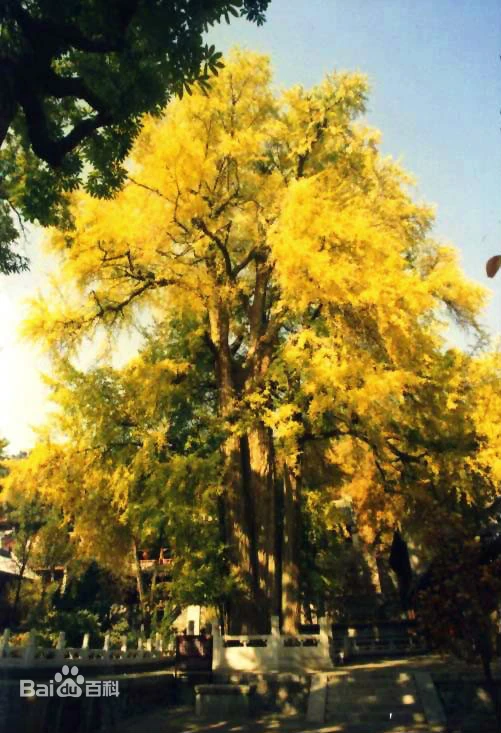
The Thousand-Year-Old Ginkgo Tree at Tanzhe Temple, titled the “Emperor Tree” by Emperor Qianlong of the Qing Dynasty, is an extraordinary natural treasure. Standing over 24 meters tall with a trunk diameter exceeding 4 meters, it takes six or seven people joining hands to encircle its massive base. The tree’s canopy spans an area of more than 600 square meters, providing ample shade. Estimated to be over 1,300 years old, this tree is a testament to resilience and history.

Ginkgo Tree at Tanzhe Temple

Dinghui Temple, a favorite spot for Suzhou residents to photograph ginkgo trees, is home to two towering, century-old ginkgo trees standing prominently in front of the main hall. In autumn, their golden leaves cascade to the ground, creating a dazzling and picturesque scene. (photos from https://news.qq.com/rain/a/20231105A07FBH00)

Suzhou City: DingHui Temple

At the ancient Huiji Temple, Nanjing City, three venerable ginkgo trees, each over 1,500 years old, grace the temple grounds. As autumn arrives, their golden leaves blanket the treetops, creating a breathtaking contrast against the temple’s white walls and dark-tiled roofs. The scene resembles a magnificent ink-wash painting, captivating visitors with its timeless beauty. (photos from https://news.qq.com/rain/a/20231105A07FBH00)

Artistic and Symbolic Significance

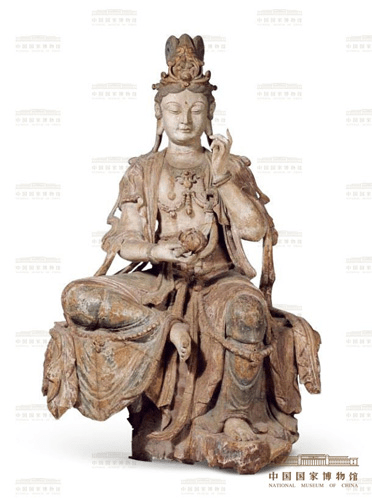
The ginkgo tree’s durable and fine-grained wood is prized for carving Buddha statues, earning it the moniker “Buddha’s fingernail.” Its leaves, resembling flames, symbolize light and warmth. In Buddhist tradition, the golden hue of ginkgo leaves reflects the nobility and purity of the Buddha’s body, which represents eternal light and wisdom.

The Buddha’s golden body, seen as untainted and impervious to worldly suffering, mirrors the ginkgo’s enduring nature. Similarly, the Buddha’s radiance is believed to dispel darkness, illuminate ignorance, and guide all beings toward compassion and enlightenment.

A Tree of Light and Legacy

The ginkgo tree, with its awe-inspiring beauty and profound cultural significance, is more than just a tree—it is a symbol of life, hope, and spiritual awakening. Its golden leaves remind us of the light within, inspiring resilience and reverence for nature’s timeless wisdom.

As we marvel at the ginkgo tree’s breathtaking beauty and the profound symbolism it holds, let it also serve as a gentle reminder of our responsibility to protect the natural world. These ancient trees, along with the countless wonders of nature, depend on our collective efforts to preserve their existence. By cherishing and safeguarding our planet, we ensure that future generations can continue to experience and draw inspiration from the harmonious balance and enduring wisdom of nature.

Link:https://peacelilysite.com/2024/11/20/the-majestic-ginkgo-tree-a-symbol-of-beauty-and-spiritual-significance/

Source:https://fo.china.com/fostory/20001207/20231214/25824463.html