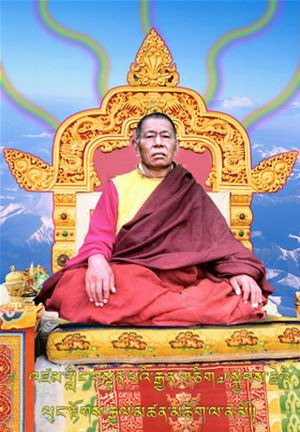
Yaqing Monastery, located in Achang Township, Chatai District, Baiyu County, Sichuan Province, is a prominent monastery of the Nyingma tradition in Tibetan Buddhism. Established in 1985 by Jamyang Lungtok Gyaltsen Rinpoche (Achuk Lama), this spiritual sanctuary is nestled in the tranquil Changqu River Valley, surrounded by verdant mountains. The Changqu River divides the monastery, creating “Nuns’ Island,” the world’s largest monastic community exclusively for female practitioners, known as chömos (nuns).
Achuk Lama, a revered Nyingma master, revitalized the lineage through profound teachings, especially the Dzogchen Great Perfection practice. Concerned about the lack of spiritual opportunities for women in Tibetan Buddhism, he established Yaqing Monastery as a space for equality and enlightenment. His efforts granted chömos a platform for rigorous training, embodying the compassionate and egalitarian principles of the Buddha’s teachings.
Achuk Dharma King
Yaqing Monastery is renowned for the intense dedication of its practitioners. The chömos are celebrated for their strict retreats, such as the famed “Hundred-Day Retreat,” where they meditate in small wooden huts with minimal provisions, focusing entirely on spiritual purification and self-realization. This disciplined way of life reflects their unwavering devotion and sets Yaqing Monastery apart as a beacon of spiritual depth and discipline.
Though young in its establishment, Yaqing Monastery has become a vital site for Tibetan Buddhism. Its unique role as a center for female monastics and its connection to the profound teachings of the Great Perfection have drawn pilgrims and practitioners from across the globe. Achuk Lama’s wisdom and compassion, coupled with the exceptional spiritual commitment of the chömos, have elevated Yaqing Monastery into a symbol of devotion, equality, and spiritual excellence.
Through its rich history, natural beauty, and spiritual depth, Yaqing Monastery continues to inspire countless individuals on their path to enlightenment, offering a sacred space where the wisdom of the Nyingma lineage flourishes.
On the slopes near Nuns’ Island, there are small huts known as “matchbox houses,” created from single wooden boxes just large enough for one person to sit inside. These structures are scattered across the hills and serve as meditation spaces for monks and nuns during the winter “Hundred-Day Retreat,” a period of intense spiritual practice and seclusion.
Each practitioner here embodies solitude and quiet perseverance. Every morning at sunrise, the lamas and chömos of Yaqing Monastery walk towards the surrounding mountains, beginning their daily practice of kora—circumambulation. Their steps are unwavering, driven by their devotion to the Buddha. From sunrise to sunset, their journey is not just a physical one but a spiritual pilgrimage, symbolizing the pursuit of liberation and the transformation of future lives.
Yaqing Monastery, with its unique geographical setting, profound spiritual significance, and the compassionate aspirations of Achuk Rinpoche, provides humanity with a sacred haven filled with light and hope for the soul.
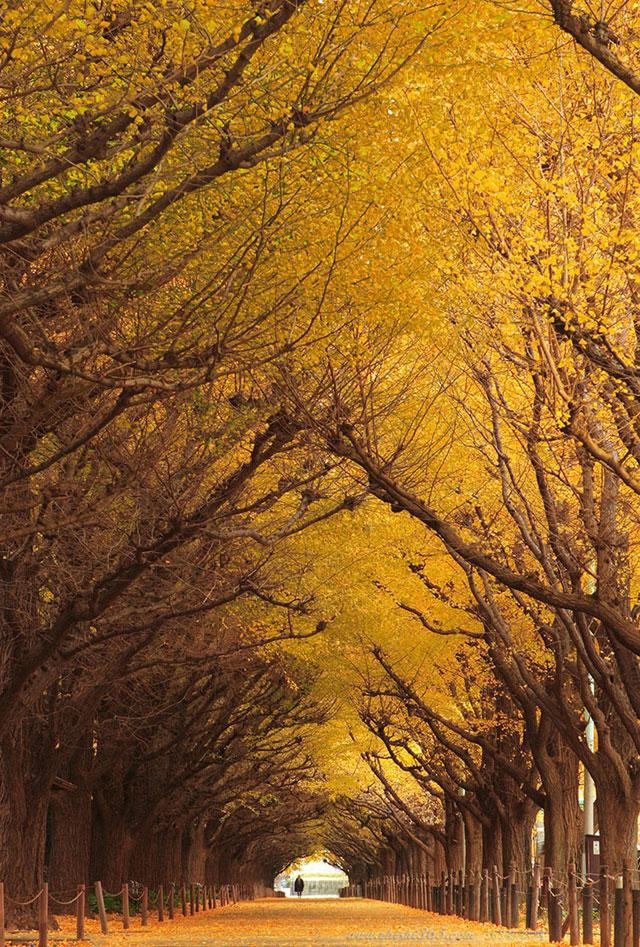
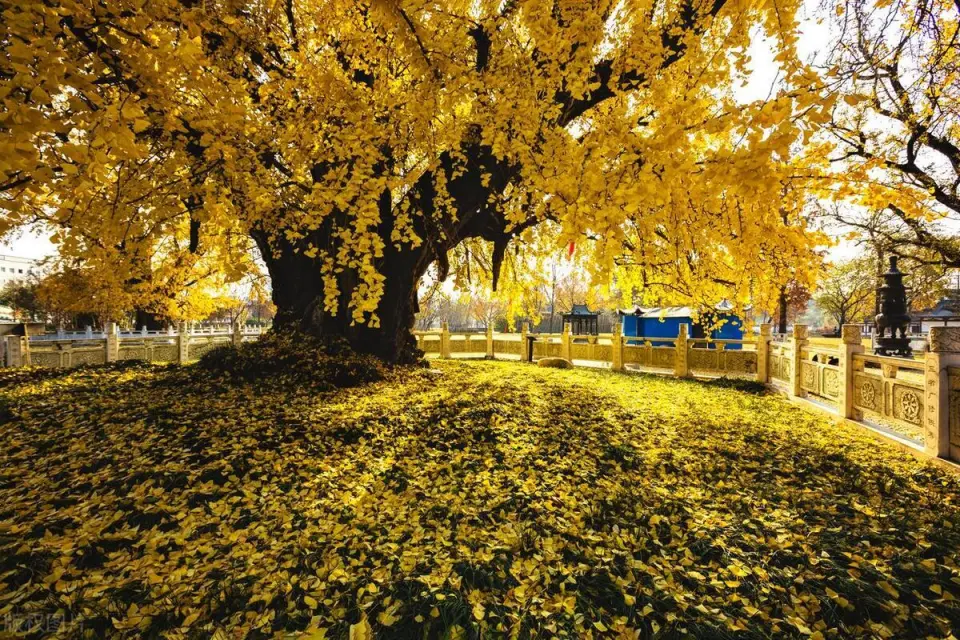
Autumn is often called “Golden Autumn,” a name inspired by the vibrant yellow hues of trees and plants that adorn the season. Among them, the ginkgo tree stands out, its radiant golden leaves creating a spectacle often described as “magnificent” and “resplendent.” This season marks the peak of the ginkgo tree’s beauty, transforming landscapes into breathtaking golden vistas.
A Living Fossil of Resilience
The ginkgo tree, also known as Ginkgo biloba or the “maidenhair tree,” is a living fossil, dating back over 150 million years. It is the sole survivor of an ancient plant lineage, standing tall as a testament to nature’s endurance. With its unique fan-shaped, two-lobed leaves that turn brilliant yellow in fall, the ginkgo has earned its place as a symbol of both beauty and longevity.
This ancient tree boasts remarkable regenerative powers. Mature ginkgo trees often give rise to thriving saplings, symbolizing vitality and the continuation of life. In Chinese culture, this resilience is likened to familial prosperity, embodying aspirations for blessings and generational success.
Medicinal Value and Modern Research
Beyond its aesthetic appeal, the ginkgo has significant medicinal properties. Traditional Chinese Medicine (TCM) uses its leaves and seeds for various remedies. Today, modern science highlights ginkgo leaf extract for its rich antioxidant content and potential benefits for brain function, circulation, and overall well-being.
A Sacred Symbol in Buddhism
In Chinese tradition, the ginkgo tree holds deep cultural and spiritual meaning. It symbolizes purity, endurance, and good fortune. Within Buddhism, the ginkgo is revered as the “Buddha tree,” representing enlightenment and spiritual resilience. Its longevity and abundant fruit make it a substitute for the sacred Bodhi tree in many temples.
During autumn, the ginkgo’s golden canopy creates a serene atmosphere in temple grounds, harmonizing with the red walls and golden roofs. This visual splendor evokes reverence and awe, inspiring mindfulness and devotion among practitioners.
ws.cc/zh-my/travel/3jqb9gy.html
Ginkgo Tree at Xi’an’s Guanyin Zen Temple: A 1,400-Year-Old Beauty
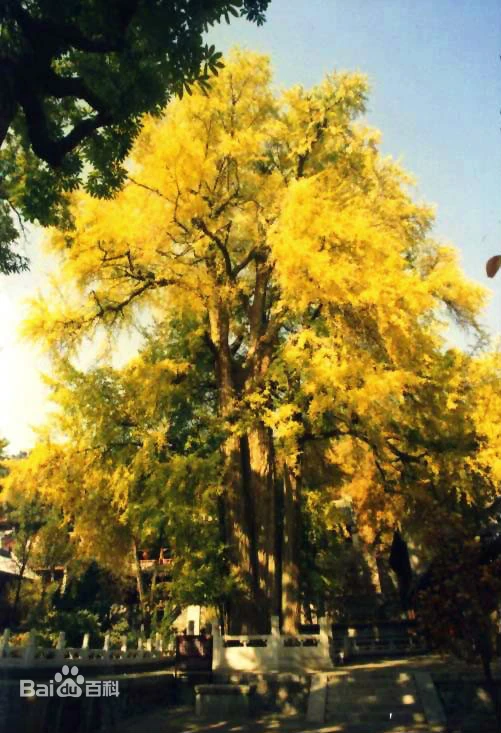
The Thousand-Year-Old Ginkgo Tree at Tanzhe Temple, titled the “Emperor Tree” by Emperor Qianlong of the Qing Dynasty, is an extraordinary natural treasure. Standing over 24 meters tall with a trunk diameter exceeding 4 meters, it takes six or seven people joining hands to encircle its massive base. The tree’s canopy spans an area of more than 600 square meters, providing ample shade. Estimated to be over 1,300 years old, this tree is a testament to resilience and history.
Ginkgo Tree at Tanzhe Temple
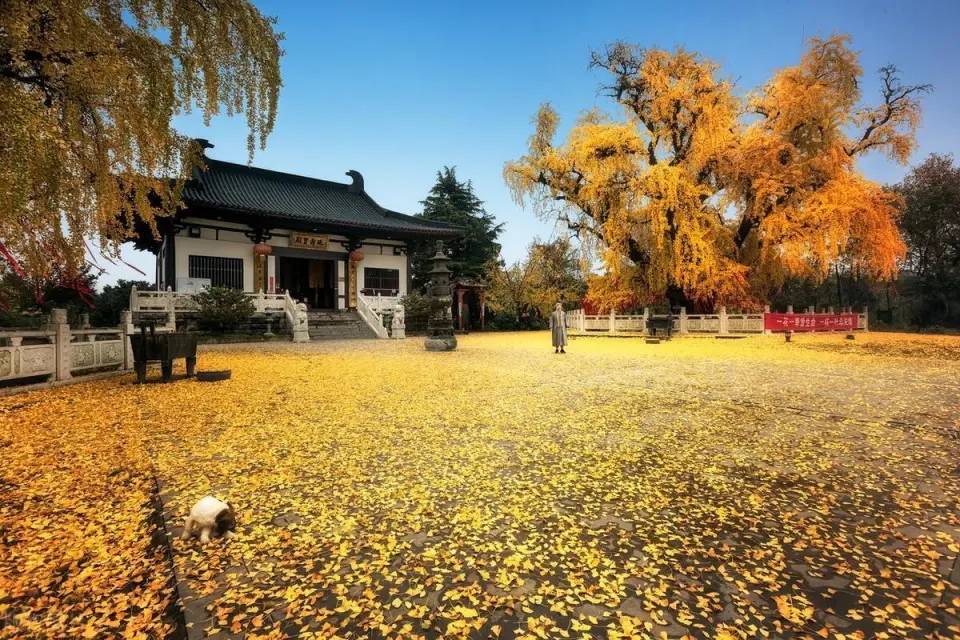
Dinghui Temple, a favorite spot for Suzhou residents to photograph ginkgo trees, is home to two towering, century-old ginkgo trees standing prominently in front of the main hall. In autumn, their golden leaves cascade to the ground, creating a dazzling and picturesque scene. (photos from https://news.qq.com/rain/a/20231105A07FBH00)
Suzhou City: DingHui Temple
At the ancient Huiji Temple, Nanjing City, three venerable ginkgo trees, each over 1,500 years old, grace the temple grounds. As autumn arrives, their golden leaves blanket the treetops, creating a breathtaking contrast against the temple’s white walls and dark-tiled roofs. The scene resembles a magnificent ink-wash painting, captivating visitors with its timeless beauty. (photos from https://news.qq.com/rain/a/20231105A07FBH00)
Artistic and Symbolic Significance
The ginkgo tree’s durable and fine-grained wood is prized for carving Buddha statues, earning it the moniker “Buddha’s fingernail.” Its leaves, resembling flames, symbolize light and warmth. In Buddhist tradition, the golden hue of ginkgo leaves reflects the nobility and purity of the Buddha’s body, which represents eternal light and wisdom.
The Buddha’s golden body, seen as untainted and impervious to worldly suffering, mirrors the ginkgo’s enduring nature. Similarly, the Buddha’s radiance is believed to dispel darkness, illuminate ignorance, and guide all beings toward compassion and enlightenment.
A Tree of Light and Legacy
The ginkgo tree, with its awe-inspiring beauty and profound cultural significance, is more than just a tree—it is a symbol of life, hope, and spiritual awakening. Its golden leaves remind us of the light within, inspiring resilience and reverence for nature’s timeless wisdom.
As we marvel at the ginkgo tree’s breathtaking beauty and the profound symbolism it holds, let it also serve as a gentle reminder of our responsibility to protect the natural world. These ancient trees, along with the countless wonders of nature, depend on our collective efforts to preserve their existence. By cherishing and safeguarding our planet, we ensure that future generations can continue to experience and draw inspiration from the harmonious balance and enduring wisdom of nature.
In Traditional Chinese Medicine (TCM), the “kidney” is not just associated with the organ itself, but is considered the center of multiple bodily functions, overseeing everything from physical strength and vitality to bone growth. (Photo from sohu.com)
The kidneys are seen as the foundation of life, and when kidney energy, or kidney qi, is abundant, the body remains strong and full of life. However, when kidney qi is depleted, it leads to weakness, fatigue, premature aging, and is often linked to chronic illnesses.
The Importance of Kidney Qi in TCM In TCM, maintaining a balanced flow of energy is essential for overall health. The kidney meridian plays a crucial role in regulating the balance of yin and yang within the body. Kidney yin and kidney yang are considered the fundamental energies that support the entire body’s internal organs. When kidney qi is nourished, the body remains strong, and all other organs function properly. Therefore, keeping the kidney energy well-maintained is vital for longevity and overall well-being.
While diet and herbal supplements are commonly used in TCM to support kidney health, a simple and effective method is through regular meridian stimulation. By massaging and promoting energy flow along the kidney meridian, we can help maintain smooth circulation of energy (qi) and blood throughout the body, promoting vitality and longevity.
Winter: The Season for Kidney Care In TCM, winter is the season most closely associated with kidney health. It’s a time to focus on replenishing and strengthening the kidneys, as the colder months are believed to affect the body’s energy levels. To help support kidney health during this time, TCM practitioners recommend incorporating certain practices into your daily routine.
Dr. Hu Haiya’s Kidney-Rubbing Technique One of the most accessible and effective ways to nourish kidney qi is through a simple technique known as the kidney-rubbing exercise, shared by the esteemed TCM doctor Hu Haiya. Dr. Hu, who lived to the age of 95 with remarkable health, became a symbol of vitality and longevity. When asked about the secret to his longevity, many expected him to mention some rare, mystical remedy. Instead, he smiled and explained, “There is no magical remedy; the true remedy lies within your own body.”
Dr. Hu then shared the kidney-rubbing technique he practiced regularly. The primary benefit of this exercise is to stimulate and invigorate the kidney qi, which is the foundation of energy and vitality in TCM. When the kidneys are nourished with abundant qi, the body becomes more energetic, the muscles and bones grow stronger, and life expectancy increases.
How to Perform the Kidney-Rubbing Technique
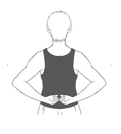
Position your hands: Make loose fists with both hands, leaving the centers of your fists slightly hollow (as shown in the figure).
Place your hands on your lower back: Position your fists over the kidney area, near the waist (Shenshu points). There’s no need to precisely find acupuncture points; just placing the fists on the lower back is sufficient.
Gentle motion: Keep the fists still and use your knees to gently bounce up and down. This will cause your body to move, which creates friction between the fists and the kidney area.
Repetition: Perform this exercise for 500 repetitions or until you feel a slight warmth in your lower back.
Photo 1
Photo 2
Tips for Effective Practice
If you’re new to this technique and find it difficult to do all 500 repetitions in one go, don’t worry. Start gradually by breaking it into 2-3 sets and work on building leg strength.
Eventually, aim for 500 repetitions in one continuous set. You’ll notice the body begins to feel warm, signaling improved circulation and energized kidney qi.
The Path to Longevity Starts with Kidney Health By incorporating practices like kidney-rubbing into your routine, you can nurture your kidney health and enhance your overall vitality. In TCM, vitality and longevity are directly linked to the state of our kidney qi. Strengthening this vital energy is key to achieving a healthy, balanced life.
Start today—because true health comes from within.
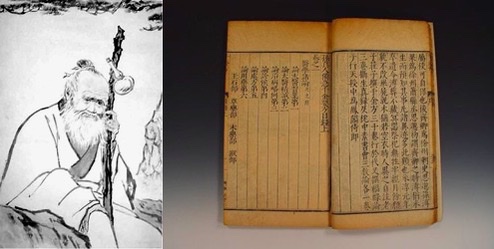
Sun Simiao’s achievements in traditional Chinese medicine and his noble medical ethics are regarded as exemplary in history. As a renowned medical scholar of the Tang Dynasty, he is honored by later generations as the “Medicine King,” and his contributions continue to have a lasting impact. Born into a poor family in Jingzhao Huayuan (now Yaoxian District, Tongchuan City, Shaanxi Province), Sun Simiao was frail and sickly as a child, and his family’s savings were nearly depleted to treat his illnesses. The people around him lived in similar poverty, and many lost their lives due to a lack of medical treatment. This inspired the young Sun Simiao to dedicate his life to studying medicine, vowing to tirelessly work to relieve people’s suffering. He believed that “human life is precious, worth more than a thousand pieces of gold. Saving a life surpasses all else in merit.” This belief guided him throughout his medical career.
A widely circulated story illustrates Sun Simiao’s deep sense of compassion and ethics: One day, while walking, he saw some village children who had captured a weary snake that was near death. Moved by compassion, Sun Simiao purchased the snake from them and released it into the water. Later, while meditating, a man dressed in green appeared and invited him to the legendary Crystal Palace. It turned out that the snake he had saved was the son of the Dragon King, the ruler of the sea. In gratitude, the Dragon King invited Sun Simiao to sit in the seat of honor at a banquet and said, “My son was captured while playing yesterday. If it weren’t for your help, he would have been killed!”
After the banquet, the Dragon King offered Sun Simiao precious treasures to thank him. However, Sun declined and said, “I have heard that the Dragon Palace has many secret medical formulas. If you could share them with me to help relieve the suffering of people, that would be far more valuable to me than any gold or jewels.” Touched by his selflessness, the Dragon King gifted him the “36 Jade Formulas,” which further enhanced Sun Simiao’s medical knowledge.
Sun Simiao devoted his life to the study of medicine, and his monumental work, Qian Jin Yao Fang (Essential Prescriptions Worth a Thousand Gold), is the first comprehensive encyclopedia of clinical medicine in Chinese history. Hailed as a “treasure of humanity,” the book covers everything from fundamental medical theories to clinical practices, integrating principles, methods, prescriptions, and herbal medicine. Not only did Sun Simiao compile the clinical experiences of past medical experts, but he also included many folk remedies and prescriptions, drawing from a wide range of sources. To this day, Qian Jin Yao Fang holds immense academic value and continues to guide practitioners in the field of traditional Chinese medicine. He also wrote two other influential books, Bei Ji Qian Jin Yao Fang and Qian Jin Yi Fang, which have had a significant impact on Chinese medicine to this day.
In addition to his remarkable medical skills, Sun Simiao is revered for his noble medical ethics. In his work Da Yi Jing Cheng (The Sincere Heart of a Great Physician), Sun clearly articulated that a truly great physician must be calm, free from desires, and compassionate. A doctor must have the determination to save lives, without discriminating based on wealth, status, age, beauty, personal relationships, ethnicity, or intelligence. All patients should be treated with the same care as one’s own family, without any hesitation or self-interest, and the physician must not shrink from hardships or dangers. Day and night, through cold or heat, hunger or exhaustion, the doctor should be fully devoted to the welfare of the patient, without seeking recognition or rewards. This high standard of medical ethics has been called the “Hippocratic Oath of the East” and has had a profound influence. Even today, many medical schools in China still use Da Yi Jing Cheng as an oath, reminding students to embody this spirit and serve patients wholeheartedly.
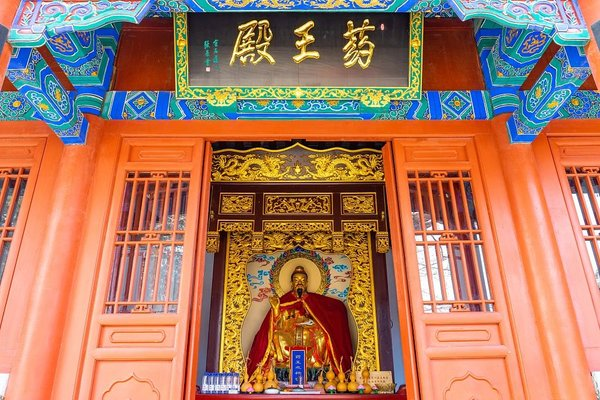
The Medicine King Temple in the Mount Tai Scenic Area in Shandong is dedicated to honoring Sun Simiao, the Medicine King. (Image source: Visual China)
Sun Simiao’s life was not only a beacon of excellence in the field of medicine but also a model of selflessness and moral integrity. His legendary stories and medical achievements have added a shining chapter to the history of Chinese medicine, inspiring generations of healers to follow in his footsteps.
Language is one of the most powerful tools in human communication. It has the capacity to warm hearts, yet it can also deeply wound others. The ancient Chinese saying, “Illness enters through the mouth; misfortune comes out of the mouth,” serves as a profound reminder of the critical importance of our words. Another popular saying states, “A kind word can warm one for three winters, but a harsh word wounds deeply and is hard to forget.” Those who speak thoughtfully build strong relationships, while careless words often lead to unintended enmity or trouble. Indeed, many of life’s great misfortunes arise from verbal mistakes.
The Chinese ancients emphasized the principle of “cautious speech and careful actions,” which is not only a foundational aspect of personal conduct but also key to cultivating one’s character. In modern times, misunderstandings and conflicts often stem from believing rumors and passing on unverified information. This carelessness turns small issues into major problems, causing unnecessary harm. The impact of careless words can extend beyond personal relationships, disrupting families, friendships, and even society, sometimes escalating into widespread societal issues.
Buddhism’s Teachings on Verbal Karma: The Four Types of Harmful Speech
Buddhism profoundly explains the karmic consequences of speech. Among the “three karmas” — body, speech, and mind — verbal karma is especially critical. The Buddha taught that the consequences of verbal karma can be even more destructive than a raging fire because hurtful speech inflicts suffering on others. Buddhism identifies four types of harmful verbal karma:
Harsh Speech: Using cruel or aggressive words that directly harm someone’s spirit.
Slander: Spreading rumors or sowing discord, leading to broken relationships and disputes.
False Speech: Speaking untruthfully or deceiving others.
Frivolous Speech: Words that may seem pleasant but mislead or confuse others, distracting them from right mindfulness.
These forms of verbal karma not only harm relationships but also sow seeds of negative karma, inevitably leading to future suffering.
Chinese Buddhist texts record a story from the Song Dynasty: One day, Zen Master Guang XiaoAn observed two monks engaged in a discussion about the Dharma, during which they were surrounded and protected by heavenly beings. However, as soon as their conversation shifted to worldly topics, the deities departed, and evil spirits appeared, mocking the monks with vulgar language. This story serves as a reminder that even monks, when they deviate from righteous speech, will attract negative consequences.
In today’s world, the effects of verbal karma are even more pervasive. Carelessly spreading rumors, posting unverified information online, or making inflammatory remarks can cause lasting damage. Every harsh word is like a sharp blade, hurting not only others but also oneself.
Here is another powerful example that highlights the benefits of controlling one’s speech. At Mount Jiuhua, a sacred Buddhist site renowned for venerating Ksitigarbha Bodhisattva, there once lived a venerable nun. She was widely respected for her virtuous life and profound wisdom, embodying the transformative power of positive speech.
Even at the remarkable age of 136, she remained in good health, continuously reciting the mantra “Amitabha Buddha.” This practice not only reflected her spiritual merit but also her mastery of speech, and self-discipline.
The venerable nun understood the profound impact of verbal karma and strictly adhered to the principle of “cautious speech.” She refrained from gossip and focused her speech on chanting the Buddha’s name. In conversations about spiritual matters, she offered concise and clear guidance, leading people toward the right path. When topics were unrelated to spiritual practice, she chose silence. This self-discipline brought her immense merit, making her a role model for others. She often said, “For women, whether lay or ordained, if one can guard against verbal karma, one is halfway to becoming a Buddha.” Her words highlighted the critical role verbal karma plays in the spiritual path.
The venerable nun’s teachings emphasized the severe consequences of verbal karma. She made it clear that verbal karma is one of the greatest obstacles in spiritual practice and explained its multiple harmful effects:
Verbal Karma Obstructs Spiritual Progress: Every instance of harsh speech, slander, or frivolous talk not only harms others but also pollutes one’s mind, hindering spiritual purification.
Verbal Karma Leads to Lower Rebirths: Harsh speech is like a wildfire, burning away one’s merit and leading to severe karmic consequences.
Verbal Karma Disrupts Harmony: In families, communities, or society, harmful speech creates discord, making it difficult to maintain a peaceful environment for practice.
Verbal Karma Weakens Faith: Harsh and false words can cause others to lose faith in their spiritual path, even destroying their potential for future practice.
Her virtuous life and disciplined speech accumulated immeasurable merit. It is said that many patients with difficult illnesses were cured after receiving her blessings, a testament to the power of pure verbal karma.
Guarding Verbal Karma in Modern Life
In today’s world, controlling speech is more essential than ever. Here are some practical steps to guard against verbal karma:
Speak Cautiously: Think before you speak. Avoid spreading unverified information and refrain from gossiping or discussing others carelessly.
Control Emotions: When emotions are high, it’s easy to say things that cause harm. Cultivate a calm and peaceful mind to avoid saying hurtful things in the heat of the moment.
Cultivate Positive Speech: Use kind and uplifting words to resolve conflicts, build trust, and foster harmony in your relationships.
By understanding Buddhism’s teachings on verbal karma, we can become aware of the power of language and use it to bring peace and happiness to ourselves and others. Guarding speech is not only a sign of respect for others but also an essential aspect of personal spiritual practice.
Through mindful and compassionate speech, we can spread kindness, promote harmony, and enhance both the quality of our lives and the happiness of those around us. Let us strive together to use the wisdom of language to create more peace and happiness in our lives and in the lives of others.
Once upon a time, the son of Brahmadatta was ruling righteously in Benares, in northern India. It came to pass that the King of Kosala made war, killed the King of Benares, and made the queen become his own wife.
Meanwhile, the queen’s son escaped by sneaking away through the sewers. In the countryside he eventually raised a large army and surrounded the city. He sent a message to the king, the murderer of his father and the husband of his mother. He told him to surrender the kingdom or fight a battle.
The prince’s mother, the Queen of Benares, heard of this threat from her son. She was a gentle and kind woman who wanted to prevent violence and suffering and killing. So she sent a message to her son — “There is no need for the risks of battle. It would be wiser to close every entrance to the city. Eventually the lack of food, water and firewood will wear down the citizens. Then they will give the city to you without any fighting.”
The prince decided to follow his mother’s wise advice. His army blockaded the city for seven days and nights. Then the citizens captured their unlawful king, cut off his head, and delivered it to the prince. He entered the city triumphantly and became the new King of Benares.
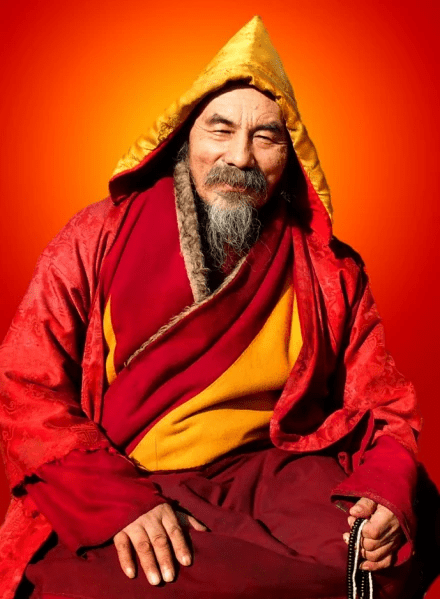
The most venerable H.E. Xiazhu Choying Rinpoche, also known as H.E. Xiazhu Qiuyang Rinpoche, is a highly accomplished Buddhist master from Guoluo, renowned for his spiritual achievements and mastery of Vajrayana teachings. Born in the winter of 1945, his birth was marked by extraordinary signs: thunder echoed across the sky, and colorful flowers blossomed spontaneously on the grasslands surrounding his birthplace. Many local herdsmen witnessed these rare and auspicious omens, heralding the arrival of an extraordinary being.
Renowned mantra master Regong, a revered monk, recognized the young child as the reincarnation of the venerable Chagailong Cichengdaji Rinpoche and the great master Naropa. From an early age, Rinpoche dedicated himself to the welfare of all sentient beings, living a life of simplicity and spiritual practice in the mountains. Throughout his life, H.E. Xiazhu Choying Rinpoche devoted himself to intense ascetic practice, receiving direct teachings from the supreme Vajrayogini and attaining profound realization. It is said that he could soar through the sky, using his monk robes as wings, a testament to his deep mastery of esoteric yoga.
At the age of fourteen, Rinpoche was ordained as a monk under the guidance of Xiari Huzuo Qintu Dannima. Over the years, he studied under more than 100 highly accomplished masters from all major Tibetan Buddhist schools, including:
H.H. the Tenth Panchen Lama and H.H. the Sixth Dharma King Gongtang Yongzeng from the Gelug sect.
H.H. Dodrupchen Rinpoche and Khenpo Mengse from the Nyingma sect.
Kanda Chiwa Gadan from the Sakya sect.
Lama Wangcai Kazhige from the Kagyu sect.
Jiana Bannan from the Jonang sect.
From these masters, H.E. Xiazhu Choying Rinpoche absorbed the essence of both exoteric and esoteric teachings. His spiritual journey led him to receive numerous secret mind-dharma teachings and unique empowerments, passed down without reservation, like water flowing freely from a vessel.
Rinpoche spent much of his life wandering through remote mountains and plains, sleeping in caves, eating cold rice and vegetables gathered from alms, and wearing discarded clothing. He lived humbly, indifferent to worldly praise or criticism, appearing at times like a wandering madman. For 25 years, he did not speak a single word, dedicating himself entirely to the practice of the Dharma, undisturbed by the distractions of the world. His rigorous practice took him to numerous sacred sites across Tibet, Qinghai, and India, where he engaged in solitary retreat, including seven years of intense meditation at a holy site in India.
Through these practices, Rinpoche achieved profound realization in the Dakini Dharma, the Great Perfection (Dzogchen) teachings, Kalachakra Vajra Dharma, and Green Tara Dharma. His deep connection with Vajrayogini from a young age allowed him to access highly secret dakini teachings. Buddhist masters of great virtue have recognized H.E. Xiazhu Choying Rinpoche as the true reincarnation of the great master Naropa, revered as the “venerable leader of 100,000 dakinis.”
In a historic event, the International Buddhism Sangha Association conducted an unprecedented Drawing Lots From a Golden Vase Ceremony, drawing one lot from 120 sealed lots. This ceremony affirmed that H.E. Xiazhu Choying Rinpoche is indeed the reincarnation of Patriarch Naropa, a recognition that had been previously confirmed by H.H. Dorje Chang Buddha III.
H.E. Xiazhu Choying Rinpoche has been praised by numerous revered masters, including H.H. the Tenth Panchen Lama, H.H. Dharma King Yongzeng, and H.H. Dharma King Jigme Phuntsok. Xiaridong Rinpoche, a master of the Yamantaka Dharma, described him as “a truly great master of the Dakini Dharma,” while H.H. Dharma King Jigme Phuntsok hailed him as “an extremely rare master who has perfected the Four Initiations Dharma.”
Despite his vast accomplishments, H.E. Xiazhu Choying Rinpoche remains humble and approachable, freely exercising his supernatural powers without attachment. Known for miraculous feats such as flying, multiplying his body, walking underwater, understanding multiple languages, foreseeing disasters and blessings, and reading people’s minds, Rinpoche is revered as “the unhindered rinpoche.” Clothing and personal items that Rinpoche has worn or used are said to be imbued with miraculous blessings. Many Tibetans have reported turning disasters into blessings, surviving dangerous situations, or recovering from serious illnesses after wearing or ingesting a small piece of his monk’s robe.
H.E. Xiazhu Choying Rinpoche’s legendary life and accomplishments have been widely recorded, including in books such as Holy Cultivation and Its Marvelous Fruits and Biographies of Ten Major Disciples of Dharma Kings. In Tibet, particularly in the Amdo region, almost everyone knows of his miraculous deeds. His life stands as a beacon of inspiration and a model of Dharma practice in this world of five defilements.
Upon reading A Treasury of True Buddha-Dharma, H.E. Xiazhu Choying Rinpoche immediately recognized H.H. Wan Ko Yeshe Norbu as the primordial Dorje Chang Buddha, the highest Buddha in Buddhism. His realization corroborated the recognition of other great holy dharma kings. H.E. Xiazhu Choying Rinpoche offered his heartfelt congratulations in a respectful letter, further acknowledging the sacred truth.
To the Most Revered and Holiest Wish-Fulfilling Jewel Dharma King:
I have learned that A Treasury of True Buddha-Dharma, is a sacred text about His Holiness, the supreme and most honored H.H. Dorje Chang Buddha III, is soon to be distributed worldwide. This book contains the highest, authentic Dharma that brings immense benefit to all sentient beings.
Master Dodrupchen, who is universally recognized as the second Guru Padmasambhava and the highest holy being within Tibetan esoteric Buddhism, expressed his astonishment in his formal congratulations. He praised the accomplishments of the Holiest Wan Ko Wish-Fulfilling Jewel Dharma King as truly extraordinary—unimaginable and miraculous, transcending the ordinary. These achievements express both the describable and indescribable absolute truth of the Buddha-Dharma.
We shall proclaim and praise the accomplishments of His Holiness throughout the Dharma realm. We express our deepest gratitude to His Holiness, the ancient Buddha, for His boundless and great compassion in coming to this world once again to benefit all sentient beings!
Xiazhu Qiuyang Rinpoche May 1, 2007
▲Original congratulatory letter from Xiazhu Choying in Tibetan
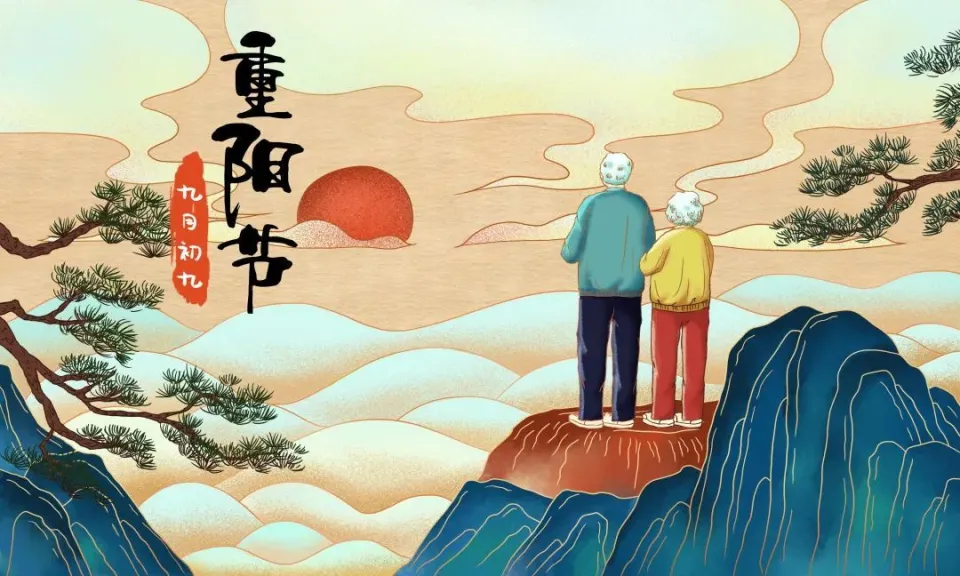
The Double Ninth Festival, also known as Chongyang Festival, falls on the ninth day of the ninth lunar month each year. In 2024, this special day is observed on October 10th. In ancient Chinese philosophy, as referenced in the I Ching, the number “nine” is considered a yang number, symbolizing strength and vitality. The festival’s name, “Double Ninth” or “Chongyang,” refers to the doubling of this powerful number, representing longevity and blessings.
The pronunciation of “九九” (jiǔ jiǔ) sounds similar to “久久,” which means “long-lasting.” On this day, as autumn unfolds with its vivid hues, people gather to hike, enjoy the red cornelian cherries in bloom, eat Chongyang cakes, and drink Chongyang wine, all while offering prayers for well-being and longevity. The number nine, being the highest single-digit odd number, is symbolic of long life, carrying with it the wishes of good health and longevity for the elderly. As time passes and human lives inevitably age, nature remains timeless, and we all must face the farewells that are a part of life.
Chongyang Festival is one of China’s most significant traditional holidays, and over the centuries, its customs have continued to thrive. People climb to high places to seek blessings, enjoy autumn scenery, appreciate chrysanthemums, and wear cornelian cherry (茱萸) as part of the ancient traditions. The festival has also become China’s officially designated Senior Citizens’ Day, a reflection of the nation’s cultural emphasis on honoring the elderly, with filial piety at the heart of the celebrations. The deep respect for elders, a core Chinese value, is encapsulated in the tradition of 孝 (xiào), which has remained unchanged through the ages.
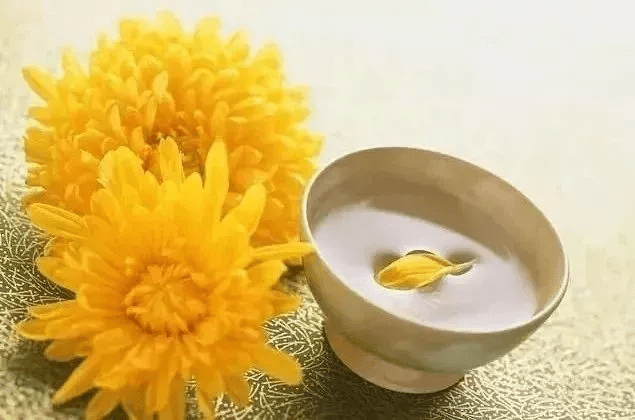
Historical records of Chongyang customs date back to Lüshi Chunqiu, and by the Han dynasty, it became common for people to wear cornelian cherries and drink chrysanthemum wine during the festival in hopes of promoting longevity. The chrysanthemum, admired for its elegance and resilience to frost, has long symbolized the virtuous gentleman in Chinese culture. During Chongyang, chrysanthemums bloom in abundance, and the festival would be incomplete without them. As the saying goes, “Without chrysanthemums, there is no Chongyang.” Ancient people lit chrysanthemum lanterns, decorated the streets with flower displays, and gathered to admire the blossoms in the evening, adding a special charm to the festival.
Tao Yuanming, one of China’s most beloved poets, wrote in the preface to Leisure at the Ninth Day: “In my leisure, I cherish the name of the Double Ninth Festival. With the garden full of chrysanthemums, I long for the wine but find none; so I simply sip the nine flowers in their essence.”
This imagery beautifully captures the festival spirit of sipping wine infused with chrysanthemum petals, a practice believed to preserve health and vitality. Wine has always been a key part of festive celebrations, and during Chongyang, chrysanthemum wine is essential. This traditional drink is believed to ward off misfortune and bring longevity.
The festival’s atmosphere is enhanced by the vibrant scenery of autumn. As the hills are covered in yellow flowers, one can imagine the joy of gathering with friends, sharing a drink, and admiring the beauty of chrysanthemums. This sense of togetherness is echoed in the works of Tang dynasty poet Meng Haoran, who described the simple pleasures of sitting with old friends by the window, drinking wine, and chatting while watching the lush vegetable garden outside. Such moments, rich in warmth and simplicity, remind us of the importance of human connection and the passage of time.
A key custom during Chongyang is wearing cornelian cherry. This tradition was especially popular during the Tang dynasty, as people believed that wearing these fruits could protect them from misfortune.
Cornelian cherries were worn on the head, the arm, or carried in sachets, serving as symbols of protection and unity among family and friends. The poet Wang Wei famously captured this sentiment in his poem Thinking of My Brothers on the Double Ninth:
“Alone, a stranger in a foreign land, I long for my kin on every holiday. I know my brothers are climbing high with cornelian cherries, But there is one less person among them.”
His words reflect the deep homesickness and yearning for family, feelings that resonate with many who are far from home during important festivals.
Flower Cakes
Another significant tradition is eating flower cakes during Chongyang. The word “糕” (cake) sounds like “高” (high), and eating these cakes symbolizes the desire for life to “rise to new heights.” On the morning of Chongyang, mothers place small cakes on their children’s foreheads while whispering prayers for their health and safety, a heartwarming expression of parental love.
As autumn progresses and the white dew turns to frost, people celebrate the Double Ninth Festival by eating flower cakes, climbing to high places, and admiring the red leaves that blanket the hills. These simple yet profound traditions deepen the connection to nature and soften the heart’s longing for home.
The Chongyang Festival is not just a time to honor the elderly but also a celebration of the timeless values of family, respect, and filial piety. As families gather to enjoy the view from high hills and savor these precious moments together, they strengthen the bonds of kinship, appreciating the blessings of health, longevity, and the beauty of life’s passing seasons.
Pingyao Ancient City – The Best-preserved Ancient City in China
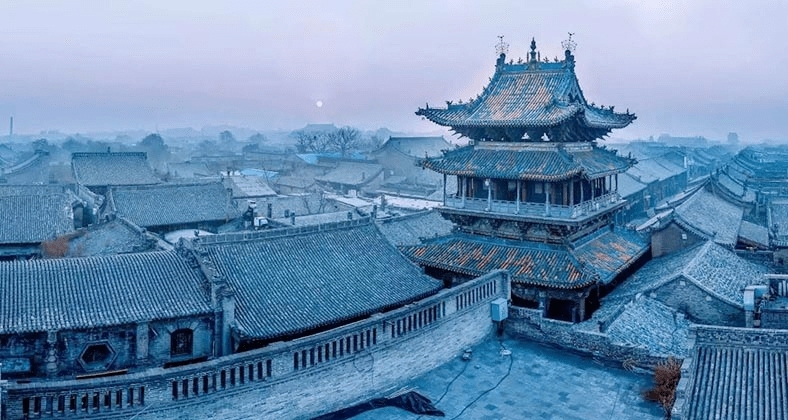
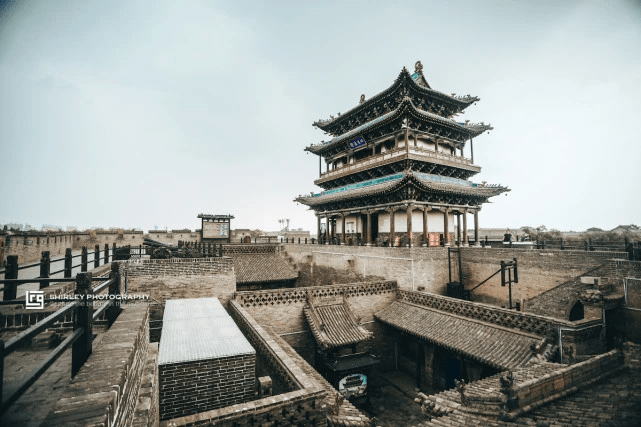
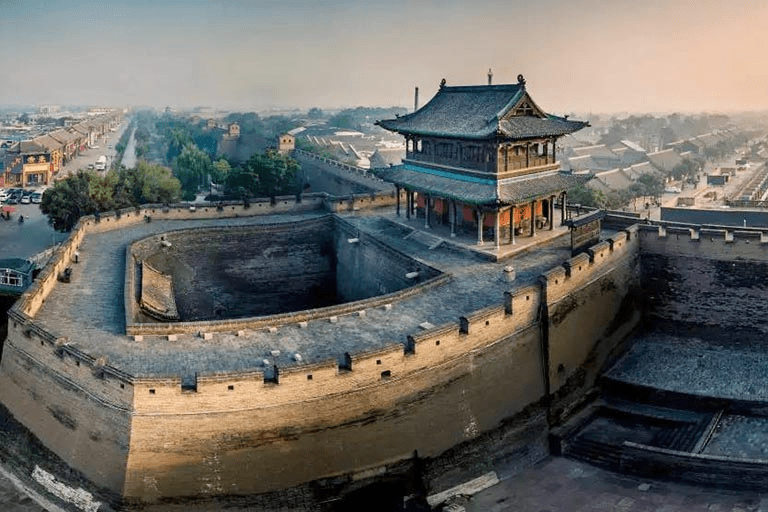
Pingyao Ancient City, with over 2,700 years of history, remains one of China’s best-preserved ancient cities. Its authentic layout features long, ancient city walls, elegant residences, courtyards, and a maze of streets and alleys that evoke the bustling county life of the Ming and Qing Dynasties. Designated a UNESCO World Cultural Heritage Site in 1997 alongside Shuanglin and Zhenguo Temples, Pingyao is one of the Four Most-Preserved Ancient Cities in China, making it a must-visit for those keen on history and culture.
A Journey Through Time
Pingyao was founded during the Western Zhou Dynasty in the 8th century BC, and it grew significantly during the Ming and Qing Dynasties. Unlike many ancient cities, it has survived wars and modernization, making it even older and more intact than famous counterparts like Lijiang Old Town, Huizhou Ancient City, and Langzhong Ancient City.
As the seat of county government since the Qin Dynasty (221 BC), Pingyao’s prominence only increased when its city walls were rebuilt and expanded in 1370. With over 400 ancient residential houses, government offices, shops, banks, and temples still standing, the city offers visitors a glimpse into traditional Chinese life, commerce, and religion.
Pingyao’s Unique Architecture
The architecture of Pingyao is one of its greatest treasures. Beyond its famous city walls and financial institutions, the city’s homes and structures reveal traditional design principles of the Ming and Qing Dynasties. Constructed using ancient techniques and materials, Pingyao’s buildings retain exquisite details in layout, decorations, and craftsmanship. When viewed from above, the city’s layout resembles a turtle, with the Southern Gate as its head, the Northern Gate as its tail, and the east and west gates representing its limbs.
Must-See Highlights in Pingyao
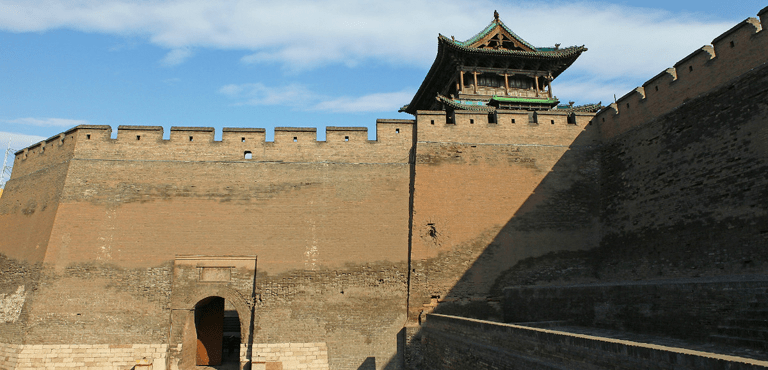
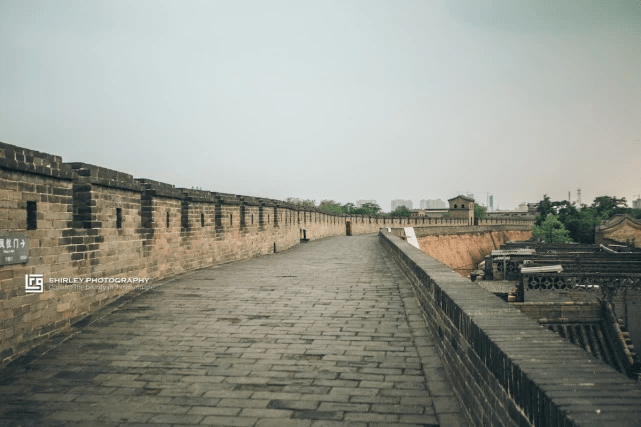
Ancient City Wall Built in 1370, Pingyao’s city walls stretch over 6,163 meters and are considered among the best-preserved in China. The walls stand 12 meters high, and at the top, you can explore 72 watchtowers, said to symbolize the 72 disciples of Confucius. Walking along the walls offers breathtaking views of the city below, the surrounding countryside, and the ancient military equipment once used to defend this historic town.
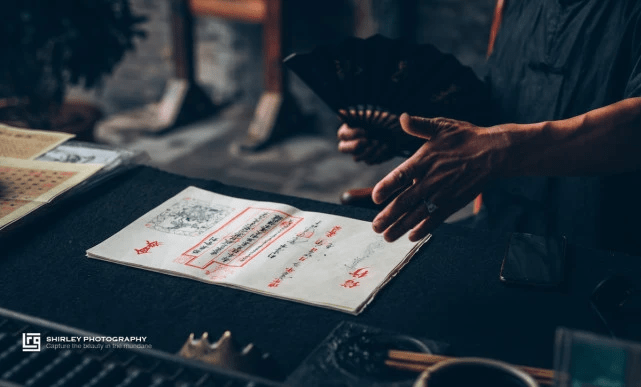
Rishengchang Former Bank As China’s first modern bank, established in 1823, Rishengchang revolutionized financial operations in the Qing Dynasty. The museum here offers a fascinating look at China’s banking history, with exhibits on ancient financial tools, account books, and original working scenes.
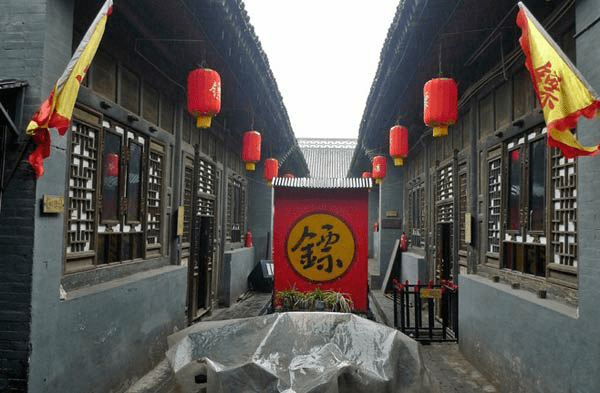
North China First Escort Agency Known for its armed escorts protecting valuables, this agency thrived during the Qing Dynasty. Today, it’s a museum that tells the history of these brave escorts, showcasing the tools and techniques they used to safeguard goods during China’s bustling commercial era.
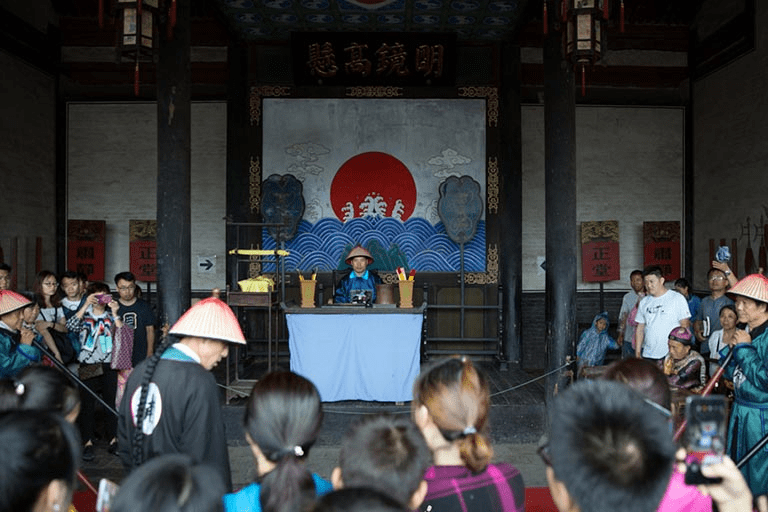
Pingyao Ancient Government Office Dating back over 600 years, this grand office complex served as the seat of government in feudal China. Visitors can tour its judicial halls, ancient jails, and living quarters, and even watch performances of ancient court proceedings.
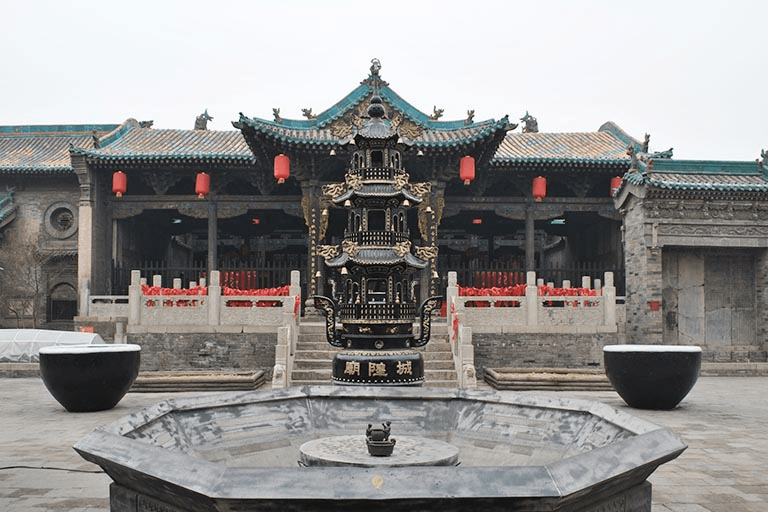
Temple of the City God One of the most well-preserved City God temples in China, this Ming Dynasty complex is located in the eastern part of the city. With stunning wooden architecture, colored glazes, and vibrant frescoes, it’s a peaceful spot to take in the spiritual atmosphere while admiring the craftsmanship of centuries past.
Exploring Beyond the City
Pingyao Ancient City is part of a UNESCO-listed trio that includes the nearby Shuanglin and Zhenguo Temples, each rich with history and cultural significance.
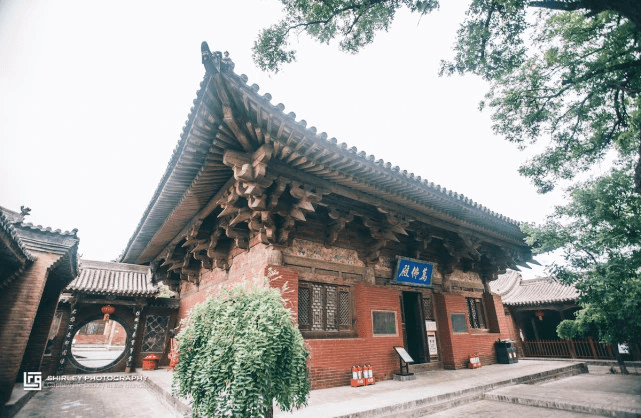
Zhenguo Temple Although less known, Zhenguo Temple is a hidden gem, offering an impressive array of ancient painted sculptures from the Five Dynasties period. The Ten Thousand Buddha Hall houses statues with a powerful presence, showcasing techniques that date back to the Tang Dynasty.
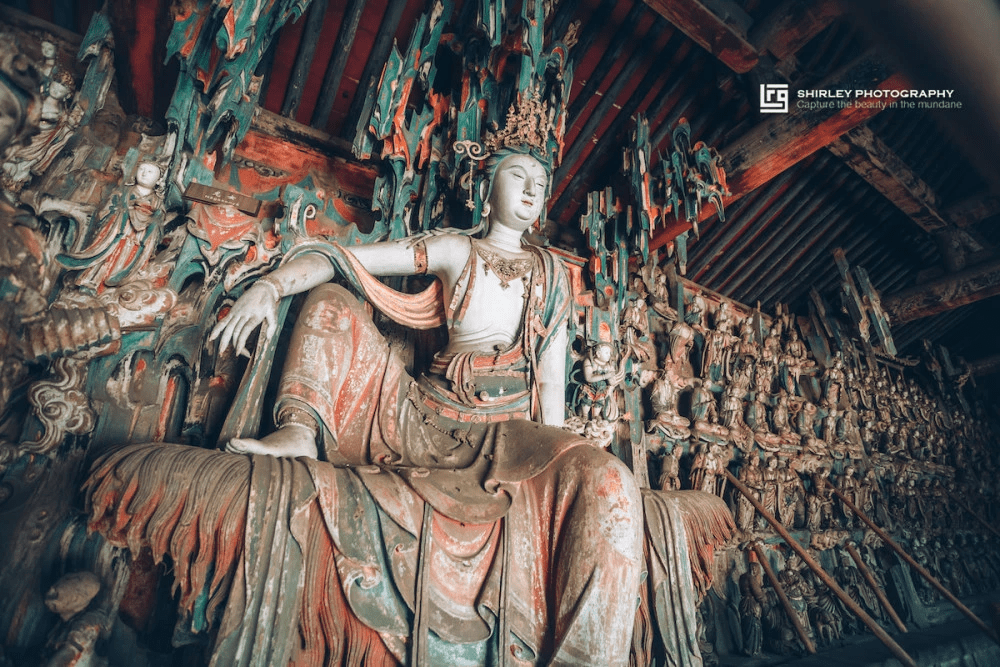
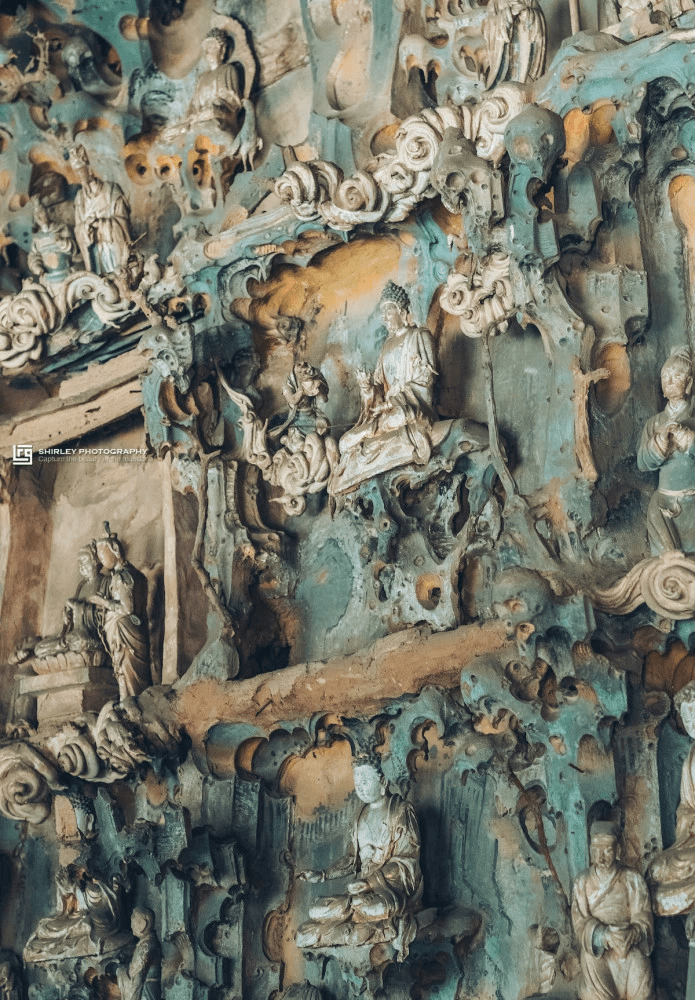
Shuanglin Temple Located just 6 kilometers from Pingyao, Shuanglin Temple is a masterpiece of Chinese painted sculpture, with over 2,000 Ming Dynasty statues that appear lifelike, capturing human emotions and worldly charm.
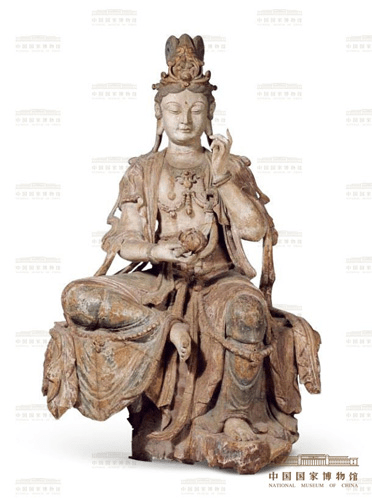
The Thousand-hand Avalokitesvara
A Culinary Adventure in Pingyao
Pingyao boasts 108 types of local snacks and dishes, with noodles being the star. The city’s famous Pingyao Beef is a must-try, thinly sliced and bursting with flavor. Another local favorite is Pingyao Wantuo, a buckwheat dish with a chewy texture that’s perfect for summer, known for its cooling and detoxifying properties.
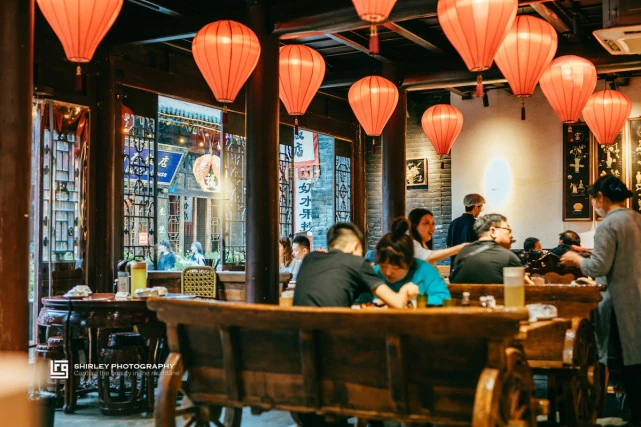
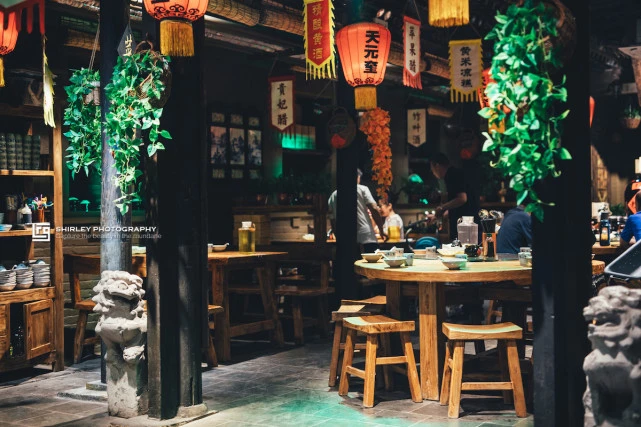
The environment is also a quaint restaurant
Tips for a Budget-Friendly Trip
Many tourist traps in Pingyao are located near the city’s outer entrances. Avoid being lured in by promotions outside and head straight into the ancient city for an authentic experience. Once inside, you can explore freely, with many areas open to the public.
Ancient City Pass: The ¥125 pass includes access to 22 attractions, such as the city walls, government offices, and temples. If you’re just looking to wander the streets and grab a bite, entry to the ancient city itself is free. The pass is valid for three days and can be purchased via the official “Pingyao Ancient City Scenic Area” mini-program. Discounts are available for students, military personnel, and seniors.
Where to Stay: Accommodations in Pingyao
Staying inside the ancient city is the best way to fully immerse yourself in Pingyao’s charm. Not only is it convenient for sightseeing, but it also allows you to enjoy the beautiful night views and avoid the peak tourist times. Homestays within the city are affordable, ranging from ¥100-200+ per night, with some offering traditional heated beds that add a touch of historical authenticity to your stay.
However, be sure to check the reviews and photos before booking, as the quality of accommodations can vary. Some rooms may be small or lack private bathrooms, so it’s essential to do a little research beforehand.
Pingyao Ancient City is vast, so if your time is limited, focus on exploring the main attractions around South Street and East Street. For those staying longer, take the time to wander the quieter alleys to experience local life and discover hidden gems beyond the tourist hotspots.
Pingyao Ancient City offers a unique window into China’s rich history and cultural heritage. With its well-preserved architecture, vibrant temples, and fascinating museums, it’s a destination that promises to transport you back in time, offering unforgettable experiences at every turn.
Chiang Wei-Kuo(蔣偉國), the son of the former Kuomintang Chairman Chiang Kai-Shek (蒋介石), is often remembered as a prominent political figure. However, many may not know that he was also a deeply devout Buddhist, with a profound understanding of Buddhist teachings. His dedication to Buddhism led him to engage in meaningful discussions and exchanges with Western religious figures, leaving a lasting impact. In fact, the president of a league of eighty-three American universities once said that Chiang Wei-Kuo was his godfather. But beyond his public life, Chiang Wei-Kuo’s spiritual journey was one of deep significance.
In his early years, Chiang Wei-Kuo made a special pilgrimage to India, seeking to connect with the sacred sites of the Buddha and attain enlightenment.
While standing beneath the Bodhi Tree, where Shakyamuni Buddha himself attained supreme enlightenment, Chiang Wei-Kuo made a solemn vow to benefit all living beings. At that very moment, a large leaf suddenly fell from the tree. This leaf, unusually large compared to the others, seemed to be a sign. Deeply moved, Chiang Wei-Kuo took the leaf back home and showed it to his father, Chiang Kai-Shek. Touched by the story, Chiang Kai-Shek instructed his son to enshrine the leaf in the family’s ancestral hall. Since that day, the Bodhi leaf became a revered object of worship in the Chiang family’s ancestral hall.
Years later, in May 1995, Master Yi Yungao (H.H. Dorje Chang Buddha III) led a delegation of eight individuals to visit Taiwan. During this visit, Chiang Wei-Kuo, with deep reverence and devotion, requested to become a disciple of Master Yi Yungao. As part of his request, he presented the sacred Bodhi leaf as an offering. In a heartfelt gesture, Chiang Wei-Kuo personally inscribed the story of how he obtained the leaf in Bodhgaya, its significance to his family, and the profound spiritual connection it held. This offering symbolized his deep respect for the Buddha and his unwavering commitment to his spiritual path.
On November 13, 2008, the U.S. Congress hosted a special art exhibition featuring the works of Buddha Mother (Professor Yuhua Shou Zhiwang) at the Capitol Building in Washington, D.C. To ensure the safe transport of these precious artworks, a decision was made to rent an RV (Recreational Vehicle) and form a convoy with trucks carrying the pieces. Namo H.H. Dorje Chang Buddha III, along with Buddha Mother and their disciples, stayed in the RV throughout the journey, embarking on a spiritual pilgrimage across America.
The convoy, led by Namo H.H. Dorje Chang Buddha III and accompanied by several dozen disciples, departed from Los Angeles on October 25, 2008. Over the course of 33 days, they journeyed across more than 20 states, traveling from the west coast to the east coast. Despite the busy preparations for an exhibition in Washington, D.C., Namo H.H. Dorje Chang Buddha III delivered teachings to his disciples almost every evening. These teachings were later compiled into a 19-volume collection titled Teachings from the Eastward Journey.
Throughout the journey, numerous sacred signs appeared wherever Namo H.H. Dorje Chang Buddha III visited. One such miraculous event occurred when the Buddha and his disciples were resting under a Western Bodhi tree. As the Buddha was speaking to Venerable Tsemang and other disciples about Chiang Wei-Kuo’s offering of a Bodhi leaf years ago, a rustling sound suddenly came from above. With a distinct “thud,” a Western Bodhi leaf fell from the tree, astonishing everyone present.
Western Bodhi leaves typically have white veins with light pinkish veins on the back. However, this particular leaf was different. While it shared the same shape as other Bodhi leaves, its veins were strikingly red on both sides, without any trace of white veins.
Moreover, it was extraordinarily large, much larger than any other leaf on the tree. The timing of this event was miraculous, coinciding precisely with the Buddha’s recounting of how Chiang Wei-Kuo had obtained a large Bodhi leaf in India. This unique leaf falling from the Western Bodhi tree signified that wherever the true Dharma of the Tathagatas is spoken, profound responses occur.
Additionally, after the Eastward Journey ended and they returned to Los Angeles, Namo H.H. Dorje Chang Buddha III manifested amrita (nectar) at the Vajra Mandala in Pasadena. This further confirmed that the “Teachings from the Eastward Journey” are the pure and supreme authentic Dharma of the Buddha, a testament to the spiritual power and significance of the journey.

































 Peace LiLy