Healing in the Mountains: How Hiking and Forest Bathing Restore the Soul

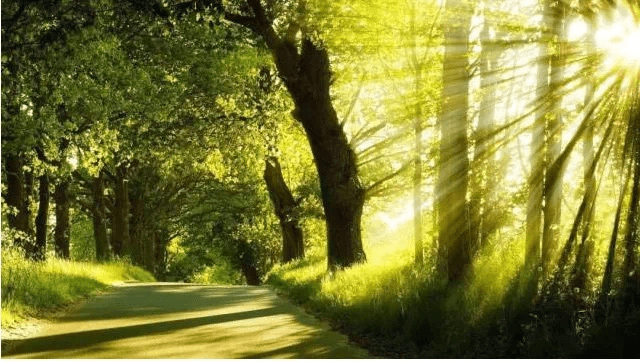
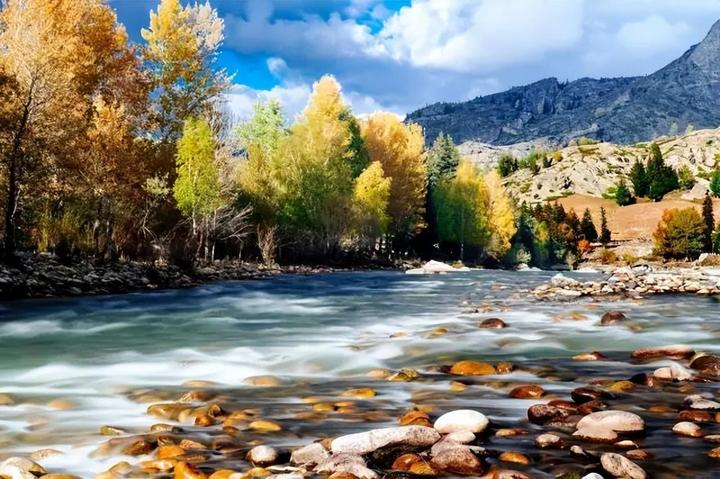
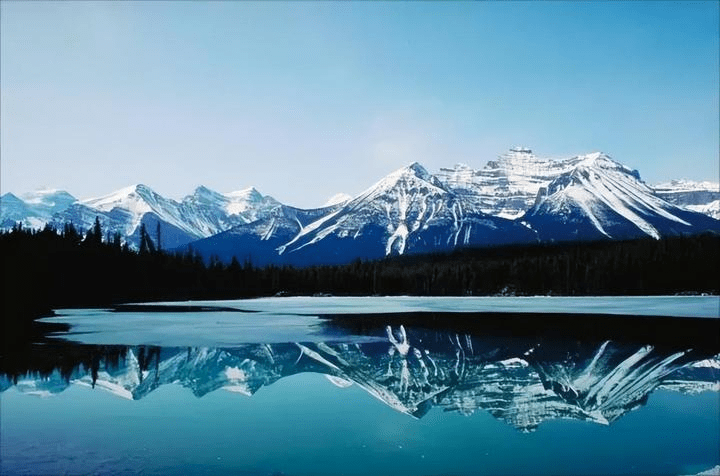
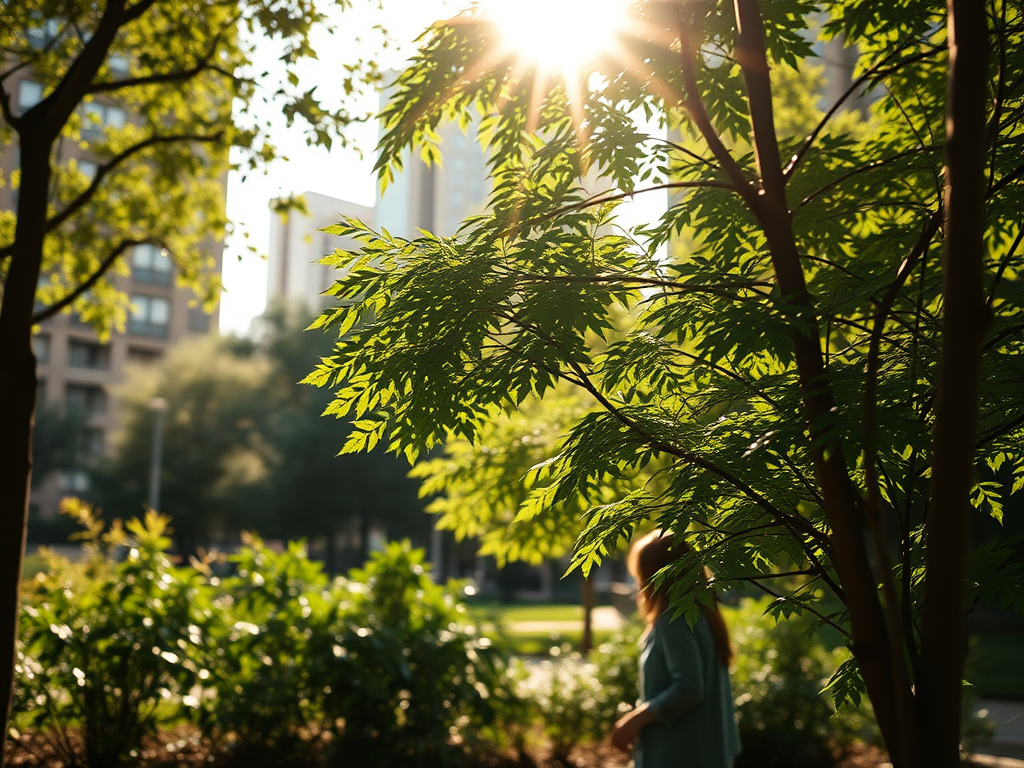
I have always loved being close to nature, and one of my greatest joys is walking through the forest. Living in Santa Cruz, I am surrounded by beautiful woods and mountain trails. Each time I wander beneath the trees and along winding paths, I arrive at the end feeling lighter, calmer, and deeply refreshed—as if my body and mind have been fully recharged.

I once came across an interesting idea:
Mountains are places where we gain energy, which is why after hiking, we often feel alert and invigorated. Water, on the other hand, carries energy away. This may explain why spending long hours by the ocean or a lake can leave us feeling tired. Yet water also washes away emotional heaviness. When we feel sad, restless, or overwhelmed, a walk by the sea often brings a sense of release and ease.

Energy is constantly flowing through nature. We are simply quiet participants, allowing the natural world to gently adjust our inner frequency.

Discovering “Forest Bathing”

Recently, I was delighted to learn that the Japanese have a word that perfectly describes this healing experience: forest bathing.

In Japanese, it is called shinrin-yoku:

  • Shinrin means forest
  • Yoku means bathing

Together, shinrin-yoku means “bathing in the forest,” or allowing our entire being to absorb the atmosphere of the woods. As early as 1982, Japan officially incorporated forest bathing into its national public health program as a form of preventive and therapeutic care.

Suddenly, I realized that every breath I took in the forest had always been quietly nourishing me.

Japanese researchers have conducted extensive studies on forest bathing and found remarkable benefits for overall well-being. Research shows that forest bathing can:

  • Reduce stress
  • Strengthen the immune system
  • Lower blood pressure
  • Support recovery after illness or injury
  • Improve mood and concentration

For me personally, its most immediate effect is simple yet profound—it quickly lowers stress and brings my heart back to a place of calm.

Forest bathing is very different from running or brisk walking. It is not about exercise or distance; it is about presence. The key is to slow down and fully engage all your senses:

  • Touch the bark of trees—rough or smooth
  • Watch sunlight dance through layers of leaves
  • Breathe in the scent of earth and greenery
  • Listen to the wind moving through branches
  • Find a place to sit and feel your connection with the ground

In the past, most of my hikes were intense, goal-driven, almost like completing a task. Since practicing forest bathing, I now schedule at least one slow, mindful walk each week. By slowing down, I have discovered beauty I once overlooked—and I can’t help but smile at how much I missed before.

There is a subtle yet powerful presence in the forest. It does not announce itself, yet it gently soothes the heart.

Perhaps it is the oxygen released by the trees.
Perhaps it is the steady, unhurried rhythm of the forest.
Or perhaps it is simply that, among the trees, we can finally hear our own breath again.

When we walk in the forest, there is nothing we need to accomplish. Nothing to force. Nature naturally helps our hearts soften, open, and grow brighter.

If you feel tired, anxious, or lost in the busyness of everyday life, I invite you to find a nearby mountain trail and give yourself the gift of forest bathing.

Let nature, in its quiet way, remind you:
You are doing your best—and you deserve to be healed. 🌲

Link:https://peacelilysite.com/2025/12/12/healing-in-the-mountains-how-hiking-and-forest-bathing-restore-the-soul/

The Most Beautiful and Magical Desert on Earth — Brazil’s Lençóis Maranhenses Desert

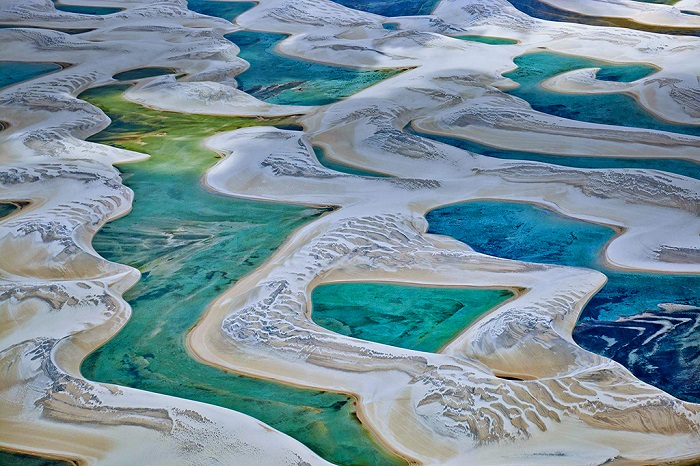
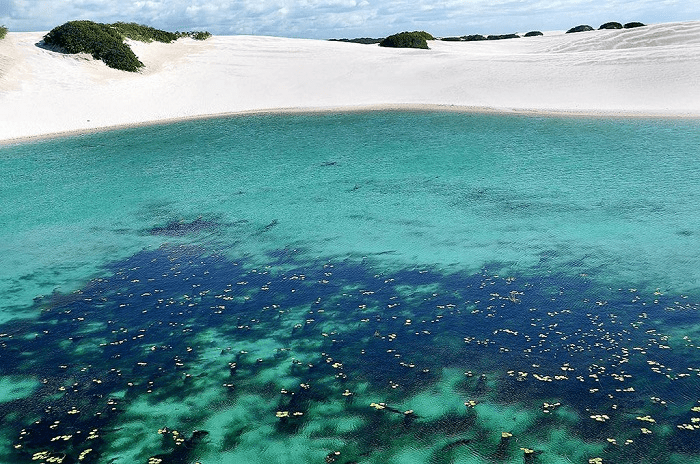
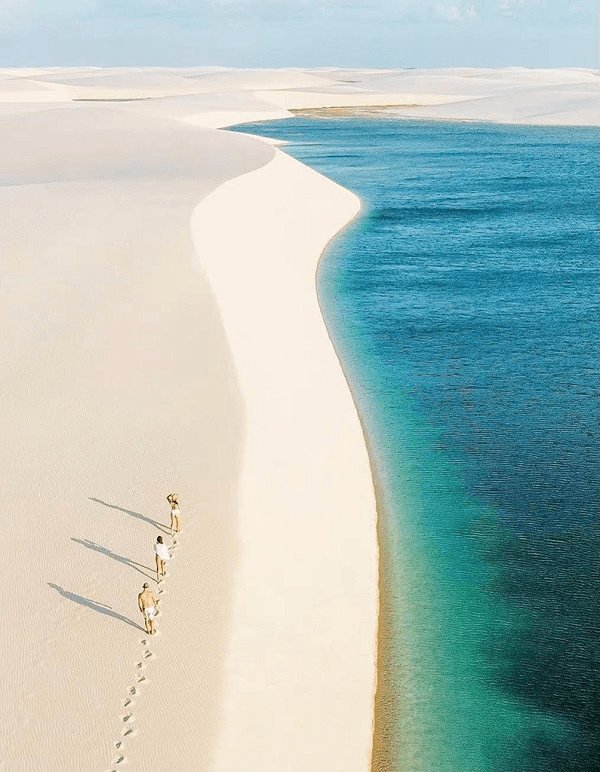
The world is vast and full of wonders—astonishing and rare phenomena that defy the imagination. One such marvel lies in Brazil: a desert with white sand dunes, turquoise and blue-green lagoons so clear you can see the bottom, filled with fish and shrimp, and set against the backdrop of breathtaking sunsets. This place seems like a paradise on Earth. It’s called Lençóis Maranhenses National Park, often hailed as “the most beautiful desert in the world.”

Unlike typical deserts, this one is dotted with thousands of lagoons formed during the rainy season, creating an extraordinary landscape of white dunes and vivid blue lakes—a natural masterpiece that amazes all who see it. You may have been lucky enough to visit, or perhaps not, and maybe you’ll never get the chance to go. But today, I’m bringing this distant beauty to you. Even if you never travel 80,000 miles around the globe, you can still enjoy the most spectacular visual experience.


A Celestial Land on Earth — The Desert of a Thousand Lakes

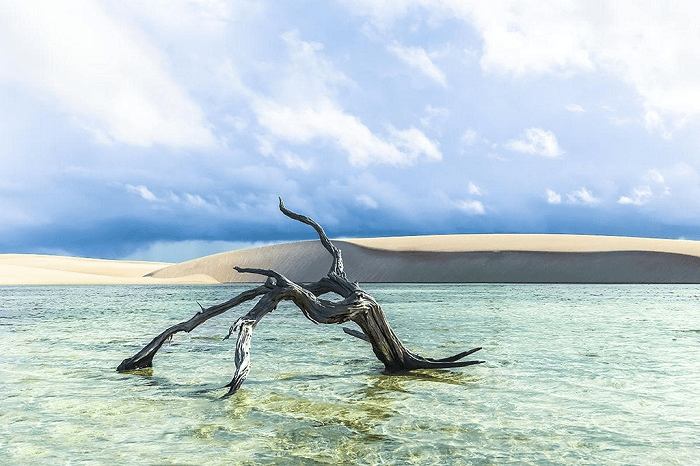
When people think of deserts, they often picture vast, lifeless stretches of yellow sand under a scorching sun. Water is scarce in deserts, and the sight of numerous lakes teeming with aquatic life is almost unheard of. Yet, such a magical place does exist on Earth—a place where endless deserts and crystal-clear water coexist. In this desolate land, fish and shrimp thrive. Aptly named the “Desert of a Thousand Lakes,” it is the wettest desert in the world and will completely change your perception of what a desert can be.

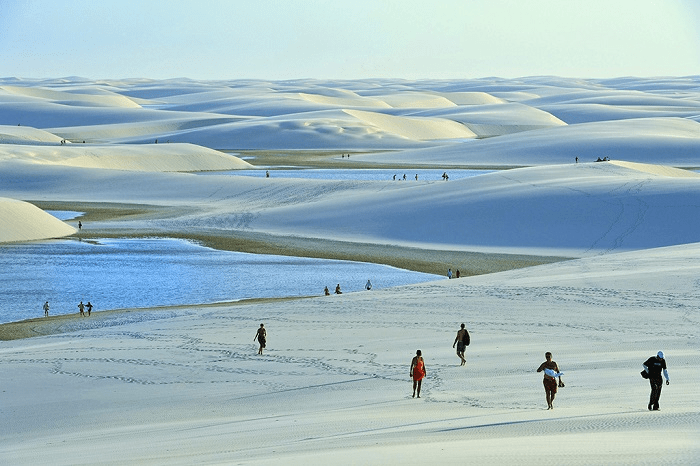
Located in Maranhão state in northern Brazil, just east of São José Bay and bordering the Atlantic Ocean, this desert spans 1,500 square kilometers. Despite its abundant rainfall, it has little vegetation, making it a rare desert landscape in northern South America. Scattered across the white sea of sand are countless lagoons of various sizes and colors. Fish and crabs can be seen swimming in the water, and the location is perfect for watching the sunset. Immersed in this surreal landscape, one visitor said: “So eerily beautiful, it’s breathtaking.”


How the Desert Lakes Are Formed

During the rainy season, valleys between dunes fill with rainwater, creating temporary lagoons that can reach depths of up to 3 meters. Every year, thousands of tourists from around the world flock here to witness this rare phenomenon. The white dunes and turquoise lagoons interlace like a massive piece of emerald from afar. Sparkling fish swim in the clear waters, while shepherds lead flocks over tall dunes and fishermen head out to sea under star-filled skies.

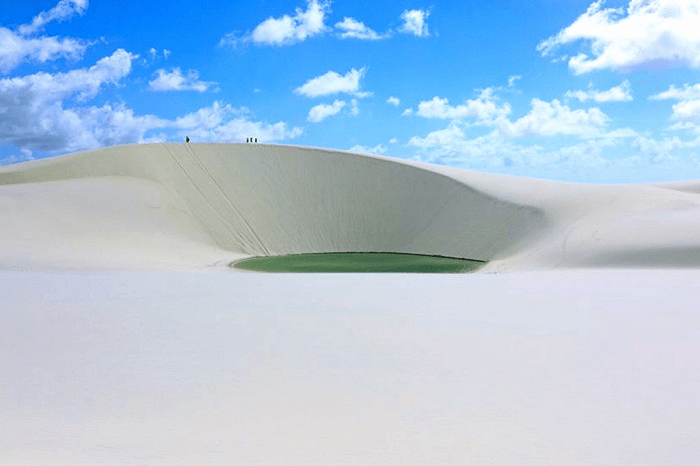
As the rainy season ends, the equatorial heat begins to evaporate the water. The lagoons can lose up to a meter of water per month, and during the dry season, they vanish completely, leaving only dry sand. Yet the dry season has its own unique beauty, with shimmering white waves of sand stretching to the horizon. From above, the crescent-shaped dunes resemble giant, sun-bleached linen sheets—hence the name “Lençóis Maranhenses,” meaning “sheets of Maranhão” in Portuguese.

This unique landscape is the result of geography and weather. With an annual rainfall of 1,600 mm—300 times more than the Sahara—rainwater is trapped beneath the sand by an impermeable rock layer, forming lagoons in shades of blue, green, and black. Nearby rivers carry heavy sediment, which is deposited at their mouths. In the dry season, strong coastal winds blow the dry sand inland, gradually creating this desert over time.


Situated along Brazil’s northeastern coast, Lençóis Maranhenses benefits from the country’s high rainfall, thanks to the world’s largest tropical rainforest. This abundance of water gives rise to the unique scenery that makes it the most beautiful desert on Earth.

Originally called Lençóis Maranhenses, the desert is now more popularly known as the “Desert of a Thousand Lakes” and has been designated as a national park. Covering over 1,500 square kilometers, it stretches 50 kilometers inland from the dunes to the beach. The landscape is so striking that it captivates every visitor. In this place, where you would expect lifeless sand, there is water, fish, and thriving life. It’s a dream for photographers—every snapshot is like a cinematic masterpiece. You can hike with a backpack, camp, and swim in the lake that catches your eye. As the sun sets, the colorful clouds create a scene of pure magic.

A popular way to explore is by helicopter, which offers a 35-minute aerial tour across the desert. However, this misses the chance for a close-up experience. The best way is still to go in person.

From the state capital São Luís, it takes about 5 hours by car to reach Barreirinhas, the town closest to the desert. There are four daily bus services despite the high number of tourists. Barreirinhas is the main gateway into the heart of the desert.

We chose to enter the desert by water and exit by land. Riding a speedboat, we stopped at various scenic spots along the way. At a small town dock, we sampled a local fruit wine made from simply fermented mixed fruits—refreshing and unique, only $2 per glass.

At the desert’s edge, mangroves thrive, home to crabs, clams, and birds. The white sand dunes and blue lagoons make this place seem like paradise. It’s perhaps the world’s most surreal desert—where extremes meet: desert and lake, dry and wet. From afar, the landscape looks like a massive jade in white and green.


Nature’s Secrets of the Desert

From January to June, heavy rainstorms occur almost daily. Instead of soaking into the sand, the rainwater collects in valleys between the dunes. These clear, sky-colored lagoons can appear bright blue, turquoise, or even golden at sunset. Teeming with fish and shrimp, people come here to fish, swim, or just enjoy the view.

Vegetation is sparse, as the sand has buried most of it over millennia. Under intense sun, surface temperatures can reach 80°C. The local name “Lençóis Maranhenses” captures the look of the dunes—like stretched, sun-dried linen sheets.


A Paradise of Adventure and Beauty

Thousands of lakes with different shapes and depths dot the desert, each reflecting a different color—deep blue, light green, or even reddish-brown when covered in algae. Locals give the lakes poetic names like Blue Lake, Love Lake, and Lake of Hope, reflecting their dreams and sentiments.

The most popular lakes, Blue Lake and Green Lake, are near Barreirinhas. Known locally as the “big sheet” and “small sheet,” Blue Lake is the largest, deepest, and most vibrant—and full of fish and crabs. Swimming here is not only refreshing but also offers a playful interaction with the aquatic life.

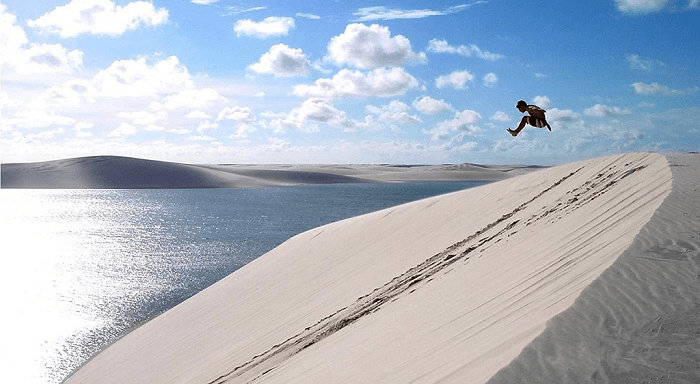
By day, the desert becomes a massive water park. You can pose for stunning photos, go on desert hikes, ride off-road jeeps with guides, or climb a dune and race down for thrills. You can even enjoy natural water slides and rafting in lake channels.

At peak water levels, adrenaline-seekers come here for kite surfing—an extreme sport powered by large kites that’s challenging but exhilarating. As dusk falls, the desert becomes a living oil painting.


Aerial Views and Jungle Adventures

For a different perspective, take a helicopter tour (about $130 USD per person) to see the lunar landscape of crescent dunes from the sky. It truly looks like linen sheets blowing in the wind.

Besides the lakes and dunes, you can explore nearby rainforests by boat, visit playful monkeys, climb lighthouses for panoramic views, or ride ATVs across the dunes, sip fresh coconuts, and savor uniquely flavored Brazilian grilled shrimp.


Final Thoughts

The Desert of a Thousand Lakes is a once-in-a-lifetime experience. During the rainy season, it transforms into an otherworldly wonder, where desert and water form a surreal harmony. But this miracle lasts only a few months each year—June and July are the best times to visit, as the lagoons are at their fullest before they begin to evaporate with the arrival of the dry season.

This desert defies logic and reshapes your understanding of the Earth. If you ever have the chance to go, don’t hesitate. It’s not just a journey—it’s a revelation.

Link: https://peacelilysite.com/2025/05/12/the-most-beautiful-and-magical-desert-on-earth-brazils-lencois-maranhenses-desert/

Source: http://m.cntgol.com/article/25758

Beyond Form: The Pure Expression of Color in H.H. Dorje Chang Buddha III’s Art

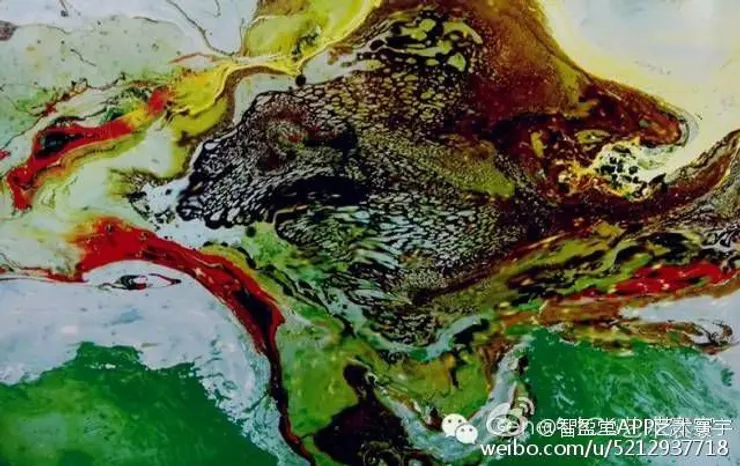
H.H. Dorje Chang Buddha III‘s Abstract Color Paintings create a perfect world shaped entirely by color. Free from concrete worldly forms, this realm exists purely through the interplay of hues—defining, expressing, and embodying itself in vibrant harmony. Here, color is both form and essence, radiating a mesmerizing aura.

Under the masterful hand of H.H. Dorje Chang Buddha III, these colors seamlessly merge into a breathtakingly enchanting spectrum. The atmosphere is dynamic, with scenes that bloom like flowers and surge with the power of the roaring sea. Yet, upon closer reflection, they reveal delicate nuances, refined in their intricate details.

Flower of Life

This painting depicts a unique flower, with delicate white petals gently unfolding and a striking red pistil at its center. Growing irregularly against a dark background, it seems to challenge its surroundings. Though unusual in appearance, this flower carries a profound meaning of life, symbolizing resilience and beauty in adversity. It is not only a miracle of nature but also a representation of vitality, showcasing the brilliance and diversity of life. Each petal tells a story, drawing the viewer into the emotions and strength conveyed by the artwork.

Flower of Life (2)

In this painting, intricate patterns and clear details intertwine, portraying the harmonious growth of various living beings. Each element seems to narrate the origins of life, allowing viewers to deeply sense the evolutionary process of all things.

This artwork is not merely a depiction of nature but also a contemplation of the essence of life. It serves as a reminder that life is in a constant state of growth and transformation, just like our own journeys. Every challenge and breakthrough we experience is an essential part of our personal development.

Through this piece, we are invited to reflect on our own lives and feel a profound connection with nature.

You can discover a selection of the exceptionally charming paintings in the permanent exhibition at The International Art Museum of America, situated in downtown San Francisco.

Everything Has a Spirit: The Heartwarming Tale of GiGi the Great Horned Owl

In a world where every creature carries a spirit, we often find ourselves reminded of the profound connections we can share with the beings around us. This truth was beautifully illustrated in the story of GiGi, a majestic great horned owl who faced the brink of death but found hope through the kindness of a stranger.

GiGi’s journey began in May, 2016 when she was brought to the Wild at Heart Rescue in Mississippi after suffering severe head trauma, likely from a car accident. She arrived with a massive concussion, weight loss, and a serious respiratory condition known as aspergillosis. Missy Dubuisson, the founder and director of Wild at Heart, described GiGi’s condition as one of the most critical the rescue had ever encountered.

Despite her dire situation, there was one person at the rescue who could help GiGi regain her strength: Douglas “Doug” Pojeky, affectionately known as the “birds of prey whisperer.” Dubuisson noted, “In all my years of working with birds of prey, I have never seen someone with such a bond with these magnificent birds.” Under Pojeky’s dedicated care, GiGi began her remarkable recovery, transitioning from a fragile state to regaining her independence.

The bond between GiGi and Pojeky deepened as she learned to trust him. When he returned from a trip to Michigan, the reunion was nothing short of magical. GiGi’s excitement was palpable; she bobbed her head and danced on his arm before making her way to his chest for a heartfelt embrace. In that moment, with her head resting on his shoulder and her wings wrapped around him, it was clear that their connection transcended words.

Pojeky shared that GiGi’s embrace held a special significance for him. Growing up, a great horned owl often perched on his family barn, a symbol of comfort and connection. On the morning of his father’s passing, that same owl was spotted overlooking their farmhouse. “For some reason when that bird was hugging me, all I could think of was my dad,” he reflected, highlighting the deep emotional ties that can exist between humans and animals.

As GiGi continued her recovery, she was eventually released back into the wild. Yet, she had Pojeky by her side—a testament to the love and compassion that can thrive even in the face of adversity. Dubuisson remarked, “It literally brings tears to my eyes to watch him interact with these birds. They absolutely know him and trust him. It’s the trust that you see in her face.”

GiGi’s story serves as a powerful reminder that every being has a spirit and that our efforts to help and protect others—whether human or animal—bring profound joy and fulfillment. Let us strive to extend our hands and hearts to those in need, for in doing so, we not only uplift others but also enrich our own lives in ways we may never fully comprehend.

Link:https://peacelilysite.com/2025/02/14/everything-has-a-spirit-the-heartwarming-tale-of-gigi-the-great-horned-owl/

Source: https://www.thedodo.com/gigi-owl-hugs-rescuer-1843393092.html

The Majestic Ginkgo Tree: A Symbol of Beauty and Spiritual Significance

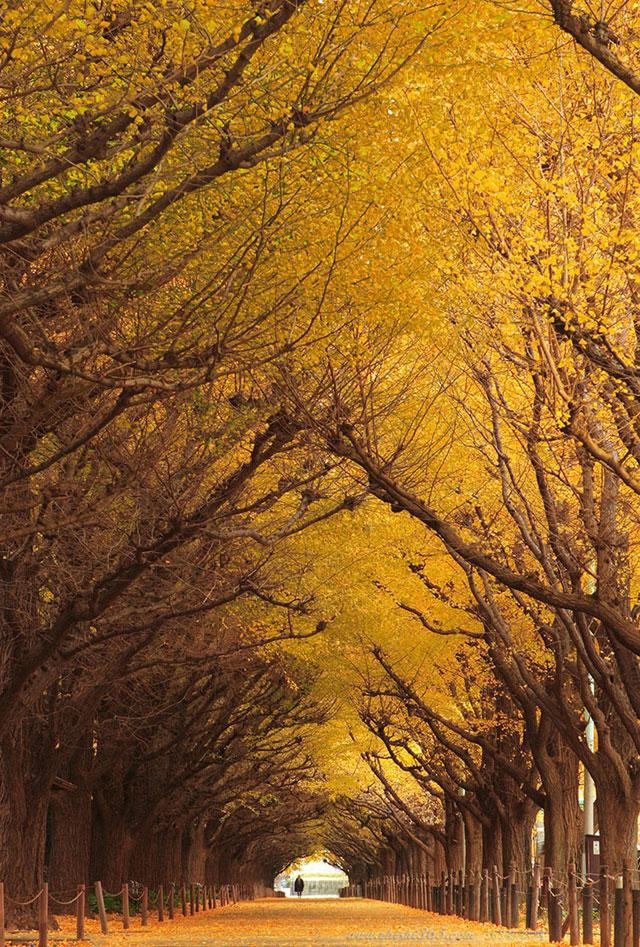
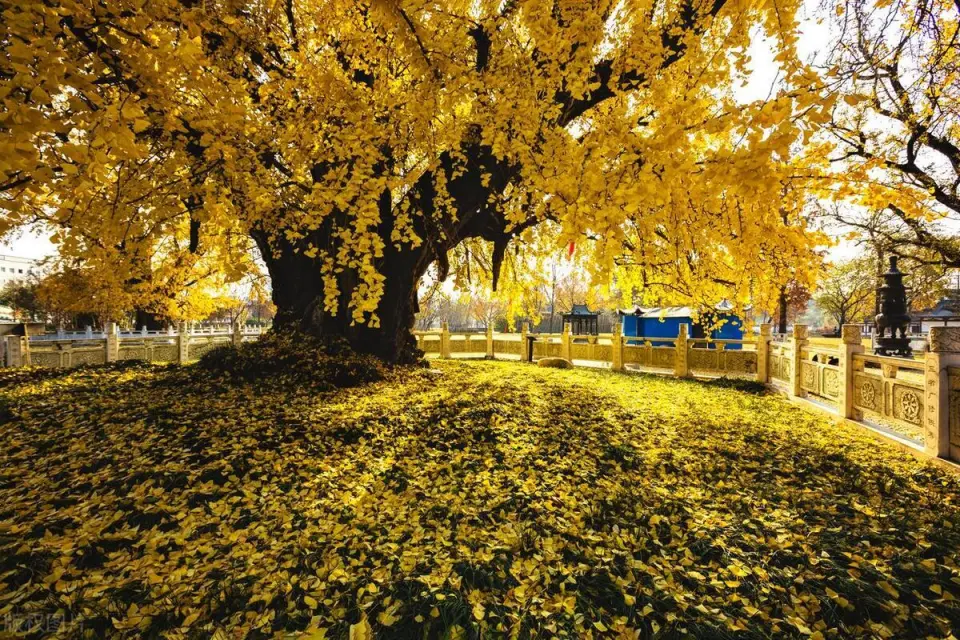
Autumn is often called “Golden Autumn,” a name inspired by the vibrant yellow hues of trees and plants that adorn the season. Among them, the ginkgo tree stands out, its radiant golden leaves creating a spectacle often described as “magnificent” and “resplendent.” This season marks the peak of the ginkgo tree’s beauty, transforming landscapes into breathtaking golden vistas.

A Living Fossil of Resilience

The ginkgo tree, also known as Ginkgo biloba or the “maidenhair tree,” is a living fossil, dating back over 150 million years. It is the sole survivor of an ancient plant lineage, standing tall as a testament to nature’s endurance. With its unique fan-shaped, two-lobed leaves that turn brilliant yellow in fall, the ginkgo has earned its place as a symbol of both beauty and longevity.

This ancient tree boasts remarkable regenerative powers. Mature ginkgo trees often give rise to thriving saplings, symbolizing vitality and the continuation of life. In Chinese culture, this resilience is likened to familial prosperity, embodying aspirations for blessings and generational success.

Medicinal Value and Modern Research

Beyond its aesthetic appeal, the ginkgo has significant medicinal properties. Traditional Chinese Medicine (TCM) uses its leaves and seeds for various remedies. Today, modern science highlights ginkgo leaf extract for its rich antioxidant content and potential benefits for brain function, circulation, and overall well-being.

A Sacred Symbol in Buddhism

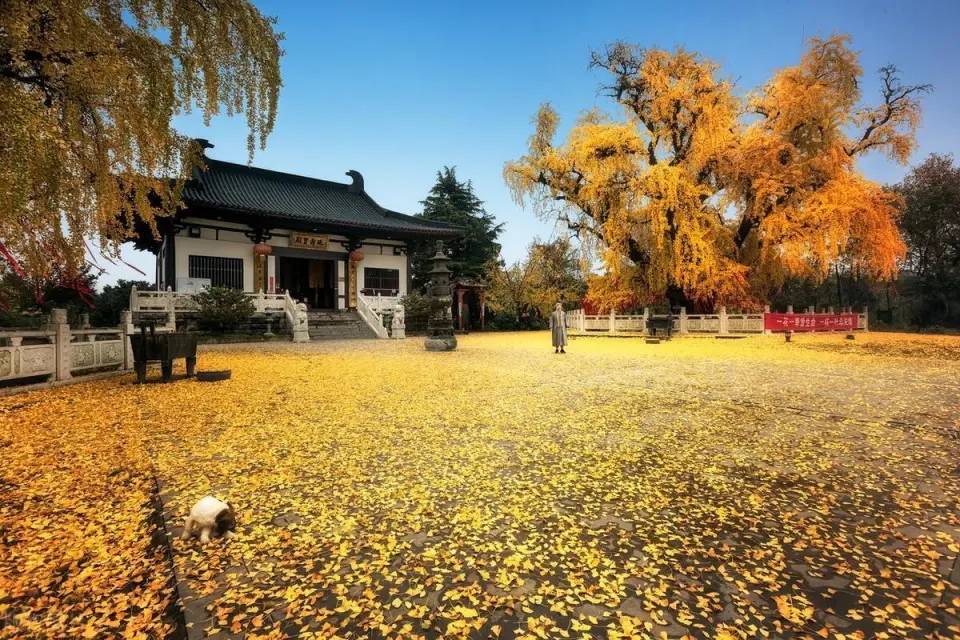
In Chinese tradition, the ginkgo tree holds deep cultural and spiritual meaning. It symbolizes purity, endurance, and good fortune. Within Buddhism, the ginkgo is revered as the “Buddha tree,” representing enlightenment and spiritual resilience. Its longevity and abundant fruit make it a substitute for the sacred Bodhi tree in many temples.

During autumn, the ginkgo’s golden canopy creates a serene atmosphere in temple grounds, harmonizing with the red walls and golden roofs. This visual splendor evokes reverence and awe, inspiring mindfulness and devotion among practitioners.

ws.cc/zh-my/travel/3jqb9gy.html

Ginkgo Tree at Xi’an’s Guanyin Zen Temple: A 1,400-Year-Old Beauty

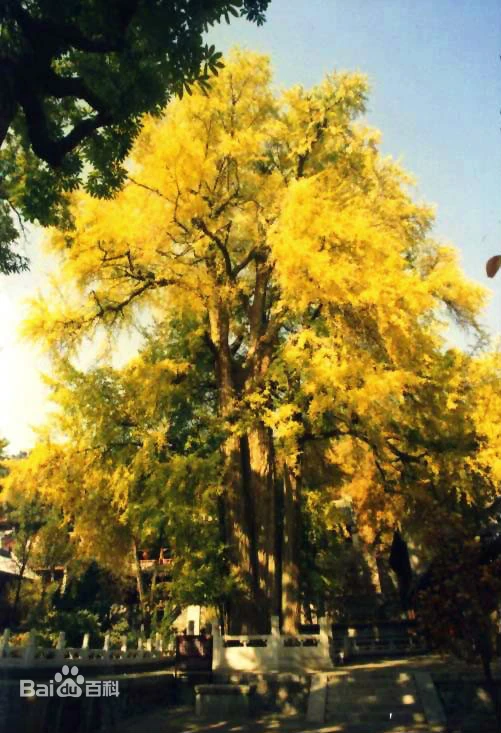
The Thousand-Year-Old Ginkgo Tree at Tanzhe Temple, titled the “Emperor Tree” by Emperor Qianlong of the Qing Dynasty, is an extraordinary natural treasure. Standing over 24 meters tall with a trunk diameter exceeding 4 meters, it takes six or seven people joining hands to encircle its massive base. The tree’s canopy spans an area of more than 600 square meters, providing ample shade. Estimated to be over 1,300 years old, this tree is a testament to resilience and history.

Ginkgo Tree at Tanzhe Temple

Dinghui Temple, a favorite spot for Suzhou residents to photograph ginkgo trees, is home to two towering, century-old ginkgo trees standing prominently in front of the main hall. In autumn, their golden leaves cascade to the ground, creating a dazzling and picturesque scene. (photos from https://news.qq.com/rain/a/20231105A07FBH00)

Suzhou City: DingHui Temple

At the ancient Huiji Temple, Nanjing City, three venerable ginkgo trees, each over 1,500 years old, grace the temple grounds. As autumn arrives, their golden leaves blanket the treetops, creating a breathtaking contrast against the temple’s white walls and dark-tiled roofs. The scene resembles a magnificent ink-wash painting, captivating visitors with its timeless beauty. (photos from https://news.qq.com/rain/a/20231105A07FBH00)

Artistic and Symbolic Significance

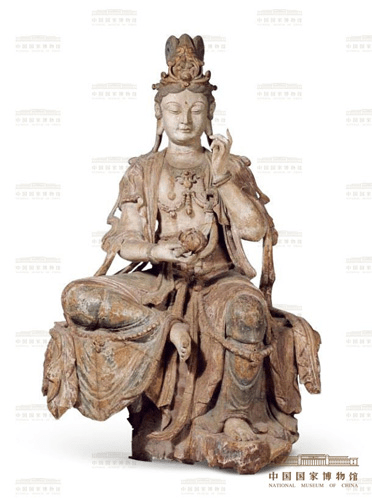
The ginkgo tree’s durable and fine-grained wood is prized for carving Buddha statues, earning it the moniker “Buddha’s fingernail.” Its leaves, resembling flames, symbolize light and warmth. In Buddhist tradition, the golden hue of ginkgo leaves reflects the nobility and purity of the Buddha’s body, which represents eternal light and wisdom.

The Buddha’s golden body, seen as untainted and impervious to worldly suffering, mirrors the ginkgo’s enduring nature. Similarly, the Buddha’s radiance is believed to dispel darkness, illuminate ignorance, and guide all beings toward compassion and enlightenment.

A Tree of Light and Legacy

The ginkgo tree, with its awe-inspiring beauty and profound cultural significance, is more than just a tree—it is a symbol of life, hope, and spiritual awakening. Its golden leaves remind us of the light within, inspiring resilience and reverence for nature’s timeless wisdom.

As we marvel at the ginkgo tree’s breathtaking beauty and the profound symbolism it holds, let it also serve as a gentle reminder of our responsibility to protect the natural world. These ancient trees, along with the countless wonders of nature, depend on our collective efforts to preserve their existence. By cherishing and safeguarding our planet, we ensure that future generations can continue to experience and draw inspiration from the harmonious balance and enduring wisdom of nature.

Link:https://peacelilysite.com/2024/11/20/the-majestic-ginkgo-tree-a-symbol-of-beauty-and-spiritual-significance/

Source:https://fo.china.com/fostory/20001207/20231214/25824463.html

Xinjiang’s Golden Tapestry: Exploring the Stunning Autumn Landscapes of China’s Northwest

As autumn quietly arrives on the vast land of Xinjiang, a stunning visual feast also begins. Autumn in Xinjiang is like a vivid, colorful painting, with every scene exuding its own unique charm.

If Tibet offers people a spiritual shock, then Xinjiang provides a visual impact.

This is the place in China where autumn’s colors are the richest, with vibrant hues blooming amidst alternating poplar forests, lakes, rivers, and deserts.

If you missed the lush greenery of summer, you definitely cannot miss the splendid autumn of Xinjiang. Below is a suggested itinerary for Northern Xinjiang.

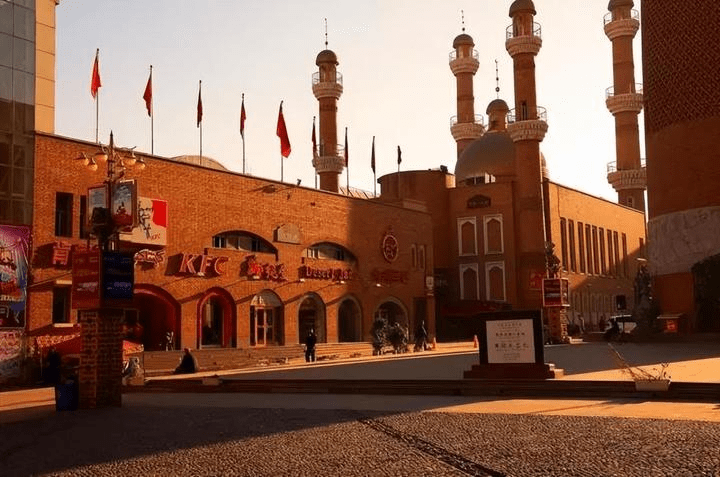
Day 1: Arrive in Urumqi, which can be reached via Urumqi International Airport. Upon arrival, explore the city with key places such as the Erdaoqiao International Bazaar, Hongshan Park, and the Xinjiang Uygur Autonomous Region Museum.

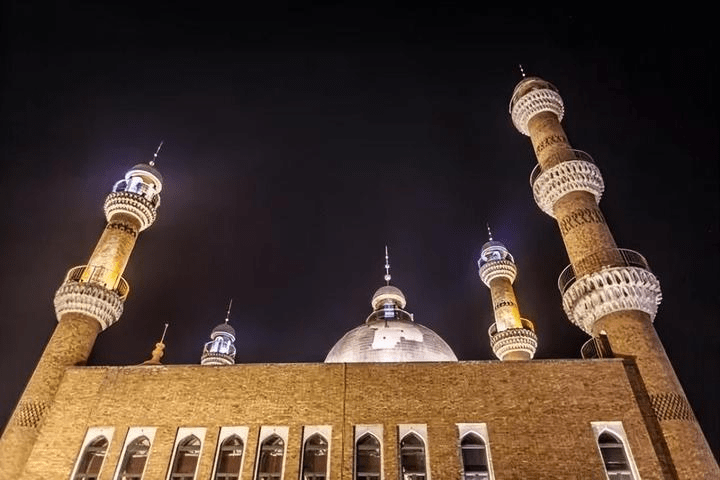
The International Bazaar is the largest bazaar in the world, combining Islamic culture, architecture, ethnic commerce, entertainment, and dining. It is known as the “Window to Xinjiang,” “Window to Central Asia,” and “Window to the World.” It symbolizes the prosperity of commerce and tourism in Xinjiang and serves as a scenic landmark in Urumqi, a city rich in ethnic diversity.

The architecture reflects a strong Islamic style, and while fulfilling modern functionality, it also recreates the historical glory of the ancient Silk Road. The bazaar showcases the deep ethnic characteristics and regional culture of Western China.

You can take Urumqi’s city rapid bus or BRT line 3 and get off at Erdaoqiao Station.Try Big Plate Chicken, baked buns, lamb kebabs, and hand-pulled rice to ignite your taste buds.

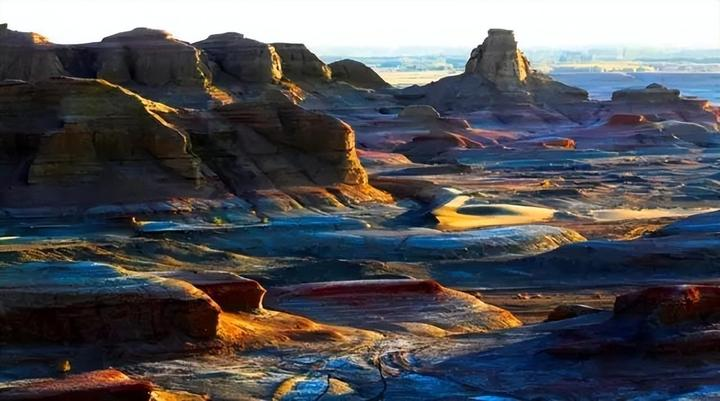
Day 2: Urumqi to Urho Ghost City, exploring the wind-eroded landscapes. Ghost City is also known as Urho Wind City.

It is a unique wind-eroded landform with bizarre shapes. The local Mongolian people call this place “Sulumuhaque,” and the Uygur people refer to it as “Shaytankarshi,” which means Ghost City. The Ghost City stands like a mighty castle in the vast Gobi desert.

This castle-like formation resembles pavilions, towers, corridors, streets, and even a demon’s treasure hall. On the western side of the city gate, there is a rock formation called the “Stone Monkey Gazing at the Sea,” and within the city, you’ll find the towering “Mount Fuji,” the temple-strewn “Angkor Wat,” the magnificent “Potala Palace,” and shapes that resemble a cobra, a roc, and other creatures. These scenes are incredibly varied and dazzling, forming a dreamlike maze.

From a distance, you’ll marvel at its grandeur and magnificence, praising nature’s incredible craftsmanship. Bathed in the glow of the setting sun, the Ghost City becomes a kaleidoscope of colors, resembling a medieval castle with uneven heights and intricate layers, creating a unique spectacle in the Gobi desert.

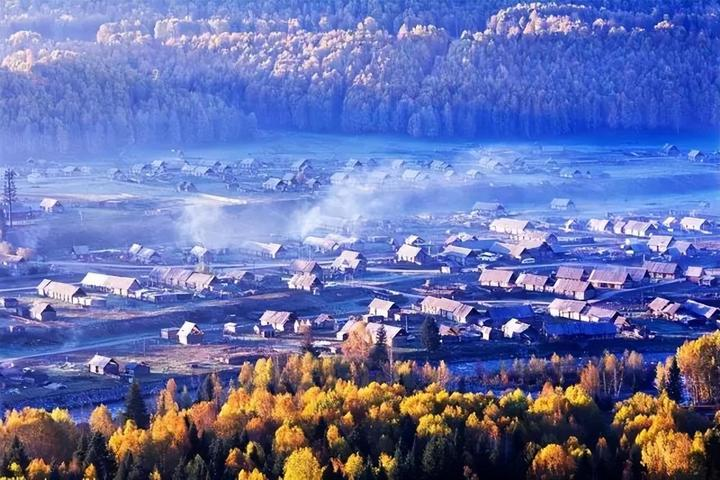
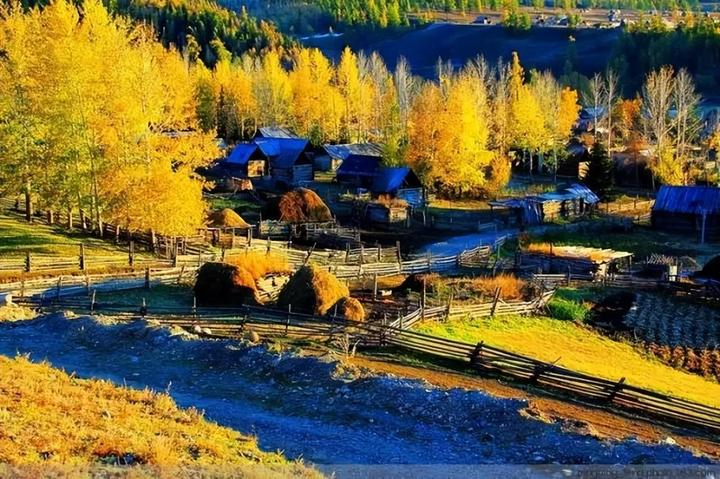
Day 3: Hemu Village, the most beautiful secluded village – Experience the traditional life of the Tuva people.

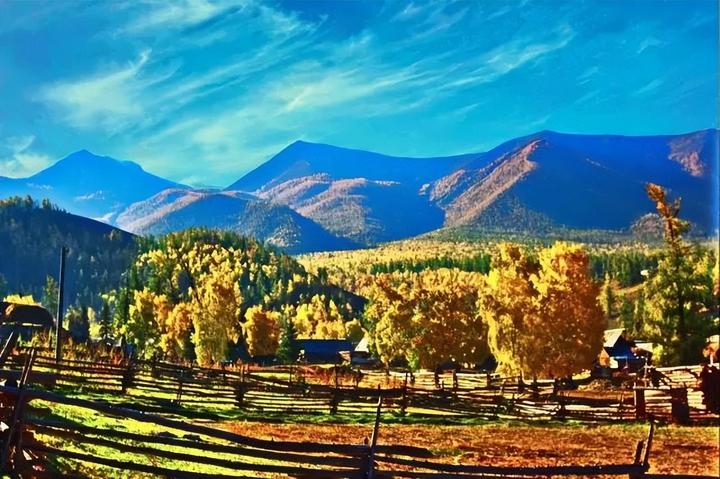
In autumn, the golden leaves of Hemu Village contrast beautifully with the rustic wooden houses. Walking along the village’s paths, the rustling of fallen leaves underfoot seems to whisper stories of the passing years. This is a great place to experience the life of the Tuva people. You can taste local delicacies, enjoy traditional singing and dancing, and immerse yourself in the charm of their unique culture.

Nestled in a vast open area surrounded by mountains, Hemu Village lies quietly, with the Tuva people’s pointed wooden houses and livestock pens scattered casually throughout the village.

A faint mist forms a winding white ribbon above the forest, drifting between the village and the mountains. The most captivating aspect of Hemu Village is its stunning autumn scenery, where mountains covered in red foliage are breathtaking. Smoke rises slowly through the autumn colors, forming a dreamy mist that makes the village look like a fairyland.

Day 4: Kanas – Immersing in the breathtaking scenery of lakes and mountains.

Kanas is one of the world’s rare “earthly paradises.” Its unparalleled beauty is something that even the best photography skills cannot fully capture.

Kanas combines the grandeur of northern landscapes with the delicate charm of southern waters. Additionally, there are other breathtaking spectacles such as the “Sea of Clouds with Buddha’s Light,” the “Color-Changing Lake,” the “Floating Wood Dyke,” and the “Lake Monster,” making it a true wonderland of the Western regions.

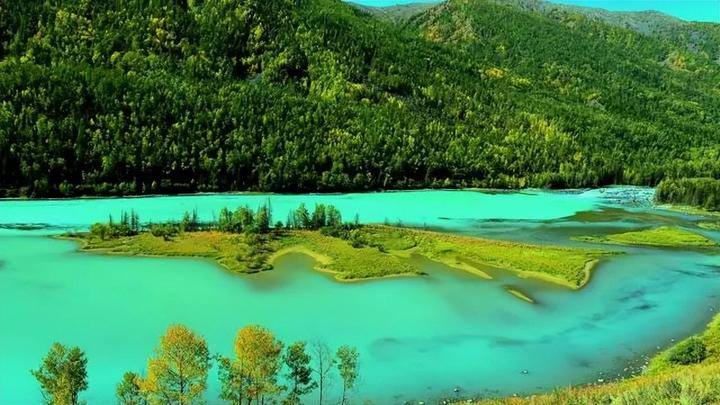
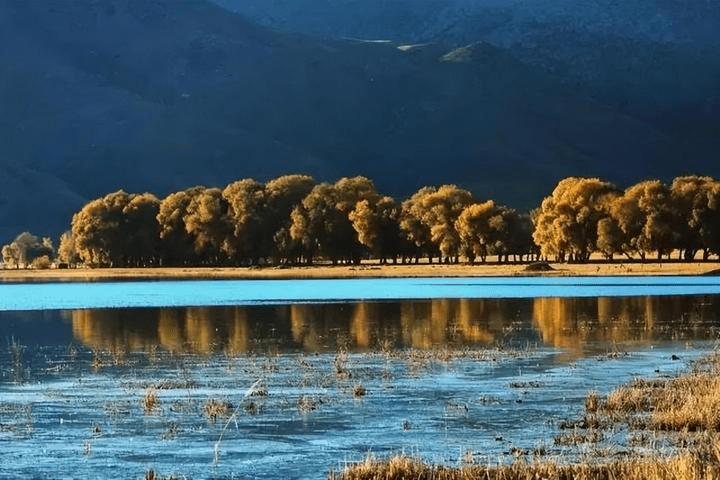
Kanas Lake: This lake, known as the “Earthly Fairyland,” reveals a unique charm in autumn. The lake’s water remains as emerald green as a gemstone, while the surrounding forests are transformed by autumn frost into a dazzling array of colors—fiery reds, golden yellows, and sunset oranges. These hues, set against the backdrop of a bright blue sky, form a breathtaking painting, as if nature itself had painted it with the finest brushstrokes.

Kanas Lake is an alpine lake nestled deep in the Altai Mountains’ dense forests. In 2009, it was named the “Most Beautiful Lake in China” by Chinese National Geography magazine.

Best time to visit: From June to early October.

Transportation: The Kanas Scenic Area has its own airport, and you can fly directly from Urumqi to Kanas. The flight takes about 50 minutes.

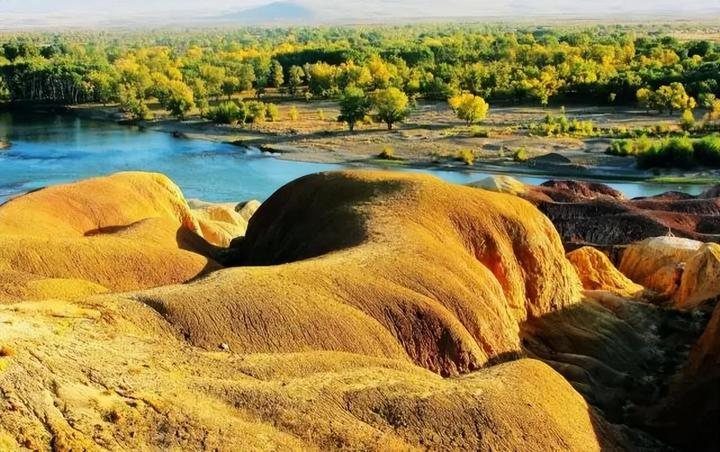
Day 5: From Baihaba to the Rainbow Beach, admire the colorful rocks and rivers.

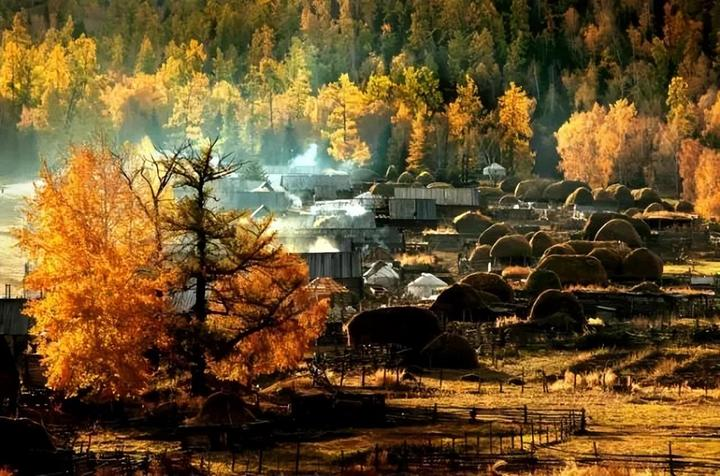
Baihaba Village, known as “the first village in the northwest,” faces the towering mountains of Kazakhstan in the distance. The dense golden pine forests of the Altai Mountains stretch all the way to Baihaba, where the villagers’ wooden houses and livestock pens are scattered harmoniously among the pine and birch forests, creating a peaceful and serene atmosphere. All of the village’s buildings are made of raw wood, with rustic log cabins as its signature feature, giving it the feel of a European-style village.

Baihaba Village: This place, known as “one of the eight most beautiful towns in China,” is especially breathtaking in autumn. The entire village is surrounded by golden birch forests, making it look like a golden fairy-tale world. The old wooden houses are scattered harmoniously among the trees, with smoke gently rising from the chimneys, creating a strong sense of rustic life.

At sunset and in the misty mornings, the smoke drifts lazily, while cows and sheep graze on the hills, painting a picture of harmony between humans and nature. If Kanas is a secluded, ancient paradise, then Baihaba is a fairy-tale world nestled in an untouched natural environment.

In the morning, immerse yourself in the rustic atmosphere on the grasslands of Baihaba. In the afternoon, head to the spectacular Rainbow Beach to admire Xinjiang’s most beautiful Yardang landforms. The hills here have unique geological features and display a variety of colors. At sunset, under the sunlight, the rocks primarily glow red, with shades of green, purple, yellow, white, black, and transitional hues, creating a vibrant and mesmerizing palette, which is why it’s called “Rainbow Beach.”

Whenever the wind blows, strange sounds of varying lengths and pitches echo from the gullies and beneath the rocks, adding a mysterious and otherworldly feel to the place.

Day 6: Keketohai – Enjoy the tranquility of lakes and forests.

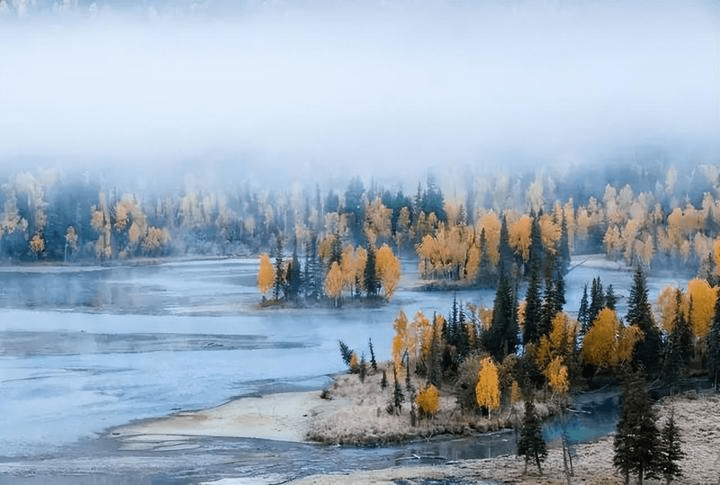
Keketohai Town is located 48 kilometers northeast of Fuyun County in the Altai Mountains, in northern Xinjiang Uygur Autonomous Region. In Kazakh, “Keketohai” means “green forest,” and in Mongolian, it means “blue river bend.”

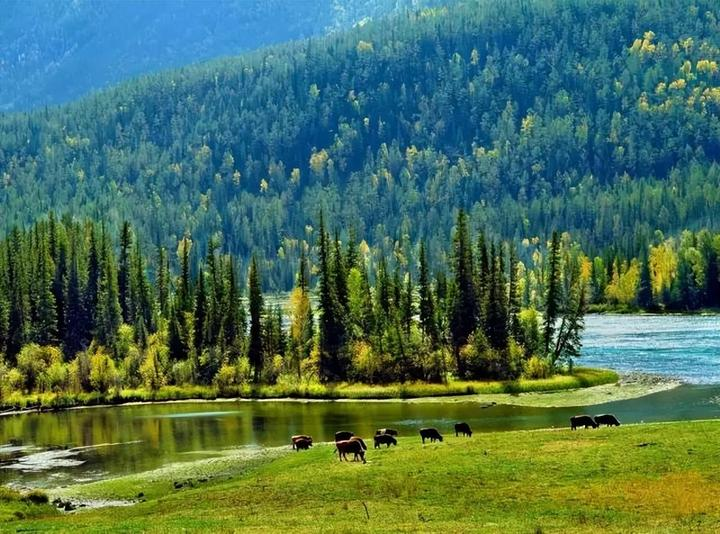
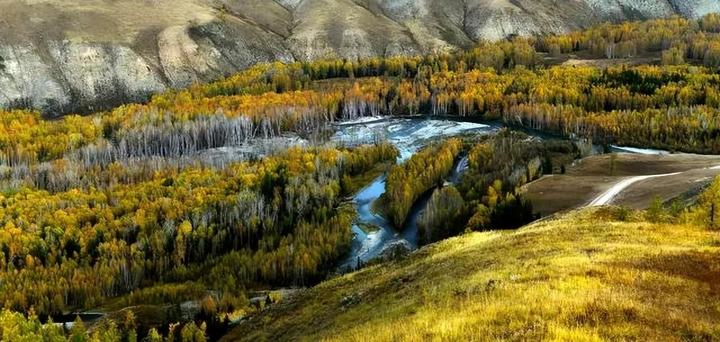
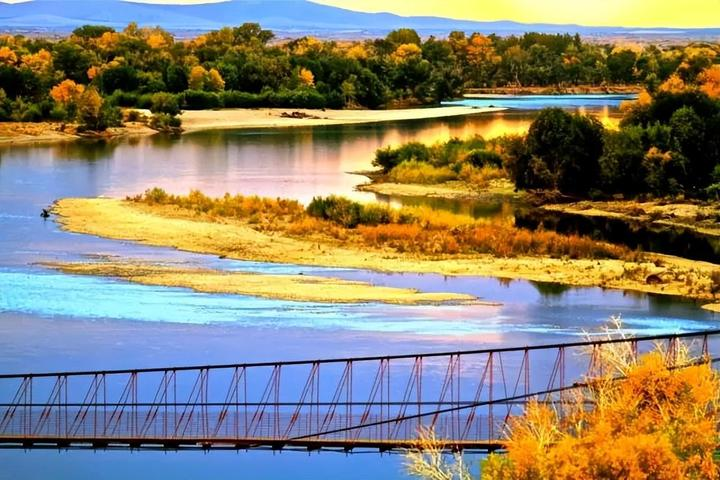
In autumn, the golden birch forests of Keketohai beautifully complement the clear river waters. The river flows gently, reflecting the stunning scenery on both banks, like a giant mirror. Strolling along the river, feeling the breeze and listening to the birds sing, fills one with a sense of peace and serenity.

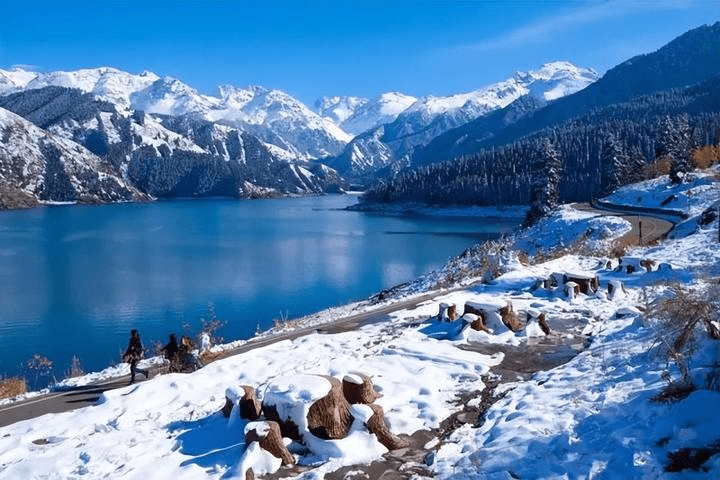
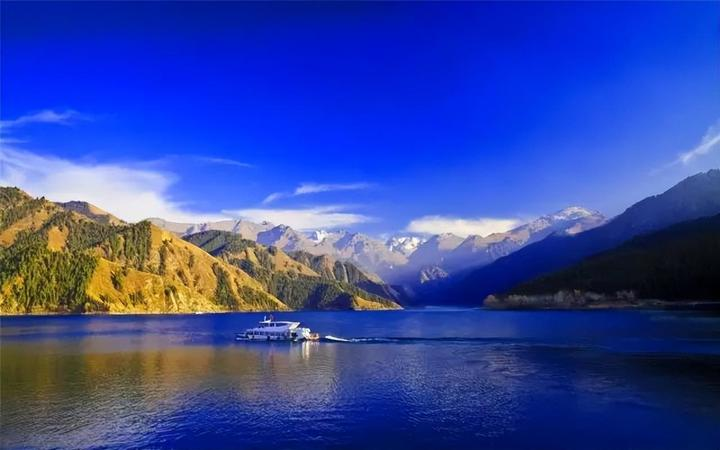
From here, you will have seen most of the beautiful autumn scenery in northern Xinjiang, and you can return to Urumqi to end your trip. If you have more time, you can visit Heavenly Lake (Tianchi) to admire the snowy mountains and emerald waters.

Heavenly Lake: A fairyland amidst the surrounding mountains.

Over the course of history, in the vast wilderness of China’s western regions, a place of extraordinary beauty emerged—Heavenly Lake in the Tianshan Mountains.

Historically known as “Jade Pool,” legend has it that King Mu of the Zhou dynasty traveled west and held a feast with the Queen Mother of the West here. In the Qing dynasty, during the reign of Emperor Qianlong, it was named “Tianchi,” meaning “Heavenly Mirror” or “Divine Lake.”

Heavenly Lake is an extraordinary and mesmerizing sacred site.

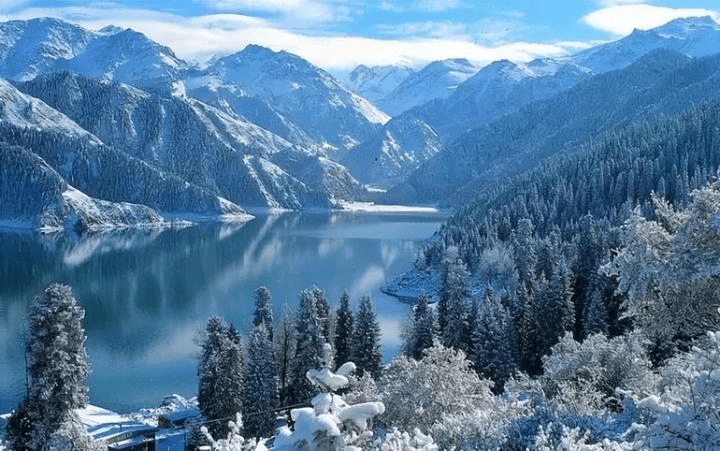
Its fame not only comes from the beautiful and mysterious legends associated with it throughout history, but also from its unique natural and cultural landscapes, renowned both domestically and internationally! The Bogda Peak of the Tianshan Mountains rises to 5,445 meters above sea level, its snow-covered glaciers extending throughout the year. The snowy mountains and the blue lake complement each other, creating breathtaking scenery. The surface of the lake is crescent-shaped, and the water is crystal clear, as pure as jade.

The snow-capped peaks reflect in the lake, surrounded by towering spruce trees, with the emerald waters as smooth as a mirror, forming a picturesque landscape. Encircled by mountains, the area is lush with green grass and vibrant wildflowers, earning it the title “Pearl of the Tianshan Mountains.” Tall, verdant spruce and pine trees cover the mountains and ridges, creating a dense forest canopy.

Link:https://peacelilysite.com/2024/10/18/xinjiangs-golden-tapestry-exploring-the-stunning-autumn-landscapes-of-chinas-northwest/

Source : photos from https://www.52hrtt.com/br/n/w/info/F1665986705929
“Dragon Carp Frolicking in the Lotus Pond”: A Masterpiece Beyond Time

Art has the power to transcend boundaries, evoke emotions, and stir the soul. One such masterpiece is “Dragon Carp Frolicking in the Lotus Pond”, created by H.H. Dorje Chang Buddha III. This extraordinary painting, executed with ink and color on paper, seamlessly blends freehand brushwork with meticulous detail. It has been rightfully hailed as a world-class “treasure of unparalleled excellence” and a “divine masterpiece.” Experts agree that this work surpasses conventional artistic techniques, reaching a level of spiritual depth that few can replicate.

At first glance, the painting’s lotus leaves and carp, rendered with freehand techniques, captivate the viewer with their delicate yet vibrant forms. The wide, majestic leaves appear to breathe, their veins subtly flowing and shifting in unpredictable ways. Bold strokes define the water grasses, infusing the scene with a palpable sense of movement. This is a world that feels “drawn from life, yet elevated above it.”

The lotus pods are painted with a playful, almost fantastical touch, while the decaying lotus stems evoke a vivid realism. The carp glide effortlessly through varying depths of water, with natural ripples enhancing the impression of life in motion.

What makes “Dragon Carp Frolicking in the Lotus Pond” so compelling is the swirling energy that permeates the entire composition. Fish, water, lotus leaves, flowers, ripples, mist, and lotus roots all come together as one. Every element is in harmony, creating a profound sense of vitality. The interplay between stillness and motion is masterfully orchestrated, with tension and fluidity imbuing the painting with a life of its own. The spiritual resonance of the ink and brushstrokes is so powerful that it touches the soul, offering a rare glimpse into the artist’s mastery.

H.H. Dorje Chang Buddha III’s ability to manipulate ink and water produces endless visual effects, creating an atmosphere where life itself seems to flow through the brush. The dragon carp, swimming through the water with ease, symbolize the very essence of vitality.

Compared to past masters, who captured the beauty of carp but failed to unite the fish with the water, H.H. Dorje Chang Buddha III elevates his work to a higher realm. His brushwork achieves perfect harmony between the fish and water, with the two becoming one in a symbiotic relationship that enhances both their liveliness and texture.

Traditional Chinese ink painting often uses blank spaces to represent water’s stillness, while lines suggest movement. “Dragon Carp Frolicking in the Lotus Pond” takes this concept even further, incorporating the refraction of light through the water’s surface and depths.

The dynamic light waves, combined with the seamless interaction of the carp and the ever-changing water, create a breathtaking depiction of the concept “fish finding their element.”

The true brilliance of this work lies in its extraordinary attention to detail and the artist’s mastery of brush techniques. From the texture of the carp’s scales to the intricate interplay between fish and water, every detail contributes to the painting’s vibrant spirit. This level of craftsmanship goes beyond what other media, such as oil painting, can achieve, making “Dragon Carp Frolicking in the Lotus Pond” a unique artistic treasure. Its spiritual resonance and profound beauty leave a lasting impression.

This painting is not just a visual masterpiece; it is a profound experience that speaks to the heart, a testament to the transformative power of art.

In 2016, there was already an offer of 60 million USD to purchase this painting. However, H.H. Dorje Chang Buddha III declined the sale, considering that once it was owned by a private collector, the public would have little opportunity to appreciate it. Currently, “Dragon Carp Frolicking in the Lotus Pond” is permanently displayed in the Master Artist Fish Hall at the  H.H. Dorje Chang Buddha III Cultural And Art Museum in Covina, California.

Link:https://peacelilysite.com/2024/10/10/dragon-carp-frolicking-in-the-lotus-pond-a-masterpiece-beyond-time/

#DorjeChangBuddhaIII # HHDorjeChangBuddhaIII#DorjeChangBuddha#Art# Artist #H.H.DorjeChangBuddhaIIICulturalAndArtMuseum#YunSculpture #Craftsmanship
#Dragon #Carp #Lotus

Witnessing the Majestic Qiantang River Tidal Bore: A Natural Wonder of the World

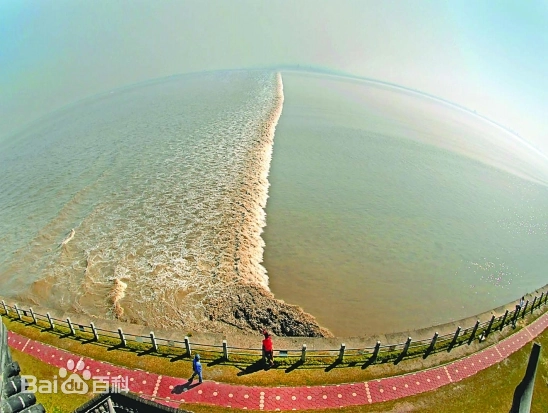
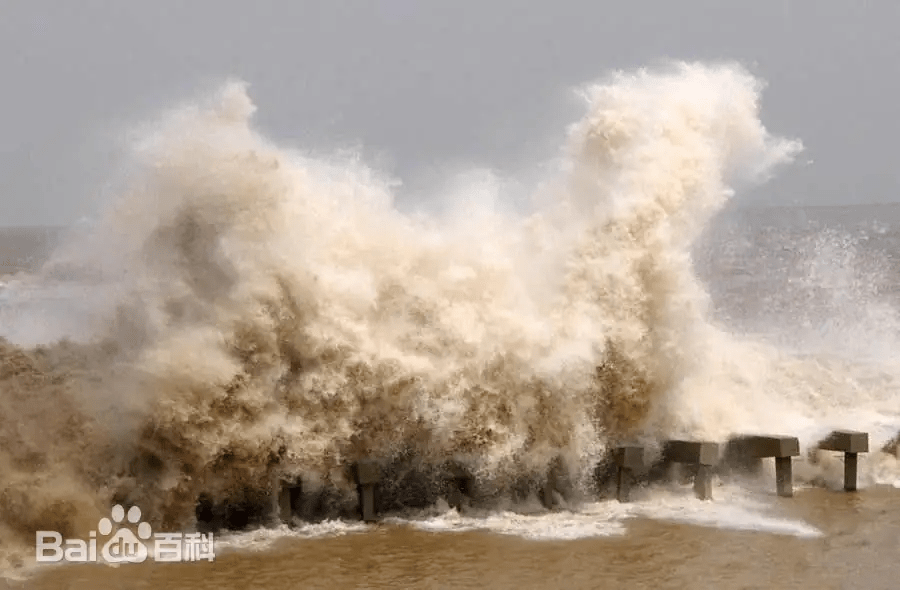
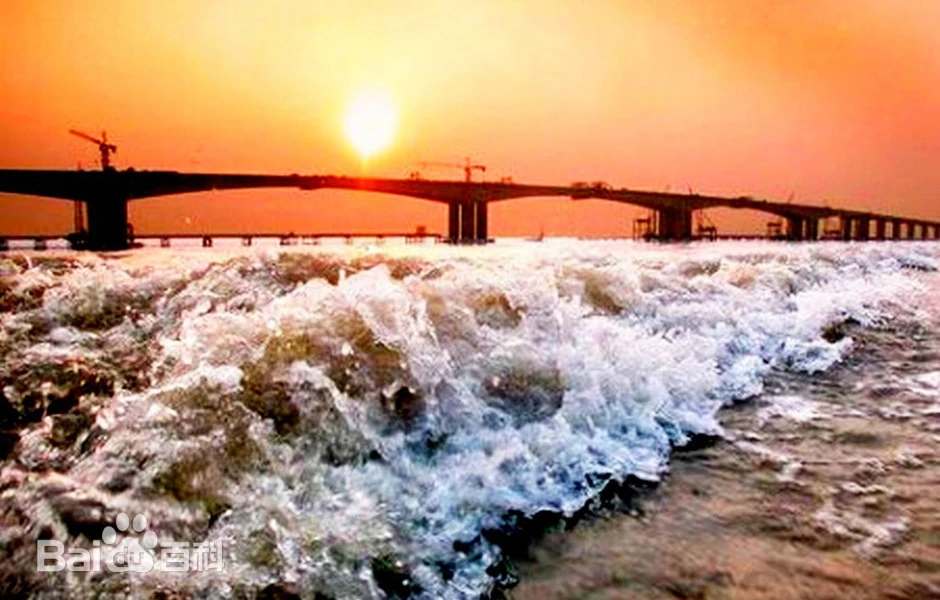
The Qiantang River, located in Zhejiang Province, China, flows majestically into the East China Sea. At its estuary lies one of nature’s most awe-inspiring phenomena—the Qiantang Tide, a tidal bore renowned across the globe. Every year, thousands of tourists flock to witness this breathtaking display of power and beauty. The tidal bore reaches its peak on the 18th day of the eighth lunar month, though it can be seen on several other days, providing around 120 days annually for tide-watching enthusiasts.

This year, the 18th day of the eighth lunar month, which falls on September 20th, 2024, will once again bring the grand spectacle of the great tide. As the tidal bore approaches, a small white dot appears on the horizon, swiftly transforming into a silver line, accompanied by a deep rumbling, reminiscent of distant thunder. In moments, the wave surges forward, growing into a towering crest over 9 meters high. The waves roll in, one after the other, layering like a long white ribbon, as though mountains and seas are being swept away. A famous poem captures the scene beautifully: “Gazing at Qiantang, waves stretch far, in an instant, wild surges fill the view. What seems like calm river waters holds energy that can shake the heavens.”

As the tide rushes forward, its roar grows louder, the crashing waves sending sprays of water into the air, resembling pearls and jade. The mighty surge mirrors the power of a thousand galloping horses. Tide-watching is a tradition that dates back over 2,000 years, originating in the Han and Wei dynasties and flourishing during the Tang and Song dynasties. It has become an essential cultural experience for locals and visitors alike.

The Science Behind the Qiantang Tide

The Qiantang River tidal bore is a marvel of natural forces. It results from the combined effects of celestial gravitational pulls and the centrifugal force of the Earth’s rotation, interacting with the unique trumpet-shaped terrain of Hangzhou Bay. Scientists have discovered that the formation of the tidal bore also depends on the relationship between the speed of the river’s flow and that of the tidal wave. When their speeds align or are close, the forces balance, giving rise to the dramatic tidal bore. However, if the speeds are significantly different, even a trumpet-shaped mouth cannot produce the same effect.

Best Spots to Experience the Qiantang Tide

For those seeking the ultimate tide-watching experience, there are three prime locations to catch the most spectacular views of the Qiantang River tidal bore:

1) Southeast Seawall of Yanguan Town, Haining County
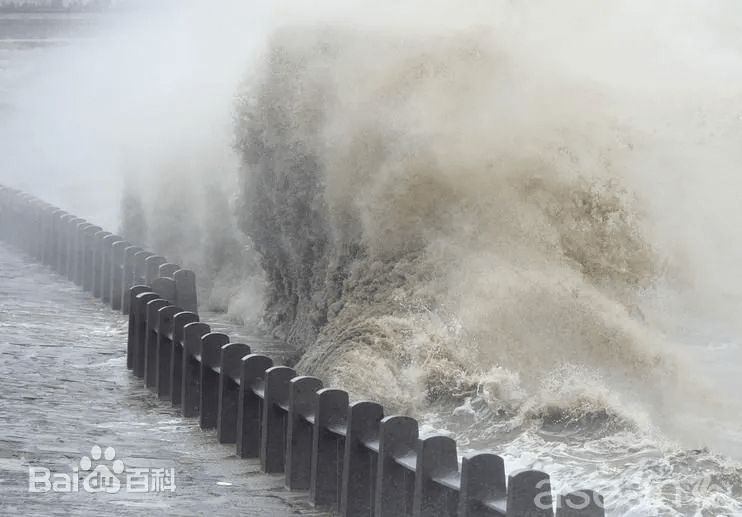
This is considered the top spot for viewing the tide. Here, the tidal force is at its strongest, forming a straight line that has earned it the name “One-Line Tide of Haining’s Pagoda.” As the tide approaches, a white ribbon spans the river, accompanied by a thunderous rumble from the horizon. The tide races forward like a line of pristine white swans in flight, their wings outstretched in unison. In an instant, a 3-4 meter high wall of water rises before you, spraying droplets like pearls and jade, as the waves surge with the force of ten thousand horses. When the tide crashes into the seawall, it surges up to an astounding height of 9 meters, bringing to life the vivid imagery of the poem: “The sky-high turbid waves fill the air, overturning rivers and seas, shaking mountains!”

2) Babao, 8 kilometers east of Yanguan Town
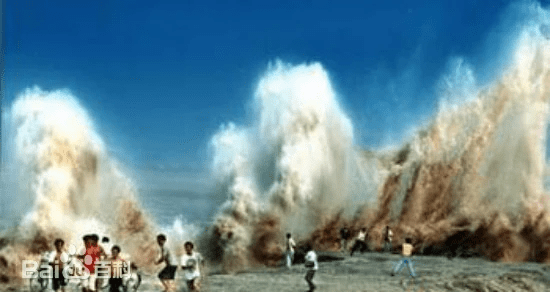
At Babao, you can witness the unique phenomenon of the tide heads colliding. After the tide flows into the river mouth, the differing terrain of the north and south banks causes the tide to split into two. The faster-moving southern tide, known as the “Southern Tide,” and the slower northern tide, called the “Eastern Tide,” meet in a dramatic head-on collision. The Southern Tide crashes into the southern bank, rebounds, and then surges northward, colliding with the Eastern Tide in a thunderous explosion of water. The river erupts into towering snowy peaks, an unforgettable sight that leaves viewers in awe.

3) Laoyancang, 12 kilometers west of Yanguan Town
Laoyancang offers the opportunity to observe the incredible “Returning Tide.” Here, a 9-meter-high, 650-meter-long “T-shaped embankment” extends into the river, resembling a giant arm holding back the tide. Although the tide’s force diminishes slightly by the time it reaches this point, it still crashes into the embankment with the power of thousands of roaring lions. The tide then turns and rushes back toward the seawall, heading directly toward the onlookers standing on top, providing a thrilling close encounter with nature’s raw power.

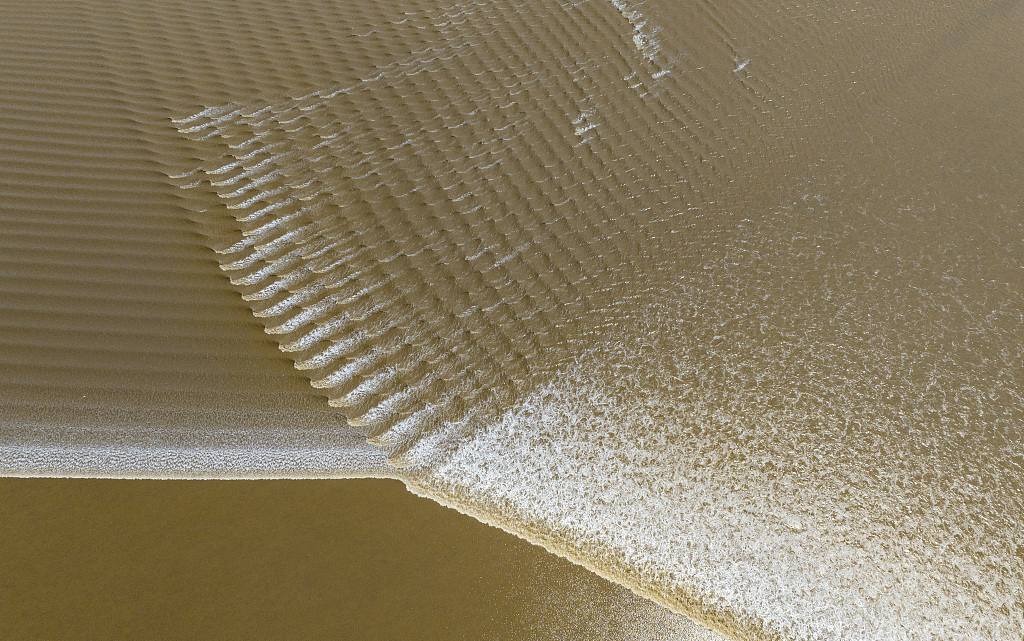
There are also other types of tidal bores, such as cross tides and fish-scale tides.

Cross Tides
Fish-Scale Tides Photo From:
https://news.cctv.com/2023/09/25/ARTIvgR1OpAsU26yqTybCCmN230925.shtml?spm=C96370.PPDB2vhvSivD.ERPyWJCsPwT9.29

A Timeless Tradition and Spectacle

The Qiantang River tidal bore is not only a scientific wonder but a cultural treasure. With its blend of natural beauty, immense power, and centuries-old tradition, it remains one of the world’s most mesmerizing spectacles. Whether you’re drawn by the science behind the tides or the sheer grandeur of the waves themselves, watching the Qiantang Tide is an experience you’ll never forget.

Link:https://peacelilysite.com/2024/09/18/witnessing-the-majestic-qiantang-river-tidal-bore-a-natural-wonder-of-the-world/

#Travel #AmazingChina#Qiantang River Tidal Bore

Scene of Xishuang Banna Life: A Timeless Masterpiece by H.H. Dorje Chang Buddha III

“Scene of Xishuang Banna Life” is a Chinese ink-and-wash painting with a three-dimensional quality reminiscent of oil paintings, created by the renowned artist H.H. Dorje Chang Buddha III. The moment I laid eyes on it, I felt a profound sense of comfort and tranquility. The painting’s primary hue is light brown, and the varying depths of this color vividly depict the fresh, clear water and misty air weaving between the trees. A few girls are making waves, chatting, and enjoying themselves as they wash clothes by the riverside. The elegant and beautiful banyan trees stand majestically, with cobblestones naturally scattered around them.

The old banyan tree, with its peeling bark and exposed roots, stands as a silent testament to the passage of time. The raised roots extend in all directions, seemingly spreading the pulse of life to distant places, using their vitality to nurture the earth and rivers. The roots nestle against the smooth, round pebbles like inseparable companions. Over time, they have become so intertwined that no one notices whether they are roots or stones, much like an elderly couple who depend on each other and cannot be separated.

Around the tree roots, a misty white space, activated by detailed depictions, brings boundless imagination to people. In the white mist, there is a vast expanse of water, with soft sunlight illuminating the surrounding forest. The endless lakes and rivers nourish the sturdy old roots, supporting them through countless hardships and weathering the elements, ultimately creating a world of their own. The intertwined and winding roots, twisting and coiling across the scene, form the main structure of the composition along with the variously shaped stones, the sculptural massive trunk, and the other responding trees. The sparse leaves hanging from the old tree are adorned in light green, contrasting with the large brown trunk, evoking the philosophical sentiment of “the true essence remains after all embellishments fade, gold emerges after being sifted by great waves.”

Beneath the tree are three graceful women in different postures, enjoying the flowing stream under the water-colored sky. Some are combing their freshly washed hair, some are holding a delicate veil, and some are drawing clear water from the stream.

The banyan tree, the stream, and the sunlight, along with the beautiful women in traditional attire, compose a symphony of southern charm, making one feel as if they can hear the whispers of the gentle breeze: “My enchanting homeland is where my heart belongs…” The setting resembles the sweet childhood memories buried in my heart.

About fifty years ago, my family lived in a small village in the mountains. There were no cars, TVs, toys, phones, or any other modern luxuries. We lived a very simple and modest life. All the mothers washed vegetables and rice in the clean creek and cooked meals. Very often, they washed clothes in the river for the whole family while the kids played in the water, on the trees, or along the riverbanks. School was far away, and we could only go there when we were old enough. But we had the biggest classroom—nature itself. We studied everything we could find: trees, flowers, insects, stones, etc. Twigs were our pens, and tree trunks were our tables. The chirping of the birds and the rushing of the stream were our music. We had physical education class all day long. We went to bed when the sun set. What a simple, happy life!

This is the beautiful and pure spiritual space created by the great artist, H.H. Dorje Chang Buddha III. This painting, “Scene of Xishuang Banna Life,” opens a window to another dimension, allowing people to experience the joy of living in a paradise. People in cities increasingly yearn for natural landscapes akin to an earthly utopia. Fortunately, noble artists create pure lands for people’s hearts, showing us wonderful scenery, evoking warm emotions, and deeply touching us.

The pure land in our hearts is like a secluded utopia, free from the noise and disturbances of the mundane world. It carries the dreams of people. When darkness descends, the pure land within can emit a serene fragrance, helping people discard the suffering brought by worries, gently wipe away the dust, and infuse a bit of brightness.

The paintings of H.H. Dorje Chang Buddha III are like wordless songs, containing endless stories, ancient calls, and boundless compassion for all sentient beings.

This painting is in permanent collection of The International Art Museum of America.

Link:https://peacelilysite.com/2024/06/07/scene-of-xishuang-banna-life-a-timeless-masterpiece-by-h-h-dorje-chang-buddha-iii/

#DorjeChangBuddhaIII #HHDorjeChangBuddhaIII#DorjeChangBuddha#IAMA#InternationalArtMuseumofAmerica#Xishuangbanna #ChineseInkPainting#Art#Artist

Mount HuangShan

Mount Huangshan, often described as the “loveliest mountain of China,” has played a significant role in the history of Chinese art and literature since the Tang Dynasty around the 8th century. A legend from 747 AD recounts the discovery of the long-sought elixir of immortality on the mountain, which gave Mount Huangshan its name and cemented its place in Chinese history. This legend attracted hermits, poets, and landscape artists, drawn by the dramatic mountainous landscape featuring numerous granite peaks, many over 1,000 meters high, emerging through a perpetual sea of clouds. During the Ming Dynasty in the 16th century, the mountain’s unique rock formations and ancient gnarled trees inspired the influential Shanshui (“Mountain and Water”) school of landscape painting, which profoundly shaped the world’s perception of the oriental landscape.

Located in the humid subtropical monsoon climate zone of Anhui Province, Mount Huangshan covers an area of 16,060 hectares with a buffer zone of 49,000 hectares. It is noted for its botanical richness and the conservation of several locally or nationally endemic plant species, some threatened with extinction.

The cultural significance of Mount Huangshan’s scenic landscape was first recognized during the Tang Dynasty and has been revered ever since. Renamed Huangshan (Yellow Mountain) by imperial order in 747 AD, it became a popular destination for visitors who celebrated its inspiring scenery through painting and poetry, creating a rich body of art and literature of global importance. By the Yuan Dynasty (1271-1368), 64 temples had been constructed on the mountain. In 1606, the monk Pumen established the Fahai Meditation Temple. By the Ming Dynasty, Mount Huangshan had become a favorite theme of Chinese landscape painters, firmly establishing the Shanshui school of landscape painting. The interaction of man and nature in this scenic setting has inspired generations of Chinese artists and writers.

Mount Huangshan is renowned for its magnificent natural scenery, including massive granite boulders and ancient pine trees, often enhanced by cloud and mist effects. The dramatic landscape features natural stone pillars, grotesquely-shaped rocks, waterfalls, caves, lakes, and hot springs, formed by its complex geological history. The mountain range has many peaks, some over 1,000 meters high, with the three tallest and best-known being Lotus Peak (1,864 meters), Bright Peak (1,860 meters), and Celestial Peak (1,829 meters). The World Heritage Site covers a core area of 154 square kilometers and a buffer zone of 142 square kilometers. The mountains were formed in the Mesozoic era, approximately 100 million years ago, when an ancient sea disappeared due to uplift. Later, during the Quaternary Period, glaciers shaped the landscape.
Lotus Peak. By De-Shao Liu (Terry850324) – Own work, CC BY-SA 4.0, https://commons.wikimedia.org/w/index.php?curid=90823373
Celestial Peak By 江上清风1961, CC BY 3.0, https://commons.wikimedia.org/w/index.php?curid=53168150

Vegetation varies with elevation, with mesic forests below 1,100 meters, deciduous forests up to the tree line at 1,800 meters, and alpine grasslands above that. The area boasts diverse flora, with one-third of China’s bryophyte families and more than half of its fern families represented. The Huangshan pine (Pinus hwangshanensis), named after the mountain, is a symbol of vigor as it thrives by growing straight out of the rocks. Many pine trees in the area are over a hundred years old and have unique names, such as the Welcoming-Guests Pine, thought to be over 1,500 years old. The pines vary greatly in shape and size, with the most crooked trees considered the most attractive. Huangshan’s moist climate also supports the growth of tea leaves, and the mountain is renowned as one of China’s premier green tea-growing areas. Mao feng cha (“Fur Peak Tea”), a famous local variety, takes its name from the downy tips of tea leaves found in the region.

Tea Trees in the Cloud

Ying Ke Pine, literally welcome Pine By memes – Own work, CC BY-SA 3.0, https://commons.wikimedia.org/w/index.php?curid=950688

Mount Huangshan often offers views of the clouds from above, known as the Sea of Clouds (yúnhǎi) or “Huangshan Sea,” due to their resemblance to an ocean. Many vistas are named after these cloud formations, such as “North Sea” or “South Sea.” A writer once remarked that to enjoy the magnificence of a mountain, you usually look upwards, but to enjoy Mount Huangshan, you must look downward. The area is also known for notable light effects, such as the renowned sunrises and the phenomenon called Buddha’s Light (fóguāng), which appears only a few times per month.

Mount Huangshan is famous for its stone steps carved into the mountain, with over 60,000 steps throughout the area. The origin date of these steps is unknown, but they are believed to be more than 1,500 years old. Over the years, many scenic spots and physical features have been named, often with narratives behind them. For example, one legend tells of a skeptic who, upon visiting the mountains, was immediately convinced of their beauty. One of the peaks he visited was named Shixin (始信), meaning “start to believe.”

Carved steps to Tiandu Peak By Jakemete at English Wikipedia – Transferred from en.wikipedia to Commons by Wouterhagens using CommonsHelper., Public Domain, https://commons.wikimedia.org/w/index.php?curid=5810245

Shixin Peak By 江上清风1961, CC BY 3.0, https://commons.wikimedia.org/w/index.php?curid=53169922

Bijia Peak (Pen holder Peak), by 颐园新居 – Own work, CC BY-SA 4.0, https://commons.wikimedia.org/w/index.php?curid=36838268

FeiLai Peak by Carlos Adampol Galindo from DF, México – Ella me preguntó: ¿te gusta?; le contesté: De aquí soy., CC BY-SA 2.0, https://commons.wikimedia.org/w/index.php?curid=45070874

Much of Huangshan’s reputation stems from its significance in Chinese arts and literature. It has inspired poets such as Li Bai, and has been a frequent subject of poetry, Chinese ink painting, and, more recently, photography. From the Tang Dynasty to the end of the Qing Dynasty, over 20,000 poems were written about Huangshan, and a school of painting was named after it. The mountains have also appeared in modern works; director James Cameron cited Huangshan as one of his influences in designing the fictional world of his 2009 film Avatar, and the Chinese animated series Stitch & Ai, a spin-off of Disney’s Lilo & Stitch franchise, is set in the Huangshan mountains.
Ink painting depicting Huangshan by Shitao, 1670 Public Domain, https://commons.wikimedia.org/w/index.php?curid=838862

In 1982, Mount Huangshan was declared a “site of scenic beauty and historic interest” by the State Council of China. It was designated a UNESCO World Heritage Site in 1990 for its scenery and as a habitat for rare and threatened species. Later, it was certified as a National Geopark and subsequently as a regional geopark (Asia Pacific Geopark Network), before being admitted as a UNESCO Global Geopark in 2004.

Mount Huangshan is a habitat for several locally or nationally endemic plant species, many of which are globally threatened. Its flora includes one-third of China’s bryophytes and over half of its pteridophytes. Endemic species to Huangshan include 13 species of pteridophytes and 6 species of higher plants, with many other species endemic to the region or China. This rich flora is complemented by a diverse vertebrate fauna of over 300 species, including 48 mammals, 170 birds, 38 reptiles, 20 amphibians, and 24 fish. Thirteen species are under state protection, including the Clouded Leopard (Neofelis nebulosa, VU) and the Oriental Stork (Ciconia boyciana, EN).

Additionally, Mount Huangshan has multiple hot springs, mainly located at the foot of Purple Cloud Peak. The water, maintaining a temperature of 42°C (107.6°F) year-round, is rich in carbonates and is said to help prevent skin, joint, and nerve illnesses.

The area has also been a site for scientific research due to its diverse flora and wildlife. In the early 20th century, both Chinese and foreign scientists studied the geology and vegetation of Huangshan. Research continues, such as a late 20th-century field study of Tibetan macaques, a local monkey species.

View from Stone Monkey Gazing at the Sea of Cloud By Nicolascornet – Own work, CC BY-SA 4.0, https://commons.wikimedia.org/w/index.php?curid=87551304

Artificial steps on the cliffs of Huangshan By Joe – IMGP1088.JPG, CC BY 3.0, https://commons.wikimedia.org/w/index.php?curid=16824799

Link:https://peacelilysite.com/2024/05/30/mount-huangshan/

Source: https://whc.unesco.org/en/list/547/https://en.wikipedia.org/wiki/Huangshanhttps://baike.baidu.com/item/%E9%BB%84%E5%B1%B1%E9%A3%8E%E6%99%AF%E5%8C%BA/1350521