From Despair to a New Life: How Vegetarianism and the Dharma Gave Me a Second Chance

In 2019, my world collapsed. I was diagnosed with cholangiocarcinoma—one of the most aggressive and deadly cancers—at a middle-to-late stage. After a consultation with several medical experts, I was told that even if I underwent surgery, I would only have three or four months left to live. To survive six or seven months would be nothing short of a miracle.

Following the doctors’ advice, I went through surgery. Afterward, however, I made the conscious decision to forgo all other cancer treatments. I knew I had medical insurance that could cover much of the cost, but I questioned whether aggressive treatments would truly give me dignity and quality of life in my final days. Chemotherapy, radiation, and similar methods often do more harm than good, damaging the organs and leaving patients to die not from the cancer itself, but from the effects of over-treatment.

I also thought about something else: if my time was truly so short, I wanted to preserve my remaining healthy organs so that they could be donated to those in need.

When I returned home from the hospital, my health declined rapidly. Every day I lay in bed in pain, but I did not allow myself to sink into despair. Instead, I chose gratitude. I was grateful that when I opened my eyes, I could see the rising sun outside my window. Grateful for each breath of fresh air. Grateful simply for being alive in that moment.

Still, I asked myself: Was my life really destined to end in just a few short months? The answer within me was a resounding No. I wanted to create a miracle.

What gave me this strength was my son. My sudden illness had devastated him, and I could feel how my suffering dragged him into deep sadness. At that moment, I told myself I must rise up—for him, so that he would still have a mother, and also for other patients enduring the same pain, to show them that hope is possible. If doctors had already declared that I had no chance, why not prove with my own body how powerful the human spirit can be? Why not find a way to live with dignity, with quality, and with the least burden?

And then, something incredible happened.

In April 2020, my husband prepared a feast for me with all kinds of fish and meat. Strangely, the moment I looked at it, I felt an overwhelming discomfort in my heart. That very day, I decided to give up meat completely. From then on, I have been a vegetarian, and I know this will remain with me for the rest of my life.

Less than a month later, it was time for my medical review. To my surprise, all my test results had improved dramatically. Even though that same month I experienced the heartbreaking loss of my father, my condition did not worsen. At first, my family opposed my vegetarian choice, but as they watched my health improve, they slowly came to accept it. This only strengthened my resolve. Three months later, the test results were even better. Along with vegetarianism, I began exercising moderately each day and keeping a positive mindset. After six months, all my medical indicators had returned to normal.

Today, apart from being a little weaker in stamina compared to before, I am doing very well. When patients or their families reach out to me online and ask how I got better, I tell them honestly: “A positive mindset + positive energy + vegetarian diet + moderate exercise.”

But vegetarianism gave me more than just a second chance at life. It opened the door for me to encounter the true Dharma.

One day at a banquet, my vegetarianism led me to meet a Dharma sister who had followed H.H. Dorje Chang Buddha III for many years. She introduced me to Buddhism, giving me the precious opportunity to listen to the Dharma discourses of the Buddha. Through studying the Dharma, I came to understand the law of cause and effect and the deeper meaning of being vegetarian. I realized that it is not merely about food, but about repenting for the harm I once caused to living beings, cultivating compassion for all sentient life, and seeking self-redemption through transforming karma.

I am no longer just a “pure vegetarian” who avoids even milk and eggs. I have become a practitioner who genuinely cherishes and protects all beings. My heart has grown softer, kinder, and more compassionate.

Gratitude fills me every day—gratitude to vegetarianism, which pulled me back from the edge of death; gratitude to the Dharma, which allowed me to encounter the true teachings of the Tathagata; gratitude for the miracles that have appeared throughout my life whenever I was in despair. That is why my online name is “After Darkness, Light.”

Looking back, many people used to say, “How could such a good person like you get this disease?” I once thought I was a good person too. But was I really? Before learning the Dharma, I would kill mosquitoes, flies, and ants without hesitation. I once had an abortion. Only after learning the true Dharma did I realize how heavy those karmic debts were. And what about my past lives? How much more karma have I carried forward?

Now, I understand: the suffering I faced in this life is not unfair—it is the natural result of my past actions. But how fortunate I am, despite all of this, to have encountered the true Dharma and to have a holy teacher guiding me. This is an incredible blessing, one I owe entirely to the compassion of the Buddhas and Bodhisattvas of the ten directions.

The reason I am writing this article is because, in a Buddhist study group of more than 400 people, I saw so many “requests for dedication” every day and so much suffering. I felt most of them don’t have the correct view and concepts of Buddhism. That made me want to share my experience, in hopes it may help others. In those lists of dedication requests, I saw too much misfortune and pain—patients with terminal illnesses, those crying out in agony, those with depression and anxiety, those struck by sudden misfortunes, and so on. It made me deeply sad: sentient beings suffer so much! People in this life fall ill or face hardships of all kinds, but these are all karmic consequences ripened from the many unwholesome deeds done over countless lifetimes or in this very life. Each of us must have deep faith in cause and effect. We must understand that sickness and adversity are manifestations of our own karma, and also warnings—opportunities for us to repent and correct our wrongs.
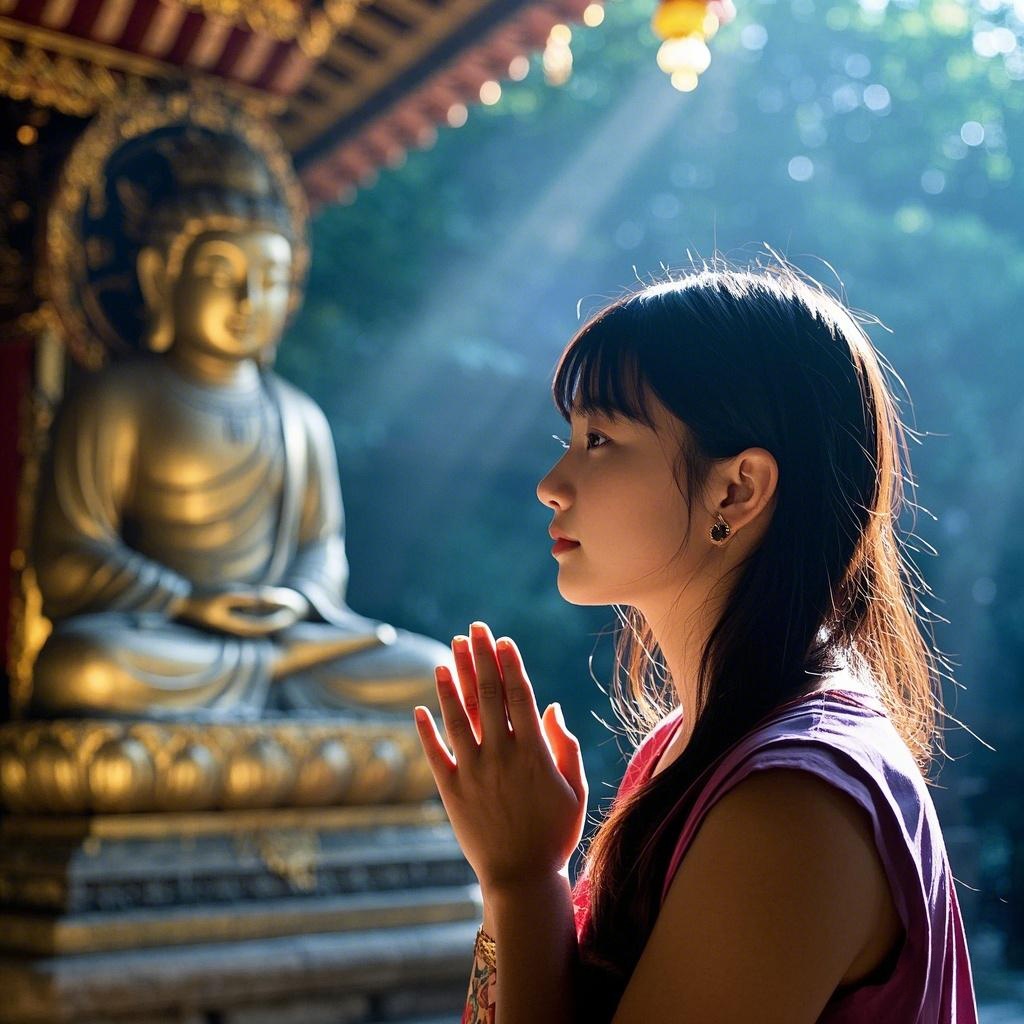
“There is no one else to rely on but ourselves.” What magic cure exists in this world? The only true cure is repentance and cultivation! For patients who request dedication, whether they themselves, their families, or their friends, if they wish for a miracle or at least some relief, then apart from avoiding over-treatment, the only way is for the patient themselves to give rise to deep repentance and truly reform. Therefore, we must learn Buddhism, follow the teachings of the Buddhas and Bodhisattvas: commit no evil, practice all that is good, strictly uphold the precepts, and follow the teachings in our practice.

All that I have written here is based on my own personal experience and feelings. As for the Dharma itself, the standard must always be the teachings personally expounded by H.H. Dorje Chang Buddha III.

Link:https://peacelilysite.com/2025/08/20/from-despair-to-a-new-life-how-vegetarianism-and-the-dharma-gave-me-a-second-chance/

Source: https://mp.weixin.qq.com/s/AmK9EoE_axAUP1xLGP-Jiw

The Story of the Characteristics of Swords [AsilakkhaÏa-Jātaka]

126. The Story of the Characteristics of Swords [AsilakkhaÏa-Jātaka]

At one time Buddha was living in Jetavanārāma. At that time the king of Kosala had a Brahmin who could tell whether a sword was lucky by smelling it. When smiths would bring their swords, if they had given bribes, he said, “It is good.” To those who did not give bribes, he said to them, “It is bad.” All in the course of time knew the deceptive nature of this man. Knowing his nature, one smith made a sword and making it very sharp, put it in a sheath filled with hot chili powder. He brought it to the king. The king summoned the Brahmin and requested him to tell them the goodness or badness of the sword.

The Brahmin, in accord with the order of the king, took the sword out from the sheath and placing it near his nose tried to smell it. Immediately, before he could say anything, the chili powder smelled by him caused him to sneeze. He could not remove the sword from his nose quickly enough, so when he sneezed, the sword cut off the tip of his nose. This story spread everywhere and eventually it reached even the monks in the preaching hall.

One day in the preaching hall of Jetavanārāma the assembled monks were speaking about this. When the Buddha visited there, the monks paid respect to the Buddha.

The Buddha asked, “Oh monks, what were you discussing before I came here?” Then the monks related the story of the Brahmin who smelled swords for the king of Kosala. Buddha said, “Not only today this man faced this mishap, but also in the past he faced the same fate.” The monks requested the Buddha to disclose the past story. The Buddha spoke then the past story:

At one time, a king called Brahmadatta ruled in Benares. He had a fortune-telling Brahmin who by smelling swords could tell their goodness or badness. He took bribes from the sword smiths. He condemned the work of those smiths who had not given bribes because they had not given him bribes.

Once a certain trickster smith made a good sword and made it well sharpened. He applied hot chili powder to it and took it to the king. The king summoned the Brahmin to examine the sword. As it was covered with hot chili powder, when he smelled it, he sneezed before he was able to remove the sword from his nose. The tip of his nose was cut off, and he was ashamed because of this. The king became very sad because of this and requested his craftsmen to make a fake tip for the Brahmin’s nose with wax. And the Brahmin again asked to work for the king.

At this time the king had a nephew at his palace, and also his daughter. The two of them since they were very young, had grown up together. When they got older, they fell in love with each other. The king did not know this secret love. The king and his ministers one day discussed the marriage of the princess. The king said, “I will give my daughter to a prince of another kingdom.  If I do so, I will gain two new supporters, the prince and his father, to defend my kingdom.” Since then, the princess was not allowed to see the nephew with whom she had grown up so as to try to prevent them from falling in love. This strengthened their love for one another. And the nephew wanted to marry the princess as they both were now grown up.

The nephew therefore made a stratagem to marry the princess. He met the servant woman of the princess and gave her a bribe of a thousand gold coins. He requested her to keep the princess away for one day from the palace so that he could get to her. The woman said, “Do not worry. I will do it. I will take responsibility for that.”

Thinking of a stratagem, she went to the king and said, “Your lordship, your daughter is under the influence of an evil spirit. She is becoming unlucky and emaciated. Therefore, we will have to remove the evil spirit from her body.” The king asked, “What can we do for that?” The woman said, “In such-and-such a place there is a certain cemetery. There you need to make a stage. Keep a corpse on top of it, and cover it placing a bed over the dead body. We will place the princess on the bed and bathe her. Then the evil spirit will leave her.”

Hearing this, the king ordered her to do all these things and gave her all she had requested. She then undertook the task. She also tied some dried chili powder in a cloth, and she hid it near the bed so the nephew would be able to take it. She requested the nephew to go there and lie under the bed as the dead body. She explained to the nephew how to carry this off. The woman said to the caretakers, “When I come to the cemetery and wash the princess, the dead body will sneeze two or three times, come out from under the bed, and seize and devour the first one whom he sees. Therefore, be warned. Run away.” This was also mentioned to the nephew and princess, and the nephew was told, “When the caretakers run away, take the princess out of the cemetery, and after taking a bath with her, go wherever you like.”

On the day they set to have the service, the nephew went early and lay down under the bed she had prepared. The woman mentioned again to all the caretakers in the cemetery, “When the dead body sneezes, you will have to be ready for the death of the first one he seizes.” When, as she said, the nephew started to sneeze, all the caretakers laying their weapons down beside them, ran away from the cemetery screaming loudly. The retinue and other dignitaries who had come to witness this also all ran away.

When the nephew came out from under the bed, he took the princess, took a good bath, and went to his house with her. Hearing this news, the king became happy and he gave his daughter to the nephew.

Finalizing this story the Buddha said, “At that time the fortune-telling Brahmin who was skilled in sniffing swords was this fortune-telling Brahmin of today. The nephew prince of the king of Benares was I who am the Buddha.”

The moral: “What causes a loss for one person, may cause a gain for someone else.”

126. The Story of the Characteristics of Swords [AsilakkhaÏa-Jātaka]

Link: https://hhdorjechangbuddhaiiiinfo.com/2025/08/05/126-the-story-of-the-characteristics-of-swords-asilakkhaia-jataka/

#Buddhisttalesforyoungandold #Buddhiststories #storiesforkids #moralstories #Buddha #Jatakastories #PansiyaPanasJataka #JatakaTalesofSakyamuniBuddha #JatakaTales #SakyamuniBuddha’sPast

Announcement No. 20180104: Put the Three Demon-Detecting Mirrors in Use

2018-09-28  HQ Announcementshqa2018

During recent years, we at the World Buddhism Association Headquarters have been continuously receiving inquiries regarding upright masters and evil masters, asking for replies in this regard. However, WBAH has given replies to such questions many times publicly through announcements. Furthermore, H.H. Dorje Chang Buddha III also clearly explained many times the distinctions between what is upright and what is evil and between what is true and what is false. Yet, many of you still act blindly and without a direction in the matter of recognizing and distinguishing whether a master is upright or evil and are unable to decide on whether to continue following your current master or to find and choose another excellent master. Simply speaking, if you do not make recognition according to the announcements and are satisfied with devolving, even all Buddhas in the ten directions are unable to save you!

Now, WBAH provides you with three demon-detecting mirrors, which can enable you to easily see the original forms of such evil persons, regardless of whether they are masters or disciples.

The First Demon-Detecting Mirror: An absolute criterion is to see whether a master makes a big effort to facilitate the disciples to study and broadly propagate the announcements, such as the “Important Replies from Holy Virtuous Ones and Eminent Monastics” from WBAH (the 35 questions with the answers), or not. Any master who does not take measure to enable the disciples to study the announcement well and, rather, only makes propaganda about his/her own articles, writings, books, or other types of undertaking that not only do not refer to the specifics of the announcements but also violate the stipulations in the announcements is definitely an evil master!!!

The Second Demon-Detecting Mirror: Regardless of what status or title the person you follow as your master has, as long as this master’s level obtained from the holy test is not a level within the ranks of holy virtuous persons and yet this master poses as a holy person or instructs the disciples to falsely brag or praise him/her as a holy person, this master is not a holy person. Since such a master imposes rules on the disciples to prevent them from doubting the master and to force them to correspond their three karmas to the master, this is absolutely an ordinary person and is a charlatan!!!

The Third Demon-Detecting Mirror: This is about how to recognize and distinguish holy persons. Holy persons of ancient times have long been known through historical records. Regarding holy persons of the current time, only those who attained the Gold Button levels from taking the written test and the holy exam are holy ones!!! On the other hand, those who did not attain a Gold Button level after taking the examination are not holy ones!!! Anyone who scored a high level of blue buttons can only be an eminent monastic or a great virtuous one.

All those who oppose or persecute holy persons will be included in a name list of malicious persons and will not be conferred an inner-tantric initiation in this entire lifetime!!! If you have already done things that harm holy persons under the instruction of an evil master, then the only way you have is to repent immediately and publicly expose the malicious and demonic evil person who instructed you to create the sin. Then your record will be deleted from the list of malicious persons and you can immediately return to your original status of a cultivator.

These three demon-detecting mirrors can correctly and accurately show the true faces of all evil, malicious, and demonic persons and swindlers!

World Buddhism Association Headquarters (Seal)

September 28, 2018

CLICK HERE for the source posting of this article

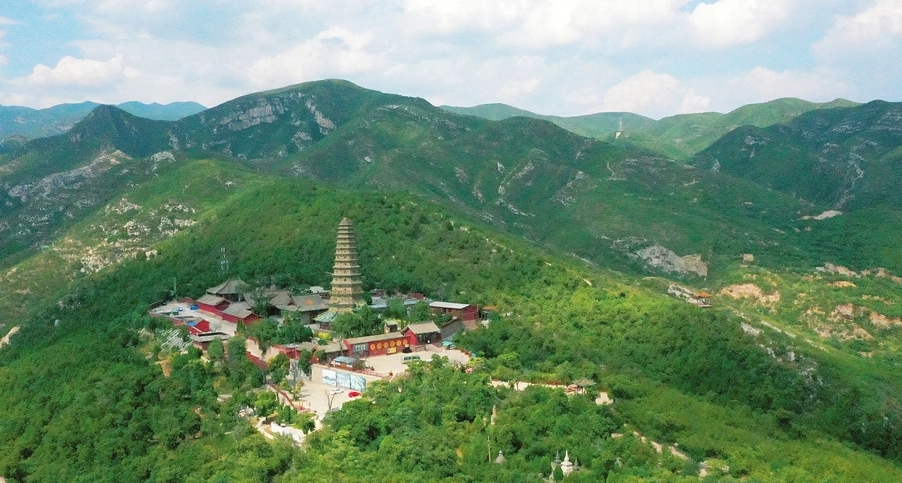
Guangsheng Temple — The Hidden Gem of Shanxi’s Ancient Treasures

Shanxi is often called the cradle of Chinese civilization, a province with one of the richest collections of cultural and historical relics. Guangsheng Temple is part of that story. First built during the Eastern Han Dynasty (25–220 CE), it is one of the earliest Buddhist temples in China. Over the centuries, it has endured wars, fires, and devastating earthquakes, yet it still stands, its beauty renewed through reconstructions in the Yuan (1271–1368) and Ming (1368–1644) dynasties.

The temple complex is composed of three main parts:

  • The Upper Monastery — home to its most famous landmark, the glazed pagoda.
  • The Lower Monastery — housing grand halls and statues.
  • The Water God Temple — known for its remarkable Yuan Dynasty murals.

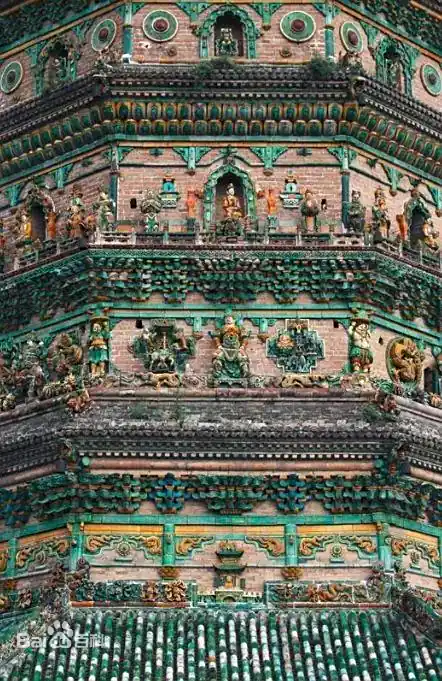
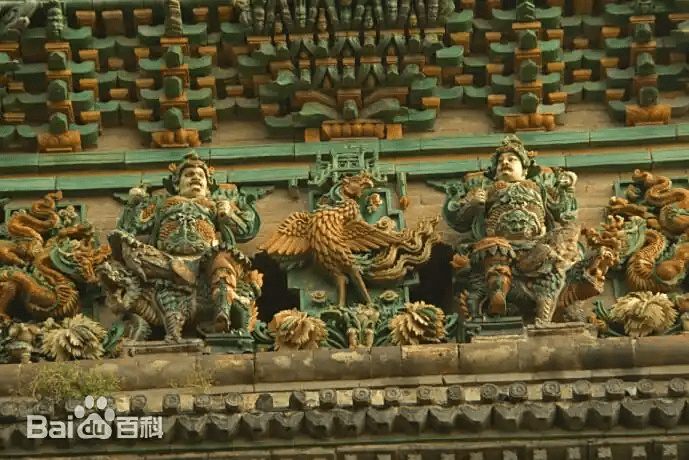
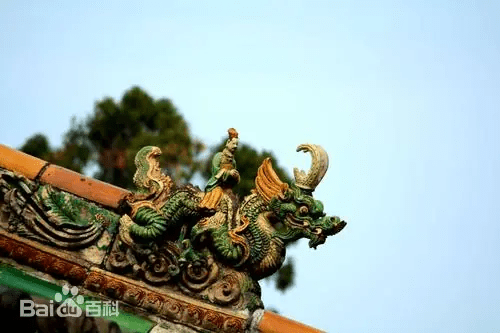
Rising in the upper monastery is the Flying Rainbow Pagoda (Feihongta), an octagonal, 13-story glazed brick tower reaching 47.31 meters high. Built in 1527 during the Ming Dynasty, it’s an explosion of color in the sunlight. The walls and roofs are covered in multi-colored glazed tiles — deep emerald, golden yellow, sapphire blue, and rich purples — that glisten like jewels, casting rainbow-like reflections on sunny days.

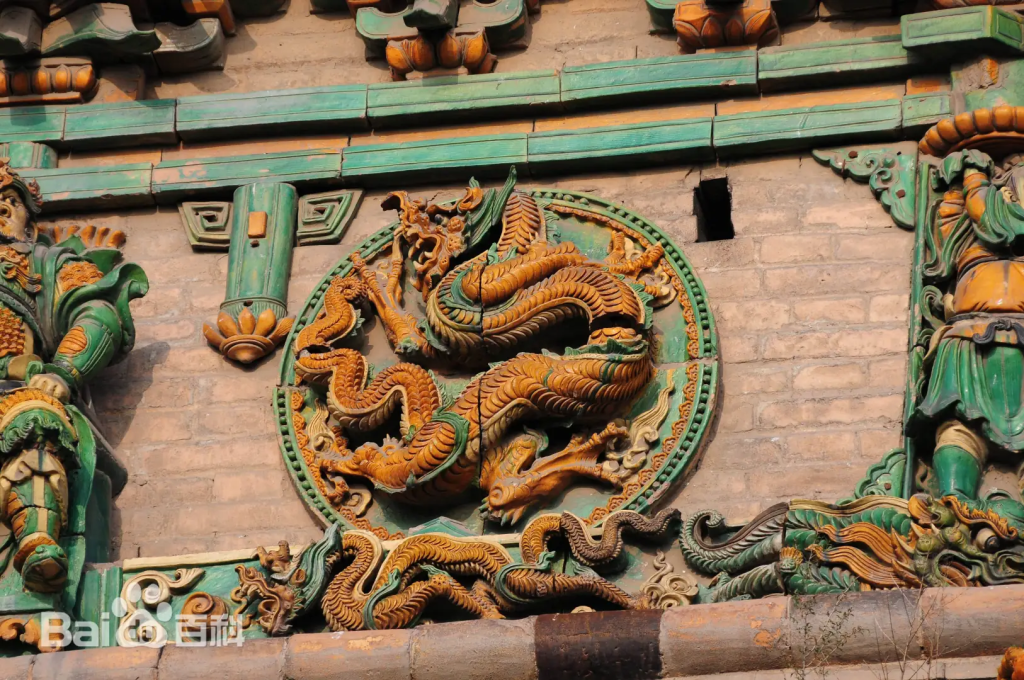
Every tier of the pagoda is adorned with intricate glazed reliefs — Buddhas in serene meditation, fierce guardian kings, bodhisattvas in flowing robes, mythical beasts, and dragons coiled in eternal motion. Inside, the foundation hall houses a five-meter-tall bronze statue of Sakyamuni Buddha, radiating quiet majesty.

This pagoda is not only beautiful — it’s a survivor. It withstood the catastrophic 1556 Shaanxi earthquake and the 1695 Pingyang earthquake, both exceeding magnitude 8.0. Its resilience is as awe-inspiring as its artistry. In 2018, it was recognized by the London-based World Record Certification as the tallest multicolored glazed pagoda in the world.

Murals of the Yuan Dynasty — Life Painted in Color

The temple’s murals are a vivid window into the Yuan Dynasty. In the Water God Temple, nearly 200 square meters of wall space is alive with color: scenes of divine processions, farmers at work, musicians playing, and children at play. One remarkable panel shows “Cuíwán” (捶丸) — a sport similar to golf — offering a glimpse into pastimes of the Yuan era.

The mural on the gable wall of the Great Hall of Sakyamuni Buddha in the lower monastery is equally stunning, painted with an expressive style that blends religious devotion with snapshots of daily life. Researchers prize these works for their artistry and for the wealth of cultural detail they reveal — clothing, architecture, social customs — all preserved in pigment for more than 700 years.

The Zhaocheng Buddhist Canon — A Literary Treasure

In 1930, during restoration work, the temple revealed another extraordinary surprise—a cache of ancient relics now preserved in the Shanxi Museum. These included Buddhist scriptures, statues, and ritual objects, some dating back hundreds of years earlier. Printed during the Yuan Dynasty, this monumental project took 24 years and the collaboration of countless monks and artisans to engrave the wooden printing blocks. The texts preserve Buddhist thought, philosophy, and art from centuries ago, making them one of China’s most precious Buddhist literary relics.

The discovery deepened Guangsheng Temple’s reputation as one of the great guardians of China’s Buddhist heritage.

Today, whether you approach as a pilgrim, an art lover, or simply a traveler drawn by curiosity, the moment you first see the rainbow-like shimmer of the Glazed Pagoda through the mountain mist is unforgettable. It is not merely a structure—it is a bridge between centuries, a beacon of faith, and a reminder that beauty, once created with devotion, can endure against time itself.

Link: https://peacelilysite.com/2025/08/15/guangsheng-temple-the-hidden-gem-of-shanxis-ancient-treasures/

Source: http://shanxi.chinadaily.com.cn/2022-05/06/c_748899.htm?utm_source=chatgpt.com

Childlike Delight — A New Vision of the Owl

Owls have always fascinated me with their air of enigma. Creatures of the night, they rest in the shadows by day and emerge only after dusk, rarely granting humans more than a fleeting glimpse. Across cultures, they have inspired legends both wondrous and foreboding. In ancient Greece, the wise and fearless goddess Athena chose the owl as her emblem, making it an enduring symbol of wisdom. So revered was this bird that Greek coins bore Athena’s face on one side and the owl on the other. Yet, in other parts of the world, the owl has been shrouded in darker associations, seen as a harbinger of misfortune or an omen of ill will.

In Chinese culture, the owl’s symbolism is particularly layered—holding both shadows and light. In ancient times, owls were often viewed as inauspicious creatures, linked to misfortune, death, and the old saying, “When the night owl enters a home, it never comes without cause.” And yet, in certain cultural contexts, they also stand for wisdom, keen insight, and even mysterious, almost magical power.

A Chinese ink painting by H.H. Dorje Chang Buddha III

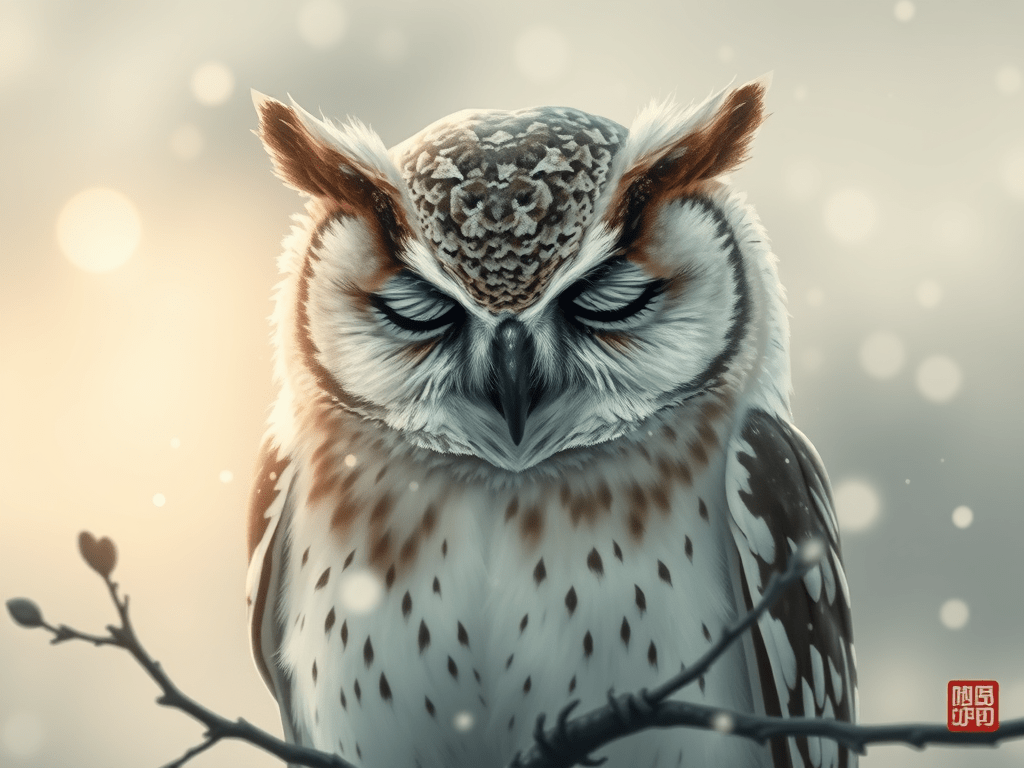
When most people picture an owl, they think of its round, unblinking eyes and penetrating gaze—features that can feel cold, even intimidating. But my perception shifted entirely when I encountered the Chinese ink painting Childlike Delight by H.H. Dorje Chang Buddha III.

This is no ordinary artwork. With the freehand grace of traditional Chinese brushwork infused with a touch of dreamlike realism, it bridges the poetic subtlety of Eastern art and the fresh, luminous clarity of Western modernism.

With just a few effortless strokes, the artist creates a whimsical, pure, and gently humorous world—a dreamscape that seems to invite the viewer into the peaceful slumber of childhood. The small owl, covered with delicate ink spots of varying sizes and shades, appears almost as if glimpsed through a soft morning mist. Look closely, and you might see the tender image of a sleepy child, finger to lips, caught in that sweet moment before surrendering to dreams.

This is not a literal portrayal of nature, but rather nature reflected through the artist’s own heart—capturing not merely the physical form of a creature, but its spirit, vitality, and essence.

Here, the owl is reborn—not as the ominous figure of superstition, but as a symbol of innocence, purity, and quiet wisdom. The artist’s compassionate and unblemished inner world radiates through the painting, gently cleansing the heart of the viewer until it feels as fresh and clear as morning dew.

Childlike Delight reminds us that we can close the sharp, competitive eyes of rivalry and open instead the eyes of kindness, innocence, and warmth—gifts that have the power to heal, to inspire, and to light the world.

Link:https://peacelilysite.com/2025/08/15/childlike-delight-a-new-vision-of-the-owl/

Thirty Million Words: How a Parent’s Voice Shapes a Child’s Future

“Imagine a child’s brain as a garden. Every word you speak is like a drop of water nurturing growth.”

One cold winter morning in 1995 at a Chicago hospital, Dr. Dana Suskind, a cochlear implant surgeon, held the small hand of a boy who had just undergone surgery. Technically, the boy could now hear. Yet weeks passed, and he still didn’t speak a word. Dr. Suskind wondered—what was missing? She discovered that while technology could restore hearing, it could not replace something even more vital: the daily language environment a child grows up in. Without rich and loving conversation, the boy’s world remained silent in a deeper sense.

This experience led Dr. Suskind to research the profound role parents play in shaping their children’s language and cognitive development. She founded the Thirty Million Words (TMW) initiative, inspired by a groundbreaking 1995 study by child development researchers Betty Hart and Todd Risley. Hart and Risley discovered a striking reality: by the age of three, children from higher-income families had heard about thirty million more words than children from lower-income families.

From birth to age three, a child’s brain forms 1 million neural connections every second. Every conversation is brain-building—especially when it’s warm, eye-to-eye, and responsive.

Quantity matters—more words create more neural connections.

Quality matters more—it’s not just talking to a child, but engaging with them in responsive conversations.

Children who heard more words also experienced more encouraging interactions, richer vocabulary, and emotionally supportive tones from their parents. Meanwhile, children who heard fewer words were often exposed to more negative or directive language (“Stop that!” “Don’t do this!”) and fewer warm, conversational exchanges. By the time these children entered school, the gap had already set the stage for differences in learning, confidence, and future opportunities.

Dr. Suskind’s TMW initiative encourages parents to intentionally fill their children’s early years with abundant, meaningful, and loving conversation. She emphasizes the Three T’s:

  1. Tune In – Notice what your child is focused on and talk about it.
  2. Talk More – Use a rich variety of words to describe, explain, and explore the world together.
  3. Take Turns – Engage in back-and-forth conversation, even before your child can speak words.

For example:

  • Instead of saying, “Don’t touch that!” try: “That’s sharp, sweetie. Let’s find something safer to play with.”
  • Instead of a quick “Good job,” you might say: “I love how you stacked those blocks so high! You worked so carefully.”
  • During a walk, point to things you see—“Look at that big red leaf!”—and let your child respond, even with just a gesture or sound.

But there’s another crucial element—how you speak. A gentle tone, warm facial expressions, and genuine interest create an emotional space where a child feels safe and valued. Neuroscience shows that when a child feels emotionally secure, their brain is more receptive to learning and language development.

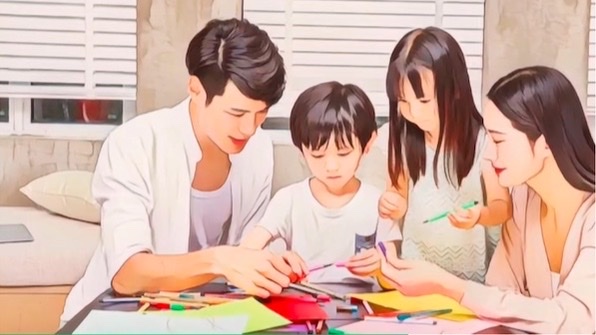
Dr. Suskind’s work reminds us that parents are a child’s first and most influential teachers—not because of expensive toys or formal lessons, but because of the warmth, curiosity, and attention they share through conversation.

You don’t need a degree or a script. Your voice, attention, and curiosity are enough. Whether in the supermarket, on a walk, or during bedtime, every exchange plants seeds for your child’s future thinking, confidence, and empathy.

The goal isn’t to force constant chatter but to weave language naturally into your shared life—reading together before bed, singing songs in the car, talking about the day while cooking dinner. Over time, these small, daily moments accumulate into millions of words, building both vocabulary and a deep sense of connection.

The Thirty Million Words message is clear: Every word you speak to your child is a gift that shapes their mind and heart.

Because one day, those little ears won’t just remember the words you spoke—they’ll carry the mindset, resilience, and love you planted with them.

Link: https://peacelilysite.com/2025/08/14/thirty-million-words-how-a-parents-voice-shapes-a-childs-future/

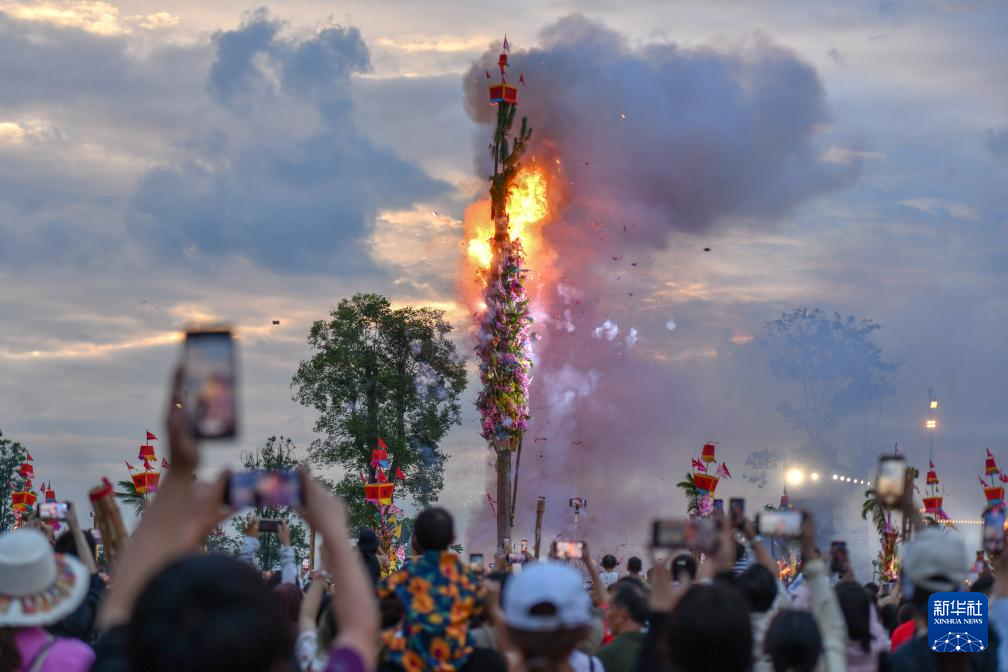
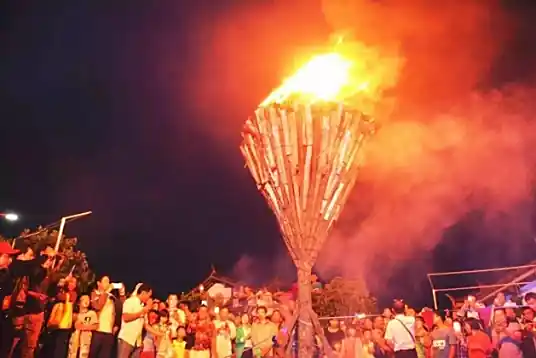
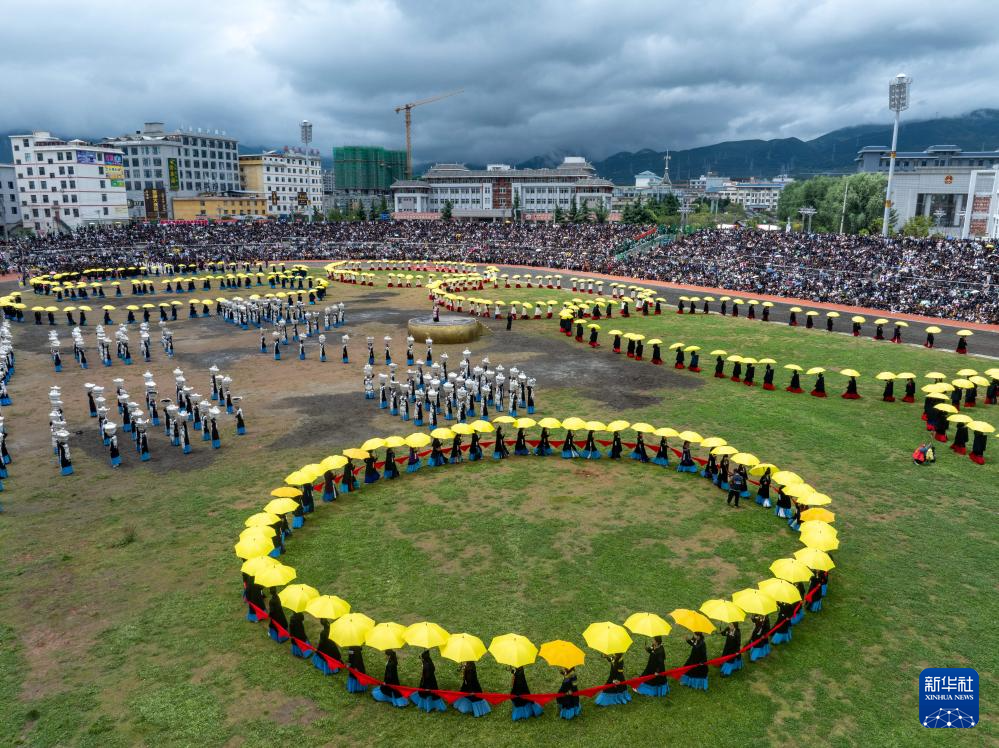
Dancing with Flames — The Yi Torch Festival

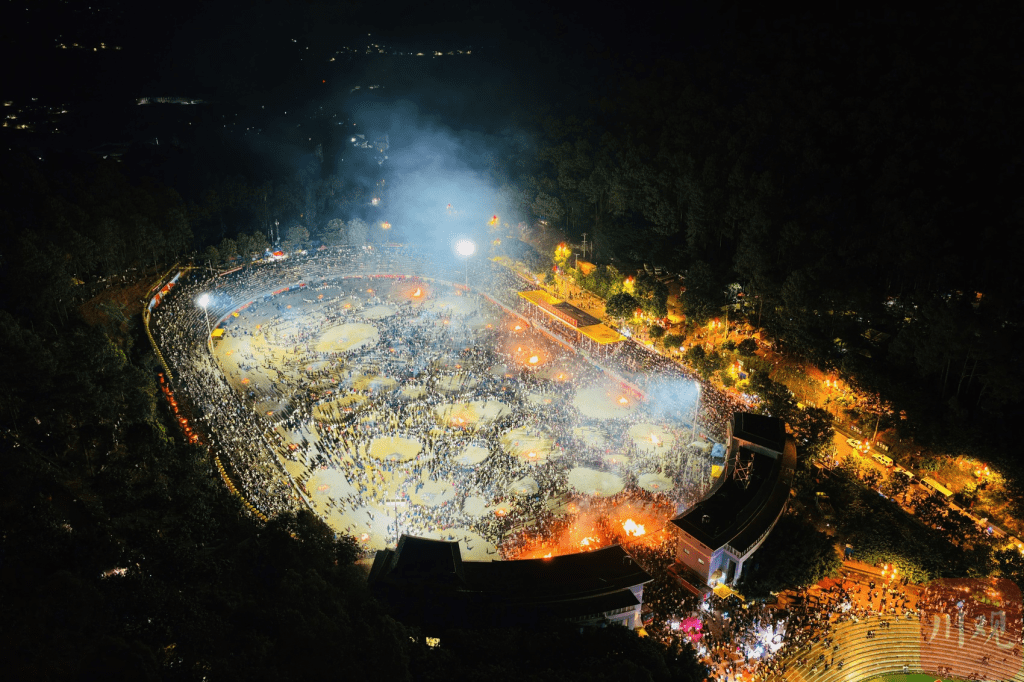
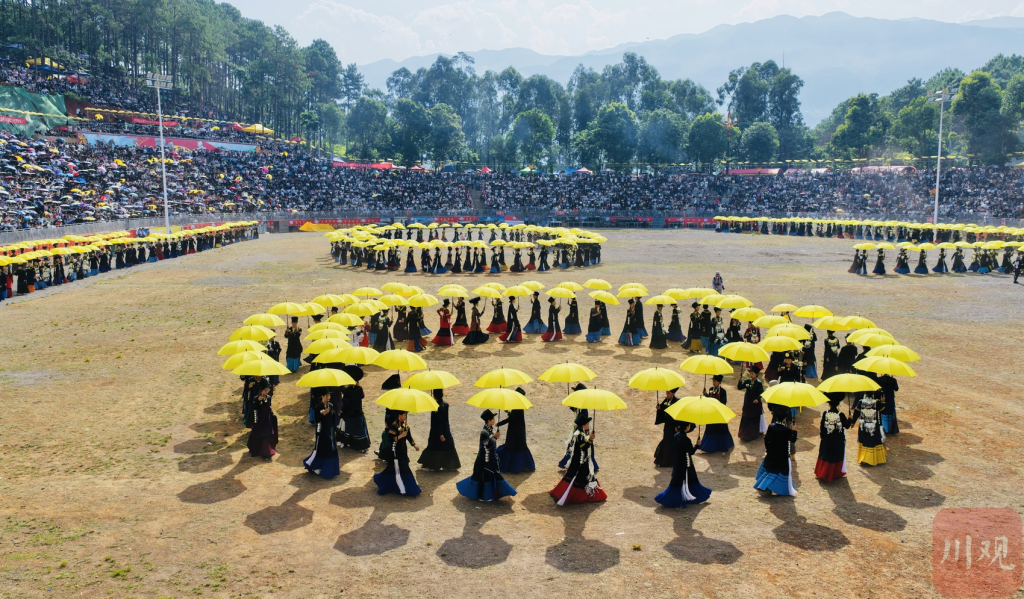
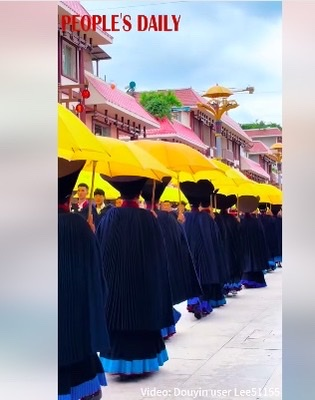
The air is warm and scented with pine smoke. In the distance, a line of golden lights winds its way down the mountainside, swaying and flickering like a living dragon. Drums beat in a steady rhythm, mingling with laughter and song. Children dash through the night clutching small torches, their faces glowing in the firelight. Elderly women hum old tunes, while young men and women steal glances beneath the shelter of bright yellow oil-paper umbrellas. This is not just a night—it is a living river of fire. You’ve just stepped into the Yi Torch Festival.

Every summer, when the moon of the sixth lunar month reaches its 24th day, the mountains and valleys of Yunnan, Guizhou, and Sichuan come alive with a sea of flickering light. This is the Yi Torch Festival, the grandest celebration of the Yi people and one of the most dazzling ethnic festivals in China.

The Yi, along with the Bai, Naxi, Jinuo, Lahu, and other ethnic groups, have celebrated this fiery tradition for centuries. For the Yi, fire is not just a source of warmth—it is a symbol of light, strength, and hope. The Torch Festival is their way of honoring fire, driving away evil, and praying for peace and abundant harvests.

On this special day, towering torches rise high in the center of each village, while every household lights their own smaller torches. As night falls, villagers carry these flames into the fields, circling the crops to symbolically chase away pests and misfortune, leaving behind protection and blessings.


The Torch Festival lasts three magical days and nights, each with its own unique charm.

Day One – Fire Worship
Morning preparations are lively, feasts are prepared, and wine and meat are offered to ancestors. At dusk, villagers gather at a site chosen by the elders. There, a sacred fire is lit using the ancient method of striking stones, and the flame is blessed by a bimo (Yi priest) chanting sacred verses. Then, torches made from mugwort are passed to each household. Children and elders alike carry them to the edges of fields, reenacting the old legend of Ashimo, the heroine who once used fire to drive away destructive insects.

Day Two – Playing with Fire
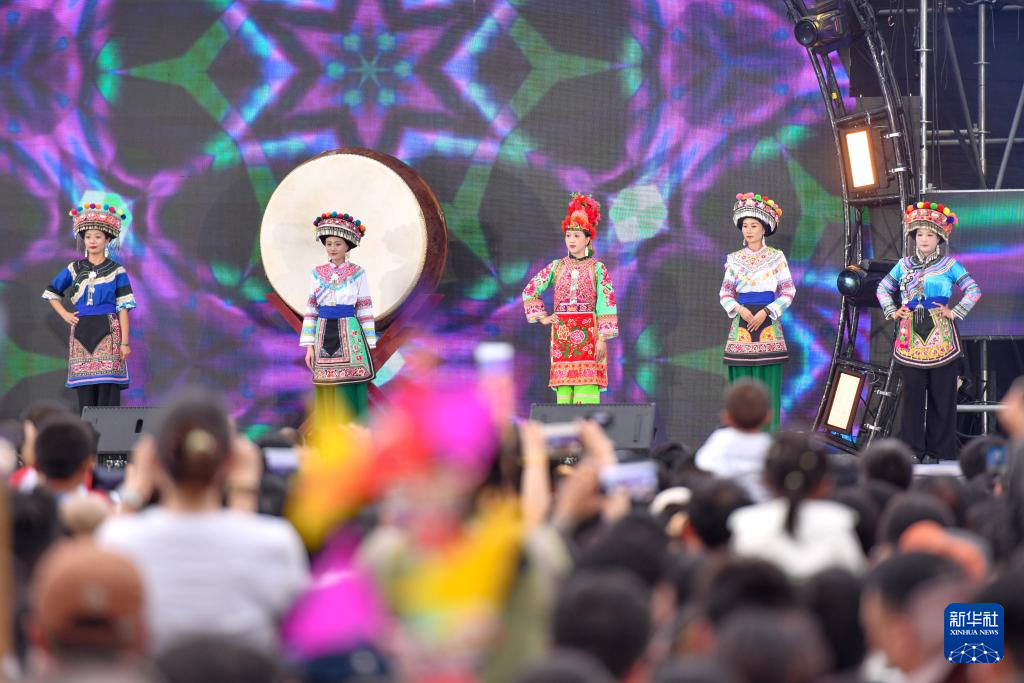
If Day One is solemn, Day Two is pure joy. Under the glow of the sacred flame, villagers gather for horse races, wrestling matches, bullfights, and singing contests. Young men compete like the legendary hero Atilaba, known for his courage and strength. Young women, dressed in vibrant handmade dresses and carrying delicate butter umbrellas, dance the graceful “Duoluohe” and Dati dances, just as Ashimo once did.
The highlight? A traditional beauty contest where elders select the most handsome man and the most beautiful woman of the year—chosen not only for looks, but also for kindness, bravery, and skill. As the night deepens, couples stroll by the streams and through the mountains, plucking moon lutes and jaw harps, their music and whispers floating into the starry sky.

Day Three – Sending Off the Fire
The final night is the festival’s grand finale. Villagers rush through the darkness carrying blazing torches, eventually gathering them into massive bonfires. Around these roaring flames, they sing, dance, and laugh until the stars fade and dawn arrives.


Beyond the rituals and dances, the Torch Festival is also a season of romance. Young men and women meet, flirt, and sometimes begin lifelong partnerships. According to tradition, a man may “steal” a token—such as a scarf or ornament—from the woman he loves as a sign of affection. For the rest of the night, they sing and dance together, expressing their feelings until sunrise.

In the end, the Torch Festival is more than just a cultural event—it is a living expression of the Yi people’s spirit: their love of life, reverence for nature, devotion to tradition, and unquenchable hope for the future. And as the last embers fade in the early morning light, the warmth of the flames lingers—both in the fields and in the hearts of the people.


If you’ve ever dreamed of seeing thousands of torches glowing like fire dragons weaving through the dark mountains, this is the place to be. The Yi Torch Festival is not only a feast for the eyes but also a journey into the beating heart of a culture that celebrates life in the glow of fire.


Video: https://fb.watch/BrJd5yhukt

Link:https://peacelilysite.com/2025/08/12/dancing-with-flames-the-yi-torch-festival/

The Achievements in Inner Realization Vidya by H.H. Dorje Chang Buddha III

H.H. Dorje Chang Buddha III is the true incarnation of the primordial Buddha. Buddha’s Inner Realization Vidya is unbounded and infinite, which is Buddha’s natural realization capacity. Such an immense realization capacity can only be understood by the Buddhas of ten directions. We ordinary people cannot really know much about it, except that we can see that it is as deep, profound, immense, and infinite as the universe when looking at the holy miracles that are practically demonstrated by the Buddha. Sakyamuni Buddha has once revealed the treasured imperial palace on the tip of a hair, or so we are told when reading the Buddhist sutras. What a scene that must have been! We can only yearn for it, but we cannot see it in person. However, H.H. Dorje Chang Buddha III, with His great compassion for all living beings, manifests innumerable holy miracles of wonderful state in the present time. All of us Buddhist practitioners who have the karmic affinity and a pious heart can have the fortune to witness them and therefore know the greatness and truthfulness of Buddha Dharma!

        What is listed below are only some real examples. They are all the true Buddhist holy miracles that H.H. Dorje Chang Buddha III has manifest. Many Buddhist disciples have witnessed them in person and sworn. From these examples, one can clearly know that the realization capacity of H.H. Dorje Chang Buddha III is that of a Buddha. No one else in the entire Saha World can reach His level!

  1. Buddhas bestowing Amrites instance I: On the Buddha’s Birthday in 2001, H.H. Dorje Chang Buddha III (known as Great Dharma King Yange Yishi Norbu at that time) held three Dharma assemblies and invited Limitless Life Buddha (Amitayus Buddha, 長壽佛) and Jewel-Born Buddha of South (Ratnasambhava Buddha, 南方寶生佛) to separately bestowed Amrites inside the dharma bowl, which were wondrous and miraculous beyond compare. The Amrites and shariras quickly piled up and, within 20 seconds, formed a two-foot-tall dharma pillar that is large on the top and small on the bottom. Over 200 Buddha’s Shariras of many colors flew around with the Amrites in the air and fell on the dharma pillar. The venerable elder monk Wuming, Losang Zhenzhu Rinpoche, Shi Longhui, the venerable elder monk Yizhao, and several hundred Buddhist disciples were present to witness it.

2. Buddhas bestowing Amrites instance II: On an auspicious day in the early twenty-first century, H.H. Dorje Chang Buddha III administered a Dharma Assembly in Los Angeles, USA. Buddhist disciple Shi Longhui personally washed clean a purple-gold copper bowl and put a cover on it. H.H. Dorje Chang Buddha III then practiced the Dharma. After a while, several streaks of red light shone from the sky and shot into the bowl. H.H. Dorje Chang Buddha III announced at that time that Amitabha Buddha had arrived in person. People immediately went outdoors and saw Amitabha Buddha walking in steps on lotus flowers in the air. When the Dharma Bowl’s cover was removed, the inside that had been washed clean and empty was now filled with true Amrites that were bestowed by the Buddha. The Amrites were bouncing in the bowl, and there was an exotic fragrance that filled the air. It is definitely not something from this world. At that time, over one hundred colorful shariras fell from the sky. That Dharma Assembly was videotaped for evidence.


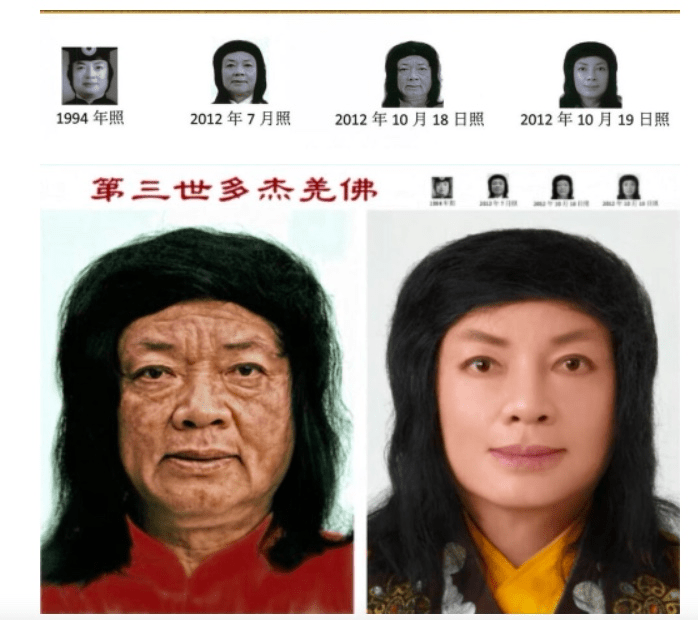
3. The Great Dharma to Restore Youth: On October 18, 2012, H.H. Dorje Chang Buddha III manifests himself in a depleted old man’s look after having been practicing a Dharma to shoulder the sinful karma for living beings for three months. But in order not to make Buddhist disciples lose their determination to cultivate themselves should they see it, H.H. Dorje Chang Buddha III reluctantly returned to youth in front of the public within ten minutes. His wrinkles completely disappeared, and His skin became smooth and shiny as if He had undergone a complete change of physical body. He turned into a young person who was handsome, majestic, and youthful. A lot of people witnessed this incredibly great Dharma in person and swore to it.


4. Knowing In Advance and Foretelling: It was a bright, sunny day at Hotel Temozon Sur in Merida, Mexico on May 19, 2014. There was not a single bird by the water pond in the hotel. H.H. Dorje Chang Buddha III foretold that there would be many, many little birds gathering on the pond to dance in a few minutes, and it would start raining very hard at the same time, but the rain would not drive the birds away. Two minutes later, sure enough, many birds gathered on the water to dance, and a big rain ensued. The birds continued to dance on the water in spite of the rain. All the people who were present saw it with their own eyes and swore to it. The entire event was also videotaped for evidence.


5. The Holy Selection of One Hundred Bright Dharma Gates in Complete Dark (百法明門黑關擇決): On a certain auspicious day in 2013, an anonymous Tremendously Holy Guru, who is a disciple of H.H. Dorje Chang Buddha III’s but would not be revealed, was invited to administer a Holy Selection of One Hundred Bright Dharma Gates in Complete Dark for Zhenda Ruzun. The high-level Great Dharma of Holy Selection in Complete Dark to make the determination for the dharma master is superior to the Dharma of Inquiry by Flying the Paper Pieces (飛籤問訊), Holy Selection by way of Marnyi Stones (瑪尼石擇決), or Holy Selection by Vajra (金剛擇決). That Dharma Assembly determined the status of Zhenda Ruzun. In the Dharma Assembly, H.H. Dorje Chang Buddha III also performed the Dharma of Knowing in Advance and Foretelling for that anonymous Tremendously Holy Guru. He precisely and without an error foretold three times. Several hundred people witnessed that holy feat at the scene.

6. The Dharma of Holy Fire Offering: On September 19, 2018, H.H. Dorje Chang Buddha III administered the great Dharma Assembly of the Holy Fire Offering at the Holy Miracles Temple in Los Angeles, USA. The Vajra Maternity Buddha (金剛佛母) arrived in person and lit the fire from the space. The flame in the caldron was raging in a split second. Many people witnessed it.

7. The Dharma Assembly of Terma with Instant Verification (現量伏藏法會): In early 2019, H.H. Dorje Chang Buddha III presided over the Dharma Assembly of Terma with Instant Verification at the Holy Miracles Temple in Los Angeles, USA, in which an anonymous Yuzun, who is a disciple of H.H. Dorje Chang Buddha III’s and would not reveal Herself, performed the Dharma. There was one holy item, known as the Terma, among ten identically-looking items, which were wrapped with identical material in exactly the same way and covered by ten identical bowls separately. The Yuzun pointed out the Terma from the ten identical bowls precisely without an error several times consecutively. That Dharma Assembly was attended by a few hundred people who witnessed it with their own eyes.

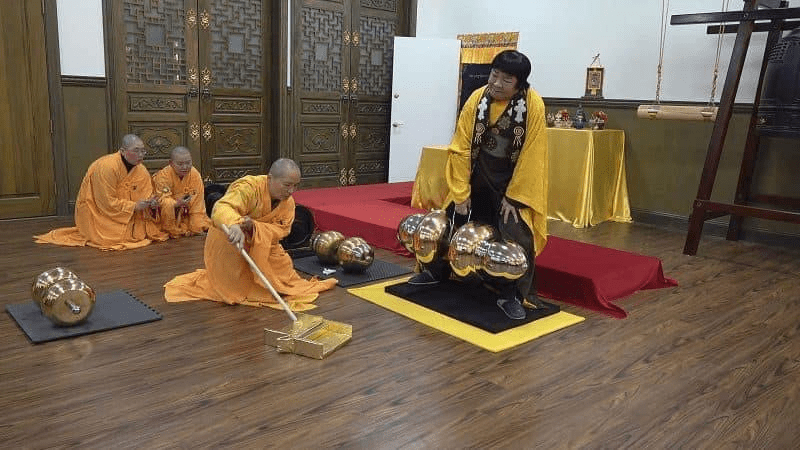
8. At the Holy Miracles Temple of Los Angeles, USA, on February 9, 2020, H.H. Dorje Chang Buddha III demonstrated His supreme physical strengths by lifting a 434.8-pound Vajra Pestle with only one hand in public. He lifted the pestle in the air for 13 seconds before placing it back down on the platform, surpassing the top strong man of the world by 59 levels! A Vajra King of Great Strength who lifts a pestle onto the platform using one hand can pass the standard by up to 30 levels and that would be considered the very top. That is, no matter what kind of a king of strong man, a Tremendously Holy Guru, an Equal Enlightenment Bodhisattva or a Marvelous Enlightenment Bodhisattva one maybe, one’s top limit is surpassing the standard by 30 levels. H.H. Dorje Chang Buddha III, on the other hand, could lift the Vajra Pestle with a weight of 434.8 pounds, which was 59 levels over the standard, with only one hand for 13 seconds. He was truly the unprecedented Vajra King of Super Strength in this world. The Holy Virtuous Ones say that the record made by H.H. Dorje Chang Buddha III is unprecedented, they also can foretell that it will never be repeated by anyone in the future because it is the innate quality of a Buddha.


H.H. Dorje Chang Buddha III has infinite great kindness and compassion. To benefit living beings, He also presided over uncountable holy great Dharma assemblies, in addition to the ones mentioned above. Every time when He held a holy Dharma assembly, the corresponding Dharma purpose of the Dharma assembly was always fulfilled perfectly, and Dakinis, Dharma-guarding Deities, Yidam(s), Great Bodhisattvas and/or Buddha(s) always arrived at the scene in person and manifest corresponding holy miracles to show the greatness of Buddha Dharma. These Dharma Assemblies include the Holy Dharma Assembly to Bath the Buddha (勝義浴佛法會), the Dharma Assembly to test on Establishing Mandala Over a Stone Slab (隔石建壇考試法會), the Dharma Assembly of Celebrating the East-Bound Trip of Imparting Dharma (東行說法慶典法會), the Dharma Assembly of Initiation with Bodhi Vajra Seed (菩提金剛種子灌頂法會), the Dharma Assembly of Testing on the Holy and Virtuous Ones(考聖德法會), the Dharma Assembly of State-Practice Initiation of the Horse Stable Terma (境行馬鵬伏藏灌頂法會), the Dharma Assembly of Making the Holy Daba Buqiong Pills (煉制打靶不窮丸法會), the Dharma Assembly of Making the Kadra Ande Pills (煉制卡卓安得丸法會), the Dharma Assembly of Holy Selection of Affinity by Knowing in Advance and Foretelling (先知預言擇緣法會), and so on and on. How could these Dharma Assemblies be successful, if it wasn’t for the realization capacity from a Buddha?

Link:https://peacelilysite.com/2025/08/08/the-achievements-in-inner-realization-vidya-by-h-h-dorje-chang-buddha-iii/

Living with Wolves: A Wild Artist’s Journey of Love, Respect, and Coexistence

If you are willing to look with your heart, you will see starlight in a wolf’s eyes.

On this planet, humanity is not the only protagonist.
Every forest, every river, every creature shares the same sky and breath with us. True civilization is not the conquest of nature, but the choice to live in harmony with it.


Li Weiyi, a wildlife animator, has spent years drifting between forests and grasslands, sketching the fleeting emotions in an animal’s eyes and the untamed spirit in its movements. Her brush captures not just form, but soul. Gentle and perceptive, she treats animals as friends and believes, with unshakable conviction: all beings are equal.


The Call of the Grassland

In April 2010, she arrived in the vast Ruoergai grasslands of Sichuan. The wind bent the grass like waves, silver mountains gleamed under the sun, and the openness was almost intoxicating. But behind the beauty was a brutal truth—conflicts between humans and wildlife were pushing many animals toward tragedy.

Then she heard a story that broke her heart.
A male wolf, desperate to feed his mate who had just given birth, ventured into a human settlement in search of food. He was caught in a trap, killed by herders, and skinned. His mate waited for days before realizing he was gone. In grief, she ate poisoned bait and followed him in death, leaving six starving pups behind.

Li Weiyi resolved to find them. Days of searching through freezing wind and endless grass finally brought her to the den. Five pups had already died. The last survivor lay weak and trembling, barely breathing. When she whispered, it crawled toward her with eyes full of trust. At that moment, she became its only family.

She named him Green—for the color of the grasslands, for life, hope, and freedom.


Life Between a Woman and a Wolf

In Chengdu, Green grew into a curious, spirited companion. He swam instinctively the first time he fell into water, learned to press the TV remote with his paws, and loved wolf documentaries—howling whenever his kind appeared on screen.

But a wolf will always be a wolf. Green chewed through wires, stole raw meat from neighbors, and refused a leash with stubborn pride. On the streets, he walked with head held high, as if declaring to the world: I am a wolf, not a pet.

A walk with a stray dog ended in tragedy when the dog was hit by a car, sending Green into a panicked dash through traffic. Authorities warned Li Weiyi that Green could no longer live in the city.


Preparing for the Return

She briefly considered a zoo, but one look at an old wolf with dull eyes, torn ears, and walls scarred with escape attempts ended that thought. She sold her home, bought an off-road vehicle and a camera, and returned to the Ruoergai grasslands with Green to begin his rewilding.

There, he sparred with Tibetan mastiffs, relearned the fight for survival, and endured nights of hunger in temperatures as low as –15°C. Li Weiyi stayed by his side through it all, determined to awaken the wolf within him.


Parting and Return

One month later, Green’s howl was answered by a wild pack. He walked toward the mountains, pausing to look back, eyes filled with reluctance. Li Weiyi waved him on, tears blurring her vision, and he vanished into the snow.

He became a ruler of the grassland, fathering pups of his own—but three were killed by humans, a grim reminder that coexistence was still far away.

Two years later, she saw him again from a distance, carrying hares—her favorite food. He stood watching her, not approaching. He belonged to the wild now. His eyes held both sadness and something unspoken.

Li Weiyi began returning to the grassland each year to help wolves like Green survive. And in August 2020, after a decade of intertwined lives, Green ran back into her arms. She held him tightly, tears streaming—warmth, reunion, and harmony made flesh.


Li Weiyi turned her story into the book and film Back to the Wolf Pack. It ends with a haunting question:

“We can rescue a wolf, but can we change the fate of the entire pack?”


This is not only a question for wolves—it is a question for humanity. Every time we expand our territory, every time we place our wants above the needs of other life, we risk silencing the very voices that make this planet alive.

We are not the masters of the Earth. We are one part of a vast, breathing community of life.

In 2020, China’s first wild wolf sanctuary was established—a small but hopeful echo of Li Weiyi’s ten years of dedication. But the work is far from over.

If we truly wish for harmony with nature, it begins with a choice—to see, to care, and to act—before the howls fade forever.

Link: https://peacelilysite.com/2025/08/08/living-with-wolves-a-wild-artists-journey-of-love-respect-and-coexistence/

Source: https://www.sohu.com/a/355779509_99965884, https://m.thepaper.cn/newsDetail_forward_20560520

Plato and Socrates on Love, Marriage, and Happiness: Timeless Lessons for Life

What is love?
What is marriage?
What is happiness?

These are questions that have echoed through time. The Greek philosopher Plato once asked his teacher Socrates these very questions. The answers he received were not in the form of lectures or definitions, but through simple, thought-provoking experiences that revealed profound truths about life.

What Is Love?

When Plato asked, “What exactly is love?” Socrates didn’t reply with words. Instead, he told Plato to walk through a wheat field and pick the biggest, fullest ear of wheat he could find. There was only one rule: he could pick only once, and he couldn’t turn back.

Plato returned empty-handed.

“I saw some very large and golden ears of wheat,” he explained, “but I kept thinking that there might be an even better one ahead, so I didn’t pick any. As I walked further, none of the wheat looked as good as what I had already passed. In the end, I walked out with nothing.”

Socrates smiled and said, “That is love. We often think something better lies ahead, so we pass by the one who may have been most right for us. And when we finally realize it, it’s too late to turn back.”

What Is Marriage?

Next, Plato asked, “Then what is marriage?”

Socrates responded, “Walk through the forest and cut down the biggest, strongest tree to use as a Christmas tree. Remember—you may only choose once, and you cannot turn back.”

This time, Plato returned with a tree that wasn’t the tallest or thickest, but still sturdy and pleasing.

When Socrates asked why he had picked it, Plato said, “I remembered the lesson from the wheat field. When I saw this tree and thought it was good enough, I cut it down. I was afraid that if I kept looking, I’d again end up with nothing. It may not be the best, but it’s mine—and I’m content with it.”

Socrates nodded and said, “That is marriage. It may not be perfect, but it’s real, reliable, and something you can walk through life with.”

What Is Happiness?

Finally, Plato asked, “What is happiness?”

Socrates told him to walk through a meadow and pick the most beautiful flower he could find, again under the same rule: choose only once, and no turning back.

After some time, Plato returned with a lovely flower in his hand.

Socrates asked, “Is this the most beautiful flower you saw?”

Plato answered with certainty: “When I saw this flower, I felt it was the most beautiful, so I picked it. Even though I saw other beautiful flowers later, I didn’t regret my choice. I stayed firm in my decision. This one, to me, is the most beautiful.”

Socrates smiled and said, “That is happiness. When you choose to see something as your happiness and cherish it, happiness is already yours.”


Through these three simple parables, Plato came to understand love, marriage, and happiness—not as things to chase endlessly, but as choices to recognize, embrace, and be content with.

  • Love is like the perfect ear of wheat you keep hoping to find ahead, only to realize—often too late—that what you passed by may have been the best match for you.
  • Marriage is like the tree that may not be flawless, but stands strong with you through the everyday winds and storms of life.
  • Happiness isn’t about always having the best. It’s about choosing something, valuing it, and finding contentment in it.

In a world driven by comparison, desire, and constant pursuit of “more,” true happiness arises when we stop looking outward and begin appreciating what we already have. When we make peace with our choices and nurture them with gratitude, we come to see: we already possess love, marriage, and happiness in their truest forms.

Link: https://peacelilysite.com/2025/08/05/plato-and-socrates-on-love-marriage-and-happiness-timeless-lessons-for-life/