The Intersection of Science and Buddhism: Exploring the Nature of Reality

The Secret Connection Between Quantum Physics And Buddhism

The German philosopher Karl Jaspers once said, “In science, half-understood knowledge leads one to abandon faith, while complete knowledge brings one back to faith.” This profound statement encapsulates the evolving relationship between scientific discovery and spiritual insight. Over the past century, science—particularly in the realm of quantum physics—has begun to reveal striking parallels with the teachings of Buddhism, suggesting that the boundary between scientific and spiritual understandings of reality is far more porous than once believed.

One of the most fascinating intersections between Buddhism and quantum physics lies in the concept of Emptiness (Śūnyatā). According to Buddhist philosophy, Emptiness is the fundamental nature of all phenomena—it is the limitless, dynamic potential from which everything arises and to which everything ultimately returns. This notion mirrors the scientific concept of the Quantum Field, the invisible yet omnipresent ground of pure potentiality that gives rise to all matter and energy in the universe.

Imagine a dream: within the dream, we experience vivid landscapes, emotions, and interactions. Yet, upon waking, we realize that none of it was truly real. However, the consciousness that enabled the dream was undeniably present. Similarly, in quantum physics, the Quantum Field remains unseen, yet it is the essential foundation from which all particles and forms emerge and dissolve. Nothing within the dream is independently real, just as in Buddhism, reality is understood through Pratītyasamutpāda, or dependent arising—the principle that all things exist in interdependence, without intrinsic self-existence.

Quantum mechanics further supports this view by demonstrating that particles do not exist as fixed entities but as probability waves, manifesting only when observed. This aligns with Buddhist teachings that emphasize the illusory nature of a solid, independent reality. Just as a wave transforms into a particle through observation, our perception shapes the world we experience.

The implications of these parallels are profound. If science and Buddhism are describing reality in similar ways, then understanding the universe may require not just empirical observation but also deep contemplation. As both disciplines continue to explore the mysteries of existence, they may converge on a deeper, unified truth—one that transcends dualities and reveals the interconnected nature of all things.

In this age of scientific breakthroughs and spiritual awakening, perhaps the most important lesson is that reality is far more mysterious than we ever imagined. Whether through the lens of quantum physics or the wisdom of Buddhism, we are invited to look beyond appearances and embrace the boundless potential that underlies all existence.

The Secret Connection Between Quantum Physics And Buddhism

Link:https://peacelilysite.com/2025/03/25/the-intersection-of-science-and-buddhism-exploring-the-nature-of-reality/

The “Banqi” Style: A Masterpiece of Artistic Innovation

Going to a Faraway School in the Mountains
《山間遠學》


Artist: H.H. Dorje Chang Buddha III
H.H.第三世多杰羌佛
Style: Banqi(版氣派)

This exquisite painting, rendered in the unique “Banqi” style, captures a touching scene of children from mountain villages on their way to school. Unlike city children, these young students must trek across rugged terrain—climbing mountains, crossing ravines—day after day to pursue their education. Their journey is filled with challenges, yet their unwavering determination and thirst for knowledge shine through. This artwork serves as a tribute to their resilience, reminding us all of the value of education and the perseverance required to achieve greatness.

A Revolutionary Artistic Technique

What makes this painting extraordinary is its unconventional brushwork, which blends the bold energy of ink-wash painting with the refined precision of engraving. Every stroke, whether light or dark, delicate or bold, exudes an artistic charm that is both fluid and structured. The layering of ink and color creates depth, while the intricate texture gives the illusion of an engraved plate print, despite being entirely painted by hand. The brushwork is dynamic—lines seem to break and reconnect, mimicking the traditional elegance of carved stone seals. This interplay between spontaneity and meticulous control infuses the painting with life, movement, and a profound sense of authenticity.

What Is the “Banqi” Style?

The “Banqi” style is a rare and fascinating artistic approach that combines the visual impact of printmaking with the expressive freedom of brush painting. While these works resemble engravings at first glance, they are, in fact, purely ink-wash paintings—imbued with an effortless yet profound beauty that is both natural and lively. Beneath their structured appearance lies a deep, inexhaustible charm, where each stroke carries an essence of tradition, innovation, and artistic mastery.

Through this masterpiece, we witness not only a compelling story of perseverance but also a groundbreaking artistic vision—one that harmonizes the precision of engraving with the fluid grace of brush painting. It is a celebration of both form and spirit, a true testament to the boundless possibilities of art.

This beautiful artwork is part of the permanent exhibition at the International Art Museum of America, located in downtown San Francisco.

Link:https://peacelilysite.com/2025/03/21/the-banqi-style-a-masterpiece-of-artistic-innovation/

Exploring the Concept of Size in Buddhism: Mount Sumeru and the Mustard Seed

In the realm of Buddhist philosophy, the imagery of Mount Sumeru and the mustard seed serves as a profound metaphor for understanding the nature of reality and perception. Originally a mountain in Indian mythology, Mount Sumeru is revered in Buddhism as the dwelling place of celestial beings like Indra and the Four Heavenly Kings. Standing at an astonishing height of 84,000 yojanas, it symbolizes the vastness and grandeur of existence. In contrast, the mustard seed, a tiny grain often used in culinary practices, represents the minuscule aspects of life.

This juxtaposition is beautifully illustrated in a dialogue between Li Bo, a governor of Jiangzhou during the Tang Dynasty, and the Zen master Zhi Chang. Li Bo questioned the seemingly paradoxical notion found in Buddhist texts that “Mount Sumeru can fit within a mustard seed, and a mustard seed can contain Mount Sumeru.” He found it hard to believe that such a small seed could encompass such a towering mountain.

With a smile, Zhi Chang responded by asking, “People say you have read thousands of books; is that true?” Proudly, Li Bo affirmed, “Of course! I have read far more than that!”

Zhi Chang then inquired, “And where are those thousands of books now?”

Li Bo pointed to his head and replied, “They are all right here!”

Zhi Chang chuckled and said, “Strange, then. Your head seems no bigger than a coconut; how could it possibly hold thousands of books?”

At that moment, Li Bo experienced a profound realization: the distinctions of large and small are mere constructs of the mind. In reality, size is subjective and arises from our perceptions.

This concept resonates deeply with modern science, which demonstrates that vast amounts of knowledge can be stored within a minuscule chip, echoing the Buddhist teaching that the universe can be contained within the smallest of objects.

The English poet William Blake expressed a similar sentiment in his famous lines:
“To see a world in a grain of sand,
And a heaven in a wild flower,
Hold infinity in the palm of your hand,
And eternity in an hour.”

His words capture the essence of this Buddhist teaching: within the tiniest elements of our world lies the vastness of the infinite.

Ultimately, Buddhist wisdom encourages us to transcend conventional notions of size and reality. When we embrace the idea that the vast can reside within the minute, we cultivate a deeper awareness of the interconnectedness of all things. In this way, Mount Sumeru and the mustard seed serve as powerful reminders of the boundless nature of existence and the limitless potential of the human mind.

In the Āgama Sūtra, there is a remarkable story that illustrates how the merit of a single grain of rice can be as vast as Mount Sumeru.

During the time of the Buddha, a poor couple lived in a crumbling cave with nothing to their name. They were so impoverished that they owned only a single set of clothes, which they had to share. When the husband went out, the wife had to stay home, and when the wife needed to leave, the husband had no choice but to remain inside, barely clothed.

One day, they heard that the Buddha and his disciples were passing through their village on their alms rounds. The couple reflected on their misfortune and said, “We have never practiced generosity, which is why we suffer such poverty today. Now that the Buddha is here, how can we miss this rare opportunity to give?”

However, as they looked around their home, the wife sighed deeply, “But we have nothing to offer…”

The husband, after thinking for a moment, made a firm decision: “No matter what, we must not let this opportunity slip away. Even if we starve, we must make an offering! The only thing we still have of value is this set of clothing—let us give it to the Buddha!”

With hearts full of joy, they humbly presented their only garment as an offering. The disciples, however, hesitated, feeling uneasy about receiving such an item. They passed the garment among themselves, reluctant to accept it, until Ananda finally brought it before the Buddha and asked, “Lord, this garment is too worn to be used. Should we discard it?”

The Buddha, filled with compassion, gently instructed, “My disciples, do not think this way. The generosity of the poor is the most precious of all. Bring the garment to me.”

Feeling ashamed for their earlier hesitation, Ananda and Maudgalyayana took the garment to the river to wash it. But as soon as they immersed it in the water, the entire river surged wildly, waves crashing in all directions. Alarmed, Maudgalyayana used his divine powers to summon Mount Sumeru in an attempt to subdue the turbulent waters. Yet, no matter how he pressed it down, the waves remained uncontrollable.

Helpless, the two disciples rushed back to the Buddha to report what had happened. At that moment, the Buddha was calmly eating his meal. Without saying much, he gently picked up a single grain of rice and handed it to them, saying, “Take this rice grain to the river, and it will settle.”

Perplexed, Ananda asked, “Lord, even the mighty Mount Sumeru couldn’t calm the waves—how can a tiny grain of rice possibly do so?”

The Buddha smiled and said, “Try it and see.”

Still doubtful but obedient, Ananda and Maudgalyayana took the grain of rice and cast it into the river. Miraculously, the raging waters instantly calmed, becoming as still as a mirror.

Shocked by what they had witnessed, the two disciples returned to the Buddha and asked, “How could a single grain of rice hold more power than a mountain?”

The Buddha then explained, “From the moment a grain of rice is planted, it undergoes countless efforts—watering, fertilizing, harvesting, processing, and selling—each step carrying the labor and dedication of many beings. Because of this, a single grain of rice contains immeasurable merit. Likewise, the garment offered by the poor couple was their only possession, their entire livelihood. Their act of giving was boundless in sincerity, making its merit just as vast. The Dragon Kings of the ocean understood the profound virtue behind this offering, which is why they immediately retreated in reverence. This is the power of true devotion—whether a grain of rice or a simple piece of clothing, when given with absolute sincerity, its merit can equal that of Mount Sumeru.”

From this teaching, a well-known Buddhist verse arose to remind monks and practitioners of the sacred nature of even the smallest offering:

“A single grain of rice in the Buddha’s gate,
As vast as Mount Sumeru.
If enlightenment is not attained in this life,
One shall return repaying the debt, bearing horns and fur.”

This verse serves as a powerful reminder that every offering—no matter how small—carries immense significance when given with a pure heart. It also warns practitioners to cherish and respect all acts of generosity, for every grain of rice represents the kindness and labor of countless beings.

Link:https://peacelilysite.com/2025/03/21/exploring-the-concept-of-size-in-buddhism-mount-sumeru-and-the-mustard-seed/

Beyond Form: The Pure Expression of Color in H.H. Dorje Chang Buddha III’s Art

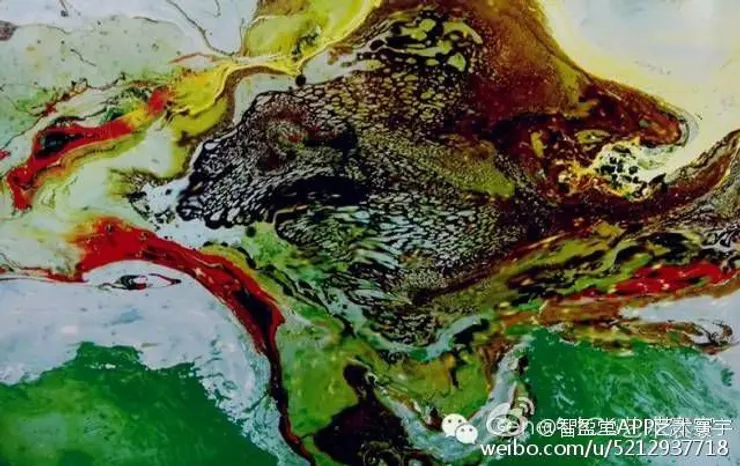
H.H. Dorje Chang Buddha III‘s Abstract Color Paintings create a perfect world shaped entirely by color. Free from concrete worldly forms, this realm exists purely through the interplay of hues—defining, expressing, and embodying itself in vibrant harmony. Here, color is both form and essence, radiating a mesmerizing aura.

Under the masterful hand of H.H. Dorje Chang Buddha III, these colors seamlessly merge into a breathtakingly enchanting spectrum. The atmosphere is dynamic, with scenes that bloom like flowers and surge with the power of the roaring sea. Yet, upon closer reflection, they reveal delicate nuances, refined in their intricate details.

Flower of Life

This painting depicts a unique flower, with delicate white petals gently unfolding and a striking red pistil at its center. Growing irregularly against a dark background, it seems to challenge its surroundings. Though unusual in appearance, this flower carries a profound meaning of life, symbolizing resilience and beauty in adversity. It is not only a miracle of nature but also a representation of vitality, showcasing the brilliance and diversity of life. Each petal tells a story, drawing the viewer into the emotions and strength conveyed by the artwork.

Flower of Life (2)

In this painting, intricate patterns and clear details intertwine, portraying the harmonious growth of various living beings. Each element seems to narrate the origins of life, allowing viewers to deeply sense the evolutionary process of all things.

This artwork is not merely a depiction of nature but also a contemplation of the essence of life. It serves as a reminder that life is in a constant state of growth and transformation, just like our own journeys. Every challenge and breakthrough we experience is an essential part of our personal development.

Through this piece, we are invited to reflect on our own lives and feel a profound connection with nature.

You can discover a selection of the exceptionally charming paintings in the permanent exhibition at The International Art Museum of America, situated in downtown San Francisco.

Spring Liver Care: Nourishing Your Body in the Season of Renewal

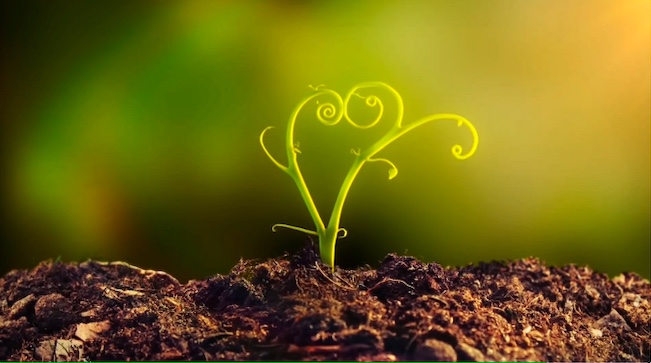
As spring arrives, Yang energy begins to rise, nature awakens, and the world bursts into vibrant life. This season of renewal is the perfect time to focus on rejuvenation—not just for nature but for our own bodies as well. According to Traditional Chinese Medicine (TCM), the liver is closely linked to spring, making this the ideal time to nourish and support this vital organ.

TCM emphasizes the deep connection between human health and the changing seasons, a concept known as “unity of heaven and man” (天人合一). Spring corresponds to the liver, which governs the body’s ability to detoxify, regulate energy flow, and promote smooth circulation. Just as trees sprout new leaves and flowers bloom, the liver thrives in this season of growth and renewal. Supporting liver health during spring can enhance digestion, boost energy levels, and improve overall well-being.


What you eat plays a significant role in keeping your liver happy. By incorporating the right foods into your diet, you can naturally support your liver’s detoxification processes, reduce inflammation, and promote overall vitality. Here are some of the best foods for liver health, along with easy and delicious ways to prepare them:


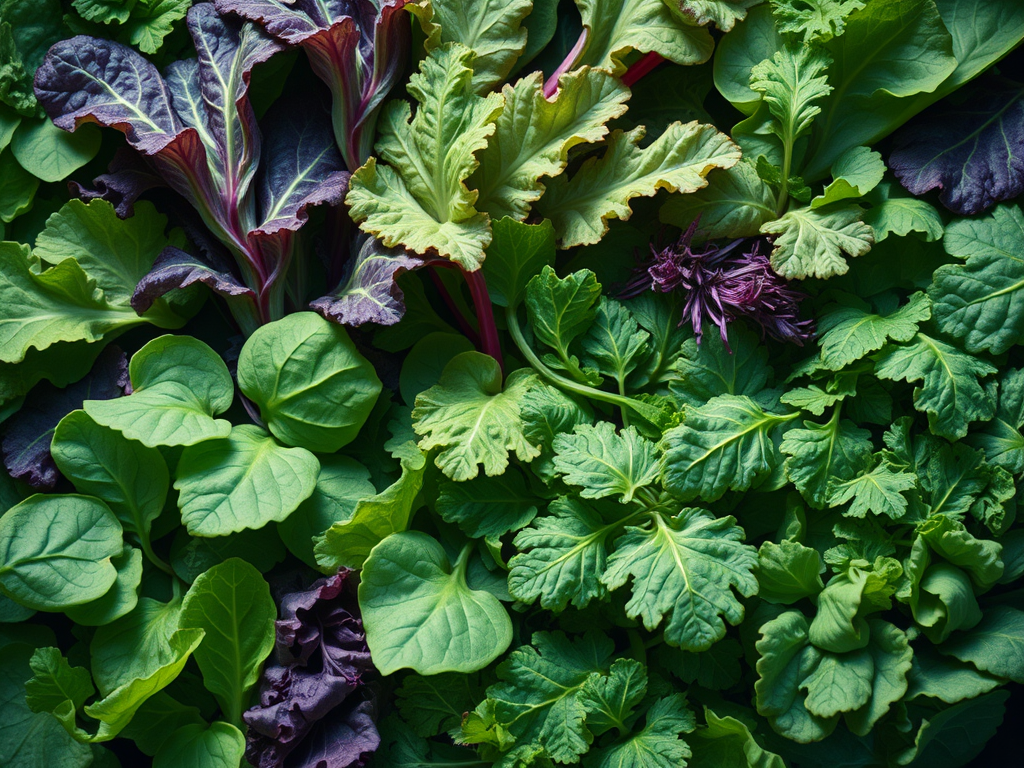
1. Leafy Greens (Spinach, Kale, Dandelion Greens, Arugula)

🌿 Why? Leafy greens are packed with chlorophyll, a natural detoxifier that helps remove toxins and heavy metals from the liver. They also contain compounds that aid in bile production, which is essential for digestion and detoxification.

🍽 How to Enjoy:
✔️ Sautéed Greens: Lightly cook with garlic and olive oil to enhance flavor while retaining nutrients.
✔️ Green Detox Smoothie: Blend with lemon, apple, and ginger for a refreshing and cleansing drink.
✔️ Spring Salad: Toss with olive oil, lemon juice, and nuts for a crunchy, nutritious meal.

💡 Tip: Bitter greens like dandelion and arugula are especially powerful for liver health. Try adding them to your salads or lightly steaming them to tone down their bitterness.


2. Turmeric

Why? This golden spice is a superstar for liver health. It contains curcumin, which helps reduce liver inflammation, aids in detoxification, and enhances bile production for better digestion.

🍽 How to Enjoy:
✔️ Golden Milk: Mix turmeric with warm almond milk, honey, and black pepper for a soothing anti-inflammatory drink.
✔️ Turmeric Rice: Cook rice with a pinch of turmeric, garlic, and a bit of coconut oil for a flavorful, healing dish.
✔️ Turmeric Tea: Simmer turmeric with ginger and lemon for a warm, cleansing tea.

💡 Tip: Always pair turmeric with black pepper or healthy fats (like coconut oil or olive oil) to enhance its absorption.


Photo by Marcelo Verfe on Pexels.com

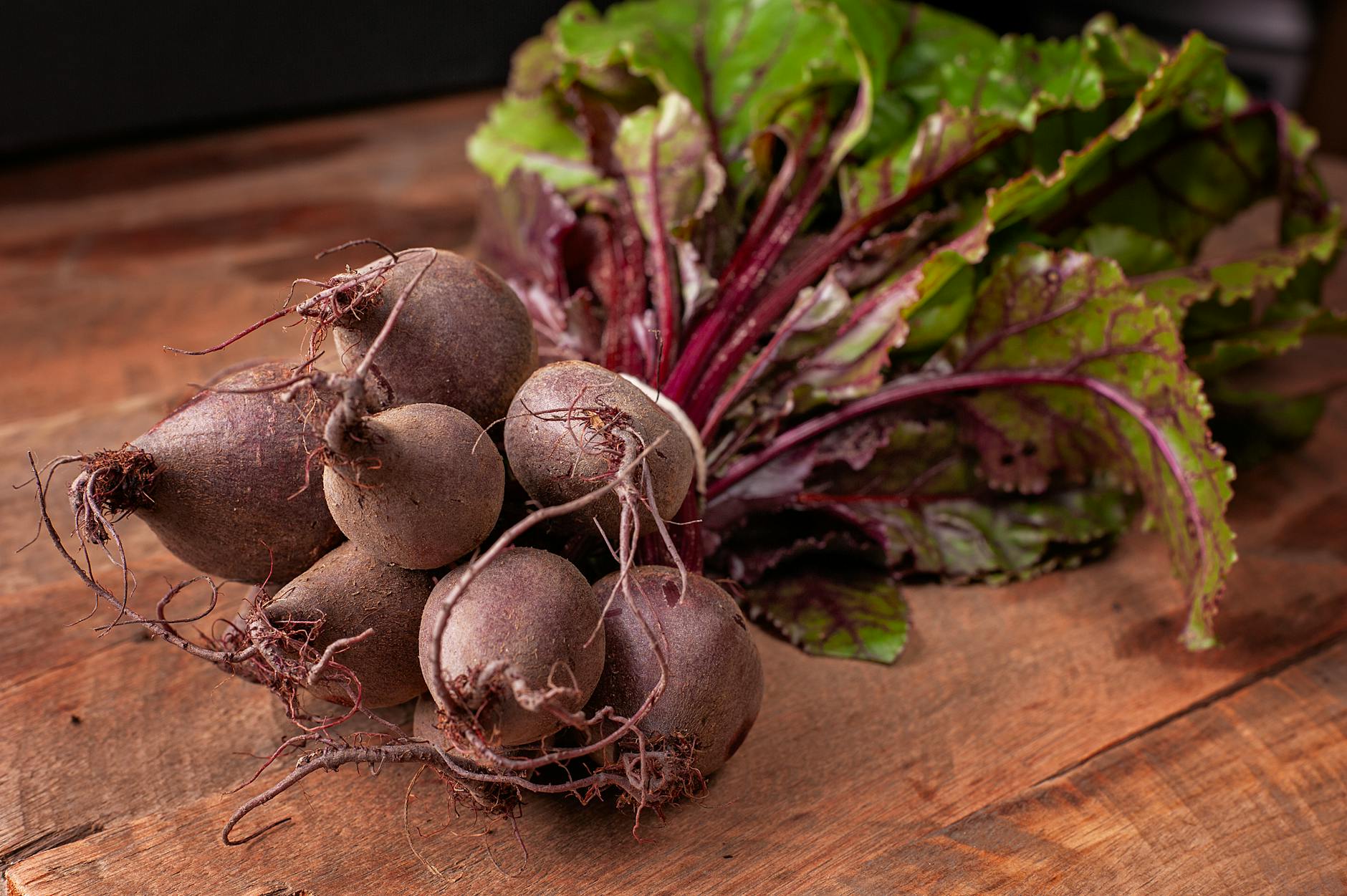
3. Beets

❤️ Why? Beets are rich in betalains, powerful antioxidants that support liver detoxification and reduce inflammation. They also boost bile flow, helping the liver break down fats and eliminate toxins more efficiently.

🍽 How to Enjoy:
✔️ Roasted Beets: Slice and roast with olive oil, rosemary, and sea salt for a sweet, earthy side dish.
✔️ Beet Detox Juice: Blend beets with carrots, ginger, and lemon for a vibrant, liver-cleansing drink.
✔️ Beet & Goat Cheese Salad: Toss roasted beets with arugula, walnuts, and goat cheese for a delicious and nutritious salad.

💡 Tip: Beets can stain your hands and cutting board—rub them with lemon juice to remove the color easily!


4. Garlic

🧄 Why? Garlic contains sulfur compounds that activate liver enzymes responsible for flushing out toxins. It also supports immune function and helps reduce fatty buildup in the liver.

🍽 How to Enjoy:
✔️ Garlic Stir-fry: Add minced garlic to sautéed vegetables or meats for extra flavor and health benefits.
✔️ Garlic Soup: Simmer garlic with bone broth, onions, and herbs for a comforting, healing meal.
✔️ Garlic Honey Remedy: Crush fresh garlic and mix with honey for an immune-boosting, liver-friendly tonic.

💡 Tip: To maximize garlic’s health benefits, let chopped garlic sit for 10 minutes before cooking—this enhances its beneficial compounds.


5. Fatty Fish (Salmon, Mackerel, Sardines)

🐟 Why? Fatty fish are packed with omega-3 fatty acids, which help reduce liver fat, fight inflammation, and promote overall liver health. They also support healthy cholesterol levels and brain function.

🍽 How to Enjoy:
✔️ Grilled Lemon-Garlic Salmon: Marinate with olive oil, garlic, and lemon juice before grilling.
✔️ Miso-Glazed Mackerel: Bake with miso paste, ginger, and a touch of honey for a flavorful dish.
✔️ Sardine Avocado Toast: Mash sardines with avocado and lemon juice, then spread on whole-grain toast.

💡 Tip: Aim to eat fatty fish at least twice a week for optimal liver benefits.


6. Walnuts

🥜 Why? Walnuts are rich in glutathione, an essential antioxidant that helps detox the liver. They also provide omega-3 fatty acids, which reduce liver inflammation and support brain health.

🍽 How to Enjoy:
✔️ Walnut Pesto: Blend walnuts with basil, garlic, and olive oil for a delicious sauce.
✔️ Walnut Oatmeal: Sprinkle crushed walnuts over oatmeal with honey and cinnamon for a nutritious breakfast.
✔️ Roasted Walnut Snack: Lightly toast walnuts with a sprinkle of cinnamon and sea salt for a crunchy, liver-loving snack.

💡 Tip: Soaking walnuts overnight can improve digestion and nutrient absorption.


7. Lemon & Citrus Fruits

🍋 Why? Citrus fruits are packed with vitamin C and antioxidants, which support liver detoxification and boost the immune system. They also help stimulate bile production, which aids in digestion.

🍽 How to Enjoy:
✔️ Morning Lemon Water: Start your day with warm lemon water to flush out toxins and boost digestion. Add some honey to make it taste better.
✔️ Citrus Salad: Mix orange slices with fennel, pomegranate seeds, and olive oil for a refreshing dish.
✔️ Homemade Citrus Dressing: Blend lemon juice, olive oil, and honey for a flavorful salad dressing.

💡 Tip: Drinking lemon water before meals can help stimulate digestion and improve nutrient absorption.

There are several other foods that are also beneficial for your liver, such as carrots, apples, cabbage, and goji berries. Incorporating them into your diet regularly can help support liver health.


As nature awakens in spring, so too should our approach to health. Since the liver plays a crucial role in detoxification, metabolism, and emotional balance, it’s essential to nurture it during this season of renewal. Along with a nutrient-rich diet, mindful lifestyle choices such as regular exercise, restful sleep, and emotional well-being can help maintain liver vitality and overall harmony.

By embracing optimism, managing stress, and supporting the liver with wholesome foods, we align ourselves with the natural rhythms of spring. Let this season be a time of nourishment, balance, and rejuvenation. May we all welcome the warmth and energy of spring with a strong, healthy liver and a joyful heart! 🌿✨

Link:https://peacelilysite.com/2025/03/13/spring-liver-care-nourishing-your-body-in-the-season-of-renewal/

The Winners Of People Photography Awards: The Diverse Beauty Of Humanity In Photos

Photo by Hassan OUAJBIR on Pexels.com

By Cecilia Rodriguez

“People photography has a rich, captivating history, evolving alongside the development of the medium itself,” the organizers explain. “From capturing iconic figures to telling the stories of everyday individuals, it continues to fuel our profound curiosity about the human experience.”

This award sought to celebrate the most powerful and compelling images of people today, highlighting the diverse and meaningful narratives that shape our shared world.”

Crossing borders, spanning cultures and traversing the world’s most remote corners, the People Photography Award celebrates the diverse beauty of humanity.⁠

The People Photography awards were judged by prizewinning photographer Steve McCurry, one of the most celebrated voices in contemporary photography and author of a unique collection of work featuring some of the most famous images of our time — not least his iconic portrait of an Afghan Girl with piercing green eyes.

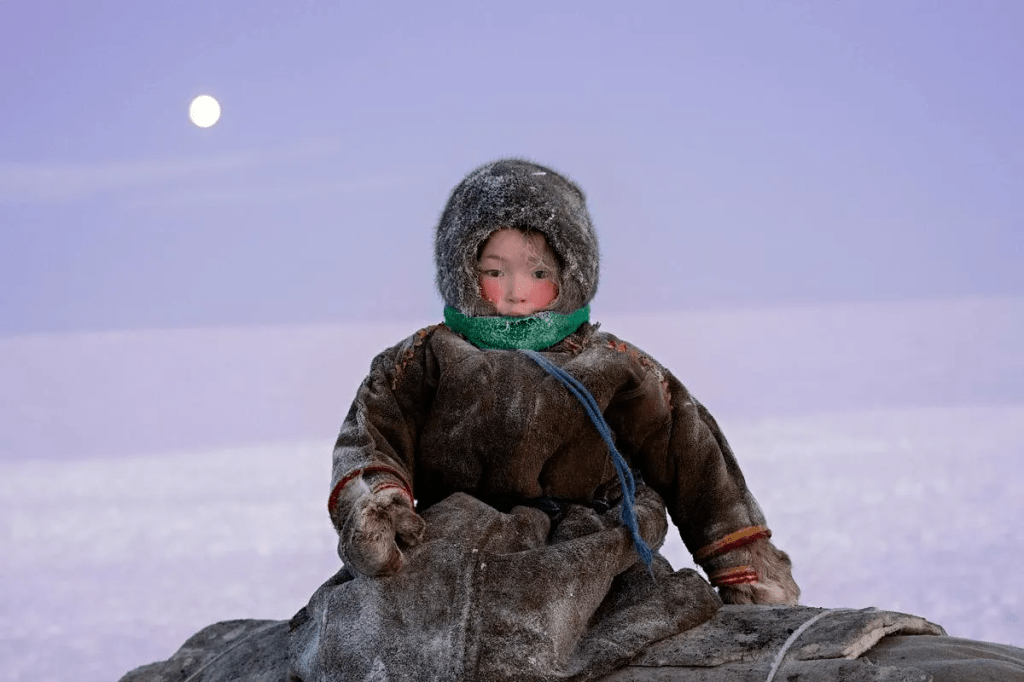
“Shades of white,” 3rd Prize, Yamal peninsula, Siberia, Northern Russia
 Nicola Ducati – People Photography Awards, The Independent Photographer

The photo above, winner of the third prize and $400, is one of the series “Shades of white” and was taken in the Yamal peninsula, Siberia, Northern Russia, where the air is thin and the polar day is very short.

For 4 1/2 hours, the light becomes magical and the colors of everything are perfect pastel against the artic sky, with delicate and unreal shades.

This land is inhabited by the Nenets people, nomadic reindeer herders who, guided by the seasonal cycles and the needs of their animals, migrate incessantly in an infinite circle of movements between ice, frozen rivers and incessant winds in search of new pastures in the most remote tundra. The hostile environment didn’t stop their innate adaptability and gave them prosperity for millennia.

“The soft polar light accentuates frosted textures and the child’s rosy cheeks, underscore both the harshness of the environment and the resilience of those who call it home,” the editors wrote. “It tells a powerful story of a people who have forged a life in one of the planet’s most unforgiving regions — but a people whose future remains uncertain.”

“Puzzled,” 2nd Prize, Western Mongolia
 Alessandra Manzotti – People Photography Awards, The Independent Photographer

A curious Kazakh nomad from Western Mongolia stops his truck to find out what a group of Westerners are doing walking in this remote and desolate stretch of land in the middle of a bitterly cold winter.

“This image captures the spirit of curiosity and resilience that defines life in remote Mongolia,” says McCurry. “The composition is powerful, with the truck and its vibrant blue color creating a striking contrast against the muted tones of the barren landscape. The candid expressions of both the nomad and the dog evoke a sense of warmth and connection, even in a harsh and unforgiving environment. The attention to detail, like the weathered texture of the truck and the distant herd in the background, adds depth to the story. It’s a beautiful balance of humanity and environment, which makes it a memorable piece.”

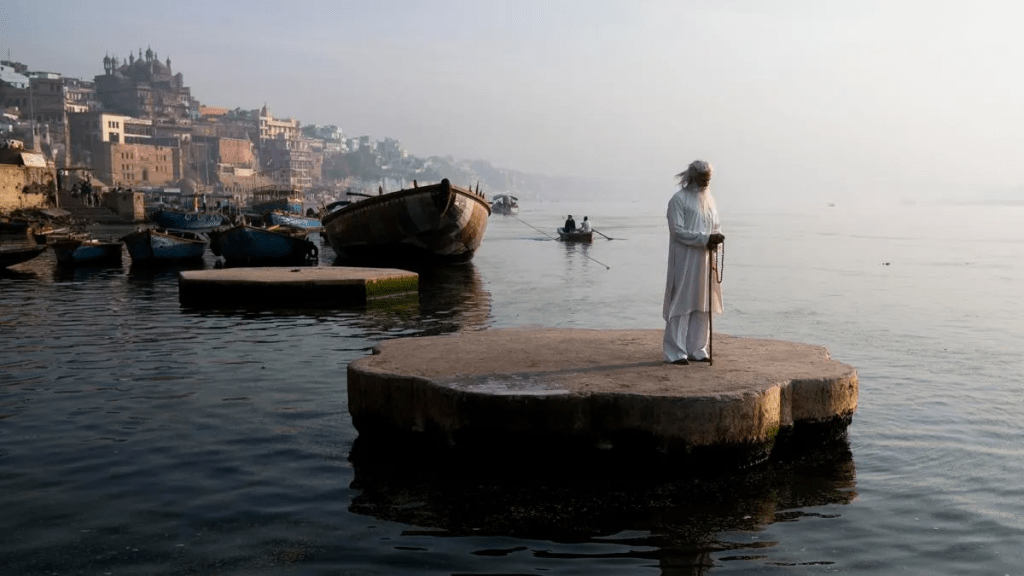
Contemplation, 1st Prize, Ganges River, Varanasi, India
Mohammad Kamal – People Photography Awards, The Independent Photographer

A lone Sadhu stands pensively at the edge of a platform in the Ganges River in Varanasi, India.
The image “Contemplation” , taken by photographer Mo Kamal in Varanasi, India, won first prize and $1,000.

“This image embodies a profound sense of stillness and spirituality, which perfectly captures the essence of Varanasi and the sacred Ganges,” said McCurry. “The man’s serene pose, framed against the soft morning light, evokes a sense of timelessness and introspection. The photograph is a poetic depiction of solitude and faith.”

“Andean Motherhood,” Finalist, Peruvian Andes
Jimmy Strouse – People Photography Awards, The Independent Photographer

In the Peruvian Andes, a mother carries her baby in a traditional bag. “The backdrop of rugged mountains just added to the beauty, giving a glimpse into the rich traditions of indigenous life,” Jimmy Strouse explains. “After showing her the photo on my camera, she nearly started crying, and it hit me: She probably doesn’t see many photos of herself, if ever.”

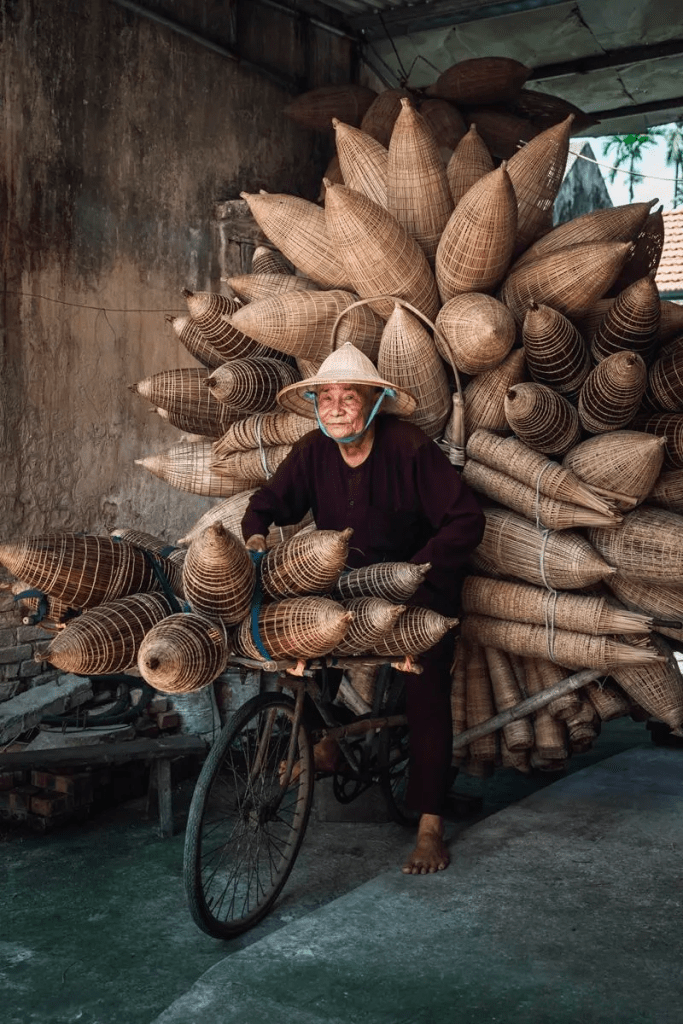
“The Art of Fish Traps,” Finalist, Thu Sy, Vietnam
 Vincenzo Avallone – People Photography Awards, The Independent Photographer

“During my journey, I had the opportunity to visit Thu Sy, a village in Vietnam known for its artisanal production of fish traps,” Vincenzo Avallone explains. “In this photo, I captured a local elderly man transporting an incredible number of fish traps on his bicycle.

“Villamar,” Finalist, Villamar, Bolivia
Michael Murray – People Photography Awards, The Independent Photographer

In a small settlement outside Villamar, Bolivia, a clothes maker pauses for a portrait.

“Shore Bound,” Finalist, Ladakh region, India
 Wasim Malik – People Photography Awards, The Independent Photographer

This is Lamo, a nomadic woman from the serene Changthang region in Ladakh, India, where the vast highlands meet a life of simplicity and resilience.

Link:https://peacelilysite.com/2025/03/07/the-winners-of-people-photography-awards-the-diverse-beauty-of-humanity-in-photos/

Source: https://www.forbes.com/sites/ceciliarodriguez/2025/01/17/the-diverse-beauty-of-humanity-in-photos-10-winners-of-people-photography-awards/

Compassion, Responsibility, and the Journey to Death: Rethinking Euthanasia for Our Animal Companions

Watching a beloved companion waste away, writhe in pain, or cry out in distress is never easy. It is heartbreaking to see a once-vibrant being—one who once leaped over fallen trees, climbed steep inclines, or joyfully bounded through snowy mountains—struggle to stand, only to lose that ability altogether. Dying is a process in which the body gradually ceases to function, and eventually, stops completely. It is neither a pleasant sight nor a pleasant smell, yet it is a natural part of life.

When a human forms a bond with another living being—whether through adoption, inheritance, or as a gift—they take on a profound responsibility. Caring for that being in sickness and health, until death arrives, is part of that commitment. The true tough decision is not to end their life prematurely, but to provide palliative and hospice care, ensuring they are comforted with love and presence in their final days. Accompanying them on their journey to death with compassion—rather than ending their life or outsourcing the act—is the ultimate expression of devotion and responsibility.

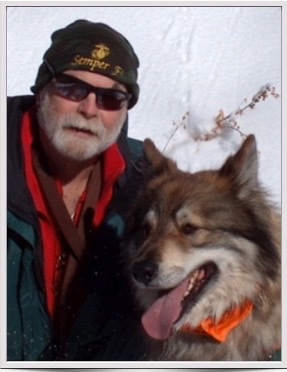
Is euthanasia the right choice for an aging and dying pet? Buddhist disciple Dani Tuji Rinpoche reflects on his experiences with his animal companions, sharing insights into their passing and his response to common beliefs about what a Buddhist should do when witnessing the suffering of a beloved animal.

In 2008, my wife Deb and I had a conversation with Zhaxi Zhuoma Rinpoche and Lama Puti about whether euthanasia was a compassionate choice to end an animal companion’s suffering when it seemed unbearable. They explained that ending an animal’s life prematurely denies them the opportunity to work through their karma, potentially leading to a less favorable rebirth. This perspective resonated with me then, and it still does today. It also reframes the way we view our responsibilities toward our animal companions, deepening our understanding of the care and presence we owe them in their final moments.

At this point I want to describe Chaco’s journey.

Chaco came to us as a Wolf-Malamute pup and lived out his life in our care. Magnificent is an inadequate term to try to provide a sense of who he was in this lifetime but he was all that and more. I won’t bore the reader with tales of our adventures in the mountains of northern New Mexico just outside of Taos. Suffice it to say that we ranged far and wide.

I came home one day after a thunderstorm to find Chaco limping. The gate had been opened by Dharma a female heeler that had lived across the street but who had spent most of the time playing with Chaco through the fence. When her humans moved she stayed. She was totally freaked out by thunder, fireworks, etc. and had chewed open chain link fence gates, butted down wooden gates, and more to run free from the thunder. She and Chaco had run free for some time so I thought he might have sprained something.

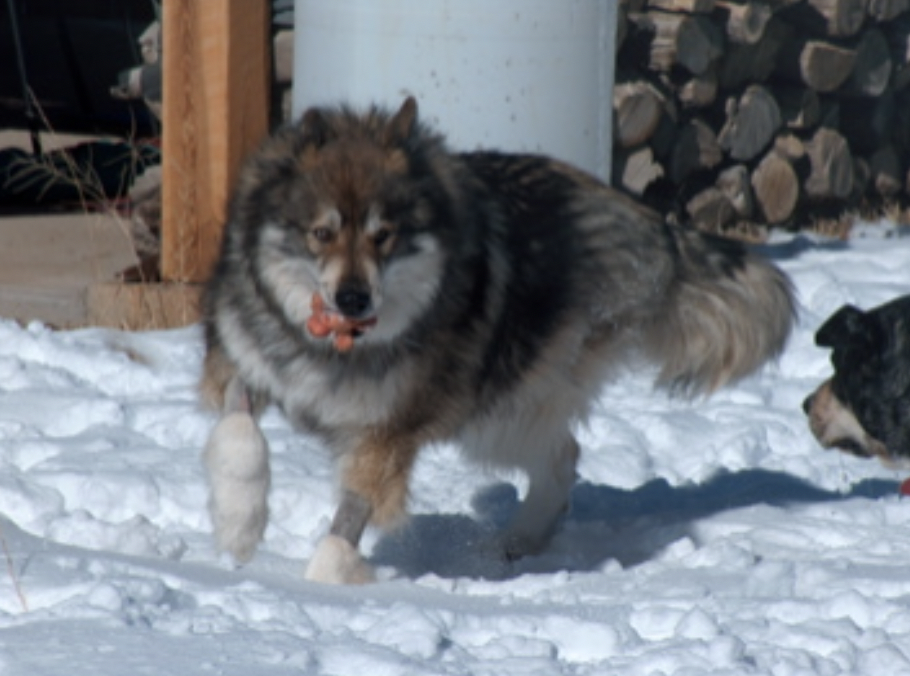
Chaco loved squeaky toys and playing with Dharma. The poodle cut on his forelegs was for chemo. He died about 5 months later.

After a few days of limping I took Chaco to the vet’s for x-rays. The pain and gimpiness were associated with a tumor that was osteosarcoma. I drove Chaco to Colorado Canine Orthopedics & Rehab in Colorado Springs. A biopsy confirmed the diagnosis and a surgery to remove his left rear leg at the hip was scheduled. The surgery went well and Chaco regained most of his mobility and soon was running with the other dogs.

We knew he would never recover as the cancer had spread to his lungs so we wanted to do everything we could to make him comfortable. We tried chemo but stopped it when there was no sign of improvement.  We enjoyed a few months of fairly normal outdoor activities and then entered the lasts stage, a period where you do things for the last time. At the beginning of this stage you may not be aware that you and your companion are doing something for the last time until you try to do it again and cannot. It becomes a great lesson in being in the moment because now you know that what you are doing may be the last time you ever do it and those activities take on a special meaning. [My perspective is that we never know for sure when we’ll die and so every moment should be lived that way. I’m a long way from being there all the time but some things just seem to demand attention.]

After the lasts comes the slide that carries us all to the same end. Chaco reached the point where his rear leg wasn’t dependable. We tried a wheelchair but that wasn’t appropriate for the circumstances, so we used a sling to support his body while he ambulated with his front legs. He quickly transitioned to wanting to be outside most of the time – he used to sleep in the snow – so we accommodated that. For several weeks Chaco and I would go out into the sage, have long conversations and sleep. When he totally lost his mobility I either dragged a sleeping bag with him on it or carried him.

His last night we were inside and he was lying in Deb’s lap. I went to take a nap and Deb woke me to tell me that Chaco had passed. He died in her arms peacefully, completing that lifetime in the animal realm.

We said mantras and did mudras and then laid him in the grave I had prepared. There is nothing like such an experience to show you how strong attachments can be to others and to self. And if there was difficulty in fearing impermanence this type of event can help you re-examine that subject.

I believed then as I do now that we had done our best for Chaco. I failed miserably with Skanda.

At eight weeks the Brazilian Mastiff puppy weighed 18 pounds. We chose the name Skanda because we thought that he would become the protector for the two remaining dogs, Lyla and Dharma. He grew rapidly, was seriously attached to Deb, and too big and strong for his good. At the beginning of adulthood, he had torn both ACL’s and, due to his size, our vet recommended the repair that Colorado Canine did that involved repositioning his tibial plateau and securing it with a plate and screws. The first operation went so well that the second could be done earlier than expected. Then came about two months of restricted activity and that meant he had to be on leash anytime he was outside. That is easier said than done but we did our best and he made it through his recovery.

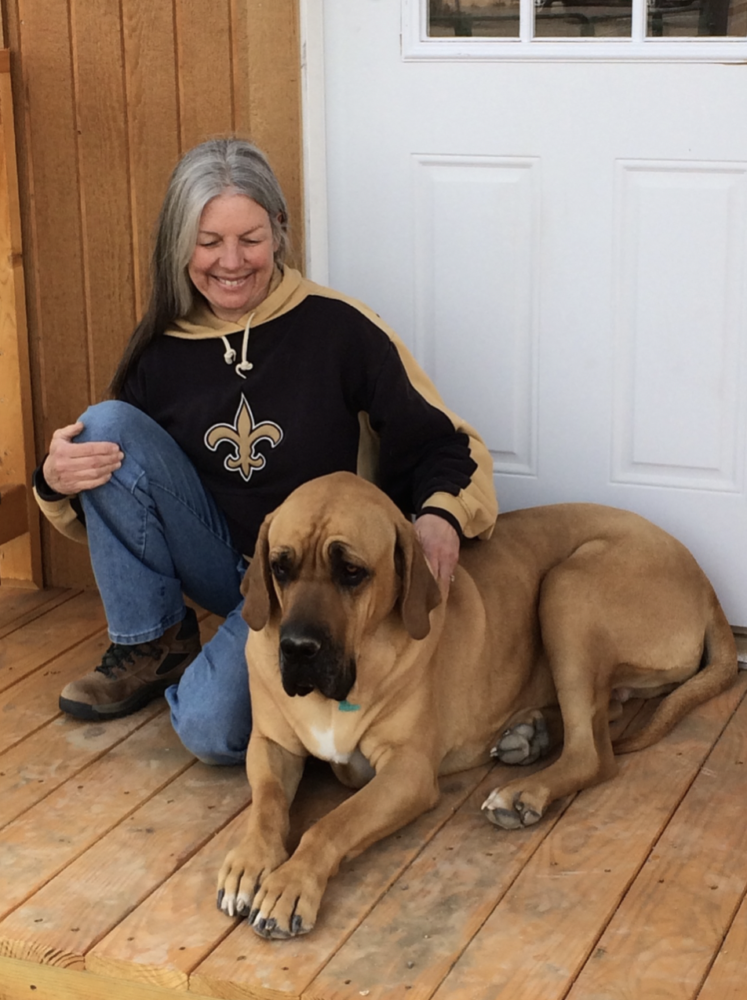
Deb and Skanda on the porch of the Jones’ gompa.

Yes, osteosarcoma once more, same prognosis and no surgical option. One problem with osteosarcoma is that once it reveals itself with a tumor it has already spread and all that’s left is to try to make the dying as comfortable as possible.Life with a canine companion that weighs about 170 pounds and is fiercely protective can be challenging. Around Deb Skanda was nothing but a drooling pool of love but any sense that she was in need of protection and the transformation was dramatic. So, we took precautions and adapted. My approach was to treat him as if he had PTSD and to make sure he was shielded from as much of the triggers associated with PTSD as possible. And life was good…until he developed a tumor on his left front leg.

Skanda had a selection of pain meds that helped but after a month or so the pain in his foreleg made walking too difficult. We had added cannabis oil to his regimen and that seemed to help. His decline was fairly rapid: reduced mobility then virtually none; decreased appetite; obvious signs of distress; sleeping most of the day; incontinence. The tumor on his leg increased in size, the leg swelled with edema, his foot swelled until the skin between the toes began to open and his foot began to putrefy. At this point he would only drink a little water and take the CBD oil straight from the dropper. He refused meds, food and then treats. As his foot worsened the conversation turned to euthanasia. Bottom line is that I was weak, our vet came to the house and administered the drugs and Skanda appeared to pass peacefully. His remains were placed near Chaco’s with appropriate ceremony..

In Revealing the Truth, a book written by Shi Zheng Hui about her experiences during the twelve years lived in close proximity to H. H. Dorje Chang Buddha III I read a passage that I hoped might apply to euthanasia. In the passage Jun Ma an elderly Great Dane was taken to hospital for treatment but died that afternoon. In my strong desire to find a way to think that Skanda’s euthanasia might have been alright under the circumstances I contacted H.E. Denma Tsemang Longzhi Rinpoche to ask if the passage in the book meant that Jun Ma had been euthanized. The reply I received reiterated that there were no circumstances that would allow for euthanasia.

During 2018 I provided and Deb participated in hospice and palliative care for both Dharma and Lyla. Dharma created a nesting space in the sage and spent her last days there. Once she settled in she refused food and would only take a little water. She seemed to indicate that she would prefer being left alone so the last two or three days we would check on her and adjust her sun shade. She died with no apparent distress and was buried next to Chaco with appropriate ceremony and ritual.

Several months later Lyla passed away with no indication of distress. I checked on her in the early morning and she was fine then about half an hour later she was dead. She was buried next to her longtime companion Dharma.

The dogs with which we live have all been given a Blue Dharma pill to help them find the Dharma and all have taken refuge. Those that have passed were buried with recitations of The Buddha Speaks of Amitabha Sutra.

There are things to consider when adopting or otherwise finding a new canine companion. Your age, their life expectancy, your physical condition, their size, your life expectancy, their life after your death.

Link: https://peacelilysite.com/2025/03/06/compassion-responsibility-and-the-journey-to-death-rethinking-euthanasia-for-our-animal-companions/

source: https://holyvajrasana.org/articles/the-issue-of-euthanasia-for-buddhists-and-the-pets-with-which-they-live

The Sacred Dragon Stone: Manjushri Bodhisattva’s Compassion and the Five Dragon Princess

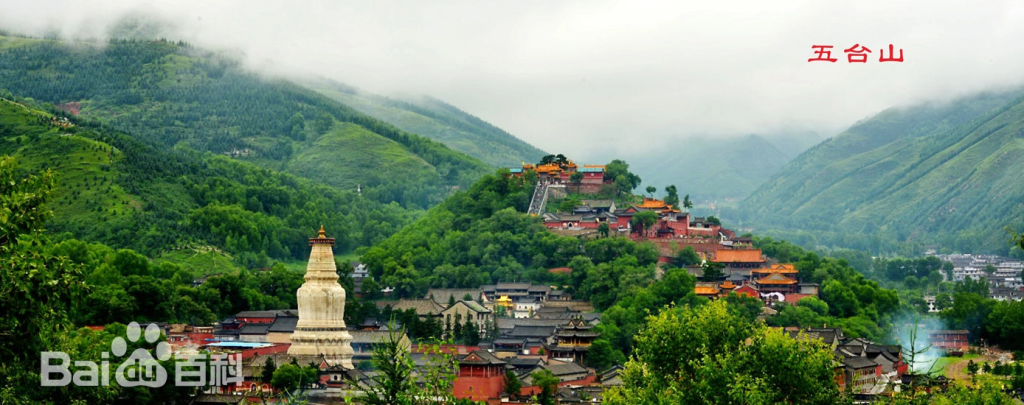
Mount Wutai, home to over 53 sacred monasteries, stands as one of the Four Sacred Mountains of Chinese Buddhism. Each of these mountains is regarded as the bodhimaṇḍa of one of the four great bodhisattvas, and Wutai is the sacred domain of Manjushri, the Bodhisattva of Wisdom. Revered since ancient times, Mount Wutai holds a profound spiritual significance, attracting countless pilgrims seeking enlightenment and divine blessings.

Mount Wutai was the first of the four great mountains to be identified and is often referred to as the “First Among the Four Great Mountains.” Due to its unique status, it is also known as “Golden Wutai.” The identification of this sacred site can be traced back to the Avataṃsaka Sūtra, which describes the abodes of many bodhisattvas. In this scripture, Manjushri is said to reside on a “clear cold mountain” in the northeast. This passage not only solidified Wutai’s spiritual identity but also inspired its alternative name, “Clear Cool Mountain.” With an annual average temperature of around -4°C and high-moisture air, the mountain’s name perfectly encapsulates its serene and pure atmosphere.

Legends tell of Manjushri’s frequent appearances on Mount Wutai, often taking the form of ordinary pilgrims, monks, or most notably, five-colored clouds. Among the many tales that surround this sacred land, the story of the Xielong Stone and the Dragon Temple remains one of the most awe-inspiring.

In ancient times, the climate of Mount Wutai was harsh—winters were bitterly cold, and powerful spring winds carried dust and sand, making the land inhospitable. At that time, the mountain was simply known as “Five Peaks Mountain.” Determined to transform Wutai into a haven for spiritual cultivation and to bring blessings to sentient beings, Manjushri sought the mystical Xielong Stone, a sacred gem held by the Dragon King of the Eastern Sea. This stone possessed miraculous powers that could regulate the climate, making the land fertile and serene.

Manjushri traveled to the Dragon Palace and humbly requested the Xielong Stone. However, the Dragon King hesitated, explaining, “This stone was left behind by the goddess Nüwa. It is a resting place for our dragon clan, and we cannot part with it.”

With infinite compassion, Manjushri responded, “I seek this stone to benefit all sentient beings. I hope you, great Dragon King, will fulfill this virtuous karmic connection.”

Although moved by Manjushri’s vow, the Dragon King was reluctant to relinquish the treasured stone. He assumed that even with his great dharma powers, Manjushri would be unable to move it, as it weighed tens of thousands of pounds. Feigning generosity, he said, “Great Bodhisattva, if you can take the stone, you may do so.”

To the Dragon King’s astonishment, Manjushri gently approached the stone, recited a divine mantra, and instantly shrank the massive rock to the size of a marble. With a flick of his sleeve, he stowed it away, bowed to the Dragon King, and effortlessly departed.

The Dragon King, realizing his mistake too late, could only watch in stunned regret.

When the five dragon princes returned to the palace and learned what had happened, they were enraged. Determined to reclaim the stone, they pursued Manjushri to Wutai Mountain. As they arrived, Manjushri sat in serene meditation, awaiting them.

Upon seeing him, the Fifth Dragon Prince demanded, “Are you truly the teacher of the Seven Buddhas, the Awakened Mother of the Three Periods, Manjushri Bodhisattva?”

Manjushri calmly replied, “Indeed, I am.”

Scoffing, the young dragon sneered, “It is said that past Buddhas were your disciples, yet you appear to be only fifteen or sixteen years old. How can this be?”

Manjushri then imparted a teaching:

“The Buddha taught that there are four things in the world that must never be underestimated:

  • A young prince—though small, he will one day rule the land and influence countless lives.
  • A young dragon—though young, he will one day command the winds and tides.
  • A small flame—though weak, it can grow into an all-consuming blaze.
  • A young monk—though inexperienced, he may attain supreme wisdom through practice.”

Hearing this, the young dragons began to reflect on the depth of Manjushri’s wisdom. However, the young dragons were still defiant. They demanded, “If you truly have great divine power, why not change the climate of Wutai Mountain directly? Why did you have to take the Xielong Stone?”

With patience, Manjushri explained, “Divine power can temporarily change conditions, but only through the Xielong Stone can Wutai Mountain remain perpetually cool and become a sanctuary for spiritual cultivation.”

Unconvinced, the young dragons retorted angrily, “So you admit that your power is limited! Return the stone at once, or we will show no mercy!”

Furious, the five dragons launched a fierce attack, unleashing their claws, storms, and lightning against Manjushri. Yet, no matter how they struck, they could not harm him in the slightest.

In their frustration, they began to tear at the mountains, hoping to shake the ground beneath Manjushri. Their immense strength clawed away the mountaintops, scattering rocks across the land, creating what is now known as the Dragon-Turned Stones (龙翻石).

Realizing the young dragons’ arrogance and aggression, Manjushri used his supreme power to subdue them. He sealed them beneath Mimo Rock (秘魔岩), merging two great peaks, leaving only a narrow crevice for them to reflect and temper their hearts. He then instructed the local mountain spirits and earth deities to ensure the dragons were provided with food and offerings, allowing them to cultivate patience and wisdom until their minds were at peace.

Later, the Dragon King of the Eastern Sea personally traveled to Wutai Mountain, pleading with Manjushri to release his sons.

With a compassionate smile, Manjushri assured him, “I have never harmed even an ant, let alone your five sons. They are here only to refine their minds. Once they achieve inner harmony, they will be freed naturally.”

To honor the young dragons and appease their spirits, Manjushri decreed that a Dragon King Temple be built in their name. There, they would receive offerings and incense from devoted followers, increasing their divine merits while they cultivated.

From then on, the Dragon King Temple on Wutai Mountain flourished, becoming a revered site for pilgrims seeking blessings for favorable weather and divine protection. Its existence symbolizes humanity’s reverence for the water deities and our hope for harmony between nature and sentient beings. Amidst the rising incense and prayers, worshippers not only feel the celestial blessings but also gain insight into wisdom and inner peace through spiritual practice.

Today’s Wutai Mountain is surrounded by lush green hills, beneath a sky of pure blue and auspicious clouds. In summer, the weather shifts between sunshine and rain, mist and fog. On clear days, the vast sky is brilliantly blue, filling the heart with joy and serenity; on rainy days, the misty veils create an atmosphere of elegance and tranquility, bringing deep peace to the soul. Strolling through the mountains, one feels naturally at ease and in harmony with the surroundings.

All of this, in truth, is a manifestation of the blessings and protection of Manjushri Bodhisattva. With His innate cool radiance, Manjushri employed the Dragon-Resting Gem to enlighten the beings of the dragon lineage. In doing so, He also established this sacred pure land of Wutai, where both ordinary and holy beings coexist. Here, He watches over this realm, awaiting the return of the countless wayfarers lost in the endless cycles of samsara.

Link:https://peacelilysite.com/2025/03/04/the-sacred-dragon-stone-manjushri-bodhisattvas-compassion-and-the-five-dragon-princess/

The Fusion of Technology and Art: A Stunning 3D Masterpiece

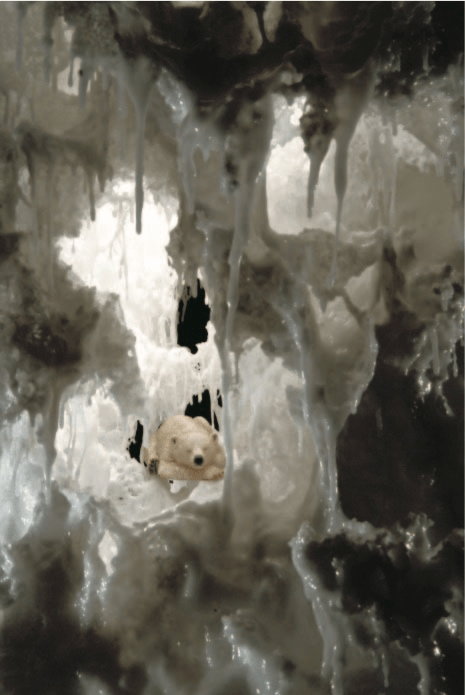
Polar Bear in an Ice Cave

Technology art is a new form of multidimensional creative expression that blends technology and art. By incorporating mechanical instruments, scientific data, and spatial elements such as light sources, temperature, and speed, it presents a unique visual experience. Imagine a three-dimensional painting on a flat sheet of paper, where the depth of space extends beyond the surface, and the imagery seems to leap out of the frame, resembling a real sculpture.

Among these art forms, glass painting is particularly breathtaking. With its transparent dual-sided effect akin to a celestial realm, it creates a mesmerizing and soothing atmosphere when paired with changing lights. Photography, on the other hand, captures emotionally stirring moments through the interplay of light, composition, and color. Whether depicting landscapes, people, or animals, it brings out a unique aesthetic through the lens.

At the convergence of these three artistic expressions, H.H. Dorje Chang Buddha III, skillfully integrates them to create stunning works of technology art. One such masterpiece, the 3D painting Polar Bear in an Ice Cave, vividly portrays the charming image of a polar bear, making viewers feel as if they are inside an icy Arctic cavern. Through the artwork, one can almost see the adorably clumsy bear sleeping soundly in the cold cave. The artist’s extraordinary craftsmanship is awe-inspiring, delivering an unparalleled visual experience.

H.H. Dorje Chang Buddha III composed a poem for this artwork. Translating it into English is incredibly challenging due to its profound meanings. However, here is a simple translation to offer a glimpse into the Buddha’s deep compassion for all beings:

The polar bear loves the cold the most,
Sleeping in ice caves through all seasons.
Do not take food from the water,
Instead, pick up the bones of wandering souls for a meal.

Not everyone understands the mysteries within the profound,
For Zen enlightenment dissolves the barriers of hunger.
The splendid affairs of the crystal palace are beyond full expression,
Within the cave, a guest drunkenly enjoys the company of an immortal.

Link:https://peacelilysite.com/2025/02/27/the-fusion-of-technology-and-art-a-stunning-3d-masterpiece/

Nezha: From Buddhist Origins to a Chinese Cultural Icon

Recently, the animated film Nezha 2 has become incredibly popular, reaching the top spot in global box office earnings for animated movies. While many believe Nezha is a character from Chinese mythology, his origins can actually be traced back to Buddhist scriptures.

Vaisravana

Nezha’s name first appeared in Vajrayana Buddhist texts, where he is associated with the role of a Dharma protector. He is described as the third son of Vaisravana, one of the Four Heavenly Kings. According to The Ritual of Vaisravana, “The Heavenly King’s third son, Prince Nezha, holds a pagoda and always follows the King.” His duty is to assist his father in safeguarding the Dharma, driving away evil forces, and protecting humanity. In The Mantra of the Dharma Protector Following the Northern Vaisravana Heavenly King, translated by the eminent Tang Dynasty monk Amoghavajra, Nezha is again referred to as Vaisravana’s third son. Other Buddhist texts from the Tang Dynasty, such as The Awakening of Faith in the Mahayana and The Lotus Sutra, also mention Nezha.

In Buddhism, Dharma protectors and yaksha deities often have fierce appearances, symbolizing their hatred of evil and fearless bravery. As a result, Nezha is typically depicted with a wrathful and intimidating image. As Buddhism spread to China, many Buddhist stories and figures gradually merged with local Chinese culture, giving rise to new belief systems. Over time, Nezha became integrated into Taoism and Chinese folk beliefs, forming a unique cultural phenomenon.

The story of Nezha is filled with many well-known and beloved episodes, such as his birth from a ball of flesh, cutting his flesh and bones to repay his parents, and being reborn from a lotus flower. Although this scene cannot be found in modern Buddhist scriptures, it became a popular topic among monks after the Song Dynasty. For example, Volume 1 of The Comprehensive Collection of Zen Verses on Ancient Cases mentions: “Prince Nezha offered his flesh to his mother and his bones to his father, then manifested his true form and used his divine power to preach to his parents.” This suggests that the story of Nezha sacrificing his flesh and bones likely originated from Buddhist texts. Although the exact cause and details are unclear, this story undoubtedly provided a prototype for later adaptations in folk literature.

As Buddhism spread throughout China, the assimilation of foreign religions by local culture and the evolution of folk beliefs gradually transformed Nezha’s image, steering it away from its original Buddhist context and toward a more Chinese identity. After the Tang Dynasty, the worship of Vaisravana (known as Bishamonten in Japan) reached its peak in China, gaining widespread recognition from both the imperial court and the common people. He was honored in official rituals and revered by many folk believers. Simultaneously, Li Jing, a prominent Tang Dynasty military general, became a popular figure of worship as a god of war. Renowned for his military campaigns against the Turks and Tuyuhun in the northwest, Li Jing was deified as early as the Tang Dynasty, with dedicated temples built in his honor during the Song Dynasty.

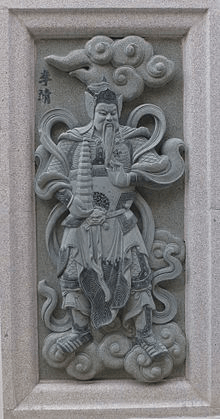
Li Jing’s temple wall statue

The broader and deeper the spread of a belief, the greater the possibility of its transformation and integration with other cultural elements. Over time, through public imagination and interpretation, the belief in Vaisravana merged with the worship of Li Jing, forming a new deity known as “Pagoda-Wielding Heavenly King Li” (Tuota Li Tianwang) by the Song Dynasty at the latest. From then on, Vaisravana took on the surname Li and became more secularized and localized within Chinese culture. Since Li Jing became identified with Vaisravana, it was only natural within folk beliefs to regard Nezha as Li Jing’s son. This marked Nezha’s departure from the cultural context of foreign religions and his integration into the Chinese pantheon.

This transformation made Nezha a more relatable and accessible figure, understood through the lens of native cultural concepts. As a result, Nezha’s story gained broader appeal, providing ample room for reinterpretation and adaptation in later generations.

Nezha holds an important place in ancient Chinese mythology. Under the influence of Taoism, he was endowed with more mythological attributes, portrayed as a young hero with powerful magical abilities who frequently battles demons and protects the people. His story further developed in classic literary works such as Journey to the West and Investiture of the Gods, where Nezha became a symbol of justice and courage.

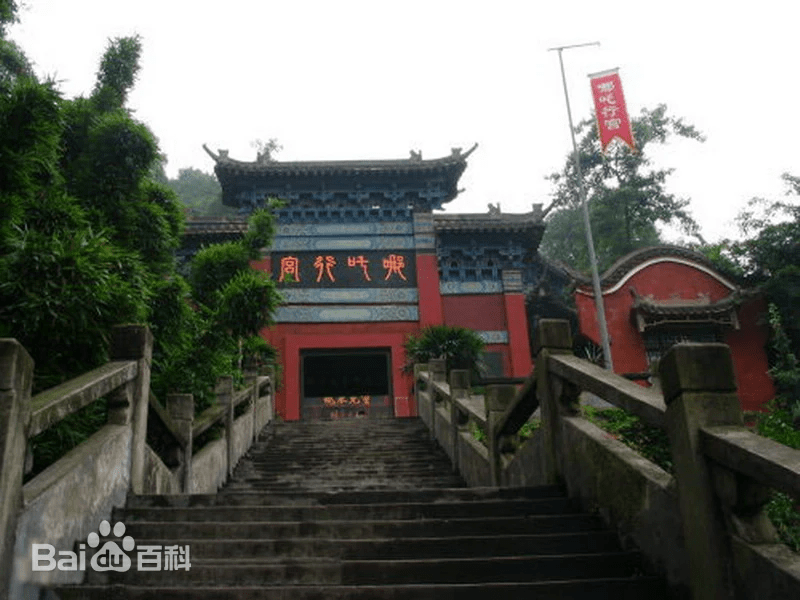
Nezha Temple in HeNan China

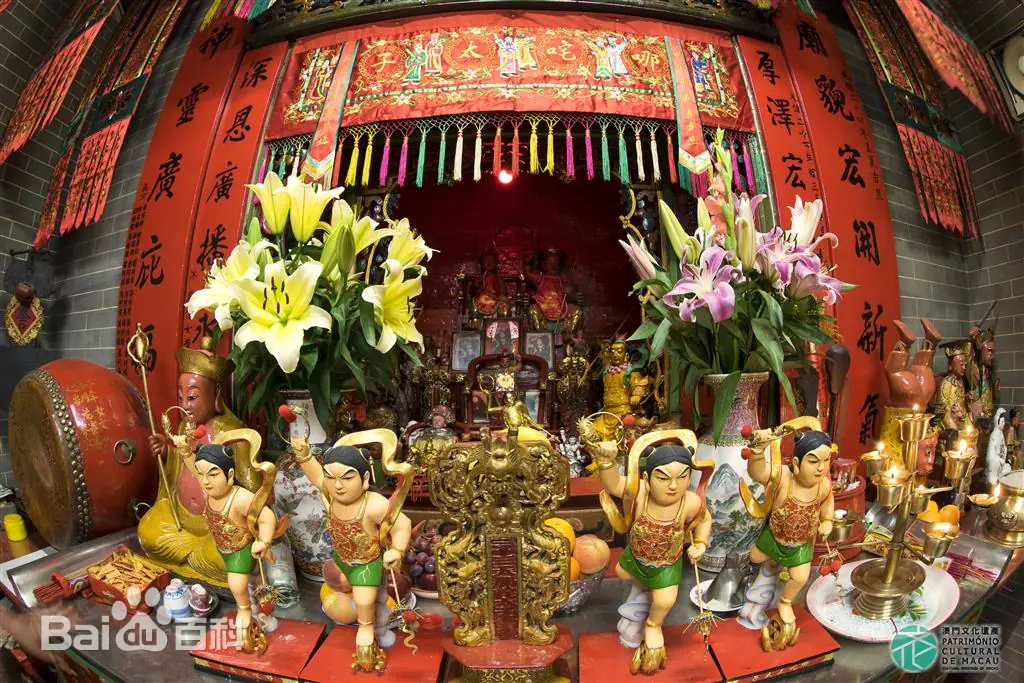
Folk worship activities for Nezha

Link:https://peacelilysite.com/2025/02/21/nezha-from-buddhist-origins-to-a-chinese-cultural-icon/