The Power of Sleep: 6 Simple Nighttime Habits Your Body Will Thank You For

The Secret to a Healthier You May Begin at Bedtime

    Woman sleeping in futuristic chamber labeled deep sleep and restoration 88 percent

    Have you ever noticed that sometimes you eat very little and exercise regularly, yet the number on the scale simply refuses to budge? Perhaps you even feel that the weight around your waist is slowly increasing.

    The problem may not always be what you eat or how much you exercise.

    It may also have something to do with how well you sleep.

    Our bodies follow an internal 24-hour clock known as the circadian rhythm, which influences hormones, appetite, metabolism, body temperature, and many other essential functions. Research from Harvard Medical School and other institutions has shown that insufficient or poor-quality sleep can disrupt these processes, affect hunger and stress hormones, and make maintaining a healthy weight more difficult.

    In other words, sleep is not simply “downtime.” It is one of the times when your body is actively repairing, regulating, and restoring itself.

    The good news is that you don’t need an extreme diet or punishing workout routine to support your health. Sometimes, a few simple changes to your evening routine can make a meaningful difference.

    Here are six simple, science-informed bedtime habits worth trying.

    1. Finish Eating 2–3 Hours Before Bed

    One of the simplest ways to support healthy sleep and metabolism is to give your body some time to digest before you go to bed.

    During sleep, the body enters an important period of repair and restoration. Growth hormone (GH) is released in pulses, particularly during deep sleep. Growth hormone plays an important role in tissue repair, muscle maintenance, and metabolism, and it also influences the way the body uses stored energy.

    However, growth hormone and insulin act as metabolic “natural enemies.” When you eat before bed—especially carbohydrates or high-sugar foods—the resulting rise in blood sugar triggers a surge in insulin secretion. High levels of insulin not only force excess calories to be stored as abdominal fat but also powerfully inhibit the release of growth hormone during deep sleep. Maintaining a state of mild fasting for two to three hours before bedtime keeps insulin at a low baseline, effectively lifting the blockade on growth hormone and allowing the body to seamlessly switch into “fat-burning mode” overnight.

    That doesn’t mean you should go to bed hungry. The goal is simply to avoid turning bedtime into another meal.

    Try this: Aim to finish dinner about 2–3 hours before going to sleep. If you genuinely feel hungry later, choose a small, balanced snack rather than forcing yourself to ignore hunger.

    The goal isn’t starvation. It’s giving your body a comfortable transition from digestion to rest.

    2. Do 5–10 Minutes of Gentle Stretching
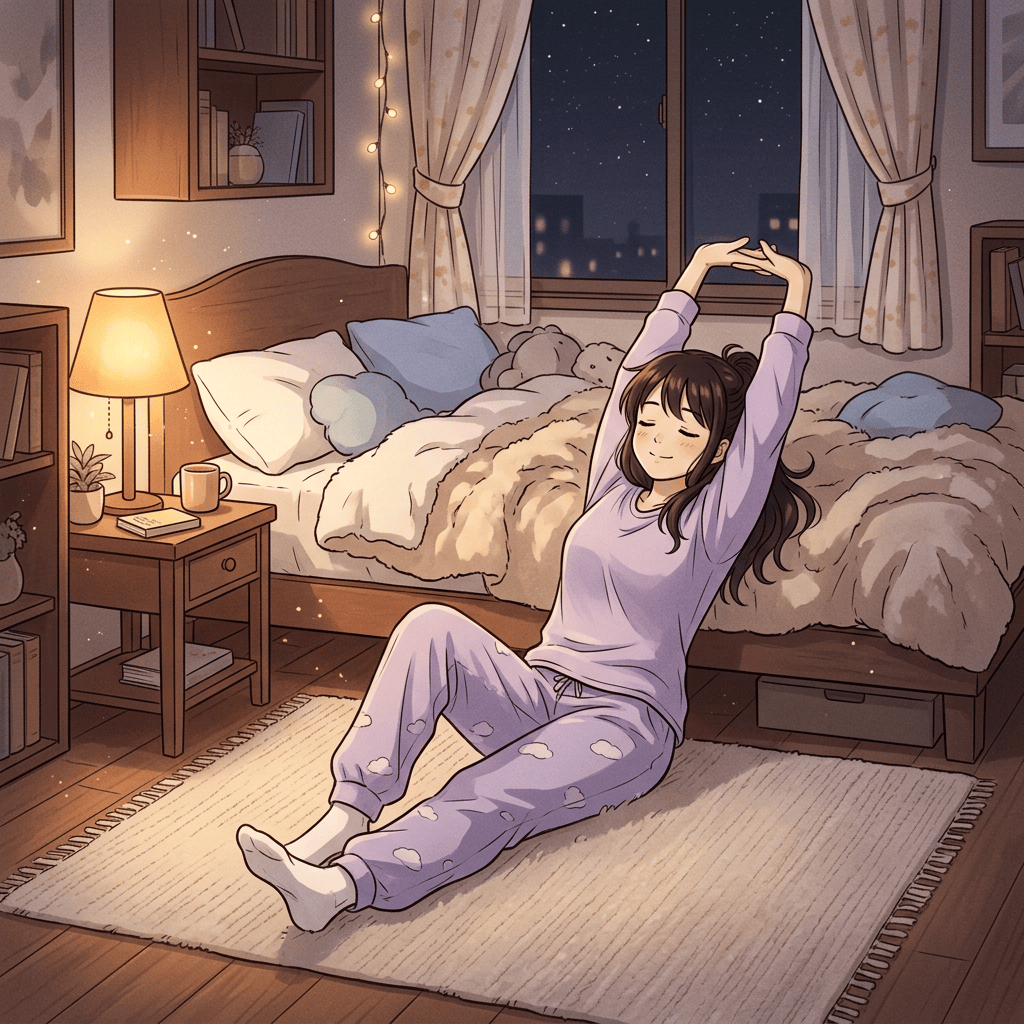
    Woman in lavender pajamas stretching on a bedroom rug at night

    After a busy and stressful day, your body may still be carrying physical tension even after you get into bed.

    Stress activates the body’s sympathetic nervous system, often called the “fight-or-flight” system, and can increase levels of cortisol, a hormone involved in the body’s stress response. Chronic stress and poor sleep can affect appetite, metabolism, and where the body tends to store fat.

    Gentle stretching can be a wonderful way to signal that the busy part of the day is over.

    Unlike an intense late-night workout, slow stretching is calming and can help release muscle tension. It may also help you become more aware of your breathing and prepare your nervous system for sleep.

    Try this: Spend just 5–10 minutes doing gentle neck, shoulder, back, hip, and leg stretches. Move slowly and comfortably, without forcing any position.

    Think of it not as exercise, but as a transition ritual from activity to rest.

    3. Try Slow, Relaxed Breathing

    Your breathing is one of the easiest ways to influence your state of relaxation.

    A popular technique is 4-7-8 breathing:

    • Inhale gently for 4 seconds.
    • Hold your breath for 7 seconds.
    • Exhale slowly for 8 seconds.

    The most important part for relaxation is the slow, extended exhalation. Slow breathing can increase parasympathetic activity—the part of the nervous system associated with rest and recovery—and may help reduce feelings of stress and physical tension.

    You don’t have to follow the exact 4-7-8 pattern if holding your breath feels uncomfortable. Simply try breathing slowly and making your exhalation slightly longer than your inhalation.

    Try this: Close your eyes, relax your shoulders, and take 5–10 slow breaths. Let each exhalation become a little longer and softer.

    Sometimes, the simplest message you can give your body is:

    “The day is over. You are safe. It’s time to rest.”

    4. Put Away Electronic Screens 30–60 Minutes Before Bed

    This is one of the most practical bedtime habits you can develop.

    Phones, tablets, computers, and televisions can expose us to light that may suppress the natural evening rise of melatonin, a hormone involved in regulating the sleep-wake cycle. More importantly, scrolling, watching exciting videos, checking messages, or reading stressful news can keep the brain mentally stimulated when it should be winding down.

    And when bedtime becomes another hour of stimulation, falling asleep can become much harder.

    Try this: Put your phone away 30–60 minutes before bed. Dim the lights, turn off bright overhead lighting, and use a soft bedside lamp instead.

    You could read a few pages of a paper book, listen to peaceful music, practice meditation, pray, or simply sit quietly.

    Your evening routine doesn’t need to be complicated.

    Sometimes, putting the phone down is one of the best gifts you can give your brain.

    5. Keep Your Bedroom Cool, Dark, and Comfortable

    Your body naturally lowers its core temperature as you prepare for sleep. A bedroom that is slightly cool, dark, and quiet can make it easier for your body to follow this natural rhythm.

    Some research has also explored the relationship between cooler sleeping environments and brown adipose tissue, commonly known as brown fat. Unlike ordinary white fat, brown fat can generate heat by using energy. However, it is important not to think of a cold bedroom as a weight-loss treatment—the primary goal is simply to create an environment that supports good-quality sleep.

    Try this: Keep your bedroom comfortably cool, perhaps around 18–20°C (64–68°F) if that feels comfortable for you, and use blackout curtains or an eye mask if necessary.

    Don’t make yourself uncomfortably cold. The ideal bedroom is not an icebox!

    It should simply feel cool, quiet, dark, and peaceful.

    6. Take a Warm Shower or Soak Your Feet Before Bed

    Here’s a surprisingly pleasant bedtime habit: take a warm shower or soak your feet in warm water for about 10–15 minutes.

    It may seem counterintuitive, but warming the body before bed can actually help promote cooling afterward.

    A warm shower or bath causes blood vessels near the skin to dilate. After you finish, your body can release heat more easily, and your core temperature gradually falls. This natural change in body temperature is associated with the body’s preparation for sleep.

    For many people, a warm shower is also psychologically relaxing, helping separate the stresses of the day from the peacefulness of nighttime.

    Try this: About 1–2 hours before bed, take a comfortably warm shower or soak your feet in warm water. Then put on comfortable pajamas and let your body gradually cool down.

    It can become a simple and soothing signal that says:

    “It’s time to slow down.”

    Your Body Doesn’t Need a Battle—It Needs Rhythm

    Healthy weight management and good health don’t have to be a form of punishment.

    We often focus so much on calories, workouts, and dieting that we forget something fundamental: our bodies need adequate sleep and recovery, too.

    Sleeping girl dreaming of a unicorn, castles, clouds, and waterfall

    Rather than constantly forcing yourself to eat less or exercise harder, consider working with your body’s natural rhythms.

    Tonight, try something simple:

    Put your phone away.

    Dim the lights.

    Stretch for five minutes.

    Take a few slow breaths.

    Let your bedroom become cool and peaceful.

    And give yourself permission to sleep.

    You may not wake up dramatically lighter the next morning—and that’s not the point. Healthy change is rarely overnight.

    The real goal is to build an evening routine that helps your body recover, supports better sleep, and makes healthy living feel natural and sustainable.

    In our busy world, getting enough good-quality sleep may be one of the simplest—and most overlooked—investments we can make in ourselves.

    Sleep well, take good care of your body, and may every new morning bring you more energy, health, and happiness.

    Link:https://peacelilysite.com/2026/08/19/6-simple-bedtime-habits-that-may-help-your-body-rest-recover-and-maintain-a-healthy-weight/

    Birdwatching may reshape the brain and build buffer against ageing

    Explorer using binoculars while colorful magical birds perch in a forest

    A recent research demonstrates that birdwatching can literally rewire the human brain through neuroplasticity, producing measurable structural and functional changes that enhance perception, attention, and cognitive performance, potentially even helping to buffer against age-related decline

    While birdwatching has long been celebrated for its calming, restorative qualities, emerging neuroscientific findings reveal it delivers far deeper benefits. A 2026 study used diffusion-weighted and functional MRI to compare the brains of 29 expert birdwatchers (ages 24–75) with 29 matched novices (ages 22–79). Experts showed greater tissue density, indicating more compact, efficient neural organization, in regions tied to attention, perception, working memory, spatial awareness, and object recognition.

    These structural adaptations enabled experts to identify birds, including unfamiliar or non-local species, with significantly higher speed and accuracy. During identification tasks, experts displayed increased activity in key areas such as the bilateral prefrontal cortex, bilateral intraparietal sulcus, and right occipitotemporal cortex, regions critical for visuospatial attention, object categorization, and memory.

    This mirrors brain remodeling observed in other expertise domains, like multilingualism or professional musicianship, where prolonged practice fine-tunes visual and auditory processing. By repeatedly attending to subtle cues in plumage, songs, flight patterns, and behavior, birdwatchers drive cortical reorganization. Notably, these expertise-linked changes persisted across the adult lifespan, with older experts exhibiting brain features in relevant regions more akin to those of younger individuals, suggesting the development of cognitive reserve that may protect against aging effects.

    [Wing, E. A., et al. (2026). The tuned cortex: Convergent expertise-related structural and functional remodeling across the adult lifespan. Journal of Neuroscience. Advance online publication. DOI: 10.1523/JNEUROSCI.1307-25.2026]

    Source:https://x.com/Rainmaker1973/status/2087781196101271765

    Link:https://peacelilysite.com/2026/08/17/a-recent-research-demonstrates-that-birdwatching-can-literally-rewire-the-human-brain-through-neuroplasticity-producing-measurable-structural-and-functional-changes-that-enhance-perception-attention/

    The Art of Virtue: Grandmaster Mei Lanfang and the Power of Forgiveness

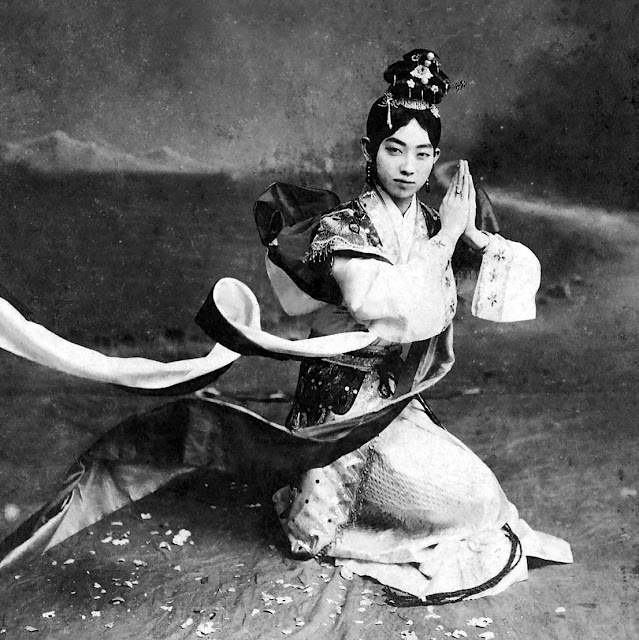
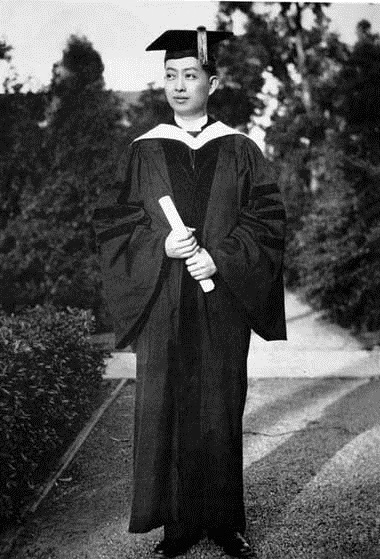
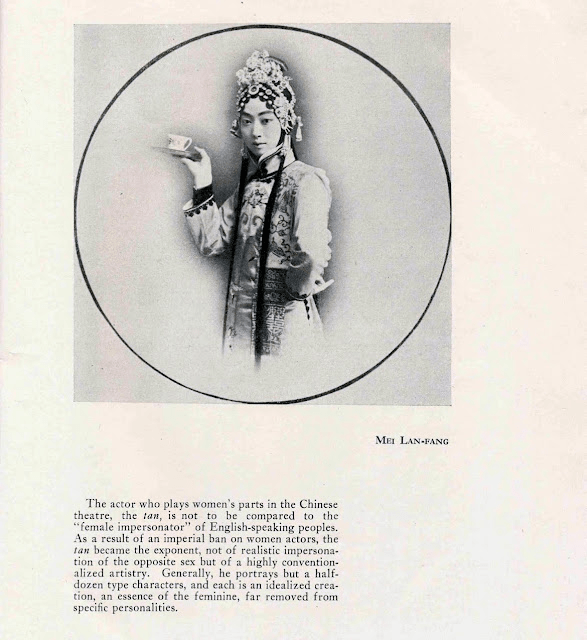
    During his tour of the United States, Mei Lanfang was awarded an honorary doctorate degree by Pomona College

    In the history of modern Chinese opera, Mei Lanfang stands as an unexcelled monument. Renowned worldwide, his mastery of Peking Opera was a rare blend of supreme refinement and effortless grace, captivating audiences on both domestic and international stages.

    As a master synthesist of Peking Opera, Grandmaster Mei founded the unique “Mei School” (Mei Pai) of performance. He boldly yet carefully revolutionized vocal techniques, spoken dialogue, dance movements, costuming, and makeup, elevating the Dan (female role) artistry to unprecedented heights. Traveling abroad to perform in Japan, the United States, and the Soviet Union, he showcased the enchanting elegance of traditional Chinese theater, taking the world by storm.

    Yet, what truly commands the eternal admiration of generations is not merely his status as a titan of Chinese opera, but his personal character—a paragon of nobility, virtue, and moral guidance. His life was the ultimate testament to the phrase: “His art mirrored his soul; brilliant in craft, supreme in virtue.”

    Among the many chapters of his life, one heartwarming story illustrates the profound depth of his character.

    The Slander and the Silence

    During the height of his fame, a reporter from a sensationalist tabloid sought to build a name for himself by publishing provocative and baseless attacks against Mei Lanfang. Aiming to generate public outrage and boost newspaper sales, the reporter repeatedly targeted the master.

    Faced with malicious provocation, Master Mei remained completely silent and undisturbed.

    Frustrated by the lack of reaction, the reporter grew increasingly aggressive, resorting to harsh insults and public humiliation. Surrounding friends, family, and disciples were furious, unable to stand by while the grandmaster’s honor was attacked. They prepared to confront the reporter, but Mei calmly restrained them, saying gently:

    “Leave it be. Pay him no mind.”

    Without fuel to feed the flames, the media spectacle eventually died down, vanishing into thin air.

    Time passed, and fortune turned. The reporter fell into severe poverty and hardship. Desperate, rejected by everyone, and with nowhere left to turn, a thought suddenly crossed his mind:

    Could he ask Mei Lanfang for help?

    Filled with shame, guilt, and apprehension, he mustered every ounce of courage he had left and arrived at Mei’s doorstep. Upon learning of his visitor, Mei came out to greet him personally. Overwhelmed by remorse, the reporter immediately began reciting a deeply prepared apology, repenting for his past wrongdoings.

    Mei gently interrupted him, his voice calm and soft:

    “Say no more. What brings you here today?”

    The reporter confessed his current plight—his poverty, his isolation, and his inability to secure assistance anywhere else.

    Without a trace of bitterness, resentment, or judgment, Mei reached into his pocket and handed him 200 yuan—a generous sum at the time.

    Shaken to his core by such extraordinary magnanimity, the reporter fell to his knees in tears. Mei simply helped him up gently and said quietly:

    “Go on now.”

    Noble figure reaching toward an injured soldier beside a castle at sunset

    In a world driven by fame, self-interest, and grievances, choosing compassion over retaliation and offering a helping hand to someone who once sought your downfall requires a rare kind of nobility. Mei Lanfang practiced charity, generosity, tolerance, and strict self-discipline throughout his life.

    • On stage, he was an extraordinary genius who redefined an art form.
    • Off stage, he was a humble gentleman and a true master of life.

    This profound grace—transcending personal pride and past grudges—is perhaps the true, timeless spirit behind the lasting brilliance of the Mei School of Peking Opera.

    Photos from: https://www.panhistory.org/2019/01/blog-post_3.html

    Link:https://peacelilysite.com/2026/08/14/the-art-of-virtue-grandmaster-mei-lanfang-and-the-power-of-forgiveness/

    How to Master Change and Grief: A 109-Year-Old’s Blueprint for Life

    Charlie White, photographed in 2008 at age 103.Doug Dalgleish

    Real-Life Lessons from The Book of Charlie

    Have you ever wondered what it takes to navigate over a century of life with grace, joy, and unfailing strength?

    In his remarkable book, The Book of Charlie: Wisdom from the Remarkable American Life of a 109-Year-Old Doctor, journalist David Von Drehle shares the story of his neighbor across the street, Dr. Charlie White. Born in 1905, Charlie lived through 109 years of rapid global transformation—from horse-drawn buggies to smartphones, through two world wars, the Great Depression, and personal heartbreak.

    Yet, what makes Charlie’s story truly unforgettable isn’t just that he lived so long, but how he lived. His life was filled with dramatic, almost movie-like moments that show us what true grit looks like.

    Here are timeless lessons from Charlie’s life, grounded in the incredible true stories that shaped him:

    1. Resilience Starts with Taking Ownership

    When Charlie was just eight years old, a sudden tragedy shattered his childhood: his father died unexpectedly in a freak nine-story elevator accident, leaving his mother with five children to raise.

    Pixel-art character breaking through a stone wall with sunrise and landscape beyond

    Instead of being crushed by grief, young Charlie learned to be resourceful. Shortly after, when he found himself stuck at an ill-fated summer camp run by a questionable director, eight-year-old Charlie didn’t wait to be saved—he darted away from a train and walked the final miles home by himself. By sixteen, he was driving across rutted dirt roads and hopping freight trains across the country.

    The Lesson: Charlie learned early on that while we can’t choose what happens to us, we are always in charge of our response. Resilience begins when we stop waiting for circumstances to change and choose to take the wheel ourselves.

    2. Adaptability Means Swimming with the Current

    Charlie’s early adulthood unfolded during the roaring 1920s and the turbulent 1930s. To fund his medical education during the Great Depression, Charlie taught himself to play saxophone by listening to the radio, eventually joining a Jazz Age band and performing across bandstands.

    Later, as a young doctor riding ambulances through Depression-era gangster wars, he faced life-or-death situations daily—even once pumping his own blood directly into a wounded patient on the fly.

    The Lesson: Charlie didn’t fight the shifts of his era; he rode them. Whether adapting to new technologies, career demands, or sudden crises, survival isn’t about resisting change—it’s about staying flexible without losing your core values.

    3. Optimism is Courage in Action

    As medicine rapidly evolved throughout the 20th century, Charlie became a pioneering anesthesiologist, even improvising early techniques for open-heart surgeries when formal procedures didn’t yet exist. His adventurous spirit took him from Midwest operating rooms to cruising the Amazon River as a guest of Peru’s president.

    Despite encountering immense suffering and loss throughout his medical career and personal life, Charlie never grew cynical. He believed that optimism isn’t a passive mood, but a active decision to look for hope, purpose, and beauty in every day.

    The Lesson: “Why cling to pain? There is nothing you can do about the wrongs of yesterday.” True optimism is having the courage to forgive the past and show up wholeheartedly for the present.

    Across his 109 years, Charlie’s constant anchor was his deep commitment to serving others. Whether delivering babies in rural homes, treating patients in high-stakes operating rooms, or simply sitting on his porch in Kansas sharing stories with a neighbor, Charlie made people feel seen and valued.

    Even in his 100s, living independently across the street from Von Drehle, Charlie remained curious about the people around him rather than focused on his own age or limitations.

    Looking back at Dr. Charlie White’s journey reminds us that human beings are remarkably durable. By the time Charlie finished high school, he was already tested by adversity and seasoned by experience, yet he carried a lighthearted, joyful spirit all the way to his 109th birthday.

    Whenever life feels overwhelming, remember Charlie’s simple formula: do the right thing, embrace change with curiosity, and keep moving forward step by ste.

    Link:https://peacelilysite.com/2026/08/13/how-to-master-change-and-grief-a-109-year-olds-blueprint-for-life/

    Before You Complain Today, Read This

    Before You Complain Today, Read This

    We often hear people complain that life is not going their way: their salary is not high enough, their house is not big enough, or their luck is not good enough. Their brows are furrowed as though the entire world were working against them. Yet, when we look carefully at their circumstances, their bodies are healthy, their families are safe, and they have food to eat and clothes to wear, we may wonder: Why are they filled with so much dissatisfaction?

    Many people spend their lives taking their blessings for granted.

    Human beings have a peculiar tendency: we quickly grow accustomed to what we possess yet remain constantly preoccupied with what we lack. When we are healthy, we rarely think of effortless breathing as a gift. Only when a cold leaves us congested do we understand how precious it is to breathe freely. When we are young, we seldom consider strong and agile legs a blessing. Only when our knees begin to ache do we miss the freedom of running.

    Happiness is much the same. It quietly surrounds us and seems as natural as the air we breathe. Only after it is lost do we suddenly realize that it was there all along.

    I once knew a friend who had just recovered from a serious illness. In the past, he often complained—about the demands of his job, his limited income, and the dullness of everyday life. Yet after leaving the hospital, he seemed like a different person. The morning sunlight moved him deeply. A simple bowl of plain rice porridge brought him contentment. The sound of his child’s laughter brought tears to his eyes.

    He said:

    “While I was lying in the hospital bed, I could think of nothing else. I only wanted to recover—to be able to walk normally and eat normally again. Now that I have regained these things, I finally understand that an ordinary life is the greatest blessing of all.”

    This reminds me of a teaching given by Namo H.H. Dorje Chang Buddha III in Philosophical Sayings About Worldly Matters:

    “A person not appreciative of the good life he is living is one who has forgotten his past miseries. A person in good health is not aware of its blessings until he loses it.”

    This means that some people live amid blessings without recognizing them. Although their circumstances are good in many ways, they remain dissatisfied, finding fault with one thing after another. They are filled with complaints and self-pity.

    The main reason is that they have become immersed in favorable conditions and have forgotten the existence of hardship. While enjoying happiness, they forget the difficulties they once endured. In the same way, strong and healthy people often fail to understand the suffering of illness. They neglect to protect their health and do not cherish their strong bodies. Only after falling ill—confined to bed, unable to move, and without an appetite—do they finally understand the joy and blessing of good health.

    The Buddha has long revealed this truth to the world. Regrettably, not everyone has the good fortune to respectfully listen to the authentic Buddha Dharma personally taught by Namo H.H. Dorje Chang Buddha III. Many people pass through life in confusion and unawareness. Only when illness comes do they understand the value of health, and only after something is lost do they recognize the happiness they once possessed.

    Those who fail to appreciate their blessings may not necessarily be ungrateful by nature. Perhaps they have simply forgotten that adversity exists. Having grown accustomed to favorable circumstances, they begin to regard them as something they are naturally entitled to. Having forgotten their former hardships, they become blind to the peace and stability before them.

    It is like someone who has lived for so long in a room filled with orchids that they no longer notice the fragrance. In the same way, those who remain surrounded by happiness for too long may cease to recognize it.

    In truth, happiness does not require luxurious clothing, fine food, fame, or worldly success. It is hidden within every ordinary day: waking in the morning without illness, having a home to return to at night, having food when hungry, clothing when cold, and someone to rely upon when weary.

    May we all pause in our habit of complaining. Tonight, before going to sleep, take a moment to count what you possessed today: one easy breath, one warm meal, one word spoken and answered—and the opportunity to learn the authentic Buddha Dharma.

    Then quietly remind yourself:

    This, too, is a blessing.

    Written by Yijie Xue

    Learn more about H.H. Dorje Chang Buddha III

    Link: https://hhdorjechangbuddhaiiidharma.com/2026/08/10/before-you-complain-today-read-this/

    #DorjeChangBuddhaIII #MasterWanKoYee #BuddhistTeachings #BuddhaDharma #Gratitude #StopComplaining #Mindfulness #SpiritualGrowth #LifeLessons #BuddhistWisdom

    💖【A Light in the Dark】How One Doctor’s Lifelong Kindness Sparked a Community Miracle

    In a world that often feels fast-paced and transaction-driven, do you still believe in the power of selfless love and the magic of paying it forward?

    Today, I want to share the deeply moving story of an extraordinary hero: Dr. Michael Zollicoffer—affectionately known as “Dr. Z” to his community in Baltimore, Maryland.

    For nearly 40 years, Dr. Z’s clinic doors have been wide open to everyone. Whether patients had full insurance, a few dollars in their pocket, or no money at all, Dr. Z treated them with the same unwavering care, dignity, and compassion. To go the extra mile, he even handed out his personal cell phone number to his patients, encouraging them to call anytime, day or night. To Dr. Z, those who walked into his office weren’t just medical charts—they were neighbors, friends, and family.

    However, in late 2024, the doctor who dedicated his whole life to saving others faced the toughest battle of his own.

    At age 66, Dr. Z received a devastating diagnosis: he was battling two distinct cancers simultaneously—kidney cancer and colorectal cancer.

    To make matters worse, right as he was preparing for treatments estimated at over $150,000, administrative issues with Medicare caused a gap in his insurance coverage. Suddenly, the doctor who spent decades treating others for free found himself staring down overwhelming medical bills without safety net protection.

    When his community and high school friends found out, they didn’t hesitate. They immediately launched a fundraiser to help save the man who had spent a lifetime saving them.

    What happened next was nothing short of breathtaking:

    • Over 3,400 everyday people pitched in. Many donors weren’t wealthy themselves, yet they gave what they could out of sheer gratitude for the man who was always there for them.
    • Together, they raised over $280,000 for his medical expenses!
    • The U.S. House of Representatives formally honored his decades of service, officially entering his story into the Congressional Record.

    Love truly has the power to heal.

    Thanks to the outpouring of financial support and medical care, Dr. Z’s tumors have shrunk by half! With his insurance resolved and his spirit as resilient as ever, Dr. Z has returned to doing what he loves most: he continues to see patients at his Baltimore clinic every single week.

    Dr. Z’s story is a beautiful reminder: every seed of kindness you plant into the world has a way of blooming back to comfort you when you need it most.

    We might not all be doctors, but we all have the power to light up someone’s world. Whether it’s checking in on a neighbor, offering a helping hand, or simply sharing a smile, small acts of care ripple outward in ways we can never fully predict.

    💬 “No act of kindness, no matter how small, is ever wasted.”

    May Dr. Z’s story inspire us all to look out for one another. If this story warmed your heart, share it with a friend today and let’s keep spreading the positive energy! 🌱✨

    Link:https://peacelilysite.com/2026/08/10/%f0%9f%92%96%e3%80%90a-light-in-the-dark%e3%80%91how-one-doctors-lifelong-kindness-sparked-a-community-miracle/

    Eternal Devotion and Ultimate Liberation: The Sacred Bond of Mahākāśyapa and Bhaddā Kapilānī

    Couple kneeling and praying to Buddha statue in temple with monks in background

    In the mundane world, the ultimate idea of romance is often expressed as “holding hands and growing old together.” However, in Buddhist scriptures, the story of Venerable Mahākāśyapa and Nun Bhaddā Kapilānī illuminates a love that far transcends worldly passion. It is a grand and heroic tale of two souls who guarded each other, practiced purity across lifetimes, and ultimately attained Arhatship together under the guidance of the Buddha, achieving true liberation from the cycle of birth and death.

    Their karmic bond for liberation began in the distant era of Vipassī Buddha. At that time, there was a seven-jeweled stupa enshrined with the Buddha’s relics, but the gold leaf on the face of the Buddha statue had peeled off and fallen into disrepair. A poor young woman felt deep sorrow upon seeing this and vowed to restore the statue with gold leaf, though she lacked sufficient funds. Mahākāśyapa, who was a skilled goldsmith in that life, praised her noble vow and joined hands with her to complete the restoration. Through this magnificent merit, both of them radiated a purplish-golden light from their bodies for ninety-one kalpas (eons) that followed. Reborn repeatedly into noble families, they often married and continually supported each other on the path of spiritual practice.

    In their final life during the time of Śākyamuni Buddha, Mahākāśyapa was born into a wealthy family in Magadha (named Pippali). From a young age, he felt a deep aversion to worldly desires and longed for spiritual truth, strongly resisting his parents’ pressure to marry. To delay the marriage, he cast a statue of a breathtakingly beautiful maiden out of pure gold and told his parents: “I will only marry if you can find a woman who looks exactly like this golden statue.” Unbeknownst to him, his parents sent searchers throughout the land, and in Vaiśālī, they found Bhaddā Kapilānī, whose beauty and grace surpassed even the golden statue itself.

    On their wedding night, however, both newlyweds sat in deep sorrow. When they opened their hearts to each other, they realized that both harbored a profound wish to renounce the worldly life and practice the Dharma. Together, they made a silent pact: to remain husband and wife in name only, sleep in separate beds, and observe immaculate purity. They upheld this sacred vow quietly for twelve years.

    After their parents passed away, Mahākāśyapa decided it was time to leave home in search of an enlightened master. Before departing, he promised Bhaddā: “When I find a true, fully enlightened master, I will return to bring you onto the path with me.” Shortly after, Mahākāśyapa met Śākyamuni Buddha at Rājagṛha. Moved by the Buddha’s supreme virtue, he was ordained and attained Arhatship in just eight days, eventually becoming the Buddha’s foremost disciple in “Dhūta (ascetic) practices.”

    When the Buddha permitted the establishment of the Bhikṣuṇī (nun) order, Mahākāśyapa fulfilled his promise and helped Bhaddā enter the monastic order. After her ordination, Bhaddā’s celestial beauty initially brought unwanted gossip and rumors from the worldly public. Deeply humbled, she chose to stay indoors and practice with unwavering diligence day and night. Ultimately, she severed all afflictions and attained Arhatship. The Buddha himself praised Bhaddā Kapilānī as being foremost among his female disciples in the recollection of past lives (Divine Recollection).

    Couple meditating on stone platform under glowing ancient arch in enchanted forest

    💡 Inspirations for the Modern World

    • Elevating Attachment into Mutual Accomplishment:Worldly love often comes with possessiveness, control, and attachment, which inevitably lead to endless anxiety and bondage. The story of Mahākāśyapa and Bhaddā Kapilānī presents a higher realm of love: transforming affection into mutual support on the spiritual journey. True devotion lies in walking alongside one another toward awakening and ultimate freedom.
    • The Immutable Power of Purity and Precepts:In a world filled with temptation and distraction, their twelve-year commitment to pure celibacy demonstrates the profound strength of vows and moral discipline.
    • Wisdom in Facing Adversity and Criticism:When Bhaddā Kapilānī faced misunderstanding and rumors due to her appearance, she did not waste energy arguing or sinking into despair. Instead, she channeled the adversity into motivation for deeper practice. This teaches us that turning inward and practicing in quiet contemplation is the highest form of wisdom when overcoming life’s challenges.

    The journey of Mahākāśyapa and Bhaddā Kapilānī breaks through conventional boundaries of love and marriage. In the realm of red dust, they were soulmates; on the path to liberation, they were noble companions. Their story is not only a legendary romance of quiet purity beyond life and death, but also a gentle beacon pointing toward clarity, wisdom, and liberation for anyone seeking a peaceful sanctuary for their soul.

    Link:https://peacelilysite.com/2026/08/07/eternal-devotion-and-ultimate-liberation-the-sacred-bond-of-mahakasyapa-and-bhadda-kapilani/

    The Meditation Mat Is Secretly Loving You Back: A Gentle Guide to Remodeling Your Stress

    Person meditating cross-legged beside a river with magical energy swirls around

    🧘‍♀️ The Science and Tenderness on the Meditation Mat: Why Deep Meditation Brings Healing and Ultimate Serenity to the Soul

    Have you ever had a night like this?
    You are clearly lying in bed, but your brain feels like a movie projector that won’t turn off. It frantically rewinds today’s stressors while rehearsing tomorrow’s anxieties. Even though your surroundings are pitch black and silent, there is a lingering, inexplicable restlessness and tension deep in your heart.

    The pace of modern life is simply too fast. Our bodies and souls are like racing cars with the gas pedals slammed into the floorboard, on the verge of falling apart.

    As a result, more and more people are choosing to sit cross-legged, close their eyes, and seek a sanctuary in the deep meditation of ancient traditions. Remarkably, when that deep, slow breath settles into your lower abdomen, the profound peace that washes over you is neither an escape from reality nor a mere psychological illusion.

    Modern science tells us, with gentle and irrefutable medical evidence: the very moment you choose to sit down, your body undergoes a profound physiological remodeling from the inside out. It is secretly loving you back in the most scientific way possible.

    Neon glowing brain with interconnected circuit lines and digital icons above a futuristic city

    In daily life, as we constantly navigate work and interpersonal relationships, our brains are flooded with high-speed, high-tension Beta waves. This is a survival mode—always ready to fight—and it is the root cause of chronic anxiety and insomnia.

    In the lens of Functional Magnetic Resonance Imaging (fMRI), the “focus” and “awareness” practiced during deep meditation reveal a staggering capacity for self-healing:

    • A Gentle Shift in Frequency: As you gently subtract your chaotic thoughts, your brain quickly sheds the anxious Beta waves and switches to peaceful Alpha waves. If you drift into a deeper meditative state, it even taps into Theta waves, which represent profound relaxation, bursts of intuition, and universal love. This transition is like turning off a noisy, jarring rock concert and switching to the ethereal silence of a deep forest.
    • Shrinking “Fear,” Strengthening “Reason”: In long-term meditators, the amygdala—the brain’s alarm center responsible for generating fear, anxiety, and feelings of grievance—physically shrinks. Meanwhile, the prefrontal cortex, which governs emotional regulation, decision-making, and focus, thickens in gray matter. Meditation is a physical restructuring. You are quite literally reshaping a brain that is resilient, secure, and less prone to emotional wounds.

    🫁 Activating Your Body’s “Self-Healing Brake System” —— Rebalancing the Autonomic Nervous System

    Modern bodies often live in a state of chronic sympathetic over-activation. Our “fight-or-flight” response is stuck on high gear, causing rapid heart rates, elevated blood pressure, and locked muscles. Our bodies mistakenly believe we are facing constant, mortal danger.

    The heart of meditation always returns to that subtle yet continuous practice of “observing the breath.” This slow, diaphragmatic breathing is the ultimate master switch for your autonomic nervous system:

    Woman sitting cross-legged meditating with glowing colorful energy swirls in a forest
    • A One-Touch Activation for the Vagus Nerve: When you slow your breath down to about 5 to 7 breaths per minute, the deep movement of your diaphragm gently stretches and stimulates the vagus nerve—the longest cranial nerve in the human body. It acts like a tender messenger, sending a wave of reassurance through your entire system: “You are home. You are safe. It is okay to let go now.”
    • Wrapping Your Heartbeat and Blood Pressure in a Warm Embrace: As the parasympathetic nervous system (your body’s natural brake) reclaims control, the heartbeat that was suspended by anxiety begins to smooth out. Your elevated blood pressure quietly drops. Subjectively, this physiological stabilization feels like being immersed in a warm bath—a state of ultimate, restorative comfort.

    A “Chemical Detox” Inside Your Body —— The Endocrine System’s Natural Prescription for Joy

    When your brain and nerves finally slow down, the command center of your endocrine system—the HPA axis (Hypothalamic-Pituitary-Adrenal axis)—stops pumping “stress toxins” through your bloodstream, initiating a complete overhaul of your hormonal environment:

    • A Sudden Drop in Stress Hormones (Cortisol): Chronic anxiety keeps our bodies drowning in cortisol and adrenaline, leaving us exhausted and accelerating aging. Deep meditation presses the brake firmly, significantly lowering the cortisol levels in your blood and defusing your body’s stress triggers.
    • A Gentle Influx of Neurotransmitters: At the same time, sitting in stillness prompts the brain to release an abundance of endorphins (nature’s painkiller and healer), serotonin (the ultimate mood stabilizer), and dopamine. This is what practitioners historically called the “joy of meditation” (Chan Yue)—a high-tier, intrinsic peace that requires no money, no material possessions, and no external validation. It arises simply because you are sitting there.
    Meditator radiating joyful inner light and harmony

    Deep meditation is never a faraway, untouchable myth. The methods of tuning the mind, explored by ancient Eastern wisdom thousands of years ago, form a perfect, rigorous, and incredibly tender loop with modern medicine.

    The moment you sit down and close your eyes, your nerves are reshaping, your blood vessels are relaxing, and your hormones are balancing. This is more than a spiritual pilgrimage; it is a profound act of self-care and a gentle embrace from your body, which has never given up on you.

    In a world that constantly screams at you to go “faster, harder, and further,” the meditation mat is the one place where you can tell yourself: “Right now, there is nothing to do, nowhere to go. Just breathe.”

    The next time you feel weary or lost, try putting your phone down.
    Close your eyes, and bring your awareness back to the space between the inhale and the exhale.

    Because the powerful, deeply serene version of yourself you are longing for has never left. They have been waiting for you all along, right inside your very next breath.

    Link:https://peacelilysite.com/2026/08/07/the-meditation-mat-is-secretly-loving-you-back-a-gentle-guide-to-remodeling-your-stress/

    Beyond the Comfort Cage: What a Buddhist Parable Teaches Us About Desire, Laziness, and True Freedom

    In our daily lives, we often chase immediate comfort and instant gratification. Indulging in present desires and low-effort entertainment, we treat a life free from toil as the ultimate definition of happiness.

    Yet an ancient proverb warns: “Humans die in pursuit of wealth, just as birds perish in pursuit of food.” Unchecked desire and mental laziness quiet human ambition, gradually trapping us in subtle, dangerous cages of our own making.

    Here is an ancient Buddhist parable—“The King of Pigeons and the 500 Pigeons”—that offers a powerful wake-up call for anyone feeling stuck, lazy, or overly comfortable in the status quo.

    Long ago, a wise Pigeon King led a flock of 500 pigeons into the royal palace garden in search of food. Tragically, the entire flock was captured and locked inside a large cage.

    The King of the realm instructed his servants to feed the birds lavish, delicious meals every day. His intent, however, was far from kind: he was fattening them up for a future banquet.

    Gold ornate birdcage containing numerous pigeons set on stone pedestal in a manicured garden with mansion backdrop.

    Inside the cage, the Pigeon King remembered the teachings of the Buddha. He repented, made vows, and deeply desired for his flock to escape. Seeing the imminent danger clearly, he urged his companions:

    “If you can tolerate hunger and eat less, your bodies will thin down enough to slip through the bars and escape.”

    To his dismay, the flock was too captivated by their easy life to listen:

    “Though we are caged, we receive abundant food without lifting a feather! We no longer have to wander through harsh wind and rain to survive. Why would we ever want to fly away?”

    The Pigeon King pleaded anxiously:

    “If you indulge your desires and feast today, you will lose your very lives tomorrow!”

    Unwilling to surrender their comfortable lifestyle, the flock continued to feast, growing heavier by the day. Only the Pigeon King disciplined himself to eat sparingly. His once robust body gradually thinned down.

    Finally, the day arrived. Thanks to his slender frame, the Pigeon King squeezed through the narrow gaps of the iron cage. Before soaring into the open sky, he offered one last plea to his flock:

    “Relinquish your attachment to this food. Discipline your desires, and you can join me in freedom.”

    With a sweep of his wings, the Pigeon King took flight—leaving behind 500 plump, comfortable birds marching blindly toward their own doom.

    This story isn’t just an ancient fable; it is a direct reflection of modern human habits. Many of us live precisely like those 500 pigeons, feeding on “information fast food” as our royal feast. Infinite scroll feeds, viral short videos, and notifications fuel our minds like the king’s rich grain, offering a constant and effortless stream of instant dopamine.

    At the same time, mental laziness forms our invisible cage. While mindlessly scrolling, we feel relaxed simply because “it takes no effort.” We mistake passive consumption for genuine happiness, completely unaware that this temporary high is quietly draining our time, vitality, and true potential.

    By continually falling for short-term stimulation, we sacrifice the meaningful opportunities that actually enrich human life. Every hour spent mindlessly swiping across a glowing screen is an hour stolen from intellectual growth—reading great books, mastering valuable skills, and elevating our thinking.

    We forfeit physical well-being, missing out on the joy of movement, building strength, and sustaining vibrant mental energy. Perhaps most heartbreakingly, we sacrifice deep connection, trading genuine face-to-face listening and warm conversations with loved ones for virtual applause and shallow interactions. All of these rich possibilities slip away quietly, one swipe at a time.

    To break free from this “digital trap” and live intentionally, we can draw three key insights from the parable:

    1. Beware the “Boiling Frog” Effect of Comfort and Laziness

    The flock believed that avoiding hard work equaled true ease, failing to see the trap ahead. Laziness makes us addicted to immediate comfort zones, dulling our vigilance. Consuming our finite life on low-value comfort is often how we surrender control over our own destiny.

    2. Restraining Desire Is the First Step to Liberty

    The Pigeon King escaped because he had the discipline to resist temptation and endure short-term discomfort. Uncontrolled desire—whether for food or virtual stimulation—acts like sweet poison: the more we indulge, the deeper we sink. Only by reducing our mental baggage and breaking reliance on instant pleasure can we squeeze through life’s narrow gaps and reclaim real flexibility.

    3. Seek True Fulfillment Beyond Transitory Pleasures

    Much of human suffering stems from clinging to fleeting worldly pleasures. While instant gratification feels sweet, it remains temporary and empty. True wisdom lies in stepping above low-level stimulation to cultivate lasting peace, purpose, and inner clarity.

    Do not let short-term desires and laziness blind you to long-term dangers. Do not let a small smartphone screen confine your potential, humanity, and dreams.

    Life itself is a practice. Success is not measured by how much cheap entertainment you consume inside the cage, but by whether you have the courage to release attachment, break through limitations, and take back your time.

    Overcome laziness, curb desire, and practice contentment—this is the fundamental wisdom of a life well-lived.

    Link:https://peacelilysite.com/2026/08/04/beyond-the-comfort-cage-what-a-buddhist-parable-teaches-us-about-desire-laziness-and-true-freedom/