Have you ever stood before the Pantheon in Rome or looked up at the towering aqueducts from ancient times and thought:
“How are these structures—built over 2,000 years ago—still standing strong, while modern buildings crack, rust, and collapse in just a few decades?”
It’s not a miracle. It’s ancient wisdom and material science far ahead of its time.
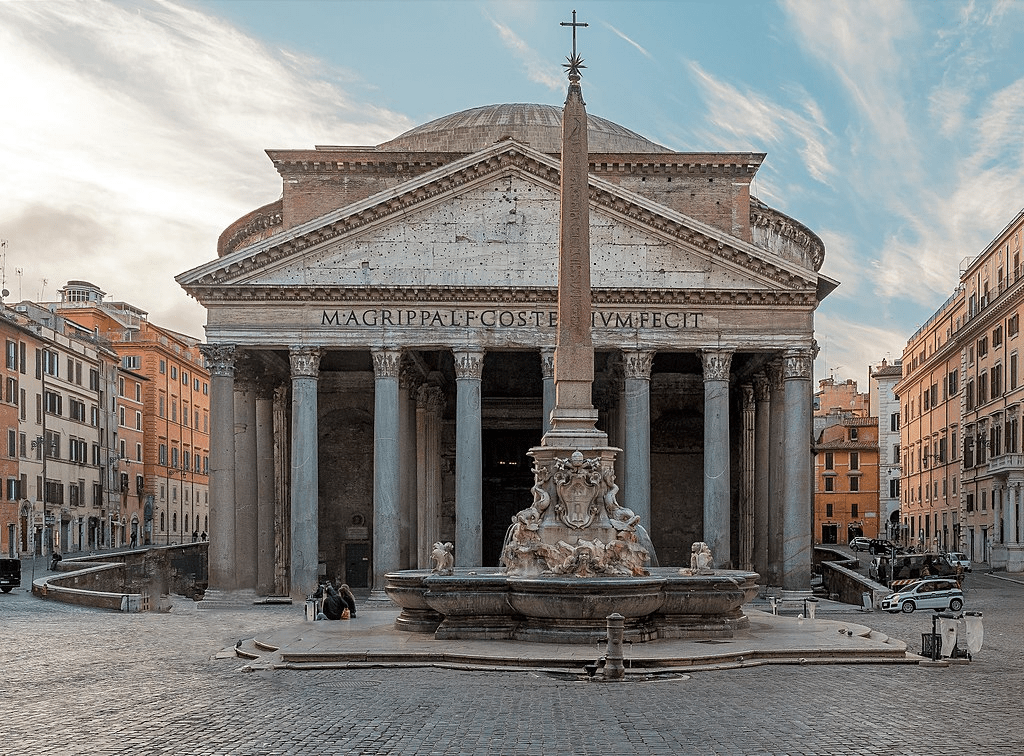

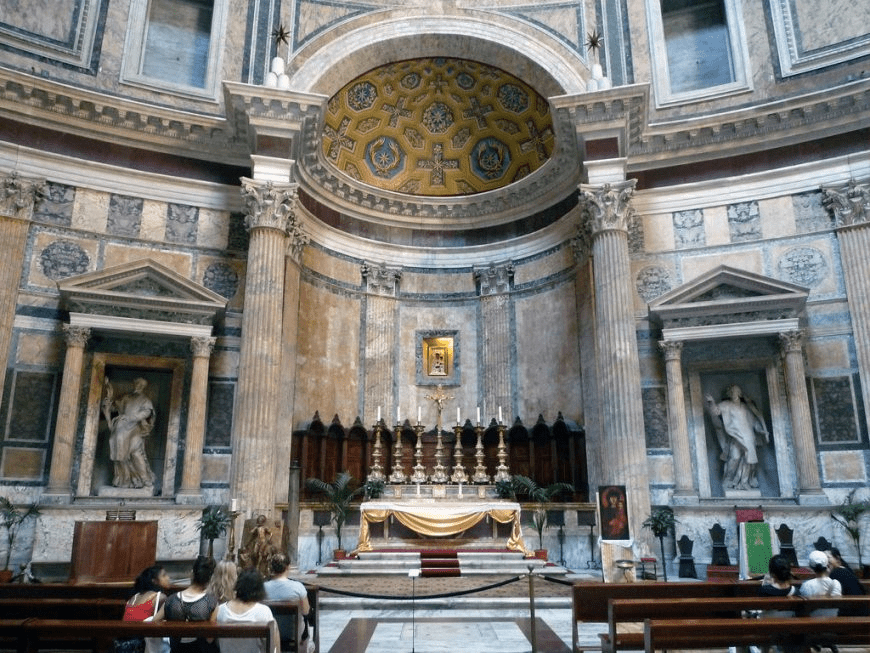
🏛 The Secret of Roman Concrete
Unlike the Portland cement we use today, ancient Roman concrete was made with volcanic ash (pozzolana), lime, water, and volcanic rock. This special mix triggered a chemical reaction known as the pozzolanic reaction, which formed a remarkably stable and durable material.

This volcanic ash came from regions like Campi Flegrei near Naples, rich in silica and alumina. When mixed with lime and water, it formed bonds that strengthened over time—rather than weakened.
🌊 Stronger with Time—Even Underwater
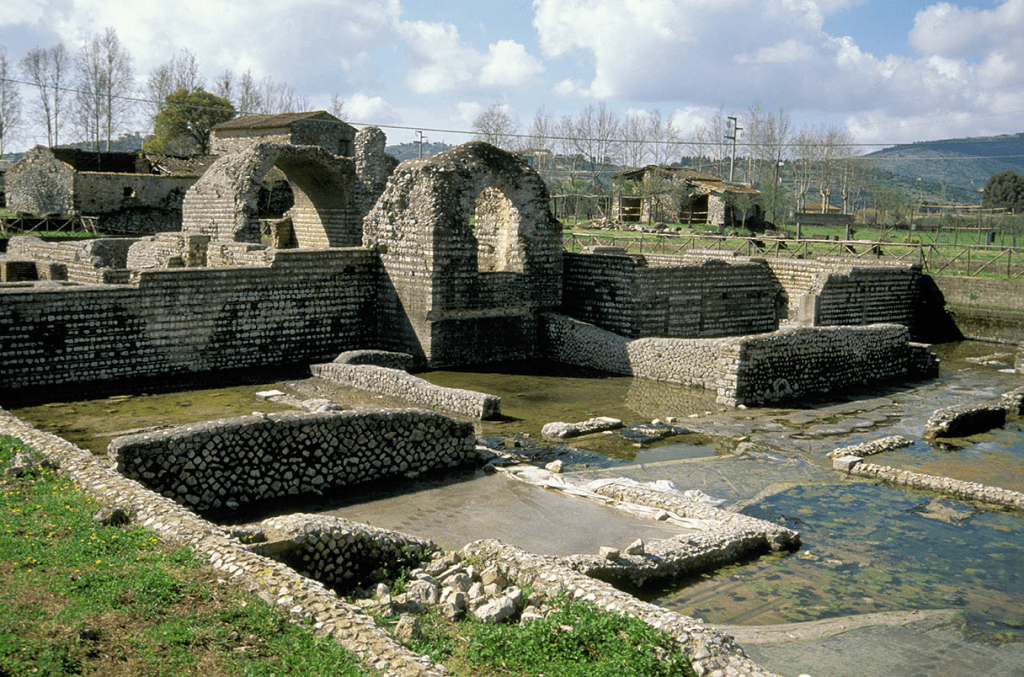
Even more amazing? Roman concrete exposed to sea water didn’t erode—it grew stronger. Scientists discovered that seawater reacted with the volcanic materials to create a rare mineral called tobermorite, which reinforced the concrete’s internal structure.
This is why many ancient Roman ports and sea walls still stand intact after 2,000 years—even without modern rebar or waterproofing.
🔧 Self-Healing Capabilities
Roman concrete even had a kind of “self-healing” ability. When small cracks formed, water seeping into the cracks would trigger new chemical reactions, filling the gaps with more binding minerals and sealing the damage naturally.
No wonder structures like the Pantheon’s massive unreinforced concrete dome—still the largest in the world—have stood strong for two millennia.
Today’s concrete (Portland cement) is fast to produce and easy to use—but it’s not built to last. It’s vulnerable to carbonization, water infiltration, and the corrosion of internal steel reinforcements. Many modern buildings begin to deteriorate in as little as 50 to 100 years.
What’s more, many structures are built with thinner supports and cheaper materials to cut costs and speed up construction—further sacrificing long-term durability.
Ancient Roman builders weren’t just engineers—they were environmental designers who worked with nature rather than against it. Their materials were local, natural, and synergistic. They designed for longevity, not just appearance or convenience.
Modern architecture, for all its technological advancements, could learn a powerful lesson:
Durability is a form of sustainability.

We often assume that more advanced technology means better quality. But perhaps what truly makes a structure strong isn’t just engineering—it’s wisdom, respect for nature, and a mindset rooted in harmony and longevity.
If we embrace these ancient insights, maybe our future buildings won’t just house us—they’ll endure for generations.
Link:https://peacelilysite.com/2025/07/21/why-ancient-roman-buildings-still-stand-and-modern-ones-dont/

 Peace LiLy