
Gratitude
“Monks, I will teach you about the nature of a person without integrity and a person with integrity. Listen carefully and pay close attention.”
“Yes, Lord,” the monks replied in unison.
The Blessed One began, “What defines a person without integrity? Such a person is ungrateful and unthankful. This ingratitude and lack of thankfulness are characteristics of rude individuals and belong entirely to those without integrity. These individuals fail to recognize and appreciate the good done to them by others. They are driven by selfish desires and a sense of entitlement, neglecting the virtue of gratitude, which is the foundation of a harmonious and compassionate society.
“In contrast, a person with integrity is grateful and thankful. This gratitude and thankfulness are traits of civilized individuals and belong entirely to those with integrity. They recognize the value of the kindness and support they receive from others and make it a point to express their appreciation. Such individuals foster positive relationships and contribute to a community where mutual respect and support flourish.
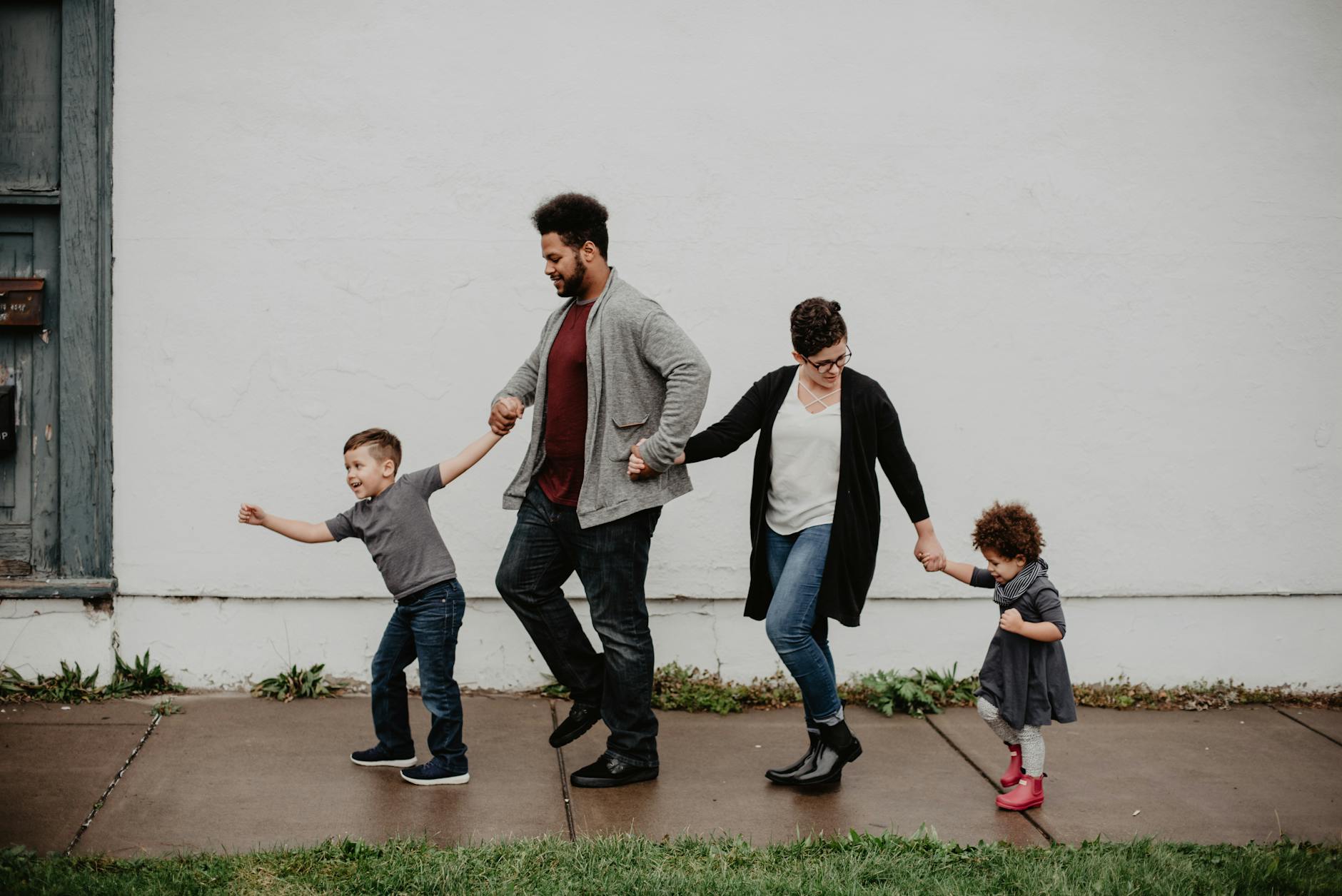
“Monks, there are two people who are difficult to repay. Who are they? Your mother and father. Even if you were to carry your mother on one shoulder and your father on the other for 100 years, attending to their needs by anointing, massaging, bathing, and rubbing their limbs, even if they were to defecate and urinate right there on your shoulders, you still would not have repaid them. If you were to establish them in absolute sovereignty over this great earth, filled with the seven treasures, you still would not have repaid them.
“Why is that? Because parents do much for their children. They care for them, nourish them, and introduce them to this world. From the moment of birth, parents make countless sacrifices, enduring sleepless nights and countless worries to ensure their child’s well-being. They provide food, shelter, education, and unconditional love, guiding their children through the complexities of life. These acts of love and devotion create a debt that is immeasurable.
“However, monks, the greatest way to repay one’s parents is not through material means or physical care alone. True repayment comes from leading them towards the path of virtue and wisdom. If someone inspires his unbelieving mother and father to have faith, guides his unvirtuous parents towards virtue, encourages his stingy parents to be generous, and leads his foolish parents to wisdom, then, to that extent, he has repaid his mother and father.
“Consider the transformative power of such actions. When you rouse your unbelieving parents to embrace faith, you open their hearts to a greater understanding of life’s purpose. By encouraging them to practice virtue, you help them cultivate qualities that bring inner peace and happiness. Inspiring them to be generous allows them to experience the joy of giving, and guiding them towards wisdom leads them to a deeper comprehension of the world and their place in it.

“Monks, remember that integrity and gratitude are the cornerstones of a meaningful life. By embodying these virtues and helping others, especially your parents, to do the same, you contribute to a legacy of compassion and understanding that extends beyond your lifetime. This is the true measure of repayment and the highest expression of filial piety.”
The monks, deeply moved by the Blessed One’s words, reflected on the profound teachings and resolved to cultivate integrity and gratitude in their own lives, vowing to honor and repay their parents in the most meaningful way.

 Peace LiLy