When the Skies Ignited: Witnessing the Holy Manifestation of the Sublime Fire Offering Assembly

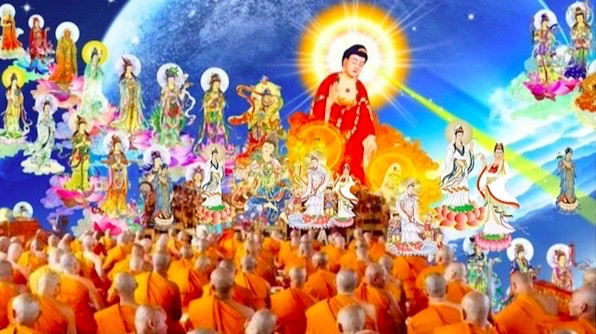
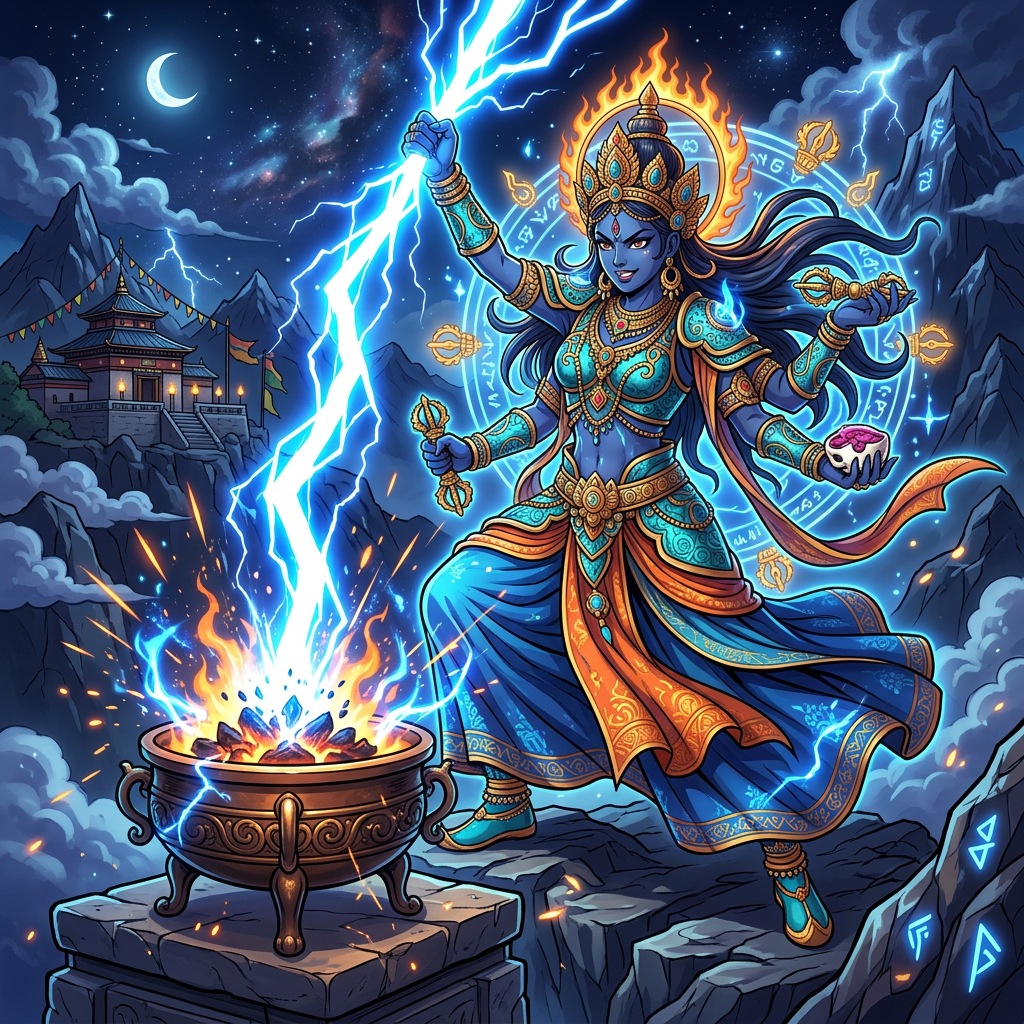
Blue-skinned Hindu goddess with multiple arms, wearing ornate golden armor and jewelry, summoning lightning into a cauldron

Have you ever wondered what it would be like to stand in the presence of true, living divine power? To witness a ritual where the boundaries between the mundane world and the heavenly realms completely dissolve?

While fire offerings (Homa) are celebrated throughout Tibetan and Indian Buddhist traditions for their power to eliminate disasters, eradicate obstacles, and increase blessings, there is a legendary form of this ritual that belongs almost entirely to history. It is called the Sublime Fire Offering (Holy Sunyan Homa).

For over eighty years, this ultimate rite had not been successfully manifested anywhere on Earth. But on September 19, 2018, at the Holy Miracles Temple, history was remade. Led by a Highest Holy Guru , an assembly gathered to witness an event that can only be described as a modern-day spiritual miracle.

To understand the magnitude of what transpired, one must understand the difference between a conventional fire offering and a true Sublime Fire Offering. Ruohui Ruzun, a holy virtue who was present, describes the difference as “the distance between a single step and ten thousand miles.”

  • Conventional Fire Offerings: Wood is stacked high, and prayers are chanted. However, when it comes time to light the fire, it is always done by human hands using ordinary lighters or matches.
  • The Sublime Fire Offering: Human hands cannot touch the flame. It requires the invocation of nine Tathagatas (Buddhas), the Vajra Matrika (Vajra Mother), the Prajna Mother, and holy dharma protectors to physically descend from the void. The fire must be ignited directly by the Holy Vajra Mother from the sky.

Many great masters and Dharma Kings over the last century have attempted this rite, only for it to function as an ordinary fire offering because they lacked the profound realization and spiritual power to invoke the Holy Manifestations.

The Defying of Reality: The Day the Vajra Mother Ignited the Flame

On that historic September day, devotees stood closely inside the Grand Main Hall, watching every movement with absolute focus.

The offering altar was a newly crafted, pure copper brazier placed upon a simple flat table. It contained no electrical components, hidden mechanisms, or flammables. A team of over ten volunteers had meticulously scrubbed it top to bottom in front of everyone.

The Highest Holy Guru sat on the Dharma throne about 50 meters away. A holy virtue holding the rank of One Gold Button, Bodi Wentu Ruzun, served as the “Guarding Officer of the Fire.” He dipped a ceremonial fire-token into ghee, took a step with every mantra, and stopped about six meters away from the altar.

Suddenly, instead of stepping closer to light it manually, he looked up into the vast sky and called out:

“This Sublime Fire Offering is presided over by the Namo Highest Holy Guru. I request the Holy Vajra Mother to ignite the fire! If the Vajra Mother does not ignite it, then disciple Bodi Wentu will!”

He bowed deeply. From the distance, the Highest Holy Guru called out in a resonant voice: “We request the Holy Vajra Mother to ignite the Homa fire to eliminate obstacles and increase blessings for all living beings!”
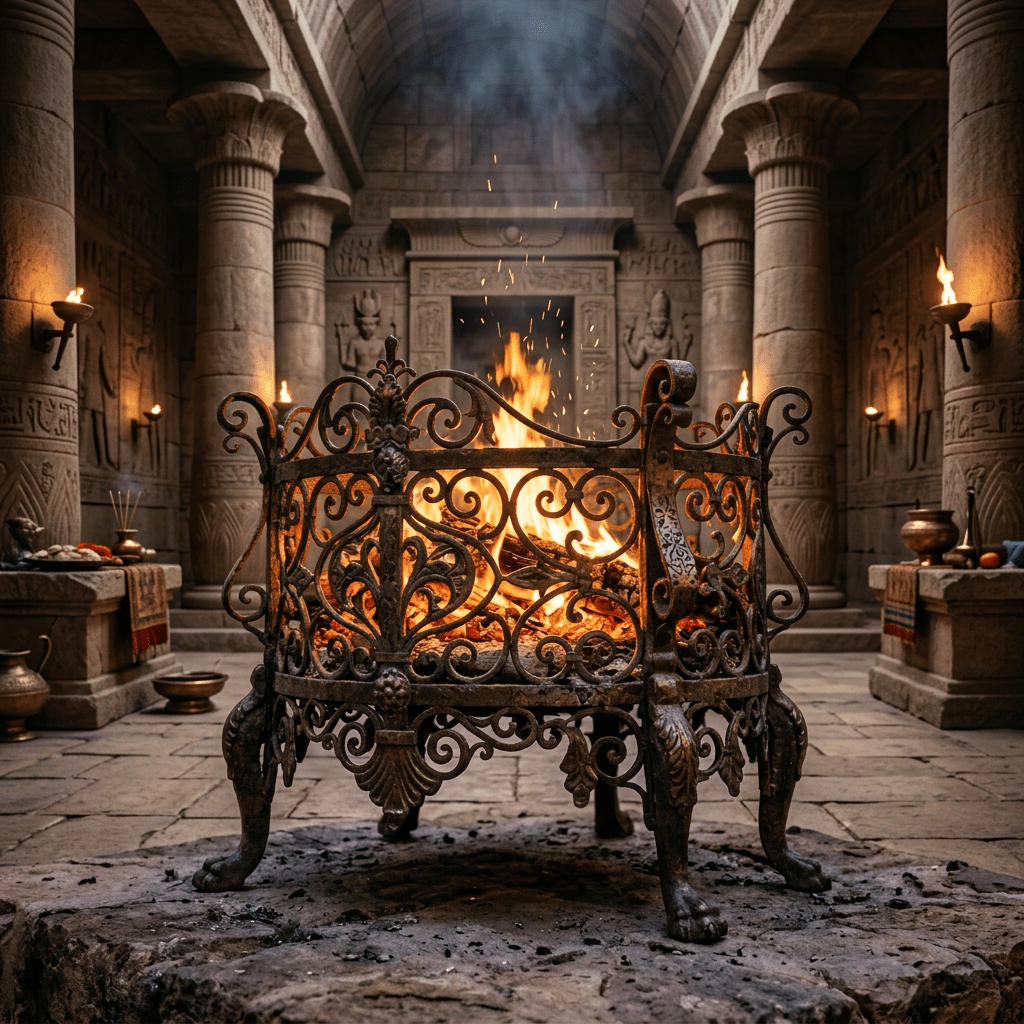
Decorative metal fire pit with burning logs and bright flames in outdoor courtyard

The moment the words left His lips, a brilliant flash of blue light cut through the air. The Holy Vajra Mother appeared in the void, pointed her finger, and shot a beam of lightning into the cold brazier.

Instantly, without any human intervention or spark, a roaring, magnificent fire erupted from the copper furnace. The sudden, immense power of the flame sent Rincpoche Bodi Wentu leaping back in awe before falling to the ground in prostration. The entire crowd fell to their knees, weeping and bowing in absolute ecstasy, as the sacred Homa ritual officially began.

As the offering continued, another extraordinary event unfolded. A Buddhist practitioner turned a heavy Vajra Demon-Banquishing Bowl upside down onto a small table. According to Dharma text, this bowl naturally draws in and traps the negative karma, demonic obstacles, and enmity of everyone present at the assembly.

As the negative energies tried to break free, the heavy bowl began to violently vibrate under their immense pressure. At that critical, hair-raising moment, a loud “BOOM!” echoed through the hall.

A bolt of lightning from the Vajra Mother struck the bowl, instantly pulverizing the dark karma and demonic entities into dust. Their consciousnesses were subsequently delivered by the Buddhas and Bodhisattvas to the Buddha Lands for strict cultivation and guidance.

Following this, the Highest Holy Guru—who had remained at a distance and never approached any of the ceremonial tables—performed the great Dharma of “Secretly Dispatching the Bodhisattva’s Petition.” With a thunderous sound, a flash of lightning swirled around the rim of the upside-down bowl and vanished. When the assembly flipped the bowl over, the petition paper inside had completely vanished into thin air under the watchful eyes of the crowd, confirming the absolute perfection of the ritual.

The transcendence of the Buddha Dharma manifested not only in grand lightning and fire, but also in the most subtle, undeniable details.

As the sacred wood burned, thick, dense clouds of Homa smoke billowed upward, filling the upper atmosphere of the grand hall. Under normal circumstances, lighting even half a cigarette in that hall would instantly trigger the ultra-sensitive smoke detectors, sounding alarms and unleashing the water sprinkler system.

Yet, throughout the entire sacred assembly, the smoke detectors remained completely silent. The spiritual energy of the Buddhas and Bodhisattvas perfectly governed the environment, leaving the technology untouched while filling the hearts of the devotees with boundless peace.

Witnessing this Sublime Fire Offering left everyone with a profound realization. As one of the great holy virtues remarked: “Compared to a Sublime Fire Offering, a conventional fire offering is like a single hair from nine oxen—mere child’s play.” The merit generated by a flame ignited directly from the void by the Vajra Mother is thousands of times greater than any fire lit by human hands.

For over eighty years, the world had only heard the theories of such spiritual milestones. This assembly proved that the supreme, true Buddha Dharma is alive, real, and accessible today.

The sacred brazier, offering table, and holy instruments used during this historic assembly are now permanently enshrined at the Holy Miracles Temple, welcoming pilgrims from all over the world to gaze upon them, pay respects, and connect with the profound blessings of that miraculous day.

(This article is adapted from an interview with Venerable Abbess Ruo Hui. For the core teachings of Buddhism, please always refer to the original recorded discourses and published books of H.H. Dorje Chang Buddha III.)

#BuddhaDharma #Vajrayana #SpiritualMiracle #FireOffering #HomaRitual #EasternSpirituality #HolyMiraclesTemple
Link:https://peacelilysite.com/2026/05/29/when-the-skies-ignited-witnessing-the-holy-manifestation-of-the-sublime-fire-offering-assembly/

Traveling the World on Just $80: Why You Should Never Wait for “Perfect Conditions”

Have you ever had a moment like this? A brilliant, fiery idea ignites in your heart, but in the very next second, reality and the voices around you pour cold water all over it: “That’s impossible.” “You aren’t ready yet.” “Don’t be naive—wait until you have enough money and time.”

And so, countless life-changing possibilities quietly wither away in the endless cycle of “waiting.”

Today, I want to share a true miracle that might sound absolutely absurd at first. But after reading it, you might just find yourself re-evaluating the dreams you once labeled as “impossible.”

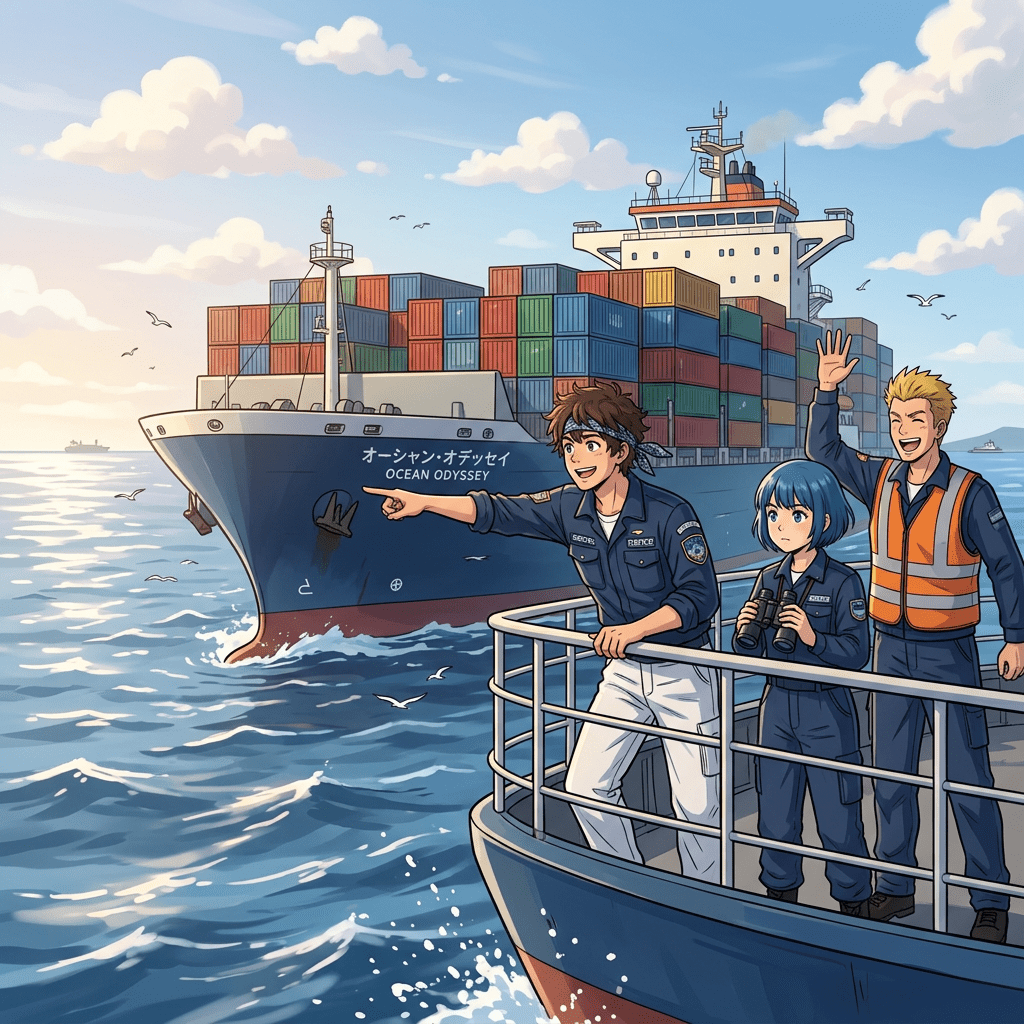
Crew on a boat spotting the container ship Ocean Odyssey with colorful containers

Years ago, a 26-year-old American youth named Robert Christopher watched people working on cargo ships, hitchhiking across the Atlantic, and traveling the globe. A simple question popped into his head: “If others can do it, why can’t I?”

When he shared this wild idea with his friends, it was met—unsurprisingly—with a chorus of mockery: “You are being way too naive!”

An ordinary person might have backed down. But Robert ignored the laughter. Instead, he pulled a fountain pen and a small slip of paper from his pocket, doing something that would completely alter the trajectory of his life: he listed every single difficulty he could foresee on the journey, and right next to each one, he meticulously wrote down a concrete solution.

He didn’t waste a single minute. The moment the list was done, the action began.

Mastering the Art of Resource Management

What is the biggest obstacle to traveling the world? Visas, transportation, maps, and money. Robert had a mere $80 in his pocket—an amount that, even back then, wasn’t enough to cover a young boy’s monthly living expenses. Yet, instead of letting financial scarcity limit him, he launched a textbook masterclass in resource integration:

  • No money for airfare? He struck a deal with a cargo airline, agreeing to take promotional photographs for the company in exchange for a flight across the Atlantic.
  • No maps or international driving permit? He approached the relevant authorities and promised to provide a detailed report on the road conditions in the Middle East. In return, he secured his permit and maps for free.
  • No safety net? He signed a contract with a pharmaceutical company, guaranteeing to collect soil samples from the countries he visited. He even hustled to secure seaman’s papers, a clean criminal record certificate from New York authorities, and a youth hostel membership.

When he finally waved goodbye to New York with just $80, his true global currency wasn’t cash—it was the unique value he could offer to others.

In the Face of the Impossible, There is Always a Way

A person in a cloak climbing a steep snow-covered mountain path with lightning in the dark sky and sunlight breaking through clouds above the peak

How do you survive a journey around the world on $80? Robert proved through his actions that when your desire is strong enough, solutions will always outnumber problems.

In Gander, Newfoundland, unable to afford his first breakfast, he took professional photographs of the kitchen cooks. The joy he brought them was exchanged for a hearty, warm meal. In Ireland, he spent $4.80 on four cartons of American cigarettes. He keenly understood that in many countries, cigarettes functioned as smoothly as paper currency. From Paris to Vienna, and through the Alps into Switzerland, he used cigarettes as tips and payment to secure rides from drivers and conductors.

In Damascus, his enthusiastic photography for a local policeman filled the officer with such pride that he ordered a public bus to provide Robert with free service. In Baghdad, the manager and staff of the Iraq Express Transport Company loved his photos so much that they invited him to travel by boat to Tehran, completely free of charge. In Bangkok, he provided a luxury travel agency manager with highly sought-after, detailed maps and information about a specific region, earning himself a reception fit for a king. Finally, working as a sailor aboard the ship “Flying Spray,” he navigated from Japan back to San Francisco.

84 days. 80 dollars. He didn’t just survive; he witnessed the world.

Looking back at Robert’s legendary journey, we have to ask: Why did such a seemingly reckless plan unfold so smoothly?

Did Robert fail to foresee the immense risks involved? Of course he foresaw them. But it was precisely because he knew the risks that he chose to take the leap—using adventure to add color and flavor to his life. In this grand game, he fully mobilized his intelligence and brilliantly orchestrated every resource around him.

Too often, we use the word “impossible” as an excuse for inaction, when in reality, we are just hiding our fear of the unknown.

  1. The Trap of “Waiting for the Perfect Moment”: Most people wait until they have saved enough money or until the timing is flawless. The truth is, that “perfect moment” does not exist.
  2. Underestimating Our Own Value: Robert lacked money, but he possessed photography skills, the ability to gather data, the courage to negotiate, and the willingness to harvest soil samples. Money is just one form of wealth. Your wisdom, skills, and passion are all highly spendable currencies in the real world.
Pixel-art character breaking through a stone wall with sunrise and landscape beyond

Many things in life seem impossible only until we decide to do them.

Obstacles are like a mirror—they are only as intimidating as you allow them to be. When you fixate entirely on what you lack—“I don’t have money,” “I don’t have time,” “I don’t have the background”—you trap yourself in place.

The next time a deep aspiration sparks within you, remember 26-year-old Robert: Ignore the skepticism around you. Tear out a piece of paper, write down the hurdles, and ask yourself: “To solve this, what is one thing I can do right now?”

The moment you truly commit and take action, you will find that the universe has a funny way of clearing a path for you.

#Inspiration #MindsetShift #PersonalGrowth #OvercomeObstacles #RobertChristopher #GlobalAdventure #TakeAction #Travel

Link:https://peacelilysite.com/2026/05/28/traveling-the-world-on-just-80-why-you-should-never-wait-for-perfect-conditions/

Escaping the Bustling World: Finding Solace in the Brushstrokes of “Su Shi Nao Chun”

How long has it been since you truly quieted your mind to listen to a bird’s song or feel the subtle arrival of spring?

When we slow down and face a masterpiece of freehand flower-and-bird ink painting—Su Shi Nao Chun (The Scholar’s Spring) by H.H. Dorje Chang Buddha III—we find a soothing remedy for the weary soul. With just a few expressive brushstrokes, this painting captures the boundless vitality of early spring. It is not merely a visual feast of fine art; it is a profound spiritual cleansing.

Traditional Chinese ink painting is deeply rooted in the philosophy of “using objects to express one’s will, and borrowing landscapes to convey emotion.” Through the vivid depiction of nature, the artist projects their inner spiritual world and genuine feelings, achieving a sublime state where scene and emotion blend, and the self merges with nature.

The Awakening of Spring: Dialogue in the Willow Branches

Stepping into the world of the painting, what immediately catches your eye and captures your breath is the lively group of birds awakening from their slumber. Facing the spring that has quietly arrived, they chirp and frolic on the branches with joyful abandon.

If you look closely, a bird at the bottom and another at the top right gaze at each other. Their eyes and postures suggest an intimate conversation, as if they are dueting a cheerful folk song, tirelessly spreading the beautiful news of spring’s return.

The artist’s depiction of these birds features exceptionally distinct and precise body language. The fresh, vivid artistic imagery springs to life, showcasing a masterful command of ink and a brilliant compositional mind.

Mastery of Ink: Finding Hope at the Edge of a Cliff

Traditional Chinese painting dictates that “the brush establishes the form and texture, while the ink distinguishes the substantial from the ethereal.” The artistic conception of a piece is born entirely from the movement of brush and ink. The brilliance of Su Shi Nao Chun lies first and foremost in its brushwork.

The lines in this piece are remarkably crisp, rising and falling with an organic, rhythmic tension. Through the controlled weight of pressing and lifting the brush, combined with sudden pauses and sharp turns, the ink gains a raw, powerful, and profound texture.

With simple, concise, and perfectly echoed strokes, the artist wonderfully captures the living dynamism of the willow branches. The entire canvas instantly becomes alive—this aliveness reveals a pure innocence, and it is only through such innocence that true spirituality shines. Once that spirituality emerges, the painting overflows with wit and charm, effortlessly ushering the viewer into a realm of subtle wonder.

This state of effortless, natural creation stems from the artist’s extraordinarily deep spiritual and artistic cultivation. As a master of art, H.H. Dorje Chang Buddha III has dedicated Himself to various forms of painting—including landscapes, figures, flowers, and birds—since youth. His art observes the universe and all living things through the light of Prajna (transcendental wisdom). Moving from the magnificent to the microscopic, the concepts under his brush evolve from the complex to the simple, leaving the ink pure and the brushwork liberated.

His brush often ventures into positions of extreme peril, where the composition seems pushed to a cliff’s edge. Yet, with a sudden, subtle turn of the brush, a whole new horizon opens up—just like the classic Chinese idiom: “Where hills bend and streams wind, the pathway seems blocked; yet past the dark willows and festive flowers, a new village appears.” A fresh, delightful, and breathtaking realm suddenly unfolds.

Flower-and-bird ink painting is not only a vital component of traditional Chinese art holding a significant place in the global artistic landscape, but it is also a symbol of the spiritual character and cultural soul of the Chinese nation.

The philosopher Jonathan Edwards once wrote:

“Spiritual holiness… brings an inexpressible purity, brightness, peacefulness and ravishment to the soul. In other words, that it made the soul like a field or garden of God.”

True works of art possess this exact power—to cultivate the soul and inspire people to look inward at their own spiritual world.

Link:https://peacelilysite.com/2026/05/27/escaping-the-bustling-world-finding-solace-in-the-brushstrokes-of-su-shi-nao-chun/

#ChineseArt #InkPainting #ArtAppreciation #Mindfulness #EasternAesthetics #SpiritualHealing #FineArt

Why Does This Matter?

Author

Brian Timar


I’ve been a graduate student in physics for almost three years, but I only recently figured out why. I had to tackle a simple question do so: Why does this matter?  I avoided asking myself this question because I knew the answer would be painful.

I ended up in physics through stubbornness, and an unusual willingness to suffer for the sake of grades. As an undergraduate, I was not particularly passionate about quarks, quasars, or quantum mechanics, but I was academically very competitive, and once I’d settled on physics as my major I determined to place myself at the top of my class. I did so by throwing myself into the hardest classes and putting in the hours required to ace the tests. This was, to put it mildly, a bad idea. I got a sort of grim pleasure from vanquishing my classmates in these academic slogs, but I was basically miserable. So why’d I keep it up?

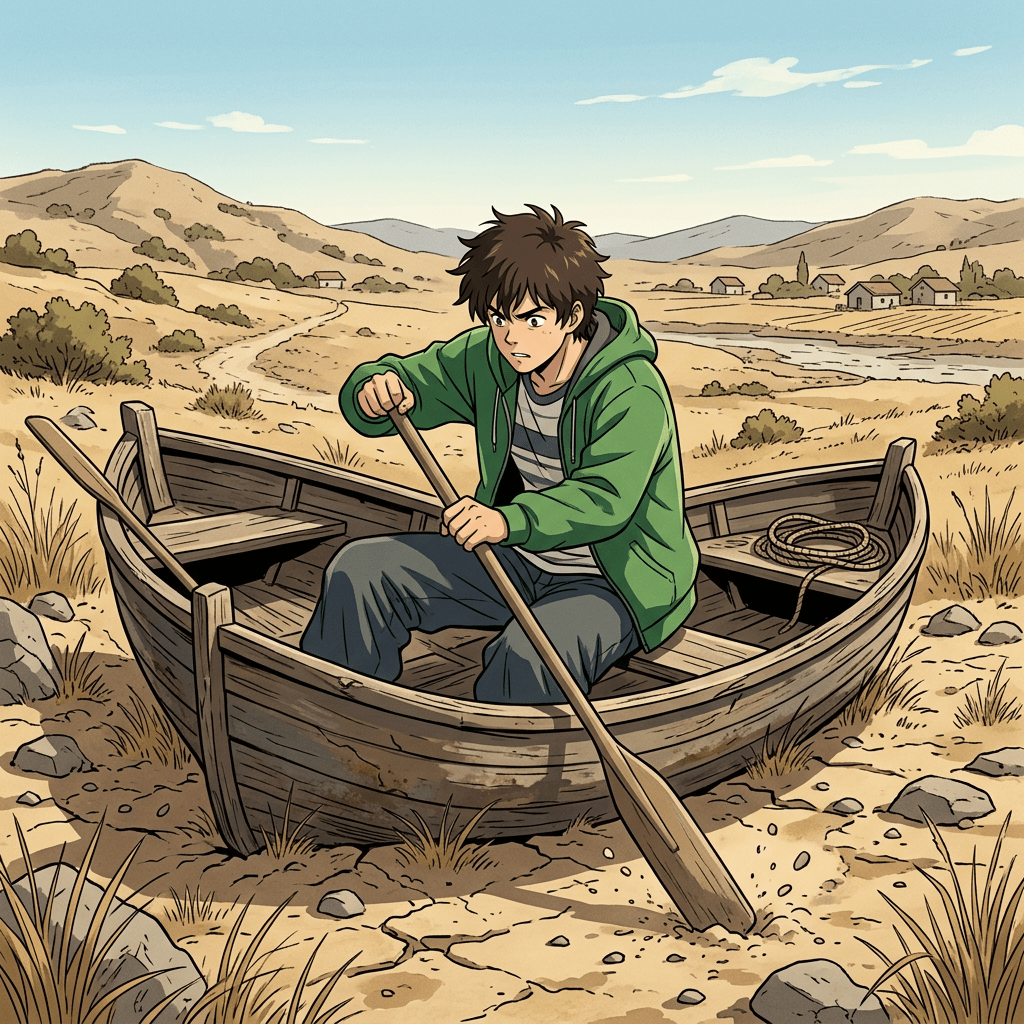
Young man in green hoodie rowing a boat on dry cracked ground

When multiple people are striving towards a shared goal, they often rank themselves by progress within their peer group. This was my mistake — I swapped an absolute goal (figuring out how bits of nature work) with a relative one (scoring higher on tests than my classmates). Later, when I found myself unhappy, I couldn’t leave without feeling like I’d lost something. That social capital sunk cost was the first part of the trap I found myself in.

The second was a positive feedback loop that encouraged me to spend ever-increasing amounts of time on my work. Humans inherit convictions mimetically from each other — we learn what to value by imitating our peers. As my desire to excel academically grew, I spent greater amounts of time in and around the physics department. The more time I spent there, the greater my desire to excel. I’d never given physics much thought at all before my senior year in high school — but once I was surrounded by other physics students, competing for the same pool of grades and research positions, I could think of little else. This inherited desire was unchecked because I had no life outside of academics — no fixed reference point. Although quitting would have made me happier, I felt like I had nowhere to quit to. My tunnel vision left me with few concrete notions of alternative pursuits, and without a destination, I could not seriously contemplate leaving. 

Plans are never plausible until they contain specifics, and implausible plans tend to be discarded. Many of my peers in physics only added incredulity, consciously or otherwise. The result was a reality distortion field — quitting was not just painful, but unimaginable, unthinkable. I ended up in graduate school not because I wanted to toe the bleeding edge of natural science, but because I simply couldn’t imagine doing anything else.

That’s the mimetic trap in a nutshell: it hurts to leave, and there’s nowhere to go. It decouples the social reward signal from the rest of objective reality — you can spend years ascending ranks in a hierarchy without producing anything that the rest of humanity finds valuable. If you value the process itself, that’s fine. I didn’t. Cowardice kept me from acting on this, and after a while I came to believe I had to succeed in this field I’d fallen into essentially by chance.

“Why does this matter?” is an excellent way to gauge if you’ve drifted into a mimetic trap. If you find this question impossible to answer honestly, you’re probably wasting your time. Getting out is the hard part — that requires courage and diligent planning. It’s much easier to avoid falling in. But in either case, you’ll benefit from building a system that steers you towards productive, meaningful activity in the long run.

Source: https://www.awakin.org/v2/read/view.php?tid=2576

Light Across the Ocean: A Miracle at the Bathing Buddha Festival and the True Dharma of Liberation

The eighth day of the Fourth month of the Chinese lunar calendar is the holy birthday of Sakyamuni Buddha. Before the Buddha renounced and reached enlightenment, he was known as Prince Siddhartha. According to Buddhist sutras, right after the Prince was born, He said, with one hand pointing to the sky and the other pointing to the ground, “From heaven to earth, I alone am the world-honored one.” Nine dragons in the sky then poured streams of fragrant water from their mouths to bathe the prince’s body. Ever since, Buddhists hold the Bathing the Buddha Dharma Assembly to celebrate the holy birth of the Buddha.

Today, I want to share an extraordinary, documented event from 2004 that shook the Buddhist world. It is more than just a story of a miraculous, glowing statue—it is a powerful testament to the supreme realization of H.H. Dorje Chang Buddha III, and the authentic, life-altering Dharma that grants sentient beings true mastery over life and death.

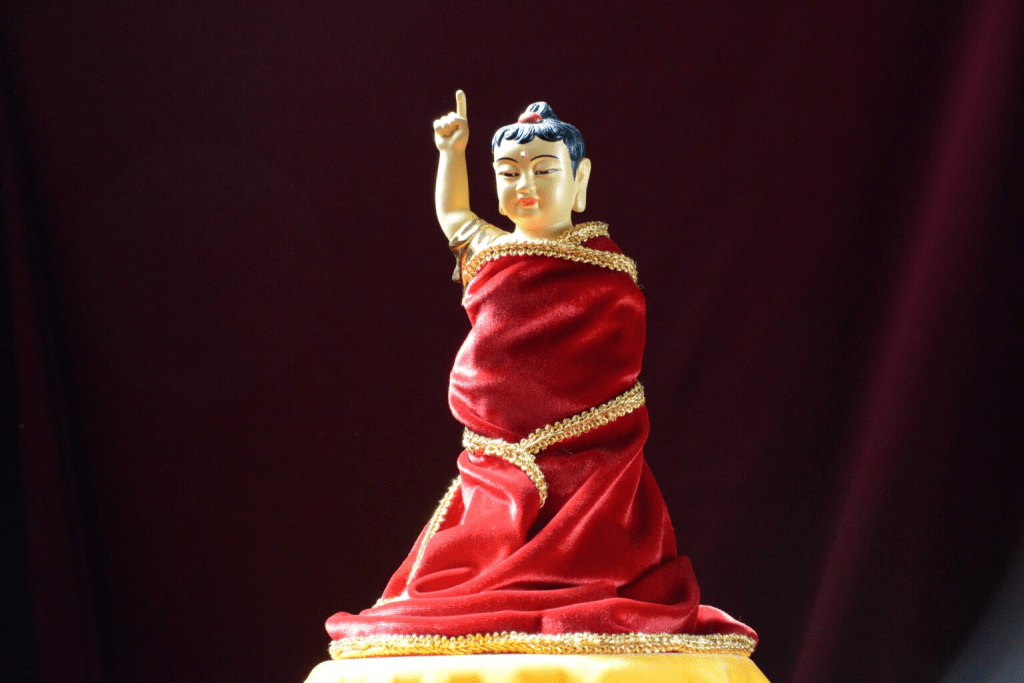
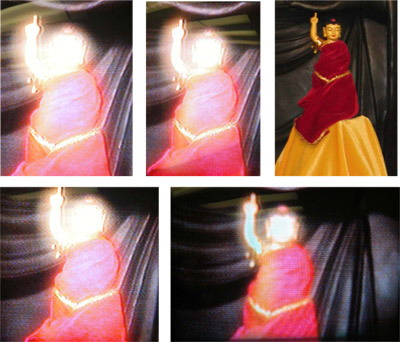
At the Hua Zang Si Temple in San Francisco, California, over a dozen rare and sacred Buddhist relics are enshrined. Among them is a bronze statue of the Prince (the young Shakyamuni Buddha) clad in a red robe, a sight that naturally commands reverence from all who visit.

The story takes us back to May 23, 2004. At the conclusion of that year’s Bathing Buddha Festival, in front of a crowd of eyewitnesses, this bronze statue suddenly began to radiate an incredibly brilliant, dazzling golden light! This sacred illumination did not fade quickly; it lasted for two and a half hours before slowly dissipating.

In over two thousand years of Buddhist history, countless Bathing Buddha ceremonies have been held, yet it is almost unheard of for a physical statue to manifest such prolonged, independent radiance. What was the cause behind this breathtaking miracle?

The answer lies across the Pacific Ocean, tied to the merits of an 81-year-old lay Buddhist named Madame Cheng-E Fen.

Madame Cheng-E Fen lived in Sichuan, China. She was a close relative of H.H. Dorje Chang Buddha III (known at the time as the Supreme Vaja Dharma King Master Yi Xi Nuo Bu) and devoutly practiced the Guan Yin (Avalokiteshvara) Dharma under His guidance.

In the spring of 2004, at age 81, Madame Cheng-E Fen began showing signs of physical failure due to advanced illness. However, her subsequent medical examinations at the Chengdu General Hospital left the medical community completely baffled.

Her X-ray films revealed a complete absence of lung imagery—just total, blank space. Doctors confirmed that her lungs had completely stopped functioning. She had no respiratory capability whatsoever; she could neither inhale nor exhale.

By all laws of medical science, a person without respiration is a deceased person.

Yet, despite having no breath, Madame Cheng-E Fen remained completely alive, clear-minded, and conversational for over a month! Witnesses even placed a light feather right in front of her nose and mouth; they watched it for over ten minutes, and it never stirred a fraction of an inch.

This phenomenon, entirely impossible by medical standards, was a direct manifestation of her deep spiritual realization—a profound transformation achieved through the true, authentic Dharma transmitted to her by H.H. Dorje Chang Buddha III.

Knowing her time was near, Madame Cheng-E Fen had calmly made her final arrangements, changed into her burial robes, and waited for the pure land’s welcoming. On two separate occasions in her hospital room, she pressed her palms together and told those around her, “Guan Yin Bodhisattva has arrived.” At those exact moments, everyone in the room noticed a sudden, exquisite fragrance, and the sound of heavenly music echoing from the void.

Yet, both times, she did not depart. She explained to the onlookers: Her holy teacher in the United States—H.H. Dorje Chang Buddha III—had requested Guan Yin Bodhisattva to delay her departure.

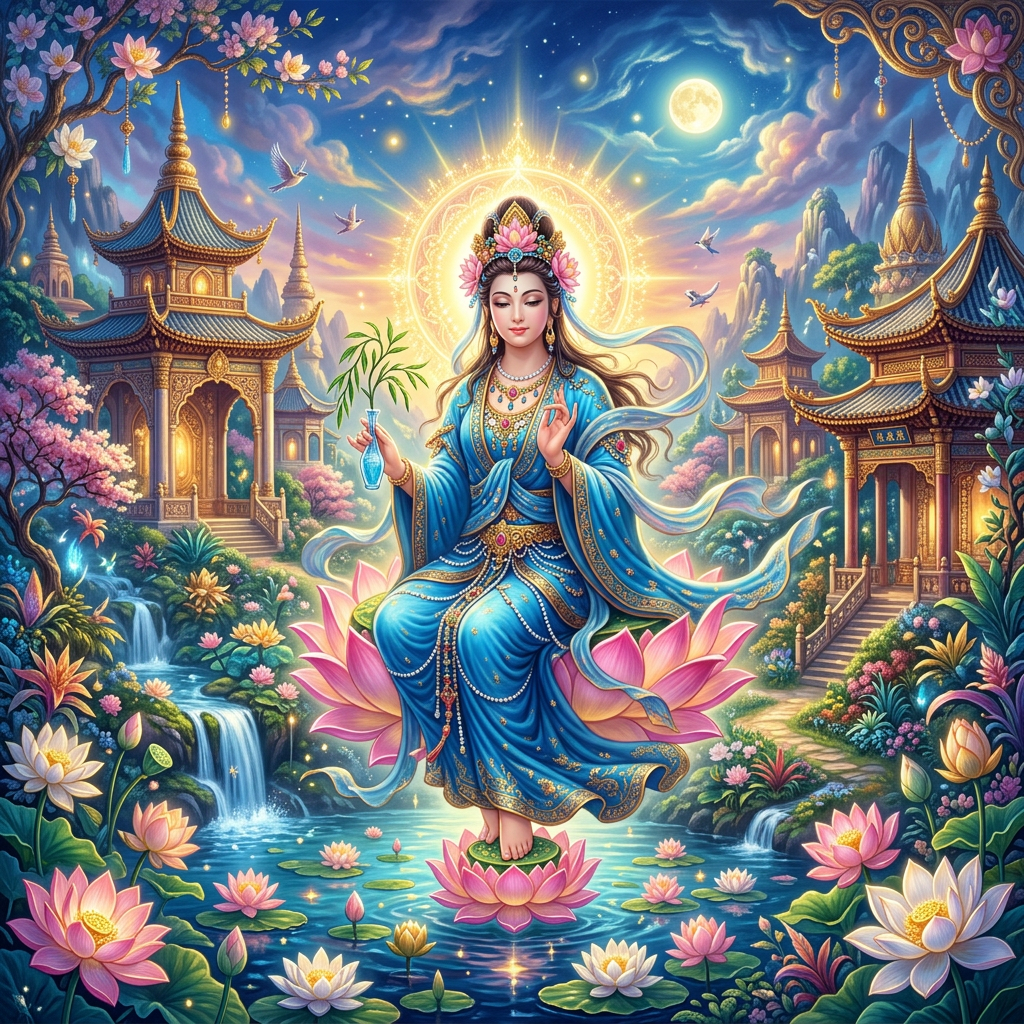
Goddess in blue robe sitting on a lotus flower surrounded by lotus pond and traditional Asian pagodas at dusk

She marveled, saying, “I saw the blue robes of Guan Yin Bodhisattva. Oh, the Western Pure Land is so beautiful! So many pavilions, so many flowers.”

To be in perfect spiritual communion with the Bodhisattvas, and to successfully request a delay in a disciple’s passing to reschedule their ascension—this represents an inconceivable, supreme holy realization. H.H. Dorje Chang Buddha III requested this delay so that her ultimate transition could align perfectly with a major spiritual event in the West, using this undeniable reality to awaken faith in a skeptical world.

On May 22, 2004, at 11:00 PM California time (which was 2:00 PM on May 23 in China), H.H. Dorje Chang Buddha III called Venerable Shi Long Hui, the Chairwoman of the International Buddhism Sangha Association, to His presence. He prophesied: Madame Cheng-E Fen will pass away today in China, and Guan Yin Bodhisattva will escort her to the Western Pure Land.

The Buddha Master instructed Long Hui to publicly announce this news at the Bathing Buddha Festival in Los Angeles the following day, and to dedicate the immense merits of the ceremony to the elderly lady. He added: “Tomorrow’s festival carries extraordinarily powerful merit. I can no longer ask Guan Yin Bodhisattva to delay her departure. After I finish practicing Dharma tonight, Guan Yin Bodhisattva will come to take her tomorrow.”

Sure enough, at 7:00 AM the next morning in Los Angeles, word arrived from Sichuan: Madame Cheng-E Fen had peacefully and mindfully ascended with Guan Yin Bodhisattva exactly twenty minutes prior.

At that exact moment during the American festival, as the assembly united their hearts to dedicate the merits of the Bathing Buddha ceremony to her—the Prince statue at the temple erupted into a brilliant golden glow that lasted for two and a half hours. This profound convergence across the Pacific Ocean was the ultimate, undeniable confirmation from the heavens that the True Dharma is real and absolute.

The Search for Authentic Liberation

Witnessing this miracle in Sichuan, an earnest practitioner expressed what so many spiritual seekers feel today:

“For years, I have been searching, visiting many famous teachers and high lamas, yet I never felt I was learning the path to true liberation. Deep down, I knew I was still bound by my flaws, and I feared what would happen when I faced death.

Seeing the holy realization of Madame Cheng-E Fen, I know the Buddhas have answered my prayers. We must do everything we can to find the Master who taught her. He is the true Holy One. Only He can help us solve the ultimate problem of life and death!”

Remarkably, Madame Cheng-E Fen’s husband had also been a disciple of H.H. Dorje Chang Buddha III years prior, and he too achieved absolute freedom over his passing, leaving the world while meditating in a seated posture. For both husband and wife to achieve such monumental liberation is a rare and beautiful chapter in Buddhist history.

Life is fleeting, and impermanence arrives without warning. The miraculous ascension of Madame Cheng-E Fen and the radiant light of the Bathing Buddha Festival serve as a beacon of hope in our modern age.

The realization held by H.H. Dorje Chang Buddha III is the authentic, primordial Dharma that allows everyday people to truly conquer death and attain liberation in this very lifetime. May all who read this find right mindfulness, connect with true spiritual paths, and reach the shore of ultimate freedom.


(This article is adapted from an interview with Venerable Abbess Ruo Hui. For the core teachings of Buddhism, please always refer to the original recorded discourses and published books of H.H. Dorje Chang Buddha III.)

Link:https://peacelilysite.com/2026/05/22/light-across-the-ocean-a-miracle-at-the-bathing-buddha-festival-and-the-true-dharma-of-liberation/

The Miraculous Healing: A True Witness to the Inconceivable Power of Buddha Dharma

This post is adapted from a true account personally shared by Dr. Xisi Huang during her appearance on the “Buddhist Disciples Interview” program. It is our sincere hope that through this extraordinary testimonial, readers can deeply feel the inconceivable greatness of the Buddha Dharma and the peerless, boundless compassion of Namo H.H. Dorje Chang Buddha III.

Young girl lying in bed with fever, sweating, crying, and covered in a red rash

In 2018, a nightmare began for our family. The skin on my 20-year-old younger daughter’s legs began breaking out in ulcerated rashes. Over time, the condition worsened drastically, leaving open wounds that rotted down to the raw flesh.

We sought help everywhere. We consulted Western doctors, traditional Chinese medicine practitioners, dermatologists, and natural therapies specialists. The diagnoses were completely inconsistent—ranging from severe mosquito bite allergies and stress to eczema and autoimmune failures. Yet, every doctor resorted to the same treatment: prescribing topical or oral steroids, and eventually, steroid injections. None of it worked. Instead, her body developed a resistance to the medication, and the painful, itchy rashes began spreading uncontrollably across her entire body.

By June, medical reports revealed she had developed severe allergies to over 50 types of food, a clear sign that her immune system was entirely compromised. She had to suspend her studies and was confined to the house, as any exposure to ambient bacteria could have been fatal. Suffering from constant hunger due to her restricted diet, she wasted away until she was practically skin and bones. As a mother, watching her suffer in agony while being utterly helpless was heartbreaking. It made me realize how limited and powerless human medicine can truly be.

The ultimate crisis struck on July 10th. Her immune system collapsed completely. Her fingers and toes swelled so severely that they fused together, rendering her unable to move or get out of bed. Soon, she began having difficulty breathing. When I desperately asked if she wanted to go to the hospital, she weakly replied, “It’s no use anymore, Mom. I finally truly understand what the Buddha taught—that human life hangs entirely on the balance of a single breath.” When I called her doctor in a panic, he looked at her and flatly admitted that they had never encountered such a case and could do nothing more. He implied that the end was near; if the inflammation attacked her heart, it would stop, and if it hit her throat, her airway would close. She was living on borrowed time, facing death every single second.

In the dead of night, at 2:00 AM, driven by sheer desperation as my daughter lay dying, I knelt on my living room floor. I prayed to the heavens, crying out for the blessings and salvation of our Buddha Master. The next morning, I took photos of her condition and sent them to Dharma Master Jue Hui at the Holy Miracles Temple in the United States. Very quickly, the Dharma Master called back with an urgent message: “The Buddha Master is aware of the situation. Your daughter is in extreme danger. You must come to America immediately.”

Because urgent matters prevented me from leaving Hong Kong, my eldest daughter boarded a flight to Los Angeles that very night and rushed straight to Holy Miracles Temple. When she arrived around 7:00 PM, hundreds of disciples were already waiting to be received. By midnight, though the Buddha Master was exhausted from tirelessly helping disciples all day, He compassionately chose to forgo rest to receive my daughter.

The Buddha Master revealed the true cause of the affliction: my younger daughter’s condition was the manifestation of a massive karmic retribution, where her past karmic creditors had materialized as a demonic force possessing her body, intending to attack her until she perished.

The Buddha Master then asked my eldest daughter to step outside the hall, then His Holiness performed a holy Dharma rite. During the ritual, a profound, exquisite fragrance suddenly enveloped the entire temple—a heavenly scent my eldest daughter noted she had never experienced anywhere on Earth. Afterward, the Buddha Master, with boundless patience and compassion, repeatedly instructed my daughter on how to safely transport the large gallon of holy Dharma water back to Hong Kong and exactly how to administer it to her dying sister.

My eldest daughter packed the Dharma water into small bottles to bring back. Given the notoriously strict security checks at US customs, we were terrified that a suitcase full of fragrant liquids would be confiscated. Yet, a miracle occurred: when she opened the suitcase in Hong Kong, she found an official customs inspection letter inside. The officers had opened and checked the bag, yet they allowed every single bottle to pass through untouched.

The healing that followed was nothing short of miraculous. On the second day of using the Dharma water, my younger daughter’s spirit returned; she could sit up, and her breathing became smooth.

Most incredible of all, within just one single week, the rashes across her entire body vanished. The deep, ulcerated wounds on her legs that had previously exposed her flesh healed completely, leaving absolutely no scars behind! According to medical science, human skin tissue regeneration takes a bare minimum of 28 days. Yet, through the blessing of the Buddha Dharma, she was fully restored in seven days. A month later, she was healthy enough to study abroad in France.

Sometime later, her doctor—who had assumed she had passed away—called me to express his condolences. When I told him, “Doctor, my daughter is completely fine. She is fully recovered and is currently studying in France,” he was stunned into silence, able to utter only one phrase: “That is truly a miracle.”

In the face of such an undeniable transformation of karma, the scientific community can only use the word “miracle” to cloak the limitations of human knowledge. But today, I stand before you to declare boldly: This was not a mere coincidence or a stroke of luck. This is the tangible, magnificent manifestation of the supreme power of Buddha Dharma, and the unparalleled, life-saving compassion of our beloved Buddha Master, Namo Dorje Chang Buddha III!

Link:https://peacelilysite.com/2026/05/19/the-miraculous-healing-a-true-witness-to-the-inconceivable-power-of-buddha-dharma/

This post is translated and edited from Interview with a Buddhist Disciple (59): AM1300 Chinese Radio Station – Exclusive Interview with PhD. Huang Xisi 《佛弟子訪談(五十九:AM1300中文廣播電臺-專訪香港黃僖偲博士》 by Linda Chang. For original records, please click here.

Click here to Wikitia page on H.H. Dorje Chang Buddha III that list major accomplishments and teachings with links.

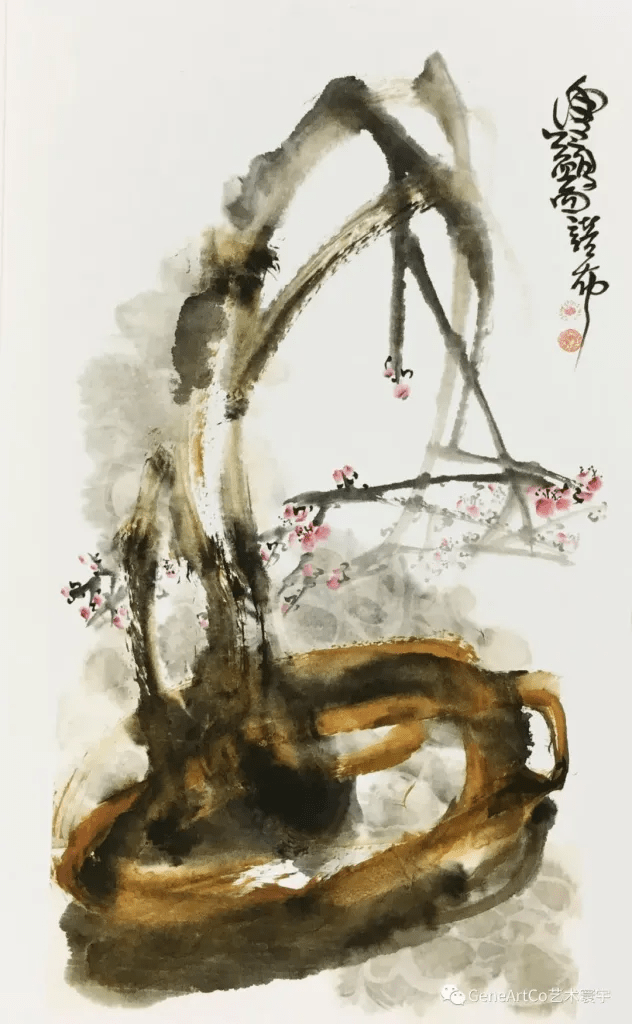
A Plum Blossom Painting Filled with Inner Strength and Serenity

The first time I looked at this plum blossom painting by Dorje Chang Buddha III, I immediately felt a powerful and uplifting energy flowing from it. It was not simply a beautiful painting that pleased the eyes. Rather, it carried a quiet spiritual strength that deeply touched the heart.

My first thought was that only an artist with profound inner calmness, wisdom, and spiritual realization could create such a work.

In traditional Chinese culture, plum blossoms symbolize nobility, purity, perseverance, and courage. Blossoming in the cold of winter, they have long represented the ability to remain graceful and strong amid hardship. Yet this painting expresses those qualities in a particularly extraordinary way.

The entire composition feels free from anything worldly or artificial. There is no trace of stiffness, heaviness, or forced technique. Every brushstroke appears natural, effortless, and alive. The painting possesses a wondrous elegance that cannot be achieved merely through technical skill or years of practice alone. It feels more like the crystallization of wisdom, cultivation, and inner realization.

What especially fascinates me is the unique arrangement of the plum tree itself. The roots twist and coil together, naturally forming what resembles a large bonsai pot. The varying shades of ink create rich layers, flowing movement, and a dreamlike sense of surrealism throughout the painting. The entire scene feels both realistic and ethereal at the same time, blending natural beauty with poetic imagination.

The artist employs the distinctive Chinese painting technique of “flying white” and broken brushstrokes, allowing the branches to pulse with vitality and the force of life. The bold, heavy brushwork gives the sturdy roots the powerful presence of coiled dragons gathering strength before soaring into motion. The entire composition radiates an uplifting sense of righteous energy, while also revealing the artist’s vast, bold, and magnanimous inner world.

What is even more remarkable is that the brushwork appears so simple and effortless, yet every stroke is skillful and full of spirit. Nothing feels excessive, and nothing is unnecessary. It is precisely this simplicity that gives the painting its extraordinary sense of calmness, freedom, and spiritual strength.

After completing the painting, H.H. Dorje Chang Buddha III composed the following poem:

“Plum flowers of surpassing loveliness blossom in a pot, though never are they planted.
Wave the brush to plant the tree, and the roots of that old tree form their own shallow pot.”

The poem perfectly reflects the painting’s natural spontaneity and artistic wonder. The plum blossoms seem not artificially arranged, but born effortlessly from nature itself.

Perhaps this is what makes the painting so moving. Beyond its artistic beauty, it conveys a state of mind — calm yet powerful, simple yet profound, gentle yet filled with inner strength.

In today’s restless and hurried world, such artwork quietly reminds us of something precious: true beauty comes not only from technique, but from the purity, peace, and depth within the artist’s heart.

Link:https://peacelilysite.com/2026/05/14/a-plum-blossom-painting-filled-with-inner-strength-and-serenity/

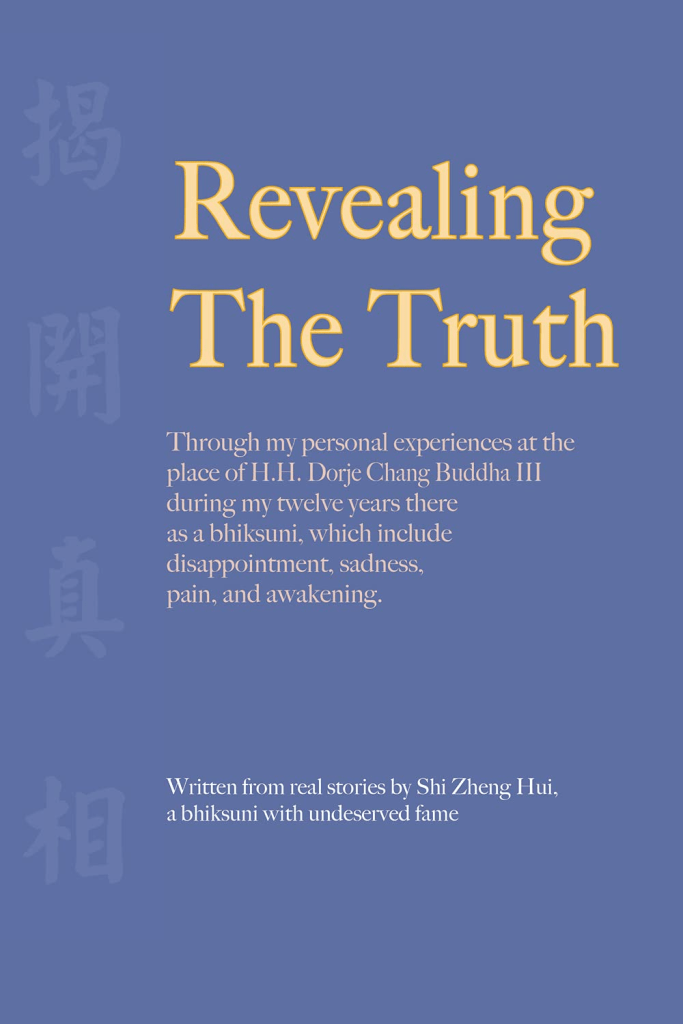
Revealing the Truth — A Book That Inspires Deep Self-Reflection

Revealing the Truth is not merely a collection of Buddhist stories. The book chronicles the personal experiences of a Buddhist nun over twelve years, from 2001 to 2013, while cultivating at the holy home base of H.H. Dorje Chang Buddha III.

Through many real-life experiences, the book quietly reveals the compassion, wisdom, and holiness of Dorje Chang Buddha III, while also helping disciples reflect deeply on whether their own cultivation truly aligns with Buddhist teachings.

What makes this book especially valuable is its sincerity. The stories are not distant theories or abstract teachings, but vivid experiences from everyday life — moments of hardship, karmic tests, spiritual awakening, and personal reflection. As readers follow these experiences, they are naturally led to examine themselves:

Are my thoughts truly compassionate?
Are my words beneficial to others?
Are my actions aligned with the Dharma?
Am I sincerely cultivating, or merely following forms outwardly?

In today’s busy and distracted world, Revealing the Truth serves not only as an inspiring spiritual record, but also as a mirror for sincere cultivators seeking genuine inner transformation.

Among the many fascinating stories in the book, I would like to share one particularly miraculous and thrilling incident.

One day, several disciples accidentally ate a deadly poisonous wild herb after mistaking it for edible Chinese kale. Within minutes, those who had tasted the vegetables began suffering severe dizziness, numbness, blurred vision, and loss of bodily control. Some collapsed to the ground, their faces turning pale gray as though life itself were slipping away.

When H.H. Dorje Chang Buddha III learned what had happened, he immediately recognized the herb as the highly poisonous “Yizhihao,” warning that even a tiny amount could be fatal. Seeing five disciples hovering between life and death, he urgently instructed everyone to induce vomiting. At beginning, none of them could do that. Then, with great solemnity, he snapped his fingers in blessing and loudly called upon the Dharma protectors to rescue the poisoned disciples and restore their consciousness.

What happened next astonished everyone present. Almost immediately, the poisoned disciples began vomiting repeatedly, expelling the toxins from their bodies. Though completely exhausted afterward, all five ultimately survived safely.

Stories like this are what make Revealing the Truth so unforgettable. Beyond the mystery and drama, readers can deeply feel the compassionate care extended toward disciples and the profound spiritual power revealed through ordinary life situations.

Perhaps this is why the book continues to leave such a deep impact on sincere readers — because beneath every story lies a reminder to cultivate more truthfully, more humbly, and more sincerely on the path of liberation.

If you are looking for a book that doesn’t just tell you about Buddhism, but shows you how it breathes in the real world, Revealing the Truth is your next essential read.

The paper copies of the book are available at Buddhist temples or can be purchased online at Amazon.

Link:https://peacelilysite.com/2026/05/12/revealing-the-truth-a-book-that-inspires-deep-self-reflection/

When Noise Becomes Blindness

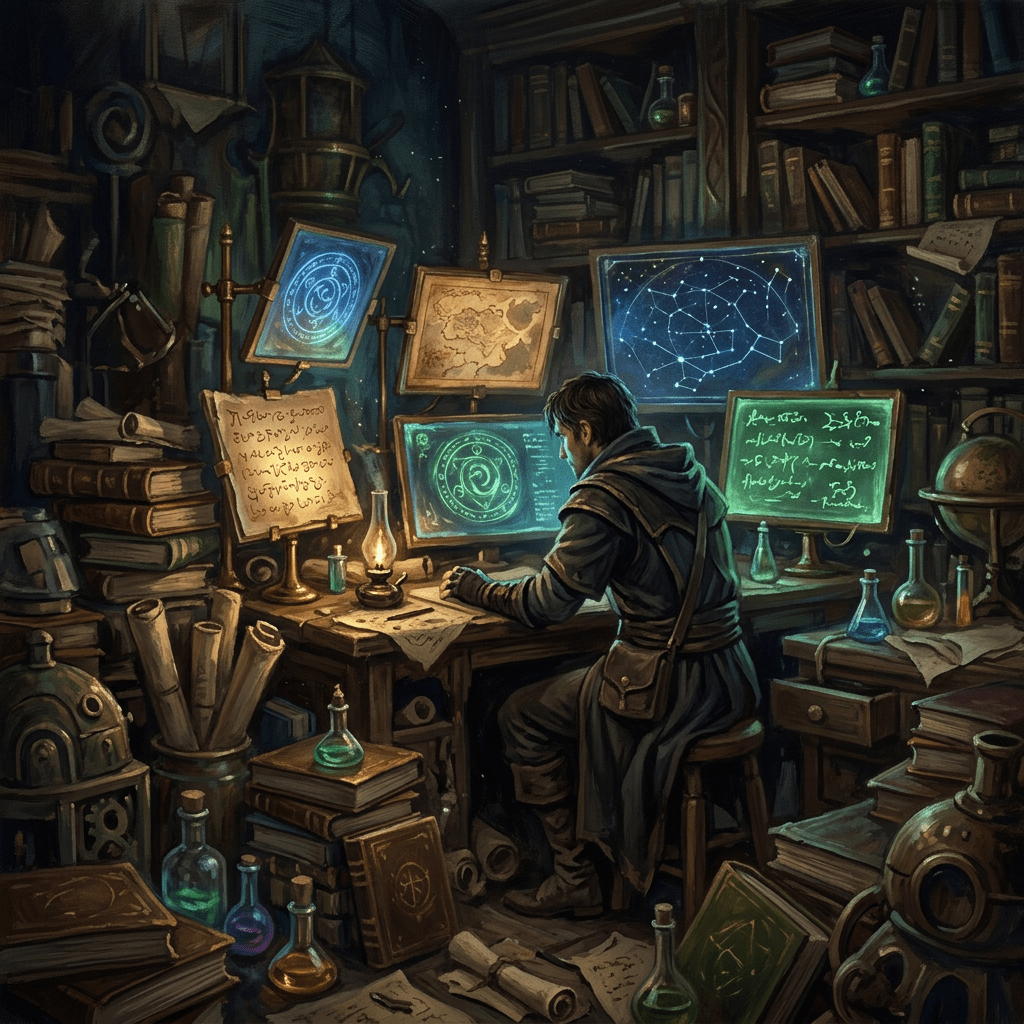
Wizard at desk surrounded by books, scrolls, potions, and magical screens displaying symbols and star constellations

The most dangerous thing is not that we are surrounded by falsehood, but that we slowly lose our desire to seek what is true.

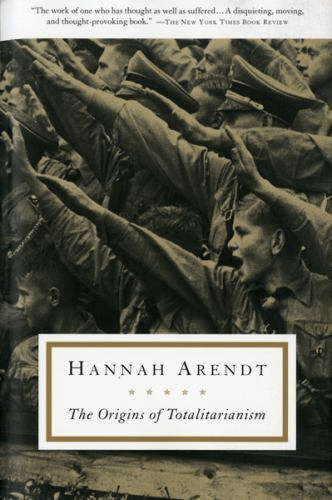
In 1906, Hannah Arendt was born into a world that would soon reveal both the brilliance and the fragility of human society. She later witnessed how a highly educated and cultured nation could slowly lose its clarity, drifting into confusion and darkness.

In her important work, The Origins of Totalitarianism, she reflected on a troubling question:
How do people lose their ability to see what is right in front of them?

Her answer was not simple, but one part stands out quietly and powerfully—when truth becomes unstable, people begin to lose their ability to think clearly.

Today, we may not live in the same world she did, but in some ways, her observations feel closer than ever.

Every day, information rushes toward us from all directions. News, opinions, arguments, videos, headlines—especially on platforms like Facebook, X, and TikTok. Everything moves quickly. Everything competes for attention.

At first, we try to follow.
We read. We watch. We react.

But slowly, something changes.

The more we see, the less certain we feel.
The more voices we hear, the harder it becomes to know which one is true.
Contradictions pile up. Emotions rise. Clarity fades.

And without noticing it, we grow tired.

Not physically tired—but mentally tired.

When the mind is tired, it stops asking questions.
It stops examining.
It stops distinguishing.

We begin to accept things without really understanding them.
Or we reject everything, thinking, “Maybe nothing is true anyway.”

This is a quiet kind of blindness.

Not because we cannot see,
but because we no longer take the time to look carefully.

In her later essay, Truth and Politics, Arendt warned that when truth is constantly distorted, it does more than mislead—it weakens our trust in truth itself. And when that trust fades, something deeper begins to erode: our sense of judgment, responsibility, and even compassion.

This is not a distant problem.
It is something we face every day.

So what can we do?

Perhaps the answer is simpler than we expect, but not easier.

We pause.

We step back from the noise, even for a moment.
We resist the urge to react immediately.
We allow ourselves time to think.

Not quick thinking,
but careful thinking.

We ask:
Is this true?
What is the source?
Am I reacting, or am I understanding?

And just as importantly, we question even the ideas we already agree with.

Real thinking is not comfortable.
It requires patience.
It requires honesty.
Sometimes, it requires us to admit we were wrong.

But this quiet effort is what keeps the mind alive.

In a world filled with endless information, the greatest danger is not that we are misinformed.
It is that we stop thinking altogether.

So, in the midst of all the noise, we can choose something different.

To slow down.
To look carefully.
To think clearly.

And in doing so, we begin to see again.

#OriginsofTotalitarianism#HannahArendt #Germany #TruthandPolitics #Philosophy

Link:https://peacelilysite.com/2026/05/05/when-noise-becomes-blindness/

Seeing a World Within Emptiness — An Appreciation of a Lively and Serene Ink Painting

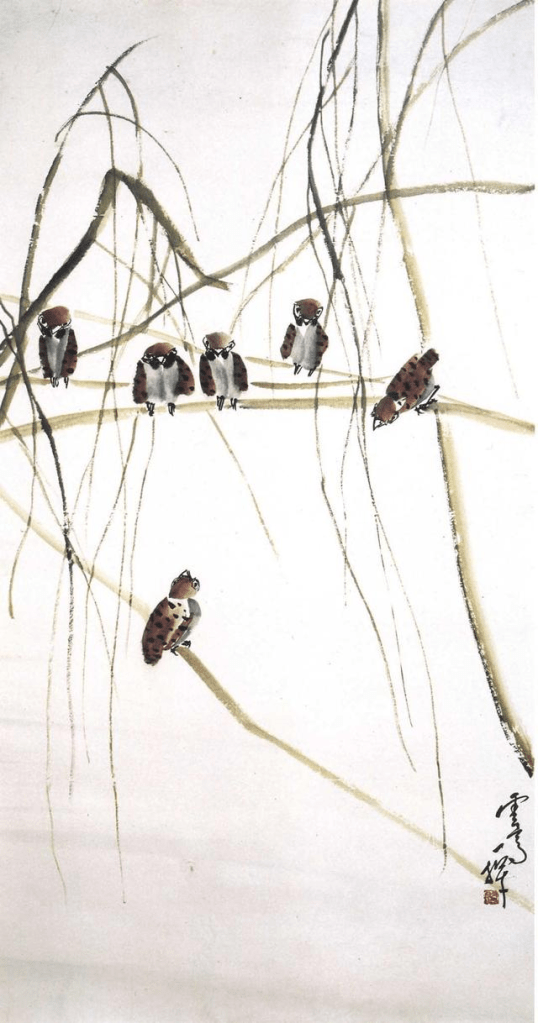
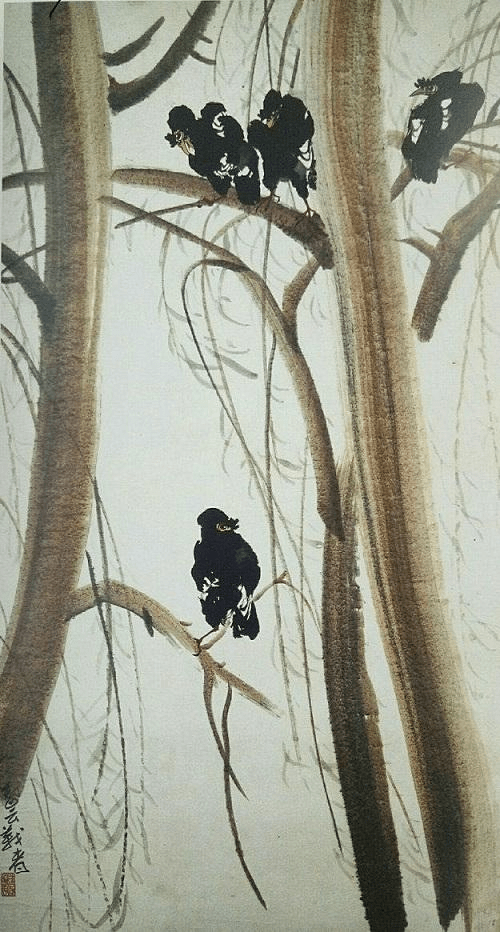
Myna Birds Drunk Among the Willows by H.H. Dorje Chang Buddha III

Some paintings do not rely on complexity to move us. With only a few deliberate strokes, they unfold a world full of life. This fresh and tranquil ink painting is one such work. Quiet and unassuming, it reveals a profound artistic tension and depth within simplicity and stillness.

The composition is anchored by three strong yet supple ink lines. Their texture is rich and full, their force penetrating the paper. They resemble trees, yet are not trees—more like structural forms that divide the flat surface into a grid of interwoven spaces. Within these spaces, branches stretch and intersect, while willow-like lines sway gently, creating a rhythmic sense of motion.

What is most remarkable, however, lies in what is not painted.

The empty spaces are far from void; they are charged with meaning. In these areas of intentional absence, the viewer’s imagination is invited to wander. As the saying goes, “where nothing is painted, there lies the true realm of the painting.” The composition, in its entirety, feels almost like a montage—a sequence of visual moments carefully arranged. From this minimal structure emerges a surprisingly rich and intriguing visual experience.

Bringing the scene to life are several mynah birds, rendered in bold, expressive ink. These small creatures become the focal point of the painting.

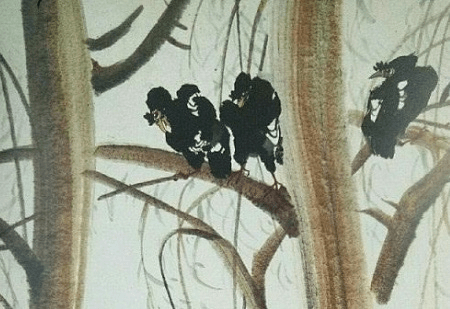
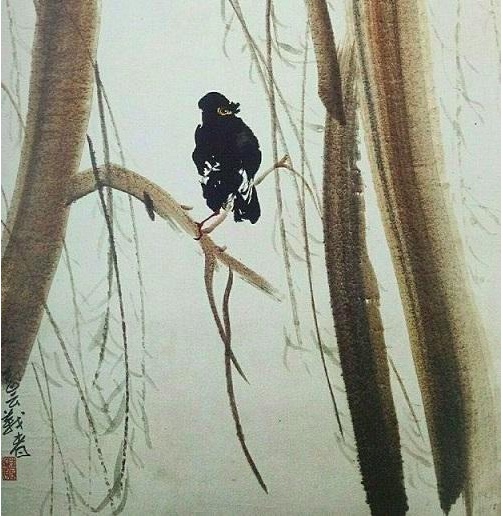
They are divided into three groups, each occupying different sections of the grid. In a small triangular space near the top, three birds gather closely together. The density of life within such a confined area creates an immediate visual tension. In contrast, a large quadrilateral space in the lower middle is occupied by just a single bird, as if it has claimed the entire openness for itself—perhaps even becoming the quiet center of the composition.

Then there is a particularly playful detail: a bird in the upper right seems to occupy the intersection of four spaces at once. Though not placed at the center, it establishes its own presence, as if declaring that even at the edge, one can still become a focal point.

These birds preen their feathers, tilt their heads, hum softly, and seem to communicate with one another. Bathed in a sense of freshness, they revel in the gentle beauty of spring, fully immersed in a life of ease and freedom. The entire painting begins to resemble a small, self-contained paradise.

This delightful and imaginative work is created by H.H. Dorje Chang Buddha III. Art, at its highest level, is not merely a display of technique—it is a reflection of the inner world. A truly great work reveals the artist’s state of mind and spiritual depth.

In this painting, what we witness is not only mastery of brush and ink, but also a sense of calm, freedom, and purity—a state of being that transcends complexity and returns to essence.

The diverse artistic creations of H.H. Dorje Chang Buddha III stand as enduring treasures of human civilization. And this seemingly simple piece gently reminds us:

In a world of endless complexity, true beauty often resides in simplicity—
and true freedom may be found in the space between what is left unpainted.

LinK:https://peacelilysite.com/2026/05/04/seeing-a-world-within-emptiness-an-appreciation-of-a-lively-and-serene-ink-painting/