There is a story from the time of Gautama Buddha that beautifully reveals what true happiness really means.
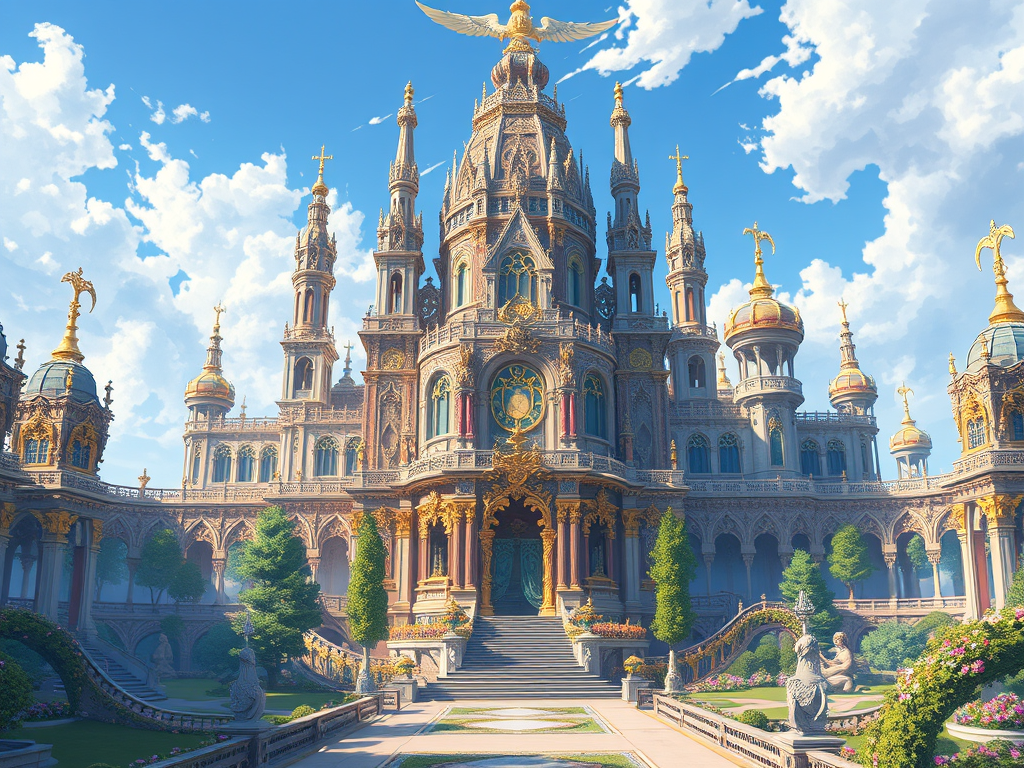
After the Buddha renounced royal life and attained enlightenment, his son, Rahula, followed his path and became a monastic as well. Seeing both his son and grandson leave the palace, the king—concerned that the royal lineage would end—appointed a relative named Bhaddiya as the new ruler.
However, not long after ascending the throne, Bhaddiya witnessed the instability and danger that accompanied power. Before the kingdom was overtaken by enemies, he too chose to renounce worldly life and became a disciple of the Buddha.
From that point on, Bhaddiya devoted himself wholeheartedly to spiritual practice. Yet, something curious caught the attention of the other monks: every day, he would joyfully proclaim three times,
“I am truly happy! I am truly happy! I am truly happy!”
Hearing this, some monks misunderstood him. They wondered if he was still attached to the pleasures of his former life as a king, and reported their concerns to the Buddha.
To clarify the truth, the Buddha gathered the community and gently asked Bhaddiya,
“Do you still long for the happiness you once had as a king?”
Bhaddiya replied,
“World-Honored One, I do not recall those pleasures at all.”
The Buddha then asked,
“Then why do you proclaim your happiness three times each day? What is this happiness you speak of?”
Bhaddiya answered with sincerity:
“When I was a king, my palace was guarded day and night by layers of soldiers. Yet despite all that protection, my heart was never at peace. Every sound in the night startled me. I lived in constant fear—afraid of rebellion, invasion, and loss. I was surrounded by luxury, but I had no freedom, no true rest.
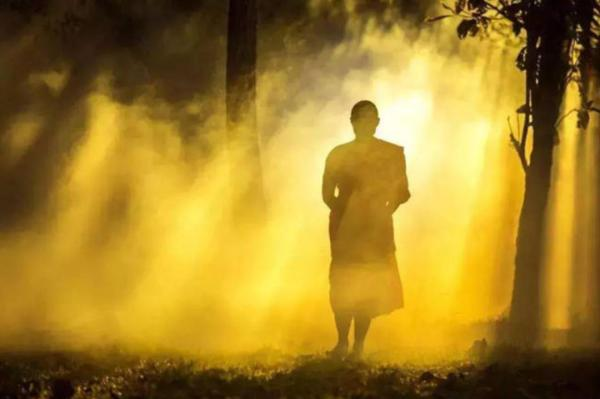
Now, as a monastic, I eat one simple meal a day. I sit beneath the open sky, resting under trees. I hear no anxious signals in the night, and I live in harmony with nature. My heart is free from worry, free from attachment. I have nothing, yet I lack nothing. This is my true happiness.
Out of gratitude for the Buddha, who showed me this path to freedom, I proclaim my joy each day.”
This story invites us to reconsider what happiness truly means.
Is happiness found in what we possess—or in what we are no longer bound by?
So often, we chase success, security, and recognition, believing they will bring us peace. Yet, like King Bhaddiya, we may find that the more we accumulate, the more we have to fear losing.
True happiness does not arise from external conditions, but from inner freedom—
a mind unburdened, a heart at ease, and a life aligned with simplicity and clarity.
Perhaps real happiness begins not when we gain more,
but when we finally learn to let go.
Link:https://peacelilysite.com/2026/03/20/from-palace-walls-to-boundless-freedom/

 Peace LiLy