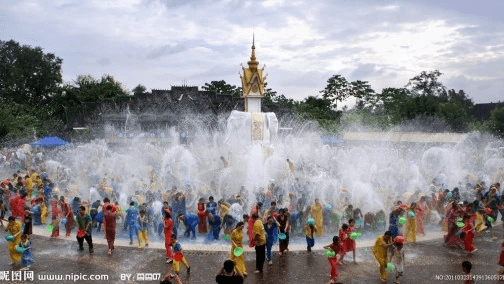
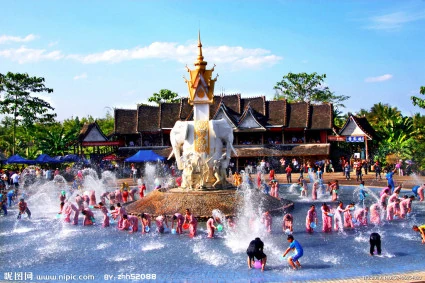
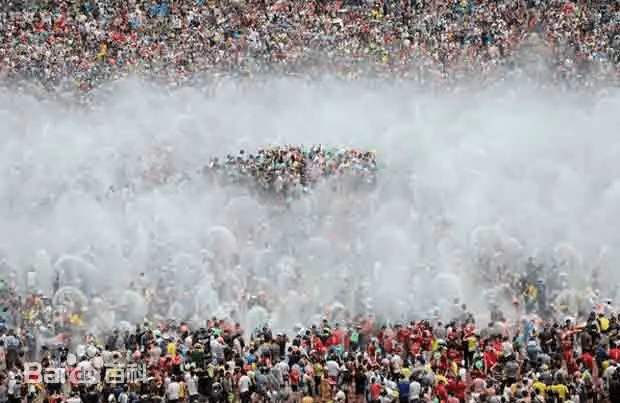
Every year in mid-April, the streets of Xishuangbanna and Dehong in Yunnan, China transform into a vast ocean of water.
To many, the Water-Splashing Festival is simply a joyful, all-out “water fight.” But what is often overlooked is that this grand celebration does not begin with noise or excitement—it begins with a single, quiet drop of perfumed water falling gently on the shoulder of a Buddha statue.
Today, let us step into Sangken Bimai—the New Year shared by the Dai, De’ang, and Blang peoples—and discover how traditional Chinese folk customs and Buddhist culture come together, blending seamlessly through the gentle yet powerful symbolism of water.
“Sangken Bimai” in the Dai language means “the turning of the New Year.” Its roots trace back to Sankranti, a Sanskrit term meaning “transition” or “passage,” tied to ancient Indian calendrical and religious traditions. With the spread of Theravada Buddhism, this observance took root across Southwest China and Southeast Asia, gradually evolving into a festival rich in both spiritual and cultural meaning.
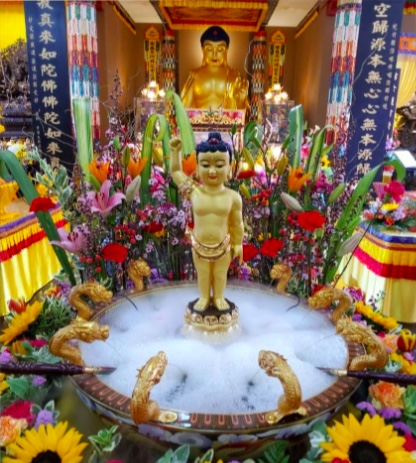
Before the streets erupt in splashing water, every temple begins with a solemn and tranquil ritual: bathing the Buddha.
Devotees gather fresh flowers, soak their petals in clean water, and create a lightly scented infusion. One by one, they approach the Buddha statue, gently pouring the water over it with branches or cupped hands, symbolically washing away dust.
In this moment, there is no noise—only reverence.
This act is not merely an offering of respect to the Buddha; it is also a ritual of inner purification. It represents washing away the greed, anger, and ignorance accumulated over the past year, allowing the heart to return to clarity and light as the new year begins.
The Water-Splashing Festival typically lasts three to four days. While details vary by region, the structure follows a meaningful progression—from letting go of the old, through transition, to welcoming the new.
Day One: Farewell to the Old Year
This day resembles New Year’s Eve.
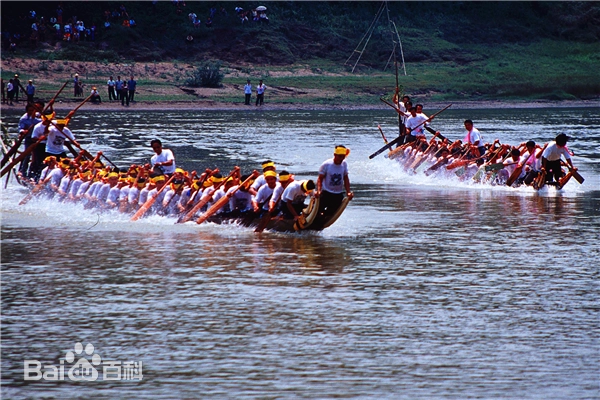
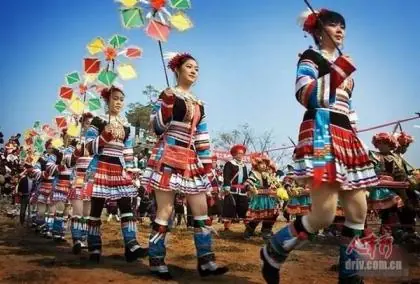
Along the Lancang River, dragon boats race across the water, sending waves splashing into the air. “Rising rockets”—traditional homemade fireworks—shoot skyward, carrying people’s wishes with them. Dressed in festive attire, people gather at lively markets filled with laughter and celebration, bidding farewell to the passing year.
Day Two: The Day Between Time
This is a deeply symbolic day—belonging neither to the old year nor yet to the new.
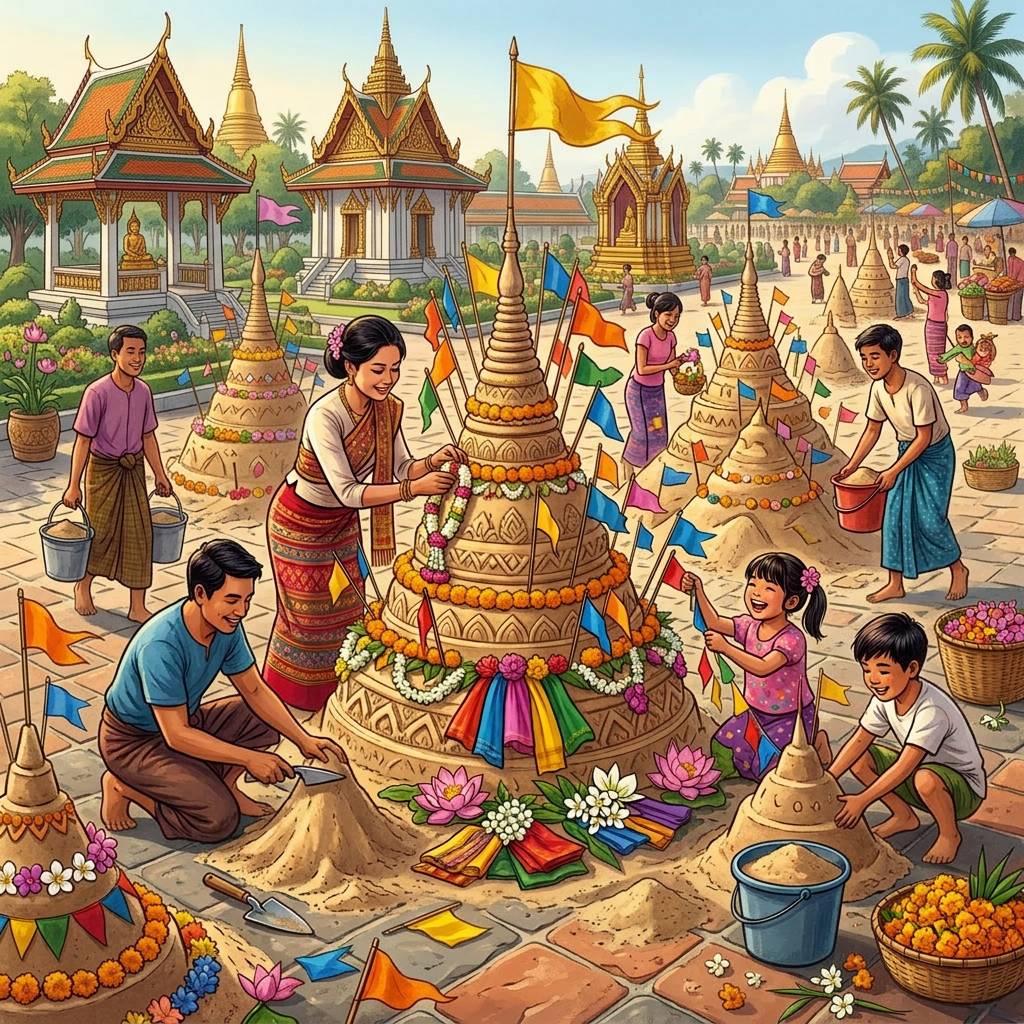
People visit temples to build sand stupas, shaping fine white sand into small pagodas adorned with colorful flags and flowers. Each grain of sand represents a good deed or kind thought.
This act of merit-making expresses hopes for favorable weather, peace, and stability in the coming year.
Day Three: Blessing and Rebirth Through Water
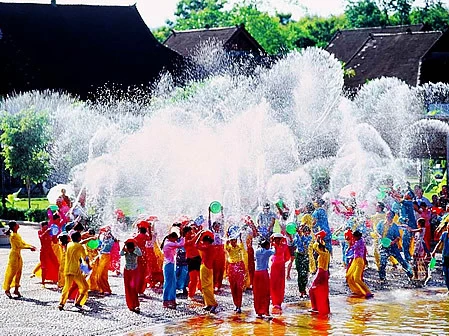
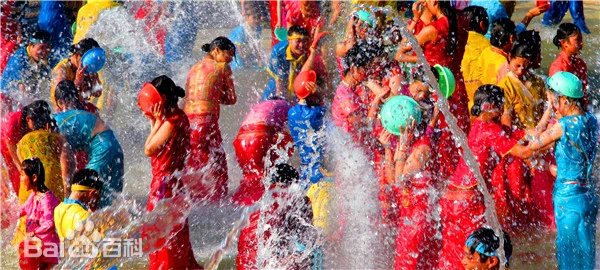
The first day of the New Year begins again with the Buddha-bathing ritual, followed by the festival’s most exuberant moment—water splashing.
For elders, water is gently poured over the shoulders as a sign of respect and blessing. Among peers and younger generations, however, the mood shifts into joyful abandon—buckets, basins, and water guns come into play, and laughter fills the air.
The more water, the deeper the blessing.
At this point, water is no longer just water—it becomes a tangible expression of good fortune and joy, symbolizing the washing away of the past and the arrival of new life.
A Celebration of Culture and Spirit
The Water-Splashing Festival is not only a holiday—it is a vibrant expression of culture.
The rhythmic beat of elephant-foot drums echoes like thunder, while the graceful peacock dance reflects harmony between humans and nature. As night falls, people release floating lanterns onto rivers and send sky lanterns drifting into the night, symbolizing the release of misfortune and the rising of hope.
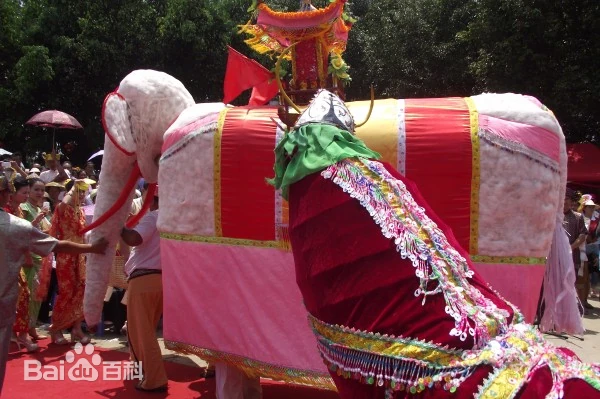
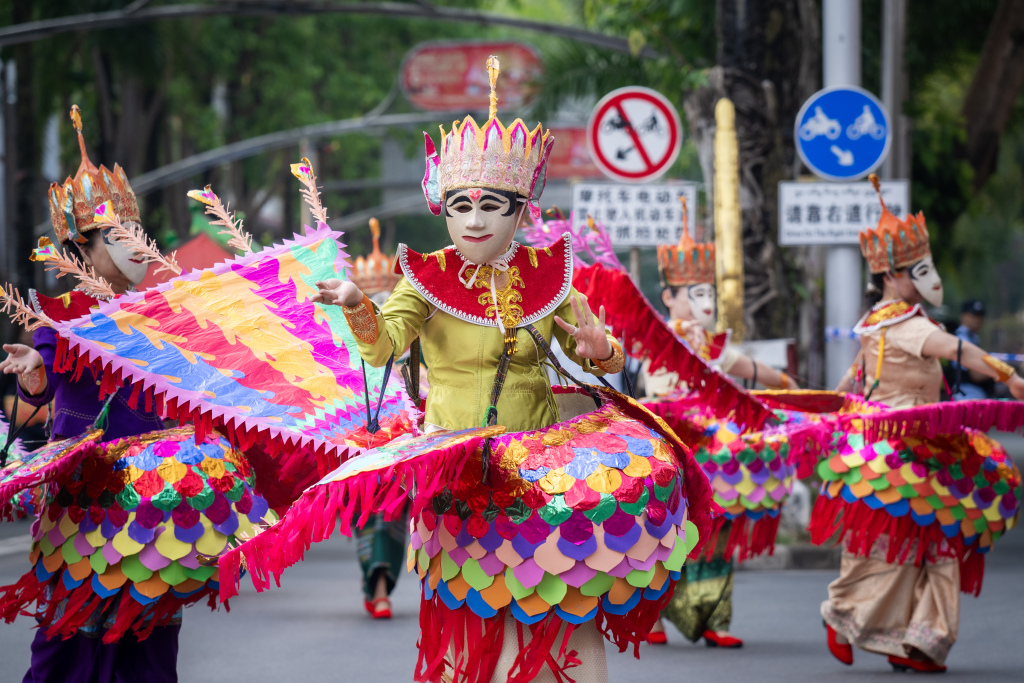
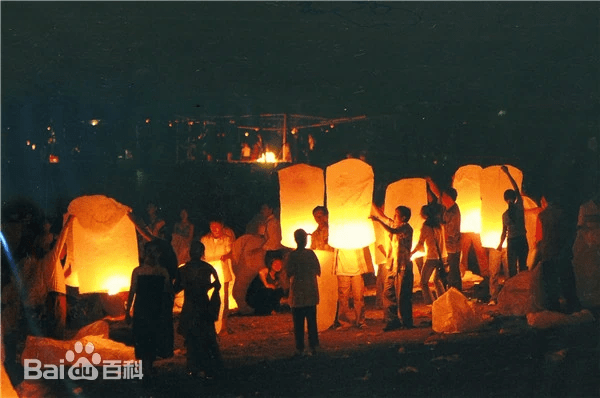
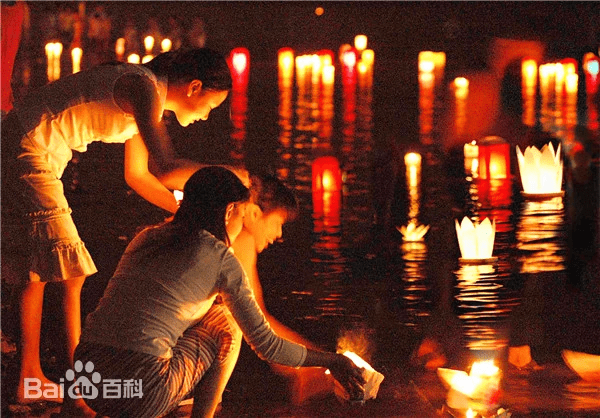
In these moments—both dynamic and still—people express reverence for nature and heartfelt wishes for the future.
One Drop of Water, A Shared Cultural World
This festival does not belong to Yunnan alone.
Across Southeast Asia, it appears under different names, yet carries the same cultural essence.
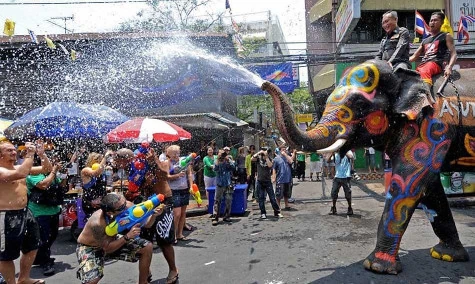
In Thailand, Songkran is not only about water—it is a time of gratitude and family connection. Younger generations gently pour scented water over the hands of elders to receive blessings, while also participating in merit-making rituals such as building sand stupas. Bright floral shirts have become a modern symbol of the celebration.
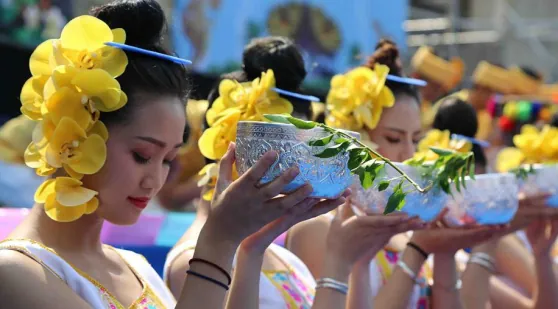
In Myanmar, the festival—known as Thingyan—has an especially strong spiritual atmosphere. Many people observe periods of fasting, visit temples, or even temporarily ordain as monks to welcome the New Year with purity and reflection. Traditional foods, such as soaked rice infused with fragrant water, are prepared, while large city celebrations feature grand stages where water is sprayed over joyful crowds.
Though names and customs vary, they all trace back to the same origin—Sankranti, marking not only the passage of time, but the renewal of life.
From the valleys of Yunnan to the cities of Southeast Asia, this single drop of water travels across geography and culture, quietly connecting the entire region.
It begins in stillness before the Buddha, and flows into laughter among people.
It symbolizes both letting go and renewal—purification and blessing.
What makes the Water-Splashing Festival so moving is not merely its liveliness, but what it reveals:
Even in the simplicity of everyday life, people continue to express kindness, cherish life, and hold hope for the future in the gentlest of ways.
A drop of water falling on the Buddha’s shoulder is an act of practice.
A splash of water shared among people is a blessing.
And when that water flows through the heart, perhaps what is truly cleansed…is ourselves.

 Peace LiLy