The Relaxation of Thoughts

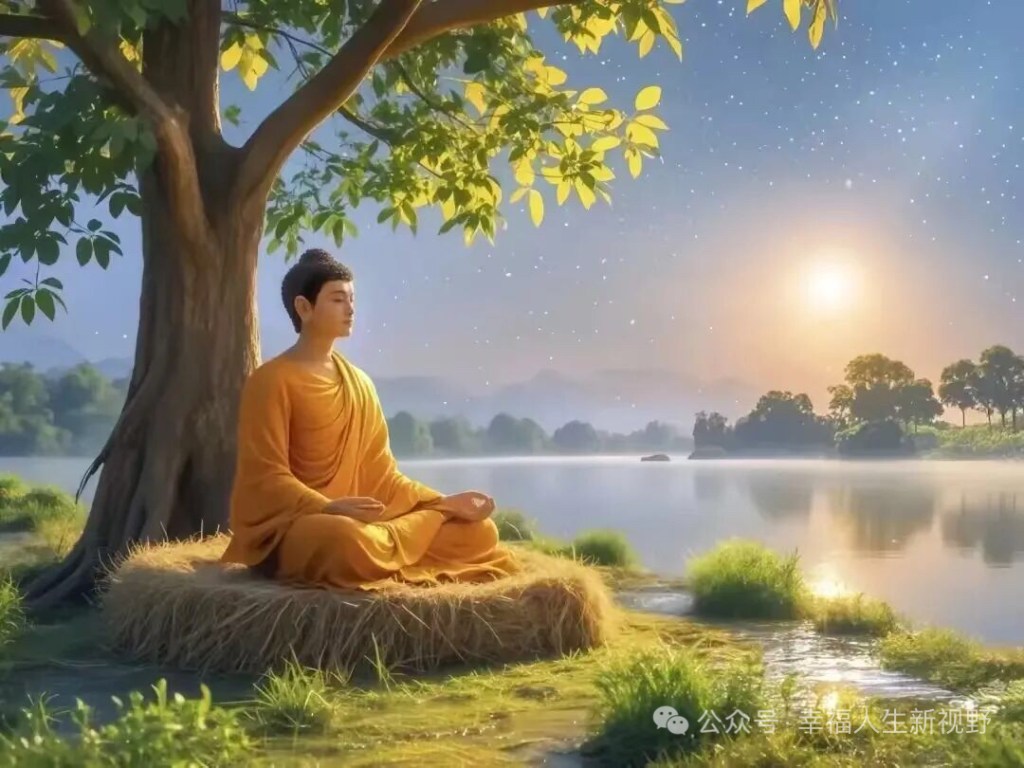
Woman sitting cross-legged meditating with glowing colorful energy swirls in a forest

Translated from the Pali by Thanissaro Bhikkhu

I have heard that on one occasion the Blessed One was staying at Savatthi, in Jeta’s Grove, Anathapindika’s monastery. There he addressed the monks, “Monks!”

“Yes, lord,” the monks replied.

The Blessed One said: “When a monk is intent on the heightened mind, there are five themes he should attend to at the appropriate times. Which five?

“There is the case where evil, unskillful thoughts — connected with desire, aversion, or delusion — arise in a monk while he is referring to and attending to a particular theme. He should attend to another theme, apart from that one, connected with what is skillful. When he is attending to this other theme, apart from that one, connected with what is skillful, then those evil, unskillful thoughts — connected with desire, aversion, or delusion — are abandoned and subside. With their abandoning, he steadies his mind right within, settles it, unifies it, and concentrates it. Just as a skilled carpenter or his apprentice would use a small peg to knock out, drive out, and pull out a large one; in the same way, if evil, unskillful thoughts — connected with desire, aversion, or delusion — arise in a monk while he is referring to and attending to a particular theme, he should attend to another theme, apart from that one, connected with what is skillful. When he is attending to this other theme, apart from that one, connected with what is skillful, then those evil, unskillful thoughts — connected with desire, aversion, or delusion — are abandoned and subside. With their abandoning, he steadies his mind right within, settles it, unifies it, and concentrates it.

“If evil, unskillful thoughts — connected with desire, aversion, or delusion — still arise in the monk while he is attending to this other theme, connected with what is skillful, he should scrutinize the drawbacks of those thoughts: ‘Truly, these thoughts of mine are unskillful, these thoughts of mine are blameworthy, these thoughts of mine result in stress.’ As he is scrutinizing the drawbacks of those thoughts, those evil, unskillful thoughts — connected with desire, aversion, or delusion — are abandoned and subside. With their abandoning, he steadies his mind right within, settles it, unifies it, and concentrates it. Just as a young woman — or man — fond of adornment, would be horrified, humiliated, and disgusted if the carcass of a snake or a dog or a human being were hung from her neck; in the same way, if evil, unskillful thoughts — connected with desire, aversion, or delusion — still arise in the monk while he is attending to this other theme, connected with what is skillful, he should scrutinize the drawbacks of those thoughts: ‘Truly, these thoughts of mine are unskillful, these thoughts of mine are blameworthy, these thoughts of mine result in stress.’ As he is scrutinizing the drawbacks of those thoughts, those evil, unskillful thoughts — connected with desire, aversion, or delusion — are abandoned and subside. With their abandoning, he steadies his mind right within, settles it, unifies it, and concentrates it.

“If evil, unskillful thoughts — connected with desire, aversion or delusion — still arise in the monk while he is scrutinizing the drawbacks of those thoughts, he should pay no mind and pay no attention to those thoughts. As he is paying no mind and paying no attention to them, those evil, unskillful thoughts are abandoned and subside. With their abandoning, he steadies his mind right within, settles it, unifies it, and concentrates it. Just as a man with good eyes, not wanting to see forms that had come into range, would close his eyes or look away; in the same way, if evil, unskillful thoughts — connected with desire, aversion or delusion — still arise in the monk while he is scrutinizing the drawbacks of those thoughts, he should pay no mind and pay no attention to those thoughts. As he is paying no mind and paying no attention to them, those evil, unskillful thoughts are abandoned and subside. With their abandoning, he steadies his mind right within, settles it, unifies it, and concentrates it.

“If evil, unskillful thoughts — connected with desire, aversion or delusion — still arise in the monk while he is paying no mind and paying no attention to those thoughts, he should attend to the relaxing of thought-fabrication with regard to those thoughts. As he is attending to the relaxing of thought-fabrication with regard to those thoughts, those evil, unskillful thoughts are abandoned and subside. With their abandoning, he steadies his mind right within, settles it, unifies it, and concentrates it. Just as the thought would occur to a man walking quickly, ‘Why am I walking quickly? Why don’t I walk slowly?’ So he walks slowly. The thought occurs to him, ‘Why am I walking slowly? Why don’t I stand?’ So he stands. The thought occurs to him, ‘Why am I standing? Why don’t I sit down?’ So he sits down. The thought occurs to him, ‘Why am I sitting? Why don’t I lie down?’ So he lies down. In this way, giving up the grosser posture, he takes up the more refined one. In the same way, if evil, unskillful thoughts — connected with desire, aversion or delusion — still arise in the monk while he is paying no mind and paying no attention to those thoughts, he should attend to the relaxing of thought-fabrication with regard to those thoughts. As he is attending to the relaxing of thought-fabrication with regard to those thoughts, those evil, unskillful thoughts are abandoned and subside. With their abandoning, he steadies his mind right within, settles it, unifies it, and concentrates it.

“If evil, unskillful thoughts — connected with desire, aversion or delusion — still arise in the monk while he is attending to the relaxing of thought-fabrication with regard to those thoughts, then — with his teeth clenched and his tongue pressed against the roof of his mouth — he should beat down, constrain, and crush his mind with his awareness. As — with his teeth clenched and his tongue pressed against the roof of his mouth — he is beating down, constraining, and crushing his mind with his awareness, those evil, unskillful thoughts are abandoned and subside. With their abandoning, he steadies his mind right within, settles it, unifies it, and concentrates it. Just as a strong man, seizing a weaker man by the head or the throat or the shoulders, would beat him down, constrain, and crush him; in the same way, if evil, unskillful thoughts — connected with desire, aversion or delusion — still arise in the monk while he is attending to the relaxing of thought-fabrication with regard to those thoughts, then — with his teeth clenched and his tongue pressed against the roof of his mouth — he should beat down, constrain, and crush his mind with his awareness. As — with his teeth clenched and his tongue pressed against the roof of his mouth — he is beating down, constraining, and crushing his mind with his awareness, those evil, unskillful thoughts are abandoned and subside. With their abandoning, he steadies his mind right within, settles it, unifies it, and concentrates it.

“Now when a monk… attending to another theme… scrutinizing the drawbacks of those thoughts… paying no mind and paying no attention to those thoughts… attending to the relaxing of thought-fabrication with regard to those thoughts… beating down, constraining and crushing his mind with his awareness… steadies his mind right within, settles it, unifies it and concentrates it: He is then called a monk with mastery over the ways of thought sequences. He thinks whatever thought he wants to, and doesn’t think whatever thought he doesn’t. He has severed craving, thrown off the fetters, and — through the right penetration of conceit — has made an end of suffering and stress.”

That is what the Blessed One said. Gratified, the monks delighted in the Blessed One’s words.

Link: https://peacelilysite.com/2026/08/28/the-relaxation-of-thoughts-2/
Floating High on Borrowed Wings: The Parable of the Monk and the Ghost

In a world driven by metrics, social validation, and external applause, it is easy to mistake the platform we stand on for our own height.

A striking story from the Miscellaneous Parables Sutra (雜譬喻經) serves as a timeless reminder of what happens when we rely on borrowed support—and how genuine self-correction and gratitude can transform our lives.

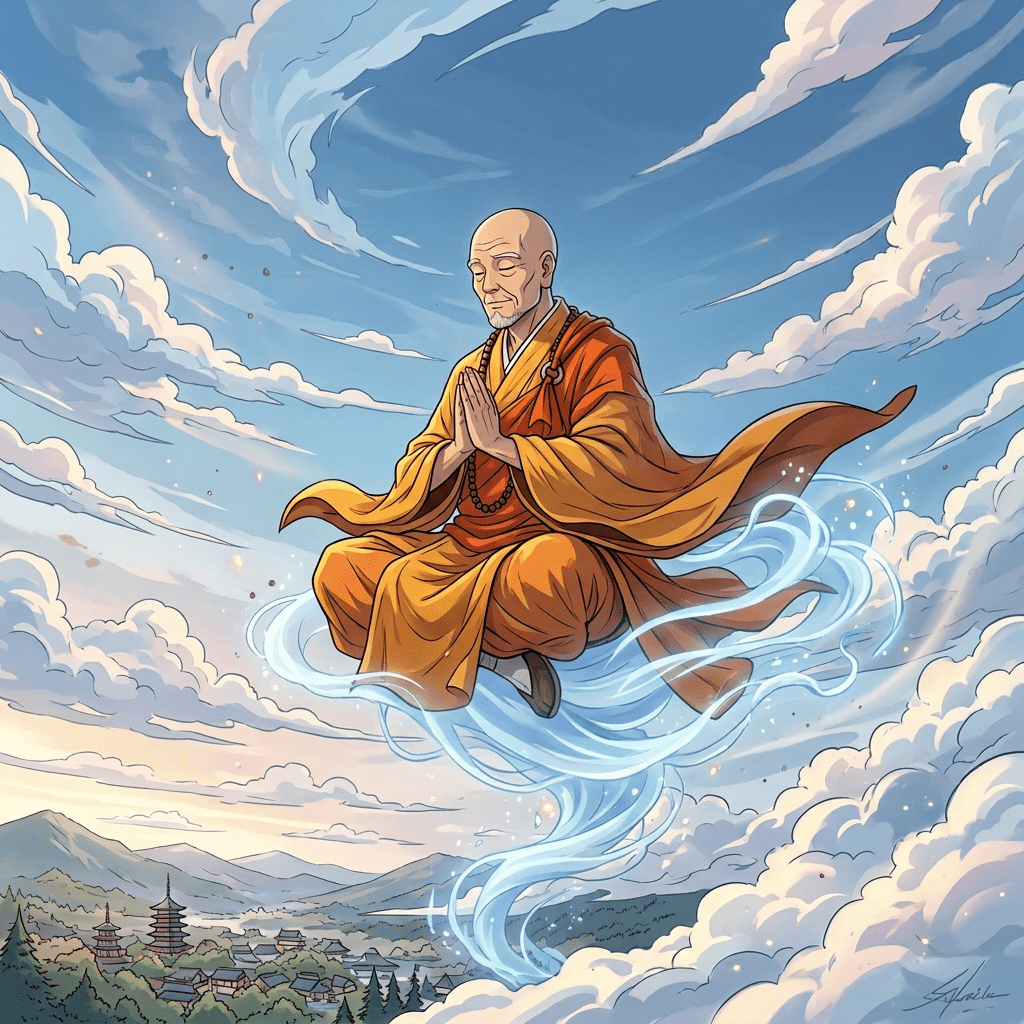
Meditating monk floating above a mountain village with swirling spirit energy

The sutra tells of a monk expelled from his monastic community after committing a serious infraction. Cast out into the cold, he did not spend his solitude reflecting on his actions or feeling genuine remorse. Instead, he was consumed by anxiety, lamenting his lost veneration, the vanished daily offerings, and his ruined reputation.

During his aimless wandering, he encountered a ghost who was similarly miserable, having been banished by Vaisravana, the Heavenly Guardian King. Recognizing a shared plight, the ghost proposed a clever scheme:

“I am invisible to human eyes. I will lift you up and carry you on my back through the sky, creating the illusion that you are an enlightened saint who can fly. When the villagers marvel at your supernatural powers and shower you with rich offerings, we will split the rewards.”

The monk eagerly agreed to the trick.

When the villagers looked up and saw the monk floating effortlessly above their heads, they were stunned. Outraged at what they assumed was a grave mistake, they openly criticized the monastic community for exiling a “holy, enlightened master.” The villagers welcomed the monk back with grand celebrations, lavishing him with honor, luxury, and prestige.

Everyone marveled at how high he could fly, but not a single soul saw the invisible ghost holding him up from underneath.

The grand deception came to a sudden, tragic end. One day, while gliding majestically through the clouds above an admiring crowd, the ghost caught sight of Vaisravana’s celestial guards patrolling the sky. Panic-stricken, the ghost fled instantly to save itself, dropping the monk mid-air.

Deprived of his hidden foundation, the monk plummeted straight to the earth and died on impact. In a single heartbeat, the awe-inspiring elevation vanished, leaving behind only the stark reality of his fall.

This ancient parable holds profound lessons for navigating our modern lives:

1. Change Yourself; Don’t Fool Yourself with Tricks

Calming cortisol storm into peaceful light

When we make mistakes or face setbacks, our default ego response is often self-preservation: making excuses, masking weaknesses, or using superficial fixes to maintain a successful image.

  • The Trap: Relying on pretense or shortcuts creates an inherently fragile foundation. You might fool the world—and even convince yourself—for a short time, but unaddressed flaws will eventually lead to a catastrophic downfall.
  • The Wisdom: True strength demands radical self-honesty and sincere repentance. Growth begins the moment you stop managing impressions, admit your shortcomings, and commit to the quiet work of genuine internal reform.

2. Cultivate Deep Gratitude for Everyday Support

While the monk’s ghost was a force of deception, the story reminds us that no individual ever ascends entirely on their own strength.

  • The Reality: Our everyday accomplishments, safety, and comfort are upheld by a vast, unseen network: the dedication of our families, the collaboration of colleagues, societal infrastructure, and nature itself.
  • The Wisdom: Approach life with profound humility and gratitude. Recognizing that you are constantly sustained by the effort of others keeps the ego in check and prevents you from mistaking collective support for personal superiority.

3. Cultivate True Inner Substance Through Buddhist Practice

In Buddhism, spiritual practice (xūxíng) is not a performance designed to win public admiration, gain influence, or secure material comfort. Its core purpose is twofold: self-liberation (zìlì) and the compassionate liberation of others (lìtā).

The Practical Lesson: External applause, reputation, and titles are merely temporary, borrowed conditions. When life strips away all external privileges, your true capability is measured by your internal substance: your moral integrity, emotional stability, and capacity for wisdom under pressure.

Self-Liberation (Enduring Peace): Authentic practice focuses on purifying the mind from the “Three Poisons”—greed, anger, and ignorance. It is about understanding the nature of impermanence so that you are no longer a slave to praise, wealth, or worldly status. By upholding ethical precepts (Sīla) and cultivating deep mental stability (Samādhi), you gain the true ability to transcend the cycles of anxiety and suffering (Samsāra).

The Bodhisattva Path (Wisdom & Compassion): True practice extends outward through Bodhicitta—the boundless vow to help all sentient beings break free from their own pain. When your actions are driven by genuine wisdom (Prajñā) and selfless compassion, you build an unshakeable spiritual center that remains calm, composed, and helpful to others regardless of external circumstances.

When external validation fades and all borrowed support is withdrawn, what remains is your actual inner substance: your ethics, emotional stability, and capacity for wisdom.

When the applause fades and external support steps back, what internal foundation are you left standing on?

Link:https://peacelilysite.com/2026/08/28/floating-high-on-borrowed-wings-the-parable-of-the-monk-and-the-ghost/

It Is Time to Truly Wake Up

After respectfully listening to the Dharma discourse “Focusing Primarily on Cultivating One’s Own Dharma and Conduct” imparted by Namo H.H. Dorje Chang Buddha III, I came to a profound realization: It is time to truly wake up!

I am deeply grateful for the blessings of all Buddhas and Bodhisattvas!

Although I had listened to this Dharma discourse before, it seemed to have left almost no impression on me. Just as my Buddha Master said, it went in one ear and out the other. As soon as I finished listening, I forgot what I had heard. The teachings neither entered my mind nor touched my heart. I am truly ashamed of myself.

After listening to this Dharma discourse again, I came to understand more deeply the preciousness of Buddha Dharma, the true meaning of liberation, and how I should make use of my limited lifetime.

First, we must understand that Buddha Dharma is extremely precious and difficult to encounter. Why? Because only Buddha Dharma can enable us to end the cycle of birth and death and transcend the six realms of samsara in which we now exist.

In the past, when Dharma Master Nenghai listened to Geshe Jangba expound the Dharma, he could hear only one sentence each day and had to make a round trip of about 25 miles. It took him half a year to finish listening to that Dharma teaching.

There are also many people who learn Buddhism by studying Buddhist scriptures. Because many scriptures are written in classical Chinese, their meanings can be very difficult to understand. Even when someone can understand the words, the scriptures were compiled by the Five Hundred Arhats based on their recollections of the Dharma expounded by Namo Shakyamuni Buddha. Therefore, deviations in the meaning of the Dharma could inevitably have occurred, and what was recorded may not fully convey the perfect Dharma meaning spoken by the Buddha.

Today, we are able to listen directly to the perfect Dharma teachings of unsurpassed, complete enlightenment expounded by my Buddha Master(H.H. Dorje Chang Buddha III). This is truly rare, precious, and extraordinarily auspicious!

When my Buddha Master (H.H. Dorje Chang Buddha III)expounds the Dharma, profound principles are explained in simple and accessible language, almost like having an everyday conversation. Deep principles of Buddha Dharma are presented to us clearly and understandably, enabling people of different levels of good roots to gain understanding according to their capacities.

Therefore, we must cherish every opportunity to listen to the Dharma!

Second, we must understand how swiftly impermanence can arrive. How much time do I really have left to waste? Impermanence can take my life at any moment, for death makes no distinction between the young and the old.

Since I have already encountered the true Dharma of H.H. Dorje Chang Buddha III, I must make good use of my time and genuinely cultivate myself according to the Dharma principles taught by my Buddha Master. I must integrate Buddha Dharma into my everyday life.

At every moment, I should recall the Dharma principles taught by H.H. Dorje Chang Buddha III and use them to examine my every word, action, and thought:

Do I truly have compassion?

Have I practiced patience and forbearance?

Have I let go of greed, anger, and ignorance?

Am I still entangled in worldly grievances and disputes over right and wrong?

Are the things I am doing bringing me step by step closer to accomplishment and liberation?

A human existence endowed with the freedoms and favorable conditions for learning the Dharma is difficult to obtain. Even more difficult is the opportunity to hear directly from H.H. Dorje Chang Buddha III the perfect Dharma teachings that enable living beings to end the cycle of birth and death!

All worldly phenomena are illusory and ultimately unreal. What, then, is there to cling to?

Isn’t that true?

The people and possessions I cherish most, everything I have worked so hard to obtain—I carefully protect them, constantly afraid that I might lose them. Joy, worry, and anxiety accompany me all the time.

But has this attachment really brought me happiness?

Is this truly the happiness I have always longed for?

Have I actually obtained it?

At the very moment I take my last breath, will any of these things still belong to me?

Therefore, I must clearly establish the true goal of my life: to end the cycle of birth and death and attain liberation.

On the path toward liberation, I must not keep looking around—admiring the scenery here one moment and envying someone else’s treasures the next. Doing so only delays my journey and wastes my precious life and time.

Cultivation means cultivating oneself.

I must listen to the Dharma teachings frequently, and whenever I understand even one principle, I should put it into practice through my actions, speech, and thoughts—the three karmas.

I must constantly examine myself:

Have I let go of greed, anger, and ignorance?

Am I practicing the Six Paramitas and the myriad Bodhisattva practices?

I should begin with the people closest to me. It is in front of those closest to us that we remove our disguises and reveal our true selves. In those relationships, all our shortcomings are exposed most clearly.

I asked myself sincerely: Am I truly compassionate toward my family?

Suppose I have just finished mopping the floor, and suddenly a large footprint appears on the spotless surface. At that very instant, anger and irritation arise within me. I glare angrily at the person responsible, only to receive a casual response:

“Just wipe it again. What’s the big deal?”

Not only was my effort unappreciated, but I also felt that it had been disrespected. My anger immediately intensified, and I raised my voice:

“Why don’t you clean it yourself?”

Such a trivial incident exposed the selfishness within me.

First, my effort was not truly selfless. I expected praise and respect in return. Second, I lacked tolerance and understanding. When someone failed to respect the results of my labor, instead of responding with compassion and patience, I gave rise to anger and resentment.

At the root of the problem was my failure to truly understand the impermanence of all phenomena. I had failed to realize that I should be selfless, compassionate, and forbearing, and that I should do only those things that benefit others.

Instead, I had neglected what was truly important while clinging to things that offered no help whatsoever toward my accomplishment and liberation—my pride, my dignity, my boundaries, and so on.

It is truly time for me to wake up completely.

I must make full use of this limited lifetime, take my Buddha Master (H.H. Dorje Chang Buddha III) as my role model, establish unwavering faith, rely upon correct understanding and correct views, and diligently cultivate my own conduct and practice my own Dharma.

I will strive to end the cycle of birth and death and attain liberation as soon as possible.

Written by: Qingxin
Edited by: Sayi

Learn more about H.H. Dorje Chang Buddha III

Link: https://dharma-hhdorjechangbuddhaiii.org/dorje-chang-buddha-iii-it-is-time-to-truly-wake-up/

#DorjeChangBuddhaIII #MasterWanKoYee #BuddhaDharma #BuddhistTeachings #Buddhism #BuddhistCultivation #DharmaTeachings #BuddhistPractice #SpiritualAwakening #BuddhistWisdom

Beyond Logic: How Compassion Subdued Ancient India’s Sharpest Mind

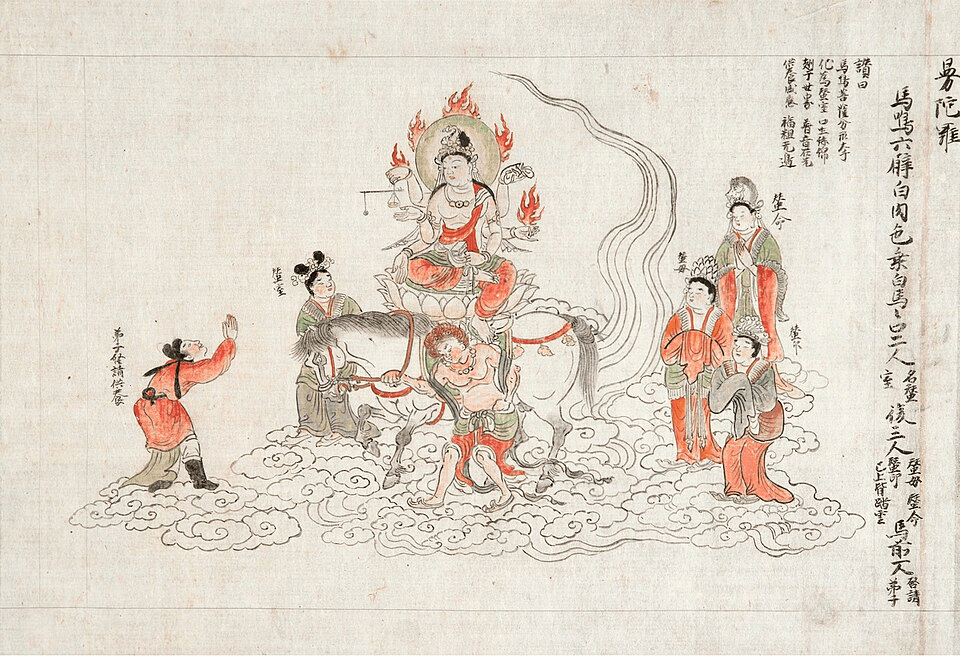
Aśvaghoṣa (Japanese Kamakura period, 13th century – http://burkecollection.org/catalogue/10-memy%C5%8D-bosatsu)

In the brilliant expanse of Buddhist history, one name stands out with singular brilliance. He was not only the 12th Patriarch in the Zen lineage originating from ancient India, but also a literary genius who captured the hearts of a continent through the power of poetry and music: Aśvaghoṣa (known in Chinese tradition as Bodhisattva Horse-Nneigh).

This is the legendary story of how a once-arrogant Brahmin prodigy suffered a dramatic defeat in a battle of wits, entered the Buddhist monastic order, and ultimately became a towering master who galvanized the rise of Mahayana Buddhism.

Born into a noble Brahmin family in Eastern India, young Aśvaghoṣa possessed exceptional intelligence. He mastered classic texts, arts, and above all, the razor-sharp logic of public debate. In ancient India, intellectual debates were high-stakes events where the defeated party was expected to convert and become a disciple of the victor. Driven by youthful pride, Aśvaghoṣa swept through Central India, issuing a brazen challenge to the entire Buddhist community:

“If any monk can defeat me in debate, I will sever my own head in apology! But if no one dares face me, every monastery in this region must cease striking the ghanta—the traditional wooden blocks and bells used to assemble the sangha!”

Faced with his fierce logic and intimidating rhetoric, no local monk dared step forward. As a result, the once-vibrant monasteries fell silent. Morning gongs and evening bells ceased, and the public prestige of Buddhism plummeted.

Hearing of this crisis from Northern India, an venerable elder named Venerable Pārśva knew that if Aśvaghoṣa’s arrogance went unchecked, the true teachings of the Mahayana tradition would fail to flourish. Despite his advanced age, Pārśva traveled vast distances on foot to answer the challenge.

On the day of the grand debate, the arena was packed with the king, ministers, and tens of thousands of onlookers. Observing the frail, white-haired elder, the young prodigy felt immediate condescension. “Venerable monk,” Aśvaghoṣa asked arrogantly, “what shall be the stakes of our debate?” Pārśva calmly replied, “The loser shall become the disciple of the winner, shaving his head and following him for life.” Aśvaghoṣa readily agreed.

Aśvaghoṣa invited the elder to speak first. Pārśva uttered a single, deceptively simple statement of blessing:

“May the world enjoy peace, may the king live a long life, may the land be rich and joyful, and may all disasters cease.”

A hush fell over the crowd. Aśvaghoṣa froze.

By the rules of debate, Aśvaghoṣa was required to refute his opponent’s opening premise. Yet, Pārśva had stated a benevolent blessing for the country and its sovereign. If Aśvaghoṣa tried to refute it, he would violate public ethics, offend the reigning king present in the crowd, and bear the stigma of cursing his own land. But if he agreed with the statement, he could not break the argument, which meant instant defeat.

Aśvaghoṣa searched his mind, only to realize that his formidable logical framework was completely powerless against a statement rooted entirely in compassion, wisdom, and broad goodwill. Pale and humbled, he bowed deeply to the elder: “I have lost. Your wisdom is wrapped in profound compassion. I will honor my promise.” Pārśva had subdued Aśvaghoṣa’s pride not through heated argument, but through calm, unassailable composure. Aśvaghoṣa shaved his head on the spot and officially entered the Buddhist order.

Under the guidance of Pārśva and his successor Puṇyayaśas, Aśvaghoṣa displayed astonishing spiritual insight. He fully digested the Buddhist Canon (Tripitaka) and channeled his pre-existing artistic and literary talents into spreading the Dharma.

Monk reading a glowing scroll among four tearful horses in cathedral hall

The origin of his name—Aśvaghoṣa, literally meaning “Horse’s Neigh”—is tied to a celebrated event. When King Kaniṣka of the Kushan Empire conquered Central India, he demanded indemnity. Instead of vast fortunes of gold or silver, the King requested only two treasures: the sacred Alms Bowl of the Buddha, and Master Aśvaghoṣa.

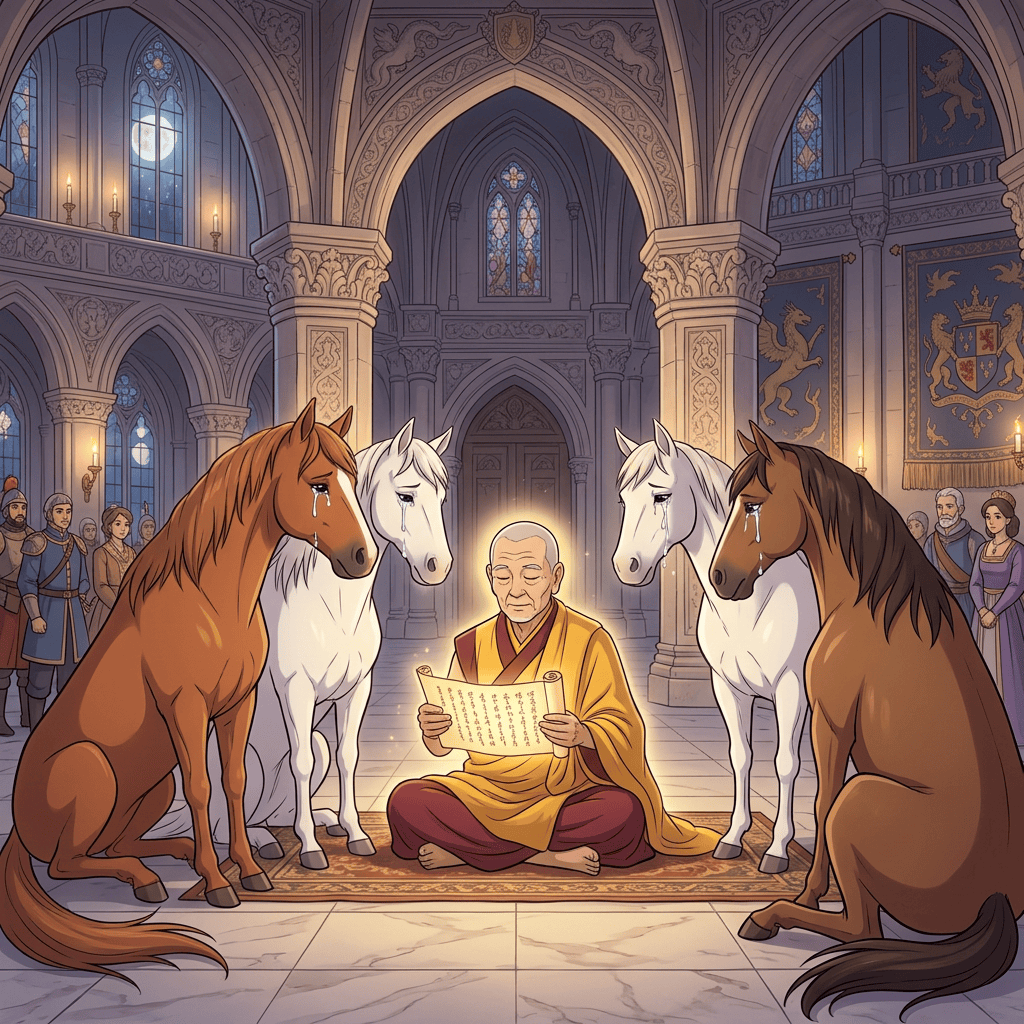
To demonstrate the master’s sublime virtue to skeptical court officials, the King conducted a test. Seven warhorses were locked away and starved of food and water for six straight days. On the seventh day, a crowd gathered. Fresh, sweet grass was placed right in front of the starving horses, while Aśvaghoṣa took the high seat to chant and preach the Dharma.

An astonishing scene unfolded: despite their intense hunger, the seven horses did not even lower their heads to eat. Instead, they stood transfixed, listening intently to the serene, compassionate melody of Aśvaghoṣa’s voice, eventually shedding tears of emotion. Moved by how his sacred chants could touch even the animal realm, the world reverently honored him as Aśvaghoṣa Bodhisattva.

Following King Kaniṣka north, Aśvaghoṣa reached the peak of his creative energy. Understanding that rigid dogma rarely moves the hearts of ordinary people, he pioneered the use of literature and music as tools for spiritual education.

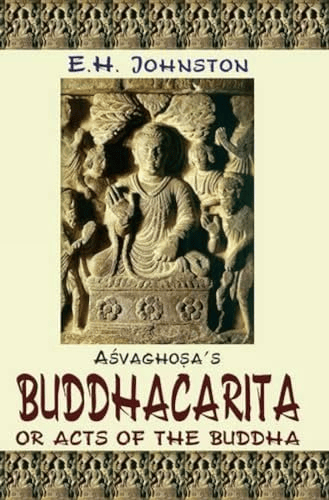
His greatest masterpiece, the Buddhacarita (Acts of the Buddha), is an epic narrative poem detailing the life of the Buddha from birth, renunciation, and enlightenment to his final Parinirvana. Characterized by elegant imagery and deep emotional resonance, it became a pinnacle of classical Sanskrit literature, introducing countless readers to the beauty of Buddhist philosophy. Furthermore, as the trusted spiritual mentor to King Kaniṣka, he played a central role in presiding over the Fourth Buddhist Council, solidifying the theoretical foundation of Mahayana Buddhism.

Aśvaghoṣa’s life is a timeless story of arrogance yielding to genuine wisdom. In his youth, he sought to conquer the world with sharp intellect, yet when confronted with true spiritual depth, he chose to surrender to compassion. By subduing his ego and dedicating his creative gifts to all living beings, he transformed from a defensive debater into a compassionate artist whose voice moved both human hearts and nature alike.

Reference Source: https://en.wikipedia.org/wiki/A%C5%9Bvagho%E1%B9%A3a

Link:https://peacelilysite.com/2026/08/25/beyond-logic-how-compassion-subdued-ancient-indias-sharpest-mind/

An Awakening While Stopped at a Red Light

Sometimes, what suddenly wakes us up and brings clarity to our minds is not the sound of a temple bell. It can be something as ordinary as watching the countdown on a traffic light at an intersection.

That day, I was riding my scooter and stopped at a red light. I found myself staring at the numbers as they counted down, one second at a time…

Normally, those numbers simply tell us how many seconds we have to wait before moving on. But for some reason, at that moment, something gently struck me deep inside.

I suddenly realized: It wasn’t just the traffic light that was counting down. Our lives are counting down too.

Every time another second disappears from the display, one second of our own lives is gone as well.

We often talk about the Buddhist teaching of “impermanence.” We have heard countless times how swiftly life passes and how quickly circumstances can change. In His Dharma discourses, Namo H.H. Dorje Chang Buddha III has also compassionately reminded us time and again of how frightening impermanence can be and how it is constantly unfolding right before our eyes.

Yet this is simply how we human beings are. We may understand these teachings intellectually, but somehow they never seem to truly frighten us deep down.

We continue drifting through our days in a haze. We still lose our temper. We still tightly hold on to attachments, grudges, and conflicts that we cannot seem to let go of. We always think there is still plenty of time. We simply assume that when the sun rises tomorrow, we will still be here.

It often takes an ordinary, seemingly insignificant moment to suddenly wake us up:

From the day we were born, our lives have already been counting down.

Older generations often say that the frightening thing is not that we are slowly growing old, but that we do not even realize we are growing older day by day.

When today passes, one more day of our life is gone. When this second slips away, we will never be able to get it back again.

The Verse of Admonition by Samantabhadra Bodhisattva says:

“This day has already passed, and our lives have likewise diminished. Like fish in a shrinking pool of water, what joy can there be? We should diligently and vigorously cultivate ourselves, as urgently as if extinguishing a fire upon our heads. Be ever mindful of impermanence, and never give way to negligence.”

Every time I read this verse, it strikes me deeply.

Aren’t we just like fish in a pond whose water is slowly drying up? The water decreases day by day, yet we are still fighting fiercely with one another over a few pieces of fish food, completely forgetting that before long, when the water dries up, none of us can escape what follows.

When we look back carefully at all the noise and turmoil of this world—the pursuit of fame and personal gain, who wins and who loses—the things that once seemed unbearable, the things we thought we could never let go of, what do they amount to when we look back several years later?

They were little more than a dream from which we eventually awakened.

What truly matters in life has never been whether everything goes our way at this particular moment. What really matters is whether, during this lifetime, we have sincerely followed the Buddha’s teachings, whether we have earnestly cultivated ourselves, and whether we have worked toward freeing ourselves from the suffering of reincarnation.

If we can show others a little more compassion, then let us do so.

If we can lessen our attachments even a little, then let us loosen our grip.

If there is a good deed we can do today or a kind thought we can give rise to today, we should not put it off until tomorrow.

Because none of us knows what awaits us after the light turns green and we pass through this intersection.

At the next crossroads, will we simply continue along the familiar road we have traveled so many times before—or will we have reached the end of our journey in this life?

While we still have the strength, and while we still possess this precious human body, let us remind ourselves of this at every moment.

Do not wait until the light has gone out to regret having let this precious life pass by in vain.

—Buddhist disciple Gao Qiyuan
August 6, 2026

Learn more about H.H. Dorje Chang Buddha III

Link: https://hhdorjechangbuddhaiiidharma.com/2026/08/23/an-awakening-while-stopped-at-a-red-light/

#DorjeChangBuddhaIII #MasterWanKoYee #BuddhistTeachings #BuddhaDharma #BuddhistWisdom #Impermanence #Mindfulness #BuddhistPractice #SpiritualAwakening #Buddhism

Beyond Recognition: The True Measure of Wisdom and Compassion

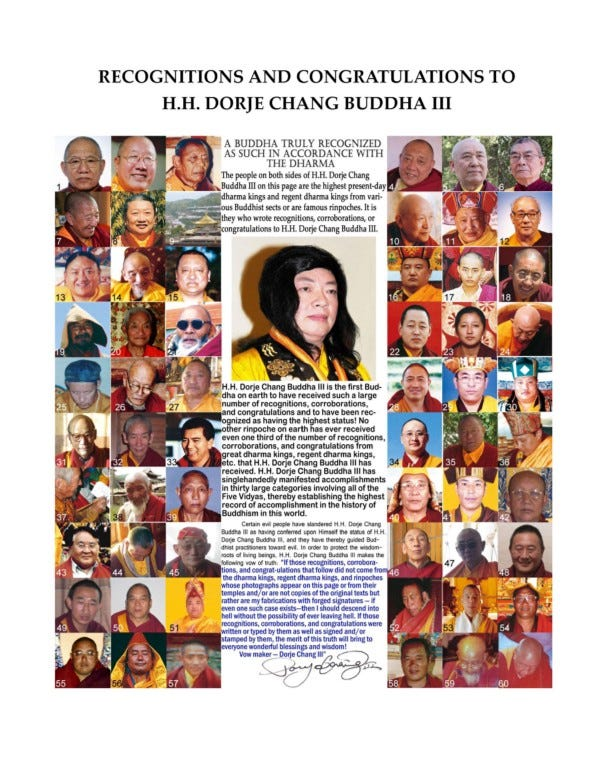
In Tibetan Buddhism, a single recognition certificate from a lineage or sect can establish the revered status of a Rinpoche. However, to be recognized as the genuine reincarnation of a Buddha requires formal confirmation from the grand Dharma Kings and supreme leaders across all different traditions.

Throughout Buddhist history, when a master reaches extraordinary spiritual attainment, they are acknowledged by multiple eminent monastics. Yet, H.H. Dorje Chang Buddha III stands unique: he has received formal recognition, corroboration, and congratulations from over 100 top Dharma Kings, Regent Dharma Kings, and leaders across every major Buddhist sect. He is the first person in recorded Buddhist history to receive such unanimous and overwhelming recognition.

These prominent spiritual leaders unanimously confirmed that H.H. Dorje Chang Buddha III is the physical reincarnation of the Primordial Buddha, Dorje Chang Buddha. Following a sacred tradition refined over more than a thousand years, this historic consensus points to a profound truth: as a Buddha embodies the ultimate height of wisdom, enlightenment, and spiritual perfection, H.H. Dorje Chang Buddha III represents the highest leader of Buddhism in our modern world.

Built on the Foundation of Compassion

Yet, for H.H. Dorje Chang Buddha III, titles, supreme status, and earthly accolades are secondary. Throughout his life, he has remained completely unaffected by global awards, fame, or even baseless slander. His primary focus has never been his exalted standing, but rather living out the heart of Buddha Dharma: causality, peace, harmony, and selfless compassion.

Rather than remaining on a pedestal, he steps into the world to quietly change lives through action:

  • Relief in Times of Crisis: In 2005, when Hurricane Katrina devastated the southern United States, H.H. Dorje Chang Buddha III donated 4.95 million original shares in a high-end art frame company—valued at $1.2 million—on behalf of his family to the United Relief Committee.
  • A Quiet Life of Service: Venerable Long Hui, former CEO of the United Relief Committee and previous abbess of Hua Zang Si Temple in San Francisco, once shared from her personal knowledge:“As the CEO of the United Relief Committee and the abbess of the temple, I must speak truthfully from my heart. In fact, the Master’s (H.H. Dorje Chang Buddha III) entire family consists of artists who rely on the income from their artistic creations to make a living. Yet for many years, they have consistently helped countless people, both inside and outside the temple. What I personally know of alone is substantial……”
  • Protecting Communities: At the onset of the COVID-19 pandemic, long before self-preservation became the norm, H.H. Dorje Chang Buddha III quietly led effort after effort, supplying crucial personal protective equipment (PPE) and supplies directly to local police departments, hospitals, and frontline institutions.

Living with utmost humility and simplicity, he has never sought material rewards or personal comfort. Instead, his life has been dedicated entirely to easing the suffering of others and sharing the pure Dharma that leads to genuine liberation.

A Touch that Ripples Across the World

True greatness is rarely found in loud titles or distant thrones. It is found in the quiet, steady warmth of a life offered entirely for the benefit of others.

When one person lights a lamp in the dark, its glow reaches far beyond the room where it stands. In the same way, every act of selfless giving, every teaching of peace, and every moment of unconditional compassion creates a gentle ripple across our shared world.

We may not all carry the grand weight of history or the honor of titles, but through his example, we are reminded of what truly matters: that the highest spiritual path is simply a heart wide enough to hold the world, hands willing to help without asking for anything in return, and a quiet commitment to leave every life we touch a little brighter than we found it.

Link:https://peacelilysite.com/2026/08/21/beyond-recognition-the-true-measure-of-wisdom-and-compassion/

Reference: https://spacecoastdaily.com/2021/12/h-h-dorje-chang-buddha-iii-teaching-people-to-attain-wisdom-through-compassion-especially-in-these-uncertain-times/

https://www.tpcdct.org/article/1687#detail

The Art of Virtue: Grandmaster Mei Lanfang and the Power of Forgiveness

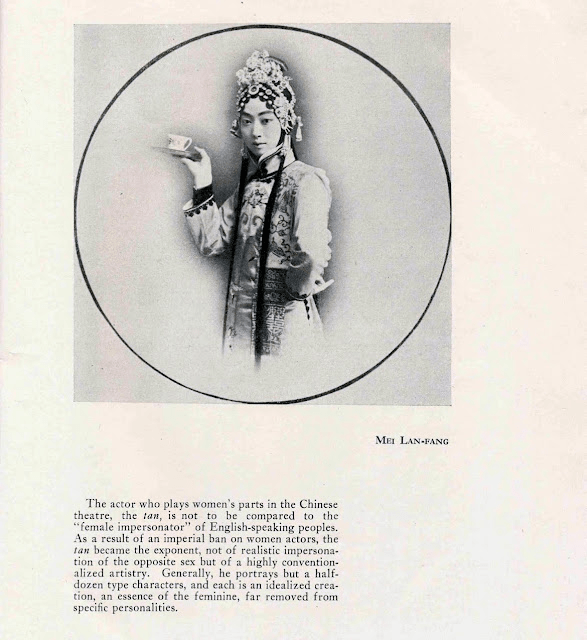
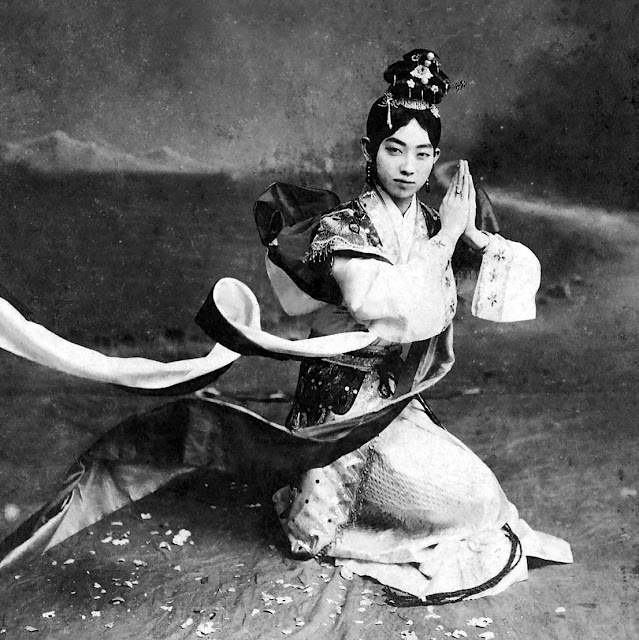
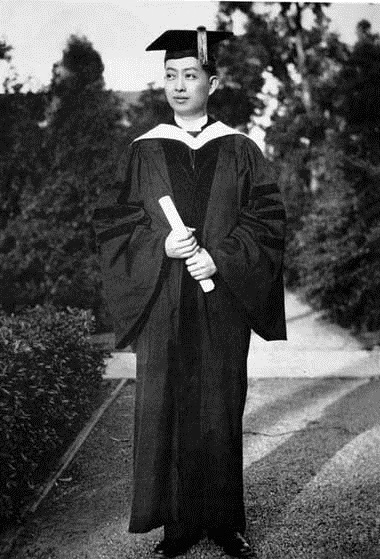
During his tour of the United States, Mei Lanfang was awarded an honorary doctorate degree by Pomona College

In the history of modern Chinese opera, Mei Lanfang stands as an unexcelled monument. Renowned worldwide, his mastery of Peking Opera was a rare blend of supreme refinement and effortless grace, captivating audiences on both domestic and international stages.

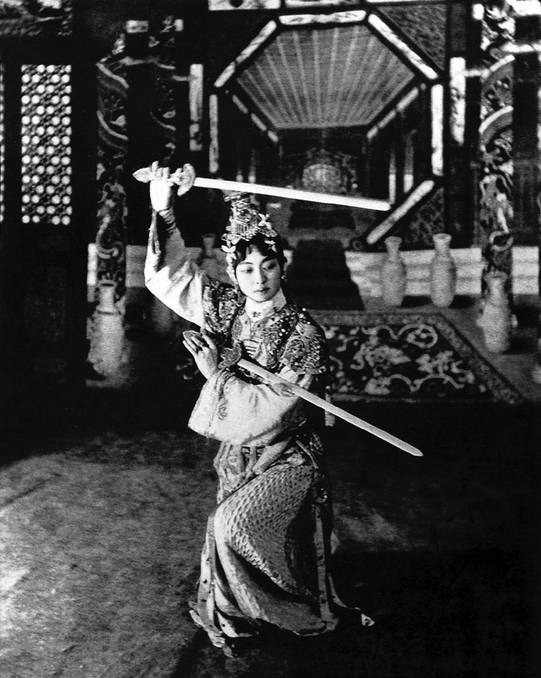
As a master synthesist of Peking Opera, Grandmaster Mei founded the unique “Mei School” (Mei Pai) of performance. He boldly yet carefully revolutionized vocal techniques, spoken dialogue, dance movements, costuming, and makeup, elevating the Dan (female role) artistry to unprecedented heights. Traveling abroad to perform in Japan, the United States, and the Soviet Union, he showcased the enchanting elegance of traditional Chinese theater, taking the world by storm.

Yet, what truly commands the eternal admiration of generations is not merely his status as a titan of Chinese opera, but his personal character—a paragon of nobility, virtue, and moral guidance. His life was the ultimate testament to the phrase: “His art mirrored his soul; brilliant in craft, supreme in virtue.”

Among the many chapters of his life, one heartwarming story illustrates the profound depth of his character.

The Slander and the Silence

During the height of his fame, a reporter from a sensationalist tabloid sought to build a name for himself by publishing provocative and baseless attacks against Mei Lanfang. Aiming to generate public outrage and boost newspaper sales, the reporter repeatedly targeted the master.

Faced with malicious provocation, Master Mei remained completely silent and undisturbed.

Frustrated by the lack of reaction, the reporter grew increasingly aggressive, resorting to harsh insults and public humiliation. Surrounding friends, family, and disciples were furious, unable to stand by while the grandmaster’s honor was attacked. They prepared to confront the reporter, but Mei calmly restrained them, saying gently:

“Leave it be. Pay him no mind.”

Without fuel to feed the flames, the media spectacle eventually died down, vanishing into thin air.

Time passed, and fortune turned. The reporter fell into severe poverty and hardship. Desperate, rejected by everyone, and with nowhere left to turn, a thought suddenly crossed his mind:

Could he ask Mei Lanfang for help?

Filled with shame, guilt, and apprehension, he mustered every ounce of courage he had left and arrived at Mei’s doorstep. Upon learning of his visitor, Mei came out to greet him personally. Overwhelmed by remorse, the reporter immediately began reciting a deeply prepared apology, repenting for his past wrongdoings.

Mei gently interrupted him, his voice calm and soft:

“Say no more. What brings you here today?”

The reporter confessed his current plight—his poverty, his isolation, and his inability to secure assistance anywhere else.

Without a trace of bitterness, resentment, or judgment, Mei reached into his pocket and handed him 200 yuan—a generous sum at the time.

Shaken to his core by such extraordinary magnanimity, the reporter fell to his knees in tears. Mei simply helped him up gently and said quietly:

“Go on now.”

Noble figure reaching toward an injured soldier beside a castle at sunset

In a world driven by fame, self-interest, and grievances, choosing compassion over retaliation and offering a helping hand to someone who once sought your downfall requires a rare kind of nobility. Mei Lanfang practiced charity, generosity, tolerance, and strict self-discipline throughout his life.

  • On stage, he was an extraordinary genius who redefined an art form.
  • Off stage, he was a humble gentleman and a true master of life.

This profound grace—transcending personal pride and past grudges—is perhaps the true, timeless spirit behind the lasting brilliance of the Mei School of Peking Opera.

Photos from: https://www.panhistory.org/2019/01/blog-post_3.html

Link:https://peacelilysite.com/2026/08/14/the-art-of-virtue-grandmaster-mei-lanfang-and-the-power-of-forgiveness/

How to Master Change and Grief: A 109-Year-Old’s Blueprint for Life

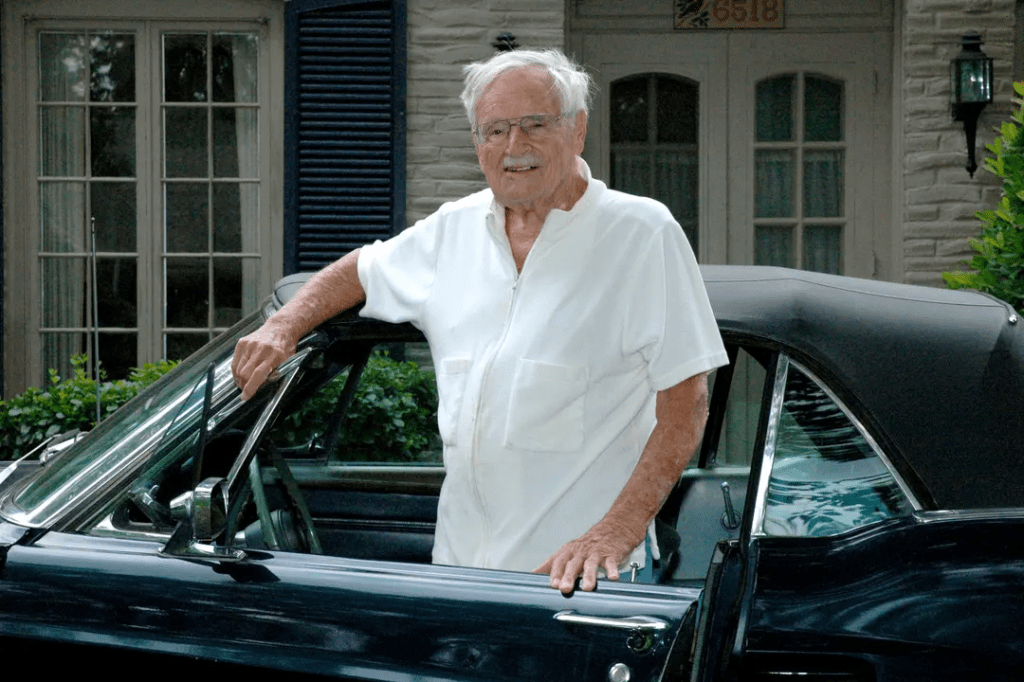
Charlie White, photographed in 2008 at age 103.Doug Dalgleish

Real-Life Lessons from The Book of Charlie

Have you ever wondered what it takes to navigate over a century of life with grace, joy, and unfailing strength?

In his remarkable book, The Book of Charlie: Wisdom from the Remarkable American Life of a 109-Year-Old Doctor, journalist David Von Drehle shares the story of his neighbor across the street, Dr. Charlie White. Born in 1905, Charlie lived through 109 years of rapid global transformation—from horse-drawn buggies to smartphones, through two world wars, the Great Depression, and personal heartbreak.

Yet, what makes Charlie’s story truly unforgettable isn’t just that he lived so long, but how he lived. His life was filled with dramatic, almost movie-like moments that show us what true grit looks like.

Here are timeless lessons from Charlie’s life, grounded in the incredible true stories that shaped him:

1. Resilience Starts with Taking Ownership

When Charlie was just eight years old, a sudden tragedy shattered his childhood: his father died unexpectedly in a freak nine-story elevator accident, leaving his mother with five children to raise.

Pixel-art character breaking through a stone wall with sunrise and landscape beyond

Instead of being crushed by grief, young Charlie learned to be resourceful. Shortly after, when he found himself stuck at an ill-fated summer camp run by a questionable director, eight-year-old Charlie didn’t wait to be saved—he darted away from a train and walked the final miles home by himself. By sixteen, he was driving across rutted dirt roads and hopping freight trains across the country.

The Lesson: Charlie learned early on that while we can’t choose what happens to us, we are always in charge of our response. Resilience begins when we stop waiting for circumstances to change and choose to take the wheel ourselves.

2. Adaptability Means Swimming with the Current

Charlie’s early adulthood unfolded during the roaring 1920s and the turbulent 1930s. To fund his medical education during the Great Depression, Charlie taught himself to play saxophone by listening to the radio, eventually joining a Jazz Age band and performing across bandstands.

Later, as a young doctor riding ambulances through Depression-era gangster wars, he faced life-or-death situations daily—even once pumping his own blood directly into a wounded patient on the fly.

The Lesson: Charlie didn’t fight the shifts of his era; he rode them. Whether adapting to new technologies, career demands, or sudden crises, survival isn’t about resisting change—it’s about staying flexible without losing your core values.

3. Optimism is Courage in Action

As medicine rapidly evolved throughout the 20th century, Charlie became a pioneering anesthesiologist, even improvising early techniques for open-heart surgeries when formal procedures didn’t yet exist. His adventurous spirit took him from Midwest operating rooms to cruising the Amazon River as a guest of Peru’s president.

Despite encountering immense suffering and loss throughout his medical career and personal life, Charlie never grew cynical. He believed that optimism isn’t a passive mood, but a active decision to look for hope, purpose, and beauty in every day.

The Lesson: “Why cling to pain? There is nothing you can do about the wrongs of yesterday.” True optimism is having the courage to forgive the past and show up wholeheartedly for the present.

Across his 109 years, Charlie’s constant anchor was his deep commitment to serving others. Whether delivering babies in rural homes, treating patients in high-stakes operating rooms, or simply sitting on his porch in Kansas sharing stories with a neighbor, Charlie made people feel seen and valued.

Even in his 100s, living independently across the street from Von Drehle, Charlie remained curious about the people around him rather than focused on his own age or limitations.

Looking back at Dr. Charlie White’s journey reminds us that human beings are remarkably durable. By the time Charlie finished high school, he was already tested by adversity and seasoned by experience, yet he carried a lighthearted, joyful spirit all the way to his 109th birthday.

Whenever life feels overwhelming, remember Charlie’s simple formula: do the right thing, embrace change with curiosity, and keep moving forward step by ste.

Link:https://peacelilysite.com/2026/08/13/how-to-master-change-and-grief-a-109-year-olds-blueprint-for-life/

Before You Complain Today, Read This

Before You Complain Today, Read This

We often hear people complain that life is not going their way: their salary is not high enough, their house is not big enough, or their luck is not good enough. Their brows are furrowed as though the entire world were working against them. Yet, when we look carefully at their circumstances, their bodies are healthy, their families are safe, and they have food to eat and clothes to wear, we may wonder: Why are they filled with so much dissatisfaction?

Many people spend their lives taking their blessings for granted.

Human beings have a peculiar tendency: we quickly grow accustomed to what we possess yet remain constantly preoccupied with what we lack. When we are healthy, we rarely think of effortless breathing as a gift. Only when a cold leaves us congested do we understand how precious it is to breathe freely. When we are young, we seldom consider strong and agile legs a blessing. Only when our knees begin to ache do we miss the freedom of running.

Happiness is much the same. It quietly surrounds us and seems as natural as the air we breathe. Only after it is lost do we suddenly realize that it was there all along.

I once knew a friend who had just recovered from a serious illness. In the past, he often complained—about the demands of his job, his limited income, and the dullness of everyday life. Yet after leaving the hospital, he seemed like a different person. The morning sunlight moved him deeply. A simple bowl of plain rice porridge brought him contentment. The sound of his child’s laughter brought tears to his eyes.

He said:

“While I was lying in the hospital bed, I could think of nothing else. I only wanted to recover—to be able to walk normally and eat normally again. Now that I have regained these things, I finally understand that an ordinary life is the greatest blessing of all.”

This reminds me of a teaching given by Namo H.H. Dorje Chang Buddha III in Philosophical Sayings About Worldly Matters:

“A person not appreciative of the good life he is living is one who has forgotten his past miseries. A person in good health is not aware of its blessings until he loses it.”

This means that some people live amid blessings without recognizing them. Although their circumstances are good in many ways, they remain dissatisfied, finding fault with one thing after another. They are filled with complaints and self-pity.

The main reason is that they have become immersed in favorable conditions and have forgotten the existence of hardship. While enjoying happiness, they forget the difficulties they once endured. In the same way, strong and healthy people often fail to understand the suffering of illness. They neglect to protect their health and do not cherish their strong bodies. Only after falling ill—confined to bed, unable to move, and without an appetite—do they finally understand the joy and blessing of good health.

The Buddha has long revealed this truth to the world. Regrettably, not everyone has the good fortune to respectfully listen to the authentic Buddha Dharma personally taught by Namo H.H. Dorje Chang Buddha III. Many people pass through life in confusion and unawareness. Only when illness comes do they understand the value of health, and only after something is lost do they recognize the happiness they once possessed.

Those who fail to appreciate their blessings may not necessarily be ungrateful by nature. Perhaps they have simply forgotten that adversity exists. Having grown accustomed to favorable circumstances, they begin to regard them as something they are naturally entitled to. Having forgotten their former hardships, they become blind to the peace and stability before them.

It is like someone who has lived for so long in a room filled with orchids that they no longer notice the fragrance. In the same way, those who remain surrounded by happiness for too long may cease to recognize it.

In truth, happiness does not require luxurious clothing, fine food, fame, or worldly success. It is hidden within every ordinary day: waking in the morning without illness, having a home to return to at night, having food when hungry, clothing when cold, and someone to rely upon when weary.

May we all pause in our habit of complaining. Tonight, before going to sleep, take a moment to count what you possessed today: one easy breath, one warm meal, one word spoken and answered—and the opportunity to learn the authentic Buddha Dharma.

Then quietly remind yourself:

This, too, is a blessing.

Written by Yijie Xue

Learn more about H.H. Dorje Chang Buddha III

Link: https://hhdorjechangbuddhaiiidharma.com/2026/08/10/before-you-complain-today-read-this/

#DorjeChangBuddhaIII #MasterWanKoYee #BuddhistTeachings #BuddhaDharma #Gratitude #StopComplaining #Mindfulness #SpiritualGrowth #LifeLessons #BuddhistWisdom

💖【A Light in the Dark】How One Doctor’s Lifelong Kindness Sparked a Community Miracle

In a world that often feels fast-paced and transaction-driven, do you still believe in the power of selfless love and the magic of paying it forward?

Today, I want to share the deeply moving story of an extraordinary hero: Dr. Michael Zollicoffer—affectionately known as “Dr. Z” to his community in Baltimore, Maryland.

For nearly 40 years, Dr. Z’s clinic doors have been wide open to everyone. Whether patients had full insurance, a few dollars in their pocket, or no money at all, Dr. Z treated them with the same unwavering care, dignity, and compassion. To go the extra mile, he even handed out his personal cell phone number to his patients, encouraging them to call anytime, day or night. To Dr. Z, those who walked into his office weren’t just medical charts—they were neighbors, friends, and family.

However, in late 2024, the doctor who dedicated his whole life to saving others faced the toughest battle of his own.

At age 66, Dr. Z received a devastating diagnosis: he was battling two distinct cancers simultaneously—kidney cancer and colorectal cancer.

To make matters worse, right as he was preparing for treatments estimated at over $150,000, administrative issues with Medicare caused a gap in his insurance coverage. Suddenly, the doctor who spent decades treating others for free found himself staring down overwhelming medical bills without safety net protection.

When his community and high school friends found out, they didn’t hesitate. They immediately launched a fundraiser to help save the man who had spent a lifetime saving them.

What happened next was nothing short of breathtaking:

  • Over 3,400 everyday people pitched in. Many donors weren’t wealthy themselves, yet they gave what they could out of sheer gratitude for the man who was always there for them.
  • Together, they raised over $280,000 for his medical expenses!
  • The U.S. House of Representatives formally honored his decades of service, officially entering his story into the Congressional Record.

Love truly has the power to heal.

Thanks to the outpouring of financial support and medical care, Dr. Z’s tumors have shrunk by half! With his insurance resolved and his spirit as resilient as ever, Dr. Z has returned to doing what he loves most: he continues to see patients at his Baltimore clinic every single week.

Dr. Z’s story is a beautiful reminder: every seed of kindness you plant into the world has a way of blooming back to comfort you when you need it most.

We might not all be doctors, but we all have the power to light up someone’s world. Whether it’s checking in on a neighbor, offering a helping hand, or simply sharing a smile, small acts of care ripple outward in ways we can never fully predict.

💬 “No act of kindness, no matter how small, is ever wasted.”

May Dr. Z’s story inspire us all to look out for one another. If this story warmed your heart, share it with a friend today and let’s keep spreading the positive energy! 🌱✨

Link:https://peacelilysite.com/2026/08/10/%f0%9f%92%96%e3%80%90a-light-in-the-dark%e3%80%91how-one-doctors-lifelong-kindness-sparked-a-community-miracle/