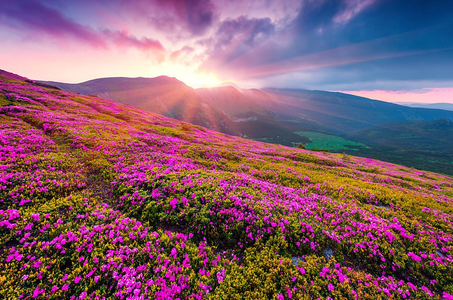
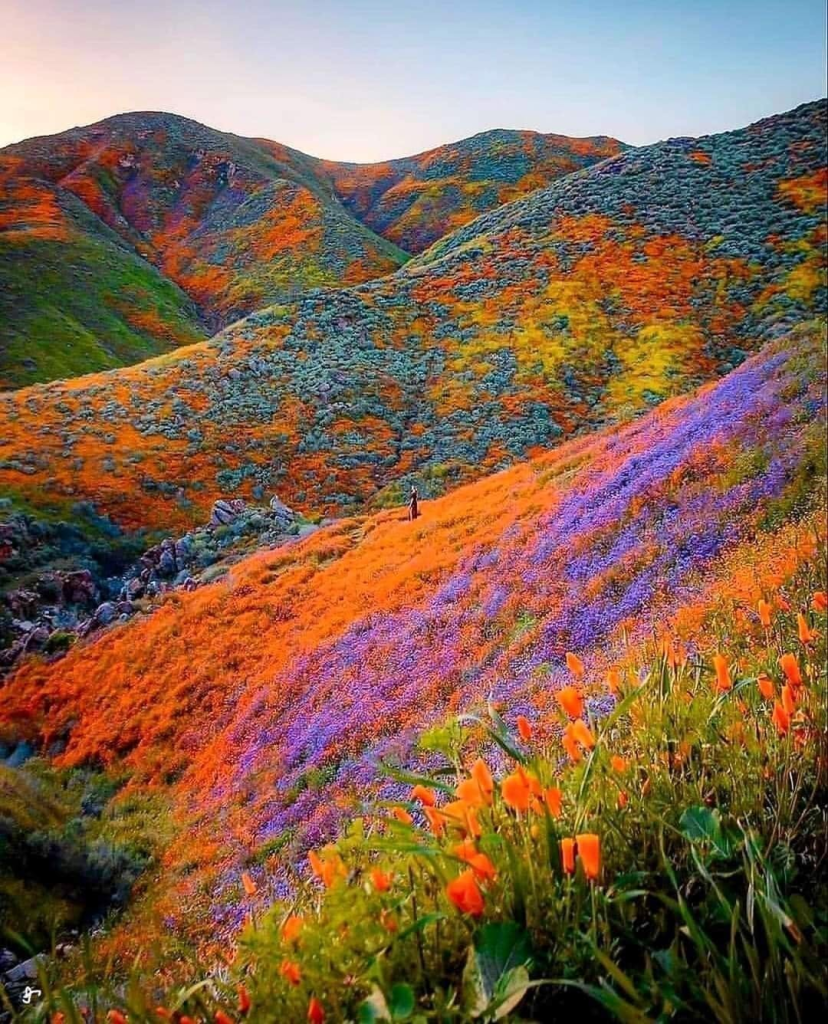
Deep within the Himalayan range of Uttarakhand, India, lies one of the most vibrant and mesmerizing sanctuaries on Earth—the Valley of Flowers National Park.
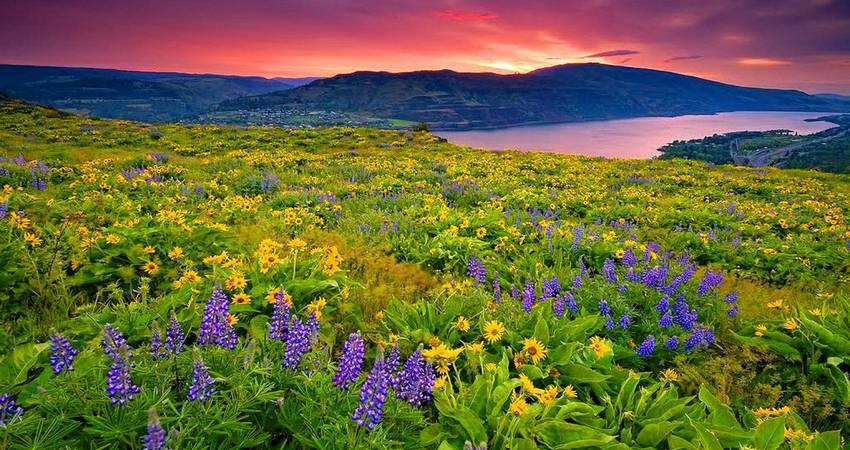
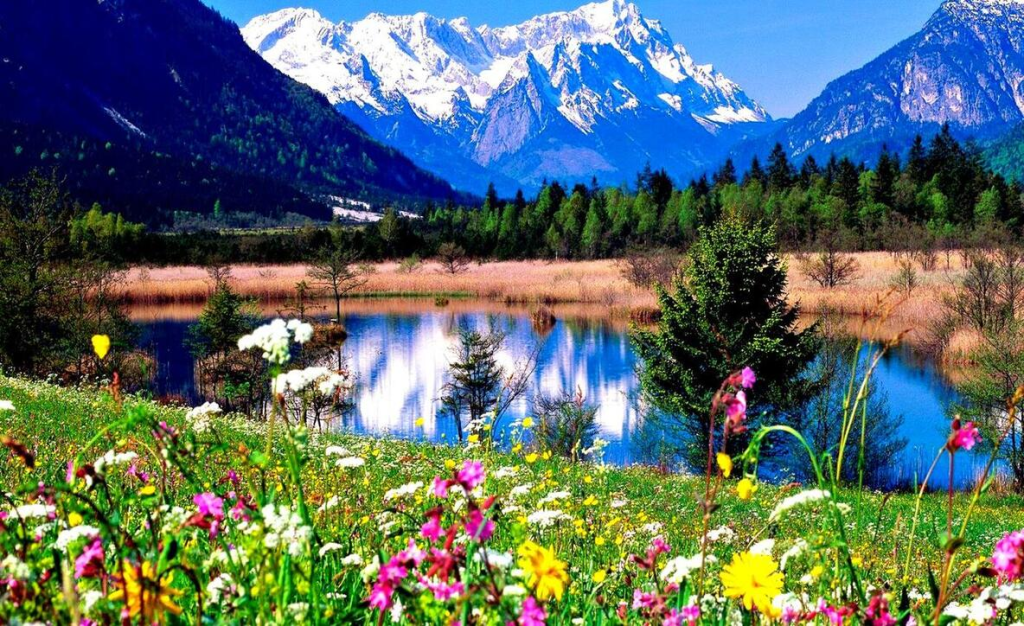
Unlike traditional wildlife safaris, you won’t find lions or elephants roaming here. Instead, this park guards a different kind of wild wonder: a breathtaking ocean of alpine wildflowers that bursts into life for just a few weeks every summer. With over 500 species of high-altitude flowers blooming simultaneously, the entire valley is transformed into a living, breathing canvas of colors—a natural phenomenon that scientists have still not been able to fully replicate or explain.
Perched at an altitude ranging from 3,200 meters to 6,700 meters and stretching across 87 square kilometers, the valley spends most of the year buried under thick snow. But when the winter blues melt away between June and September, the magic happens.
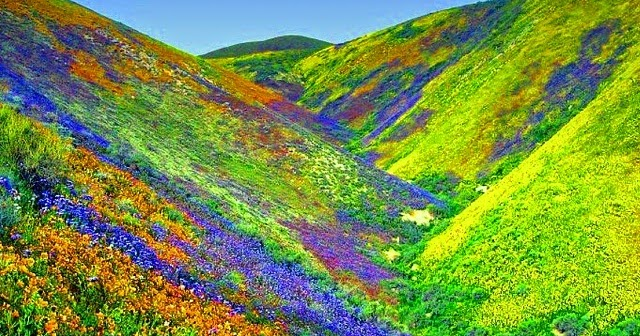
Almost overnight, hundreds of alpine species wake up. Himalayan blue poppies, fiery red rhododendra, golden marigolds, and deep purple gentians carpet the valley floor so densely it looks as though someone spilled a giant bucket of watercolors right into the mountains.
What makes the Valley of Flowers truly extraordinary—and highly elusive—is its erratic blooming schedule. The peak floral explosion lasts for only a few fleeting weeks, and the exact timing and sequence of the blossoms change every single year.
While scientists believe this unpredictable display is tied to shifting snowmelt patterns, temperature changes, and precise humidity levels, they have yet to successfully build a predictive model for it. Local villagers, however, have a much simpler explanation: they believe the valley is a sacred blessing from the mountain gods, far beyond the reach of human science.
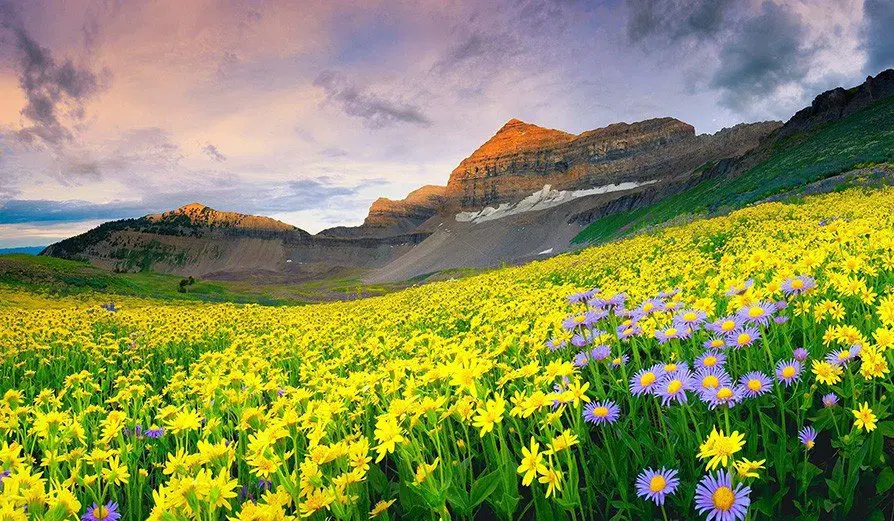
The outside world first caught a glimpse of this paradise in the 1930s, thanks to the renowned British botanist Frank Kingdon-Ward. Having explored the rugged Himalayas for decades, Kingdon-Ward finally stepped into the valley in 1939 and was completely awestruck. He later wrote:
“Never have I seen such a dense, such a colorful sea of alpine flowers.”
Mesmerized by its ecological value, he championed its protection. Thanks to his efforts, the Indian government declared it a national park in 1982, and in 2005, it officially became a UNESCO World Heritage Site.
Planning a journey to this remote Himalayan wonderland requires some preparation. Here is everything you need to know to execute the perfect trip:
🗺️ The Standard 4-Day Trekking Route
Most travelers start their journey from major transit hubs in Uttarakhand like Dehradun, Haridwar, or Rishikesh.
- Day 1: The Mountain Drive (Rishikesh/Dehradun to Govindghat): A highly scenic but long 10-to-12-hour drive up winding mountain roads along the Alaknanda River. You will overnight at Govindghat or Joshimath to adjust to the altitude.
- Day 2: The Journey to Base Camp (Govindghat to Ghangaria): A short drive takes you to the village of Pulna, where the actual trek begins. From Pulna, you will hike about 9 to 10 kilometers uphill through lush forests and waterfalls to reach Ghangaria, the bustling base camp village.
- Day 3: Into the Valley (Ghangaria → Valley of Flowers → Ghangaria): You will head out early to pass the forest checkpoint. The trek from Ghangaria into the valley is about 3.7 to 4 kilometers one-way. Because camping inside the park is strictly prohibited, you must explore during the day and hike back to Ghangaria before evening.
- Day 4: The Descent: Hike back down to Pulna/Govindghat and begin your drive back to the lowlands.
⏱️ Park Timings & Rules
- Opening Hours: The park gates open daily at 7:00 AM.
- Last Entry: The last entry allowed past the forest checkpoint is 12:00 PM, and all visitors must exit the valley by 4:00 PM to allow the ecosystem to rest and ensure safety before dark.
🎫 Permits & Entry Fees
You don’t need to apply months in advance; entry permits are easily obtained on the spot at the Forest Department checkpoint just outside Ghangaria.
- Pass Validity: The entry permit is a 3-day pass.
- Cost: Around ₹200–₹250 for Indian nationals and ₹650–₹850 for foreign nationals (with nominal fees for each additional day). Be sure to carry a valid government photo ID.
🎒 Packing Essentials
- Footwear: Sturdy, broken-in trekking shoes with excellent grip are mandatory—the trails can get incredibly slippery from rain and loose rocks.
- Weather Protection: The valley’s blooming season coincides with the Indian monsoon. A high-quality raincoat or a heavy-duty waterproof poncho is essential.
- Layer Up: Even during peak summer, temperatures at 3,000+ meters hover around a crisp 10°C (50°F) and can plummet quickly if it rains. Pack thermal layers and windcheaters.
- Porters & Mules: If the uphill trek feels daunting, porters and mules can be hired at Pulna to carry your heavy luggage up to Ghangaria. However, mules are not permitted inside the actual Valley of Flowers to protect the terrain, meaning you must be able to walk the final stretch into the flowers yourself!


