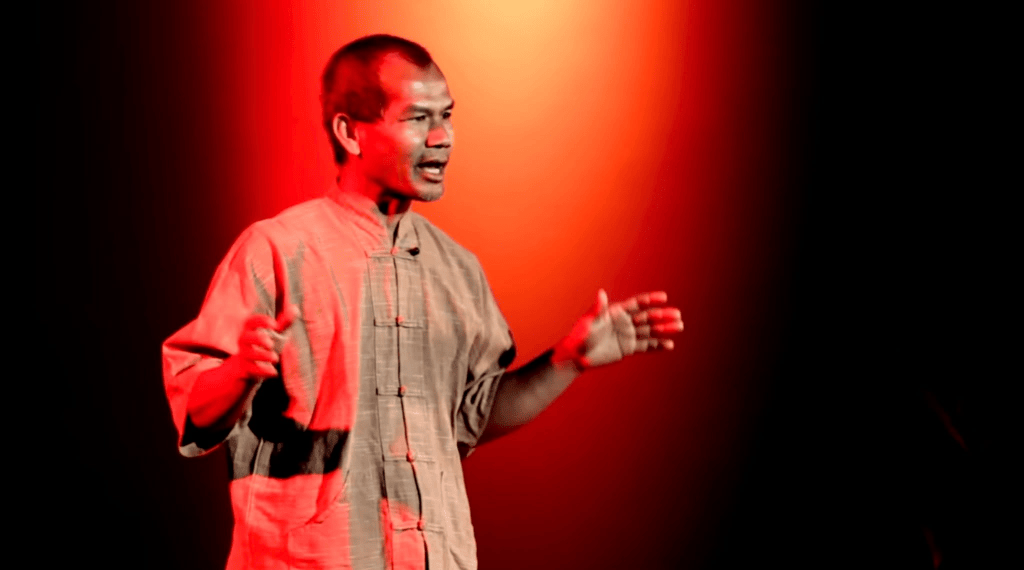
A Thai farmer’s TEDx talk offers a refreshing lesson about happiness, freedom, and what it really means to live well.
What if the secret to a happier life is not earning more money, buying a bigger house, or becoming more successful—but simply learning to live with less?
I recently watched an inspiring TEDx talk by a Thai farmer named Jon Jandai, and his story made me laugh, think, and question many of the things we take for granted.
Jon grew up in a rural village in northeastern Thailand. As a child, he remembered a simple life in which people grew their own food, caught fish, made things by hand, and still had time to rest and talk with their neighbors.
But as television and modern ideas of success reached his village, people began to believe that rural life meant poverty and that a better future could only be found in the big city.
Jon believed it, too.
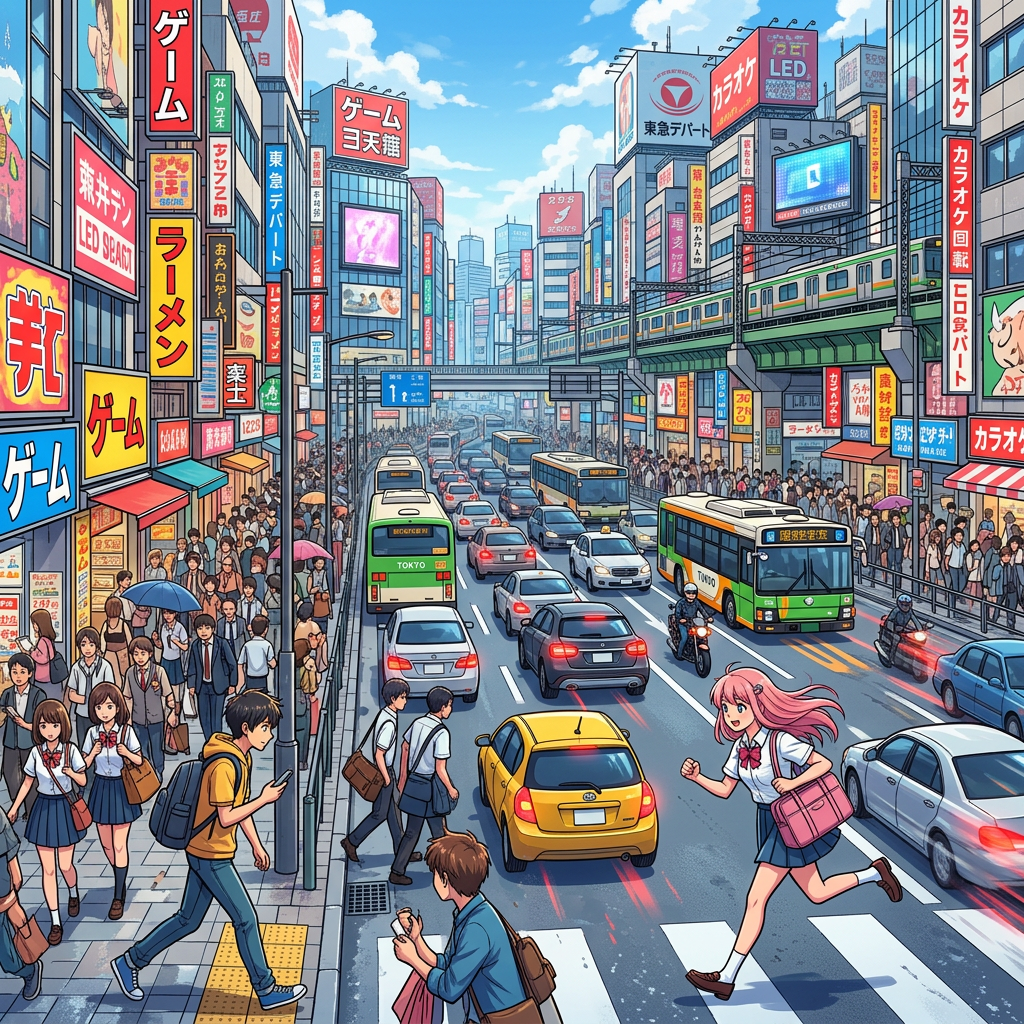
He left his village for Bangkok, hoping to build a successful life. Instead, he spent seven difficult years working long hours, struggling to afford food, and living in a cramped, uncomfortable room.
Eventually, he began asking himself a simple question:
Why was life becoming harder even though people were working so hard and technology was advancing?
He decided to leave university, return to his village, and become a farmer.
What happened next changed his understanding of life.
Back home, Jon began growing rice. He explained in his talk that he could produce enough rice for his family with only a couple of months of concentrated work each year.
He also dug fishponds and planted more than thirty varieties of vegetables. With food growing around him, his family could eat well, sell the surplus, and enjoy something he had almost forgotten in Bangkok: free time.
He found himself wondering why he had worked so hard in the city just to struggle to afford his meals, when back home he could grow his own food and have time to rest.
Of course, not everyone has access to farmland, and farming requires land, knowledge, hard work, and cooperation with nature. His lifestyle may not be practical for everyone.
But his bigger question is worth considering: Have we made modern life unnecessarily complicated?
We have more technology, more conveniences, and more products than previous generations could have imagined. Yet many people feel increasingly busy, anxious, and exhausted.
Perhaps progress should not be measured only by how much we produce or consume, but also by how much time and freedom we gain.
The Lesson of One Pair of Jeans
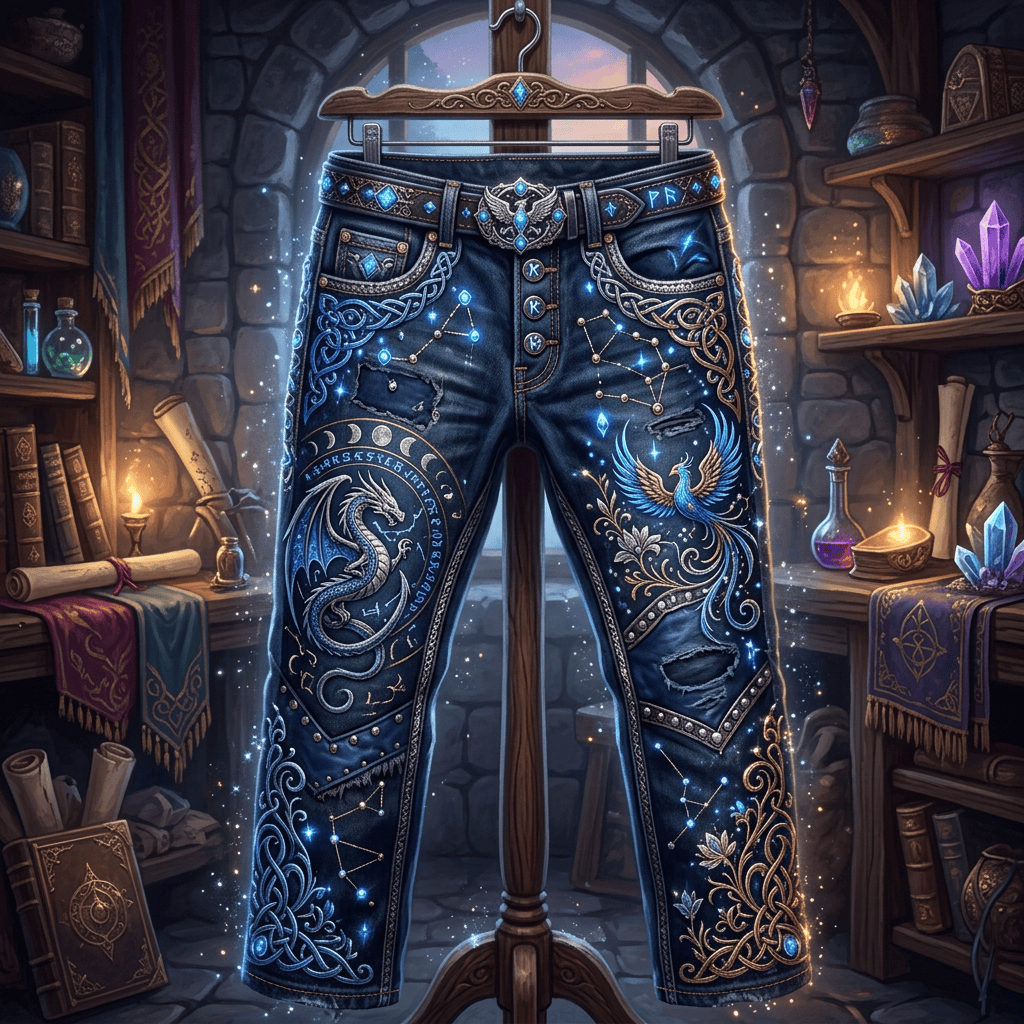
One of my favorite parts of Jon’s talk was his story about a pair of jeans.
When he was young, he wanted to look more attractive and fashionable, like the movie stars he admired. He saved money for an entire month to buy a trendy pair of jeans.
When he finally put them on and looked in the mirror, he realized something funny: he was still the same person!
The expensive jeans had not turned him into a movie star.
He began questioning why he needed so many things simply because they were fashionable or because other people owned them. Eventually, he stopped chasing trends and became comfortable wearing secondhand clothes.
He also developed a simple habit before buying anything:
Do I really need this, or do I just want it because I see other people have it?
What a wonderful question!
Think about how often we compare ourselves with others. Someone buys a new car, and suddenly our own car doesn’t seem good enough. Someone takes an expensive vacation, and we feel that we are missing out. Someone buys a beautiful house, and we begin wondering whether our own home is too small.
Without realizing it, we can spend much of our lives chasing things that were never truly important to us.
There is nothing wrong with enjoying beautiful things or buying something we love. But perhaps we should pause occasionally and ask ourselves whether our desires are coming from our hearts or from the pressure to keep up with everyone else.
A House Without Thirty Years of Debt
Another memorable part of Jon’s talk was his experience building his own home.
He explained that he learned to build a simple house using local materials and traditional techniques. Instead of spending decades paying off a mortgage, he could build a house in just a few months.
He compared his situation with a friend who had followed the conventional path: studied hard, found a good job, and bought a house that would take thirty years to pay off.
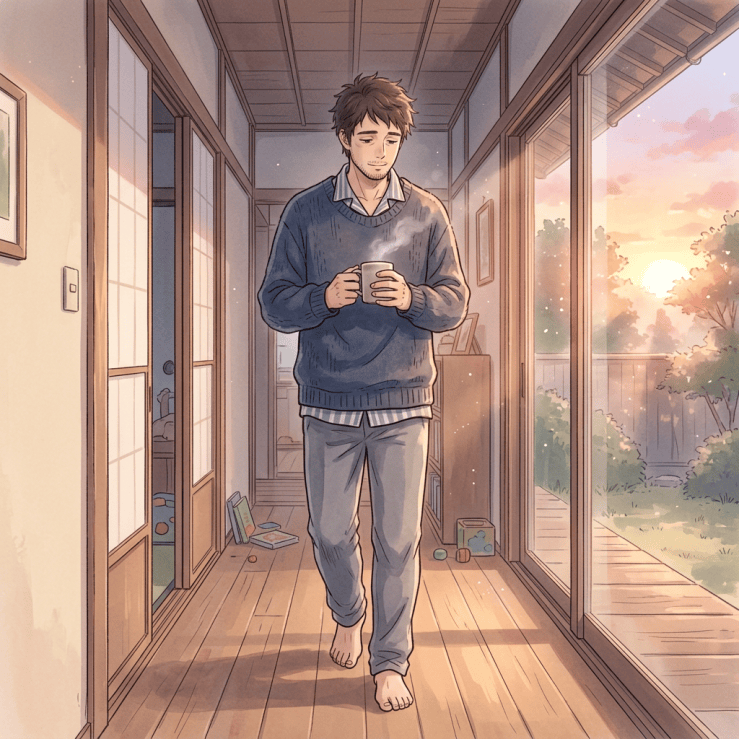
Jon joked that he had gained nearly thirty years of freedom!
He later built more houses, until he had so many that he joked he sometimes didn’t know which one to sleep in.
His humor makes the story memorable, but the underlying question is serious.
Birds build nests. Animals find shelter. Yet many people spend decades working to afford a place to live.
Of course, modern homes involve safety standards, legal requirements, construction costs, and many other considerations. Building a house as Jon did is not a solution everyone can simply copy.
Still, his example invites us to reconsider the relationship between money, housing, and freedom.
Are we working to create a better life, or have we become trapped in a cycle of working simply to pay for the life we have created?
Jon’s ideas made me think about the way we define success.
I am not against making money. Money can provide security, comfort, and opportunities. It can help us care for our families, support people in need, and pursue meaningful dreams.
But money is a means to live, not the purpose of living.
Sometimes we become so focused on earning more that we forget to enjoy what we already have. We postpone happiness until we buy a house, reach a certain income, achieve a particular position, or finally retire.
But life does not wait for us.
How many beautiful afternoons pass while we are worrying about tomorrow? How many opportunities to spend time with loved ones do we miss because we are too busy pursuing the next goal?
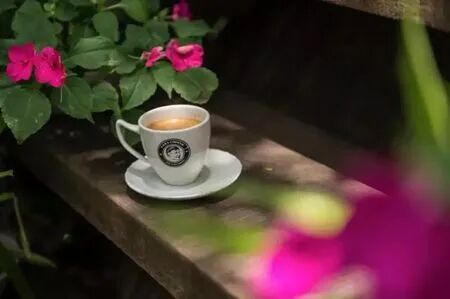
Perhaps real wealth is also having time to enjoy a peaceful morning, prepare a simple meal, take a walk in nature, read a good book, or share a conversation with someone we love.
These moments may cost very little, but they can bring us extraordinary happiness.
Jon’s philosophy also reminds me of an important teaching in Buddhism: attachment and endless craving can become sources of suffering.
This does not mean that we should give up our responsibilities, stop working, or abandon our goals. It means learning to recognize the difference between what we truly need and what our restless desires keep telling us we must have.
When we constantly want more, we may never feel that we have enough.
But when we learn to appreciate what we already have, even an ordinary life can become rich and meaningful.
Jon eventually returned to his roots and helped establish Pun Pun, a learning center and sustainable-living community in Chiang Mai that promotes natural farming, seed saving, and self-reliance.
He did not become wealthy by conventional standards. Instead, he chose a way of life that gave him more independence, a closer relationship with nature, and time to enjoy the things that mattered to him.
We do not all need to become farmers or build our own houses. Everyone has different circumstances, responsibilities, and dreams.
But we can all learn something from his story.
Perhaps we can buy a little less, compare ourselves with others a little less, and spend more time appreciating the simple things around us.
After all, what is the point of working so hard to create a happy life if we are too exhausted and busy to enjoy it?
Maybe a truly rich life is not about having everything we want, but about discovering that we already have enough to be happy.
We don’t have to wait thirty years to enjoy life.
Sometimes, happiness is already waiting for us in a quiet afternoon, a simple meal, a walk in the sunshine, or a little more time with the people we love.
Link:https://peacelilysite.com/2026/11/06/life-is-simple-why-do-we-make-it-so-complicated/


